
Antioxidant Supplement Manufacturer | OEM/ODM/Private Label
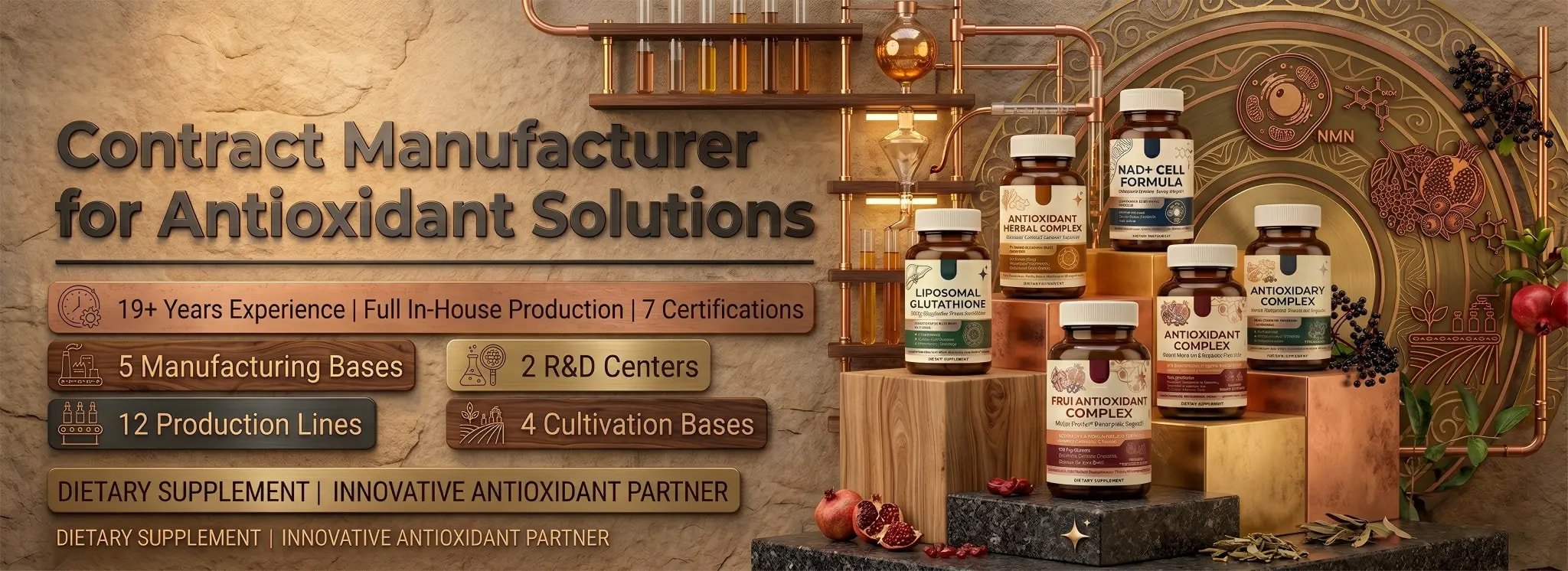
KS Nutripharma is an antioxidant supplement manufacturer providing antioxidant formula contract manufacturing for OEM, ODM, and private-label brands — from formula feasibility and dosage-form selection to pilot production, finished-product testing, and packed delivery.
Available formats: Capsules · Tablets · Softgels · Gummies · Powders · Liquids
Send us: locked formula or target ingredients · dosage form · market · volume.
You are on the right page if you need a finished antioxidant SKU under your brand. You are on the wrong page if you want a consumer “what to take” article, or a raw-material drum with no finished unit.
cGMP · ISO 9001 · ISO 22000 · HACCP · FSSC 22000 · Halal · Kosher · Batch COA · Traceable release
Antioxidant Formula Contract Manufacturing at a Glance
Manufacturing model
OEM (locked formula) · ODM / custom formulation · private label. New brief or adaptation of an existing BOM.
Dosage forms
Capsules · tablets · softgels · gummies · powders · liquids.
MOQ, sample and lead time
MOQ is quoted by format and pack — not one number for every antioxidant SKU. Sample after the specification is locked enough to compound. Production lead time after formula, testing plan, and pack are agreed.
Pack and quality documents
Packaging: bottles · pouches · sachets · blister · custom as scoped. Quality documents: specification · batch CoA · test reports as applicable to that SKU.
Where Are You Starting?
The first quote follows the file you already have — not a generic OEM/ODM label.
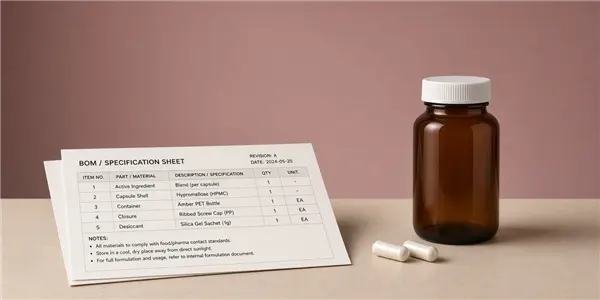
Send the BOM, target dosage, format, and named specifications. This is contract manufacturing / OEM.
We review dose, compatibility, dosage form, and manufacturing feasibility before a formula is locked. This is ODM formulation.
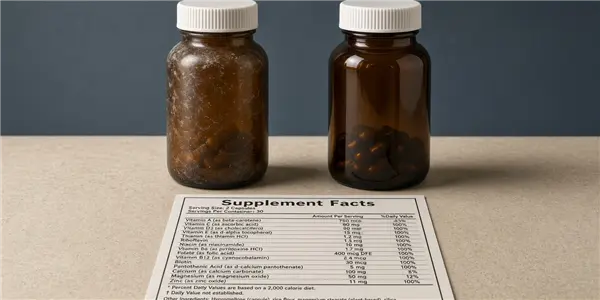
Send the Supplement Facts, ingredient forms, serving size, and target format. We benchmark those fields — we do not copy a brand’s artwork or proprietary blend.

We develop around destination market, positioning, dosage form, and production constraints. Name a target architecture — daily, GSH, astaxanthin, cellular, beauty, eye, immune, polyphenol, cognitive, or sports recovery — or send the brief as a concept.
Your brand on the pack. Pick an architecture from the formula solutions, or send a locked BOM. Private label is the commercial model; OEM or ODM is who owns the formula.
What Must Be Locked Before Pilot
Five fields decide whether two antioxidant quotes describe the same SKU. A raw-material CoA does not prove what is in the packed unit.
Risk: Lipid-soluble carotenoids and thiols can drop between the drum and the packed unit.
What must be locked: Analyte, method, and finished-product acceptance range before production.
Risk: A kitchen-sink blend is harder to specify, harder to swallow, and harder to verify.
What must be locked: Dose per serving, accepted unit count, and format before the line is booked.
Risk: Oil-soluble and water-soluble actives do not share a default format.
What must be locked: Phase architecture — one documented system, split SKUs, or dual-chamber — with each assay named.
Risk: Oxidation, moisture, light, odor, and color can fail the commercial pack while one assay still passes.
What must be locked: Process limits and barrier pack on the same file as the formula.
What must be locked: Analyte, method, sample (raw or finished), and acceptance criteria. ORAC, TEAC, and DPPH stay optional add-ons.
Antioxidant Formula Solutions
Commercial SKU architectures. Typical actives are a brief starting point. Final positioning follows the destination-market claim file.
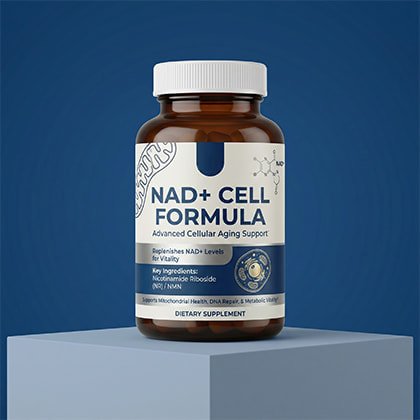
Objective: Cellular defense and healthy-aging positioning.
Typical architecture: CoQ10-led, with selected carotenoids or polyphenols.
Usual formats: Softgel · capsule.
Start from: Liposomal CoQ10.
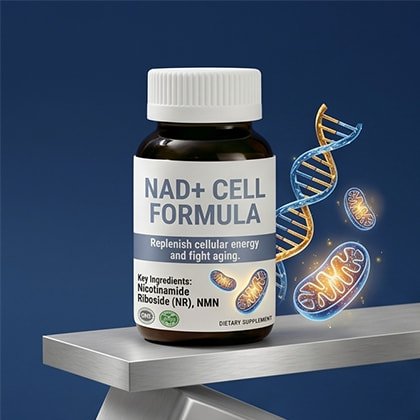
Adjacent: NAD+ precursors after destination-market classification — NAD+ Cell Formula.
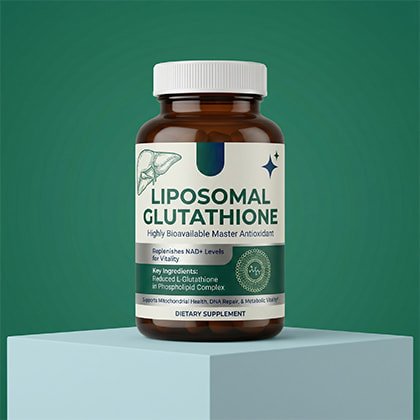
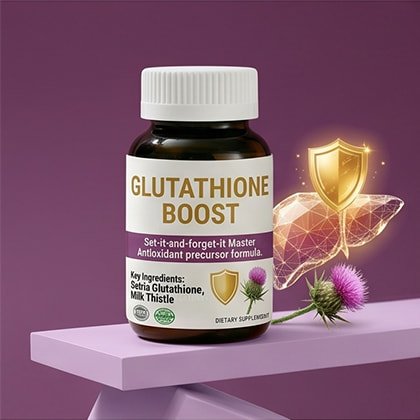
Objective: A thiol-led SKU.
Typical actives: Glutathione · vitamin C; NAC only if the brief names it.
Usual formats: Capsule · tablet · liquid when a liposomal file is in scope.
Start from: Glutathione Supplement Manufacturer. Liposomal path: Liposomal Glutathione Supplements.
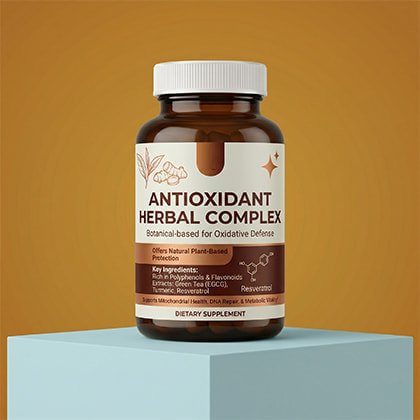
Objective: A short, assayable botanical set.
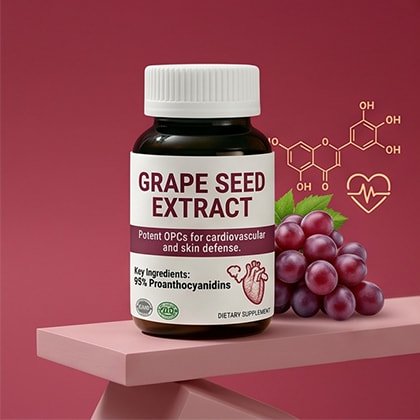
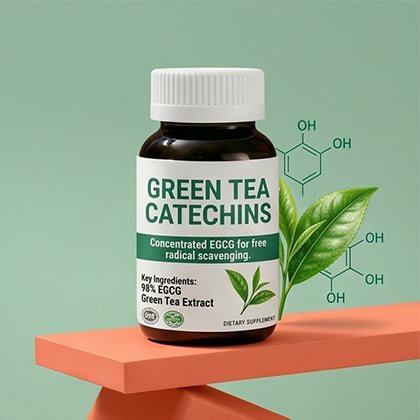
Typical actives: Green tea EGCG · grape seed · resveratrol.
Usual formats: Capsule · tablet.
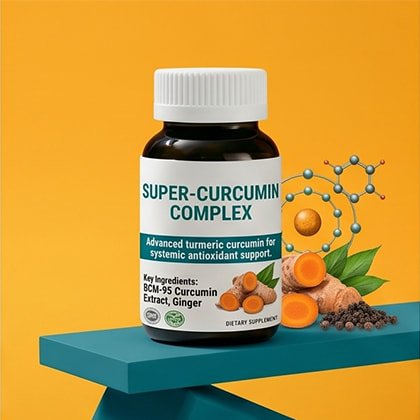
Start from: Natural Antioxidant Supplements. Curcuminoid-led briefs: Anti-Inflammatory Supplements.
Lock: Marker + HPLC. ORAC is not the potency line.
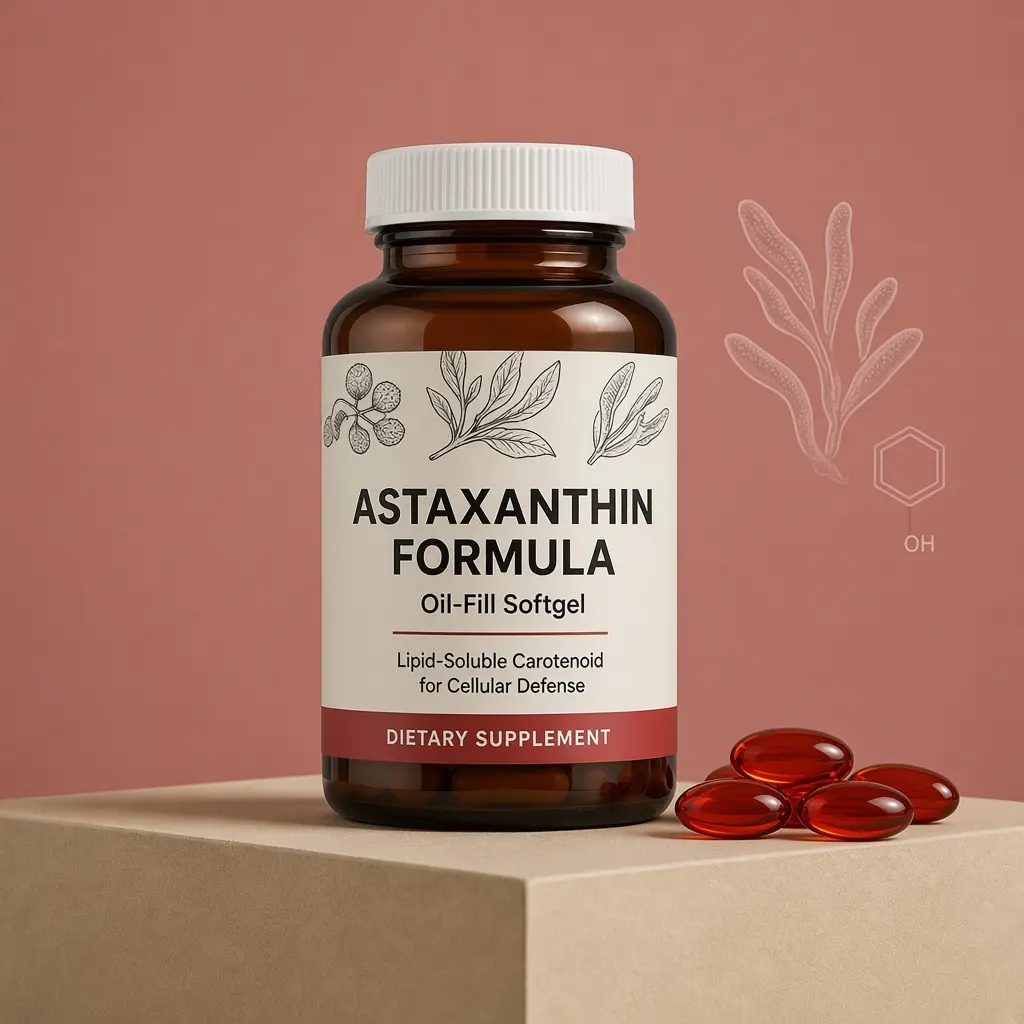
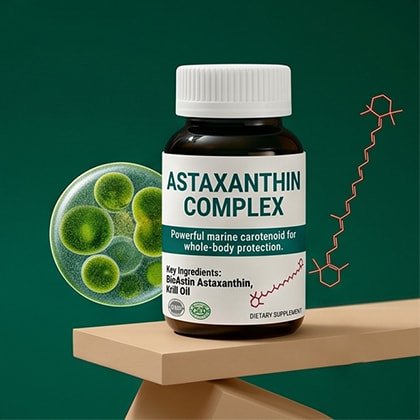
Objective: An astaxanthin-led, lipid-soluble carotenoid SKU.
Typical actives: Astaxanthin · vitamin E and/or CoQ10 when the fill allows.
Usual formats: Softgel.
Start from: Astaxanthin Supplements.
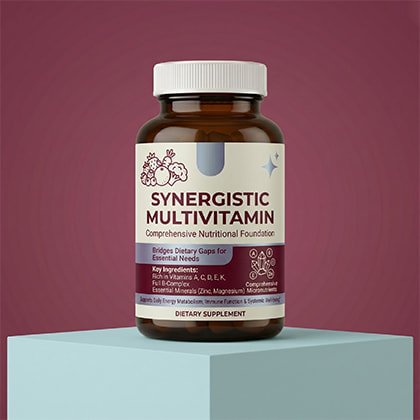
Objective: Daily vitamin architecture — swallowable serving, daily-use cost.
Typical actives: Vitamin C · vitamin E · selenium · zinc (forms locked on the brief).
Usual formats: Capsule · tablet · powder.
Start from: Multivitamin Supplements.
Lock: Daily vitamins. GSH or a carotenoid-oil SKU is a different architecture.
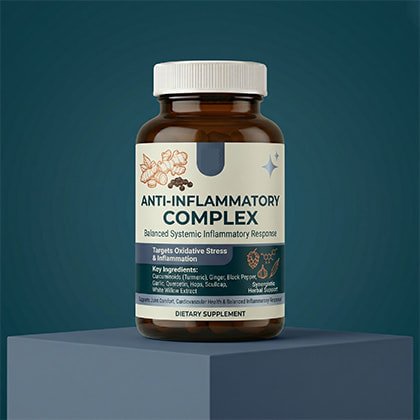
Objective: Daily antioxidant formula for immune-support nutrition.
Typical actives: Vitamin C · zinc · selenium · a named botanical only if the brief includes it.
Usual formats: Capsule · tablet · powder.
Start from: Immune Support Supplements.
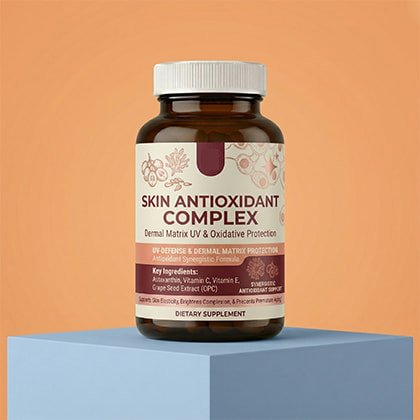
Objective: Beauty-from-within antioxidant SKU.
Typical actives: Vitamin C · astaxanthin · grape seed extract.
Usual formats: Capsule · tablet · softgel.
Start from: Skin Antioxidants. Assortment: beauty supplements.
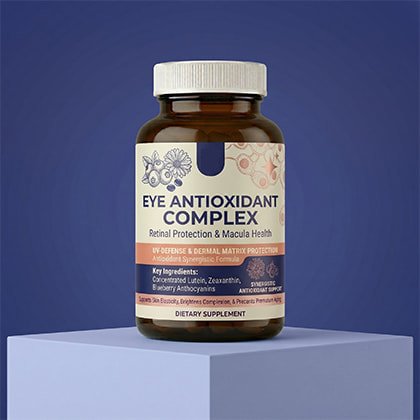
Objective: Macular-carotenoid architecture for screen-exposure assortments.
Typical actives: Lutein · zeaxanthin · astaxanthin.
Usual formats: Softgel · capsule.
Start from: Eye Antioxidants.
Objective: Antioxidant formula for cognitive and mental-health assortments.
Typical actives: Curcumin · CoQ10 · phosphatidylserine.
Usual formats: Capsule · tablet · softgel.
Start from: Cognitive and Mental Health Supplements.
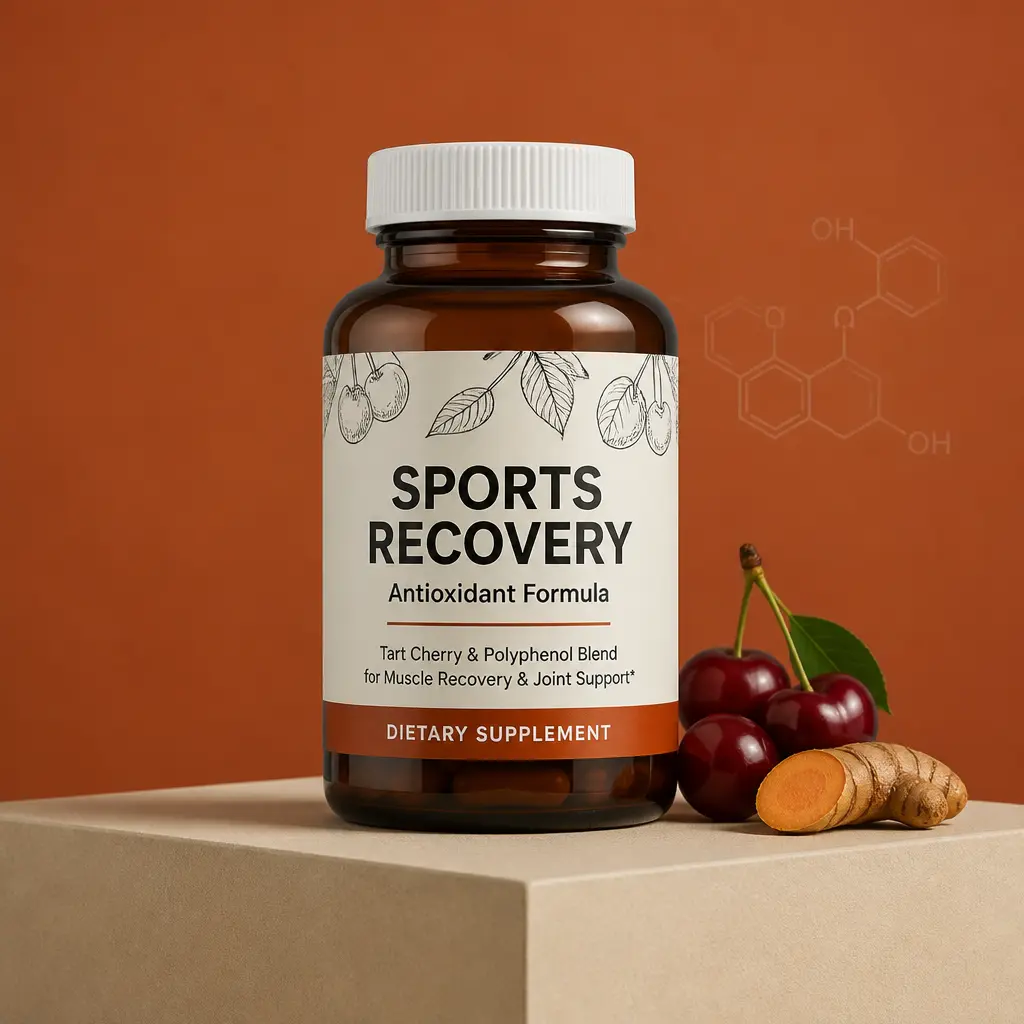
Objective: Post-session oxidative-stress and recovery positioning.
Typical actives: Tart cherry extract · curcumin · CoQ10 · a short polyphenol set.
Usual formats: Capsule · tablet · powder / stick.
Start from: Tart Cherry Supplement Manufacturer.
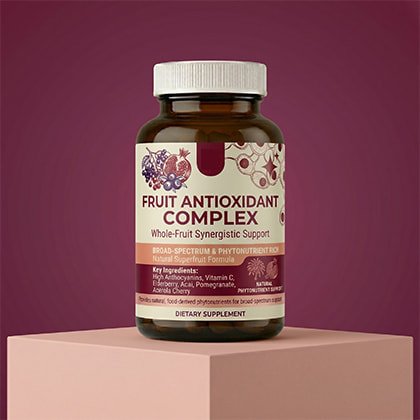
Berry / superfruit drink SKUs: Fruit Antioxidants.
How We Turn an Antioxidant Concept Into a Manufacturable SKU
Once the architecture is chosen, these lines decide the factory file.
Buyer decision | Specification to lock | Manufacturing consequence |
|---|---|---|
| Astaxanthin | Natural vs synthetic · assay · carrier | Oil-phase format · oxidation control |
| Glutathione | Reduced / liposomal / other form · assay | Capsule or delivery-system feasibility |
| Vitamin C | Chemical form · labeled amount | Tablet, capsule, or powder load |
| Curcumin | Extract identity · curcuminoid assay · carrier | Flow, dispersion, and cook or fill stability |
| Carotenoids | Source · isomer profile · carrier | Oil fill · light and oxygen protection |
| Botanical polyphenols | Plant part · extract ratio · marker assay | Finished-product assay |
| Multi-antioxidant blend | Target dose and assay per active | Blend uniformity and multi-marker release |
| Oil + water ingredients | Phase compatibility | Separate SKU or specialized delivery |
Antioxidant Ingredient Selection
Class → commercial names → where to go next. A milligram line is not a development file. Unlinked names stay in scope — send them on the brief.
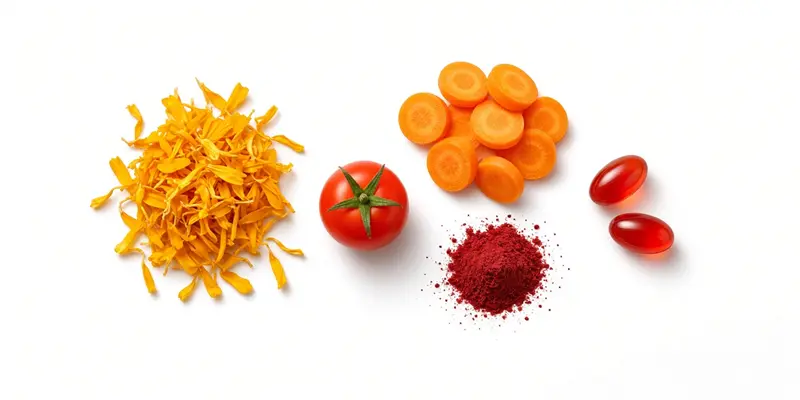
Commercial names: Astaxanthin · lutein · zeaxanthin · lycopene · β-carotene.
Key specification: source · isomer / form · carrier · assay · oxidation control.
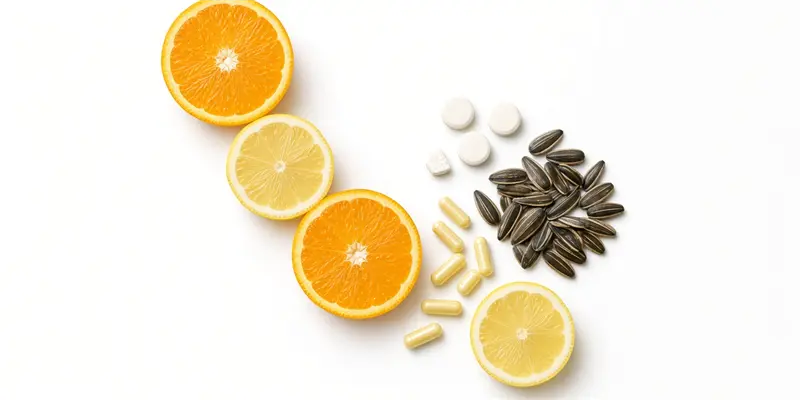
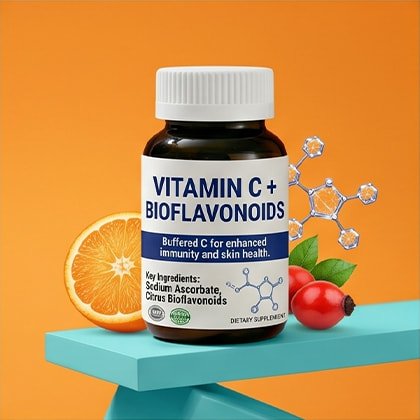
Commercial names: Ascorbic acid / mineral ascorbates / liposomal C · vitamin E (tocopherols / tocotrienols).
Key specification: chemical form · dose · assay.
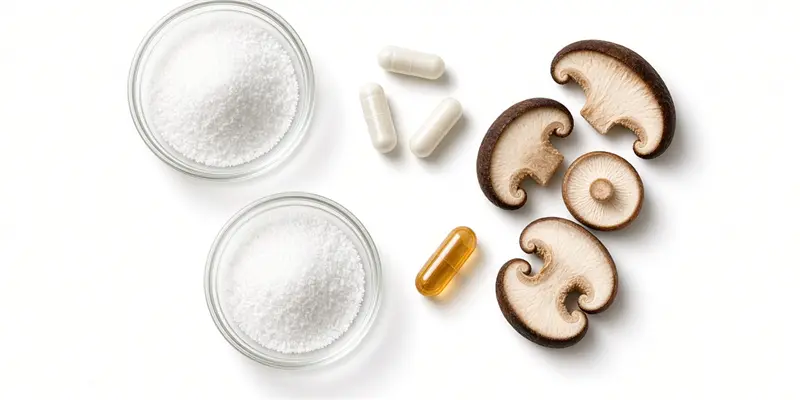
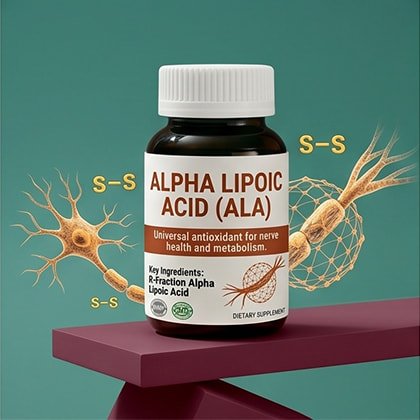
Commercial names: Liposomal glutathione · NAC · alpha-lipoic acid · ergothioneine.
Key specification: named form · assay · moisture / odor.
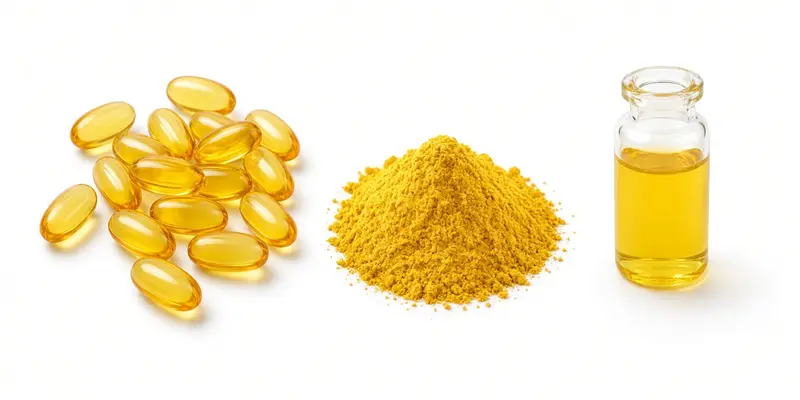
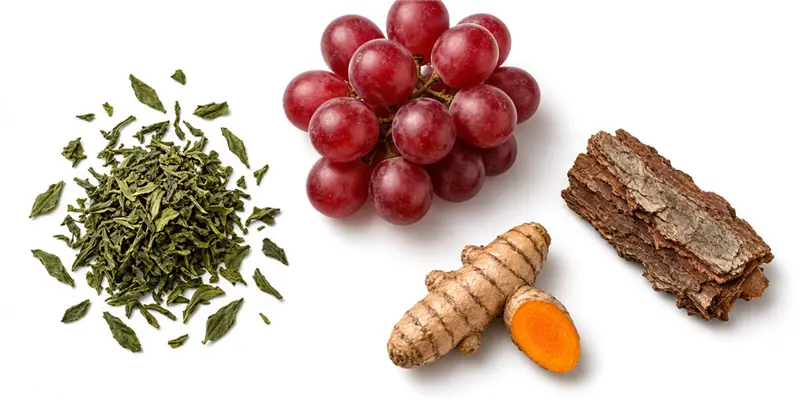
Commercial names: Green tea EGCG · resveratrol · quercetin · curcumin · pine bark.
Key specification: named marker + HPLC.
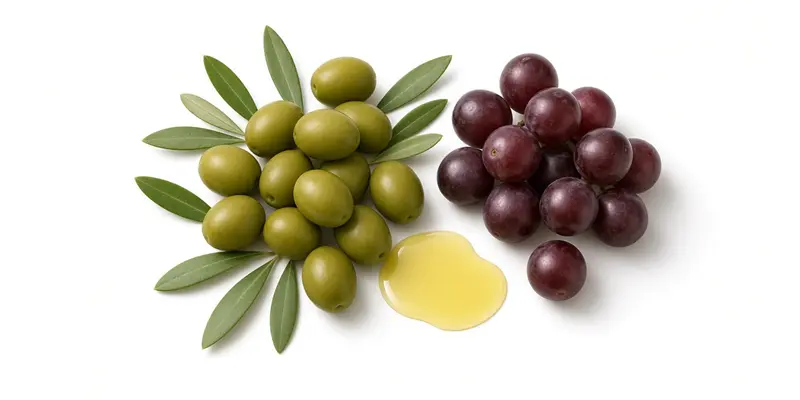
Commercial names: Olive leaf (hydroxytyrosol · oleuropein) · grape-seed OPCs · cranberry PACs.
Key specification: named phenolic or OPC · method.
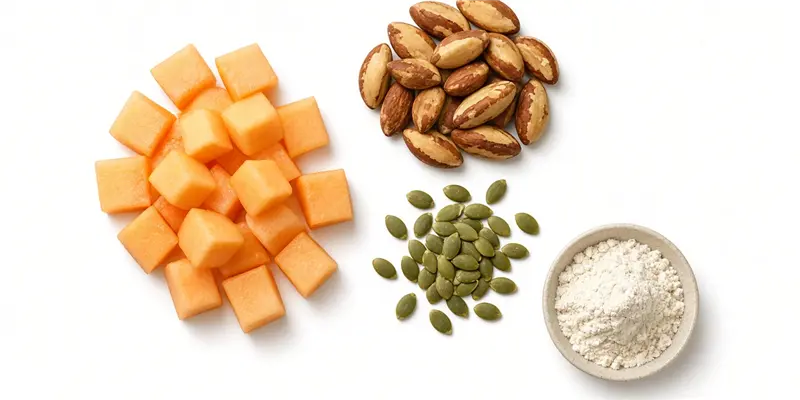
Commercial names: SOD · catalase · selenium · zinc.
Key specification: enzyme activity units; elemental Se or Zn plus salt form.
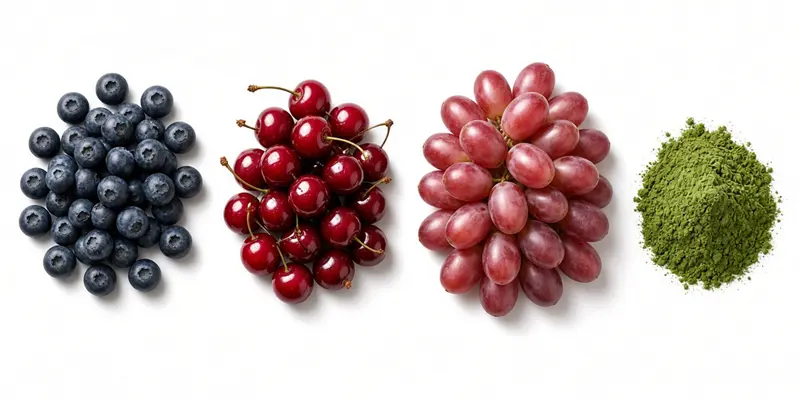
Commercial names: Bilberry · tart cherry · grape seed / skin · fruits and greens powder.
Key specification: source · concentration · marker.
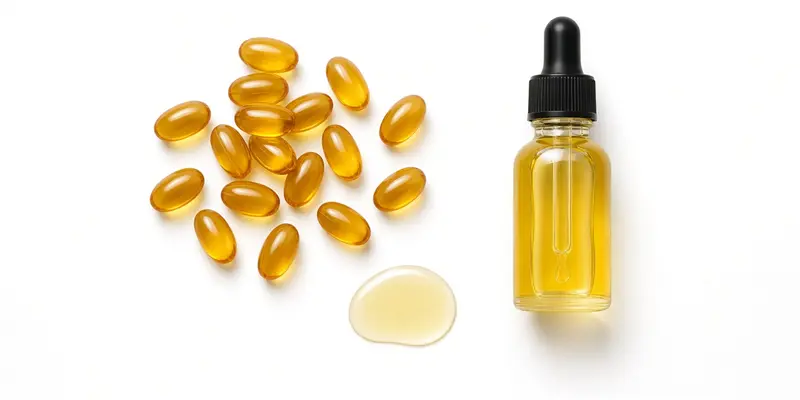
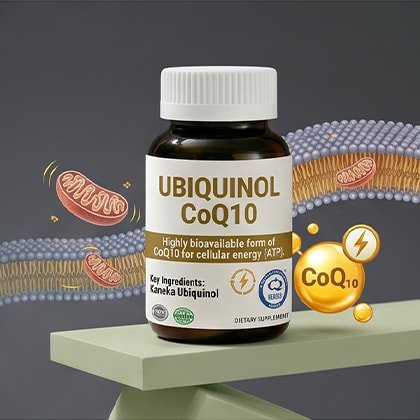
Commercial names: Astaxanthin · CoQ10 · vitamin E · carotenoid oils — lipid ingredients.
Key specification: carrier · peroxide / acid value · barrier pack.
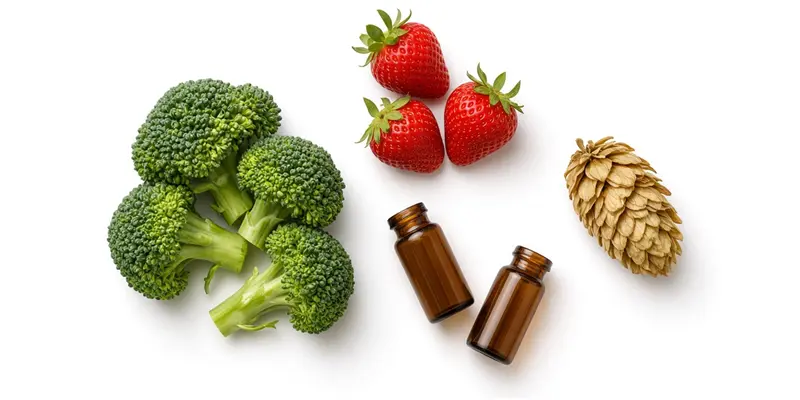
Commercial names: Urolithin A · spermidine · fisetin · pterostilbene · xanthohumol · sulforaphane.
Key specification: named assay · purity · destination-market classification where required.
Choose the Antioxidant Format: Capsules, Tablets, Softgels, Powder, Liquid or Gummies
Format is chosen with dose and solubility. Children’s products are manufactured only when specifically scoped.
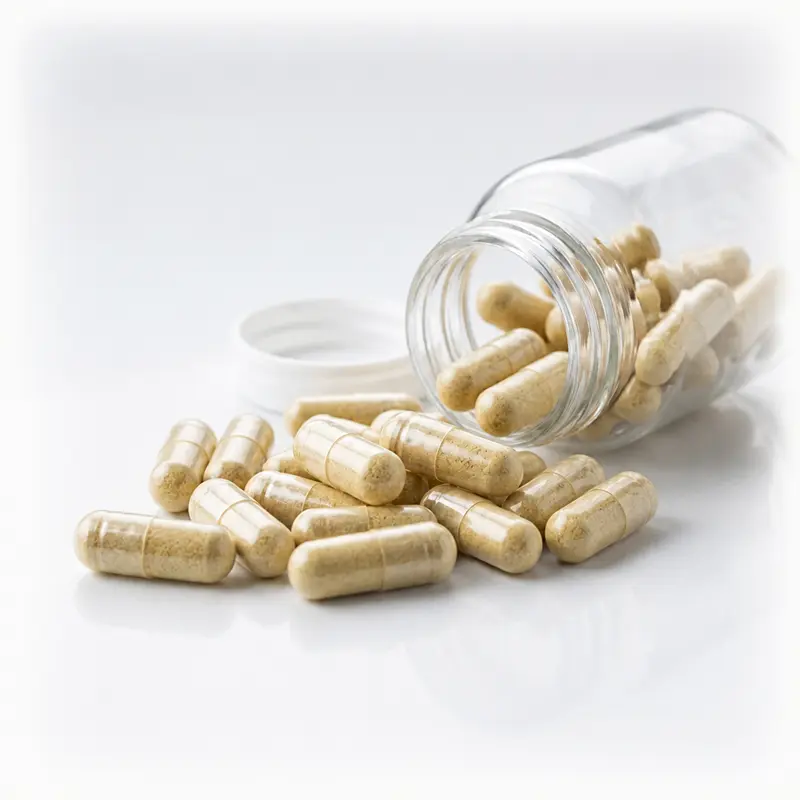
Carries: Dry actives — polyphenols, vitamin-mineral complexes, many GSH powders.
Watch: Multi-active briefs often exceed one or two capsules.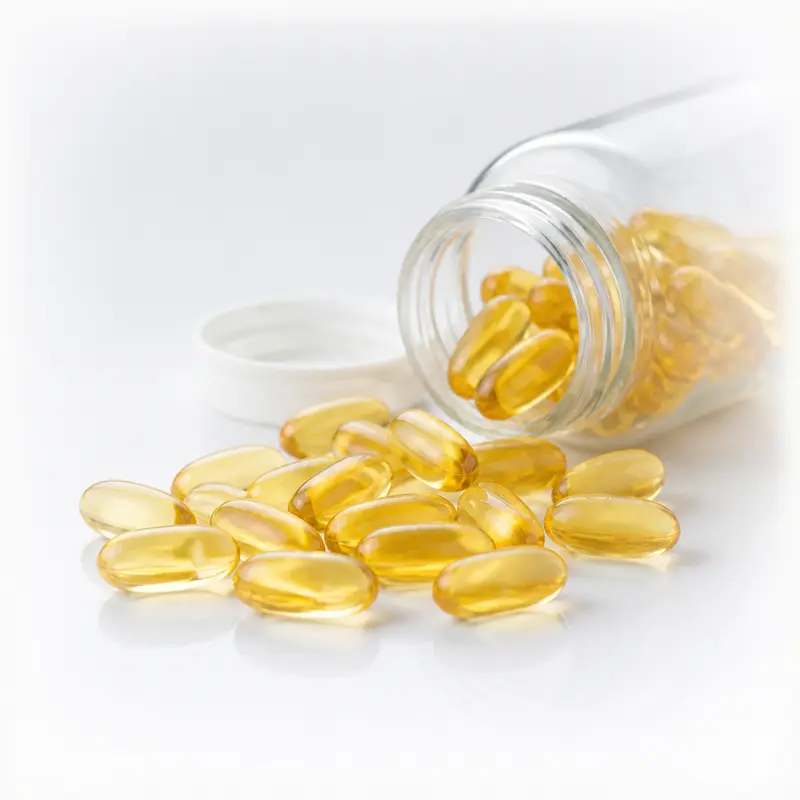
Carries: Oil-soluble actives — carotenoids, CoQ10, vitamin E.
Watch: A dry BOM does not become a softgel by renaming the format.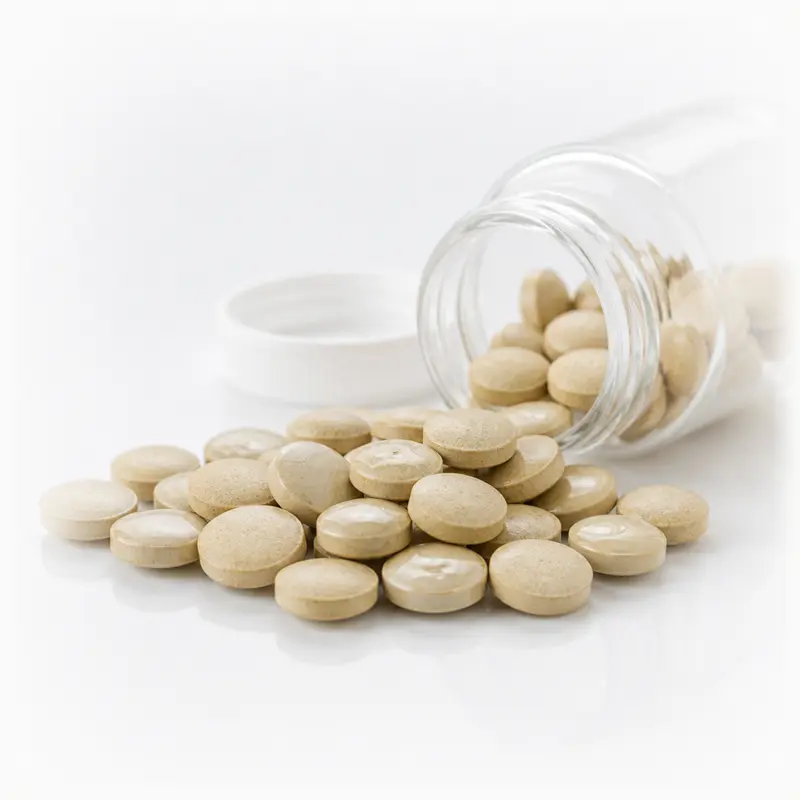
Carries: High-dose powders and compressed daily complexes.
Watch: Effervescent C is a tablet-line file.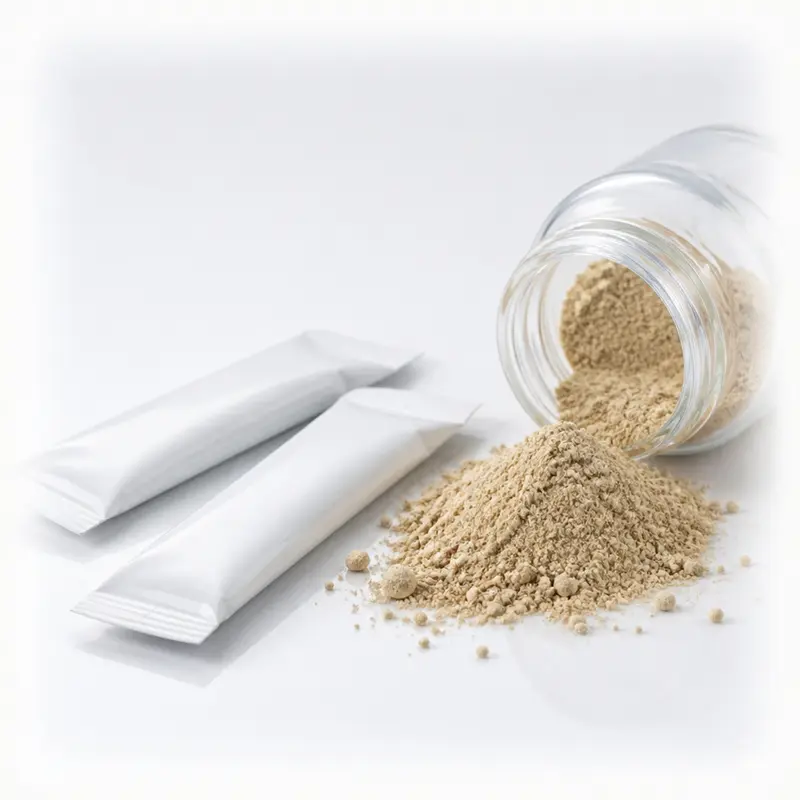
Carries: High-dose or drink-mix servings.
Watch: Moisture and film barrier.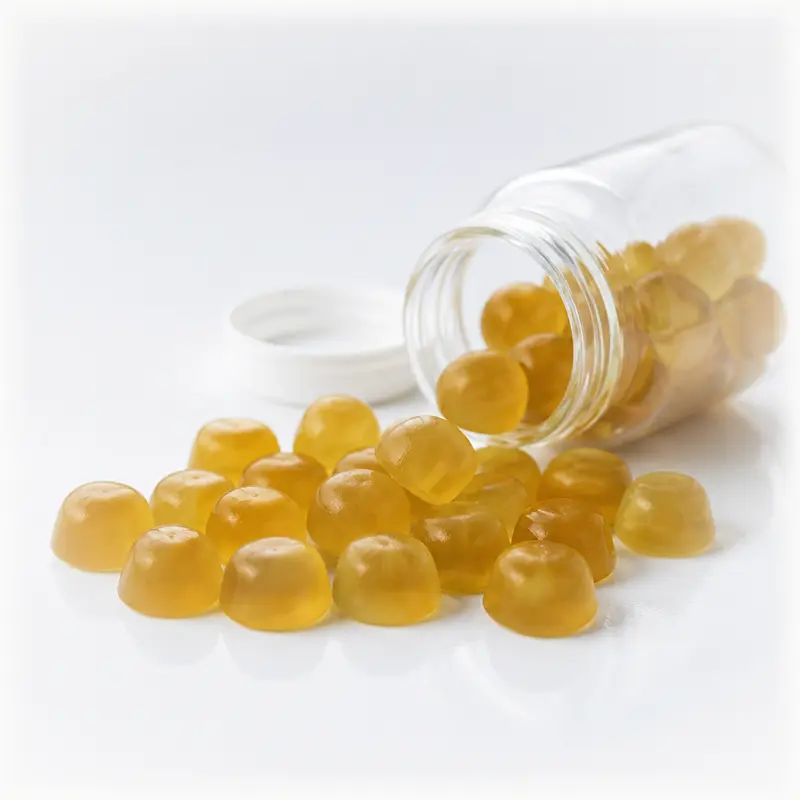
Carries: Low-dose vitamin C or polyphenol accessories.
Watch: Cook heat, water activity, sugar/flavor, and finished-piece assay. GSH load is often capped.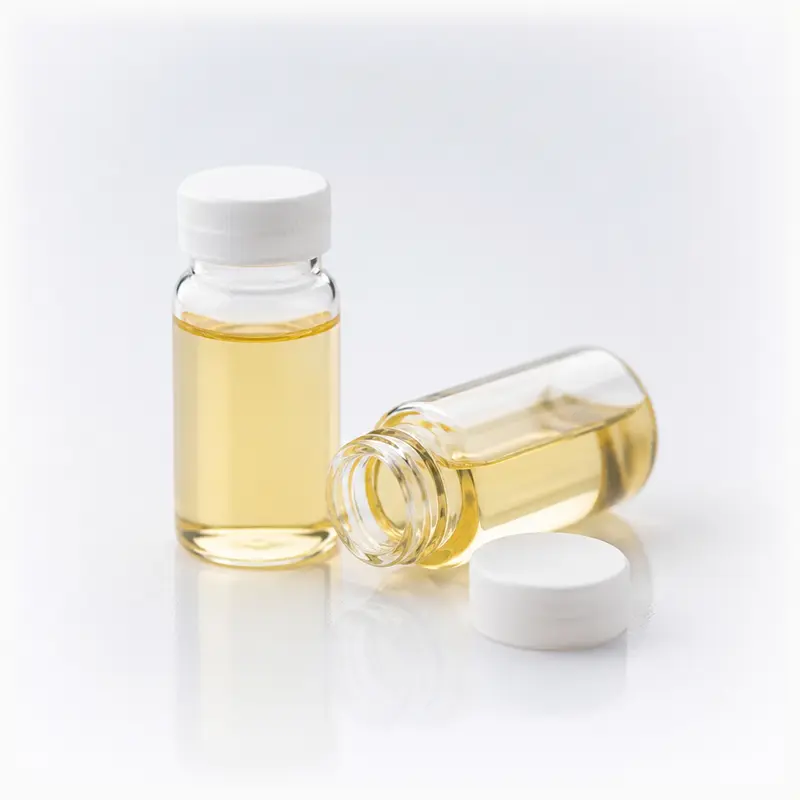
Carries: Liposomal GSH or vitamin C after feasibility.
Watch: A capsule formula is not a liquid by adding water.
Why the quote moves when the manufacturing path changes.
Oil-soluble path
Oil-fill manufacturing is a different line from a dry hard-capsule blend. Named systems: advanced nutraceutical delivery systems.
Unstable dry path
Moisture, odor, and assay retention set process and pack before production is scheduled.
High-dose path
High milligrams that force six capsules fail serving-size review first. Tablet or powder is usually the practical path.
Two-phase path
One chamber that holds both phases is a different SKU. Quote as two SKUs, or review dual-chamber softgel.
What can fail on the shelf, and what holds the packed specification.
Oxygen
What fails: Carotenoid fade and oil peroxide rise.
What holds it: Barrier pack · nitrogen headspace when scoped.
Moisture
What fails: Hygroscopic GSH and vitamin C powders cake.
What holds it: Desiccant · barrier film.
Heat
What fails: Assay drop on heat-sensitive actives during cook or fill.
What holds it: Process temperature limits on the intended line.
Light
What fails: Pigment and oxidation-sensitive inputs.
What holds it: Opaque or light-barrier packaging.
Water activity
What fails: Microbial growth or texture change in gummies and liquids.
What holds it: Formula Aw and pack review on the commercial unit.
Premium is not a longer Supplement Facts panel. It is a tighter product file: defined raw-material grade, named assay, compatible dosage form, suitable packaging, finished-product testing and traceability. Two formulas with similar ingredient lists can have materially different manufacturing and verification requirements — that is often why quotes differ.
Dose follows evidence, destination-market rules, and upper limits where they exist. Ingredient-specific safety stays on the brand’s label file. KS reviews manufacturing feasibility and does not approve health claims.
Release protocol for the packed SKU. Method encyclopedias sit on Quality Control.
1. Named-active assay (release line)
Incoming identity, then finished-product assay of the labeled compound by HPLC, UV-Vis, or the method on the SKU file. Oil fills add peroxide / acid value when specified.
2. Antioxidant-capacity assays (optional)
ORAC, TEAC, and DPPH may be added when the RFQ asks. They do not replace the named marker on the CoA.
3. Stability and shelf-life (when scoped)
Accelerated and/or real-time work on the finished formula and commercial pack.
4. Contaminant and safety screening
Heavy metals, pesticides, microbiological limits, residual solvents as applicable to the SKU and market.
5. Third-party laboratory verification
Independent verification when the RFQ names the tests, the sample, and the lab path.
6. In-process control and batch traceability
Blend or fill-weight and appearance. Specification → batch CoA → reports as scoped → lot traceability.
Formulation — In-house formulation and pilot. R&D Center · About Us
Formats — Capsules · tablets · softgels · gummies · powders · liquids.
Testing — Finished-product assay and scoped QC.
Packaging — Bottles, pouches, sachets, blister.
Production — Pilot → approved sample → commercial batch. Manufacturing Capacity
Compliance — cGMP · ISO 9001 · ISO 22000 · HACCP · FSSC 22000 · Halal · Kosher. Facility CGMP is not FDA product approval. Certifications and compliance
- Brief — destination market, architecture, format, and the file you already have (BOM, concept, or reference label).
- Formula engineering — named assays, compatibility, delivery claim if any.
- Pilot sample — trial on the intended format; sample clock starts when the specification can be compounded.
- Testing — assay, appearance, pack checks as scoped.
- Pack and artwork — brand owner remains responsible for finished-label and market compliance, with local regulatory or legal review where required.
- Commercial batch — after formula, artwork, and pilot confirmation. Production clock starts when formula, testing, and pack are agreed.
What to Send
Locked BOM → OEM. Concept → ODM. Send these fields in the inquiry form.
Locked formula → OEM
Send the BOM or specification, named assay (marker + method), dosage form, pack, destination market, and volume if known.
Concept → ODM
Send positioning, must-have actives, target dose, format, market, and expected volume.
Format and risk notes
Name the format and any delivery claim (none / liposomal / oil fill / other). Name a prior defect if you have one: assay drop, odor, leak, caking, or none.
Solution route (pick one): daily · GSH · astaxanthin · cellular / healthy aging · beauty · eye · immune · polyphenol · cognitive · sports recovery · other.
Regulatory and Quality Framework
Dietary-supplement production here follows the SKU file and destination market. These sources describe the frameworks — they do not approve a finished product. 21 CFR Part 111 · FDA dietary supplements overview · ISO 22000
Antioxidant Blog
What Are Antioxidant Supplements Good For?
Disclaimer: Wholesale / brand manufacturing and product-development reference only. Not intended to diagnose, treat, cure, or prevent any disease. Dietary supplements are not drugs. “Antioxidant” is a formulation category, not a disease claim. Positioning language stays in antioxidant, daily wellness, healthy aging, skin health, eye health, immune support, cognitive wellness, and sports recovery. Brand owners remain responsible for finished-label and market compliance, with local regulatory or legal review where required. KS Nutripharma provides manufacturing feasibility and documentation support — not legal approval.
Selection should be based on target function (e.g., anti-aging, skin health, cardiovascular support), active compound profile (e.g., polyphenols, carotenoids), and delivery format compatibility (powder, softgel, liposomal). Stability, solubility, and regulatory acceptance in your target market are also critical.
- Extract powders: Standardized, higher active concentration, suitable for efficacy-driven formulations.
- Whole powders: Full-spectrum, closer to “food-based” positioning, often used in clean-label or functional food applications.
Choice depends on whether your product prioritizes clinical efficacy or natural positioning.
Typical in-vitro assays include:
- DPPH (free radical scavenging capacity)
- ORAC (oxygen radical absorbance capacity)
- FRAP (ferric reducing antioxidant power)
In commercial production, HPLC/UV is used to quantify key active compounds (e.g., resveratrol, astaxanthin).
Look for suppliers offering:
- Standardized extracts with defined marker compounds
- Full COA (Certificate of Analysis) including actives, heavy metals, and microbiology
- Traceability systems (raw material origin, processing records)
Consistency is especially critical for long-term contracts and brand stability.
Key challenges include:
- Oxidative instability (sensitive to heat, light, oxygen)
- Poor bioavailability (common in polyphenols and carotenoids)
- Taste and color impact
Solutions may involve microencapsulation, liposomal delivery, or oil-based systems.
High-demand categories include:
- NAD+ precursors (NMN, NR) – cellular anti-aging
- Astaxanthin, Lutein – eye & skin health
- Resveratrol, Quercetin – polyphenol-based longevity support
- Vitamin C, Vitamin E – foundational antioxidants
Market trends favor clinically supported + high-bioavailability formats.
OEM: you provide the locked formula or specification and we manufacture it. ODM: you provide the product concept and we assist with formulation and manufacturing feasibility before production.
Yes. Private label is your brand on the pack. The technical path is OEM if the specification is locked, or ODM if the brief is still a concept.
Combinations that survive compatibility, dose/format, and named assays. Oil + water in one unit is a separate feasibility. Unnamed blends are not a specification.
Capsules, tablets, softgels, gummies, powders, and liquids — quoted on the format pages. Fit depends on the active.
Yes. Dry complexes usually start as capsules; carotenoids and CoQ10 usually start as softgels.
Yes. Send the target positioning, must-have ingredients, target dosage, dosage form, market, and expected volume. We can review the concept for formulation and manufacturing feasibility before pilot production.
Identity and assay of named markers, metals, micro, and other tests in the SKU file. Stability when scoped. Independent labs when the RFQ requires them.
It depends on dosage form, formula, testing, and packaging. There is no single antioxidant MOQ.
After formula, testing plan, and pack are agreed. Format and long-lead components move the date.
Yes — after the specification is locked enough to compound.
Yes. See the custom-formula question above. Private label is the commercial model; OEM and ODM describe who owns the formula.
Named tests, named sample (raw or finished), and a named lab path. A badge without a test list is not a specification.