


Liquid Supplement Manufacturer | OEM/ODM/Private Label
Liquid supplement contract manufacturing for nutraceutical brands — formulation feasibility, liquid production, filling, packaging, and batch documentation.
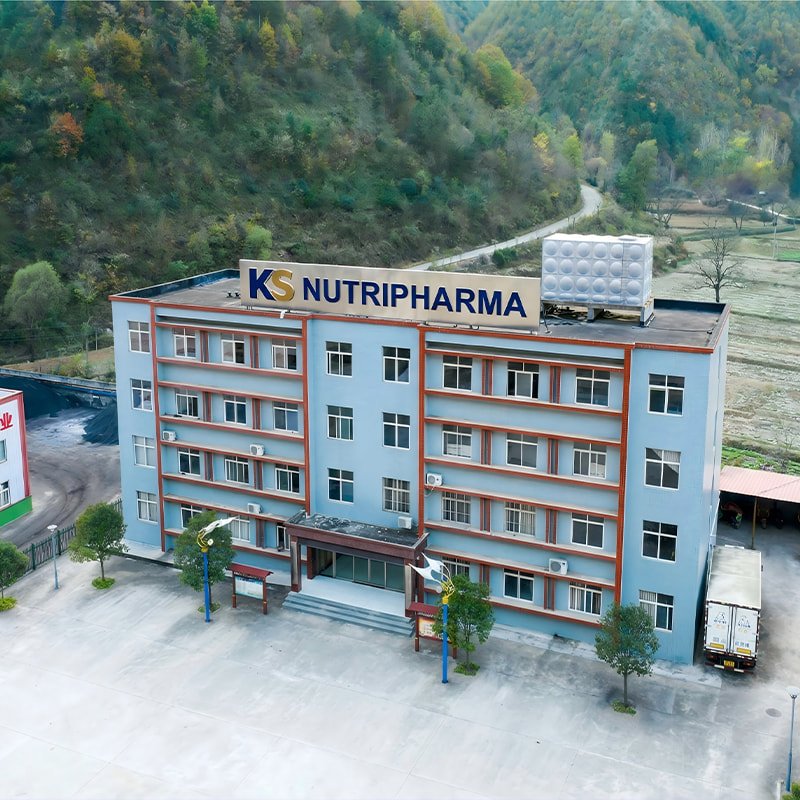
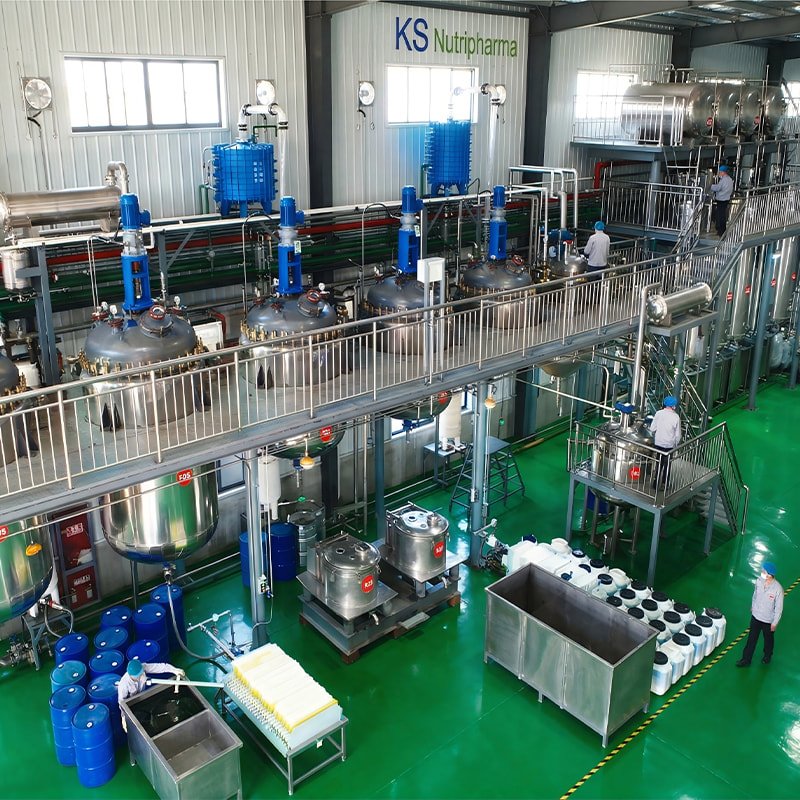
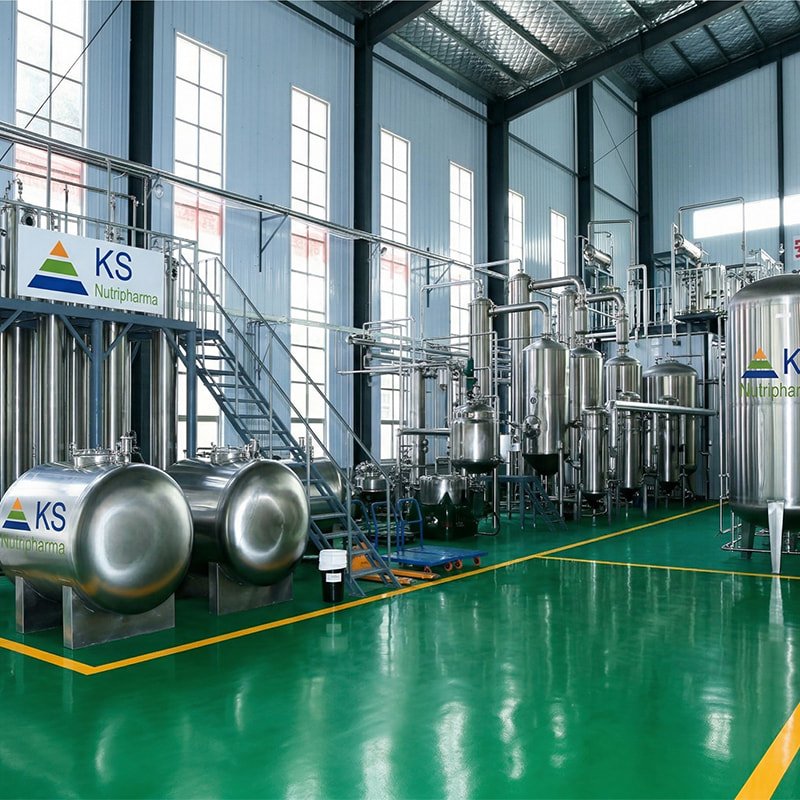
KS Nutripharma is a liquid supplement manufacturer and liquid supplement contract manufacturer from our China production base for export nutraceutical brands. Submit your formula
- Water, oil, emulsion, suspension and syrup systems
- Drops, bottles, shots, sachets and stick packs
- Formula feasibility before quotation
- Typical sample: 7–14 business days after the brief can be made
- Bulk liquid or finished packaged products
A usable OEM liquid quote is a set of locks — system, serving, pack, and specification — not a flavor screenshot.
Which Liquid Manufacturing Model Do You Need?
Private label is a commercial model (your brand on the pack). OEM and ODM describe who owns the formula.
You do not need to name the model on day one. Send the brief; the review will say which path fits.
You provide: locked formula or specification.
We provide: compounding, filling, packaging as scoped, and batch documentation.
Best for: brands that already have a frozen file.
You provide: a product brief (ingredient, dose, market, serving).
We provide: system recommendation, formulation, and manufacturing.
Best for: new SKU development when the formula is not locked.
You provide: a product concept, a selected formula, or a catalog direction.
We provide: the finished packed SKU under your brand. The technical path may be OEM filling or ODM formulation, followed by bottling, labeling, and packing as scoped.
KS Nutripharma also provides private-label liquid supplement manufacturing for brands that need a finished, market-ready SKU.
Best for: brands that need a market-ready unit, not a definition of who wrote the BOM.
You provide: formula or specification.
We provide: bulk finished liquid for you to fill elsewhere.
Best for: repackers and brands with their own fill line.
Which Liquid Systems Can We Manufacture?
A liquid supplement manufacturer quotes a physical system, not a wellness slogan.
Live probiotic liquids, liposomal systems, and nano-emulsions: specialty routes require separate feasibility and pilot review. Poorly soluble minerals or botanicals may need suspension, emulsification, a different salt or extract grade — or a different dosage form — rather than water dissolution.
Typical products: water-soluble vitamins, electrolytes, some amino acids, dilute botanicals.
Main risk: pH drift, oxidation of sensitive actives, microbial growth.
What we evaluate: solubility at labeled concentration, pH window, preservative intent, pack.
Typical products: vitamins D and E, botanical oils, oil-soluble carotenoids as oil solutions.
Main risk: oxidation, viscosity, pack oxygen and light.
What we evaluate: carrier oil, antioxidant intent, dropper or bottle compatibility.
Typical products: oil-soluble actives that must sit in a water-continuous product.
Main risk: creaming, breaking, droplet-size drift after heat or freight.
What we evaluate: emulsifier system and whether the process can hold the emulsion through filling and distribution.
Typical products: poorly soluble minerals or botanicals that will not fully dissolve at the labeled dose.
Main risk: sedimentation, assay scatter, dropper blockage.
What we evaluate: particle size, viscosity, shake-label vs true suspension hold.
Typical products: higher-viscosity oral liquids when the brief names that file.
Main risk: viscosity drift, water activity, dosing-device fit.
What we evaluate: target viscosity, sweetener/flavor load, closure and measuring device.
Typical products: small-volume, high-concentration servings.
Main risk: solubility ceiling, taste load, pack headspace.
What we evaluate: mg/mL vs serving mL, whether the dose should split across servings.
Typical products: botanical extracts in a named solvent system (including alcohol-containing files).
Main risk: alcohol level vs pack; closure swell; residual solvent if specified.
What we evaluate: solvent identity, alcohol %, compatible cap and liner.
Can This Formula Run as a Liquid?
Feasibility is whether the labeled dose can stay dissolved or controllably dispersed through process, pack, and the named shelf-life window.
We review, against the brief:
- Solubility and dispersibility at the target mg/mL
- pH compatibility
- Precipitation, sedimentation, and redispersion
- Emulsion hold if oil and water share the bottle
- Oxidation, viscosity, and flavor load vs concentration
- Preservation vs water activity, pH, and pack
A powder supplement formula does not convert to a liquid by adding water. Grades, salts, extract carriers, and serving volume usually change. A competitor bottle is not a process specification.
Send ingredient list, target dose, serving mL (or “recommend”), and destination market. If the brief cannot run as a liquid, the review may recommend a softgel or hard capsule path before artwork is frozen.
How Liquid Dose Is Specified
Fill volume is not the same as active dose. A 5 mL serving does not tell the buyer how much active is delivered unless concentration is specified.
The lock is concentration × volume.
Serving volume (examples, not a menu): 1 mL · 2 mL · 5 mL · 10 mL · 15 mL · 30 mL — plus shot volumes when that pack is in scope.
Planning math: target active per serving ÷ concentration = serving volume.
Example: 500 mg ÷ 100 mg/mL = 5 mL (if that strength stays in solution or in a controlled suspension).
If the active will not dissolve or suspend at that mg/mL, options are: lower the per-mL load (larger serving), change the ingredient form, change the system, or change dosage form. That decision is made in feasibility — not on the label first.
Liquid Supplement Stability: What We Evaluate
Failure modes differ by system. Sample / pilot batches confirm the named checks before commercial scale-up (pilot confirmation).
Stability is evaluated on the finished formulation and commercial pack against the defined specification and storage conditions. There is no universal “excellent stability” claim for every liquid.
Separation, creaming, sedimentation, precipitation. Evaluation: system choice, process, and a named hold or redispersion check.
Evaluation: oxidation risk, degradation, pH drift, oxygen exposure, and antioxidant strategy where applicable. Limits are SKU-specific.
Growth risk in water-containing files. Evaluation: process hygiene plus a preservation strategy selected for the formula, pH, water activity, packaging, destination-market requirements, and finished-product validation. Specific preservatives, if used, are confirmed during formulation review. This page is not a preservative catalog. Do not copy a capsule micro spec onto a liquid SKU.
Color, odor, flavor change — including when assay still passes. Evaluation: light, oxygen, pack, and a check on the commercial pack, not only a lab bottle.
Viscosity can affect fill accuracy and dispensing performance. Evaluation may include viscosity at a defined temperature and a device trial.
Evaluation: bottle, closure, liner, oxygen exposure, light protection, and formula-pack compatibility.
Flavor, Sweetener and Masking
Taste is a product-development lock, not a late artwork choice. Iron, zinc, magnesium, many botanicals, amino acids, and some B vitamins commonly bring metallic, bitter, or lingering notes.
Flavor masking is not “add mixed berry.” The file is: active → concentration → pH → sweetener → flavor → masking → then a check that the profile still holds through the named dating.
If the active dose is too high for acceptable taste, options may include reducing concentration per mL, increasing serving volume, changing the ingredient form, using a different flavor/masking strategy, or reconsidering the dosage form.
Sweetening systems follow the label and destination market. Flavor direction is taken from the brief and confirmed at sample.
Liquid Delivery Formats
Format is how the serving is dispensed. It is chosen with concentration and pack, not before them.
Multi-pack cartons are a pack-out on top of one of these formats — not a separate liquid system. Dual-chamber shots use the same liquid systems on this page; the extra work is chamber assignment, dry fill, activation, and closure review. Children’s products are manufactured only when specifically scoped (dosing device and CR as the destination file requires).
Best for: small servings and oil or concentrated water files.
Lock: dropper graduation, viscosity, child-resistant closure where the market file requires it.
Best for: larger servings with a cup or syringe.
Lock: viscosity, measuring device, CR cap where required.
Best for: single-serve, higher-intensity briefswhen the formula is stable as one liquid.
Lock: fill volume, dose concentration, headspace, closure, and intended storage — not a catalog milliliter range.
Not this card: a named active that should stay dry until use. That is a dual-chamber pack, not a larger RTD shot.
A finished oral shot with physically separated liquid and dry or concentrated components, activated before drinking. The liquid base is still a water, syrup, or scoped suspension file from this page. Dual-chamber is the pack route, not a new physical system.
Best for: a named ingredient that should not sit in the liquid for the full shelf life.
Lock: formula split, dry-fill load, activation hardware, container-closure integrity, and the post-mix drink window.
Start here:dual-chamber oral liquid manufacturing.
Best for: travel, sample, or daily-dose liquid packs.
Lock: film barrier, seal, and whether the liquid is a concentrate to dilute.
Best for: on-the-go single doses when the brief names that pack.
Lock: fill viscosity vs stick geometry, plus the same barrier file as a sachet.
Packaging Compatibility
Liquid packaging is part of the formula file.
Container-closure compatibility is reviewed when the formula contains oils, alcohol, acids, volatile components, or other materials that may interact with the bottle, liner, dropper, or closure.
Light-sensitive fills typically need amber or opaque walls; high-viscosity fills need a device trial. Logistics can ship from China as bulk liquid or finished packed goods. When the project uses it, fulfillment can include the U.S. shared warehouse network.
Glass (including amber) or PET / HDPE as scoped. Child-resistant and tamper-evident closures follow the destination file.
Screw cap, CR cap, dropper, pump, oral syringe, or measuring cup — chosen against viscosity and serving volume. A thick syrup on a fine dropper fails in feasibility, not at pack-out.
Shots, sachets, and sticks need barrier and seal written with the fill. Dual-chamber shots also need cap, membrane, and activation review with the component file.
We align bottle, closure, carton, and artwork space to the destination market on the RFQ. Brand owners remain responsible for Supplement Facts, claims, and finished-label legal compliance. KS Nutripharma provides manufacturing documentation support — not legal approval.
Top-Selling Liquid Formulas to Maximize Your Product's Success
The ready-to-launch formulas are designed based on proven market demand and scalable manufacturing standards.
They enable faster product development, reduced formulation risk, and efficient market entry.
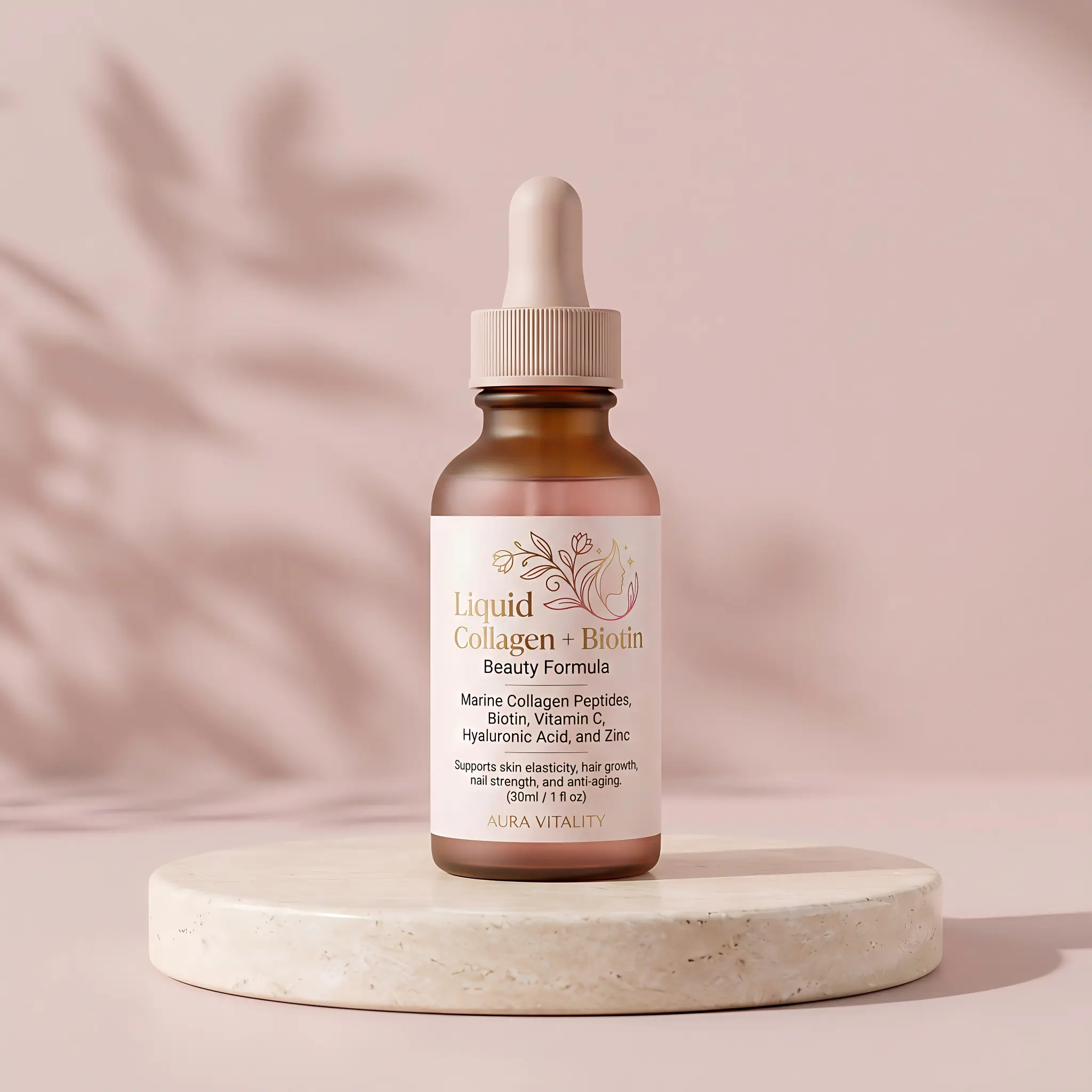
Marine Collagen Peptides, Biotin, Vitamin C, Hyaluronic Acid, and Zinc
Supports skin elasticity, hair growth, nail strength, and anti-aging. Ideal for beauty brands, women’s wellness products, and premium daily nutrition lines.
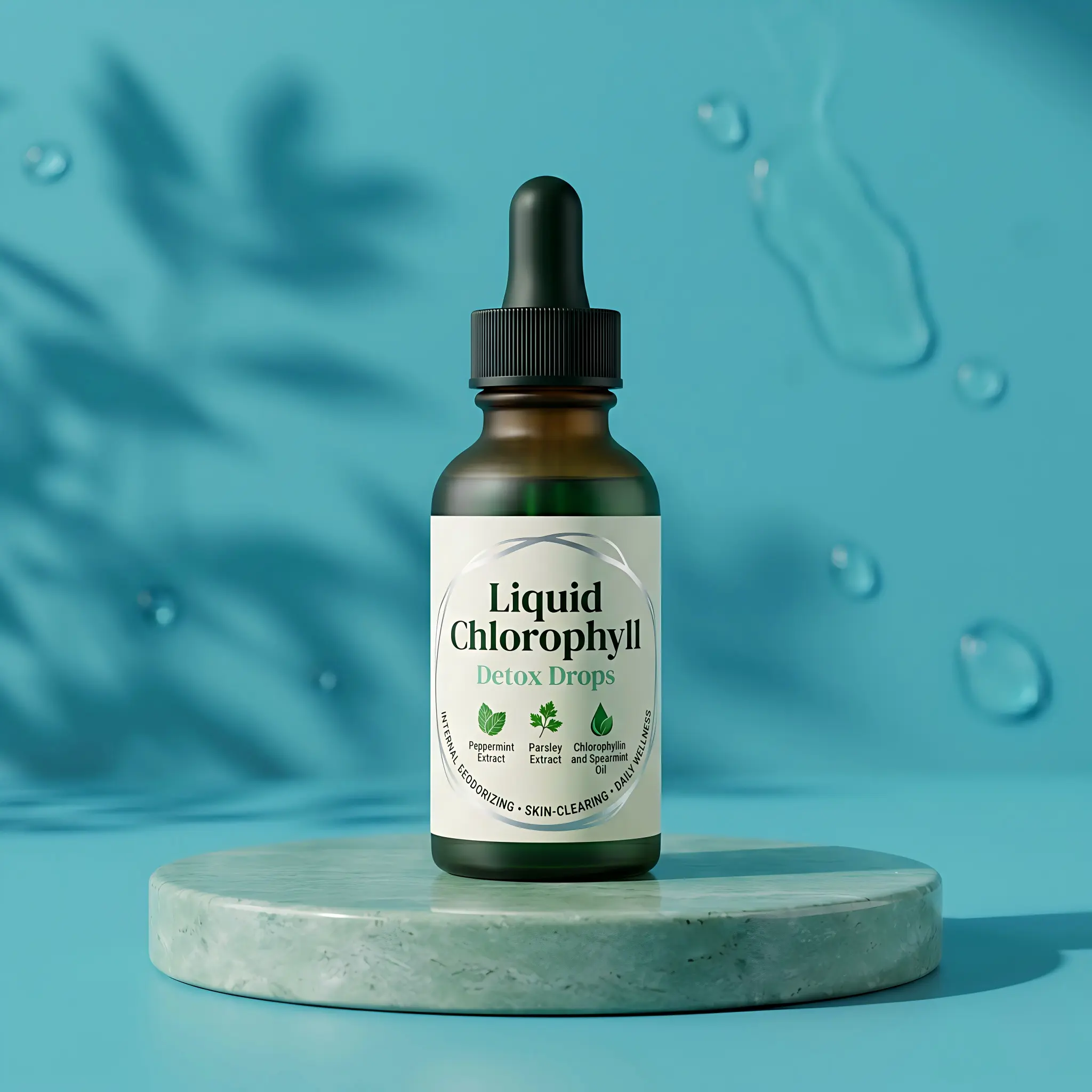
Chlorophyllin, Peppermint Extract, Parsley Extract, and Spearmint Oil
Designed for detox, internal deodorizing, skin-clearing, and daily wellness support. Popular for beauty, weight management, and social media-driven supplement brands.
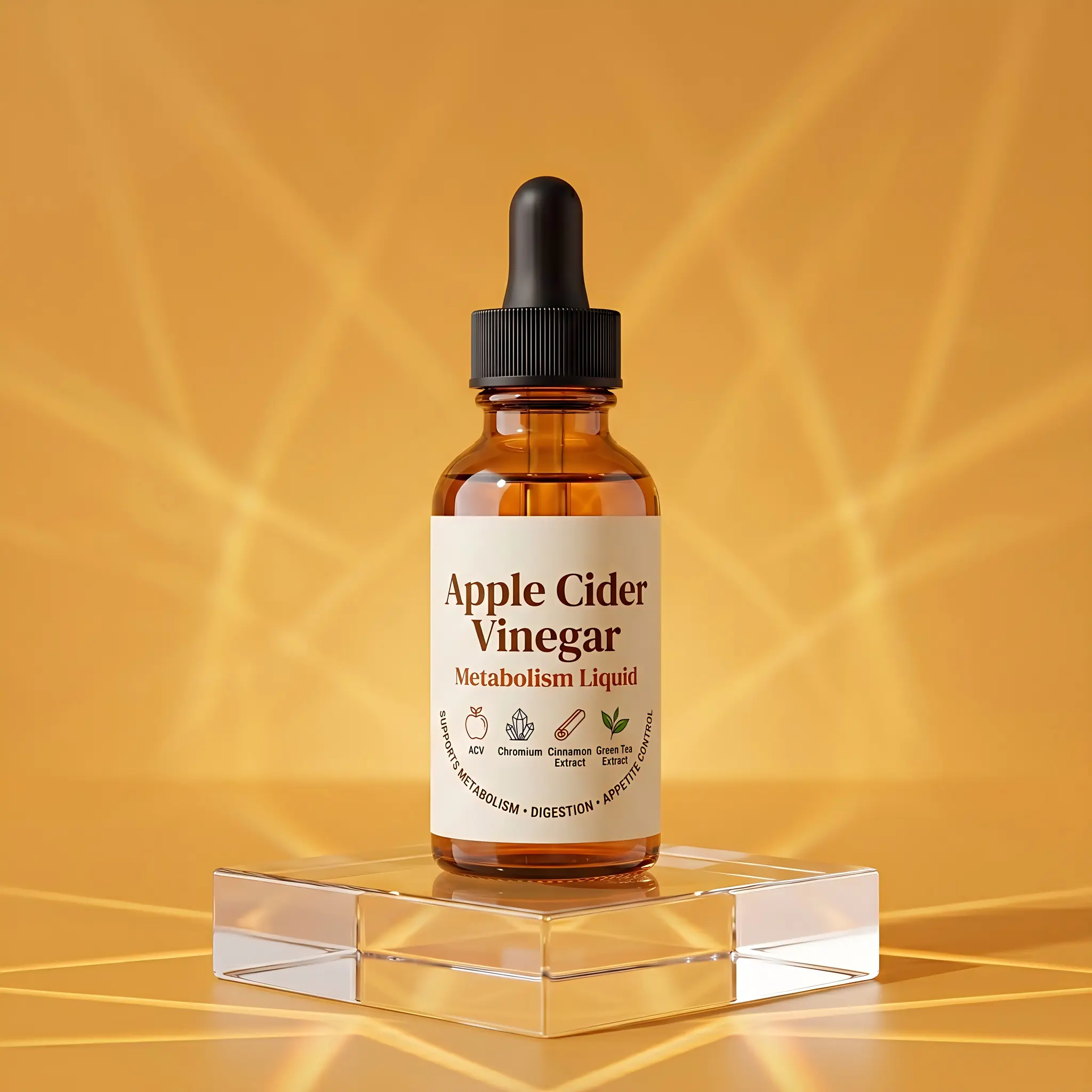
Apple Cider Vinegar, Chromium, Cinnamon Extract, Green Tea Extract, and Vitamin B12
Supports metabolism, digestion, appetite control, and blood sugar balance. Suitable for fasting support, active lifestyle products, and weight management brands.
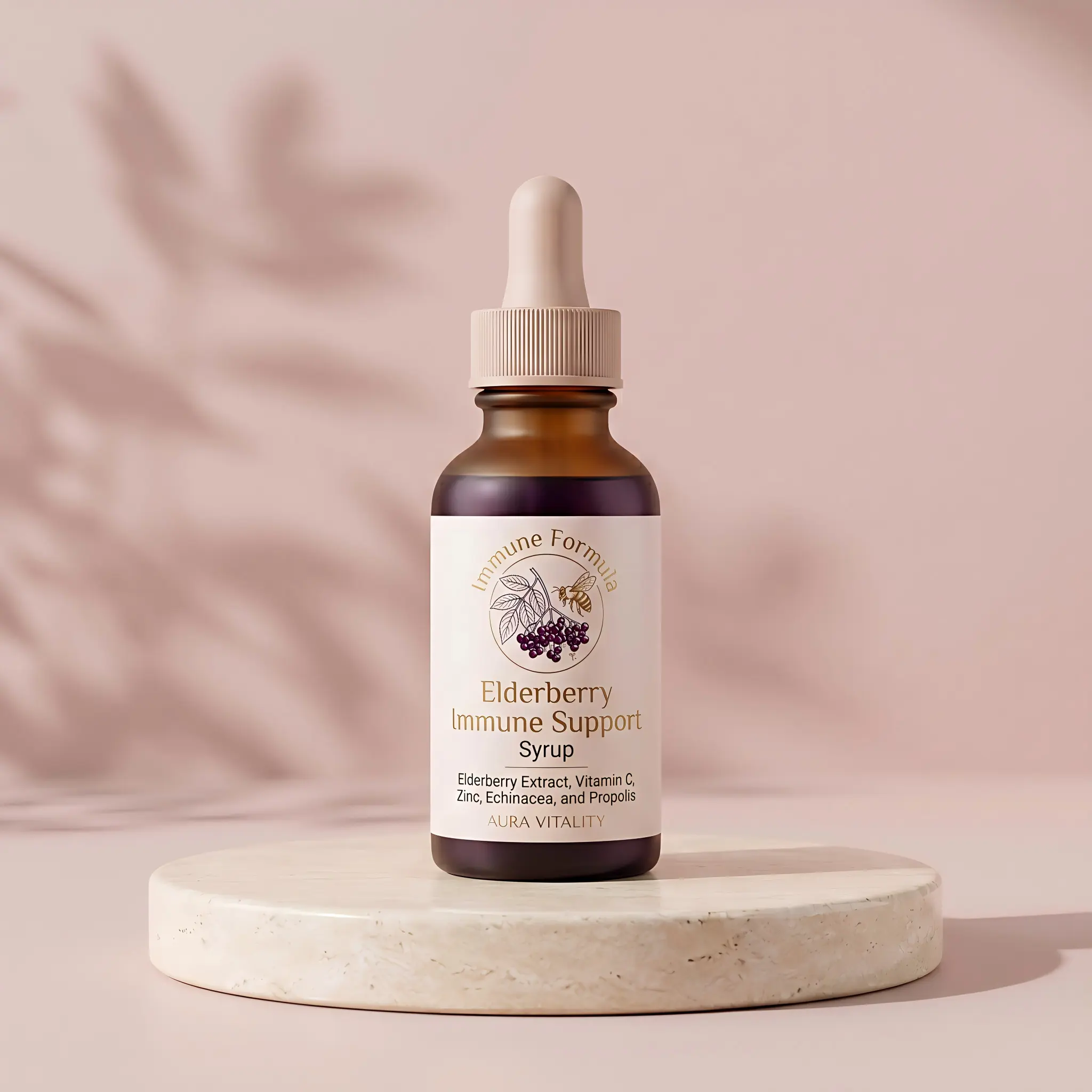
Elderberry Extract, Vitamin C, Zinc, Echinacea Extract, and Propolis
Formulated for immune support, seasonal wellness, and family health. Suitable for both adult and children’s immune formulas.
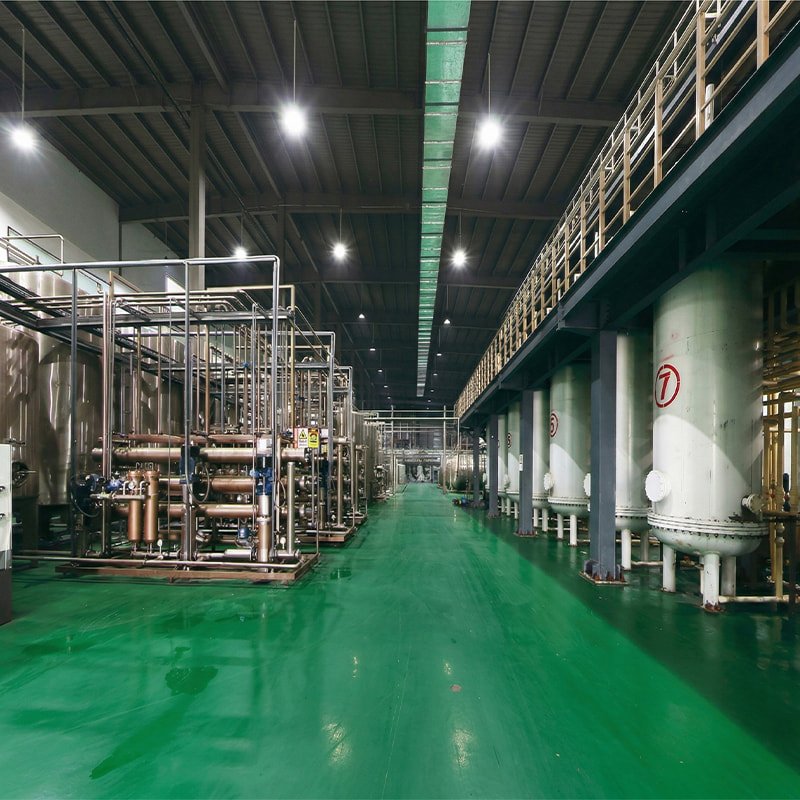
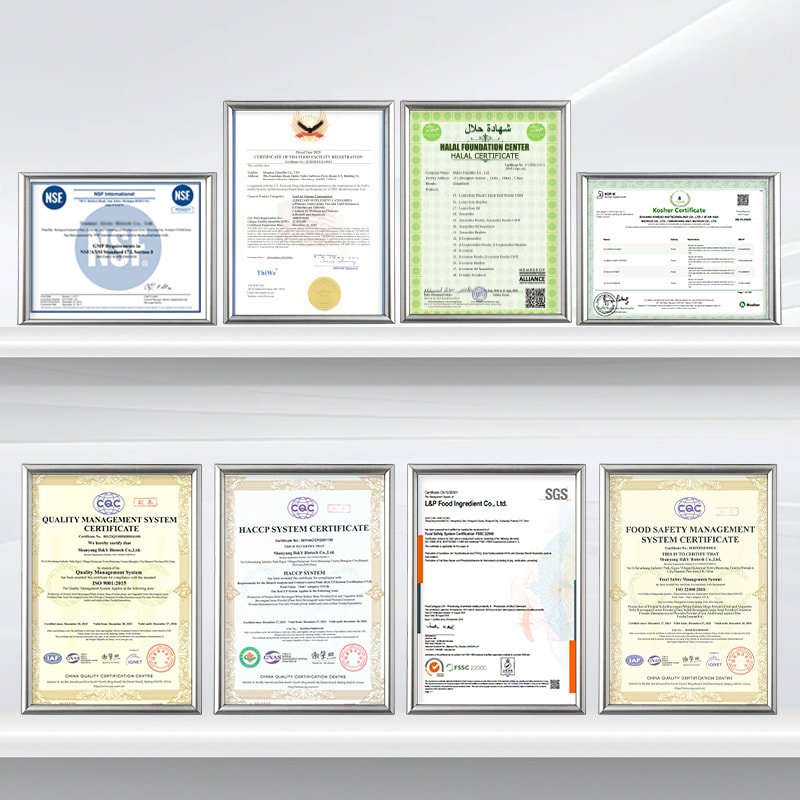
Liquid production here follows dietary-supplement cGMP (including 21 CFR Part 111 as it applies to the operation).
Supplier qualification. Incoming actives, carriers, flavors, and packaging are released against the SKU file.
In-process checks. pH, appearance, viscosity, and fill volume are checked against the specification.
Laboratory. Identity and assay of named actives; microbiology; heavy metals as scoped; residual solvents or pesticides when the botanical or solvent file requires them. In-house plus third-party when required.
Release. CoA and traceability from input lots to packed lot. A CoA reports the tests specified for that SKU. How to read the four blocks: how to read a CoA.
We do not act as the brand’s legal or registration agent. Retailer or marketplace documentation can be scoped separately when required.
Liquid MOQ is not a single bottle number. It moves with bottle size, fill volume, formula complexity, closure/device, and stock vs custom pack.
This page does not publish a universal bottle MOQ. Send destination market, serving mL, estimated bottles (or bulk kg/L), and pack type for a SKU-level range.
Sample / pilot
What it covers: Appearance, assay, pH, viscosity, flavor, and pack compatibility on a trial batch.
Quantity: Scoped to the trial.
Clock starts when: System, serving, and pack are aligned enough to compound and fill.
Typical window: 7–14 business days after that alignment.
First commercial lot — standard path
What it covers: Production after formula, artwork, and pilot confirmation.
Quantity: Quoted per project for a standard water or oil file in a catalog bottle/closure.
Clock starts when: Formula and artwork are locked.
Typical window: Confirmed at quote — bottle and device procurement often sit on the critical path.
Custom or advanced — project quoted
What it covers: Emulsions, heavy suspensions, tinctures, live-culture files, custom molds, or specialty film, or dual-chamber components.
Quantity and clock: Set after tooling, preservation, and pack lead times are reviewed.
Re-orders on a frozen file are shorter than a first commercial run.
- System recommendation (solution vs emulsion vs suspension vs format change)
- Serving volume and concentration math
- Flavor / sweetener / preservation intent
- Pack and dosing-device recommendation
- Testing list for that SKU
- MOQ estimate and sample timeline
- Preliminary or technical quotation
Commercial production starts after formulation lock, artwork approval, and pilot confirmation.
Formulation and feasibility
Locked OEM files are compounded as specified. Open briefs get a system, serving, and pack review first.
Commercial filling
Water, oil, emulsion, suspension, syrup, concentrate, and tincture paths as scoped. Bottles, droppers, shots, sachets, or sticks as named in the pack file. Dual-chamber shots are quoted after the hardware family is named.
Specialty formulation
Specialty liquid projects are scoped separately during feasibility review.
Quality file
pH, viscosity, fill volume, assay, micro, and CoA as specified.
Pack and export
Finished packed goods or bulk liquid. Destination files commonly include the USA, EU, UK, Southeast Asia, and the Middle East. Brand owners own finished-label compliance.
Can you manufacture both finished liquid products and bulk liquid?
Yes. We fill and pack finished liquid SKUs, or supply bulk liquid for brands that fill elsewhere. The ship file for bulk must include container, headspace, and any temperature limits.
Can you manufacture an existing formula?
Yes as OEM, after incoming checks. An incumbent bottle is not a process specification — we still confirm the system, serving, and pack on our line.
Can you match an existing liquid product?
A match is a development brief: assay, system, flavor, and pack still need a trial. We do not treat a retail sample as a locked BOM.
Can you supply bottles and dosing devices?
Yes as scoped with the pack file — bottle, closure, dropper, cup, or syringe — subject to component lead time.
Can you support private-label liquid supplements?
Yes. Private label is your brand on the finished pack; the technical path may be OEM or ODM.
Can you manufacture small pilot batches?
Yes. Pilot quantity is scoped to the trial, not copied from a commercial bottle MOQ. Typical sample window is 7–14 business days after the brief can be made.
Can you manufacture oil-based liquid supplements?
Yes as a common manufacturing route (drops and oil solutions). Emulsions that put oil into a water-continuous product need evaluation.
What information is needed for a quotation?
Destination market, ingredient or formula, target dose, serving mL or “recommend,” estimated bottles or bulk volume, and pack type. Flavor and preservative can stay “recommend.”
When is dual-chamber used instead of a standard liquid shot?
When a named ingredient should not remain in the same liquid for the full shelf life. If a single-chamber shot already meets assay, taste, appearance, and microbiology, the extra component and activation work is usually not justified.
What Happens After You Send an Inquiry?
- Brief — ingredient / dose / market / serving mL or “recommend”
- Feasibility — system, solubility or suspension, pack intent
- Locks — concentration, serving volume, flavor direction, pack
- Sample / pilot — after the brief can run (window in Timeline above)
- Checks — against the named specification
- Mass production — after formula and artwork lock
- Fill, pack, release, ship
Emulsions, suspensions, tinctures, and unstable oil files extend the window. Dosing devices for children’s SKUs apply only when that file is scoped.