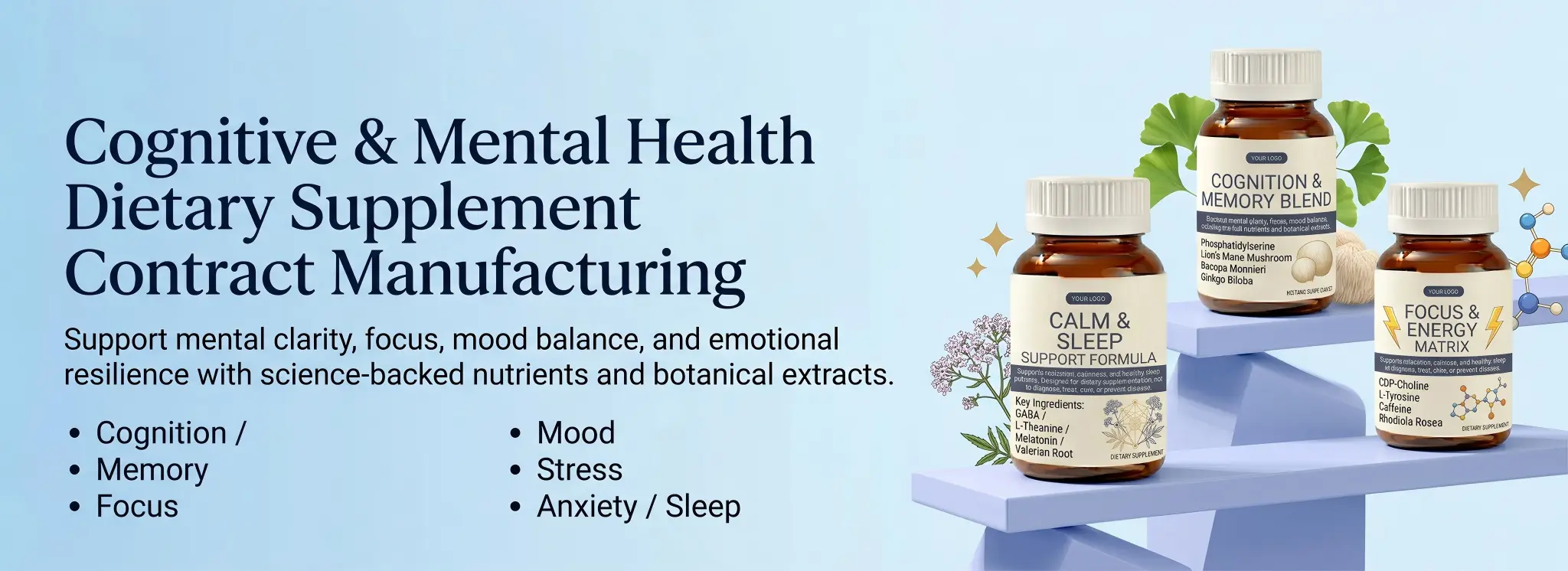
Cognitive & Mental Health Supplements Manufacturer | Private Label & Contract Manufacturing
KS Nutripharma is a cognitive and mental health supplements manufacturer for private label and contract manufacturing, plus OEM/ODM programs. Send your BOM and we turn a product concept — memory, focus, mood, stress, relaxation, sleep, or cognitive performance — into a quote-ready specification and finished brain and cognitive health supplements.
What we manufacture: finished nootropic, adaptogen, and brain boost private label units. A cognitive health ingredients supplier or nootropic ingredient supplier brief is a named isolate or extract drum, quoted by the kilogram. That quote is not the same order as bottled finished units.
Formats: capsules, tablets, gummies, powders / stick packs, softgels when an oil phase exists, liquids after feasibility.
Destination markets: US, EU, Mexico/LATAM, Southeast Asia, Middle East.
Current briefs often specify lower-stimulant or caffeine-free formulas, with focus, stress resilience, mood, and sleep recovery sitting next to traditional nootropic concepts. A daytime brain-boost capsule remains a valid brief when caffeine milligrams are locked.
Send Your BOM · Compare Two COAs · Request Formula Feasibility
Typical first reply is within one business day on a complete brief. Project manager assigned. NDA available.
Cognitive Supplement Manufacturing
We manufacture brain and cognitive health supplements as finished SKUs after the brief names a product path and a specification two factories can quote the same way.
Pick the retail path first (memory, focus, mood, stress, anxiety support, sleep, or mental energy). Then lock each printed active: identity, milligram or marker, assay method, source where it changes the quote, stimulant status, format, serving size, and destination. A cognitive blend or cognitive complex is not a specification until every printed active has its own line.
Mood, stress, relaxation, sleep, and emotional-wellness briefs stay on dietary-supplement structure/function language.
Cognitive Supplement Product Development Challenges
Cognitive supplement briefs often start with a market objective such as focus, memory, stress support or sleep. Turning that objective into a comparable quotation requires a defined formula, ingredient specification and dosage form.
Caffeine-free, lower-stimulation and daytime-focus products require different BOM decisions. Lock caffeine status, active doses and daytime vs evening positioning before quotation.
“300 mg Bacopa” or a cognitive blend / cognitive complex is not a complete specification. Each active should have a defined identity, dose, marker or purity, assay method and source where relevant.
The same formula may not work equally well as a capsule, tablet, gummy or powder. Active load, serving size, bitterness, moisture sensitivity and processing requirements should be checked before the format is finalized.
Raw-material COA and finished-product testing serve different purposes. Depending on the formula, specifications may cover botanical identity, marker assay, mushroom authentication, contaminants, oxidation and finished-unit assay.
Choose Your Cognitive Product Path
Each card is a finished-product path. Specification depth for a named active sits on that ingredient’s manufacturer page when the name is linked.
Which path to quote first. Memory consolidation → Memory. Same-day attention or a brain boost private label with locked caffeine → Focus. Membrane / long-horizon structure → Brain Health. Day and night as a pair → Sleep as a second SKU, not one capsule that is both a stimulant stack and melatonin.
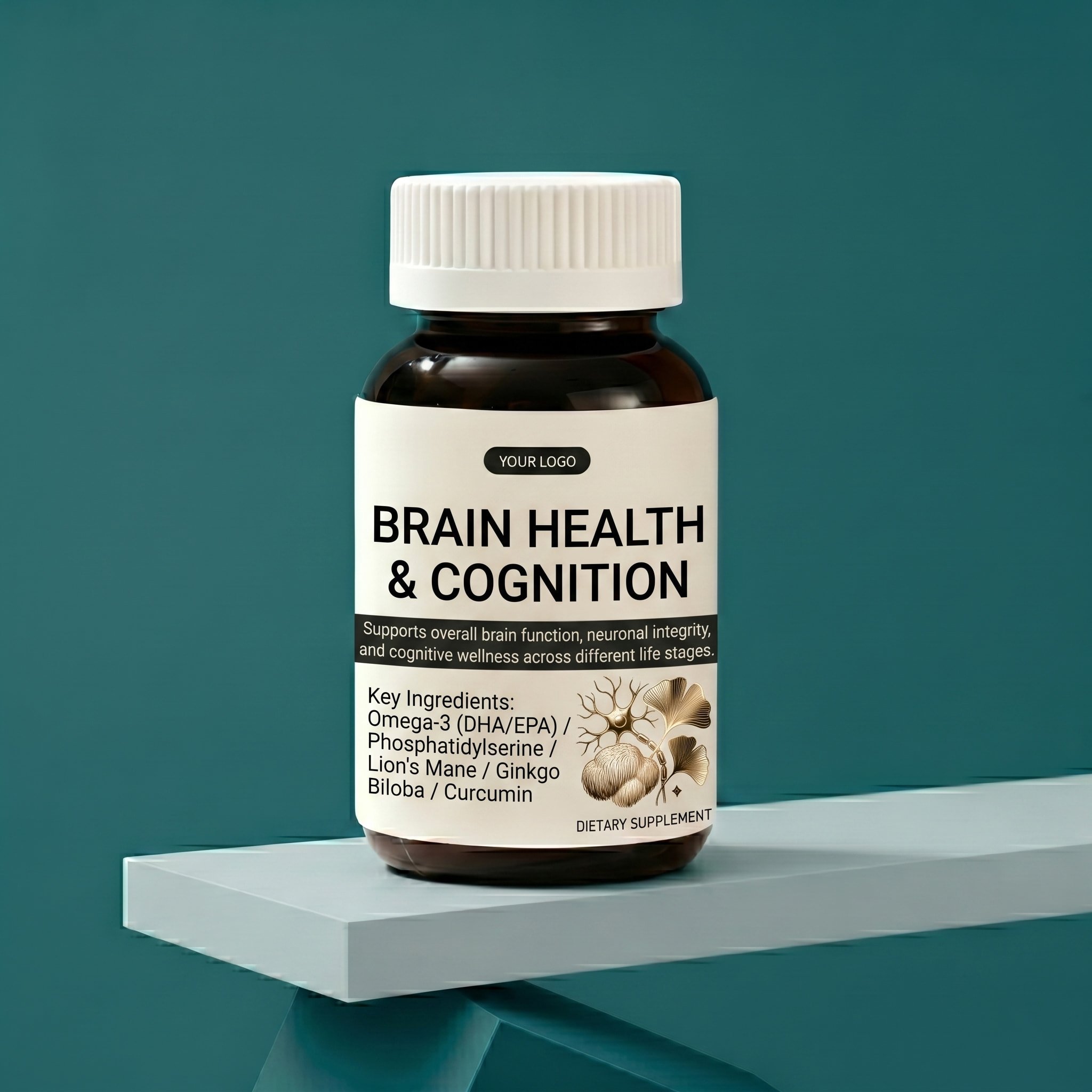
Product objective: Daily structural and long-horizon cognitive nutrition.
Typical ingredients: Phosphatidylserine (PS), DHA, Ginkgo biloba.
Specify before quote: PS milligrams and soy vs sunflower lecithin. DHA source (algal vs fish oil) and oxidation file. Ginkgo 24/6 plus ginkgolic-acid limit.
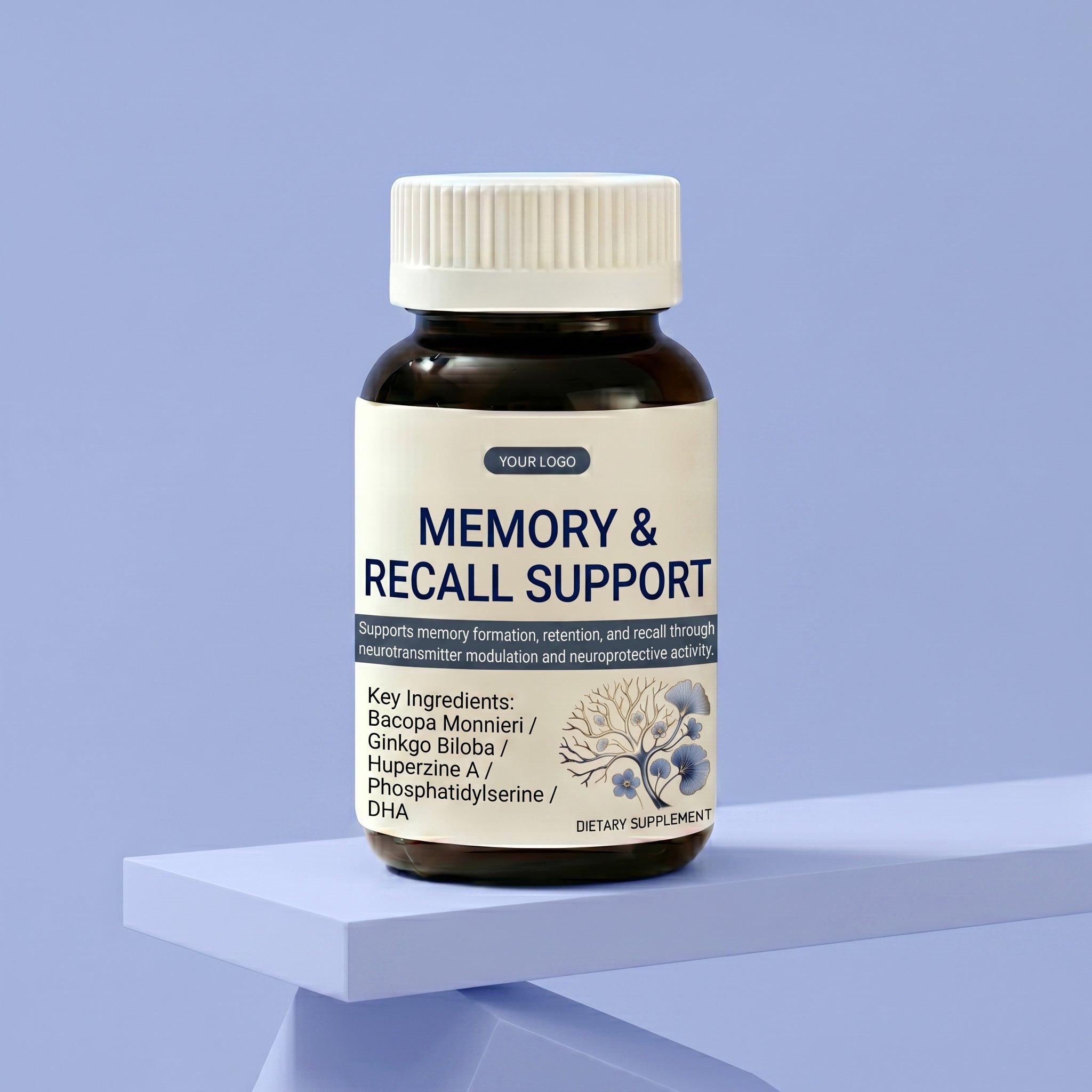
Product objective: Memory and long-term cognitive support.
Typical ingredients: Bacopa monnieri, Citicoline (CDP-Choline), phosphatidylserine, Lion’s Mane.
Specify before quote: Bacosides % + method. Citicoline milligrams — not interchangeable with Alpha-GPC. Fruiting body vs mycelium if a mushroom is on the label. Huperzine A only when the destination file allows mcg-level dosing. Bacopa is often an 8–12 week consolidation story, not same-day stimulation.
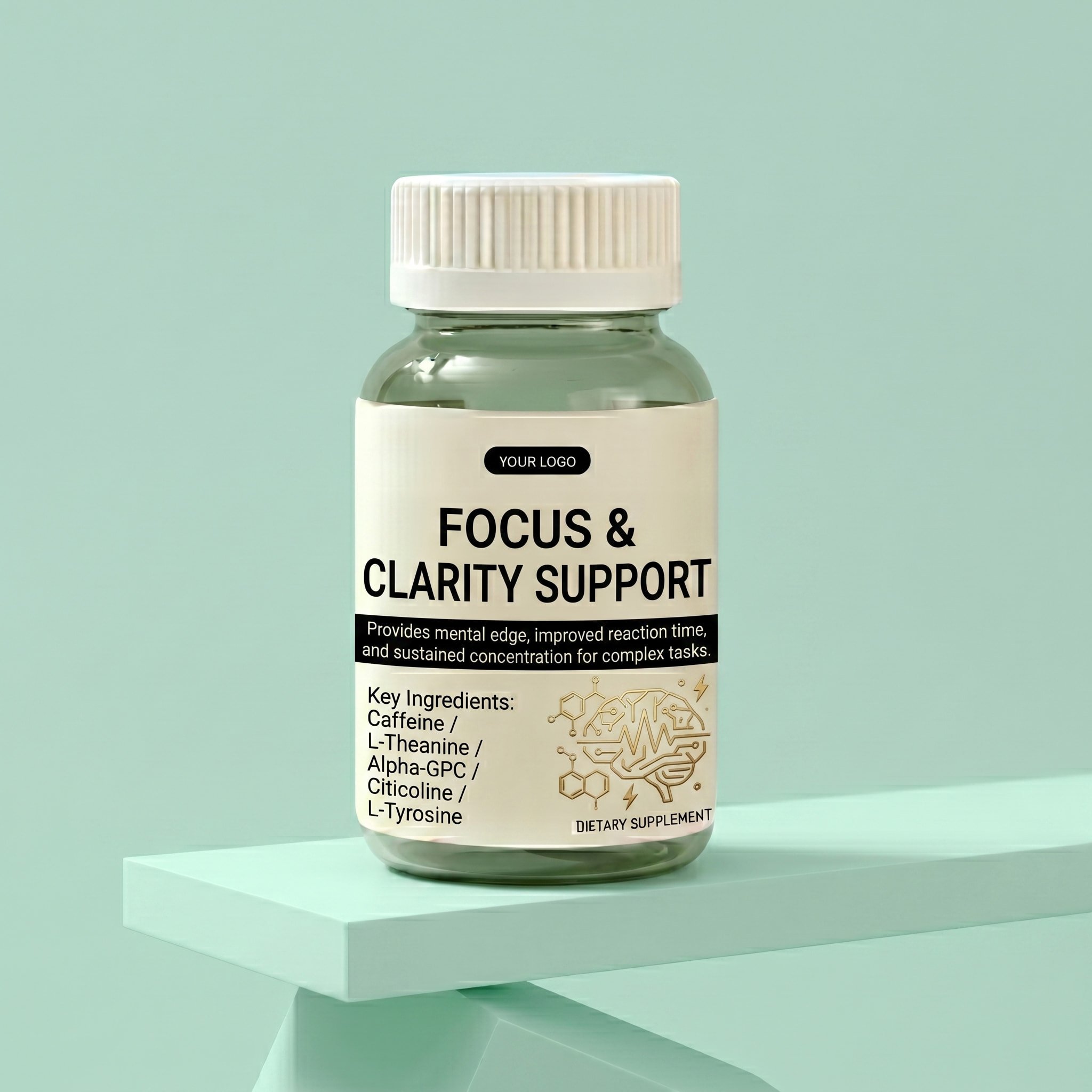
Product objective: Daytime focus and sustained attention.
Typical ingredients: L-Theanine, citicoline or Alpha-GPC, L-Tyrosine, caffeine when locked.
Specify before quote: Theanine milligrams next to caffeine milligrams, or a caffeine-free brief. Alpha-GPC 50% vs 99% and moisture handling. Tyrosine vs N-acetyl-L-tyrosine is one tyrosine identity with a different salt and assay.
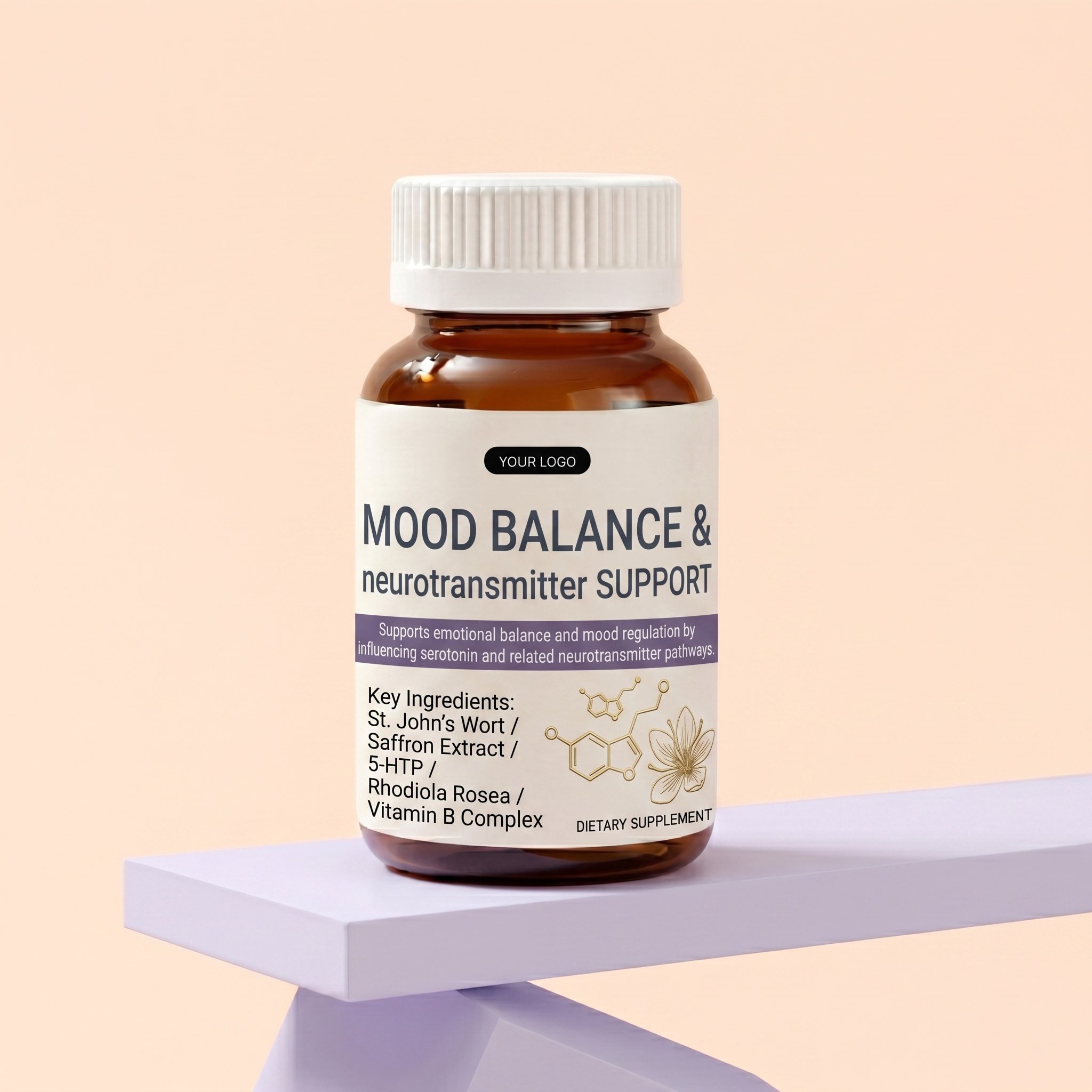
Product objective: Emotional wellness and positive-outlook positioning.
Typical ingredients: Saffron extract, Rhodiola rosea, B-vitamins, magnesium.
Specify before quote: Crocin / safranal + method. Licensed saffron grades only with authorization.
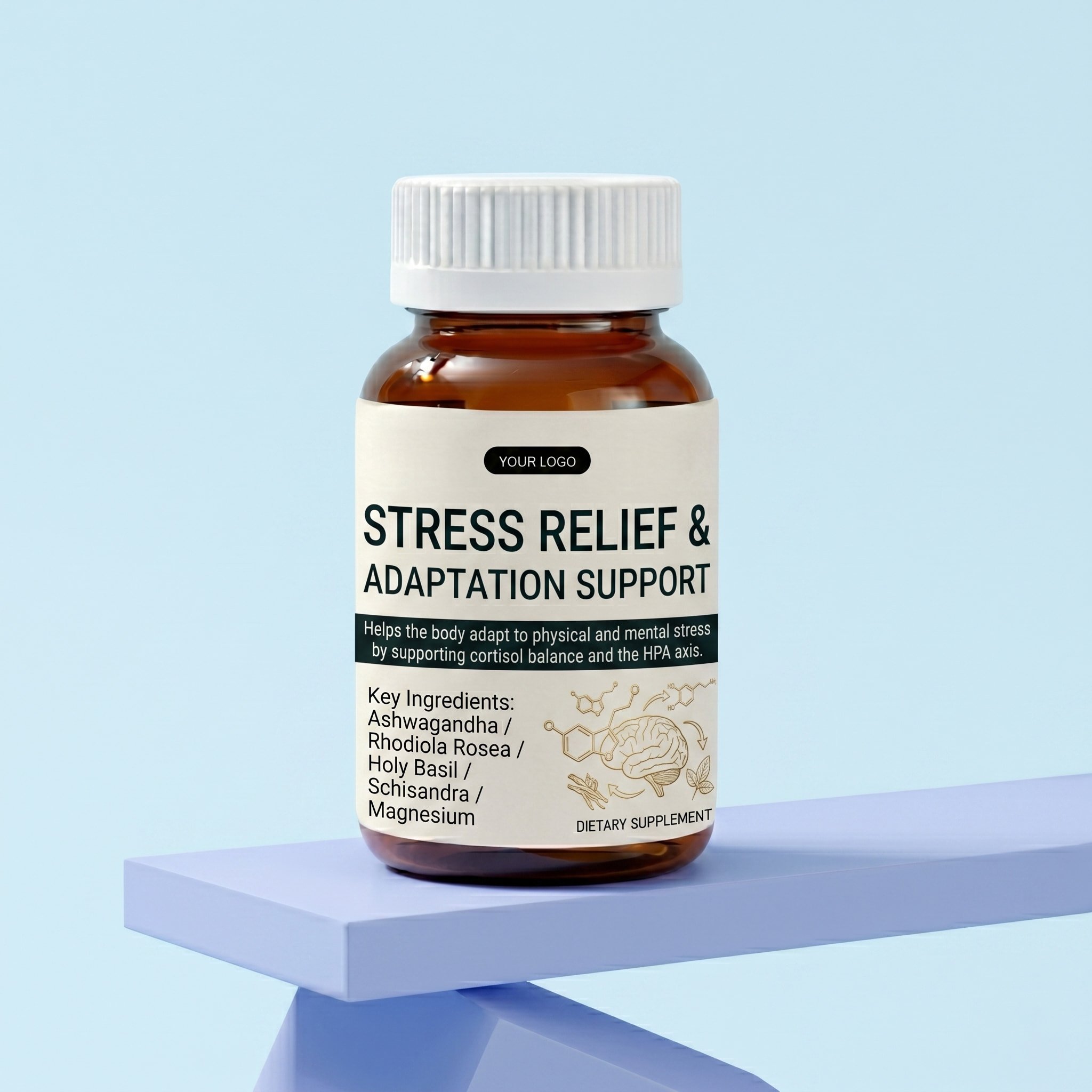
Product objective: Stress resilience and relaxation.
Typical ingredients: Ashwagandha, Rhodiola, Schisandra, magnesium.
Specify before quote: Plant species, marker (withanolides or rosavins), assay method, and whether the SKU must stay caffeine-free. Licensed ashwagandha grades only with authorization. Adaptogen supplements for mental alertness usually start on Rhodiola; evening or burnout briefs start on ashwagandha — not both stories in one unit unless the brief says so.
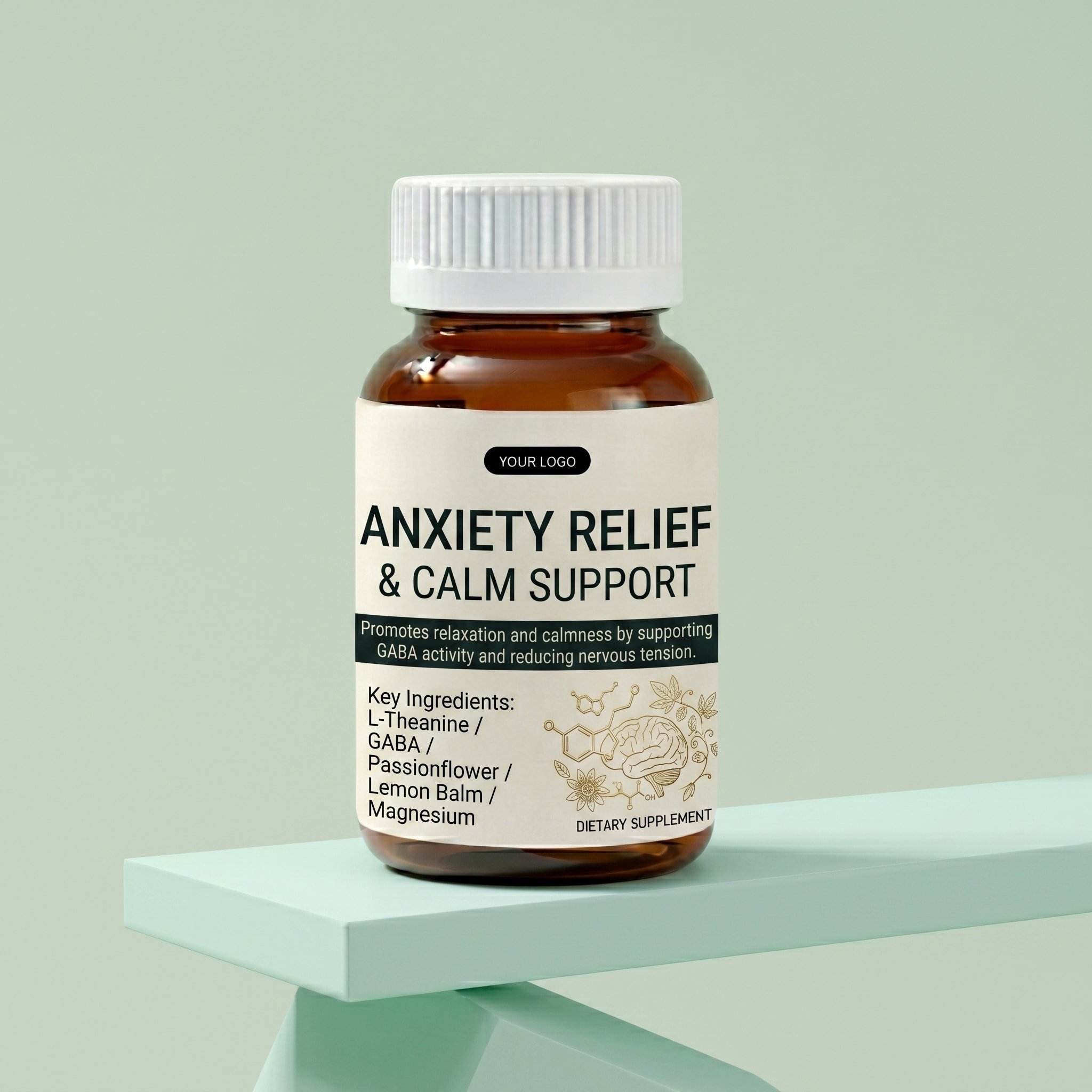
Product objective: Calm, non-stimulant cognitive support.
Typical ingredients: GABA, L-theanine, lemon balm (Melissa officinalis), passionflower.
Specify before quote: For buyers searching for anxiety supplement manufacturers, this path can support relaxation, calm focus, and stress resilience. GABA class varies by destination. These products are dietary supplements and are not formulated or marketed as treatments for anxiety disorders.
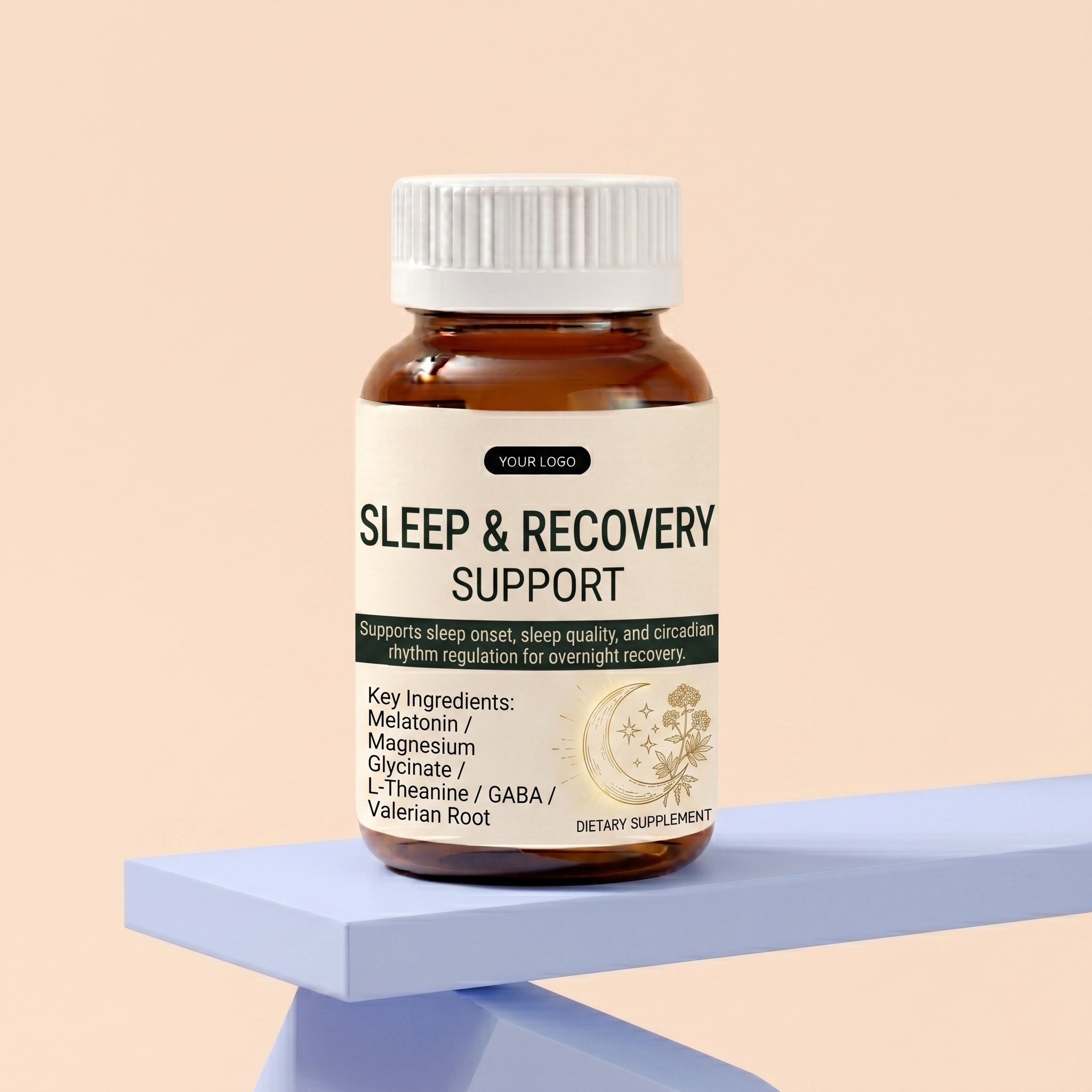
Product objective: Sleep quality and next-day cognitive recovery.
Typical ingredients: Magnesium bisglycinate, L-theanine, GABA, melatonin when the destination allows it.
Specify before quote: Melatonin on or off before artwork. Magnesium salt + elemental milligrams. Do not print melatonin on a morning nootropic.
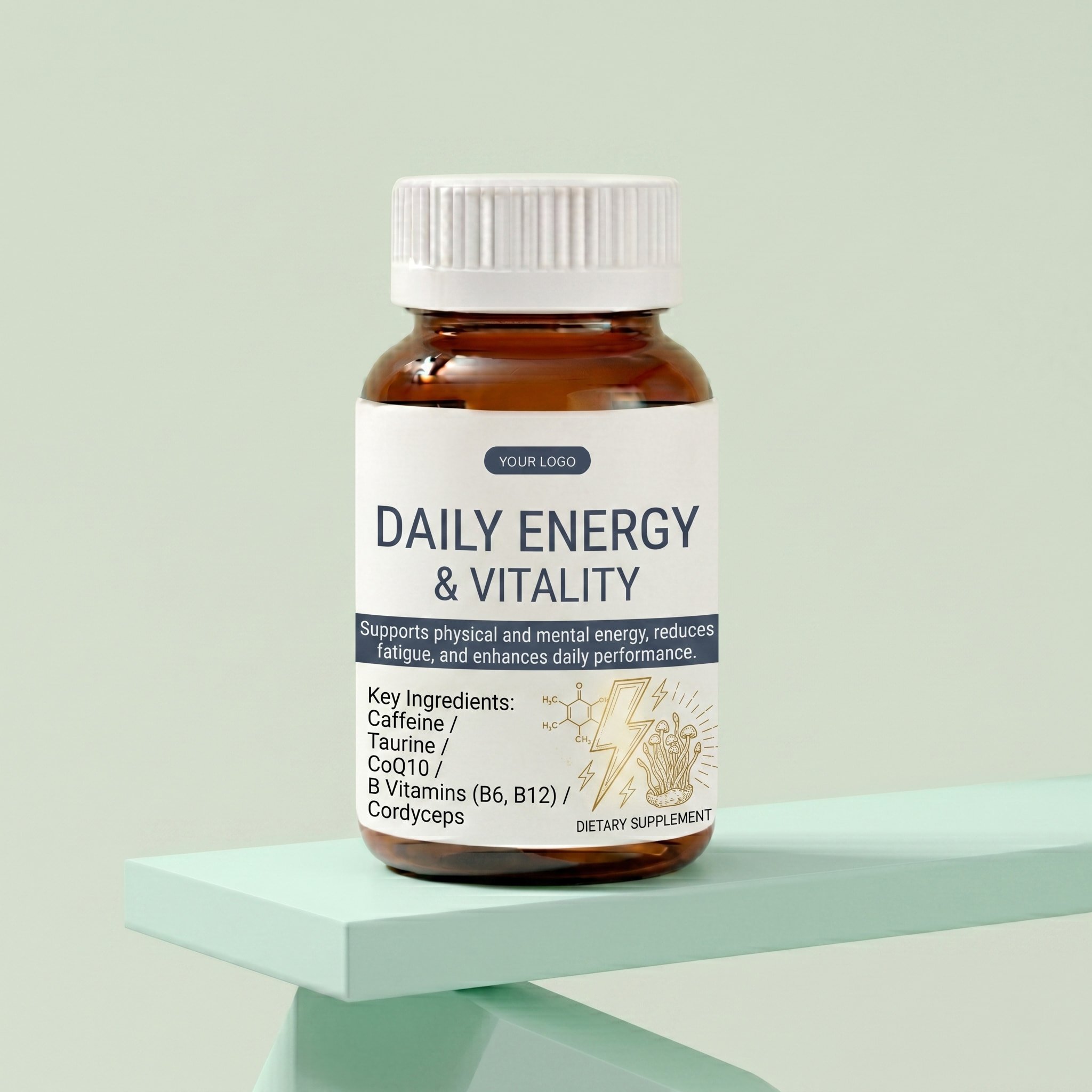
Product objective: Mental energy and reduced brain-fog positioning.
Typical ingredients: Vitamin B12 (methylcobalamin), Cordyceps militaris, caffeine when locked.
Specify before quote: Brain fog is a positioning line on this path, not a separate catalog. A mitochondrial companion such as CoQ10 is quoted on that ingredient file when the brief names it. NMN / NR stay off a default cognitive brief.
Cognitive Formulation Concepts
These are starting BOMs. Each concept locks a different combination — not a repeat of the eight product paths above.
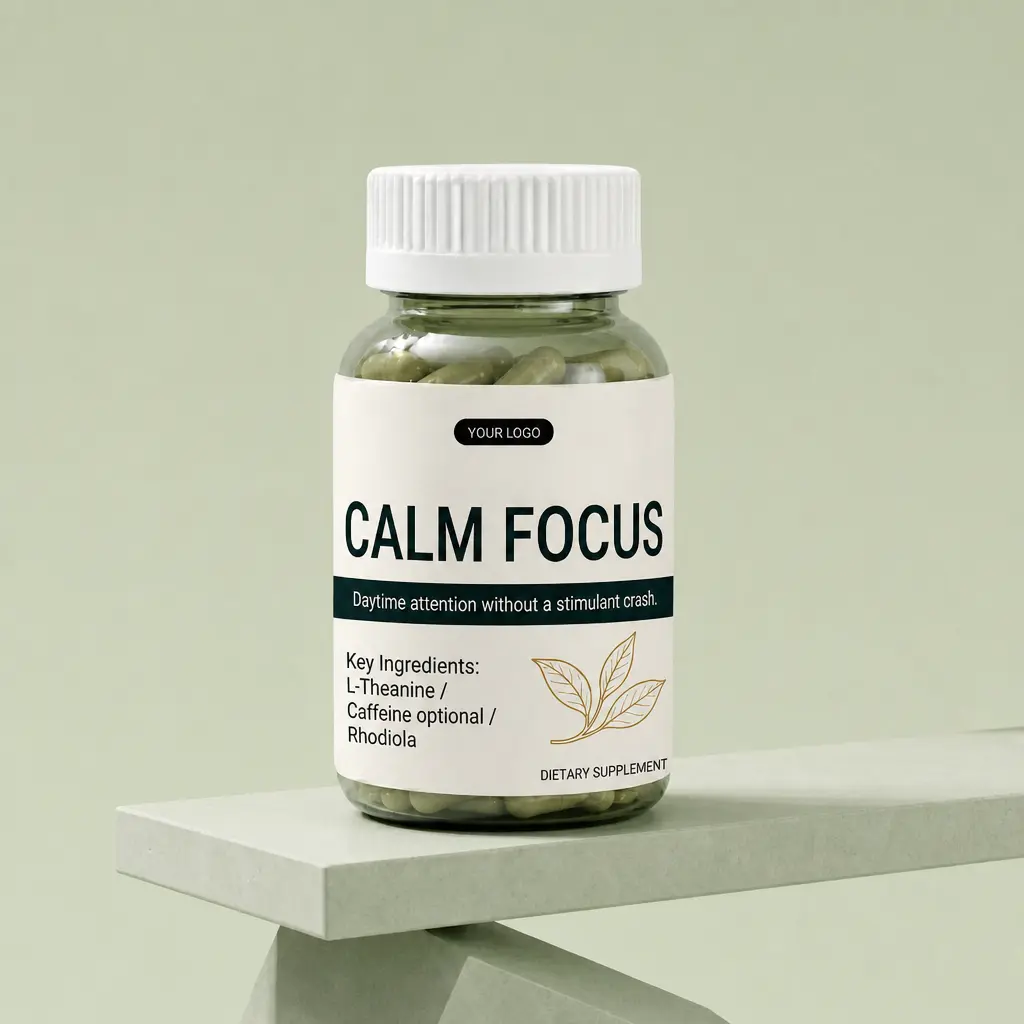
Use when: Daytime attention without a high-stimulant crash story. Nootropic supplements for stress and cognition belong here when the BOM names both a calm-focus row and a cholinergic or adaptogen row.
Specify: Caffeine milligrams (anhydrous vs natural, or caffeine-free). L-theanine milligrams. Rhodiola rosavins + method if used. Serving size. A two-active start already documented: L-theanine + magnesium.
Trade-off: Not a slow Bacopa memory SKU, and not an evening ashwagandha unit.
Default format: Capsule.
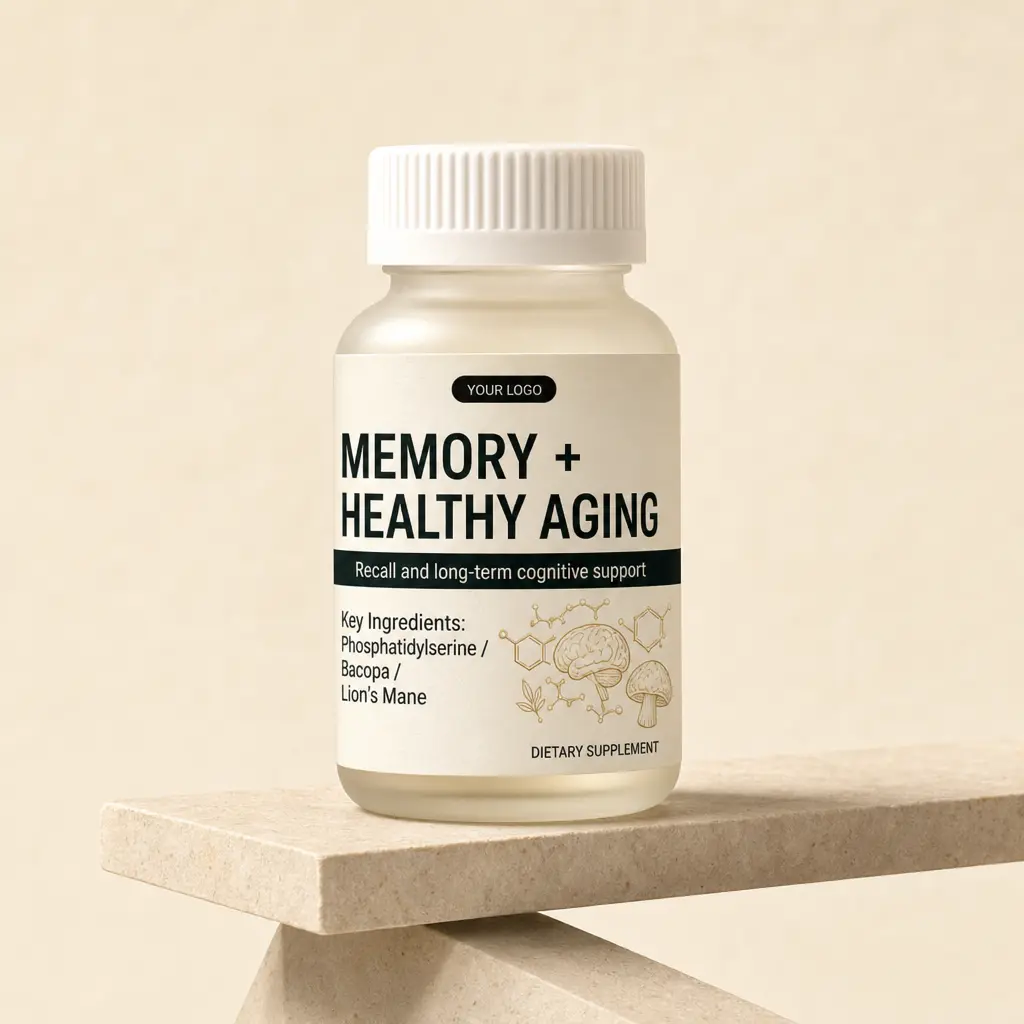
Use when: Recall and healthy-aging cognitive support — not same-day stimulation.
Specify: Phosphatidylserine milligrams and phospholipid source. Bacopa bacosides % + method. Lion’s Mane fruiting body vs mycelium and beta-glucans.
Trade-off: Consolidation timeline vs a same-day citicoline or Alpha-GPC stack. Huperzine A only if the destination file allows mcg-level dosing.
Default format: Capsule.
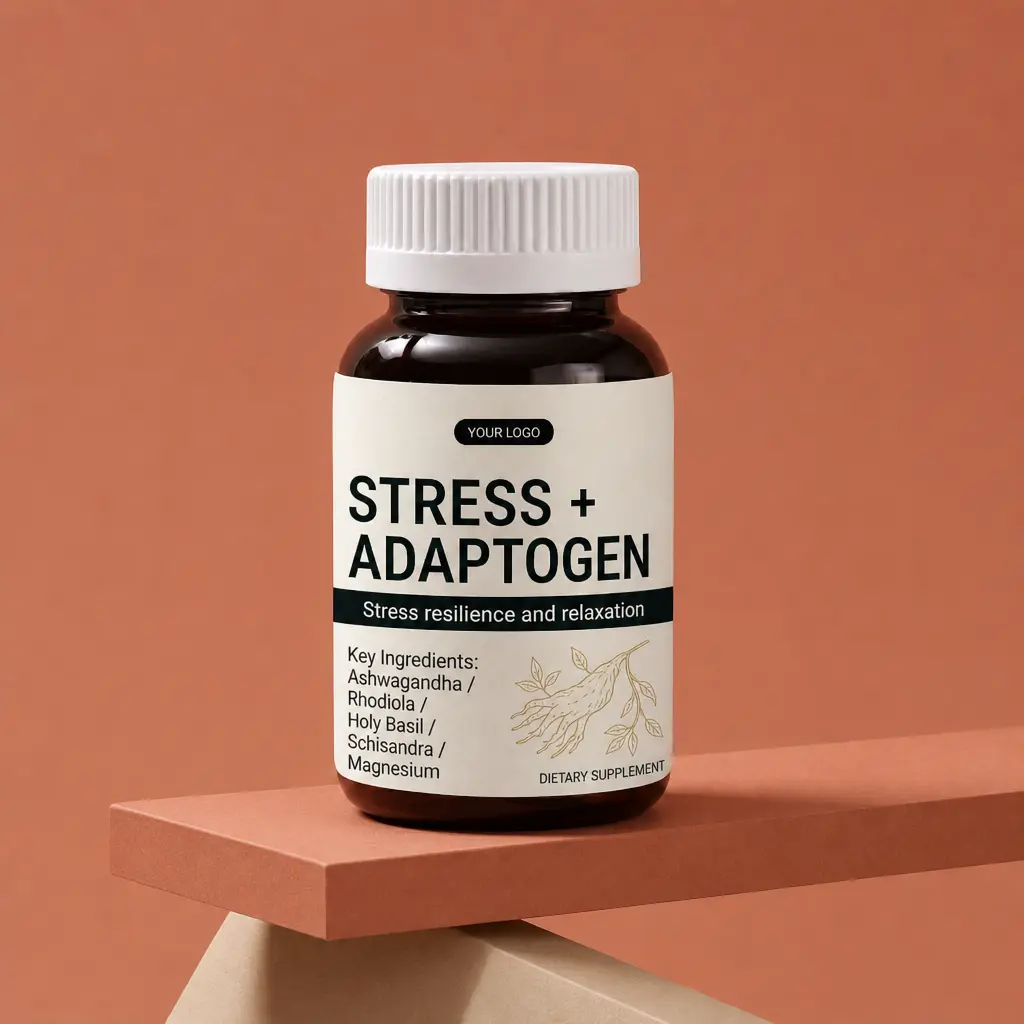
Use when: Stress resilience or burnout recovery as a dietary supplement.
Specify: Ashwagandha vs Rhodiola vs Schisandra as its own identity. Marker + method. Caffeine-free or not. Licensed ashwagandha grades only with authorization. Holy Basil is a separate botanical identity when named.
Trade-off: Daytime Rhodiola alertness vs evening ashwagandha. Do not merge both stories in one unit unless the brief requires it.
Default format: Capsule.
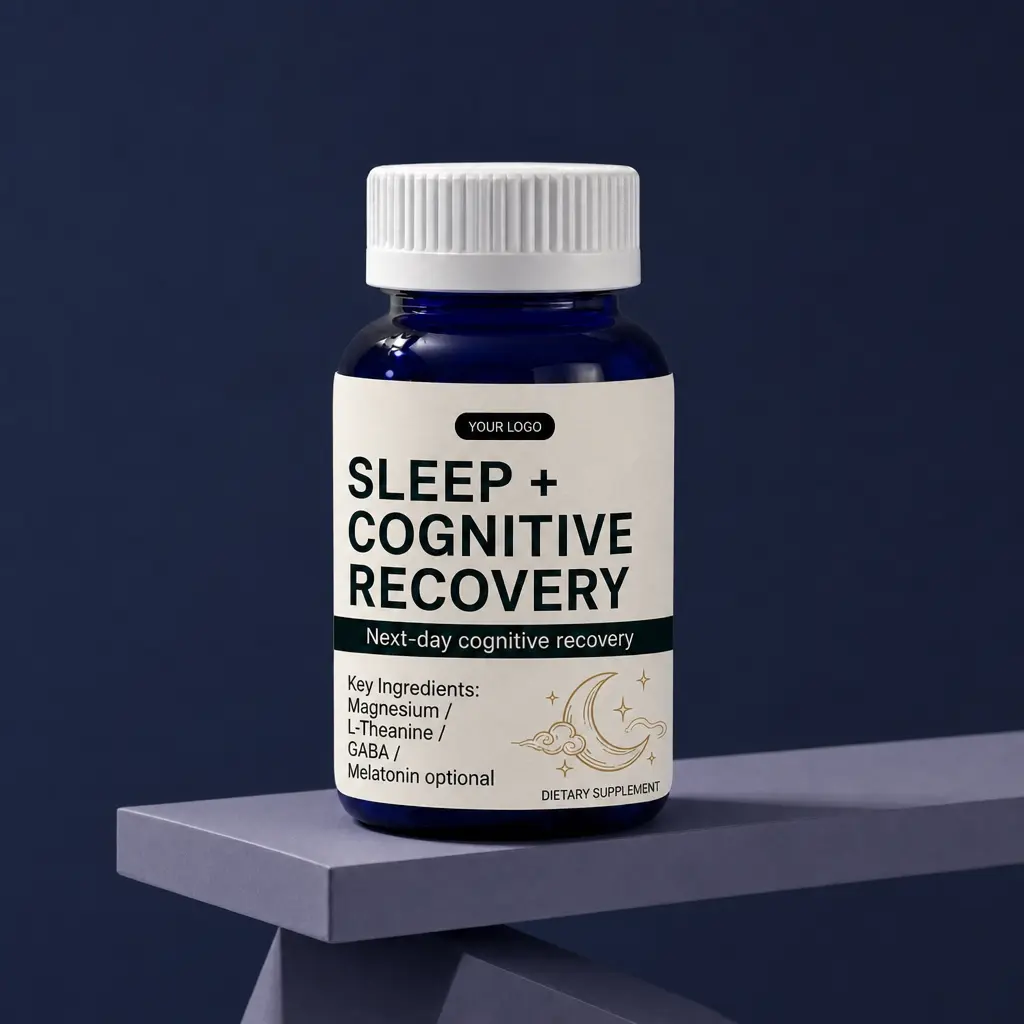
Use when: Overnight recovery that must not print on a morning nootropic.
Specify: Melatonin on or off. Magnesium salt + elemental milligrams. GABA class if used. Valerian identity if used.
Trade-off: Night SKU vs Focus + Calm daytime. Melatonin-free path when the destination restricts melatonin.
Default format: Capsule, or gummy after a cook-and-assay file.
Core Cognitive Ingredients We Supply
These are core actives we commonly manufacture into finished cognitive SKUs — not a complete ingredient catalog. Lock these fields on the RFQ. Two “300 mg Bacopa” or “citicoline” lines are not the same quote if marker, method, source, or identity differ. Linked names open the manufacturer page.
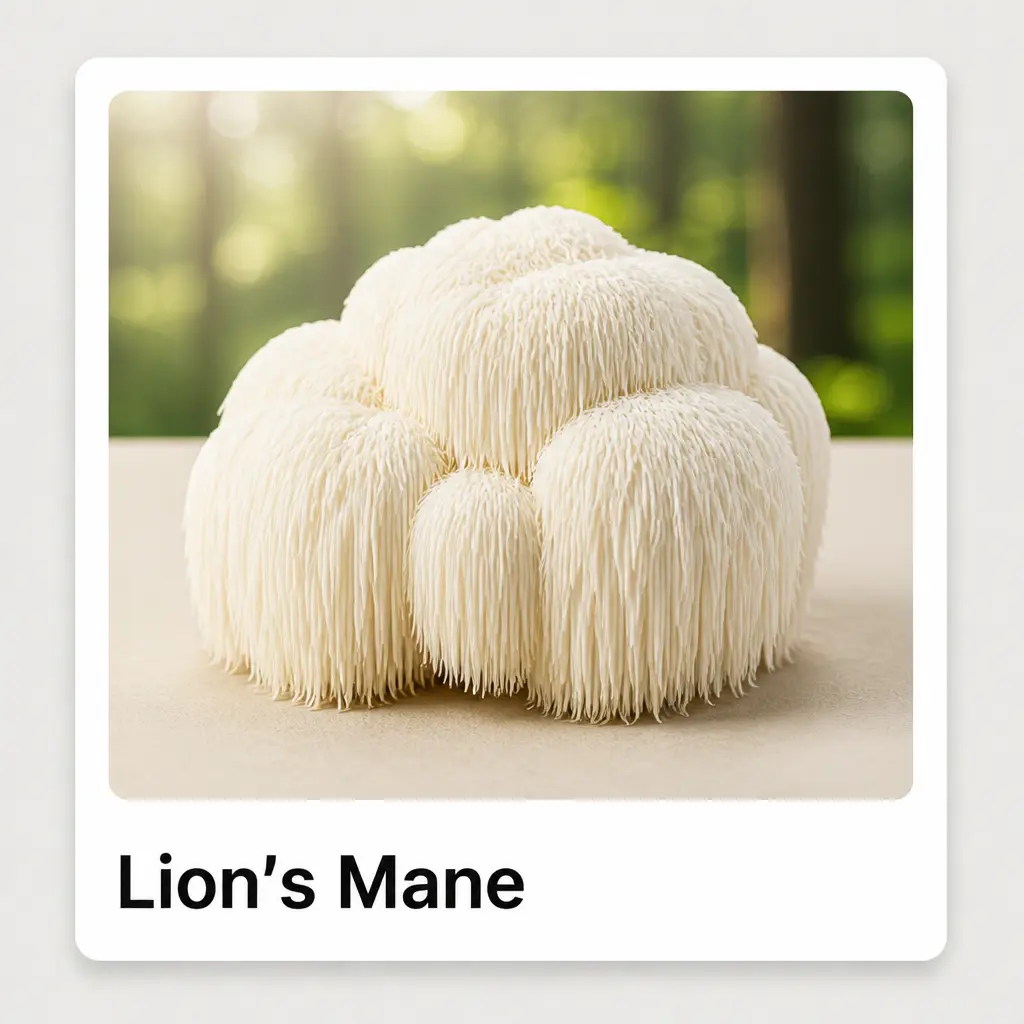
Specify: Fruiting body vs mycelium, beta-glucans, extraction method. Erinacines / hericenones only with a named method.
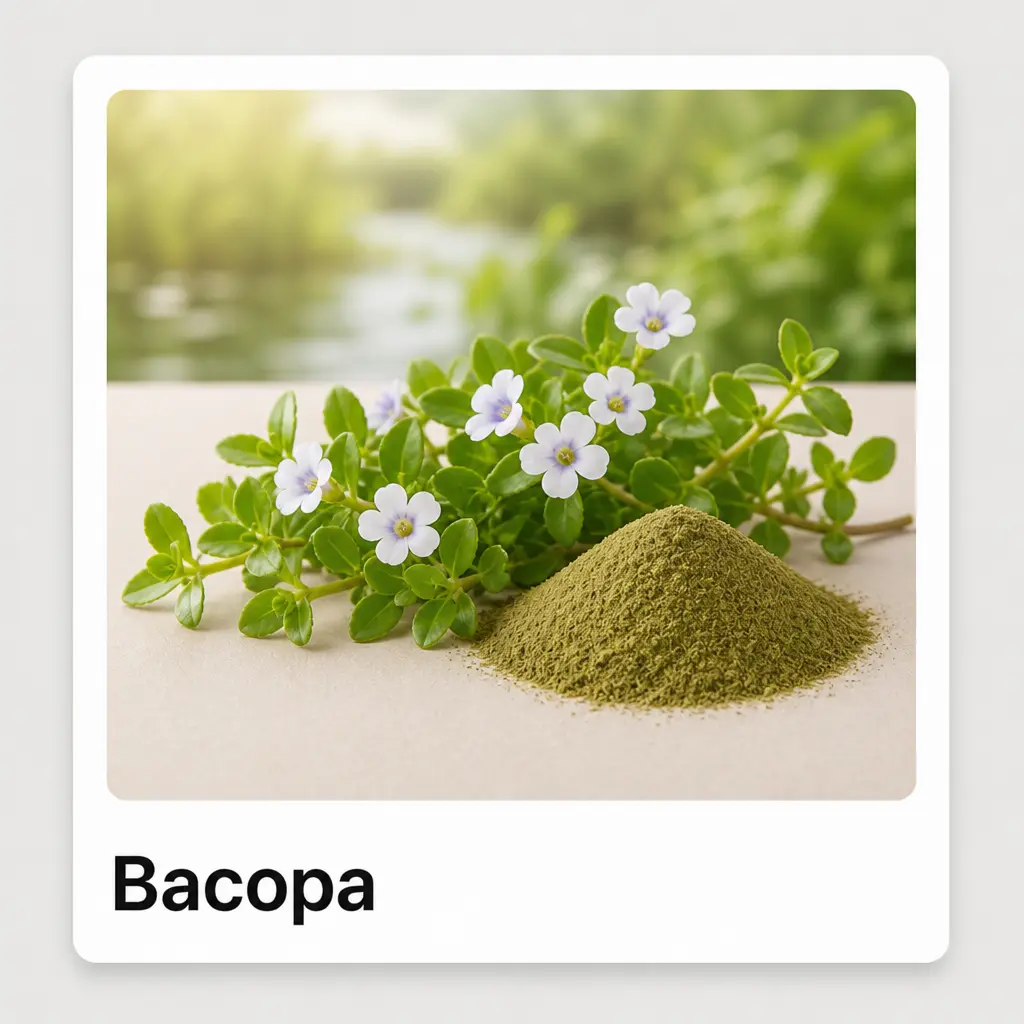
Specify: Extract ratio or DER as applicable, bacosides %, assay method. Bacopa is often an 8–12 week consolidation story, not same-day stimulation.
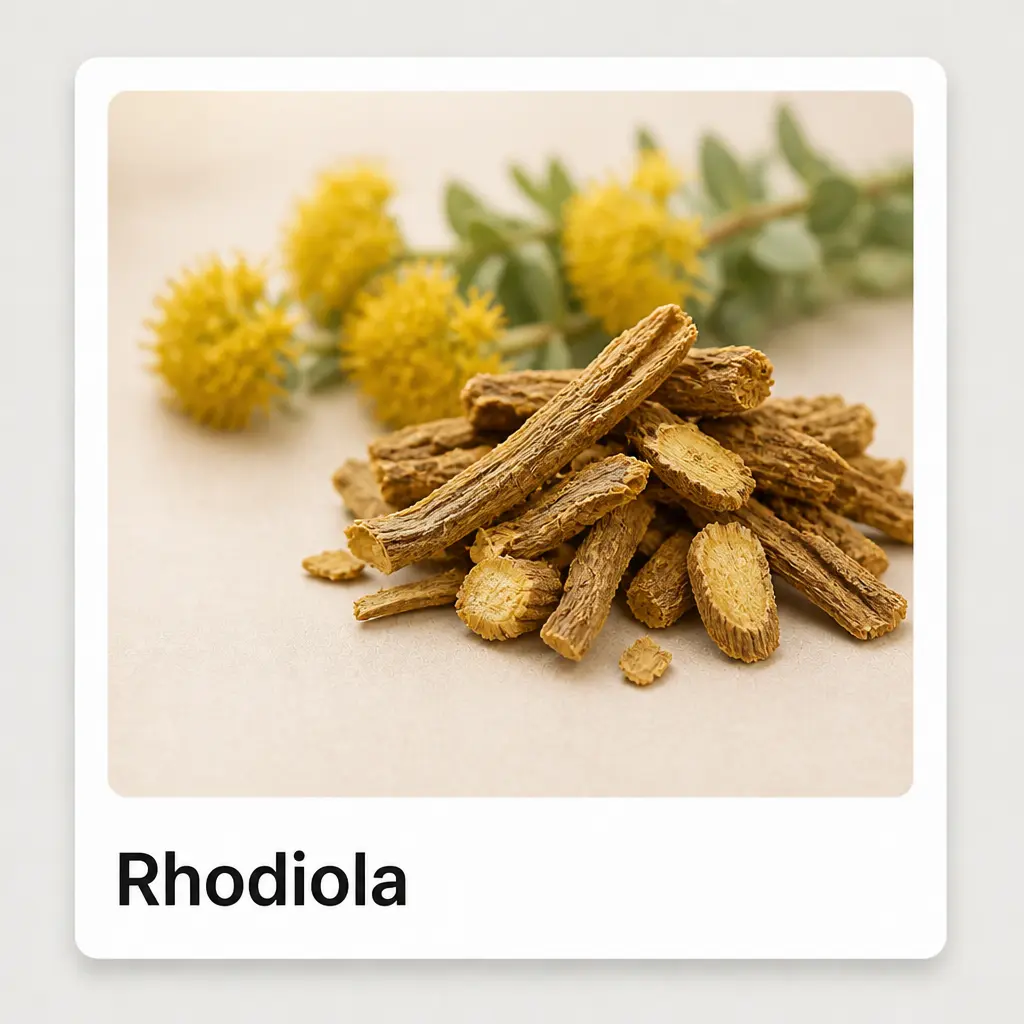
Specify: Rosavins, salidroside, assay method.
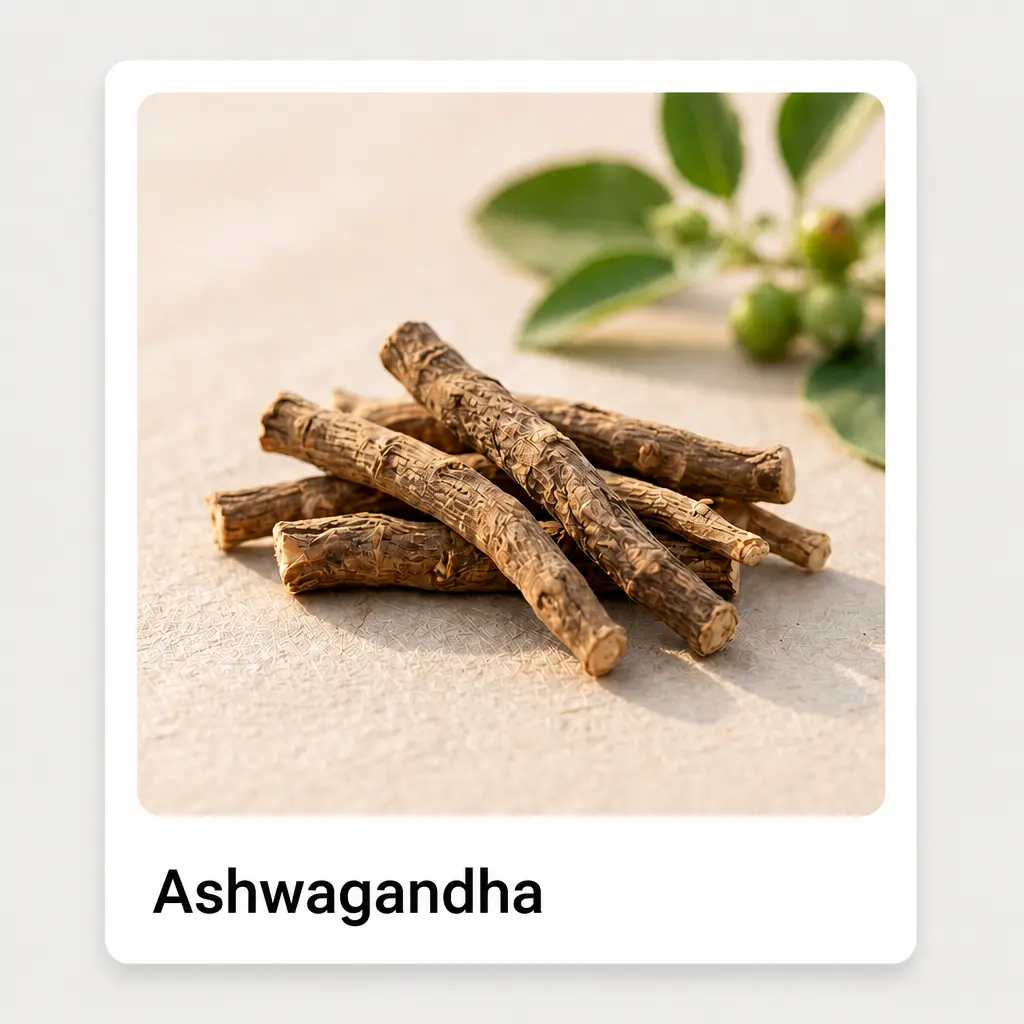
Specify: Extract type, withanolides %, assay method. Licensed grades only with authorization.
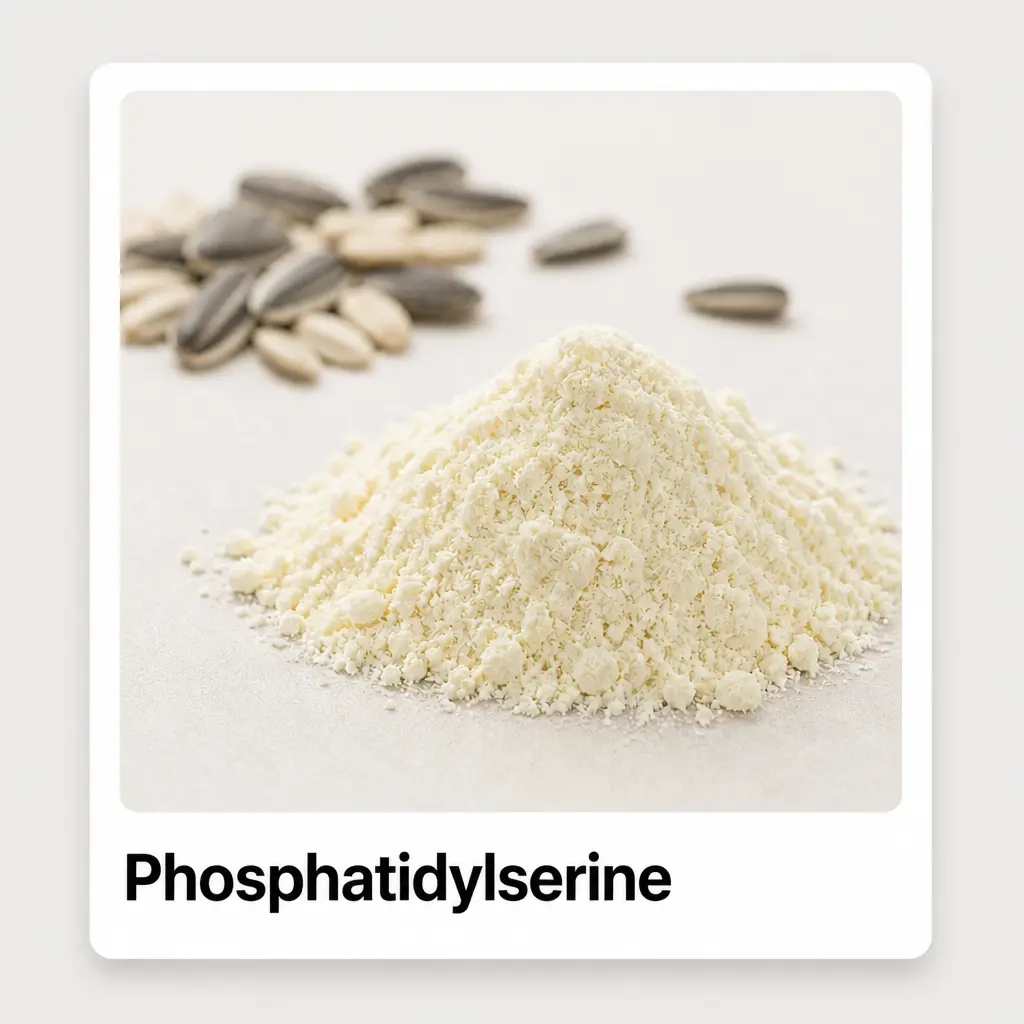
Specify: mg/serving, soy vs sunflower lecithin, assay.
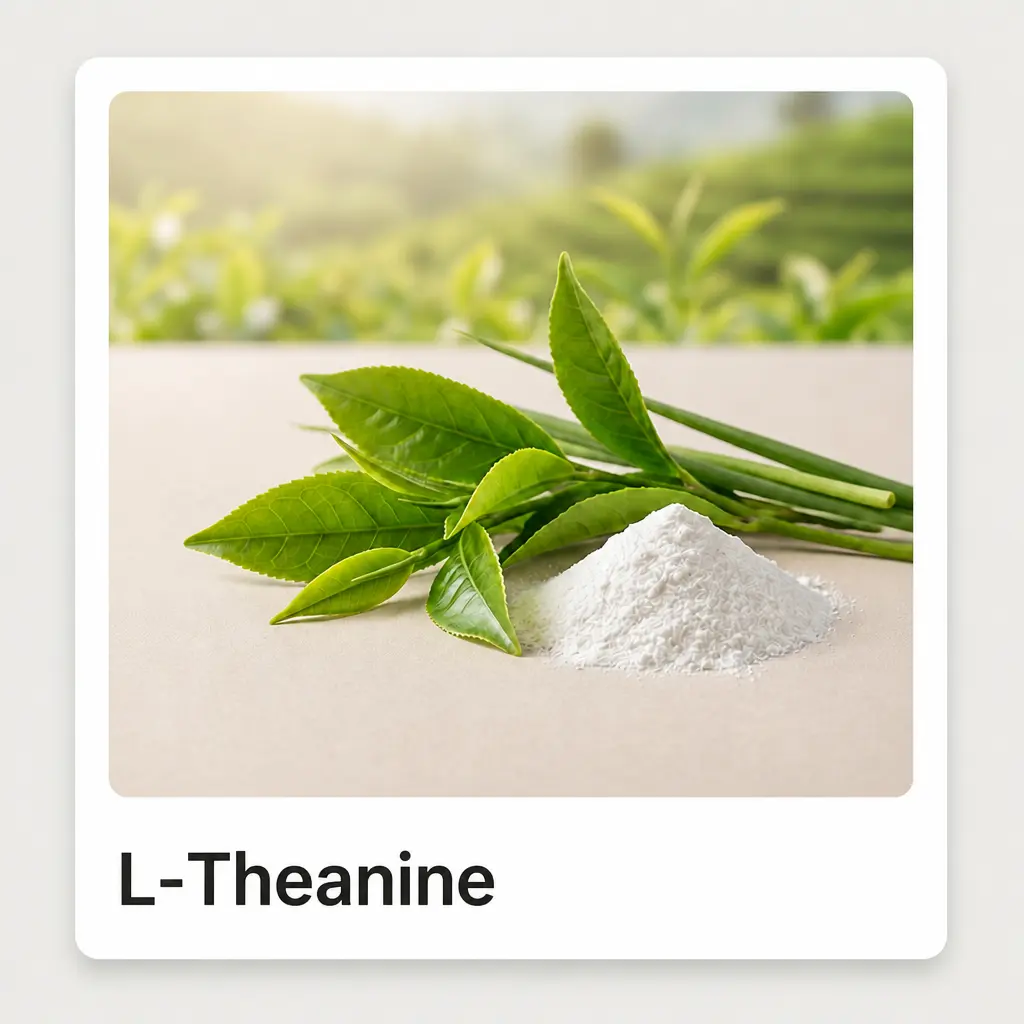
Specify: mg/serving, assay. Separate from a green-tea extract ratio.
Specify: Identity, mg/serving, assay. Not interchangeable with Alpha-GPC or choline bitartrate. Cognizin® only as a licensed grade.
Specify: 50% vs 99%, mg/serving, moisture / hygroscopicity handling.
Specify: Compound form + elemental magnesium. L-threonate is a different salt and a different brief.
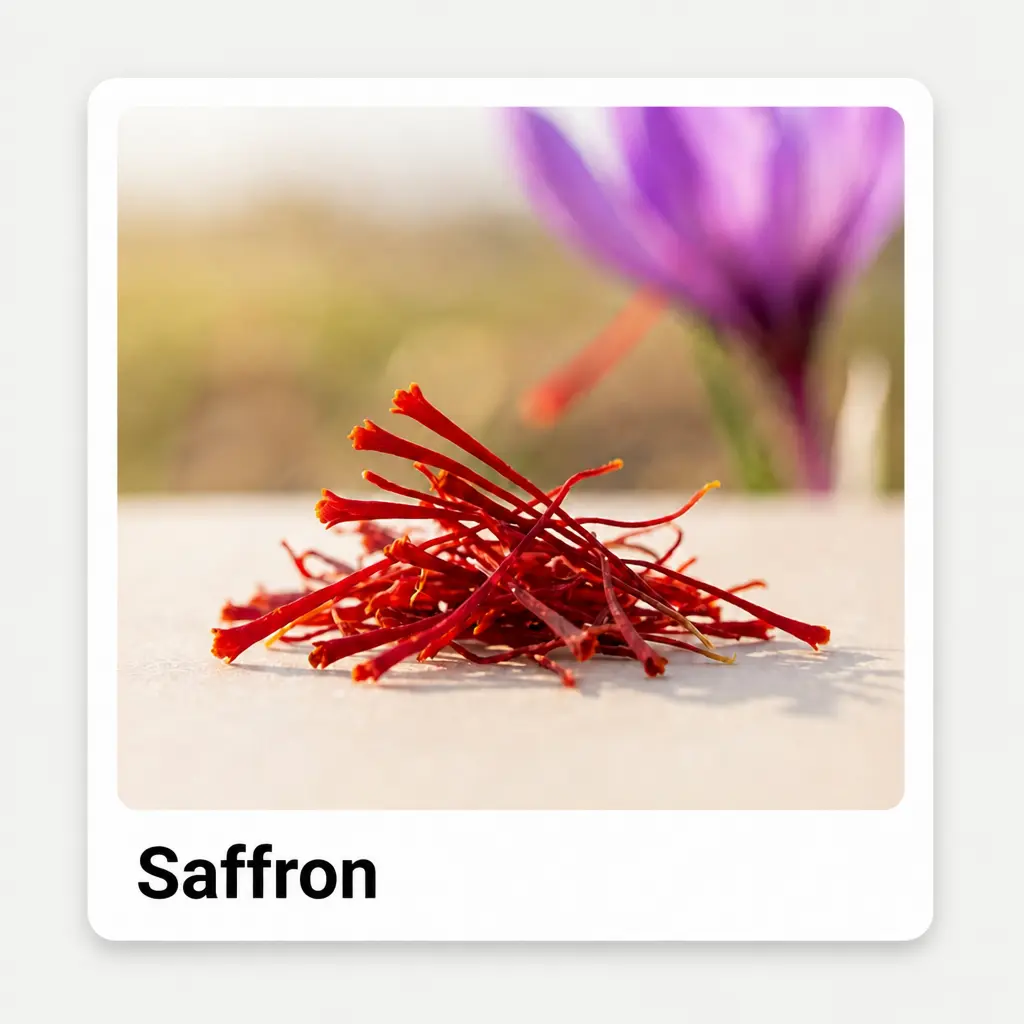
Specify: Crocin / safranal, assay method. Licensed grades only with authorization.
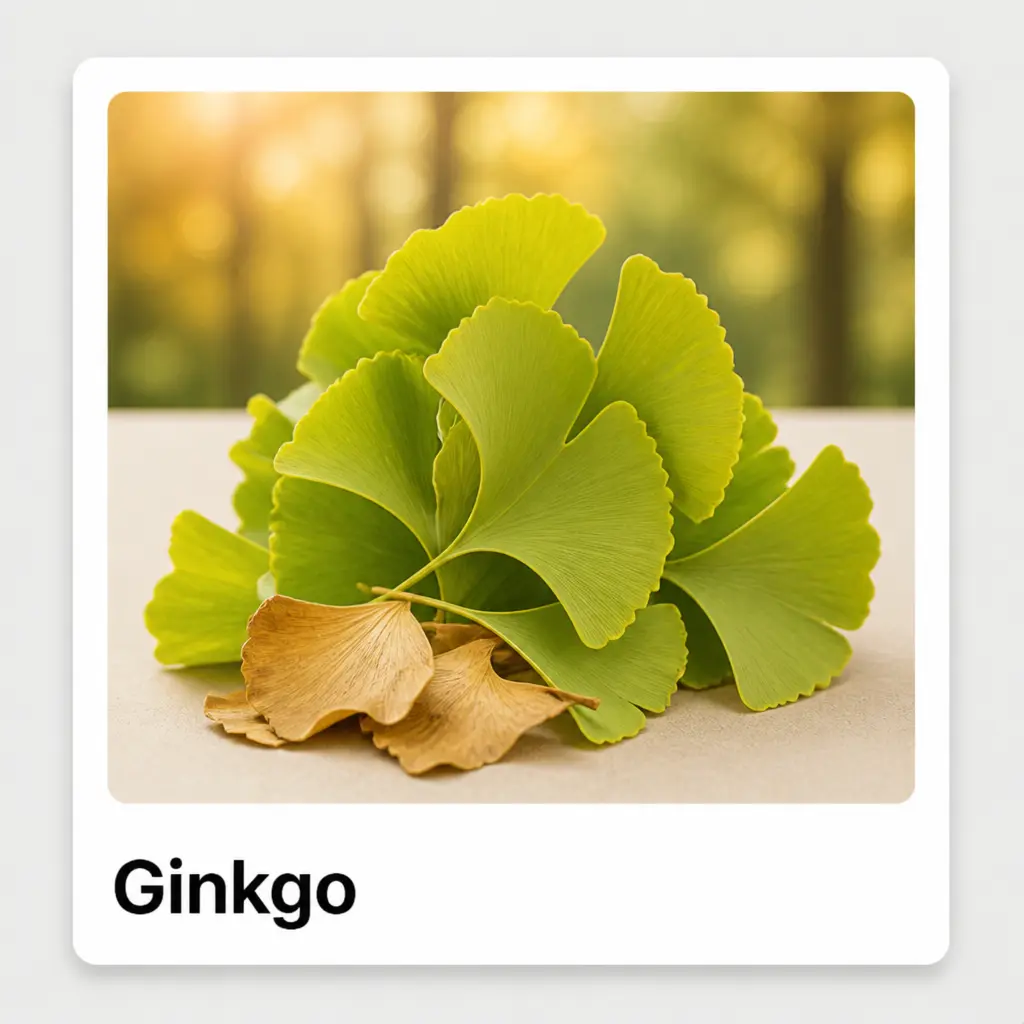
Specify: 24/6 profile, ginkgolic acids, assay method.
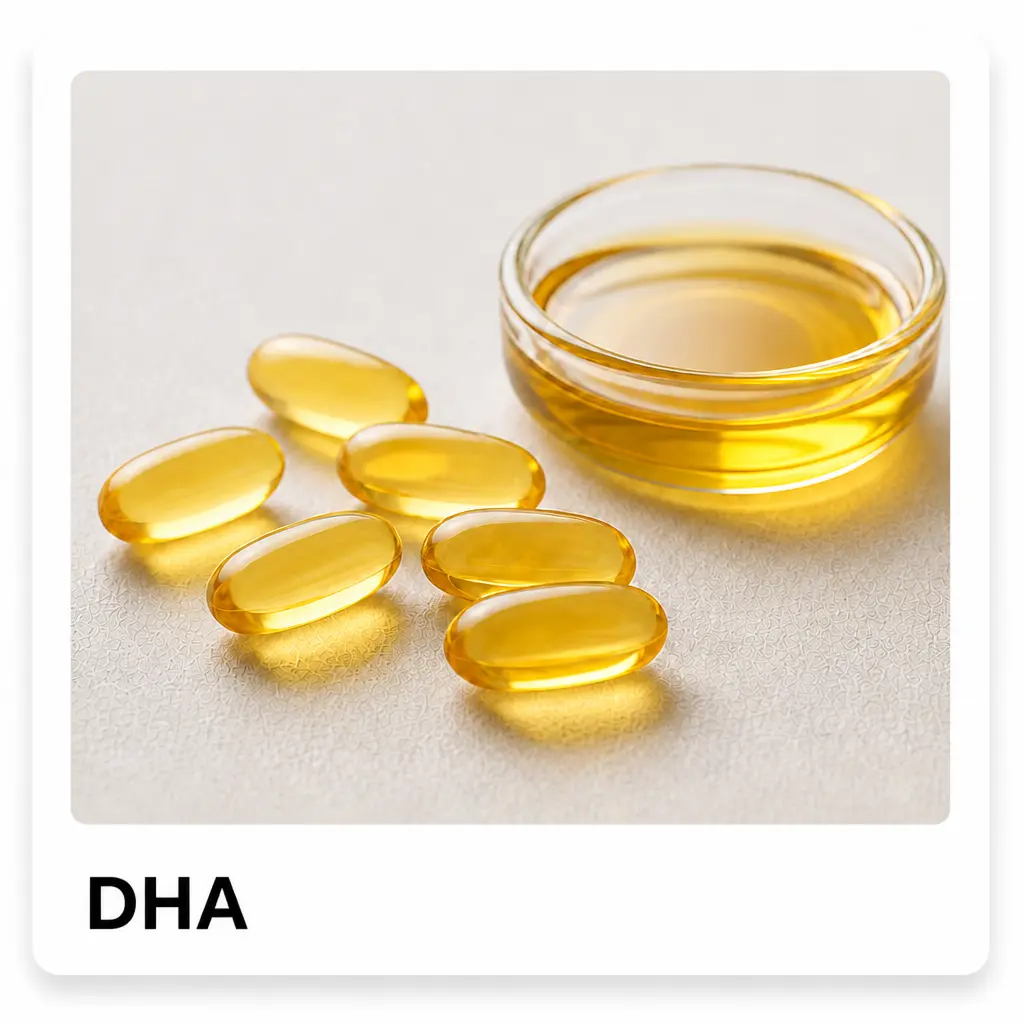
Specify: Algal vs fish oil. Crude, refined, or winterized — three different oils, not interchangeable grades. Form (triglyceride vs ethyl ester where named). Peroxide / anisidine / TOTOX as applicable. Softgel when the brief is the oil. Crude is not the default finished-SKU oil; winterization is locked when the fill must stay clear at low temperature.
Choose the Cognitive Format: Capsules, Softgels, Tablets, Powder, Gummies or Liquids
We offer versatile dosage forms tailored to Cognitive & Mental Wellness Solutions, ensuring market success, consumer compliance, and brand positioning.
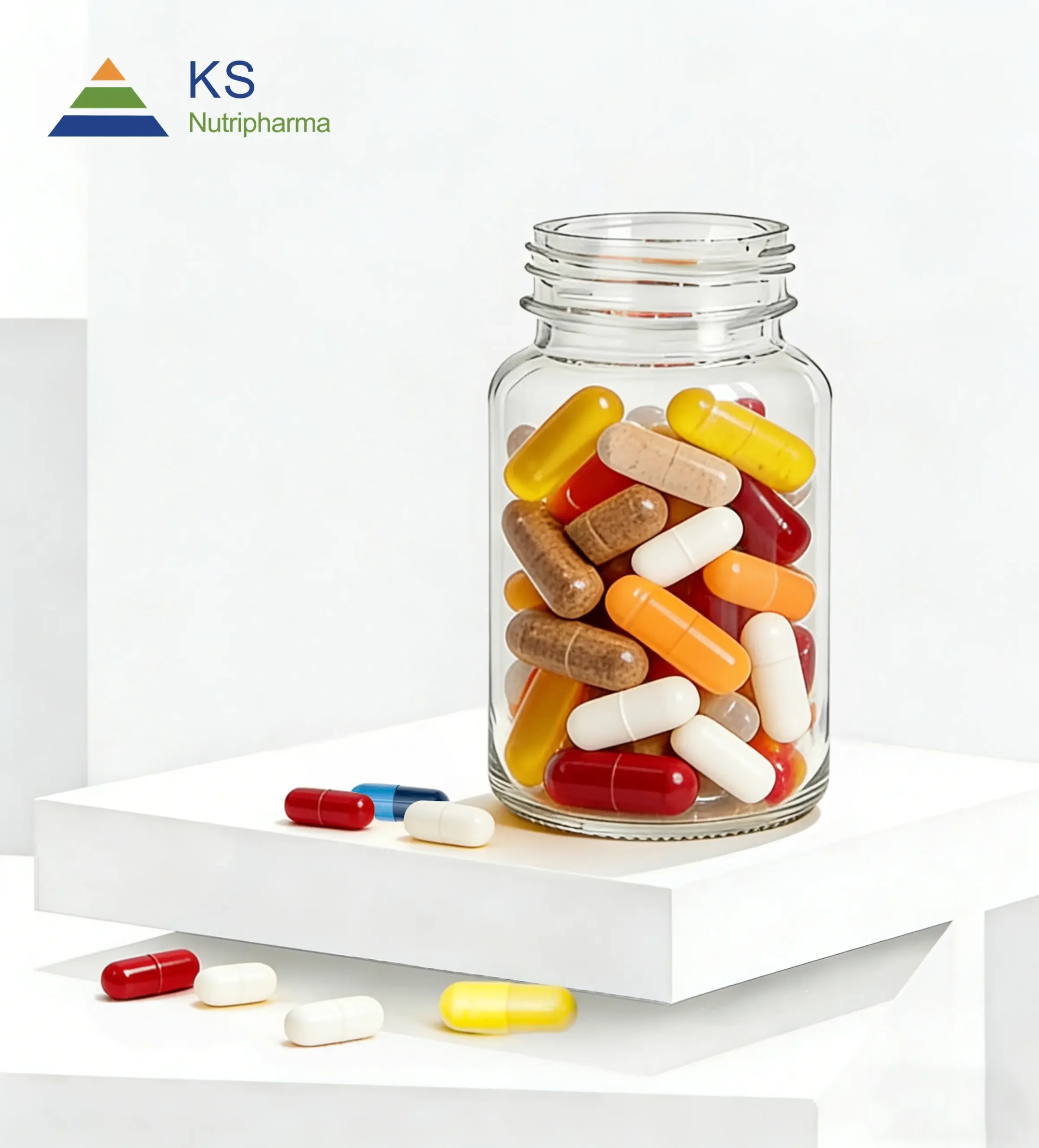
Best for: Multi-active nootropics; usual first private-label SKU.
Key RFQ fields: HPMC vs gelatin; fill weight; serving (for example 2 capsules).
Manufacturing note: Bitter Bacopa, mushroom extracts, and theanine + caffeine stay in the shell.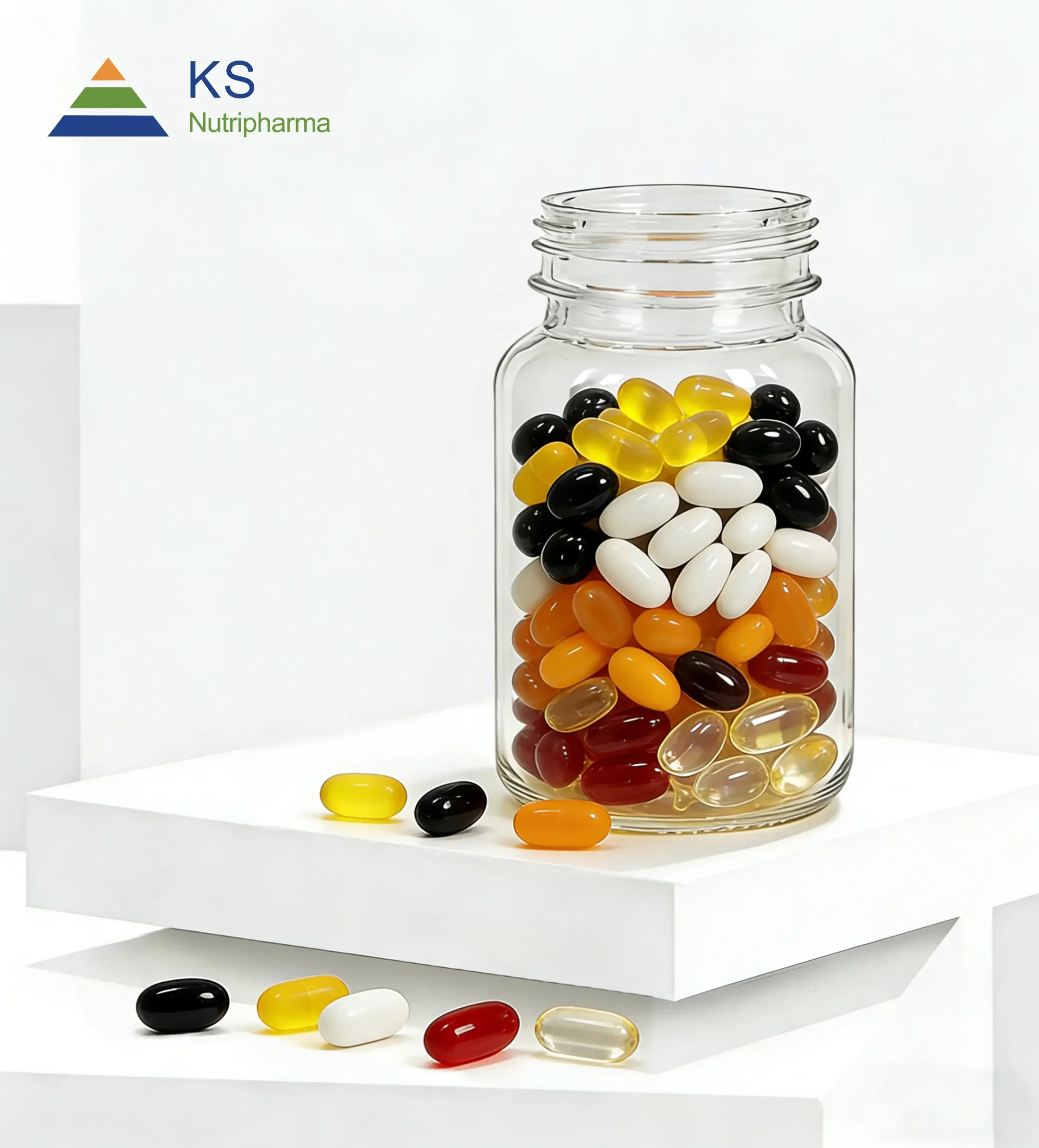
Best for: DHA, lipid carotenoids, curcumin oil systems, CoQ10.
Key RFQ fields: Carrier oil, fill, leak, oxidation.
Manufacturing note: A dry citicoline or Bacopa extract is not quoted as a softgel. Softgel is not a synonym for liposomal.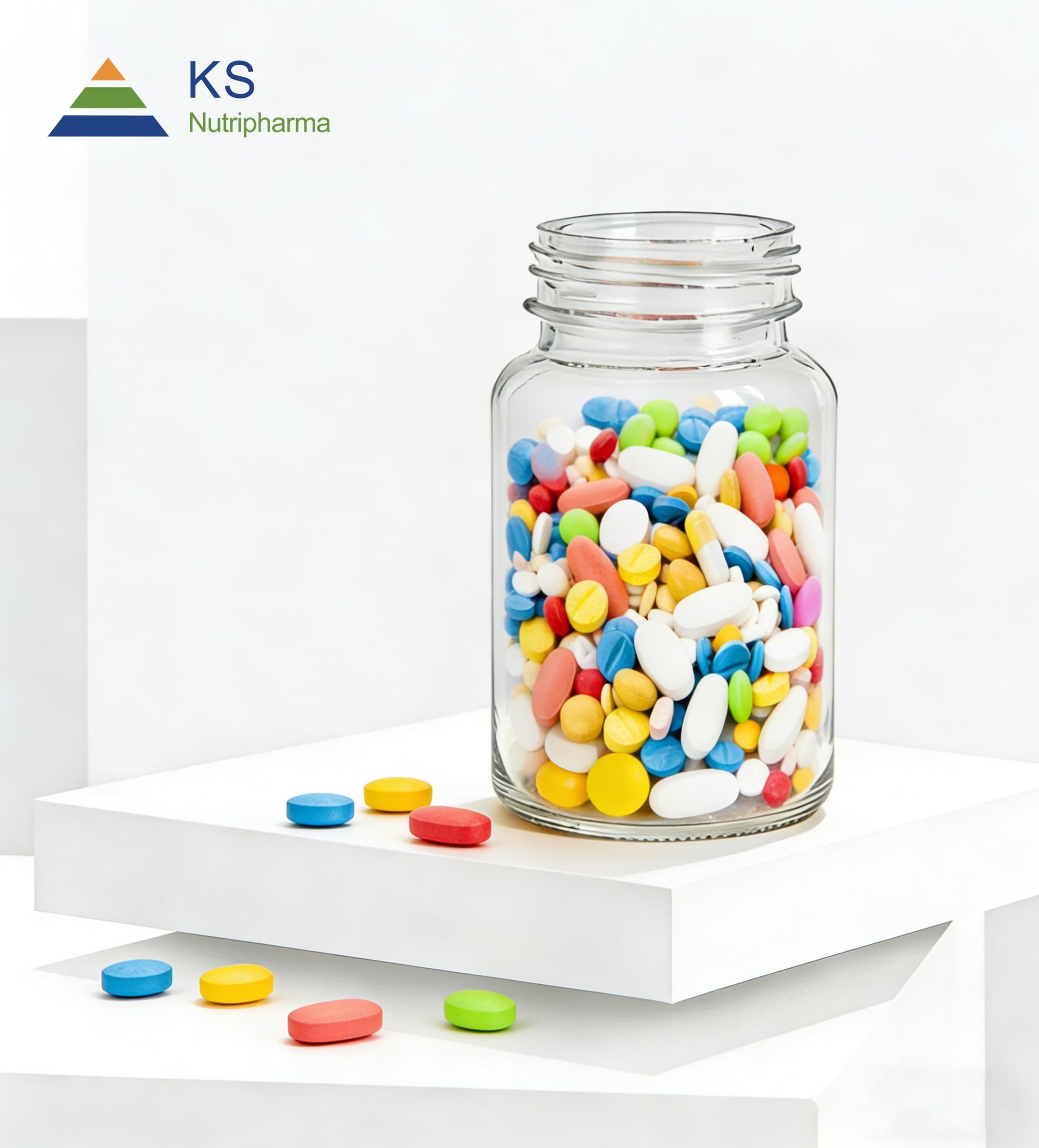
Best for: Higher solids and high-volume retail counts.
Key RFQ fields: Compression, coating, disintegration.
Manufacturing note: Hygroscopic choline salts need a moisture file before a press run. A capsule BOM is re-validated before a press.→ Tablets
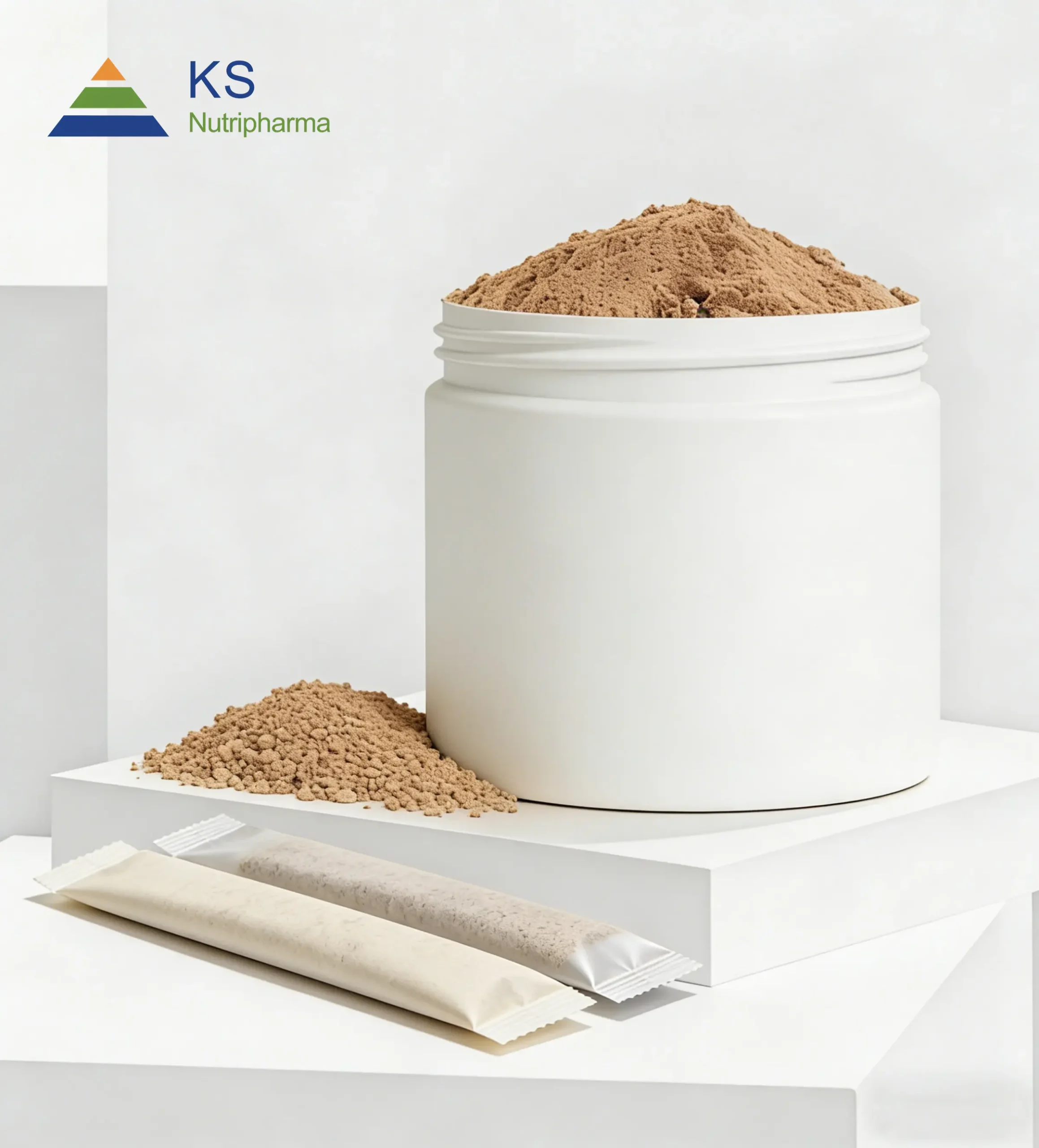
Best for: Gram-level servings, flavored mushroom mixes, stick packs.
Key RFQ fields: Flavor, bitterness, assay per stick or scoop.
Manufacturing note: Not a one-capsule fill job.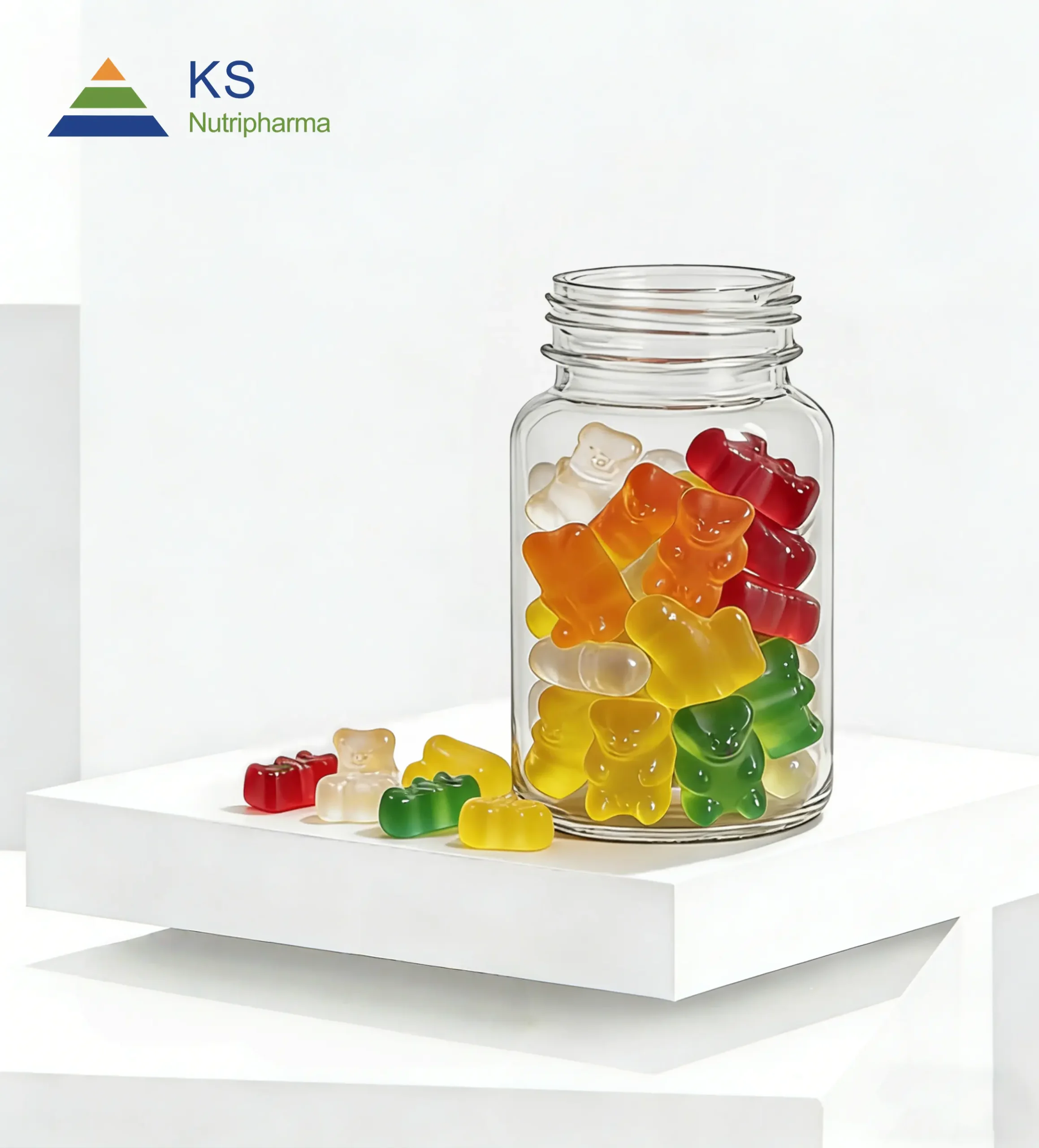
Best for: Lifestyle cognitive SKUs where cook and flavor are the project.
Key RFQ fields: Active load, pectin vs gelatin, finished-piece assay, sugar-free system if required.
Manufacturing note: High-bacoside Bacopa and 99% Alpha-GPC are poor default gummy loads.→ Gummies
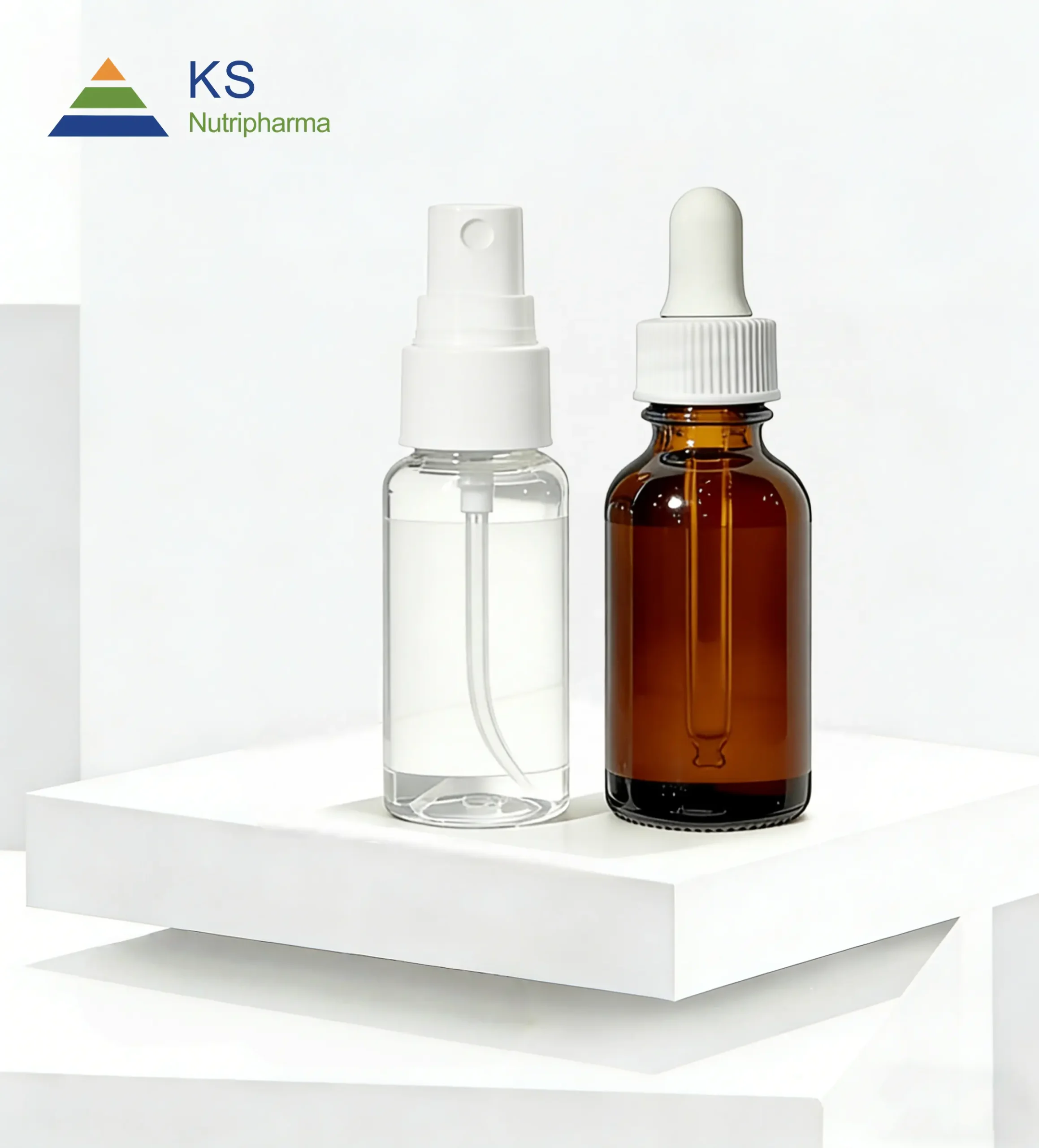
Best for: Shots and oral liquids after a documented path.
Key RFQ fields: mg/mL, preservation, light barrier.
Manufacturing note: Quoted after feasibility — not the default memory tablet.→ Liquids
Best-Selling Formulation Concepts (Market-Inspired)
The following formulations reflect the top mechanisms and ingredients consistently seen across Amazon cognitive supplement listings and best‑selling search trends.
Core ingredients are chosen based on scientific support, consumer demand, and marketplace prevalence, not specific brand sales data.
Dosages, regulatory compliance, and exact ingredient standardization should be developed according to your target market (US, EU, SG, etc.).
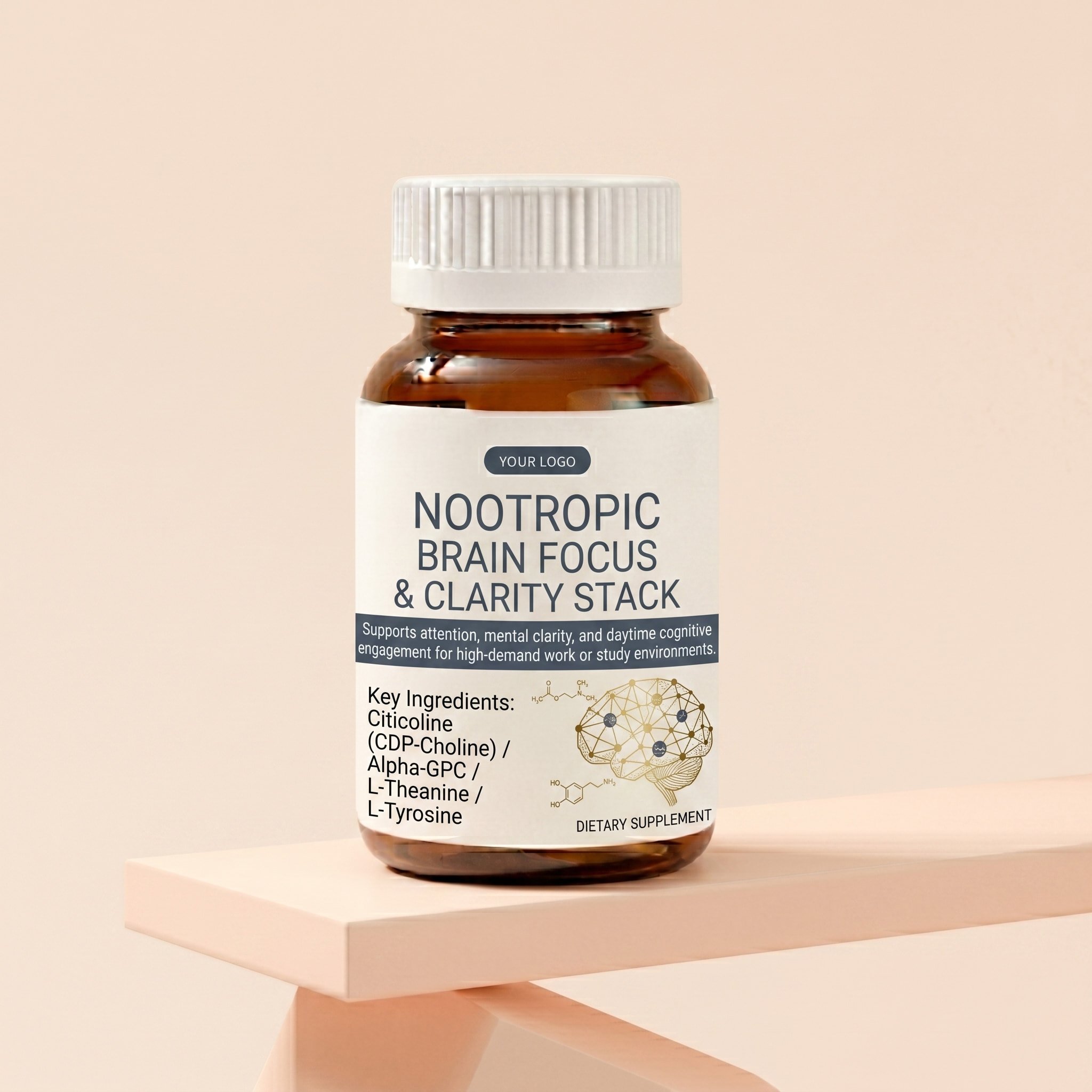
Intended Function:
Supports attention, mental clarity, and daytime cognitive engagement for high-demand work or study environments. Designed for dietary supplementation, not for disease treatment.
Core Ingredients (typical):
- Citicoline (CDP-Choline) – supports healthy neurotransmitter activity
- Alpha-GPC – contributes to cholinergic pathways related to focus
- L-Theanine – promotes calm alertness
- L-Tyrosine – helps maintain neurotransmitter balance under daily stress
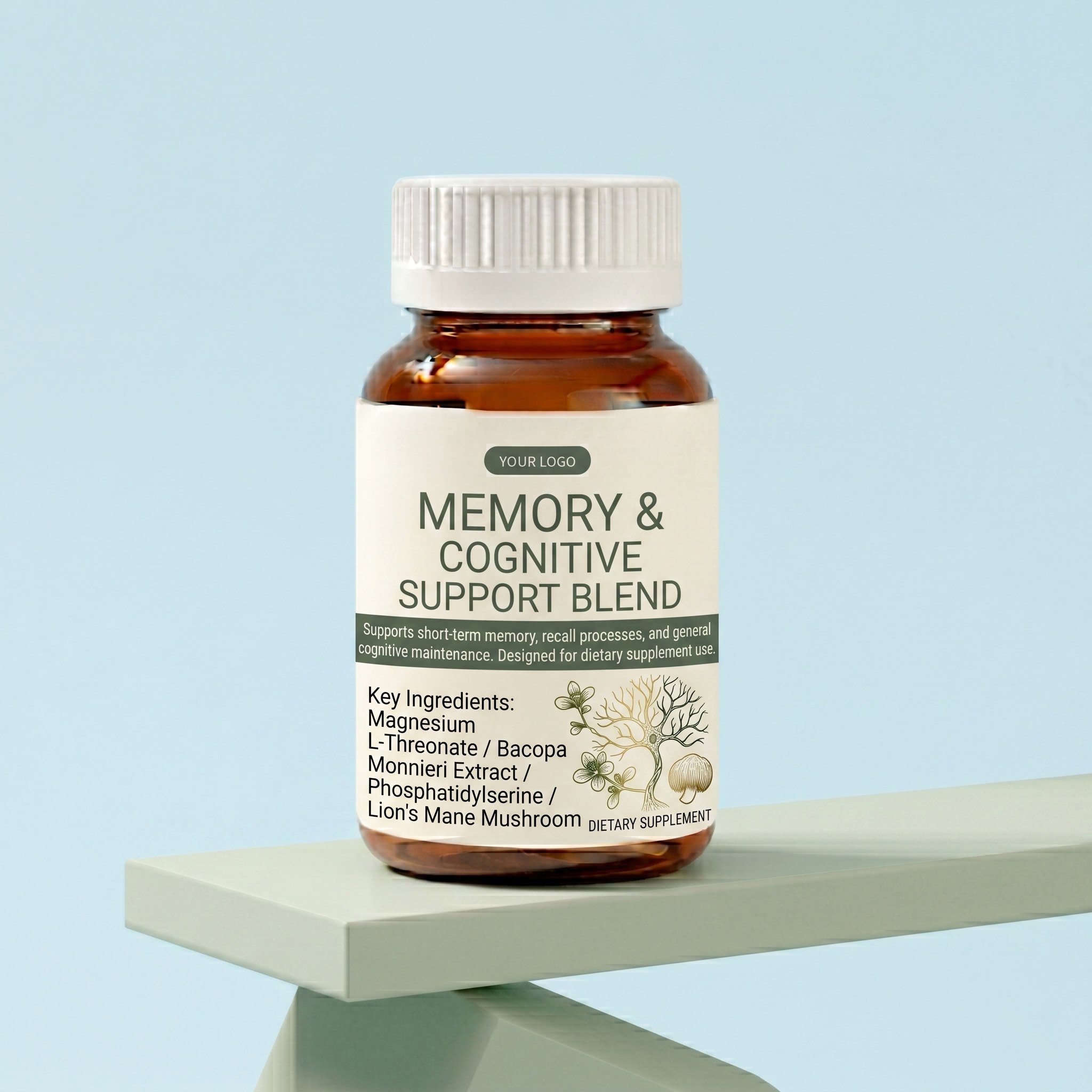
Intended Function:
Supports short-term memory, recall processes, and general cognitive maintenance. For dietary supplement use; not intended for any medical claims.
Core Ingredients (typical):
- Magnesium L-Threonate – supports synaptic function
- Bacopa Monnieri Extract – traditionally used to help maintain cognitive function
- Phosphatidylserine – helps sustain healthy cell membrane activity
- Lion’s Mane Mushroom – contributes to neurotrophic support
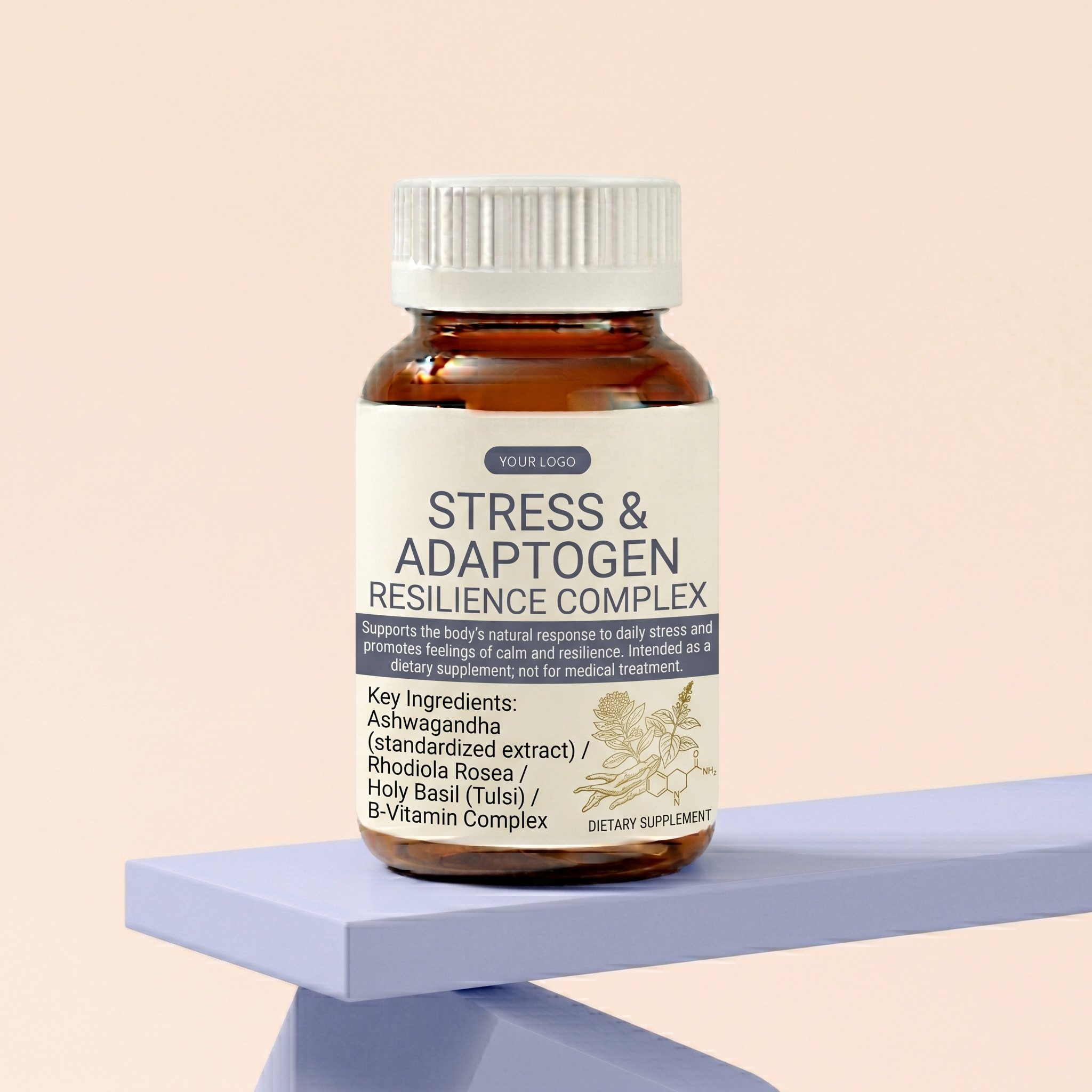
Intended Function:
Supports the body’s natural response to daily stress and promotes feelings of calm and resilience. Intended as a dietary supplement; not for medical treatment.
Core Ingredients (typical):
- Ashwagandha (standardized extract) – helps maintain healthy cortisol balance
- Rhodiola Rosea – contributes to stress resilience support
- Holy Basil (Tulsi) – promotes adaptogenic balance
- B-Vitamin Complex – supports nervous system metabolic function
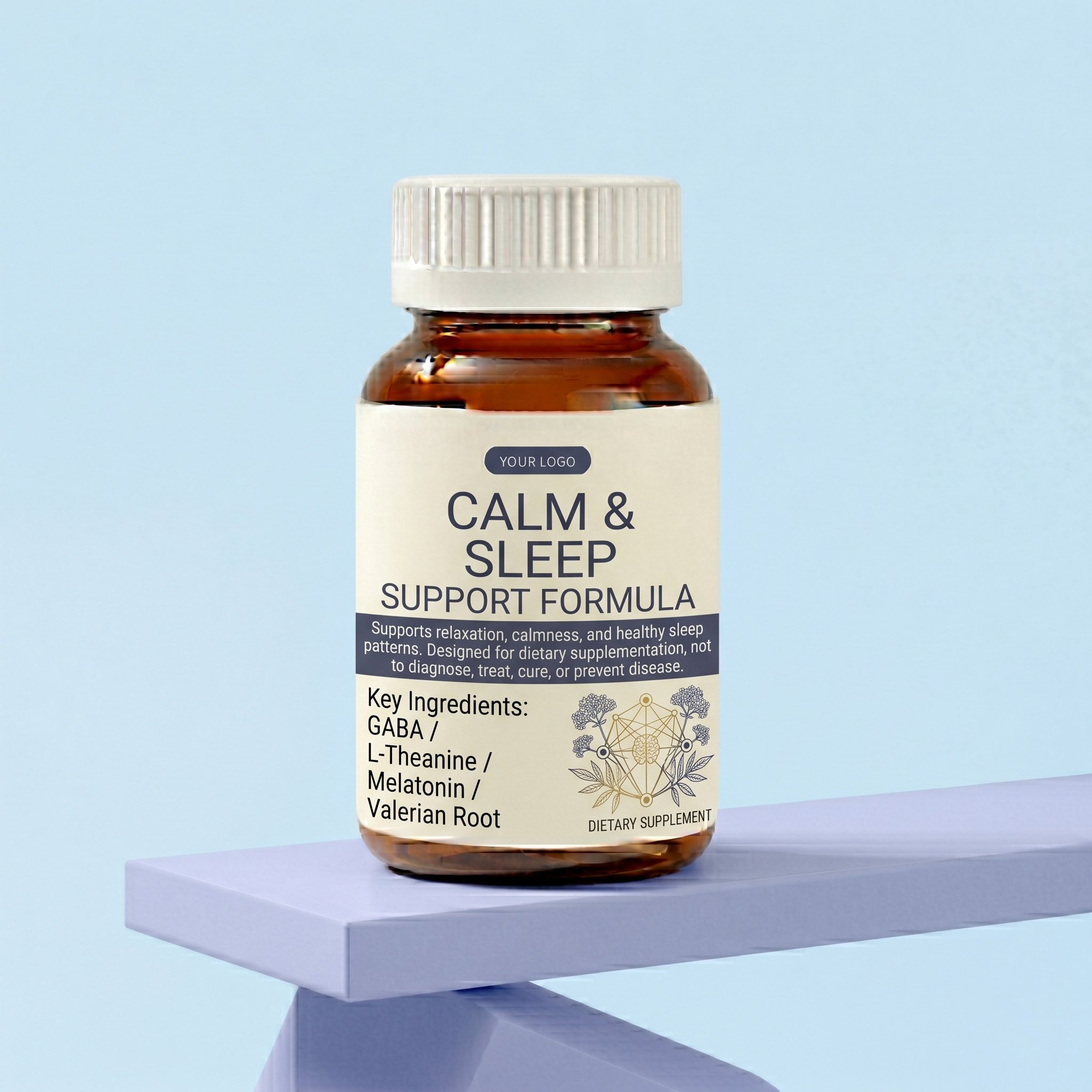
Intended Function:
Supports relaxation, calmness, and healthy sleep patterns. Designed for dietary supplementation, not to diagnose, treat, cure, or prevent disease.
Core Ingredients (typical):
- GABA – helps promote neural relaxation
- L-Theanine – supports calm alertness
- Melatonin – assists in maintaining healthy sleep cycles
- Valerian Root – traditionally used to support sleep comfort
A bulk ingredient order and a finished supplement project are quoted differently. Choose the supply model before comparing MOQ or pricing.
Bulk Ingredient Supply | Finished Product Manufacturing |
|---|---|
| Named extract, isolate, or active | Complete formula / BOM |
| Quoted by kg | Quoted by finished units |
| Raw-material specification + incoming COA | Finished-product specification + release testing |
| Drum or bulk packaging | Bottle, sachet, blister, or other retail pack |
| Ingredient identity, marker, assay | Active dose, serving size, format, packaging |
| Bulk shipment | Retail-ready shipment |
For ingredient supply: specify species or identity, plant part where applicable, extract ratio or DER, marker, assay method, source, and target quantity.
For finished products: add dosage form, serving size, full active list, destination market, packaging, artwork requirements, and target units.
Important: A 25 kg ingredient MOQ is not equivalent to a 5,000-unit private-label MOQ. If the brief contains both raw-material sourcing and finished-product manufacturing, they should be quoted as separate commercial lines.
Who formulates, how the ingredient is specified, how the batch is tested, and how the finished unit is released sit in one file. Line figures match Manufacturing Capacity. Methods and release records sit with Quality Control. Formula development sits with the R&D Center.
Botanical identity. Species, plant part, and extract ratio — not the common name alone.
Marker assay. Bacosides, rosavins / salidroside, withanolides, crocin / safranal, ginkgo 24/6, theanine, phosphatidylserine — tied to a named method.
Mushroom authentication. Fruiting body vs mycelium, and beta-glucans (or another named marker) on the same COA.
Lipid oxidation. Peroxide, anisidine, and TOTOX where DHA or other oils are on the BOM.
Hygroscopic actives. Water activity, handling, and pack for choline salts such as Alpha-GPC.
Finished-unit assay. Printed milligrams versus the result on the finished capsule, gummy, stick, or softgel — not the incoming drum COA alone. How to read that file: How to Read a COA.
Microbiology and contaminants. Heavy metals, pesticides, residual solvents, and micro, aligned with the destination dietary-supplement file.
This is not an FDA product approval. Brand-owner counsel owns Supplement Facts and claim lists.
- Brief — product path, format, destination, stimulant on or off, serving size.
- Sourcing — identity, marker, method, approved supplier, secondary source when the botanical is seasonal.
- Feasibility — fill window, gummy load, oil phase, bitterness, moisture.
- Pilot — a production-relevant batch before commercial scale-up.
- Testing — identity, assay, micro, contaminants, finished-unit assay as scoped.
- Production — in-process controls on the agreed format.
- Packaging — bottle, sachet / stick, or blister; climate lane named when choline salts or fish oil are on the BOM.
Certificates, when they apply to the site: cGMP, ISO9001, ISO22000, HACCP, FSSC22000, HALAL, and KOSHER. See Certifications. Certificates are not a substitute for the finished-unit assay.
- 4 GAP-certified cultivation bases for botanicals that need a traceable farm file, not a sourcing slogan.
- 12 production lines across capsules, tablets, powders, gummies, softgels, and scoped liquids.
- Pilot production is validated before commercial scale-up; finished-unit timing depends on formula complexity, packaging, and testing.
- Private-label MOQ typically starts at 5,000 units. High-load choline, mushroom dual-extract panels, and some gummy cooks can raise the first batch.
- Samples for evaluation. Typical first reply within one business day on a complete brief. Project manager assigned. NDA available.
Can you manufacture both bulk cognitive ingredients and finished products?
Yes. A cognitive health ingredients supplier or nootropic ingredient supplier brief is a named isolate or extract, quoted by the kilogram. Finished brain-boost private label units follow a finished-unit MOQ, pack, and artwork file. Do not treat a drum quote as a bottle MOQ.
What information do you need to quote a cognitive supplement?
Product pathway, each printed active with milligrams or marker, assay method where relevant, source when it changes identity (fruiting body vs mycelium, soy vs sunflower PS, algal vs fish DHA), stimulant status, dosage form, serving size, destination, pack, and target quantity. Incomplete briefs are still accepted; locked fields make two quotations comparable.
Can you formulate caffeine-free nootropic products?
Yes. Caffeine-free is a BOM rule: no anhydrous caffeine, no tea-caffeine contribution unless it is declared. Calm-focus briefs typically lock L-theanine milligrams and, when used, an adaptogen identity and marker. If caffeine stays on the label, lock milligrams and anhydrous vs natural before artwork.
Can you standardize botanical extracts to a named marker?
Yes, when the incoming specification names the marker and method — bacosides, rosavins / salidroside, withanolides, crocin / safranal, ginkgo 24/6, beta-glucans. “Extract 10:1” without a marker is a different quote from a standardized extract.
Can you manufacture cognitive gummies with high active loads?
Gummies are quoted after a cook-and-assay feasibility. Load, flavor, pectin vs gelatin, and finished-piece assay are the constraints. High-bacoside Bacopa and hygroscopic 99% Alpha-GPC are usually a poor first gummy brief; capsules or a lower-load formula are the usual start.
Can you supply fruiting-body Lion’s Mane rather than mycelium?
Yes. Fruiting body, mycelium, and dual extract are three identities. Lock plant part, beta-glucans (or another named marker), and extraction method. Erinacines or hericenones print only with a method.
Can you provide COA and finished-product testing?
Yes. Incoming identity and assay, plus finished-unit assay against the printed milligram or marker as scoped, with micro and contaminant panels aligned to the destination file. Third-party testing is available when the brief requires it.
What is the typical MOQ for cognitive supplement private label?
Finished-unit MOQ typically starts at 5,000 units. Format, high-load choline, mushroom dual-extract panels, and some gummy cooks can raise the first batch. Kilogram ingredient supply is quoted separately.
Can you formulate for the US, EU, Mexico or LATAM markets?
Yes. Name the destination on the RFQ. Ingredient class (for example GABA or melatonin), claim language, and pack can change by country. We provide manufacturing feasibility and documentation support. Brand-owner counsel owns finished-label compliance. Southeast Asia and the Middle East follow the same rule: destination first, then formula lock.
Can you develop adaptogen supplements for mental alertness?
Yes. Daytime mental-alertness briefs usually start on Rhodiola with named rosavins and method. Evening or burnout briefs start on ashwagandha with withanolides and method. That is not a caffeine brain-boost SKU unless the BOM adds a locked stimulant line.
What We Need to Quote Your Product
The more of these fields are locked, the more comparable the quotation becomes.
RFQ field | Example |
|---|---|
| Product pathway | Focus / Memory / Stress / Sleep |
| Active ingredient | L-Theanine |
| Dose | 200 mg/serving |
| Botanical marker | Withanolides ≥5% |
| Extract ratio / DER | As applicable |
| Source | Fruiting body / mycelium / sunflower lecithin |
| Stimulant status | Caffeine-free, or caffeine milligrams locked |
| Dosage form | Capsule / gummy / powder |
| Serving size | 2 capsules |
| Destination | Named country |
| Packaging | Bottle / sachet / blister |
| Target quantity | 5,000 units |
| Testing | Identity / assay / micro / heavy metals |
Send the BOM you have, even if some rows are still open. If the concept is not locked yet, pathway, format, and destination are enough to start. Two incoming COAs can be compared before formula lock.
Send Your BOM · Compare Two COAs
Related Supplement Manufacturing Solutions
- Lion’s Mane Mushroom Supplements
- Phosphatidylserine Supplements
- Ginkgo Biloba Supplement Manufacturer
- L-Theanine Supplements
- Rhodiola Supplement Manufacturer
Disclaimer: Wholesale / brand manufacturing and product-development reference only. Dietary supplements are not intended to diagnose, treat, cure, or prevent any disease. This page is not an Alzheimer’s, dementia-treatment, ADHD-drug, depression-disorder, or anxiety-disorder offer. KS Nutripharma manufactures oral dietary supplements. Structure/function language, ingredient status, and product classification vary by country. Brand owners remain responsible for finished-label compliance with local counsel. KS Nutripharma provides manufacturing feasibility and documentation support — not legal approval. Milligram figures, marker percentages, and formula examples are development references, not recommended intakes or catalog guarantees. Branded ingredient names appear only as customer-licensed options, not as default house grades.