




Mood Support Supplements — Contract Manufacturing Solution
Advanced formulation & manufacturing solutions for emotional balance, positive mood tone regulation & motivational wellness supplement products.
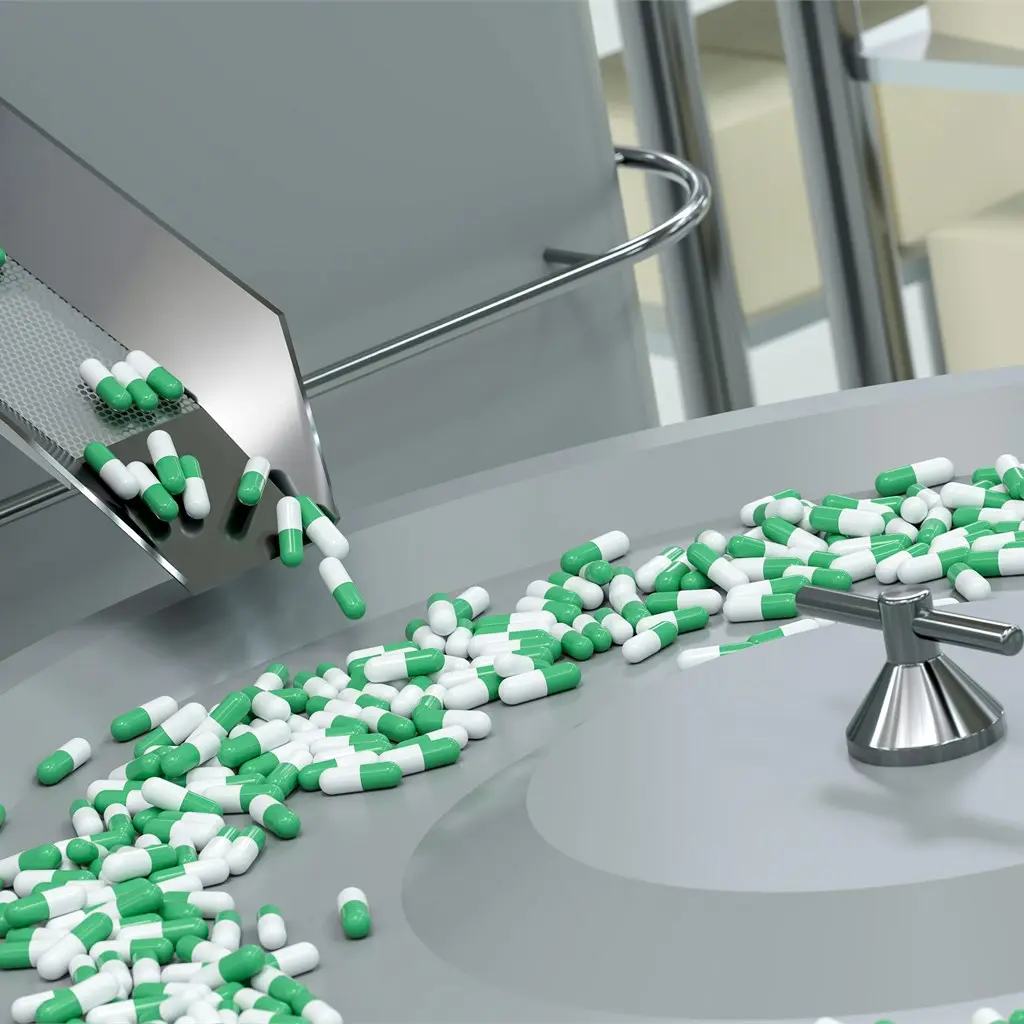
Manufacturing-ready formulations (capsules / powders / liquids / liposomal systems)
Regulatory-aware design for global markets (US / EU / others)
Scalable from pilot batch to full commercial production
Developed for brand owners, R&D teams, and private label supplement companies
CORE POSITIONING:
Market Positioning
This formulation is designed for brands targeting:
- Emotional wellness & mood balance supplement brands
- Positive mood enhancement & “feel-good” nutrition lines
- Hormonal mood support (non-clinical wellness positioning) brands
- Cognitive-emotional performance & motivation-focused supplement companies
- Lifestyle wellness & “daily emotional tone optimization” brands
Key positioning:
A non-sedative, non-relaxation-oriented emotional nutrition system designed to support stable mood tone, positive emotional outlook, and motivational drive, without positioning as anxiety relief, stress reduction, or sleep support.


Formulation Tiers
1. Entry-Level Formula
Target: Affordable daily mood foundation support
- Vitamin B6 (Pyridoxine HCl) — 10–25 mg
- Vitamin B12 (Methylcobalamin) — 250–1000 mcg
- Folic Acid / Methylfolate — 200–400 mcg
- Vitamin D3 — 1000–2000 IU
- Zinc (as Zinc Picolinate) — 5–15 mg
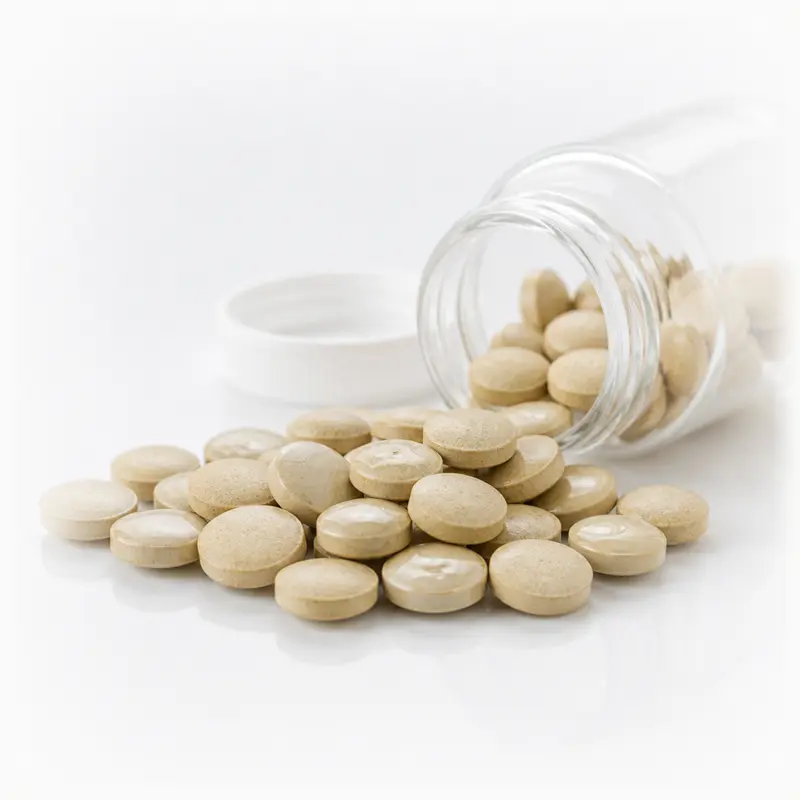
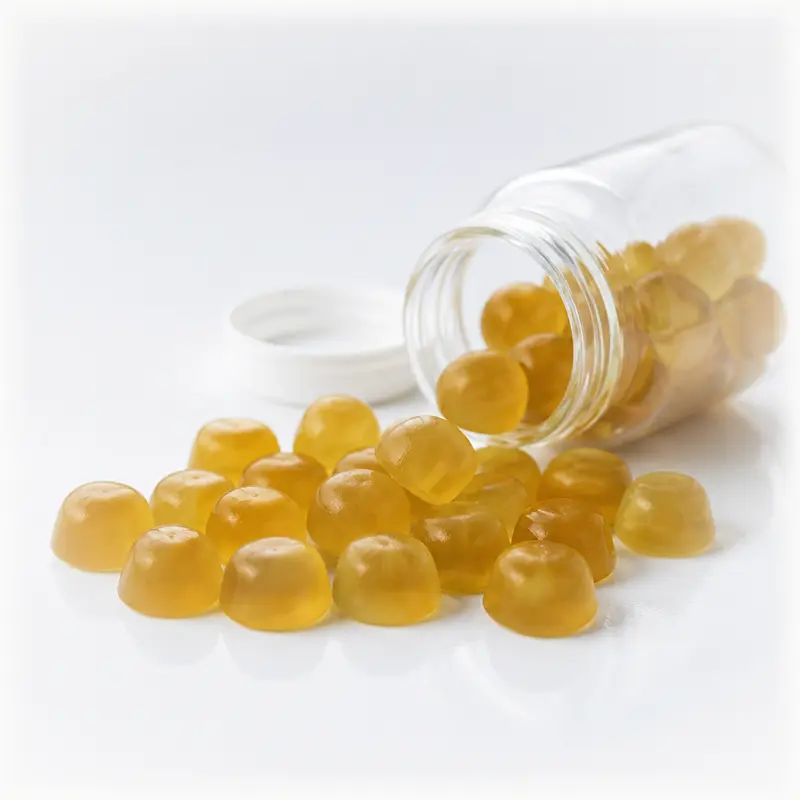
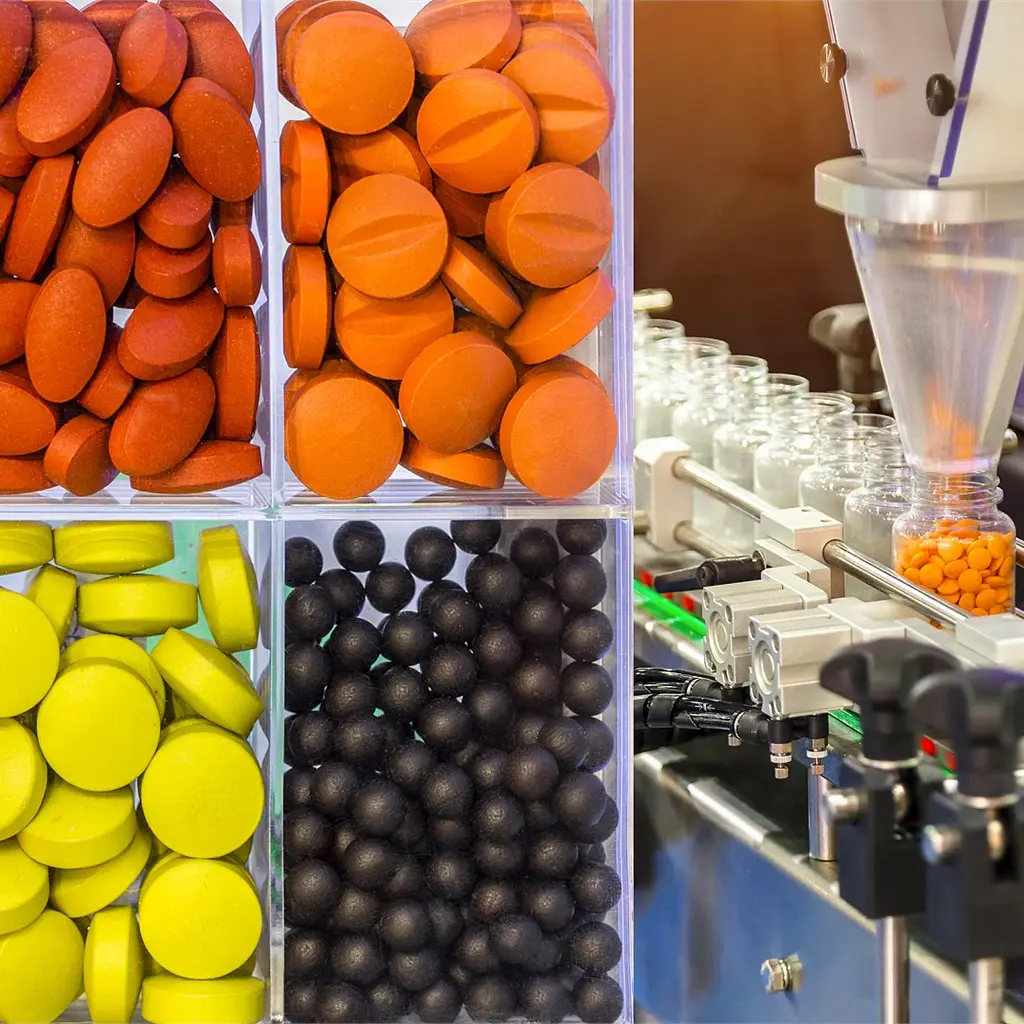
Dosage Form: Capsules / Tablets / Gummies
Key Benefits:
Supports baseline neurotransmitter synthesis capacity and daily emotional nutritional balance for general wellness positioning.
2. Standard Formula
Target: Emotional positivity & cognitive-mood synergy market
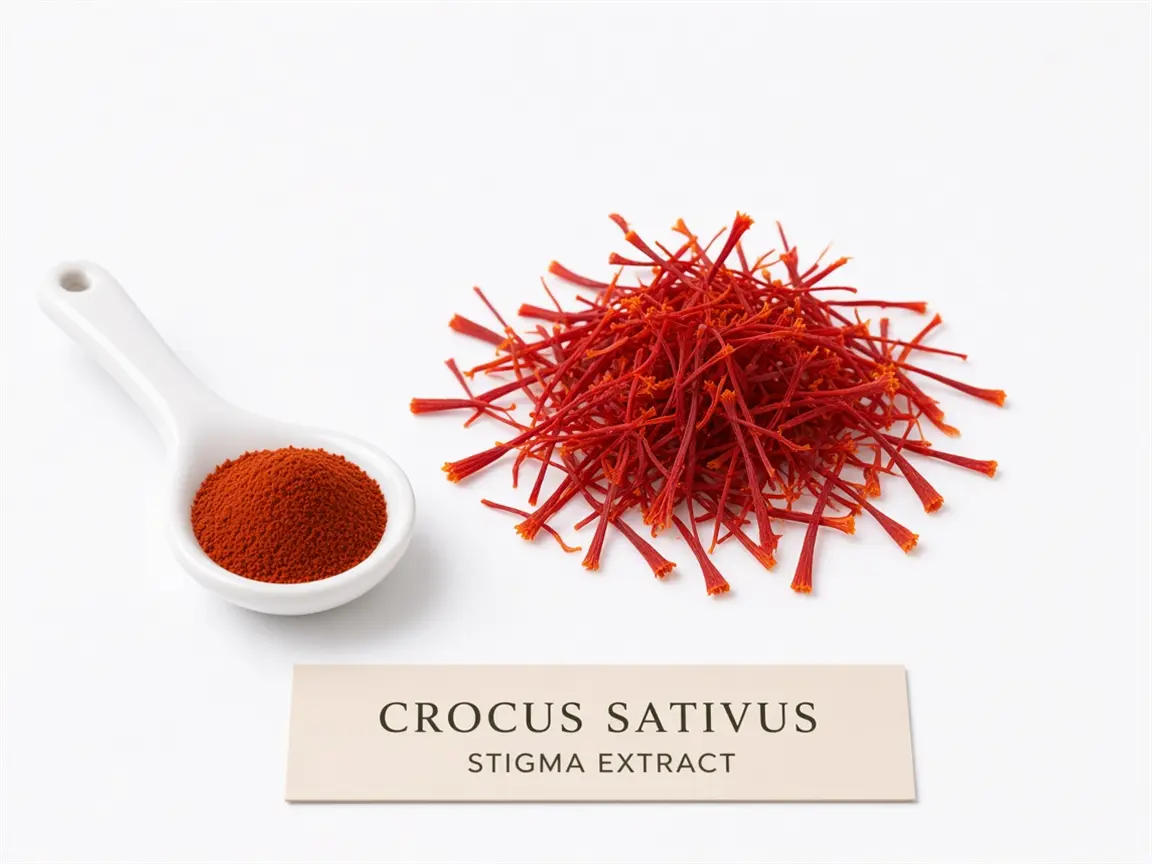
- Saffron Extract (standardized crocins) — 15–30 mg
- L-Tyrosine — 300–600 mg
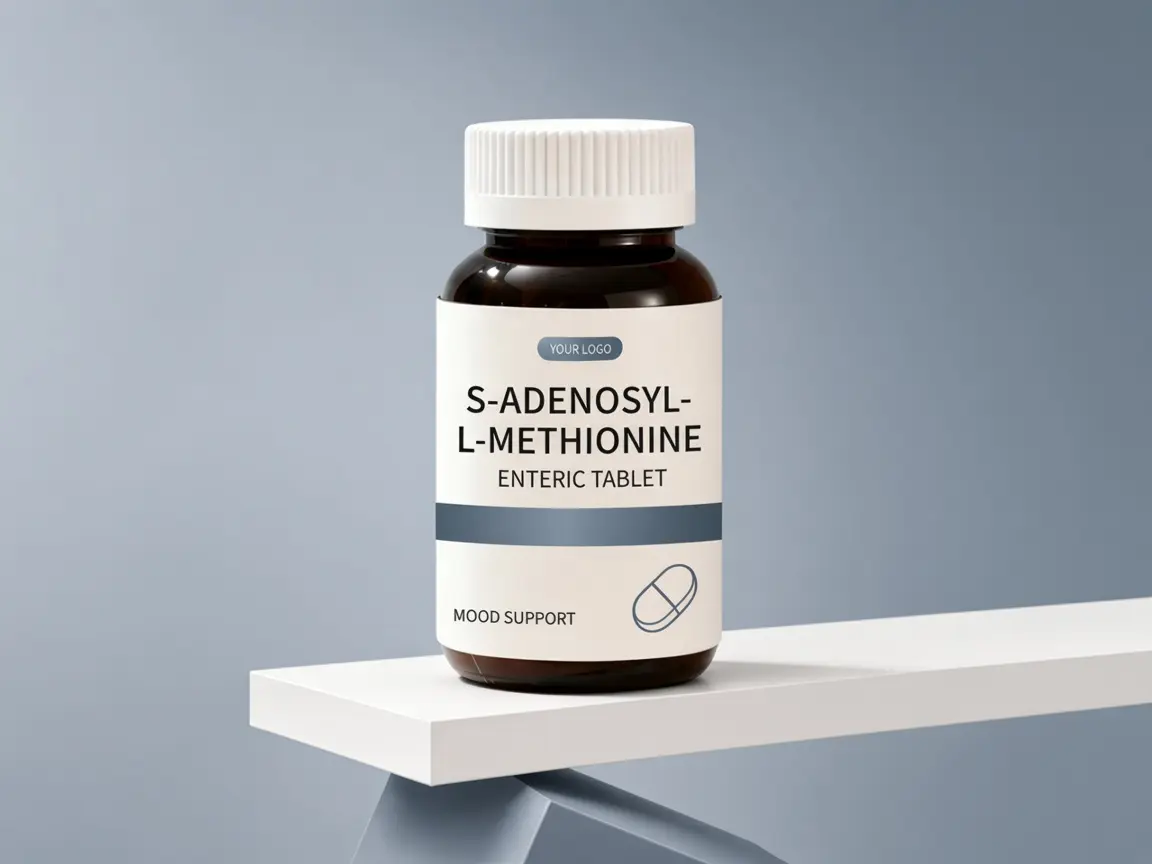
- SAMe (S-Adenosyl-L-Methionine) — 200–400 mg
- Vitamin D3 — 1000–2000 IU
- Omega-3 DHA (algal or fish oil derived) — 200–500 mg
- Methylfolate + B12 cofactor system
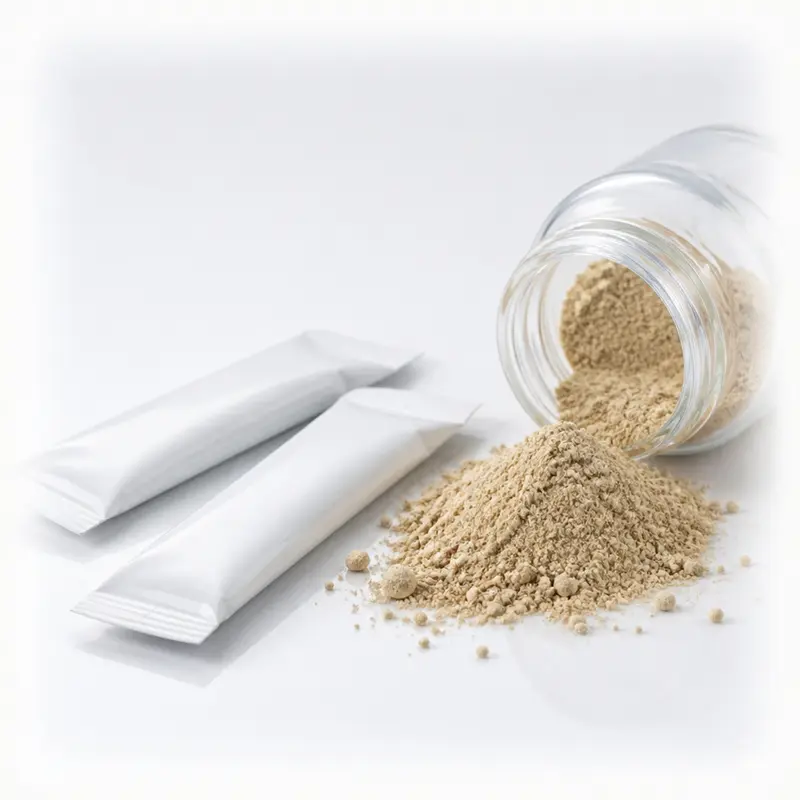
Dosage Form: Capsules / Softgels / Powder blends
Key Benefits:
Supports dopamine/serotonin pathway nutritional balance, promoting emotional brightness, motivation support, and stable daily mood tone.


3. Premium Formula
Target: Clinical-grade mood performance & emotional resilience positioning
- Saffron Extract (high-standardized ≥3.5% crocins) — 28–40 mg
- SAMe (enteric-coated / stabilized form) — 400–800 mg
- L-Tyrosine — 500–1000 mg
- Phospholipid-bound Omega-3 DHA — 500–1000 mg
- Citicoline (CDP-Choline) — 250–500 mg
- Methylated B-complex system (B6, B9, B12 optimized ratios)
- Optional liposomal nutrient delivery matrix
Dosage Form: Capsules / Liquid / Liposomal systems
Key Benefits:
High-performance emotional wellness system targeting neurotransmitter precursor optimization, cognitive-emotional integration, and sustained positive mood tone regulation.
MOOD SUPPORT MARKET SEGMENTATION FRAMEWORK
Commercial Positioning Matrix for Emotional Wellness Brands
The Mood Support category has evolved beyond traditional “feel-good” supplements into multiple specialized market segments targeting distinct consumer needs, purchasing motivations, and wellness goals.
To support strategic product development, our R&D team categorizes Mood Support formulations into several commercially relevant positioning pathways.
Target Consumer
Individuals seeking everyday emotional balance and positive mood maintenance.
Typical Positioning
- Daily mood support
- Emotional wellness
- Positive emotional balance
- Everyday mental well-being
Common Ingredient Systems
- Saffron Extract
- Vitamin D3
- Methylated B-Vitamins
- Zinc
- Omega-3 DHA
Commercial Characteristics
- Broad consumer appeal
- Strong repeat-purchase potential
- Suitable for mass-market retail and e-commerce channels
Target Consumer
Professionals, entrepreneurs, students, and high-performance consumers seeking emotional positivity combined with mental drive.
Typical Positioning
- Motivation support
- Mental drive
- Positive productivity
- Cognitive-emotional performance
Common Ingredient Systems
- L-Tyrosine
- Citicoline
- Saffron Extract
- DHA
- Methylated B-Vitamins
Commercial Characteristics
- Premium positioning potential
- Strong DTC appeal
- Suitable for productivity-focused wellness brands
Target Consumer
Women seeking nutritional support for emotional wellness during hormonal fluctuations and life-stage transitions.
Typical Positioning
- Women’s emotional wellness
- Monthly mood support
- Hormonal emotional balance
- Emotional resilience
Common Ingredient Systems
- Saffron Extract
- Vitamin B6
- Methylfolate
- Vitamin D3
- Omega-3 DHA
Commercial Characteristics
- Strong growth within women’s wellness
- Subscription-friendly category
- High consumer education opportunity
Target Consumer
Middle-aged and older consumers seeking emotional wellness alongside cognitive vitality.
Typical Positioning
- Healthy aging wellness
- Emotional vitality
- Positive aging support
- Brain and mood wellness
Common Ingredient Systems
- DHA
- Citicoline
- SAMe
- Methylated B-Vitamins
- Saffron Extract
Commercial Characteristics
- Higher average selling price
- Practitioner and specialty retail potential
- Strong science-driven positioning
Target Consumer
Science-oriented consumers seeking evidence-supported emotional wellness products.
Typical Positioning
- Advanced mood support
- Science-backed emotional wellness
- Neuro-nutritional support
- Premium emotional wellness
Common Ingredient Systems
- Standardized Saffron Extract
- SAMe
- Citicoline
- DHA
- Active B-Vitamin Complex
Commercial Characteristics
- Premium pricing opportunities
- Strong practitioner appeal
- Suitable for clinically positioned wellness brands
MOOD SUPPORT INGREDIENT LIBRARY
Functional Raw Material Database for Emotional Wellness Formulations
Our Mood Support platform incorporates a structured ingredient selection framework based on neurochemical pathway relevance, consumer demand trends, formulation compatibility, and global regulatory considerations.
Primary amino acid precursor for catecholamine biosynthesis.
Typical Inclusion Range:
300–1,500 mg
Primary Application:
Motivation-focused mood formulations
Supports phospholipid synthesis and neuronal energy metabolism.
Typical Inclusion Range:
100–500 mg
Primary Application:
Mood + cognitive support products
Key methyl donor involved in neurotransmitter metabolism pathways.
Typical Inclusion Range:
200–800 mg
Primary Application:
Premium mood support products
Bioactive folate form supporting one-carbon metabolism.
Typical Inclusion Range:
200–1,000 mcg
Primary Application:
Mood and methylation-support formulations
Active coenzyme form of vitamin B12.
Typical Inclusion Range:
250–5,000 mcg
Primary Application:
Mood support and neurological wellness
One of the most commercially recognized botanical ingredients within the emotional wellness category.
Common Standardizations:
- 2% Crocins
- 3.5% Crocins
- Higher-standardized specialty extracts
Typical Inclusion Range:
15–40 mg
Primary Application:
Core mood support formulations
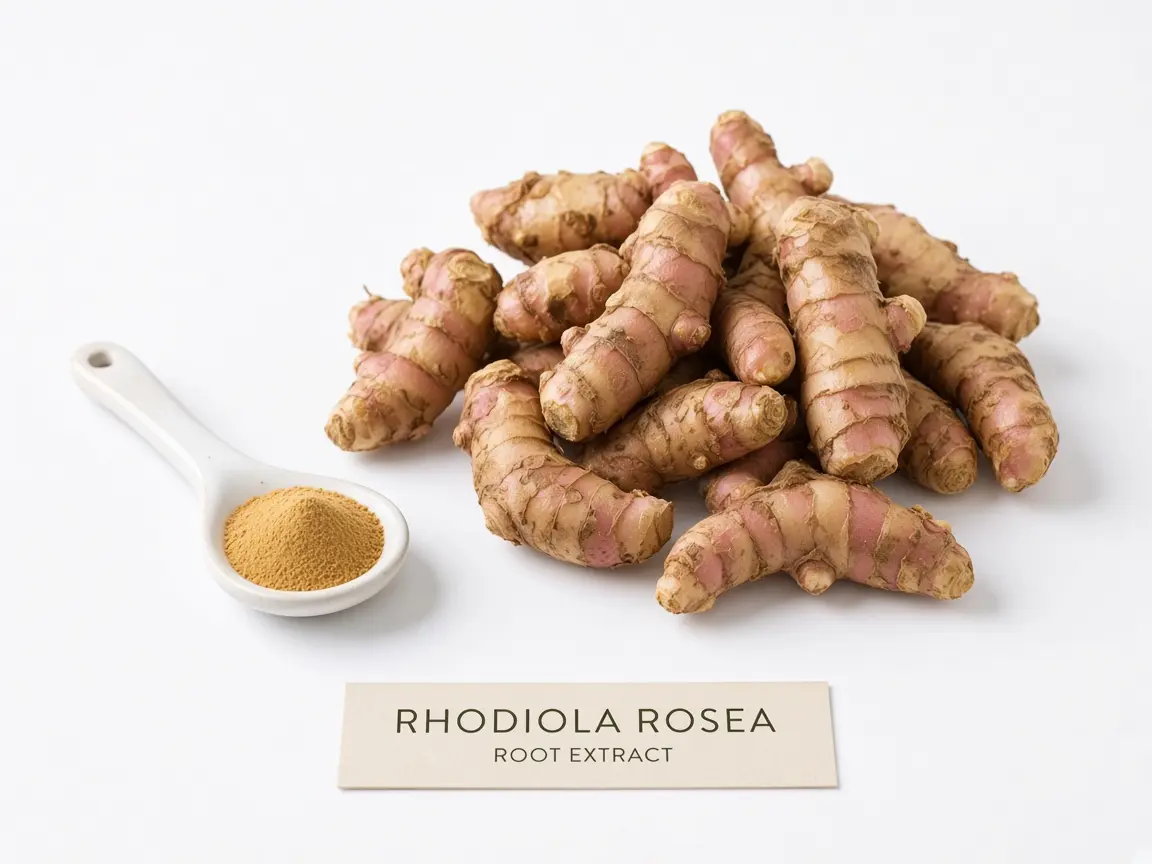
Adaptogenic botanical supporting mental performance and emotional resilience.
Common Standardizations:
- Rosavins
- Salidroside
Typical Inclusion Range:
100–400 mg
Primary Application:
Mood-performance hybrid products
Essential fatty acid supporting neuronal membrane integrity.
Typical Inclusion Range:
200–1,000 mg
Primary Application:
Mood and cognitive wellness products
Structural phospholipid supporting neuronal communication.
Typical Inclusion Range:
100–300 mg
Primary Application:
Premium mood-cognition formulations
Neuroactive nutrient commonly utilized in emotional wellness products.
Typical Inclusion Range:
1,000–5,000 IU
Enzymatic cofactor involved in neurotransmitter-related pathways.
Typical Inclusion Range:
5–25 mg
Active coenzyme form supporting neurotransmitter synthesis pathways.
Typical Inclusion Range:
5–50 mg
TRENDING MOOD SUPPORT INGREDIENT INNOVATION PIPELINE
Emerging Ingredients Under Market Observation
The emotional wellness category continues to evolve as new research and consumer trends emerge.
Examples of ingredients receiving increasing industry attention include:
Standardized botanical ingredient positioned within emotional wellness applications.
Selected probiotic strains currently being investigated for gut-brain-axis applications.
Emerging delivery technologies designed to support ingredient protection and bioavailability.
Neurochemical Architecture for Emotional Tone Nutrition
Our Mood Support platform is built around a structured neuro-nutritional framework designed to support positive emotional tone, motivational wellness, and cognitive-emotional balance through scientifically recognized biochemical pathways.
Rather than relying on a single active ingredient or isolated mechanism, our formulation philosophy utilizes a multi-layered architecture that addresses neurotransmitter precursor availability, neuronal signaling efficiency, and botanical bioactive modulation.
This system is positioned as a nutritional wellness framework intended to support healthy emotional function and neurotransmitter pathway nutrition. It is not designed or marketed as a therapeutic intervention for any psychological or medical condition.
Three-Layer Neuro-Nutritional Model
Layer 1: Neurotransmitter Precursor Availability System
The first layer focuses on providing key biochemical substrates and methylation cofactors involved in endogenous neurotransmitter production.
Dopaminergic Pathway Support
L-Tyrosine serves as a primary amino acid precursor within the catecholamine biosynthesis pathway.
Key formulation objectives include:
- Supporting conversion through the L-DOPA → Dopamine → Norepinephrine pathway
- Providing substrate-level nutritional support for motivation-related neurochemistry
- Supporting cognitive drive and mental activation without stimulant positioning
Methylation Cycle Integrity System
Efficient neurotransmitter synthesis depends on adequate one-carbon metabolism and methylation support.
Core ingredients may include:
- 5-MTHF (Active Folate)
- Methylcobalamin (Vitamin B12)
- SAMe (S-Adenosyl-L-Methionine)
These nutrients support:
- Homocysteine recycling pathways
- Neurotransmitter synthesis cofactor availability
- Cellular methylation processes relevant to neurological metabolism
Layer 2: Neurophysiological Stability & Signaling Support
The second layer focuses on maintaining an optimal biochemical environment for neuronal communication and signal transmission.
Neuromodulatory Cofactor System
Chelated Zinc forms such as Zinc Picolinate or Zinc Bisglycinate are incorporated as multifunctional enzymatic cofactors.
Potential functions include:
- Supporting neurotransmitter metabolism enzymes
- Contributing to healthy excitatory and inhibitory neurotransmission balance
- Supporting structural aspects of neuronal signaling pathways
Neurosteroid & Receptor Modulation Support
Vitamin D3 is included as a neuroactive nutrient involved in receptor-level signaling processes.
Its role within mood-support formulations may include:
- Supporting neurological receptor activity
- Supporting neuroimmune regulatory pathways
- Maintaining normal neuronal responsiveness
Membrane Structural Optimization System
High-purity Omega-3 DHA is utilized to support neuronal membrane architecture and signaling efficiency.
Benefits of membrane-focused nutritional support may include:
- Maintenance of membrane fluidity
- Support for receptor mobility and docking efficiency
- Improved lipid-phase signal transduction performance
Layer 3: Positive Affect Bioactive Modulation System
The third layer introduces standardized botanical and antioxidant compounds designed to support emotional wellness and healthy neuronal environments.
Standardized Saffron Extract
Saffron extract standardized for crocin content is among the most researched botanical ingredients within the emotional wellness category.
Key formulation advantages include:
- Standardized active content for batch consistency
- Nutritional support for serotonin-related pathways
- Non-sedative profile suitable for daytime applications
- Strong consumer recognition within the mood support market
Carotenoid-Based Neuroprotection System
Selected antioxidant carotenoids may be incorporated to support oxidative balance within neuronal tissues.
Potential functions include:
- Supporting protection of neuronal lipid membranes
- Promoting cellular resilience under oxidative conditions
- Contributing to long-term neuronal wellness support
Ingredient selection within our Mood Support platform follows a structured evidence hierarchy designed to balance scientific substantiation, consumer acceptance, regulatory feasibility, and formulation practicality.
Rather than relying solely on trending ingredients, our R&D team evaluates each active based on four critical criteria:
• Human Clinical Research Availability
Preference is given to ingredients supported by human intervention studies investigating emotional wellness, positive mood support, cognitive-emotional function, or motivational well-being.
• Mechanistic Neurobiological Plausibility
Ingredients are assessed for their relevance to neurotransmitter precursor pathways, methylation cycles, neuronal membrane function, and cognitive-affective biochemical processes.
• Safety & Tolerability Profile
Special consideration is given to long-term consumer compliance, gastrointestinal compatibility, and suitability for daily use.
• Global Regulatory Viability
Ingredients are screened for commercialization feasibility across major markets including the United States, European Union, Canada, Australia, and selected ASEAN jurisdictions.
Frequently utilized evidence-supported ingredients include:
- Standardized Saffron Extract
- SAMe (S-Adenosyl-L-Methionine)
- Omega-3 DHA
- Citicoline (CDP-Choline)
- L-Tyrosine
- Methylated B-Vitamin Systems
- Vitamin D3
This evidence-driven approach enables brand owners to develop emotional wellness products aligned with evolving consumer expectations for scientifically substantiated nutritional solutions.
Layered Neuro-Nutritional Engineering Model
This three-layer architecture is designed to address limitations commonly associated with single-mechanism formulations.
Instead of relying on isolated ingredient effects, the system integrates:
- Layer 1: Precursor Supply Stability
- Layer 2: Neurophysiological Environment Optimization
- Layer 3: Botanical Emotional Wellness Support
Potential commercial advantages include:
- Nutritional continuity rather than single-peak activity
- Reduced dependence on individual ingredients
- Improved formulation flexibility across consumer demographics
- Enhanced product differentiation opportunities
- Broader positioning options for global markets
Consumer feedback across major e-commerce platforms and emotional wellness communities consistently demonstrates that formulation success is influenced not only by ingredient selection but also by user experience, perceived effectiveness, and tolerability.
To support brand owners in reducing product discontinuation risk and improving long-term consumer satisfaction, our formulation strategy incorporates several key consumer compliance considerations.
I. Perceived Effect Gap Management
One of the most frequently reported challenges within the mood support category is the absence of noticeable subjective feedback during the initial supplementation period.
Because nutritional support for neurotransmitter pathways may require sustained use before measurable benefits are perceived, formulations can be structured to include ingredients associated with earlier consumer-perceived responses.
Potential approaches may include:
- Standardized Saffron Extract
- Citicoline
- L-Tyrosine
- Targeted B-Vitamin Systems
This layered design philosophy helps support both immediate consumer engagement and longer-term nutritional positioning.
II. Consumer Retention-Oriented Formulation Design
Consumer adherence is often influenced by factors beyond efficacy, including convenience, dosage burden, ingredient familiarity, and perceived product value.
Our development process considers:
- Capsule count optimization
- Ingredient synergy evaluation
- Premium versus value-oriented positioning
- Consumer-friendly ingredient selection strategies
These factors may contribute to improved product acceptance and repeat purchase behavior.
III. Batch Consistency & Consumer Trust
Mood support products frequently rely on standardized botanical extracts and sensitive bioactive compounds.
To support product consistency across commercial production cycles, active compounds are monitored through validated analytical testing and batch standardization protocols.
This consistency-focused approach helps brands maintain consumer confidence and reduce variability-related complaints.
Stability & Process Engineering Framework
To ensure scalability, consistency, and bioactive integrity, specialized manufacturing controls are implemented throughout production.
Inert Gas Protection System
Nitrogen-flushing procedures may be utilized during processing and encapsulation to help protect oxidation-sensitive ingredients such as:
- Omega-3 DHA
- Saffron bioactives
- Carotenoid compounds
SAMe Stabilization Technology
Due to its hygroscopic and temperature-sensitive characteristics, SAMe may be processed using:
- Moisture-barrier encapsulation technologies
- Enteric coating systems
- Controlled-humidity manufacturing environments
- Low-exposure blending procedures
Precision Micro-Ingredient Distribution
Uniformity of low-dose active ingredients is supported through:
- High-shear micro-granulation systems
- Carrier-assisted dispersion technologies
- GMP-aligned content uniformity verification protocols
These manufacturing controls are designed to support batch-to-batch consistency, product stability, and long-term commercial scalability.
Long-term success within the emotional wellness category depends not only on formulation efficacy but also on consumer tolerance and daily usability.
Certain mood-support ingredients may produce undesirable consumer experiences when dosage levels, ingredient combinations, or delivery systems are not appropriately optimized.
To support formulation robustness and consumer compliance, our R&D team evaluates multiple tolerability parameters during product development.
Dosage Optimization Strategy
Ingredient inclusion levels are evaluated to balance efficacy-oriented positioning with daily-use suitability.
Particular attention may be given to:
- L-Tyrosine
- SAMe
- Methylated B-Vitamins
- Standardized Botanical Extracts
- Synergistic Ingredient Balancing
Multi-ingredient formulations are assessed for biochemical compatibility to minimize excessive stimulation while maintaining intended positioning.
Consumer-Friendly Delivery Design
Delivery formats are selected based on ingredient characteristics, intended use patterns, and overall consumer experience objectives.
This tolerability-centered development philosophy supports formulation sustainability and long-term customer satisfaction.
Modular Emotional Nutrition Architecture
Our manufacturing approach utilizes a Modular Architecture, allowing brand owners to customize formulations by selecting specific Bioactive Clusters. This strategy aligns products with target positioning, regulatory requirements, dosage format, and commercial price strategies without compromising efficacy.
Technical Note: All modules are vetted for biochemical compatibility, oxidation sensitivity, and suitability for advanced delivery systems (e.g., Liposomal vs. Non-liposomal) to ensure shelf-life stability and global regulatory compliance.
• Dopaminergic Support Module
Target Positioning: Motivation, cognitive drive, and reward system nutritional support.
L-Tyrosine: Primary amino acid precursor for catecholamine synthesis, supporting dopamine and norepinephrine metabolic pathways.
Citicoline (CDP-Choline): Supports phospholipid turnover and neuronal energy metabolism, contributing to cognitive-emotional functional integration.
Vitamin B6 (as Pyridoxal-5-Phosphate): The active coenzyme form required for critical enzymatic decarboxylation within dopamine synthesis pathways.
• Serotonin & Methylation Support Module
Target Positioning: Emotional tone stability and daily affective balance support.
SAMe (S-Adenosyl-L-Methionine): Central methyl donor supporting neurotransmitter synthesis and methylation cycle efficiency.
5-MTHF (Active Folate) & Methylcobalamin (B12): Bioactive cofactors supporting homocysteine recycling and one-carbon metabolism efficiency.
Saffron Extract (Standardized Crocins): Botanical active supporting serotonin pathway modulation within a non-sedative nutritional framework.
• Neuro-Membrane & Cellular Signaling Module
Target Positioning: Neuronal communication efficiency and long-term emotional resilience support.
High-Purity DHA (Omega-3): Essential fatty acid that optimizes neuronal membrane fluidity and G-protein coupled receptor (GPCR) signaling efficiency.
Phosphatidylserine (PS): A structural phospholipid crucial for maintaining synaptic integrity and inter-neuronal communication stability.
• Botanical Bioactive Module
Target Positioning: Plant-based emotional wellness and clean-label positioning.
Saffron Extract (Min. 2%–3.5% Crocins): High-standardized bioactive supporting positive emotional tone without the sedative profile of traditional nervines.
Rhodiola Rosea (Standardized Rosavins/Salidroside): Botanical support for mental stamina and emotional performance within non-clinical positioning frameworks.
Polyphenol Complex (Grape Seed / Pine Bark): Concentrated antioxidant system designed to support oxidative balance in neural environments associated with emotional wellness.
Global Market Alignment System
To ensure seamless international market entry, all Mood Support formulations are developed under a structured Multi-Jurisdiction Compliance Framework. Regulatory assessment is integrated at the R&D stage to minimize downstream registration risk and ensure global commercialization readiness from day one.
Our regulatory review process includes proactive ingredient screening, claim validation, and labeling assessment based on the following regional standards:
USA (FDA):
Full compliance with DSHEA (1994).
Formulations are designed to support permissible Structure/Function claims (e.g., “Supports emotional balance,” “Supports positive mood,” or “Supports cognitive-emotional wellness”).
Early-stage NDI (New Dietary Ingredient) risk screening is applied to reduce regulatory filing delays.
European Union (EFSA):
Screening for Novel Food classification under EU Regulation (EU) 2015/2283.
Alignment with permitted EU nutrition and health claims for vitamins, minerals, and authorized botanicals.
All actives are reviewed against EFSA claim restrictions to ensure compliant emotional wellness positioning.
Canada (Health Canada):
Alignment with Natural Health Product (NHP) monographs to support streamlined NPN (Natural Product Number) registration.
Ingredient classification review (Medicinal vs. Non-medicinal status) to ensure correct regulatory pathway selection.
Australia (TGA):
Assessment under Listed Medicine (AUST L) vs. Registered Medicine (AUST R) pathways.
Specialized review for bioactive botanicals (Saffron, Rhodiola) based on permitted indication frameworks.
ASEAN / GCC Markets:
Regional compliance review covering labeling alignment, additive restrictions, and certification requirements including Halal and Kosher compliance.
Core Compliance Principle: Non-Clinical Positioning
All formulations are strictly positioned as Nutritional Emotional Wellness Products to remain within non-therapeutic regulatory categories.
Positioning Guardrail: > Our formulations are designed to support emotional tone balance, cognitive-emotional wellness, and daily mental performance. They are not positioned for the diagnosis, treatment, cure, or prevention of any psychological or medical condition. This ensures consistent classification as dietary supplements rather than drugs across global markets.
Technical Compliance Support for Brand Owners
As a strategic OEM/ODM partner, we provide comprehensive documentation to support regulatory submission and audit readiness:
Certificates of Analysis (COA) & SDS: For all active precursors and excipients.
Ingredient Traceability: Full documentation for standardized botanicals (e.g., Saffron Crocins, Rhodiola Rosavins).
Stability Reports: Data-backed shelf-life studies tailored to specific delivery systems (e.g., Liposomal, Enteric-coated).
Safety Testing: Heavy metal, microbiological, and contaminant testing according to USP/ICH standards.
Audit Readiness: Batch-level manufacturing records and quality release documentation.
GMP-Grade Batch Integrity Assurance
Our manufacturing facility operates under a Total Quality Management (TQM) framework, ensuring consistent batch-to-batch reliability across all Mood Support formulations. We focus on four critical dimensions: Purity, Potency, Stability, and Microbiological Safety, with specialized protocols for oxidation-sensitive and neuro-active compounds.
I. Global Certification & Facility Status
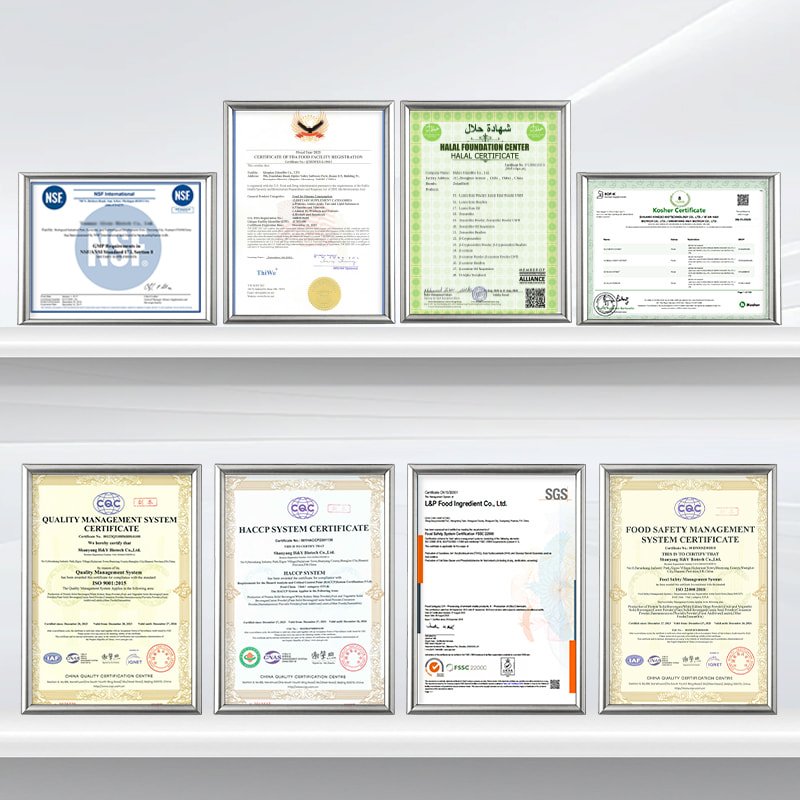
Our production system is certified and audited under internationally recognized standards to support multi-market commercialization:
Regulatory Compliance: FDA Registered Facility | cGMP (NSF / USP Aligned Systems)
Quality Systems: ISO 22000 | HACCP | FSSC 22000
Ethical Compliance: Kosher and Halal certified production lines available upon request.
Audit Readiness: Full documentation system designed for rigorous third-party regulatory inspection.
II. Multi-Method Analytical Verification System
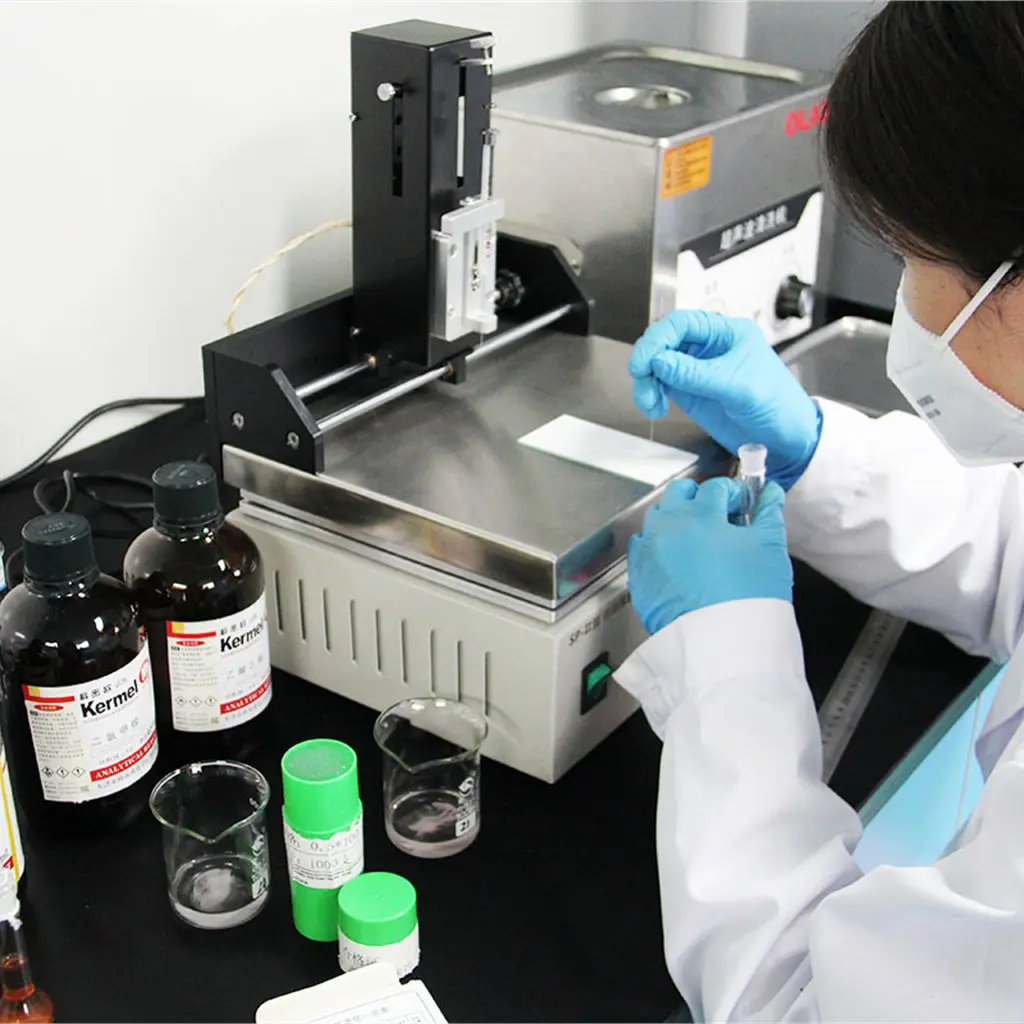
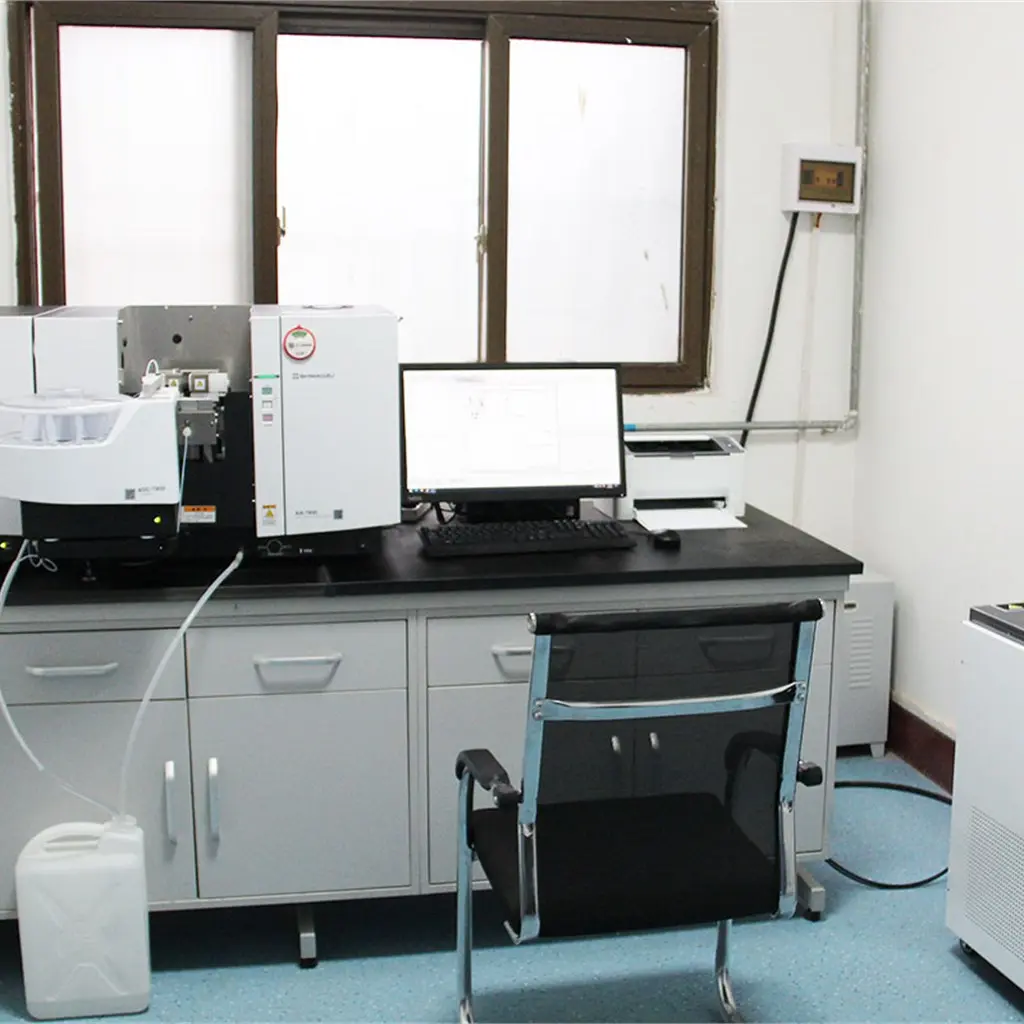
All raw materials are validated prior to production using a hierarchical analytical confirmation system to prevent substitution or degradation risks:
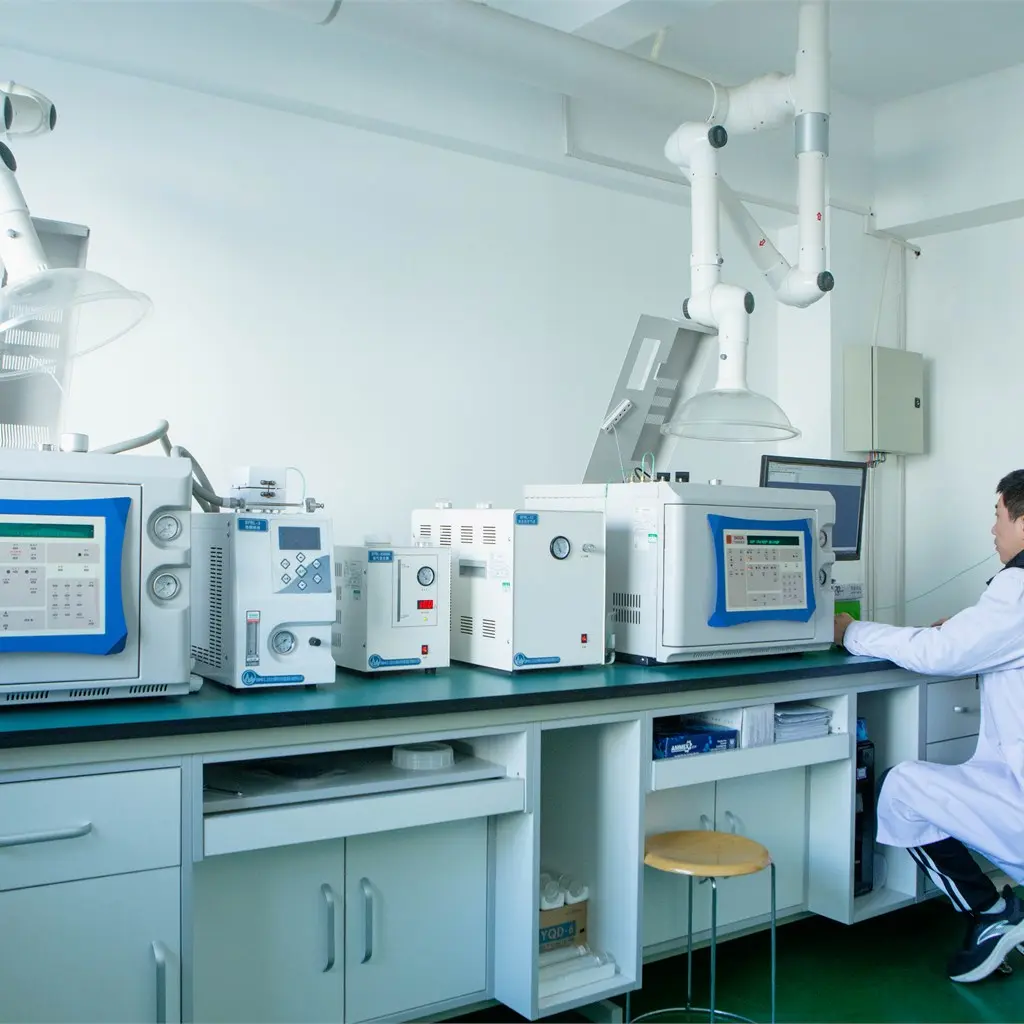
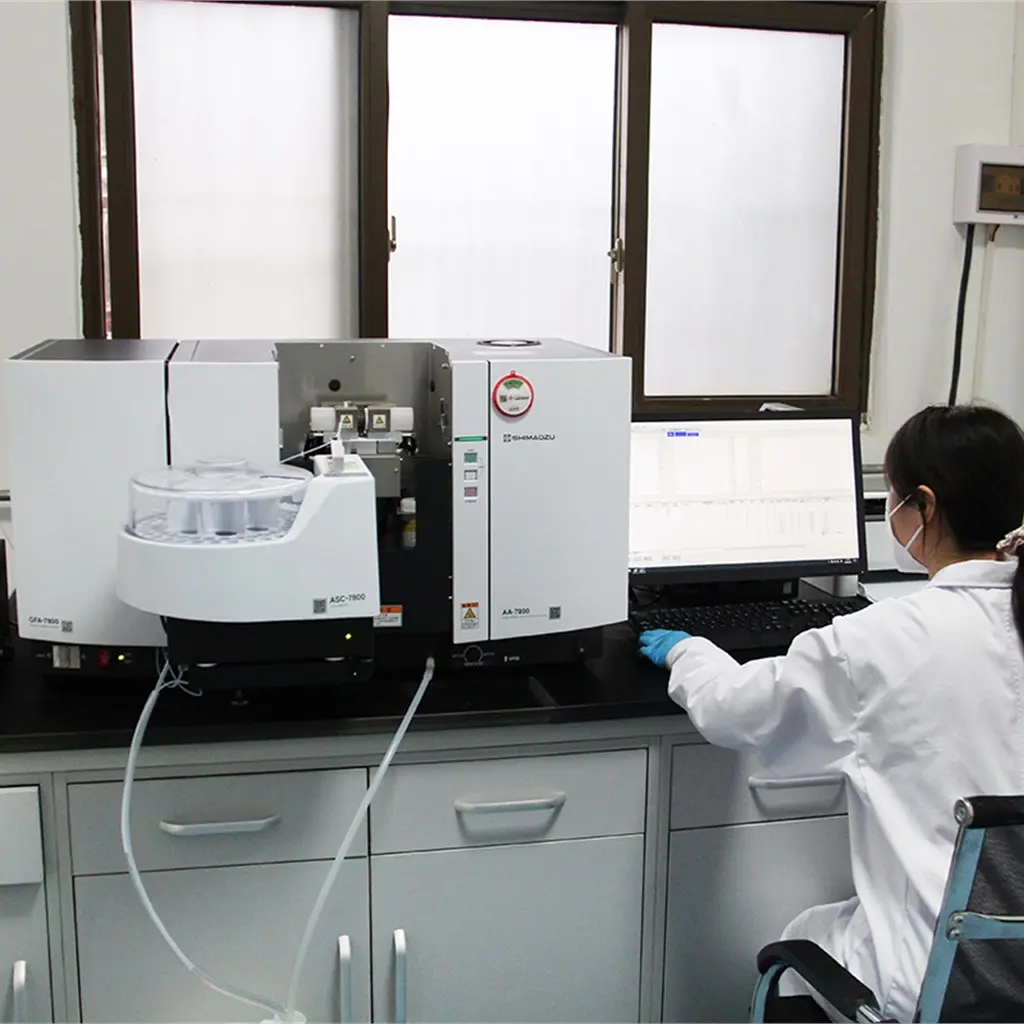
HPLC (High-Performance Liquid Chromatography): Active compound profiling for amino acids, vitamins, and standardized botanicals.
FTIR (Fourier Transform Infrared Spectroscopy): Molecular fingerprint verification for high-precision raw material authentication.
UV-Vis Spectrophotometry: Specific concentration validation for plant-derived bioactives (e.g., Saffron Crocins).
III. Active Content Assay & Dosage Precision
Quantitative testing is performed to ensure that every finished dose matches your declared label specifications exactly:
Saffron Extract: Crocin and safranal content standardization verification via USP-aligned methods.
SAMe & Precursors: Methyl donor concentration and chemical stability validation.
Vitamin B Complex: Active-form ratio confirmation (e.g., Methylcobalamin vs. Cyanocobalamin).
Amino Acids: Potency verification for L-Tyrosine and related neurotransmitter precursors.
IV. Botanical Standardization Assurance System
Standardized botanical extracts represent a critical component of many premium mood support formulations.
Because naturally derived ingredients may exhibit significant variability across harvests, origins, and processing methods, botanical verification plays an important role in maintaining product consistency.
Our quality control framework may include:
Crocin Content Verification
Standardization assessment for saffron-derived active fractions.
Safranal Monitoring
Evaluation of key aromatic and bioactive markers relevant to saffron quality specifications.
Rosavin & Salidroside Profiling
Identity and potency verification for Rhodiola-based formulations where applicable.
Botanical Fingerprint Comparison
Advanced analytical comparison of production batches to support consistency and authenticity.
These procedures help ensure that botanical ingredients meet predefined quality specifications and maintain reliable performance across commercial manufacturing cycles.
V. Advanced Stability & Oxidation Control
Mood Support formulations often utilize sensitive molecules requiring specialized validation protocols to ensure shelf-life efficacy:
Accelerated & Real-Time Stability: Simulation of environmental stress (Temperature/Humidity) to validate shelf-life.
Oxidation Monitoring: DHA lipid oxidation profiling and antioxidant degradation tracking—critical for Omega-3 integrity.
Hygroscopicity Testing: Moisture sensitivity assessment specifically for SAMe and methylated compounds to optimize packaging selection.
VI. Batch Traceability & QA Release Standard
Our Digitalized Traceability System ensures complete visibility from the original raw material source to the finished bottle on the shelf.
Full Lifecycle Tracking: Unique batch coding system with production record archiving for audit access.
Retained Samples: Reference samples stored for the entire duration of the product’s shelf life.
Final Release Standard (The QA Gate): No product is released for shipment without a formal Quality Assurance (QA) sign-off. This requires:
Verified COA Approval for every active and inactive ingredient.
Cross-validation between QC laboratory results and batch production records.
Final Principle: The delivered product is analytically identical to the approved specification, with zero deviation permitted beyond defined tolerance limits.
Scalable Manufacturing & Advanced Delivery Systems
Our facility is engineered to bridge complex formulation development with high-volume commercial production. We specialize in stabilizing oxidation-sensitive and neuro-active mood support ingredients across multiple validated dosage platforms while maintaining batch reproducibility and regulatory compliance.
I. Versatile Dosage Format Capabilities
We operate integrated manufacturing lines supporting multiple delivery formats to accommodate diverse market requirements and consumer usage behaviors:
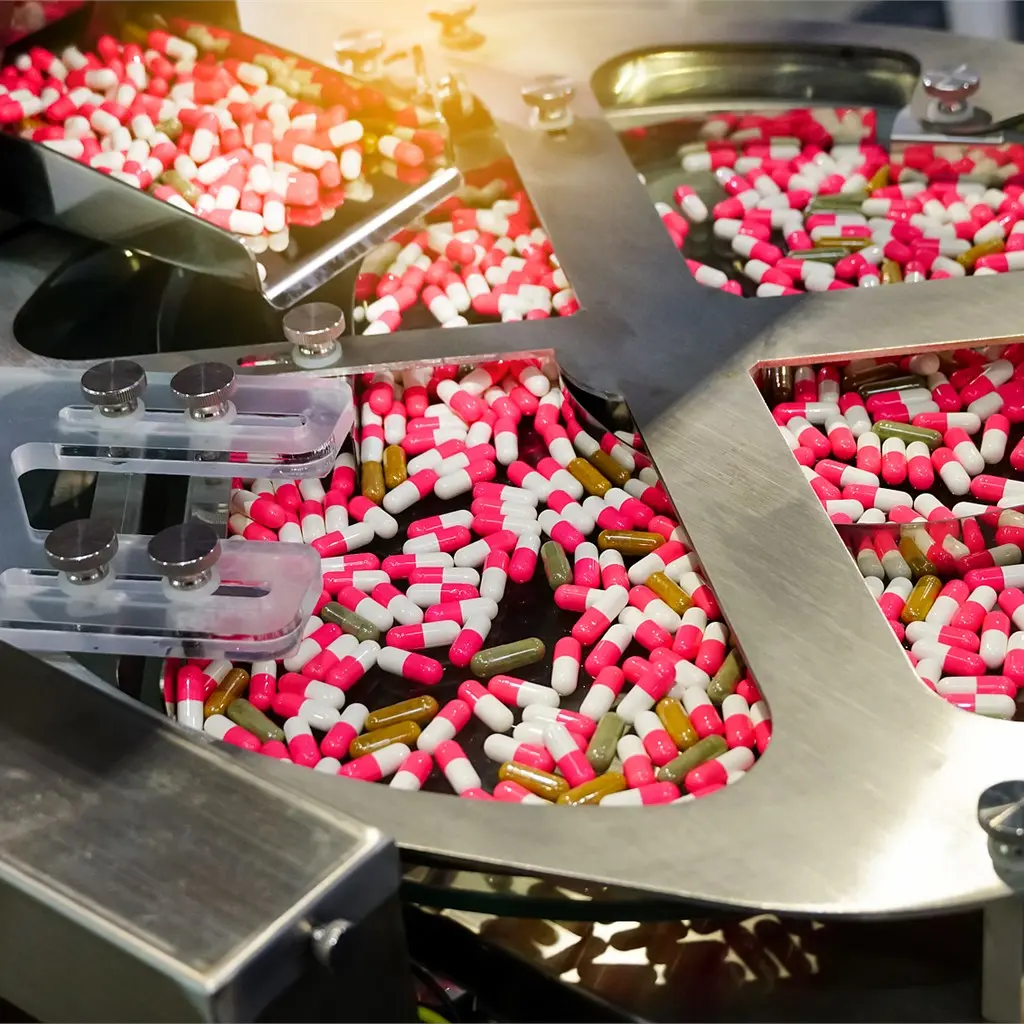
Encapsulation Systems: High-speed two-piece hard capsule production (Vegetarian HPMC, Pullulan, and Gelatin options) with controlled fill uniformity for amino acids and standardized botanicals.
Tableting Systems: Precision compression technology with optional film coating or enteric coating to protect moisture- and pH-sensitive actives such as SAMe and methylated B-vitamins.
Powder Blending Systems: High-homogeneity mixing for sachets and bulk powders with optimized dispersion, solubility control, and taste masking for amino acid-based systems.
Liquid & Softgel Systems: Dedicated lipid-based manufacturing lines for Omega-3 DHA, botanical extracts, and emulsified nutrient systems.
II. Advanced Delivery System Integration
To support sophisticated formulation strategies, we provide enhanced delivery technologies for improved stability and bioavailability:
Liposomal Delivery System (Premium Option): Phospholipid-based encapsulation technology designed to protect sensitive actives from gastric degradation and improve systemic absorption efficiency.
Multi-Phase Encapsulation Systems: Engineering capability to combine chemically or physically incompatible ingredients within a single dosage form (e.g., beadlets, pellet-in-capsule systems, dual-phase liquids).
Stability-Driven Delivery Design: Formulation architecture selected based on oxidation sensitivity, hygroscopicity, and pH stability requirements.
III. Commercial Scalability & Process Transition System
Our manufacturing model is structured to support the full product lifecycle, from early validation to global commercialization:
Pilot-to-Industrial Scale Transition: Dedicated pilot production lines for formulation validation and small-batch market testing, ensuring controlled scale-up to full commercial manufacturing.
Process Validation Protocols: Defined parameter locking system for mixing, encapsulation, and compression to ensure reproducibility during scale expansion.
Scale-Up Integrity Control: Cross-stage comparability testing to ensure no degradation in potency, uniformity, or stability during volume transition.
IV. Manufacturing Precision & Statistical Quality Control
We apply quantitative manufacturing control systems to ensure consistent batch performance across all production scales:
Batch Consistency Standard (RSD ≤ 5%): Relative Standard Deviation is maintained at or below 5% for all critical active ingredients, ensuring statistically controlled uniformity in dose distribution.
Statistical Process Control (SPC): Real-time monitoring of key production variables including blend uniformity, fill weight variation, and compression force stability.
Critical Quality Attribute (CQA) Management: Identification and control of formulation-specific parameters that directly impact efficacy, stability, and regulatory compliance.
Flexible Scaling for Growth Acceleration
We offer a structured multi-stage production model designed to align manufacturing output with brand development stages, market validation cycles, and capital deployment efficiency.
Pilot Batch (500–1,000 units): R&D Validation Stage
Designed for process feasibility confirmation and sensory/texture optimization.
Ideal for small-group consumer testing and packaging compatibility pre-screening.
Market Entry Batch (5,000–10,000 units): Channel Activation Stage
Designed for e-commerce launch and initial regional retail or distributor onboarding.
Focuses on early market demand calibration and SKU positioning validation.
Commercial Production (100,000+ units): Industrial Scale Stage
Optimized for large-scale distribution through economies of scale and high-efficiency GMP runs.
Supports global multi-region supply chain execution and long-term continuity.
Dynamic Scaling Logic: Production scale is continuously adjusted based on market performance data, regulatory status, raw material stability, and demand forecasting models.
Precision-Engineered Time-to-Market (6–10 Weeks)
Design & Feasibility (3–5 Days): Ingredient compatibility analysis and regulatory pathway screening.
Lab Sample Development (7–14 Days): Prototype production and sensory property optimization.
Stability Pre-Testing (2–4 Weeks): Accelerated assessment (Temperature/Humidity/Oxidation) and preliminary shelf-life projection.
Pilot Production (1–2 Weeks): Process parameter locking, scale-up calibration, and batch reproducibility verification.
Commercial Execution (2–4 Weeks): Full-scale GMP manufacturing, QA release, and logistics preparation.
Controlled Ingredient Continuity Framework
To mitigate global raw material volatility, we operate a structured supply chain resilience system:
Dual-Sourcing Strategy: Critical actives (Saffron, SAMe, Amino Acids) are secured through validated dual-supplier systems to ensure uninterrupted production.
Approved Vendor List (AVL): All suppliers undergo multi-stage qualification focusing on purity, GMP compliance, and batch-to-batch consistency audits.
Safety Stock Management: 3–6 months of buffer inventory for critical raw materials integrated with demand forecasting.
Geographic Risk Diversification: Multi-region sourcing and logistics redundancy planning to reduce geopolitical and logistics risk exposure.
Intellectual Property Governance Framework
We treat every formulation as a protected commercial asset under strict legal and operational safeguards:
NDA Protection: Comprehensive non-disclosure agreements required prior to any technical exchange.
Full Client Ownership: 100% ownership of custom-developed formulations with no internal reuse or cross-client overlap.
Segregated Data Architecture: Independent, isolated formulation databases and R&D records per project with controlled access permissions.
Optional Exclusivity: Available regional (territory-based) or category-specific exclusivity agreements for strategic launches.
Lifecycle Quality & Stability Assurance System
Rapid Technical Response: 24-hour response window and 72-hour initiation of Root Cause Analysis (RCA).
CAPA System (Corrective & Preventive Action): Structured deviation classification and containment protocols integrated into the production process.
Stability Stewardship: Ongoing investigation into packaging-ingredient interactions and oxidation/degradation pathways.
Regulatory Monitoring: Continuous tracking of FDA, EFSA, Health Canada, and TGA updates with proactive label adjustment recommendations.
Bioactive Protection & Shelf-Life Optimization
We apply a four-tier stability engineering framework to protect oxidation-sensitive and neuro-active compounds:
Atmospheric Control: Nitrogen-flushed manufacturing and oxygen exposure minimization during blending and encapsulation.
Barrier Engineering: Specialized moisture-barrier systems for SAMe/Methylated compounds and enteric coatings for pH-sensitive actives.
Thermal Control: Low-temperature processing protocols for heat-sensitive amino acids to maintain molecular integrity.
Antioxidant Matrix System: Synergistic antioxidant networks designed to stabilize oxidation-prone compounds throughout the product shelf life.
Consumer experience remains a critical determinant of product success within the emotional wellness category.
Certain bioactive compounds commonly utilized in mood-support formulations may present gastrointestinal challenges when stability, release characteristics, or ingredient interactions are not properly managed.
To improve formulation usability and consumer acceptance, gastrointestinal compatibility is considered throughout the product development process.
Our evaluation framework may include:
Enteric-Coated Delivery Systems
Used where appropriate to protect sensitive ingredients and support targeted release profiles.
Excipient Compatibility Assessment
Selection of functional excipients designed to optimize ingredient dispersion and formulation stability.
Moisture & Oxidation Control
Protection strategies for sensitive compounds that may be affected by environmental exposure during storage and distribution.
Consumer-Oriented Delivery Optimization
Formulation architecture may be adjusted according to dosage format, ingredient load, and intended user experience objectives.
These considerations help support product quality, consumer retention, and long-term commercial success.
Ethical Manufacturing & Ingredient Transparency System
Our manufacturing framework is engineered to meet the stringent Clean Label requirements of Tier-1 retailers across the USA, EU, and Australian markets. We prioritize ingredient transparency and environmental ethics without compromising bioactive performance.
Non-GMO Verified Sourcing: Comprehensive screening across the complete ingredient matrix, ensuring that active compounds, excipients, and delivery system components are 100% Non-GMO compliant.
Plant-Based Delivery Systems: A full suite of vegan-compatible technologies, including HPMC and fermentation-derived Pullulan capsules, specifically designed for plant-forward positioning strategies.
Clean Extraction Technologies: Utilization of environmentally responsible methods—such as Water-based and Ethanol-based green solvent systems—paired with low-temperature processing to preserve sensitive phytochemical integrity.
Contaminant Control Excellence: Strict adherence to USP and EP standards for heavy metals, pesticide residues, and environmental toxin screening, ensuring purity for sensitive neuro-active formulations.
Batch-to-Origin Traceability: A fully documented system that links finished products back to their botanical source, providing the empirical data required for brand transparency and trust-based marketing.
Emotional Wellness Product Line Architecture
To ensure clear market positioning and prevent product overlap, our formulations are structured within a defined Neurobiological Segmentation Matrix. This system enables brand owners to build a comprehensive wellness portfolio where each SKU targets a distinct physiological pathway.
Product Category Mapping System
| Category | Primary Neurobiological Focus | Strategic Positioning |
| Mood Support | Emotional Tone & Motivation | Active emotional brightness, cognitive drive, and dopamine/serotonin precursor nutrition. |
| Anti-Anxiety | Neural Inhibition & Overactivation | GABAergic balance and calming support for acute emotional tension (Non-sedative). |
| Stress Support | HPA-Axis & Physiological Adaptation | Cortisol rhythm balance and long-term resilience through adaptogenic pathways. |
| Sleep Support | Circadian Rhythm & Recovery | Sleep onset support, nighttime recovery optimization, and circadian alignment. |
Portfolio Principles for Brand Owners:
Functional Segmentation Integrity: Each SKU is assigned to a single primary neurobiological pathway, maintaining clear functional differentiation and preventing consumer confusion.
Regulatory Claim Separation: Distinct claim sets are utilized for each category to ensure compliance and avoid overlap in global regulatory classification.
Digital Marketing & SEO Segmentation: Clear semantic boundaries prevent keyword cannibalization, allowing each product to rank independently in search ecosystems.
Scalability: The modular system allows for future SKU expansion without creating functional redundancy or cross-category competition.
Internal Classification System (Formulation Territory Map)
This framework is used internally to ensure clear formulation differentiation across our emotional wellness product portfolio, preventing functional overlap, regulatory ambiguity, and SEO keyword cannibalization across product categories.
It defines biological, functional, and positioning boundaries between closely related supplement systems.
1) Mood Support System
Emotional Tone & Neuro-Nutritional Balance
Core Function Scope:
- Neurotransmitter precursor availability (dopamine / serotonin pathways)
- Methylation cycle nutritional support
- Positive affect bioactive modulation (non-sedative botanicals)
Primary Positioning:
- Emotional tone stability
- Motivation and cognitive-emotional activation support
- Positive mood nutrition support
Not included in this category:
- Anxiety reduction or calming claims
- Stress adaptation or cortisol regulation
- Sleep or relaxation positioning
2) Anti-Anxiety Support System
Neural Overactivation & Calming Balance
Core Function Scope:
- GABAergic and inhibitory pathway support
- Neural overactivation modulation
- Cortisol response dampening (acute emotional tension context)
Primary Positioning:
- Nervous system calming support
- Emotional tension reduction
- Overthinking and hyperarousal control
Not included in this category:
- Mood elevation or motivational positioning
- Stress adaptation framing
- Sleep induction claims
3) Stress Support System
Adaptation & Physiological Resilience
Core Function Scope:
- HPA axis regulation support
- Endocrine stress response adaptation
- Cellular oxidative stress buffering systems
Primary Positioning:
- Stress resilience and endurance support
- Mental and physical performance under pressure
- Recovery capacity optimization
Not included in this category:
- Immediate calming effects
- Sleep or sedative positioning
- Direct mood enhancement claims
4) Sleep Support System
Circadian Rhythm & CNS Downregulation
Core Function Scope:
- Circadian rhythm regulation support
- GABA-mediated relaxation pathways
- Sleep onset and sleep quality support
Primary Positioning:
- Sleep cycle regulation
- Night-time relaxation support
- Sleep latency reduction
Not included in this category:
- Daytime energy or motivation support
- Mood enhancement claims
- Stress adaptation positioning
CROSS-CATEGORY GOVERNANCE PRINCIPLES
1) Functional Separation Rule
Each category is defined by a distinct neurobiological pathway:
- Mood → neurotransmitter substrate support
- Anxiety → neural inhibition regulation
- Stress → endocrine adaptation systems
- Sleep → circadian + CNS downregulation
2) Time-of-Day Positioning Logic
| Category | Functional Timing |
|---|---|
| Mood | Daytime / active cognitive hours |
| Anti-Anxiety | Situational or acute emotional tension |
| Stress | Sustained workload / long-term pressure |
| Sleep | Night cycle / recovery phase |
3) Ingredient Positioning Control (Internal Rule System)
Certain bioactives are restricted to prevent cross-category overlap:
- Dopaminergic amino acids → Mood only
- GABA-centric compounds → Anxiety / Sleep only
- Adaptogens → Stress / Sleep only (context-dependent)
- Melatonin → Sleep only
- Saffron → Mood only
STRATEGIC VALUE FOR FORMULATION DESIGN
This boundary framework ensures:
- Clear product differentiation across supplement lines
- Prevention of regulatory claim overlap across global markets
- SEO segmentation without keyword cannibalization
- Clean OEM/ODM formulation architecture for scalable product development