

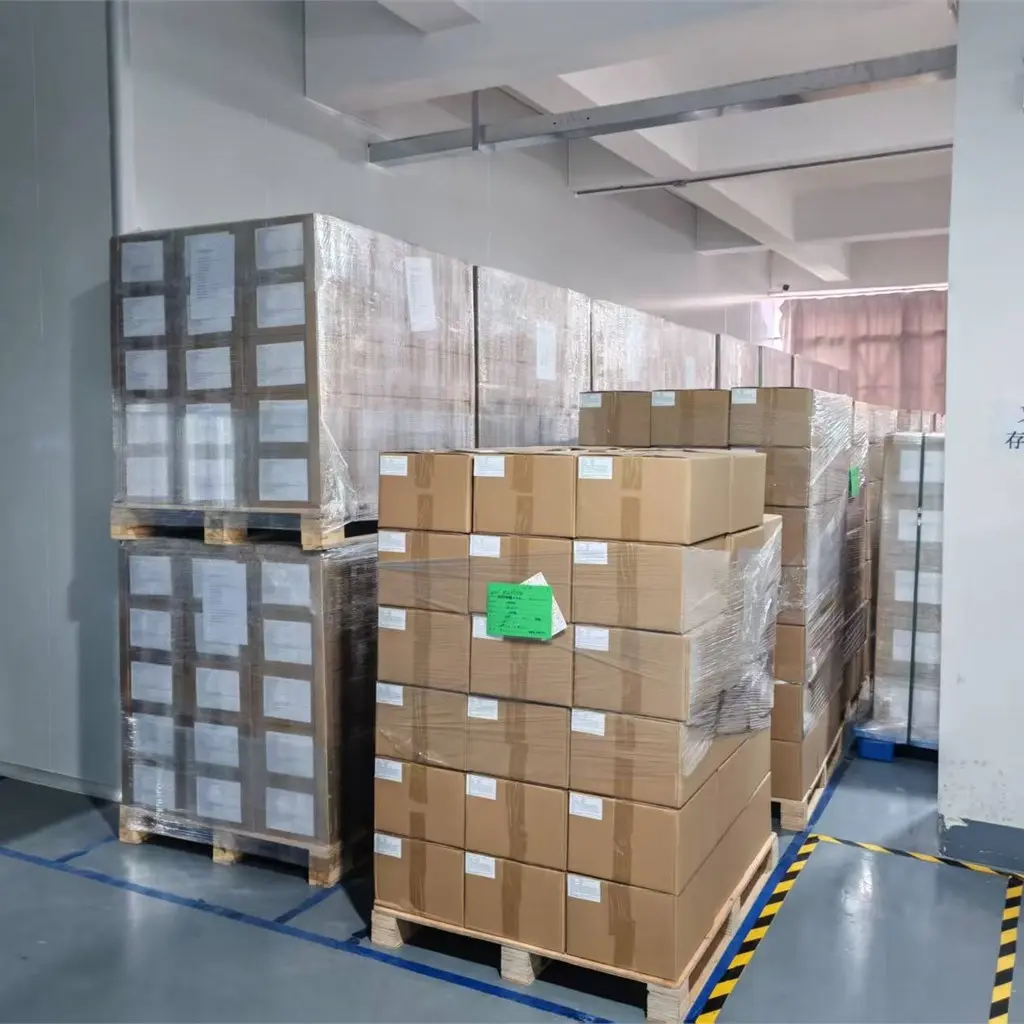
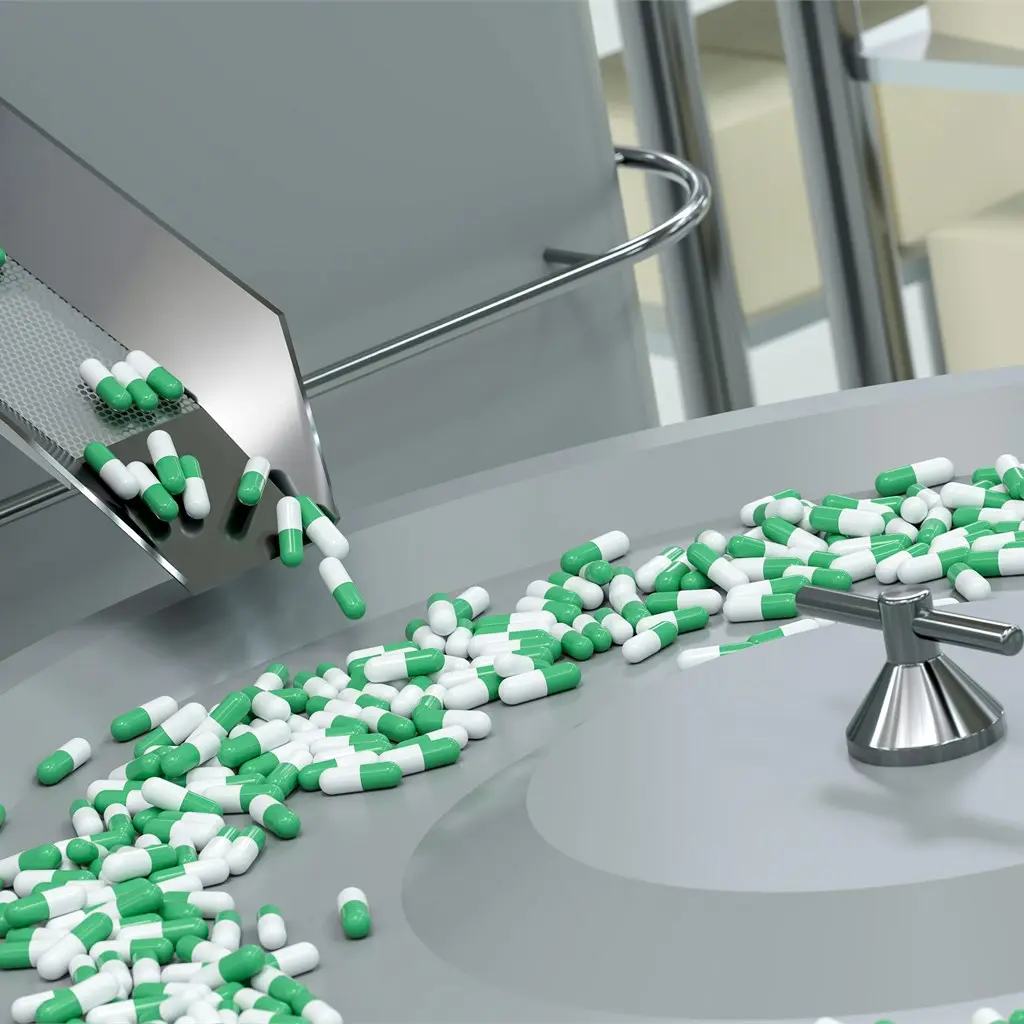
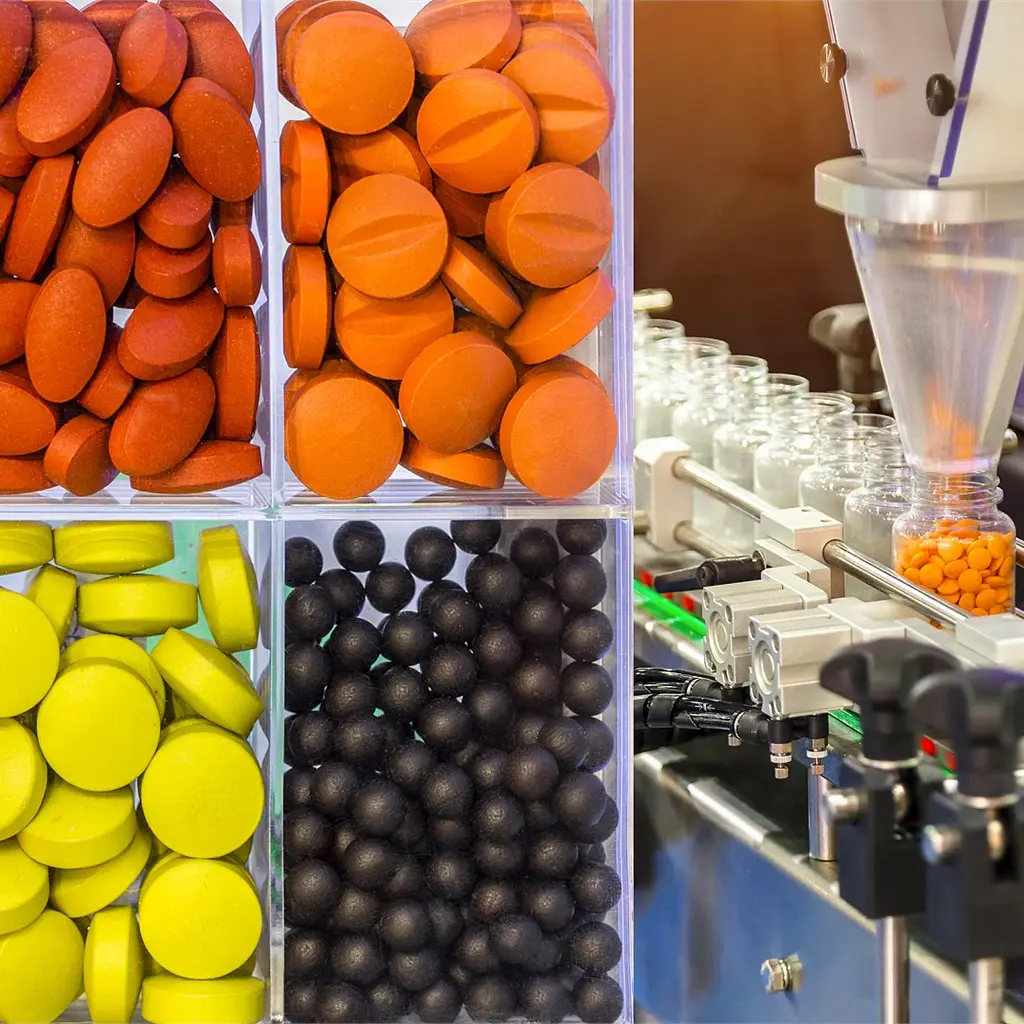
Stress Relief Supplements OEM, ODM & Private Label Service
OEM stress supplement manufacturing for ashwagandha, rhodiola, botanical stress blends, and custom private-label formulas
KS Nutripharma is a stress relief supplements manufacturer for OEM, ODM, private-label, and second-source programs.
Send the specification you have. KS reviews feasibility and names the quotation or sample route — including gaps if the brief is incomplete.
New SKU — Request Formula Feasibility
Existing formula — Send Your BOM
Second source — Request a Second-Source Review
Typical first reply is within one business day on a complete brief. NDA available before detailed formula exchange.
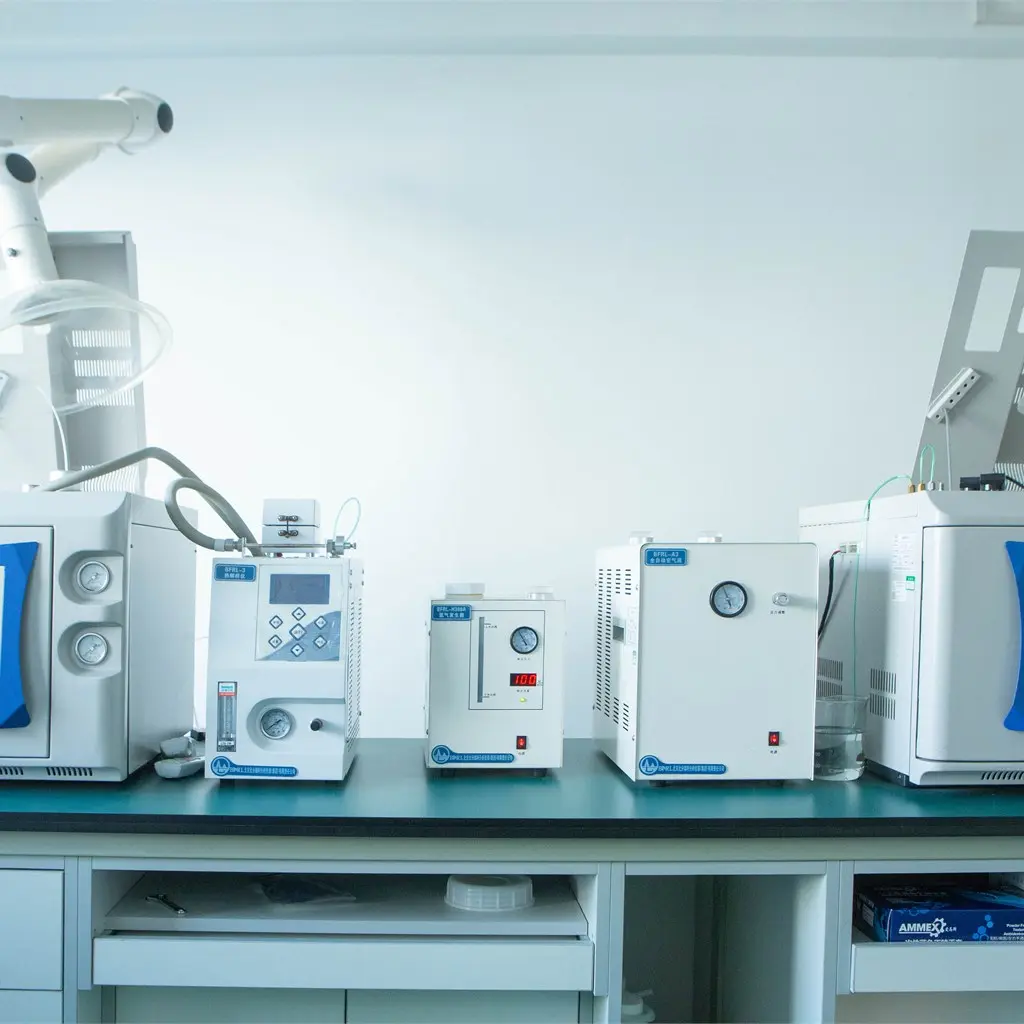
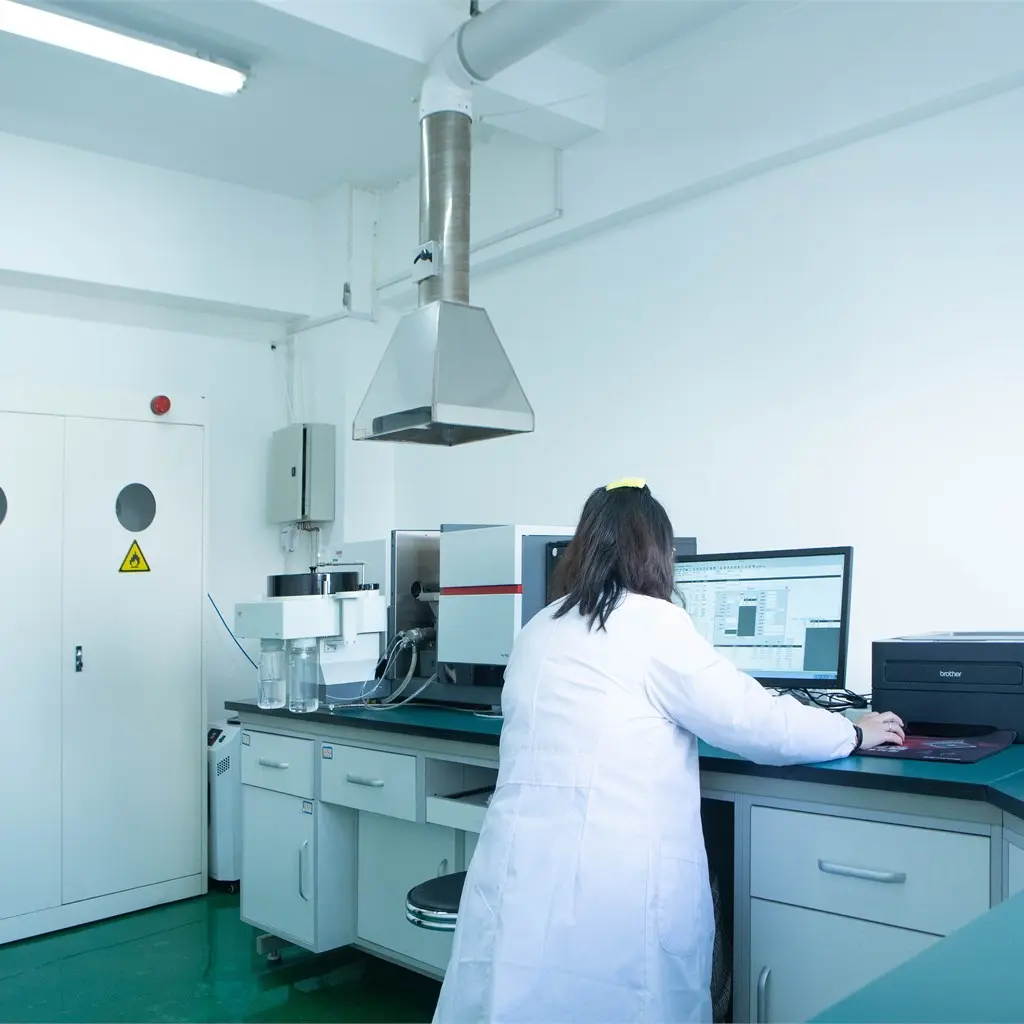
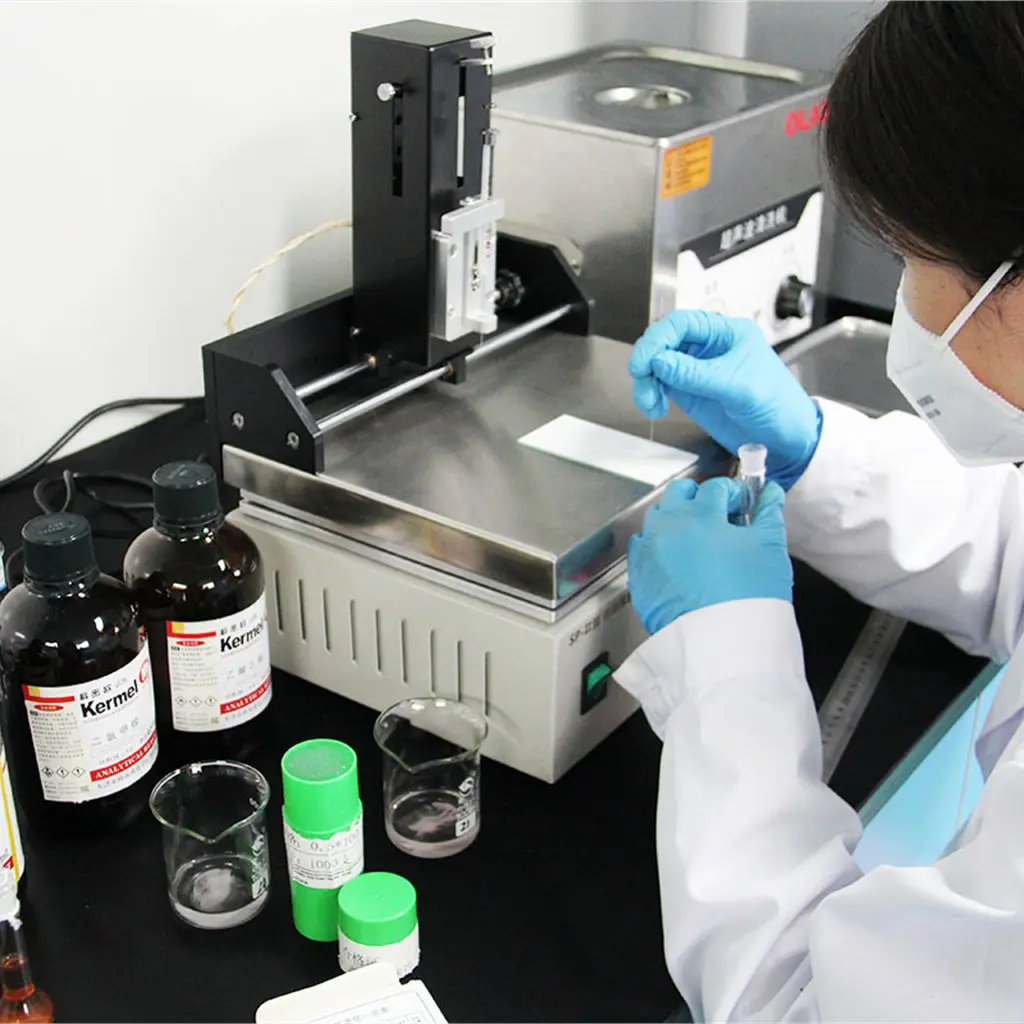
cGMP · ISO 9001 · ISO 22000 · HACCP · FSSC 22000 · Halal · Kosher · in-house lab + SGS/Eurofins pathways · batch COA
Stress Relief Supplement Manufacturing at a Glance
| Capability | What We Support |
|---|---|
| OEM routes | New SKU, existing formula, and second-source against an approved specification |
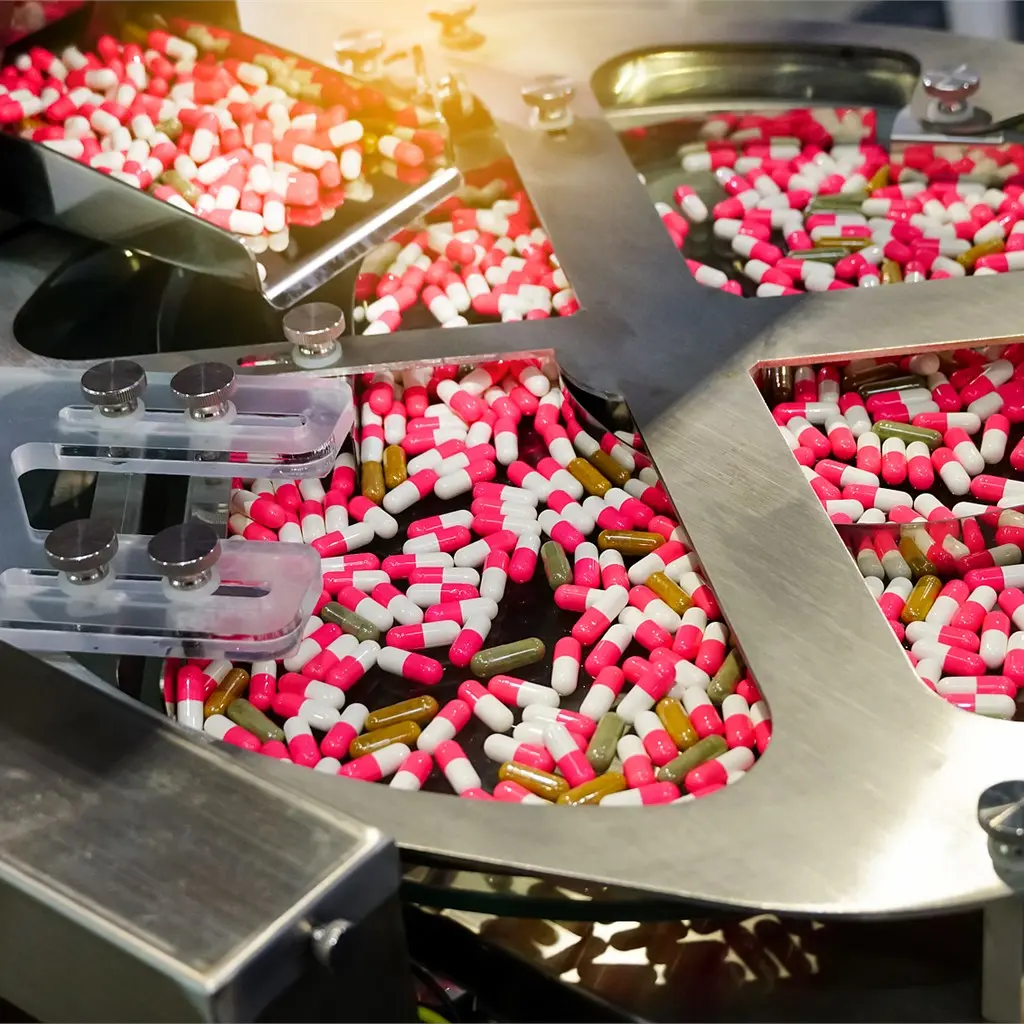
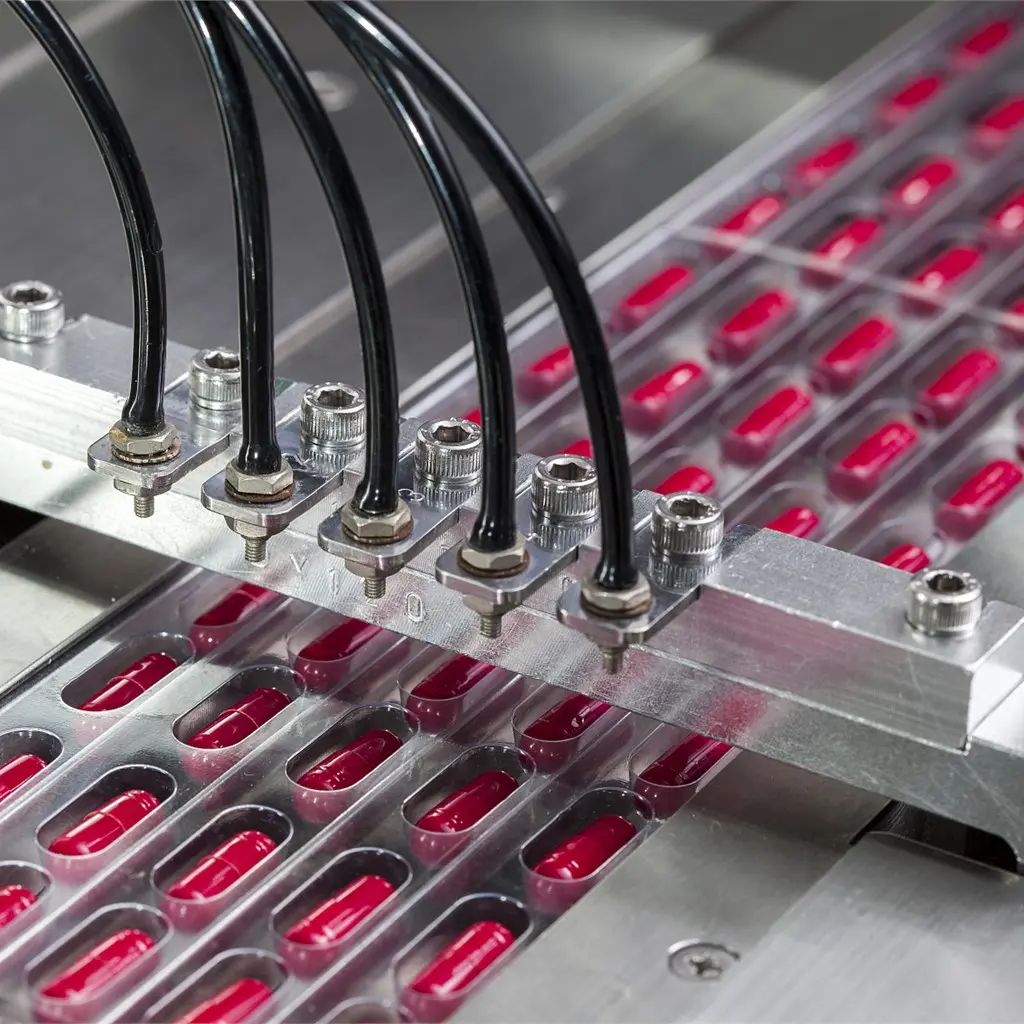
| Core formats | Capsules, tablets, powders/sticks; gummies after cook-and-assay. Oil-phase softgels only with a named oil companion. Liquids reviewed after product-class and assay feasibility |
| Core botanicals | Ashwagandha, rhodiola, schisandra, eleuthero; holy basil when the brief names it |
| Mineral pairing | Magnesium bisglycinate with a separately specified elemental magnesium line |
| Quality | Identity, assay, microbiology, heavy metals and finished-product release testing |
| Commercial | Finished-SKU MOQ quoted after formula, format and pack lock |
| Manufacturing boundary | Caffeine-based stress/energy SKUs are outside this line |
From RFQ to Production, How We Work?
1. RFQ review — product brief, destination, formula, format and target quantity. Destination is locked during RFQ review because it can affect ingredient, labeling and testing requirements.
2. Specification check — botanical identity, plant part, assay basis, method, serving and pack.
3. Feasibility and quotation — confirm manufacturing route, specification gaps, testing requirements and MOQ basis before sampling.
4. Sample — produced against the reviewed specification.
5. Pilot and production — approve the pilot, freeze the master specification, then schedule commercial production.
Incomplete briefs are still usable — KS names the gaps before sampling.
Stress Ingredient Matrix KS Nutripharma Supplies
Pick the plant part or salt, form, marker window and method before comparing quotes. Percentages below are commercial windows on the extract or grade — development references, not intakes.
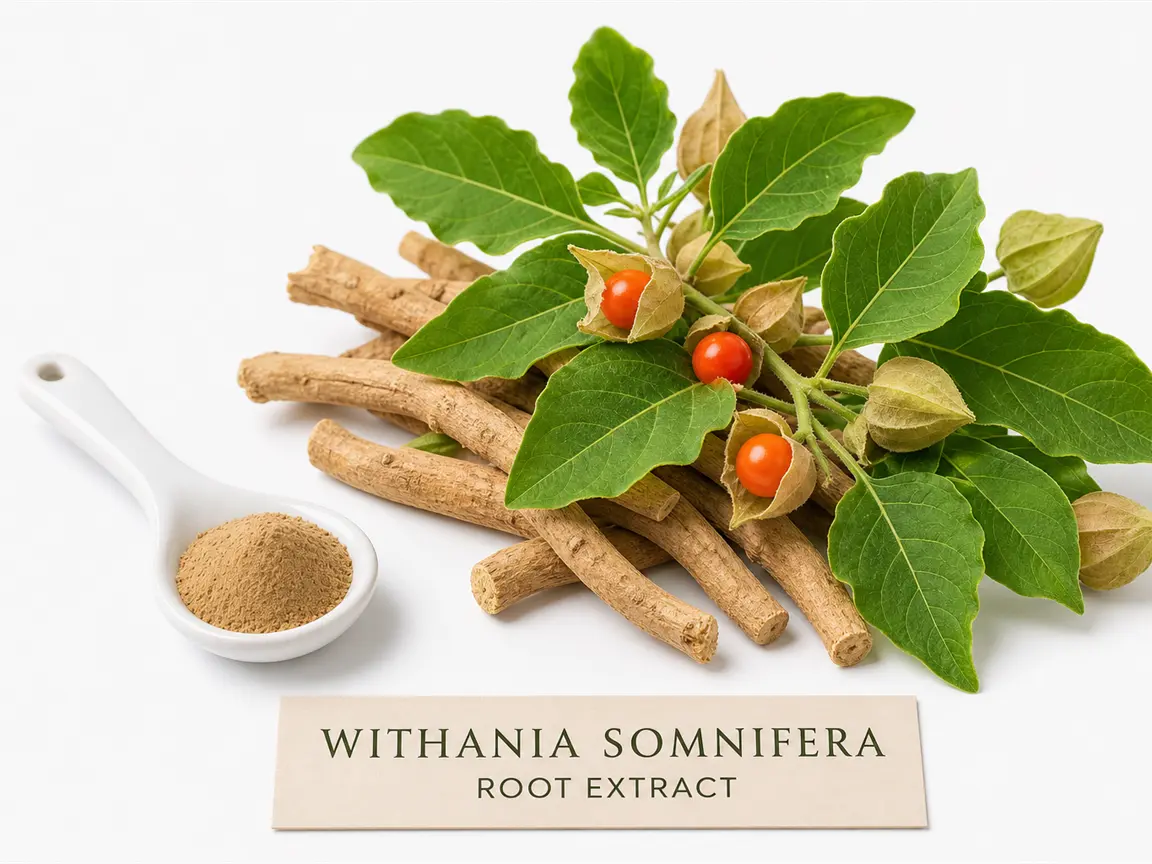
Ashwagandha extract next to a stress SKU specification
Common brief: Evening stress-support SKU
Identity: Withania somnifera
Plant part: Root (usual start) · root + leaf · leaf / aerial when the brief names it
Form: Root powder · named-ratio extract · standardized extract
Spec window: Root-extract talk often 1.5% / 2.5% / 5% withanolides. Root+leaf files often print a higher % or a withanolide glycosides definition — that is a different analyte, not a stronger 5%. Custom % on request. Withaferin A as a named limit when the brief asks.
Method: HPLC for the printed withanolide definition (usual release). UV-based values require their own analytical basis and should not be compared directly with an HPLC result. Powder lots lock identity (HPTLC or the named method).
Quote split: Plant part, analyte definition and analytical method must match before the printed percentage can be compared.
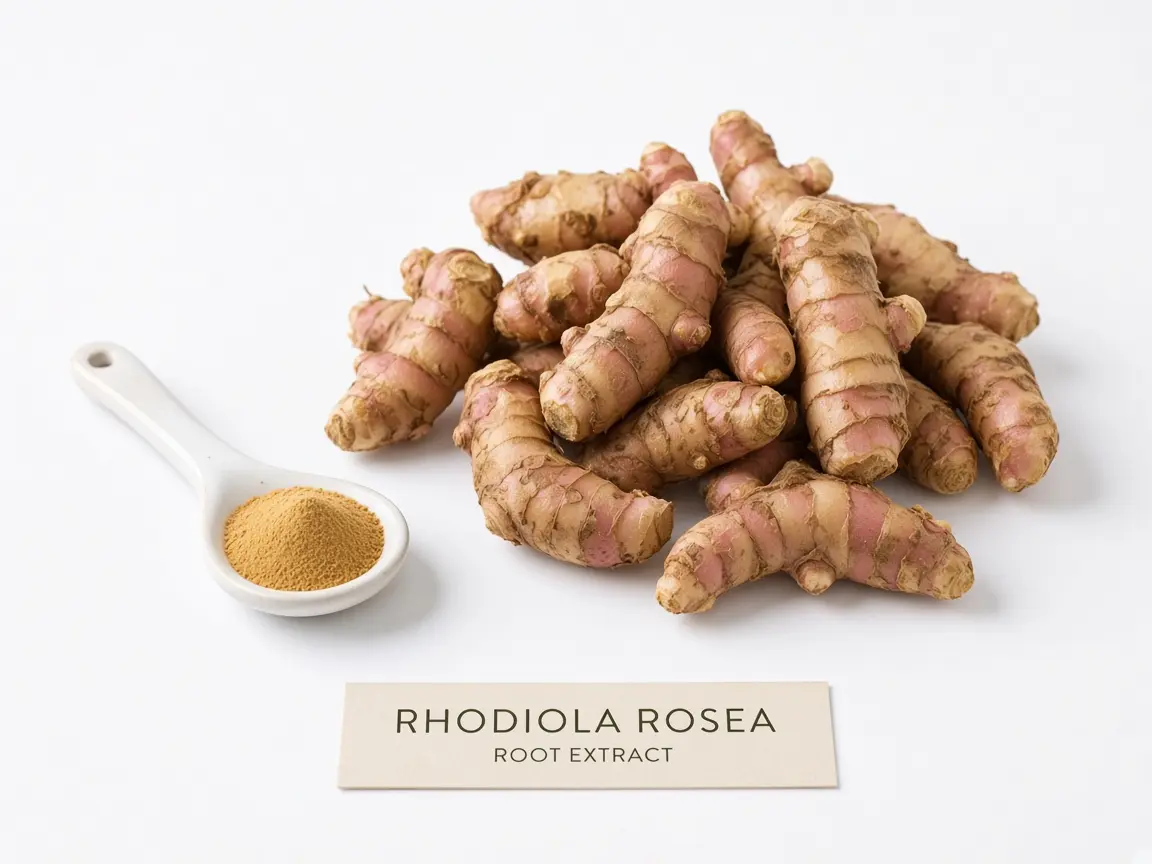
Rhodiola extract for a daytime stress-support SKU
Common brief: Daytime stress-support SKU
Identity: Rhodiola rosea (R. crenulata is a different species file)
Plant part: Root / rhizome (default). Aerial or unnamed herb is a different PO.
Form: Root powder · named-ratio extract · dual-marker extract
Spec window: Usual start 3% total rosavins / 1% salidroside. Also quote 3%/2%, 5%/1%, 5%/2%, or a named pair.
Method: HPLC for total rosavins and salidroside. Rosavin (single peak) is not total rosavins. Powder lots lock identity (HPTLC or the named method).
Quote split: A “3% standardized” claim is incomplete unless the quoted analyte definition is stated.
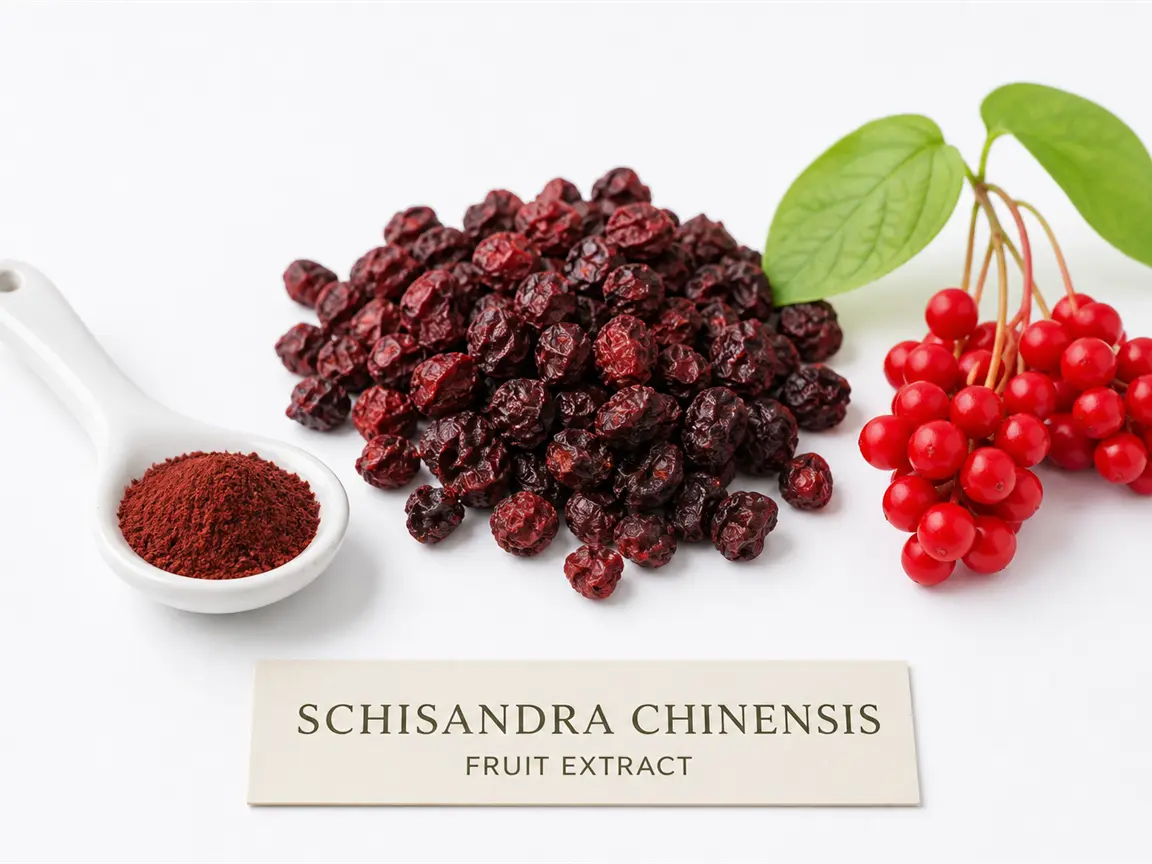
Schisandra fruit extract as a named third-herb stress SKU
Common brief: Named third botanical in a stress formula
Identity: Schisandra chinensis fruit (S. sphenanthera is a different PO)
Plant part: Fruit
Form: Fruit powder · named-ratio extract · lignan-marked extract
Spec window: Commercial talk 1%–10% total lignans, frequently ~9%. A named schisandrin (A, B, schisandrol A/B) is a different analyte at the same printed %.
Method: HPLC.
Material boundary: Isolated schisandrin compounds are outside this standard extract brief.
Quote split: Total lignans vs a named schisandrin, and fruit milligrams vs extract milligrams, are separate materials.
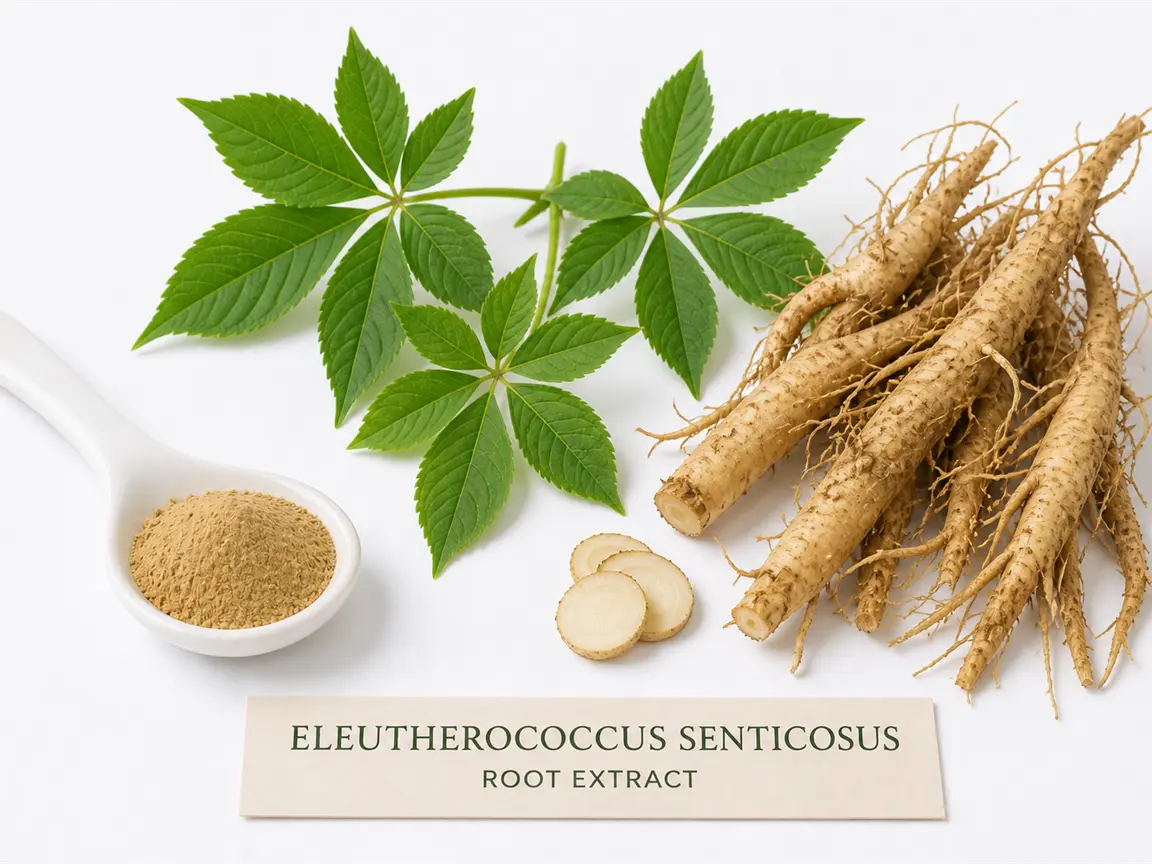
Eleuthero root extract specified as Eleutherococcus senticosus
Common brief: Root botanical in a stress-support formula
Identity: Eleutherococcus senticosus root
Plant part: Root
Form: Root powder · named-ratio extract · standardized B+E extract
Spec window: Commercial extract talk ~0.8%–2.0% eleutherosides B+E, often ~0.8% as the start. Custom B+E % on request.
Method: HPLC for B and E. Total saponins (or syringin-only) is a different assay.
Quote split: B+E vs total saponins are separate materials. “Siberian ginseng” is a label name, not a second identity.
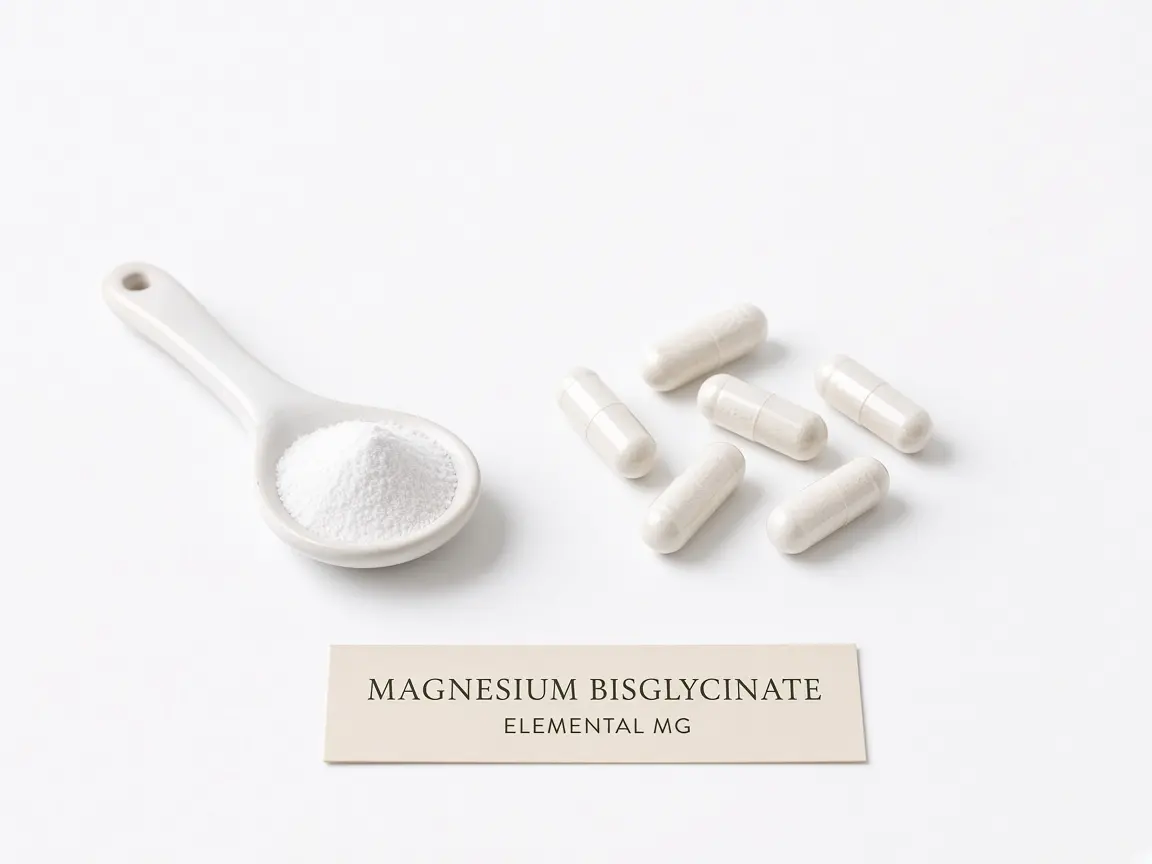
Magnesium bisglycinate with a separately specified elemental magnesium line
Common brief: Mineral companion on an ashwagandha stress panel
Identity: Magnesium bisglycinate (the label may print glycinate where the destination file allows)
Salt / grade: Bisglycinate on this card. Citrate, oxide, malate, taurate and L-threonate are different magnesium files.
Form: Chelate powder
Spec window: Fully reacted vs buffered; compound weight and elemental magnesium must be specified separately. Fill calculations use the approved grade COA.
Method: Elemental magnesium by ICP-OES or AA (named on the spec). Salt identity is not the elemental number.
Format: Capsule / tablet; stick when the brief is a drink
Quote split: Fully reacted vs buffered, and bisglycinate vs another salt at the same elemental milligram, are separate materials. Two rows when ashwagandha also prints.
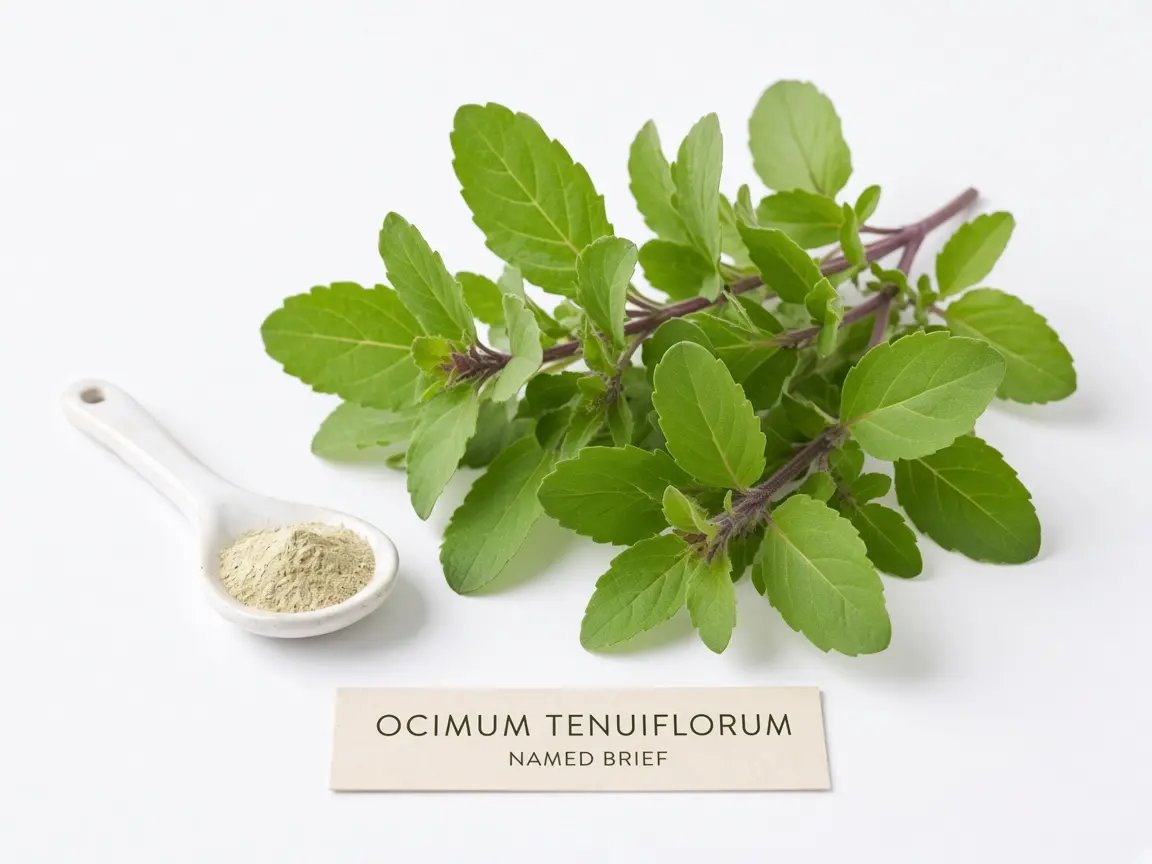
Holy basil as a named stress brief
Common brief: Customer-named botanical in a multi-botanical stress formula
Identity: Ocimum tenuiflorum (syn. O. sanctum where applicable). O. basilicum (sweet basil) is a different species.
Plant part: Leaf (usual start) · aerial / named herb when the brief names it
Form: Leaf powder · named-ratio extract · standardized extract
Spec window: Extract talk often 2.5% ursolic acid. Also quote a named eugenol or rosmarinic acid line, or a documented DER without a marker %. Custom % on request.
Method: HPLC for ursolic acid (usual). Eugenol typically GC. Powder lots lock identity (HPTLC or the named method).
Quote split: Species, plant part, and ursolic acid vs eugenol vs rosmarinic acid are separate materials at the same printed milligram. Licensed tulsi grades print only with authorization.
Stress Supplement Specification Stack
Quote rule: Compare ingredient identity, material form, assay definition, analytical method, finished declaration and dosage form—not the ingredient name or printed milligram alone.
Two quotes are directly comparable only when the specification basis is aligned. If a field differs, the difference must be qualified before the quotes are treated as equivalent.
1. Botanical identity — species + plant part.
2. Material form — powder or extract; DER / extract ratio where applicable; carrier when the quote depends on it.
3. Marker or assay — named definition + method + reference basis. Use a named window, not an unnamed “standardized” line.
4. Finished declaration — raw-material weight ≠ declared active ≠ finished-unit assay.
5. Dosage form — capsule, tablet, powder/stick or gummy.
6. Destination — ingredient and labeling review / screening before artwork.
Raw material | Assay basis | Finished declaration |
|---|---|---|
| Ashwagandha extract | Plant part + withanolides or withanolide glycosides + HPLC or UV | Extract mg + declared marker |
| Rhodiola extract | Total rosavins and/or salidroside + HPLC | Extract mg + marker pair |
| Magnesium bisglycinate | Fully reacted vs buffered + elemental Mg by ICP-OES or AA | Elemental mg per serving |
| Gummy | Finished-piece assay | Marker or mg per gummy × serving |
Stress Supplement Product Architecture Examples
Architecture rule: Each printed ingredient row keeps its own identity, weight and assay basis. The formula architecture determines how those rows are combined into a finished SKU.
Development milligram bands are RFQ figures, not intakes.
Use when: One labeled botanical carries one finished unit.
Specify: Lead = ashwagandha, rhodiola, schisandra, eleuthero, or a named brief such as holy basil. Companion = none.
Trade-off: Simplest specification and fill; a second botanical or mineral increases fill load.
Default format: Capsule.
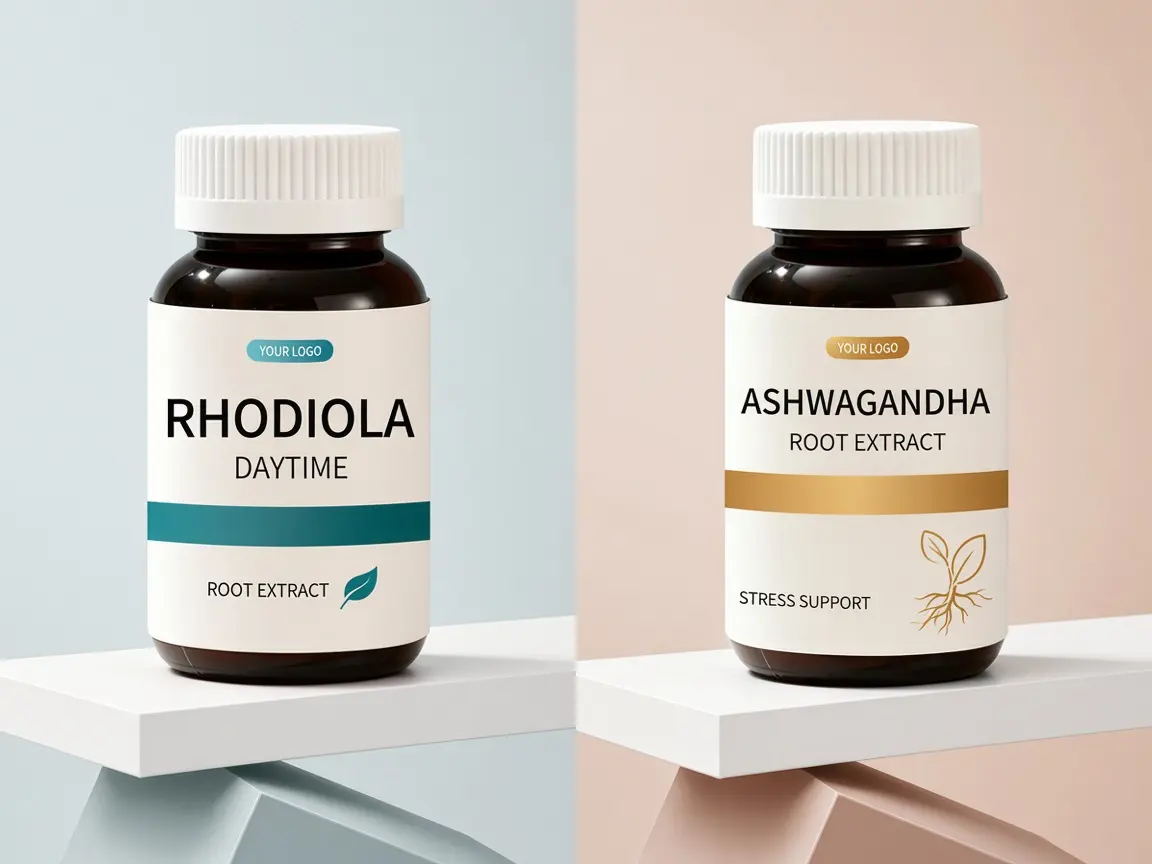
Use when: The brand needs separate daytime and evening SKUs.
Specify: Rhodiola and ashwagandha as separate finished-product specifications.
Trade-off: Separate SKUs add pack and SKU complexity versus one multi-botanical unit.
Default format: Capsule for each SKU.
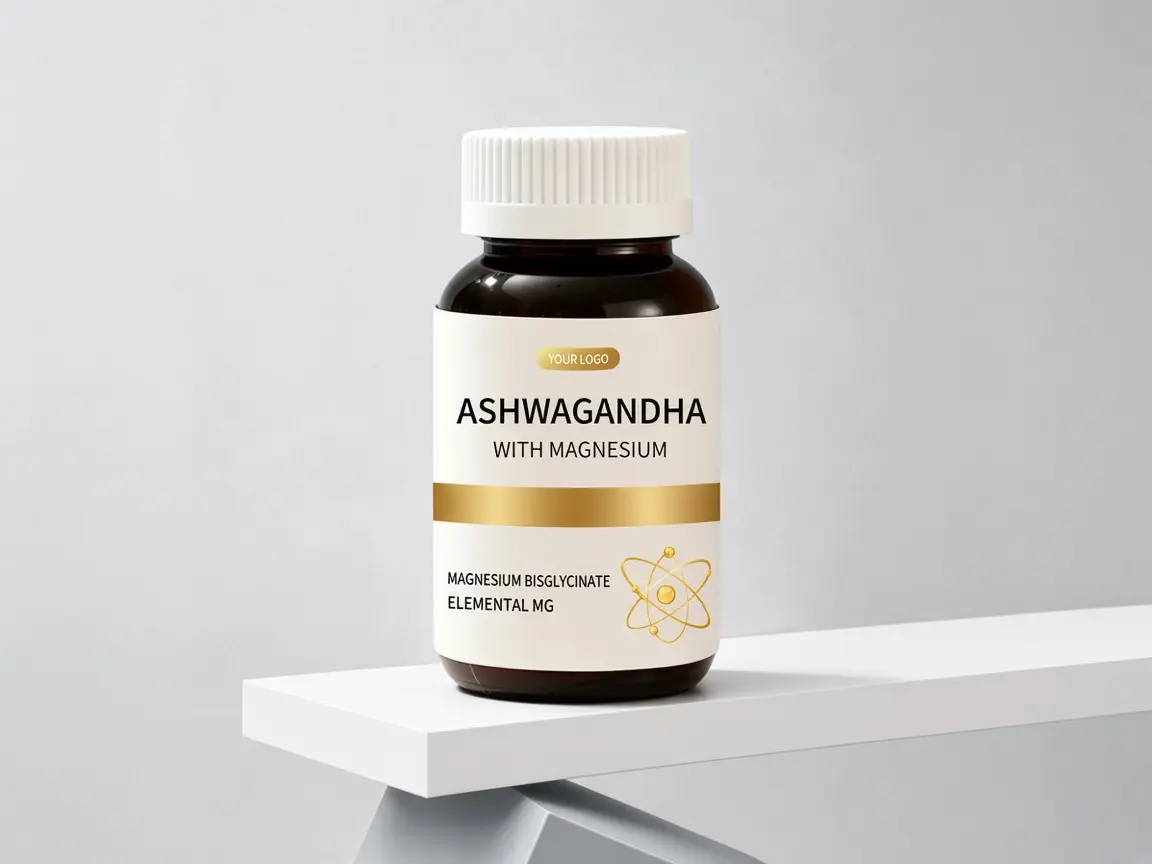
Use when: Ashwagandha and elemental magnesium both print on one panel.
Specify: Lead = ashwagandha. Companion = magnesium bisglycinate.
Trade-off: Elemental magnesium yield and salt bulk compete with botanical fill.
Default format: Capsule.
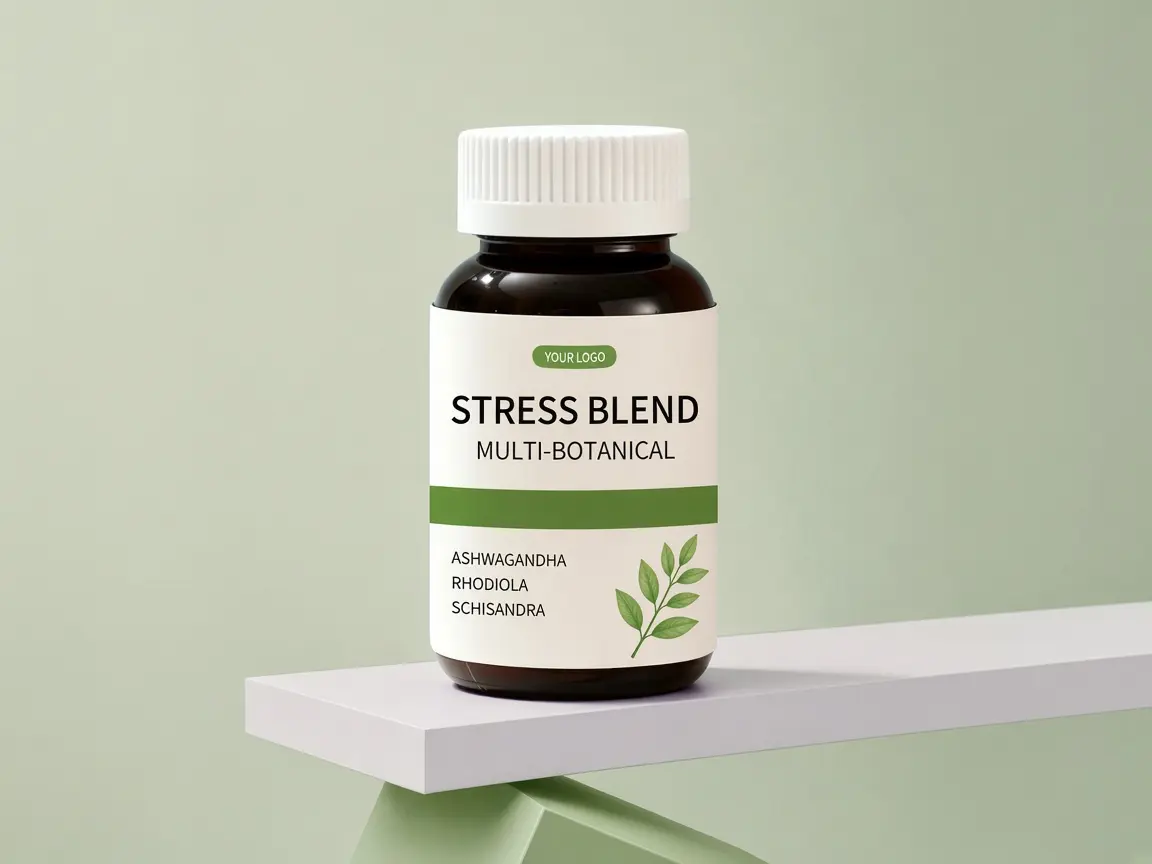
Use when: Two or more botanicals print on the same finished unit.
Specify: Named botanicals with plant part, form, milligram and assay on one unit.
Trade-off: Higher fill load than a single-botanical SKU.
Default format: Capsule.
Route the Brief: Stress, Mood, Sleep or Calm
| Customer brief | Route |
|---|---|
| Stress / adaptogen SKU | This manufacturing file |
| Mood-led formula | Mood support supplements |
| Calm-focused formula | Anxiety relief supplements |
| Sleep-led formula | Sleep support supplements |
| Cognition-led formula | Cognitive and mental health supplements |
Choose the Stress Relief Format: Capsules, Tablets, Powder or Gummies
Load, capsule count and pack change the quotation. Tablets, powders/sticks and gummies are quoted after press, fill or cook parameters are locked. Oil-phase softgels need a named oil companion.
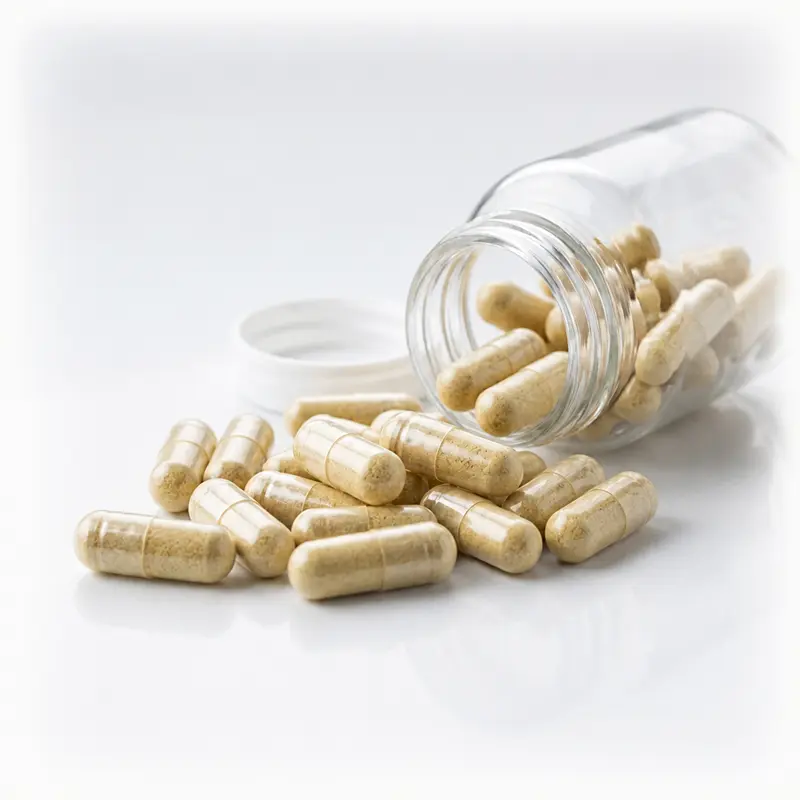
Best for: Dry botanicals and the magnesium pair.
What to lock: HPMC vs gelatin; fill weight versus serving.
Manufacturing note: Final fill follows tap density of the approved grade. Size 0 typically holds about 350–450 mg; size 00 about 500–650 mg, confirmed against tap density.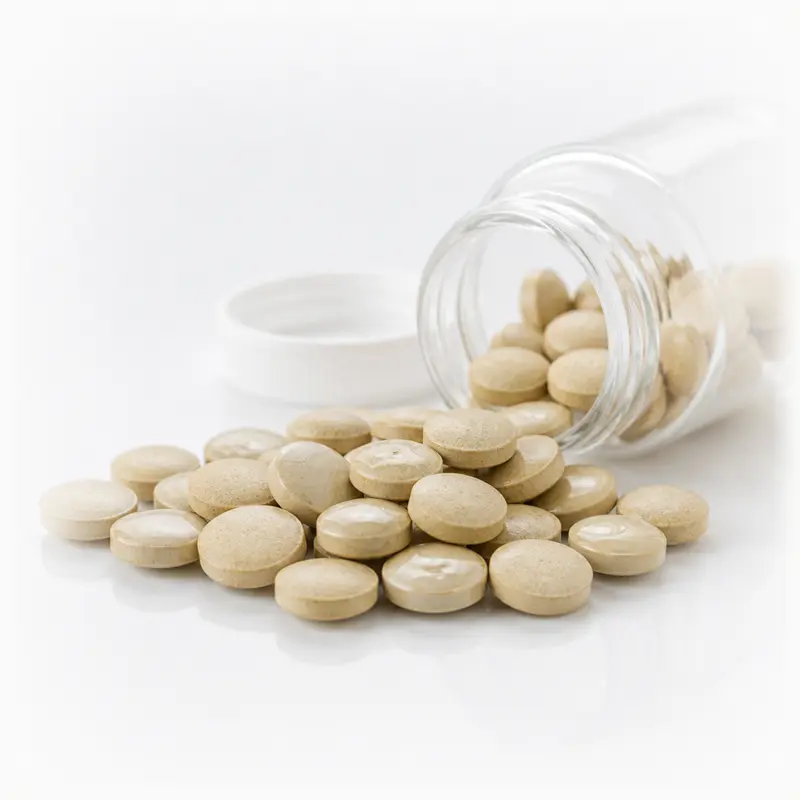
Best for: A compact ashwagandha or schisandra count.
What to lock: Tooling, tablet weight, hardness, coat if specified.
Manufacturing note: Punch load and coat when odor or color needs it. Capsule-to-tablet conversion is re-validated before a press run.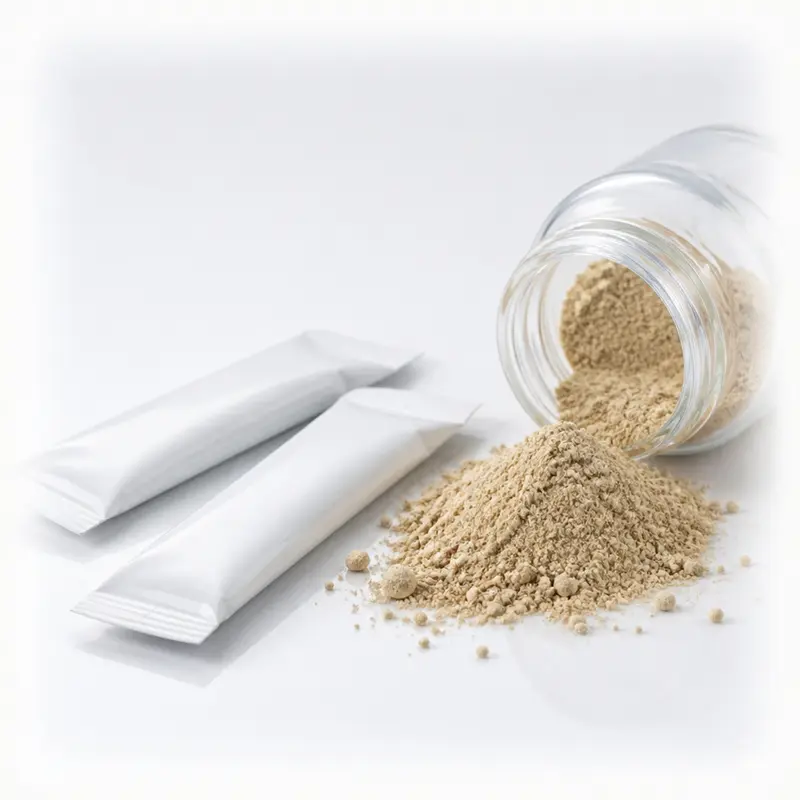
Best for: Gram-level fruit or root powder when capsule count is impractical.
What to lock: Mesh, water activity, flavor if drunk, barrier film.
Manufacturing note: Powder and extract formats need separate specifications for mesh, density, assay and packaging.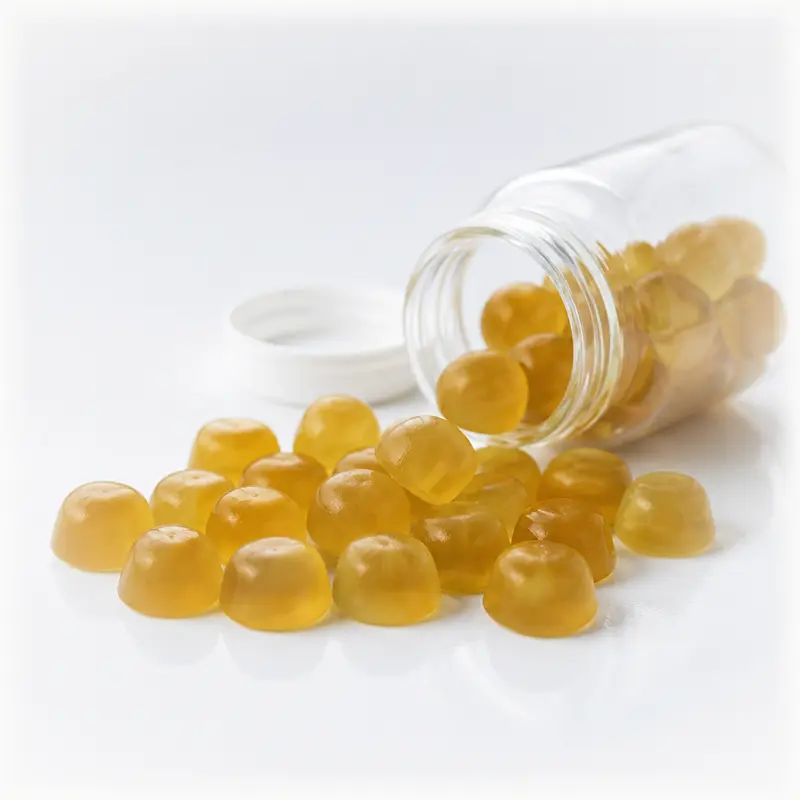
Best for: Low-load ashwagandha after cook-and-assay on the piece.
What to lock: Finished-piece assay; pectin vs gelatin; flavor; sugar or sugar-free.
Manufacturing note: Heat and water activity cap how much extract one piece can carry. Drum % is not finished-piece potency.
Send the approved file when the SKU is already on the market. The job is equivalency, not a reformulation.
| Your Situation | KS Route |
|---|---|
| Existing ashwagandha, rhodiola, schisandra or eleuthero unit | Match the approved identity, method and format |
| Existing ashwagandha + magnesium | Two rows stay two rows |
| Existing licensed branded extract | Authorization on the same brief |
| Existing ashwagandha + rhodiola in one capsule | Quote only if the brief keeps both rows; otherwise two SKUs |
Qualification → specification review → equivalency sample → pilot approval → frozen master specification.
Second-source qualification is not complete when the sample looks the same.
Common specification mismatches in second-source projects
Mismatch | Qualification issue |
|---|---|
| Plant part | Different botanical material |
| Assay definition | Same % may represent different analytes |
| Analytical method | Different numerical basis |
| Species | Different botanical identity |
| Magnesium salt | Same elemental Mg does not mean same raw material |
| Licensed grade | Authorization cannot be inferred from assay |
Incoming COA qualifies the raw material. Finished-product testing verifies the manufactured SKU against its approved specification. How to Read a COA.
Incoming identity → in-process fill / moisture as specified → finished-product COA for each printed row → release → change control before any swap.
See Quality Control. The project file may include finished-product COA, microbiology, heavy metals, allergen statement, pack records, batch records, and — when specified — third-party reports and stability documentation.
Qualified alternate raw materials are not automatic substitutions; approved changes follow documented change control. Results outside specification go on hold. NDA before detailed formula exchange.
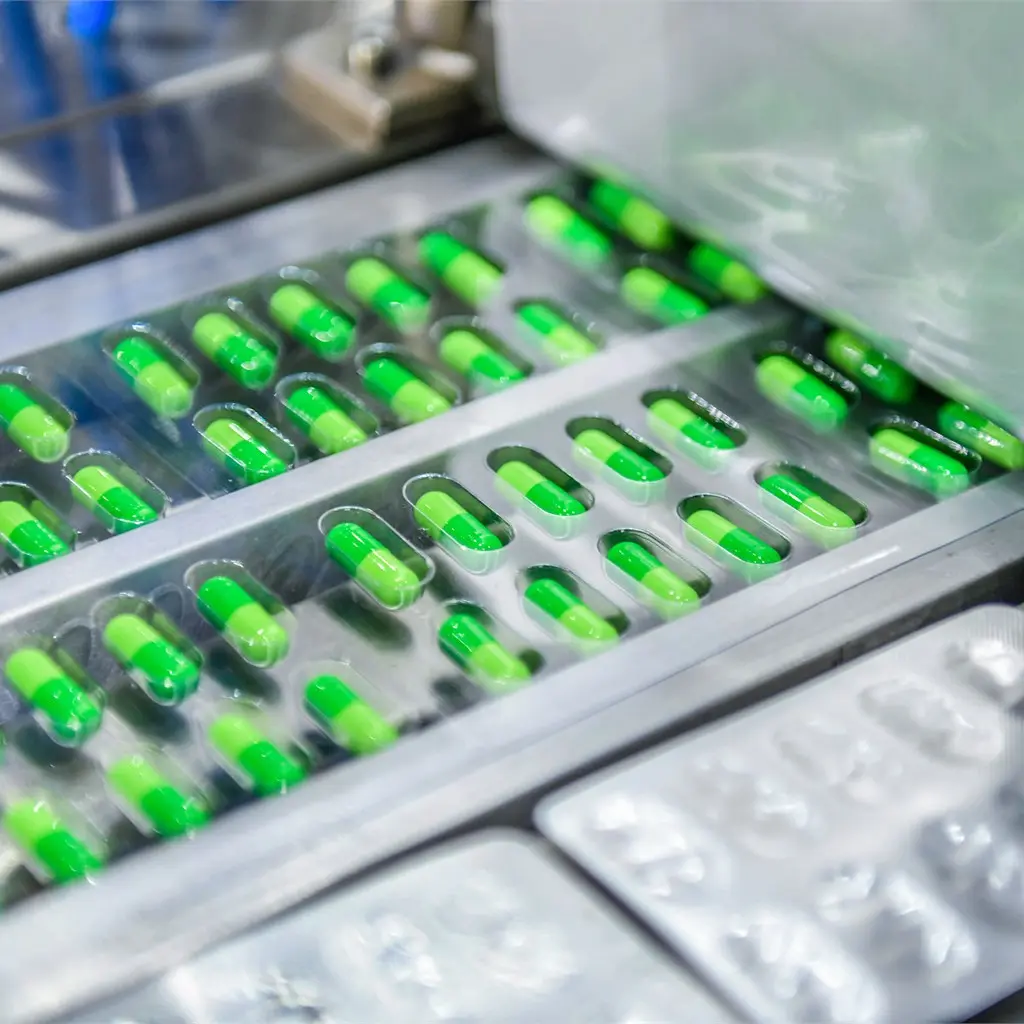
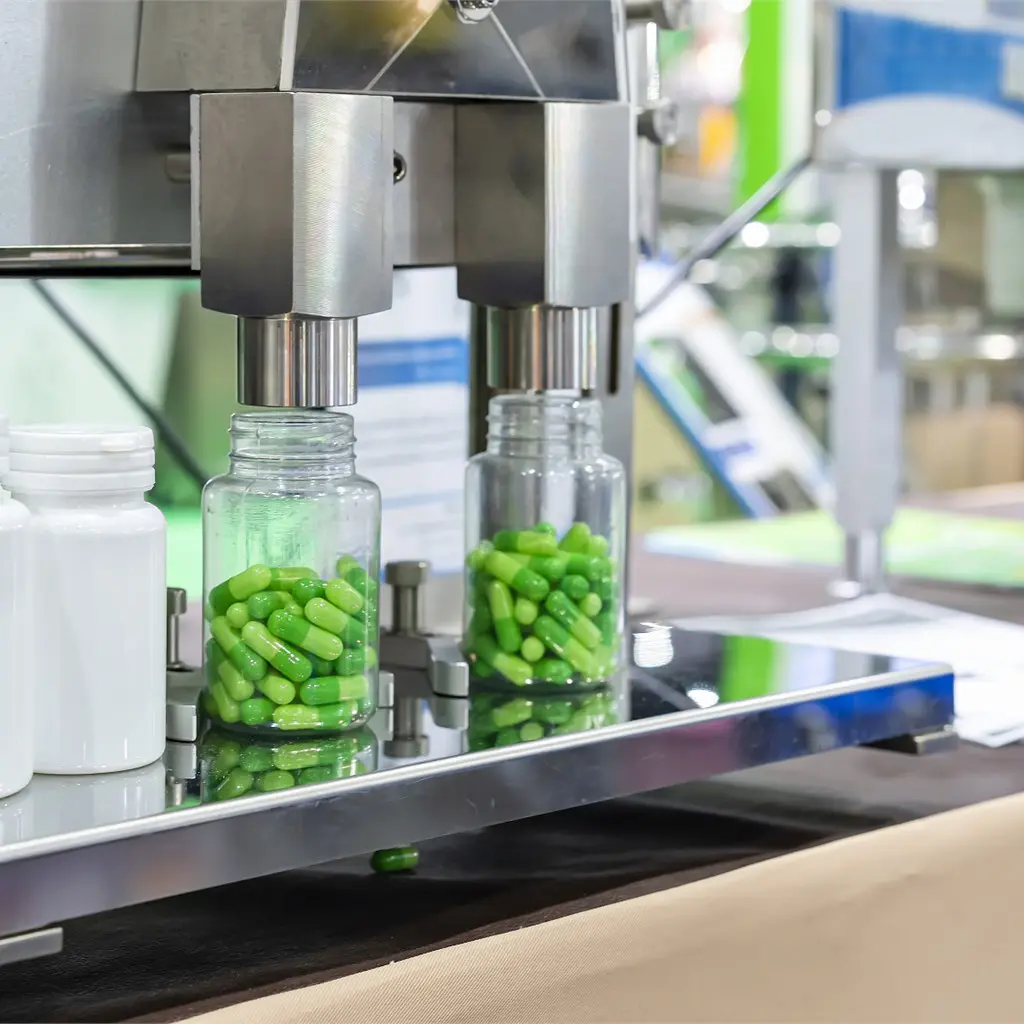
Packaging can change the quotation because fill volume, moisture protection, light exposure and stability requirements affect the pack specification and testing plan. These inputs should be locked before the final commercial quote.
Risk | RFQ input |
|---|---|
| Hygroscopic extract | Moisture barrier / desiccant / blister requirement |
| Odor or color transfer | Bottle, blister or barrier requirement |
| Powder / stick | Film barrier + water activity |
| Light-sensitive material | Light-barrier pack |
| High mineral load | Fill volume / count / elemental yield |
A barrier pack reduces a named risk; it does not by itself establish shelf life.
Finished-SKU MOQ is quoted after formula, dosage form, serving size and packaging are confirmed.
Target order quantity / annual volume belongs on the same brief — it sets costing, pack and schedule, not only the first-run start.
Pilot quantities, when required, are quoted separately.
Bulk-ingredient MOQ is a separate kilogram RFQ.
Figures below are an indicative planning range after specification and pack lock, not a service-level commitment.
Format | Indicative planning range after specification and pack lock | Typical planning clock after spec, artwork, pack and schedule lock |
|---|---|---|
| Capsules | 3,000–5,000 units/SKU | Sample 7–15 days; mass production 30–45 days |
| Tablets | 5,000–10,000 units/SKU | Same clock after press parameters are locked |
| Gummies / powder | Quoted after the format file is locked | Cook or film pilot first |
Development work sits with the R&D Center.
Send the information available to you. KS will identify specification gaps and the appropriate next step before sampling or production. The lists below are ordinary brief fields, not a form.
New SKU
Send: destination · product position · lead botanical · plant part · extract or powder · assay + method · target mg per serving · dosage form · serving size · pack · target quantity / annual volume.
KS reviews: formula feasibility, specification completeness, format, testing and MOQ basis.
You receive: specification gaps, manufacturing route, indicative MOQ basis and the next sampling step.
Existing formula
Send: BOM · COA · label · pack specification or drawing · finished-product test panel · current volume if known.
KS reviews: ingredient identity, assay basis, finished declaration, manufacturing route and specification gaps.
You receive: gap list, feasibility, quotation inputs and sample route.
Second source
Send: current specification · BOM · incoming and finished-product COAs · label · pack · quality questionnaire.
KS reviews: equivalency against the approved specification, qualification gaps and sample route.
You receive: equivalency review, qualification route and commercial quotation requirements.
Destination is locked during RFQ review because it can affect ingredient, labeling and testing requirements. A specification cleared for one destination is not automatically suitable for another. Destination, pack and testing sit on the same quote file.
EU and UK projects go through destination screening / regulatory review for plant part, extract specification, intended use and form. Manufacturing support is not legal approval. Brand-owner counsel owns the finished label. Destination-specific warning or interaction language is reviewed on the regulatory/label file before artwork.
Named specifications. KSM-66®, Sensoril®, Shoden® and similar licensed ashwagandha grades require customer authorization. NSF / USP requirements are handled only when specified in the RFQ and supported by the applicable documentation; they are not KS facility certifications. Organic programs are outside this line. Disease-treatment claims and drug pathways are outside this manufacturing brief.
Can two ashwagandha extracts with the same percentage be equivalent?
Not automatically. The same printed percentage can still differ by plant part, analyte definition (withanolides vs withanolide glycosides) and method (HPLC vs UV). Equivalency is a qualification decision against the approved specification, not a percentage match.
Does a raw-material COA replace finished-product testing?
No. Incoming COA qualifies the raw material. Finished-product testing verifies the manufactured SKU against its approved specification. One does not replace the other.
Can you match an existing supplier’s stress formula?
Yes, as a second-source qualification against the approved specification, BOM and COAs. Equivalency is confirmed by specification review, an equivalency sample and a frozen master specification — not by a sample that only looks the same.
Can a high-load stress formula move from capsules to tablets or powder?
It can be reviewed, but it is a new manufacturing file. Capsule-to-tablet conversion is re-validated before a press run. Powder and extract formats need separate mesh, density, assay and pack specifications. Load, count and pack change the quotation.
Can you manufacture a formula using a licensed ashwagandha extract?
Yes, when the customer supplies authorization for that licensed grade. A matching withanolide range without a license is not a KSM-66®, Sensoril® or Shoden® reprint.
What changes the final MOQ or lead time?
Formula, dosage form, serving size, pack, and whether a pilot is required. Target order quantity / annual volume belongs on the same brief. Bulk-ingredient MOQ is a separate kilogram RFQ. Indicative planning ranges apply after specification and pack lock.
Who Uses This Manufacturing Route
New brands, product managers, procurement / sourcing, QA / RA, and importers / distributors use this file for finished stress SKUs — new development, an existing formula, or a second source.
Certifications · Manufacturing Capacity · About Us
Start Your Stress Relief Manufacturing Project
New SKU — Send destination, botanical, format and target quantity. Request Formula Feasibility
Existing formula — Send BOM, COA, label and pack. Send Your BOM
Second source — Send current specification, BOM and COA. Request a Second-Source Review
Related Stress Relief Supplement Pages
- Ashwagandha Supplements
- Rhodiola Supplement Manufacturer
- Schisandra Supplement Manufacturer
- Eleuthero Supplement Manufacturer
- Magnesium Bisglycinate Supplements
Disclaimer: Wholesale / brand manufacturing and product-development reference only. Not intended to diagnose, treat, cure, or prevent any disease. Dietary supplements are not drugs. Structure/function language, ingredient status, and product classification vary by country. Brand owners remain responsible for finished-label compliance with local counsel. KS Nutripharma provides manufacturing feasibility and documentation support — not legal approval. Milligram figures, grade percentages, fill windows, and formula examples are development references, not recommended intakes or catalog guarantees. Branded ingredient names appear only as customer-licensed options, not as default house grades.