



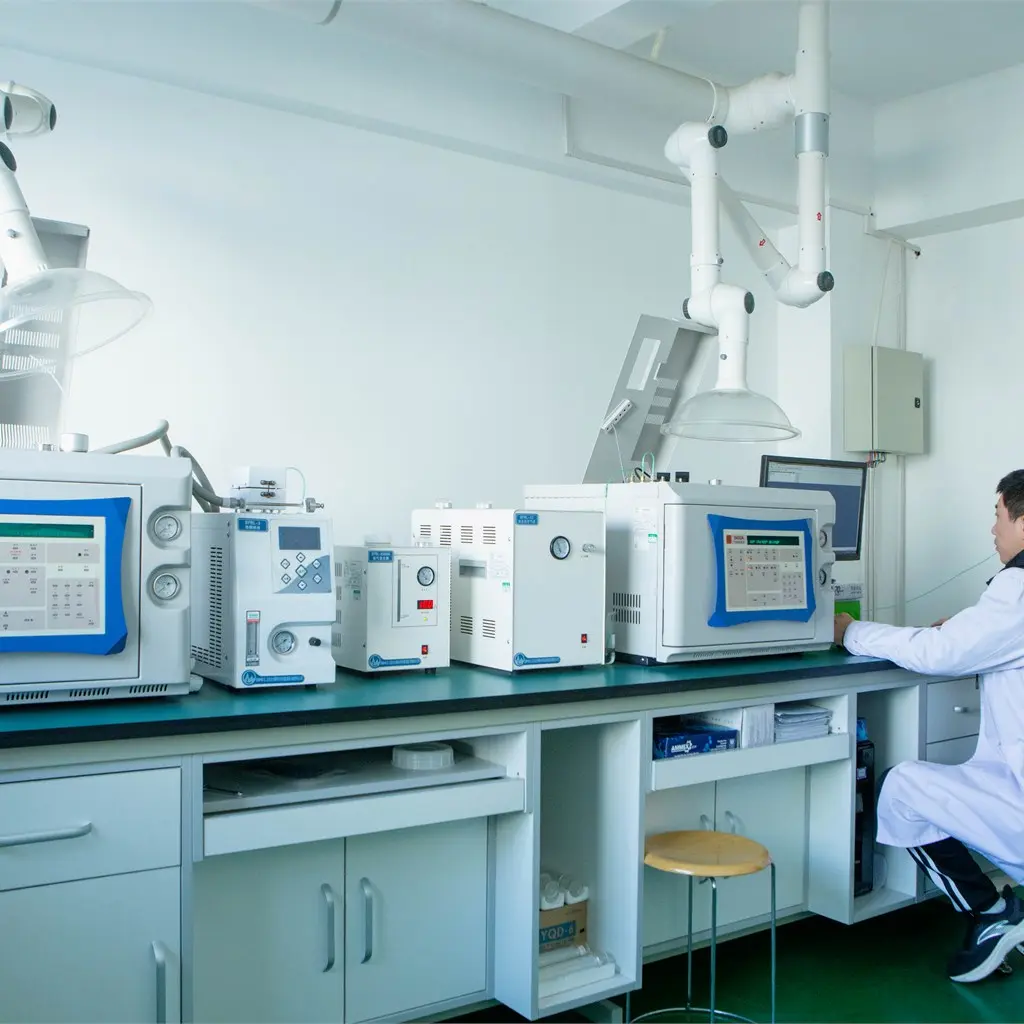
Bilberry Supplements OEM, ODM & Private Label Service
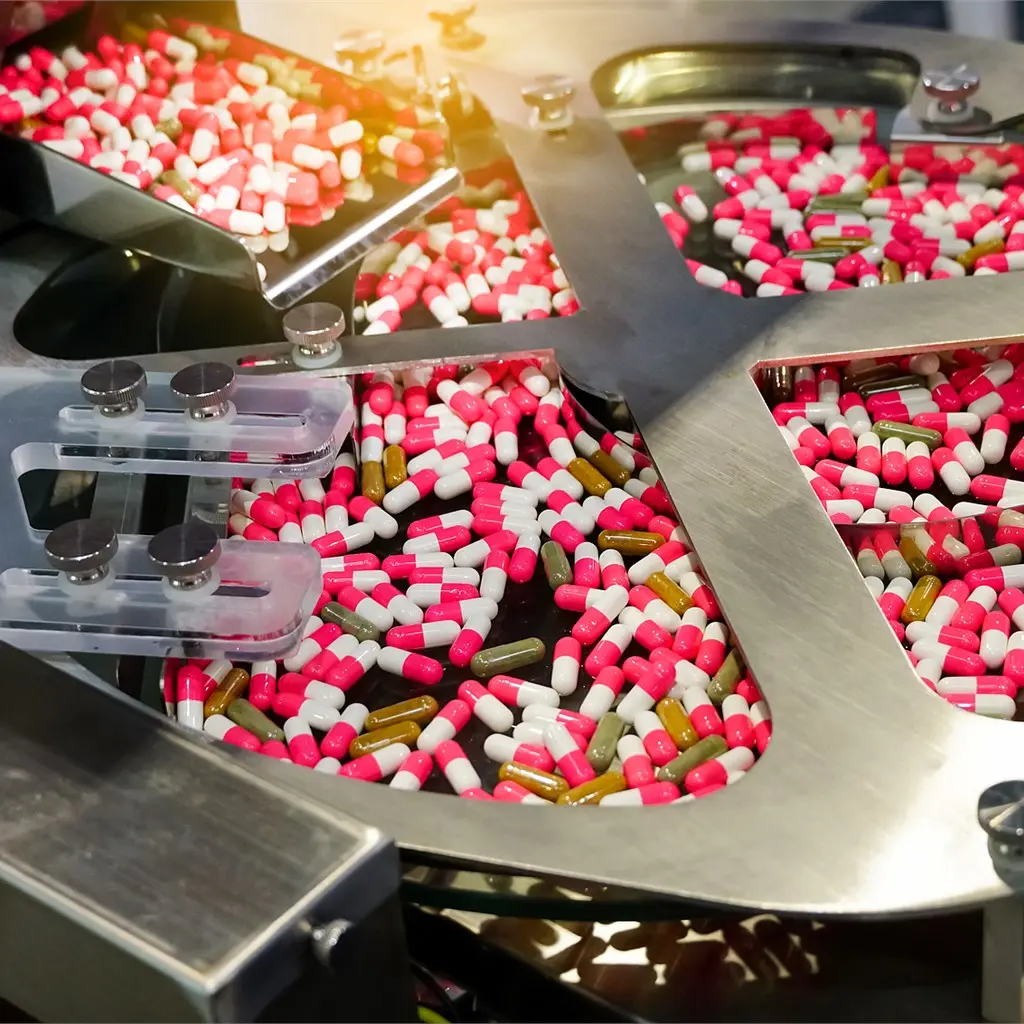
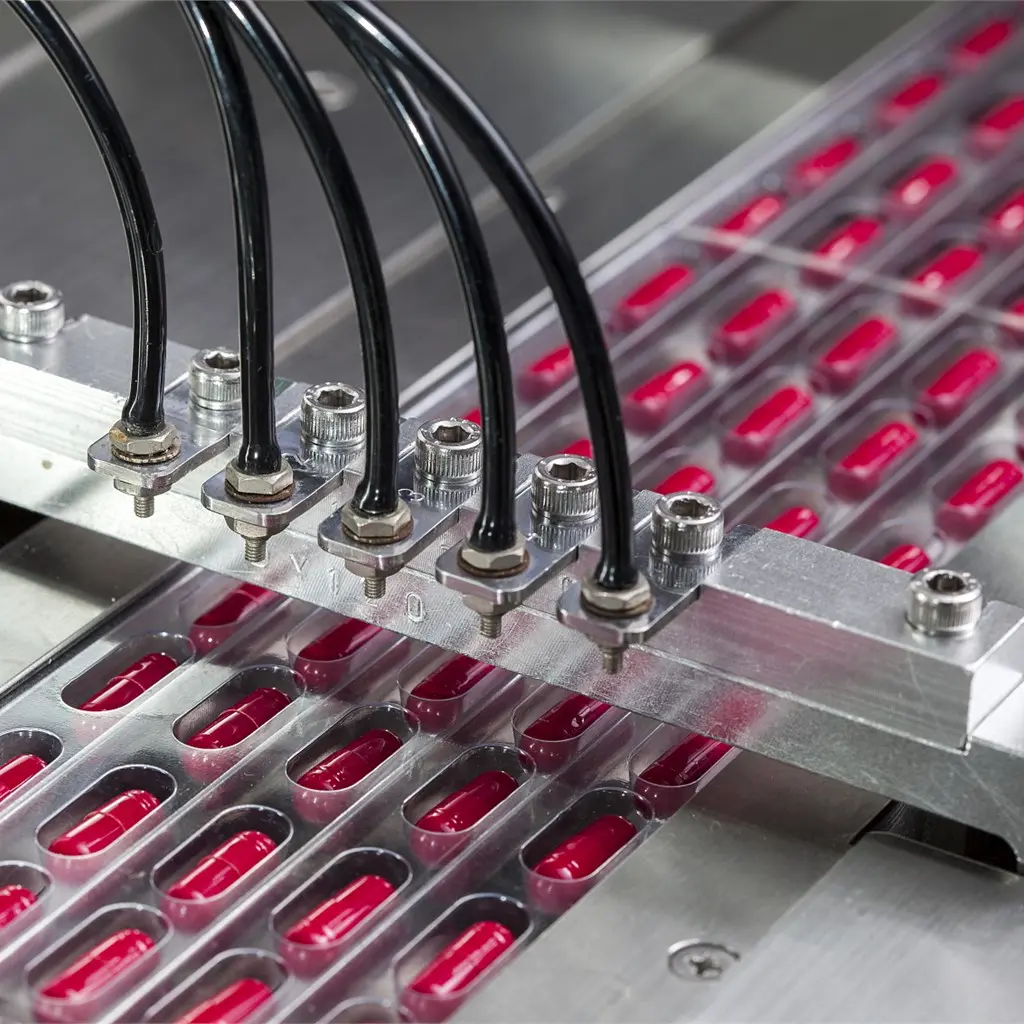
KS Nutripharma is a bilberry supplement manufacturer for OEM, ODM, and private-label finished units in eye-health supplement lines. A current label, a BOM, or two COAs is enough to open a specification review.
Two quotes that both say “bilberry 25%” are not comparable until the plant, the marker, the method, and the milligram basis match.
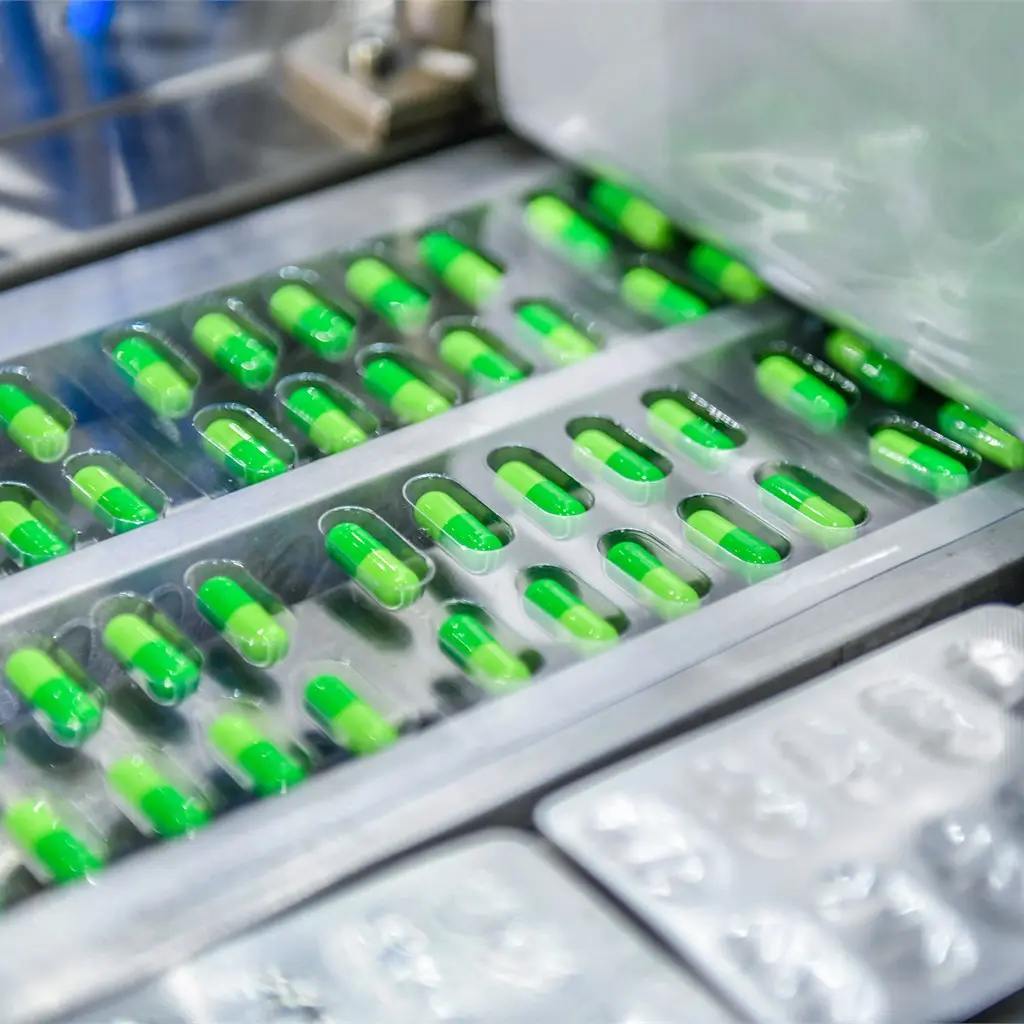
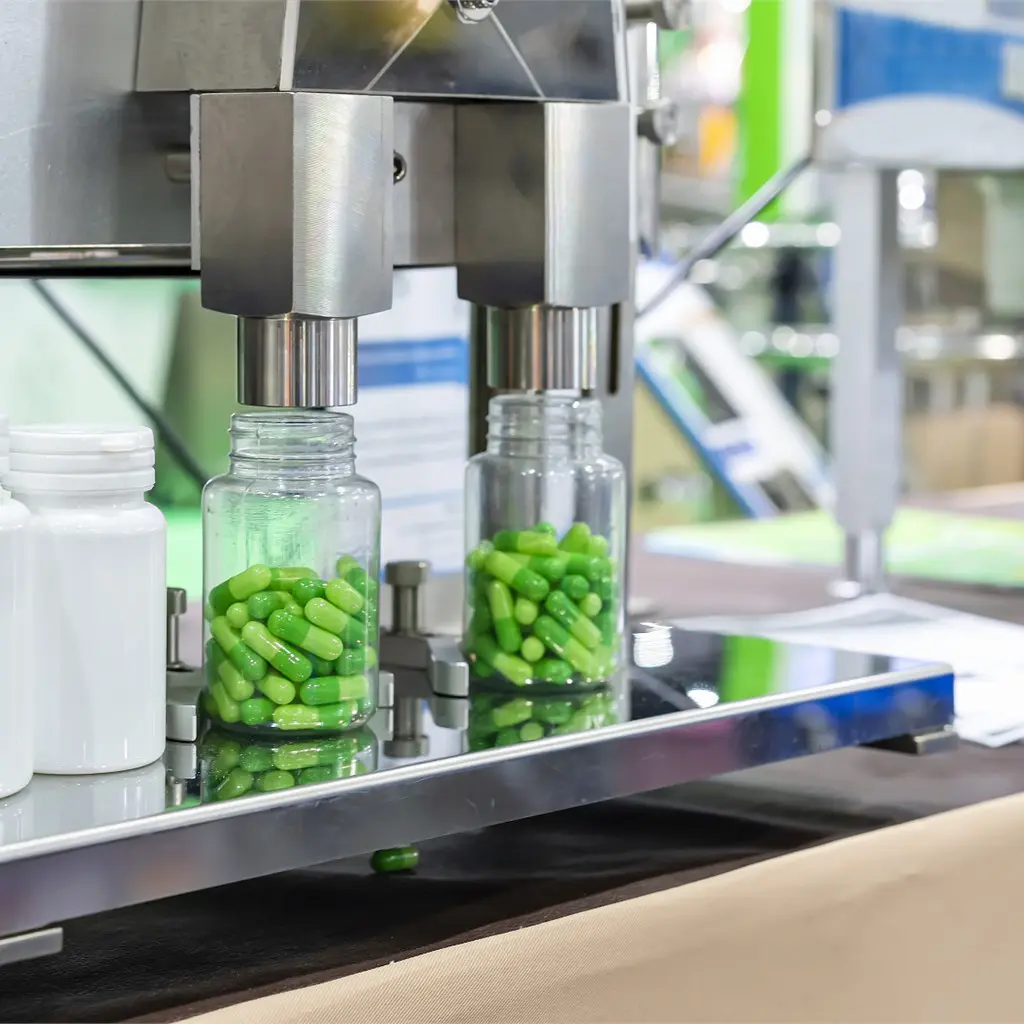
Formats: capsules · gummies · finished powder. Bulk bilberry powder is quoted by the kilogram, apart from the bottle.
Certifications: cGMP · ISO 9001 · ISO 22000 · HACCP · FSSC 22000 · Halal · Kosher · batch COA. Third-party testing is quoted when the brief asks for it. Quality control
Bilberry Manufacturing At A Glance
| Buyer decision | Starting point |
|---|---|
| Finished product | Capsules, gummies, or powder under your brand |
| Bulk ingredient | Fruit extract powder, quoted by the kilogram |
| Material | European Vaccinium myrtillus L. fruit. Leaf is not this grade |
| Main specification | HPLC anthocyanins >36.0%; UV anthocyanidins >25.0% |
| Other grades | 1%, 5%, 10%, and 15%. Marker and method are on that lot’s COA |
| Sales market | Recorded on the project. The species name does not clear the market file |
Which Eye Product Are You Specifying?
If the brief is… | Where the specification is finished |
|---|---|
| Bilberry as the lead ingredient | The routes below |
| Lutein or zeaxanthin as the lead, with bilberry added | The lutein route below |
| An AREDS-style vitamin and mineral list | AREDS eye vitamins |
| Bilberry as one fruit in a mixed antioxidant | Eye antioxidants |
| A screen-use unit led by lutein and zeaxanthin | Eye strain supplements |
Bilberry Formula Routes
Doses below come from the label or BOM you send. They are quotation inputs, not recommended intakes.
Ginkgo, eyebright, taurine, vitamin C, zinc, and saffron are added only when the BOM names them, each with its own identity and dose line.

Use When: The product name is bilberry, and the facts panel is a standardized fruit extract.
Specify: Extract milligrams per serving, on a different line from marker milligrams. Use the main grade in the table.
Trade-Off: Shortest file to compare. It does not cover a lutein row, a fruit-powder row, or another grade from the table.
Default Format: Capsule.

Use When: The panel prints a standardized extract and a whole-fruit powder as two rows.
Specify: Percentage, marker, and method on the extract row. Species, plant part, and weight on the powder row. The two weights are not added into one anthocyanin figure.
Trade-Off: The powder row increases fill and can dominate the milligram story while adding little marker. Use the single-extract route when the assay, not the powder weight, should lead.
Default Format: Capsule.

Use When: Bilberry is on an eye-health unit beside lutein and zeaxanthin.
Specify: Bilberry extract milligrams from the customer’s label, on the grade the BOM actually names. Lutein form, milligrams as lutein, zeaxanthin milligrams, and beadlet or oil are finished on the lutein supplement file.
Trade-Off: A carotenoid beadlet plus a dry purple extract is a different fill from a bilberry-only capsule. There is no house milligram pair for this combination.
Default Format: Capsule.
Use When: The BOM does not need the main grade — bilberry as a minor botanical, or as color in a blend.
Specify: Which other grade from the table, plus the marker and method on that lot’s COA. The choice follows the BOM, not a low milligram number on the label.
Trade-Off: The label cannot carry the marker milligrams of the main grade. Return to the first route when bilberry is the product name.
Default Format: Capsule or powder, after the load is checked.
Choose The Bilberry Format: Capsules, Tables, Gummies Or Powder
Confirmed formats are capsules, gummies, and powder. A tablet or an oil softgel is a separate feasibility check. Dry bilberry extract is not placed in an oil softgel by default. Format limits sit here; the formula routes above only name the usual format.

Best For: A dry extract fill, with or without a separate fruit-powder row.
Why: Extract weight and marker arithmetic stay visible on one unit.
What To Lock: Extract milligrams versus marker milligrams, bulk density, particle size, color transfer, capsule size, and shell (gelatin, HPMC, or pullulan).
Manufacturing Note: Fill weight is the extract row plus any powder row plus excipients.

Best For: A daily tablet when the extract load can be compressed with the rest of the blend.
Why: Compression, hardness, and disintegration are added to the file. A capsule fill weight is not the tablet weight.
What To Lock: Tablet weight, hardness, disintegration, color, and moisture. Extract milligrams stay separate from marker milligrams.
Manufacturing Note: Finished-product testing is scoped to the formula, the compression, the pack, and the market. Marker results are not inferred from the incoming extract COA.

Best For: A brief that has already accepted a cooked piece instead of a capsule fill.
Why: Piece weight, color, and flavor change the file. The capsule’s extract milligrams are not copied onto one piece.
What To Lock: Piece weight, pectin or gelatin, sugar system, and whether the claim is extract weight or marker weight.
Manufacturing Note: Finished-product testing and stability are scoped to the formula, the cook, the pack, and the market. Marker results are not inferred from the incoming extract COA.

Best For: A finished scoop, sachet, or stick, or a bulk kilogram for another factory.
Why: The kilogram is a raw-material quote. The stick is a consumer pack with flavor, color in the drink, moisture uptake, and a barrier.
What To Lock: Which grade, particle size, carrier, moisture, and whether the unit is a kilogram or a consumer pack.
Manufacturing Note: When the brief includes both, they are two quotations.
Emerging Bilberry Formula Directions
These directions already appear on some eye-health labels. Bilberry is often one line in a larger panel, and the milligrams are not a house set. Doses come from the label or BOM you send. They are quotation inputs, not recommended intakes. The file still checks identity, format, oxidation or moisture, and finished-unit testing.

Use When: The panel names bilberry and ginkgo on the same unit.
Specify: Bilberry extract milligrams and the grade from the table. Ginkgo is Ginkgo biloba leaf. Flavone glycosides, terpene lactones, the assay method, and ginkgolic acids when the file requires them are finished on the ginkgo file.
Trade-Off: Two botanicals mean two markers. Ginkgo milligrams are flavone glycosides and terpene lactones. On these complexes, bilberry is often a short line beside ginkgo. Use the single-extract route when bilberry is the product name.
Default Format: Capsule.

Use When: The panel places bilberry with lutein and astaxanthin. The bilberry line may be a fruit powder or an extract.
Specify: Bilberry identity, plant part, and milligrams from the label, on the grade the BOM names. Lutein form and milligrams as lutein stay on the lutein line. Astaxanthin source, assay, and oil or beadlet are finished on the astaxanthin file. Zeaxanthin is added only when the panel prints it.
Trade-Off: This is the lutein route plus an astaxanthin line. Retail panels run from a microgram beadlet in a dry capsule to a higher oil-phase load. A dry bilberry capsule does not carry an oil grade unchanged. Softgel feasibility, oxidation, and heat sit on this file.
Default Format: Capsule when astaxanthin is a beadlet or powder. Oil softgel only after feasibility.
 Bilberry With Taurine And Vitamin B3
Use When: An eye multi prints bilberry beside taurine and niacin. Bilberry is often one line among the vitamins.
Specify: Bilberry grade and extract or powder milligrams from the label. Taurine form and milligrams, and the niacin form (nicotinic acid, niacinamide, or another named form), each on its own line.
Trade-Off: The extra lines are an amino acid and a named B3 form. Ginkgo markers and an astaxanthin assay are separate routes. Vitamin load, tablet weight, taste, and moisture decide capsule, tablet, or powder.
Default Format: Capsule, tablet, or powder.
Use When: The panel names bilberry and saffron, often with lutein or astaxanthin on the same unit.
Specify: Bilberry grade and milligrams from the label. Saffron is Crocus sativus stigma. Its marker, method, and milligrams are a separate line. A trademarked saffron extract is quoted only when the BOM names it and you have the right to put that brand on the label.
Trade-Off: Saffron milligrams are a stigma assay. They are not anthocyanins and not astaxanthin. The lutein-and-astaxanthin route covers the carotenoid file. This route adds the saffron line.
Default Format: Capsule. An oil softgel is checked only when a carotenoid on the same BOM requires it.
The table above is the supply grade. The two percentages are not two strengths of one test, and the higher number is not the stronger material. Anthocyanins, anthocyanosides, and anthocyanidins are different report names. A UV result and an HPLC result are compared only when the marker and the method are the same. This pair is used for EU and US projects. It is not a claim that the lot reproduces every clause of a pharmacopoeia monograph.
The Latin name, the word “fruit,” and “European” answer three different questions: species, plant part, and origin. Origin is checked on the supplier file. The country where the finished unit will be sold is written on the project. A matching species does not show that one COA meets every EU or US labeling rule.
Before a price is compared, the file needs:
- Botanical identity and plant part
- Origin, when the label or the specification states one
- Marker name and reporting basis
- Method, and the specification that percentage belongs to
- Extract weight per serving, kept apart from marker weight
- Carrier, moisture, and particle size when the format needs them
The grade on the quotation is the one named on the material specification and the lot COA. The other grades in the table are not substituted for the main pair. The same printed percentage on two different markers is not the same lot.
If the file says… | What has to match |
|---|---|
| Bilberry 25% | Marker name, and UV or HPLC |
| Bilberry 36% | HPLC anthocyanins, not a UV figure rewritten as 36% |
| 100 mg bilberry | Extract weight, fruit-powder weight, or herb equivalent |
| European bilberry | Species, fruit, and the origin file, as in the table |
| Same formula, second factory | The same assay lines, plus carrier and particle size where the format needs them |
For illustration, 160 mg of an extract specified at 25% anthocyanidins corresponds to 40 mg of that marker on the stated basis. A 100 mg extract specified at 36% anthocyanins corresponds to 36 mg of anthocyanins on its stated basis. The arithmetic does not make the two materials equivalent. Marker, method, and reporting basis have to match before the milligrams are compared.
A trademarked bilberry extract is quoted only when the BOM names it and you have the right to put that brand on the label. It is not the default grade.
The extract COA qualifies the lot. The finished-unit file checks the capsule, gummy, or powder pack against the approved label. One does not replace the other.
Incoming Lot
- The material and the grade named in the table, including that lot’s marker and method when another grade is used
- Carrier, loss on drying, and particle size when the format needs them
- Metals, microbiology, pesticides, and residual solvents as agreed for that destination
Those contaminant limits are the lot COA. They are not one set of numbers for every market. How to Read a COA
Finished Unit
- Extract milligrams and marker milligrams versus the label
- Uniformity of the fill or the piece
- Moisture, color, and barrier pack
- Microbiology and metals as scoped
- Stability as scoped to the process and the pack
Release is the batch record against the approved specification.
The manufacturing record starts low-MOQ programs from 3,000–5,000 units. That is a planning start. It does not mean every capsule, gummy, and powder SKU opens at the same count. Capsules use that band as the usual start. Gummies and finished powder are feasible; the count is set after formula, pack, and testing. Manufacturing capacity
Sample evaluation is available for qualified projects. The schedule is set after the specification, artwork, and pack are locked. The capacity record does not publish a fixed number of sample days or production weeks.
Bulk powder is quoted in kilograms. It is not calculated by splitting the unit MOQ into capsule weights.
Why Does “500 mg Bilberry” Not Match The Powder In The Capsule?
Panels often use 500 mg as a herb equivalent. One commercial pattern labels 125 mg of a 4:1 extract as 500 mg of bilberry, while the marker declaration is a smaller figure on its own line. Manufacturing fill uses the extract weight. The equivalent stays on the label only when you still want that claim, and it is not added to the fill.
Will A Branded Bilberry Extract Be Used By Default?
No. The default is the grade in the table. A trademarked extract is purchased only when your BOM names it and you have the right to use that brand.
Can The Capsule Formula Move Into A Gummy Unchanged?
No. Piece weight, color, flavor, and finished testing are scoped for the gummy. Results on the incoming extract are not treated as the marker left in the piece. Send the capsule label if you want the second format quoted.
Does One Capsule A Day Change The Quotation?
Yes. The quote uses the serving on your label, including how many units that serving takes. One capsule a day and three capsules a day are different monthly quantities at the same extract weight per capsule.
What To Send
Send the destination country, the channel, a target quantity, and any of these you already have: a label, a BOM, one or two COAs, and the format to keep or change.
On the bilberry line, keep four figures in separate columns when they appear: extract weight, herb equivalent, marker name, and percentage with its method. A missing method or plant part comes back as a question on the quote.
Send a Label or BOM · Compare Two COAs
Typical first response is within one business day. A project manager is assigned. An NDA is available.
Related Supplement Manufacturing
Disclaimer: Wholesale and brand-manufacturing reference only. Not intended to diagnose, treat, cure, or prevent any disease, including eye disease or circulatory disease. Dietary supplements are not drugs. Assay percentages and the illustration milligrams on this page are specification references, not recommended intakes or a guarantee of every lot. Brand owners own finished-label compliance for the destination market.