



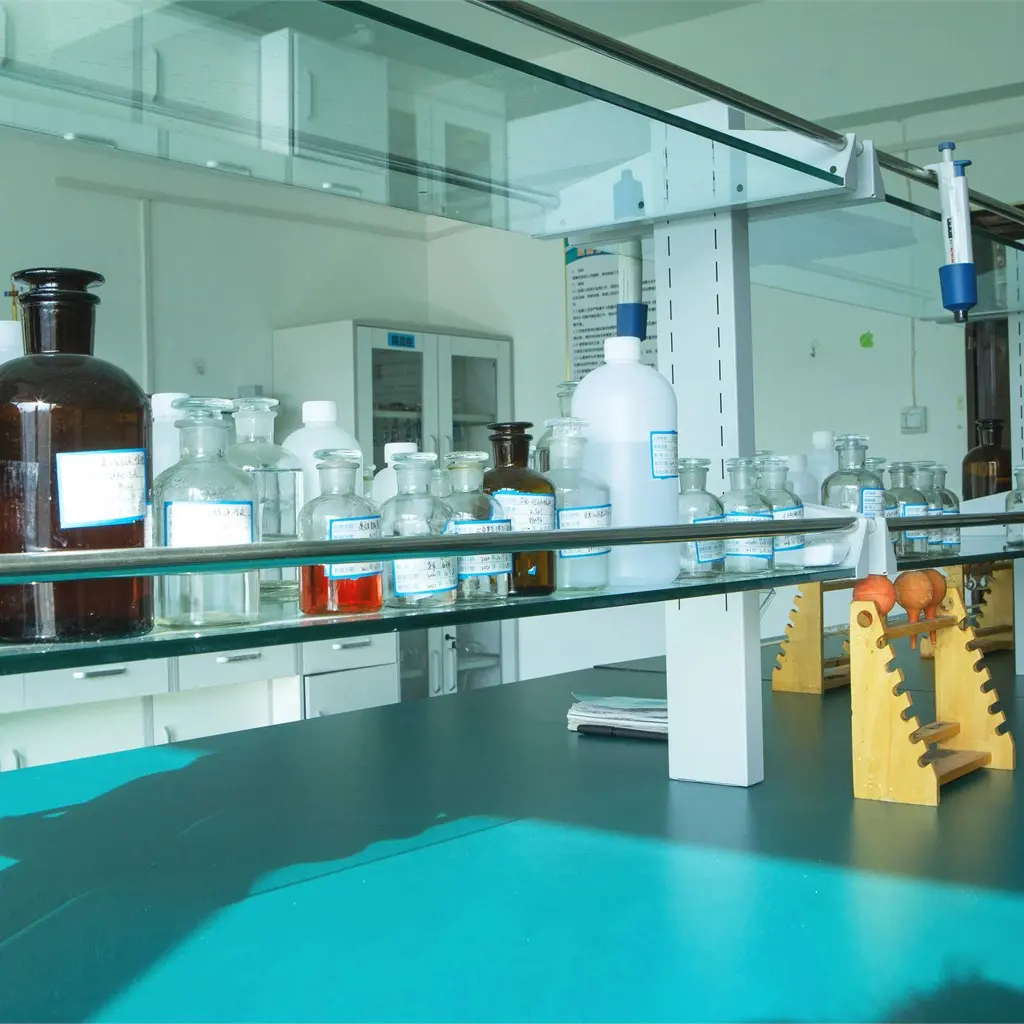
Eye Strain Supplements OEM, ODM & Private Label Service
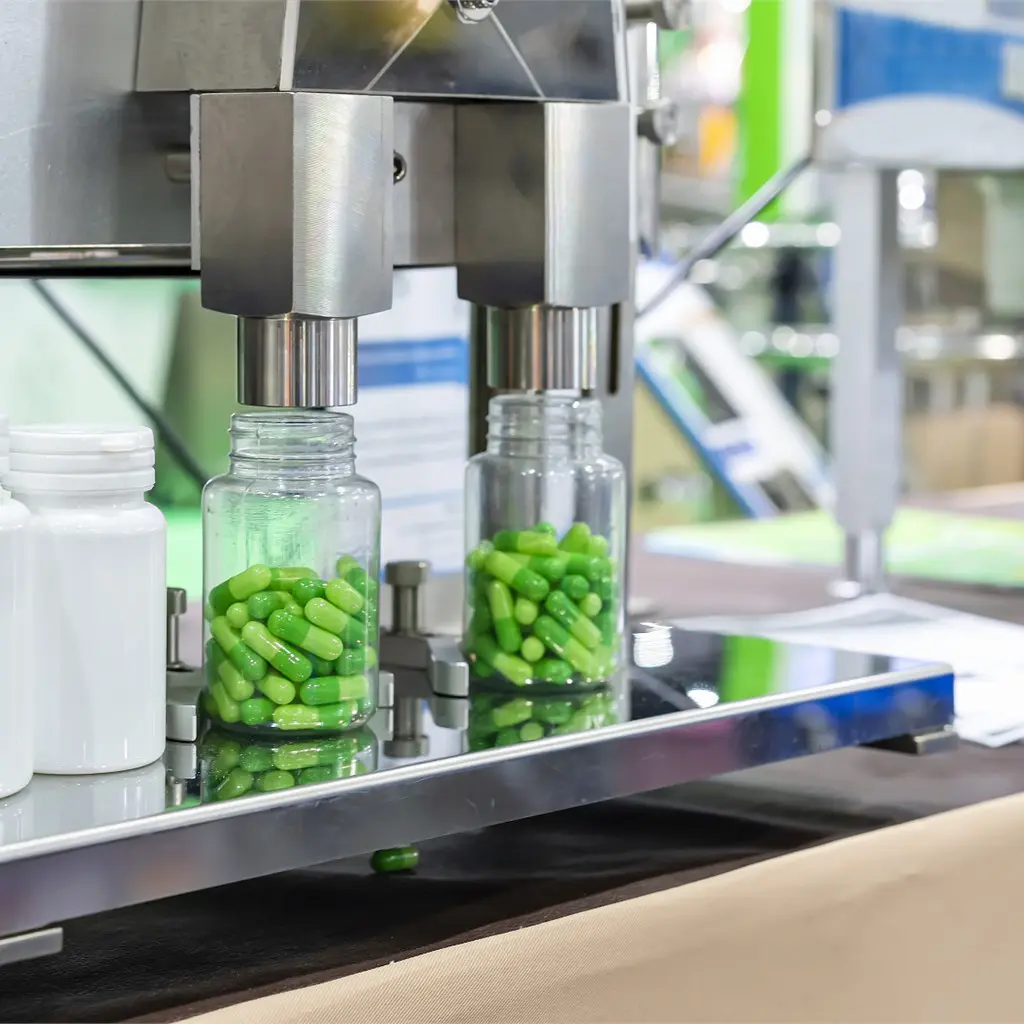
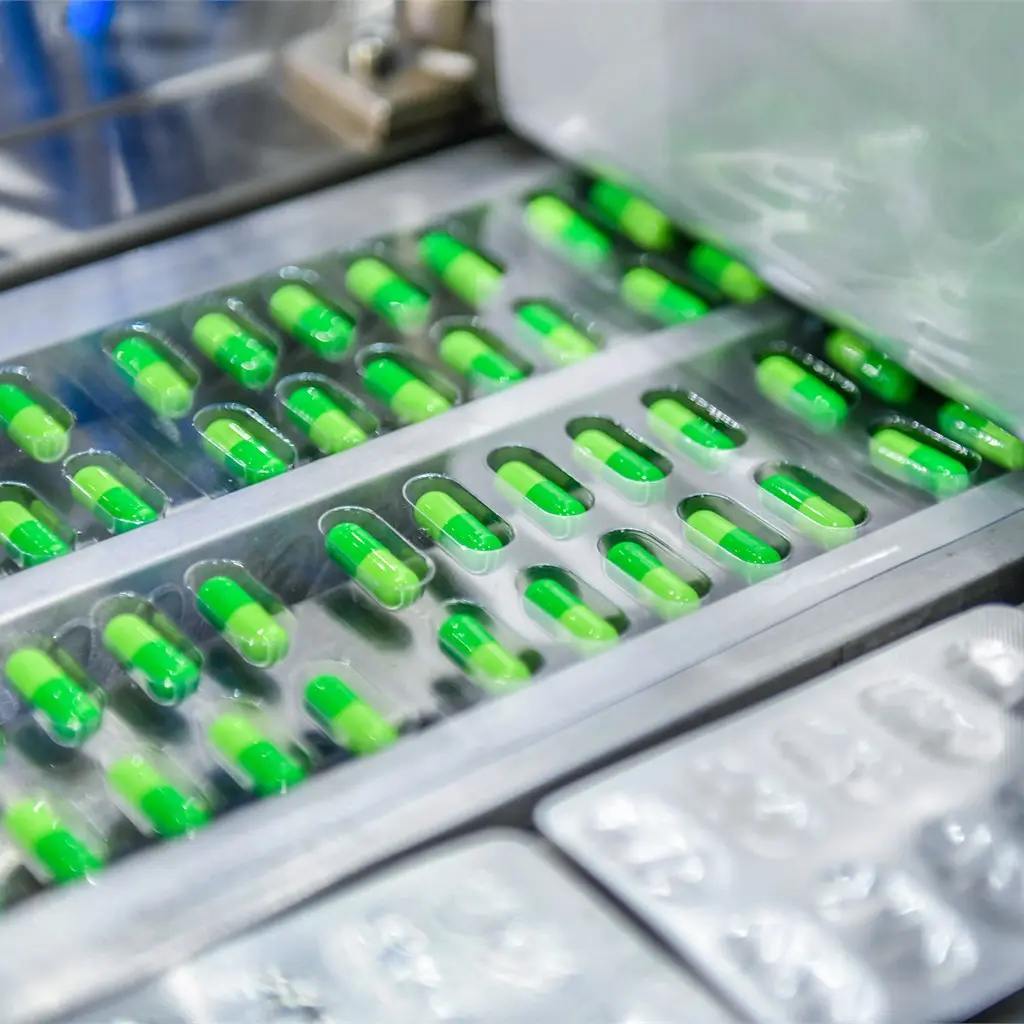
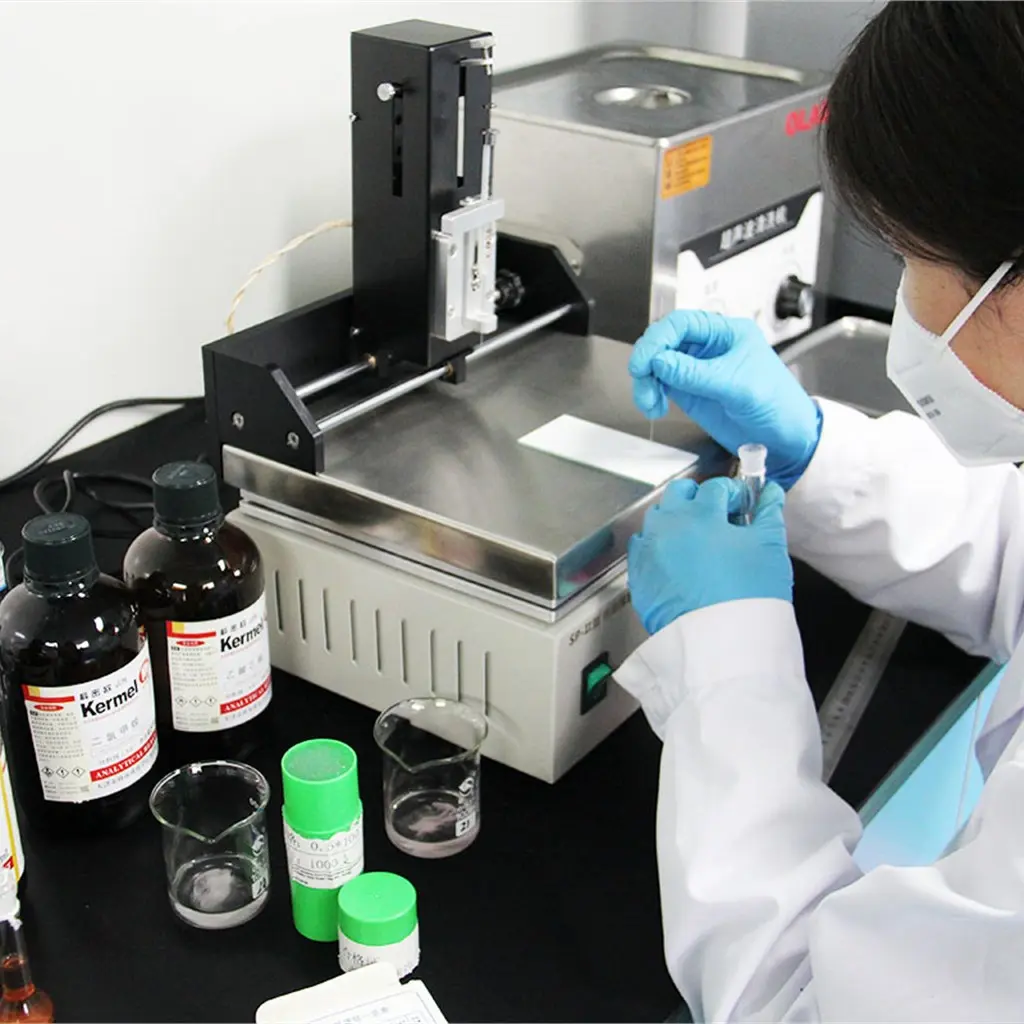
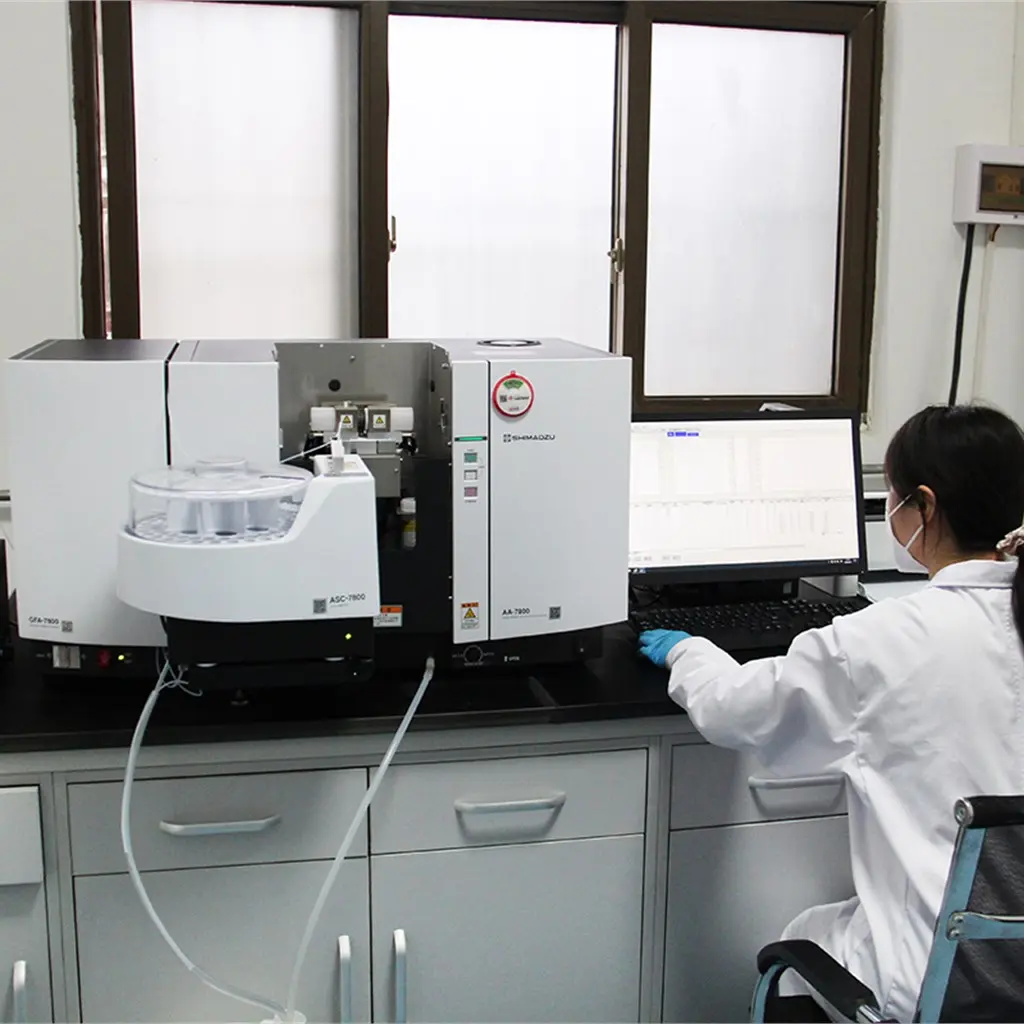
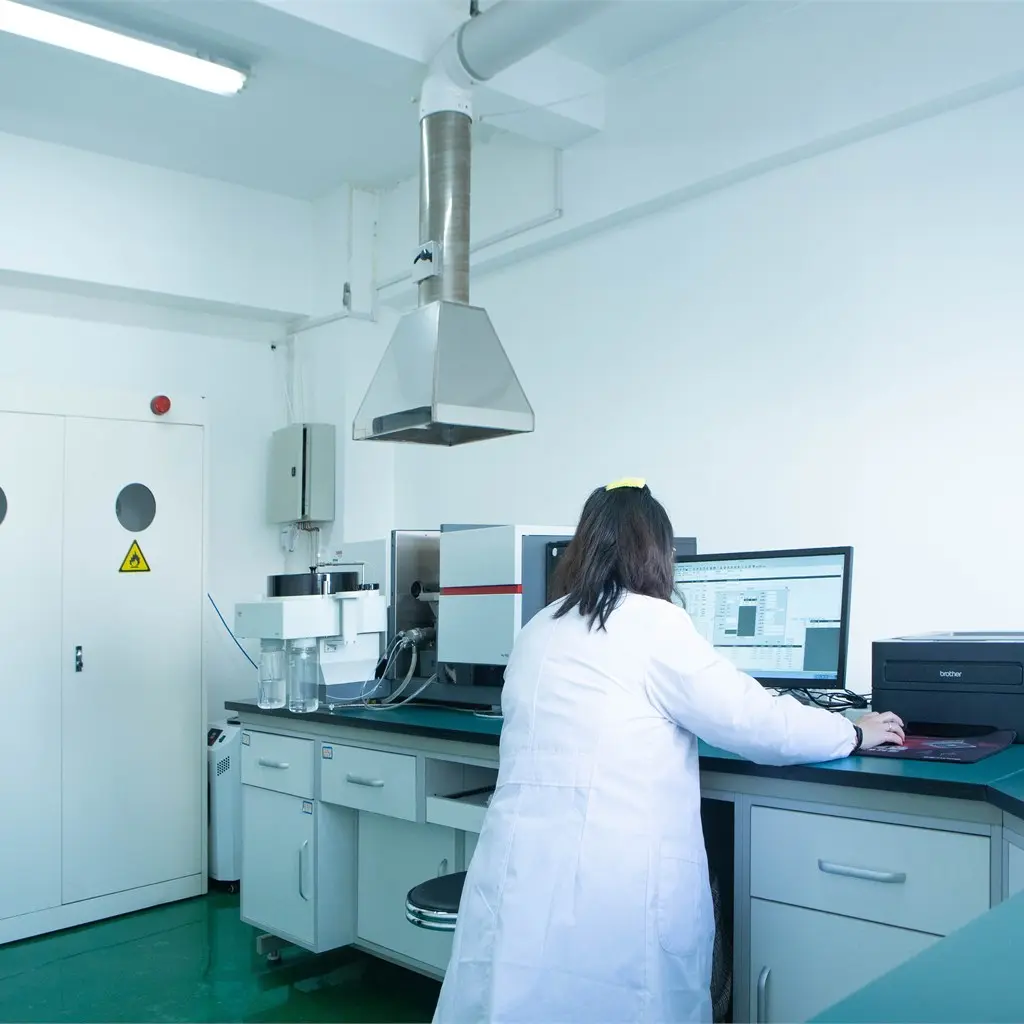
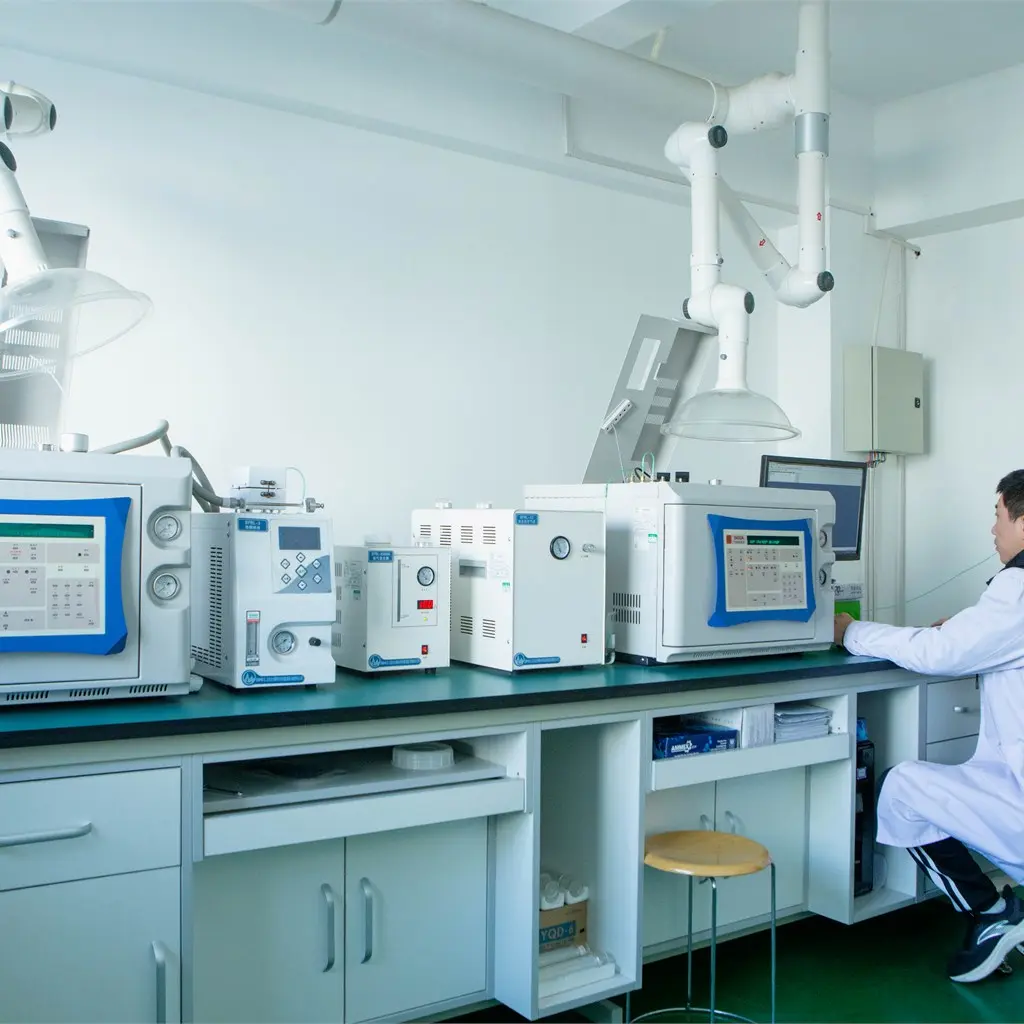
KS Nutripharma develops OEM, ODM, and private-label eye strain supplements for screen-use and digital eye health products—lutein–zeaxanthin systems, optional astaxanthin, and softgel or capsule files tied to finished-product assay.
Same Supplement Facts ≠ same manufacturing specification. Incomplete files are enough to list the missing specification lines. Send a Screen-Use Formula Brief
cGMP · ISO 9001 · ISO 22000 · HACCP · FSSC 22000 · Halal · Kosher · batch COA · in-house lab + third-party pathways as scoped
Which Eye Supplement Product Are You Developing?
If the brief is… | Start here |
|---|---|
| Screen-use / digital eye strain finished SKU | This page |
| Lutein raw-material depth (free vs ester, marigold grade, bulk vs finished) | Lutein manufacturer page (specification section + Related) |
| Blue-light nutrition as a dedicated positioning page | Blue light protection supplements |
| Dry-eye / omega-3 ocular hydration as the lead story | Dry-eye manufacturer page (F05 + Related) |
| AREDS2-style AMD nutrition architecture | AREDS eye vitamins |
| General ocular antioxidant stack | Eye antioxidants |
If Your Priority Is…
| If your priority is… | Product route |
|---|---|
| Lowest specification complexity | F01 Core Digital Eye |
| Screen-fatigue positioning | F02 Premium Screen-Use |
| Branded macular triple-carotenoid | F03 Advanced Macular Carotenoid |
| Berry / lifestyle positioning | F04 Visual Comfort |
| Screen use plus dryness | F05 Screen + Dryness |
Screen-Use Product Routes You Can Brief
Development-class fills for OEM quotation—not recommended intakes. Pick the closest route or send a BOM.
Research protocols can inform a brief; the commercial SKU still needs identity, assay, format, and a release file. Goji, chrysanthemum, ginkgo stacks, and B-complex dumps stay outside the default set.

Buyer: Mainstream private label. RFQ complexity: Low.
Core: Lutein + zeaxanthin. Typical format: Softgel or HPMC capsule.
Specification issue: Free vs ester; beadlet vs oil.
Specify: Lutein 10 mg or 20 mg-class with zeaxanthin 2 mg or 4 mg-class (observed pairs include ~10/2 and ~20/4—calculate the ratio from milligrams). Marigold source; assay basis as lutein.
Trade-off: Simplest BOM and the easiest quote comparison. No astaxanthin or berry module.

Buyer: Premium screen-use brand. RFQ complexity: Medium.
Core: Lutein + zeaxanthin + astaxanthin. Typical format: Softgel.
Specification issue: Astaxanthin source, assay, and carrier.
Specify: L/Z as F01, plus astaxanthin 4–6 mg-class. Lock organism/source (Haematococcus pluvialis or declared) and branded-ingredient authorization. 4 mg generic ≠ 4 mg branded grade.
Trade-off: Higher oxidation load and cost than F01.
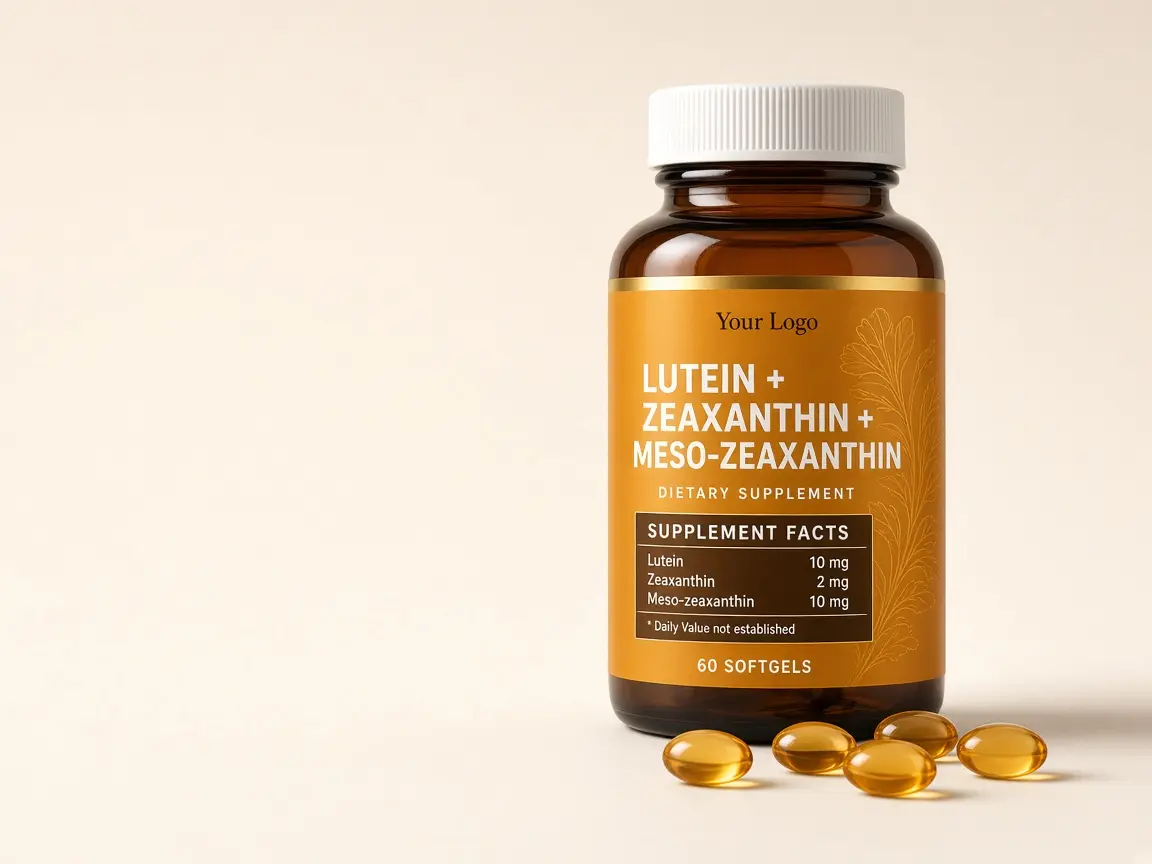
Buyer: Branded-ingredient premium. RFQ complexity: High.
Core: Lutein + zeaxanthin + meso-zeaxanthin, ± astaxanthin. Typical format: Softgel or capsule.
Specification issue: Trademark, license, and a separate meso line.
Specify: Lutein, zeaxanthin, and meso-zeaxanthin as separate lines. A branded triple system needs its own specification versus generic L/Z.
Trade-off: Authorization and supply lengthen the RFQ. Use when the brief requires this grade.
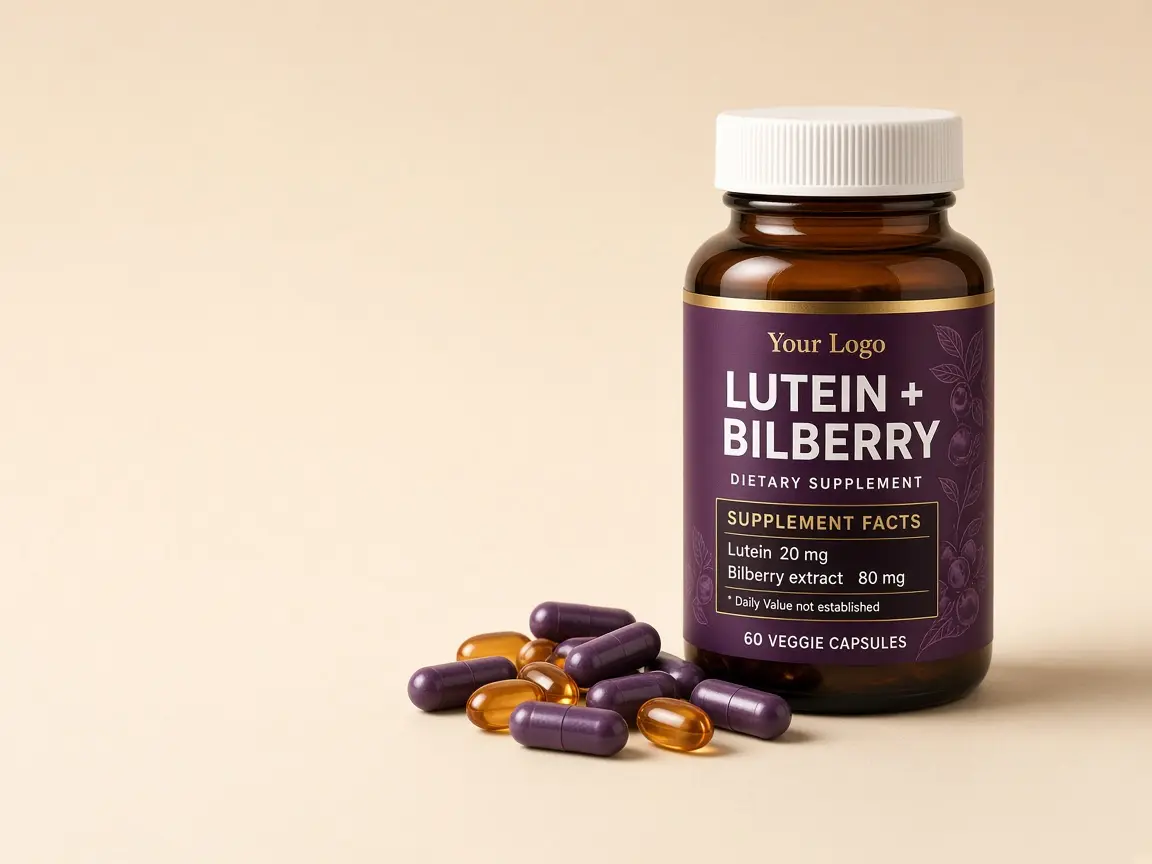
Buyer: Lifestyle or premium wellness. RFQ complexity: Medium.
Core: L/Z ± astaxanthin, plus bilberry and named berry extracts. Typical format: Capsule when dry extracts lead; softgel when oil carotenoids dominate.
Specification issue: Species, fruit, extract ratio, and anthocyanin %.
Specify: Bilberry as Vaccinium myrtillus fruit extract—extract ratio, anthocyanin %, assay method, extract vs powder, carrier. Blackcurrant and saffron only when named.
Trade-off: Heavier identity and claim review. Secondary to F02 when screen-fatigue is the hero.

Buyer: Screen plus dryness crossover. RFQ complexity: High.
Core: L/Z ± astaxanthin + DHA/EPA. Typical format: Softgel.
Specification issue: Omega identity, oxidation, and barrier pack.
Specify: DHA/EPA at a project-dependent load. Vitamin A or zinc only if the brief names them. AMD briefs stay on the AREDS path above. Finish omega identity and dryness language on dry eye supplements.
Trade-off: This page stops at co-formula feasibility.
Why a Format Change Needs a New Feasibility File
Moving the same milligram list between softgel, capsule, powder, or gummy changes dispersion, fill, oxidation, sensory, and finished assay.

When this path fits: Oil-suspension carotenoids; F02; carotenoid + DHA (F05).
Why the file changes vs capsule: Lipid fill, carrier oil, leakage, color-migration tolerance, and oil-system oxidation control.
What to re-lock: Carrier oil; fill weight; softgel integrity; finished-unit lutein / zeaxanthin / astaxanthin assay.
When this path fits: F01 beadlet paths; F04 dry berry extracts; vegetarian briefs.
Why the file changes vs softgel: Beadlet vs oil fill is a different manufacturing system at the same lutein milligrams.
What to re-lock: Dispersion form, bulk density, content uniformity, light sensitivity. Powder / Stick Packs
Why the file changes: Water-dispersible grade, process assay, taste and color, and stick fill weight replace softgel oil control.
 Gummies
Why the file changes: Cook loss, oxidation, sensory, and finished assay under heat and matrix stress. Carotenoid + berry loads need a dedicated feasibility review before a gummy is promised.
Three OEMs can quote “lutein 20 mg” and still be quoting different products.
What Changes Your Quote
| If you change… | The quote changes because… |
|---|---|
| Generic astaxanthin → branded grade | Raw-material cost and authorization |
| 20 mg-class free lutein → 20 mg-class lutein ester | Assay equivalency and raw-material specification |
| Beadlet → oil suspension | Dosage-form route |
| Capsule → softgel | Carrier, fill, oxidation, and finished assay |
| Carotenoid only → carotenoid + DHA | Oxidation control and barrier packaging |
| Raw-material target → finished-product target | Release testing and stability file |
| New formula → second-source match | Equivalency mapping before a comparable price |
Use this when you already know the architecture and want a comparable RFQ. For marigold lutein chemistry depth, continue on the lutein supplements page after these lines are set.
Core specification
| Ingredient | Lock on the RFQ |
|---|---|
| Lutein | mg per serving as lutein; free vs esterified; marigold (Tagetes erecta) or branded grade; carrier; oil / beadlet / water-dispersible; finished-product assay; brand authorization if trademarked |
| Zeaxanthin | mg; zeaxanthin vs zeaxanthin-isomers vs meso-containing system; ratio calculated from mg; assay |
| Meso-zeaxanthin | Separate line when used; branded triple systems need their own specification versus generic L/Z |
| Astaxanthin | Source organism; assay %; oleoresin vs powder; carrier; branded status; finished-unit assay |
Optional Extensions
| Ingredient | Lock on the RFQ |
|---|---|
| Bilberry | Vaccinium myrtillus; fruit; extract ratio; anthocyanin %; assay method; extract vs whole-fruit powder |
| DHA / EPA | Fish vs algal; % profile; oxidation parameters; softgel vs powder—detail on the dry-eye page when omega leads |
Finished-product release checks
- Lutein, zeaxanthin, and astaxanthin assay vs label claim
- Botanical identity on the panel
- Heavy metals and microbiology
- Oxidation markers for oil systems
- Softgel leakage and appearance, including a defined color-migration tolerance
- Fill weight and content uniformity
Packaging as a protection system: light, oxygen, moisture, headspace, shell interaction, blister vs bottle barrier, desiccant and antioxidant system where the formula needs them.
Shelf-life claims follow the finished formulation, pack, and stability protocol for the destination market.
Give us the label, BOM, or COA. We turn incomplete product information into a specification you can compare and quote.
Competitor label → Ingredient identity → Chemical form → Assay / grade → Dosage form → Finished-product testing → Packaging → Comparable quote
You send | We identify |
|---|---|
| Competitor label / Supplement Facts | Ingredient identity and missing specification lines |
| Raw-material COA | Chemical form, assay basis, grade, carrier |
| BOM + dosage form | Softgel vs capsule vs gummy feasibility |
| Destination market + volume | Finished assay and pack scope |
You receive: a matched or proposed route, a gap list, a format-feasibility note, a finished-testing scope, and a quotation basis.
Send a competitor label · Compare two carotenoid COAs · Send your BOM
Trademarked actives and exact brand-clone claims need separate clearance. Formulation support also runs through our R&D center.
A research protocol does not set the commercial formula. One high-screen-user architecture used lutein ~10 mg with zeaxanthin-isomers ~2 mg; some objective tear-film–related measures improved while subjective visual-fatigue scores did not show a significant between-group difference in that design. Astaxanthin and berry lines need their own claim review when they are on the label. Milligram examples on this page stay development classes for quotation.
Typical planning figures. The confirmed number follows formula, dosage form, pack, and testing scope.
Typical figure | |
|---|---|
| Softgel or capsule MOQ | About 3,000–5,000 finished units per SKU |
| Powder, stick, or gummy | Quoted after a feasibility pass. No default unit count on this page |
| Sample | 7–15 days after the specification is locked |
| Commercial production | Often 30–45 days after formula, artwork, testing plan, and the schedule are locked |
Project steps: send a brief, BOM, label, or COA → feasibility and quote → sample → artwork and pack lock → commercial production and finished-product release.
Is an AREDS2 formula the same as a digital eye strain formula?
No. AREDS2-style lists serve an AMD-oriented nutrition architecture. Screen-use SKUs usually start from lutein–zeaxanthin (± astaxanthin) without copying the full vitamin–mineral stack. AMD briefs belong on the AREDS path above.
Is “bilberry 100 mg” enough on a PO?
No. Lock species (Vaccinium myrtillus), fruit, extract ratio, anthocyanin percentage, assay method, and extract vs powder before comparing berry quotes.
Can every digital eye strain formula be a gummy?
Gummies need a separate feasibility pass for load, cook loss, oxidation, sensory, and finished assay—especially when carotenoids and berry extracts share one piece.
What to Send
Incomplete files are enough to list the missing specification lines. A Supplement Facts panel or one COA is enough to start.
| Door | Best when | Primary CTA |
|---|---|---|
| Have a BOM? | Route already drafted | Send BOM for feasibility |
| Switching suppliers? | Second-source, cost, or equivalency | Send label + COA |
| Starting from a product idea? | No BOM yet—pick F01–F05 or describe the SKU | Send your product brief |
Useful with any door: product route, free vs ester preference, dosage form, daily unit count, destination market, volume band, and target cost or retail price band if it is already fixed.
Related Eye Manufacturing Pages
- Lutein supplements
- Dry eye supplements
- AREDS eye vitamins
- Eye antioxidants
- Blue light protection supplements
- Eye health supplements
- Astaxanthin supplements
Disclaimer
Wholesale / brand manufacturing and product-development reference only. Not intended to diagnose, treat, cure, or prevent any disease. Dietary supplements are not drugs. This page supports screen-use / digital eye strain finished SKU development for OEM, ODM, and private label. Milligram examples are observed or development architectures for OEM discussion—not recommended intakes. Brand owners remain responsible for finished-label compliance with local counsel. Stability follows the finished formulation and packaging system.