



Fisetin Supplement OEM, ODM & Private Label
KS Nutripharma is a fisetin supplement manufacturer for OEM, ODM, and private-label programs in antioxidant supplement portfolios.
A fisetin milligram is not a specification until the botanical identity, the plant part, and the assay basis are on the same line.
Formulas: 100, 250, or 500 mg single-active capsules · 500 mg with MCT oil powder · 1,400 mg in six or ten capsules · 1,500 mg in ten capsules · phospholipid and galactomannan compositions.
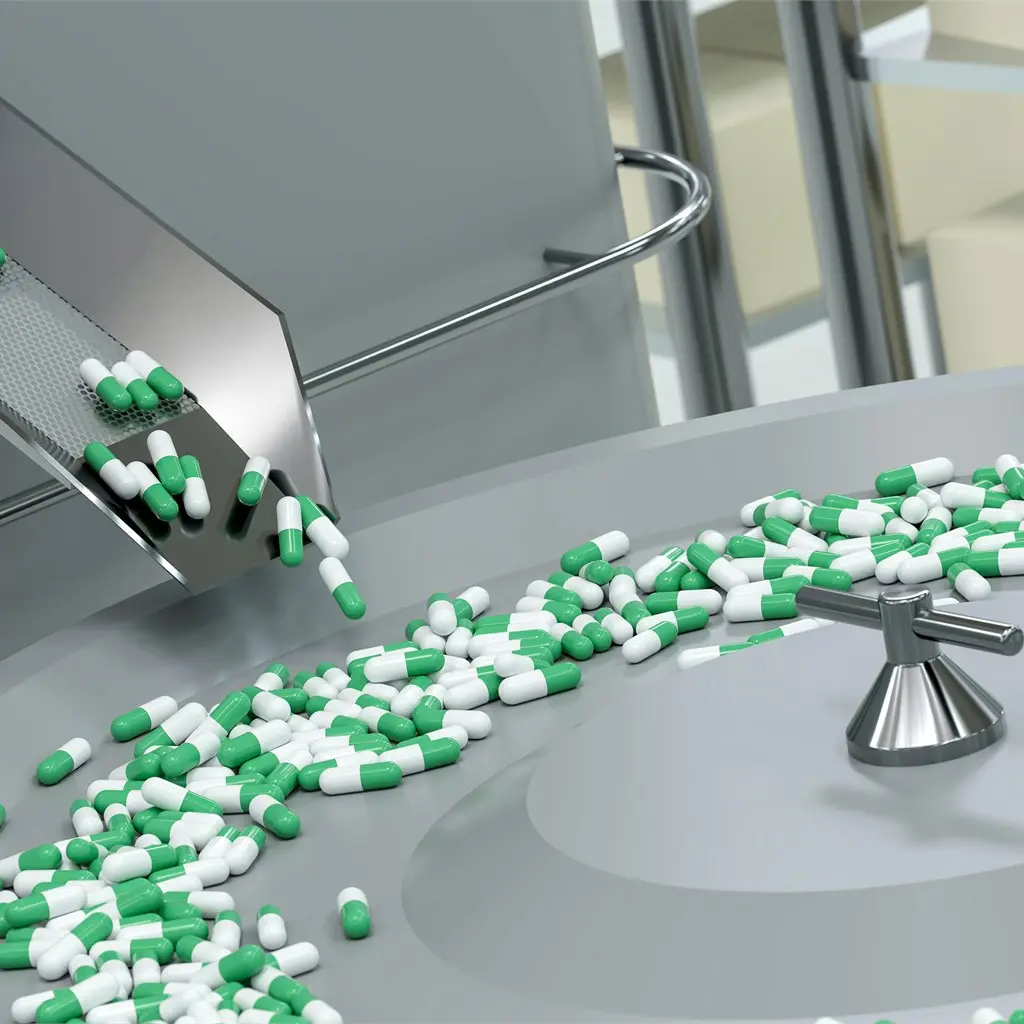
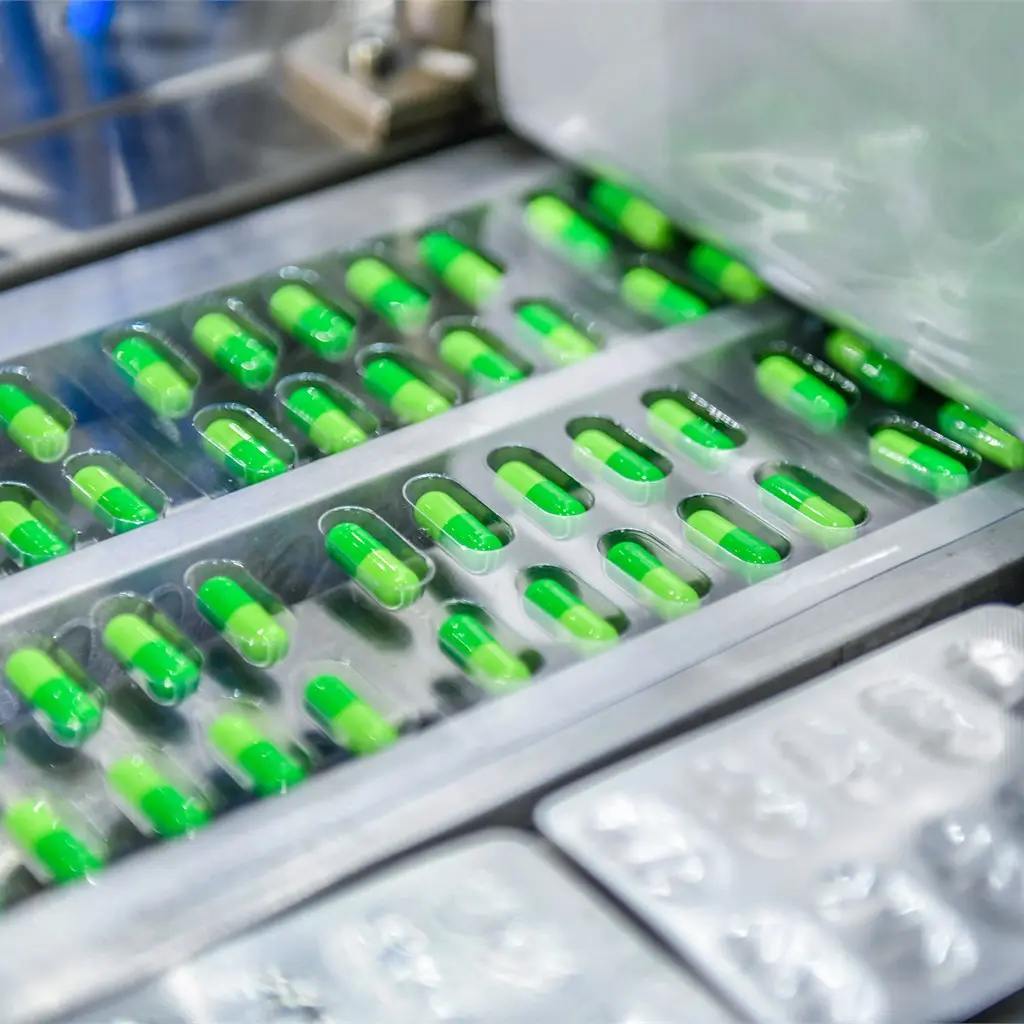
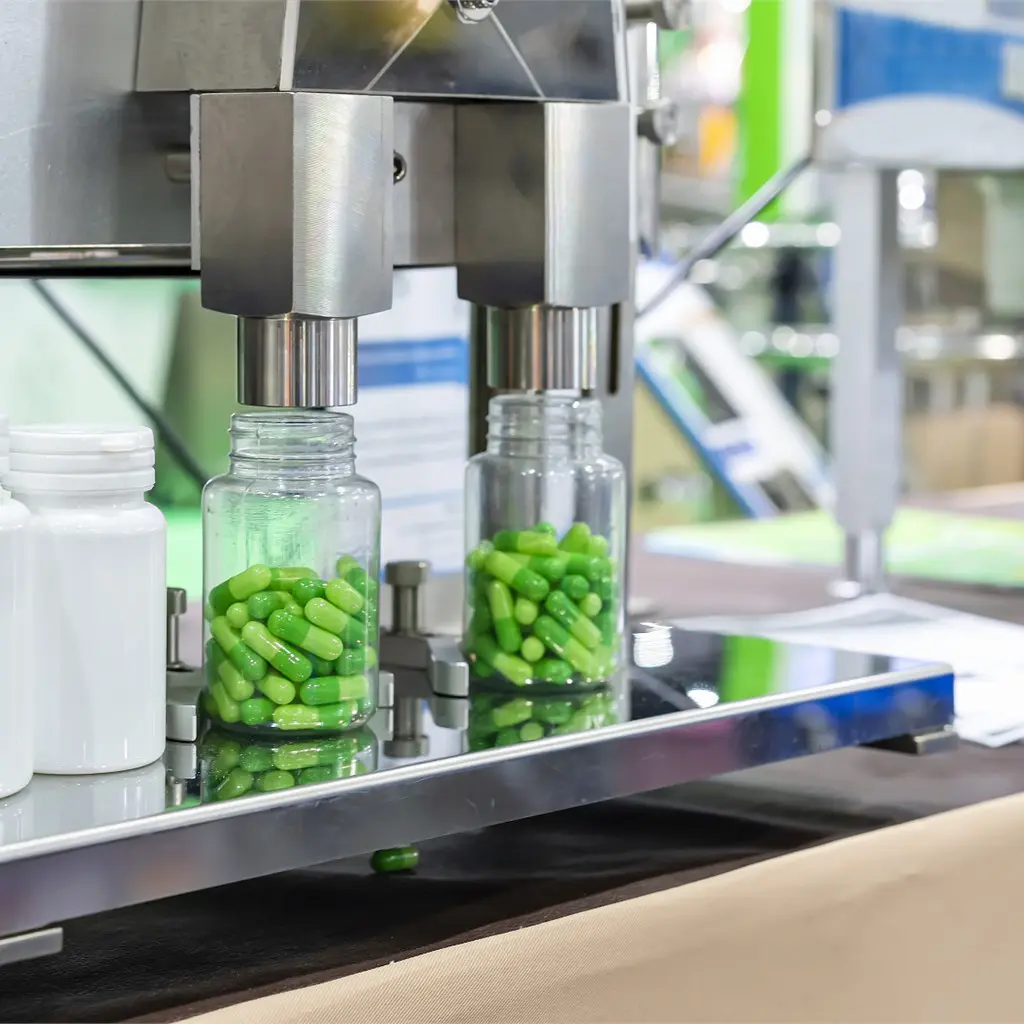
Primary Format: HPMC hard capsules. Kilogram powder is a separate material quote.
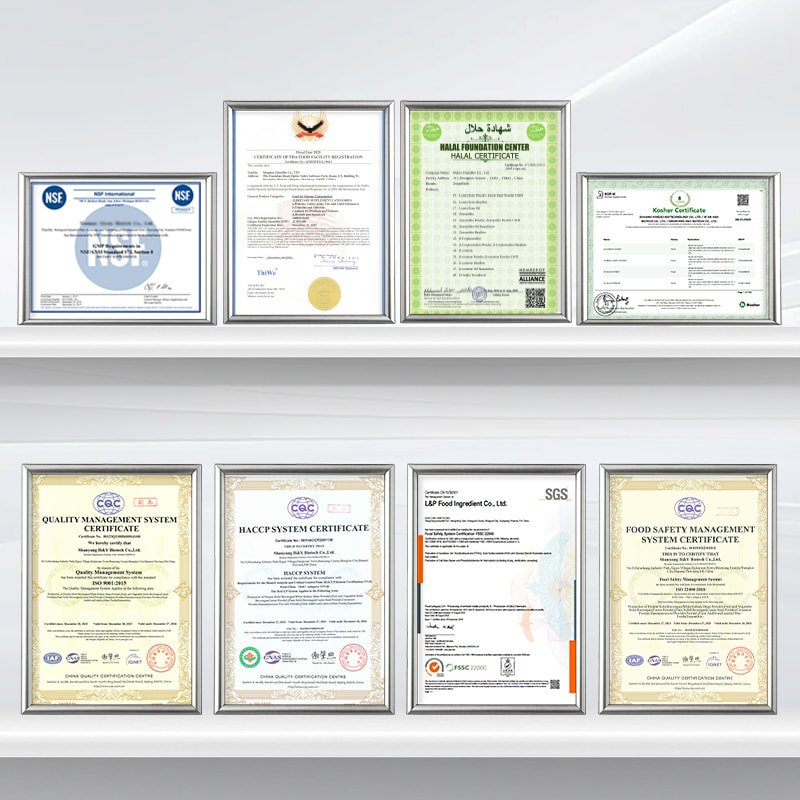
cGMP · ISO 9001 · ISO 22000 · HACCP · Halal · Kosher · batch COA
Certifications
Fisetin Supplements Manufacturing at a Glance
| Item | Specification |
|---|---|
| Business Model | OEM, ODM, private label |
| Primary Format | HPMC hard capsules |
| Standard Fills | 100, 250, 500 mg |
| Reference BOMs | MCT oil powder, high-load, phospholipid, galactomannan |
| Secondary Formats | Tablets, finished powder |
| Development Formats | Gummies, drinks, liquids |
| Bulk Material | Kilogram powder quoted separately |
| Planning MOQ | Capsules 3,000–5,000; tablets 5,000–10,000 |
| Documents | Raw-material file, COA, finished-unit testing |
Fisetin Manufacturing Routes
Ready-to-Quote can be quoted once the raw-material specification and pack are confirmed. A Reference BOM is a composition for that discussion; fill and feasibility are confirmed before the quotation. These figures are packaging and formulation references, not recommended serving schedules.

Ready-to-Quote
100 mg: 100 mg fisetin / 1 HPMC capsule · 30, 60, or 90 capsules
250 mg: 250 mg fisetin / 1 HPMC capsule · 30, 60, or 90 capsules
500 mg: 500 mg fisetin / 1 HPMC capsule · 30, 60, or 90 capsules
Material: Plant part is specified on the approved raw-material file. Capsule fill is confirmed against assay, bulk density, and the approved extract.
Specification: Botanical identity and fisetin assay are locked before quotation.

Reference BOM
500 mg + MCT: 500 mg fisetin + 100 mg MCT oil powder / 2 HPMC capsules · 60 capsules = 30 servings
Specification: Botanical identity, fisetin assay, MCT oil powder milligrams, and capsule fill are locked before quotation.
Reference BOM
BOM A — 1,400 mg Fisetin / 6 Capsules
Fisetin 1,400 mg · Quercetin phytosome 750 mg · Curcumin 400 mg · Olive leaf 250 mg · Soybean extract 200 mg · Luteolin 150 mg · Milk thistle 125 mg · Piperlongumine 50 mg
Total named actives: 3,325 mg · Pack: 12 capsules per bottle
Botanical identity: Rhus succedanea stem · Allergen: soybean
BOM B — 1,400 mg Fisetin / 10 Capsules
Fisetin 1,400 mg · Quercetin 1,000 mg · Curcumin 1,000 mg · Milk thistle 500 mg · Apigenin 100 mg
Total named actives: 4,000 mg · Pack: 20 capsules per bottle
BOM C — 1,500 mg Fisetin / 10 Capsules
Fisetin 1,500 mg · Quercetin complex 1,000 mg (fenugreek and sunflower lecithin) · Trans-resveratrol 500 mg · Turmeric phytosome 500 mg · Citrus peel blend 400 mg · Phycocyanin 300 mg · Theaflavins 275 mg · EGCG 200 mg · Apigenin 150 mg · Rutin 100 mg
Total named actives: 4,925 mg · Pack: 30 capsules per bottle
Botanical identity: Rhus succedanea stem
Specification: A trademark is printed only with authorization.

Reference BOM
2 Capsules / Serving
Fisetin 500 mg, botanical identity Rhus succedanea · Luteolin 200 mg from Sophora japonica · Resveratrol 100 mg from Japanese knotweed, standardized to 98% · phosphatidylcholine from sunflower phospholipids
Pack: 60 capsules = 30 servings
Specification: Fisetin assay, botanical identity, phosphatidylcholine content, and capsule fill are locked before quotation. The phospholipid fill is quoted on this specification. A liposomal fisetin supplement is a separate file, used only when the formulation and process match that specification.

Reference BOM
One-capsule Reference: Fisetin 8 mg + fenugreek galactomannans 15 mg / 1 capsule
Pack: 30 capsules = 30 servings
Three-capsule Reference: Fisetin 56 mg from wax-tree stem in a 312 mg blend providing 109 mg galactomannans · Theaflavins 275 mg · Quercetin 25 mg + 20 mg galactomannans · Apigenin 50 mg
Pack: 36 capsules = 12 servings
Specification: Fisetin assay, botanical identity, galactomannan specification, capsule shell, and pack are confirmed before quotation. A trademark is printed only with authorization.
Choose the Fisetin Format: Capsules, Tablets, Powder, Gummies or Liquids

Primary Use: Every route above.
Why: One or two shells hold 100–500 mg. A higher load adds capsules.
Typical Formula Cards: Single-active, MCT oil powder, high-load, phospholipid, and galactomannan.
What to Lock: Milligrams per capsule, capsules per serving, HPMC or gelatin, size after the density check.
Manufacturing Note: High-load and carrier fills are confirmed against fill weight.
Secondary Use: A 100 mg or 250 mg single-active fill on an existing tablet platform.
Why: Compression can shorten a one-capsule bottle.
Typical Formula Cards: Single-active 100 mg and 250 mg.
What to Lock: Tablet weight, tablets per serving, film coat when the yellow core is covered.
Manufacturing Note: High-load BOMs stay in capsules.
Secondary Use: Single-active powder sticks with a defined fill weight.
Why: The stick is a finished SKU. The kilogram drum is a separate material quote.
Typical Formula Cards: Single-active 100 mg, 250 mg, or 500 mg.
What to Lock: Fisetin mg per stick, mesh and flow, moisture barrier, and stick-pack dimensions.
Manufacturing Note: A high-load BOM does not become one scoop.
Development Status: Feasibility required before quotation. Confirm fisetin per piece, dispersion, color, piece weight, and assay after the cook.
Why: A high milligram load is split across pieces.
Typical Formula Cards: None until a trial piece matches the label.
What to Lock: Milligrams per gummy, gummies per serving, pectin or gelatin, cook temperature, assay after the cook.
Manufacturing Note: The capsule BOM is not the gummy quote. Drinks and Liquids, Development Format
Development Status: Feasibility required. Confirm fisetin dispersion, process stability, color, and finished-product assay before quotation.
Why: Free fisetin has limited water solubility.
Typical Formula Cards: None.
What to Lock: Milligrams per serving, the dispersion system, assay after processing, color, and flavor.
Manufacturing Note: No serving is quoted until that system is shown.
Two offers can both say “98% fisetin” and still be different lots. Common names such as smoke tree or wax tree are not a purchase specification. Compare the stated fisetin percentage together with assay basis, plant part, carrier, and analytical method.
Raw-Material File | Options and Range |
|---|---|
| Botanical Identity | Cotinus coggygria or Rhus succedanea, as named on the approved specification. Synonym: Toxicodendron succedaneum may appear on supplier documentation |
| Plant Part | Stem · Branch · Bark |
| Extract / Standardization | 50% and 98% are common quoted points and are not interchangeable on fill weight. Another percent only when that COA prints it. A printed ratio does not replace the HPLC percent |
| Carrier / Processing Aids | None declared · the carrier named on the 50% file · phospholipid · MCT oil powder · fenugreek galactomannan, when that is the material |
| HPLC Assay | The fisetin percent printed on the COA being compared |
| Assay Basis | External standard or area normalization · Dry basis or as-is. Both numbers can appear on one COA and are not the same specification |
| Analytical Method | HPLC, with the method number printed on the COA |
| Related Flavonoids | Any of these when the COA itemizes them: fustin, sulfuretin, butin, taxifolin |
| Residual Solvents | The solvent named on the COA and that lot’s result. The limit is the destination specification |
| Heavy Metals | Reference, where applicable: Ph. Eur. 2.4.27 lists lead ≤ 5.0 ppm, cadmium ≤ 1.0 ppm, and mercury ≤ 0.1 ppm for herbal drugs. Custom: the destination-market or buyer limits, including arsenic when that file requires it |
| Pesticide Residues | Tested to the approved destination-market specification. USP <561>, Ph. Eur. 2.8.13, or another buyer panel may be used where applicable. Limits are set per pesticide. Custom: the buyer’s panel and limits |
| Microbiology | Raw-material reference, where applicable: USP <2023> for powdered botanical extracts lists total aerobic count ≤ 10⁴ CFU/g, yeast and mold ≤ 10³ CFU/g, Salmonella absent in 10 g, and E. coli absent in 10 g. Custom: the buyer’s limits. Finished-unit limits are set on the finished-product specification |
| Appearance | Yellow to yellow-orange powder |
| Moisture / Loss on Drying | Loss on drying. A published 98% file has used ≤5%. The quote uses the limit on the approved specification |
| Particle Characteristics | Mesh, commonly 80 mesh on a published 98% file. Bulk density on that same file: 0.35–0.55 g/mL. A fill screen for the lot being quoted, not a KS release range |
| GMO / Allergen Statements | Non-GMO statement when the destination asks. Allergen statement when the material includes soybean, fenugreek, or lecithin |
| Stability | Real-time or accelerated data for the approved material, with the conditions and duration printed on that file |
| Country of Origin | The country named on the lot file |
Reference figures apply only where that compendium fits the material and the market. Custom is the approved specification when the buyer’s file differs. They are not a finished-product release specification.
A COA may report fisetin with two calculation methods, such as an external-standard assay and an area-normalization result. Those values stay in separate fields. Other assay levels come from the COA. A trademark is printed only with authorization, and it is not an assay.
For a 100 mg fisetin label claim, a 50% material requires about 200 mg of raw material, while a 98% material requires about 102 mg, before overage and process loss. The resulting fill weight still depends on carrier composition and bulk density.
Wholesale fisetin sold by the kilogram in drums. The material line is the same botanical identity, plant part, and assay used for capsules. The price is the drum price.
Minimum: Planning starts at 20–300 kg, depending on the assay and the drum size.
Delivery: The ship date is the date on the order acknowledgement. It is set after botanical identity, plant part, assay, and drum size are approved.
With a finished bottle: Drums and a private-label bottle are two lines on one project. The bottle quantity and schedule are under MOQ and Lead Time.
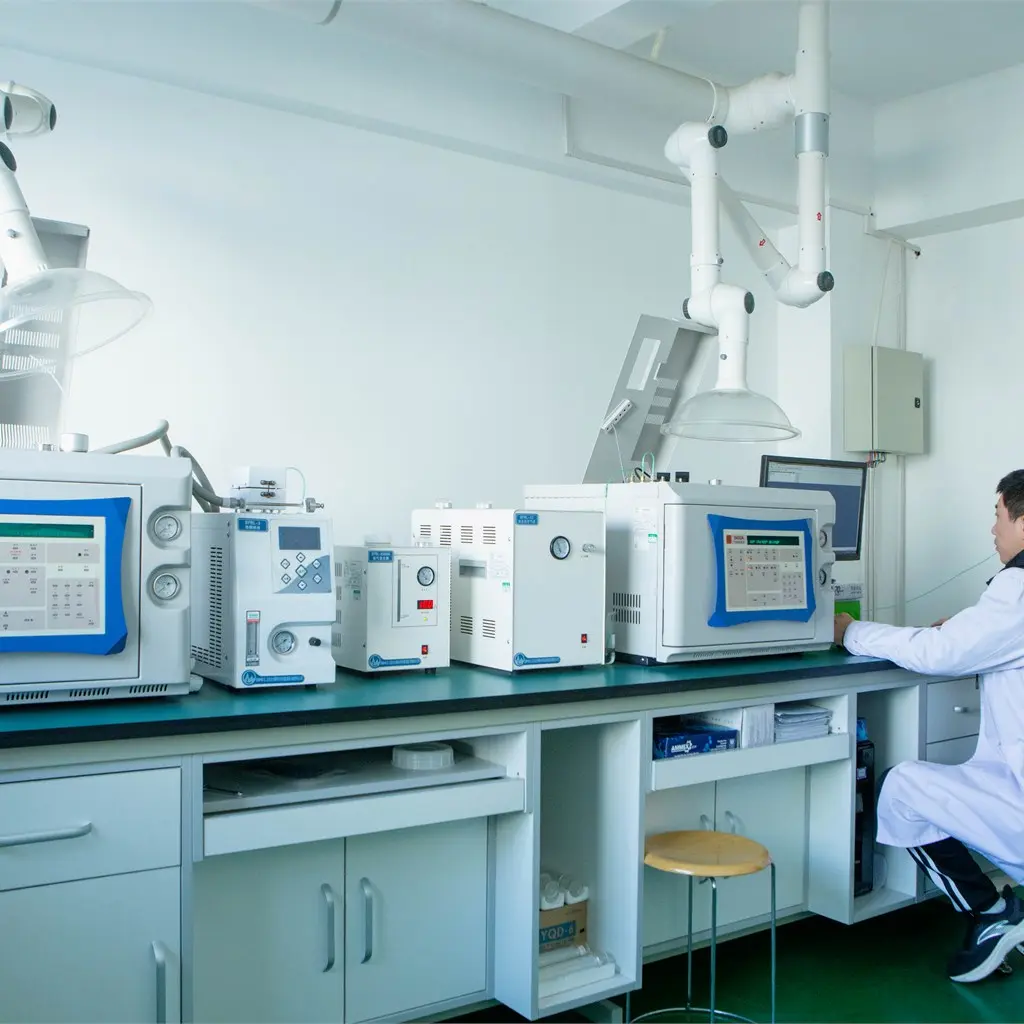
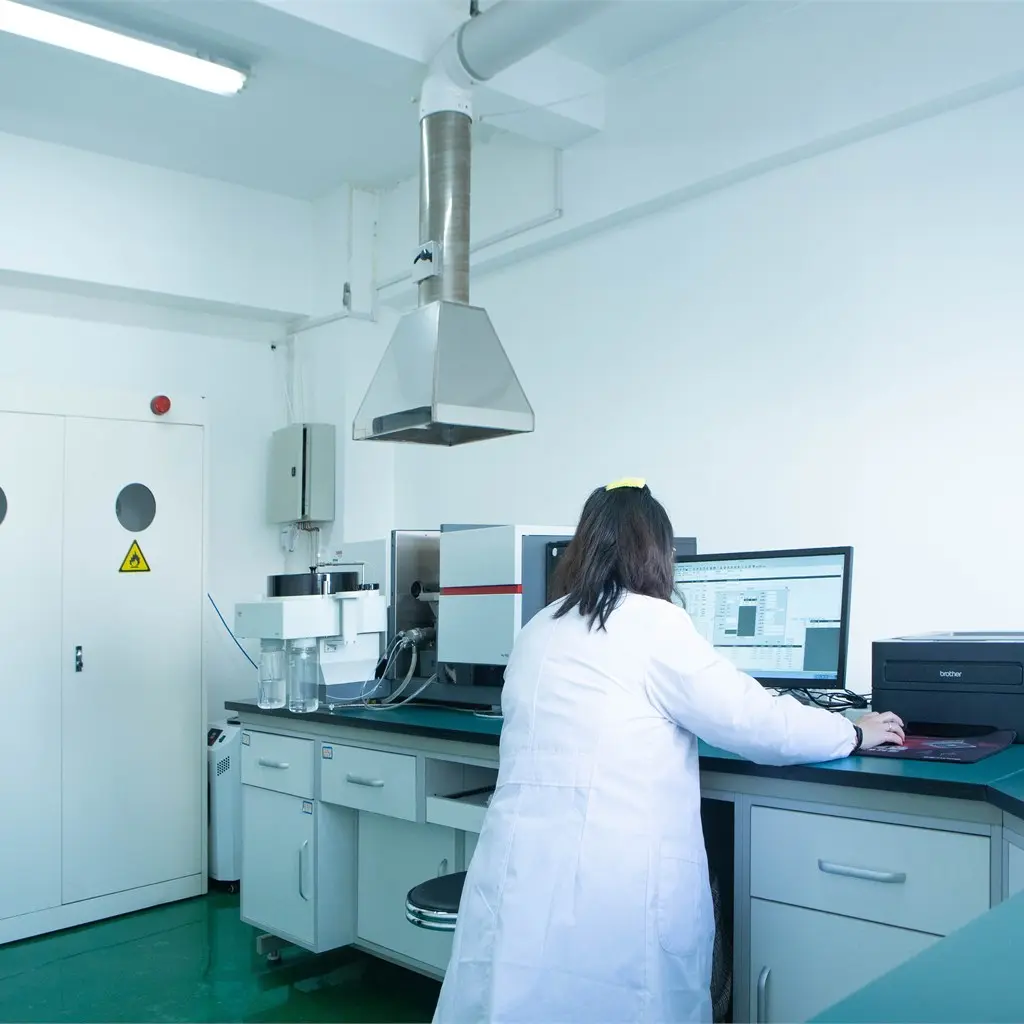
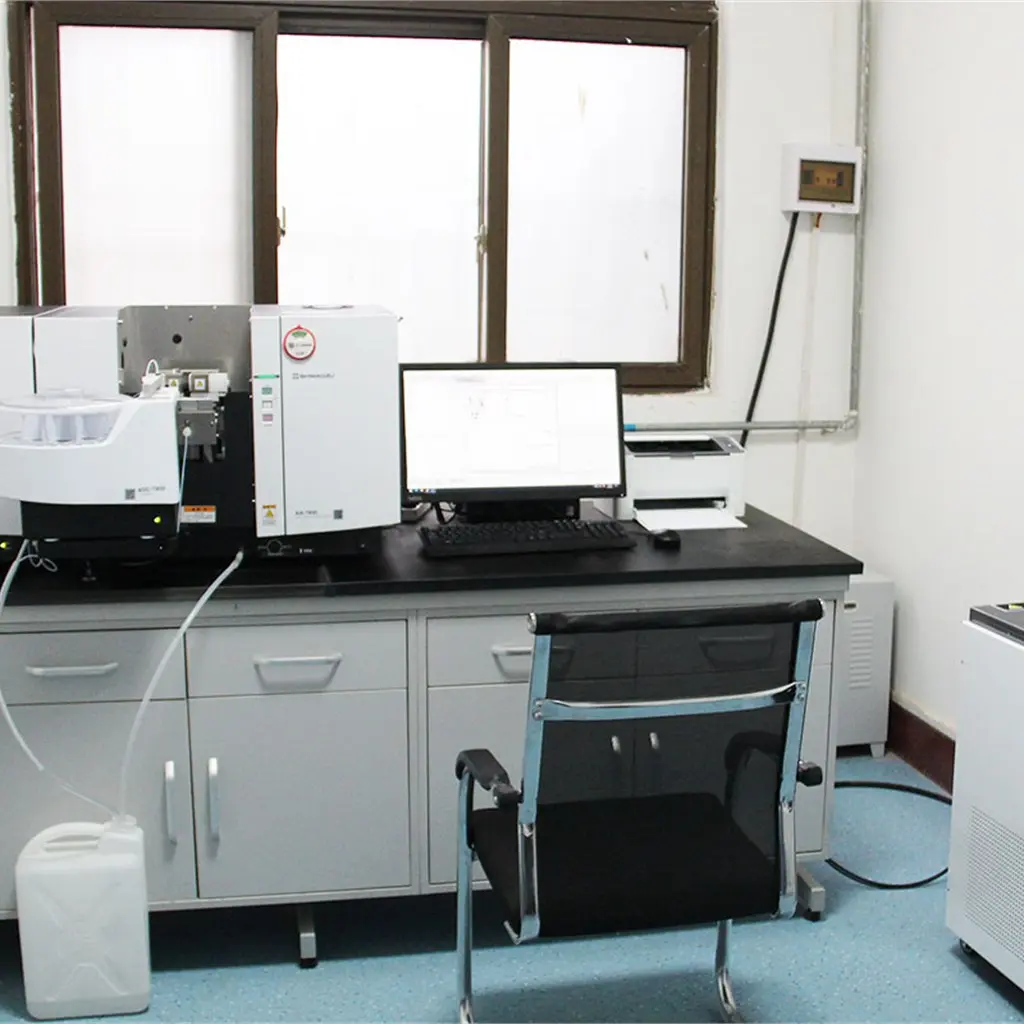
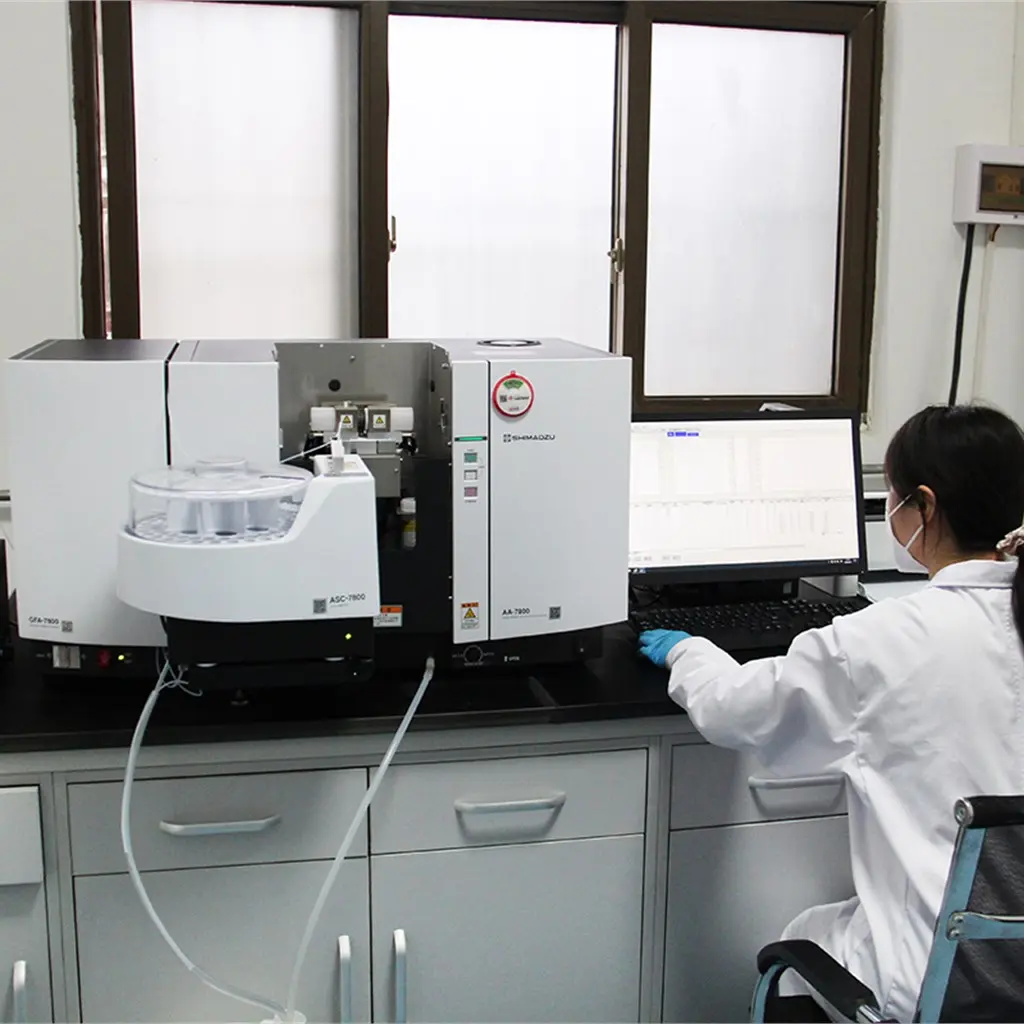
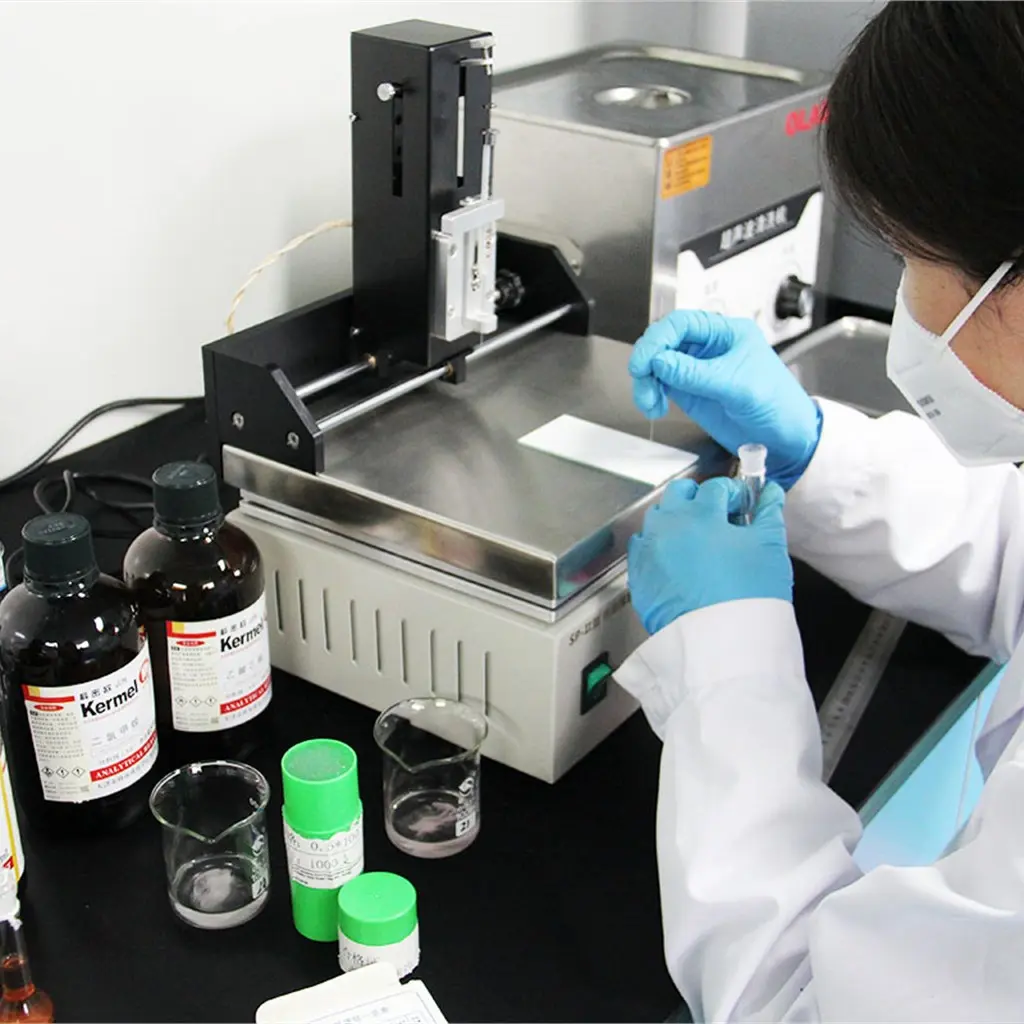
The finished-product specification is the standard the batch must meet. Finished-product testing is what is run on that batch. Batch release is the decision from those results and the batch records. The COA is the batch file that reports them. Incoming lots stay on the raw-material file.
1. Identity and Appearance
Finished unit, dosage form, appearance, color, and odor. Lot number, expiry or best-before, label and artwork, net contents, and seal or container closure.
2. Potency and Product Specifications
HPLC fisetin in one capsule, tablet, stick, or gummy, on the same assay basis as the raw-material file, against the label claim for that unit. Fill weight, and the unit-to-unit range when the specification sets it. Each companion with a quantitative claim. The carrier, when the specification gives it a quantitative claim.
On that same specification: capsules — average weight, weight variation, and disintegration when required. Tablets — weight variation, hardness, friability, and disintegration. Powder sticks — fill weight, content uniformity, and moisture. Gummies — piece weight, texture, and moisture. A drink or liquid, once its dispersion system is approved, adds appearance and pH.
Sustained release is dissolution at the time points on the specification, when the formula is sustained-release. Stability is the fisetin assay at the condition, duration, and pack on the protocol. A sustained-release formula includes dissolution at those same points.
3. Microbiology and Contaminants
Finished-unit microbiology covers total aerobic count, yeast and mold, E. coli, and Salmonella, plus any other organism the destination specification names, such as coliforms or Staphylococcus aureus.
Heavy metals — lead, arsenic, cadmium, and mercury — use the method named on the specification, commonly ICP-MS or ICP-OES. Pesticide residues, residual solvents, and any further contaminant are named on the finished specification from raw-material risk, dosage form, and the destination market.
4. Documentation and Release Records
Batch test records, the method and specification used, deviation handling, and the release record. The COA is issued from that file. See How to Read a COA and Quality Control.
Study: A 2022 randomized, double-blind, crossover pharmacokinetic study in 15 healthy adults (Journal of Nutritional Science, 2022;11:e74).
Formulation: Micellar fisetin in a fenugreek galactomannan hydrogel, with sunflower lecithin and sunflower oil.
Dose: A single 1,000 mg dose of that formulation delivered 192 mg fisetin. It was compared with 1,000 mg of unformulated fisetin.
Reported Difference: About 26.9-fold for AUC over 12 hours, and about 23.9-fold for Cmax.
Scope: Those results belong to that formulation. They do not transfer to other fisetin–galactomannan blends, to a phospholipid powder, or to an unformulated capsule.
Label claims: The wording printed on the finished label. The brand owner writes it and confirms it for the destination market. A market position is named here when a public file describes the effect that wording points to.
Antioxidant: The single-active shelf. Fisetin is manufactured for antioxidant lines. The brand keeps the substantiation for the sentence it prints.
Healthy aging: A brand shelf position. This manufacturing specification does not state a clinical aging outcome.
Absorption: A carrier position only for the fisetin–fenugreek galactomannan formulation in the 2022 pharmacokinetic study. The measured difference stays with that formulation.
Senolytic: Printed only when the brand supplies its own substantiation file. Public human trials on frailty and inflammation have not posted outcome results.
Manufacturing specifications: Botanical identity, assay, formula, pack, and the finished-unit records behind that label.
Manufacturing scope: Oral dietary supplements.
Separate review: Pregnancy, lactation, and products for minors.
These figures are for finished bottles. Drum quantities and drum dates are under Bulk Fisetin Powder.
Capsules: Planning starts at 3,000–5,000 capsules, depending on the formula, the pack, and the setup.
Tablets: Planning starts at 5,000–10,000 tablets, on the same conditions.
Sample: Typically 7–15 days after the finished-product specification is locked.
Production: Commonly 30–45 days after the formula, raw materials, packaging, and artwork are approved. A gummy, drink, liquid, or a new pack adds development and testing time.
The date that counts: The date on the order acknowledgement.
Reorder: The same specification, the same raw material, and the same tests.
Published capacity is on the manufacturing capacity page.
Related Supplement Manufacturing Solutions
Start a Fisetin OEM Project
Send the BOM being ordered and the raw-material file already in hand.
RFQ fields: botanical identity · plant part · fisetin assay · assay basis · carrier · target mg per capsule · capsules per serving · capsule shell · bottle count · companion actives · destination market · required COA tests.
For bulk powder: annual volume, drum size, particle size, and the required specification.
A gummy, drink, or liquid starts from its development file.
Typical first response is within one business day. A project manager is assigned. An NDA is available.
Get a Fisetin Formula Quote · Compare Two Fisetin COAs
Disclaimer: Wholesale and brand-manufacturing reference only. Not intended to diagnose, treat, cure, or prevent any disease. Dietary supplements are not drugs. Milligram figures are manufacturing references, not recommended intakes or catalog guarantees. Pharmacokinetic results belong to the formulations that were studied. Brand owners own finished-label compliance for the destination market.