
Your Global Partner for Liposomal Supplements Contract Manufacturing
Liposomal Ingredients We Manufacture
Our manufacturing portfolio covers the full spectrum of liposomal actives demanded across the global supplement market. Each ingredient is supported by dedicated formulation expertise, validated analytical methods, and scalable production.
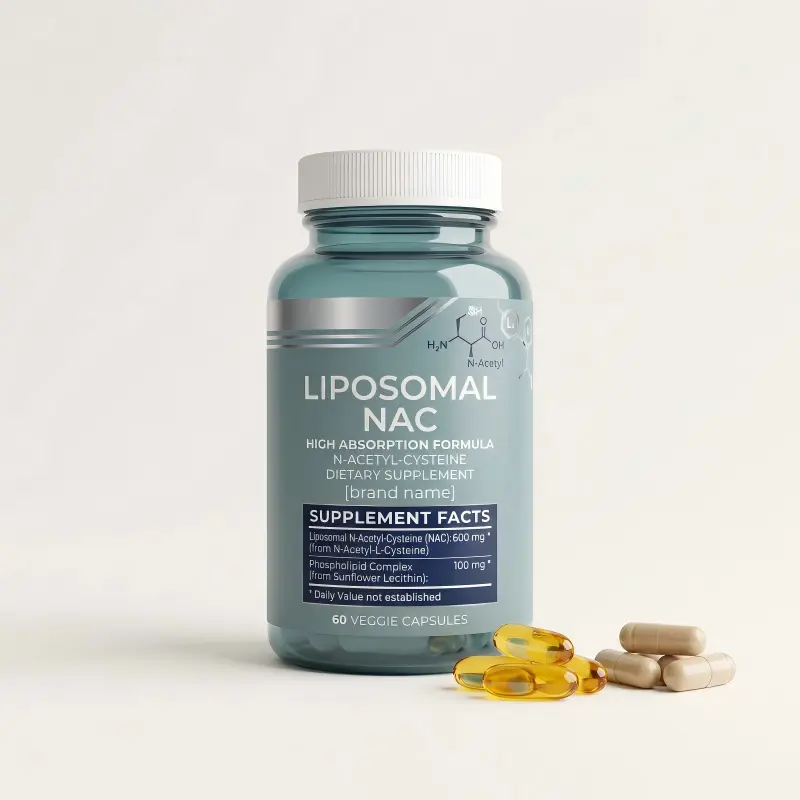
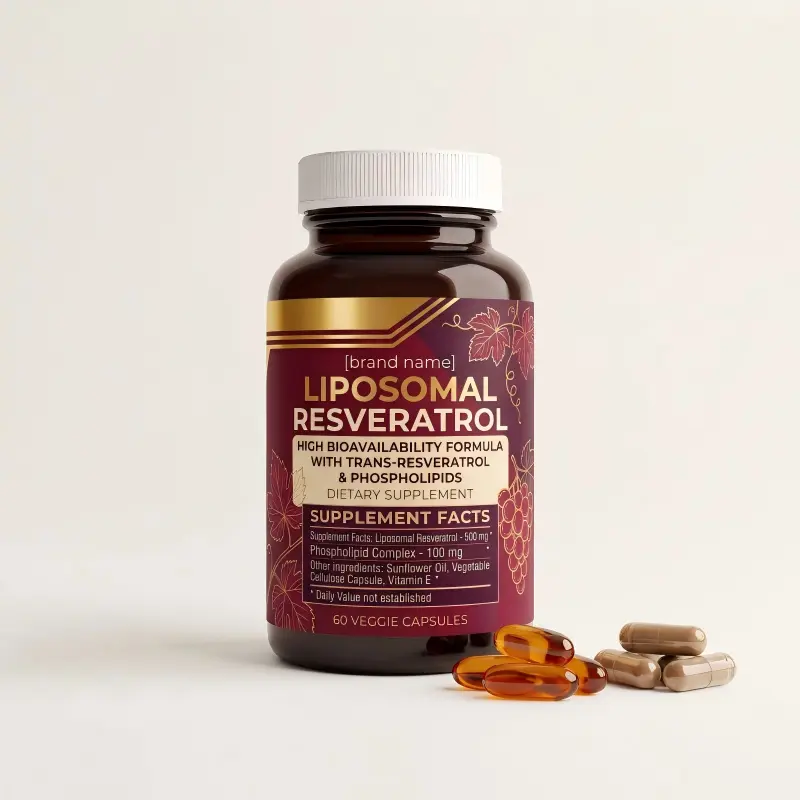
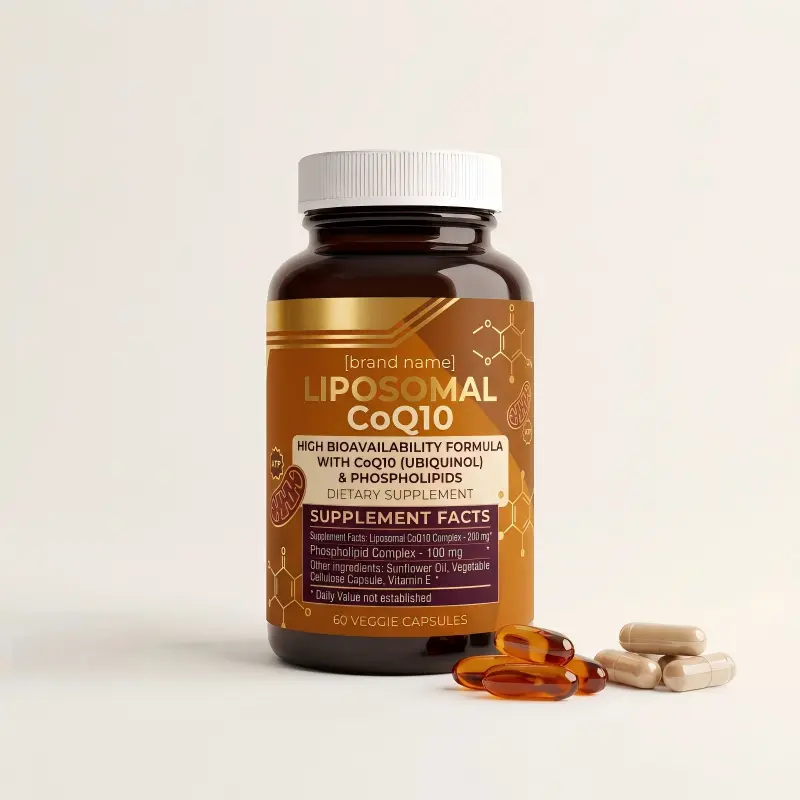
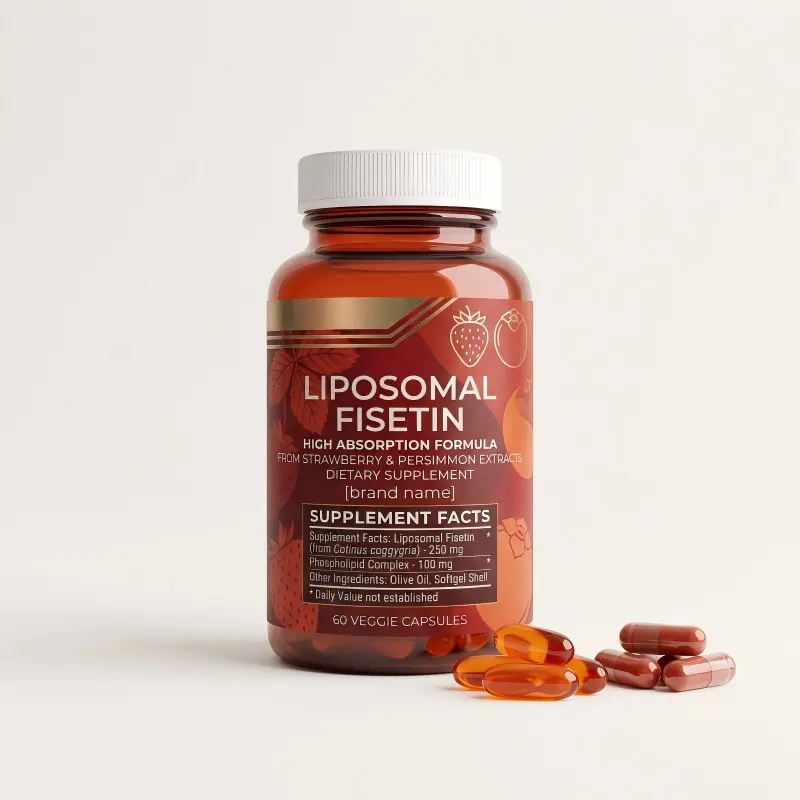
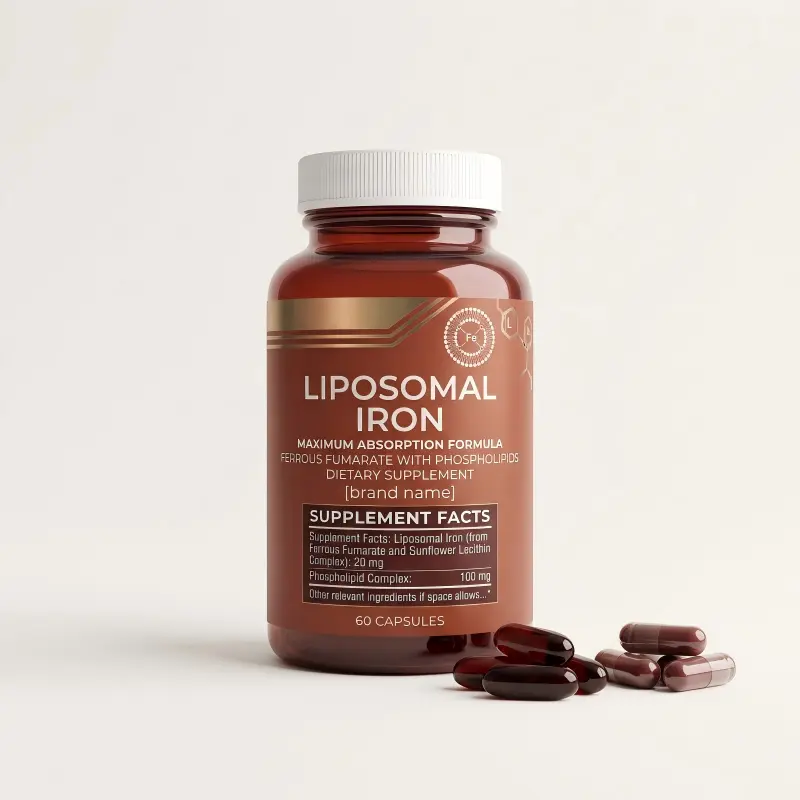
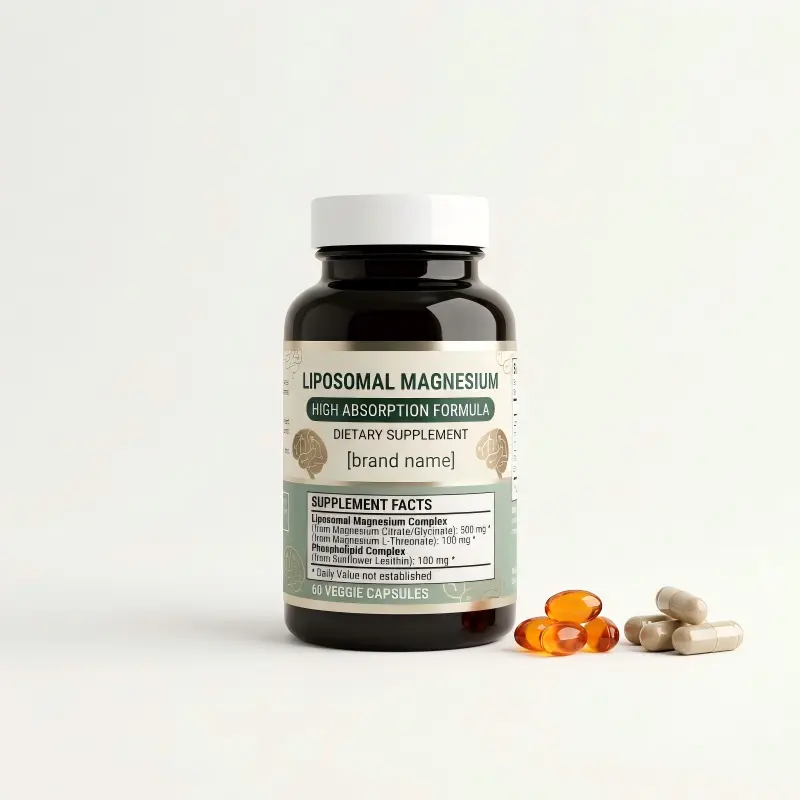
- Liposomal Magnesium — Sleep, muscle recovery, nervous system support
- Liposomal Collagen — Skin elasticity, joint health, beauty-from-within
- Liposomal Probiotics — Gut microbiome support with enhanced survivability
- Custom Multi-Ingredient Liposomal Complexes — Synergistic blends tailored to your brand positioning
Liposomal Dosage Forms & OEM Specifications
We manufacture liposomal supplements across multiple delivery formats to match your target market, consumer preferences, and regulatory requirements. Each format is supported by clear OEM specifications, MOQ, and lead time transparency.
Liposome Definition & Structure
Why Liposomes Improve Bioavailability
Clinical pharmacokinetic studies demonstrate that liposomal encapsulation can significantly enhance bioavailability compared to unencapsulated forms. For example, liposomal vitamin C has demonstrated plasma concentration curves (AUC) substantially higher than standard ascorbic acid, with prolonged retention times and higher peak concentrations (Cmax).
- Protection from gastric degradation: Sensitive compounds like glutathione and NMN are shielded from acidic pH and enzymatic breakdown.
- Enhanced membrane permeability: Liposomes interact with intestinal mucosa and cell membranes, facilitating transcellular transport.
- Controlled release kinetics: The bilayer structure enables sustained release, maintaining therapeutic plasma levels over extended periods.
Premium Product Positioning
Liposomal formulations command significant price premiums in the marketplace. Consumer willingness to pay for enhanced bioavailability formulations ranges from 28% to over 100% above standard supplement pricing, particularly among professional populations, healthcare providers, and aging demographics seeking preventive wellness solutions.
Higher Consumer Compliance & Retention
- Lower effective doses: Enhanced absorption means consumers experience efficacy at lower serving sizes, reducing cost-per-day concerns.
- Reduced gastrointestinal side effects: Liposomal encapsulation minimizes gastric irritation from acidic or reactive compounds (e.g., vitamin C, iron), improving tolerability.
- Flexible dosing: Liquid liposomal formats allow precise titration, appealing to biohackers, clinicians, and discerning consumers who value personalization.
Better Clinical Story for Marketing
- Particle size data: Sub-200 nm vesicles with narrow polydispersity
- Encapsulation efficiency: Quantified active protection percentages
- Bioavailability comparisons: Head-to-head pharmacokinetic advantages versus standard formulations
Suitable for Premium Markets
| Market | Opportunity | Regulatory Context |
|---|---|---|
| United States | Largest global share (>40%); strong practitioner channel; D2C subscription growth 35%+ YoY | FDA 21 CFR Part 111 cGMP; structure/function claims under DSHEA |
| Europe | Mature, science-driven consumers; 32.9% regional growth contribution; strong pharmacy channel | EFSA health claim substantiation; Novel Food status for new ingredients |
| Japan | Aging population; high consumer literacy; FOSHU and standard food supplement pathways | Pre-market approval for therapeutic claims; strict purity standards |
| Australia | Growing practitioner market; TGA-listed products command premium trust | TGA listing requirements; GMP certification mandatory |
Market Opportunity
The global liposomal supplements market is experiencing sustained expansion. Valued at approximately USD 1.02 billion in 2026, the market is projected to reach USD 1.76 billion by 2035, representing a compound annual growth rate (CAGR) of 6.3%.
- Consumer education: 65% of premium supplement consumers now actively seek high-absorption formulations
- Immunity & longevity trends: Liposomal vitamin C and glutathione dominate immune-support segments, with 70% of buyers preferring enhanced-absorption immunity products
- E-commerce acceleration: Online subscription sales for liposomal supplements are growing 35% year-over-year
- Professional adoption: Integrative medicine practitioners increasingly recommend liposomal formulations for bioavailability-dependent protocols
| Capability | Specifications |
|---|---|
| Particle Size Range | 50–150 nm (standard); 30–200 nm (customizable) |
| Typical Encapsulation Efficiency | 85–95% for premium formulations |
| Monthly Production Capacity | 5,000+ kg liposomal actives |
| High-Pressure Homogenizer | Up to 1,500 bar operating pressure |
| Microfluidizer | Available for ultra-uniform particle distributions |
| Extrusion Systems | Multiple polycarbonate membrane pore sizes (50–400 nm) |
| Nitrogen Flushing | Standard for oxidative-sensitive formulations |
| In-House QC Laboratory | HPLC, GC-MS, DLS, zeta potential analyzer, NTA |
| Cleanroom Classification | ISO 8 (100,000 grade) for filling operations |
| Batch Size Range | 10 L (pilot) to 2,000 L (commercial) |
- Certificate of Analysis (COA) per batch
- Heavy metals testing reports (Lead, Cadmium, Arsenic, Mercury)
- Microbiological testing reports (TAMC, TYMC, absence of pathogens)
- Stability data (accelerated and real-time)
- Manufacturing batch records with full traceability
Particle Size & Distribution
- Target range: 50–200 nm (optimal for cellular uptake)
- Analytical method: Dynamic Light Scattering (DLS), Nanoparticle Tracking Analysis (NTA)
Standard: Sub-200 nm particles demonstrate significantly higher absorption; particles around 70 nm show substantially higher transport compared to 300–500 nm vesicles
Polydispersity Index (PDI)
- Target: <0.3 (pharmaceutical-grade uniformity)
- Acceptable range: <0.5 for nutraceutical applications
Significance: Low PDI indicates a homogeneous population with predictable absorption kinetics. Values above 0.3 suggest multiple particle size distributions that can compromise stability and bioavailability.
Zeta Potential
- Target: Beyond ±30 mV (absolute value >30 mV)
- Typical range for premium formulations: −30 to −60 mV
Significance: High absolute zeta potential indicates strong electrostatic repulsion between particles, preventing aggregation and ensuring colloidal stability over shelf life.
Encapsulation Efficiency (EE)
- Target: ≥80% (premium formulations achieve 85–95%+)
- Analytical methods: UV-Vis spectrophotometry, HPLC, LC-MS
- Significance: High EE ensures that the majority of active ingredient is protected within the liposomal structure rather than existing as free, unprotected compound. Quality liposomal iron formulations, for example, typically achieve EE above 85%, with premium products reaching approximately 89%.
Oxidative Stability
- Peroxide value (PV): <5 meq O₂/kg lipid
- Thiobarbituric acid reactive substances (TBARS): <2 µmol MDA/kg
- Antioxidant protection: Tocopherols or BHT added at formulation stage when required
Heavy Metals & Microbiology
- Heavy metals: Lead <0.5 ppm, Cadmium <0.1 ppm, Arsenic <0.5 ppm, Mercury <0.1 ppm (USP/EP standards)
- Microbiology: Total aerobic count <10³ CFU/g, Yeast & Mold <10² CFU/g, Absence of Salmonella and E. coli
Shelf-Life & Accelerated Stability
- Real-time stability: 24–36 months at recommended storage conditions
- Accelerated testing: ICH Q1A conditions (40°C/75% RH for 6 months)
- Monitoring parameters: Particle size, PDI, zeta potential, EE, pH, appearance
| Technology | Mechanism | Best For | Limitations | Technical Resource |
|---|---|---|---|---|
| Liposomal | Phospholipid bilayer vesicles | Broad-spectrum actives, sensitive compounds | Higher raw material cost, stability challenges | What Are Liposomes? |
| Micellar | Surfactant-based colloidal particles | Hydrophobic compounds, simple formulations | Less structural protection, potential GI irritation | Liposomal vs Micellar |
| Nanoemulsion | Sub-micron oil-in-water droplets | Fat-soluble vitamins, flavors | Requires high surfactant levels, less targeted release | Liposomal vs Nanoemulsion |
| Phytosome | Phospholipid complex (not vesicle) | Botanical extracts, polyphenols | Lower encapsulation capacity, no aqueous core | Liposomal vs Phytosome |
| SNEDDS | Self-nanoemulsifying drug delivery | Highly lipophilic actives | Complex formulation, requires precise oil/surfactant ratios | Phospholipid Carrier Systems Guide |
| Microencapsulation | Polymer or starch coating | Taste masking, controlled release | Lower bioavailability enhancement, larger particle size | Liposomal vs Microencapsulation |
- The active ingredient has poor water solubility AND poor stability
- You need demonstrable bioavailability data for marketing claims
- The target market values clinical-grade delivery technology
- The product commands a premium price point that justifies higher manufacturing costs
Stability Requirements
- Liquid liposomes: Require refrigeration or nitrogen-flushed packaging; shorter shelf life (12–18 months)
- Dry liposomal powders: Spray-dried or freeze-dried; extended shelf life (24–36 months); broader temperature tolerance
- Softgel-encapsulated liposomes: Best oxidative stability; suitable for oil-soluble actives
Cost Considerations
- Raw material costs: Phospholipids represent 30–50% of formulation cost
- Manufacturing complexity: Multi-step processes (hydration → homogenization → extrusion) increase COGS
- Yield optimization: High encapsulation efficiency (>85%) minimizes active ingredient waste
Target Market & Consumer Profile
- Premium wellness consumers: Liquid liposomal drops, elegant glass packaging
- Mainstream supplement users: Softgels and capsules with clear bioavailability claims
- Sports nutrition: Stick packs, fast-dissolving powders
- Pediatric/geriatric: Liquid formats with flavor masking
Regulatory Pathway
- United States: FDA 21 CFR Part 111 (cGMP for dietary supplements); structure/function claims compliant with DSHEA
- European Union: Novel Food regulations for new ingredients; EFSA health claim substantiation
- Australia: TGA listing requirements; pre-market approval for therapeutic claims
- Japan: FOSHU (Foods for Specified Health Uses) or standard food supplement pathways
Dosage Form Selection
- Hydrophilic actives (vitamin C, glutathione, NMN): Liquid liposomes, capsules with spray-dried powder
- Lipophilic actives (CoQ10, curcumin, resveratrol): Softgels, oil-based liquid liposomes
- Acid-sensitive compounds: Enteric-coated capsules or pH-resistant liposomal formulations
OEM vs. ODM vs. Private Label
| Model | Definition | Best For | Timeline |
|---|---|---|---|
| OEM | Your formula, our manufacturing | Brands with proprietary formulations | 4–8 weeks |
| ODM | We develop formula based on your brief | Brands seeking speed-to-market with differentiation | 6–10 weeks |
| Private Label | Pre-validated formulas, your branding | Fastest launch, lowest development cost | 4–6 weeks |
End-to-End OEM & ODM Services
Custom Formulation Development
- Multi-ingredient liposomal complexes (e.g., vitamin C + quercetin + zinc)
- pH-adjusted formulations for gastric protection
- Flavor-masked liquid liposomes for palatability
- Vegan phospholipid options (sunflower-derived, non-soy)
Packaging & Labeling Support
- Primary packaging: Amber glass bottles, HDPE with UV barriers, blister packs, stick pack films
- Secondary packaging: Custom cartons, inserts, multilingual labeling
- Compliance labeling: Supplement Facts panels, allergen statements, country-specific regulatory text
Regulatory Support & Documentation
- FDA: 21 CFR Part 111 compliance, facility registration, adverse event reporting systems
- EU: Novel Food dossier preparation, EFSA-compliant health claims
- Global: COA, C of Free Sale, GMP certificates, heavy metals and microbiology reports
- Third-party certifications: NSF-GMP, ISO 9001, ISO 22000, HACCP, Kosher, Halal
Certificates & Quality Systems
- cGMP-certified manufacturing facility
- In-house QC laboratory with HPLC, GC-MS, DLS, and zeta potential analyzers
- Batch records and full traceability documentation
- Annual third-party audits
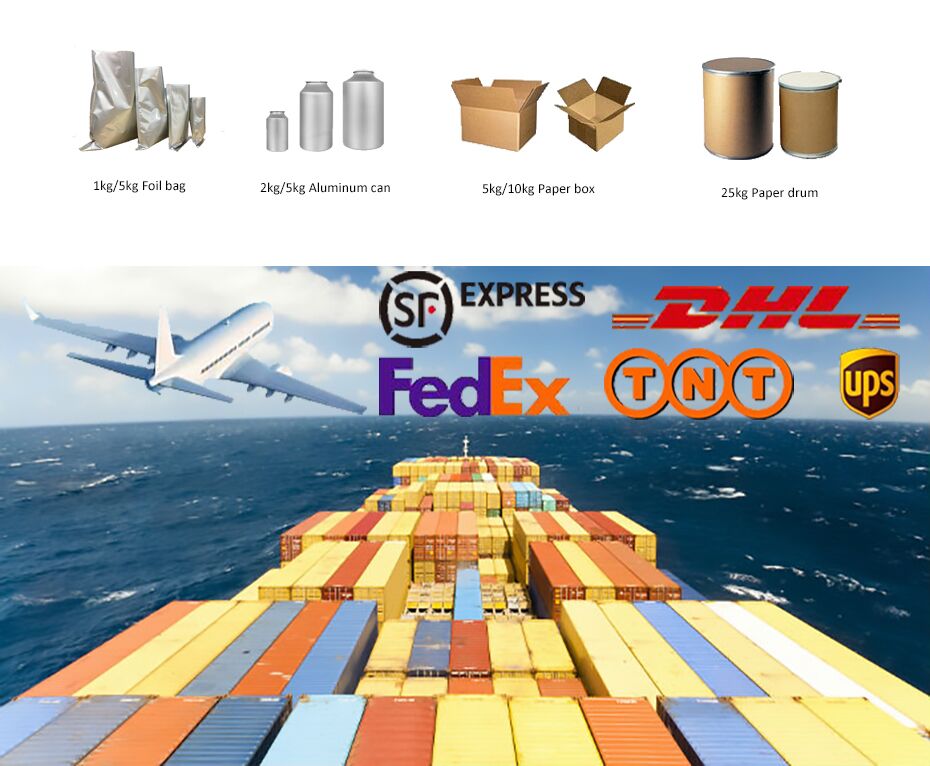
Global Export & Logistics
- Direct shipping lines to EU and US (15-day transit)
- Cold-chain capabilities for temperature-sensitive liposomal liquids
- Customs clearance support with >99% success rate
- FOB, CIF, and DDP Incoterms available
MOQ & Pilot Batch Program
- Standard MOQ: 50,000 capsules / 100,000 softgels / 500L liquid
- Pilot batches: Available for new formulations (1–5 kg powder or 50L liquid)
- Sample policy: Qualified buyers receive complimentary samples for analytical verification
R&D & Innovation
- Process Analytical Technology (PAT) for real-time manufacturing monitoring
- Microfluidic liposome preparation for ultra-uniform particle distributions
- Ongoing research partnerships with academic institutions on bioavailability enhancement
Delivery Technology Comparisons
- What Are Liposomes? — Foundational guide to liposome structure and formation
- Liposomal vs. Nanoemulsion — When to choose lipid vesicles over sub-micron emulsions
- Liposomal vs. Micellar Delivery Systems — Structural differences and absorption implications
- Liposomal vs. Phytosome — Vesicular vs molecular phospholipid complexes
- Liposomal vs. Microencapsulation — Polymer coating compared to lipid bilayer protection
- Phospholipid Carrier Systems Guide for Brands — Comprehensive overview of lipid-based delivery options
Manufacturing Science
- What Is Encapsulation Efficiency of Liposomal Supplements? — Technical methods and target benchmarks
- Glutathione Supplements Manufacturing — Specialized production capabilities for glutathione
- Liposomal vs Reduced Glutathione — Formulation comparison for brand decision-making
Why Partner With KS Nutripharma®
Manufacturing Scale & Infrastructure
| Metric | Specifications |
|---|---|
| Years in Operation | 19+ years |
| Total Facility Area | 81,000+ m² (≈872,000 sq ft) GMP-compliant production campus |
| Manufacturing Bases | 5 dedicated production facilities |
| Employees | 260+ |
| Supplement Production Lines | 7 high-speed, automated lines |
| Raw Material Processing Lines | 5 dedicated lines for extract concentration, drying, and milling |
| Cultivation Bases | 4 raw material cultivation bases for traceable botanical sourcing |
Daily Production Capacity
| Dosage Form | Daily Output | Annual Capacity (Est.) |
|---|---|---|
| Softgels | 2+ million / day | 600+ million / year |
| Hard Capsules | 5+ million / day | 1.5+ billion / year |
| Tablets | 12+ million / day | 3.6+ billion / year |
| Gummies | 2+ million / day | 600+ million / year |
| Powder & Granules | – | 5,000+ tons raw material capacity/year |
Research & Development
| R&D Infrastructure | Details |
|---|---|
| R&D Centers | 2 independent research and development centers |
| Formulation Library | 500+ developed and commercialized formulations |
| Services | Custom formula development, stability testing, bioavailability optimization, taste masking, and regulatory documentation |
Quality Assurance & Certifications
- GMP Certified — Current Good Manufacturing Practice for dietary supplements
- FDA Registered — US FDA facility registration; 21 CFR Part 111 compliant
- ISO 9001 — Quality management systems
- HACCP — Hazard Analysis Critical Control Points
- HALAL Certified — Suitable for Muslim markets
- KOSHER Certified — Suitable for Jewish dietary laws
- BRCGS — Global food safety standard
- EU export documentation (COA, MSDS, stability data, written confirmations)
- Health Canada and TGA (Australia) regulatory packages available
- Third-party lab verification for heavy metals, microbes, and potency on request
Global Reach & Brand Partnerships
| Metric | Details |
|---|---|
| Exported Countries | 60+ |
| Global Brands Served | 500+ |
| Supply Chain | Direct sourcing from 4 cultivation bases and 5 raw material processing lines |
Vertical Integration: From Seed to Shelf
4 Cultivation Bases
    ↓
5 Raw Material Processing Lines (powder, extraction, concentration, drying)
    ↓
7 Supplement Production Lines (softgels, capsules, tablets, gummies, powders)
    ↓
QC & Stability Testing
    ↓
Packaging & Global Logistics- Consistent potency — Direct control over raw material standardization
- Competitive pricing — No middleman markup on key actives like plant-based extract
- Full traceability — Lot-to-lot tracking from cultivation to finished product
- Faster lead times — In-house raw material inventory reduces procurement delays
Benefits for Your Supplement Line
| Your Requirement | Our Capability |
|---|---|
| High-volume orders | 12+ million tablets/day or 5+ million capsules/day capacity |
| Complex formulations | Multi-ingredient blends, 20% aescin standardization, delayed-release coatings |
| Tight lead times | 5 manufacturing bases allow parallel production scheduling |
| Global compliance | 7 certifications + export documentation for 60+ countries |
| Flexible MOQ | Pilot-friendly for new launches; volume pricing for established brands |
| End-to-end service | Raw material sourcing → R&D → production → QC → packaging → logistics |
Ready to Manufacture at Scale?
- Virtual facility tour of our 81,000+ m² campus
- Custom OEM / ODM proposal
- Bulk order pricing and COA review
- Sample requests and formulation consultation
For OEM and private label projects, we typically provide a comprehensive documentation package to support product development, regulatory review, import clearance, and commercial launch.
Standard Documentation Package
Raw Material Documents
Certificate of Analysis (COA)
Specification Sheet
Ingredient Origin Statement
Allergen Statement
Non-GMO Statement (if applicable)
Halal / Kosher Certificates (if requested)
Quality & Safety Documents
Heavy Metal Test Report
Microbiological Test Report
Residual Solvent Report (if applicable)
Third-Party Laboratory Reports (upon request)
Batch Traceability Records
Finished Product Documents
Finished Product COA
Master Formula Sheet
Nutrition Facts / Supplement Facts Draft
Label Compliance Review
Shelf-Life & Stability Summary
Packaging Specification
Regulatory & Export Documents
FDA Registration Information
cGMP Compliance Statement
ISO 22000 / HACCP Certificates
Free Sale Certificate (if available)
Certificate of Origin
Commercial Invoice & Packing List
A liposomal supplement is a delivery system where active ingredients are encapsulated within phospholipid bilayers (liposomes). These microscopic vesicles protect actives from degradation, enhance intestinal absorption, and facilitate direct cellular uptake. For a detailed technical explanation, see our guide on what are liposomes.
The standard process involves: (1) phospholipid dissolution, (2) thin-film hydration or high-shear mixing, (3) homogenization to reduce particle size, (4) extrusion for uniformity, and (5) quality verification via DLS, PDI, and zeta potential analysis. See Section 5 for our detailed process flow.
Ingredients with poor water solubility, poor stability, or low natural bioavailability benefit most. Top candidates include CoQ10, curcumin, glutathione, resveratrol, NMN, NAD+ precursors, quercetin, and vitamin C. Evidence levels vary by ingredient—see Section 3 for our evidence-base classification.
Liposomal delivery systems are used in FDA-approved pharmaceuticals (e.g., Doxil®), validating their safety. However, liposomal dietary supplements are not individually FDA-approved. Manufacturers must comply with FDA 21 CFR Part 111 for cGMP, proper labeling, and adverse event reporting.
Yes. We offer private-label liposomal supplements with pre-validated formulations, customizable packaging, and full regulatory documentation. This is the fastest route to market—typically 4–6 weeks.
We manufacture liposomal softgels, hard-shell capsules, liquid drops, powder stick packs, sachets, and gummies (formulation-dependent). See Section 4 for complete OEM specifications, MOQs, and lead times.
Stability depends on formulation and packaging. Properly manufactured liquid liposomes maintain stability for 12–18 months; spray-dried liposomal powders can remain stable for 24–36 months. Key stability indicators include particle size retention, zeta potential, and encapsulation efficiency maintenance.
We use UV-Vis spectrophotometry, HPLC, or LC-MS to quantify the percentage of active ingredient trapped within liposomes versus free in solution. Premium formulations target ≥85% encapsulation efficiency. Read our technical guide on encapsulation efficiency testing.
Sunflower lecithin (non-GMO, allergen-free), soybean lecithin, hydrogenated phospholipids (HSPC), and egg yolk phospholipids. Sunflower-derived phospholipids are increasingly preferred for vegan and clean-label positioning.
Standard MOQs: 50,000 capsules, 100,000 softgels, or 500L liquid. Pilot batches (1–5 kg / 50L) are available for new formulation validation. See Section 4 for format-specific details.
Yes. We provide full regulatory documentation including COA, C of Free Sale, GMP certificates, and heavy metals/microbiology reports. Our products ship to North America, Europe, Australia, and Asia with >99% customs clearance rates.
- Private label: 4–6 weeks
- Custom formulation (ODM): 6–10 weeks (including stability testing)
- Pilot to commercial scale: 2–4 weeks after formulation approval
Absolutely. Our ODM services include custom active ingredient ratios, synergistic co-formulations (e.g., vitamin C + quercetin), flavor profiles, pH adjustments, and vegan phospholipid options.
Yes. We offer sunflower-derived phospholipid options that are 100% plant-based, non-GMO, and suitable for vegan labeling.
Our facility holds cGMP, ISO 9001, ISO 22000, HACCP, NSF-GMP, Kosher, and Halal certifications. Full documentation is available for verification.
Optimal liposomal supplements maintain particle sizes between 50–200 nm. Research indicates that particles around 70 nm demonstrate substantially higher absorption compared to larger 300–500 nm vesicles.
Polydispersity Index (PDI) measures particle size uniformity. Pharmaceutical-grade liposomal products should maintain PDI below 0.3. Values above 0.3 indicate heterogeneous populations that may compromise stability and absorption kinetics.
Zeta potential absolute values exceeding 30 mV indicate strong colloidal stability. Premium liposomal formulations typically achieve zeta potentials between −30 and −60 mV, ensuring particle repulsion and preventing aggregation.
While both use phospholipids, liposomes are vesicular structures with aqueous cores capable of encapsulating both hydrophilic and hydrophobic actives. Phytosomes are molecular phospholipid complexes without an aqueous core, better suited for botanical extracts but with lower encapsulation capacity. Read our detailed comparison: Liposomal vs Phytosome.
The global liposomal supplements market is projected to reach USD 1.76 billion by 2035, growing at 6.3% CAGR.
Brands that invest in liposomal technology gain measurable bioavailability advantages, stronger clinical positioning, premium pricing power (28–100%+ above standard supplements), and differentiation in an increasingly crowded market.