x
Send Your Inquiry Today
Quick Quote

Glutathione Supplements: Benefits, Delivery Technologies and Manufacturing Solutions

Glutathione Supplements Benefits, Delivery Technologies and Manufacturing Solutions

Introduction

As demand for antioxidants, healthy aging, beauty-from-within, and cellular wellness supplements continues to expand worldwide, glutathione supplements have become one of the fastest-growing categories in the nutraceutical industry. The global glutathione supplement market was valued at approximately USD 381.5 million in 2025 and is projected to reach USD 729.3 million by 2035, growing at a CAGR of 6.7% [1]. Consumer awareness has evolved beyond basic antioxidant claims. Brand owners are increasingly seeking scientifically positioned glutathione formulations that address bioavailability concerns, stability challenges and differentiated delivery technologies.
At KS NutriPharma, we support global supplement brands with customized glutathione supplement development, including capsules, tablets, powders, gummies, liquid systems, and advanced liposomal delivery platforms designed to meet diverse market requirements.

Why Supplement Brands Work With KS NutriPharma

Developing a successful glutathione supplement requires more than selecting a raw material. Product performance is influenced by ingredient quality, formulation design, manufacturing conditions, stability management, packaging selection, and regulatory considerations.

KS NutriPharma supports supplement brands through every stage of product development.

Manufacturing capabilities include:

  • 81,000㎡ production facilities
  • 12 modern production lines
  • More than 5,000 tons of functional ingredients annual production capacity
    • 5,000,000+ capsules per day
    • 2,000,000+ softgels per day
    • 12,000,000+ tablets per day
    • 2,000,000+ gummies per day
  • 19+ years of supplement manufacturing experience
  • Exported to 60+ countries
  • Serving 500+ global supplement brands
  • Flexible OEM/ODM and private-label solutions
  • Low MOQ to large-scale commercial production
  • Multi-market regulatory documentation support
  • Packaging and labeling coordination support
  • Long-term supply-chain planning capability
  • cGMP-compliant manufacturing systems
  • ISO9001, ISO22000, HACCP and FSSC22000 certifications
  • Halal and Kosher certification support
  • Available dosage forms include: Capsules, Tablets, Powders, Gummies, Stick Packs, Liquid Supplements

Our formulation team supports customized product development for global supplement brands seeking differentiated glutathione solutions.

Global Growth of the Glutathione Supplement Market

Global Growth of the Glutathione Supplement Market

Why Demand Continues to Increase

Several market drivers are contributing to rapid growth:
  • Healthy aging awareness — Aging populations globally are seeking preventive health solutions
  • Beauty-from-within trends — The nutricosmetics segment is expanding rapidly, with over 38% of new cosmetic product launches in 2024 containing glutathione or its derivatives [2]
  • Oxidative stress management — Consumer awareness of oxidative stress and its role in chronic disease is increasing
  • Sports recovery support — Athletes and fitness enthusiasts are adopting glutathione for recovery optimization
  • Liver wellness support — Detoxification positioning remains a strong market driver
  • Immune resilience positioning — Post-pandemic immune health awareness continues to drive demand
The Asia-Pacific region dominates global glutathione demand with approximately 45% market share, followed by North America and Europe [2].

Consumer Interest Is Expanding Beyond Skin Brightening

One of the most important market shifts is that glutathione is no longer viewed solely as a skin-whitening ingredient. Modern consumers increasingly associate glutathione with:
  • Cellular protection
  • Detoxification pathways
  • Mitochondrial support
  • Recovery optimization
  • Longevity-focused nutrition
This creates broader formulation opportunities for supplement brands. However, regulatory scrutiny surrounding whitening claims continues to increase in many global markets. In the European Union, EFSA has not approved any health claims related to skin whitening, skin brightening, or bleaching; approved claims are limited to general antioxidant activity and immune function [3]. Brands increasingly shift toward antioxidant support, cellular wellness, healthy aging, and skin health support rather than aggressive cosmetic claims.
What Is Glutathione

What Is Glutathione?

Understanding Reduced Glutathione (GSH)

Reduced glutathione (GSH) is the biologically active form naturally produced within cells. It is a tripeptide composed of three amino acids: glutamine, cysteine, and glycine, with the molecular formula C₁₀H₁₇N₃O₆S [4]. The sulfhydryl (-SH) group from cysteine is the biologically active part of the molecule responsible for its antioxidant properties [4].
Functions include:
  • Neutralizing free radicals and reactive oxygen species
  • Supporting antioxidant recycling (regenerating vitamins C and E)
  • Maintaining redox balance within cells
  • Protecting cellular structures including proteins, lipids, and DNA
  • Serving as a cofactor for glutathione peroxidase and glutathione S-transferase enzymes

Oxidized Glutathione (GSSG)

When glutathione neutralizes reactive oxygen species, it converts into oxidized glutathione (GSSG). The balance between GSH and GSSG is often considered a key indicator of cellular oxidative status. Intracellular ratios of GSH to GSSG typically range from 10:1 to 100:1 in healthy cells [4]. Healthy cells possess an enzyme called glutathione reductase that converts GSSG back to GSH, maintaining this critical redox balance [5].

S-Acetyl Glutathione

S-Acetyl Glutathione (SAG) is a modified form designed to improve stability and facilitate absorption. The acetyl group protects the thiol moiety from oxidation and degradation during transit through the gastrointestinal tract. A landmark randomized crossover clinical trial by Fanelli et al. (2018) demonstrated that S-Acetyl-L-glutathione significantly increased both the maximum concentration (Cmax) and the total extent of absorption (AUC) compared to standard reduced glutathione [6]. The study showed that SAG was rapidly deacetylated once inside the body, efficiently releasing intact, active glutathione directly into the intracellular environment [6].
Compared with conventional glutathione, S-Acetyl Glutathione offers:
  • Improved resistance to digestive degradation
  • Enhanced formulation flexibility
  • Premium product positioning opportunities
  • Direct cellular uptake without requiring breakdown into amino acids

Why Is Glutathione Known as the Master Antioxidant

Why Is Glutathione Known as the Master Antioxidant?

Intracellular Antioxidant Protection

Unlike many antioxidants that primarily function in circulation, glutathione operates inside cells where oxidative stress originates. It is the most abundant intracellular low molecular weight peptide containing a thiol group [7]. GSH is involved in nutrient metabolism, antioxidant defense, and regulation of cellular metabolic functions ranging from gene expression, DNA and protein synthesis to signal transduction, cell proliferation, and apoptosis [4].

Redox Balance Regulation

Glutathione plays a critical role in maintaining cellular redox equilibrium. Proper redox regulation supports:
  • Energy metabolism through mitochondrial protection
  • Cellular communication and signaling pathways
  • Protein protection via maintenance of sulfhydryl groups
  • Mitochondrial function and maintenance of mitochondrial DNA

Cellular Defense Mechanisms

Glutathione participates in multiple biological defense pathways involving:
  • Reactive oxygen species management through direct neutralization
  • Environmental stress adaptation and xenobiotic detoxification
  • Cellular detoxification systems as a cofactor in Phase I cytochrome P450 enzyme-mediated detoxification [4]
  • Recycling of other antioxidants including vitamin C and vitamin E [7]

Common Applications of Glutathione Supplements

Common Applications of Glutathione Supplements

Healthy Aging Formulations

Popular combinations:
  • Glutathione + CoQ10 for mitochondrial energy support
  • Glutathione + Ergothioneine for cellular protection
  • Glutathione + NMN-support ingredients for longevity positioning

Beauty From Within Products

Often positioned for:
  • Skin radiance and tone uniformity
  • Environmental stress defense
  • Protection against UV-induced oxidative damage
Glutathione suppresses melanogenesis by three primary mechanisms: direct inhibition of tyrosinase through copper chelation, interference with tyrosinase transfer to premelanosomes, and indirect tyrosinase inhibition through antioxidant effects [4].

Skin Health Support

Frequently combined with:
  • Vitamin C (supports glutathione recycling)
  • Collagen peptides for structural support
  • Hyaluronic acid for hydration

Immune Support Formulas

Often paired with:
  • Zinc for immune cell function
  • Selenium (functions as a cofactor for glutathione-dependent enzymes)
  • Vitamin D3 for immune modulation

Liver Health Products

Common combinations include:
  • NAC (N-Acetyl-L-Cysteine) as a glutathione precursor
  • Milk Thistle for hepatic protection
  • Artichoke Extract for bile support

Sports Recovery Supplements

Increasingly used in:
  • Recovery blends targeting oxidative stress reduction
  • Endurance support products
  • Oxidative stress management formulas for high-intensity training

Types of Glutathione Raw Materials Used in Supplement Manufacturing

Types of Glutathione Raw Materials Used in Supplement Manufacturing

Reduced Glutathione (L-Glutathione)

Reduced L-Glutathione (GSH) is the most commonly used raw material in supplement manufacturing. It is the biologically active form and the standard against which other forms are compared. Major suppliers include:
  • Kyowa Hakko Bio (Japan) — Manufacturer of Setria® Glutathione, produced through patented fermentation technology. Setria® is clinically studied and widely recognized in the premium supplement market [8].
  • Shandong Jincheng Pharmaceutical (China) — One of the world’s largest glutathione producers, supplying bulk pharmaceutical and food-grade GSH.
  • KOHJIN Life Sciences (Japan) — Specializes in high-purity glutathione for pharmaceutical and nutraceutical applications.
  • Gnosis by Lesaffre (France) — Offers fermented glutathione with full traceability and regulatory documentation.
When evaluating reduced glutathione raw materials, purchasing teams should assess:
  • Purity specifications (minimum 98% for pharmaceutical grade)
  • Fermentation technology and strain documentation
  • Traceability systems from fermentation to finished powder
  • Regulatory documentation (FDA GRAS, EFSA Novel Food status, etc.)
  • Heavy metal and microbial testing results

S-Acetyl Glutathione

S-Acetyl Glutathione is a modified form where the thiol group is protected by an acetyl moiety. This modification:
  • Protects the molecule from oxidation and enzymatic degradation in the GI tract
  • Allows for direct cellular uptake without requiring breakdown into constituent amino acids
  • Commands premium pricing due to enhanced bioavailability claims
The Fanelli et al. (2018) study demonstrated significantly higher Cmax and AUC compared to standard GSH [6]. S-Acetyl GSH is typically sourced from specialized suppliers and is approximately 3-5x more expensive than standard reduced GSH on a per-gram basis.

Liposomal Glutathione Premixes

Liposomal glutathione premixes are pre-manufactured encapsulated materials that can be directly incorporated into supplement formulations. These premixes:
  • Contain GSH encapsulated within phospholipid vesicles (typically soy or sunflower lecithin)
  • Offer particle sizes in the 100-400 nm range [9]
  • Provide enhanced stability and bioavailability compared to free GSH
  • Require less specialized manufacturing equipment at the final formulation stage
Leading liposomal glutathione premix suppliers include Lipsovit® and specialized liposomal technology providers. Quality assessment should include particle size distribution (DLS analysis), encapsulation efficiency, and zeta potential verification [9].

Fermentation-Derived Glutathione

The majority of commercial glutathione is produced through microbial fermentation, primarily using:
  • Saccharomyces cerevisiae (baker’s yeast) — Most common production strain
  • Candida utilis — Alternative yeast strain with high GSH accumulation
  • Escherichia coli — Bacterial fermentation for enhanced yields
Fermentation-derived glutathione is generally preferred over chemically synthesized GSH because:
  • The fermentation process produces the natural L-form (biologically active)
  • Chemical synthesis may produce racemic mixtures (D- and L-forms)
  • Fermentation is more cost-effective at scale [10]
  • Modern fermentation achieves high purity (>98%) with consistent batch quality
A 2025 study on non-GMO Saccharomyces cerevisiae demonstrated that optimized fermentation conditions can achieve glutathione yields of 1.98 g/L with over 99% in the reduced, biologically active form [11].

Pharmaceutical Grade vs. Food Grade Glutathione

SpecificationPharmaceutical GradeFood Grade
Purity≥98.5%≥98.0%
Heavy Metals<10 ppm total<20 ppm total
Microbial LimitsUSP/EP compliantFood standard compliant
DocumentationDMF, CEP, full CoACoA, allergen statement
ApplicationsInjectables, high-end supplementsGeneral dietary supplements
Price Premium15-25% above food gradeBaseline
For supplement manufacturing, food-grade glutathione is typically sufficient. However, brands targeting premium positioning or clinical applications may specify pharmaceutical-grade material for enhanced credibility and regulatory positioning.

Typical Dosage Ranges Used in Glutathione Supplements

Dosage by Application

ApplicationDaily Dose RangeTypical DurationClinical Evidence Level
Beauty / Skin Health250-1000 mg8-12 weeksModerate (RCTs available)
Healthy Aging250-500 mgOngoing maintenanceEmerging
Liver Support500-1000 mg4-12 weeksModerate
Sports Recovery250-600 mgAround training cyclesLimited
Immune Support250-500 mgSeasonal or ongoingLimited
Liposomal Formulations100-500 mgVaries by applicationGrowing (PK studies)
Sublingual Formulations100-400 mg10-12 weeksModerate [4]

Weight-Based Dosage Considerations

Some clinical protocols recommend weight-based dosing for skin-related applications:
  • 20-40 mg per kg body weight per day for skin brightening effects [12]
  • Example: 60 kg individual → 1,200-2,400 mg/day (divided into 2-3 doses)
  • Maintenance dose: 500 mg/day after desired effects are achieved [12]

Formulation Considerations by Dose

Low-Dose Formulations (100-250 mg):
  • Suitable for liposomal or enhanced delivery systems where bioavailability is significantly improved
  • Appropriate for maintenance and general wellness positioning
  • Cost-effective for mass-market products
  • Compatible with gummy and liquid formats
Medium-Dose Formulations (250-500 mg):
  • Standard range for most supplement applications
  • Compatible with capsules, tablets, and powders
  • Allows for synergistic ingredient pairing without excessive capsule count
  • Balance of efficacy perception and cost control
High-Dose Formulations (500-1000+ mg):
  • Typically used for standard (non-liposomal) GSH where bioavailability is lower
  • Common in beauty and liver support positioning
  • May require multiple capsules or larger tablets
  • Higher raw material cost impacts pricing strategy

Clinical Evidence Summary for Dosing

  • Weschawalit et al. (2017): 250 mg/day (both GSH and GSSG forms) for 12 weeks showed skin-lightening effects without adverse effects [13]
  • Arjinpathana & Asawanonda (2012): 500 mg/day for 4 weeks showed significant reduction in melanin index in sun-exposed areas [14]
  • Handog et al. (2016): 500 mg/day as lozenges for 8 weeks showed significant skin lightening [4]
  • Richie et al. (2015): 1,000 mg/day for 6 months showed significant increases in erythrocyte GSH levels [4]

Market Applications and Product Positioning Opportunities

Skin Brightening Supplements

Despite regulatory restrictions on “whitening” claims in many markets, skin brightening remains the largest application segment, particularly in Asia-Pacific. Formulation strategies:
  • Position as “skin radiance” or “even skin tone” rather than “whitening”
  • Combine with vitamin C (200-500 mg) for synergistic antioxidant and recycling effects
  • Include collagen peptides (2-5 g) for structural skin support
  • Target 500-1000 mg GSH per serving for standard formulations

Beauty Gummies

The fastest-growing delivery format for beauty-positioned glutathione:
  • Target 100-250 mg GSH per gummy (2 gummies per serving)
  • Critical formulation considerations: water activity <0.65, pH 3.2-3.8, nitrogen-flushed packaging
  • Pectin-based formulations preferred for vegan positioning
  • Flavor masking essential due to sulfur notes from GSH
  • Stability challenge: GSH oxidation in high-moisture gummy matrix requires antioxidant systems

Liver Detox Supplements

Strong positioning in North American and European markets:
  • Typical dose: 500-1000 mg GSH
  • Common pairings: NAC (600 mg), Milk Thistle (200-400 mg silymarin), Artichoke Extract
  • Position as “liver wellness” or “detoxification support” rather than “cleanse”
  • 30-day supply bottles common in this segment

Longevity Supplements

Emerging premium segment targeting aging consumers:
  • Lower doses (250-500 mg) combined with other longevity ingredients
  • Popular combinations: GSH + CoQ10 (100 mg) + Ergothioneine (5 mg) + NMN precursor ingredients
  • Position around cellular health, mitochondrial function, and healthy aging
  • Premium pricing acceptable in this segment

Sports Recovery Supplements

Growing segment among fitness enthusiasts:
  • Target 250-600 mg GSH per serving
  • Combine with electrolytes, taurine, and BCAAs for comprehensive recovery
  • Position around oxidative stress management and muscle recovery
  • Powder and stick pack formats preferred for convenience

Anti-Oxidant Complexes

Broad-market positioning for general wellness:
  • Lower GSH dose (100-250 mg) as part of multi-ingredient antioxidant blend
  • Combine with vitamin C, vitamin E, selenium, and zinc
  • Position as “daily antioxidant support” or “cellular protection”
  • Cost-effective capsule or tablet format

Popular Glutathione Ingredient Combinations

Formula Type Matrix

Formula TypeCore IngredientsTarget PositioningTypical Serving Size
BeautyGSH (250-500 mg) + Vitamin C (250-500 mg) + Collagen (2-5 g) + Hyaluronic Acid (100 mg)Skin radiance, even tone2-4 capsules or 1 scoop powder
LiverGSH (500 mg) + NAC (600 mg) + Milk Thistle (300 mg) + Artichoke (200 mg)Liver wellness, detox2-3 capsules
LongevityGSH (250 mg) + CoQ10 (100 mg) + Ergothioneine (5 mg) + ALA (100 mg)Cellular health, aging2 capsules
ImmuneGSH (250 mg) + Zinc (15 mg) + Selenium (100 mcg) + Vitamin D3 (2000 IU)Immune resilience1-2 capsules
SportsGSH (300 mg) + Taurine (500 mg) + Electrolytes + BCAAs (5 g)Recovery, endurance1 scoop powder or stick pack
AntioxidantGSH (150 mg) + Vitamin C (500 mg) + Vitamin E (100 IU) + Selenium (100 mcg)Daily wellness1 capsule
LiposomalLiposomal GSH (250 mg) + Vitamin C (250 mg)Enhanced absorption1 softgel or 6 ml liquid
SublingualSublingual GSH (150 mg) + Vitamin C (100 mg)Rapid absorption1-2 lozenges or films

Synergistic Mechanisms

GSH + Vitamin C: Vitamin C regenerates oxidized GSH (GSSG) back to reduced GSH through the glutathione-ascorbate cycle, effectively “recycling” the antioxidant. This combination is the most scientifically validated pairing [7].
GSH + NAC: NAC provides cysteine, the rate-limiting precursor for endogenous GSH synthesis. While NAC supports the body’s own GSH production, direct GSH supplementation provides the intact molecule. These mechanisms are complementary [7].
GSH + Selenium: Selenium is an essential cofactor for glutathione peroxidase (GPx), the enzyme that uses GSH to neutralize hydrogen peroxide. Without adequate selenium, GSH cannot effectively perform its peroxidase function.
GSH + CoQ10: Both compounds support mitochondrial function through distinct mechanisms. GSH protects mitochondrial membranes from oxidative damage, while CoQ10 supports the electron transport chain energy production.
Manufacturing Technologies Used in Modern Glutathione Supplements

Manufacturing Technologies Used in Modern Glutathione Supplements

Liposomal Encapsulation

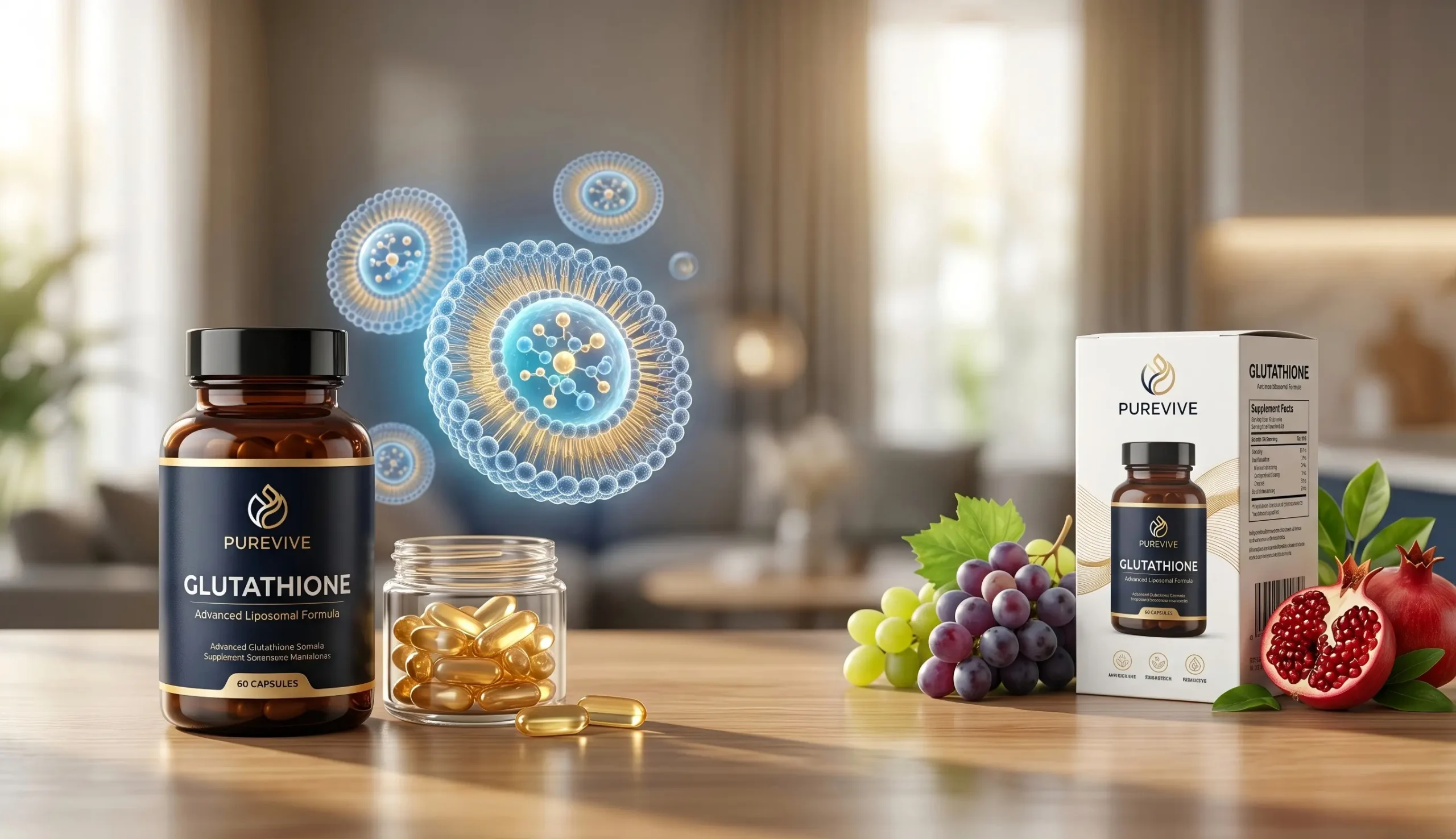
Liposomal encapsulation is the most advanced delivery technology for glutathione, protecting the molecule from stomach acid and enzymatic degradation while enhancing cellular uptake.
Manufacturing Process:
  1. Lipid phase preparation: Phospholipids (soy or sunflower lecithin, 70% phosphatidylcholine) dissolved in ethanol or organic solvent
  2. Aqueous phase preparation: GSH dissolved in purified water
  3. Emulsification: Lipid mixture gradually injected into aqueous GSH solution under high-shear mixing
  4. Homogenization: High-pressure homogenization (1000-2000 bar) for 3-4 cycles to reduce particle size
  5. Particle size reduction: Target 100-400 nm for optimal cellular uptake [9]
  6. Verification: Cryogenic transmission electron microscopy (cryo-TEM) and dynamic light scattering (DLS) for particle characterization [9]
  7. Drying (optional): Spray drying for powder liposomal formulations
Quality Control Metrics:
  • Particle size: 100-400 nm (DLS analysis)
  • Zeta potential: >-30 mV (colloidal stability indicator)
  • Encapsulation efficiency: >80%
  • GSH retention: >90% after 6 months accelerated stability

Microencapsulation Technology

Microencapsulation provides an alternative protection method for glutathione, particularly for powder applications and sustained release.
Complex Coacervation Method:
  • Gelatin and gum arabic used as wall materials
  • Water-in-oil (W/O) emulsion as core material
  • Transglutaminase as crosslinking agent for stability
  • Encapsulation efficiency: >92% achievable [15]
  • Benefits: 23.5% reduction in heat degradation, 43.88% improvement in light stability [15]
Spray Drying:
  • Single-step process scalable for industrial production
  • Rapid solvent evaporation keeps droplet temperature below drying air temperature
  • Suitable for heat-sensitive materials like glutathione
  • Produces stable powder without requiring lyophilization

Nitrogen Protection Systems

Nitrogen flushing is critical throughout glutathione manufacturing:
  • Raw material storage: Nitrogen-purged containers prevent oxidation during storage
  • Blending operations: Conducted under nitrogen atmosphere when possible
  • Encapsulation: Nitrogen flushing during capsule filling to displace oxygen
  • Packaging: Nitrogen flushing of bottles before capping
  • Benefit: Extends shelf life by 15-25% compared to air-exposed processing

Moisture-Controlled Manufacturing

Glutathione is highly hygroscopic and moisture-sensitive:
  • Environmental control: Manufacturing areas maintained at <40% relative humidity
  • Dehumidified storage: Raw materials stored in climate-controlled warehouses
  • Desiccant integration: Silica gel or molecular sieve desiccants in primary packaging
  • Water activity monitoring: In-process testing for finished products (target <0.65 for gummies, <0.3 for powders)

Low-Temperature Processing

Temperature control is essential to prevent GSH oxidation:
  • Blending: Ambient temperature blending preferred; avoid heat generation
  • Granulation: If required, use low-shear or fluid bed processes
  • Compression: Tablet compression with minimal dwell time to reduce heat buildup
  • Storage: Finished products stored at 15-25°C; avoid temperatures >30°C
  • Shipping: Temperature-controlled containers for tropical destinations

Stick Pack Technology

Stick packs are increasingly popular for glutathione powder formulations:
  • Single-serve convenience: Pre-measured doses for consumer ease
  • Barrier protection: Multi-layer aluminum laminate provides moisture, oxygen, and light barrier
  • Stability advantage: Individual packaging reduces exposure after opening
  • MOQ flexibility: Lower minimum order quantities compared to bottled powders
  • Format options: Direct-pour powder or effervescent granules

Glutathione Gummies Manufacturing Guide

Why Gummies Are the Fastest-Growing Format

Glutathione gummies represent one of the fastest-growing segments in the beauty supplement category, driven by:
  • Consumer preference for enjoyable supplement formats
  • Beauty-from-within positioning aligning with gummy format
  • Premium pricing acceptance (typically 30-50% above capsules)
  • Social media shareability and brand differentiation

Stability Challenges in Gummy Formulations

1. Water Activity Control Water activity (a_w) must be maintained below 0.65 to prevent microbial growth and GSH degradation. Higher water activity accelerates:
  • Oxidation of thiol groups
  • Maillard reactions affecting color and flavor
  • Microbial spoilage risk
2. Oxidation Protection GSH in gummy matrices is exposed to:
  • Dissolved oxygen in the aqueous phase
  • Heat during gummy cooking (typically 80-110°C)
  • pH effects from acidulants
Mitigation strategies:
  • Addition of antioxidant systems (vitamin C, citric acid, rosemary extract)
  • Nitrogen sparging of gummy syrup before cooking
  • Minimized cooking time and temperature
  • pH optimization to 3.2-3.8 range
3. Flavor Masking Glutathione has characteristic sulfur notes that can be challenging in sweet gummy matrices:
  • Flavor masking agents: Berry flavors (strong profiles), citrus, tropical blends
  • Acidulants: Citric acid and malic acid at 1-3% help mask sulfur notes
  • Coating: Sour sugar coating can further mask off-notes
  • Dose limitation: 100-250 mg per gummy to minimize flavor impact

Pectin vs. Gelatin Base Selection

ParameterPectin BaseGelatin Base
Vegan positioningYesNo (animal-derived)
Melting pointHigher (no melt risk)Lower (melting risk >25°C)
TextureFirmer, more elasticSofter, more chewy
GSH stabilityBetter (lower water activity achievable)Moderate
Cost20-30% higherBaseline
Market trendGrowing rapidlyStable/declining in premium segment
ProcessingRequires precise pH and calcium controlMore forgiving
Recommendation: Pectin-based formulations are preferred for premium glutathione gummies targeting the clean-label and vegan markets.

Manufacturing Process for Glutathione Gummies

  1. Syrup preparation: Sugar/sugar alcohols, water, pectin hydration
  2. Cooking: 105-110°C to achieve target solids (75-78°Brix)
  3. Cooling: Rapid cooling to 80-85°C
  4. Actives addition: GSH + vitamin C + other heat-sensitive ingredients added at <80°C
  5. Acid addition: Citric acid solution added last (prevents pectin pre-gelation)
  6. Depositing: Into starch molds or silicone molds
  7. Drying: 24-48 hours at 45-55°C to achieve target water activity
  8. Coating (optional): Oil coating or sugar sanding
  9. Packaging: Nitrogen-flushed bottles with desiccant

Critical Quality Parameters

ParameterTargetTest Method
GSH assay90-110% of label claimHPLC
Water activity<0.65A_w meter
pH3.2-3.8pH meter
Moisture content12-18%Karl Fischer
MicrobiologicalTPC <1000 CFU/gUSP <61>
TextureFirm, non-stickyTexture analyzer
ColorUniform, no yellowingVisual/spectrophotometric

Challenges in Oral Glutathione Formulation

This is one of the most discussed topics across consumer communities and one of the primary concerns for supplement purchasers.

Challenge 1: Bioavailability Concerns

Common Consumer Question:

The growing popularity of glutathione supplements has generated significant discussion across online health communities and product review platforms. Many negative reviews are not necessarily caused by poor ingredients but rather by formulation limitations, unrealistic expectations, or product quality differences. Understanding these concerns can help brands develop more effective products and better consumer education strategies.

“I Used Glutathione for Several Months but Didn’t Notice Any Difference”

This is one of the most frequently reported consumer frustrations.

Potential contributing factors include:

  • Insufficient daily dosage
  • Poor ingredient quality
  • Low product stability
  • Lack of supporting nutrients
  • Inconsistent product use
  • Unrealistic expectations regarding supplementation timelines

Manufacturers increasingly address these concerns through optimized dosing strategies and synergistic formulations that combine glutathione with complementary ingredients such as Vitamin C, NAC, CoQ10, and selenium.

“Why Did My Glutathione Capsules Change Color?”

Color changes are often associated with oxidation rather than safety concerns.

Potential causes include:

  • Moisture exposure
  • Oxygen exposure
  • Improper storage conditions
  • Inadequate packaging protection

To minimize oxidation risk, manufacturers may utilize nitrogen flushing systems, moisture-resistant packaging, and stability-focused formulation approaches.

“Why Is Liposomal Glutathione More Expensive?”

Liposomal products generally require:

  • Specialized raw materials
  • Additional manufacturing processes
  • Advanced encapsulation technologies
  • Enhanced quality control procedures

These factors contribute to higher production costs but may also support premium product positioning.

“Can Oral Glutathione Survive Digestion?”

This remains one of the most debated topics in the supplement industry.

Modern formulation approaches designed to address this concern include:

  • Liposomal delivery systems
  • S-Acetyl Glutathione
  • Protective encapsulation technologies
  • Multi-antioxidant support formulations

“Does oral glutathione actually work?”

Many negative reviews stem from uncertainty regarding absorption efficiency. The scientific evidence is clear: oral glutathione faces significant bioavailability challenges.
A study published in the European Journal of Clinical Pharmacology by Witschi et al. (1992) demonstrated that even high single oral doses of 3,000 mg failed to significantly increase blood glutathione levels [8]. Research indicates that oral bioavailability of standard GSH is below 1% due to enzymatic degradation by γ-glutamyl transpeptidase (GGT) present in the intestinal mucosa [16].
Brand owners therefore seek technologies that improve delivery and utilization:
  • Liposomal systems — Encapsulation in phospholipid vesicles protects GSH from digestive degradation
  • S-Acetyl Glutathione — The acetyl group protects the molecule through the GI tract
  • Micellar formulations — A 2024 randomized crossover study showed that LipoMicel® micellar glutathione (300 mg) produced approximately 2.49-fold higher incremental exposure (iAUC) and 2.43-fold higher peak response (Cmax) compared to standard glutathione (500 mg) [17]
  • Sublingual delivery — A 3-week randomized crossover trial demonstrated that sublingual GSH significantly improved the GSH/GSSG ratio (p=0.003) compared to oral GSH and NAC [7]

Challenge 2: Ingredient Stability

Common Consumer Complaint: “My capsules turned yellow.”
Glutathione is highly sensitive to environmental factors:
  • Oxygen — Oxidation converts GSH to GSSG, reducing antioxidant capacity
  • Moisture — Water activity accelerates degradation reactions
  • Heat — Elevated temperatures increase oxidation rates
  • Light exposure — Photodegradation can occur with prolonged UV exposure
The yellowing of glutathione powder or capsules is a visible indicator of oxidation. When GSH oxidizes to GSSG, the product may develop a yellowish tint. Proper formulation design, packaging selection, and storage conditions are essential to maintain product quality throughout shelf life.
Most glutathione supplements have a typical shelf life of approximately 2 years from manufacture when stored properly in cool, dry conditions away from direct sunlight [18]. Liposomal formulations generally offer improved stability profiles due to the protective phospholipid encapsulation.

Challenge 3: Delayed Consumer Expectations

Major Source of One-Star Reviews: Many consumers expect dramatic changes within days.
However, glutathione supplementation generally requires:
  • Consistent daily intake over extended periods
  • Appropriate dosage based on formulation type
  • Complementary nutrients (especially vitamin C for recycling support)
  • Sufficient intervention periods (typically 8-12 weeks for visible skin effects)
Clinical studies on glutathione for skin effects have typically used durations of 4-12 weeks [4]. Formulation design and consumer education are therefore equally important for brand success.

Challenge 4: Overreliance on Beauty Positioning

Regulatory scrutiny surrounding whitening claims continues to increase globally:
  • European Union: EFSA has not approved skin whitening or brightening claims. Only general antioxidant and immune function claims are permitted [3]. Skin-lightening claims are prohibited under the EU Cosmetics Regulation (EC) 1223/2009 [3].
  • United States: FDA regulates glutathione as a dietary ingredient under DSHEA. Structure/function claims are permitted, but disease claims require drug approval.
  • Philippines: The FDA has issued advisories against unsafe use of injectable glutathione for skin lightening, citing risks of toxic effects on liver, kidneys, and nervous system [4].
  • ASEAN markets: Varying regulatory frameworks require careful compliance review.
Brands increasingly shift toward:
  • Antioxidant support positioning
  • Cellular wellness and redox balance
  • Healthy aging and longevity
  • Skin health support (not whitening)
  • Detoxification and liver wellness

Delivery Formats for Glutathione Supplements

Glutathione Capsules

Advantages:
  • Cost-effective manufacturing
  • Excellent stability with proper encapsulation
  • Easy global registration and compliance
  • Flexible dosing (100-500 mg typical)
Best for: Mass-market brands, private label programs, entry-level positioning
Capsules remain the leading product form, projected to hold approximately 30% market share in 2025 [1].

Glutathione Tablets

Advantages:
  • High dosage capacity per unit
  • Lower manufacturing costs per dose
  • Consumer familiarity
Challenges:
  • Compression sensitivity may affect stability
  • Potential oxidation during processing
  • Disintegration time requirements

Glutathione Powder Supplements

Advantages:
  • Flexible dosing for consumers
  • Drink-mix and beverage applications
  • Sports nutrition positioning
  • Cost-effective bulk manufacturing

Glutathione Gummies

Growing rapidly in:
  • Beauty supplements targeting younger demographics
  • Healthy aging supplements for ease of use
Key formulation considerations:
  • Water activity control (must be <0.65 for stability)
  • Oxidation protection through antioxidant systems
  • Flavor masking (glutathione has characteristic sulfur notes)
  • pH optimization for stability

Glutathione Liquid Supplements

Consumer perception often favors liquid delivery for faster absorption. However, manufacturers must address:
  • Oxidation stability — Liquid matrices expose GSH to more degradation pathways
  • Preservative systems — Required for microbiological stability
  • Packaging protection — Amber or opaque bottles with tight seals necessary
  • Taste masking — Significant formulation challenge

Liposomal Glutathione Supplements

One of the fastest-growing premium segments, with over 55% of newly launched glutathione products globally utilizing liposomal or nano-encapsulated formulations [2].
Benefits:
  • Enhanced delivery potential through phospholipid protection
  • Premium positioning commanding higher price points
  • Higher perceived efficacy among educated consumers
  • Protection from stomach acid and enzymatic degradation
Challenges:
  • Higher raw material and manufacturing costs
  • Lipid stability concerns (phospholipid oxidation)
  • Manufacturing complexity requiring specialized equipment
  • Quality control requirements (particle size verification, encapsulation efficiency)
A 2024 clinical study demonstrated that liposomal glutathione (Setria®) showed improved pharmacokinetic profiles compared to standard formulations, though micellar formulations showed even greater bioavailability enhancement [17].

Ingredient Synergies for Advanced Glutathione Formulations

Vitamin C

Supports glutathione recycling mechanisms through the glutathione-ascorbate cycle. Vitamin C helps regenerate oxidized glutathione (GSSG) back to reduced GSH, effectively “recycling” the antioxidant [7]. Popular in beauty formulas and immune formulas. Typical ratio: 2:1 to 4:1 (vitamin C to glutathione).

N-Acetyl-L-Cysteine (NAC)

Acts as a precursor for endogenous glutathione synthesis by providing cysteine, the rate-limiting amino acid. Frequently used in liver support products and detox formulations. However, NAC effectiveness relies on the body’s capacity to synthesize GSH, which may be limited in aging or liver dysfunction [7].

Alpha Lipoic Acid

Provides complementary antioxidant activity and supports glutathione regeneration. Often included in healthy aging products and metabolic support formulas. Works synergistically with GSH in mitochondrial protection.

CoQ10

Supports mitochondrial energy production and complements glutathione’s cellular protection. Common in premium longevity formulations targeting mitochondrial health.

Ergothioneine

An emerging antioxidant ingredient gaining attention in cellular health products. Works through distinct mechanisms from glutathione, providing complementary protection.

Selenium

Functions as an essential cofactor for glutathione peroxidase (GPx), the enzyme that uses GSH to neutralize hydrogen peroxide and lipid peroxides. Widely used in antioxidant formulations. Typical inclusion: 50-200 mcg per serving.

Example Glutathione Product Concepts for Different Market Segments

Successful glutathione supplements are rarely built around a single ingredient. Modern consumers increasingly seek comprehensive formulations designed to address specific wellness goals.

Beauty From Within Formula

Target Positioning:

  • Skin Radiance
  • Antioxidant Support
  • Beauty Nutrition

Example Formula:

  • Glutathione 500 mg
  • Vitamin C 250 mg
  • Marine Collagen Peptides 1000 mg
  • Hyaluronic Acid 50 mg

Liver Wellness Formula

Target Positioning:

  • Antioxidant Defense
  • Liver Health Support

Example Formula:

  • Glutathione 500 mg
  • NAC 600 mg
  • Milk Thistle Extract 300 mg
  • Artichoke Extract 200 mg

Healthy Aging Formula

Target Positioning:

  • Cellular Wellness
  • Healthy Aging
  • Oxidative Stress Support

Example Formula:

  • Glutathione 250 mg
  • CoQ10 100 mg
  • Ergothioneine 10 mg
  • Selenium 100 mcg

Sports Recovery Formula

Target Positioning:

  • Recovery Support
  • Exercise Recovery
  • Antioxidant Protection

Example Formula:

  • Glutathione 250 mg
  • Taurine 500 mg
  • Magnesium 100 mg
  • Electrolyte Blend

Manufacturing Considerations for Glutathione Supplements

Raw Material Selection

Purchasing teams increasingly evaluate:
  • Purity specifications — Minimum 98% purity for reduced glutathione; HPLC verification required
  • Fermentation technology — Most pharmaceutical-grade GSH is produced via microbial fermentation (typically Saccharomyces cerevisiae or E. coli strains)
  • Traceability systems — Batch records from fermentation through purification
  • Regulatory documentation — Certificates of Analysis, allergen statements, GMO status, heavy metal testing
  • Source verification — Major suppliers include Kyowa Hakko Bio, Shandong Jincheng Pharmaceutical, KOHJIN Life Sciences, and Gnosis by Lesaffre [2]

Stability Testing Programs

Critical assessments include:
  • Accelerated stability studies — ICH conditions (40°C/75% RH) for 6 months to predict shelf life
  • Real-time stability studies — Room temperature monitoring over claimed shelf life
  • Oxidation monitoring — GSH/GSSG ratio tracking over time
  • Packaging compatibility testing — Different container closures evaluated for moisture and oxygen ingress
  • Color stability assessment — Visual and spectrophotometric monitoring for yellowing

Shelf-Life Validation

Proper shelf-life verification should evaluate:
  • Active retention — Assay of GSH content at stability timepoints (typically 90-110% of label claim at expiry)
  • Moisture migration — Water activity and Karl Fischer moisture monitoring
  • Color stability — Visual assessment and quantitative colorimetry
  • Sensory consistency — Taste, odor, and appearance evaluation
  • Microbiological stability — For non-sterile products, bioburden monitoring
FDA 21 CFR Part 111 requires dietary supplement manufacturers to establish specifications for identity, purity, strength, and composition, and to verify that finished products meet these specifications through appropriate testing [19].

Liposomal Glutathione vs. Reduced Glutathione: Which Form Is Better?

This is the most searched comparison in the glutathione supplement category. The answer depends on formulation goals, target market, and price positioning.

Bioavailability Comparison

ParameterReduced Glutathione (GSH)Liposomal GlutathioneS-Acetyl Glutathione
BioavailabilityLow (<1% oral) [16]High (significantly enhanced)High (enhanced vs standard)
GI ProtectionNonePhospholipid encapsulationAcetyl group protection
CostLowHigh (premium)Moderate-High
Clinical EvidenceExtensive safety dataGrowing PK dataFanelli et al. 2018 [6]
Best ApplicationCost-sensitive mass marketPremium positioningBioavailability-focused mid-premium

Clinical Evidence Summary

A 2024 randomized crossover study (n=14) compared three formulations [17]:
  • LipoMicel® (micellar): 300 mg dose → iAUC 1287.5 ± 179.0 µg·mL·h
  • Liposomal (Setria®): 300 mg dose → iAUC 645.5 ± 165.0 µg·mL·h
  • Standard GSH: 500 mg dose → iAUC 517.8 ± 180.0 µg·mL·h
Key finding: Micellar glutathione at 300 mg delivered ~2.5x higher exposure than standard GSH at 500 mg, and dose-normalized comparisons showed up to 4-fold higher bioavailability [17].

Formulation Recommendation

For brand owners, the choice depends on:
  • Mass market/cost-sensitive: Standard GSH with vitamin C for recycling support
  • Premium positioning: Liposomal or micellar systems with bioavailability data
  • Clinical/therapeutic positioning: S-Acetyl GSH with pharmacokinetic documentation
  • Novel delivery: Sublingual or orobuccal formulations for absorption enhancement

Does Oral Glutathione Really Work?

The evidence is nuanced and depends on formulation, dose, and duration.

What the Research Shows

Standard Oral GSH:
  • Witschi et al. (1992): 3,000 mg single dose did not significantly increase blood GSH levels [8]
  • Allen & Bradley (2011): 1,000 mg/day for 4 weeks showed modest increases in some oxidative stress markers but not dramatic GSH elevation [7]
  • Richie et al. (2015): High-dose GSH (1,000 mg/day) for 6 months showed significant increases in erythrocyte GSH levels, suggesting long-term supplementation may overcome bioavailability limitations [4]
Enhanced Formulations:
  • Sublingual GSH: 3-week study showed significant improvement in GSH/GSSG ratio (p=0.003) vs oral GSH [7]
  • Micellar GSH: 2024 study showed 2.49-fold higher exposure than standard GSH [17]
  • S-Acetyl GSH: Significantly higher Cmax and AUC than standard GSH [6]

Practical Implications

For supplement brands, the message is clear:
  1. Standard GSH requires higher doses and longer duration for efficacy
  2. Enhanced delivery systems provide measurable PK advantages
  3. Consumer education on realistic timelines (8-12 weeks) is essential
  4. Combining with vitamin C improves recycling and perceived efficacy

Why Some Glutathione Supplements Fail Stability Testing

Common Stability Failures

1. Oxidation (Yellowing)
  • GSH oxidizes to GSSG, reducing active content
  • Accelerated by moisture, heat, and oxygen exposure
  • Visible yellowing indicates quality degradation
2. Moisture Ingress
  • Hygroscopic nature of GSH powder
  • Inadequate desiccant or packaging seal
  • Water activity >0.65 supports degradation reactions
3. Temperature Excursions
  • Storage above 25°C accelerates oxidation
  • Shipping in non-temperature-controlled containers
  • Warehouse conditions in tropical markets
4. Light Degradation
  • UV exposure causes photodegradation
  • Clear packaging inadequate for GSH products

Best Practices for Stability

  1. Primary packaging: HDPE bottles with induction seals; desiccant canisters
  2. Secondary protection: Carton boxes with light-blocking properties
  3. Storage instructions: “Store in a cool, dry place away from direct sunlight”
  4. Shelf life claim: Typically 24 months with proper storage
  5. Stability testing: ICH Q1A(R2) compliant accelerated and real-time studies
  6. Release specifications: Assay 90-110% of label claim; GSH/GSSG ratio monitoring

How to Improve Glutathione Bioavailability in Supplement Formulations

Formulation Strategies

1. Delivery System Enhancement
  • Liposomal encapsulation (phospholipid bilayer protection)
  • Micellar systems (LipoMicel® technology showing 4-fold improvement [17])
  • Sublingual/orobuccal delivery (bypassing GI degradation)
  • Enteric coating (for tablet/capsule protection)
2. Molecular Modification
  • S-Acetyl Glutathione (acetyl protection of thiol group)
  • Other esterified derivatives (research ongoing)
3. Co-Formulation Strategies
  • Vitamin C (200-500 mg) for glutathione recycling [7]
  • NAC as precursor (though distinct mechanism)
  • Alpha-lipoic acid for mitochondrial support
4. Processing Controls
  • Low-humidity manufacturing environment (<40% RH)
  • Nitrogen flushing during encapsulation
  • Rapid packaging after production
  • Opaque packaging materials

Quality Control Metrics

TestMethodAcceptance Criteria
Assay (GSH content)HPLC90-110% of label claim
GSH/GSSG ratioHPLC or enzymatic>10:1 (fresh product)
Moisture contentKarl Fischer<3.0% for powders
Particle size (liposomal)Dynamic light scattering<200 nm typical
Encapsulation efficiencyUltrafiltration/HPLC>80% for liposomal
Heavy metalsICP-MSCompliant to USP/EP limits
MicrobiologicalUSP <61>/<62>Compliant to dietary supplement standards

FAQs About Glutathione Supplements

Frequently Asked Questions About Glutathione Supplements

Is oral glutathione effective?

Standard oral GSH has poor bioavailability (<1%) due to intestinal enzymatic degradation. However, enhanced formulations (liposomal, micellar, S-acetyl, sublingual) show significantly improved absorption. A 2024 study showed micellar GSH at 300 mg delivered 2.5x higher blood exposure than 500 mg standard GSH [17]. Effectiveness also depends on dose, duration (typically 8-12 weeks for visible effects), and co-formulation with vitamin C [7].

What is the difference between liposomal and reduced glutathione?

Reduced glutathione is the standard free-form GSH powder. Liposomal glutathione is encapsulated within phospholipid vesicles (typically 100-400 nm) that protect it from stomach acid and digestive enzymes, enhancing cellular uptake. Clinical studies show liposomal forms achieve significantly higher blood levels than equivalent doses of standard GSH [17].

Does glutathione need vitamin C?

While not strictly required, vitamin C significantly enhances glutathione’s effectiveness through the glutathione-ascorbate cycle. Vitamin C regenerates oxidized GSH (GSSG) back to active GSH, effectively recycling the antioxidant. Most effective formulations include vitamin C at 2-4x the GSH dose [7].

Why do glutathione capsules turn yellow?

Yellowing indicates oxidation of GSH to GSSG. This occurs when glutathione is exposed to oxygen, moisture, heat, or light. Yellow capsules may have reduced antioxidant activity. Proper storage (cool, dry, dark) and nitrogen-flushed packaging help prevent this. If capsules turn yellow before the expiry date, this indicates a stability failure [18].

What is the shelf life of glutathione supplements?

Most glutathione supplements have a shelf life of approximately 24 months from manufacture when stored properly (cool, dry, away from direct sunlight). Liposomal formulations may have slightly shorter shelf lives (18-24 months) due to phospholipid oxidation potential. Always verify with stability testing data [18].

Is S-Acetyl Glutathione better than reduced glutathione?

S-Acetyl Glutathione offers superior bioavailability compared to standard reduced GSH. The acetyl group protects the thiol moiety from oxidation and enzymatic degradation during GI transit. A clinical study showed SAG achieved significantly higher Cmax and AUC than standard GSH [6]. However, it is more expensive and may be unnecessary for consumers who respond well to standard GSH with vitamin C.

What dosage is commonly used in beauty supplements?

Beauty supplements typically use 250-1000 mg GSH per day. Clinical studies showing skin effects have used 250-500 mg/day [13, 14]. Liposomal formulations may use lower doses (100-500 mg) due to enhanced absorption. For weight-based dosing, 20-40 mg/kg body weight is sometimes recommended [12].

Can glutathione be formulated into gummies?

Yes, but with significant formulation challenges. Gummies require:
  • Water activity <0.65 to prevent degradation
  • pH 3.2-3.8 for stability
  • Antioxidant systems to prevent oxidation
  • Flavor masking for sulfur notes
  • Pectin base preferred over gelatin for stability
  • Typical dose: 100-250 mg per gummy

What ingredients work best with glutathione?

The most validated combinations are:
  • Vitamin C — Recycles GSH through the ascorbate cycle (most important)
  • NAC — Provides cysteine precursor for endogenous GSH synthesis
  • Selenium — Cofactor for glutathione peroxidase enzyme
  • Alpha-lipoic acid — Supports mitochondrial antioxidant defense
  • CoQ10 — Complementary mitochondrial support

Which delivery format offers the best stability?

Capsules and tablets generally offer the best stability due to low moisture content and protective encapsulation. Liposomal formulations also provide good stability due to phospholipid protection. Gummies and liquids present the greatest stability challenges due to higher water activity and exposure to oxygen. Proper packaging (desiccants, opaque bottles, nitrogen flushing) is essential for all formats.

How is glutathione manufactured?

Most commercial glutathione is produced through microbial fermentation using yeast (Saccharomyces cerevisiae) or bacteria (E. coli). The fermentation process produces the natural L-form with a high purity (>98%). Chemical synthesis is less common due to higher costs and potential for racemic mixtures [10].

What is the difference between pharmaceutical grade and food grade glutathione?

Pharmaceutical grade GSH has stricter purity requirements (≥98.5% vs ≥98.0%), tighter heavy metal limits, and more comprehensive documentation (DMF, CEP). Food grade is suitable for most dietary supplements and is more cost-effective. Pharmaceutical grade is typically used for injectable products or premium supplement positioning.

Can glutathione supplements be exported globally?

Regulatory status varies by market:
  • USA: Dietary ingredients under DSHEA
  • EU: Food supplement ingredient; novel food status may apply to certain forms
  • Australia: TGA-approved as a complementary medicine ingredient
  • Japan: Food ingredients with specified health uses (FOSHU)
  • China: Health food ingredients requiring registration
  • ASEAN: Varying regulations; some markets require pre-market approval
Always verify regulatory status in target markets before formulation.

What is the minimum order quantity (MOQ) for glutathione supplement manufacturing?

MOQs vary by format and complexity:
  • Capsules/Tablets: Typically 3,000-5,000 units
  • Powders: 25-1000 kg
  • Gummies: 100,000-200,000 units
  • Liposomal liquids: 5,000-10,000 units
  • Custom formulations: May require higher MOQs for specialized ingredients
KS NutriPharma offers flexible MOQ options for emerging brands.

How long does glutathione product development take?

Typical development timelines:
  • Concept to prototype: 4-6 weeks
  • Stability testing: 3-6 months (accelerated) + 12-24 months (real-time)
  • Regulatory documentation: 2-4 weeks
  • Scale-up to commercial: 4-8 weeks
  • Total from concept to launch: 6-12 months for standard formulations; 12-18 months for novel delivery systems

Why Brands Choose KS NutriPharma for Glutathione Supplement Manufacturing

Customized Formulation Development

Our R&D team develops tailored glutathione formulations based on your brand positioning, target market, and budget:
  • Standard GSH formulations for cost-sensitive mass market
  • Enhanced bioavailability systems (liposomal, micellar, S-acetyl) for premium positioning
  • Synergistic complexes with scientifically validated ingredient pairings
  • Novel delivery formats, including gummies, liquids, and stick packs

Liposomal & Advanced Delivery Expertise

KS NutriPharma specializes in advanced delivery technologies:
  • In-house liposomal encapsulation capabilities with particle size verification
  • Micellar formulation development based on the latest clinical evidence
  • Sublingual and orobuccal delivery system formulation
  • Microencapsulation for sustained release and enhanced stability

Flexible MOQ Options

We support brands at every stage:
  • Pilot runs: 3,000-10,000 units for market testing
  • Medium scale: 100,000-500,000 units for growing brands
  • Commercial scale: 1M+ units for established brands
  • Private label programs: Low MOQ options with fast turnaround

Regulatory Documentation Support

Our regulatory team provides comprehensive support:
  • FDA 21 CFR Part 111 compliance documentation
  • EU regulatory assessment for target member states
  • TGA Australia listing support
  • Novel food assessments for innovative ingredients
  • Health claim review and substantiation guidance
  • Full CoA packages with every batch

Stability Testing Programs

We conduct comprehensive stability programs:
  • Accelerated stability: ICH Q1A(R2) conditions (40°C/75% RH)
  • Real-time stability: Room temperature monitoring over claimed shelf life
  • Ongoing stability: Annual testing for commercial products
  • Packaging optimization: Compatibility testing for container closure systems
  • GSH/GSSG ratio monitoring: Specific to glutathione oxidation assessment

Global Export Experience

KS NutriPharma has extensive export experience:
  • Documentation: Certificates of Origin, Free Sale Certificates, Health Certificates
  • Compliance: GMP, ISO, HACCP certifications
  • Logistics: Temperature-controlled shipping for sensitive formulations
  • Customs: HS code classification and regulatory consulting

OEM / ODM / Private Label Services

We offer flexible partnership models:
  • OEM (Original Equipment Manufacturing): Your formula, our production
  • ODM (Original Design Manufacturing): Our formula, your branding
  • Private Label: Pre-developed formulas with your branding
  • White Label: Stock formulas with minimal customization

End-to-End Commercialization Support

From concept to shelf, we support:
  • Concept development: Market analysis and positioning strategy
  • Formulation: R&D, prototyping, and optimization
  • Regulatory: Compliance review and documentation
  • Manufacturing: Scale-up, production, and quality control
  • Packaging: Label design, packaging selection, and artwork review
  • Logistics: Warehousing, fulfillment, and shipping coordination

Start Your Glutathione Supplement Project

Whether you are launching a new antioxidant supplement, developing a premium liposomal glutathione formula, expanding a beauty-from-within product line, or creating a healthy aging supplement portfolio, selecting the right manufacturing partner can significantly impact product quality and market success.

KS NutriPharma provides comprehensive support throughout the development process, including:

  • Formula customization
  • Ingredient sourcing
  • Flavor development
  • Stability testing
  • Packaging selection
  • Regulatory documentation
  • OEM manufacturing
  • ODM product development
  • Private label solutions

Our team works closely with brand owners, distributors, healthcare companies, and e-commerce businesses to develop scalable glutathione supplement solutions tailored to specific market objectives.

Contact KS NutriPharma to discuss your next glutathione supplement project.

Conclusion

As consumer demand for antioxidants, healthy aging, beauty-from-within, and cellular wellness supplements continues to expand, glutathione remains one of the most versatile and commercially valuable ingredients in the nutraceutical industry. Successful product development requires careful consideration of ingredient selection, delivery technology, stability management, dosage design, and market positioning.

Through advanced formulation expertise, flexible manufacturing capabilities, and comprehensive OEM/ODM support, KS NutriPharma helps supplement brands transform innovative glutathione concepts into scalable commercial products for global markets.


References and Scientific Sources

[1] Future Market Insights. “Glutathione Supplements Market Growth, Skin Health & Antioxidant Trends.” July 2025. https://www.futuremarketinsights.com/reports/glutathione-supplements-market
[2] 360 Research Reports. “Glutathione Market Size, Growth Analysis & Share Insights.” December 2025. https://www.360researchreports.com/market-reports/glutathione-market-208501
[3] IndexBox. “European Union Glutathione – Market Analysis, Forecast, Size, Trends and Insights.” May 2026. https://www.indexbox.io/store/european-union-glutathione-market-analysis-forecast-size-trends-and-insights/
[4] Sharma DK, Sharma P. “Augmented Glutathione Absorption from Oral Mucosa and Its Effect on Skin Pigmentation: A Clinical Review.” Clin Cosmet Investig Dermatol. 2022;15:1853-1862. https://pmc.ncbi.nlm.nih.gov/articles/PMC9473545/
[5] Real Peptides. “Reduced vs. Liposomal Glutathione: A Critical Breakdown.” January 2026. https://www.realpeptides.co/what-is-the-difference-between-reduced-glutathione-and-liposomal-glutathione/
[6] Fanelli S, Francioso A, Cavallaro RA, et al. “Oral Administration of S-acetyl-glutathione: Impact on the Levels of Glutathione in Plasma and in Erythrocytes of Healthy Volunteers.” Int J Clin Nutr Diet. 2018;4:134. https://doi.org/10.15344/2456-8171/2018/134
[7] Schmitt B, Vicenzi M, Denis FM, Garrel C. “Effects of N-acetylcysteine, oral glutathione (GSH) and a novel sublingual form of GSH on oxidative stress markers: A comparative crossover study.” Redox Biol. 2015. https://pmc.ncbi.nlm.nih.gov/articles/PMC4536296/
[8] Witschi A, Reddy S, Stofer B, Lauterburg B.H. “The Systemic Availability of Oral Glutathione.” Eur J Clin Pharmacol. 1992;43:667-669. https://doi.org/10.1007/BF02284971
[9] Quest Nutra Pharma. “Liposomal Glutathione 500mg Technical Document.” https://www.qnutrapharma.com/wp-content/uploads/2024/08/Glutathione-500mg-Liposomal-LL.pdf
[10] Coherent Market Insights. “Innovations In Glutathione Production Biosynthesis And Synthetic Methods.” March 2025. https://www.coherentmarketinsights.com/blog/innovations-in-glutathione-production-biosynthesis-and-synthetic-methods-1881
[11] Nho SB, Do SH, Oh S, Park YC. “Optimal fermentation conditions for enhanced glutathione production by Saccharomyces cerevisiae FF-8.” Biotechnol Bioprocess Eng. 2025. https://www.researchgate.net/publication/8357335_Optimal_fermentation_conditions_for_enhanced_glutathione_production_by_Saccharomyces_cerevisiae_FF-8
[12] EADV Congress 2024. “Indications of Glutathione in Aesthetic Dermatology.” Amsterdam, September 2024. https://eadv.org/wp-content/uploads/scientific-abstracts/EADV-congress-2024/Topical-and-systemic-therapy.pdf
[13] Weschawalit S, Thongthip S, Phutrakool P, Asawanonda P. “Glutathione and its antiaging and antimelanogenic effects.” Clin Cosmet Investig Dermatol. 2017;10:147-153. https://pmc.ncbi.nlm.nih.gov/articles/PMC5413479/
[14] Janaani P, Mandal I. “Glutathione as a skin‐lightening agent and in melasma: a systematic review.” Int J Dermatol. 2024. https://onlinelibrary.wiley.com/doi/10.1111/ijd.17535
[15] Yu J, Du G, Yao Y, et al. “Microencapsulation of glutathione through water/oil emulsification and complex coacervation: Improved encapsulation efficiency, physicochemical stability, and sustained release effect.” Food Res Int. 2025. https://www.sciencedirect.com/science/article/abs/pii/S0963996925000596
[16] DOAJ. “Enhancing the Oral Bioavailability of Glutathione Using Innovative Analogue Approaches.” Pharmaceutics. 2025;17(3):385. https://doaj.org/article/6974abe6e70046439ecf768d9a679c28
[17] Chang C, et al. “A Targeted Metabolomic Assessment of Oral Glutathione Bioavailability and Safety in Humans: A Randomized Crossover Clinical Trial.” Antioxidants. 2024. https://pmc.ncbi.nlm.nih.gov/articles/PMC13023597/
[18] Cymbiotika. “Does Glutathione Expire? Understanding Shelf Life and Potency.” July 2025. https://cymbiotika.com/blogs/healthy-aging/does-glutathione-expire-understanding-shelf-life-and-potency
[19] United Food Labs. “What Is Supplement Stability Testing And Why Your Brand Needs It.” August 2025. https://unitedfoodlabs.com/2025/08/10/what-is-supplement-stability-testing-and-why-your-brand-needs-it/
[20] Kyowa Hakko USA. “Setria® Glutathione Now Available in Australia.” https://setriaglutathione.com/en/news/post/setria-glutathione-now-available-in-australia
[21] Kresnowati M, et al. “Evaluation of Glutathione Production Method using Fermentation.” IOP Conf Ser Mater Sci Eng. 2019. https://iopscience.iop.org/article/10.1088/1757-899X/543/1/012004
[22] WBCIL. “Liposomal Glutathione Manufacturer | High Bioavailability.” https://www.wbcil.com/liposomal-technology/liposomal-glutathione/
[23] CD Bioparticles. “Liposomal Glutathione Case Study.” https://www.cd-bioparticles.net/resources/liposomal-glutathione-case-study
[24] Accio. “Glutathione Gummies: Skin Brightening & Antioxidant Support.” https://www.accio.com/plp/glutathione-gummies
This content is provided for informational purposes for B2B supplement brand owners and formulators. All health claims should be verified against local regulatory requirements before product marketing. Individual formulation decisions should be based on specific target market regulations, target consumer demographics, and brand positioning strategy.
Scroll to Top