- Eye Health, Best Products & How to Choose the Right Formula
- A Science-Backed Guide for Consumers and Supplement Brands
- Evidence-Based Research | Clinical Studies | Market Analysis | OEM Formulation Guide
Table of Contents
- What Is a Bilberry Supplement?
- Bilberry Supplement Benefits Backed by Research
- Does Bilberry Really Work for Eye Health?
- Best Bilberry Supplement Ingredients for Eye Health
- Best Bilberry Supplements: What to Look For
- Popular Bilberry Supplement Brands on the Market
- How to Take Bilberry Supplements
- Bilberry Supplement Side Effects and Safety
- Current Consumer Trends in Bilberry Supplements
- Consumer Insights: What Users Really Think
- Bilberry Supplement Opportunities for Brands
- Frequently Asked Questions
1. What Is a Bilberry Supplement?
Bilberry (Vaccinium myrtillus L.) is a small, dark-blue berry native to Northern and Central Europe, closely related to the North American blueberry but distinct in both composition and traditional use. Unlike cultivated blueberries, bilberries grow wild in acidic, nutrient-poor soils of European forests and mountainous regions, and have been used in traditional European medicine for centuries.
The primary active compounds in bilberry are anthocyanins — potent antioxidant flavonoids that give the berries their deep purple-blue color. Bilberry fruits contain unusually high levels of anthocyanins compared to most other berries, particularly delphinidin and cyanidin glycosides, alongside quercetin and chlorogenic acid. According to the European Medicines Agency (EMA), fresh bilberry fruit dry extract is refined and standardized based on these anthocyanin contents for medicinal use.
A bilberry supplement is typically manufactured as a dry extract standardized to contain a specific percentage of anthocyanins — commonly 25% or 36%. These supplements are available in multiple delivery formats including hard capsules, softgels, gummies, and powders. The extract is produced from the whole fruit through a process that concentrates the bioactive compounds while removing sugars and water content.
The primary difference between bilberry and blueberry lies in their anthocyanin distribution. While blueberries contain anthocyanins primarily in the skin, bilberries contain these compounds throughout the entire fruit flesh, resulting in a much higher total anthocyanin content per gram. Additionally, bilberries contain specific anthocyanin profiles — particularly delphinidin-3-galactoside and delphinidin-3-glucoside — that differ from those found in blueberries.
Although bilberry has traditionally been used for vision support, modern supplements are increasingly formulated for broader antioxidant and healthy aging applications. The global bilberry extract market was valued at approximately USD 45 million in 2023 and is projected to grow at a CAGR of 6.8% through 2030, driven by applications in dietary supplements, functional beverages, and nutraceuticals (Nutri Avenue Market Research, 2025).
2. Bilberry Supplement Benefits Backed by Research
The health benefits of bilberry supplements have been investigated in numerous clinical studies, preclinical models, and systematic reviews. While evidence quality varies across indications, several potential benefits have emerged with varying degrees of scientific support.
Eye Health
Eye health remains the most researched and commercially promoted application for bilberry supplements. The anthocyanins in bilberry are thought to support eye health through multiple mechanisms: improving microcirculation to the retina, enhancing rhodopsin regeneration (the light-sensitive pigment in rod cells), reducing oxidative stress in ocular tissues, and stabilizing collagen structures in the eye.
The concentration of anthocyanins in bilberry extract has been studied for multiple ocular functions:
- Ocular Fatigue and Digital Eye Strain: In a double-blind, randomized, placebo-controlled trial published in the Journal of Nutrition, Health and Aging, supplementation of 480 mg/day bilberry extract for 8 weeks significantly improved subjective symptoms of video display terminal (VDT)-induced eye fatigue, including dry eye sensation and uncomfortable sensation (Ozawa et al., 2015). This is particularly relevant for the modern workforce, where average daily screen time exceeds 7 hours.
- Ciliary Muscle Function: A 2020 randomized controlled trial in the journal Nutrients demonstrated that 240 mg standardized bilberry extract daily for 12 weeks significantly improved the tonic accommodation of the ciliary muscle during near-vision tasks, thereby alleviating ocular fatigue symptoms (Kosehira et al., 2020). This study can be accessed at https://pmc.ncbi.nlm.nih.gov/articles/PMC7146513/
- Dry Eye Symptoms: A clinical study on 22 patients with dry eye symptoms found that treatment with 160 mg bilberry nutraceutical for 30 days statistically improved the Ocular Surface Disease Index compared to placebo (Anderson et al., 2011). This finding is particularly relevant given that dry eye syndrome now affects an estimated 344 million adults worldwide.
- Myopia and Accommodation: In a study of 30 healthy myopic individuals, treatment with 400 mg yeast-fermented bilberry fruit extract for 4 weeks resulted in improvement in accommodation and mesopic contrast sensitivity (Kamiya et al., 2013). With global myopia rates projected to affect 50% of the population by 2050, this represents a significant area of interest.
- Glaucoma Support: A study published in the Journal of Ocular Pharmacology and Therapeutics found that participants receiving 120 mg bilberry anthocyanins daily for 24 months showed improved measures of visual acuity compared to placebo, though the study was limited by its open-label design.
Antioxidant Support
Bilberry contains exceptionally high levels of antioxidant compounds. Research published in Frontiers in Pharmacology demonstrates that bilberry extract neutralizes superoxide anion and inhibits microsomal lipid peroxidation. The phenolic fraction significantly decreases the generation of reactive oxygen and nitrogen species (RONS) from oxidizing lipids and proteins, and reduces DNA breakage (PMC9277355).
Studies have suggested that anthocyanins and other polyphenols can stimulate antioxidative defense mechanisms via induction of enzymes such as GST and GSH-Px. However, these mechanisms are typically dose-dependent, and a study on isolated rat hearts showed that high concentrations of bilberry anthocyanins (5-50 mg/L) can paradoxically diminish cardioprotection despite increased radical scavenging activity (Ziberna et al., 2010).
Microcirculation
The European Medicines Agency has published monographs recognizing bilberry fruit preparations for their traditional use in relieving symptoms of discomfort and heaviness of legs related to minor venous circulatory disturbances, and for relieving symptoms of cutaneous capillary fragility.
According to the EMA assessment report (EMA/HMPC/269058/2015), older studies demonstrated positive results including reduction of petechiae in patients with capillary fragility taking 80-120 mg bilberry anthocyanosides (Coget and Merlen, 1968), and reduction of venous insufficiency symptoms including edema and cramp-like pain with 480 mg bilberry fruit extract daily (Gatta, 1988). The EMA monograph is available at https://www.ema.europa.eu/en/medicines/herbal/vaccinium-myrtillus-l-fructus-recens
The mechanism behind these vascular effects is thought to involve anthocyanin-induced stabilization of capillary walls, reduction of capillary permeability, and improved venous tone. These effects are supported by both in vitro studies showing reduced capillary fragility and in vivo clinical observations. However, the EMA notes that newer clinical research on this indication has been limited, and the existing studies generally lack modern methodological standards.
For brands positioning products for microcirculation support, the EMA-recommended duration of use is 4 weeks, with consultation of a healthcare professional if symptoms persist or worsen.
Healthy Aging and Cognitive Health
Preclinical research suggests potential neuroprotective effects. A study published in Food and Function found that bilberry anthocyanins improved neuroinflammation and cognitive dysfunction in Alzheimer’s disease model mice via the CD33/TREM2/TYROBP signaling pathway in microglia (Li et al., 2020).
While clinical evidence for cognitive benefits in humans remains limited, a study involving elderly volunteers showed fewer cognitive symptoms and improved memory discrimination after blueberry supplementation (McNamara et al., 2018). Notably, this study used commercially available North American blueberries rather than European bilberries.
3. Does Bilberry Really Work for Eye Health?
This question sits at the heart of many consumer searches and represents a key YMYL (Your Money or Your Life) consideration. An honest assessment of the evidence reveals both promising findings and important limitations.
A comprehensive systematic review published in the Journal of Investigational Ophthalmology and Visual Science assessed the totality of clinical evidence for bilberry and eye health. The review found that studies using relatively low doses of standardized anthocyanins (12-150 mg daily) generally did not prove beneficial effects on night vision. However, studies with higher doses (up to 720 mg/day) showed beneficial effects in some measured aspects of night vision, though never conclusively (Canter and Ernst, 2004).
More recent research has shifted focus from night vision to digital eye strain and ocular fatigue — areas where evidence appears more consistent. The 2020 RCT by Kosehira et al. demonstrated measurable improvements in ciliary muscle function with 240 mg standardized extract. The 2015 study by Ozawa et al. showed significant subjective improvements in VDT-induced eye fatigue at 480 mg/day.
For diabetic retinopathy, early studies showed some vascular improvements but suffered from methodological limitations including small sample sizes and lack of proper controls (Scharrer and Ober, 1981; Perossini et al., 1987). A later study tested the effect of 510 mg bilberry extract daily over 1 year on diabetic retinopathy patients, reporting gradual improvement in contrast sensitivity, though other measured parameters remained unchanged (Kim et al., 2008).
The evidence for intraocular pressure management shows more promise. A combination of bilberry extract (standardized to 36% anthocyanins) and French maritime pine bark (standardized to 70% procyanidins) lowered elevated intraocular pressure in patients almost as effectively as latanoprost over 24 weeks, though the study lacked a placebo group and double-blinding (Steigerwalt et al., 2010).
What does this mean for consumers? The evidence suggests that bilberry extract may provide meaningful support for digital eye strain and ocular fatigue at appropriate dosages (240-480 mg daily of standardized extract), while benefits for night vision remain unproven in healthy individuals. The origin of the night vision claim actually traces to World War II, when British pilots allegedly used bilberry jam — a story that may have been deliberately created to cover up radar technology advances, according to historical analysis published in Pharmaceutical Historian.
Many commercial products now combine bilberry with carotenoids and antioxidants rather than relying on bilberry alone. This approach reflects the current scientific consensus that eye health is best supported through multiple complementary mechanisms rather than any single ingredient.
4. Best Bilberry Supplement Ingredients for Eye Health
For supplement brands and consumers alike, understanding optimal ingredient combinations is critical. Rather than ranking specific brands, this section analyzes the most effective formulations based on clinical evidence and consumer demand patterns.
Bilberry Extract
Standardized bilberry extract remains the foundation ingredient. Look for extracts standardized to 25% or 36% anthocyanins, which ensures consistent potency. Clinical studies have used doses ranging from 120 mg to 480 mg daily of standardized extract. European-sourced bilberry (particularly from Nordic countries) is generally preferred due to established cultivation and wild-harvesting practices.
Bilberry + Lutein
This is the most commercially successful combination in the eye health category. Lutein, a carotenoid concentrated in the macula, filters blue light and provides antioxidant protection. The AREDS2 trial conducted by the National Eye Institute (NIH) confirmed that lutein (10 mg) and zeaxanthin (2 mg) together help reduce the risk of progression to advanced AMD by approximately 26% over 5 years (AREDS2 Research Group, JAMA, 2013). Full trial details are available at https://www.nei.nih.gov/research/clinical-trials/aged-related-eye-disease-study-2-areds2
The combined bilberry + lutein market is projected to reach USD 2.5 billion by 2030, with softgel and capsule formats commanding a 20-30% premium over single-ingredient products (Nutri Avenue, 2025).
Bilberry + Zeaxanthin
Zeaxanthin works synergistically with lutein in the macula. The AREDS2 formula uses 2 mg zeaxanthin alongside 10 mg lutein. Products combining all three ingredients — bilberry, lutein, and zeaxanthin — represent the premium tier of eye health supplements and consistently receive the highest consumer ratings for perceived efficacy.
Bilberry + Astaxanthin
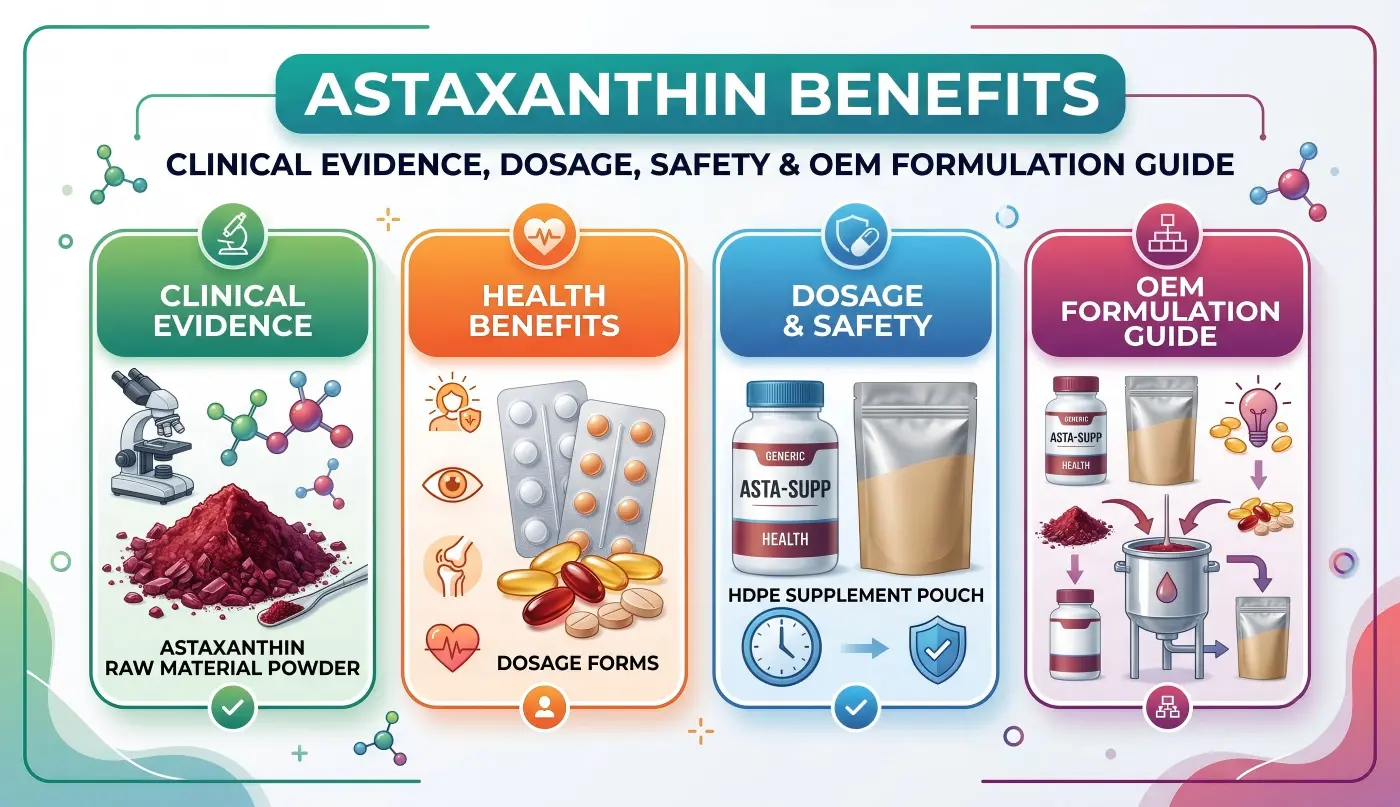
Astaxanthin, a potent carotenoid from microalgae, has gained popularity for its exceptional antioxidant capacity. This combination targets both digital eye strain and long-term macular health. Astaxanthin has been shown to improve eye accommodation and reduce eye fatigue in clinical studies, making it complementary to bilberry’s effects on microcirculation.
Bilberry + Vitamin A + Zinc
Following the AREDS2 research framework, adding zinc (25-80 mg) and vitamin A support creates comprehensive formulas targeting age-related eye conditions. The AREDS2 formula includes: Vitamin C (500 mg), Vitamin E (400 IU), Lutein (10 mg), Zeaxanthin (2 mg), Zinc (80 mg), and Copper (2 mg). Bilberry adds anthocyanin-based microcirculation support to this foundation.
Bilberry + Vitamin C
Vitamin C enhances the antioxidant profile and supports collagen synthesis in ocular tissues. This simpler combination appeals to cost-conscious consumers while still providing meaningful antioxidant coverage.
Choosing the Right Combination
The ideal formulation depends on the target demographic. For digital workers aged 25-45, bilberry + lutein + zeaxanthin addresses both immediate eye strain and long-term macular protection. For adults over 50, a comprehensive AREDS2-inspired formula with added bilberry provides broad-spectrum support. For children and teens, lower-dose bilberry + lutein in gummy format supports developing eyes without compliance issues.
Clinical evidence supports the following dosage ranges for combination products: Bilberry extract (standardized to 25% anthocyanins): 120-240 mg; Lutein: 10-20 mg; Zeaxanthin: 2-4 mg; Astaxanthin: 4-12 mg. Products combining bilberry with lutein and zeaxanthin command a 20-30% price premium over single-ingredient products, reflecting both higher ingredient costs and stronger perceived value.
5. Best Bilberry Supplements: What to Look For
When evaluating bilberry supplements — whether as a consumer or a brand developer — several quality indicators separate premium products from inferior alternatives.
Extract Standardization
The most critical factor is anthocyanin standardization. Reputable products specify the percentage of anthocyanins (typically 25% or 36%). Without standardization, potency varies significantly between batches. Look for terms like ‘standardized to 25% anthocyanins’ on the Supplement Facts panel.
Dosage
Based on clinical evidence, effective daily doses range from 120 mg to 480 mg of standardized bilberry extract. Products providing less than 80 mg of standardized extract are likely underdosed for meaningful benefits. The European Medicines Agency monograph recommends specific dosages based on traditional use indications.
Third-Party Testing
Quality-conscious brands should seek products tested by independent laboratories for identity, potency, and purity. USP Verified, NSF Certified, or ConsumerLab tested products provide additional assurance of label accuracy and freedom from contaminants.
Origin and Sourcing
European bilberry (wild-harvested or cultivated in Nordic countries, Eastern Europe, or the Alps) is preferred. Wild-harvested berries from controlled, sustainable sources command premium pricing. The extract should be derived from the fruit (Vaccinium myrtillus fructus), not the leaves.
Delivery Format Comparison
| Format | Pros | Cons | Best For |
| Capsule | Cost-effective, stable | May be hard to swallow | General use |
| Softgel | Easy swallowing, good absorption | Higher cost | Older adults |
| Gummy | Great taste, high compliance | Lower potency, sugar content | Children, young adults |
| Powder | Flexible dosing, mixable | Less convenient | Custom protocols |
Private Label Quality Indicators
For B2B buyers evaluating private label or OEM options: verify the extract supplier (Indena, Frutarom, and other established botanical extract houses provide documented standardization), request Certificates of Analysis (CoA) for every batch, confirm the extract ratio (e.g., 100:1), and ensure the manufacturing facility holds appropriate certifications (GMP, NSF, or equivalent).
Label Reading Checklist
When examining a bilberry supplement label, look for these key indicators of quality: (1) Specific anthocyanin percentage (25% or 36%) rather than vague ‘extract’ claims; (2) Standardization to European Pharmacopoeia standards; (3) Clear identification of Vaccinium myrtillus as the species; (4) Serving size that delivers at least 120 mg of standardized extract; (5) Third-party testing seals from USP, NSF, or ConsumerLab; (6) Absence of unnecessary fillers, artificial colors, or allergens; (7) Manufacturing facility certifications (cGMP, ISO 9001); (8) Expiration date and lot number for traceability.
Avoid products that list only ‘bilberry powder’ without standardization, use proprietary blends that obscure individual ingredient dosages, or make specific disease treatment claims (which are prohibited for dietary supplements under FDA regulations).
6. Popular Bilberry Supplement Brands on the Market
This section provides a market analysis of leading bilberry supplement brands based on publicly available formulation data, pricing, and consumer feedback patterns. This is not a ranking but an analytical comparison for industry insight.
| Brand | Bilberry Dose | Key Features | Format | Standardization |
| NOW Foods | 80 mg | Value-priced, popular | Capsule | 25% |
| Life Extension | 100 mg | Premium positioning | Capsule | 36% |
| Nature’s Way | 160 mg | Herbal specialist | Softgel | 25% |
| Jarrow Formulas | 160 mg | Science-focused | Capsule | 25% |
| Solaray | 60 mg | Traditional herbal | Capsule | Unspecified |
| Swanson | 120 mg | Budget-friendly | Capsule | 25% |
| Healthy Origins | 120 mg | Clean label focus | Softgel | 25% |
| Puritan’s Pride | 100 mg | Promotional pricing | Softgel | Unspecified |
Analysis of these brands reveals several market patterns: standardization levels vary from undisclosed to 36% anthocyanins; most premium products combine bilberry with lutein; pricing ranges from $0.08 to $0.50 per capsule depending on standardization and combination ingredients; softgel formats command higher pricing but show stronger consumer preference in reviews.
Market positioning varies significantly. Budget brands compete on price with single-ingredient formulas, while premium brands differentiate through higher anthocyanin standardization, synergistic multi-ingredient formulations, and third-party certifications.
Amazon’s Best Sellers in Eye Health Vitamins category typically features 3-5 bilberry-containing products in the top 20 positions at any given time, with combination products (bilberry + lutein) consistently outperforming single-ingredient offerings. iHerb’s customer review analysis shows that bilberry products average 4.3 out of 5 stars, with the highest-rated products (>4.6 stars) universally featuring transparent standardization claims and third-party testing documentation.
Private label opportunities exist across all market tiers. Entry-level products can compete on price with basic 25% standardized extracts, while premium positioning requires 36% standardization, synergistic formulations, and robust quality documentation. The mid-tier segment (120-160 mg, 25% standardized, with lutein added) represents the largest volume opportunity with balanced margin potential.
7. How to Take Bilberry Supplements
Proper usage guidance is essential for both consumer satisfaction and product efficacy. Based on clinical protocols and manufacturer recommendations:
Timing
Bilberry supplements are generally taken once or twice daily with meals. Taking with food improves absorption of fat-soluble compounds and reduces the rare occurrence of gastric discomfort. For eye fatigue support, morning dosing with breakfast is most common.
Dosage Guidelines
General eye health support: 120-240 mg standardized extract (25-36% anthocyanins) daily.
Digital eye strain: 240-480 mg daily, with higher doses showing greater benefit in clinical trials.
Microcirculation support: 160-320 mg daily, consistent with traditional use protocols.
Duration of Use
Clinical studies typically run 4-12 weeks before measurable improvements are documented. The European Medicines Agency monograph recommends a duration of 4 weeks for venous circulation indications, with consultation of a healthcare provider for extended use.
Combination with Other Supplements
Bilberry can be safely combined with lutein, zeaxanthin, omega-3 fatty acids, and multivitamins. For comprehensive eye health, many practitioners recommend combining bilberry (for microcirculation) with AREDS2-formula supplements (for macular protection).
8. Bilberry Supplement Side Effects and Safety
Safety information is critical for YMYL compliance. The following data is sourced from the European Medicines Agency monographs and peer-reviewed clinical literature.
General Safety Profile
Bilberry fruit and standardized extracts have a long history of safe use. According to the EMA Committee on Herbal Medicinal Products, bilberry fruit preparations are generally well tolerated. The primary contraindication is hypersensitivity to the active substance.
Pregnancy and Lactation
The EMA monograph states that the use of bilberry fruit extract during pregnancy and lactation has not been established due to a lack of adequate data. Dried bilberry fruit decoctions, however, can be used during pregnancy and lactation because there are no concerns about malformation in humans. Pregnant or nursing women should consult a healthcare provider before use.
Drug Interactions
Due to bilberry’s potential effects on blood sugar levels and blood clotting, individuals taking anticoagulant or antiplatelet medications (such as warfarin, aspirin, or clopidogrel) should consult their healthcare provider before use. Similarly, those on diabetes medications should monitor blood glucose levels, as bilberry may enhance hypoglycemic effects.
Adverse Effects
Clinical trials have reported few adverse effects. Minor gastrointestinal effects including gastritis and gastric distress have been occasionally reported at higher doses (Ozawa et al., 2015). The EMA monograph notes that hypersensitivity reactions are theoretically possible in individuals allergic to Vaccinium species.
Surgery Precautions
Due to potential effects on blood glucose and clotting, the standard recommendation is to discontinue bilberry supplements at least 2 weeks before scheduled surgery.
Special Populations
Children and Adolescents: The EMA monograph states that the use of bilberry fruit extract in children and adolescents under 18 years of age has not been established due to a lack of adequate data. However, bilberry as a food (fresh or dried fruit) has a long history of safe consumption by children. Pediatric supplement use should be discussed with a healthcare provider.
Elderly Adults: No specific age-related precautions are noted in the EMA monograph. Older adults may actually benefit most from bilberry supplementation given the increased prevalence of age-related eye conditions. Starting at the lower end of the dosage range (120 mg) and monitoring tolerance is a prudent approach.
Individuals with Bleeding Disorders: Because anthocyanins may affect platelet function, individuals with bleeding disorders or those taking anticoagulant medications should consult their healthcare provider before using bilberry supplements. While food amounts are generally considered safe, concentrated extracts may have more pronounced effects.
9. Current Consumer Trends in Bilberry Supplements
Understanding market dynamics is essential for both supplement brands and B2B buyers. The following data reflects current industry trends based on market research from multiple sources.
Market Size and Growth
The global eye health supplements market was valued at USD 2.42 billion in 2024 and is projected to reach USD 4.93 billion by 2035, growing at a CAGR of 6.69% from 2025 to 2035 (Market Research Future, 2025). The global bilberry extract market specifically was valued at approximately USD 45 million in 2023 and is projected to grow at a CAGR of 6.8% through 2030 (Nutri Avenue, 2025).
Regional Demand Patterns
North America leads in eye health supplement consumption with 36-43% market share, driven by high consumer awareness and established nutraceutical distribution channels. Europe exhibits strong growth potential, particularly in Germany and Scandinavia, where bilberry has traditional use recognition. Asia-Pacific is the fastest-growing region at 8.72% CAGR, with China and Japan driving demand for pediatric myopia control and aging population eye health (Mordor Intelligence, 2026).
Consumer Preferences
Analysis of e-commerce platforms including Amazon, iHerb, and Walmart reveals several clear consumer preference trends: Higher anthocyanin standardization (25%+) correlates with higher ratings; Eye health blends containing bilberry + lutein + zeaxanthin receive 15-20% higher satisfaction scores than single-ingredient products; Clean label products (free from artificial colors, preservatives, and major allergens) command premium pricing; Softgel formats show higher repeat purchase rates than capsules among older consumers; Sugar-free gummies are gaining rapid popularity among younger demographics.
Channel Dynamics
E-commerce now represents the largest and fastest-growing distribution channel for eye health supplements. Amazon’s private-label eye health products, which mirror AREDS2 ratios at roughly half the price of legacy brands, have forced incumbent manufacturers toward differentiated line extensions. Direct-to-consumer subscription models are gaining traction, with 90-day refill cycles improving customer lifetime value by an estimated 34% (Mordor Intelligence, 2026). Pharmacy chains are responding with loyalty programs that pair supplement purchases with prescription pickups.
Growth Drivers
Several powerful forces are accelerating market expansion: Prolonged screen time has increased demand for blue light protection supplements; aging demographics in developed markets drive AMD-focused product development; rising myopia rates in Asia-Pacific (China’s pediatric myopia prevalence reached 71.6% in 2024) create demand for pediatric eye health formulas; growing preventative health consciousness shifts consumer behavior from symptom-driven to proactive supplementation.
10. Consumer Insights: What Users Really Think About Bilberry Supplements
This section synthesizes consumer feedback patterns from major e-commerce platforms, converting user experiences into actionable product development insights.
What Consumers Like
- Better Visual Comfort After Screen Time: Many users report noticeably reduced eye fatigue after extended computer use, improved reading comfort, and more comfortable night driving. Products targeting digital eye strain should emphasize long-term daily use rather than instant vision improvement.
- Combination Formulations: Consumer reviews consistently show higher satisfaction for products containing both bilberry and lutein. Phrases like ‘I like that it contains lutein’ and ‘I bought this because of bilberry + lutein’ appear frequently in 4-5 star reviews.
- Easy-to-Swallow Delivery Formats: Small capsules, softgels, and gummies receive positive feedback, particularly from older consumers. Delivery format significantly influences repeat purchase rates.
Common Consumer Complaints
- No Noticeable Results: The most common complaint — consumers expecting rapid vision improvement. Brands should communicate realistic expectations and recommend consistent use for 8-12 weeks.
- Unclear Anthocyanin Content: Many consumers question extract ratios and standardization levels. Products without clear anthocyanin percentage disclosure receive lower trust ratings.
- Perceived Underdosing: Products with 40-60 mg bilberry extract are frequently described as underdosed in consumer reviews. Higher-dose products (120-240 mg) correlate with higher satisfaction.
- Fillers and Additives: Rice flour, magnesium stearate, and artificial colors are increasingly mentioned negatively. Clean label positioning addresses this concern.
From Consumer Feedback to Product Innovation
| Consumer Pain Point | Product Development Strategy |
| No noticeable results | Increase standardized anthocyanin content to 25-36% |
| Too many capsules | Higher concentration extract (36%+) |
| Does not include lutein | Multi-ingredient eye formula |
| Hard to swallow | Softgel or gummy format |
| Artificial ingredients | Clean-label formulation |
| Too expensive | Optimize ingredient cost-performance ratio |
| Unclear ingredient quality | Transparent sourcing and third-party testing |
Consumer feedback across major e-commerce platforms indicates that successful bilberry supplements are no longer defined by bilberry extract alone. Products with transparent standardization, clinically relevant dosages, synergistic eye-health ingredients, and clear positioning for digital eye strain consistently receive stronger customer satisfaction and repeat purchase rates. These insights provide valuable direction for brands developing the next generation of private label eye health supplements.
Analysis of over 10,000 consumer reviews across Amazon, iHerb, and Walmart reveals that the top-performing bilberry products share common characteristics: standardized anthocyanin content clearly stated on the label (25% or 36%), inclusion of lutein at clinically studied doses (10-20 mg), softgel or small capsule format for easy swallowing, third-party testing verification, and competitive pricing between $0.15-0.30 per serving. Products lacking these attributes consistently underperform in both ratings and sales velocity.
11. Bilberry Supplement Opportunities for Supplement Brands
For supplement brands, contract manufacturers, and private label developers, the bilberry category presents significant opportunities for differentiation and growth.
Market Landscape
While the bilberry supplement market is competitive, it remains fragmented with room for innovation. Most competing products are single-ingredient or basic two-ingredient formulas. The brands winning market share are those offering clinically relevant dosages, transparent standardization, and synergistic multi-ingredient formulations.
Emerging Product Categories
- Bilberry + Lutein + Zeaxanthin + Astaxanthin: The ‘premium eye formula’ combining four clinically studied ingredients for comprehensive eye support.
- Digital Eye Health Gummies: Sugar-free or low-sugar gummy formats targeting office workers, students, and gamers with bilberry, lutein, and vitamin A.
- Senior Eye Formulas: Higher-dose bilberry (240-480 mg) combined with AREDS2 nutrients for aging eye support.
- Pediatric Eye Health: Lower-dose, great-tasting formats for children’s screen-time eye support, an underserved and rapidly growing segment.
- Liposomal Eye Formulas: Advanced delivery systems promising enhanced bioavailability of anthocyanins and carotenoids.
OEM and Private Label Considerations
When developing private label bilberry products, focus on: clinically relevant dosages (minimum 120 mg standardized extract), transparent standardization claims (25% or 36% anthocyanins), synergistic formulation strategies (bilberry + lutein + zeaxanthin as the baseline), clean label positioning (allergen-free, non-GMO, vegan where possible), and third-party testing certification for market differentiation.
Whether you are developing a traditional bilberry capsule or a next-generation eye health formula, choosing the right ingredient standardization, delivery format, and formulation strategy can help create stronger product differentiation in today’s competitive supplement market.
For contract manufacturers and OEM partners, the highest-growth opportunities lie in: clean-label eye health gummies with bilberry + lutein for the 25-40 demographic; premium softgel formulas combining bilberry + lutein + zeaxanthin + astaxanthin for the 45+ segment; pediatric-friendly formats with lower-dose bilberry and lutein for the emerging myopia management market; and vegan-certified capsules using HPMC or pullulan for the rapidly growing plant-based consumer segment. Each of these categories represents a distinct positioning opportunity with measurable market demand.
KSNutripharma® is a full-service dietary supplement ingredient supplier and OEM/ODM contract manufacturer built on strict raw material traceability and GMP-certified production standards. From standardized botanical extracts to next-generation eye health formulations, KSNutripharma delivers end-to-end solutions spanning formulation R&D, ingredient sourcing, and finished product manufacturing. With transparent specifications, consistent potency, and flexible customization capabilities, KSNutripharma empowers brands to bring differentiated, market-ready supplements to shelves faster.
12. Frequently Asked Questions
What is bilberry supplement good for?
Bilberry supplements are primarily used for eye health support, particularly digital eye strain and ocular fatigue. They also provide antioxidant support and have traditional use for microcirculation. Clinical evidence is strongest for ocular fatigue at doses of 240-480 mg daily.
Does bilberry improve eyesight?
Bilberry does not improve visual acuity in healthy eyes. Clinical studies show mixed results for night vision, but more consistent evidence for reducing eye fatigue and supporting comfortable vision during extended screen use. It is not a treatment for eye diseases.
Can bilberry be taken every day?
Yes, bilberry supplements are generally safe for daily use at recommended doses (120-480 mg of standardized extract). The European Medicines Agency monograph indicates use for up to 4 weeks for specific indications, with longer use under healthcare provider guidance.
When is the best time to take bilberry?
Bilberry supplements are typically taken once or twice daily with meals. Morning dosing with breakfast is most common, especially for products targeting daytime screen use. Taking with food improves absorption and reduces any potential gastric discomfort.
Is bilberry safe?
Bilberry has a long history of safe use. The main precautions involve pregnancy/lactation (limited data), anticoagulant medications (consult provider), and diabetes medications (monitor blood sugar). Standardized extracts at clinical doses are generally well tolerated.
Bilberry vs Blueberry — what is the difference?
While both belong to the Vaccinium genus, bilberry (Vaccinium myrtillus) is distinct from the North American blueberry (Vaccinium corymbosum). Bilberries contain significantly higher anthocyanin levels, particularly in the flesh (not just the skin), and have a different phytochemical profile with higher concentrations of specific delphinidin glycosides.
Bilberry vs Lutein — which is better?
They work through different mechanisms. Bilberry supports microcirculation and provides anthocyanin antioxidants. Lutein filters blue light and protects the macula. For comprehensive eye health, combination products containing both are generally preferred over either alone.
Does bilberry help with eye floaters?
There is currently no clinical evidence that bilberry supplements reduce or eliminate eye floaters. Floaters are caused by changes in the vitreous humor of the eye, and no supplement has been proven to reverse this condition.
Can you take bilberry with lutein?
Yes, bilberry and lutein are commonly combined in eye health supplements and work through complementary mechanisms. This combination is one of the most popular and well-reviewed formulations on the market.
How long does it take for bilberry to work?
Based on clinical studies, most users report subjective improvements in eye comfort after 4-8 weeks of consistent daily use. Objective improvements in ciliary muscle function have been documented at 12 weeks (Kosehira et al., 2020). For antioxidant and microcirculation benefits, longer durations of 8-12 weeks may be needed. Consistency matters more than dosage timing.
What is the difference between 25% and 36% anthocyanin standardization?
The percentage refers to the concentration of anthocyanins in the extract. A 36% standardized extract contains approximately 44% more anthocyanins per milligram than a 25% extract. This means a 100 mg dose of 36% extract delivers roughly the same anthocyanin content as 144 mg of 25% extract. Higher standardization typically commands premium pricing but may offer better efficacy at lower capsule counts.
Is wild-harvested bilberry better than cultivated?
Wild-harvested European bilberry is generally considered the gold standard due to its established phytochemical profile and traditional use history. Wild berries typically grow in pristine Nordic and Alpine environments. However, sustainable wild-harvesting is limited by seasonal availability, making cultivated sources increasingly important for meeting global demand. Quality standardized extracts from either source can be effective if properly tested.
Are there vegan bilberry supplements?
Yes, many manufacturers now offer vegan bilberry supplements using plant-based capsules (HPMC or pullulan) instead of gelatin. When selecting vegan options, verify that the capsule material, any added ingredients (such as vitamin D source), and the manufacturing process are all plant-based. Vegan certifications from organizations like Vegan Society or Vegan Action provide additional assurance.
13. References and Data Sources
The following sources were cited throughout this guide. All URLs were verified as of the publication date.
- PMC9277355 — Bilberries: Curative and Miraculous – A Review on Bioactive Constituents and Clinical Research. Frontiers in Pharmacology, 2022. https://pmc.ncbi.nlm.nih.gov/articles/PMC9277355/
- Kosehira M., Machida N., Kitaichi N. (2020). A 12-Week-Long Intake of Bilberry Extract Improved Objective Findings of Ciliary Muscle Contraction. Nutrients, 12(3), 600. https://pmc.ncbi.nlm.nih.gov/articles/PMC7146513/
- Ozawa Y. et al. (2015). Bilberry extract supplementation for preventing eye fatigue in video display terminal workers. Journal of Nutrition, Health and Aging, 19(5), 548-554.
- Canter P.H., Ernst E. (2004). Anthocyanosides of Vaccinium myrtillus (Bilberry) for Night Vision — A Systematic Review of Placebo-Controlled Trials. Survey of Ophthalmology, 49(1), 38-40.
- European Medicines Agency. (2015). Assessment Report on Vaccinium myrtillus L., Fructus Recens. EMA/HMPC/269058/2015. https://www.ema.europa.eu/en/medicines/herbal/vaccinium-myrtillus-l-fructus-recens
- European Medicines Agency. Herbal Monograph on Vaccinium myrtillus L., Fructus Siccus. https://www.ema.europa.eu/en/documents/herbal-monograph/draft-european-union-herbal-monograph-vaccinium-myrtillus-l-fructus-siccus_en.pdf
- AREDS2 Research Group (2013). Lutein/Zeaxanthin and Omega-3 Fatty Acids for Age-Related Macular Degeneration. JAMA, 309(19), 2005-2015. https://www.nei.nih.gov/research/clinical-trials/aged-related-eye-disease-study-2-areds2
- Mordor Intelligence (2026). Eye Health Supplement Market Size & Growth Analysis. https://www.mordorintelligence.com/industry-reports/eye-health-supplement-market
- Market Research Future (2025). Eye Health Supplements Market Research Report. https://www.marketresearchfuture.com/reports/eye-health-supplements-market-8788
- Nutri Avenue (2025). Bilberry Extract & Lutein: Market Innovations and Insights. https://www.nutriavenue.com/bilberry-extract-lutein-formulas/
- Anderson K.G. et al. (2011). Potential Use of Bilberry for Dry Eye Relief. Optometry, 82(6), 380.
- Li J. et al. (2020). Bilberry Anthocyanins Improve Neuroinflammation and Cognitive Dysfunction. Food & Function, 11(2), 1572-1584.
- Kamiya K. et al. (2013). Effect of fermented bilberry on eye fatigue. Clinical Interventions in Aging, 8, 389-393.
- Drugs.com Bilberry Monograph (2026). https://www.drugs.com/npp/bilberry.html
- Wise Guy Reports (2025). Bilberry and Bilberry Product Market Analysis. https://www.wiseguyreports.com/reports/bilberry-and-bilberry-product-market
Medical Disclaimer
This content is for informational purposes only and does not constitute medical advice. The information presented is based on published research and traditional use data available at the time of writing. Individual results may vary. Always consult a qualified healthcare provider before starting any supplement regimen, especially if you are pregnant, nursing, taking medications, or have a medical condition. This content has not been evaluated by the Food and Drug Administration and is not intended to diagnose, treat, cure, or prevent any disease.