Quick Answers for Brand and Procurement Teams
There is no single best antioxidant supplement for every SKU. The strongest commercial formulas match one primary goal, then choose a delivery system that can actually raise functional antioxidant status—not the highest ORAC number on a sell sheet.
Procurement rule: pick one hero job, one delivery rationale, and one claim lane before you expand the formula.
Introduction
Oxidative stress is no longer viewed as a niche scientific concept limited to aging research or sports nutrition. It is now recognized as a central mechanism involved in mitochondrial dysfunction, chronic inflammation, metabolic imbalance, environmental toxicity, and accelerated cellular aging. As a result, antioxidant supplements have become one of the fastest-growing segments in the global nutraceutical industry.
However, despite thousands of antioxidant products on the market, most formulations remain biologically inefficient. Many products rely heavily on high-ORAC marketing claims while ignoring bioavailability, tissue targeting, endogenous antioxidant regeneration, and delivery technology. From a formulation perspective, the most effective antioxidant supplement is rarely a single molecule. Instead, clinically relevant antioxidant support depends on synergistic redox networks, optimized absorption systems, and measurable biological outcomes.
For B2B supplement brands, procurement teams, and formulation developers, the key competitive advantage is no longer ingredient access alone. The real differentiator lies in transforming antioxidant compounds into stable, bioavailable, and functionally validated delivery systems capable of producing measurable plasma antioxidant activity and tissue-specific effects.
This guide examines the science, formulation principles, manufacturing considerations, and regulatory implications behind modern antioxidant supplementation.
I. Why the Best Antioxidant Is a Formulation Question
The antioxidant supplement category contains more than 2,000 commercial SKUs worldwide, yet only a small percentage are designed around validated oxidative stress biomarkers or clinically meaningful absorption strategies. Many formulations combine trendy ingredients without considering whether those compounds reach target tissues, survive digestion, or interact synergistically within endogenous redox systems.
The effectiveness of an antioxidant supplement depends on four major variables:
- Oxidative stress target and biomarker relevance
- Bioavailability and delivery efficiency
- Tissue penetration and mitochondrial localization
- Antioxidant recycling and endogenous defense support
This explains why two products containing the same ingredient may produce dramatically different biological outcomes. Liposomal glutathione, for example, demonstrates significantly higher plasma retention compared with standard reduced glutathione powders. (Sinha et al., Eur J Clin Nutr, 2018) Similarly, ubiquinol exhibits superior bioavailability in older adults compared with ubiquinone. (NIH ODS — Coenzyme Q10)
For OEM manufacturers and private label brands, the strategic focus should therefore shift away from highest antioxidant number marketing toward formulation systems capable of improving functional antioxidant status in vivo.
II. The Antioxidant Paradox: Why More Is Not Always Better
Reactive Oxygen Species Are Not Purely Harmful
Reactive oxygen species (ROS) are often described as damaging metabolic byproducts, but modern redox biology shows that ROS also function as essential signaling molecules. Physiological ROS levels regulate immune surveillance, mitochondrial biogenesis, cellular adaptation to exercise, and intracellular communication pathways.
Completely suppressing ROS is neither biologically realistic nor desirable.
This concept, commonly referred to as the antioxidant paradox, explains why excessive antioxidant intake may impair beneficial adaptive processes. High-dose antioxidant supplementation immediately surrounding exercise, for example, may blunt mitochondrial adaptation and reduce training-induced improvements in endurance capacity. (Ristow et al., PNAS, 2009)
Failed Clinical Trials Changed the Industry
Several major randomized controlled trials significantly reshaped antioxidant research:
- The SELECT trial failed to demonstrate prostate cancer prevention benefits from vitamin E supplementation. (JAMA SELECT)
- The CARET study reported increased lung cancer incidence among smokers receiving high-dose beta-carotene. (NEJM CARET)
- The HOPE trial showed limited cardiovascular benefit from isolated high-dose vitamin E supplementation. (NEJM HOPE)
These studies revealed a critical limitation of simplistic antioxidant strategies: indiscriminate ROS suppression can disrupt normal redox signaling and cellular homeostasis. Additional context: NCI — Antioxidants and Cancer Prevention.
Modern Antioxidant Strategy: Redox Modulation
The antioxidant industry has gradually shifted from a free radical scavenging model toward a more advanced redox modulation framework.
Today’s clinically informed formulations increasingly focus on:
- Supporting endogenous antioxidant enzyme systems
- Activating NRF2 signaling pathways
- Maintaining glutathione recycling capacity
- Enhancing mitochondrial resilience
- Balancing oxidative signaling instead of eliminating ROS entirely
For B2B brands, this transition also changes positioning strategy. Products emphasizing balanced oxidative stress support and cellular resilience are more scientifically aligned and more compliant than exaggerated super antioxidant claims.
III. Endogenous Antioxidant Defense Systems
The Body’s Native Redox Network
Human antioxidant defense begins with endogenous systems rather than dietary supplements alone. These interconnected pathways regulate intracellular oxidative balance continuously.
Key systems include:
- Glutathione (GSH/GSSG redox cycle)
- Superoxide dismutase (SOD)
- Catalase
- Glutathione peroxidase (GPx)
- Thioredoxin systems
- Peroxiredoxin systems
Among these, glutathione remains the dominant intracellular antioxidant reserve. Reduced glutathione neutralizes reactive intermediates while also regenerating vitamin C and vitamin E.
SOD enzymes convert superoxide radicals into hydrogen peroxide, which catalase and GPx subsequently detoxify.
NRF2: The Master Regulator
One of the most important discoveries in antioxidant biology is the NRF2 signaling pathway.
NRF2 regulates the expression of hundreds of cytoprotective genes involved in:
- Oxidative stress defense
- Detoxification
- Inflammation regulation
- Mitochondrial protection
- Cellular repair systems
This distinction is important for formulation strategy:
Direct Scavengers
- Vitamin C
- Vitamin E
- Glutathione
These compounds neutralize ROS directly.
NRF2 Activators
- Sulforaphane
- Curcumin
- EGCG
- Resveratrol
- Quercetin
These compounds stimulate endogenous antioxidant defenses indirectly.
Long-term oxidative resilience depends more heavily on endogenous enzyme activation than on temporary radical neutralization alone.
OEM Formulation Implications
Modern antioxidant formulations increasingly combine:
- Immediate scavengers
- NRF2 activators
- Glutathione precursors
- Mitochondrial support compounds
This systems-based approach better addresses both acute oxidative stress and chronic redox dysregulation. Related OEM platforms: Antioxidant Supplements | Liposomal Glutathione.
IV. Antioxidant Synergy and Recycling Cycles
Antioxidants do not operate independently. They function within interconnected regeneration networks where one antioxidant restores another after oxidation.
| Antioxidants | Regenerates | Functional Location |
|---|---|---|
| Vitamin C | Vitamin E | Membrane-cytosol interface |
| Glutathione | Vitamin C | Cytosol |
| Alpha-lipoic acid | Vitamin C + Glutathione | Cytosol and mitochondria |
| CoQ10 (ubiquinol) | Vitamin E | Mitochondrial membrane |
| NADPH | Glutathione + Thioredoxin | Throughout cell |
This recycling network explains why isolated antioxidant megadoses are often biologically inefficient.
Vitamin E alone, for example, may become pro-oxidative after donating electrons unless vitamin C or CoQ10 regenerates it. (NIH ODS — Vitamin E; NIH ODS — Vitamin C)
As a result, professional formulations increasingly favor synergistic antioxidant stacks instead of high-dose single ingredients.
V. Evidence-Based Antioxidant Hierarchy
Tier 1: High-Performance Direct Antioxidants
Liposomal Glutathione
Glutathione remains the master intracellular antioxidant due to its central role in redox balance and detoxification.
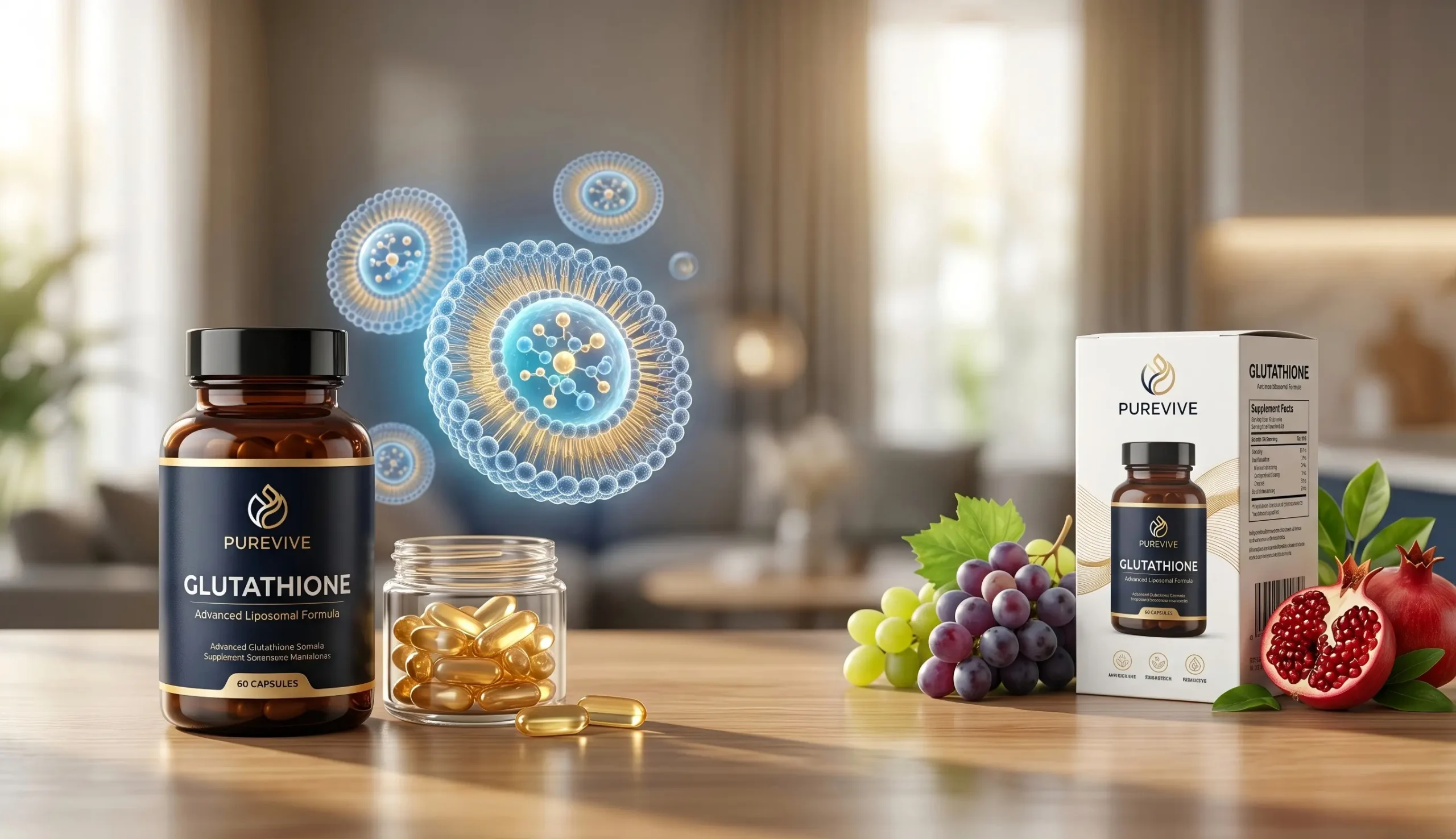
Standard oral glutathione has historically suffered from poor absorption, but liposomal encapsulation substantially improves plasma retention and tissue delivery. (PubMed: liposomal glutathione study)
Preferred OEM formats include:
- Liposomal liquids
- Liposomal softgels
- Nanoencapsulated systems
Liposomal Glutathione vs. Basic Glutathione
Explore formats: Liposomal Glutathione Supplements.
Melatonin
Although widely known as a sleep hormone, melatonin also demonstrates potent mitochondrial antioxidant activity.
Unlike many antioxidants, melatonin crosses mitochondrial membranes efficiently and directly neutralizes hydroxyl radicals.
From a regulatory perspective, investigational antioxidant dosing should not be marketed as standard daily sleep support.
Vitamin C
Vitamin C remains one of the most clinically validated water-soluble antioxidants. (NIH ODS — Vitamin C)
Functions include:
- Radical scavenging
- Collagen synthesis
- Immune support
- Vitamin E regeneration
Enhanced delivery systems such as liposomal vitamin C and buffered mineral ascorbates improve gastrointestinal tolerance and plasma exposure.
Tier 2: Lipid-Soluble and Mitochondrial Antioxidants
CoQ10 (Ubiquinol)
CoQ10 functions both as an electron transport cofactor and a lipid-soluble antioxidant.
Ubiquinol, the reduced form, demonstrates superior absorption particularly in aging populations. (NIH ODS — Coenzyme Q10)
Applications include:
- Healthy aging
- Cardiovascular support
- Mitochondrial energy production
- Exercise recovery
Ubiquinol vs. Ubiquinone (CoQ10)
Astaxanthin
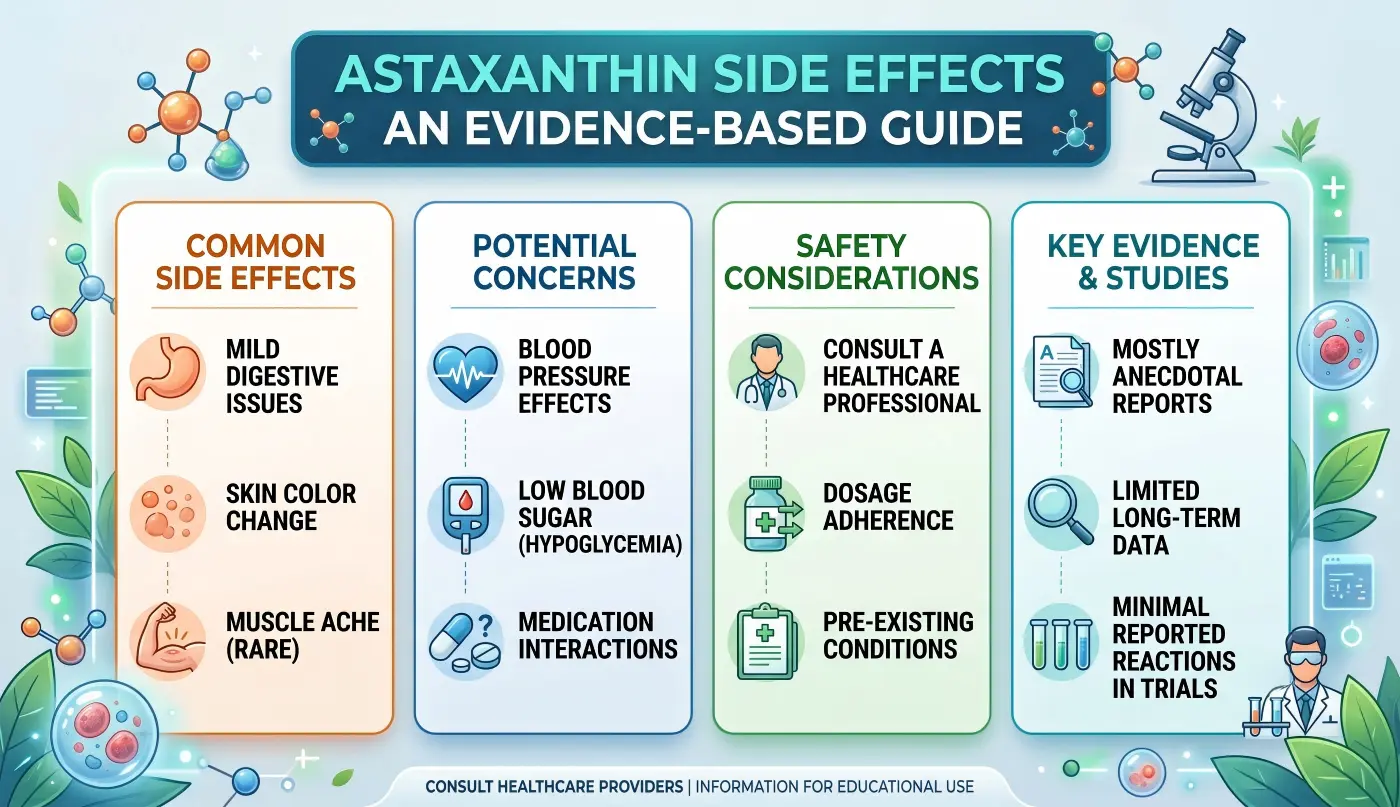
Astaxanthin possesses unique membrane-spanning antioxidant behavior that allows protection across both lipid and aqueous membrane regions. (Nutrients review; Pharmacol Res review)
Commercial applications include:
- Skin photoprotection
- Eye Health
- Sports recovery
- Healthy aging
Related: Astaxanthin Supplements | Beauty Supplements
Vitamin E
Natural mixed tocopherols and tocotrienols generally provide superior antioxidant diversity compared with isolated synthetic alpha-tocopherol.
High-dose synthetic vitamin E supplementation may increase bleeding risk in susceptible populations. (NIH ODS — Vitamin E)
Tier 3: Polyphenol NRF2 Activators
EGCG
EGCG from green tea demonstrates antioxidant, metabolic, and vascular support effects.
However, concentrated extracts require dosage caution due to potential hepatotoxicity at excessive intake levels.
Curcumin
Curcumin possesses poor native absorption due to low water solubility and rapid metabolism.
Clinically relevant formulations therefore require:
- Phytosome complexes
- Liposomal systems
- Nanoemulsions
- Piperine enhancement
Resveratrol
Resveratrol activates SIRT1 signaling and supports endothelial health, but rapid glucuronidation limits systemic exposure.
Quercetin
Quercetin functions as both an antioxidant and anti-inflammatory flavonoid.
It is frequently paired with:
- Vitamin C
- Bromelain
- Zinc
Tier 4: Emerging and Specialized Antioxidants
Alpha-Lipoic Acid (ALA)
ALA is unique because it functions in both aqueous and lipid environments.
Applications include:
- Glucose metabolism support
- Peripheral nerve health
- Mitochondrial antioxidant support
Oligonol
Low-molecular-weight polyphenol systems such as Oligonol exhibit significantly improved bioavailability compared with conventional polyphenol extracts.
Liquid delivery systems may further enhance absorption kinetics.
VI. Why ORAC Does Not Predict Clinical Performance
ORAC values measure antioxidant behavior in vitro under laboratory conditions. However, ORAC alone does not predict:
- Gastrointestinal absorption
- Plasma exposure
- Tissue penetration
- Blood-brain barrier transport
- Mitochondrial localization
- Metabolite activity
This limitation became so significant that the USDA withdrew its ORAC database due to misuse in consumer marketing. (Context: J Acad Nutr Diet summary of ORAC withdrawal; NCCIH antioxidant overview)
Many high-ORAC polyphenols exhibit poor oral bioavailability:
| Compound | Estimated Oral Absorption | Major Limitations |
|---|---|---|
| Curcumin | <1% | Poor solubility |
| Resveratrol | <5% | Rapid metabolism |
| Quercetin | ~5% | Low plasma stability |
| EGCG | ~5-10% | Hepatic metabolism |
As a result, delivery technology frequently determines biological effectiveness more than raw antioxidant score alone.
ORAC Score vs. Real Procurement KPIs
VII. Delivery Technologies That Improve Antioxidant Performance
Liposomal Systems
Liposomal encapsulation surrounds active ingredients with phospholipid bilayers that protect compounds during digestion and enhance cellular uptake.
Best suited for:
- Glutathione
- Vitamin C
- Curcumin
Related: Liposomal Glutathione | Manufacturing Capacity |Liposumal Supplements
Phytosome Technology
Phytosome systems chemically bind botanical compounds to phospholipids, significantly improving absorption.
Examples include:
- Curcumin Phytosome
- Silybin phytosome
Nanoemulsions and Micellar Systems
Nano-sized emulsions improve the solubility and dispersion of lipophilic antioxidants, including:
- CoQ10
- Astaxanthin
- Vitamin E
Sustained-Release Delivery
Controlled-release systems maintain plasma antioxidant levels for extended periods.
Common applications include:
- Vitamin C
- Melatonin
- Polyphenol delivery
Microencapsulation
Microencapsulation technologies protect unstable antioxidants from:
- Heat
- Oxygen
- Moisture
- Light degradation
This is particularly important for:
- Polyphenols
- Carotenoids
- Oil-sensitive compounds
OEM Market Implications
Modern supplement buyers increasingly evaluate:
- Delivery technology
- Stability validation
- Bioavailability data
- Particle size distribution
- Shelf-life performance
Technology-enhanced formulations typically command higher wholesale value and stronger brand differentiation. See Antioxidant Supplements.
VIII. Tissue-Specific Antioxidant Targeting
Different antioxidants preferentially accumulate in different tissues.
| Target Area | Preferred Antioxidants | Delivery Strategy |
|---|---|---|
| Brain / CNS | Melatonin, DHA, Astaxanthin | Lipid-soluble or liposomal |
| Mitochondria | CoQ10, PQQ, ALA | Lipophilic small molecules |
| Skin | Astaxanthin, Vitamin C | Softgels + liposomal systems |
| Liver | NAC, Glutathione, Silymarin | Enteric or liposomal |
| Eye | Lutein, Zeaxanthin | Oil-based delivery |
| Vascular System | Resveratrol, Quercetin | Sustained-release systems |
| Athletic Recovery | Oligonol, Astaxanthin | RTD liquid systems |
Professional formulations increasingly use tissue-targeted antioxidant strategies rather than generic antioxidant blends. Beauty and skin SKUs can align with Astaxanthin and Beauty Supplements.
IX. Measuring Antioxidant Effectiveness Beyond ORAC
Modern clinical validation depends on measurable biomarkers rather than theoretical antioxidant scores.
| Biomarker | Clinical Meaning |
|---|---|
| F2-isoprostanes | Lipid peroxidation |
| MDA | Oxidative membrane damage |
| 8-OHdG | DNA oxidation |
| OxLDL | Oxidized LDL burden |
| TAC | Total antioxidant status |
| GSH: GSSG ratio | Intracellular redox reserve |
Bioavailability metrics such as AUC and Cmax provide useful pharmacokinetic insight, but tissue-level functional outcomes remain equally important.
Examples include:
- MPOD for eye health
- VO2max recovery markers for athletes
- Endothelial function markers
- Mitochondrial energy biomarkers
X. Population-Specific Antioxidant Strategies
| Population | Oxidative Stress Driver | Suggested Strategy |
|---|---|---|
| Aging adults | Mitochondrial decline | Ubiquinol + glutathione |
| Smokers | Inhaled oxidants | NAC + vitamin C |
| Athletes | Exercise-induced ROS | Astaxanthin + Oligonol |
| Metabolic syndrome | Glycoxidation | R-ALA + chromium |
| Pollution exposure | PM2.5 oxidative burden | Sulforaphane + vitamin C |
| Shift workers | Circadian disruption | Melatonin + glutathione |
| Chronic inflammation | Cytokine-driven ROS | Curcumin + quercetin |
Note for brands: smoker-related antioxidant history is claim-sensitive. High-dose beta-carotene increased lung cancer incidence in smokers in CARET (NEJM). Do not recycle outdated high-dose carotene antioxidant positioning for this population.
XI. Formulation Conflicts and Safety Considerations
Exercise Timing
High-dose antioxidant intake immediately surrounding exercise may blunt adaptive mitochondrial signaling. (PNAS)
Professional sports formulations often separate antioxidant dosing from workout windows.
Drug-Nutrient Interactions
| Compound | Interaction Concern |
|---|---|
| Vitamin E | Anticoagulants |
| NAC | Nitroglycerin |
| EGCG | Hepatotoxic medications |
| Curcumin | Antiplatelet drugs |
Also note: CoQ10/ubiquinol may affect warfarin response (NIH ODS CoQ10). R-ALA can increase insulin sensitivity; monitor in formulas positioned near glucose-support claims.
Mineral Competition
High zinc intake may reduce copper absorption. Balanced formulations typically maintain approximately a 10:1 zinc-to-copper ratio.
XII. Regulatory and Compliance Considerations
FDA Structure/Function Claims
Permissible:
- Supports antioxidant defenses
- Helps protect cells from oxidative stress
Prohibited:
- Treats cancer
- Prevents cardiovascular disease
- Reverses aging
Reference: FDA — Structure/Function Claims & Dietary Supplements
EFSA Challenges
The European regulatory environment remains stricter regarding botanical antioxidant claims.
Many polyphenol-related health claims remain under review or lack authorization.
Novel Food and Delivery Technologies
Advanced delivery systems, such as liposomal formulations, may require additional regulatory evaluation depending on jurisdiction.
OEM manufacturers should verify:
- GRAS compliance
- Novel food status
- Excipient legality
- Regional dosage limitations
Production feasibility: Manufacturing Capacity.
XIII. Manufacturing Audit Checklist for OEM Procurement
Professional antioxidant manufacturing requires extensive validation systems.
Purity and Identity Testing
- HPLC assay verification
- Residual solvent analysis
- Heavy metal testing
- Microbiological screening
Stability Validation
- Accelerated aging studies
- ORAC retention over shelf life
- Peroxide value testing
- TOTOX analysis
Delivery System Verification
- Liposome particle sizing
- Encapsulation efficiency
- Dissolution profile testing
- Nanoemulsion stability
Third-Party Certifications
- GMP
- ISO 22000
- NSF
- USP
- Informed Sport
These systems increasingly influence OEM supplier selection. Align commercial discussions with Antioxidant Supplements and Manufacturing Capacity.
XIV. Frequently Asked Questions
Q: What is the best antioxidant supplement to private-label first?
A: For most new brands, start with one hero system—not a 10-ingredient blend. The most practical first launches are: vitamin C for accessible foundational support; ubiquinol for healthy-aging / mitochondrial positioning; astaxanthin for beauty and recovery; or liposomal glutathione when you need a premium cellular-antioxidant differentiator. Choose the SKU that matches your channel story and can support clear dosing plus a defensible delivery rationale.
Q: When is liposomal or advanced delivery worth the OEM premium?
A: Pay for advanced delivery when the hero ingredient is poorly absorbed or unstable in basic form—especially glutathione and many polyphenols such as curcumin. For already well-absorbed actives at modest doses, a transparent basic form may be enough. The premium is justified when it improves bioavailability rationale, stability, and brand differentiation enough to support a higher wholesale price—not when it only improves the sell-sheet language.
Q: Can antioxidant supplements slow aging?
A: Current evidence supports oxidative stress reduction and cellular protection biomarkers, but anti-aging remains a regulatory-sensitive claim.
Q: Is glutathione better than vitamin C?
A: They function differently and recycle each other within antioxidant networks. Synergy is generally more effective than isolated use.
Q: Are liposomal antioxidants worth the higher cost?
A: For poorly absorbed compounds such as glutathione and curcumin, liposomal delivery may substantially improve bioavailability. See liposomal glutathione formats.
Q: Can excessive antioxidants be harmful?
A: Yes. Excessive ROS suppression may interfere with mitochondrial signaling, immune function, and exercise adaptation.
Q: Which antioxidants cross the blood-brain barrier?
A: Melatonin, DHA, astaxanthin, and certain lipophilic compounds demonstrate CNS penetration.
Q: Are natural antioxidants superior to synthetic forms?
A: Natural complexes may provide broader phytonutrient diversity, but synthetic antioxidants can still be clinically useful when properly formulated.
XV. Conclusion: The Best Antioxidant Supplement Is a System, Not a Single Ingredient
No single antioxidant controls every oxidative stress pathway. Effective antioxidant supplementation depends on coordinated redox systems involving direct scavengers, endogenous defense activation, mitochondrial support, and regenerative antioxidant cycling.
The future of antioxidant formulation is moving away from simplistic ORAC-based marketing toward clinically measurable redox modulation and tissue-targeted delivery systems.
For OEM manufacturers and B2B supplement brands, competitive differentiation increasingly depends on:
- Delivery technology
- Stability engineering
- Bioavailability validation
- Regulatory compliance
- Tissue-specific formulation design
- Biomarker-supported efficacy
Brands capable of combining scientifically validated ingredients with advanced delivery systems and transparent manufacturing standards will be better positioned in the next generation of antioxidant supplementation markets.
XVI. B2B Expansion: How Procurement Teams Should Brief an Antioxidant OEM
This section expands the original guide for B2B search intent: how brands convert antioxidant science into a manufacturable RFQ.
What a strong antioxidant RFQ should include
- Primary job of the SKU (one job only): cellular defense, mitochondrial energy, skin/eye, sports recovery, or daily foundational antioxidant support
- Hero active + backup actives (avoid 12-ingredient kitchen-sink formulas)
- Delivery requirement: standard capsule, softgel, liposomal liquid/softgel, phytosome, nanoemulsion, or sustained-release
- Target dose range tied to researched use ranges, not mystery proprietary blends
- Claim lane by market: US structure/function vs EU claim constraints
- Format constraints: capsule count, serving size, flavor, allergen, vegan, sports-tested
- Documentation pack: COA, assay method, heavy metals, micro, residual solvents, stability protocol
- Commercial constraints: MOQ, lead time, exclusivity, private-label packaging scope
Recommended first-launch architecture (practical)
| Brand goal | Hero system | Format bias | Internal reference |
|---|---|---|---|
| Premium cellular defense | Liposomal glutathione +/- vitamin C | Liposomal liquid or softgel | Liposomal Glutathione |
| Healthy aging / energy | Ubiquinol +/- vitamin C or E | Softgel with fat-soluble system | Antioxidant Supplements |
| Beauty / outdoor / recovery | Astaxanthin +/- vitamin C | Softgel / oil system | Astaxanthin / Beauty |
| Budget glutathione support | NAC +/- vitamin C | Capsule | Antioxidant Supplements |
| Metabolic support lane | R-ALA (claim-careful) | Capsule, empty-stomach directions | Claim review required |
Cost drivers buyers often underestimate
- Liposomal / phytosome / nanoemulsion process cost
- Oil oxidation control for carotenoids and CoQ10 systems
- Assay + stability program cost (not only raw material price)
- Claim-safe label versioning by market (US vs EU)
- Softgel vs capsule tooling and fill-weight limits
XVII. B2B Expansion: Supplier Scorecard for Antioxidant Manufacturing Partners
Use this scorecard when comparing OEM/ODM partners for antioxidant SKUs.
| Score dimension | What good looks like | Why it matters |
|---|---|---|
| Ingredient identity | HPLC/assay method disclosed | Prevents under-dosed or wrong-form actives |
| Delivery credibility | Particle size, encapsulation efficiency, dissolution data when claimed | Separates real delivery tech from label stories |
| Stability | Accelerated + real-time plans; peroxide/TOTOX for oils | Antioxidants fail on shelf more often than on paper |
| Claim support pack | Structure/function language + restricted claim list | Reduces regulatory rework after artwork is locked |
| Format capability | Softgel, liposomal, powder, RTD options | Matches tissue-target strategy to manufacturable formats |
| Certifications | GMP and market-needed marks (NSF/USP/Informed Sport) | Retail and sports channel gatekeeping |
| Documentation speed | COA + method + allergen pack on request | Procurement cycle time |
| Scale path | Pilot to commercial continuity | Avoids reformulation after launch success |
Factory/capability discussion: Manufacturing Capacity | RFQ: Contact
XVIII. B2B Expansion: Claim Language Bank (US Structure/Function Oriented)
Keep consumer-facing claims inside compliant lanes. Educational science on this page is not a license for disease claims. (FDA structure/function guidance)
Generally more defensible directions
- Supports antioxidant defenses
- Helps protect cells from oxidative stress
- Supports the body’s natural antioxidant systems
- Supports cellular energy production (CoQ10 contexts)
- Supports skin resilience against environmental stressors (astaxanthin contexts, with substantiation)
High-risk / avoid as primary claims
- Treats or prevents cancer
- Prevents cardiovascular disease
- Reverses aging / anti-aging cure framing
- Detoxifies heavy metals as a disease treatment claim
- Any implied cure, treat, or prevent disease language
Formulation note for marketing teams
If the science section discusses SELECT, CARET, HOPE, NRF2, or biomarkers, marketing should translate that into support / resilience / oxidative stress balance language—not disease-outcome promises.
XIX. B2B Expansion: Decision Matrix — When Delivery Tech Is Worth the Premium
| Ingredients situation | Basic form may be enough | Premium delivery usually worth it |
|---|---|---|
| Well-absorbed, water-soluble actives at modest doses | Often yes | Only for GI comfort or differentiation |
| Glutathione as a hero SKU | Rarely | Liposomal / advanced encapsulation preferred |
| Curcumin / poorly soluble polyphenols | Rarely | Phytosome, liposomal, nanoemulsion, or proven enhancer systems |
| CoQ10 for 40+ positioning | Ubiquinone possible | Ubiquinol or solubility-enhanced systems often preferred |
| Astaxanthin/carotenoids | Oil softgel baseline | Particle/oil-system quality still critical |
| Multi-antioxidant blends | Only if each active is dosed meaningfully | Prefer 2-4 actives with one delivery rationale |
This matrix is the B2B answer to the commercial question behind best antioxidant supplements: the winning SKU is usually a delivery-and-system decision, not an ORAC contest.
FDA Disclaimer
These statements have not been evaluated by the Food and Drug Administration. This guide is not intended to diagnose, treat, cure, or prevent any disease. Content is for B2B formulation and procurement education only and is not personalized medical advice. Finished-product claims must comply with applicable regional regulations. (FDA structure/function claims)
References & Authoritative Sources
- NCCIH — Antioxidant Supplements: What You Need to Know
- NCI — Antioxidants and Cancer Prevention
- Harvard T.H. Chan School of Public Health — Antioxidants
- FDA — Structure/Function Claims & Dietary Supplements
- NIH ODS — Vitamin C Fact Sheet
- NIH ODS — Vitamin E Fact Sheet
- NIH ODS — Coenzyme Q10 Fact Sheet
- Klein et al., SELECT vitamin E — JAMA
- Omenn et al., CARET — NEJM
- Yusuf et al., HOPE — NEJM
- Sinha et al., Liposomal glutathione — PubMed
- Davinelli et al., Astaxanthin skin health — Nutrients
- Donoso et al., Astaxanthin clinical review — Pharmacol Res
- Ristow et al., Antioxidants and exercise — PNAS
- ORAC database withdrawal context — J Acad Nutr Diet