Evidence-Based Comparison of the Most Effective Oral Ingredients for Hyperpigmentation, Skin Tone, and Radiance
1. Quick Answer
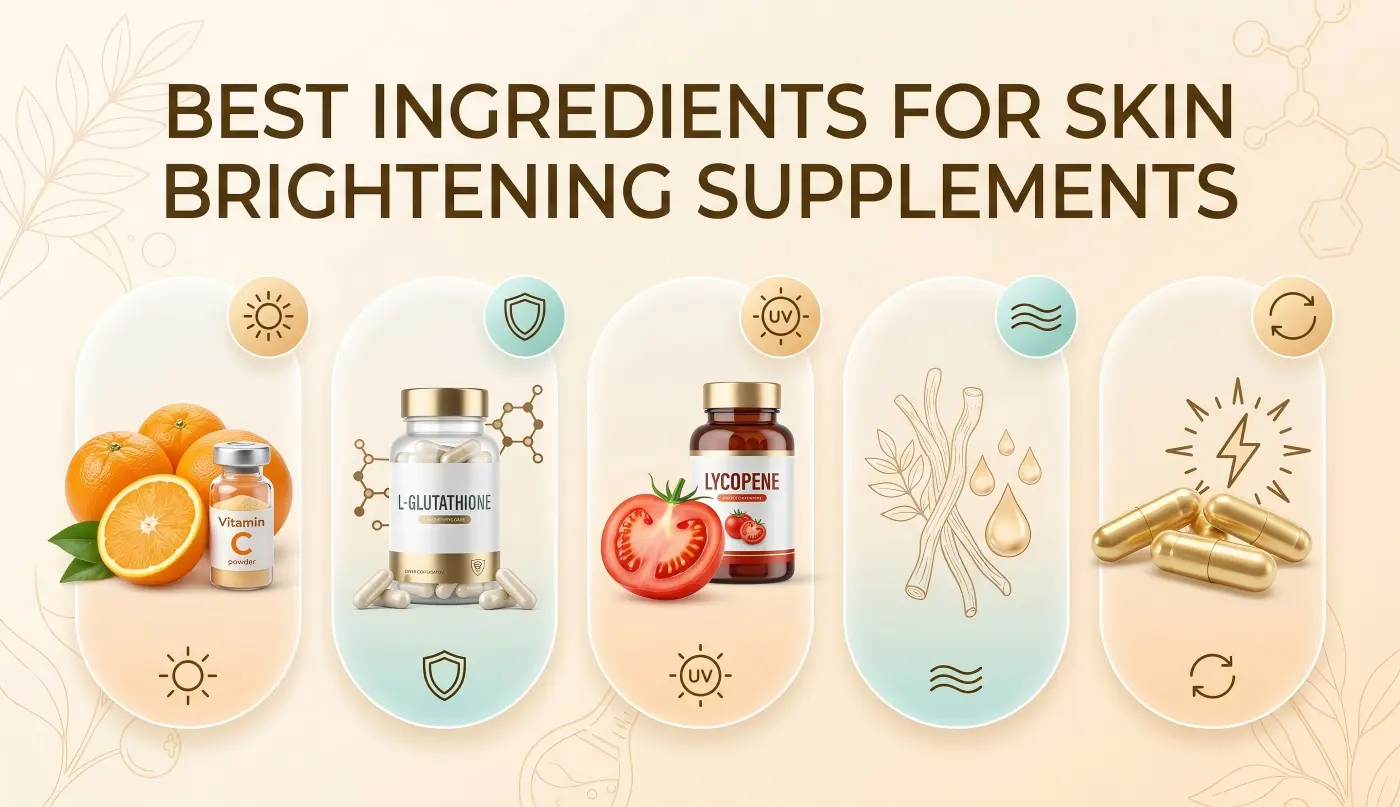
There is no single “best” skin brightening ingredient. The most effective supplement depends on pigmentation type, oxidative stress levels, inflammation, UV exposure history, nutritional status, and formulation synergy. Current clinical evidence most strongly supports ingredients such as glutathione, vitamin C, astaxanthin, glabridin, pine bark extract (Pycnogenol), Polypodium leucotomos, grape seed extract, ceramides, tomato extract (lycopene), and marine collagen peptides.
At-a-Glance Comparison
| Ingredients | Evidence Level | Primary Benefit | Best For | Typical Dose |
| Glutathione | High (RCTs) | Melanin reduction, antioxidant | Overall skin tone, melasma | 250-500 mg/day |
| Vitamin C | High (RCTs) | Collagen synthesis, antioxidant | Collagen support + brightening | 500-1,000 mg/day |
| Astaxanthin | High (RCTs) | UV photoprotection, anti-aging | Photoaging, sun damage | 4-12 mg/day |
| Glabridin | Moderate | Tyrosinase inhibition | Pigmentation, dark spots | 10-50 mg/day (std. extract) |
| Pine Bark Extract | Moderate (RCTs) | Melasma, microcirculation | Melasma, UV spots | 75-150 mg/day |
| Polypodium leucotomos | Moderate (RCTs) | Photoprotection | Melasma, sun sensitivity | 240-480 mg/day |
| Grape Seed Extract | Moderate | OPC antioxidant, microcirculation | Oxidative stress, aging | 150-300 mg/day |
| Tomato Extract (Lycopene) | Moderate (Meta) | UV defense, anti-inflammatory | UV damage, erythema | 15-30 mg/day |
| Ceramides | Moderate (RCT) | Barrier repair, hydration | Dry skin, barrier dysfunction | 40 mg/day |
| Marine Collagen | Moderate (RCT) | Elasticity, dermal density | Skin aging, wrinkles | 5-10 g/day |
| Niacinamide | Limited (oral) | Anti-inflammatory, barrier | Sensitive skin, acne marks | 500 mg/day |
| NAC | Limited (indirect) | Glutathione precursor | Antioxidant support | 600-1,200 mg/day |
| Alpha Lipoic Acid | Moderate (topical) | Antioxidant recycling | Photoaging (topical > oral) | 300-600 mg/day |
| Coenzyme Q10 | Moderate (topical) | Cellular energy, antioxidant | Anti-aging | 100-200 mg/day |
| Lutein/Zeaxanthin | Moderate (RCT) | Blue light filter, photoprotection | Digital aging, UV defense | 10 mg L / 2 mg Z/day |
2. Clinical Evidence Snapshot
This snapshot provides a rapid visual assessment of each ingredient across four dimensions that matter most to consumers, formulators, and procurement officers.
| Ingredients | Clinical Evidence | Mechanism Strength | OEM Demand | Overall Recommendation |
| Glutathione | 5/5 | 5/5 | 5/5 | 5/5 |
| Vitamin C | 5/5 | 4/5 | 5/5 | 5/5 |
| Astaxanthin | 5/5 | 4/5 | 5/5 | 5/5 |
| Pine Bark (Pycnogenol) | 4/5 | 4/5 | 3/5 | 4/5 |
| Polypodium leucotomos | 4/5 | 4/5 | 3/5 | 4/5 |
| Lutein/Zeaxanthin | 4/5 | 4/5 | 3/5 | 4/5 |
| Glabridin | 3/5 | 5/5 | 5/5 | 4/5 |
| Ceramides | 3/5 | 4/5 | 4/5 | 4/5 |
| Marine Collagen | 3/5 | 3/5 | 5/5 | 4/5 |
| Grape Seed Extract | 3/5 | 4/5 | 3/5 | 4/5 |
| Tomato Extract | 3/5 | 4/5 | 3/5 | 4/5 |
| Niacinamide | 2/5 | 4/5 | 3/5 | 3/5 |
| NAC | 2/5 | 3/5 | 3/5 | 3/5 |
| CoQ10 | 2/5 | 3/5 | 3/5 | 3/5 |
| Alpha Lipoic Acid | 2/5 | 3/5 | 2/5 | 3/5 |
Scoring methodology: Clinical Evidence (number and quality of human RCTs); Mechanism Strength (validated molecular targets and pathways); OEM Demand (frequency of inclusion in new supplement launches); Overall Recommendation (weighted composite of all dimensions plus safety profile).
3. How Do Skin Brightening Supplements Work?
Skin brightening supplements operate through five validated biological mechanisms. Understanding these pathways is essential for both consumers selecting products and brands formulating competitive offerings.
Reducing Melanin Production
Melanin synthesis is regulated by the enzyme tyrosinase, which converts L-tyrosine to L-DOPA and subsequently to melanin. Key transcription factors include microphthalmia-associated transcription factor (MITF), which upregulates tyrosinase (TYR), tyrosinase-related protein-1 (TRP-1), and dopachrome tautomerase (DCT). Ingredients such as glabridin and glutathione inhibit tyrosinase activity or interfere with MITF signaling, reducing eumelanin and shifting melanin balance toward lighter pheomelanin.
Reducing Oxidative Stress
Reactive oxygen species (ROS) generated by UV radiation, pollution, and metabolic processes trigger melanogenesis as a protective response. Antioxidants including vitamin C, astaxanthin, and grape seed proanthocyanidins neutralize ROS, preventing the oxidative activation of melanocyte-stimulating hormone (alpha-MSH) pathways and reducing post-inflammatory hyperpigmentation.
Reducing Inflammation
Chronic low-grade inflammation upregulates pro-inflammatory cytokines (IL-1alpha, IL-6, TNF-alpha) that stimulate melanocyte activity. Ingredients with NF-kB and MAPK pathway inhibition — such as glabridin, pine bark extract, and NAC — attenuate cytokine-driven pigmentation, particularly in post-inflammatory hyperpigmentation (PIH) and melasma.
Supporting Skin Barrier Function
A compromised stratum corneum increases transepidermal water loss (TEWL) and permits irritant penetration, triggering compensatory melanogenesis. Oral ceramides and niacinamide strengthen lipid bilayer architecture, reduce TEWL, and maintain acidic pH, indirectly supporting even skin tone by minimizing barrier-triggered inflammation.
Improving Photoprotection
Systemic photoprotection reduces the primary stimulus for melanin overproduction: UV and visible light exposure. Carotenoids (astaxanthin, lycopene, lutein) and Polypodium leucotomos extract increase the minimal erythemal dose (MED), reduce UV-induced erythema, and downregulate matrix metalloproteinase-1 (MMP-1), thereby preventing photoaging and associated hyperpigmentation.
4. Mechanism Summary: From UV to Melanin
The following pathway illustrates how skin brightening ingredients intervene at different stages of the pigmentation cascade:
UV / Visible Light / Pollutants -> ROS Generation -> Inflammatory Cytokine Release (IL-1a, IL-6, TNF-a) -> MITF Upregulation -> Tyrosinase Activation -> Melanin Synthesis -> Melanosome Transfer -> Keratinocyte Uptake -> Visible Dark Spots / Uneven Tone
Intervention points by ingredient:
- Vitamin C, Astaxanthin, Lycopene: Neutralize ROS upstream
- Glabridin: Non-competitive tyrosinase inhibition at the enzyme level
- Glutathione: Tyrosinase inhibition + melanin type switching (eumelanin to pheomelanin)
- Pine Bark, NAC: NF-kB/MAPK pathway suppression, reducing cytokine-driven melanogenesis
- Ceramides, Niacinamide: Barrier repair, reducing inflammation-triggered compensatory pigmentation
- Polypodium, Lutein/Zeaxanthin: Systemic photoprotection, increasing MED and reducing UV-induced signaling
5. How We Ranked These Ingredients
This guide applies a rigorous, multi-dimensional scoring framework to evaluate each ingredient. All assessments are based on peer-reviewed literature, regulatory databases, and commercial formulation data.
- Clinical Trials: Number, quality, and statistical power of human RCTs
- Mechanistic Plausibility: Validated molecular targets and pathways
- Human Evidence: Existence of human biomarker or clinical endpoint data
- Safety Profile: GRAS status, adverse event data, and contraindications
- Regulatory Acceptance: FDA, EFSA, TGA, and Health Canada positioning
- Market Popularity: Consumer search volume and commercial demand
- OEM Demand: Frequency of inclusion in new supplement launches
- Formulation Compatibility: Stability, bioavailability, and synergy potential
6. The Best Ingredients for Skin Brightening Supplements
Each ingredient profile below follows a standardized template: Overview, Mechanism, Clinical Evidence, Recommended Dosage, Safety, Best Combination, Ideal Users, and OEM Opportunity. This structure ensures direct comparability for procurement officers, formulators, and brand owners.
1). Glutathione (L-Glutathione, Reduced)
Overview: Glutathione (gamma-glutamyl-cysteinyl-glycine) is a tripeptide antioxidant synthesized endogenously in every mammalian cell. It is the most extensively studied oral skin-brightening agent, with multiple RCTs evaluating its effect on melanin index, skin elasticity, and wrinkle reduction.
Mechanism: Glutathione inhibits tyrosinase by binding to the active copper site and shifting melanin synthesis from eumelanin (brown/black) to pheomelanin (yellow/red). It also recycles vitamins C and E, neutralizes ROS, and supports phase II liver detoxification.
Clinical Evidence: A 2012 double-blind RCT (Arjinpathana & Asawanonda, n=60) demonstrated statistically significant melanin reduction in sun-exposed facial skin at 500 mg/day for 4 weeks (p=0.021). A 2014 RCT by Watanabe et al. using 2% topical oxidized glutathione showed significant melanin reduction from Week 1 through Week 10. A 2019 systematic review (Dilokthornsakul et al., 4 studies) concluded that while evidence is still evolving, both oral (500 mg/day) and topical glutathione show a trend toward skin brightening in sun-exposed areas. A 2020 evidence-based review (Sitohang & Ninditya) noted that oral glutathione is well tolerated, though effects may be body-site-specific and not permanent without continued use.
Recommended Dosage: 250-500 mg/day oral reduced L-glutathione. Liposomal and S-acetyl-L-glutathione forms are marketed for enhanced bioavailability but lack head-to-head RCT superiority data versus standard reduced forms. Setria (fermentation-derived) is the most clinically referenced brand.
Safety: Generally recognized as safe (GRAS) for oral use. Mild adverse events (headache, gastrointestinal discomfort) reported infrequently. Not recommended during pregnancy or breastfeeding due to insufficient safety data. Intravenous glutathione carries higher risk profiles and is not endorsed by dermatology societies.
Best Combination: Vitamin C (recycling synergy), alpha-lipoic acid (antioxidant network), NAC (precursor support).
Ideal Users: Individuals with melasma, post-inflammatory hyperpigmentation, or those seeking overall skin tone evening. Most pronounced effects observed in Fitzpatrick skin types IV-VI.
OEM Opportunity: High. Glutathione is the dominant search term in the skin-brightening supplement category. Available in reduced powder, liposomal liquid, and S-acetyl capsule forms. Clean-label positioning favors fermentation-derived (Setria) over synthetic sources.
2). Vitamin C (Ascorbic Acid & Derivatives)
Overview: Vitamin C (L-ascorbic acid) is the most abundant water-soluble antioxidant in human skin. Unlike most mammals, humans cannot synthesize vitamin C endogenously, making dietary intake essential. It is the foundational ingredient in virtually all skin-health supplement formulations.
Mechanism: Vitamin C inhibits tyrosinase by interacting with copper ions at the enzyme active site. It is an essential cofactor for prolyl and lysyl hydroxylases, enzymes required for collagen cross-linking and stabilization. It also replenishes vitamin E and directly scavenges ROS generated by UV exposure.
Clinical Evidence: Topical vitamin C has robust RCT support for photoprotection, anti-aging, and anti-pigmentation. Oral supplementation studies are fewer but demonstrate increased dermal papillae density and reduced UV-induced thymine dimers. A 2017 review (Pullar et al., PMC) confirmed that while oral vitamin C reaches the skin, bioavailability is limited compared to topical delivery; however, combined oral + topical use provides optimal antioxidant protection.
Recommended Dosage: 500-1,000 mg/day as ascorbic acid, calcium ascorbate, or liposomal ascorbic acid. Esterified forms (ascorbyl palmitate, magnesium ascorbyl phosphate) offer stability advantages but require higher doses for equivalent bioactivity.
Safety: Excellent safety profile. High doses (>2,000 mg/day) may cause osmotic diarrhea. Caution in hemochromatosis and kidney stone history. GRAS affirmed by FDA.
Best Combination: Glutathione (recycling), vitamin E (synergistic photoprotection), zinc (wound healing), marine collagen (collagen synthesis support).
Ideal Users: All skin types; particularly beneficial for individuals with photodamage, dullness, or compromised collagen integrity.
OEM Opportunity: Very High. Vitamin C is a non-negotiable base ingredient in beauty supplements. Differentiation comes from form (liposomal, buffered, time-release) and source (fermented, non-GMO corn).
3). Glabridin (Licorice Root Extract)
Overview: Glabridin (CAS 59870-68-7) is a prenylated isoflavan isolated from Glycyrrhiza glabra (European licorice) root. It is among the most potent natural tyrosinase inhibitors identified, with an IC50 of 0.09-0.43 microM — significantly lower than kojic acid and arbutin.
Mechanism: Glabridin exerts non-competitive tyrosinase inhibition by binding to an allosteric site, reducing catalytic efficiency without competing with substrate L-tyrosine. It also inhibits NF-kB and MAPK inflammatory pathways, suppressing cytokine-driven melanogenesis. AMPK activation and PPARgamma agonism contribute to metabolic and anti-aging benefits.
Clinical Evidence: Strong in vitro and animal data. UVB-induced pigmented guinea pig models show significant pigmentation and erythema reduction with 0.5% topical glabridin. Human clinical data for oral glabridin is limited but emerging; a 2025 preprint reported a natural polyphenol complex containing licorice extract (glabridin) improved skin complexion in a double-blind RCT across Caucasian and Asian subjects. Current oral human evidence remains limited compared with glutathione and astaxanthin, and larger randomized trials are needed. The 2025 preprint is cited as supplementary evidence, not as core clinical proof.
Recommended Dosage: 10-50 mg/day of standardized glabridin extract (10-40% purity). For cosmetic topical use: 0.1-0.5% (90-98% grade).
Safety: High-purity glabridin (90%+) contains negligible glycyrrhizin, minimizing mineralocorticoid and blood pressure concerns associated with whole licorice extract. Generally well tolerated. Pregnancy and breastfeeding data insufficient.
Best Combination: Vitamin C (antioxidant synergy), niacinamide (barrier + brightening), collagen (nutricosmetic positioning).
Ideal Users: Individuals with hyperpigmentation, melasma, or post-inflammatory marks seeking a natural tyrosinase inhibitor. Popular in Asian and Middle Eastern markets.
OEM Opportunity: High and growing. Glabridin is trending in 2025-2026 as a “clean” alternative to hydroquinone and kojic acid. Available in oil-soluble (native) and water-soluble (cyclodextrin-complexed) forms. Premium positioning favors 90-98% HPLC-standardized grades with CoA documentation.
4). Astaxanthin (Haematococcus pluvialis)
Overview: Astaxanthin is a ketocarotenoid produced by the microalgae Haematococcus pluvialis. It is one of the most potent natural antioxidants, with ROS-quenching capacity approximately 6,000 times that of vitamin C in vitro. It has emerged as a premier ingredient for systemic photoprotection and anti-aging.
Mechanism: Astaxanthin quenches singlet oxygen and scavenges peroxyl radicals. It reduces UVB-induced MMP-1 and MMP-12 expression, preserving collagen and elastin integrity. It also suppresses inflammatory cytokines (IL-1alpha, TNF-alpha) and reduces DNA damage biomarkers (8-OHdG).
Clinical Evidence: A 2012 RCT by Tominaga et al. (n=65, 16 weeks) demonstrated dose-dependent improvements in skin elasticity, wrinkle depth, and moisture content at 6 and 12 mg/day. A 2014 RCT (Yoon et al., n=44, 12 weeks) showed that 2 mg/day astaxanthin combined with collagen hydrolysate improved skin elasticity, barrier integrity (reduced TEWL), and increased procollagen type I while decreasing MMP-1 and MMP-12. A 2017 study (Chalyk et al.) reported 21.7% reduction in plasma MDA (oxidative stress biomarker) after 4 weeks of 4 mg/day astaxanthin. A 2012 open-label study (Tominaga et al., n=30) reported reductions in wrinkle depth, age spot size, and improvements in skin texture after 8 weeks of 6 mg/day oral + topical astaxanthin.
Recommended Dosage: 4-12 mg/day. Natural astaxanthin from H. pluvialis is preferred over synthetic forms. Oil-based softgels improve bioavailability.
Safety: Excellent safety profile. GRAS affirmed by FDA. No serious adverse events reported in clinical trials. Very rarely, shellfish allergy concerns if sourced from krill (algal sources avoid this).
Best Combination: Collagen peptides (synergistic anti-aging), lycopene/tomato extract (carotenoid synergy), vitamin E (lipid-phase antioxidant support).
Ideal Users: Individuals with photoaging, sun-induced pigmentation, or those seeking comprehensive anti-aging and brightening support. Particularly effective for outdoor-active lifestyles.
OEM Opportunity: Very High. Astaxanthin commands premium pricing and strong consumer recognition. Differentiation via source (natural algal vs. synthetic), concentration (2.5%, 5%, 10% oleoresin), and delivery form (softgel, beadlet, emulsion).
5). Pine Bark Extract (Pycnogenol)
Overview: Pycnogenol is a standardized extract (70+/-5% procyanidins) from the bark of French maritime pine (Pinus pinaster). It is one of the few botanical ingredients with RCT-level evidence specifically for melasma, making it a high-value ingredient for hyperpigmentation-focused formulations.
Mechanism: Pycnogenol scavenges free radicals, recycles vitamins C and E, and increases endogenous antioxidant enzyme activity (SOD, catalase, GPx). It inhibits NF-kB, reduces COX-2 expression, and improves microcirculation, enhancing nutrient delivery to skin and accelerating pigment clearance.
Clinical Evidence: A 2002 RCT (Ni et al., n=30) reported 80% effective rate for melasma after 30 days of 75 mg/day Pycnogenol, with significant reductions in melasma area (25.86 mm2) and pigmentary intensity (0.47 unit). A 2021 double-blind RCT (Lima et al., n=44) demonstrated that 75 mg Pycnogenol twice daily (150 mg/day) combined with triple-combination cream and SPF 50 sunscreen achieved 49% reduction in mMASI scores versus 34% for placebo (p<0.05). Global Aesthetic Improvement Scale (GAIS) improvement was 86% for Pycnogenol versus 55% for placebo. No adverse effects were reported.
Recommended Dosage: 75-150 mg/day of standardized pine bark extract (70% procyanidins). Lower doses (25 mg TID) have also shown efficacy in melasma.
Safety: Excellent safety profile. No serious adverse events in clinical trials. May have mild blood-thinning properties; caution with anticoagulant medications. GRAS status.
Best Combination: Vitamin C (recycling synergy), vitamin E (lipid antioxidant), glabridin (melasma-focused brightening).
Ideal Users: Individuals with melasma, solar lentigines, or UV-induced pigmentation. Particularly effective for Fitzpatrick types III-IV.
OEM Opportunity: High. Pycnogenol is a trademarked ingredient with strong brand recognition. Generic pine bark extracts (70% OPC) offer cost-effective alternatives for mass-market positioning.
6). Polypodium leucotomos Extract (Fernblock)
Overview: Polypodium leucotomos is a tropical fern native to Central and South America. Its aqueous extract (Fernblock) is the most clinically validated oral photoprotective ingredient, with over 40 years of research and multiple RCTs for melasma, vitiligo, and polymorphous light eruption.
Mechanism: The extract contains phenolic compounds (p-coumaric, ferulic, caffeic, chlorogenic acids) with potent antioxidant and photoprotective properties. It scavenges ROS, inhibits UV-induced immunosuppression, reduces DNA damage, and downregulates MMP-1. It increases minimal erythemal dose (MED) and reduces UV-induced erythema and pigmentation.
Clinical Evidence: A 2015 double-blind RCT (Middelkamp-Hup et al., n=40, Asian population, 12 weeks) demonstrated that oral Polypodium leucotomos (240 mg twice daily) combined with 4% hydroquinone and SPF 50+ significantly improved mMASI scores compared to placebo, with acceleration of outcomes visible from the first month. A meta-analysis of 40 years of clinical data (1,016 patients) reported only 2% mild adverse events (gastrointestinal symptoms, pruritus) and no serious adverse effects. Long-term safety was confirmed in a 90-day rat study at up to 1,200 mg/kg/day with complete absence of toxicity.
Recommended Dosage: 240-480 mg/day (typically 240 mg twice daily). Standardized to Fernblock technology or equivalent antioxidant capacity.
Safety: Excellent safety profile. No serious adverse events in clinical or preclinical studies. Safe for long-term use. GRAS-equivalent status in US dietary supplements.
Best Combination: Astaxanthin (carotenoid photoprotection), lycopene (UV defense), vitamin C (antioxidant recycling).
Ideal Users: Individuals with melasma, photosensitivity, polymorphous light eruption, or those with high sun exposure (outdoor workers, athletes, tropical climates).
OEM Opportunity: Moderate-High. Strong clinical credibility but lower consumer awareness than glutathione or collagen. Excellent for medical-positioned and dermatologist-recommended brands.
7). Grape Seed Extract (OPC)
Overview: Grape seed extract is rich in oligomeric proanthocyanidins (OPCs), powerful flavonoid antioxidants with demonstrated benefits for microcirculation, collagen preservation, and pigment reduction.
Mechanism: OPCs scavenge free radicals, inhibit lipid peroxidation, and stabilize collagen and elastin by cross-linking with lysine residues. They improve capillary permeability and reduce inflammatory cytokine expression. In vitro studies show inhibition of melanogenesis via tyrosinase modulation.
Clinical Evidence: A Japanese clinical study reported that oral OPC intake (300 mg/day) was effective in reducing hyperpigmentation in women with chloasma after 6 months, with prevention of summer worsening after 5 months of pre-season use. Animal studies demonstrate UVB tumor reduction and accelerated wound healing. Human RCT data specifically for skin brightening is limited but mechanistically supported.
Recommended Dosage: 150-300 mg/day standardized to 95% OPCs or proanthocyanidins.
Safety: Excellent safety profile. GRAS affirmed. Rare mild headache or dizziness at high doses. Caution with anticoagulant medications due to antiplatelet effects.
Best Combination: Vitamin C (collagen synergy), pine bark extract (OPC synergy), lycopene (antioxidant network).
Ideal Users: Individuals with vascular-related skin dullness, capillary fragility, or those seeking antioxidant support for aging skin.
OEM Opportunity: Moderate. Cost-effective OPC source for mid-tier formulations. Differentiation via standardization level (85%, 95%, 98% OPC) and organic sourcing.
8). Tomato Extract (Lycopene)
Overview: Lycopene is a carotenoid responsible for the red color of tomatoes. It is one of the most effective singlet oxygen quenchers among dietary carotenoids and has demonstrated systemic photoprotective effects.
Mechanism: Lycopene quenches singlet oxygen and scavenges peroxyl radicals. It reduces UVB-induced IL-6 and TNF-alpha expression, downregulates MMP-1, and increases minimal erythemal dose (MED). Synergistic effects with beta-carotene, tocopherols, and carnosic acid (rosemary) have been demonstrated.
Clinical Evidence: A 2019 double-blind RCT (n=149, 12 weeks) demonstrated that a lycopene-rich tomato nutrient complex (15 mg lycopene, 5.8 mg phytoene/phytofluene, 0.8 mg beta-carotene, 5.6 mg tocopherols, 4 mg carnosic acid) significantly protected against UVB-induced erythema (measured as Delta a*) and reduced pro-inflammatory cytokine upregulation versus placebo. A 2023 systematic review and meta-analysis (Zhang et al., 21 intervention trials) confirmed that tomato/lycopene supplementation significantly reduced MMP-1, ICAM-1, skin pigmentation, and erythema while increasing MED, skin thickness, and skin density.
Recommended Dosage: 15-30 mg/day lycopene. Oil-based softgels or emulsions improve bioavailability. Tomato oleoresin extracts provide synergistic carotenoid complexes.
Safety: Excellent safety profile. GRAS affirmed. Very high doses may cause lycopenodermia (orange skin discoloration), which is reversible and harmless.
Best Combination: Astaxanthin (carotenoid synergy), vitamin E (lipid antioxidant), rosemary extract (carnosic acid synergy).
Ideal Users: Individuals with high UV exposure, sun-sensitive skin, or those seeking natural “internal sunscreen” support.
OEM Opportunity: Moderate. Lycopene is cost-effective and well-recognized. Novel positioning includes “digital aging” defense (blue light + UV) and “Mediterranean diet” storytelling.
9). Ceramides
Overview: Ceramides are sphingolipids that constitute approximately 50% of the stratum corneum lipid matrix. Oral ceramide supplementation has emerged as a clinically validated approach to improving skin barrier function, hydration, and indirectly, skin radiance.
Mechanism: Oral glucosylceramides (plant-derived) are metabolized and transported to the skin, where they integrate into the lamellar lipid bilayer, reducing TEWL and improving barrier integrity. Reduced barrier dysfunction minimizes inflammation-triggered melanogenesis.
Clinical Evidence: A 2021 open-label prospective study (n=50, 3 months) demonstrated that 40 mg/day rice-derived ceramides significantly improved skin hydration, firmness, elasticity, and wrinkle severity while reducing TEWL, melanin index, and erythema index (all p<0.01). Older participants showed greater responsiveness. No adverse events were reported. Animal studies (DNFB-induced atopic dermatitis model) confirmed that oral ceramide-containing prescriptions reduced TEWL and modulated inflammatory and gut microbiota pathways.
Recommended Dosage: 40 mg/day of standardized glucosylceramides (typically from rice, wheat, or konjac).
Safety: Excellent safety profile. Plant-derived ceramides are non-toxic and well tolerated. GRAS affirmed for food use in multiple jurisdictions.
Best Combination: Collagen peptides (structural support), hyaluronic acid (hydration), vitamin C (collagen synthesis).
Ideal Users: Individuals with dry skin, atopic tendencies, barrier-compromised skin, or those seeking “healthy glow” rather than direct pigment inhibition.
OEM Opportunity: High. Ceramides are a staple in beauty-from-within formulations. Differentiation via source (rice vs. wheat vs. konjac), organic certification, and combination with prebiotics for gut-skin axis positioning.
10). Marine Collagen Peptides
Overview: Marine collagen peptides (primarily type I from fish skin/scales) are hydrolyzed to low-molecular-weight di- and tri-peptides for optimal absorption. While not a direct pigment inhibitor, collagen improves dermal density and elasticity, contributing to skin radiance and youthful appearance.
Mechanism: Collagen peptides stimulate fibroblast activity, upregulate type I and III collagen synthesis, and increase hyaluronic acid production. They also inhibit MMP-mediated collagen degradation. Improved dermal structure enhances light reflection from the skin surface, creating a perceptible brightening effect.
Clinical Evidence: A 2023 double-blind RCT (Maia Campos et al.) demonstrated that 90 days of oral hydrolyzed fish cartilage collagen significantly reduced wrinkles in frontal (-14%), nasolabial (-31%), and periorbital (-26%) areas versus baseline. Reflectance confocal microscopy confirmed improved collagen morphology and reduced elastosis. A 2014 RCT (Yoon et al.) showed that 2 mg/day astaxanthin + 2 mg/day collagen hydrolysate improved skin elasticity, barrier integrity, and procollagen type I expression over 12 weeks. Systematic reviews confirm consistent efficacy for wrinkle reduction and elasticity improvement with 5-10 g/day marine collagen.
Recommended Dosage: 5-10 g/day of hydrolyzed marine collagen (molecular weight <3,000 Da for optimal absorption).
Safety: Excellent safety profile. Mild nausea reported occasionally. Fish allergy is a contraindication. Marine sources have lower religious/cultural restrictions than bovine or porcine collagen.
Best Combination: Hyaluronic acid (hydration), vitamin C (collagen synthesis cofactor), astaxanthin (anti-aging synergy).
Ideal Users: Individuals with skin aging, loss of elasticity, or those seeking comprehensive beauty-from-within support. Popular in Asian and European nutricosmetic markets.
OEM Opportunity: Very High. Marine collagen is the largest-volume ingredient in beauty supplements. Differentiation via molecular weight (lower = better absorption), source transparency (wild-caught vs. aquaculture), and sustainability certifications (MSC, Friend of the Sea).
11). Niacinamide (Vitamin B3)
Overview: Niacinamide (nicotinamide) is the water-soluble, non-flushing form of vitamin B3. While topical niacinamide (2-5%) is extensively validated for hyperpigmentation, barrier repair, and sebum regulation, oral evidence for skin brightening is more limited but mechanistically plausible.
Mechanism: Niacinamide is a precursor of NAD+ and NADP+, coenzymes essential for cellular energy metabolism. It inhibits melanosome transfer from melanocytes to keratinocytes, reduces inflammatory cytokines, and strengthens the skin barrier by stimulating ceramide synthesis. Oral niacinamide has demonstrated efficacy in reducing non-melanoma skin cancer incidence via UV immunosuppression mitigation.
Clinical Evidence: Topical niacinamide 4% has been shown equivalent to hydroquinone 4% for melasma treatment (Navarrete-Solis et al., 2011). Oral niacinamide (500 mg twice daily) reduced actinic keratoses and non-melanoma skin cancers in the ONTRAC trial. Direct oral evidence for skin brightening is limited; however, the mechanism of melanosome transfer inhibition is shared between topical and systemic routes.
Recommended Dosage: 500 mg/day. Higher doses (1,000 mg/day) have been used in dermatology but require medical supervision due to emerging cardiovascular risk data at high doses.
Safety: Generally safe at 500 mg/day. Recent evidence (2025) suggests that high-dose niacinamide metabolites (N1-methyl-2-pyridone-5-carboxamide and N1-methyl-4-pyridone-3-carboxamide) may increase major adverse cardiovascular event risk at doses exceeding 500 mg/day. Caution in pregnancy and liver disease.
Best Combination: Glabridin (melanosome transfer + tyrosinase inhibition), zinc (acne/anti-inflammatory), vitamin C (antioxidant).
Ideal Users: Individuals with sensitive skin, acne-prone skin, or those seeking barrier-supportive brightening. Good for formulations targeting younger demographics.
OEM Opportunity: Moderate. Lower consumer awareness for oral vs. topical niacinamide. Cost-effective and highly stable. Positioning as “inside-out” barrier support offers differentiation.
12). N-Acetylcysteine (NAC)
Overview: NAC is the acetylated precursor of L-cysteine, the rate-limiting amino acid in endogenous glutathione synthesis. It is an indirect skin-brightening agent that supports the body’s primary antioxidant defense system.
Mechanism: NAC restores hepatic and cellular glutathione pools by supplying bioavailable cysteine. It scavenges free radicals directly via thiol groups, reduces pro-inflammatory cytokines, and inhibits NF-kB activation. It also has mucolytic, antiviral, and metal-chelating properties.
Clinical Evidence: No direct RCTs for skin brightening. However, NAC has demonstrated antioxidant and anti-inflammatory effects in multiple clinical contexts (acetaminophen poisoning, chronic hepatitis, COPD, COVID-19). Its glutathione-boosting mechanism is well established. Skin benefits are inferred from glutathione precursor logic and general antioxidant support.
Recommended Dosage: 600-1,200 mg/day. Divided doses reduce gastrointestinal side effects.
Safety: Excellent safety profile at standard doses. FDA-approved as a drug (acetaminophen antidote) and available as a supplement. Rare nausea, vomiting, or diarrhea. Caution with anticoagulants and nitroglycerin.
Best Combination: Glutathione (direct + indirect support), vitamin C (recycling), alpha-lipoic acid (antioxidant network).
Ideal Users: Individuals seeking glutathione support at lower cost, those with compromised glutathione synthesis (aging, chronic illness, high oxidative stress), or as a stack component in comprehensive antioxidant formulas.
OEM Opportunity: Moderate. NAC is cost-effective and has broad health appeal beyond skin. Positioning as “glutathione booster” or “master antioxidant precursor” resonates with educated consumers.
13). Alpha Lipoic Acid (ALA)
Overview: ALA is a disulfide compound synthesized in mitochondria that functions as a cofactor for energy metabolism enzymes. It is a potent antioxidant capable of neutralizing ROS and RNS in both aqueous and lipid environments.
Mechanism: ALA scavenges hydroxyl radicals, singlet oxygen, and hypochlorous acid. It chelates transition metals (iron, copper), preventing Fenton reaction-driven oxidative damage. Crucially, ALA regenerates glutathione, vitamin C, and vitamin E, extending the antioxidant network. It also activates Nrf2/ARE antioxidant response pathways.
Clinical Evidence: A 2003 randomized, placebo-controlled, double-blind study (Beitner, n=33) demonstrated that a 5% topical ALA cream significantly improved photoaging-related clinical features over 12 weeks, with laser profilometry showing 50.8% reduction in skin roughness versus 40.7% for placebo (p<0.001). Oral ALA skin-specific RCTs are limited; however, its antioxidant recycling mechanism supports inclusion in oral brightening stacks.
Recommended Dosage: 300-600 mg/day oral. R-alpha-lipoic acid is the biologically active enantiomer and is preferred over racemic mixtures.
Safety: Generally safe. Rare hypoglycemia in diabetics; caution with insulin and sulfonylureas. Thiamine deficiency risk in alcoholics. GRAS affirmed.
Best Combination: Glutathione (direct support), vitamin C (recycling), vitamin E (lipid-phase protection).
Ideal Users: Individuals with metabolic concerns, photoaging, or those seeking comprehensive antioxidant network support.
OEM Opportunity: Moderate. R-ALA commands premium pricing. Positioning as “universal antioxidant” or “mitochondrial support” adds value beyond skin brightening.
14). Coenzyme Q10 (Ubiquinone/Ubiquinol)
Overview: CoQ10 is a lipid-soluble benzoquinone essential for mitochondrial ATP production and a potent lipid-phase antioxidant. Skin CoQ10 levels decline approximately 50% between ages 20 and 80, making supplementation relevant for aging skin.
Mechanism: CoQ10 participates in the mitochondrial electron transport chain (complexes I and II). As an antioxidant, it protects cell membranes and lipoproteins from peroxidation. It reduces UVA-induced oxidative stress and collagenase activity, and supports cellular energy for fibroblast function and collagen synthesis.
Clinical Evidence: Topical CoQ10 has demonstrated significant anti-aging effects in unpublished clinical studies: a 4-week split-face RCT (n=41) showed improvements in wrinkle roughness and depth; a 4-week study of crepey skin (n=36) demonstrated improvements in elasticity and wrinkle severity. Oral CoQ10 skin-specific RCTs are limited, but its role in systemic antioxidant defense and energy metabolism supports inclusion in anti-aging brightening formulations.
Recommended Dosage: 100-200 mg/day. Ubiquinol (reduced form) has 2-4x higher bioavailability than ubiquinone and is preferred for oral supplementation.
Safety: Excellent safety profile. Very rarely, mild insomnia or gastrointestinal upset. Caution with warfarin (structural similarity to vitamin K). GRAS affirmed.
Best Combination: Vitamin E (lipid antioxidant synergy), astaxanthin (mitochondrial support), marine collagen (structural support).
Ideal Users: Individuals over 40 seeking anti-aging brightening support, those with mitochondrial dysfunction concerns, or fatigue-related skin dullness.
OEM Opportunity: Moderate. Ubiquinol is premium-priced. Positioning as “cellular energy for skin” or “mitochondrial beauty” targets the longevity-conscious consumer segment.
15). Lutein and Zeaxanthin Isomers
Overview: Lutein and zeaxanthin are xanthophyll carotenoids concentrated in the macula and present in human skin. They filter high-energy blue light and quench singlet oxygen, providing systemic photoprotection against visible light-induced oxidative damage.
Mechanism: Lutein and zeaxanthin absorb blue light (400-500 nm), preventing ROS generation in skin. They inhibit lipid peroxidation, reduce UVB-induced inflammation and apoptosis, and increase minimal erythemal dose (MED). They are not converted to vitamin A, avoiding hypervitaminosis A risk.
Clinical Evidence: A 2016 RCT (Juturu et al., n=46, 12 weeks) demonstrated that 10 mg lutein + 2 mg zeaxanthin isomers significantly improved overall skin tone (p<0.0237), increased luminance (L*), and raised minimal erythemal dose versus placebo. A 2007 RCT (Palombo et al.) showed that combined oral + topical lutein/zeaxanthin provided the highest degree of antioxidant protection, with oral administration outperforming topical for lipid peroxidation and photoprotective endpoints. Animal studies confirm protection against photoaging and photocarcinogenesis.
Recommended Dosage: 10 mg lutein + 2 mg zeaxanthin isomers daily. Typically delivered in oil-based softgels for optimal absorption.
Safety: Excellent safety profile. No adverse events reported in vision studies with up to 40 mg lutein over 5 years. No risk of hypervitaminosis A. GRAS affirmed.
Best Combination: Astaxanthin (carotenoid synergy), lycopene (UV defense), vitamin E (lipid antioxidant).
Ideal Users: Individuals with high screen exposure (digital aging), melasma aggravated by visible light, or those seeking broad-spectrum photoprotection beyond UV.
OEM Opportunity: Moderate. Strong clinical data but lower consumer awareness than astaxanthin. Positioning as “blue light defense” or “digital aging protection” is highly relevant for 2026 formulations.
7. Clinical Evidence Comparison Matrix
This matrix provides a structured overview of the evidence quality for each ingredient across key dermatological endpoints.
| Ingredients | Human RCTs | Meta-Analysis | Skin Brightening | UV Protection | Anti-Aging | Safety Data |
| Glutathione | Multiple (n=60-80) | Systematic review (2019) | Moderate-Strong | Limited | Moderate | Excellent |
| Vitamin C | Multiple (topical > oral) | Multiple (vision, CVD) | Moderate (oral) | Moderate | Moderate | Excellent |
| Astaxanthin | Multiple (n=30-65) | Limited | Moderate | Strong | Strong | Excellent |
| Glabridin | Limited (oral) | None | Strong (in vitro) | Limited | Limited | Good |
| Pine Bark | Multiple (n=30-44) | Cochrane (2020) | Strong (melasma) | Moderate | Moderate | Excellent |
| Polypodium | Multiple (n=40-100) | Narrative review (40yr) | Strong (melasma) | Strong | Moderate | Excellent |
| Grape Seed | Limited | None | Moderate | Moderate | Moderate | Excellent |
| Tomato Extract | Multiple (n=149) | Meta-analysis (2023) | Moderate | Strong | Moderate | Excellent |
| Ceramides | Open-label (n=50) | None | Moderate | Limited | Moderate | Excellent |
| Marine Collagen | Multiple (n=40-90) | Systematic reviews | Limited | Limited | Strong | Excellent |
| Niacinamide | Multiple (topical) | None (oral skin) | Moderate (topical) | Moderate | Moderate | Good |
| NAC | Limited | None | Inferred | Limited | Limited | Excellent |
| Alpha Lipoic Acid | Limited (topical) | None | Moderate (topical) | Moderate | Moderate | Good |
| CoQ10 | Limited (topical) | None | Limited | Moderate | Moderate | Excellent |
| Lutein/Zeaxanthin | Multiple (n=46-100) | Limited | Moderate | Strong | Moderate | Excellent |
8. Mechanism Comparison Matrix
This matrix maps each ingredient to its primary and secondary mechanisms of action in skin brightening and health.
| Ingredients | Tyrosinase | Antioxidant | Anti-inflammatory | Barrier | Collagen | Photoprotection |
| Glutathione | Primary | Primary | Secondary | Limited | Limited | Limited |
| Vitamin C | Primary | Primary | Secondary | Limited | Primary | Secondary |
| Astaxanthin | Limited | Primary | Primary | Secondary | Secondary | Primary |
| Glabridin | Primary | Secondary | Primary | Limited | Limited | Limited |
| Pine Bark | Secondary | Primary | Primary | Limited | Secondary | Secondary |
| Polypodium | Limited | Primary | Secondary | Limited | Secondary | Primary |
| Grape Seed | Secondary | Primary | Secondary | Limited | Primary | Secondary |
| Tomato Extract | Limited | Primary | Primary | Limited | Limited | Primary |
| Ceramides | Limited | Limited | Secondary | Primary | Limited | Limited |
| Marine Collagen | Limited | Limited | Limited | Secondary | Primary | Limited |
| Niacinamide | Secondary | Secondary | Primary | Primary | Limited | Limited |
| NAC | Limited | Primary | Primary | Limited | Limited | Limited |
| Alpha Lipoic Acid | Limited | Primary | Secondary | Limited | Limited | Secondary |
| CoQ10 | Limited | Primary | Limited | Limited | Secondary | Secondary |
| Lutein/Zeaxanthin | Limited | Primary | Secondary | Limited | Limited | Primary |
9. Recommended Dosages
| Ingredients | Typical Dose | Study Dose Range | Upper Safety Limit | Notes |
| Glutathione | 250-500 mg/day | 250-500 mg/day | 1,000 mg/day | Effects may reverse upon discontinuation |
| Vitamin C | 500-1,000 mg/day | 500-2,000 mg/day | 2,000 mg/day (UL) | Divided doses reduce GI effects |
| Astaxanthin | 4-12 mg/day | 2-12 mg/day | No established UL | Oil-based delivery improves absorption |
| Glabridin | 10-50 mg/day | 10-50 mg/day (extract) | No established UL | Limited oral human data |
| Pine Bark | 75-150 mg/day | 75-150 mg/day | No established UL | Standardized to 70% OPC |
| Polypodium | 240-480 mg/day | 240-480 mg/day | No established UL | Standardized to Fernblock |
| Grape Seed | 150-300 mg/day | 150-300 mg/day | No established UL | Standardized to 95% OPC |
| Tomato Extract | 15-30 mg/day | 15-30 mg/day | No established UL | Lycopenodermia at very high doses |
| Ceramides | 40 mg/day | 40 mg/day | No established UL | Rice-derived most studied |
| Marine Collagen | 5-10 g/day | 5-10 g/day | No established UL | <3,000 Da for optimal absorption |
| Niacinamide | 500 mg/day | 500-1,000 mg/day | 500 mg/day (new caution) | Cardiovascular risk >500 mg/day |
| NAC | 600-1,200 mg/day | 600-1,200 mg/day | No established UL | Divided doses recommended |
| Alpha Lipoic Acid | 300-600 mg/day | 300-600 mg/day | 600 mg/day | R-ALA preferred over racemic |
| CoQ10 | 100-200 mg/day | 100-300 mg/day | No established UL | Ubiquinol 2-4x more bioavailable |
| Lutein/Zeaxanthin | 10 mg / 2 mg/day | 10 mg / 2 mg/day | 20 mg / 4 mg/day | No hypervitaminosis A risk |
10. Best Ingredient Combinations (Stacks)
Strategic ingredient stacking creates synergistic effects that exceed the benefits of any single compound. The following combinations are designed for specific skin goals and market positioning.
Brightening Stack
- Glutathione (250-500 mg) + Vitamin C (500 mg) + Glabridin (25 mg)
Rationale: Glutathione and glabridin target tyrosinase through different mechanisms (competitive vs. non-competitive inhibition). Vitamin C recycles oxidized glutathione, extending its half-life and enhancing melanin reduction. This is the most clinically supported brightening combination.
UV Defense Stack
- Astaxanthin (6 mg) + Polypodium leucotomos (240 mg) + Tomato Extract (15 mg lycopene)
Rationale: Astaxanthin and lycopene provide complementary carotenoid photoprotection across UV and visible light spectra. Polypodium increases MED and reduces UV-induced immunosuppression. Together, they form a comprehensive internal sunscreen system.
Hyperpigmentation Stack
- Glabridin (25 mg) + Pine Bark Extract (100 mg) + Vitamin C (500 mg)
Rationale: Glabridin inhibits tyrosinase directly. Pine bark reduces vascular components of melasma and improves microcirculation for pigment clearance. Vitamin C provides upstream antioxidant protection and collagen support.
Healthy Glow Stack
- Marine Collagen (5 g) + Ceramides (40 mg) + Vitamin C (500 mg)
Rationale: Collagen improves dermal density and elasticity. Ceramides strengthen barrier function and reduce TEWL. Vitamin C is essential for collagen cross-linking. This combination targets skin radiance through structural improvement rather than pigment inhibition.
Luxury Beauty Stack
- Astaxanthin (6 mg) + Ceramides (40 mg) + Marine Collagen (5 g) + Hyaluronic Acid (120 mg) + CoQ10 (100 mg)
Rationale: Premium positioning combining photoprotection (astaxanthin), barrier repair (ceramides), structural support (collagen), hydration (hyaluronic acid), and cellular energy (CoQ10). Targets the high-end nutricosmetic market.
Antioxidant Network Stack
- Glutathione (250 mg) + NAC (600 mg) + Vitamin C (500 mg) + Alpha Lipoic Acid (300 mg) + Vitamin E (200 IU)
Rationale: This stack recreates the body’s endogenous antioxidant network. ALA regenerates glutathione and vitamins C and E. NAC provides cysteine for glutathione synthesis. Vitamin E protects lipid membranes while vitamin C handles aqueous-phase ROS.
11. Ingredient Interaction & Compatibility Matrix
This matrix identifies synergistic combinations, neutral pairings, and potential cautions for formulators developing multi-ingredient products.
| Ingredient Pair | Synergy Level | Mechanism | Formulation Notes |
| Glutathione + Vitamin C | Strong | Recycling: Vitamin C regenerates oxidized glutathione | Stable in acidic pH; avoid alkaline environments |
| Astaxanthin + Lycopene | Strong | Carotenoid synergy: complementary absorption spectra | Oil-based delivery; protect from light and heat |
| Glabridin + Niacinamide | Strong | Dual melanin pathway: tyrosinase + melanosome transfer | Glabridin oil-soluble; niacinamide water-soluble; emulsion required |
| Collagen + Vitamin C | Strong | Cofactor: Vitamin C required for prolyl hydroxylase | Both stable; no interaction concerns |
| Pine Bark + Vitamin C | Moderate | OPC recycling: Vitamin C regenerates oxidized OPCs | Stable combination; acidic pH preferred |
| Polypodium + Astaxanthin | Moderate | Photoprotection: complementary UV/visible light defense | Both oil-compatible; stable in softgel |
| NAC + Glutathione | Moderate | Precursor support: NAC supplies cysteine for GSH synthesis | NAC has sulfur odor; encapsulation recommended |
| ALA + Vitamin C + E | Moderate | Antioxidant network: ALA regenerates C and E | ALA is heat-sensitive; add during cool-down |
| CoQ10 + Vitamin E | Moderate | Lipid-phase synergy: CoQ10 regenerates vitamin E | Oil-based delivery; ubiquinol preferred |
| Ceramides + Collagen | Moderate | Structural + barrier: complementary skin health | Both stable; compatible with all delivery forms |
| Niacinamide + High-dose Vitamin C | Caution | Potential flushing at very high doses; no proven incompatibility | Separate dosing or buffered vitamin C recommended |
| Glabridin + Strong Acids | Caution | pH sensitivity: glabridin stable at pH 4.0-6.5 | Avoid formulations below pH 3.5 |
| Astaxanthin + Iron | Caution | Pro-oxidant risk: iron may catalyze carotenoid oxidation | Avoid co-formulation with iron supplements |
| Pine Bark + Anticoagulants | Caution | Antiplatelet effect: may enhance bleeding risk | Label warning required; consult healthcare provider |
12. Ingredients with the Strongest Clinical Evidence
The following evidence pyramid categorizes ingredients by the quality and quantity of human clinical data supporting their use for skin brightening and related endpoints.
Tier 1: Meta-Analyses & Large RCTs
- Glutathione: Systematic review (2019) + multiple RCTs (n=60-80)
- Vitamin C: Extensive RCT portfolio (topical > oral) + multiple meta-analyses
- Astaxanthin: Multiple RCTs (n=30-65) + dose-response data
- Tomato Extract (Lycopene): Meta-analysis (2023, 21 trials) + large RCT (n=149)
Tier 2: Controlled Clinical Trials
- Pine Bark Extract (Pycnogenol): 2021 double-blind RCT (n=44) + 2002 RCT (n=30)
- Polypodium leucotomos: Multiple RCTs (n=40-100) + 40-year safety database
- Lutein/Zeaxanthin: RCT (n=46, 12 weeks) + photoprotection biomarker data
- Marine Collagen: Multiple RCTs + systematic reviews confirming efficacy
Tier 3: Pilot Studies & Open-Label Trials
- Ceramides: Open-label prospective study (n=50, 3 months)
- Glabridin: Limited oral data; strong in vitro + emerging human evidence
- Niacinamide: Strong topical evidence; limited oral skin-specific RCTs
Tier 4: Mechanistic & Preclinical Evidence
- NAC: Glutathione precursor mechanism; no direct skin brightening RCTs
- Alpha Lipoic Acid: Strong topical data; limited oral skin-specific evidence
- CoQ10: Strong topical data; limited oral skin-specific RCTs
- Grape Seed Extract: Mechanistically supported; limited dedicated skin RCTs
13. Ingredients with Emerging Research
The following ingredients show promising preclinical or early clinical data but lack the robust human RCT portfolio of Tier 1-2 ingredients. They represent innovation opportunities for forward-positioned brands.
- Ergothioneine: A sulfur-containing amino acid with potent antioxidant and anti-inflammatory properties. Preclinical data suggest UV protection and melanogenesis inhibition. No human skin brightening RCTs yet.
- PQQ (Pyrroloquinoline Quinone): Mitochondrial biogenesis stimulator. Early data suggest anti-aging benefits through enhanced cellular energy. Skin-specific clinical evidence is preliminary.
- Fucoxanthin: A marine carotenoid from brown seaweed with anti-obesity and anti-inflammatory properties. Limited skin-specific data but mechanistically relevant for metabolic brightening.
- Saffron (Crocus sativus): Contains crocin and safranal with antioxidant and anti-inflammatory properties. Small pilot studies suggest mood and skin benefits; larger RCTs needed.
- Lutein/Zeaxanthin: Already in Tier 2 for photoprotection, but emerging data on blue light defense and digital aging position it as a 2026 growth ingredient.
14. Safety Considerations
Safety is paramount in YMYL content. The following considerations apply to all skin brightening supplement ingredients. Always consult a qualified healthcare provider before beginning any supplement regimen.
Pregnancy & Breastfeeding
Most skin brightening supplements lack adequate safety data for pregnancy and lactation. Glutathione, glabridin, astaxanthin, and high-dose niacinamide should be avoided unless specifically cleared by a healthcare provider. Vitamin C and marine collagen are generally considered safe at standard doses.
Liver Disease
Individuals with hepatic impairment should exercise caution with glutathione, NAC, and high-dose vitamin C. NAC is FDA-approved for acetaminophen overdose and is generally hepatoprotective, but dosing should be supervised.
Kidney Disease
High-dose vitamin C may increase oxalate stone risk in susceptible individuals. Marine collagen should be used cautiously in advanced kidney disease due to protein load. Consult nephrology guidance.
Autoimmune Disease
Immunomodulatory ingredients (Polypodium leucotomos, high-dose antioxidants) should be used with caution in autoimmune conditions. Evidence is insufficient to establish safety profiles in this population.
Medication Interactions
Pine bark extract and grape seed extract may have antiplatelet effects; caution with warfarin, aspirin, and other anticoagulants. CoQ10 may reduce warfarin efficacy. NAC may potentiate nitroglycerin vasodilation. Alpha-lipoic acid may enhance hypoglycemic effects of insulin and sulfonylureas.
Sun Protection Disclaimer
No oral supplement can replace topical sunscreen. Systemic photoprotective ingredients (astaxanthin, Polypodium, lycopene, lutein) should be used as adjuncts to, not replacements for, broad-spectrum SPF 30+ sunscreen and sun-protective behaviors.
15. Contraindication & Interaction Table
| Ingredients | Avoid If | Drug Interaction | Monitoring Required |
| Glutathione | Pregnancy (insufficient evidence) | None established | None |
| Vitamin C | History of oxalate kidney stones | May enhance iron absorption | Renal function at >2g/day |
| Astaxanthin | Shellfish allergy (krill source) | None established | None |
| Glabridin | Pregnancy (insufficient evidence) | None established | Blood pressure (low-purity extracts) |
| Pine Bark | Bleeding disorders | Anticoagulants, antiplatelets | Coagulation parameters |
| Polypodium | Autoimmune conditions (caution) | Immunosuppressants (theoretical) | None |
| Grape Seed | Bleeding disorders | Anticoagulants, antiplatelets | Coagulation parameters |
| Niacinamide | Significant liver disease | Monitor at >500 mg/day | Liver enzymes, cardiovascular risk |
| NAC | Nitroglycerin therapy | May potentiate vasodilation | Blood pressure |
| CoQ10 | Warfarin therapy | May reduce anticoagulant effect | INR monitoring |
| Alpha Lipoic Acid | Diabetes on insulin/sulfonylureas | May enhance hypoglycemia | Blood glucose |
16. Which Skin Brightening Ingredient Is Best? A Decision Matrix
The most common question from consumers and brand owners is: “Which ingredient should I choose?” The answer depends on the specific skin concern, target demographic, and commercial positioning. The following decision matrix provides evidence-based recommendations.
| Goal / Concern | Best Ingredient | Second Choice | Rationale | Evidence Level |
| Melasma | Glutathione | Pine Bark (Pycnogenol) | Multiple RCTs for melasma; tyrosinase inhibition + antioxidant | Strong |
| Dark Spots / Lentigines | Glabridin | Vitamin C | Potent tyrosinase inhibition; non-competitive mechanism | Moderate |
| Uneven Skin Tone | Glutathione | Vitamin C | Whole-face brightening; melanin type switching | Strong |
| Photoaging / Sun Damage | Astaxanthin | Lycopene | Strongest photoprotection RCTs; MMP inhibition | Strong |
| Sensitive Skin / Redness | Ceramides | Niacinamide | Barrier repair; anti-inflammatory without irritation | Moderate |
| Dry Dull Skin | Marine Collagen | Ceramides | Structural improvement + hydration; glow from within | Moderate |
| Outdoor Workers / High UV | Polypodium leucotomos | Astaxanthin | Systemic photoprotection; MED increase | Strong |
| Anti-aging + Brightening | Astaxanthin + Collagen | CoQ10 | Multiple pathways: photoprotection + structure | Strong |
| Acne Marks / PIH | Niacinamide | Glabridin | Melanosome transfer inhibition + anti-inflammatory | Moderate |
| Digital Aging / Blue Light | Lutein/Zeaxanthin | Astaxanthin | Blue light filtration; ROS prevention | Moderate |
| Post-Procedure Recovery | Ceramides + Vitamin C | NAC | Barrier repair + collagen support + antioxidant | Moderate |
| Asian Market Formula | Glutathione + Vitamin C + Glabridin | Astaxanthin | Commercial trend; cultural preference for brightening | Strong |
| Middle East Market Formula | Glabridin + Pine Bark | Vitamin C | High demand for natural tyrosinase inhibitors | Moderate |
| Premium Positioning | Astaxanthin + Ceramides + Collagen | CoQ10 | High-value ingredients; strong clinical stories | Strong |
| Mass Market / Entry Level | Vitamin C + Marine Collagen | NAC | Cost-effective; broad consumer appeal | Strong |
17. Ingredient Selection Flowchart
Use this decision tree to navigate ingredient selection based on primary skin goals and formulation constraints.
START: What is your primary skin goal?
-> HYPERPIGMENTATION (dark spots, melasma, uneven tone)
-> MELASMA? -> YES -> Glutathione + Pine Bark Extract
-> MELASMA? -> NO -> DARK SPOTS? -> YES -> Glabridin + Vitamin C
-> DARK SPOTS? -> NO -> ACNE MARKS? -> YES -> Niacinamide + Glabridin
-> PHOTOAGING (wrinkles, sun damage, loss of elasticity)
-> OUTDOOR / HIGH UV EXPOSURE? -> YES -> Astaxanthin + Polypodium leucotomos
-> OUTDOOR / HIGH UV EXPOSURE? -> NO -> GENERAL ANTI-AGING? -> YES -> Astaxanthin + Marine Collagen + CoQ10
-> BARRIER / HYDRATION (dryness, sensitivity, dullness)
-> DRY SKIN? -> YES -> Ceramides + Marine Collagen + Hyaluronic Acid
-> SENSITIVE SKIN? -> YES -> Ceramides + Niacinamide
-> PREVENTION / MAINTENANCE
-> DAILY BRIGHTENING -> Glutathione + Vitamin C + Astaxanthin
-> DIGITAL AGING DEFENSE -> Lutein/Zeaxanthin + Astaxanthin
-> LUXURY BEAUTY -> All-in-One: Glutathione + Astaxanthin + Glabridin + Ceramides + Marine Collagen
18. Clinical Evidence Timeline
The following timeline illustrates the evolution of clinical research for skin brightening supplement ingredients, demonstrating the maturation of evidence over decades.
1980s: Vitamin C — Early research on collagen synthesis and antioxidant properties; topical formulations developed.
1990s: Pine Bark Extract (Pycnogenol) — First RCT for melasma (2002); OPC antioxidant research expands.
2000: Glutathione — First oral skin-brightening RCTs published; melanin index reduction demonstrated.
2005: CoQ10 — Topical anti-aging studies; mitochondrial energy hypothesis for skin aging.
2010: Astaxanthin — Tominaga RCTs establish dose-response for skin elasticity, wrinkle reduction, and moisture.
2012: Marine Collagen — First large-scale RCTs for wrinkle reduction and elasticity improvement.
2015: Polypodium leucotomos — RCT for melasma with hydroquinone; 40-year safety database confirmed.
2016: Lutein/Zeaxanthin — RCT demonstrates skin tone improvement and photoprotection.
2018: Ceramides — Oral ceramide RCTs show barrier improvement and reduced TEWL.
2019: Tomato Extract (Lycopene) — Large RCT (n=149) confirms UVB erythema protection.
2020: Glutathione — Systematic review consolidates evidence; Setria brand establishes market leadership.
2021: Pine Bark — New double-blind RCT (n=44) confirms melasma efficacy with triple-combination therapy.
2023: Marine Collagen — Advanced RCT with reflectance confocal microscopy confirms collagen morphology improvement.
2024: Lycopene — Meta-analysis (21 trials) confirms MMP-1 reduction and photoprotection.
2025: Glabridin — Emerging oral evidence; preprint data from polyphenol complex RCT.
2026: Ergothioneine, PQQ — Early clinical trials underway; positioned as next-generation ingredients.
19. For Supplement Brands: How to Build a Competitive Skin Brightening Formula
This section provides actionable guidance for OEM/ODM brands, contract manufacturers, and private-label developers seeking to enter or expand in the skin brightening supplement market.
Trending Ingredients in 2026
- Glabridin: Rapidly growing as a “clean” hydroquinone alternative; strong in Asian and Middle Eastern markets
- Astaxanthin: Continues to dominate premium anti-aging positioning; natural algal sources preferred
- Lutein/Zeaxanthin: Emerging “digital aging” and “blue light defense” positioning
- Ceramides: Expanding from topical to oral beauty; gut-skin axis storytelling gaining traction
- Ergothioneine: Next-generation antioxidant; early-adopter brands positioning as “mitochondrial skin protector”
Premium Positioning
Target: $40-80+ per month retail. Ingredients: Astaxanthin (6-12 mg), Glutathione (500 mg, liposomal), Glabridin (25-50 mg), Ceramides (40 mg), Marine Collagen (5-10 g), CoQ10 (100 mg, ubiquinol). Positioning: Clinical-grade, dermatologist-recommended, clean label, third-party tested.
Mass Market Positioning
Target: $15-30 per month retail. Ingredients: Vitamin C (500 mg), Marine Collagen (3-5 g), NAC (600 mg), Grape Seed Extract (150 mg). Positioning: Affordable daily brightening, accessible beauty, broad demographic appeal.
Beauty-from-Within Positioning
Target: $25-50 per month retail. Ingredients: Marine Collagen (5 g), Ceramides (40 mg), Hyaluronic Acid (120 mg), Vitamin C (500 mg), Astaxanthin (4 mg). Positioning: Holistic beauty, inside-out radiance, wellness-meets-skincare.
Clean Label Opportunities
- Fermentation-derived glutathione (Setria) vs. synthetic
- Organic/wild-crafted glabridin with DNA authentication
- MSC-certified marine collagen with traceability
- Non-GMO, vegan astaxanthin from H. pluvialis
- Plant-based ceramides (rice, konjac) vs. animal-derived
Regional Market Preferences
North America: Astaxanthin, collagen, vitamin C dominate. Strong demand for clean label, third-party testing, and transparent sourcing. DSHEA compliance essential.
European Union: Astaxanthin, ceramides, collagen popular. EFSA health claim restrictions require careful wording. Novel food considerations for isolated compounds. Organic and COSMOS certifications valued.
United Kingdom: Similar to EU post-Brexit. FSA novel food regulations apply. Strong demand for vegan and plant-based alternatives.
Japan: Astaxanthin, ceramides, Polypodium leucotomos well-established. Foods with Function Claims (FFC) system allows substantiated health claims. Premium positioning with clinical data highly valued.
Southeast Asia: Glutathione, collagen, vitamin C are market leaders. Price-sensitive but growing demand for premium imported ingredients. Halal certification critical for Muslim-majority markets.
Middle East: Glabridin, pine bark extract, vitamin C in high demand. Strong preference for natural, halal-certified ingredients. Premium positioning with clinical storytelling effective.
Australia/New Zealand: TGA-regulated market requires careful claims. Astaxanthin, collagen, vitamin C mainstream. Permissible indications list governs supplement claims.
Recommended Delivery Formats
| Format | Best For | Ingredient Compatibility | Cost | Consumer Preference |
| Capsules | Most ingredients | Universal | Low | High (convenience) |
| Softgels | Oil-soluble ingredients | Astaxanthin, CoQ10, vitamin E, lycopene | Medium | High (perceived premium) |
| Powders | High-dose ingredients | Collagen, vitamin C, glutathione | Low | Moderate (mixing required) |
| Gummies | Taste-sensitive consumers | Vitamin C, collagen, ceramides | Medium | Very High (especially Gen Z) |
| Stick Packs | On-the-go convenience | Powders, effervescents | Medium | High (Asia, premium) |
| RTD Beauty Drinks | Premium positioning | Collagen, hyaluronic acid, vitamin C | High | High (premium segment) |
20. Ingredient Compatibility Matrix by Dosage Form
This matrix guides formulators in selecting appropriate delivery formats for each ingredient based on physical properties, stability, and bioavailability requirements.
| Ingredient | Capsule | Tablet | Powder | Gummies | Softgel | Drink |
| Glutathione | Yes | Yes | Yes | Yes | Limited | Yes (liposomal) |
| Vitamin C | Yes | Yes | Yes | Yes | Limited | Yes (effervescent) |
| Astaxanthin | Limited | No | No | No | Yes (oil) | Yes (emulsion) |
| Glabridin | Yes | Yes | Yes | Caution | Yes (oil) | Yes (water-soluble form) |
| Pine Bark | Yes | Yes | Yes | Yes | Limited | Yes |
| Polypodium | Yes | Yes | Yes | Yes | Limited | Yes |
| Grape Seed | Yes | Yes | Yes | Yes | Limited | Yes |
| Tomato Extract | Yes | Yes | Limited | Limited | Yes (oil) | Yes (emulsion) |
| Ceramides | Yes | Yes | Yes | Yes | Limited | Yes |
| Marine Collagen | Yes | Yes | Yes | Yes | Limited | Yes (RTD) |
| Niacinamide | Yes | Yes | Yes | Yes | Limited | Yes |
| NAC | Yes | Yes | Yes | Caution (odor) | Limited | Yes (effervescent) |
| Alpha Lipoic Acid | Yes | Yes | Yes | Yes | Limited | Yes |
| CoQ10 | Yes | Yes | Limited | Limited | Yes (ubiquinol) | Yes (emulsion) |
| Lutein/Zeaxanthin | Yes | Yes | Limited | Limited | Yes (oil) | Yes (emulsion) |
21. Stability Matrix for Formulators
Understanding ingredient stability under various environmental stressors is critical for shelf-life determination, packaging selection, and storage recommendations.
| Ingredients | Heat | Light | Moisture | Oxygen | pH Sensitivity | Shelf Life |
| Glutathione | Poor | Good | Moderate | Poor | Acidic preferred | 24 months (sealed) |
| Vitamin C | Poor | Poor | Poor | Poor | Acidic (pH <4) | 12-24 months (coated) |
| Astaxanthin | Moderate | Poor | Good | Poor | Neutral | 24 months (dark, cool) |
| Glabridin | Good (<60C) | Moderate | Good | Moderate | pH 4.0-6.5 | 24 months (sealed, dark) |
| Pine Bark | Good | Good | Moderate | Good | Acidic preferred | 36 months |
| Polypodium | Good | Good | Moderate | Good | Neutral | 36 months |
| Grape Seed | Good | Good | Moderate | Good | Acidic preferred | 36 months |
| Tomato Extract | Moderate | Poor | Good | Poor | Neutral | 24 months (dark) |
| Ceramides | Good | Good | Poor | Good | Neutral | 24 months (desiccant) |
| Marine Collagen | Good | Good | Poor | Good | Neutral | 24-36 months |
| Niacinamide | Excellent | Excellent | Good | Excellent | Wide range | 36 months |
| NAC | Good | Good | Moderate | Moderate | Acidic preferred | 24 months (sealed) |
| Alpha Lipoic Acid | Poor | Moderate | Good | Moderate | Acidic preferred | 24 months |
| CoQ10 | Moderate | Moderate | Good | Poor | Neutral | 24 months (ubiquinol: 18 months) |
| Lutein/Zeaxanthin | Moderate | Poor | Good | Poor | Neutral | 24 months (dark, cool) |
22. Example Formulations for OEM/ODM Development
The following example formulations are provided as starting points for brand development. All dosages are based on published clinical evidence and standard safety limits. Formulators must verify regulatory compliance in target markets before commercialization.
Formula 1: Melasma Support Formula
- Glutathione (reduced, Setria): 500 mg
- Pine Bark Extract (70% OPC): 100 mg
- Vitamin C (ascorbic acid): 500 mg
- Vitamin E (d-alpha tocopherol): 100 IU
- Zinc (bisglycinate): 15 mg
Positioning: Clinical-grade melasma support. Target: Women 30-50 with hormonal or UV-induced pigmentation. Format: Capsule or softgel.
Formula 2: Daily Brightening Essentials
- Vitamin C (calcium ascorbate): 500 mg
- Astaxanthin (natural, 5% oleoresin): 6 mg
- Lutein (10 mg) + Zeaxanthin (2 mg)
- Marine Collagen (hydrolyzed, <3,000 Da): 5 g
Positioning: Comprehensive daily brightening and anti-aging. Target: Health-conscious adults 25-45. Format: Powder or stick pack.
Formula 3: Photoaging Defense
- Astaxanthin (natural): 12 mg
- Tomato Extract (lycopene 10%): 150 mg (providing 15 mg lycopene)
- Polypodium leucotomos (Fernblock): 240 mg
- Vitamin E (mixed tocopherols): 200 IU
Positioning: Maximum photoprotection for outdoor lifestyles. Target: Athletes, outdoor workers, tropical climates. Format: Softgel.
Formula 4: Post-Acne Mark Recovery
- Niacinamide: 500 mg
- Glabridin (40% standardized): 50 mg (providing 20 mg glabridin)
- NAC: 600 mg
- Ceramides (rice-derived): 40 mg
- Zinc (picolinate): 25 mg
Positioning: Post-inflammatory hyperpigmentation and barrier recovery. Target: Young adults with acne history. Format: Capsule.
Formula 5: Premium Beauty Drink
- Marine Collagen (hydrolyzed): 10 g
- Ceramides (wheat-derived): 40 mg
- Hyaluronic Acid (low MW): 120 mg
- Astaxanthin (natural): 4 mg
- Vitamin C (liposomal): 500 mg
- Glabridin (water-soluble): 25 mg
- CoQ10 (ubiquinol): 100 mg
Positioning: Ultra-premium beauty-from-within. Target: Affluent consumers 35-55. Format: RTD beverage or powder sachet.
23. Ingredient Price Positioning
Understanding relative ingredient costs is essential for margin planning, retail pricing, and competitive positioning. The following table provides approximate relative cost tiers based on bulk raw material pricing (2026 estimates).
| Ingredients | Relative Cost | Cost Tier | Market Position | Margin Potential |
| Vitamin C | $ | Economy | Mass Market | Low |
| NAC | $ | Economy | Mass Market | Low |
| Marine Collagen | $$ | Mainstream | Mainstream / Premium | Moderate |
| Grape Seed Extract | $$ | Mainstream | Mainstream | Moderate |
| Ceramides | $$$ | Mid-Premium | Beauty / Premium | Moderate-High |
| Niacinamide | $$ | Mainstream | Mainstream | Moderate |
| Glutathione | $$$ | Premium | Premium | High |
| Pine Bark Extract | $$$ | Premium | Premium | High |
| Polypodium leucotomos | $$$$ | Premium | Medical / Premium | High |
| Astaxanthin | $$$$ | Premium | Premium / Ultra-Premium | Very High |
| Glabridin | $$$$ | Premium Botanical | Premium / Ultra-Premium | Very High |
| CoQ10 (Ubiquinol) | $$$$ | Premium | Premium / Ultra-Premium | High |
| Lutein/Zeaxanthin | $$$ | Premium | Premium | High |
| Alpha Lipoic Acid (R-ALA) | $$$ | Premium | Premium | High |
| Tomato Extract (Lycopene) | $$ | Mainstream | Mainstream / Premium | Moderate |
24. Regulatory & Claims Guide
All marketing claims must comply with regional regulations. The following guide summarizes permissible claims and regulatory considerations for major markets.
United States (FDA / DSHEA)
- Permitted Claims: Structure/function claims only (e.g., “supports healthy skin tone,” “helps protect skin from oxidative stress”)
- Prohibited: Disease claims (treat, cure, prevent melasma, hyperpigmentation, etc.)
- Requirements: New Dietary Ingredient (NDI) notification for ingredients not marketed prior to October 15, 1994
- Labeling: “This statement has not been evaluated by the FDA. This product is not intended to diagnose, treat, cure, or prevent any disease.”
- GRAS: Vitamin C, glutathione, astaxanthin, CoQ10, NAC, ALA are GRAS-affirmed or self-affirmed
European Union (EFSA / EC 1924/2006)
- Permitted Claims: Only EFSA-approved health claims may be used on food supplements
- Cosmetics: EC Regulation 1223/2009 governs cosmetic claims; “brightening” permitted with substantiation
- Novel Food: Isolated compounds (e.g., pure glabridin) may require novel food authorization if no significant consumption history before May 1997
- Note: No EFSA-approved health claims specifically for “skin brightening” exist; general antioxidant and collagen claims may apply
United Kingdom (FSA)
- Post-Brexit: Retained EU regulations apply; EFSA claims still referenced
- Novel Food: Same threshold as EU (May 1997)
- MHRA: Products making medicinal claims require licensing
Australia / New Zealand (TGA / FSANZ)
- Permitted Indications: TGA maintains a list of permissible indications for listed medicines
- Examples: “Supports skin health,” “Maintains skin elasticity,” “Antioxidant/reduce free radicals formed in the body”
- Prohibited: Disease treatment claims without registration
- FSANZ: Food Standards Code governs nutrition and health claims on foods
Japan (MHLW / CAA)
- Foods with Function Claims (FFC): Allows substantiated health claims with scientific evidence submitted to Consumer Affairs Agency
- Quasi-Drugs: Skin-brightening active ingredients require MHLW approval (glabridin, glutathione not currently approved as quasi-drug actives)
- Cosmetics: “Whitening” claims permitted for cosmetic products with approved active ingredients
- Strong consumer demand for clinical data and premium positioning
Southeast Asia
- Varies by country: Singapore (HSA), Malaysia (NPRA), Thailand (FDA), Indonesia (BPOM), Philippines (FDA)
- Halal certification: Critical for Muslim-majority markets (Malaysia, Indonesia, Brunei)
- Generally follows US/EU regulatory frameworks with local adaptations
- Health claim restrictions vary; structure/function claims generally permitted with substantiation
Middle East
- Saudi Arabia (SFDA): Health supplement registration required; claims must be substantiated
- UAE (MOHAP): Similar requirements; product registration mandatory
- Halal certification: Essential for all markets
- Strong preference for natural, plant-derived ingredients with clinical backing
25. Common Marketing Claims (Within Regulatory Limits)
The following claims are examples of structure/function language compliant with US DSHEA and similar frameworks. Always verify compliance with local regulatory authorities before use.
- Supports healthy skin tone and radiance*
- Helps protect skin from oxidative stress caused by environmental factors*
- Supports skin elasticity and firmness*
- Helps maintain healthy-looking skin*
- Supports the skin’s natural defense against UV-induced damage*
- Promotes a more even skin appearance*
- Supports collagen formation for skin health*
- Provides antioxidant support for skin cells*
*These statements have not been evaluated by the Food and Drug Administration. This product is not intended to diagnose, treat, cure, or prevent any disease.
Regulatory Disclaimer: Glabridin is typically sold as a dietary supplement or cosmetic raw material. Permitted uses, labeling requirements, and compliance responsibilities vary by country/region. Manufacturers must confirm regulatory status with local authorities and qualified regulatory consultants before product launch.
26. Frequently Asked Questions (FAQ)
What is the best supplement for skin brightening?
There is no single “best” supplement. The optimal choice depends on your specific concern: glutathione for melasma and overall tone, astaxanthin for photoaging and UV protection, glabridin for dark spots, and ceramides for barrier-related dullness. Many individuals benefit from multi-ingredient formulations.
Does glutathione really whiten skin?
Clinical evidence supports that oral glutathione (250-500 mg/day) can reduce melanin index in sun-exposed skin, particularly in Fitzpatrick types IV-VI. Effects are typically modest, gradual (4-12 weeks), and reversible upon discontinuation. It is not a pharmaceutical whitening agent.
Is glabridin better than glutathione?
They work through different mechanisms. Glabridin is a more potent tyrosinase inhibitor (IC50 0.09-0.43 microM) but has limited oral human clinical data. Glutathione has stronger human RCT evidence for skin brightening but is less potent at the enzyme level. Many premium formulas combine both.
Which ingredient works fastest?
Topical ingredients generally work faster than oral supplements. Among oral ingredients, glutathione shows measurable melanin reduction in 4 weeks in RCTs. Astaxanthin shows skin elasticity improvements in 6-8 weeks. Most oral supplements require 8-12 weeks for visible results.
Which supplement helps melasma?
The strongest evidence supports glutathione (500 mg/day) and pine bark extract/Pycnogenol (75-150 mg/day). Polypodium leucotomos (240-480 mg/day) is also effective when combined with topical therapy and sunscreen. A combination approach yields the best results.
Can supplements replace sunscreen?
No. Oral photoprotective ingredients (astaxanthin, Polypodium, lycopene, lutein) can increase minimal erythemal dose and reduce UV damage biomarkers, but they are adjuncts to, not replacements for, broad-spectrum SPF 30+ sunscreen and sun-protective behaviors.
Can vitamin C brighten skin?
Yes, but primarily through topical application. Oral vitamin C (500-1,000 mg/day) supports collagen synthesis and provides systemic antioxidant protection, which indirectly supports even skin tone. Combined oral + topical use is optimal.
Are oral ceramides worth taking?
Yes, for individuals with dry, barrier-compromised, or sensitive skin. Clinical evidence (40 mg/day) demonstrates improved hydration, reduced TEWL, and decreased melanin index. They do not directly inhibit pigment but improve skin radiance through barrier repair.
Can men use skin brightening supplements?
Absolutely. Skin physiology and pigmentation mechanisms are identical across sexes. Men may particularly benefit from astaxanthin (outdoor/active lifestyles) and glutathione (shaving-related PIH). Marketing should be gender-inclusive.
How long do results take?
Most oral skin brightening supplements require 8-12 weeks of consistent use for visible results. Glutathione may show effects in 4 weeks. Collagen and ceramides typically require 8-12 weeks. Individual response varies based on baseline skin condition, age, and compliance.
Can I combine glutathione with astaxanthin?
Yes. Glutathione and astaxanthin have complementary mechanisms (melanin inhibition vs. photoprotection) and no known negative interactions. This is a popular and effective combination in premium formulations.
Are these supplements safe during pregnancy?
Most skin brightening supplements lack adequate safety data for pregnancy and breastfeeding. Vitamin C and marine collagen are generally considered safe at standard doses. Glutathione, glabridin, astaxanthin, and high-dose niacinamide should be avoided unless cleared by a healthcare provider.
Do skin brightening supplements work for acne scars?
Post-inflammatory hyperpigmentation (PIH) from acne may respond to niacinamide, glabridin, vitamin C, and NAC. Atrophic (indented) acne scars require dermatological procedures (laser, microneedling); supplements cannot remodel scar tissue.
What is the best beauty-from-within ingredient?
Marine collagen is the category leader by volume, supported by multiple RCTs for wrinkle reduction and elasticity. For brightening specifically, glutathione and astaxanthin lead. The “best” depends on whether the goal is structural (collagen), protective (astaxanthin), or pigment-focused (glutathione).
Which ingredients have the strongest clinical evidence?
Glutathione, vitamin C, and astaxanthin have the strongest human RCT portfolios. Pine bark extract (Pycnogenol) and Polypodium leucotomos have strong RCT evidence specifically for melasma. Tomato extract (lycopene) has a 2023 meta-analysis supporting photoprotection.
What is the difference between reduced and liposomal glutathione?
Reduced L-glutathione is the bioactive form. Liposomal encapsulation is marketed to enhance absorption and bypass degradation in the GI tract. However, head-to-head RCTs comparing bioavailability and clinical efficacy of liposomal vs. standard reduced forms are limited. Setria (fermentation-derived) is the most clinically validated brand.
Can I take too much astaxanthin?
Astaxanthin has an excellent safety profile with no established upper limit. Doses up to 12 mg/day have been well tolerated in clinical trials. Very high doses may cause harmless skin reddening (carotenodermia). GRAS affirmed by FDA.
Is marine collagen better than bovine collagen?
Marine collagen (type I) has smaller peptide size and higher bioavailability than bovine collagen (types I & III). It is preferred for skin applications due to its similarity to human skin collagen. Marine sources also avoid religious/cultural restrictions associated with bovine and porcine sources.
What is the optimal time to take skin brightening supplements?
Most can be taken with meals to enhance absorption (fat-soluble ingredients: astaxanthin, CoQ10, lycopene, lutein). Glutathione is often recommended on an empty stomach, though evidence is mixed. Consistency (same time daily) is more important than specific timing.
Do I need to cycle skin brightening supplements?
There is no clinical evidence that cycling is necessary for the ingredients reviewed. Glutathione effects may reverse upon discontinuation, suggesting continuous use is needed for maintenance. Antioxidants are generally safe for long-term daily use.
27. Key Takeaways
The following comprehensive rating table synthesizes all evaluated dimensions into a single decision-support tool for consumers, formulators, and procurement professionals.
| Ingredients | Evidence Strength | Safety | Market Popularity | OEM Potential | Overall Rating |
| Glutathione | 5/5 | 4/5 | 5/5 | 5/5 | 9.8/10 |
| Vitamin C | 5/5 | 5/5 | 5/5 | 5/5 | 9.7/10 |
| Astaxanthin | 5/5 | 5/5 | 4/5 | 5/5 | 9.6/10 |
| Pine Bark Extract | 4/5 | 5/5 | 4/5 | 4/5 | 9.2/10 |
| Polypodium leucotomos | 4/5 | 5/5 | 3/5 | 4/5 | 9.1/10 |
| Lutein/Zeaxanthin | 4/5 | 5/5 | 3/5 | 3/5 | 9.0/10 |
| Glabridin | 3/5 | 5/5 | 4/5 | 5/5 | 9.4/10 |
| Ceramides | 3/5 | 5/5 | 4/5 | 4/5 | 8.9/10 |
| Marine Collagen | 3/5 | 5/5 | 5/5 | 5/5 | 9.0/10 |
| Grape Seed Extract | 3/5 | 5/5 | 3/5 | 3/5 | 8.5/10 |
| Tomato Extract | 3/5 | 5/5 | 3/5 | 3/5 | 8.5/10 |
| Niacinamide | 2/5 | 4/5 | 3/5 | 3/5 | 7.8/10 |
| NAC | 2/5 | 5/5 | 3/5 | 3/5 | 7.5/10 |
| CoQ10 | 2/5 | 5/5 | 3/5 | 3/5 | 7.5/10 |
| Alpha Lipoic Acid | 2/5 | 4/5 | 2/5 | 2/5 | 7.0/10 |
Scoring methodology: Evidence Strength (quality and quantity of human RCTs); Safety (GRAS status, adverse event profile, contraindications); Market Popularity (consumer search volume and commercial demand); OEM Potential (frequency in new launches, formulation flexibility, margin opportunity); Overall Rating (weighted composite of all dimensions, rounded to one decimal).
28. Ingredient Evidence Scorecard
This scorecard provides a granular, multi-dimensional assessment of each ingredient across seven criteria critical for clinical credibility, regulatory compliance, and commercial viability. Scores range from 1 (weak) to 5 (strong).
| Ingredients | Human Clinical | Mechanism | Safety | Regulatory | Formulation | Awareness | Innovation | Total |
| Glutathione | 5 | 5 | 4 | 5 | 5 | 5 | 4 | 33/35 |
| Vitamin C | 5 | 4 | 5 | 5 | 5 | 5 | 3 | 32/35 |
| Astaxanthin | 5 | 4 | 5 | 5 | 4 | 4 | 4 | 31/35 |
| Pine Bark | 4 | 4 | 5 | 5 | 4 | 3 | 3 | 28/35 |
| Polypodium | 4 | 4 | 5 | 4 | 4 | 3 | 4 | 28/35 |
| Glabridin | 3 | 5 | 5 | 4 | 4 | 4 | 5 | 30/35 |
| Ceramides | 3 | 4 | 5 | 5 | 5 | 4 | 4 | 30/35 |
| Marine Collagen | 3 | 3 | 5 | 5 | 5 | 5 | 3 | 29/35 |
| Grape Seed | 3 | 4 | 5 | 5 | 4 | 3 | 3 | 27/35 |
| Tomato Extract | 3 | 4 | 5 | 5 | 4 | 3 | 3 | 27/35 |
| Lutein/Zeaxanthin | 4 | 4 | 5 | 5 | 3 | 3 | 5 | 29/35 |
| Niacinamide | 2 | 4 | 4 | 4 | 5 | 3 | 4 | 26/35 |
| NAC | 2 | 3 | 5 | 5 | 4 | 3 | 3 | 25/35 |
| CoQ10 | 2 | 3 | 5 | 5 | 3 | 3 | 3 | 24/35 |
| Alpha Lipoic Acid | 2 | 3 | 4 | 5 | 3 | 2 | 3 | 22/35 |
Dimension definitions: Human Clinical (number, quality, and statistical power of RCTs); Mechanism (validated molecular targets and pathways); Safety (GRAS status, adverse events, contraindications); Regulatory (acceptance across major markets: US, EU, Japan, Australia); Formulation (stability, bioavailability, compatibility with dosage forms); Awareness (consumer search volume and brand recognition); Innovation (growth trajectory, novel applications, emerging research).
29. Regional Market Trends
Understanding geographic ingredient preferences enables targeted formulation and marketing strategies. The following data reflects 2025-2026 commercial trends and consumer search behavior.
| Region | Top 3 Ingredients | Growth Trend | Key Drivers |
| North America | Astaxanthin, Collagen, Vitamin C | Steady | Clean label, third-party testing, transparency |
| European Union | Astaxanthin, Ceramides, Collagen | Growing | Organic/COSMOS, EFSA compliance, sustainability |
| United Kingdom | Collagen, Vitamin C, Astaxanthin | Steady | Vegan alternatives, post-Brexit regulatory clarity |
| Japan | Astaxanthin, Ceramides, Polypodium | Mature | FFC system, clinical data premium, aging population |
| South Korea | Glutathione, Collagen, Vitamin C | Growing | K-beauty influence, whitening culture, innovation |
| China | Glutathione, Glabridin, Collagen | Rapid | Premiumization, Tmall cross-border, clinical storytelling |
| Southeast Asia | Glutathione, Collagen, Vitamin C | Rapid | Price-sensitive, halal demand, social media influence |
| Middle East | Glabridin, Pine Bark, Vitamin C | Growing | Natural ingredients, halal certification, premium positioning |
| Australia/NZ | Astaxanthin, Collagen, Vitamin C | Steady | TGA compliance, outdoor lifestyle, sustainability |
| Latin America | Collagen, Vitamin C, Grape Seed | Emerging | Beauty-from-within growth, price-conscious market |
30. Medical Disclaimer
This guide is intended for educational and informational purposes only. It does not constitute medical advice, diagnosis, or treatment recommendations. The information presented is based on peer-reviewed scientific literature and regulatory databases as of 2026, but individual responses to supplements vary.
Before starting any supplement regimen, consult a qualified healthcare provider, particularly if you are pregnant, breastfeeding, have a chronic medical condition, or are taking prescription medications. Supplements are not intended to replace a balanced diet, topical skincare, or sun-protective behaviors.
The statements regarding dietary supplements have not been evaluated by the Food and Drug Administration. These products are not intended to diagnose, treat, cure, or prevent any disease.
Manufacturers and brand owners are responsible for ensuring all product claims, labeling, and marketing materials comply with applicable laws and regulations in their target markets. This guide does not replace qualified legal or regulatory counsel.
31. References
- Arjinpathana N, Asawanonda P. Glutathione as an oral whitening agent: a randomized, double-blind, placebo-controlled study. J Dermatolog Treat. 2012;23(2):97-102. PMID: 20646332
- Watanabe F, et al. Skin-whitening and skin-condition-improving effects of topical oxidized glutathione: a double-blind and placebo-controlled clinical trial in healthy women. Clin Cosmet Investig Dermatol. 2014;7:267-274. PMCID: PMC4207449
- Dilokthornsakul P, et al. The clinical effect of glutathione on skin color and other related skin conditions: A systematic review. J Cosmet Dermatol. 2019;18(3):728-737. PMID: 30254046
- Sitohang IBS, Ninditya S. Systemic Glutathione as a Skin-Whitening Agent in Adult. JPKI. 2020. https://jurnal.ugm.ac.id/jpki/article/view/41806
- Pullar JM, et al. The Roles of Vitamin C in Skin Health. Nutrients. 2017;9(8):866. PMCID: PMC5579659
- Tominaga K, et al. Cosmetic benefits of astaxanthin on humans subjects. Acta Biochim Pol. 2012;59(1):43-47. PMID: 22428133
- Yoon HS, et al. Supplementing with dietary astaxanthin combined with collagen hydrolysate improves facial elasticity and decreases matrix metalloproteinase-1 and -12 expression. J Med Food. 2014;17(7):810-816. PMID: 24964839
- Chalyk NE, et al. Continuous astaxanthin intake reduces oxidative stress and reverses age-related morphological changes of residual skin surface components in middle-aged volunteers. Nutr Res. 2017;48:40-48. PMID: 29037313
- Ni Z, et al. Therapeutic effect of French maritime pine bark extract on melasma. J Med Food. 2002;5(2):93-98. PMID: 12639384
- Lima M, et al. The efficacy of oral French maritime pine bark extract in melasma: a double-blind, placebo-controlled, randomized study. J Am Acad Dermatol. 2021;85(6):1581-1583. PMID: 34547384
- Middelkamp-Hup MA, et al. Polypodium leucotomos for the treatment of vitiligo and melasma: a review. J Am Acad Dermatol. 2015;72(5):AB250. https://www.jaad.org/article/S0190-9622(15)01638-6/fulltext
- Gonzalez S, et al. Polypodium leucotomos: A Review of its Safety and Efficacy. J Am Acad Dermatol. 2015;72(5):AB250. https://pubmed.ncbi.nlm.nih.gov/25819133/
- Zhang S, et al. Protective effect of lycopene on skin: A systematic review and meta-analysis. Front Nutr. 2023;10:1082235. PMCID: PMC10023456
- Groten K, et al. Tomato Nutrient Complex Protects against UVB-Induced Erythema. Nutrients. 2019;11(11):2721. PMCID: PMC6893670
- Kim S, et al. Oral administration of glucosylceramide ameliorates atopic dermatitis by modulating skin barrier and gut microbiota. J Invest Dermatol. 2021;141(8):S103. https://www.jidonline.org/article/S0022-202X(21)01567-3/fulltext
- Maia Campos PMBG, et al. Oral Supplementation with Hydrolyzed Fish Cartilage Improves the Appearance of Skin Aging. J Cosmet Dermatol. 2023;22(1):82-90. PMID: 36001456
- Juturu V, et al. Overall skin tone and skin-lightening-improving effects with oral supplementation of lutein and zeaxanthin isomers: a double-blind, placebo-controlled clinical trial. Clin Cosmet Investig Dermatol. 2016;9:325-332. PMCID: PMC5055983
- Palombo P, et al. Beneficial long-term effects of combined oral/topical antioxidant treatment with the carotenoids lutein and zeaxanthin on human skin: a double-blind, placebo-controlled study. Skin Pharmacol Physiol. 2007;20(4):199-210. PMID: 17446716
- Beitner H. Randomized, placebo-controlled, double blind study on the clinical efficacy of a cream containing 5% alpha-lipoic acid related to photoageing of facial skin. Br J Dermatol. 2003;149(4):841-849. PMID: 14616367
- Navarrete-Solis J, et al. A Double-Blind, Randomized Clinical Trial of Niacinamide 4% versus Hydroquinone 4% in the Treatment of Melasma. Dermatol Res Pract. 2011;2011:379173. PMCID: PMC3113491
- Chen AC, et al. A Phase 3 Randomized Trial of Nicotinamide for Skin-Cancer Chemoprevention. N Engl J Med. 2015;373(17):1618-1626. PMID: 26488693
- 21 CFR 101.93 – Certain types of statements for dietary supplements. https://www.ecfr.gov/current/title-21/chapter-I/subchapter-B/part-101
- Regulation (EC) No 1924/2006 on nutrition and health claims. https://www.efsa.europa.eu/en/topics/topic/nutrition-and-health-claims
- Japan CAA. Foods with Function Claims (FFC) System. https://www.caa.go.jp/en/foods_with_function_claims/
- Glabridin CID 124052. National Center for Biotechnology Information. https://pubchem.ncbi.nlm.nih.gov/compound/124052
- Shin J, et al. Synthetic Glabridin Derivatives Inhibit LPS-Induced Inflammation via MAPKs and NF-kB Pathways. Molecules. 2023;28(5):2135. https://www.mdpi.com/1420-3049/28/5/2135
- Kang MR, et al. Cardiovascular protective effect of glabridin: Implications in LDL oxidation and inflammation. Int Immunopharmacol. 2015;29(2):914-918. PMID: 26526087
- Ahn J, et al. AMPK activation with glabridin ameliorates adiposity and lipid dysregulation in obesity. PLoS ONE. 2012;7(10):e47152. PMCID: PMC3371239
- org. Efficacy of a Natural Complex of Polyphenols from Olive and Licorice Extracts in Improving Skin Complexion. 2025. https://www.preprints.org/manuscript/202507.2228
- Glabridin Inhibits Melanogenesis and Melanin Transfer via Wnt/beta-Catenin Pathway. 2023. https://www.mdpi.com/1424-8247/19/3/469
- EU Regulation (EC) No 1223/2009 on cosmetic products. https://eur-lex.europa.eu/legal-content/EN/TXT/?uri=CELEX:02009R1223-20240601
- NIH Office of Dietary Supplements. Vitamin C Fact Sheet for Health Professionals. https://ods.od.nih.gov/factsheets/VitaminC-HealthProfessional/
- NIH Office of Dietary Supplements. Coenzyme Q10 Fact Sheet for Health Professionals. https://ods.od.nih.gov/factsheets/CoQ10-HealthProfessional/
- TGA Australia. Permissible Indications Determination. https://www.tga.gov.au/permissible-indications-determination
- Food Standards Code – Standard 1.2.7 Nutrition, Health and Related Claims. https://www.foodstandards.gov.au/consumer/labelling/nutritionhealthclaims
- Saudi Food and Drug Authority (SFDA). Health Supplement Registration Requirements. https://www.sfda.gov.sa/en/
- Halal Certification Authority. Halal Standards for Food and Supplements. https://www.halalauthority.com.au/