Introduction
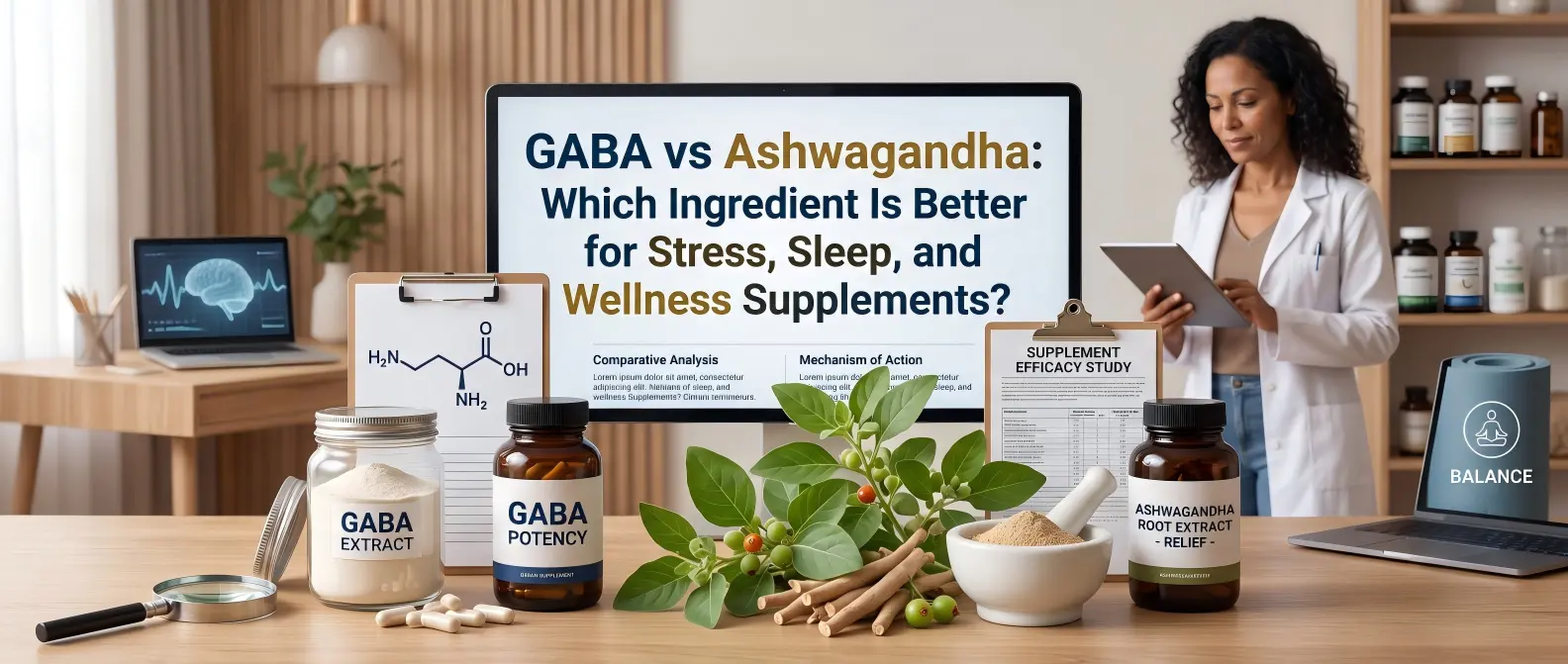
Walk into any supplement aisle today, and you will see two names dominating the stress-relief category: GABA and Ashwagandha. Both are marketed for stress, sleep, and relaxation. Both appear in capsules, gummies, powders, and functional beverages. Yet beneath the similar positioning lies a fundamental divergence in origin, mechanism, evidence base, and ideal product application.
For consumers, the confusion is understandable. For supplement brands and formulation teams, the stakes are higher: choosing the wrong ingredient—or the wrong combination—for a target demographic can mean the difference between a product that delivers measurable results and one that gathers dust on retail shelves.
This guide is not another “which is better” blog post. It is a complete formulation and market guide designed to help B2B purchasers, R&D specialists, and brand owners answer the questions that actually drive product decisions: When should you formulate with GABA? When is Ashwagandha the smarter choice? When do they work best together? And what dosage forms, delivery systems, and regulatory considerations should shape your go-to-market strategy?
Understanding these differences helps both consumers choose appropriate supplements and brands develop more effective, evidence-backed formulations.
What Is GABA?
Gamma-aminobutyric acid (GABA) is the principal inhibitory neurotransmitter in the mammalian central nervous system. Structurally, it is a non-proteinogenic amino acid—meaning it is not incorporated into proteins during translation—but it is indispensable for regulating neuronal excitability throughout the nervous system.(PMC7527439)
GABA as a Neurotransmitter
GABA exerts its calming effects primarily through two receptor classes:
- GABA_A receptors: Ionotropic channels that mediate fast inhibitory synaptic transmission by allowing chloride ions to enter neurons, causing hyperpolarization and reduced neuronal firing. (PMC3647697)
- GABA_B receptors: Metabotropic receptors that produce slower, longer-lasting inhibitory effects through G-protein coupled signaling, modulating neurotransmitter release and neuronal excitability.
In the context of dietary supplements, GABA is positioned as a direct-acting calming agent. Unlike adaptogens that modulate endocrine stress axes over weeks, supplemental GABA is intended to provide more immediate inhibitory tone—though the exact mechanism of oral GABA’s effects remains an active area of scientific debate (see Module 4).
Natural Sources vs. Supplemental GABA
GABA occurs naturally in a variety of fermented foods, including kimchi, miso, tempeh, fermented dairy products, and germinated brown rice. In the human body, GABA is synthesized from glutamate through the action of the enzyme glutamate decarboxylase (GAD), serving as the primary inhibitory neurotransmitter in the central nervous system.
Commercial GABA supplements are produced using four major manufacturing approaches, each differing in production technology, purity profile, regulatory positioning, and market perception.
Chemical synthesis
Chemical synthesis produces GABA through multi-step organic reactions and can achieve high chemical purity at relatively low production cost. However, depending on the synthetic route, process-related impurities such as 2-pyrrolidone (2-P) may be generated as intermediates or by-products. Although reputable manufacturers employ purification processes and quality testing to ensure regulatory compliance, synthetic GABA is generally not considered a “natural” ingredient by consumers.
Microbial fermentation
Microbial fermentation uses selected bacteria—commonly Lactobacillus species—to convert glutamate into GABA under controlled fermentation conditions. Fermented GABA is widely regarded as the most natural production method and is increasingly preferred for premium dietary supplements due to its clean-label positioning and sustainable manufacturing process. The best-known fermented GABA ingredient is PharmaGABA®, which has been evaluated in multiple human clinical studies investigating stress reduction, relaxation, sleep quality, and cognitive performance.
Enzymatic biocatalysis
Enzymatic production utilizes purified glutamate decarboxylase (GAD) enzymes to catalyze the conversion of glutamate into GABA without live microbial fermentation. This approach offers high reaction specificity and efficient production. However, depending on the process design and downstream purification, residual process-related compounds—including 2-pyrrolidone (2-P) formed under certain reaction conditions—may require careful monitoring and removal through validated quality control procedures.
Plant extraction
A small proportion of commercial GABA is obtained by extracting naturally occurring GABA from GABA-rich plant materials, such as germinated brown rice or other sprouted grains. While this approach provides a naturally sourced ingredient, GABA concentrations in plants are relatively low, making extraction less efficient and significantly more expensive than fermentation. Consequently, plant-derived GABA represents only a niche segment of the global market.
For most dietary supplement applications, microbial fermentation has become the industry’s preferred manufacturing technology, balancing scalability, consumer acceptance, regulatory compliance, clean-label positioning, and consistent product quality. Manufacturers sourcing GABA ingredients should evaluate not only purity specifications but also the production method, impurity profile (including process-related compounds such as 2-pyrrolidone where applicable), third-party testing, and regulatory documentation to ensure product safety and market suitability.
Regulatory Status of GABA Supplements
The regulatory status of GABA varies by jurisdiction, intended use (dietary supplement, functional food, or conventional food), and manufacturing method. Companies developing GABA products should verify ingredient compliance, permitted health claims, and labeling requirements before entering target markets.
United States
In the United States, GABA is marketed as a dietary supplement ingredient under the Dietary Supplement Health and Education Act (DSHEA) of 1994 and is recognized as an ingredient marketed prior to DSHEA implementation.
For food applications, several GABA ingredients have been the subject of FDA Generally Recognized as Safe (GRAS) notifications. Earlier GRAS notices (GRN 257 and GRN 595) were voluntarily withdrawn after FDA requested additional information regarding toxicology, ADME (absorption, distribution, metabolism, and excretion), and dietary exposure assessments. These withdrawals did not constitute safety determinations by FDA. Subsequently, additional GRAS submissions supported by more comprehensive safety data have received FDA “No Questions” responses, allowing specific GABA ingredients to be used in designated food categories.
Manufacturers may market GABA dietary supplements with permitted structure/function claims, such as supporting relaxation or promoting a calm mood, provided they comply with FDA labeling regulations. Disease treatment or prevention claims (e.g., treating anxiety or insomnia) are not permitted without drug approval.
European Union
Within the European Union, GABA is regulated under the Novel Food Regulation (EU) 2015/2283. Only authorized novel food ingredients that meet specified conditions of use may be incorporated into foods or food supplements. Companies marketing GABA products in the EU should verify that their specific ingredient source and manufacturing process fall within the applicable authorization.
Health claims for GABA require authorization under the EU Nutrition and Health Claims Regulation. Currently, no broadly approved health claims exist for stress reduction, sleep improvement, or cognitive enhancement.
Japan
Japan has one of the longest commercial histories of GABA-containing functional foods. GABA is widely used in products regulated under Foods for Specified Health Uses (FOSHU) and the Foods with Function Claims (FFC) system. Depending on the product category and supporting scientific evidence, GABA-containing foods may make function claims related to maintaining normal blood pressure, promoting relaxation, or supporting sleep quality.
Canada
In Canada, GABA is regulated as a Natural Health Product (NHP). Products require licensing through Health Canada, and approved claims, recommended doses, and labeling requirements must comply with the Natural Health Products Regulations.
Australia and New Zealand
Australia regulates GABA-containing therapeutic products through the Therapeutic Goods Administration (TGA), while food applications are governed by Food Standards Australia New Zealand (FSANZ). Regulatory requirements differ depending on whether the product is marketed as a medicine, complementary medicine, or food.
Considerations for OEM and Private Label Brands
Regulatory compliance extends beyond the ingredient itself. Brand owners should verify:
- Manufacturing method (fermentation, enzymatic, synthetic, or plant-derived)
- Country-specific regulatory status
- Heavy metal and microbiological testing
- Process-related impurities, including 2-pyrrolidone where applicable
- Identity, purity, and potency specifications
- Stability data and shelf-life validation
- Documentation such as COA, allergen statements, GMO status, HACCP, ISO 22000, GMP, and other market-specific certifications
Because regulatory requirements continue to evolve, manufacturers and brand owners should confirm compliance with the competent authority in each target market before commercial launch.
What Is Ashwagandha?
Ashwagandha (Withania somnifera (L.) Dunal) is a small evergreen shrub belonging to the Solanaceae (nightshade) family. Native to India, the Middle East, and parts of Africa, it has been used for more than 3,000 years in traditional Ayurvedic medicine as a Rasayana (rejuvenative tonic) to promote vitality, resilience, longevity, and overall well-being.
Modern pharmacological research classifies ashwagandha as an adaptogen—a botanical that helps the body maintain physiological balance during periods of physical, emotional, and environmental stress. Unlike stimulant-based ingredients, adaptogens do not directly stimulate the central nervous system; instead, they are believed to modulate multiple biological pathways involved in stress adaptation, including the hypothalamic-pituitary-adrenal (HPA) axis, oxidative stress responses, inflammation, and neuroendocrine signaling.
Today, ashwagandha is one of the most extensively researched botanical ingredients in the global dietary supplement industry and is widely incorporated into products targeting stress management, sleep support, cognitive performance, sports nutrition, healthy aging, and women’s health.
Botanical Overview and Bioactive Constituents
The biological activity of ashwagandha is attributed to a diverse group of naturally occurring phytochemicals rather than a single active ingredient. More than 80 withanolides and numerous alkaloids, flavonoids, and glycosides have been identified within the plant.
The principal bioactive compounds include:
- Withanolides – steroidal lactones regarded as the primary pharmacologically active constituents, including withanolide A, withanolide D, withanolide IV, and withanolide V.
- Withaferin A – a potent withanolide possessing anti-inflammatory and cytotoxic properties but also associated with increased biological activity that may contribute to adverse effects at higher concentrations.
- Withanosides and sitoindosides – glycosylated compounds that may contribute to adaptogenic and neuroprotective effects.
- Alkaloids – including anaferine, isopelletierine, cuscohygrine, and anahygrine, which may provide complementary pharmacological activities.
Although withanolides are commonly used as marker compounds for quality control, growing evidence suggests that the therapeutic effects of ashwagandha result from the synergistic interaction of multiple phytochemicals rather than any single constituent.
Commercial Ashwagandha Ingredients and Standardization
Not all ashwagandha ingredients are equivalent. Differences in plant parts, extraction technologies, and standardization methods can substantially influence phytochemical composition, clinical evidence, regulatory positioning, and manufacturing cost.
The commercial market generally consists of four categories.
Root-Only Standardized Extracts
Root-only extracts are widely regarded as the premium category because they align with traditional Ayurvedic practice and are supported by the largest body of human clinical evidence.
The most recognized branded ingredient is KSM-66®, produced using a proprietary water-based extraction process that preserves the natural balance of root phytochemicals while standardizing to a minimum of 5% total withanolides. The extract contains minimal levels of withaferin A (typically below 0.5%) and has been evaluated in more than 40 published human clinical studies across stress management, sleep quality, exercise performance, cognitive health, male fertility, and metabolic health.
Root-and-Leaf Extracts
Some commercial ingredients combine both roots and leaves to achieve higher concentrations of withanolides.
A well-known example is Sensoril®, standardized to approximately 10% withanolide glycosides, and formulated for lower daily dosages. Because leaves naturally contain higher concentrations of withaferin A than roots, root-and-leaf extracts may exhibit a different phytochemical profile and should not be considered directly interchangeable with root-only extracts.
High-Potency Specialized Extracts
Recent innovations have introduced highly concentrated extracts such as Shoden®, which delivers standardized glycosylated withanolides at relatively low daily doses. These ingredients are increasingly incorporated into premium formulations targeting stress reduction and sleep support, although the volume of published clinical evidence remains smaller than that available for KSM-66®.
Unstandardized Root Powders
Traditional root powders remain available in the market but contain naturally variable concentrations of withanolides depending on cultivation conditions, harvest timing, and processing methods. Without standardized phytochemical testing, biological activity and clinical performance are considerably less predictable.
Extraction Technologies and Quality Standardization
Extraction technology plays a critical role in determining the consistency, stability, and safety of commercial ashwagandha ingredients.
Common extraction methods include:
- Water extraction
- Hydroethanolic extraction
- Ethanol extraction
- Low-temperature extraction
- Spray-drying or vacuum concentration
Each approach produces a distinct phytochemical profile. Consequently, two extracts labeled as containing “5% withanolides” may differ substantially in overall composition, biological activity, and clinical performance.
Another important consideration is analytical methodology. Unlike vitamins or pharmaceutical compounds, there is currently no universally accepted pharmacopoeial standard for measuring withanolides. Manufacturers may quantify:
- Total withanolides
- Withanolide glycosides
- Individual marker compounds
- HPLC chromatographic fingerprints
As a result, direct comparison of label claims between different suppliers may be misleading unless identical analytical methods are employed.
For supplement manufacturers, selecting clinically validated, batch-to-batch standardized extracts provides greater consistency than relying solely on total withanolide percentages.
Regulatory Status
The regulatory classification of ashwagandha differs among global markets depending on intended use, manufacturing process, and applicable botanical regulations.
United States
Ashwagandha is marketed as a dietary supplement ingredient under the Dietary Supplement Health and Education Act (DSHEA) of 1994. Manufacturers may make permitted structure/function claims, such as supporting stress resilience or promoting healthy sleep, provided they comply with FDA labeling requirements. Disease treatment claims are prohibited unless approved as pharmaceutical indications.
European Union
Within the European Union, ashwagandha may be marketed as a food supplement in certain Member States, while traditional herbal medicinal products are regulated separately under the Traditional Herbal Medicinal Products Directive (THMPD). Companies should verify national regulatory requirements because implementation varies across jurisdictions.
Canada
In Canada, ashwagandha is regulated as a Natural Health Product (NHP) and requires product licensing through Health Canada before commercialization.
Australia
Ashwagandha-containing complementary medicines are regulated by the Therapeutic Goods Administration (TGA). Manufacturers should remain aware of evolving safety recommendations and labeling requirements relating to botanical ingredients.
India
India maintains the longest documented history of ashwagandha use through Ayurveda. Production quality is supported by standards published in the Ayurvedic Pharmacopoeia of India and regulated under the Ministry of AYUSH.
Because botanical regulations continue to evolve, international brands should verify compliance requirements for each target market before product launch.
Safety Profile and Clinical Considerations
Overall, standardized ashwagandha extracts have demonstrated a favorable safety profile in randomized controlled trials when consumed within recommended dosages.
Multiple systematic reviews have reported that most adverse events are mild and transient, including gastrointestinal discomfort, nausea, drowsiness, headache, and loose stools.
However, several regulatory agencies have highlighted rare cases of herb-induced liver injury (HILI) associated with ashwagandha supplementation.
In 2023, clinicians reported a case series describing liver injury associated with pure ashwagandha products in susceptible individuals, with a small number of patients developing severe hepatic complications. In February 2024, Australia’s Therapeutic Goods Administration (TGA) also issued a safety advisory after receiving reports of liver injury potentially associated with ashwagandha-containing products.
Although a definitive causal mechanism has not been established, experimental research suggests that certain phytochemicals—including withanone and high concentrations of withaferin A—may contribute to idiosyncratic hepatotoxicity in susceptible individuals. Current evidence indicates that these events remain uncommon relative to the widespread global use of standardized ashwagandha extracts.
Long-term clinical data remain reassuring. A prospective 12-month observational study evaluating KSM-66® at 600 mg/day reported no clinically meaningful adverse effects on liver, kidney, or thyroid function, with only mild and self-limiting adverse events observed in a small proportion of participants.
Individuals who are pregnant, breastfeeding, have pre-existing liver disease, autoimmune disorders, hyperthyroidism, or who take immunosuppressive, sedative, antidiabetic, or antihypertensive medications should consult a qualified healthcare professional before using ashwagandha supplements.
Quality Considerations for Supplement Brands
Clinical outcomes associated with ashwagandha depend not only on dosage but also on ingredient quality and manufacturing consistency. For OEM and private label brands, supplier qualification should extend beyond withanolide content alone.
Important evaluation criteria include:
- Botanical authentication of Withania somnifera
- Verification of plant part used (root, leaf, or root-and-leaf)
- Standardized withanolide profile using validated analytical methods
- Quantification of withaferin A where applicable
- Heavy metal, pesticide, microbiological, and residual solvent testing
- Batch-to-batch consistency
- Stability validation
- GMP, ISO 22000, HACCP, and other applicable quality certifications
- Complete technical documentation, including Certificates of Analysis (COA), allergen declarations, GMO status, and regulatory support files
For brands targeting premium positioning, selecting a clinically studied, standardized extract with transparent manufacturing processes generally provides greater formulation consistency, stronger scientific substantiation, and improved consumer confidence than relying solely on raw botanical powders or generic extracts.
GABA vs. Ashwagandha — Key Differences at a Glance
| Criterion | GABA | Ashwagandha Extract |
|---|---|---|
| Ingredient Type | Endogenous amino acid neurotransmitter commonly used as a dietary supplement | Botanical adaptogen derived from Withania somnifera |
| Commercial Sources | Microbial fermentation, enzymatic biocatalysis, chemical synthesis, or plant extraction | Root extract, root-and-leaf extract, or whole root powder |
| Primary Bioactive Component | Gamma-aminobutyric acid (GABA) | Withanolides and other naturally occurring phytochemicals, typically 5–35% standardized |
| Primary Mechanism of Action | Modulates inhibitory neurotransmission through GABAergic signaling; may also influence the gut–brain axis | Supports stress adaptation primarily through HPA axis modulation and multiple neuroendocrine pathways |
| Typical Onset of Action | Generally within 30–60 minutes, although individual responses may vary | Typically develops over several weeks of consistent supplementation |
| Typical Daily Dosage | 100–750 mg(20% 500 mg, 99% 250 mg) | 300–600 mg of a standardized extract |
| Primary Research Focus | Relaxation, acute stress response, sleep initiation, and mood support | Chronic stress management, cortisol regulation, sleep quality, cognitive function, and physical performance |
| Common Dosage Forms | Capsules, tablets, powders, gummies, functional beverages, and effervescent tablets | Capsules, tablets, powders, gummies, stick packs, and functional beverages |
| Regulatory Status | Dietary supplement in the U.S.; authorized for specific food applications in some markets; regulatory status varies internationally GRAS for specific uses; novel food in EU and China; FOSHU in Japan | Widely marketed as a botanical dietary supplement or traditional herbal ingredient, with regulatory requirements differing by country Dietary supplement in US; traditional herbal medicine in EU; TGA safety alert 2024 |
| General Safety Profile | Generally well tolerated; mild drowsiness or dizziness may occur in some individuals | Generally well tolerated when used appropriately; rare cases of liver injury have been reported, and certain populations should exercise caution |
| Best Suited For | Individuals seeking support for short-term relaxation or occasional stress | Individuals seeking long-term support for stress resilience and overall adaptogenic wellness |
How Do GABA and Ashwagandha Work?
GABA: Mechanism of Action
The Blood-Brain Barrier Controversy
The central scientific debate surrounding oral GABA supplementation concerns blood-brain barrier (BBB) permeability. Classical pharmacokinetic studies have shown that systemic GABA does not readily cross the BBB in adults, leading to skepticism about whether oral GABA can directly influence central GABAergic neurotransmission.
However, emerging evidence suggests alternative pathways:
- Gut-brain axis signaling: GABA receptors are expressed in the enteric nervous system. Oral GABA may activate these receptors, signaling the vagus nerve and modulating central stress circuits via the parasympathetic nervous system.
- Peripheral GABA receptors: Functional GABA_A channels have been identified in peripheral tissues including airway smooth muscle, the gastrointestinal tract, and the cardiovascular system, suggesting systemic relaxation effects independent of central penetration.
- BBB permeability changes: Some researchers argue that BBB permeability to GABA may increase under certain physiological conditions or with specific formulations, though this remains contested.
Clinical Biomarkers
Human trials using fermented GABA (PharmaGABA®) have demonstrated measurable physiological effects:
- EEG changes: 100 mg of natural GABA decreased stress-related beta waves by ~50% and increased alpha waves (relaxed alertness) by a similar margin within 60 minutes.
- Stress biomarker reduction: Pre-stress administration of 50 mg PharmaGABA significantly reduced salivary cortisol and chromogranin A (CgA) compared to placebo during arithmetic stress tasks.
- Immune protection: In a stress-bridge experiment, 100 mg PharmaGABA prevented the stress-induced drop in secretory IgA, suggesting autonomic-mediated immune protection.
A 2025 preclinical study in mice further demonstrated that oral GABA (20 mg/kg) alleviated anxiety-like behaviors, increased prefrontal cortex GABA levels, and modulated immune homeostasis through complement regulation and anti-inflammatory cytokine elevation (IL-10, TGF-β1).
Ashwagandha: Mechanism of Action
HPA Axis Modulation
Ashwagandha’s primary stress-modulating mechanism operates through the hypothalamic-pituitary-adrenal (HPA) axis, the body’s central neuroendocrine stress response system:
- CRH and ACTH regulation: Animal studies indicate reduced corticotropin-releasing hormone (CRH) and adrenocorticotropic hormone (ACTH) release, decreasing downstream cortisol production.
- Direct cortisol reduction: Multiple human RCTs have demonstrated serum cortisol reductions of 20–30% after 8–12 weeks of standardized ashwagandha supplementation.
- Glucocorticoid receptor interaction: Withanolides may bind to glucocorticoid receptors and modulate stress hormone signaling, mimicking natural feedback inhibition.
GABAergic Activity
A common misconception is that ashwagandha “increases GABA.” The current evidence does not support this direct claim. Instead, withanolides appear to act as GABA-mimetics or GABA receptor modulators—enhancing GABAergic signaling through allosteric modulation of receptors rather than increasing GABA synthesis or release.
This distinction is critical for formulation marketing: ashwagandha supports GABAergic function indirectly through adaptogenic mechanisms, while GABA provides direct inhibitory neurotransmitter activity.
Neuroplasticity and BDNF
Beyond stress modulation, withanolides have demonstrated neuroprotective properties through upregulation of brain-derived neurotrophic factor (BDNF), supporting neuronal survival, synaptogenesis, and cognitive resilience under chronic stress.
GABA vs Ashwagandha by Health Goal
For Stress
Ashwagandha is the stronger evidence-based choice for chronic stress management.
A landmark 60-day double-blind RCT of 64 adults with chronic stress demonstrated that KSM-66® ashwagandha (300 mg twice daily) produced: – 44% reduction in Perceived Stress Scale (PSS) scores – 72.3% reduction in General Health Questionnaire-28 (GHQ-28) stress scores – 27.9% reduction in serum cortisol levels.
A 2025 randomized trial using Shoden® ashwagandha extract (35% withanolide glycosides) at 60–120 mg/day showed even more dramatic results: 53–62% reduction in PSS scores and 66–67% reduction in morning cortisol after 60 days.
GABA shows more modest, acute effects. A systematic review of 14 placebo-controlled human trials found “low to moderate evidence” for GABA’s stress benefits, with mixed results across studies. Single-dose studies generally showed limited subjective stress improvement, while prolonged use (≥1 week) showed more promising trends.
Formulation recommendation: For chronic stress products, prioritize Ashwagandha. For acute stress moments (pre-meeting, pre-exam), GABA may offer faster onset.
For Anxiety
Ashwagandha has stronger clinical evidence for generalized anxiety.
The 2025 Shoden® trial demonstrated 59% reduction in Hamilton Anxiety Rating Scale (HAMA) scores after 60 days—significantly outperforming placebo.
GABA evidence for anxiety is primarily preclinical or based on smaller human studies. The 2025 mouse study showed significant anxiolytic effects at 20 mg/kg via immune homeostasis modulation, but human translation remains uncertain.
Formulation recommendation: For anxiety-positioned products, Ashwagandha provides stronger RCT support. GABA may be included as a complementary fast-acting agent.
For Sleep
This is where GABA shows its strongest comparative advantage.
A 2025 comprehensive review of GABA sleep research highlighted multiple clinical trials demonstrating: – Reduced sleep latency (by ~5.3 minutes with 100 mg GABA + Apocynum venetum leaf extract) – Increased NREM sleep time – Improved PSQI scores with prolonged use (≥1 week)
Ashwagandha also demonstrates sleep benefits, but through cortisol-mediated mechanisms. KSM-66® at 600 mg/day has been shown to improve sleep onset, duration, and quality in insomnia patients, with benefits appearing after approximately three weeks of consistent use.
Formulation recommendation: For sleep-onset products, GABA provides faster action. For sleep maintenance and cortisol-related nighttime awakening, Ashwagandha offers complementary benefits.
For Mood and Cognitive Function
Ashwagandha demonstrates broader mood-support evidence through serotonin and dopamine pathway modulation, along with BDNF-mediated neuroplasticity.
GABA’s cognitive effects are less well-documented, though 800 mg doses have been studied for attention enhancement in limited trials.
For Sports Recovery and Muscle Growth
GABA has been studied at high doses (3,000–5,000 mg) for growth hormone stimulation, though evidence for meaningful muscle growth in trained athletes remains limited. One study found that 100 mg PharmaGABA combined with whey protein and resistance training increased lean muscle mass significantly compared to whey protein alone.
Ashwagandha has demonstrated strength and recovery benefits in multiple RCTs, including increased muscle mass, reduced exercise-induced muscle damage, and improved VO2 max. These effects are attributed to cortisol reduction and anabolic hormone support rather than direct GABAergic action.
Can You Take GABA and Ashwagandha Together?
Yes. There are no documented negative interactions between GABA and Ashwagandha at standard supplemental doses, and their mechanisms are complementary rather than overlapping.
Why Brands Are Combining Them
The combination addresses stress from two angles simultaneously:
- GABA: Provides acute inhibitory tone, potentially reducing immediate physiological stress responses (elevated heart rate, racing thoughts) within 30–60 minutes.
- Ashwagandha: Modulates chronic HPA axis dysfunction and cortisol output over 4–8 weeks, addressing the root neuroendocrine cause of persistent stress.
This dual-action approach is particularly valuable for: – Sleep formulas: GABA for sleep onset + Ashwagandha for cortisol-related sleep maintenance – Comprehensive stress products: Immediate calm (GABA) + long-term resilience (Ashwagandha) – Workplace wellness: Daytime Ashwagandha for baseline stress + evening GABA for wind-down
Evidence for Combination Use
While direct RCTs comparing GABA + Ashwagandha vs. either alone are limited, the combination is widely used in commercial formulations with good tolerability. Youtheory® markets an Ashwagandha + GABA product combining 600 mg KSM-66® with 100 mg PharmaGABA® per serving.
A formulation concept presented at a natural products webinar proposed a stress-sleep combination of 250 mg GABA + 250 mg Ashwagandha extract + 250 mg Holy Basil + 200 mg Magnesium + 200 mg L-theanine.
Precautions When Combining
- Additive sedation: Both ingredients promote relaxation. Caution when combining with alcohol, benzodiazepines, or other CNS depressants.
- Dosing strategy: If formulating a daytime product, keep GABA at lower doses (50–100 mg) to avoid excessive drowsiness. Reserve higher GABA doses (200–300 mg) for nighttime formulas.
- Thyroid monitoring: Ashwagandha may influence thyroid function; combined products should include appropriate cautions for thyroid medication users.
Popular Finished Product Formulation Strategies
Daily Stress & Resilience Formula
Target: Working professionals, students, caregivers Positioning: “All-day stress defense without sedation”
| Ingredients | Dose | Role |
| Ashwagandha (KSM-66®) | 300–600 mg | HPA axis adaptation, cortisol reduction |
| L-Theanine | 200 mg | Alpha-wave calm focus, GABA modulation |
| Magnesium Glycinate | 200–400 mg | NMDA modulation, muscle relaxation |
| Rhodiola rosea | 200–400 mg | Energy and fatigue resistance |
Rationale: L-Theanine provides acute calm focus within 30–45 minutes, while Ashwagandha builds stress resilience over weeks. Magnesium supports the GABA-glutamate balance.
Nighttime Sleep Support Formula
Target: Sleep-onset insomnia, racing mind at bedtime, cortisol-related waking Positioning: “Fall asleep faster, stay asleep longer”
| Ingredients | Dose | Role |
| GABA (PharmaGABA®) | 100–200 mg | Sleep onset, alpha-wave induction |
| Ashwagandha (KSM-66®) | 300 mg | Cortisol reduction, sleep maintenance |
| L-Theanine | 200 mg | Racing mind reduction |
| Apigenin | 50 mg | GABA_A receptor modulation, NREM enhancement |
| Magnesium Bisglycinate | 200 mg | Muscle relaxation, melatonin synthesis support |
Rationale: GABA + L-Theanine has demonstrated synergistic sleep latency reduction in animal studies. Apigenin (from chamomile) enhances GABA_A receptor activity. Ashwagandha addresses cortisol-related nighttime awakening.
Regulatory Note: Melatonin can be added (0.5–3 mg) for circadian support, but brands must ensure compliance with local regulations. In the EU, melatonin is restricted to 1 mg in supplements in some jurisdictions. In the US, it is regulated as a dietary supplement.
Calm Focus & Productivity Formula
Target: Knowledge workers, creatives, gamers Positioning: “Mental clarity under pressure”
| Ingredients | Dose | Role |
| Ashwagandha (KSM-66®) | 300 mg | Stress resilience, cognitive protection |
| Lion’s Mane | 500–1000 mg | Nerve growth factor (NGF), cognitive support |
| Citicoline (CDP-Choline) | 250 mg | Acetylcholine synthesis, focus enhancement |
| Caffeine + L-Theanine | 100 mg + 200 mg | Alert calm, reduced jitteriness |
Women’s Wellness & Hormonal Balance Formula
Target: Perimenopausal women, menstrual stress Positioning: “Hormonal harmony and emotional equilibrium”
| Ingredients | Dose | Role |
| Ashwagandha (KSM-66®) | 300 mg | Cortisol reduction, testosterone support |
| Saffron Extract | 30 mg | Mood support, emotional balance |
| Magnesium Glycinate | 200 mg | PMS symptom relief, relaxation |
| Vitamin B6 (P5P) | 25 mg | GABA synthesis cofactor, hormonal support |
Healthy Aging & Neuroprotection Formula
Target: Adults 50+, cognitive longevity Positioning: “Protect your mind as you age”
| Ingredients | Dose | Role |
| Ashwagandha (KSM-66®) | 300 mg | BDNF support, cortisol reduction |
| CoQ10 (Ubiquinol) | 100 mg | Mitochondrial support, cardiovascular health |
| Phosphatidylserine | 100 mg | Cognitive function, cortisol modulation |
| GABA | 100 mg | Sleep quality, neuronal inhibition |
Popular Dosage Forms and Manufacturing Considerations
Capsules
- Advantages: Excellent stability, precise dosing, consumer familiarity, easy to standardize
- GABA compatibility: High. GABA is stable in dry environments with low moisture.
- Ashwagandha compatibility: High. Root extracts are well-suited to encapsulation; standardization ensures consistent withanolide content per capsule.
- OEM considerations: KSM-66® requires licensed use for trademark protection. Capsule size limits total formula mass (typical max ~800 mg for size 00).
Gummies
- Advantages: High consumer acceptance, especially in sleep and stress categories; easy flavor masking
- GABA compatibility: Good. Water-soluble; requires moisture control during manufacturing.
- Ashwagandha compatibility: Moderate. Ashwagandha has a strong, earthy, bitter taste requiring significant flavor masking (citrus, berry, or tropical flavors work best).
- OEM considerations: Heat during gummy manufacturing (80–90°C) may degrade sensitive actives. Consider cold-process pectin formulations. Stability testing for withanolide content post-manufacturing is essential.
Powders and Stick Packs
- Advantages: Flexible dosing, rapid dissolution, appeal to fitness and biohacker demographics
- GABA compatibility: Excellent. Highly water-soluble; neutral taste profile.
- Ashwagandha compatibility: Moderate. Poor water solubility; requires suspension agents or emulsification for RTD beverages. Strong taste requires flavor masking.
- OEM considerations: Moisture is the enemy of GABA stability. Use nitrogen flushing and moisture-barrier packaging. For ashwagandha powders, consider microencapsulation to improve dispersibility and taste.
Effervescent Tablets
- Advantages: Fast-acting, premium positioning, good for sleep and recovery beverages
- GABA compatibility: Good. Acid-base reaction does not degrade GABA at typical effervescent pH (4–5).
- Ashwagandha compatibility: Challenging. Poor solubility leads to sedimentation; requires suspension technology or pre-dissolved extract forms.
- OEM considerations: Effervescent manufacturing requires low-humidity environments (<20% RH). Withanolide stability under acidic conditions should be validated.
Functional Beverages/RTDs
- Advantages: On-the-go consumption, premium positioning, high repeat purchase potential
- GABA compatibility: Excellent. Water-soluble; stable across pH 4–8.
- Ashwagandha compatibility: Challenging. Requires nano-emulsification or liposomal delivery for clear beverages; otherwise use cloudy/opaque bases (oat milk, coconut water).
- OEM considerations: Pasteurization temperatures may affect withanolide stability. Cold-fill aseptic processing preferred. Shelf-life testing for both actives under accelerated conditions (40°C/75% RH) is mandatory.
Softgels
- Advantages: Excellent for oil-soluble ingredients; good oxygen barrier
- GABA compatibility: Poor. GABA is water-soluble and does not partition well into oil-based fill matrices.
- Ashwagandha compatibility: Moderate. Liposomal or oil-dispersed ashwagandha extracts can be formulated into softgels, though this is less common than dry extracts.
- OEM considerations: Softgels are generally not recommended for GABA-containing formulas unless using specialized suspension technology.
Consumer Insights from Amazon, Reddit & Quora
What Consumers Say About GABA
Positive themes: – “Helps me fall asleep within 30 minutes” – “Calms my racing mind before bed” – “No grogginess the next morning unlike melatonin” – “Works well with L-theanine for pre-bed calm”
Common complaints: – “Didn’t feel anything at 100 mg” – “Works for a few days then stops” – “Tingly feeling at higher doses” – “Not strong enough for severe anxiety”
Key insight: Consumers who respond to GABA typically report acute, same-night sleep benefits. Non-responders often cite lack of effect at standard doses, suggesting individual variability in gut-brain axis sensitivity or BBB permeability.
What Consumers Say About Ashwagandha
Positive themes: – “My stress feels more manageable after 3 weeks” – “I don’t get the afternoon crash anymore” – “Sleep quality improved noticeably” – “Helped with my cortisol belly”
Common complaints: – “Took 2 weeks to notice anything” – “Stomach upset at first” -“Weird dreams” – “Concerned about liver safety after reading news”
Key insight: Consumer expectations often mismatch the adaptogenic timeline. Brands must educate that Ashwagandha requires 2–4 weeks for measurable effects. The 2024 liver safety alerts have also introduced purchase hesitation that brands should address with transparency and third-party testing messaging.
Combination Product Feedback
Consumers who use GABA + Ashwagandha products (e.g., Youtheory Ashwagandha + GABA) frequently report: – “Best of both worlds—calm now and calmer overall” – “Helped me break the cycle of stress → poor sleep → more stress” – “Prefer this to taking multiple separate pills”
Key insight: Convenience and “synergy” messaging resonate strongly. Consumers understand intuitively that acute + chronic support is a logical pairing.
Safety Considerations
GABA Safety Profile
GABA is generally well-tolerated at supplemental doses. Clinical studies suggest that 120 mg/day for 12 weeks does not cause significant side effects.
Common side effects (dose-dependent): – Drowsiness, fatigue – Dizziness – Headache – Digestive upset – Skin tingling (at higher doses >500 mg) – Low blood pressure (rare)
Contraindications and precautions: – Pregnancy and breastfeeding: Insufficient safety data; avoid use. – Benzodiazepine and antidepressant users: Theoretical interaction risk; consult healthcare provider. – Kidney or liver disease: Use under medical supervision. – Very high doses (≥5 g): May cause burning throat sensation or shortness of breath.
FDA reporting: Adverse effects can be reported to the FDA at www.safetyreporting.hhs.gov or by calling 888-SAFEFOOD.
Ashwagandha Safety Profile
Common side effects: – Mild digestive upset (nausea, diarrhea) – Drowsiness, headache – Allergic reactions (rare)
Serious safety signals: – Hepatotoxicity: Multiple case reports of drug-induced liver injury (DILI), including acute liver failure requiring transplantation. Risk appears idiosyncratic rather than dose-dependent. Australia’s TGA issued a safety alert in February 2024.
Thyroid effects: May increase thyroid hormone levels; contraindicated in hyperthyroidism and use with caution in thyroid medication patients.
Immune stimulation: Theoretical concern for autoimmune conditions; may stimulate immune activity.
Adrenal insufficiency: Rare case reports of abnormally low cortisol after prolonged high-dose use.
Pregnancy: Contraindicated. Traditional Ayurvedic texts caution against use during pregnancy, and modern safety data are insufficient.
Long-term safety: A 12-month prospective study of KSM-66® (600 mg/day) found no deleterious effects on liver, kidney, or thyroid function, with mild adverse events in only 9.4% of participants.
Regulatory caution for brands: Given the 2024 safety alerts, brands should include liver function warnings, advise discontinuation if jaundice or dark urine occurs, and recommend consultation with healthcare providers for users with pre-existing liver conditions.
Choosing the Right Ingredient for Your Supplement Brand
When to Choose Ashwagandha
Select Ashwagandha as your primary active when:
- Your target market has chronic stress: Corporate wellness, caregiver support, student focus, or general “adulting” stress products.
- Cortisol reduction is a key claim: Products positioned for “cortisol balance,” “stress hormone management,” or “adrenal support.”
- You need strong clinical evidence: Ashwagandha has one of the strongest RCT portfolios in the botanical adaptogen category.
- Your product is a daily-use formula: The 4–8 week timeline aligns with subscription and repeat-purchase business models.
- You’re targeting men’s health: Evidence for testosterone support (13.8% increase in free testosterone over 12 months) adds a secondary benefit.
When to Choose GABA
Select GABA as your primary active when:
- Your product is positioned for sleep onset: GABA has the strongest evidence for reducing sleep latency.
- You need acute, same-day effects: Pre-bed, pre-meeting, or pre-travel calm products.
- Your target consumer wants non-hormonal stress support: GABA does not affect cortisol or thyroid directly.
- You’re formulating a functional beverage or fast-melt format: GABA’s water solubility and neutral taste make it ideal for beverages, effervescents, and stick packs.
- You’re targeting the Japanese or Asian market: GABA has stronger consumer awareness and regulatory acceptance in these regions.
When to Combine Both
Use GABA + Ashwagandha together when:
- You’re building a comprehensive sleep formula: GABA for onset + Ashwagandha for cortisol-related maintenance.
- Your brand promise is “24-hour stress support”: Daytime Ashwagandha + evening GABA in a two-part system.
- You want differentiation in a crowded market: Most competitors use one or the other; the combination signals scientific sophistication.
- Your target consumer has both acute and chronic stress: High-performing professionals, shift workers, or parents.
When NOT to Combine
Avoid combining when:
- Your product is a pure “adaptogen” positioning: Adding GABA may confuse the adaptogen narrative.
- Cost constraints prevent effective dosing of both: Under-dosing either ingredient to fit a price point undermines efficacy and invites consumer disappointment.
- Your target market is highly price-sensitive: Two premium ingredients increase COGS significantly.
- Regulatory environment restricts combination claims: Some jurisdictions may scrutinize combination products more heavily.
Evidence Strength Comparison by Application
For supplement brands making structure/function or marketing claims, understanding the evidence hierarchy is critical for both regulatory compliance and consumer trust.
| Application | GABA Evidence | Ashwagandha Evidence | Winner |
| Stress (chronic) | Low–moderate (mixed RCTs) | Strong (multiple RCTs, meta-analyses) | Ashwagandha |
| Anxiety (generalized) | Low (preclinical + small human studies) | Strong (RCTs showing 59% HAMA reduction) | Ashwagandha |
| Sleep onset | Moderate (consistent latency reduction) | Moderate (3+ weeks for effect) | GABA |
| Sleep maintenance | Low | Moderate (cortisol-related waking) | Ashwagandha |
| Cortisol reduction | Low (some biomarker changes) | Strong (20–30% reduction in RCTs) | Ashwagandha |
| Acute calm/focus | Moderate (alpha-wave changes) | Low (not an acute agent) | GABA |
| Cognitive function | Very limited | Moderate (BDNF, stress-related cognition) | Ashwagandha |
| Muscle growth | Low (limited evidence at high doses) | Moderate (strength + recovery RCTs) | Ashwagandha |
| Long-term safety | Limited long-term data | Good (12-month safety data for KSM-66®) | Ashwagandha |
Key takeaway for brands: Ashwagandha has the stronger overall evidence portfolio for chronic conditions. GABA’s evidence is strongest for acute sleep onset and same-day stress moments. The combination covers both temporal domains.
Consumer Expectations vs. Clinical Evidence
A critical gap in the supplement market is the divergence between what consumers expect and what clinical studies support. Addressing this gap transparently builds trust and reduces negative reviews.
| Consumer Expectation | Clinical Reality | Brand Messaging Guidance |
| “GABA will cure my anxiety” | GABA may reduce acute stress biomarkers; it is not a treatment for anxiety disorders | “GABA supports relaxation and may help with everyday stress. Not intended to treat anxiety disorders.” |
| “Ashwagandha works immediately” | Full adaptogenic benefits require 4–8 weeks | “Consistent daily use for 4+ weeks recommended for full benefits.” |
| “I can take both forever without issues” | Long-term safety data beyond 12 months is limited for both | “Use as directed. Consider periodic breaks. Consult your healthcare provider for long-term use.” |
| “Natural means 100% safe” | Ashwagandha has documented liver injury cases; GABA has dose-dependent side effects | “Generally well-tolerated, but discontinue and consult a doctor if adverse effects occur.” |
| “Higher dose = better results” | Dose-response relationships are not well-established for GABA; Ashwagandha efficacy plateaus above 600 mg/day | “Follow label directions. More is not necessarily better.” |
OEM Manufacturing Considerations
Raw Material Sourcing
GABA:
– Purity: Pharmaceutical grade (≥98%) vs. food grade (90–95%). For supplements, ≥98% is recommended.
– Source: Fermented (natural) vs. synthetic. Fermented GABA (PharmaGABA®) commands premium pricing but has stronger clinical evidence.
– Documentation: Certificate of Analysis (CoA) for every batch, GRAS documentation, stability data, heavy metal and microbial testing.
Ashwagandha: – Standardization: Demand HPLC-verified withanolide content (minimum 5% for root extracts).
– Withaferin A: Request specification <0.5% to minimize GI irritation risk.
– Trademark licensing: If using KSM-66® or Sensoril®, ensure your manufacturer has valid trademark licensing agreements.
– Heavy metals: Indian-origin botanicals require rigorous heavy metal screening (lead, arsenic, cadmium, mercury).
Formulation Stability
- GABA: Stable in dry conditions; hygroscopic. Store and manufacture at <40% RH. Compatible with most vitamins, minerals, and amino acids. Avoid prolonged exposure to high heat (>80°C) in gummy manufacturing.
- Ashwagandha: Withanolides are relatively heat-stable but may degrade under acidic conditions (pH <4) or prolonged UV exposure. Use amber or opaque packaging. In beverage applications, validate withanolide content at 3, 6, and 12 months.
Flavor and Taste Masking
- GABA: Neutral taste; minimal masking required. Slightly bitter at high concentrations in beverages.
- Ashwagandha: Strong earthy, bitter, and astringent taste. In gummies and powders, use natural flavors (chocolate, vanilla, berry, tropical) and masking agents (maltodextrin, inulin, or monk fruit).
Labeling and Compliance
U.S. (FDA): – Both ingredients are dietary supplement ingredients under DSHEA. – Structure/function claims must be substantiated and include the FDA disclaimer: “These statements have not been evaluated by the Food and Drug Administration. This product is not intended to diagnose, treat, cure, or prevent any disease.” – Ashwagandha liver safety warnings are increasingly recommended for liability protection.
EU (EFSA): – GABA is a novel food; requires pre-market authorization. – Ashwagandha may be marketed under traditional herbal registration or food supplement status depending on member state. – Health claims are strictly regulated under the EU Nutrition and Health Claims Regulation (EC) No 1924/2006.
Japan: – GABA has FOSHU approval for specific blood pressure and stress claims at defined dosages. – Ashwagandha is less established in the Japanese market; import and labeling requirements differ.
Market Trends & Ingredient Combinations
Trending Combinations (2025–2026)
Based on new product launches, patent filings, and consumer search data, the following combinations are gaining traction:
- GABA + L-Theanine + Apigenin(Sleep)
- Positioning: “Melatonin-free sleep support”
- Rationale: GABA for onset, L-theanine for mind-calming, Apigenin for GABA_A modulation and NREM enhancement
- Target: Consumers avoiding melatonin dependency
- Ashwagandha + Magnesium Glycinate + Phosphatidylserine(Stress/Cortisol)
- Positioning: “Cortisol management system”
- Rationale: Multi-pathway cortisol reduction + adrenal support
- Target: Fitness enthusiasts, biohackers, stressed professionals
- GABA + Ashwagandha + L-Theanine + Magnesium(Comprehensive Calm)
- Positioning: “The complete stress and sleep stack”
- Rationale: Covers all mechanisms—acute inhibitory, chronic HPA, alpha-wave, and mineral support
- Target: Premium supplement consumers, subscription models
- Ashwagandha + Saffron + Vitamin D(Mood/Women’s Health)
- Positioning: “Emotional balance and hormonal harmony”
- Rationale: Adaptogen + mood botanical + sunshine vitamin for seasonal mood support
- Target: Women 35–55, perimenopause positioning
- GABA + Collagen + Hyaluronic Acid(Beauty Sleep)
- Positioning: “Sleep your way to better skin”
- Rationale: GABA for sleep quality + collagen/HA for skin repair during sleep
- Target: Beauty-from-within consumers
Dosage Form Trends
- Gummies: Still the fastest-growing format for sleep and stress, but sugar-free and pectin-based formulations are replacing gelatin.
- Stick packs: Surging in Asia and gaining traction in North America for on-the-go stress support.
- Functional beverages: GABA-infused relaxation drinks are mainstream in Japan and expanding in North America; ashwagandha RTDs are emerging but face solubility challenges.
- Dual-release capsules: Immediate-release GABA + delayed-release Ashwagandha for day-night coverage in a single capsule.
Frequently Asked Questions (FAQ)
What is GABA?
GABA (gamma-aminobutyric acid) is the primary inhibitory neurotransmitter in the brain. As a supplement, it is used to support relaxation, stress resilience, and sleep onset.
What does GABA do?
GABA reduces neuronal excitability by binding to GABA_A and GABA_B receptors, promoting a calming effect. Oral GABA may also signal through the gut-brain axis.
What is Ashwagandha?
Ashwagandha (Withania somnifera) is an adaptogenic herb used in Ayurvedic medicine for over 3,000 years. Modern extracts are standardized to withanolides (typically 5%) for stress and cortisol management.
Is GABA better than Ashwagandha?
Neither is universally “better.” GABA is better for acute sleep onset and same-day calm. Ashwagandha is better for chronic stress adaptation and cortisol reduction. They serve different use cases and can be combined.
Can you take GABA and Ashwagandha together?
Yes. There are no documented negative interactions at standard doses. Their mechanisms are complementary—GABA for acute inhibition, Ashwagandha for chronic HPA axis adaptation.
Does Ashwagandha increase GABA?
No direct evidence shows that Ashwagandha increases GABA synthesis. However, withanolides may enhance GABAergic signaling through receptor modulation (GABA-mimetic activity).
Does Ashwagandha affect GABA receptors?
Preclinical studies suggest withanolides may modulate GABA receptor activity, but they do not bind in the same way as benzodiazepines or direct GABA agonists.
Which is better for sleep?
GABA has stronger evidence for reducing sleep latency (time to fall asleep). Ashwagandha has stronger evidence for improving sleep quality and duration through cortisol reduction. For comprehensive sleep support, they work well together.
Which is better for anxiety?
Ashwagandha has stronger clinical evidence for anxiety reduction, with RCTs showing 59% HAMA score improvement. GABA evidence for anxiety is more limited.
Can GABA cause weight gain?
There is no clinical evidence that GABA causes weight gain. At high doses (3–5 g), GABA has been studied for growth hormone release and lean mass support, not fat gain.
Does GABA help muscle growth?
Evidence is limited. One study found that 100 mg PharmaGABA + whey protein increased lean mass compared to whey alone in untrained men over 12 weeks. Effects in trained athletes are unproven.
When should I take GABA?
For sleep: 30–60 minutes before bed. For acute stress: 30–60 minutes before a stressful event. Typical dose: 100–300 mg.
Should I take Ashwagandha in the morning or at night?
Either is acceptable. Morning dosing may support daytime stress resilience; evening dosing may support sleep through cortisol reduction. Consistency matters more than timing. Most clinical trials use divided doses (300 mg morning + 300 mg evening) or single morning doses.
Is Ashwagandha safe for the liver?
Short-term RCTs show good tolerability, but case reports of liver injury exist. Australia’s TGA issued a safety alert in February 2024. Discontinue use and seek medical attention if jaundice, dark urine, or severe fatigue occurs.
Can I take GABA long-term?
Limited long-term data exist. Studies up to 12 weeks show good tolerability. Consider periodic breaks (e.g., 8 weeks on, 2 weeks off) as a precautionary measure.
Is GABA natural?
GABA occurs naturally in the brain and in fermented foods. Supplemental GABA is produced either synthetically or via microbial fermentation (e.g., Lactobacillus hilgardii). Fermented GABA is often marketed as “natural-source.”
What is the difference between Ashwagandha root and Ashwagandha leaf extract?
Root extracts (e.g., KSM-66®) are standardized to ~5% withanolides and have the largest clinical evidence base. Leaf extracts or root-and-leaf extracts (e.g., Sensoril®) may contain higher withanolide glycoside concentrations but different safety and efficacy profiles. Not all ashwagandha products are equivalent.
Can GABA supplements cross the blood-brain barrier?
This is scientifically debated. Most pharmacokinetic studies suggest systemic GABA does not readily cross the BBB in adults. However, oral GABA may exert effects through peripheral GABA receptors, gut-brain axis signaling, and potential BBB permeability changes under certain conditions.
Does Ashwagandha affect thyroid medication?
Ashwagandha may increase thyroid hormone levels. Use with caution if taking thyroid medications (levothyroxine, etc.) or if you have hyperthyroidism. Consult a healthcare provider.
Can pregnant women take GABA or Ashwagandha?
Neither is recommended during pregnancy due to insufficient safety data. Ashwagandha is traditionally contraindicated in pregnancy.
Conclusion
GABA and Ashwagandha are not competitors. They are complementary tools in the stress and wellness formulation toolkit, operating on different timelines, through different mechanisms, and with different evidence strengths.
GABA excels at acute intervention: sleep onset, pre-bed calm, and same-day stress moments. Its water solubility, neutral taste, and rapid onset make it ideal for beverages, effervescents, and fast-acting sleep products.
Ashwagandha dominates chronic stress management: cortisol reduction, HPA axis adaptation, and long-term resilience. Its robust clinical portfolio and adaptogenic positioning make it the cornerstone of daily stress formulas, men’s health products, and comprehensive wellness lines.
For supplement brands, the strategic opportunity lies not in choosing one over the other, but in understanding when to deploy each—and when to combine them—for maximum consumer benefit and market differentiation.
The most successful stress and sleep products of the next decade will not be single-ingredient solutions. They will be intelligently formulated systems that address both the immediate physiology of stress (GABA, L-theanine) and its chronic neuroendocrine roots (Ashwagandha, Magnesium, adaptogenic herbs).
At KSNutripharma®, we help supplement brands develop science-backed stress management and sleep support products through standardized botanical extracts, premium GABA raw materials, custom formulation services, and full OEM/private label manufacturing capabilities—from concept to finished capsule, gummy, powder, or stick pack.
References and Sources
All scientific claims in this guide are supported by peer-reviewed research, regulatory documents, or authoritative clinical sources. Key references include:
- PMC Systematic Review: Effects of Oral GABA on Stress and Sleep (2020) — https://pmc.ncbi.nlm.nih.gov/articles/PMC7527439/
- PMC: Long-term GABA Supplementation Mitigates Anxiety (2025) — https://pmc.ncbi.nlm.nih.gov/articles/PMC12022253/
- PMC: Progress in Research on GABA Sleep Mechanisms (2025) — https://pmc.ncbi.nlm.nih.gov/articles/PMC12651798/
- PMC: Gut-Brain Axis and GABA (2023) — https://pmc.ncbi.nlm.nih.gov/articles/PMC12093412/
- Hepatology Communications: Ashwagandha-Induced Liver Injury Case Series (2023) — https://journals.lww.com/hepcomm/fulltext/2023/10010/ashwagandha_induced_liver_injury_a_case_series.37.aspx
- ScienceDirect: Shoden Ashwagandha Stress & Anxiety RCT (2025) — https://www.sciencedirect.com/science/article/pii/S2405844024129167
- Wiley: 12-Month Ashwagandha Safety Study (2025) — https://onlinelibrary.wiley.com/doi/10.1002/ptr.70096
- WebMD: GABA Safety and Side Effects — https://www.webmd.com/vitamins-supplements/gamma-aminobutyric-acid
- Healthline: GABA Dosage for Insomnia — https://www.healthline.com/health/how-much-gaba-to-take-for-insomnia
- Nutritional Outlook: KSM-66 Stress & Cortisol Study — https://www.nutritionaloutlook.com/view/ksm-66-brand-ashwagandha-reduces-stress-study-confirms
- EDF: FDA GRAS Review of GABA — https://blogs.edf.org/health/2021/12/21/broken-gras-scientists-safety-concerns-are-hampered-by-fdas-inactions-on-food-chemicals/
- com: Ashwagandha Drawbacks — https://examine.com/faq/what-are-ashwagandhas-main-drawbacks/
- Biomed Research: Ashwagandha Liver Injury Case Report — https://biomedres.us/fulltexts/BJSTR.MS.ID.009719.php
- Endocrine Connections: Chronic Ashwagandha and HPA Axis (2026) — https://edm.bioscientifica.com/view/journals/edm/2026/1/EDM-25-0076.xml
- RTHM: PharmaGABA Clinical Guide — https://www.rthm.com/resources/blogs/pharmagaba-100-supplement-guide
- Youtheory: Ashwagandha + GABA Product — https://www.youtheory.com/products/ashwagandha-gaba
- Remedy’s Nutrition: L-Theanine vs Ashwagandha vs GABA Comparison — https://remedysnutrition.com/blogs/letter-vitamins/l-theanine-vs-ashwagandha-gaba-melatonin-comparison
- Eureka Health: KSM-66 Insomnia & Cortisol — https://www.eurekahealth.com/resources/ashwagandha-ksm-66-insomnia-cortisol-reduction-en
- ScienceDirect: GABA Overview and Recommended Dose — https://www.sciencedirect.com/topics/agricultural-and-biological-sciences/gamma-aminobutyric-acid
- Allergy Research Group: Ashwagandha and L-Theanine Benefits — https://allergyresearchgroup.com/blogs/nutrition-in-focus/ashwagandha-and-l-theanine-benefits
Disclaimer: This article is intended for educational and B2B formulation purposes. It does not constitute medical advice. Supplement brands should consult with regulatory affairs professionals and healthcare experts before making health claims or launching products containing these ingredients. Individual results may vary, and consumers should consult healthcare providers before starting any supplement regimen.