
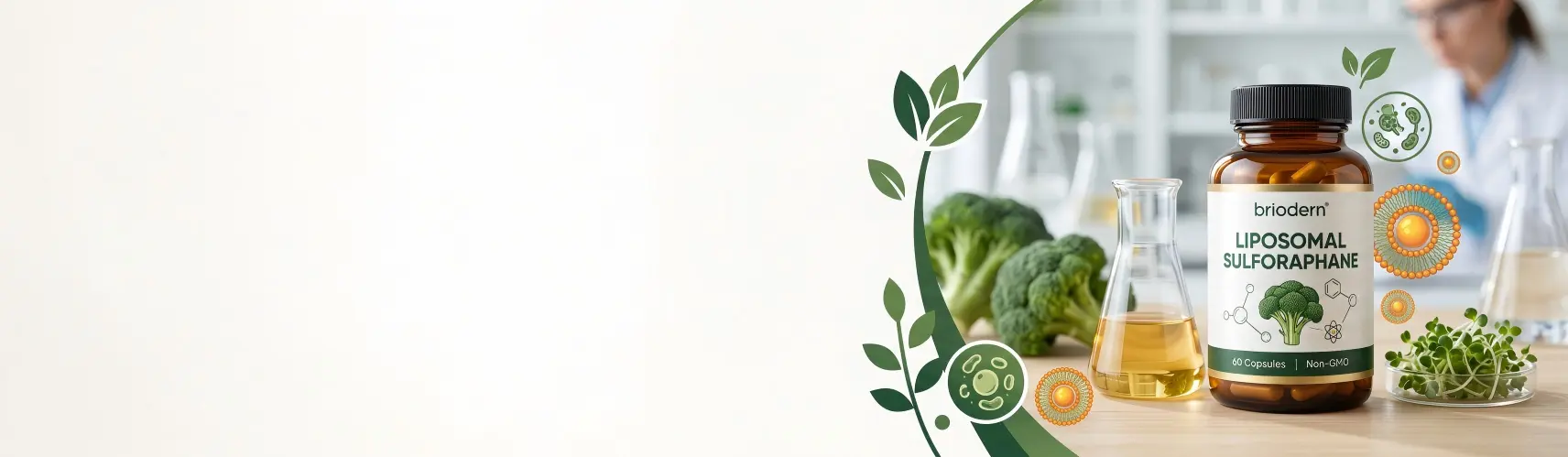
Liposomal Sulforaphane Manufacturing at a Glance
KS Nutripharma develops and manufactures liposomal sulforaphane supplements for brand owners, procurement teams, and contract manufacturing partners. We support bulk liposomal ingredients, custom formulation, capsule production, liquid formats, packaging, quality control, and repeat commercial supply.
| Parameter | Capability |
| Active Systems | Pre-formed Sulforaphane (SFN) / Glucoraphanin (GR) / GR + Myrosinase / Broccoli Sprout Extract |
| Delivery System | Phospholipid-based liposomal system using sunflower- or soy-derived phosphatidylcholine |
| Formats | Liposomal powder / hard-shell capsules / liquid dispersion / bulk ingredient / finished supplement |
| Capsule Shell | HPMC vegetarian or bovine gelatin; common sizes #0, #00, and #1 |
| Customization | Active loading / carrier system / particle-size target / dosage / capsule / packaging |
| Analytical Controls | Particle size / PDI / encapsulation efficiency / active assay / phospholipid quality / stability |
| Manufacturing Models | OEM / ODM / Private Label / Bulk Supply |
| Finished-Product MOQ | Typically 3,000–5,000 units per SKU; bulk MOQ is project-dependent |
| Typical Development Timing | Sampling 10–20 days; pilot 20–30 days; commercial production 35–50 days after approval |
| Quality Framework | GMP, ISO 9001, ISO 22000, HACCP; Halal and Kosher support available where applicable |
Looking for broader sulforaphane product solutions? Explore our Sulforaphane Supplements for additional sulforaphane ingredient forms, formulation concepts, and product development options.
Why Work With KS Nutripharma?
For a liposomal supplement, the manufacturing partner matters as much as the ingredient. A commercially viable product must connect formulation feasibility, dosage-form manufacturing, analytical control, packaging, regulatory documentation, and repeat supply.
| Manufacturing Evidence | KS Nutripharma Capability |
| Established | Founded in 2007 with long-term nutraceutical manufacturing experience |
| Facility | 81,000+ m² manufacturing footprint |
| Production Lines | 12 production lines across capsules, tablets, softgels, gummies, and powders |
| Capsule Capacity | 5+ million capsules per day |
| Global Supply | Products exported to 60+ countries |
| Brand Experience | 500+ brand customers served |
| Analytical Infrastructure | HPLC, particle-size analysis, zeta-potential analysis, ICP-MS, GC-MS and related QC capabilities |
| Documentation | CoA, specifications, batch records, stability documentation, and regulatory support according to project requirements |
Supporting certification, manufacturing, and quality documentation can be reviewed by qualified buyers according to the applicable project and confidentiality requirements.
Liposomal Sulforaphane Formats
Choose the dosage form according to your target dose, market positioning, stability requirements, shipping model, and retail format. We can develop the same active concept across multiple formats where technically feasible.
| Format | Typical Application | Key Buyer Consideration |
| Liposomal Powder | Capsules, sachets, functional-food applications, bulk supply | Drying method, residual moisture, powder flow, packaging barrier |
| Liposomal Capsules | Retail and e-commerce supplements | Fill weight, capsule size, humidity control, dosage uniformity, shelf-life validation |
| Liquid Dispersion | Liquid supplements and selected beverage applications | Dispersion stability, pH, preservation strategy, packaging and logistics |
| Bulk Liposomal Ingredient | Third-party encapsulation or regional manufacturing | Bulk specification, batch size, packaging, CoA and traceability |
| Finished Supplement | Ready-to-market private label or OEM products | Formula, packaging, labeling, regulatory market, MOQ and production schedule |
Liposomal Sulforaphane Formula Concepts
There is no single sulforaphane formula that fits every market. The optimal formulation depends on the active system, target dose, serving size, dosage form, stability requirements, ingredient compatibility, target cost, and regulatory market.
The following concepts are OEM/ODM starting points, not fixed formulas. KS Nutripharma can adjust the active system, supporting ingredients, dosage levels, capsule configuration, and delivery format according to your product requirements.
Compare Sulforaphane Formula Architectures
| Formula Concept | Active System | Product Positioning | Key Formulation Logic | Suggested Format |
|---|---|---|---|---|
| Pure SFN | Liposomal Sulforaphane | Premium single-active | Simple formula architecture with a clear hero ingredient | HPMC / Gelatin Capsule |
| SFN + Quercetin | Liposomal SFN + Quercetin | Antioxidant Wellness | Combines SFN with a complementary polyphenol for a broader formula concept | Capsule |
| SFN + NAC | Liposomal SFN + NAC | Cellular & Antioxidant Wellness | Builds a multi-ingredient antioxidant formula with higher formulation differentiation | Capsule |
| GR + Myrosinase | Glucoraphanin + Protected Myrosinase | Science-Driven / Conversion-Focused | Uses a precursor-plus-enzyme architecture rather than pre-formed SFN | Capsule / Capsule-in-Capsule |
| SFN + Selenium | Liposomal SFN + Selenium | Daily Cellular Wellness | Adds a compact micronutrient component to broaden the product concept | Capsule |
| Custom SFN Stack | SFN or GR + Selected Ingredients | Market-Specific | Formula architecture is built around positioning, dose, cost, stability, and regulatory requirements | Capsule / Powder |
If you don’t know how to choose a market position, you can shift to our sulforaphane health benefits page.
- Core System: Liposomal Sulforaphane
- Why Choose: Clear hero-ingredient positioning with a simple label and strong delivery-technology story.
- R&D Focus: SFN loading, phospholipid ratio, moisture and oxidation control, capsule capacity, and shelf stability.
- Format: HPMC / Gelatin Capsule · Bulk Powder
- Best For: Premium wellness, healthy-aging, and high-potency antioxidant brands.
- Core System: Liposomal SFN + Quercetin
- Why Choose: Adds a complementary polyphenol for broader antioxidant positioning and greater formula differentiation.
- R&D Focus: Quercetin grade, total fill weight, lipid-matrix compatibility, and multi-ingredient stability.
- Format: HPMC / Gelatin Capsule
- Best For: Antioxidant, daily wellness, and premium multi-ingredient products.
- Core System: Liposomal SFN + N-Acetyl Cysteine (NAC)
- Why Choose: Builds a differentiated multi-ingredient formula around cellular and antioxidant positioning.
- R&D Focus: NAC moisture sensitivity, odor control, powder flow, particle compatibility, and filling performance.
- Format: HPMC / Gelatin Capsule
- Best For: Cellular wellness, antioxidant, and premium healthy-aging products.
- Core System: Glucoraphanin (GR) + Protected Myrosinase
- Why Choose: Uses a precursor-plus-enzyme architecture as an alternative to pre-formed SFN formulations.
- R&D Focus: Myrosinase activity protection, processing conditions, physical separation, and storage stability.
- Format: Standard Capsule · Capsule-in-Capsule
- Best For: Science-led, conversion-focused, and technically differentiated SKUs.
Technical Option: Capsule-in-Capsule
For GR + Myrosinase formulations, physical separation may be considered when keeping the precursor and enzyme apart during storage provides a meaningful formulation benefit.
This configuration adds manufacturing complexity and cost, so KS Nutripharma evaluates it against stability requirements, target dose, capsule capacity, and target cost before recommending it.
- Core System: Liposomal SFN + Selenium
- Why Choose: Combines SFN with a low-dose micronutrient for broader daily wellness positioning.
- R&D Focus: Micro-dosing uniformity, regulatory limits, total fill weight, and formulation balance.
- Format: HPMC / Gelatin Capsule
- Best For: Daily wellness and multi-benefit cellular health products.
- Core System: SFN / Glucoraphanin + Selected Actives
- Why Choose: Built around your target dose, serving size, cost target, market requirements, and regulatory needs.
- R&D Focus: Active dose → capsule capacity → compatibility → stability → target cost.
- Format: Capsule · Powder · Capsule-in-Capsule
- Best For: Proprietary formulas, differentiated SKUs, and multi-market product development.
Ingredient Options for Custom Sulforaphane Formulas
Sulforaphane can be developed as a single-active product or combined with selected ingredients to support different product positioning. Ingredient selection is evaluated based on active form, target dose, compatibility, stability, dosage form, target cost, and market requirements.
- NAC
- Glutathione
- CoQ10
- Vitamin C
- Alpha Lipoic Acid
- Quercetin
Potential Direction: Multi-ingredient antioxidant and cellular wellness formulas.
- NMN
- Resveratrol
- Pterostilbene
- Spermidine
- Fisetin
Potential Direction: Premium healthy-aging and longevity-oriented formulas.
Potential Direction: Multi-functional brain and cognitive wellness concepts.
- Milk Thistle
- NAC
- Dandelion Root
- Artichoke Extract
Potential Direction: Broader liver and daily wellness formulations.
- DIM
- Calcium D-Glucarate
- Chaste Tree Berry
- Evening Primrose Oil
Potential Direction: Women’s wellness formulas incorporating sulforaphane as part of a broader multi-ingredient concept.
- Berberine
- Chromium
- EGCG
- Cinnamon Extract
Potential Direction: Multi-ingredient metabolic and daily wellness concepts.
- Vitamin C
- Zinc
- Vitamin D3
- Quercetin
Potential Direction: Broader daily wellness and immune-positioned formulations.
Don’t see your target combination?
Additional ingredients can be evaluated based on active form, dosage, compatibility, stability, processing requirements, regulatory requirements, and target cost.
SFN, glucoraphanin, myrosinase-containing systems, and broccoli sprout extracts are not interchangeable. The active foundation affects formulation, stability, testing, dosage communication, and product positioning.
| Active System | Main Characteristic | Formulation Consideration | Best Fit |
| Pre-formed SFN | Direct bioactive isothiocyanate | More sensitive to oxygen, light, heat, and moisture; tighter process and packaging controls may be required | Premium direct-SFN formulations |
| Glucoraphanin (GR) | Stable glucosinolate precursor | Requires conversion to SFN; generally more forgiving during processing than pre-formed SFN | Stability-focused or cost-sensitive formulations |
| GR + Myrosinase | Precursor plus conversion enzyme | Myrosinase activity must be preserved; physical separation may be considered | Conversion-focused, science-led formulations |
| Broccoli Sprout Extract | Botanical matrix containing glucosinolates and related compounds | Standardization and lot-to-lot characterization are important | Whole-food or botanical-positioned products |
Important: a GR-based product should not automatically be described as a liposomal sulforaphane product. The final product description should accurately reflect the active system and manufacturing configuration.
Related internal Resource: Sulforaphane vs. Glucoraphanin
During liposomal sulforaphane formulation development, the following parameters can be evaluated and customized:
- Active system and active loading per serving
- Sunflower-derived or soy-derived phosphatidylcholine
- Phospholipid-to-active ratio
- Particle-size and PDI development targets
- Encapsulation-efficiency target based on the formulation
- Serving size and capsule fill weight
- HPMC or gelatin capsule shell
- Capsule size, color, and appearance
- Powder, capsule, liquid, or bulk format
- Packaging configuration and moisture protection
- Desiccant strategy and barrier packaging
- Target market and applicable product specification
Higher active loading is not automatically better. The formulation must balance active dose, carrier ratio, particle-size distribution, powder properties, stability, capsule capacity, and commercial cost.
| Evaluation | Liposomal Powder | Liquid Dispersion |
| Capsule Manufacturing | Directly compatible with hard-shell capsule filling after suitable powder development | Requires liquid-filling or bottling equipment |
| Shipping | Lower weight and no liquid leakage risk | Heavier and may require additional temperature or packaging controls |
| Moisture | Residual moisture must be controlled | Aqueous system requires control of pH, preservation, and seal integrity |
| Stability | Depends on drying process, moisture, carrier, and packaging barrier | Depends on dispersion stability, pH, antioxidant system, and storage conditions |
| Packaging | Bottle, sachet, or bulk barrier packaging with desiccant where appropriate | Amber glass or HDPE with suitable closure |
| Best Fit | Capsules, dry products, bulk ingredient supply | Liquid supplements and selected beverage applications |
Liposomal delivery can make sulforaphane an attractive option for brands developing premium supplement products around antioxidant, cellular wellness, and healthy-aging positioning. The formulation value of a liposomal system is primarily related to delivery-system design, ingredient protection, and product differentiation rather than simply adding another active to the formula.
From a product-development perspective, key considerations include:
- Premium positioning: A liposomal delivery system can provide a differentiated formulation story compared with conventional sulforaphane products.
- Delivery-focused formulation: Phospholipid-based systems can be engineered around particle size, encapsulation efficiency, and physical stability.
- Flexible product development: Liposomal SFN can be developed as a single-active product or combined with selected ingredients for broader formulation concepts.
- Commercial differentiation: Delivery technology can help brands create a more specialized product architecture beyond standard sulforaphane capsules.
The final formulation should be evaluated based on the active form, target dose, delivery system, stability requirements, dosage form, and target market.
Capsules offer a practical commercial format for liposomal sulforaphane, combining convenient dosing, dry-state storage, and efficient global shipping. For B2B product development, the key is not simply filling liposomal powder into a capsule—it is ensuring that the active dose, powder characteristics, capsule capacity, stability, and target cost work together.
Capsule Development Focus
- Dose & Fill Weight: Target active dose is matched with powder assay, bulk density, and capsule capacity to determine a commercially feasible fill weight.
- Powder Performance: Density, flowability, moisture sensitivity, and particle characteristics are evaluated before encapsulation.
- Capsule Selection: HPMC or gelatin shells can be selected according to product positioning, market requirements, and formulation compatibility.
- Moisture & Stability: Controlled-humidity processing and moisture-barrier packaging can be considered where required by the formulation and stability profile.
- Quality Control: Finished capsules can be evaluated for active assay, dosage uniformity, microbiological quality, and applicable physical specifications.
Capsule Size & Dose Feasibility
Common capsule sizes include #0, #00, and #1, but capsule selection should not be based on size alone.
The actual fill weight depends on:
Target SFN Dose → Powder Assay → Bulk Density → Formula Composition → Capsule Capacity
If the target dose cannot be accommodated in the preferred capsule size, the formulation can be reviewed through dose adjustment, excipient optimization, capsule-size selection, or serving-size adjustment.
This feasibility assessment helps brands avoid developing a formula that looks attractive on paper but is difficult to manufacture at commercial scale.
From Formula Concept to Commercial Capsule
Already have a target SFN dose or formula?
KS Nutripharma can evaluate the formulation for capsule capacity, powder handling, stability, packaging, and commercial manufacturing feasibility before finalizing the production specification.
Quality testing is defined around the active system, dosage form, product specification, and target market. For liposomal sulforaphane, the focus is not only on finished-product assay, but also on raw-material identity, delivery-system characteristics, and stability over time.
| Stage | Representative Controls |
|---|---|
| Raw Material QC | Identity, assay, heavy metals, microbiological limits, pesticides or residual solvents where applicable, phospholipid purity, and oxidation-related parameters |
| Liposomal System Characterization | Particle size, PDI, encapsulation efficiency, and zeta potential where applicable and supported by the analytical method |
| Finished Product QC | Active assay, dosage uniformity, weight variation, microbiological quality, and disintegration/dissolution where applicable |
| Stability Monitoring | Active assay, particle-size and PDI changes, encapsulation efficiency, moisture, oxidation-related parameters, and microbiological stability where relevant |
Stability Approach
Stability testing is designed around the specific formulation and its known degradation risks.
Depending on the product architecture, the study may monitor:
- Active stability: changes in SFN or other specified actives
- Delivery-system stability: particle size, PDI, and encapsulation efficiency where applicable
- Lipid stability: oxidation-related indicators for phospholipid-containing systems
- Physical stability: moisture and relevant dosage-form characteristics
- Microbiological stability: microbiological parameters according to the product specification
Real-time and accelerated studies can be conducted according to the agreed stability protocol, product specification, and target-market requirements.
Documentation Available for Review
Depending on project scope and confidentiality requirements, buyers may request:
- Product specifications
- Batch-specific CoA
- Applicable analytical methods or method references
- Stability study summaries
- Relevant batch and quality documentation
The specific testing panel is agreed during product development rather than applying the same QC package to every sulforaphane formulation.
Choose the collaboration model that matches your current sulforaphane liposomal development stage.
| Model | Best For | KS Nutripharma Provides |
|---|---|---|
| OEM | Established formula and specifications | Manufacturing, packaging, QC testing, and batch release to approved specifications |
| ODM | Product concept requiring formulation support | Formula development, active selection, delivery-system engineering, testing strategy, manufacturing, and packaging |
| Private Label | Faster market entry using an existing concept or validated base | Product selection, branding, packaging, production, and QA release |
Have a validated formula? → OEM
Need formulation engineering? → ODM
Looking for a faster launch? → Explore Private Label options
A structured development process helps move a liposomal sulforaphane concept from initial requirements to repeat commercial production.
1. Requirement Review
Confirm the active system, target dose, dosage form, target market, packaging, and expected volume.
2. Feasibility Assessment
Review formulation fit, dosage-form feasibility, processing requirements, stability considerations, and target cost.
3. Sample Development
Develop the prototype and conduct the agreed analytical and formulation evaluations.
4. Pilot Validation
Validate the manufacturing process, scale-up parameters, and batch consistency before commercial production.
5. Commercial Production
Manufacture the approved formula with QC testing, packaging, documentation, and batch release.
6. Ongoing Supply
Support repeat production, quality monitoring, production scheduling, and supply planning.
Timeline depends on formulation complexity, analytical requirements, packaging, and specification approval. A technical feasibility assessment is completed before commercial production is scheduled.
Typical starting points are provided below for initial project planning. Actual MOQ and lead time depend on the formulation, dosage form, packaging, testing requirements, and production schedule.
| Item | Typical Starting Point / Guidance |
|---|---|
| Finished Capsules | 3,000–5,000 units per SKU |
| Bulk Liposomal Powder | Project-dependent; based on formulation and minimum viable batch size |
| Sample Development | Typically 10–20 days after formulation requirements are confirmed |
| Pilot Batch | Typically 20–30 days after formula and specifications are approved |
| Commercial Production | Typically 35–50 days after final specification, packaging, and production approval |
| Repeat Orders | Usually shorter lead times once formula, packaging, and QC specifications are established |
For recurring programs, production scheduling can be planned around annual demand, forecast volume, lead-time requirements, and inventory strategy.
Need a project-specific MOQ or lead-time estimate? Include your target quantity and packaging requirements in the RFQ.
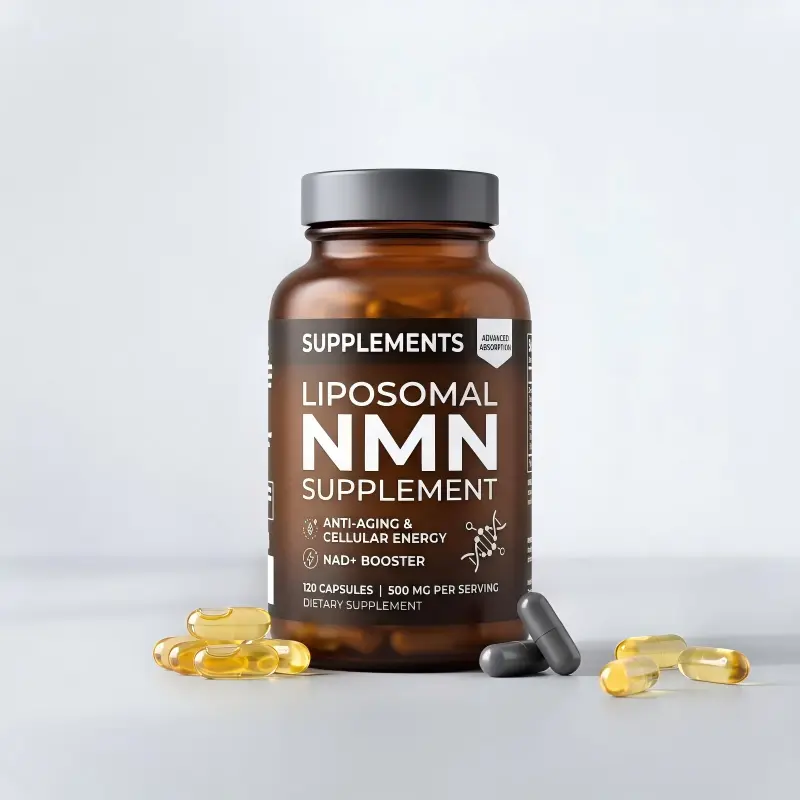
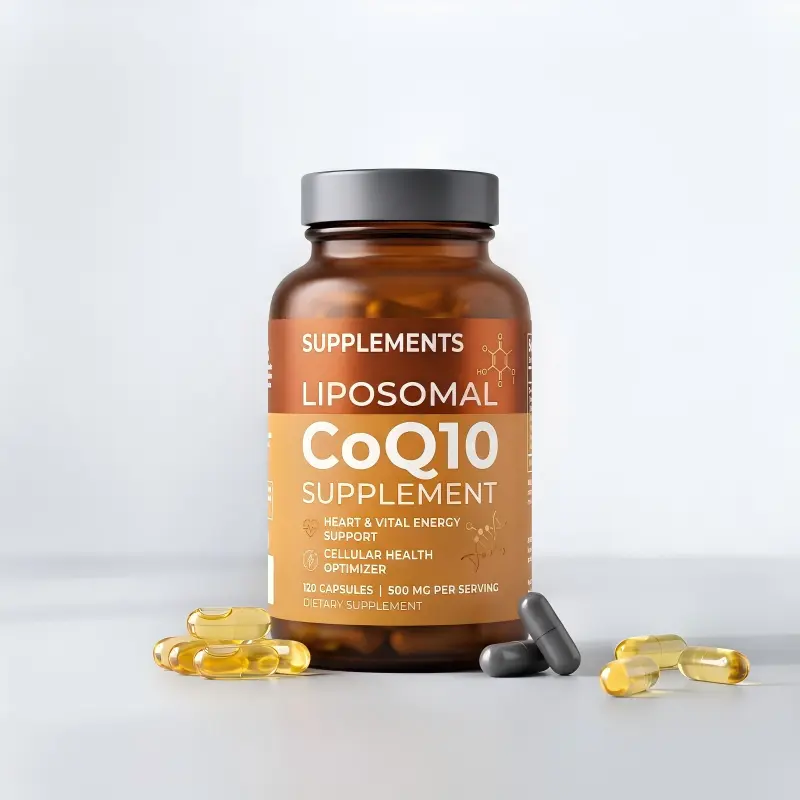
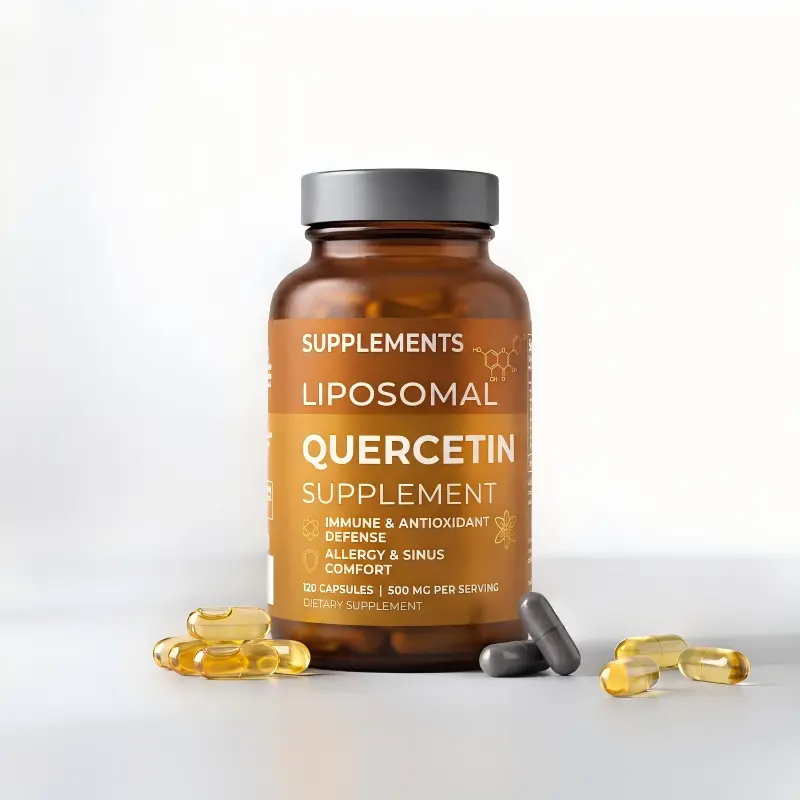
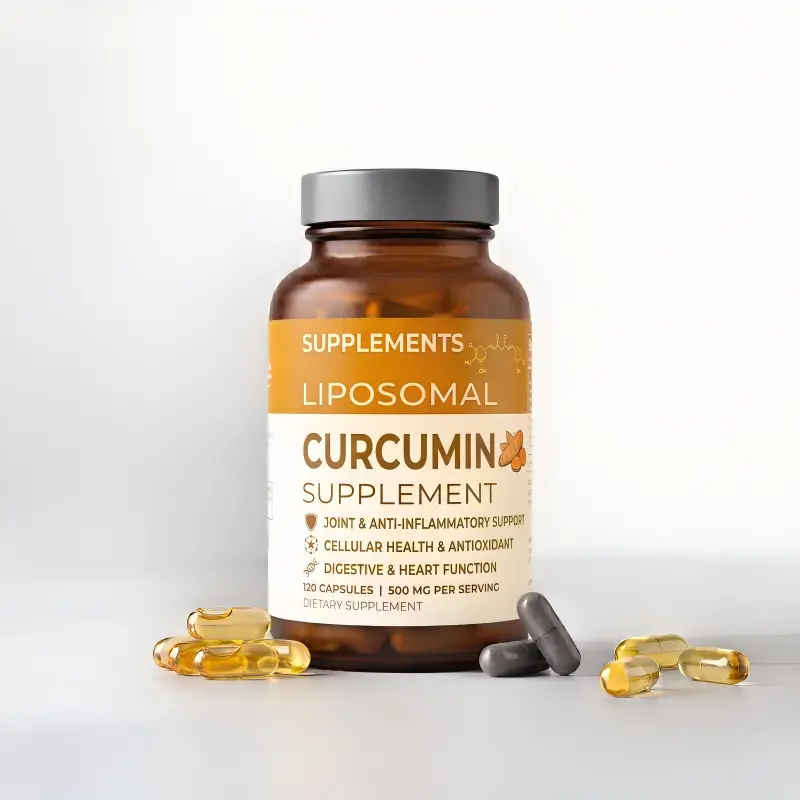
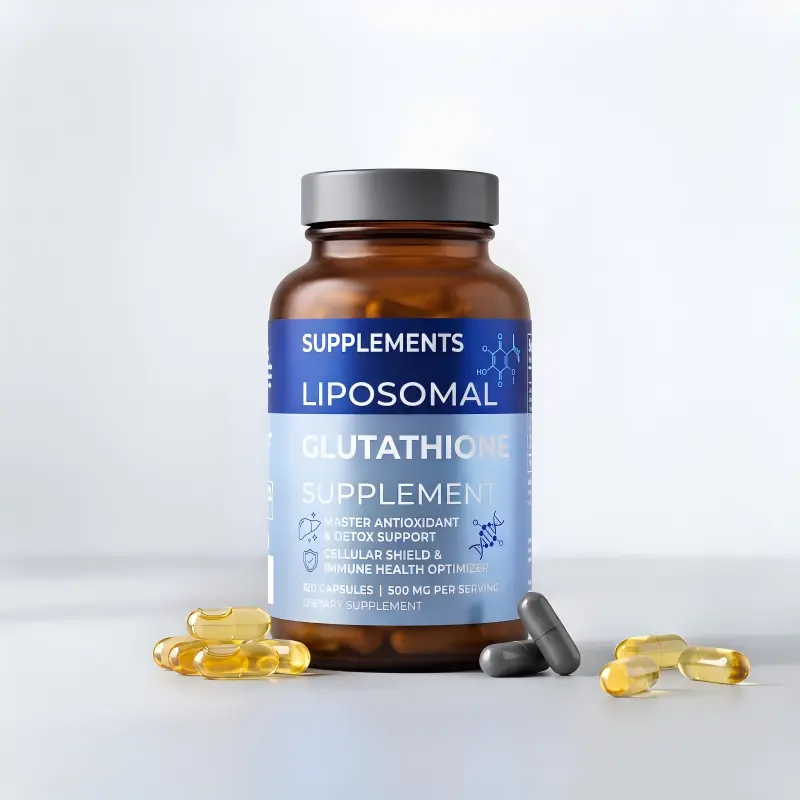
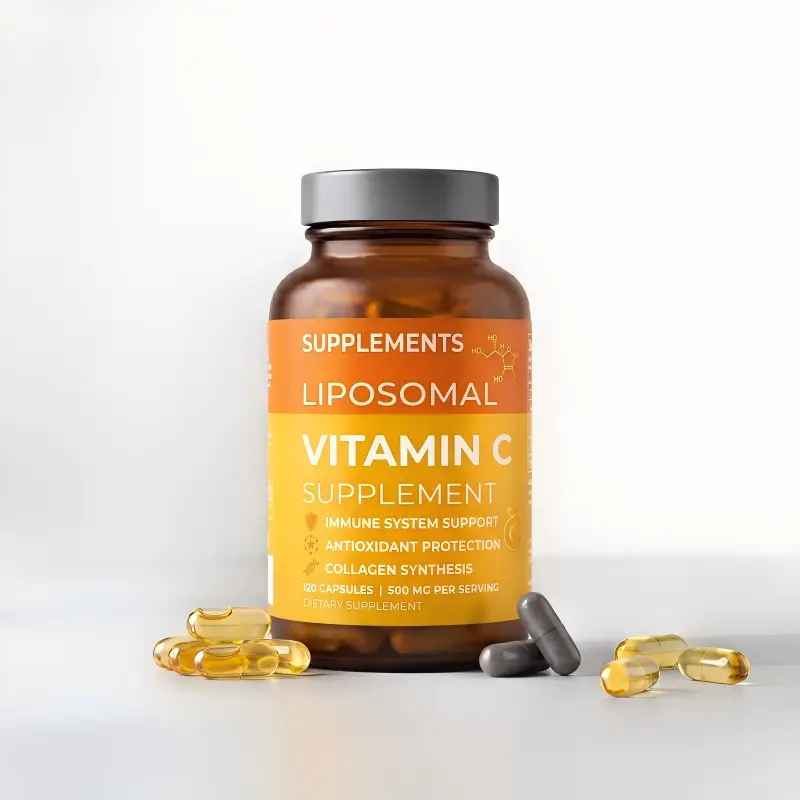
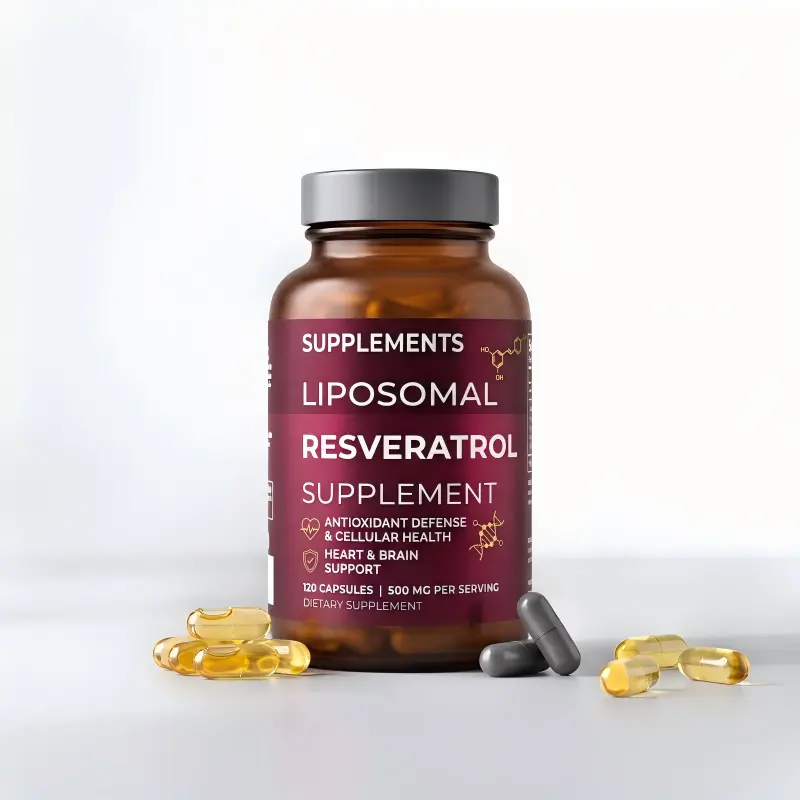
Related Liposomal Products
Request a Liposomal Sulforaphane Manufacturing Quote
Have a formula, product concept, or target dose in mind? Send us the key project details and our technical team can review the formulation direction, dosage-form feasibility, and manufacturing requirements.
Required for Initial Assessment
- Active System: SFN / Glucoraphanin / GR + Myrosinase / Broccoli Sprout Extract
- Target Dose: mg or μmol per serving
- Format: Powder / Capsule / Liquid Dispersion / Bulk Ingredient
- Target Quantity: Units or kg
- Target Market: US / EU / APAC / Other
Helpful for Technical Evaluation
- Myrosinase requirement: Yes / No / Open to recommendation
- Phospholipid preference: Sunflower / Soy / Open to recommendation
- Target particle size, if specified
- Capsule size: #0 / #00 / #1 / Open to recommendation
- Serving size and capsules per serving
- Packaging: Bottle / Blister / Sachet / Bulk Drum
- Estimated annual or repeat-order volume
Already have a formula or specification sheet? Send it with your inquiry. Our team can review the available information as part of the initial technical feasibility assessment.
What Happens Next?
Submit Requirements → Technical Review → Feasibility Feedback → Quotation / Development Proposal
[Request a Manufacturing Quote →]
Related Resources & Internal Linking
| Resources | Recommended Anchor Text | URL |
| Sulforaphane overview | What Is Sulforaphane? | https://kssupplements.com/what-is-sulforaphane/ |
| Active selection | Sulforaphane vs. Glucoraphanin | https://kssupplements.com/sulforaphane-vs-glucoraphanin/ |
| Myrosinase | Sulforaphane with Myrosinase — Why Enzyme Activation Matters | https://kssupplements.com/sulforaphane-with-myrosinase-why-enzyme-activation-matters/ |
| Capsule format | Sulforaphane Capsule Supplement Manufacturer | https://kssupplements.com/sulforaphane-capsule-supplement-manufacturer/ |
| Liposomal technology | Liposomal Supplements | https://kssupplements.com/liposomal-supplements/ |
| Analytical technology | Encapsulation Efficiency in Liposomal Supplements | https://kssupplements.com/what-is-encapsulation-efficiency-of-liposomal-supplements/ |
Yes. We manufacture liposomal sulforaphane and glucoraphanin systems in powder and capsule formats, as well as bulk ingredient formats. The final manufacturing route is selected according to the active system, dose, stability requirements, and target specification.
Yes. Bulk liposomal powder can be supplied for third-party encapsulation, formulation, or regional packaging. MOQ and specifications are project-dependent.
Yes. We can develop products based on pre-formed sulforaphane, glucoraphanin, GR with myrosinase, and broccoli sprout extract. Each system is evaluated separately for formulation and stability.
Yes. GR + myrosinase systems can be developed, including physical-separation configurations such as capsule-in-capsule where technically justified.
Particle-size targets are formulation-specific and are measured by DLS. A typical development range for oral liposomal systems may be around 80–250 nm, but final specifications are established during development.
Free active is separated from vesicle-associated active using an appropriate analytical separation method, followed by quantitative analysis such as HPLC. The acceptance criterion is established for the individual formulation.
- Fahey JW, Wade KL, Wehage SL, et al. Sulforaphane bioavailability from glucoraphanin-rich broccoli: control by active endogenous myrosinase. PLoS One. 2015;10(11):e0140963.
- Atwell LL, Hsu A, Wong CP, et al. Absorption and chemopreventive targets of sulforaphane in humans following consumption of broccoli sprouts or a myrosinase-treated broccoli sprout extract. Mol Nutr Food Res. 2015;59(3):424-433.
- Mastaloudis A, Holcomb L, Fahey JW, et al. Exogenous myrosinase from mustard seed increases bioavailability of sulforaphane from a glucoraphanin-rich broccoli seed extract in a randomized clinical study. Sci Rep. 2026;16(1):9162.
- Shapiro TA, Fahey JW, Wade KL, et al. Human metabolism and excretion of cancer chemoprotective glucosinolates and isothiocyanates of cruciferous vegetables. Cancer Epidemiol Biomarkers Prev. 1998;7(12):1091-1100.
- Vermeulen M, Klöpping-Ketelaars IW, van den Berg R, Vaes WH. Bioavailability and kinetics of sulforaphane in humans after consumption of cooked versus raw broccoli. J Agric Food Chem. 2008;56(22):10505-10509.
- USP-NF. General Chapters <61>, <62>, <905>. United States Pharmacopeia. Current edition.
Scientific evidence cited on this page is provided for formulation and educational reference. Study results apply to the specific preparations, doses, and populations investigated and should not be interpreted as guarantees of equivalent performance for every commercial formulation.