Table of Contents
Quick Facts
What Is Sulforaphane? (The Simple Version)
How It Actually Works
1. Brain Health & Mental Clarity
2. Healthy Aging & Longevity
3. Fighting Oxidative Stress
4. Metabolic Health & Blood Sugar Support
5. Skin Health & UV Protection
6. Exercise Recovery & Athletic Performance
7. Cellular Defense & Detoxification
8. Respiratory & Immune Support
9–12. Emerging Research Areas
Who Should Consider Sulforaphane?
How to Choose a Quality Sulforaphane Supplement
Safety & Side Effects
Why Source Matters: Broccoli Sprouts vs. Supplements
For Brands: OEM Sulforaphane Manufacturing with KSNutripharma
Frequently Asked Questions (FAQ)
Key Takeaways
Sources & References
Quick Facts
| What is it? | A natural compound from broccoli sprouts that activates your body’s cellular defense system |
| How it works | Switches on the Nrf2 pathway — your body’s “master regulator” of antioxidant protection |
| Discovery | Johns Hopkins University, 1992 — hailed as one of the top scientific discoveries of the 20th century |
| Potency | 13x more powerful than curcumin, 18x more than milk thistle, 105x more than resveratrol at activating cellular defenses |
| Key source | Broccoli sprouts contain 20–50x more sulforaphane than mature broccoli |
Looking for sulforaphane supplement manufacturing? KS Nutripharma offers OEM private label services — capsules, tablets, powders, and custom formulations.
OEM Available | Flexible MOQ | 4–6 Week Lead Time | GMP/ISO/HACCP Certified | 500,000+ Capsules/Day Capacity
[→ Request a Quote from KSNutripharma]
What Is Sulforaphane?
Sulforaphane is a natural compound found in cruciferous vegetables — broccoli, Brussels sprouts, cabbage, and kale. When you chew or chop these vegetables, a chemical reaction occurs that produces sulforaphane from its precursor compound, glucoraphanin.
Here’s why scientists got excited: In 1992, Dr. Paul Talalay and his team at Johns Hopkins University discovered that a compound in broccoli dramatically boosted the body’s production of protective enzymes. This finding landed on the front page of The New York Times and was named one of the greatest scientific discoveries of the 20th century by Popular Mechanics.
Two years later, Johns Hopkins researcher Dr. Jed Fahey made another breakthrough: broccoli sprouts contain 20 to 50 times more sulforaphane precursors than full-grown broccoli. This is why broccoli sprouts — and supplements made from them — are the gold standard for sulforaphane intake.
How It Actually Works
Your cells have a built-in defense system called the Nrf2 pathway. Think of Nrf2 as a master switch that turns on over 200 protective genes when your cells are under stress — from pollution, poor diet, UV exposure, aging, or intense exercise.
Sulforaphane is currently the most potent natural compound known to activate this switch. When Nrf2 is turned on, your cells produce more:
- Antioxidant enzymes— to neutralize harmful free radicals
- Detoxification proteins— to process and remove environmental toxins
- Anti-inflammatory compounds— to calm cellular inflammation
- Cellular repair machinery— to fix damaged proteins and DNA
This is why sulforaphane research spans so many health areas — it’s not treating specific diseases. It’s strengthening your cells’ fundamental ability to protect and repair themselves.
1. Brain Health & Mental Clarity
Your brain is incredibly vulnerable to oxidative stress. It consumes 20% of your body’s energy but makes up only 2% of your body weight. It’s also loaded with fats (which oxidize easily) and has relatively weak built-in antioxidant defenses compared to other organs.
Sulforaphane crosses the blood-brain barrier — something many supplements can’t do — and activates Nrf2 in brain tissue. Here’s what the research shows:
Alzheimer’s Disease
Multiple animal studies at Johns Hopkins and other institutions have shown that sulforaphane protects brain cells from amyloid-beta — the protein that forms plaques in Alzheimer’s disease. In one 2025 study, mice treated with sulforaphane showed restored Nrf2 levels in the hippocampus (the brain’s memory center) and reduced oxidative damage markers. The protection was directly linked to Nrf2 activation — when researchers used genetically modified mice without Nrf2, sulforaphane’s benefits disappeared entirely.
Parkinson’s Disease
Parkinson’s involves the loss of dopamine-producing neurons in a brain region called the substantia nigra. Three independent animal studies have shown that sulforaphane protects these specific neurons from chemical toxins that mimic Parkinson’s disease, improves motor function, and reduces brain inflammation. Again, the protection was abolished in mice lacking Nrf2, confirming the mechanism.
Schizophrenia
A 2024 randomized double-blind clinical trial from the University of Maryland and Johns Hopkins tested sulforaphane in patients with early-stage schizophrenia. While it didn’t improve overall cognitive function across the board, it showed meaningful benefits in specific areas: spatial working memory, verbal learning, and reasoning/problem-solving — with the strongest effect on working memory.
Autism Spectrum Disorder
The most well-known human trial was led by Dr. Andrew Zimmerman at the University of Massachusetts and published in PNAS (the journal of the National Academy of Sciences). After 18 weeks of sulforaphane treatment:
- 34% improvement in aberrant behavior scores
- 17% improvement in social responsiveness scores
- Benefits were lost when treatment stopped, and regained when restarted
A 2020 systematic review of all five clinical trials to date found that every single trial showed positive results for behavior and cognitive function in ASD.
Important: These are early and preclinical findings. Sulforaphane is not a treatment or cure for any neurological condition. Always consult a healthcare provider.
2. Healthy Aging & Longevity
Aging, at the cellular level, involves a gradual decline in your body’s defense and repair capabilities. Nrf2 activity specifically decreases as you get older — which scientists believe makes cells more vulnerable to the accumulated damage that drives aging.
Researchers have called Nrf2 a “guardian of healthspan and gatekeeper of species longevity.” The idea is simple: if declining Nrf2 contributes to aging, then supporting Nrf2 activity might help maintain healthier cellular function for longer.
Skin Aging
A landmark 2022 study published in The Journal of Nutritional Biochemistry gave aged mice (21 months old — equivalent to humans in their 60s) a sulforaphane-enriched diet for 3 months. The results were striking:
- Nrf2 and protective enzyme levels rose significantly
- Oxidative stress markers (ROS, MMP9) dropped
- Collagen structure improved dramatically— the skin actually looked younger under the microscope
- Epidermal thickness was preserved at levels matching young mice
The researchers concluded that sulforaphane supplementation “ameliorates skin aging through activation of the Nrf2-pathway.”
Cellular Senescence
Sulforaphane also interacts with other longevity-related pathways beyond Nrf2:
- AMPK— a cellular energy sensor linked to longer lifespan in animal studies
- Autophagy— your cells’ recycling and cleanup process, which declines with age
- Mitochondrial biogenesis— the creation of new, healthy mitochondria (your cells’ power plants)
Bottom line: No supplement has been proven to extend human lifespan. But the research suggests sulforaphane may support healthier cellular aging by maintaining your body’s natural defense systems.
3. Fighting Oxidative Stress
Oxidative stress is the imbalance between free radicals (harmful molecules) and your body’s ability to neutralize them. It’s implicated in virtually every chronic health condition and is a natural consequence of modern life — pollution, processed food, stress, and even normal metabolism all contribute.
Why Sulforaphane Stands Out
A 2014 review in Oxidative Medicine and Cellular Longevity compared how effectively different popular supplements activate the Nrf2 pathway (measured by the concentration needed to double the activity of NQO1, a key protective enzyme):
| Supplements | Relative Potency |
| Sulforaphane | 1x (baseline — most potent) |
| Andrographolides | 7x less potent |
| Quercetin | 12.5x less potent |
| Curcumin | 13.5x less potent |
| Milk Thistle (Silymarin) | 18x less potent |
| Resveratrol | 105x less potent |
| Green Tea (EGCG) | 250x less potent |
This isn’t to say that other supplements don’t work — they do. But sulforaphane’s potency at the cellular level is in a different league.
Detoxifying Air Pollutants
One of the most impressive human studies was conducted in Qidong, China — a region with severe air pollution. In a 12-week randomized clinical trial with 291 participants, daily consumption of a broccoli sprout beverage led to:
- 61% increase in excretion of benzene (a known carcinogen from car exhaust and industrial emissions)
- 23% increase in excretion of acrolein (a lung irritant from tobacco smoke and cooking fumes)
- Benefits started within days and were sustained for the entire 12 weeks
This was a collaboration between Chinese researchers and Johns Hopkins — including Dr. Jed Fahey — and was published in Cancer Prevention Research. It provided the first human evidence that sulforaphane helps your body eliminate real-world airborne pollutants faster.
4. Metabolic Health & Blood Sugar Support
Metabolic health — how well your body processes energy, manages blood sugar, and maintains healthy lipid levels — is fundamental to overall wellness. Animal studies suggest sulforaphane supports metabolic health through several mechanisms.
Insulin Resistance & Type 2 Diabetes
A 2023 study in Biomedicine & Pharmacotherapy used mice fed a high-fat diet to model the metabolic dysfunction seen in prediabetes. Mice treated with sulforaphane showed:
- Reduced body weight gain
- Lower fasting blood glucose
- Improved cholesterol and triglyceride profiles
- Better liver function markers
- Enhanced insulin signaling in liver cells
The mechanism was traced to the AMPK/Nrf2/GPx4 pathway — essentially, sulforaphane helped maintain redox balance and metabolic homeostasis at the cellular level.
Heart Health Connection
Because metabolic dysfunction often leads to cardiovascular problems, researchers have also looked at sulforaphane’s effects on heart tissue. Studies show it:
- Activates Nrf2 in heart muscle cells
- Reduces inflammatory signaling (NF-κB pathway)
- Improves mitochondrial function in cardiomyocytes
- Helps prevent diabetes-related heart damage in animal models
Important:
Human clinical trials in metabolic diseases are still limited. Sulforaphane is not a replacement for diabetes medication or medical treatment. If you have a metabolic condition, consult your doctor.
5. Skin Health & UV Protection
Your skin is your largest organ and your first line of defense against the environment. UV radiation, pollution, and normal aging all generate oxidative stress in skin cells — breaking down collagen, causing wrinkles, and damaging DNA.
The 2022 Journal of Nutritional Biochemistry study mentioned earlier provided compelling evidence for sulforaphane’s skin benefits:
In aged mice, 3 months of sulforaphane supplementation:
- Dramatically increased Nrf2 and protective enzyme activity in skin tissue
- Significantly reduced collagen-degrading enzymes (MMP9)
- Restored collagen structure to a more youthful appearance
- Protected epidermal thickness
The Nrf2 pathway regulates over 200 protective genes in skin cells, making it a comprehensive defense system against photoaging and environmental damage.
Practical Implications
This research suggests sulforaphane works from the inside out — supporting your skin’s resilience through systemic Nrf2 activation. Some skincare products are also exploring topical sulforaphane application for direct UV protection, though oral supplementation has the stronger evidence base.
6. Exercise Recovery & Athletic Performance
Intense exercise generates oxidative stress in muscle tissue. While some oxidative signaling is necessary for training adaptation, excessive oxidative damage contributes to muscle soreness, fatigue, and slower recovery.
The First Human Exercise Study
In 2021, Japanese researchers published the first human clinical trial examining sulforaphane for exercise recovery in Nutrients:
Study design: 16 young men, divided into sulforaphane and placebo groups. They took supplements for 2 weeks, then performed a challenging elbow exercise protocol designed to induce muscle damage.
Results after 2 days (when soreness typically peaks):
- Muscle soreness was significantly lowerin the sulforaphane group
- Range of motion impairment was reduced— muscles stayed more flexible
- Oxidative stress markers (MDA) were significantly lower
- Nrf2 activity (measured by NQO1 gene expression) was confirmed elevated
The researchers noted that this could benefit not just athletes looking to train harder and recover faster, but also everyday people who avoid exercise because of soreness.
How Athletes Are Using It
Based on the current evidence, athletes interested in sulforaphane typically:
- Take it consistently (Nrf2 elevation takes ~2 weeks to reach meaningful levels)
- Use it during intense training blocks or competition prep
- Pair it with adequate protein, sleep, and hydration for optimal recovery
Note: This was a small pilot study (16 participants). Larger trials are needed to confirm these effects across different populations and exercise types.
7. Cellular Defense & Detoxification (The Big Picture)
Sulforaphane’s core benefit — Nrf2 activation — has ripple effects throughout the body. Here’s a practical way to think about it:
Your Body Has Two Detoxification Phases
Phase I breaks down toxins and medications. This is what most people think of as “detox.” The problem: Phase I often creates intermediate compounds that can be more harmful than the original substance.
Phase II conjugates these intermediates — attaches molecules that make them water-soluble and ready for excretion. This is the critical safety step.
Sulforaphane is a selective Phase II inducer. It boosts your conjugation and elimination pathways without cranking up Phase I oxidation. This is a rare and valuable property — many other compounds increase both phases simultaneously, which can sometimes do more harm than good.
The Enzymes Sulforaphane Boosts
| Enzyme | What It Does | Why It Matters |
| NQO1 | Detoxifies harmful quinones | People genetically low in NQO1 are more susceptible to benzene toxicity |
| HO-1 | Breaks down heme; produces antioxidant bilirubin | Protects tissues from oxidative injury |
| Glutathione-related enzymes | Produce and use glutathione — your body’s “master antioxidant” | Glutathione levels decline with age and stress |
| SOD2 | Neutralizes superoxide in mitochondria | Mitochondrial protection = energy protection |
Importantly, these enzymes stick around. In human cell studies, NQO1 activity remained elevated for more than 5 days after sulforaphane exposure — suggesting that consistent, moderate intake may provide sustained protection.
8. Respiratory & Immune Support
While not one of the original 7 modules requested, respiratory health is worth mentioning because it’s one of the areas where sulforaphane’s pollution-detoxification effects are most relevant.
The Qidong, China trial showed that sulforaphane increases excretion of airborne pollutants by 23–61%. For people living in urban environments with traffic pollution, industrial emissions, or wildfire smoke exposure, this represents a practical mechanism for supporting respiratory health.
Additionally, sulforaphane has been shown in laboratory studies to:
- Reduce viral replication in airway cells (including influenza)
- Support mucosal barrier function in the respiratory tract
- Modulate immune cell activity toward a more balanced inflammatory response
Human clinical trials in respiratory conditions are ongoing.
9–12. Emerging Research Areas
Sulforaphane research is expanding rapidly. Here are four additional areas where preclinical evidence is promising but human data is still developing:
9. Gut Health
Sulforaphane protects intestinal barrier integrity (reducing “leaky gut”) and modulates gut microbiome composition. The gut-liver axis and gut-brain axis mean these effects may have body-wide implications.
10. Eye Health
The retina is highly susceptible to oxidative stress. Animal studies show sulforaphane protects retinal cells from light-induced damage and may support macular health through Nrf2 activation in ocular tissue.
11. Liver Health
As the body’s primary detoxification organ, the liver naturally benefits from enhanced Phase II enzyme activity. Multiple animal studies show sulforaphane protects against fatty liver disease, alcohol-induced liver damage, and toxin-induced liver injury.
12. Women’s Health
Preclinical studies are exploring sulforaphane’s effects on hormonal balance, breast tissue health, and bone density maintenance — all areas where oxidative stress and inflammation play significant roles.
Remember: These areas are still in the early research phase. The evidence is strongest for the 7 areas covered in detail above.
Who Should Consider Sulforaphane?
Based on the current evidence, sulforaphane supplementation may be most relevant for:
People concerned about environmental exposure: – Urban dwellers dealing with air pollution – Smokers or those exposed to secondhand smoke – People working with chemicals or industrial solvents
Active individuals: – Athletes in intense training – Weekend warriors who experience significant post-exercise soreness – Anyone looking to support exercise recovery
Those focused on healthy aging: – Middle-aged and older adults looking to maintain cellular defense capacity – People interested in skin health from the inside out – Anyone with a family history of neurodegenerative conditions (preventive support, not treatment)
General wellness seekers: – People who don’t eat enough cruciferous vegetables – Those looking for evidence-based antioxidant support beyond basic vitamins – Biohackers and longevity enthusiasts interested in Nrf2 activation
How to Choose a Quality Sulforaphane Supplement?
Not all sulforaphane products are equal. Here’s what to look for:
The Bioavailability Problem
Sulforaphane is created from a precursor called glucoraphanin. This conversion requires an enzyme called myrosinase. Here’s the issue:
- Glucoraphanin only = relies on gut bacteria for conversion (highly variable — some people convert almost none)
- Glucoraphanin + myrosinase = allows conversion in the body (better, but still variable)
- Stabilized sulforaphane = pre-converted, ready to use (most reliable and consistent)
Look for products that specify the actual sulforaphane content, not just glucoraphanin.
Quality Checklist
| Features | Why It Matters |
| Third-party tested | Independent verification of potency and purity |
| COA available | Certificate of Analysis shows exactly what’s in the product |
| Standardized extract | Guarantees consistent sulforaphane content batch to batch |
| Clean label | No unnecessary fillers, binders, or artificial ingredients |
| Protected dosage form | Capsules offer better stability than liquids or loose powders |
| Heavy metal & microbial tested | Ensures safety from contamination |
Dosage Guidance
Research studies have used a wide range of doses. Meaningful effects have been observed at:
- 30 mg/day(exercise recovery studies)
- 50 μmol per 100 lbs body weight(autism trials — roughly equivalent to ~30–60 mg for most adults)
- 200 μmol/day(approx. 35 mg — suggested as a well-tolerated maximal effective dose for a 70 kg person)
Start with a moderate dose and adjust based on your response and healthcare provider’s guidance.
Safety & Side Effects
Sulforaphane has an excellent safety profile across multiple human trials lasting from 2 weeks to 12 months. No serious adverse effects have been reported at standard supplemental doses.
Generally well-tolerated, but consider these precautions:
- Thyroid conditions: Very high intake of raw cruciferous vegetables can affect iodine absorption. This is less relevant for purified sulforaphane supplements but worth discussing with your doctor.
- Blood thinners: Broccoli products contain vitamin K, which interacts with warfarin and similar medications. Purified sulforaphane extracts have minimal vitamin K, but check with your healthcare provider.
- Pregnancy & Breastfeeding: Consult your doctor before starting any new supplement.
- Gut sensitivity: Very high doses may cause mild digestive discomfort in some people. Start low and increase gradually.
Medical Disclaimer: This content is for informational purposes only and does not constitute medical advice. Sulforaphane is not FDA-approved to diagnose, treat, cure, or prevent any disease. Always consult a qualified healthcare provider before starting any supplement, especially if you have a medical condition or take medications.
Why Source Matters: Broccoli Sprouts vs. Supplements
You might wonder: Can’t I just eat more broccoli?
You absolutely should eat broccoli and other cruciferous vegetables — they’re fantastic for health. But getting therapeutic levels of sulforaphane from food alone is challenging:
The cooking problem: Myrosinase (the enzyme that makes sulforaphane) is destroyed by heat. Steaming broccoli for just 2 minutes retains most myrosinase, but boiling or microwaving destroys it almost completely.
The quantity problem: You’d need to eat roughly 1–2 pounds of raw broccoli (or a few ounces of broccoli sprouts) daily to match the doses used in clinical trials. That’s a lot of broccoli.
The consistency problem: Sulforaphane content varies dramatically based on growing conditions, storage time, and preparation method. Supplements offer standardized, reliable dosing.
The gut bacteria problem: Even with raw broccoli, sulforaphane production depends on your individual gut microbiome — and some people’s gut bacteria barely convert glucoraphanin at all. Stabilized sulforaphane supplements bypass this variability entirely.
Best approach: Eat cruciferous vegetables regularly for general health, and consider a quality sulforaphane supplement when you want targeted, consistent dosing.
For Brands: OEM Sulforaphane Manufacturing with KS Nutripharma®
If you’re a supplement brand looking to add sulforaphane to your product line, choosing the right manufacturing partner is critical. Sulforaphane’s instability and bioavailability challenges require specialized formulation expertise.
KS Nutripharma’s Sulforaphane Manufacturing Services
KS Nutripharma is a leading B2B nutraceutical manufacturer with specialized capabilities in sulforaphane extraction and formulation:
| Service | Details |
| OEM Private Label | Your brand, our formulation expertise |
| Flexible MOQ | Suitable for startups and established brands |
| Lead Time | 4–6 weeks standard; expedited available |
| Certifications | GMP, ISO 22000, HACCP, third-party tested |
| Daily Capacity | 500,000+ capsules per day |
Available Dosage Forms: – Hard-shell capsules (vegetarian HPMC or gelatin) – Tablets (film-coated for stability) – Bulk powders for functional foods and beverages – Liquid concentrates – Custom stacks (e.g., sulforaphane + curcumin for synergistic Nrf2 support)
Quality Assurance: – Stabilized sulforaphane with guaranteed potency – Batch-specific Certificate of Analysis (COA) – 12-month stability testing – Heavy metal, pesticide, and microbial screening – Allergen-free and non-GMO options available
Regulatory Support: – FDA-registered manufacturing facility – DSHEA compliance review – International export documentation (EU, ASEAN, Australia) – Label claim substantiation support
The KS Nutripharma Difference
What sets KSNutripharma apart in sulforaphane manufacturing:
- Stabilized sulforaphane technology— not just glucoraphanin. We use stabilized sulforaphane that bypasses the gut conversion variability, ensuring your customers get the active compound every time.
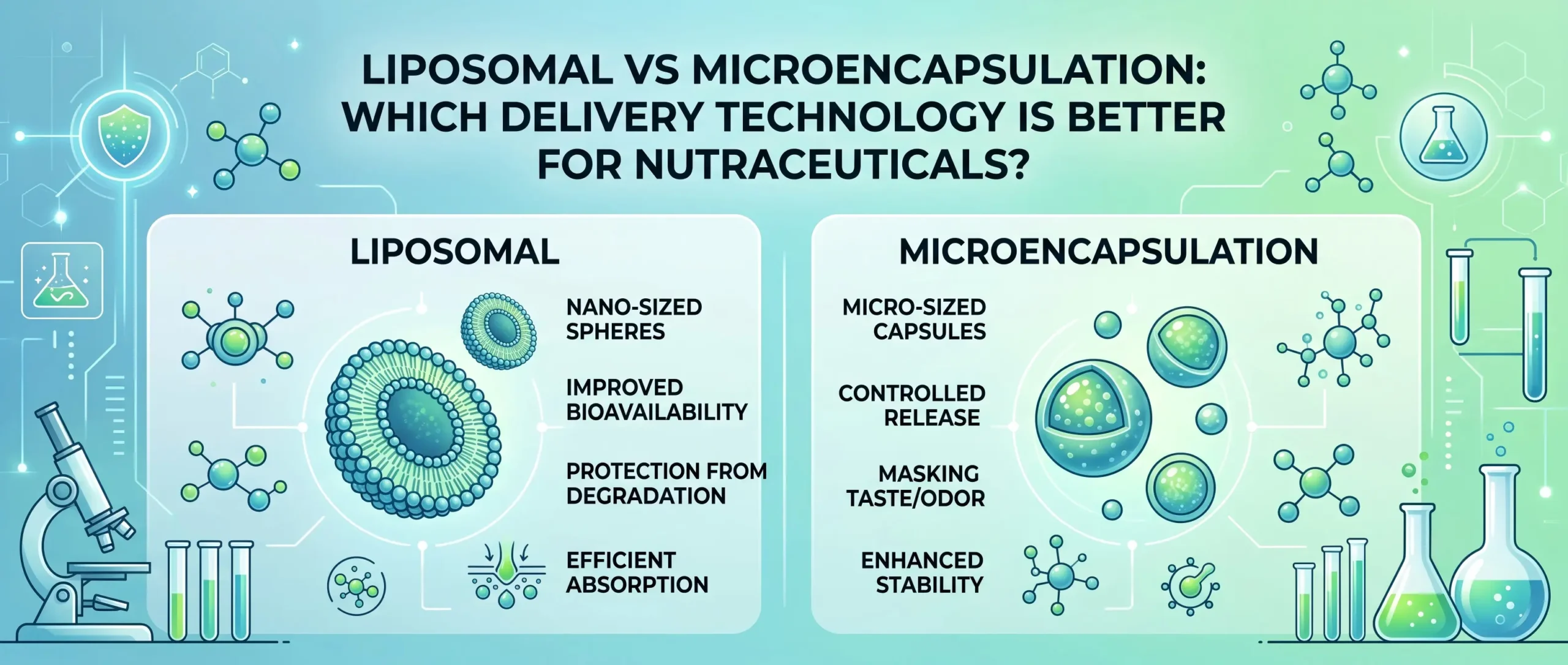
- Bioavailability optimization— liposomal delivery and other advanced formulation techniques available to maximize absorption.
- Science-backed formulation— our team stays current with the latest Johns Hopkins and PubMed research to ensure formulations match clinical evidence.
- Full supply chain transparency— from broccoli seed selection to finished product, full traceability and documentation.
Ready to launch your sulforaphane product line? [Contact KSNutripharma for a custom quote] — our formulation team will work with you to develop a product that stands out in the market.
Frequently Asked Questions
Q: How long does it take to feel the benefits from sulforaphane?
A: It depends on what you’re targeting. Detoxification effects can begin within days (as shown in the China air pollution trial). Exercise recovery benefits appear after 2 weeks of consistent use. Neurological and metabolic benefits in studies typically required 12–18 weeks. Nrf2 enzyme elevation is measurable after about 2 weeks.
Q: What’s the best time of day to take sulforaphane?
A: There’s no definitive research on timing. Many people take it in the morning with food. Because it’s not a stimulant, it won’t affect sleep. Consistency matters more than timing.
Q: Can I get enough sulforaphane from food instead of supplements?
A: Broccoli sprouts are the best food source — they’re concentrated enough that a small handful can provide meaningful sulforaphane. Mature broccoli requires large quantities (1–2 pounds raw daily) to match clinical doses. Cooking destroys the conversion enzyme unless you eat raw sprouts or add mustard powder.
Q: Is sulforaphane safe for long-term use?
A: Clinical trials have safely administered sulforaphane for up to 12 months with no serious side effects. It’s derived from a common food source (broccoli) and works through your body’s natural pathways rather than forcing unnatural biochemical changes.
Q: Will sulforaphane cure my disease?
A: No. Sulforaphane is not approved to treat, cure, or prevent any disease. It supports your body’s natural cellular defense systems. Think of it as strengthening your cellular infrastructure, not treating a medical condition. If you have a health condition, consult your doctor.
Q: What should brands look for in a sulforaphane manufacturer?
A: Key criteria: (1) Uses stabilized sulforaphane, not just glucoraphanin, (2) Third-party testing with COAs, (3) GMP-certified facility, (4) Experience with sulforaphane’s stability challenges, (5) Ability to provide bioavailability-enhanced formulations, (6) Regulatory compliance support.
Q: What’s the difference between glucoraphanin and sulforaphane?
A: Glucoraphanin is the inactive precursor found in broccoli. Sulforaphane is the active compound your body uses. The conversion requires the enzyme myrosinase — which many people’s gut bacteria don’t provide efficiently. Supplements with “stabilized sulforaphane” contain the active form directly.
Q: Can sulforaphane be combined with other supplements?
A: Yes. Sulforaphane works synergistically with other Nrf2 activators (like curcumin and resveratrol) and is complementary to basic antioxidants (vitamins C and E, glutathione). There’s no known negative interaction with common supplements, but always check with your healthcare provider if you have specific concerns.
Key Takeaways
- Sulforaphane is the most potent natural Nrf2 activator known— 13x more powerful than curcumin and 105x more than resveratrol at the cellular level.
- Human clinical evidence existsfor air pollution detoxification, exercise recovery, and autism symptom support. Preclinical evidence is strong for brain health, metabolic health, skin aging, and cellular defense.
- It works by activating your body’s own defense systems— not by forcing artificial biochemical changes. This makes it fundamentally different from pharmaceutical interventions.
- Quality matters enormously.Look for stabilized sulforaphane (not just glucoraphanin), third-party testing, and manufacturers with specific expertise in this compound.
- Safety is well-establishedacross multiple human trials with durations up to 12 months.
- For brands:Sulforaphane is one of the fastest-growing categories in the nutraceutical space. Partnering with an experienced manufacturer like KSNutripharma ensures your product delivers the science-backed benefits consumers are looking for.
Sources & References
This article is based on peer-reviewed research from the following sources. Full citations are provided for verification.
- Johns Hopkins University Magazine. “Hope Sprouts Eternal: Broccoli Sprouts Health Research.” Spring 2023. URL: https://hub.jhu.edu/magazine/2023/spring/broccoli-sprouts-health-research/
- PMC — “Sulforaphane—A Compound with Potential Health Benefits for Disease Prevention and Treatment” (2023). URL: https://pmc.ncbi.nlm.nih.gov/articles/PMC10886109/
- Found My Fitness — Interview with Dr. Jed Fahey, Johns Hopkins University. URL: https://www.foundmyfitness.com/episodes/jed-w-fahey
- PMC — “Sulforaphane and Other Nutrigenomic Nrf2 Activators: Can the Clinical Success Be Improved?” (2015). URL: https://pmc.ncbi.nlm.nih.gov/articles/PMC4736808/
- Journal of Nutritional Biochemistry — “Dietary supplementation with sulforaphane ameliorates skin aging through activation of the Keap1-Nrf2 pathway” (2022). URL: https://www.sciencedirect.com/science/article/abs/pii/S0955286321002370
- Biomedicine & Pharmacotherapy — “Sulforaphane alleviates high fat diet-induced insulin resistance via AMPK/Nrf2/GPx4 axis” (2023). URL: https://www.sciencedirect.com/science/article/pii/S075333222200662X
- PMC — “Sulforaphane as a Potential Protective Phytochemical against Neurodegenerative Diseases” (2013). URL: https://pmc.ncbi.nlm.nih.gov/articles/PMC3745957/
- PMC — “Efficacy of Sulforaphane in Neurodegenerative Diseases” (2020). URL: https://pmc.ncbi.nlm.nih.gov/articles/PMC7698208/
- Nutrients — “Effect of a sulforaphane supplement on muscle soreness and damage induced by eccentric exercise in young adults: A pilot study” (2021). URL: https://pmc.ncbi.nlm.nih.gov/articles/PMC8685487/
- Cancer Prevention Research — “Rapid and Sustainable Detoxication of Airborne Pollutants by Broccoli Sprout Beverage: Results of a Randomized Clinical Trial in China” (2014). URL: https://pmc.ncbi.nlm.nih.gov/articles/PMC4125483/
- PMC — “Sulforaphane Treatment for Autism Spectrum Disorder: A Systematic Review” (2020). URL: https://pmc.ncbi.nlm.nih.gov/articles/PMC7527484/
- PMC — “Sulforaphane Effects on Cognition and Symptoms in First and Early Episode Schizophrenia” (2024). URL: https://pmc.ncbi.nlm.nih.gov/articles/PMC11205988/
- PMC — “Sulforaphane Mitigates Oxidative Stress in Alzheimer’s Disease” (2025). URL: https://pmc.ncbi.nlm.nih.gov/articles/PMC12724992/
- PNAS — Singh et al. “Sulforaphane treatment of autism spectrum disorder” (2014). URL: https://www.drperlmutter.com/wp-content/uploads/2021/06/Autism-Ms-PNAS-Final.pdf
- National Academy of Sciences — Paul Talalay Memorial (1923–2019). URL: https://www.nasonline.org/wp-content/uploads/2024/10/Talalay-Paul.pdf
- gov — Sulforaphane for Schizophrenia Trial (NCT02810964). URL: https://cdn.clinicaltrials.gov/large-docs/64/NCT02810964/Prot_SAP_000.pdf
This article was researched and written by the editorial team at KSNutripharma, a GMP-certified B2B nutraceutical manufacturer specializing in evidence-based supplement formulation and OEM production. All health claims are supported by peer-reviewed research cited above with direct URLs. This content is for informational purposes only and does not constitute medical advice.