


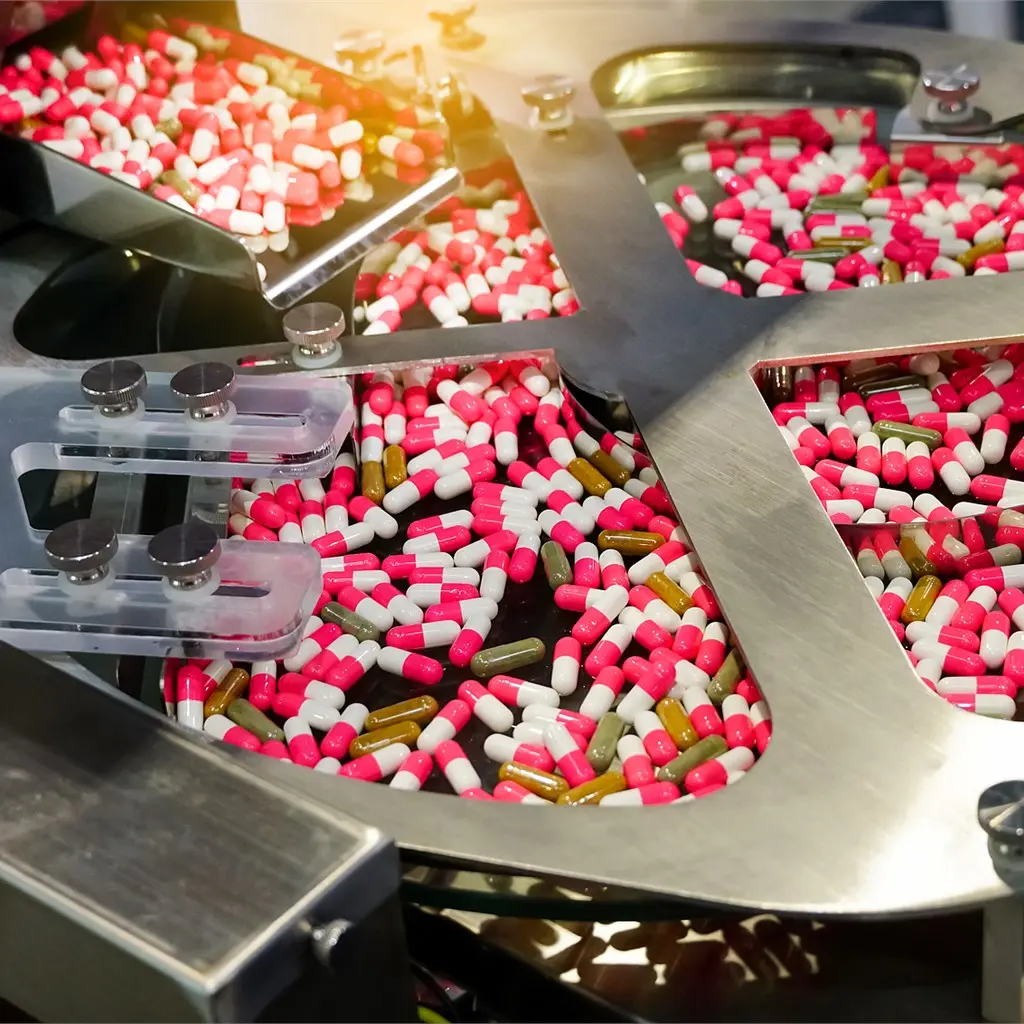

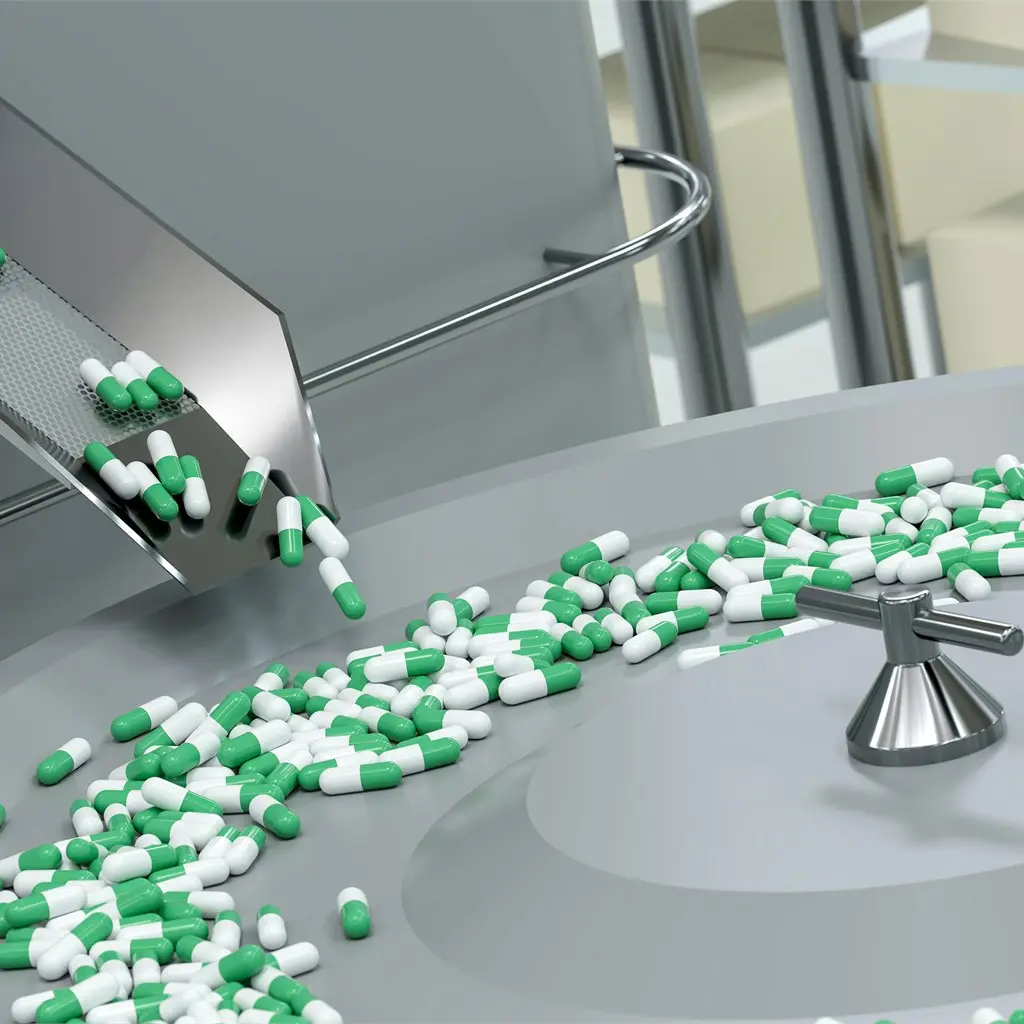
Vision Support Supplements Manufacturing for Global Brands
KS Nutripharma is a vision support supplements manufacturer for OEM, private label, and custom formulation. A vision support supplement may be developed around carotenoids, vitamins and minerals, or selected botanicals. The product concept and the target market decide which route is quoted.
Private-label projects can start from an existing formula and change the pack and the artwork. Custom formulation projects need a separate review of the ingredient list, the amounts, and whether the dosage form can be made.
cGMP · ISO 9001 · ISO 22000 · HACCP · FSSC 22000 · Halal · Kosher · batch COA · in-house testing and third-party testing as scoped
MOQ, Lead Time and How a Project Moves
These are planning figures for KS finished-unit projects. The confirmed number follows the formula, the dosage form, the pack, and the testing scope.
| Items | Typical Figure |
|---|---|
| Softgel or capsule MOQ | About 3,000–5,000 finished units per SKU |
| Tablet | Confirmed with the compression trial |
| Powder, stick, or gummy | Confirmed after a format trial. No default unit count on this page |
| Sample | 7–15 days after the specification is agreed |
| Commercial production | Often 30–45 days after the formula, artwork, testing plan, and schedule are agreed |
Project steps: concept, label, or ingredient list → feasibility and quote → sample → artwork and pack → production and release.
Request a Vision Support Supplement Quote
Related Eye Health Product Development
KS also manufactures other eye health supplements. These are the briefs that most often arrive next to a vision support project.
- Lutein supplements — free lutein or ester, and milligrams as lutein
- AREDS eye vitamins — a product built on an AREDS or AREDS2 nutrient list
- Eye strain supplements — screen-use products
- Eye health ingredients — raw-material grades
- Eye antioxidants — antioxidant-led formulas
Vision Support Formula Options
The amounts below are commercial panels used to prepare a quote. They are not recommended intakes.

Use when: The concept is a carotenoid vision support supplement, usually lutein and zeaxanthin.
Specify: Lutein milligrams as lutein, zeaxanthin milligrams, free lutein or lutein ester, and whether the grade is an oil or a beadlet. A 10 mg lutein with 2 mg zeaxanthin panel, and a 20 mg with 4 mg panel, are both used for quotation.
Trade-off: The most direct private-label carotenoid supplement. A vitamin-and-mineral concept moves to F02. Adding astaxanthin or a botanical moves to F03. A lutein-only specification is handled on the lutein page linked above.

Use when: Vitamins and minerals lead the concept. Carotenoids are added when the panel names them.
Specify: Each vitamin and mineral in the form and amount on the brand’s panel. Any carotenoid line uses the same grade information as F01.
Trade-off: More bulk than F01, so the usual formats are a capsule or a tablet. A high mineral load and an oil-based carotenoid are often made as two units. A product built on an AREDS or AREDS2 nutrient list is quoted on the AREDS page linked above. Using some of the same nutrients does not make this an AREDS2 formula. The full composition, the amounts, and the positioning are reviewed there.
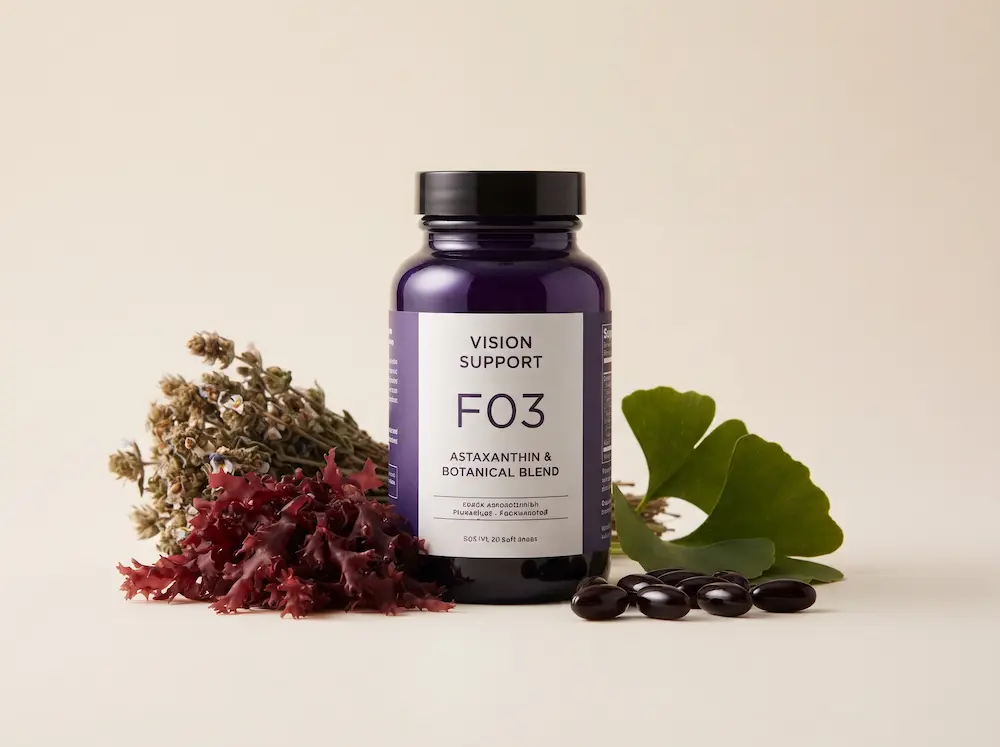
Use when: The concept adds astaxanthin or a named botanical to a vision support supplement.
Specify: The source, the plant part, and the amount of each added ingredient. The brand names the market position. This page does not rank the formula as premium.
Trade-off: An extra oil to protect, or a botanical identity to document, compared with F01. Screen-use products and antioxidant-led formulas use the pages linked above.
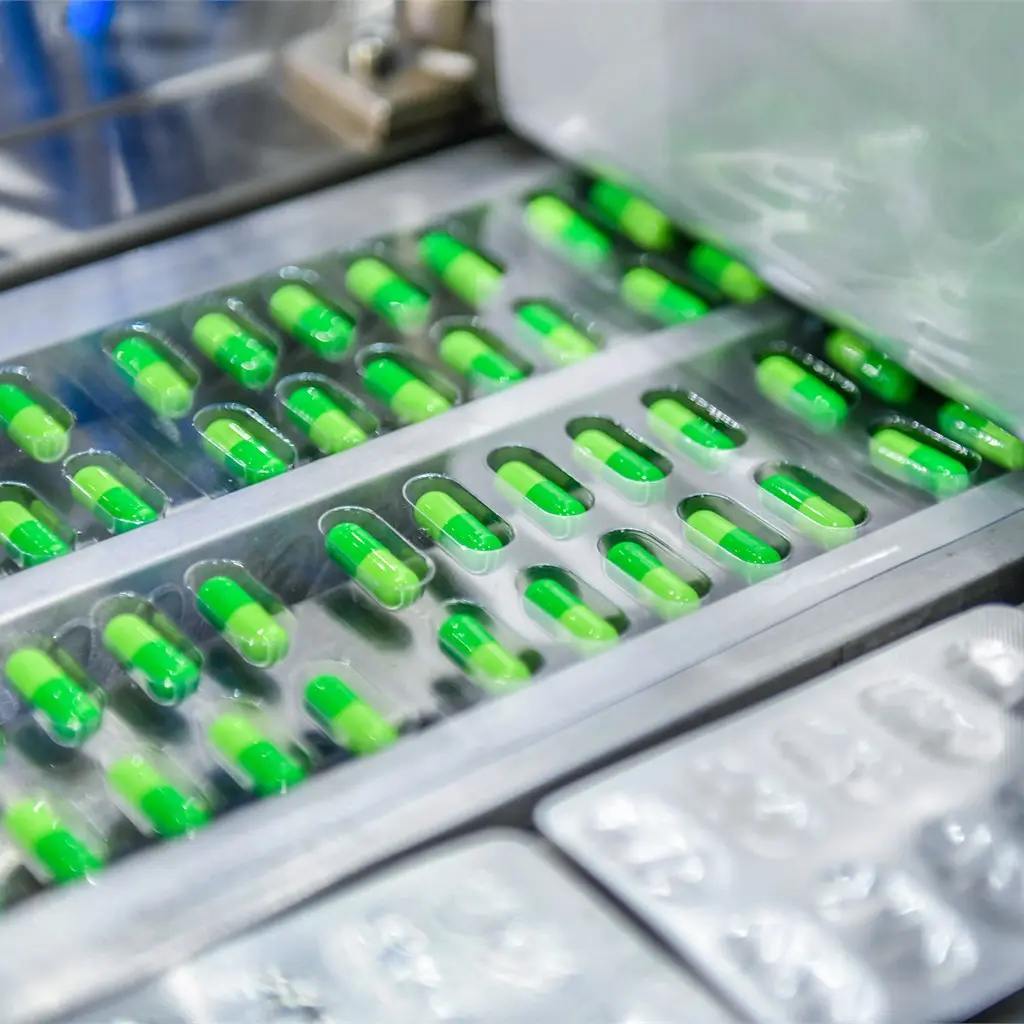
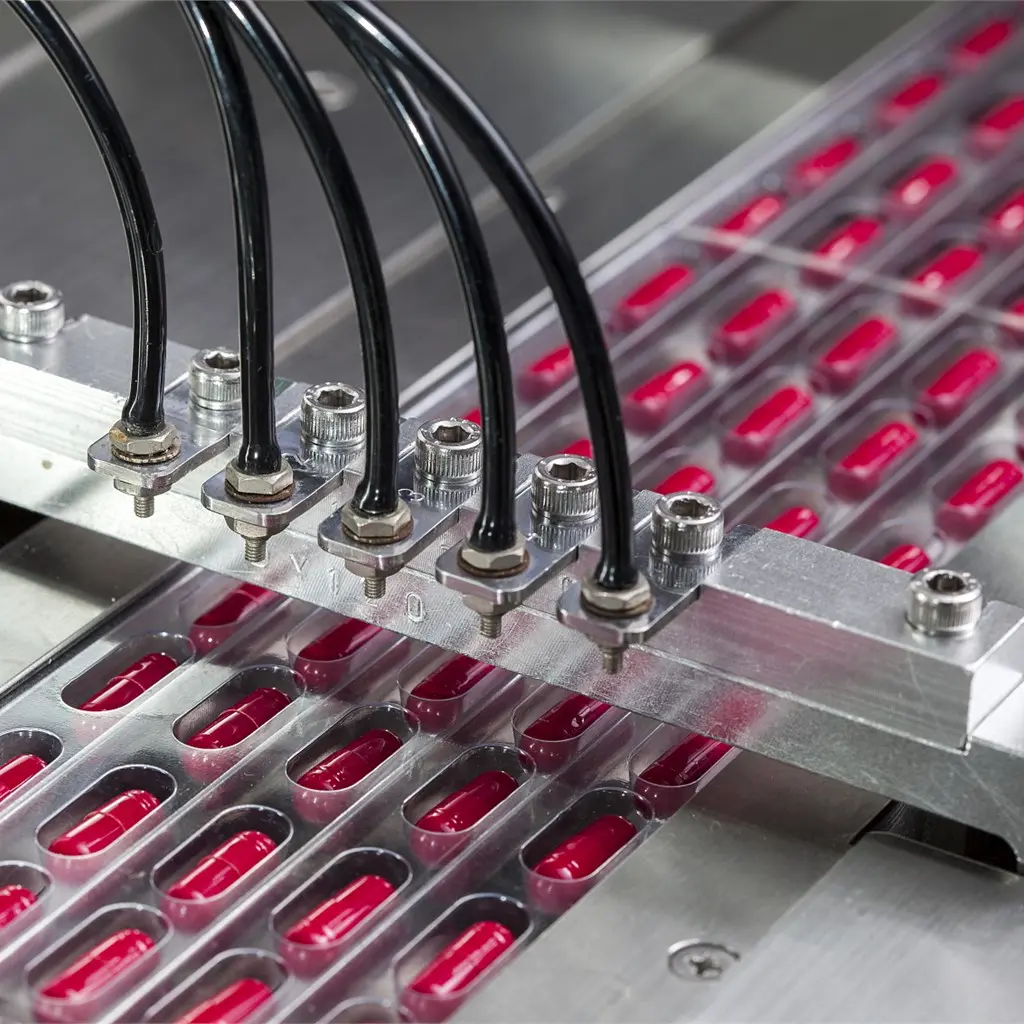
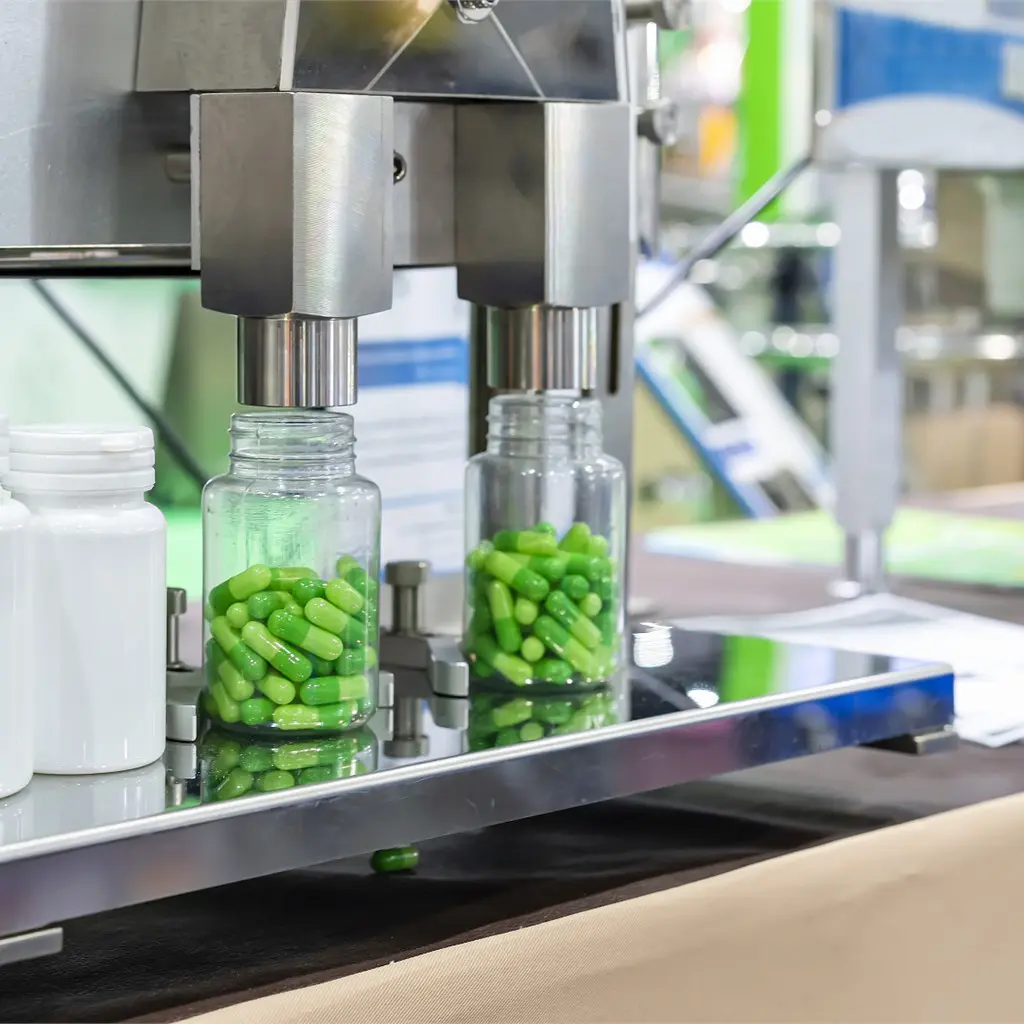
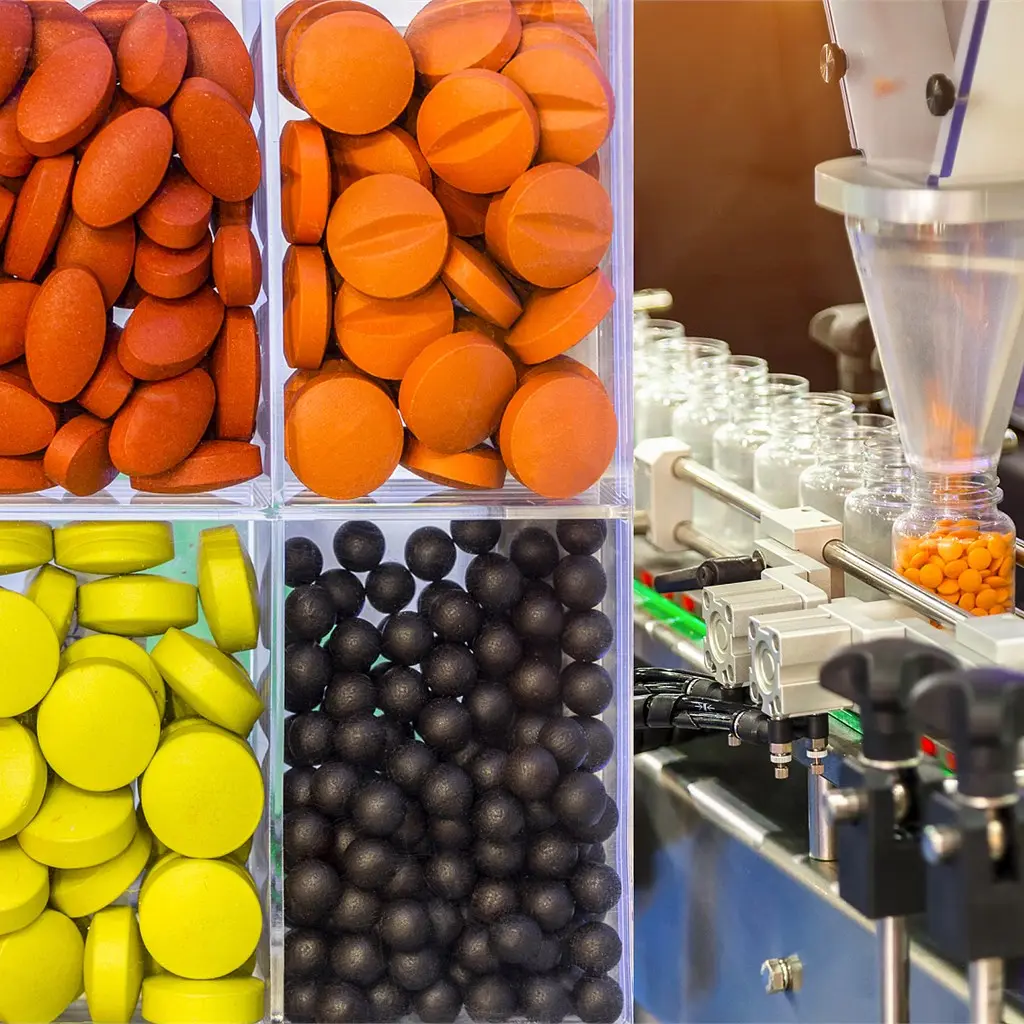
Choose the Vision Support Format: Softgels, Capsules, Tablets, Gummies or Powder
The milligrams on the label can stay the same when the dosage form changes. The ingredient grade and the manufacturing route usually change with it. Oil-based carotenoid grades are assessed for softgels. Beadlets and dry blends are assessed for capsules and tablets. Water-dispersible grades are assessed for sticks and gummies. Finished-product testing is set by the formula, the dosage form, the method, and the release specification.

Best for: Oil-based carotenoid formulas, including F01 and oil-based F03.
Why: A softgel can carry an oil-based carotenoid grade when the carrier, the fill, and the target specification fit that shell.
Typical formula cards: F01, F03.
What to lock: Carrier oil, fill weight, free lutein or ester, zeaxanthin milligrams, and shell.
Manufacturing note: Light and oxygen protection is chosen with the bottle or blister.
→ Softgel solutions

Best for: Beadlet carotenoids, dry blends, and F02.
Why: A beadlet at the same lutein milligrams is a powder fill, with its own capsule size and blend uniformity.
Typical formula cards: F02, and F01 when the grade is a beadlet.
What to lock: Beadlet or powder grade, bulk density, capsule size, and shell. Gelatin and HPMC are both available.
Manufacturing note: The shell is named on the quotation.
→ Hard capsule solutions

Best for: F02 when the brief asks for a tablet and the carotenoid, if any, is a beadlet.
Why: Compression, tablet weight, color, and hardness have to be checked. An oil-based F01 grade is assessed on a softgel, not transferred onto a tablet by keeping the same milligrams.
Typical formula cards: F02.
What to lock: Beadlet grade, tablet weight, color, and hardness.
Manufacturing note: The tablet count is confirmed with the compression trial.

Best for: A vision support supplement whose brand has asked for a gummy and can use a beadlet or a water-dispersible grade.
Why: Cook temperature and the gummy matrix change recovery, color, and taste.
Typical formula cards: F01 after that trial.
What to lock: Grade, piece weight, color, and flavor.
Manufacturing note: The quote follows the trial. This page gives no gummy unit count.

Best for: Stick packs and drink mixes.
Why: The serving has to disperse, and the color has to be acceptable in the drink. Cold-water-soluble and cold-water-dispersible describe the grade’s behavior in water. The lutein molecule is not dissolved, and this grade is not the softgel oil.
Typical formula cards: F01 or F02 on a dispersible grade.
What to lock: Grade name, dose per stick, color, and moisture.
Manufacturing note: The stick count is confirmed with the fill-weight check.
Free lutein versus ester, and the ingredient weight behind a label milligram, are set on the lutein page linked above. Ratio and input-weight calculations are in the lutein and zeaxanthin formulation guide. Ingredient grades are quoted from the ingredients page linked above.
A vision support quotation names the product concept, the amount of each ingredient per serving, the grade that matches the dosage form, and the finished-product tests required for that formula and format. An incoming COA identifies the ingredient. It does not set the finished product’s shelf life. Shelf life follows the finished formula, the pack, and the stability work for the destination market.
Two quotations that both say “vision support, lutein 20 mg” match only when the rows below match.
If this changes… | The quotation changes because… |
|---|---|
| F01 → F02 | Vitamins and minerals add bulk and another set of tests |
| F01 → F03 | Astaxanthin or a botanical adds protection of the oil, or a botanical identity check |
| Free lutein → lutein ester at the same label milligram | The ingredient weight and the assay basis change |
| Private-label artwork → a new ingredient list | The work becomes a custom formulation review |
A change of dosage form is priced with the format trial described above.
Can KS develop a vision support formula from a product concept?
Yes. The concept, the target market, and the dosage form are enough to open a review. KS returns a proposed route, the missing specification lines, and whether the work is private label or custom formulation.
Which dosage forms are available for vision support supplements?
Softgels, capsules, tablets, gummies, and powders can be assessed. Softgels and capsules are the usual first routes. Tablets, gummies, and sticks are quoted after a format trial.
What information is needed for an OEM or private-label quote?
The target market, product concept, dosage form, serving size, pack, and order quantity open the quotation. A finished formula is helpful and is not required. Private label can start from F01, F02, or F03. Custom formulation names the ingredient changes before the price is compared.
How KS Reviews the Project
R&D, quality, and production read the same brief before a price is issued. The grade has to match the dosage form. A private-label project that keeps the formula and changes the artwork is quoted on that formula. A change to ingredients, amounts, or format is reviewed as custom formulation.
What to Send
A concept, a label, or an ingredient list is enough to request a quote. Send the target market, the product concept, the dosage form, the serving size, the pack, and the order quantity. A destination certification or an annual volume can be included when they are already known.
A reply within one business day is typical. A project manager handles the inquiry. An NDA is available. Formula ownership is written in the project agreement.
Related Eye Manufacturing Pages
- Lutein supplements
- AREDS eye vitamins
- Eye strain supplements
- Eye antioxidants
- Blue light protection supplements
- Dry eye supplements
- Night vision supplements
- Bilberry supplements
- Eye health supplements
Disclaimer
Wholesale and brand-manufacturing reference for vision support supplement development. Dietary supplements are not intended to diagnose, treat, cure, or prevent any disease. Milligram examples are commercial panels for OEM quotation, not recommended intakes. The brand owner is responsible for the finished label in the destination market. Shelf life follows the finished formula and the pack.
Written by KS Nutripharma Formulation Team | Reviewed by KS Nutripharma Director of R&D (PhD, Food Science | 19+ years nutraceutical development) | Technical review scope: vision support formula routes, dosage-form feasibility, private label versus custom quotation | Updated November 2026