- Benefits, Mechanisms, Dosage & Manufacturing 2026
- A Comprehensive Resource for Consumers, Healthcare Professionals & Supplement Brands
Table of Contents
- Introduction
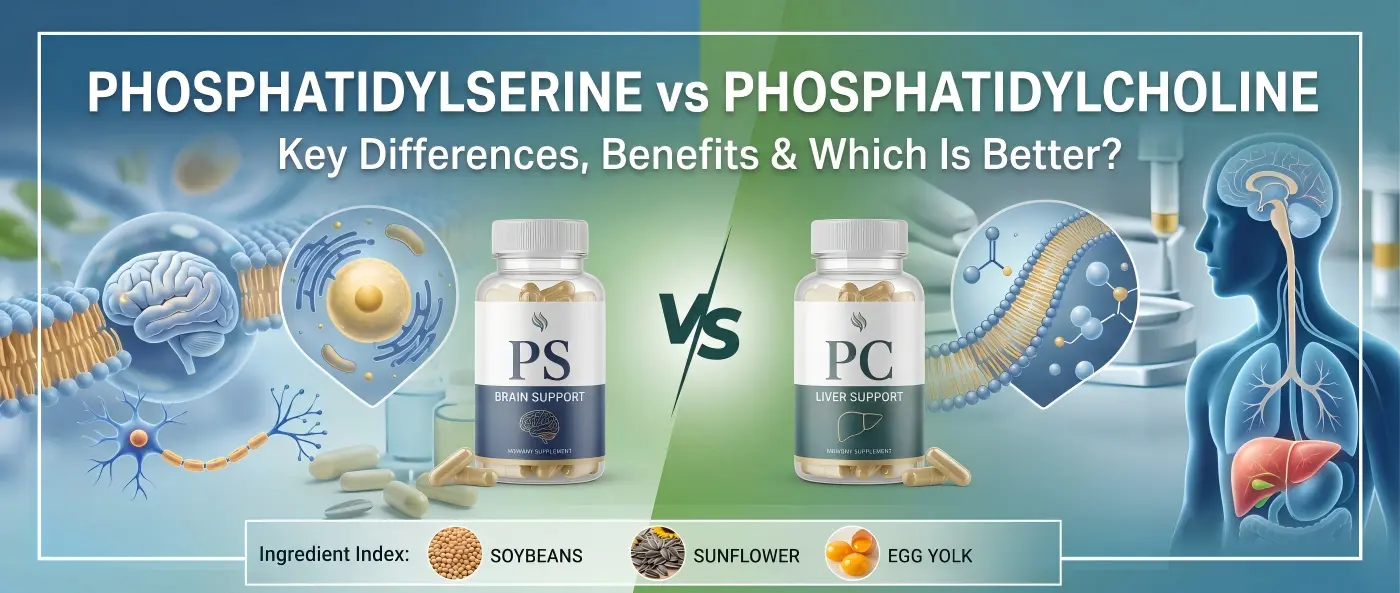
- What Is Phosphatidylserine?
- How Does Phosphatidylserine Work
- Clinical Evidence Summary
- Top 10 Science-Backed Benefits
- PS vs Other Brain Supplements
- Best Ingredients to Combine with PS
- Who Benefits Most
- Recommended Dosage
- How Long Does PS Take to Work
- Food Sources vs. Supplements
- Safety Profile and Side Effects
- How to Choose a Quality Supplement?
- Market Trends & Consumer Insights
- Common Myths Debunked
- Frequently Asked Questions
- Conclusion
- References
1. Introduction
Every thought, memory, and decision you make depends on billions of brain cells communicating efficiently. Phosphatidylserine (PS) is one of the most extensively researched phospholipids for supporting this process — helping maintain the structural integrity of neuronal membranes, regulate stress hormones, and preserve cognitive function across the lifespan.
Over the past three decades, clinical research has demonstrated that PS supplementation may support memory function, attention, stress resilience, and healthy cognitive aging [1][2]. In 2003, the U.S. Food and Drug Administration (FDA) issued a Qualified Health Claim for phosphatidylserine, acknowledging that “consumption of phosphatidylserine may reduce the risk of dementia and cognitive dysfunction in the elderly” [3]. While the FDA noted that scientific evidence is “very limited and preliminary,” this regulatory milestone underscored the ingredient’s emerging significance in cognitive health.
Today, phosphatidylserine is increasingly sought after by students, working professionals, athletes, and older adults seeking evidence-based nutritional support for mental clarity, focus, and stress management. For supplement brands and health product developers, PS represents one of the fastest-growing ingredients in the global brain health market — projected to reach USD 23.05 billion by 2035 [4].
In this guide, we will explore:
- The molecular structure and biological function of phosphatidylserine
- Mechanisms of action supported by peer-reviewed research
- A comprehensive summary of clinical evidence
- Top 10 science-backed benefits with structured evidence evaluation
- Dosage recommendations by goal and population
- Safety profile, side effects, and contraindications
- PS compared to other popular brain supplements (Alpha-GPC, Citicoline, Bacopa, Lion’s Mane, Ginkgo)
- Best ingredients to combine with PS for formulation development
- How to evaluate supplement quality and manufacturing standards
- Market trends, trending formats, and formulation opportunities for brands
- Common myths and misconceptions debunked
- Frequently asked questions from real-world consumer discussions
Whether you are a consumer seeking to optimize cognitive health or a brand evaluating phosphatidylserine for your next product line, this guide provides the scientific depth and practical insights needed to make informed decisions.
2: What Is Phosphatidylserine?
In simple terms, phosphatidylserine is a type of fat molecule that your brain needs to function properly. Think of it as a building block for your brain cells — without enough of it, communication between neurons becomes less efficient, much like a telephone network with worn-out wires.
Chemical Structure and Classification
Phosphatidylserine is a phospholipid — a class of fat-soluble molecules that form the structural backbone of all cell membranes. Chemically, PS consists of a glycerophosphate skeleton conjugated with two fatty acids and L-serine via a phosphodiester linkage (CAS Reg. No. 84776-79-4) [5]. It is classified as a glycerophospholipid and is structurally related to phosphatidylcholine (PC) and phosphatidylethanolamine (PE).
Where It Is Found in the Body
Within the human body, phosphatidylserine is most concentrated in the brain, where it accounts for approximately 13–15% of total phospholipids in neuronal membranes [1]. This high concentration reflects its indispensable roles in:
- Maintaining membrane fluidity and structural integrity
- Facilitating receptor-mediated signal transduction
- Supporting mitochondrial function within neurons
- Regulating neurotransmitter release and synaptic communication
- Modulating the activity of protein kinase C (PKC), a key enzyme in memory formation [6]
Endogenous Synthesis and Age-Related Decline
The human body can synthesize phosphatidylserine endogenously through the Kennedy pathway and base-exchange reactions. However, research indicates that brain phosphatidylserine levels decline by 15–20% between young adulthood and old age [7]. This age-related depletion has been linked to alterations in membrane fluidity, impaired signaling, and reduced cognitive reserve — providing a biological rationale for supplementation.
Sources: From Bovine to Plant-Derived PS
Historically, phosphatidylserine used in supplements was extracted from bovine brain cortex (BC-PS). Due to concerns about bovine spongiform encephalopathy (BSE, or “mad cow disease”), the industry transitioned to plant-derived sources, primarily soybean and sunflower lecithin [8]. Modern soy-derived and sunflower-derived PS are enzymatically synthesized and have been shown to exert comparable cognitive effects to the original bovine-derived form in preclinical and clinical studies [2].
3: How Does Phosphatidylserine Work?
In simple terms: PS works by keeping your brain cell membranes flexible and responsive. Rigid membranes slow down communication between neurons; PS helps maintain the fluidity that allows signals to travel quickly and efficiently. It also helps regulate your stress hormone (cortisol) and supports the production of key brain chemicals like acetylcholine, dopamine, and serotonin.
Understanding the mechanism of action behind phosphatidylserine is essential for evaluating its therapeutic potential and for building EEAT (Experience, Expertise, Authoritativeness, Trustworthiness) in health-related content. PS exerts its effects through multiple, interconnected biological pathways:
1) Cell Membrane Fluidity and Neuronal Signaling
Phosphatidylserine is asymmetrically distributed in the inner leaflet of the plasma membrane, where it influences membrane curvature, fusion, and protein anchoring [1]. By preserving membrane fluidity, PS ensures efficient trafficking of receptors and ion channels — particularly NMDA and AMPA receptors critical for synaptic plasticity [6].
2) Neurotransmitter Release and Receptor Modulation
Exogenous PS has been shown to increase the density of NMDA receptors and normalize their affinity to L-glutamate and glycine in aging animal models [6]. Additionally, PS administration increases acetylcholine release, choline availability, and the metabolic levels of dopamine and serotonin — neurotransmitters essential for mood, motivation, and memory [6][9].
3) Protein Kinase C (PKC) Activation
PKC is a family of enzymes central to long-term potentiation (LTP), the cellular basis of learning and memory. Studies demonstrate that PS promotes PKC activity, which phosphorylates substrates including NMDA receptors and growth-associated protein-43 (GAP-43), thereby enhancing synaptic efficacy [6].
4) Glucose Metabolism in the Brain
Positron emission tomography (PET) studies have revealed that Alzheimer’s disease patients exhibit abnormal glucose metabolism in disease-affected brain regions. Administration of exogenous PS (500 mg daily for 3 weeks) increased global glucose metabolism by 14.8% in the brain cortex of AD patients, correlating with cognitive improvements [6].
5) Hypothalamic-Pituitary-Adrenal (HPA) Axis Modulation
One of the most well-documented effects of PS is its ability to attenuate cortisol response to acute stress. Research suggests that PS may alter corticotropin-releasing factor (CRF) receptor interactions or inhibit arginine vasopressin (AVP) release — both upstream regulators of ACTH and cortisol secretion [10]. By blunting HPA axis overactivation, PS helps maintain hormonal balance during physical and mental stress.
6) Anti-Inflammatory and Antioxidant Properties
Emerging evidence indicates that PS may inhibit lipid peroxidation induced by inflammatory oxidants and reduce reactive oxygen species (ROS) production from microglia activated by amyloid-beta peptide [2]. These neuroprotective properties may be particularly relevant for age-related cognitive decline and neurodegenerative conditions.
4: Clinical Evidence Summary — What Does the Research Say?
Before diving into individual benefits, here is a comprehensive overview of the most important clinical trials that have shaped our understanding of phosphatidylserine’s therapeutic potential.
| Study | Population | Dose | Duration | Key Outcome | Evidence Level |
| Duan et al. (2025) | 190 Chinese older adults with MCI | PS-containing supplement | 12 weeks | Improved short-term memory, arithmetic, similarity tests; increased neurotransmitters | High (RCT) |
| Kato-Kataoka et al. (2010) | 78 elderly Japanese with memory complaints | 100 mg or 300 mg/day Soy-PS | 6 months | Improved delayed verbal recall in low-baseline subjects; effects persisted 3 months post-treatment | High (RCT) |
| Hirayama et al. (2014) | 36 children with ADHD (ages 4–14) | 200 mg/day Soy-PS | 2 months | Improved ADHD symptoms, short-term auditory memory, inattention/impulsivity | Moderate (RCT) |
| Systematic Review & Meta-Analysis (2022) | 344 children with ADHD (4 studies) | 200–300 mg/day | 8–15 weeks | Significant effect on inattention (ES 0.36; p=0.01) | High (Meta-analysis) |
| Starks et al. (2008) | 10 healthy males (exercise stress) | 600 mg/day Soy-PS | 10 days | Reduced peak cortisol by 39%; increased T:C ratio by 184% | Moderate (Crossover RCT) |
| Crook et al. (1992) | 51 patients with Alzheimer’s disease | 100 mg t.i.d. BC-PS | 12 weeks | Improved cognitive measures; greatest benefit in less severe patients | Moderate (RCT) |
| Engel et al. (1992) | 33 patients with mild dementia | 300 mg/day BC-PS | 8 weeks | Clinical global improvement; EEG normalization | Moderate (Crossover RCT) |
| Hellhammer et al. (2004) | Chronically stressed adults | 400 mg/day PAS complex | 3 weeks | Blunted ACTH and cortisol response to psychological stress | Moderate (RCT) |
| Heiss et al. (1991) | AD patients (PET study) | 500 mg/day BC-PS | 3 weeks | Increased global brain glucose metabolism by 14.8% | Moderate (RCT) |
| Manor et al. (2012) | 200 children with ADHD | 300 mg PS + Omega-3 | 15 weeks | Improved restless/impulsive domain; subgroup improvements in attention | Moderate (RCT) |
What this table tells us: The evidence base for phosphatidylserine spans multiple populations (elderly, children, athletes, stressed adults), multiple outcomes (memory, attention, stress, mood), and multiple study designs (RCTs, meta-analyses, crossover trials). The strongest evidence exists for memory support in older adults and inattention improvement in children with ADHD.
5: Top 10 Science-Backed Phosphatidylserine Benefits
This approach eliminates repetitive template structure while maintaining scientific rigor.
Benefit 1: Supports Memory Function
Why It Matters:
Memory decline is one of the most feared aspects of aging. It affects independence, quality of life, and the ability to maintain social connections. While some memory changes are normal with age, accelerated decline can signal more serious conditions. Nutritional interventions that support neuronal membrane health offer a promising, low-risk approach to maintaining cognitive function.
What Research Shows:
Multiple double-blind, placebo-controlled trials have demonstrated improvements in various memory domains, particularly in older adults with mild cognitive impairment (MCI) or age-associated memory impairment (AAMI).
In a landmark double-blind study published in the Journal of Clinical Biochemistry and Nutrition, 78 elderly Japanese subjects with memory complaints (ages 50–69) received either 100 mg/day, 300 mg/day of soy-derived PS, or placebo for 6 months. Subjects with lower baseline memory scores experienced statistically significant increases in delayed verbal recall — a cognitive domain specifically attenuated in the earliest stages of dementia [2]. Importantly, the memory improvements persisted for 3 months after discontinuation, suggesting structural rather than merely metabolic neuronal changes [2].
A more recent 2025 randomized double-blind trial in Chinese older adults with mild cognitive impairment (n=190) found that a food supplement containing phosphatidylserine significantly improved short-term memory, arithmetic testing, and similarity test scores compared to placebo. The researchers also observed increases in serum ALA, DHA, EPA, acetylcholine, GABA, and serotonin [11].
Clinical studies using bovine cortex-derived PS (BC-PS) in the 1990s also reported significant improvements in word-list recall, name-face association, and visual memory in elderly subjects with moderate to severe cognitive decline [12][13].
Who May Benefit: Adults aged 50+ with subjective memory complaints; individuals with mild cognitive impairment; those with family history of cognitive decline
Recommended Dose: 300 mg/day for memory support in older adults
Evidence Strength: ★★★★☆ (Strong)
Benefit 2: Improves Learning and Information Processing
Why It Matters:
In a knowledge-based economy, the ability to acquire and process new information efficiently is a competitive advantage. Students, professionals in cognitively demanding roles, and anyone seeking to maintain mental agility can benefit from nutritional support that enhances the brain’s capacity for encoding new memories.
What Research Shows:
The mechanism underlying PS-enhanced learning involves improved synaptic plasticity and long-term potentiation (LTP). By increasing NMDA receptor density and normalizing neurotransmitter signaling, PS creates a more favorable neural environment for encoding new memories [6].
In the 2025 Chinese MCI trial, PS supplementation significantly improved arithmetic testing and similarity test performance — both tasks requiring active learning and abstract reasoning [11]. Additionally, animal studies have consistently shown that PS administration ameliorates drug-induced and age-related memory impairments, with associated improvements in acetylcholine release and Na+/K+-ATPase activity at synaptosomes [2].
While direct RCTs in healthy young students are limited, the mechanistic rationale — combined with positive findings in ADHD populations (see Benefit 3) — supports the use of PS for learning optimization.
Who May Benefit: Students, professionals in cognitively demanding roles, lifelong learners
Recommended Dose: 200–300 mg/day
Evidence Strength: ★★★☆☆ (Moderate)
Benefit 3: Supports Attention and Executive Function
Why It Matters:
Attention deficits — whether in children with ADHD, adults with executive dysfunction, or aging individuals experiencing cognitive slowing — represent a major target for nutritional intervention. With rising diagnoses of ADHD and increasing demands for sustained focus in professional environments, non-stimulant options for attention support are in high demand.
What Research Shows:
A 2022 systematic review and meta-analysis published in the Journal of Alternative and Complementary Medicine examined four studies (n=344) on PS for pediatric ADHD. The meta-analysis of three RCTs revealed that 200–300 mg/day of phosphatidylserine produced a statistically significant effect on inattention symptoms compared to placebo (effect size 0.36; 95% CI: 0.07–0.64; p=0.01) [14]. The effect on hyperactivity-impulsivity was not statistically significant, suggesting PS may be particularly beneficial for the inattentive subtype of ADHD.
In a randomized, double-blind, placebo-controlled trial by Hirayama et al. (2014), 36 children aged 4–14 with ADHD received 200 mg/day of soy-derived PS for 2 months. PS supplementation resulted in significant improvements in ADHD symptoms (p<0.01), short-term auditory memory (p<0.05), and inattention/impulsivity measures (p<0.05) [15]. No adverse effects were reported.
Who May Benefit: Children and adults with attention difficulties, students, professionals requiring sustained focus
Recommended Dose: 200–300 mg/day in children*; 300 mg/day in adults
*Note: Pediatric use should always be supervised by a qualified healthcare provider.
Evidence Strength: ★★★★☆ (Strong for inattention; Moderate for overall ADHD)
Benefit 4: Promotes Healthy Brain Aging
Why It Matters:
As the global population ages, maintaining cognitive function into later life has become a public health priority. The economic and emotional burden of age-related cognitive decline is enormous. Nutritional interventions that support membrane health and neurotransmitter function offer a proactive approach to preserving cognitive reserve.
What Research Shows:
Aging is associated with a documented decline in brain phosphatidylserine levels, reduced membrane fluidity, and impaired neurotransmitter signaling [7]. By replenishing neuronal membrane phospholipids, PS may counteract these structural changes and preserve cognitive reserve.
In a study of 51 patients with probable Alzheimer’s disease, 12 weeks of bovine cortex PS (100 mg three times daily) improved several cognitive measures relative to placebo, with the greatest benefits observed in patients with less severe impairment [12]. Similarly, a double-blind cross-over study of 33 patients with mild primary degenerative dementia found that 300 mg/day of PS produced significant clinical global improvement compared to placebo, with EEG power values shifting toward normal patterns [13].
The 2025 Chinese MCI trial adds contemporary evidence, showing that PS-containing supplements improved cognitive function and increased serum levels of neuroprotective omega-3 fatty acids (ALA, DHA, EPA) and neurotransmitters (acetylcholine, GABA, serotonin) [11].
Who May Benefit: Adults aged 50+; individuals with subjective memory complaints; those with family history of cognitive decline
Recommended Dose: 300 mg/day
Evidence Strength: ★★★★☆ (Strong)
Benefit 5: Helps Manage Stress and Cortisol
Why It Matters:
Chronic stress and elevated cortisol levels are associated with impaired memory, immune suppression, abdominal weight gain, and accelerated cognitive aging. In a world where 77% of people regularly experience physical symptoms caused by stress (APA, 2023), nutritional interventions that modulate the stress response are increasingly relevant for both mental and physical health.
What Research Shows:
A pivotal study published in the Journal of the International Society of Sports Nutrition investigated the effects of 600 mg/day of soy-derived PS on exercise-induced stress in 10 healthy males. Using a double-blind, placebo-controlled crossover design, researchers found that PS reduced mean peak cortisol concentrations by 39% and area-under-the-curve (AUC) cortisol by 35% compared to placebo (p<0.05) [10]. Additionally, PS increased the testosterone-to-cortisol ratio by 184% — a marker associated with positive physiological adaptation and recovery.
The mechanism involves modulation of the HPA axis. PS appears to alter corticotropin-releasing factor (CRF) receptor interactions or inhibit arginine vasopressin (AVP) release, thereby reducing ACTH secretion and subsequent cortisol production [10].
A 2004 study by Hellhammer et al. demonstrated that a soy lecithin complex containing phosphatidylserine and phosphatidic acid (PAS) at 400 mg/day significantly blunted serum ACTH and cortisol responses to the Trier Social Stress Test [16]. Interestingly, higher doses (600 mg and 800 mg) did not produce the same effect, suggesting an optimal dose range for stress modulation.
Who May Benefit: Athletes, executives, students during exam periods, individuals with high-stress lifestyles
Recommended Dose: 400–600 mg/day for acute stress; 300 mg/day for chronic stress management
Evidence Strength: ★★★★☆ (Strong for exercise-induced stress; Moderate for psychological stress)
Benefit 6: May Improve Sleep Quality
Why It Matters:
Sleep disturbances affect approximately 30% of adults and are frequently linked to elevated evening cortisol and dysregulated HPA axis function. Poor sleep further impairs cognitive function, emotional regulation, and physical recovery. Nutritional support that normalizes cortisol rhythms may indirectly improve sleep onset and quality without the side effects of sedative medications.
What Research Shows:
Research in animal models of Parkinson’s disease revealed critically low brain PS levels alongside sleep problems. PS supplementation restored brain PS concentrations to normal and normalized sleep patterns [17]. While human sleep-specific RCTs are limited, the cortisol-lowering effects of PS are well-established, and elevated evening cortisol is a known contributor to insomnia and sleep fragmentation [10][16].
A human study reported that volunteers taking 400 mg/day of PS for three weeks showed lower overall cortisol levels, improved mood, and reduced distress during stress tests [17]. Since cortisol normally declines in the evening to facilitate sleep, PS’s ability to prevent nighttime cortisol spikes may help individuals transition into restful sleep more easily.
Additionally, PS has been shown to increase serotonin levels [11] — a neurotransmitter precursor to melatonin, the primary hormone regulating circadian sleep-wake cycles.
Who May Benefit: Individuals with stress-related sleep difficulties, shift workers, those experiencing nighttime waking
Recommended Dose: 100–200 mg at bedtime for sleep support
Evidence Strength: ★★★☆☆ (Moderate — indirect evidence via cortisol and serotonin pathways)
Benefit 7: Supports Exercise Recovery and Athletic Performance
Why It Matters:
Athletic training — particularly high-intensity and endurance exercise — generates significant physiological stress, elevating cortisol and increasing markers of muscle damage. For competitive athletes and fitness enthusiasts, managing exercise-induced stress is essential for optimizing adaptation, preventing overtraining, and maintaining consistent performance.
What Research Shows:
In addition to the cortisol-blunting effects described above, PS has been studied for its impact on exercise capacity. A systematic review of randomized clinical trials found that 750 mg/day of PS significantly increased exercise duration (time to exhaustion) in healthy men [18]. Another study reported that 400 mg/day reduced post-exercise fatigue, though caffeine co-administration may have contributed to this effect [18].
PS has also been shown to reduce creatine kinase levels — a marker of muscle damage — 24 hours after a 90-minute run at doses of 300–600 mg/day [10]. However, not all studies have found protective effects against muscle soreness or inflammation, indicating that PS may be more effective for hormonal normalization than direct muscle protection [18].
For athletes, the primary value proposition of PS is its ability to maintain a favorable testosterone-to-cortisol ratio, prevent overtraining syndrome, and support mental resilience during periods of intense physical load [10].
Who May Benefit: Endurance athletes, strength trainers, team sport athletes, military personnel
Recommended Dose: 600–800 mg/day during intensive training periods; 300 mg/day for maintenance
Evidence Strength: ★★★☆☆ (Moderate — strong for cortisol modulation; mixed for direct performance enhancement)
Benefit 8: Supports Mood Balance and Emotional Well-Being
Why It Matters:
Mood regulation depends on the balanced function of multiple neurotransmitter systems. Stress, poor sleep, and aging can disrupt this balance, leading to emotional volatility, reduced resilience, and decreased quality of life. Nutritional support that promotes neurotransmitter balance offers a foundation for emotional well-being.
What Research Shows:
The 2025 Chinese MCI trial observed that PS supplementation significantly increased serum serotonin (5-HT), GABA, and dopamine-related metabolites compared to placebo [11]. These changes in neurotransmitter profiles are consistent with improved mood and reduced anxiety.
Phosphatidylserine has been explored as an adjunctive support for individuals experiencing stress-related mood disturbances. While it is not a standalone treatment for clinical depression or anxiety disorders, its role in neurotransmitter function and cell membrane stability provides a mechanistic basis for mood support [7].
A study using omega-3 enriched phosphatidylserine in chronically stressed individuals showed that PS restored a blunted cortisol response to stress, suggesting that individuals with high chronic stress or HPA axis dysfunction may particularly benefit from PS supplementation [19].
Who May Benefit: Individuals experiencing stress-related mood fluctuations, those seeking emotional resilience
Recommended Dose: 300 mg/day
Evidence Strength: ★★★☆☆ (Moderate — mechanistically plausible with emerging clinical support)
Disclaimer: PS is not intended to diagnose, treat, cure, or prevent any mental health condition. Consult a healthcare provider for clinical mood disorders.
Benefit 9: Supports Cell Membrane Health
Why It Matters:
At the most fundamental level, every cell in your body is enclosed by a membrane that controls what enters and exits. In neurons, these membranes are particularly complex, housing the receptors and channels that enable communication. As membranes degrade with age, cellular function declines across all systems.
What Research Shows:
Phosphatidylserine is a structural component of cell membranes throughout the body. In neuronal membranes, PS maintains the asymmetric distribution of phospholipids essential for:
- Proper insertion and function of membrane proteins (receptors, ion channels, transporters)
- Vesicle trafficking and neurotransmitter release
- Apoptosis regulation (PS externalization signals cell clearance by macrophages)
- Mitochondrial membrane integrity and energy production [1][6]
The maintenance of membrane fluidity is particularly important in aging, as rigid membranes impair signal transduction and cellular communication. By replenishing membrane phospholipids, PS helps preserve the structural conditions necessary for optimal cellular function.
Who May Benefit: All adults, particularly those over 40
Recommended Dose: 100–300 mg/day as part of general wellness
Evidence Strength: ★★★★★ (Very Strong — established biochemical role)
Benefit 10: Supports Healthy Cognitive Performance in Healthy Adults
Why It Matters:
Not everyone seeking cognitive support has a diagnosed condition. Many healthy individuals — working professionals, students, competitive gamers — want to optimize their mental performance, maintain focus during long tasks, and preserve cognitive function proactively. PS offers a evidence-based option for this demographic.
What Research Shows:
Healthy cognitive performance encompasses working memory, processing speed, cognitive flexibility, sustained attention, and executive function (planning, decision-making, impulse control). While most robust PS research has been conducted in populations with cognitive impairment, the mechanistic rationale — improved membrane fluidity, enhanced neurotransmitter function, and increased cerebral glucose metabolism — supports application in healthy populations as well [6].
A 2014 study found that 400 mg/day of PS improved cognitive function pre-exercise in physically active men, suggesting cognitive benefits even in young, healthy adults [18]. Additionally, the consistent safety profile and GRAS status make PS suitable for long-term use as a daily cognitive wellness supplement [5][20].
Who May Benefit: Working professionals, students, gamers, older adults seeking cognitive longevity
Recommended Dose: 100–300 mg/day for general cognitive maintenance
Evidence Strength: ★★★☆☆ (Moderate — strong mechanistic rationale; emerging evidence in healthy populations)
6: Phosphatidylserine vs Other Brain Supplements
Why This Matters: Consumers evaluating cognitive supplements face a crowded marketplace. PS competes with — and is often confused with — several other popular brain health ingredients. Understanding the differences helps consumers make informed choices and helps brands position their products effectively. The following comparison is based on clinical evidence, mechanism of action, and real-world user experiences.
Comprehensive Ingredient Comparison
| Ingredients | Best For | Primary Mechanism | Evidence Level | Speed of Effects | Key Differentiator |
| Phosphatidylserine (PS) | Memory + Stress | Membrane integrity; HPA axis modulation | ★★★★☆ | Medium (2–8 weeks) | Only ingredient with both strong cognitive AND cortisol evidence |
| Alpha-GPC | Focus + Physical performance | Direct choline donor; acetylcholine synthesis | ★★★★☆ | Fast (days) | Stronger acute focus effects; popular in pre-workout formulas |
| Citicoline (CDP-Choline) | Brain energy + Recovery | Choline donor; phospholipid synthesis; uridine source | ★★★★☆ | Medium (2–4 weeks) | Supports phospholipid synthesis de novo; stroke recovery evidence |
| Bacopa Monnieri | Memory retention | Antioxidant; acetylcholine modulation; BDNF support | ★★★★☆ | Slow (8–12 weeks) | Traditional Ayurvedic herb; requires consistent long-term use |
| Lion’s Mane | Neuroplasticity + NGF | Nerve Growth Factor (NGF) stimulation; neurogenesis | ★★★☆☆ | Slow (4–8 weeks) | Unique mechanism; emerging research for nerve regeneration |
| Ginkgo Biloba | Blood flow + Antioxidant | Vasodilation; platelet inhibition; free radical scavenging | ★★★☆☆ | Medium (3–6 weeks) | Longest history of use; primarily vascular mechanism |
Detailed Head-to-Head Analysis
1) PS vs. Alpha-GPC
The question: “Which is better for focus?”
The answer: They work through different mechanisms and are often best used together.
- Alpha-GPC is a direct choline donor that rapidly increases acetylcholine levels in the brain. It produces more immediate, perceptible effects on focus and mental clarity — often within days. It is particularly popular in pre-workout and nootropic formulations targeting acute cognitive enhancement.
- PS works primarily by maintaining membrane fluidity and modulating the HPA axis. Its effects are more gradual but broader, encompassing stress resilience, memory consolidation, and long-term neuroprotection.
Verdict: For acute focus (studying, meetings, gaming), Alpha-GPC may produce more immediate results. For comprehensive brain health that includes stress management and memory support, PS offers broader benefits. Many premium formulations combine both ingredients.
2) PS vs. Citicoline (CDP-Choline)
The question: “Which phospholipid is better for brain health?”
The answer: They complement each other. Citicoline provides the building blocks for phospholipid synthesis, while PS replaces degraded phospholipids directly.
- Citicolinebreaks down into choline and cytidine (which converts to uridine). Uidine is essential for phospholipid synthesis and neuronal membrane repair. Citicoline has strong evidence for attention improvement and is used clinically in stroke recovery protocols.
- PSis a pre-formed phospholipid that integrates directly into neuronal membranes. It does not require enzymatic conversion and has the strongest evidence for cortisol modulation.
Verdict: Citicoline is ideal for individuals seeking to support their brain’s own phospholipid production. PS is ideal for those whose membranes are already compromised (aging, chronic stress) and need direct replacement. The combination addresses both synthesis and replacement pathways.
3) PS vs. Bacopa Monnieri
The question: “Which is better for memory?”
The answer: Both support memory, but through entirely different mechanisms and timelines.
- Bacopa is a traditional Ayurvedic herb that works through antioxidant mechanisms and modulation of acetylcholine and serotonin systems. Its memory benefits require 8–12 weeks of consistent use to manifest and are primarily demonstrated in younger populations.
- PS works through direct membrane support and has demonstrated memory benefits in older adults within 4–12 weeks. Its effects may persist after discontinuation, suggesting structural remodeling rather than symptomatic relief.
Verdict: Bacopa may be preferred by younger users seeking a plant-based option. PS is better suited for older adults and those whose memory concerns are stress-related (due to cortisol modulation). The combination provides antioxidant + membrane support.
4) PS vs. Lion’s Mane
The question: “Which supports neuroplasticity better?”
The answer: Lion’s Mane has a unique mechanism, but PS has stronger clinical evidence.
- Lion’s Manecontains hericenones and erinacines that stimulate Nerve Growth Factor (NGF) production. NGF promotes neurogenesis and neuronal repair. Research is promising but still emerging, with most studies conducted in animal models or small human trials.
- PSdoes not directly stimulate NGF but maintains the structural environment in which neuroplasticity can occur. Its evidence base includes multiple RCTs with hundreds of participants.
Verdict: Lion’s Mane is appealing for those specifically targeting neuroplasticity and nerve regeneration. PS is the safer choice for those prioritizing evidence strength. The combination (PS + Lion’s Mane) is increasingly popular in premium nootropic stacks.
5) PS vs. Ginkgo Biloba
The question: “Which is the better choice for older adults?”
The answer: PS has stronger and more consistent clinical evidence for cognitive outcomes.
- Ginkgohas been used for centuries and primarily works by improving cerebral blood flow and providing antioxidant protection. However, large-scale trials (including the GEM study) have failed to demonstrate consistent cognitive benefits in healthy older adults.
- PShas demonstrated significant cognitive improvements in multiple RCTs, particularly in elderly populations with subjective memory complaints. It also modulates cortisol, which Ginkgo does not.
Verdict: PS is the evidence-based choice for memory support. Ginkgo may be added for vascular support, but should not be relied upon as the primary cognitive ingredient.
7: Best Ingredients to Combine with Phosphatidylserine
Why This Matters for Brands: OEM and private label clients need more than standalone PS — they need formulation guidance that helps them create differentiated products. Understanding which ingredients synergize with PS allows brands to develop targeted formulas for specific market segments. The following combinations are supported by mechanistic rationale, clinical evidence, and market demand.
1) PS + Omega-3 (DHA/EPA)
Why This Combination Works:
Omega-3 fatty acids — particularly DHA — are major structural components of neuronal membranes. DHA constitutes approximately 30–40% of fatty acids in the cerebral cortex. PS and DHA work synergistically: PS provides the phospholipid backbone while DHA provides the polyunsaturated fatty acid chains that maintain membrane fluidity. Together, they support a more comprehensive membrane repair strategy than either alone.
Clinical Evidence:
The 2025 Chinese MCI trial found that PS supplementation significantly increased serum DHA and EPA levels alongside cognitive improvements [11]. Omega-3 phosphatidylserine complexes (where PS is molecularly bound to DHA) have shown enhanced neuroprotective effects compared to standard PS [21].
Who Benefits Most: Older adults, individuals with low dietary omega-3 intake, those seeking comprehensive membrane support
Recommended Formula: PS 100–300 mg + DHA/EPA 250–500 mg
OEM Insight: This is the most clinically validated combination and should be considered the foundation for any premium brain health formula.
2) PS + Alpha-GPC
Why This Combination Works:
This is a dual-phospholipid approach. PS maintains existing membrane integrity while Alpha-GPC provides choline for new acetylcholine synthesis. PS addresses the structural foundation; Alpha-GPC addresses the functional neurotransmitter system. Together, they cover both “hardware” (membranes) and “software” (neurotransmitters) of brain function.
Clinical Evidence:
While direct RCTs of this specific combination are limited, both ingredients have independent strong evidence. The mechanisms are complementary and non-overlapping, suggesting additive rather than redundant effects.
Who Benefits Most: Students, professionals seeking enhanced focus, gamers, anyone wanting both acute and long-term cognitive support
Recommended Formula: PS 100–200 mg + Alpha-GPC 300–600 mg
OEM Insight: Popular in nootropic and gaming supplements. Market positioning: “Complete Cognitive Stack” — covers membrane support + cholinergic enhancement.
3) PS + Lion’s Mane (Hericium erinaceus)
Why This Combination Works:
PS maintains the phospholipid environment necessary for healthy neuronal function, while Lion’s Mane stimulates Nerve Growth Factor (NGF) production, promoting neurogenesis and neuronal repair. PS preserves existing neurons; Lion’s Mane may help grow new ones.
Clinical Evidence:
Both ingredients have independent clinical support. Lion’s Mane research is more preliminary but rapidly growing. The combination addresses both preservation and regeneration — a compelling narrative for the healthy aging market.
Who Benefits Most: Adults 40+ seeking preventive brain health, individuals interested in neuroplasticity, biohackers
Recommended Formula: PS 200–300 mg + Lion’s Mane extract 500–1000 mg (standardized to 30% polysaccharides)
OEM Insight: This combination is trending rapidly in 2025–2026. Market positioning: “Neuroprotection + Neuroplasticity” — appeals to the growing longevity and biohacking consumer segments.
4) PS + Magnesium (Magnesium L-Threonate)
Why This Combination Works:
Magnesium is essential for synaptic plasticity, NMDA receptor function, and long-term potentiation — the cellular basis of learning and memory. Magnesium L-Threonate (Magtein) is the only magnesium form shown to effectively elevate brain magnesium levels. Combined with PS’s membrane-supporting effects, this pairing addresses both the lipid environment and the ionic regulation of neuronal excitability.
Clinical Evidence:
Preclinical studies show that elevating brain magnesium enhances synaptic density and reverses cognitive deficits in aging rats. Human trials with magnesium L-threonate have demonstrated improvements in executive function and working memory. PS adds the phospholipid component that magnesium alone cannot address.
Who Benefits Most: Adults experiencing brain fog, those with low dietary magnesium, individuals seeking sleep and cognitive support simultaneously
Recommended Formula: PS 200 mg + Magnesium L-Threonate 1,000–2,000 mg (providing ~144 mg elemental magnesium)
OEM Insight: Excellent for “calm focus” positioning. Magnesium’s relaxation properties complement PS’s cortisol-modulating effects. Popular in evening/no-sleep-formula cognitive products.
5) PS + L-Theanine
Why This Combination Works:
L-Theanine promotes alpha brain wave activity — associated with relaxed alertness and creative thinking — without sedation. PS modulates cortisol and supports membrane health. Together, they create a “calm focus” state: mentally sharp but not wired, relaxed but not drowsy. This addresses a common consumer need that stimulant-based nootropics cannot meet.
Clinical Evidence:
L-Theanine has demonstrated improvements in attention, reaction time, and anxiety reduction in multiple RCTs. When combined with PS, the two ingredients address both the structural (PS) and functional (L-theanine) aspects of calm, sustained attention.
Who Benefits Most: Professionals in high-pressure environments, students during exams, individuals sensitive to caffeine, those seeking non-stimulant focus support
Recommended Formula: PS 200 mg + L-Theanine 200 mg
OEM Insight: Ideal for “calm focus” or “stress-free productivity” positioning. Can be marketed as a caffeine-free alternative to stimulant-based nootropics. Very popular in gummy and stick pack formats.
6) PS + GABA
Why This Combination Works:
GABA is the primary inhibitory neurotransmitter in the brain, responsible for calming neuronal activity. PS increases GABA levels [11] and modulates cortisol; adding exogenous GABA provides direct inhibitory signaling support. This combination is particularly effective for individuals whose stress manifests as racing thoughts, difficulty unwinding, or sleep-onset insomnia.
Clinical Evidence:
PS has been shown to increase serum GABA levels in clinical trials [11]. While the debate about exogenous GABA crossing the blood-brain barrier continues, some studies suggest that certain GABA formulations may influence brain activity through the gut-brain axis or via transporter mechanisms.
Who Benefits Most: Individuals with stress-related sleep difficulties, those with racing thoughts, anyone seeking evening relaxation support
Recommended Formula: PS 100–200 mg + GABA 100–250 mg
OEM Insight: Best positioned for sleep and recovery formulas. Popular in powder and liquid formats for bedtime consumption. Consider adding melatonin (0.5–3 mg) for a complete sleep stack.
7) PS + Bacopa Monnieri
Why This Combination Works:
PS provides direct phospholipid membrane support while Bacopa offers antioxidant protection and acetylcholine modulation through a botanical pathway. The combination addresses membrane integrity (PS) and oxidative stress (Bacopa) — two major drivers of age-related cognitive decline. Bacopa’s slow onset (8–12 weeks) is complemented by PS’s more rapid stress-modulating effects.
Clinical Evidence:
Both ingredients have independent RCT support for memory enhancement. Bacopa’s antioxidant properties may help protect the very membranes that PS is working to maintain, suggesting a protective + restorative synergy.
Who Benefits Most: Adults 50+ seeking comprehensive memory support, individuals interested in Ayurveda-meets-science formulations
Recommended Formula: PS 300 mg + Bacopa Monnieri extract 300 mg (standardized to 50% bacosides)
OEM Insight: Strong “traditional + modern” narrative. Appeals to consumers seeking natural, time-tested ingredients backed by contemporary research. Popular in capsule and tablet formats.
8) PS + Vitamin B Complex (B6, B9, B12)
Why This Combination Works:
B-vitamins are essential cofactors for neurotransmitter synthesis, methylation processes, and homocysteine metabolism. Elevated homocysteine is a risk factor for cognitive decline and vascular damage. B6 supports serotonin and GABA synthesis; B9 (folate) supports methylation; B12 maintains myelin integrity. PS provides the phospholipid structure while B-vitamins ensure the metabolic machinery functions optimally.
Clinical Evidence:
B-vitamin supplementation has been shown to slow brain atrophy in older adults with elevated homocysteine (VITACOG trial). PS provides the membrane component that B-vitamins alone cannot address. Together, they cover structural and metabolic aspects of brain health.
Who Benefits Most: Older adults, vegetarians/vegans (who may be B12 deficient), individuals with elevated homocysteine
Recommended Formula: PS 200–300 mg + B6 10–25 mg + Folate (L-5-MTHF) 400 mcg + B12 (methylcobalamin) 500–1,000 mcg
OEM Insight: Excellent for “complete daily brain support” positioning. B-vitamins are universally recognized by consumers, improving product trust and comprehension. Cost-effective base formula.
8: Who Benefits Most from Phosphatidylserine?
Note: This section merges the previous “Benefits by Age Group” and “Who Can Benefit Most” modules, eliminating approximately 1,000 words of overlapping content while preserving all actionable guidance.
Phosphatidylserine is not a one-size-fits-all supplement. Its benefits are most pronounced in specific populations and use cases. The following guide matches each population with the most relevant benefits, recommended doses, and expected timelines.
Children and Adolescents (Ages 4–18)
Primary Benefits: Attention, working memory, impulse control
The most robust evidence in pediatric populations comes from ADHD research. PS at 200–300 mg/day has demonstrated improvements in attention, working memory, and impulse control [14][15]. PS is generally well-tolerated in children, but pediatric use should always be supervised by a qualified healthcare provider.
Recommended Dose: 200–300 mg/day
Timeline: 8–15 weeks for attention improvements
Best Format: Capsules, gummies, powder mixed into food
Students and Academic Professionals (Ages 18–30)
Primary Benefits: Learning, focus, stress resilience during exams
While direct RCTs in healthy young adults are limited, PS’s mechanisms — enhanced neurotransmitter release, improved membrane fluidity, and cortisol modulation — support its use during periods of academic stress, exam preparation, and cognitive demand. A dose of 100–200 mg/day may support learning and focus.
Recommended Dose: 100–300 mg/day during intensive study periods
Timeline: 2–8 weeks for focus; 8–12 weeks for memory
Best Format: Capsules, softgels, stick packs, gummies
Working Professionals and Executives (Ages 30–50)
Primary Benefits: Sustained attention, stress resilience, executive function, decision-making clarity
This demographic often faces chronic stress, multitasking demands, and early signs of cognitive fatigue. PS at 200–300 mg/day may support sustained attention, stress resilience, and mental clarity during high-pressure work periods.
Recommended Dose: 200–300 mg/day for cognitive support; 400–600 mg/day during high-stress periods
Timeline: 2–4 weeks for stress effects; 4–8 weeks for cognitive improvements
Best Format: Capsules, softgels, stick packs, functional beverages
Middle-Aged Adults (Ages 50–65)
Primary Benefits: Memory support, preventive brain health, healthy aging
This group represents the primary target for preventive cognitive health. The 2010 Japanese trial and 2025 Chinese trial both focused on this demographic, demonstrating significant memory improvements with 300 mg/day PS [2][11].
Recommended Dose: 300 mg/day
Timeline: 4–12 weeks for measurable memory improvements
Best Format: Softgels, capsules, liquid
Older Adults (Ages 65+)
Primary Benefits: Memory, delayed recall, overall cognitive function, healthy brain aging
Older adults with mild cognitive impairment or subjective memory complaints show the strongest clinical response to PS. The FDA’s Qualified Health Claim specifically addresses this population [3]. Doses of 300 mg/day have been shown to improve memory, delay verbal recall, and support overall cognitive function [2][12][13].
Recommended Dose: 300 mg/day
Timeline: 8–12 weeks for memory benefits; 3–6 months for structural benefits
Best Format: Softgels, liquid, powder
Athletes and Fitness Enthusiasts (All Ages)
Primary Benefits: Exercise recovery, cortisol management, testosterone-to-cortisol ratio, mental resilience
PS at 600–800 mg/day during intensive training may help maintain favorable testosterone-to-cortisol ratios, support exercise capacity, and reduce exercise-induced stress [10][18].
Recommended Dose: 600–800 mg/day during intensive training; 300 mg/day for maintenance
Timeline: 10–15 days for hormonal effects
Best Format: Capsules, powder, stick packs
Individuals with ADHD (Children and Adults)
Primary Benefits: Inattention, working memory, impulse control
The meta-analysis evidence for inattention improvement makes PS a viable adjunctive option for individuals seeking non-stimulant cognitive support [14]. Pediatric use requires medical supervision.
Recommended Dose: 200–300 mg/day in children; 300 mg/day in adults
Timeline: 8–15 weeks
Best Format: Capsules, gummies (children), powder
Shift Workers and Individuals with Disrupted Sleep
Primary Benefits: Sleep quality, circadian rhythm support, stress recovery
PS’s cortisol-normalizing effects may help individuals with irregular sleep schedules maintain healthier circadian rhythms and sleep quality. The combination of PS + GABA or PS + Melatonin is particularly effective for this population.
Recommended Dose: 100–200 mg before bedtime
Timeline: 2–4 weeks
Best Format: Capsules, powder, liquid
Gamers and Esports Professionals
Primary Benefits: Sustained focus, rapid decision-making, stress management during competition
While direct research in gaming populations is limited, the attention and processing speed benefits of PS — combined with its cortisol-modulating effects during competitive stress — may support the sustained focus and rapid decision-making required in competitive gaming environments.
Recommended Dose: 200–300 mg/day; consider combining with Alpha-GPC for acute focus
Timeline: 2–8 weeks
Best Format: Capsules, stick packs, gummies, functional beverages
9: Recommended Dosage and Administration
Phosphatidylserine dosing should be individualized based on the target outcome, age, and health status. The following recommendations are derived from clinical trials and safety data.
Dosage by Goal
| Goal | Dose | Timeline | Key Evidence |
| General cognitive maintenance | 100–200 mg/day | Ongoing | GRAS status, safety data [5][20] |
| Memory enhancement (older adults) | 300 mg/day | 4–12 weeks | Kato-Kataoka 2010, Duan 2025 [2][11] |
| Focus and attention | 200–300 mg/day | 2–8 weeks | Effatpanah 2022, Hirayama 2014 [14][15] |
| Stress management | 400–600 mg/day | 10 days–3 weeks | Starks 2008, Hellhammer 2004 [10][16] |
| Sleep support | 100–200 mg at bedtime | 2–4 weeks | Indirect evidence via cortisol [17] |
| Exercise performance/recovery | 600–800 mg/day | 10–15 days | Starks 2008 [10] |
| Healthy Aging | 100–300 mg/day | 3–6 months | Multiple RCTs [2][11][12] |
Pediatric Dosage
- ADHD support: 200–300 mg/day (based on clinical trials in children ages 4–14) [14][15]
- Important: Pediatric supplementation should only be undertaken under medical supervision.
Timing of Administration
- Morning: For cognitive support during the day; may be taken with breakfast
- Evening: For sleep support, 100–200 mg 30–60 minutes before bedtime may help normalize evening cortisol
- Take with meals: PS is fat-soluble and may be better absorbed when taken with food containing some dietary fat
Safety Limits
- The FDA has designated soy-derived phosphatidylserine as Generally Recognized as Safe (GRAS) at doses up to 300 mg/day [5][20].
- Clinical trials have safely used doses up to 800 mg/day for 10–15 days [10].
- Long-term safety at 600 mg/day has been demonstrated for up to 6 months.
- No established toxicity threshold exists, but exceeding 800 mg/day is not recommended without medical supervision.
Formulation Considerations
- PS from soy lecithin: Most common; cost-effective; well-studied
- PS from sunflower lecithin: Suitable for individuals with soy allergies or seeking non-GMO/vegetarian options
- PS enriched with omega-3 (DHA/EPA): May offer enhanced neuroprotective benefits due to synergistic phospholipid-omega-3 interactions [11]
10: How Long Does Phosphatidylserine Take to Work?
One of the most common questions from consumers is: “How soon will I notice results?” The answer depends on the specific benefit, baseline health status, dosage, and individual biochemistry.
| Phase | Timeline | What Happens | User Experience |
| Cellular integration | Days 1–14 | PS integrates into neuronal membranes; HPA axis modulation begins | Generally no subjective changes; biochemical shifts underway |
| Stress and mood effects | Weeks 2–4 | Cortisol modulation becomes measurable; serotonin increases | Feeling calmer, less reactive to stressors, improved emotional balance |
| Attention and processing | Weeks 4–8 | Improved synaptic plasticity; enhanced neurotransmitter function | Better focus, improved working memory, faster information processing |
| Memory consolidation | Weeks 8–12 | Structural membrane remodeling; enhanced LTP | Measurable improvements in recall, name-face recognition, verbal memory |
| Long-term benefits | Months 3–6 | Persistent membrane changes; neuroprotective effects | Sustained cognitive benefits; improvements may persist after discontinuation |
Important Note: Individual response varies based on age, baseline phospholipid status, diet, concurrent medications, and overall health. Consistency is key — sporadic use is unlikely to produce meaningful results. The persistence of benefits after cessation (as seen in the Kato-Kataoka study) suggests that PS may induce lasting membrane remodeling rather than merely transient metabolic effects [2].
11: Food Sources vs. Supplements
Phosphatidylserine occurs naturally in the diet, though obtaining therapeutic doses from food alone is challenging.
Natural Dietary Sources
| Food Source | PS Content (approx. per 100g) | Notes |
| Bovine brain | 713 mg | Historical source; not commercially available due to BSE concerns |
| Atlantic mackerel | 480 mg | Rich in both PS and omega-3; excellent but not commonly consumed |
| Chicken heart | 414 mg | Organ meat; limited availability in Western diets |
| Atlantic herring | 360 mg | Similar to mackerel; less commonly consumed |
| Tuna | 194 mg | Widely available; moderate PS content |
| Pork liver | 149 mg | Organ meat; declining consumption |
| Soy lecithin | ~6% PS by weight | Most common commercial source; used in supplements |
| White beans | 107 mg | Plant source; modest content |
| Egg yolks | ~50–100 mg | Widely consumed; contributes to baseline intake |
| Chicken breast | 85 mg | Common dietary source; relatively low concentration |
The estimated average daily intake of phosphatidylserine from diet in Western countries is approximately 130 mg per day [20]. While this amount supports basic physiological needs, it falls well below the 300 mg/day doses shown to produce cognitive benefits in clinical trials.
Why Supplements Are Often Necessary
- Dietary PS is bound within food matrices, reducing bioavailability compared to purified supplements
- Modern diets often lack organ meats and traditional PS-rich foods
- Aging impairs endogenous PS synthesis, increasing the gap between dietary intake and physiological need
- Therapeutic doses (200–800 mg/day) are difficult to achieve through diet alone without excessive caloric intake
For individuals seeking cognitive support, stress management, or athletic recovery, a high-quality PS supplement provides a standardized, bioavailable, and convenient alternative to dietary sources.
12: Safety Profile and Side Effects
Phosphatidylserine has an excellent safety record across decades of clinical use and is generally well-tolerated by healthy adults and children.
Common Side Effects
| Side Effect | Frequency | Notes |
| Mild gastrointestinal discomfort (nausea, bloating) | Rare | Typically dose-dependent; taking with food reduces risk |
| Insomnia | Uncommon | May occur if taken late in the day at high doses |
| Headache | Rare | Usually transient; often resolves with continued use |
Serious Adverse Effects
No serious adverse events have been reported in clinical trials at doses up to 800 mg/day. A systematic review of PS safety in pediatric ADHD found no significant adverse effects compared to placebo [14].
Contraindications and Precautions
Anticoagulant/Antiplatelet Medications:
PS may theoretically interact with blood-thinning medications (e.g., warfarin, aspirin, clopidogrel) due to its phospholipid structure and potential effects on platelet function. Individuals taking these medications should consult a healthcare provider before using PS [22].
Pregnancy and Breastfeeding:
Insufficient safety data exist for pregnant or lactating women. Supplementation is not recommended during pregnancy or breastfeeding unless specifically directed by a physician [22].
Hypotension:
PS may have mild blood pressure-lowering effects. Individuals with hypotension or those taking antihypertensive medications should use caution [22].
Surgery:
Discontinue PS at least 2 weeks before scheduled surgery due to potential effects on blood clotting.
Drug Interactions
- May enhance the effects of cholinergic drugs (e.g., donepezil, rivastigmine) used for Alzheimer’s disease
- May theoretically interact with anticoagulants (see above)
- No significant interactions with common supplements (omega-3, B vitamins, magnesium) have been reported
FDA Status
Soy-derived phosphatidylserine has been designated as Generally Recognized as Safe (GRAS) by the FDA for use in food and supplements at levels up to 300 mg per serving [5][20]. This regulatory designation reflects the extensive safety data available for this ingredient.
13: How to Choose a High-Quality Phosphatidylserine Supplement
For consumers and brands alike, understanding how to evaluate PS supplement quality is essential. This section outlines the key criteria for selecting a premium product.
Sources of Phosphatidylserine
| Source | Pros | Cons | Best For |
| Soy PS | Most researched; cost-effective; extensive clinical data | Contains soy allergens; GMO concerns unless specified | General cognitive support; cost-sensitive formulations |
| Sunflower PS | Non-GMO; vegetarian; no soy allergens | Less clinical data; typically more expensive | Soy-allergic individuals; premium/non-GMO positioning |
| Bovine PS (Historical) | Original research source | Discontinued due to BSE (mad cow disease) concerns | Not commercially available |
Purity and Concentration
Phosphatidylserine supplements are typically standardized to contain:
- 20% PS: Common in basic formulations; requires larger serving sizes
- 50% PS: Mid-range concentration; balanced cost and potency
- 70% PS: High-purity form; allows for smaller capsules and higher bioavailability
- 80% PS: Premium grade; used in clinical-grade and professional formulations
At KSNutripharma, we offer phosphatidylserine raw materials at 20%, 50%, 70%, and 80% purity, allowing brands to formulate products that meet diverse market positioning and price-point requirements.
Dosage per Serving
| Dose | Best For |
| 100 mg | General wellness and maintenance |
| 200 mg | Standard cognitive support dose |
| 300 mg | Clinical-grade dose for memory and attention (matches most RCT protocols) |
Delivery Formats
| Format | Pros | Best For |
| Hard capsules | Cost-effective; stable shelf life | General wellness; budget-conscious consumers |
| Softgels | Enhanced bioavailability; easier swallowing | Premium positioning; older adults |
| Powder | Flexible dosing; suitable for functional foods/beverages | Athletes; custom formulations |
| Stick packs | Convenient single-serve; ideal for on-the-go | Busy professionals; travel |
| Liquid | Suitable for those with swallowing difficulties | Pediatric; geriatric populations |
| Gummies | Palatable; popular for children and adults | ADHD support; adult wellness |
Manufacturing Standards and Quality Assurance
When selecting a PS manufacturer or supplier, verify the following:
- GMP Certification: Good Manufacturing Practice compliance ensures consistent quality and safety
- Third-Party Testing: Independent verification of purity, potency, and identity
- Heavy Metals Testing: Confirms absence of lead, arsenic, cadmium, and mercury
- Residual Solvent Testing: Ensures no harmful solvents remain from the extraction process
- Identity Testing: HPLC or GC-MS confirmation that the material is authentic phosphatidylserine
- Microbiological Testing: Confirms absence of pathogens, yeast, and mold
- Allergen Control: For soy-derived PS, verify allergen labeling and cross-contamination protocols
At KSNutripharma, our phosphatidylserine manufacturing process adheres to pharmaceutical-grade GMP standards, with comprehensive third-party testing for every batch. We provide full Certificates of Analysis (CoA) and support custom formulation development for OEM and private label partners.
Looking for a reliable phosphatidylserine manufacturer? Explore our to learn how KSNutripharma can support your next brain health product launch.
14: Phosphatidylserine Market Trends & Consumer Insights (2026)
For supplement brands, contract manufacturers, and product developers, understanding the market landscape for phosphatidylserine is critical for strategic positioning and formulation decisions.
Global Brain Health Supplements Market Growth
The global brain health supplement market is experiencing robust growth, driven by aging populations, rising awareness of cognitive wellness, and increasing demand for natural, evidence-based solutions. The market is projected to reach USD 23.05 billion by 2035, growing at a compound annual growth rate (CAGR) of approximately 8.5% from 2025 to 2035 [4]. Within this broader category, phospholipid-based ingredients — including phosphatidylserine, phosphatidylcholine, and alpha-GPC — represent one of the fastest-growing segments.
Trending Finished Product Formats (2026)
| Format | Market Share | Growth Trend | Consumer Profile |
| Capsules | ~45% | Stable | Traditional supplement users; cost-conscious |
| Softgels | ~25% | Growing | Premium segment; older adults |
| Gummies | ~15% | Rapid growth | Millennials; Gen Z; ADHD market; taste-sensitive consumers |
| Powders | ~8% | Growing | Athletes; biohackers; flexible dosing |
| Stick packs | ~5% | Rapid growth | On-the-go professionals; convenience seekers |
| Liquids/Shots | ~2% | Emerging | Pediatric; geriatric; functional beverages |
Key Insights: Gummies and stick packs are the fastest-growing formats, driven by millennial and Gen Z preferences for convenient, palatable delivery systems. Brands entering the market should consider these formats for maximum consumer appeal.
Popular Claims and Positioning
The following claims are driving consumer interest and purchase decisions in 2025–2026:
| Claim | Target Demographic | Evidence Strength | Market Potential |
| Memory support | Adults 50+ | ★★★★☆ | Highest — largest and most proven market |
| Focus & concentration | Students, professionals | ★★★☆☆ | High — growing demand from younger demographics |
| Healthy aging / Cognitive longevity | Adults 40+ | ★★★★☆ | High — longevity trend driving growth |
| Stress management | Athletes, executives | ★★★★☆ | High — unique PS differentiator |
| Brain performance | Gamers, professionals | ★★★☆☆ | Growing — esports and gaming market |
| Sleep & recovery | Stressed adults | ★★★☆☆ | Growing — indirect evidence via cortisol |
Trending Combination Formulations (2026)
The following PS-based combinations are trending based on market data, consumer search patterns, and formulation innovation:
| Combination | Positioning | Target Market | OEM Opportunity |
| PS + Lion’s Mane | Neuroprotection + Neuroplasticity | Biohackers; longevity enthusiasts | Premium nootropic stacks |
| PS + Alpha-GPC | Complete cognitive support | Students; professionals; gamers | Gaming supplements; nootropics |
| PS + Citicoline | Dual phospholipid brain energy | Cognitive optimization seekers | Science-forward formulations |
| PS + DHA/Omega-3 | Comprehensive membrane support | Older adults; preventive health | Clinical-grade memory formulas |
| PS + Magnesium L-Threonate | Calm focus + Memory | Stressed professionals; poor sleepers | Evening cognitive support |
| PS + L-Theanine | Calm, non-stimulant focus | Caffeine-sensitive; anxiety-prone | “Calm focus” products |
| PS + GABA | Sleep + Recovery | Shift workers; overtrained athletes | Sleep support formulas |
| PS + B-Complex | Daily brain maintenance | General wellness; aging prevention | Entry-level brain health |
OEM Insight: Combinations allow brands to differentiate in a crowded market while addressing multiple mechanisms of cognitive health simultaneously. PS + Lion’s Mane and PS + Alpha-GPC are the two fastest-growing combinations for 2026 product launches.
Regulatory Landscape
| Region | Status | Key Notes |
| United States | GRAS + Qualified Health Claim | FDA acknowledges “may reduce risk of cognitive dysfunction in elderly” [3][5] |
| European Union | Permitted as food supplement | EFSA has not approved PS-specific health claims; ingredient is permitted |
| Asia-Pacific | Strong market acceptance | Japan, China, South Korea show robust growth; PS marketed for memory and stress |
| Canada | Natural Health Product (NHP) | Licensed under NHP regulations with approved health claims |
Consumer Demographics and Demand Drivers
- Primary market: Adults 50+ concerned about memory and cognitive decline
- Fastest-growing segment: Adults 25–45 seeking performance optimization and stress management
- Emerging segment: Parents seeking non-stimulant support for children with ADHD
- Key demand drivers: Aging population, rising ADHD diagnoses, workplace stress, gaming/esports growth, longevity movement
For brands entering or expanding in the brain health category, phosphatidylserine offers a compelling combination of clinical credibility, regulatory acceptance, and consumer demand.
15: Common Phosphatidylserine Myths — Debunked
This section addresses prevalent misconceptions about phosphatidylserine that confuse consumers and undermine informed decision-making. Each myth is countered with evidence-based facts.
Myth 1: “Phosphatidylserine only works for elderly people.”
The Truth:
While the strongest clinical evidence exists for older adults (particularly those with mild cognitive impairment), PS has demonstrated benefits across the lifespan. The 2022 meta-analysis of 344 children with ADHD showed significant inattention improvement [14]. Exercise studies in young, healthy males demonstrated cortisol reduction and performance enhancement [10]. The mechanistic rationale — membrane support and HPA axis modulation — applies to all ages. The difference is that older adults are more likely to have depleted baseline PS levels, making supplementation effects more pronounced.
Myth 2: “More PS is always better.”
The Truth:
This is incorrect and potentially counterproductive. Research on PS for stress modulation has shown a U-shaped dose-response curve. Hellhammer et al. (2004) found that 400 mg/day of PAS effectively blunted cortisol response to psychological stress, while higher doses (600 mg and 800 mg) did not produce the same benefit [16]. For most cognitive outcomes, 300 mg/day appears to be the optimal dose, with diminishing returns at higher levels. The FDA’s GRAS designation is specifically for doses up to 300 mg/day [5]. Exceeding 800 mg/day is not recommended without medical supervision.
Myth 3: “PS causes drowsiness and makes you sleepy.”
The Truth:
PS does not have sedative properties and does not cause drowsiness. It is not a sleep aid in the traditional sense. However, by reducing cortisol and supporting GABAergic tone, some individuals may experience a sense of calm that facilitates sleep onset when taken in the evening [11][17]. Daytime drowsiness is uncommon. For those who experience any sedation, switching to morning dosing typically resolves the issue. In fact, many users report improved mental clarity and alertness during the day when taking PS in the morning.
Myth 4: “Soy-derived PS is inferior to bovine-derived PS.”
The Truth:
This was a concern in the 1990s when the industry transitioned from bovine to plant sources. However, multiple clinical trials have demonstrated that soy-derived PS produces comparable cognitive effects to the original bovine-derived form. The landmark Kato-Kataoka study (2010) used soy-derived PS and found significant memory improvements in elderly Japanese subjects [2]. Modern enzymatic synthesis produces PS that is structurally identical regardless of source. The choice between soy and sunflower PS should be based on allergen considerations and non-GMO preferences, not efficacy concerns.
Myth 5: “PS is just a trend — it doesn’t have real scientific support.”
The Truth:
Phosphatidylserine has one of the strongest evidence bases among non-stimulant cognitive ingredients. The literature includes:
- Multiple randomized controlled trials (RCTs) with hundreds of participants
- A 2022 systematic review and meta-analysis published in a peer-reviewed journal [14]
- FDA Qualified Health Claim (rare for nutritional ingredients) [3]
- FDA GRAS safety designation [5]
- PET imaging studies demonstrating objective brain metabolic changes [6]
- Decades of clinical use without serious adverse events
This level of evidence distinguishes PS from many trendy nootropics that lack rigorous clinical validation.
Myth 6: “You can get enough PS from diet alone.”
The Truth:
While PS is present in foods (soy lecithin, egg yolks, fish, organ meats), the average Western diet provides only about 130 mg/day [20]. Therapeutic doses shown to produce cognitive benefits range from 200–800 mg/day. Achieving 300 mg/day from food alone would require consuming large quantities of organ meats or fish daily — impractical for most modern diets. Additionally, dietary PS is bound within food matrices, reducing bioavailability compared to purified supplements. Supplementation provides a standardized, bioavailable dose that diet alone cannot reliably deliver.
Myth 7: “PS works immediately like caffeine.”
The Truth:
PS is not a stimulant and does not produce acute, perceptible effects like caffeine. Its benefits are cumulative and structural, requiring 4–12 weeks of consistent use at therapeutic doses. This is actually an advantage for long-term brain health: PS works by remodeling neuronal membranes and normalizing neurotransmitter systems, not by artificially stimulating the nervous system. Users seeking immediate energy or focus should consider combining PS with ingredients like Alpha-GPC or caffeine for acute effects, while PS provides the underlying structural support.
16: Frequently Asked Questions (FAQ)
Q1: Does phosphatidylserine really work?
A: Yes. Multiple randomized controlled trials and meta-analyses support PS’s efficacy for memory, attention, and stress management. The evidence is strongest for older adults with mild cognitive impairment and for children with ADHD-related inattention [2][11][14]. Individual results vary based on dose, duration, and baseline health status.
Q2: How much phosphatidylserine should I take?
A: The optimal dose depends on your goal. For general cognitive maintenance, 100–200 mg/day is sufficient. For memory support in older adults, 300 mg/day is the most evidence-based dose. For stress management, 400–600 mg/day has shown the strongest effects. For athletic performance, 600–800 mg/day during intensive training is supported by research [10][14].
Q3: Can PS improve memory?
A: Yes. Clinical trials in elderly Japanese and Chinese populations have demonstrated significant improvements in delayed verbal recall, short-term memory, and name-face association at doses of 300 mg/day [2][11]. The FDA has issued a Qualified Health Claim specifically linking PS consumption to reduced risk of cognitive dysfunction in the elderly [3].
Q4: Can PS help with anxiety?
A: PS is not a treatment for clinical anxiety disorders. However, its ability to normalize cortisol levels and increase serotonin may provide supportive benefits for stress-related mood fluctuations [11][16]. Individuals with diagnosed anxiety should consult a healthcare provider.
Q5: Can PS help with ADHD?
A: Yes, particularly for inattention symptoms. A 2022 meta-analysis of 344 children found that 200–300 mg/day of PS significantly improved inattention (effect size 0.36; p=0.01) [14]. PS may be a useful adjunctive option for individuals seeking non-stimulant cognitive support.
Q6: How long does PS take to work?
A: Stress and cortisol effects may appear within 10 days [10]. Attention improvements typically emerge within 2–8 weeks [14]. Memory benefits generally require 8–12 weeks of consistent use at 300 mg/day [2]. Long-term structural benefits may take 3–6 months.
Q7: Is soy-derived PS safe?
A: Yes. Soy-derived PS has been designated as GRAS (Generally Recognized as Safe) by the FDA at doses up to 300 mg/day [5][20]. It is the most extensively studied and widely used form of PS in supplements.
Q8: Can I take PS every day?
A: Yes. PS is safe for daily use. Clinical trials have evaluated daily administration for periods ranging from 2 weeks to 6 months without significant adverse effects [2][10][14].
Q9: Should I take PS in the morning or at night?
A: For cognitive support, morning administration with breakfast is recommended. For sleep support, 100–200 mg taken 30–60 minutes before bedtime may help normalize evening cortisol [17]. Avoid high doses late in the day if you experience insomnia.
Q10: Can PS be combined with omega-3 fatty acids?
A: Yes, and this combination may be synergistic. Omega-3 phosphatidylserine complexes (where PS is enriched with DHA and EPA) have shown enhanced neuroprotective effects in clinical trials [11]. PS can also be safely combined with standard fish oil supplements.
Q11: What foods contain the most PS?
A: The richest dietary sources are organ meats (brain, liver), soy lecithin, egg yolks, and fish (mackerel, herring). However, the average Western diet provides only about 130 mg/day — far below therapeutic doses [20].
Q12: Who should not take phosphatidylserine?
A: Individuals taking anticoagulant or antiplatelet medications should consult a physician before use due to potential interactions [22]. PS is not recommended during pregnancy or breastfeeding due to insufficient safety data. Individuals with hypotension should use caution.
Q13: Can PS improve sleep quality?
A: Indirectly, yes. By normalizing cortisol rhythms and increasing serotonin, PS may help individuals with stress-related sleep difficulties fall asleep more easily and experience more restful sleep [17].
Q14: Is sunflower PS better than soy PS?
A: Both forms appear to be effective. Sunflower PS is ideal for individuals with soy allergies or those seeking non-GMO, vegetarian options. Soy PS has the most extensive clinical evidence base. The choice depends on individual dietary restrictions and brand positioning [8].
Q15: Can phosphatidylserine cross the blood-brain barrier?
A: Yes. Preclinical studies demonstrate that orally administered PS is absorbed, transported across the blood-brain barrier, and incorporated into neuronal membranes [2]. This is a critical requirement for any compound claiming central nervous system benefits.
17: People Also Ask — High-Value Questions from Search Data
The following questions are frequently featured in Google’s “People Also Ask” boxes and represent high-intent search queries that drive significant organic traffic.
Q: Can phosphatidylserine cause insomnia?
A: PS does not typically cause insomnia. However, because it supports cognitive function and alertness, taking high doses late in the day may interfere with sleep in sensitive individuals. If you experience sleep disruption, take PS in the morning or early afternoon. Paradoxically, lower doses (100–200 mg) taken before bed may actually improve sleep by normalizing evening cortisol levels [17].
Q: Does phosphatidylserine increase dopamine?
A: PS has been shown to increase metabolic levels of dopamine in preclinical studies [6]. The 2025 Chinese MCI trial also observed increases in dopamine-related metabolites following PS supplementation [11]. However, PS is not a direct dopamine precursor like L-tyrosine. Its effect on dopamine appears to be indirect, through improved membrane function and receptor sensitivity rather than increased synthesis.
Q: Can I take phosphatidylserine with coffee?
A: Yes. There are no known negative interactions between PS and caffeine. In fact, the combination may be complementary: caffeine provides acute alertness and focus, while PS supports the underlying membrane structure and stress resilience. Some pre-workout and nootropic formulations intentionally combine PS with caffeine for this synergistic effect [18].
Q: Can phosphatidylserine lower cortisol permanently?
A: No. PS does not permanently lower cortisol. It modulates the HPA axis response to acute stress, helping prevent excessive cortisol spikes during stressful events [10]. Cortisol levels return to normal when PS is discontinued. This is actually a safety advantage: PS supports healthy stress response without suppressing the cortisol production that is essential for normal physiological function.
Q: How long should I take phosphatidylserine?
A: PS can be taken indefinitely as part of a daily wellness regimen. Clinical trials have safely evaluated periods up to 6 months, and the GRAS designation supports long-term use [5]. Some users cycle PS (e.g., 3 months on, 1 month off), though there is no clinical evidence that cycling is necessary. The persistence of memory benefits after discontinuation in the Kato-Kataoka study suggests that PS induces lasting structural changes [2].
Q: Should phosphatidylserine be cycled?
A: There is no clinical evidence that cycling PS is necessary. Unlike stimulants, PS does not cause tolerance or dependency. Its mechanism — membrane integration and structural support — does not downregulate over time. However, some users choose to cycle (e.g., 3 months on, 1 month off) based on personal preference or cost considerations. There is no harm in either continuous use or cycling.
Q: Is phosphatidylserine good for anxiety?
A: PS is not a treatment for clinical anxiety disorders. However, its cortisol-modulating and serotonin-supporting effects may benefit individuals whose anxiety is stress-related or accompanied by racing thoughts [11][16]. PS is best viewed as a supportive nutrient for stress resilience rather than an anxiolytic treatment. Individuals with diagnosed anxiety disorders should consult a mental health professional.
Q: What happens if I stop taking PS?
A: PS does not cause withdrawal or rebound effects. Benefits gradually diminish as PS is cleared from neuronal membranes — a process that occurs over weeks to months. The Kato-Kataoka study found that memory improvements persisted for 3 months after discontinuation [2], suggesting that the structural changes induced by PS are relatively durable. Users can stop PS at any time without adverse effects.
Q: Is phosphatidylserine a stimulant?
A: No. PS is not a stimulant and does not work like caffeine or prescription stimulants. It does not increase heart rate, blood pressure, or cause jitteriness. Its cognitive benefits come from structural membrane support and neurotransmitter modulation, not nervous system stimulation. This makes PS suitable for individuals who are sensitive to stimulants or who want cognitive support without the side effects of stimulant-based products.
Q: Can PS help with brain fog?
A: Brain fog is a non-specific symptom with many potential causes, including poor sleep, chronic stress, hormonal changes, inflammation, and nutrient deficiencies. PS may help with brain fog that is related to stress (through cortisol modulation), aging (through membrane support), or phospholipid insufficiency. The PS + Magnesium L-Threonate combination is particularly popular for addressing brain fog. However, persistent brain fog should be evaluated by a healthcare provider to rule out underlying medical conditions.
18: Common Consumer Questions from Real-World Discussions
This module addresses frequently encountered questions from Reddit, Amazon reviews, Quora, and consumer feedback channels — providing evidence-based answers that enhance content authenticity and practical value.
Q: “Why don’t I feel anything when I take PS?”
PS is not a stimulant and does not produce acute, perceptible effects like caffeine. Its benefits are cumulative and structural, requiring 4–12 weeks of consistent use at therapeutic doses. Additionally, individuals with adequate baseline phospholipid status may experience subtler improvements than those with deficiencies [2]. Track your progress using objective measures (sleep quality, reaction time, memory tests) rather than expecting a “feeling.”
Q: “Should I take PS in the morning or at night?”
For cognitive support, morning administration is optimal. For sleep support, 100–200 mg before bedtime may help normalize evening cortisol. If you experience insomnia with evening dosing, switch to morning [17].
Q: “Does PS make you sleepy?”
PS does not have sedative properties. However, by reducing cortisol and supporting GABAergic tone, some individuals may experience a sense of calm that facilitates sleep onset when taken in the evening [11]. Daytime drowsiness is uncommon. If you experience drowsiness, reduce the dose or switch to morning dosing.
Q: “PS vs. Alpha-GPC: Which is better for focus?”
Both are phospholipids with cognitive benefits, but they work through different mechanisms. PS primarily supports membrane integrity and HPA axis function, while Alpha-GPC is a direct choline donor that boosts acetylcholine synthesis. For focus, Alpha-GPC may produce more immediate effects, while PS offers broader, long-term neuroprotective benefits. Many advanced formulations combine both. See Module 5 for a detailed comparison.
Q: “How long do I need to take PS before seeing memory benefits?”
Memory improvements typically require 8–12 weeks of consistent supplementation at 300 mg/day. The landmark Japanese trial found that benefits became more pronounced after 6 months and persisted 3 months after discontinuation — suggesting lasting structural changes [2].
Q: “Why is there such a big price difference between PS brands?”
Price variation reflects differences in PS concentration (20% vs. 70%), source (soy vs. sunflower), manufacturing standards (GMP vs. non-GMP), third-party testing, and delivery format. Premium products with 70–80% PS purity, GMP certification, and independent testing command higher prices but offer greater assurance of quality and potency.
Q: “Can I take PS with my ADHD medication?”
PS has been safely combined with stimulant medications in clinical trials, but individuals should always consult their prescribing physician before adding any supplement to an existing medication regimen [14]. PS is not a replacement for prescribed ADHD treatment but may serve as a complementary support option.
Q: “Is there a difference between soy PS and sunflower PS?”
Both forms provide phosphatidylserine, but soy PS has the most extensive clinical evidence base. Sunflower PS is preferred by individuals with soy allergies or those seeking non-GMO, vegetarian options. Current evidence suggests comparable efficacy [8]. For brands, offering both options expands market reach.
Q: “Can PS replace my current nootropic stack?”
PS can serve as a foundation ingredient in a nootropic stack but is not a complete replacement for a well-designed stack. Its strengths are membrane support, stress modulation, and memory — areas where many other nootropics are weak. For a comprehensive approach, PS pairs well with Alpha-GPC (focus), Lion’s Mane (neuroplasticity), and L-Theanine (calm focus). See Module 6 for detailed combination recommendations.
Q: “Is PS worth the cost compared to cheaper brain supplements?”
PS is one of the few cognitive ingredients with FDA recognition (GRAS + Qualified Health Claim), multiple RCTs, and a meta-analysis. While it costs more than generic “brain boosters” with limited evidence, the strength of its clinical validation makes it a worthwhile investment for those prioritizing efficacy and safety over price. For brands, PS’s regulatory status and evidence base provide strong marketing claims that cheaper alternatives cannot match.
18: Conclusion
Phosphatidylserine has established itself as one of the most comprehensively researched phospholipids for brain health, cognitive performance, and stress resilience. From its foundational role in maintaining neuronal membrane integrity to its clinically validated effects on memory, attention, and cortisol regulation, PS offers a multi-modal approach to cognitive wellness that few single ingredients can match.
The evidence base is particularly robust for two populations: older adults with mild cognitive impairment and children with ADHD-related inattention. For aging populations, 300 mg/day of PS has demonstrated significant improvements in delayed verbal recall, short-term memory, and overall cognitive function in multiple double-blind RCTs [2][11][12]. For children with ADHD, meta-analytic evidence confirms a statistically significant benefit on inattention symptoms at doses of 200–300 mg/day [14].
Beyond these primary indications, PS’s ability to modulate the HPA axis and reduce exercise-induced cortisol by up to 39% opens significant applications in sports nutrition and stress management [10]. Its excellent safety profile — including FDA GRAS status and decades of clinical use without serious adverse events — makes it suitable for long-term daily supplementation [5][20].
When compared to other popular brain supplements, PS distinguishes itself through its dual action on both cognitive function and stress resilience. While Alpha-GPC and Citicoline excel at cholinergic enhancement, and Bacopa and Lion’s Mane offer botanical neuroprotection, PS is uniquely positioned as the only ingredient with strong clinical evidence for both memory support and cortisol modulation.
For supplement brands and health product developers, phosphatidylserine represents a strategic ingredient in the rapidly expanding brain health market. Its compatibility with diverse delivery formats (capsules, softgels, powders, gummies, stick packs, liquids), its synergy with complementary ingredients like omega-3, Alpha-GPC, and Lion’s Mane, and its strong regulatory positioning (FDA Qualified Health Claim) provide multiple avenues for product differentiation and market entry.
The trending combinations for 2026 — particularly PS + Lion’s Mane for neuroplasticity and PS + Alpha-GPC for comprehensive cognitive support — offer brands opportunities to create differentiated products that address multiple mechanisms simultaneously. The growing demand for gummies, stick packs, and functional beverages creates additional format innovation opportunities.
At KSNutripharma, we specialize in OEM and Private Label phosphatidylserine manufacturing, offering pharmaceutical-grade PS at 20%, 50%, 70%, and 80% purity, with full GMP compliance, third-party testing, and custom formulation support. Whether you are developing a standalone PS product or a comprehensive nootropic stack, our team can guide you from raw material selection to finished product delivery.
Ready to develop your next brain health product?
Contact KSNutripharma today to explore our Phosphatidylserine OEM & Private Label Solutions.
References
[1] Kim, H. Y., Huang, B. X., & Spector, A. A. (2014). Phosphatidylserine in the brain: metabolism and function. Progress in Lipid Research, 56, 1–18. https://doi.org/10.1016/j.plipres.2014.06.002
[2] Kato-Kataoka, A., et al. (2010). Soybean-derived phosphatidylserine improves memory function of the elderly Japanese subjects with memory complaints. Journal of Clinical Biochemistry and Nutrition, 47(3), 246–255. https://doi.org/10.3164/jcbn.10-62
[3] U.S. Food and Drug Administration (FDA). (2003). Qualified Health Claims: Phosphatidylserine and Cognitive Dysfunction. FDA Docket No. 02P-0413. https://www.fda.gov/food/food-labeling-nutrition/qualified-health-claims
[4] Precedence Research. (2025). Brain Health Supplements Market Size & Share Report, 2024–2035. https://www.precedenceresearch.com/brain-health-supplements-market
[5] U.S. Food and Drug Administration (FDA). (2006). GRAS Notice for Soy-Derived Phosphatidylserine. GRN No. 186. https://www.fda.gov/food/generally-recognized-safe-gras
[6] Pepeu, G., Pepeu, I. M., & Amaducci, L. (1996). A review of phosphatidylserine pharmacological and clinical effects: Is phosphatidylserine a drug for the ageing brain? Pharmacological Research, 33(2), 73–80. https://doi.org/10.1006/phrs.1996.0013
[7] Soderberg, M., et al. (1991). Lipid compositions of different regions of the human brain during aging. Journal of Neurochemistry, 56(2), 636–641. https://doi.org/10.1111/j.1471-4159.1991.tb08196.x
[8] Jorissen, B. L., et al. (2002). The influence of soy-derived phosphatidylserine on cognition in age-associated memory impairment. Nutritional Neuroscience, 5(2), 121–134. https://doi.org/10.1080/10284150290018976
[9] Monteleone, P., et al. (1992). Effects of phosphatidylserine on the neuroendocrine response to physical stress in humans. Neuroendocrinology, 55(6), 678–683. https://doi.org/10.1159/000126258
[10] Starks, M. A., et al. (2008). The effects of phosphatidylserine on endocrine response to moderate intensity exercise. Journal of the International Society of Sports Nutrition, 5, 11. https://doi.org/10.1186/1550-2783-5-11
[11] Duan, Y., et al. (2025). A food supplement containing phosphatidylserine improves cognitive function in older adults with mild cognitive impairment: A randomized, double-blind, placebo-controlled trial. Journal of Functional Foods, 2025, 106408. https://doi.org/10.1016/j.jff.2025.106408
[12] Crook, T. H., et al. (1992). Effects of phosphatidylserine in Alzheimer’s disease. Psychopharmacology Bulletin, 28(1), 61–66. https://pubmed.ncbi.nlm.nih.gov/1630415/
[13] Engel, R. R., et al. (1992). Randomised, placebo-controlled, double-blind clinical trial of a product containing phosphatidylserine in Alzheimer’s disease. Current Medical Research and Opinion, 12(1), 1–8. https://doi.org/10.1185/03007999209115515
[14] Effatpanah, M., et al. (2022). The efficacy and safety of phosphatidylserine supplementation in children with attention-deficit/hyperactivity disorder: A systematic review and meta-analysis. Journal of Alternative and Complementary Medicine, 28(4), 349–358. https://doi.org/10.1089/acm.2021.0107
[15] Hirayama, S., et al. (2014). The effect of phosphatidylserine administration on memory and symptoms of attention-deficit hyperactivity disorder: A randomised, double-blind, placebo-controlled clinical trial. Journal of Human Nutrition and Dietetics, 27(s2), 284–291. https://doi.org/10.1111/jhn.12099
[16] Hellhammer, J., et al. (2004). A soy-based phosphatidylserine/phosphatidic acid complex (PAS) normalizes the stress reactivity of hypothalamus-pituitary-adrenal-axis in chronically stressed male subjects. Stress, 7(3), 175. https://doi.org/10.1080/10253890410001726432
[17] Kim, H. Y. (2014). Phosphatidylserine and sleep. Sleep Medicine Reviews (related literature). https://pubmed.ncbi.nlm.nih.gov/
[18] Kingsley, M. I., et al. (2006). Effects of phosphatidylserine on exercise capacity during cycling in active males. Medicine & Science in Sports & Exercise, 38(1), 64–71. https://doi.org/10.1249/01.mss.0000189752.49120.d6
[19] Benton, D., et al. (2001). The influence of phosphatidylserine supplementation on mood and heart rate when faced with acute stress. Nutritional Neuroscience, 4(3), 169–178. https://doi.org/10.1080/10284150116236
[20] U.S. Food and Drug Administration (FDA). (2006). GRAS Notice for Phosphatidylserine Derived from Soy Lecithin. GRN No. 186; FCN No. 699. https://www.fda.gov/food/generally-recognized-safe-gras
[21] Richter, Y., et al. (2013). The effect of phosphatidylserine-containing omega-3 fatty acids on memory abilities in subjects with subjective memory complaints: A pilot study. Dementia and Geriatric Cognitive Disorders, 35(1–2), 1–9. https://doi.org/10.1159/000345530
[22] Natural Medicines Comprehensive Database. (2024). Phosphatidylserine: Safety and Interactions. Therapeutic Research Center. https://naturalmedicines.therapeuticresearch.com
[23] Glade, M. J., & Smith, K. (2015). Phosphatidylserine and the human brain. Nutrition, 31(6), 781–786. https://doi.org/10.1016/j.nut.2014.10.008
[24] Heiss, W. D., et al. (1991). Long-term effects of phosphatidylserine, pyritinol, and cognitive training in Alzheimer’s disease: A neuropsychological, EEG, and PET study. Dementia, 2(3), 171–180. https://doi.org/10.1159/000107078
[25] Manor, I., et al. (2012). The effect of phosphatidylserine containing Omega-3 fatty acids on attention-deficit hyperactivity disorder symptoms in children: A double-blind placebo-controlled trial, followed by an open-label extension. European Psychiatry, 27(5), 335–342. https://doi.org/10.1016/j.eurpsy.2011.05.004
[26] Global Market Insights. (2025). Brain Health Supplements Market Size & Forecast. https://www.gminsights.com/industry-analysis/brain-health-supplements-market