

Vitamin E Supplement Manufacturing
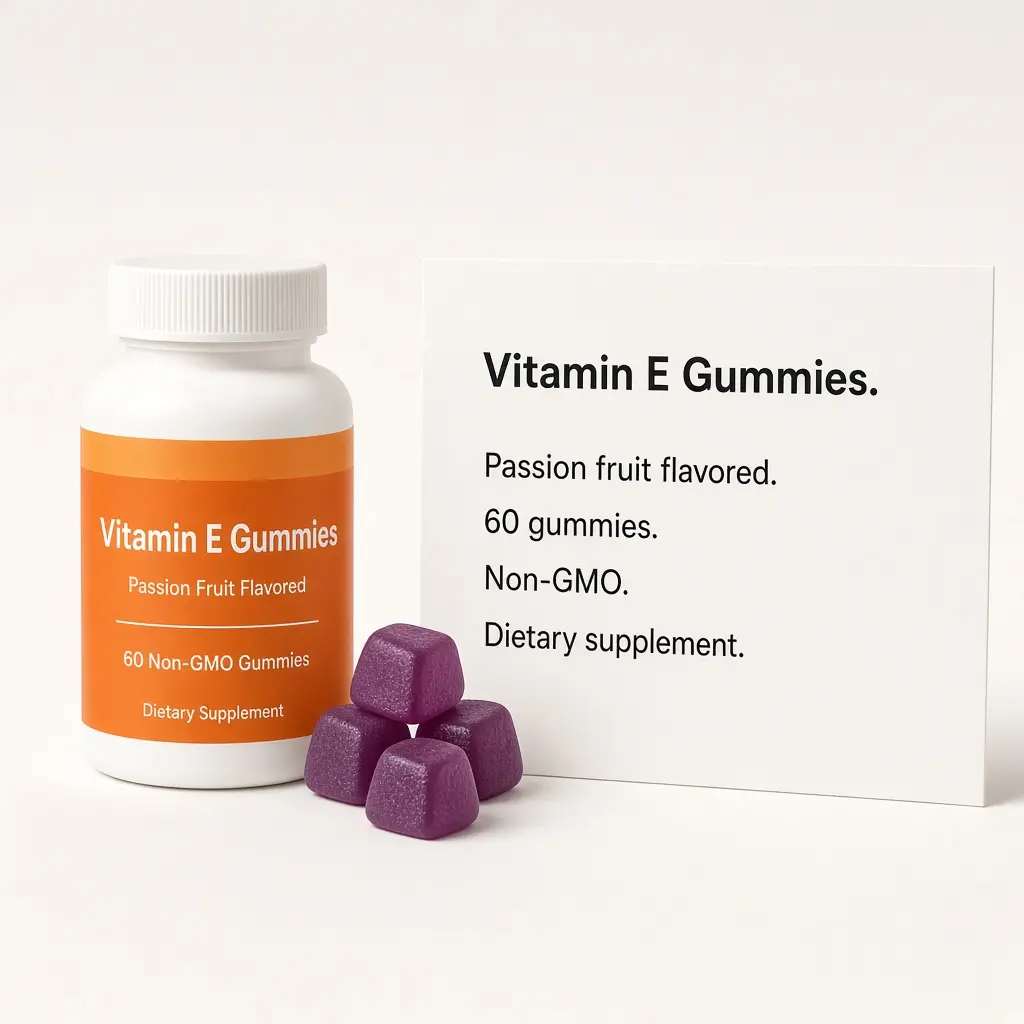
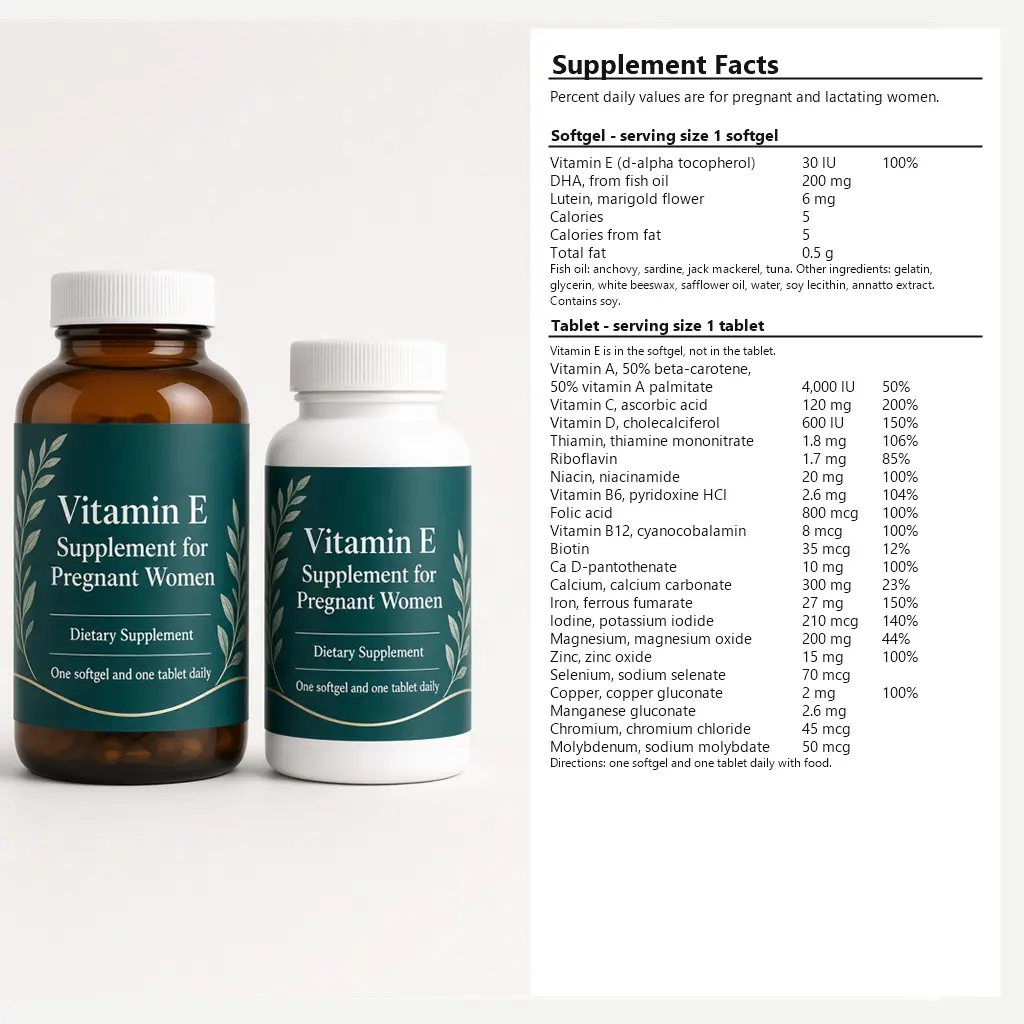
KS Nutripharma® is a vitamin E supplement manufacturer offering OEM, ODM, and private-label manufacturing for supplement brands. We work from an existing formula, a reference Supplement Facts panel, or a new product concept to develop products suited to your specifications and target market. Our capabilities cover natural d-alpha-tocopherol, synthetic dl-alpha-tocopherol, mixed tocopherols, tocotrienol complexes, and combination formulas in formats such as softgels, capsules, tablets, gummies, and liquids.
Each project is evaluated based on ingredient specifications, labeled vitamin E amount, dosage form, packaging, and destination-market requirements.
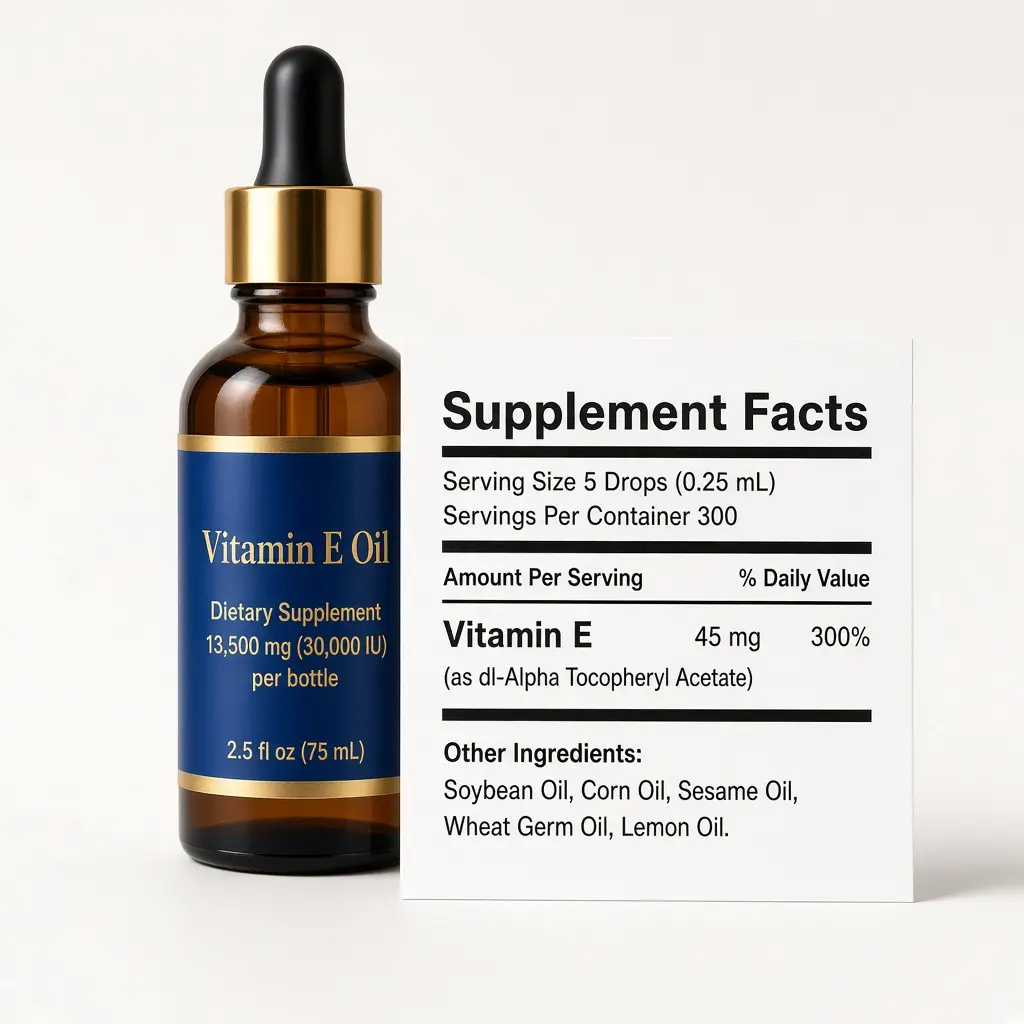
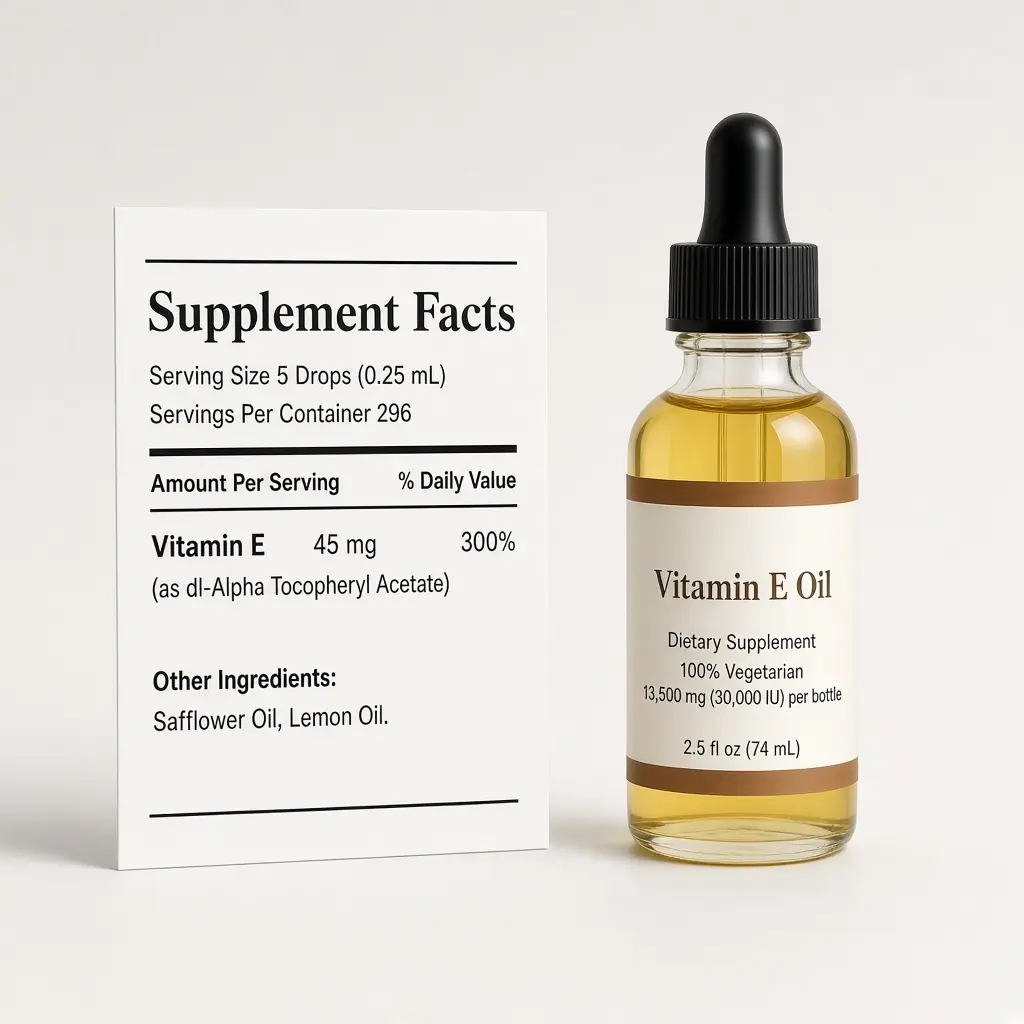
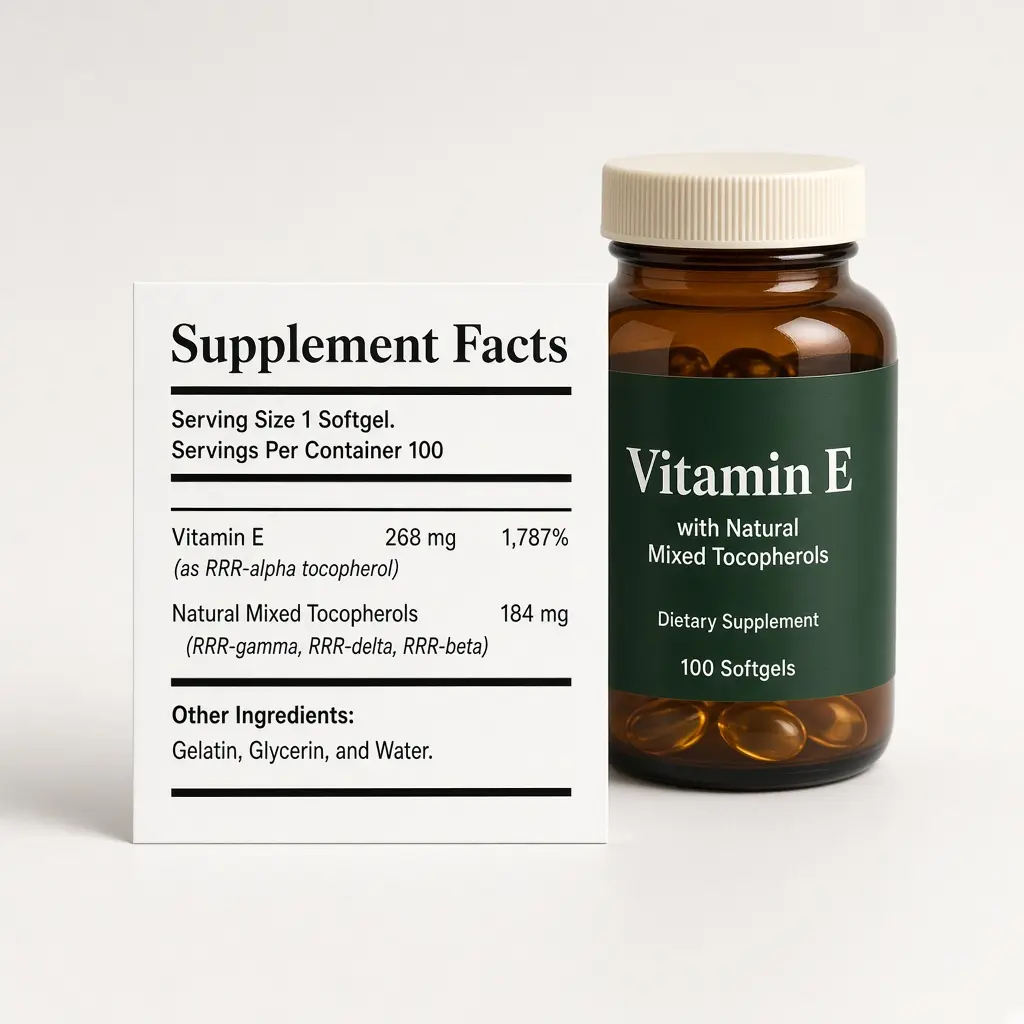
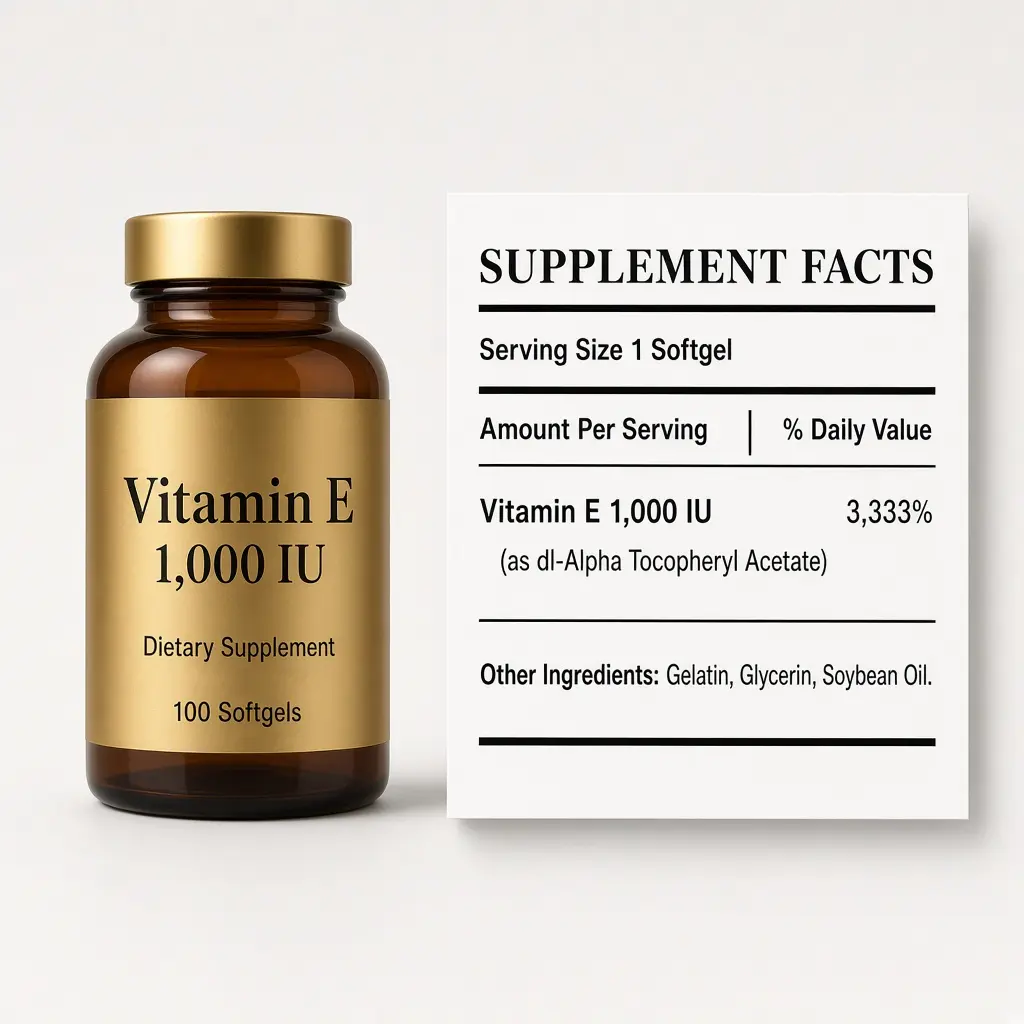
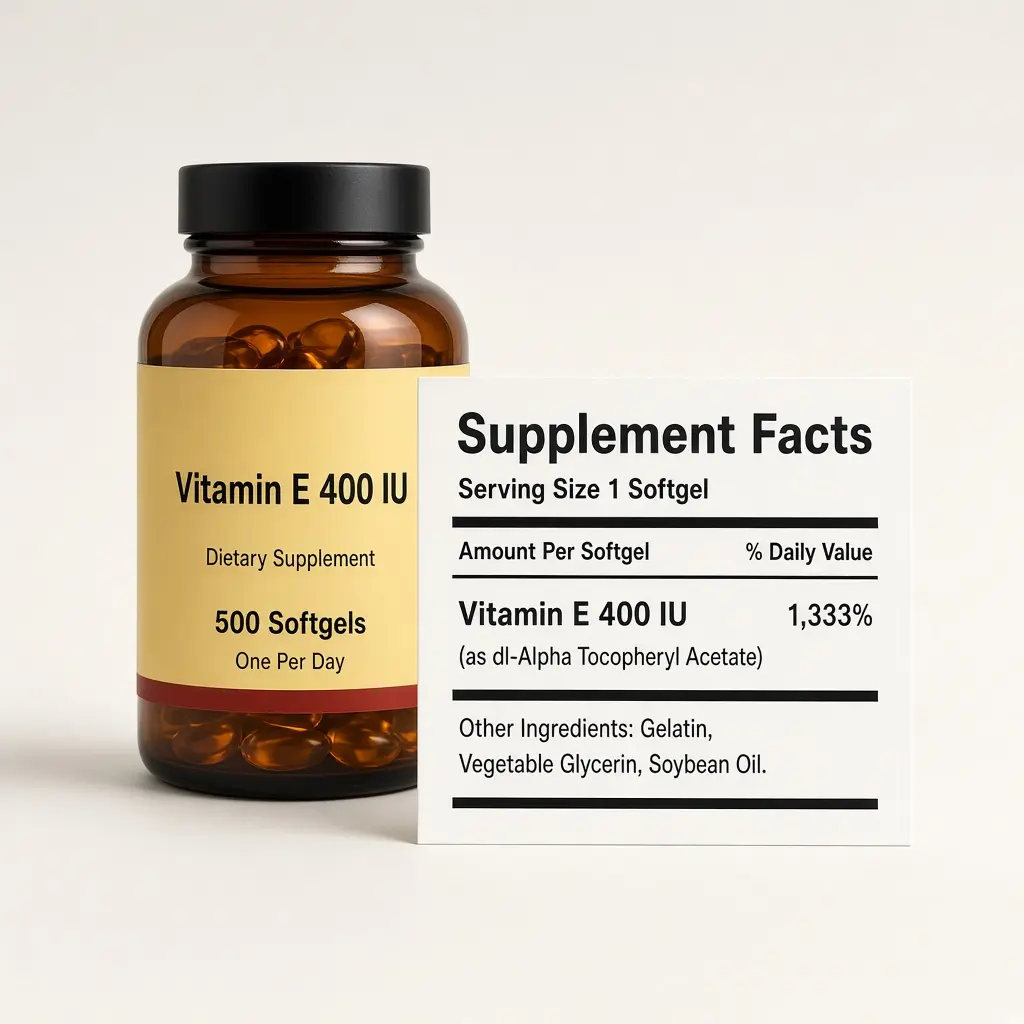
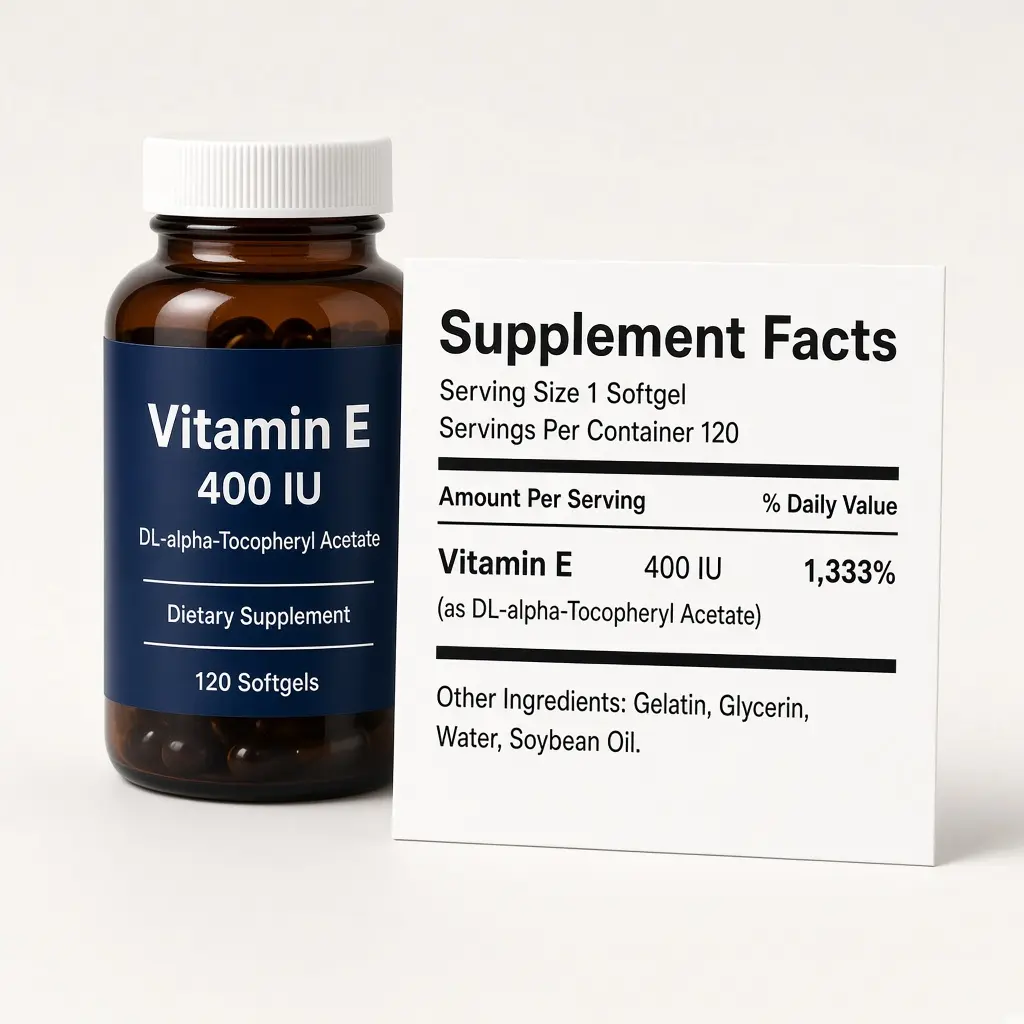
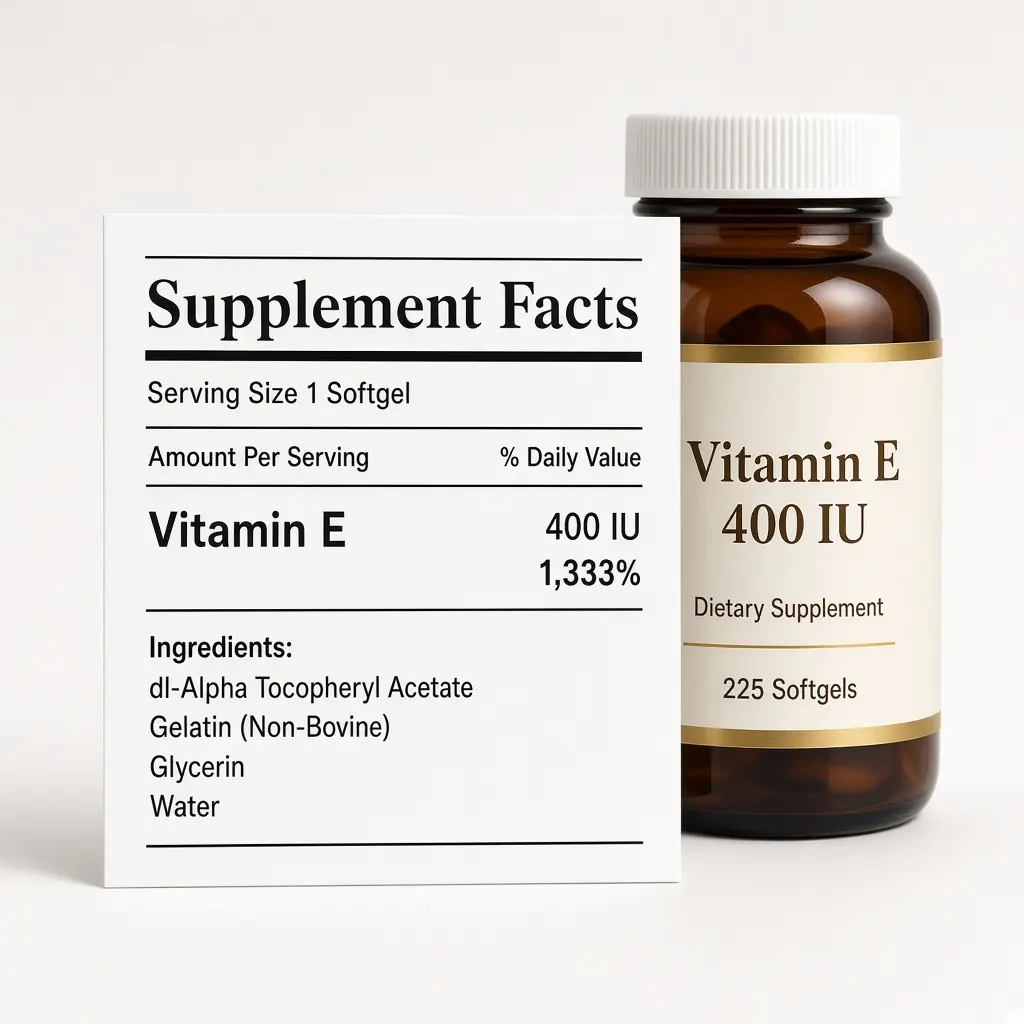
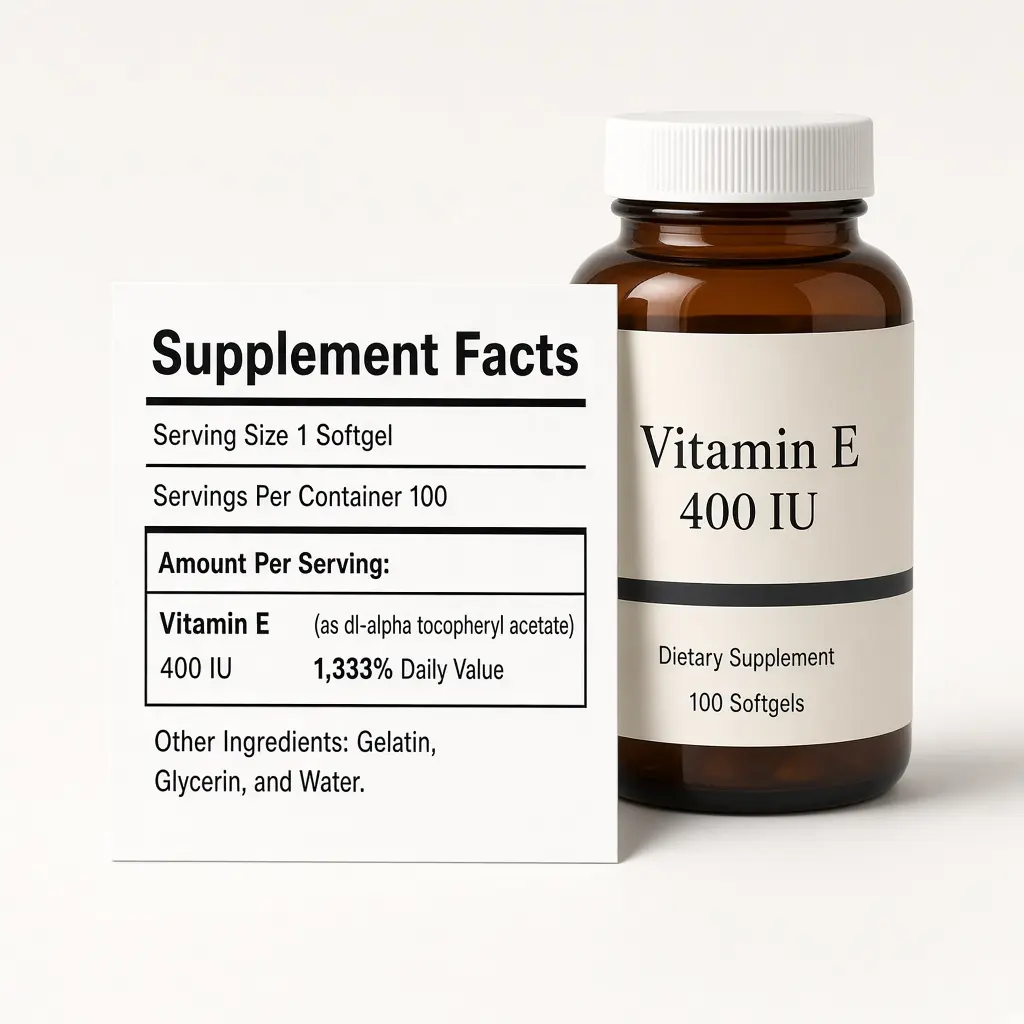
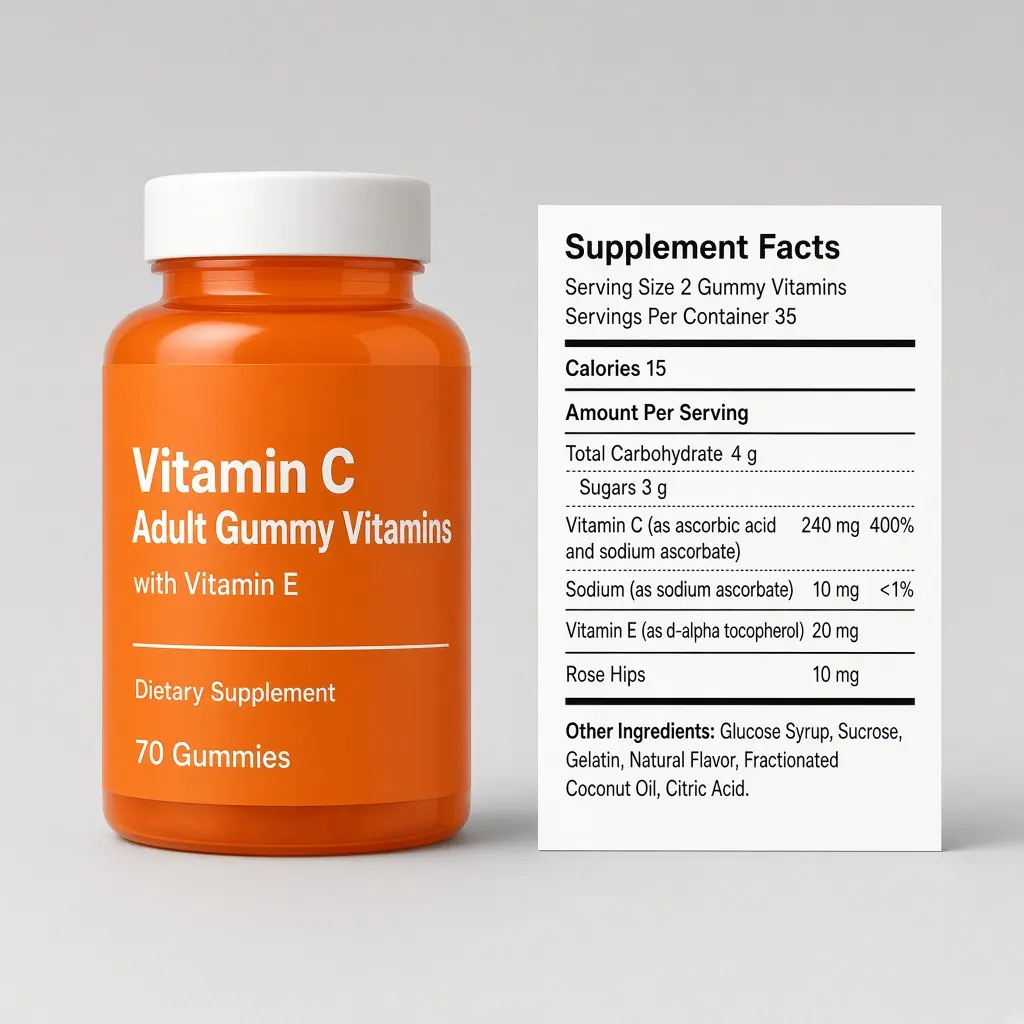
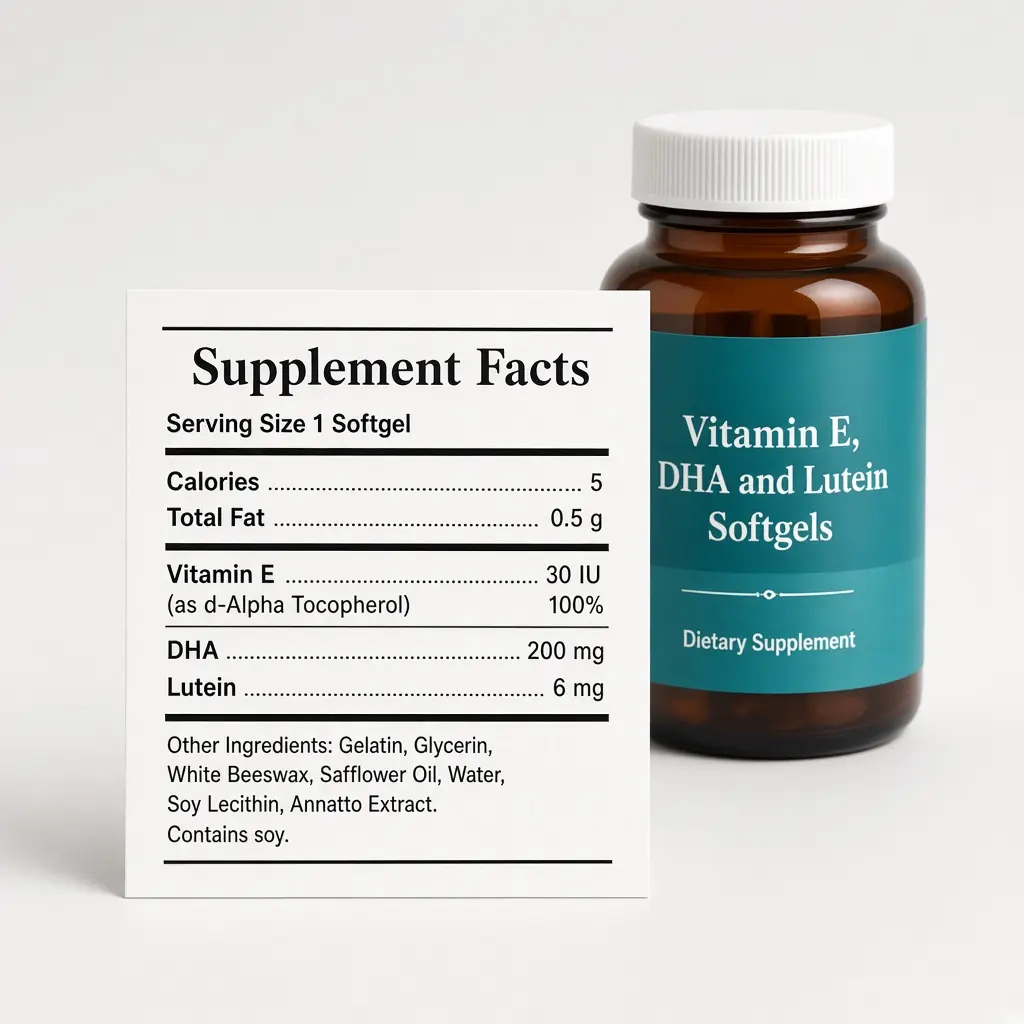
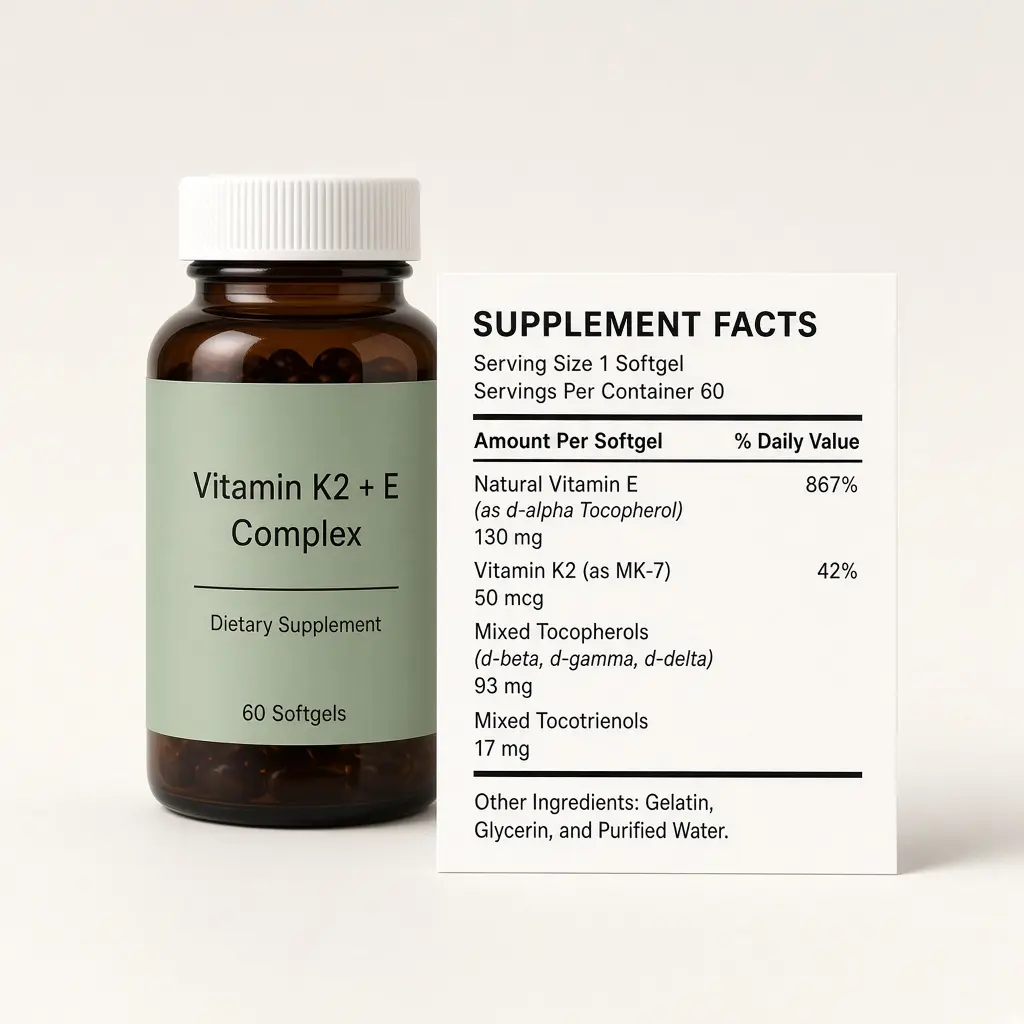
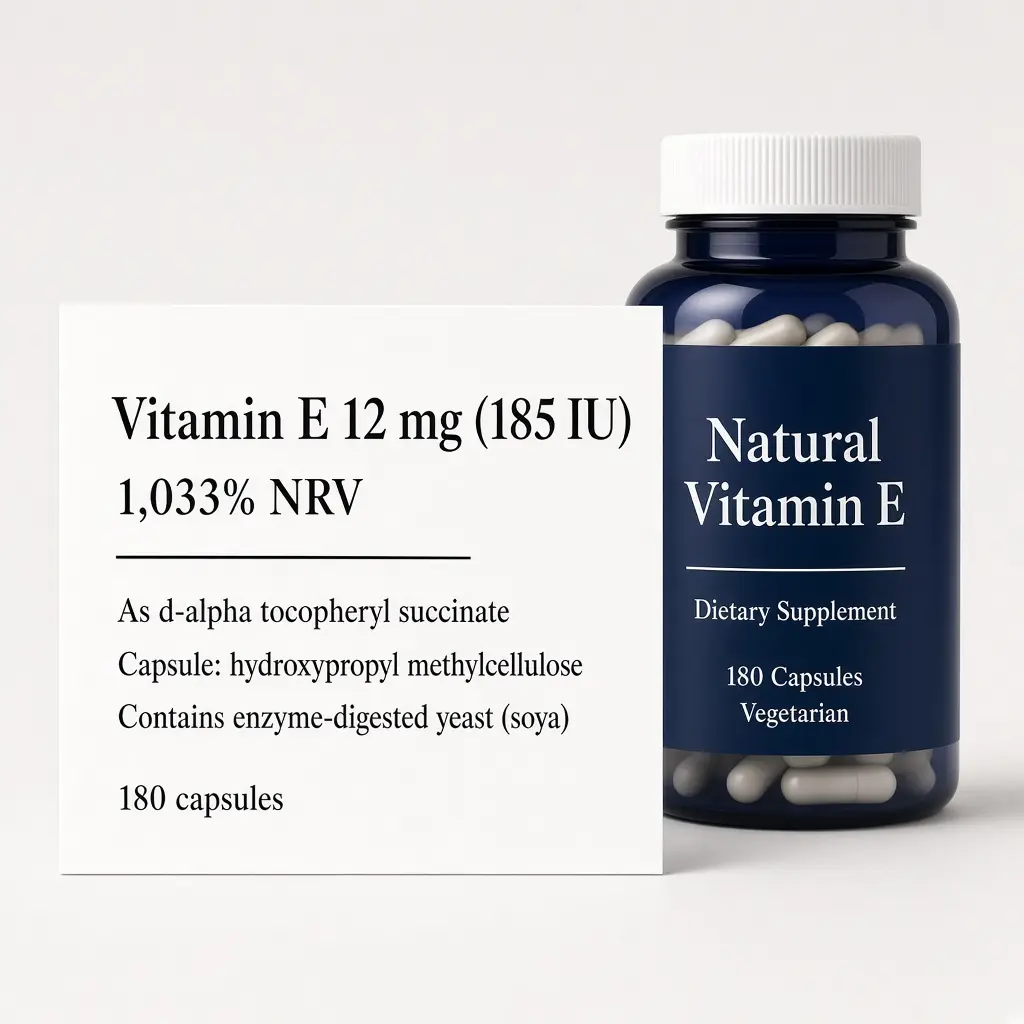
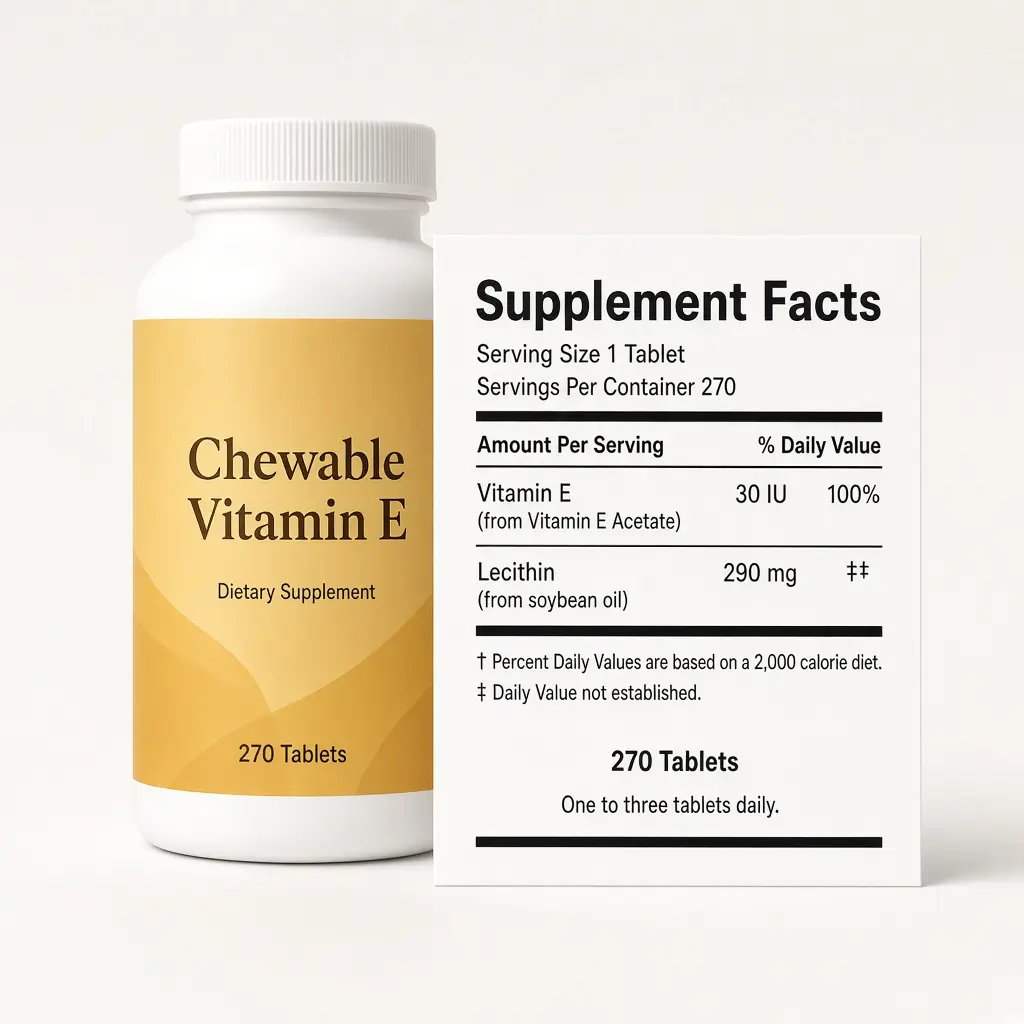
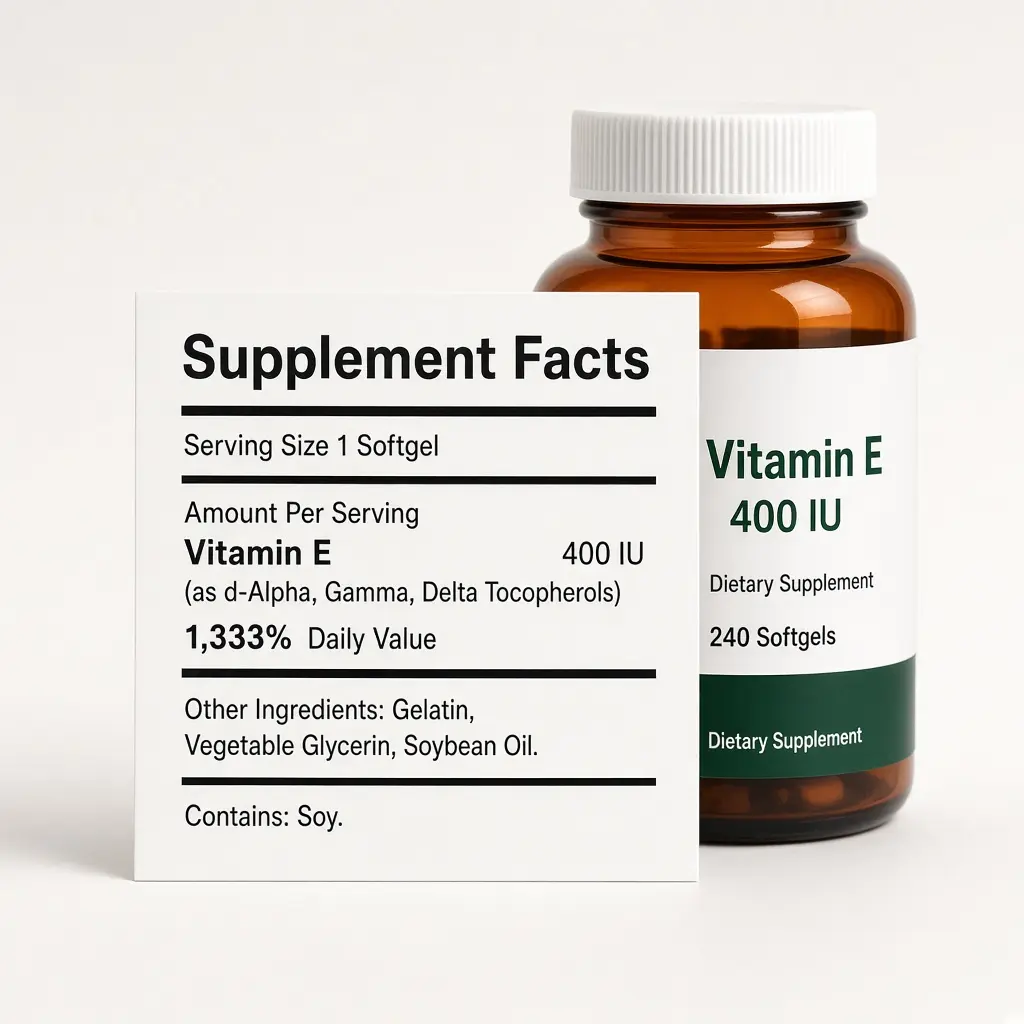
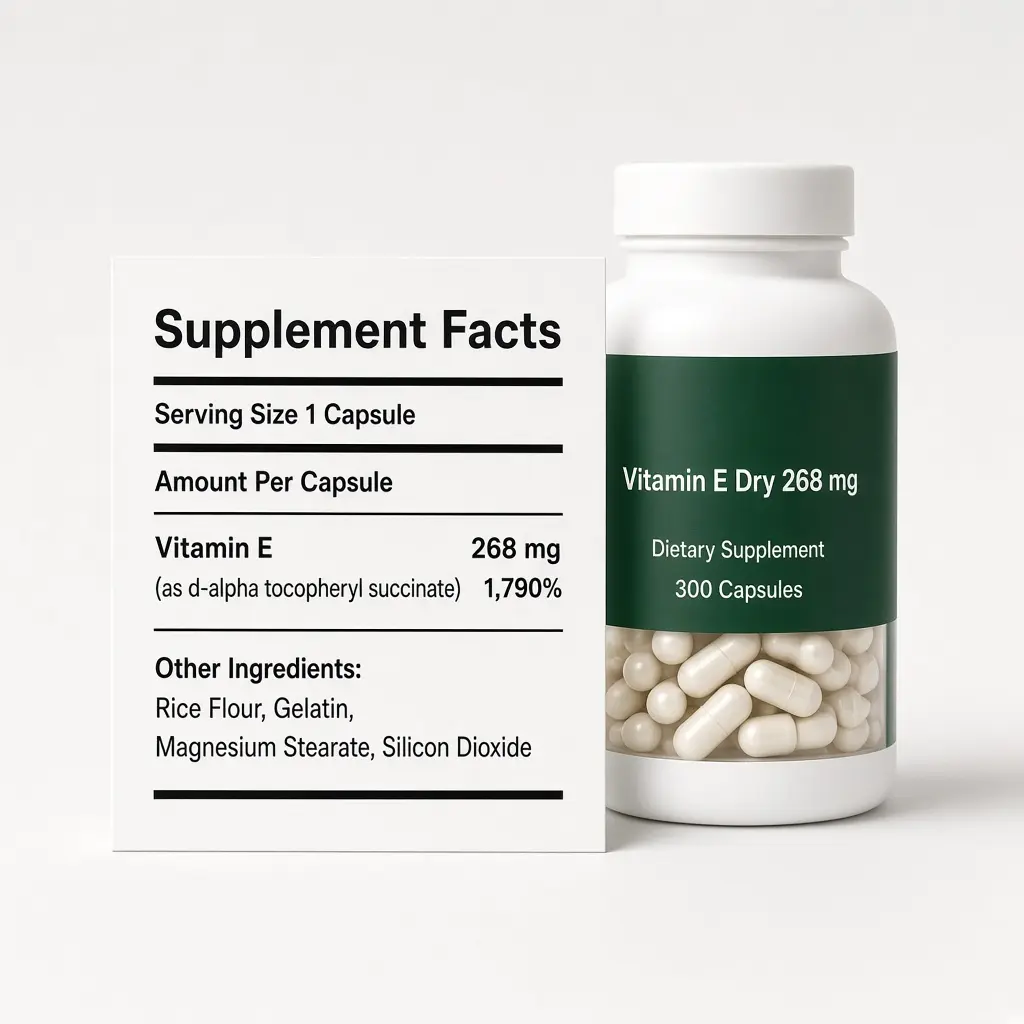
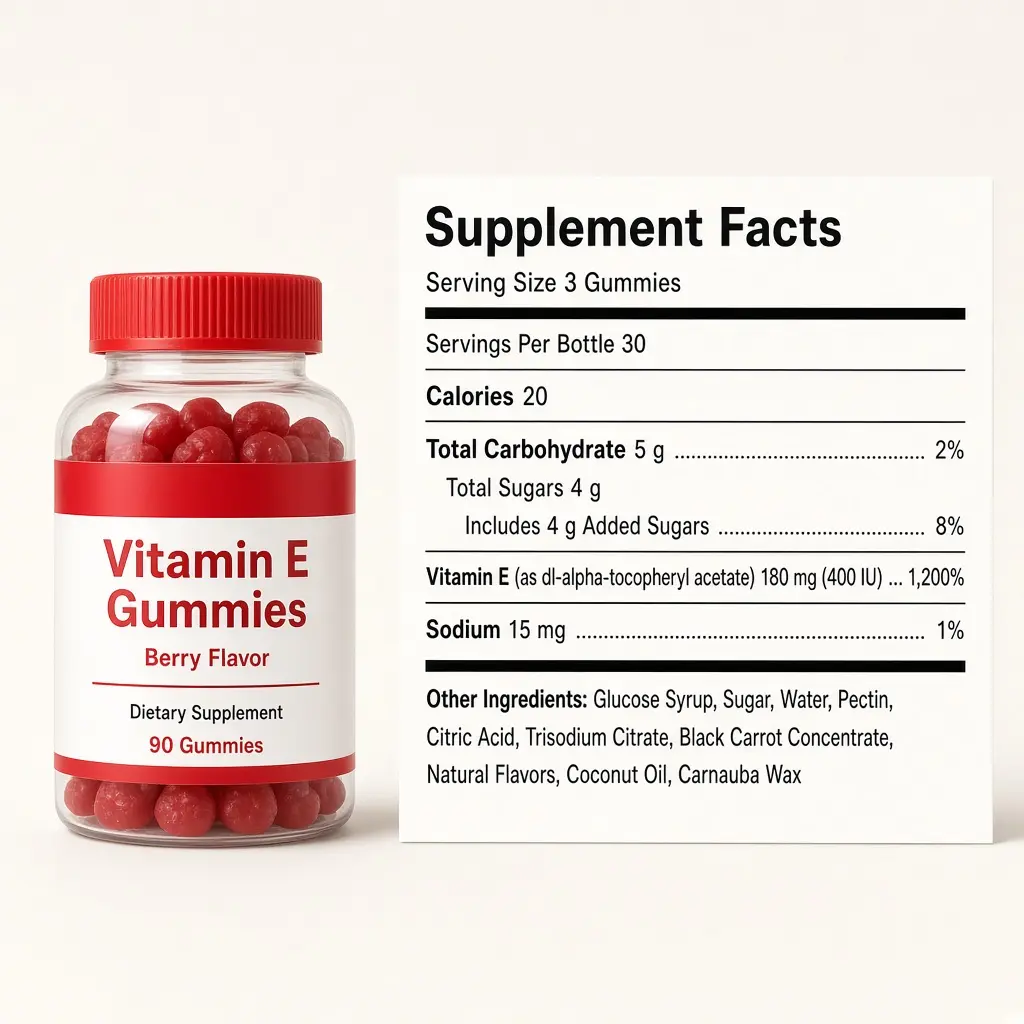
The product examples on the left showcase products from our previous collaborations.
Vitamin E Supplement Specifications and Options
Area | Options |
|---|---|
| Ingredient form | Natural-form d-alpha-tocopherol, d-alpha-tocopheryl acetate, synthetic-form dl-alpha-tocopherol, dl-alpha-tocopheryl acetate, mixed tocopherols, tocotrienol complex. Succinate when the specification names that ester |
| Labeled amount | 30 IU, 100 IU, 200 IU, or 400 IU once the form is named, or milligrams of alpha-tocopherol per serving. Other strengths are available subject to the specified ingredient potency and dosage-form feasibility. The number of units per serving is confirmed against the target amount and the feasible fill per unit |
| Dosage form | Softgels, hard capsules, tablets, liquids, gummies |
| Pack | 30, 60, 90, or 120 units per bottle, plastic or glass, customer label or printed label. Other counts follow the specification |
Vitamin E inside a multivitamin is specified on the multivitamin supplements page, as its own form and amount.
cGMP · ISO 9001 · ISO 22000 · HACCP · FSSC 22000 · Halal · Kosher · batch COA.
Vitamin E Forms and Formula Options
Formula selection starts with the labeled nutrient, the specified raw-material form, and the intended dosage form.

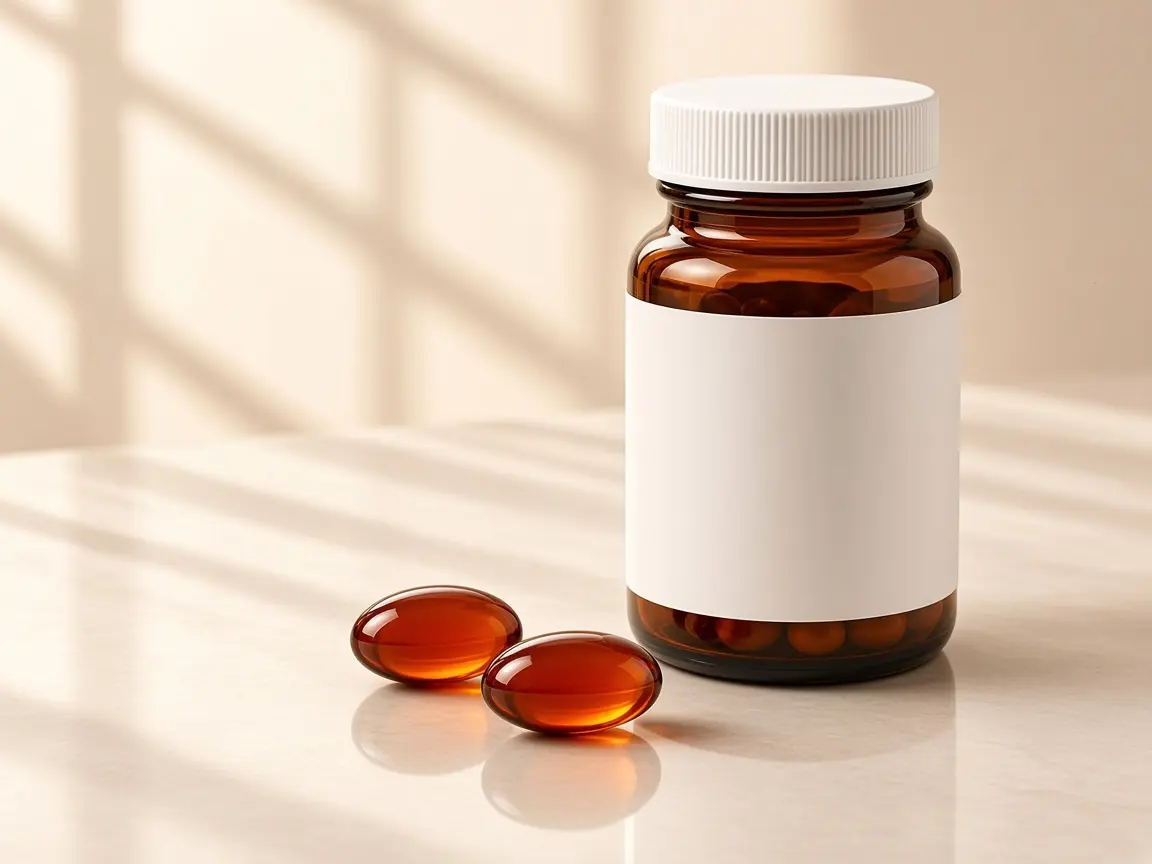
Use when: The label identifies natural-form d-alpha-tocopherol.
Specify: Free tocopherol or d-alpha-tocopheryl acetate, as one material. Confirm the supplier’s specification and source documentation for the RRR form. Specify the carrier oil and the softgel shell separately.
Trade-off: A change of botanical source does not change the labeled milligrams. Calling the shell vegetarian does not identify the fill as d-alpha.

Use when: The label is synthetic-form dl-alpha-tocopherol or dl-alpha-tocopheryl acetate.
Specify: The all-rac form and the chemical form, such as free tocopherol or tocopheryl acetate. Free dl-alpha-tocopherol is specified on its own when the label names it.
Trade-off: Do not describe dl-alpha material as natural d-alpha. The same IU panel converts to a different milligram claim.
Use when: The product is a mixed-tocopherol formula.
Specify: Total tocopherols, the alpha result, and which result is the vitamin E declaration.
Trade-off: A percent on a mixed-tocopherol oil is the total unless the COA reports alpha on its own. Tocopherols added only to protect the carrier stay off the vitamin E declaration unless that addition is the declared nutrient and the finished unit is assayed for it.

Use when: The product sells a tocotrienol complex, with or without tocopherols.
Specify: Each tocotrienol when they are separated, the total, the source (rice, palm, or annatto), and the assay method. Add a tocopherol declaration only if tocopherols are actually present.
Trade-off: Tocotrienol milligrams are a separate declaration. They are not folded into the vitamin E IU claim.
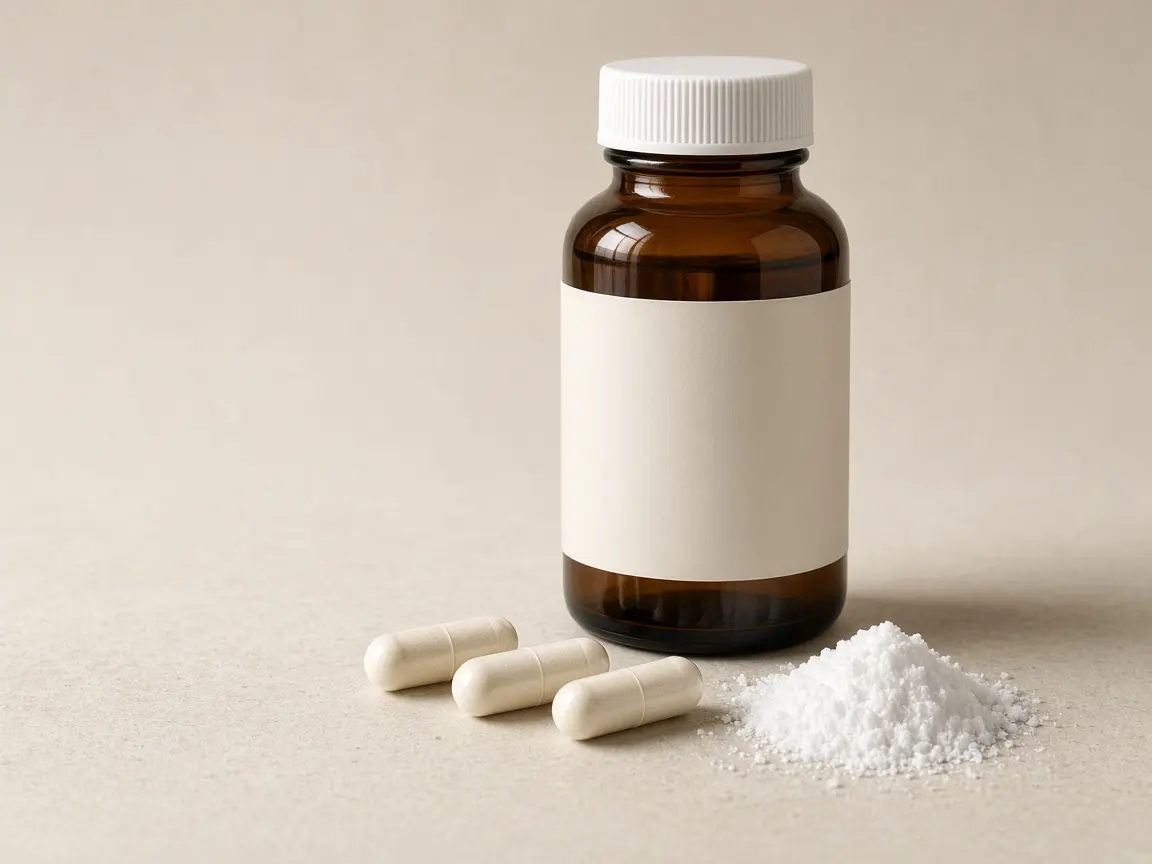
Use when: Both nutrients are declared, and both are nutrient claims.
Specify: The form of each nutrient, whether they share one unit, and the assays for both declarations.
Trade-off: Ascorbic acid and an oil-form vitamin E are checked for moisture, compatibility, uniformity, and assay in the proposed unit. A shared softgel, a dry capsule, or two units stay open until that check. Ascorbyl palmitate used only to protect the oil is not the vitamin C declaration.
Use when: A human dietary supplement declares vitamin E and selenium.
Specify: Elemental selenium, the selenium source, and the market rules for that mineral. Vitamin E form and labeled amount are specified on their own lines.
Trade-off: The dosage form follows the selenium source. An oil softgel is used only after dispersion or solubility, serving uniformity, stability, and assay feasibility are shown. Some selenium salts are not dissolved in oil. For a US or EU formula, the US adult tolerable upper intake level and the EFSA 2023 adult upper level are different numbers. Neither is a formulation target.
Use when: The vitamin E is a powder, beadlet, or cold-water-dispersible grade.
Specify: Acetate powder, beadlet, or cold-water-dispersible grade, or succinate powder or granule. Potency from the COA basis. Particle size when the specification includes it.
Trade-off: A stated 50% is not taken as 500 IU/g. Where both active content and IU/g are reported, each basis is confirmed before the charge is calculated. Carrier and coating change the fill weight for the same labeled milligrams. A tablet is assessed for compression. It is not refused in advance of that trial.
Choose the Vitamin E Format: Softgels, Capsules, Tablets, Liquids or Gummies
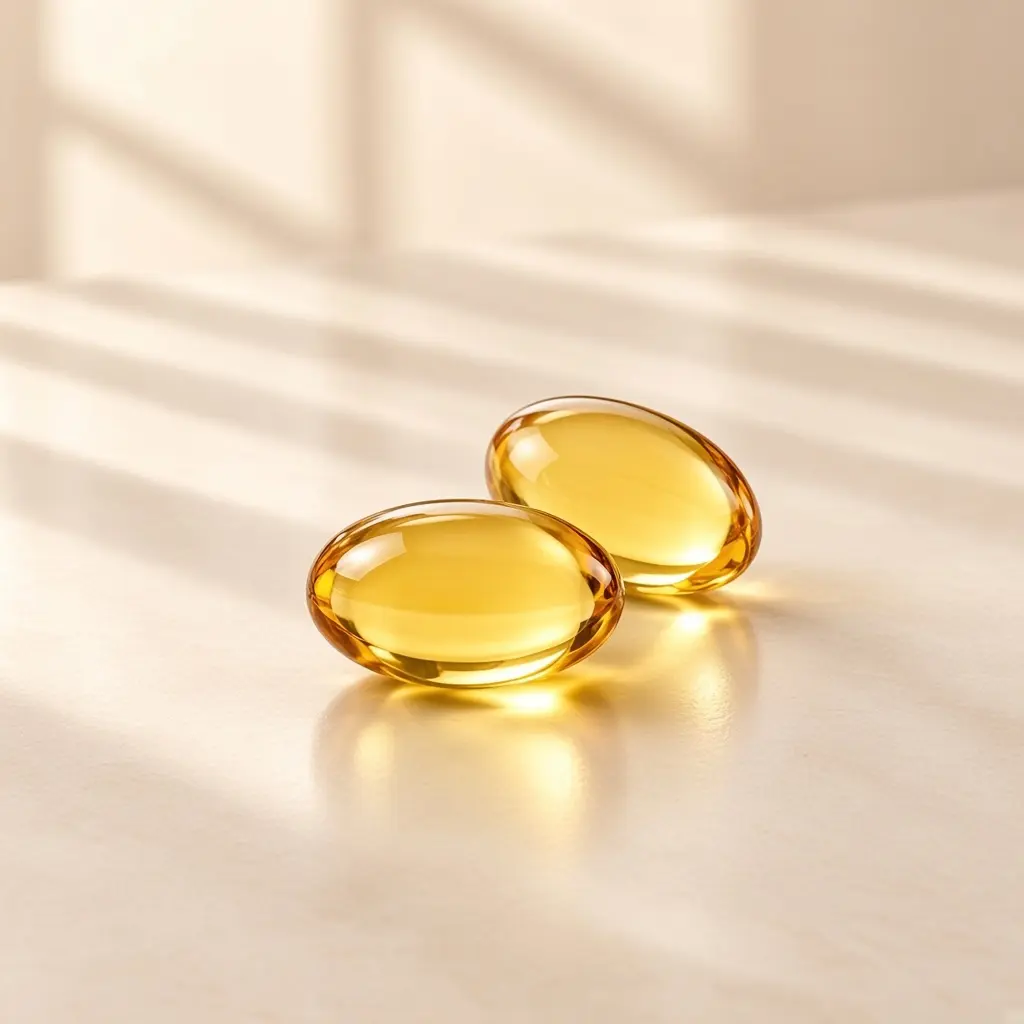 Softgels
Best for: An oil, or an oil suspension that has been shown to fill.
Why: The vitamin E and the carrier oil share one fill.
Typical formula: Natural d-alpha, synthetic dl-alpha, mixed tocopherols, or a tocotrienol complex.
What to confirm: Form, carrier oil, fill weight per softgel, softgels per serving, and shell. Gelatin and vegetarian softgels are selected apart from the vitamin E source.
Manufacturing note: Encapsulation is softgel manufacturing. Common pack configurations include 30, 60, 90, or 120 units per bottle, subject to the product specification and packaging setup.
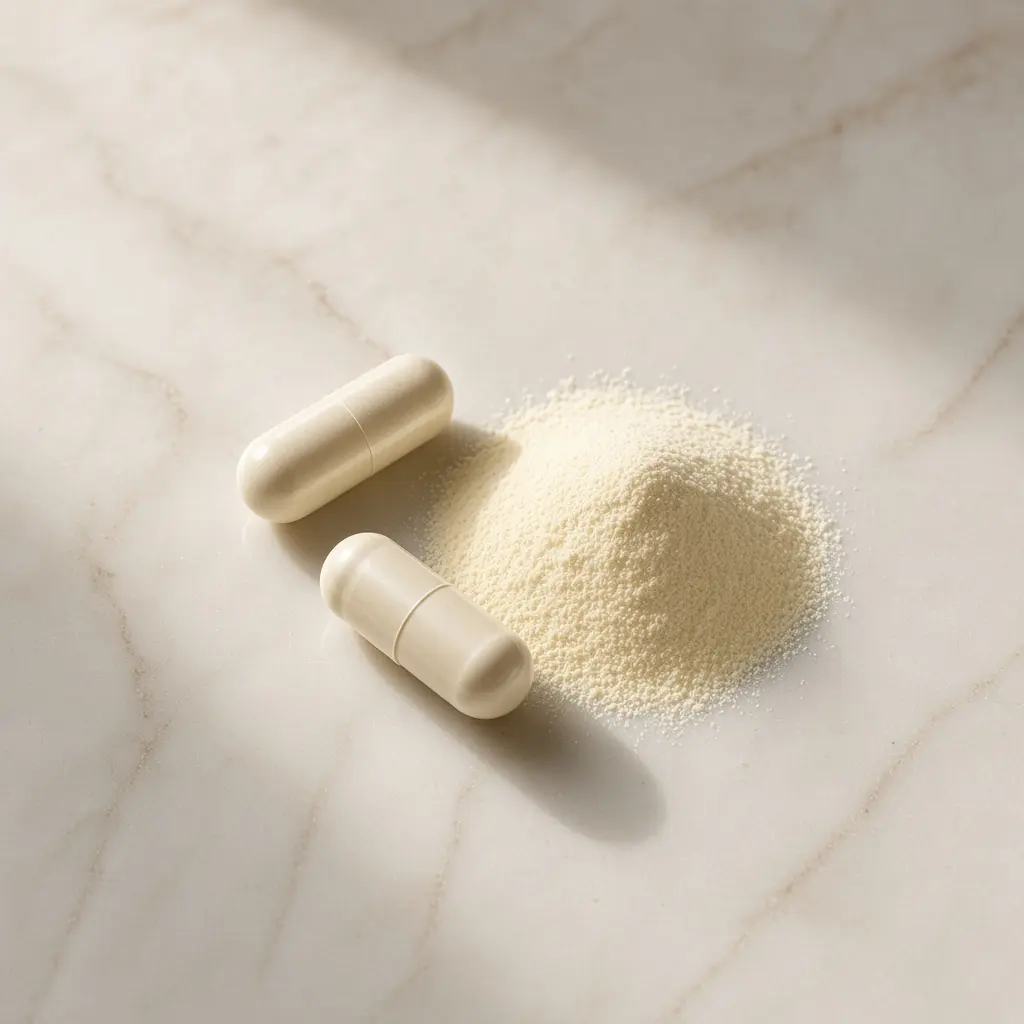 Hard Capsules
Best for: A dry powder, beadlet, or dispersible grade.
Why: A two-piece shell holds the dry grade. Softgel oil is not poured into it.
Typical formula: Dry vitamin E, or vitamin E kept dry beside vitamin C.
What to confirm: Potency, fill weight, capsule size, and excipients.
Manufacturing note: The number of capsules per serving is confirmed against the target amount and the feasible fill per capsule.
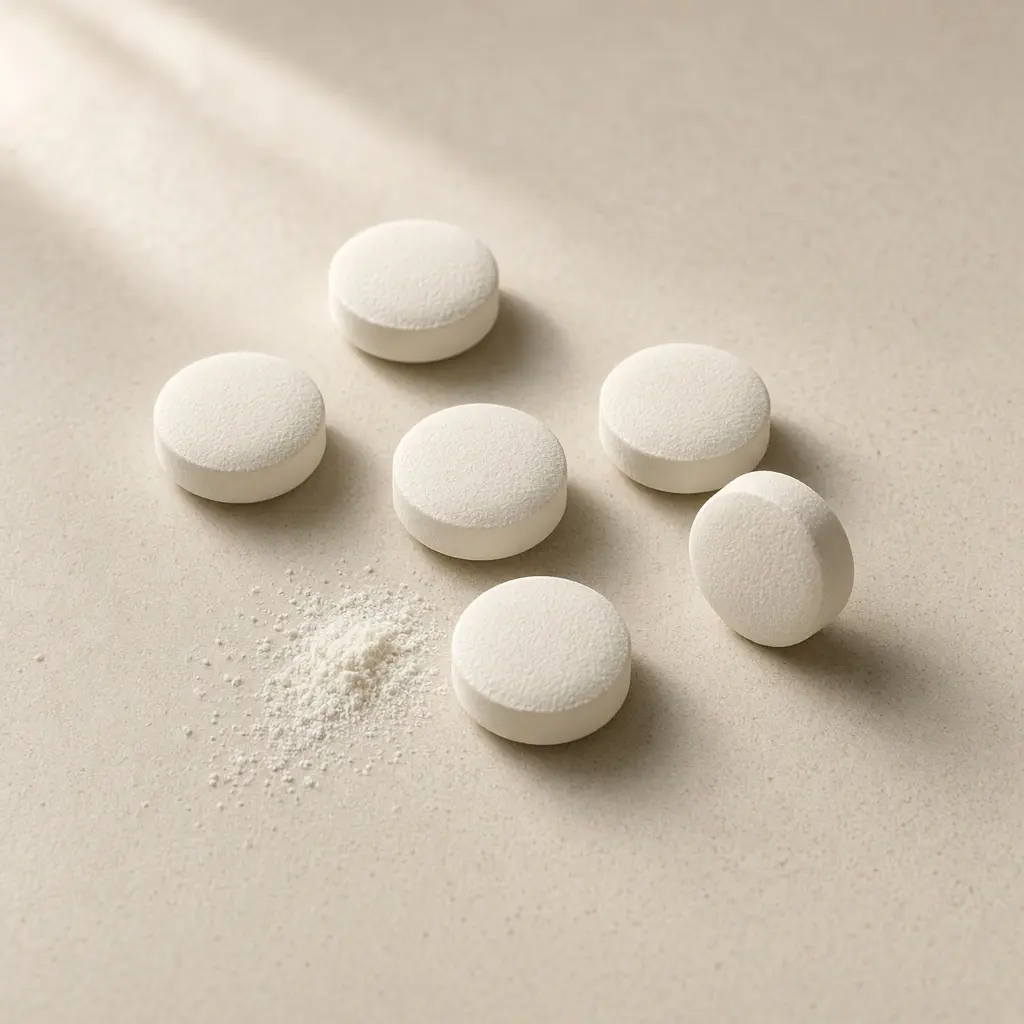 Tablets
Best for: A dry system with suitable compression for the target weight.
Why: The powder has to hold a tablet weight, hardness, and disintegration result.
Typical formula: Dry vitamin E after a compression trial.
What to confirm: Tablet weight, compression, hardness, and disintegration.
Manufacturing note: The tablet is quoted after a compression trial at the target weight. The trial result does not by itself assign the project to a capsule or a softgel.
 Liquids
Best for: An oil or another system suited to a measured liquid.
Why: The same oil can be specified per millilitre instead of per softgel.
Typical formula: A named vitamin E oil taken by volume.
What to confirm: Milligrams per millilitre, uniformity, container compatibility, and how the dose is measured.
Manufacturing note: The container and the delivered volume are part of the quotation.
 Gummies
Best for: A grade that holds up through the cook.
Why: Heat, dispersion, and flavor decide whether the declared amount can be made.
Typical formula: A dry or dispersible vitamin E grade that has passed a gummy trial.
What to confirm: Dispersion, flavor, and assay of the declared amount after heat.
Manufacturing note: Quotation is confirmed after the ingredient grade, the gummy process, the target assay, and the pack have been assessed.
Comparable quotations require the same vitamin E form, the same label-claim basis, and the same target amount per serving. Legacy IU-to-mg conversion is based on the applicable label-claim convention; batch charge weight is calculated separately from the specified ingredient’s potency and the COA basis.
Forms. Natural-form d-alpha-tocopherol is RRR-alpha-tocopherol. Synthetic-form dl-alpha-tocopherol is all-rac-alpha-tocopherol. d-alpha-tocopheryl acetate, dl-alpha-tocopheryl acetate, and succinate are named in addition to the isomer. Source documents, the isomer, the ester, and any certification claim are checked separately. Mixed tocopherols are alpha, beta, gamma, and delta together. A tocotrienol complex is a separate declaration. Tocopherols added only to protect the carrier stay off the vitamin E declaration unless that addition is the declared nutrient and the finished unit is assayed for it.
The vitamin E source, the carrier oil, and the shell are three specifications. Soy as a tocopherol source, soy as a carrier, residual protein, and cross-contact are read from the materials and the process in use.
Legacy IU labels. US Supplement Facts declare vitamin E in milligrams of alpha-tocopherol. The NIH Office of Dietary Supplements Vitamin E fact sheet for health professionals, updated 19 October 2026, states that 1 IU of the natural form is equivalent to 0.67 mg of alpha-tocopherol and 1 IU of the synthetic form is equivalent to 0.45 mg of alpha-tocopherol. The table below applies that reference to a legacy US IU claim on alpha-tocopherol. It is not the batch charge for every ester, mixed-tocopherol oil, or diluted preparation. The specification names the form before an IU figure is converted.
Legacy panel | Natural-form alpha-tocopherol | Synthetic-form alpha-tocopherol |
|---|---|---|
| 30 IU | 20.1 mg | 13.5 mg |
| 100 IU | 67 mg | 45 mg |
| 200 IU | 134 mg | 90 mg |
| 400 IU | 268 mg | 180 mg |
KS manufactures these strengths when the form and the units per serving are specified.
Charge weight. Grams charged come from the potency on that lot’s COA, including the basis of the result. The COA identifies the tested material, the reported potency, and the method. Finished release uses the declared amount in the unit. Use the potency value that applies to the labeled nutrient and the specified raw-material form. Where both active content and IU/g are reported, confirm the basis of each result before calculating the batch charge. For mixed tocopherols, use the total tocopherol content and the individual tocopherol results reported by the specified method, where the COA includes them.
Specification | What it states | What the charge uses |
|---|---|---|
| Labeled milligrams per serving | Alpha-tocopherol on the label | That lot’s potency on the COA basis |
| Free d-alpha-tocopherol oil | That oil | That oil’s potency |
| d-alpha-tocopheryl acetate oil | That ester oil | That oil’s potency |
| dl-alpha-tocopheryl acetate oil | That ester oil | That oil’s potency |
| Powder or beadlet | Active content, IU/g, or both, as the COA defines them | The potency that matches the claim, after each reported basis is confirmed |
| Mixed tocopherols at a percent | Total tocopherols, unless the COA defines the percent differently | Total tocopherols, plus individual tocopherols when the specified method reports them |
| Diluted preparation | A liquid or solid that includes a carrier | The material and method on the COA |
Testing is defined by the approved specification, applicable market requirements, and the agreed release plan. Incoming material checks, finished-product release tests, and stability studies serve different purposes and are documented separately. The items below are drawn from that plan. They are not a promise that every lot receives every test.
Incoming material. Identity of the isomer and the chemical form, potency and method, and the supplier COA. Peroxide value and acid value for an oil when the specification includes them. Heavy metals, microbiology, residual solvents, and the allergen statement when the specification or the material risk calls for them.
Finished-product release. Assay of the vitamin E amount that was approved for the label, or of the specific component named in the specification. Fill weight or tablet weight. Rupture or disintegration when that test is in the specification. Microbiology as the release plan requires. An incoming COA does not replace this release.
Stability and outside laboratories. A stability study, when the project includes one, is run on the finished unit in the commercial pack and is used to judge whether the unit meets the agreed specification over the stated shelf life. It is not evidence that every vitamin E product already has a completed shelf-life file. Third-party tests are arranged when the agreement names the test, the method, and the laboratory.
Documents supplied with the order include the COA, the specification, an SDS where one applies, and the allergen statement. A third-party test report is included when the customer requires it.
There is no single published minimum order or lead time for every vitamin E project. Both depend on the formula, dosage form, and packaging configuration. A softgel production run and a gummy formula that needs process validation are not scheduled on the same basis.
A reference Supplement Facts panel or an existing formula is enough to start the review. MOQ, sample requirements, and the production schedule are confirmed after the formulation and packaging requirements have been assessed. No sample quantity or sample lead time is stated here, because those terms are set with the specification.
What is the difference between natural and synthetic vitamin E?
Natural-form d-alpha-tocopherol is the RRR isomer. Synthetic-form dl-alpha-tocopherol is the all-rac isomer. The ester is named separately. The same IU panel converts to different milligrams in the table above. That table is not the batch charge.
How do you convert a 400 IU vitamin E label to milligrams?
400 IU is 268 mg of natural-form alpha-tocopherol or 180 mg of synthetic-form alpha-tocopherol. The batch weight comes from the COA of the material used.
Can vitamin E be manufactured as a gummy or a tablet?
Only after the trial for that process. A tablet needs a compression trial at the target weight. A gummy needs a cook trial for dispersion, flavor, and assay of the declared amount. Neither format is assigned before that result.
What information is needed for a vitamin E supplement quote?
The vitamin E form if known, the amount per serving, the preferred dosage form, the destination market, and the pack configuration if chosen. A reference Supplement Facts panel or an existing formula is enough to open the review.
What is the difference between mixed tocopherols and alpha-tocopherol?
Mixed tocopherols are alpha, beta, gamma, and delta together. Alpha-tocopherol is one of the four. A percent on a mixed-tocopherol oil is the total unless the COA reports alpha on its own.
Request a Vitamin E Supplement Quote
Send an existing formula, a reference Supplement Facts panel, or a brief product concept. Include the vitamin E form, target amount per serving, preferred dosage form, destination market, and pack configuration if known.
Our team will review the specification, assess dosage-form feasibility, and identify any outstanding information needed for quotation. MOQ and lead time are confirmed against the approved formula and packaging requirements.
A complete proprietary bill of materials is not required for the initial review. An NDA is available before confidential formula details are exchanged. A project manager replies within one business day.
Related
- Astaxanthin supplements — an oil-phase carotenoid, in milligrams of astaxanthin
- Lycopene supplements — an oil suspension or a beadlet, on its own lycopene specification
Disclaimer
Wholesale and brand-manufacturing reference only. Dietary supplements are not intended to diagnose, treat, cure, or prevent any disease. Milligram figures converted from IU are label calculations, not recommended intakes. The brand owner is responsible for the finished label in the destination market.
Written by KS Nutripharma Formulation Team | Reviewed by KS Nutripharma Director of R&D (PhD, Food Science | 19+ years nutraceutical development) | Technical review scope: vitamin E isomer and ester, legacy IU label conversion versus lot potency, vitamin E source versus carrier oil versus shell, mixed tocopherols versus an antioxidant addition, tocotrienol declaration, dosage-form feasibility, selenium source compatibility, incoming COA versus finished-unit release | Updated October 2026
Team background: KS Nutripharma