
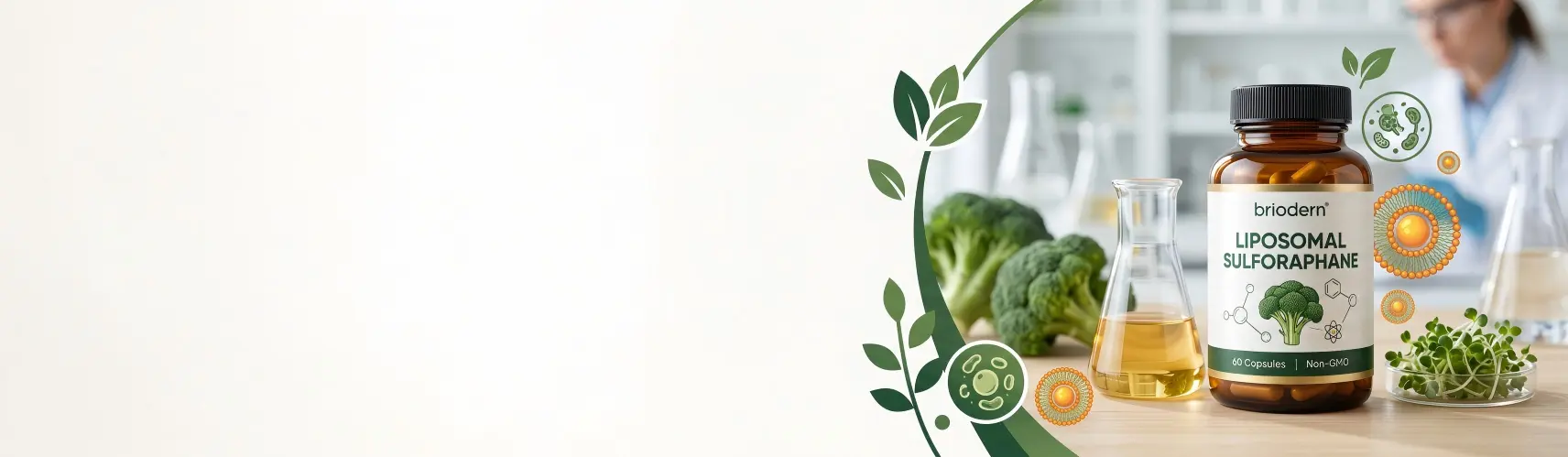
Sulforaphane Capsule Manufacturing at a Glance
KS Nutripharma® develops and manufactures sulforaphane capsules for brand owners, procurement teams, and contract manufacturing partners. We support bulk ingredients, custom formulation, capsule production, liquid formats, packaging, quality control, and repeat commercial supply.
| Active Systems | Sulforaphane (SFN) / Glucoraphanin (GR) / GR + Myrosinase / Broccoli Sprout Extract |
| Capsule Types | HPMC (vegetarian) / Gelatin — single-ingredient or multi-ingredient |
| Delivery Systems | Standard capsule, liposomal delivery, capsule-in-capsule, enteric / delayed release where technically justified |
| MOQ | 3,000–5,000 units per SKU for capsules |
| Lead Time | Sampling 7–15 days | Pilot batch 15–25 days | Mass production 30–45 days, subject to formula, materials, packaging and approval timing |
| Daily Capsule Capacity | 5+ million units/day |
| Manufacturing Models | OEM / ODM / Private Label |
| Certifications | GMP, ISO 9001, ISO 22000, HACCP; Non-GMO, Kosher, Halal available |
| Documentation | CoA, batch records, stability summaries, regulatory support letters |
Looking for broader sulforaphane product solutions? Explore our Sulforaphane Supplements for additional sulforaphane ingredient forms, formulation concepts, and product development options.
Sulforaphane Capsule Manufacturing Capability
We manufacture sulforaphane capsules across the full range of active systems and delivery configurations. The following matrix summarizes what we can produce and the primary manufacturing consideration for each system.
| Sulforaphane System | Supported | Primary Manufacturing Consideration |
| Stabilized SFN | Yes | Active stability, oxidation control, moisture protection |
| Glucoraphanin (GR) | Yes | Assay verification, conversion system evaluation |
| GR + Myrosinase | Yes | Enzyme activity preservation, physical separation if needed |
| Broccoli Sprout Extract | Yes | Lot standardization, contaminant screening |
| HPMC Capsule | Yes | Vegan positioning, shell compatibility |
| Gelatin Capsule | Yes | Conventional capsule, cost efficiency |
| Standard Capsule | Yes | Fill weight, powder flow, content uniformity |
| Liposomal / Advanced Delivery | Yes | Particle size, encapsulation efficiency, stability validation |
Our facility covers 81,000+ m² with 12 automated production lines and 2 dedicated R&D centers. We have manufactured sulforaphane-based products in capsule, softgel, tablet, and powder formats for brands targeting US, EU, and APAC markets. Over 500 brands across 60+ export markets have used our manufacturing services.
Which Sulforaphane System Should You Choose?
The first development decision is the active system. SFN, GR, GR + myrosinase and broccoli sprout extract should not be treated as interchangeable ingredients because their stability, assay, conversion and manufacturing requirements differ.
| System | Main Advantage | Main Manufacturing Concern | Best Suited For |
| Stabilized SFN | Direct delivery of active isothiocyanate | Stability and oxidation control | Premium SFN positioning |
| Glucoraphanin (GR) | Better raw-material stability | Conversion depends on myrosinase availability | Cost-sensitive or precursor positioning |
| GR + Myrosinase | Supports conversion to SFN | Enzyme activity retention | Formulas prioritizing conversion |
| Broccoli Sprout Extract | Botanical / whole-food positioning | Standardization and lot variability | Botanical or whole-food formulas |
A procurement team should therefore compare the raw-material specification, assay method, stability information and intended product positioning rather than comparing only the labeled milligram amount. For GR-based products, the presence and activity of myrosinase are especially relevant to how the finished product is designed and evaluated.
For a comparison of sulforaphane and glucoraphanin: https://kssupplements.com/sulforaphane-vs-glucoraphanin/
Before We Quote Your Project: Technical Feasibility Review
A useful RFQ for sulforaphane capsules needs more than an ingredient name and a target quantity. Before a firm quotation is finalized, the manufacturing team needs enough information to determine whether the proposed active system can be physically filled, analytically controlled, packaged and manufactured at the intended scale.
| Question | Why It Matters | What the Review Determines |
| What active system is required? | SFN, GR, GR + myrosinase and broccoli sprout extract have different stability and assay requirements. | Initial raw-material and process pathway |
| What is the target dose per serving? | Dose determines powder volume and capsule capacity. | Preliminary capsule size and fill-weight feasibility |
| Is myrosinase required? | Enzyme activity and compatibility can become critical in GR + myrosinase systems. | Whether separation or additional activity controls are needed |
| What other ingredients are included? | Moisture, chemical compatibility and powder flow can change with additional actives. | Single-capsule versus separated formulation options |
| What is the target market? | Documentation and product specifications may differ by destination market. | Documentation and regulatory-support scope |
| What packaging is planned? | Moisture and light exposure affect stability decisions. | Bottle, blister and desiccant strategy for development |
| What is the launch quantity? | Pilot and commercial economics differ by scale. | Pilot route, MOQ and production planning |
This review is designed to prevent a common B2B problem: quoting a formula that looks acceptable on paper but later requires a change in capsule size, delivery system, packaging or raw-material specification. The earlier these constraints are identified, the easier it is to control development cost and project timing.
Formulation & Stability Considerations
Sulforaphane, glucoraphanin, and myrosinase-based formulas have different stability and processing requirements. During formulation development, we review the active system, raw material characteristics, capsule capacity, and packaging conditions before confirming the commercial formula.
Free Sulforaphane
Free sulforaphane is sensitive to heat, moisture, and oxidation. Formulation development therefore considers the raw material specification, processing exposure, antioxidant strategy where appropriate, and packaging requirements.
The objective is not to apply the same process to every sulforaphane formula, but to identify the conditions that could affect active stability and define suitable controls before scale-up.
Focus: Active Stability · Processing Conditions · Shelf Life
Glucoraphanin + Myrosinase
When glucoraphanin is supplied with myrosinase, enzyme activity becomes an additional formulation consideration. Myrosinase is a protein enzyme and can be affected by processing conditions and storage.
We therefore review the enzyme specification, processing exposure, and activity requirements when developing GR + myrosinase formulas. Where enzyme activity is a key product specification, the testing and release requirements are defined accordingly.
Focus: Enzyme Activity · Processing · Stability
Moisture Control
Moisture sensitivity can affect both active stability and powder handling. For this reason, moisture control is considered at both the formulation and packaging stages.
Packaging selection may take into account container format, moisture-barrier performance, desiccant requirements, headspace, and the intended shelf life of the finished product.
The packaging configuration is therefore selected according to the actual formula rather than using one standard bottle or desiccant specification for every product.
Focus: Moisture · Packaging Barrier · Shelf Life
Can the Ingredients Be Combined in One Capsule?
Adding vitamins, minerals, or botanical extracts to a sulforaphane or glucoraphanin formula can change moisture behavior, powder flow, fill weight, or overall formulation stability.
Before commercial production, the proposed combination is reviewed for ingredient compatibility, blend behavior, capsule capacity, and processing requirements. If two components have conflicting stability or handling requirements, physical separation or a different dosage-form configuration may be more appropriate than forcing them into a single blend.
Focus: Compatibility · Blend Uniformity · Capsule Capacity
Can the Formula Be Filled Consistently at Scale?
Fine particles, hygroscopic materials, and certain broccoli-derived powders can present flow or filling challenges. These properties can affect powder feeding, capsule fill-weight consistency, and production efficiency.
Depending on the raw material characteristics, formulation development may consider particle-size control, granulation, flow aids, pelletization, or other particle-engineering approaches. The selected approach is evaluated against the actual material and target fill weight before commercial scale-up.
Focus: Flowability · Fill Weight · Scale-Up
Capsule & Delivery System Options at KS Nutripharma
Delivery technology should solve a defined formulation or commercial problem. A more complex system is not automatically a better system. The appropriate configuration depends on active stability, ingredient compatibility, dose, target positioning, and unit economics.
The practical choice for straightforward single- or multi-ingredient formulas where the active system is sufficiently stable and the target fill weight fits the selected capsule size.
Standard capsules generally offer the simplest production configuration, making them suitable for cost-sensitive SKUs and formulas intended for efficient commercial scale-up.
Best for:
Straightforward formulas · Cost-sensitive SKUs · Efficient scale-up
Consider:
Limited physical separation between ingredients
For formulations using a phospholipid-based delivery system. Development may involve phospholipid selection, particle-size distribution, PDI, encapsulation efficiency, and physical-stability evaluation.
The additional formulation work should be justified by the product concept and target positioning rather than using “liposomal” as a premium claim by itself.
Best for:
Phospholipid delivery systems · Differentiated formulations · Premium product concepts
Consider:
Higher formulation complexity · Additional stability development
Capsule-in-capsule creates physical separation between selected ingredients within the same serving. It can be considered when GR and myrosinase require separation, when ingredients have materially different stability requirements, or when a staged-release concept is part of the formulation strategy.
This approach is not automatically preferable to a standard capsule. It adds manufacturing complexity, cost, and potentially a larger capsule configuration, so its use should be based on a defined formulation requirement.
Best for:
GR + myrosinase separation · Ingredient compatibility · Different stability requirements · Staged-release concepts
Consider:
Higher manufacturing cost · Larger capsule configuration
Considered when the product has a defined gastrointestinal release target that cannot be addressed by a standard capsule.
Depending on the formula and release objective, development may involve capsule or coating selection, dissolution evaluation, and additional stability considerations.
Best for:
Defined GI release targets · Specialized delivery concepts
Consider:
Additional development · Dissolution and stability validation
Formula Development Options for Sulforaphane Capsules
There is no single formula for every sulforaphane capsule project. The starting formula depends on the active system, target dose, market positioning, capsule capacity, cost target, and stability requirements.
The following are practical formulation architectures that can be adjusted during development rather than fixed recipes.
Adjust the Formula to Your Market Position
These architectures are starting points, not fixed recipes. A formula can be adjusted according to:
Target market → Product positioning → Active system → Serving size → Capsule format → Cost target → Stability requirements
For example:
| Product Objective | Starting Direction |
|---|---|
| Simple, cost-controlled SKU | GR or standardized broccoli extract in a standard capsule |
| Science-focused product | GR + defined myrosinase system |
| Multi-ingredient formula | GR + myrosinase + selected supporting nutrients |
| Premium active concept | Stabilized sulforaphane or differentiated delivery system |
| Premium delivery positioning | Liposomal sulforaphane capsule |
The final formula is confirmed after reviewing the raw-material specification, target dose, capsule capacity, blend characteristics, compatibility, and stability requirements.
Capsules or Pills?
For buyers searching for sulforaphane pills, capsules are often the more practical solid-dose format when the formula contains fine botanical powders, enzymes, or multiple active ingredients.
The final choice between capsules and tablets depends on fill weight, compression characteristics, ingredient sensitivity, serving size, and target product positioning. If a higher powder load or tablet-specific format is required, the formulation can be evaluated separately for tablet feasibility.
A glucoraphanin (GR)-based formula combines a standardized broccoli-derived GR source with a defined myrosinase source to support conversion to sulforaphane. This is an established approach used in both commercial supplements and human research.
Suitable for:
Science-focused products · Broccoli-based positioning · Standard capsule launches
Can be adjusted:
GR specification · Myrosinase activity · Serving size · Capsule size · Excipient system
A GR + myrosinase system can be combined with selected nutrients when they serve a clear formulation or product-positioning purpose. Vitamin C, for example, has been used alongside GR and myrosinase in both commercial formulations and clinical research.
Suitable for:
Multi-ingredient wellness formulas · Broader product positioning · Differentiated daily-use products
Can be adjusted:
Supporting ingredients · Active ratio · Total fill weight · Capsule size · Blend compatibility
Broccoli sprout or broccoli seed extracts can form the botanical base of a capsule, with the formula specified around glucoraphanin content and, where applicable, myrosinase activity. Commercial products already use standardized broccoli extracts in capsule formats.
Suitable for:
Broccoli-based products · Botanical positioning · Clean-label concepts
Can be adjusted:
Extract specification · GR content · Myrosinase activity · Botanical load · Supporting excipients
For projects using a stabilized sulforaphane raw material rather than relying on in-formula conversion from glucoraphanin, development focuses on the stability and processing requirements of the selected active.
This approach can be considered when the product concept is built around a defined sulforaphane specification.
Suitable for:
Defined-active products · Premium formulations · Alternative active-delivery concepts
Key considerations:
Active specification · Processing exposure · Excipient compatibility · Moisture and oxidation control · Packaging
For a differentiated delivery concept, sulforaphane can also be developed using a phospholipid-based carrier system before filling into capsules.
Development may involve phospholipid selection, particle-size distribution, PDI, encapsulation efficiency, physical stability, and capsule compatibility.
Suitable for:
Premium positioning · Advanced delivery concepts · Differentiated formulations
Capsule size is determined by more than the target dose. Blend density, particle characteristics, flowability, ingredient count, and required fill weight all affect whether a formula can be filled consistently.
The ranges below are preliminary planning references only. Final capsule size and fill weight should be confirmed after evaluating the actual blend density and completing a filling trial.
| Capsule Size | Preliminary Fill Weight Range* | Typical Use Case |
|---|---|---|
| #00 | ~600–900 mg | Higher-fill GR or multi-ingredient formulas requiring more powder volume |
| #0 | ~400–600 mg | Common commercial configuration balancing fill capacity and capsule size |
| #1 | ~250–400 mg | Lower-fill formulas or projects where a smaller capsule is preferred |
*Actual fill weight depends on formulation density, powder characteristics, equipment, and target fill-weight tolerance.
What Determines the Actual Fill Weight?
Sulforaphane powders and broccoli sprout extracts can vary significantly in bulk density and flow characteristics depending on raw material grade, particle size, carrier system, and processing history.
During formulation development, bulk and tapped density can be evaluated together with powder flow and particle characteristics. These data help determine the practical fill volume and support the selection of capsule size and filling parameters.
A Practical Feasibility Rule
If the target active dose already occupies most of the available capsule volume, adding vitamins, minerals, or botanical extracts may push the formula beyond the practical fill capacity of a single capsule.
Depending on the actual blend, possible solutions include:
- Selecting a larger capsule size
- Using multiple capsules per serving
- Using a more concentrated raw material
- Adjusting the formula composition
- Selecting a different delivery system
- Physically separating incompatible or high-volume components
The correct solution should be determined from the actual formula and raw material properties, rather than from a generic capsule-size chart alone.
What We Confirm Before Production
Before finalizing the capsule specification, the formulation is reviewed for:
Target active dose → Blend density → Fill volume → Capsule size → Filling performance → Weight consistency
This feasibility check helps identify capacity or filling issues before the formula moves into commercial production.
Quality control starts before production. Raw-material identity, active content, myrosinase activity where applicable, in-process controls, finished-product testing, batch release, and change control are defined against the approved product specification.
Raw Material QC
Raw-material control is the first step in batch consistency. Depending on the material and specification, incoming materials may be evaluated for:
- Identity: IR, HPLC retention time, TLC, or another appropriate identification method against the approved reference or specification
- Active content: HPLC assay for sulforaphane, glucoraphanin, or other specified actives
- Heavy metals: Lead, cadmium, mercury, and arsenic according to the applicable specification
- Microbiology: Total aerobic count, yeast and mold, Enterobacteriaceae, and other required parameters
- Contaminants: Pesticide multi-residue and residual-solvent testing where applicable to botanical extracts
The purpose is not simply to confirm that a raw material “passes testing,” but to verify that it matches the material specification approved for the project.
Finished Product QC
Finished-product testing is performed against the approved specification and label-claim target. Depending on the formula, this may include:
- Active assay: HPLC quantification of the specified active
- Myrosinase activity: Activity testing for GR + myrosinase formulas when enzyme activity is a defined product specification
- Content uniformity: USP <905> or an equivalent applicable method
- Physical testing: Weight variation, disintegration, and dissolution where applicable to the dosage form and specification
- Microbiology: Testing against the approved finished-product microbiological limits
For GR + myrosinase products, enzyme activity can be treated as a distinct quality attribute rather than assuming that the presence of myrosinase automatically indicates adequate activity.
Batch-to-Batch Control
For B2B brands, consistency between production batches is often more important than a single passing test result.
Each batch is released against approved raw-material, in-process, and finished-product specifications. The applicable release documentation can include the Certificate of Analysis and completed batch production records.
Where defined by the quality system, retain samples are maintained under controlled conditions for the required retention period to support future investigation, stability review, or batch-traceability needs.
Raw Material Change Control
Raw-material consistency also depends on controlling supplier and specification changes.
A supplier substitution, material-grade change, or other significant raw-material change should not be treated as an automatic one-to-one replacement. Where applicable, the change is reviewed against the approved specification and may require customer approval, documentation review, and equivalency assessment before use.
This matters because a finished-product assay alone cannot fully demonstrate batch consistency if the incoming raw material has changed in identity, potency, carrier system, or other critical characteristics.
What This Means for Buyers
Before production, the key quality parameters are defined rather than left to a generic “standard QC” package.
Approved raw material → Incoming QC → In-process controls → Finished-product assay → Batch release → Retained samples & traceability
For formulas containing sulforaphane, glucoraphanin, or myrosinase, the applicable active and activity specifications can be reviewed with the buyer before the commercial batch is produced.
Packaging should be considered as part of stability planning, not selected only as a branding or presentation decision after the formula has been finalized.
For sulforaphane capsule products, the appropriate packaging configuration depends on the active system, moisture and light sensitivity, target shelf life, distribution conditions, and commercial format. A higher-barrier package is not automatically a better choice; the objective is to provide appropriate protection without adding unnecessary cost or complexity.
Packaging Options
| Packaging Configuration | Main Consideration | Typical Use Case |
|---|---|---|
| HDPE bottle + desiccant | Practical moisture control for standard retail formats | Standard retail products and formulas compatible with desiccant use |
| Amber / opaque bottle + desiccant | Additional protection from light exposure | Formulas with greater light-sensitivity considerations |
| Alu-Alu blister | Higher moisture and light barrier at the unit-dose level | Higher-protection formats, travel packs, or products with specific barrier requirements |
| Bulk drum + suitable liner | Protection depends on liner, sealing, handling, and storage conditions | Bulk powder supply and intermediate manufacturing use |
Final packaging selection should be based on the actual formulation and stability requirements rather than applying one standard package to every sulforaphane product.
Stability Testing
Stability protocols are established according to the commercial formulation, packaging configuration, intended shelf life, storage conditions, and applicable market requirements.
Depending on the product, the stability program may evaluate:
- Active assay: Retention of the specified sulforaphane or glucoraphanin content over the proposed shelf life
- Myrosinase activity: Activity retention for GR + myrosinase formulas where enzyme activity is a defined product specification
- Moisture: Moisture content and, where appropriate, Karl Fischer analysis for powder materials
- Physical condition: Capsule integrity, appearance, disintegration, or other relevant physical attributes
- Microbiological stability: Applicable microbiological parameters during storage
Accelerated conditions such as 40°C / 75% RH may be incorporated into the stability program where appropriate, together with real-time monitoring under the proposed storage conditions.
Stability Is Specific to the Formula and Package
A stability result from one sulforaphane formula should not automatically be applied to another formula.
Changes in active form, extract specification, excipient system, moisture sensitivity, capsule configuration, or packaging can affect stability performance. The same active ingredient may therefore require a different stability approach when the formulation or packaging configuration changes.
For this reason, final shelf-life claims should be based on stability data generated or justified for the specific commercial formulation and packaging combination, rather than on a generic ingredient-level shelf-life assumption.
What to Confirm Before Production
Before finalizing the packaging and shelf-life target, the following should be aligned:
Formula → Active specification → Packaging → Storage conditions → Stability protocol → Shelf-life target
For qualified projects, applicable stability information and supporting documentation can be reviewed under NDA where appropriate.
If you already have a target shelf life, packaging format, or destination-market requirement, these parameters can be reviewed during formulation development before the commercial package is finalized.
Commercial production should not be the first time a formulation is tested under manufacturing conditions. Our workflow is structured to identify technical, material, process, and release risks before the project reaches full-scale production.
1. Formula & Feasibility Review
We first review the active system, target dosage, capsule size, delivery technology, ingredient combination, and destination-market requirements.
This stage is used to identify potential issues such as capsule capacity, powder characteristics, ingredient compatibility, active stability, or packaging requirements before the formula is locked.
Risk addressed: Formula feasibility · Capsule capacity · Compatibility · Regulatory requirements
2. Raw Material Qualification
Raw materials are reviewed against the approved specification before use. Depending on the material, this may include supplier documentation, identity verification, active-content testing, contaminant screening, and other applicable incoming QC requirements.
Raw materials are released for production only after the applicable acceptance criteria have been met.
Risk addressed: Raw-material identity · Potency variation · Supplier/specification changes · Contaminant risk
3. Sample Development
Laboratory or development-scale samples are prepared to evaluate the proposed formula under practical processing conditions.
Depending on the project, the review may include capsule appearance, fill weight, powder flow, blend uniformity, active assay, and basic physical characteristics.
This stage gives the buyer an opportunity to adjust the formula before committing to a larger production batch.
Risk addressed: Fill-weight problems · Flowability · Formula adjustment · Initial product performance
4. Pilot / Process Validation
Where required by the project, a pilot or process-validation run is used to confirm that the formulation can move from development scale toward commercial manufacturing.
Process parameters, filling performance, blend behavior, active assay, and other critical characteristics can be reviewed before full-scale production.
The objective is to identify scale-up issues while they are still manageable rather than after the commercial batch has been produced.
Risk addressed: Scale-up · Process consistency · Filling performance · Batch reproducibility
5. Commercial Production & QC Release
Once the formula and process have been approved, commercial production is performed under the applicable GMP controls and approved manufacturing specifications.
In-process controls and finished-product testing are applied according to the project specification. The batch is released only after the applicable quality and documentation requirements have been completed.
Risk addressed: Batch consistency · Finished-product quality · Release compliance · Documentation
6. Packaging, Final Release & Shipment
The finished product is packaged according to the approved packaging specification, labeling requirements, and shipping configuration.
Final QA review and applicable release documentation are completed before shipment, including the Certificate of Analysis and other required export or project documents.
Risk addressed: Packaging compliance · Labeling errors · Release documentation · Shipment readiness
Why This Workflow Matters to Buyers
The purpose of the workflow is not to add unnecessary development steps. It is to move potential problems to the earliest practical stage, when they are easier and less costly to correct.
A typical project therefore moves through:
Formula feasibility → Raw-material qualification → Sample → Pilot / validation → Commercial production → QC release → Shipment
For a sulforaphane project, this staged approach can help identify issues such as capsule capacity, powder flow, active assay, ingredient compatibility, myrosinase activity, or packaging requirements before the larger production commitment is made.
For a manufacturing project, facility claims are more useful when they can be supported by documentation, an audit, or other appropriate verification. Qualified buyers can review applicable manufacturing, quality, and project documentation during the supplier evaluation process.
| Verification Area | Available Information |
|---|---|
| Manufacturing facility | 81,000+ m² GMP-compliant manufacturing site |
| Manufacturing experience | Established in 2007 with 19+ years in nutraceutical manufacturing |
| Dosage-form capability | Automated production lines covering capsules, tablets, softgels, gummies, and powders |
| Capsule capacity | 5+ million capsules/day |
| Quality systems | GMP, ISO 9001, ISO 22000, HACCP; Non-GMO, Kosher, and Halal programs available where applicable |
| Analytical capability | HPLC, UV-Vis spectrophotometry, dissolution testing, particle-size analysis, and other applicable analytical equipment |
| Project documentation | CoA, product specifications, batch records, stability information, and applicable regulatory documentation |
Supporting documentation can be provided to qualified buyers under NDA where appropriate. Facility audits, third-party inspections, and applicable regulatory inspections can be supported as required by the project.
The purpose of this information is not simply to demonstrate facility size, but to give buyers practical points they can use when evaluating manufacturing capability and project readiness.
A formulation that looks workable on paper may still require adjustment before commercial production. The following are common decision points in sulforaphane projects and the factors that may be reviewed before the formula is finalized.
| Project Situation | Main Risk / Constraint | Possible Development Response |
|---|---|---|
| Free SFN shows stability concerns | Moisture, heat, or oxidation may affect active stability | Review processing exposure, formulation approach, and packaging barrier |
| GR formula does not include myrosinase | Conversion depends on an available myrosinase source | Review whether a myrosinase system is appropriate for the intended product concept |
| GR + myrosinase loses activity | Enzyme activity may be affected by processing or storage | Review process exposure, activity specification, and potential physical separation |
| Target dose does not fit the selected capsule | Powder volume exceeds practical fill capacity | Evaluate larger capsules, multiple capsules per serving, higher-concentration raw materials, or formula adjustment |
| Multiple hygroscopic ingredients are combined | Moisture may affect flowability, stability, or fill consistency | Review ingredient compatibility, moisture control, and packaging configuration |
| Liposomal delivery is requested mainly for premium positioning | Additional formulation complexity and validation may not provide a clear technical benefit | Confirm whether the delivery system solves a defined formulation or product-positioning requirement |
| Capsule-in-capsule increases cost without a clear technical need | Physical separation may not be necessary for the proposed formula | Use a standard configuration unless incompatibility or differentiated release justifies separation |
These are development considerations rather than predetermined outcomes. The appropriate response depends on the actual raw-material specification, blend composition, assay results, physical properties, stability requirements, and target product specifications.
The objective is to identify these issues before commercial production, when formulation changes are easier to make and less disruptive to the project.
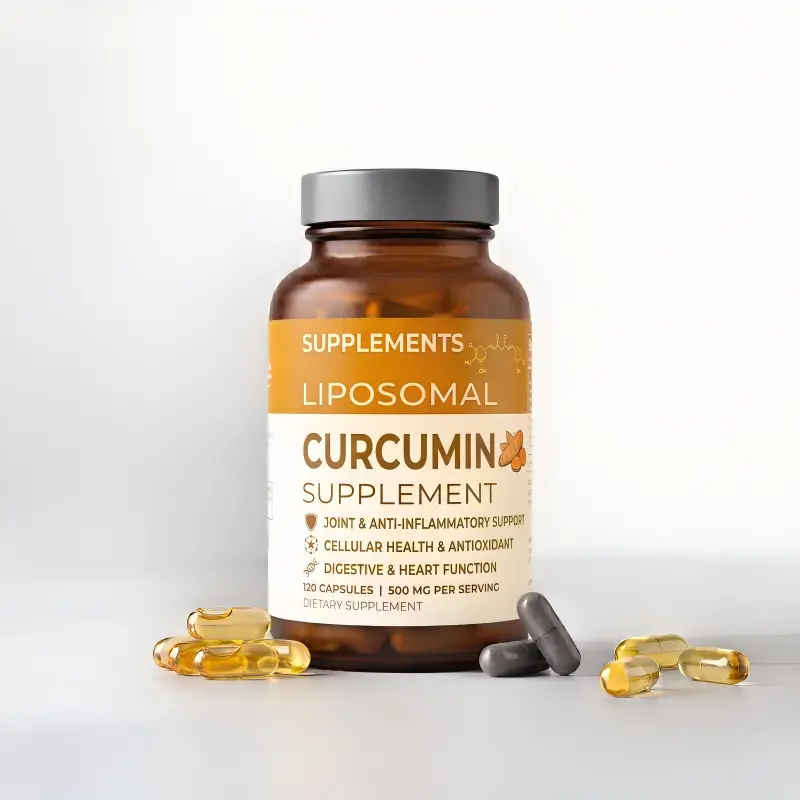
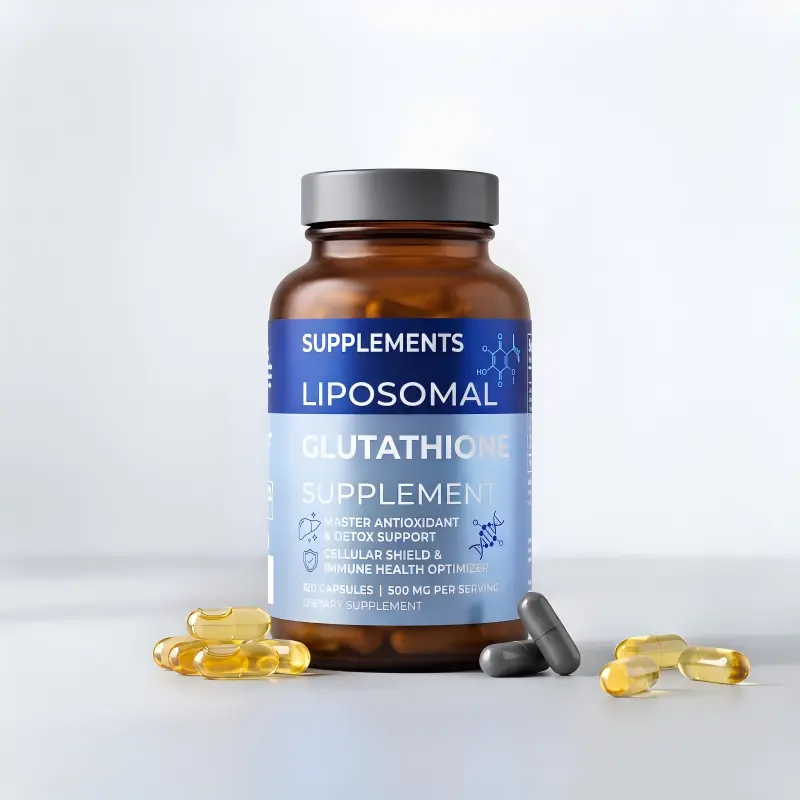
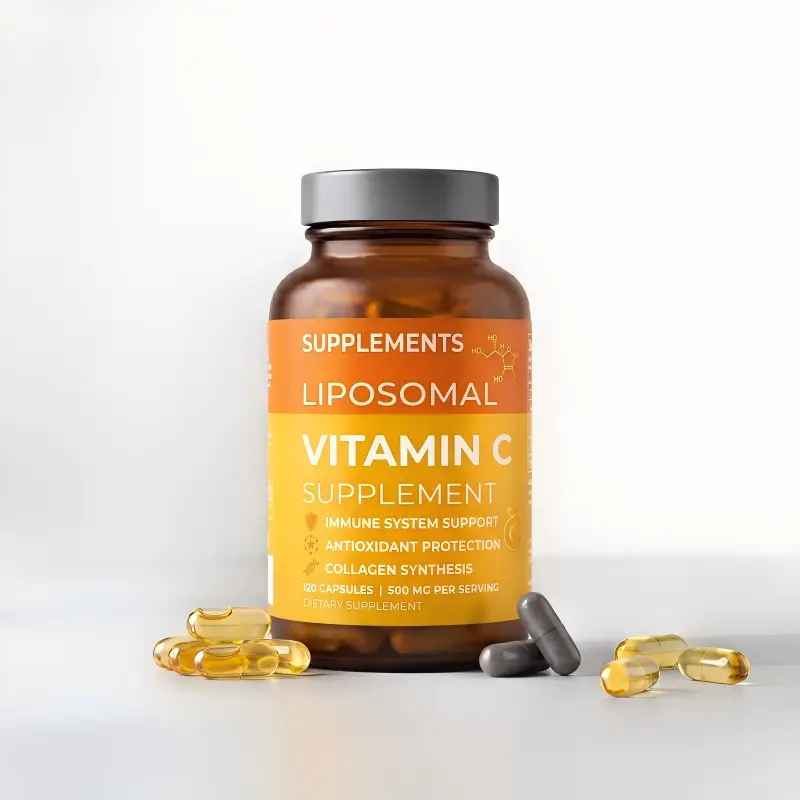
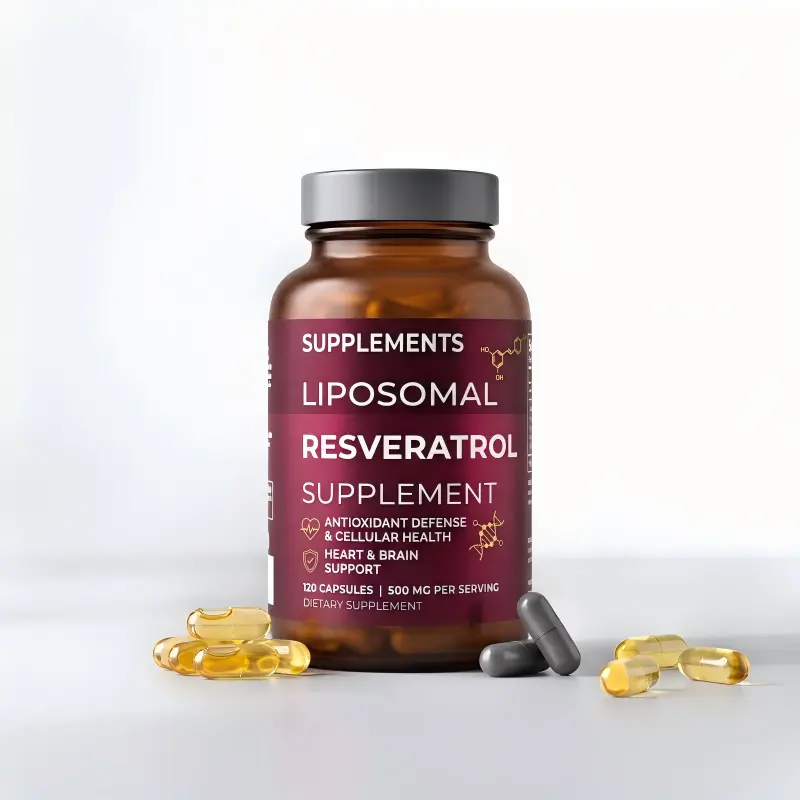
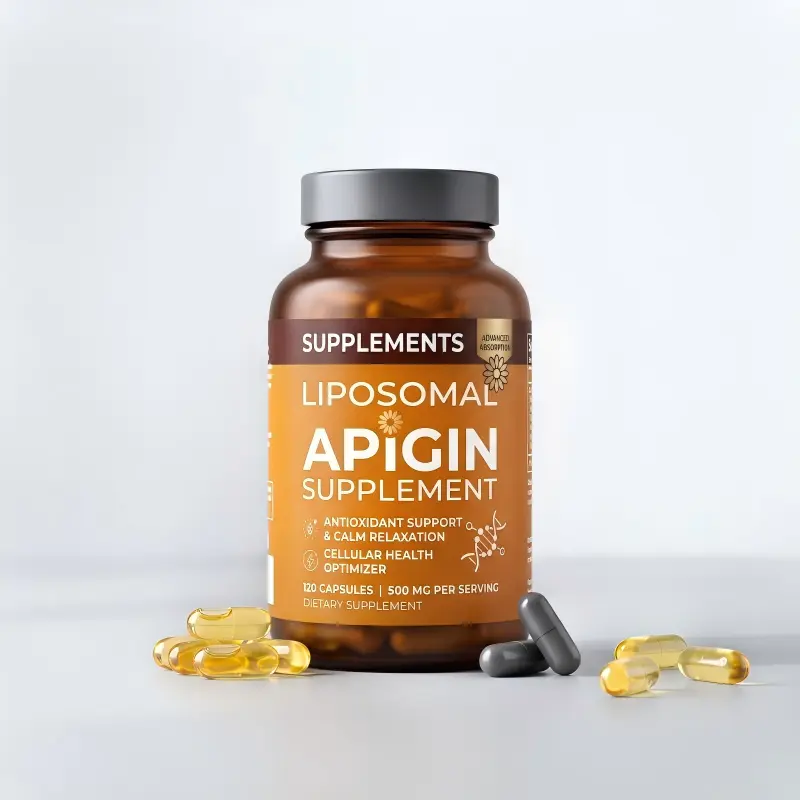
Related Liposomal Products
What KS Nutripharma Needs to Assess Your Formula
A useful initial assessment does not require a fully finished specification. If you provide the core information below, we can evaluate the basic formulation, capsule capacity, delivery-system requirements, packaging considerations, and target-market requirements before moving into detailed quotation.
| Priority | Information | Example / Options |
|---|---|---|
| Required | Active system | SFN / GR / GR + myrosinase / broccoli sprout extract / other |
| Required | Target dosage | mg or μmol per serving |
| Required | Capsule type | HPMC / gelatin / open to recommendation |
| Required | Delivery system | Standard / liposomal / capsule-in-capsule / open to recommendation |
| Required | Target quantity | e.g. 5,000 units for launch; 50,000 units for retail rollout |
| Required | Target market | US / EU / APAC / other |
| Helpful | Myrosinase requirement | Yes / No / Open to recommendation |
| Helpful | Capsule size preference | #0 / #00 / #1 / Open to recommendation |
| Helpful | Packaging | Bottle, blister, sachet, desiccant, child-resistant cap, etc. |
| Helpful | Additional ingredients | Vitamins, minerals, botanicals, or other actives |
If you already have a formula or product specification, send the existing specification for direct review.
If you are still at the concept stage, the most useful starting information is:
Active system → Target dose → Target market → Intended delivery format → Target quantity
You do not need to have every technical parameter finalized before contacting us. Where appropriate, the open items can be identified during the initial feasibility review.
Related Resources & Internal Linking
What Is Sulforaphane?: https://kssupplements.com/what-is-sulforaphane/
Sulforaphane vs. Glucoraphanin: https://kssupplements.com/sulforaphane-vs-glucoraphanin/
Sulforaphane with Myrosinase — Why Enzyme Activation Matters: https://kssupplements.com/sulforaphane-with-myrosinase-why-enzyme-activation-matters/
Sulforaphane Dosage Guide: https://kssupplements.com/sulforaphane-dosage-guide/
Liposomal Sulforaphane Supplement Manufacturer: https://kssupplements.com/liposomal-sulforaphane-supplement-manufacturer/
Yes. Under the OEM model, the manufacturing service can work to the buyer’s approved formula and specifications under the applicable confidentiality arrangements.
Yes. The source specification states that raw materials are sourced and qualified through approved suppliers, with incoming identity, assay, heavy-metal and microbiological checks before release.
Yes. Raw-material CoA and specification sheets can be reviewed during project evaluation, subject to the applicable supplier and confidentiality arrangements.
Yes. The source workflow identifies pilot batches as a standard development stage, with a typical pilot range of 1,000–5,000 units. Pilot work is used to verify process parameters, stability considerations and scale-up feasibility.
Yes. The source specification identifies accelerated and real-time stability programs as available project options. Data is available to qualified buyers under NDA where applicable.
The manufacturing service provides regulatory-support documents such as flow charts, stability summaries, CoA and support letters as applicable. The exact documentation package should be confirmed against the destination market and the buyer’s submission requirements.
Yes. The stated sampling stage is typically 7–15 days, subject to formula and material availability. Samples are used to evaluate appearance, physical characteristics and active assay before pilot or commercial production.
The core RFQ should include active system, target dosage, capsule type, delivery system, target quantity and target market. Additional information such as myrosinase preference, capsule size, packaging and other actives improves the technical assessment.
No. Liposomal delivery adds formulation and validation requirements. It should be selected when the product concept has a defined technical or commercial reason for using a phospholipid-based carrier rather than simply because the technology sounds more advanced.
It is most relevant when ingredients require physical separation, when stability requirements conflict, or when staged release is an important product requirement. If none of these conditions applies, a standard capsule may provide a simpler and lower-cost route.
The starting point is target dose plus measured blend density. The preliminary ranges in this guide are planning values only; the final capsule size is confirmed after density measurement and filling trials.
Not necessarily. The source specification specifically notes that enzyme activity preservation and physical separation may need to be evaluated. Whether separation is necessary depends on the formulation and stability requirements.
The following references are carried over from the supplied source. They are intended to support formulation and educational context. Study findings apply to the specific preparations, doses and populations investigated and should not be interpreted as guarantees for every commercial formulation.
- Fahey JW, Wade KL, Wehage SL, et al. Sulforaphane bioavailability from glucoraphanin-rich broccoli: control by active endogenous myrosinase. PLoS One. 2015;10(11):e0140963.
- Atwell LL, Hsu A, Wong CP, et al. Absorption and chemopreventive targets of sulforaphane in humans following consumption of broccoli sprouts or a myrosinase-treated broccoli sprout extract. Mol Nutr Food Res. 2015;59(3):424–433.
- Mastaloudis A, Holcomb L, Fahey JW, et al. Exogenous myrosinase from mustard seed increases bioavailability of sulforaphane from a glucoraphanin-rich broccoli seed extract in a randomized clinical study. Sci Rep. 2026;16(1):9162.
- Shapiro TA, Fahey JW, Wade KL, et al. Human metabolism and excretion of cancer chemoprotective glucosinolates and isothiocyanates of cruciferous vegetables. Cancer Epidemiol Biomarkers Prev. 1998;7(12):1091–1100.
- Vermeulen M, Klöpping-Ketelaars IW, van den Berg R, Vaes WH. Bioavailability and kinetics of sulforaphane in humans after consumption of cooked versus raw broccoli. J Agric Food Chem. 2008;56(22):10505–10509.
- Liang J, Han L, Ma S, et al. Myrosinase stability and sulforaphane formation in broccoli products. Food Chem. 2022;385:132654.
YMYL / claims note: Scientific evidence cited here is for formulation and educational reference. Human evidence does not establish equivalent performance for every commercial formulation. This page is not intended to make disease-treatment, disease-prevention or therapeutic claims.