Introduction
Saffron supplement reviews now shape purchase decisions across mood, stress, sleep, appetite, women’s wellness, and focus. Sales charts tell part of the story, but one question appears again and again across review sections and forums: what do real users actually experience?
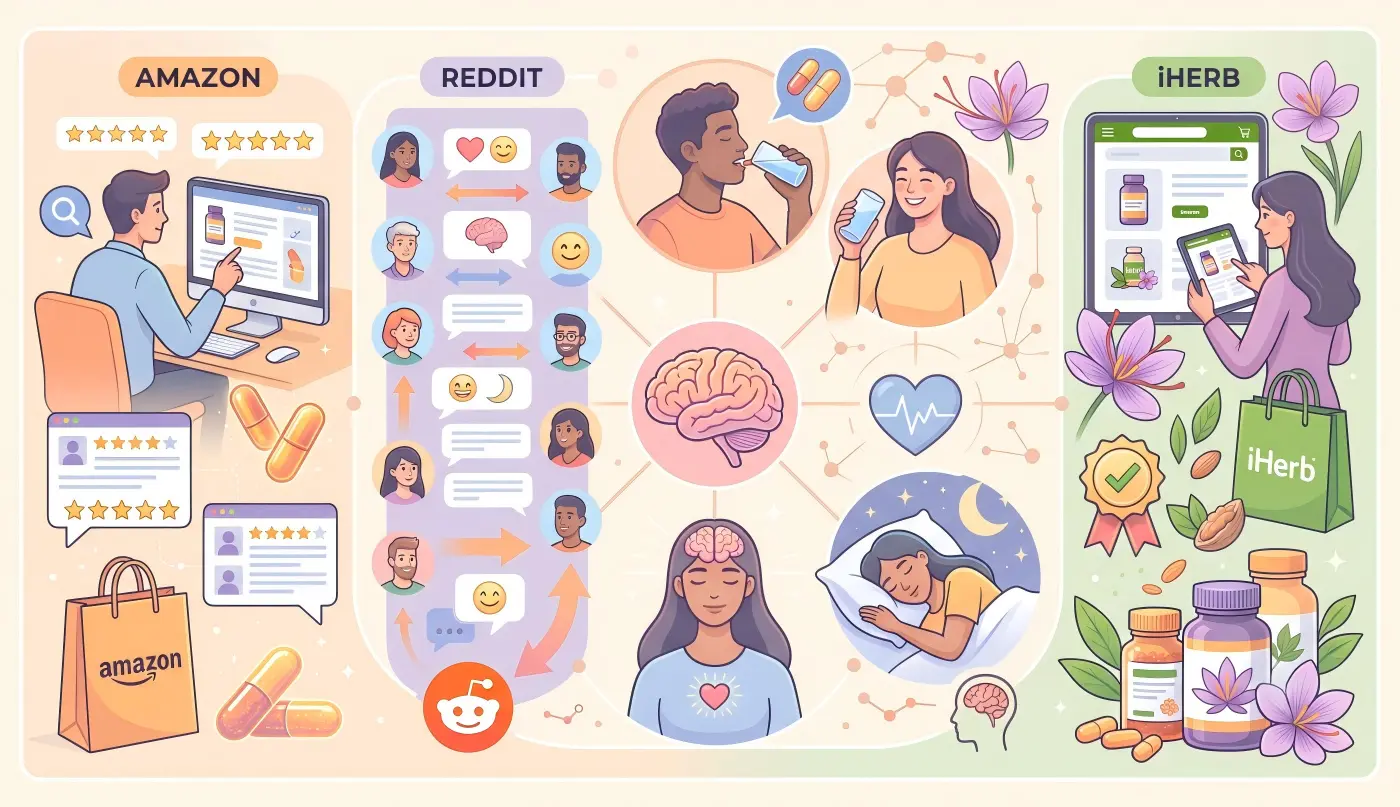
This consumer insight report answers that question with first-party data. We analyzed 12 Reddit threads and 160 coded comments from supplement, nootropics, anxiety, PMDD, and menopause communities, plus 14,415 marketplace reviews and ratings across the leading Amazon and iHerb saffron listings. Unlike generic review roundups, every claim below ties back to this coded dataset or to verified clinical and marketplace sources. The result maps how saffron is actually used in the real world: which benefits people report most, which complaints recur, and which quality signals drive repeat purchases. The findings matter twice — consumers can benchmark expectations against peer experiences, and supplement brands can see where demand, trust, and unmet product opportunities intersect.
Medical Disclaimer: These statements have not been evaluated by the Food and Drug Administration. Saffron supplements are not intended to diagnose, treat, cure, or prevent any disease. This article is for informational purposes only and is not medical advice. Always consult a qualified healthcare professional before starting any supplement, especially if you are pregnant, nursing, taking medication, or managing a health condition.
Written by: [Editorial Team — Nutraceutical Insights, KS Nutripharma] Reviewed by: [Jeffrey, PhD — Nutraceutical Formulation Scientist], with 12+ years of experience in botanical extracts and dietary supplement formulation, specializing in saffron extract standardization, clinical dose translation, and OEM product development.
Executive Summary: What Consumers Say About Saffron
Across 160 coded Reddit comments and 14,415 Amazon and iHerb reviews, consumers describe saffron as a gentle, cumulative mood and stress supplement rather than a fast-acting fix. Improved mood dominates positive discussions (26 of 160 coded comments), women’s health and sleep follow as secondary themes, and the most frequent complaints involve side effects at higher intakes, slow or absent effects, and confusion over product quality and dosing. The tables below summarize the sentiment patterns observed across the analyzed sources as of July 2026. One pattern repeats on every platform: satisfaction rises with standardized, clinically dosed products and realistic expectations, and falls with vague labels, bargain-priced powders, and hopes of an overnight effect. Repeat-purchase behavior clusters reliably around standardized, clinically dosed extracts such as affron®.
Most Frequently Reported Benefits
| Consumer Theme | Sentiment |
| Improved mood | Very common |
| Reduced stress | Common |
| Better sleep quality | Common |
| Less emotional eating | Moderate |
| Better focus | Emerging |
| Women’s wellness support | Emerging |
Most Common Complaints
| Consumer Concerns |
| No immediate effect |
| Expensive products |
| Difficulty choosing quality brands |
| Inconsistent results |
| Mild digestive discomfort |
Research Methodology
This report combines qualitative Reddit discussion analysis with marketplace review counts captured on July 21, 2026.
This analysis covers 12 Reddit threads about saffron supplements (2023–2025; 178 archived comments, of which 160 human comments were theme-coded after excluding bot and duplicate posts) drawn from r/Supplements, r/Nootropics, r/Anxiety, r/PMDD, r/StackAdvice and r/menopause via the PullPush Reddit archive. Marketplace data comprises the top 5 iHerb saffron-supplement listings (7,232 customer reviews) and the top 5 organic Amazon.com results for “saffron supplements” (7,183 customer ratings), together representing 14,415 customer reviews/ratings. All marketplace figures were captured from live product pages, and all Reddit data from the PullPush API, on July 21, 2026. Reddit comment themes were multi-label coded by manual reading, so theme counts are not mutually exclusive and do not sum to the comment total.
Analysis method:
- Manual multi-label theme coding of every retrieved Reddit comment
- Bot and duplicate removal before coding (178 archived comments reduced to 160 human comments)
- Archived comment retrieval via the PullPush Reddit archive API
- Live marketplace capture of review counts, star ratings, and seller badges on July 21, 2026
Data Sources
| Channel | Source | Records Analyzed |
| 12 threads across r/Supplements, r/Nootropics, r/Anxiety, r/PMDD, r/StackAdvice, r/menopause | 160 coded comments (of 178 archived) | |
| Amazon.com | Top 5 organic results for “saffron supplements” | 7,183 customer ratings |
| iHerb | Top 5 saffron-supplement listings | 7,232 customer reviews |
| Total | Two complementary channels | 14,415 marketplace reviews/ratings plus 160 coded comments |
Limitations. The Reddit corpus spans 2023 to May 2025 (archive cutoff), and comment counts are archived counts, so the newest discussions are not represented. Amazon rankings are geo- and personalization-dependent and reflect a single capture date. Reddit skews toward troubleshooting while marketplace reviews skew positive; we treat the two as complementary channels. Theme counts are directional signals, not population statistics.
Why Has Saffron Become So Popular?
Saffron’s growth reflects three durable trends: emotional wellness, natural mood support, and clinically studied ingredients.
The Rise of Emotional Wellness Supplements
Mood balance is now a mainstream purchase driver, and saffron is a direct beneficiary. Mordor Intelligence projects the North American saffron supplements market to grow from USD 110.57 million in 2025 to USD 225.11 million by 2031 — a 12.58% CAGR far outpacing most single-botanical categories. Grand View Research projects the global saffron market at USD 883.8 million by 2033.
Growing Interest in Natural Mood Support
Consumers increasingly want mood-support botanicals with human trial data. For clinical research context: a meta-analysis by Marx et al. (2019) found saffron (around 30 mg/day) significantly reduced symptoms of depression and anxiety across randomized controlled trials — effects studied in trial settings, not treatment claims.
The Appeal of Clinically Studied Ingredients
Shoppers now seek standardized extracts, clinically studied dosages, and non-stimulant alternatives to caffeine-based products. Branded extracts such as affron®, standardized to at least 3.5% Lepticrosalides at a 28 mg/day clinical dose, provide a recognizable quality anchor; a registered dietitian’s overview of saffron for mood, focus, sleep and cravings shows how far this literacy now reaches.
How Consumers Actually Use Saffron Supplements
The core finding of this analysis: consumers use saffron for far more than “mood.” Six distinct use cases emerge, each with its own expectations, formats, and product opportunities.
1. Mood and Emotional Wellness
This is by far the largest use case. Consumers commonly report a calmer mood, less emotional volatility, and improved resilience during stressful periods. Expectations are realistic and consistent: users anticipate subtle improvement, cumulative effects, and non-stimulant mood support — not an immediate lift. Typical formats are capsules, gummies, and multi-ingredient stress blends.
Clinically dosed formulas attract outsized attention in reviews. For clinical research context, Kell et al. (2017) found that affron® at 28 mg/day significantly improved mood scores versus placebo in 128 healthy adults over four weeks, and Jackson et al. (2021) reported improved mood and a blunted stress response at 30 mg/day. Products referencing these exact dosages convert well precisely because informed shoppers recognize the numbers.
2. Stress Management and Everyday Anxiety
Consumers reach for saffron when facing work stress, burnout, and emotional fatigue — everyday overload rather than clinical concerns. Popular stacks pair saffron with magnesium, L-theanine, or ashwagandha, which users perceive as complementary calming mechanisms.
Feedback themes are remarkably consistent: users describe feeling less “edgy,” a calmer baseline mood, and reduced overthinking, often within a few weeks of daily use. For brands, the implication is clear: stress positioning resonates when it promises steadiness, not sedation, and when copy reflects the gradual timeline real users describe.
3. Sleep Quality Support
Interestingly, many consumers do not initially purchase saffron for sleep. Sleep benefits often emerge as secondary observations in reviews written about mood: easier relaxation at night, improved sleep quality, and less stress-related sleeplessness.
The clinical research context supports the pattern. In a randomized controlled trial by Lopresti et al. (2020), healthy adults with self-reported poor sleep taking 28 mg/day of affron® for 28 days showed improved sleep quality ratings versus placebo. The natural positioning opportunity is the stress-plus-sleep formula — one ingredient story that covers the evening routine.
4. Appetite and Emotional Eating
This is one of the fastest-growing discussion threads. Consumer motivations cluster around evening snacking, emotional eating, and sugar cravings — behavior patterns, not weight-loss promises. What users usually report is fewer cravings and a reduced urge to snack — not dramatic weight loss.
That distinction matters enormously for brands. In the Gout et al. (2010) trial, mildly overweight women taking the Satiereal saffron extract (176.5 mg/day, eight weeks) snacked less frequently with only modest weight effects. Positioning saffron around craving control and satiety behavior is both what the evidence studied and what users actually report — a compliant, expectation-aligned claim space.
5. Focus and Productivity
Focus is an emerging use case. Consumers increasingly discuss saffron alongside ADHD conversations, productivity stacks, and nootropics, typically pairing it with citicoline, lion’s mane, or L-theanine. The evidence remains preliminary: a small pilot study by Baziar et al. (2019) comparing saffron with methylphenidate in 54 children with ADHD is intriguing but far too small to draw conclusions, and this research should be read strictly as clinical context, not consumer guidance.
Still, the commercial signal is real. Reddit nootropics communities actively trial saffron for calm focus, creating space for focus gummies and mental performance capsules that combine saffron’s stress-buffering reputation with established nootropic ingredients.
6. Women’s Wellness
Women’s wellness is a rapidly growing category for saffron. Typical consumer use cases include PMS-related mood changes, emotional eating, and menopause comfort. For clinical research context, Agha-Hosseini et al. (2008) found saffron (30 mg/day over two cycles) reduced PMS symptoms versus placebo in a double-blind trial, and Lopresti and Smith (2021) reported improved mood symptoms in perimenopausal women taking 28 mg/day of affron® for 12 weeks — again, symptom effects studied in trial settings.
The demographic opportunity is concentrated in women aged 35–60, a high-purchasing-power segment already comfortable with premium botanicals and loyal to brands that speak to hormonal life stages with credibility.
What Consumers Like Most About Saffron Supplements
Five attributes drive positive sentiment across every source analyzed:
- Natural Mood Support. Users value a botanical with human trial data that fits a “natural but evidence-backed” identity.
- Non-Stimulant Effects. Saffron calms without jitters, crashes, or sleep disruption — a clear contrast with caffeine-based products.
- Easy to Combine With Other Supplements. Saffron stacks cleanly with magnesium, L-theanine, and ashwagandha, making it an easy add to existing routines.
- Clinically Studied Dosage. Recognizable doses like 28 mg/day give consumers confidence they are buying what was actually tested (Kell et al., 2017).
- Multi-Benefit Positioning. One ingredient spanning mood, sleep, and appetite feels like strong value per capsule — users often describe saffron as covering three problems at once.
Common Complaints
Negative feedback clusters around four issues, all confirmed in our coded Reddit data: side effects (30 mentions), no perceived effect (14), effects too subtle or gradual (14), and quality or brand confusion (13).
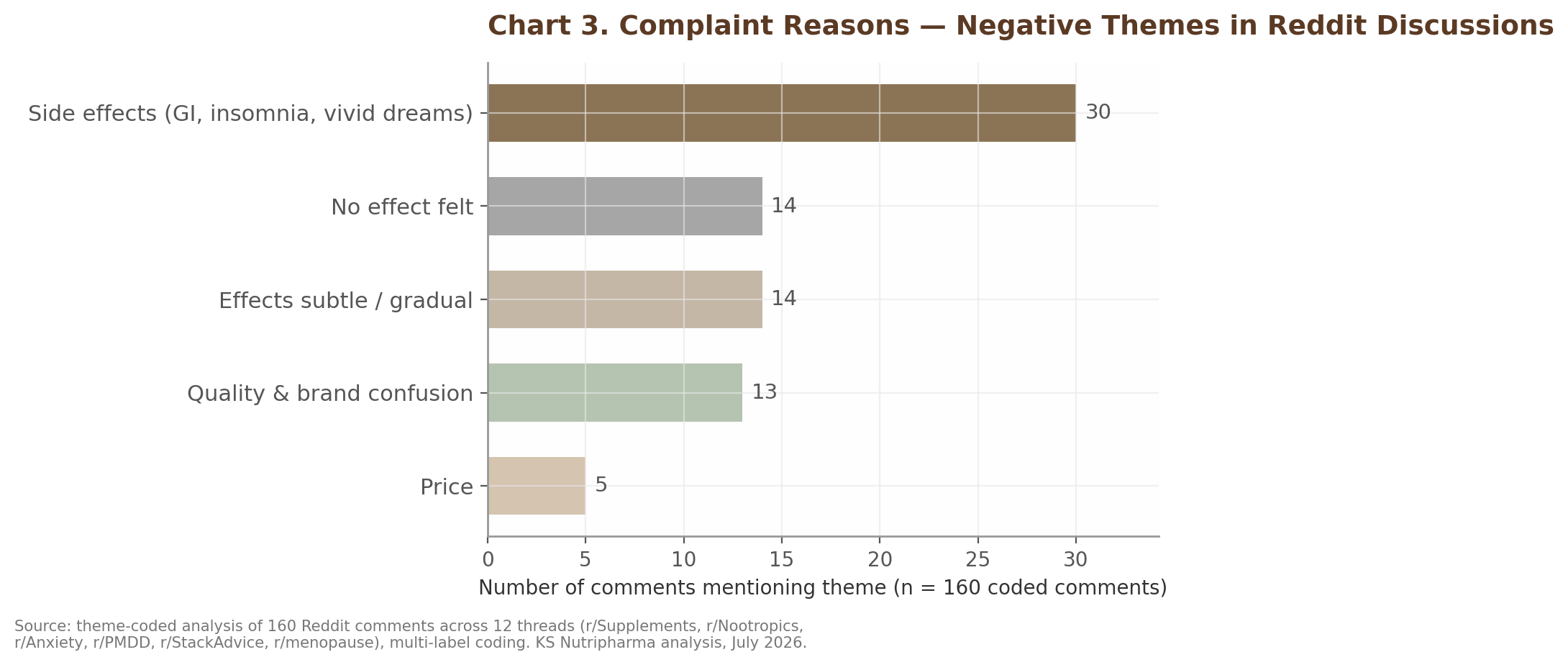
Figure 3. Negative themes across 160 coded Reddit comments; multi-label coding means counts are not mutually exclusive.
“I Didn’t Feel Anything”
This complaint usually traces to insufficient dosage, poor extract quality, or unrealistic expectations of an overnight effect. Quality is a real variable: ConsumerLab’s testing found key active compounds (safranal, picrocrocin, crocins) varied more than 50-fold across six products, with only four of six approved. Some “non-responders” likely bought an under-dosed product.
Effects Are Subtle
Consumers who understand saffron describe it as gentle, gradual, and cumulative. Those expecting a stimulant-like kick often misread subtlety as failure. Brands that set a two-to-four-week expectation see fewer disappointed reviews.
Product Quality Varies Significantly
Saffron is among the most adulterated ingredients in commerce. The U.S. Congressional Research Service, citing the USP Food Fraud Database, reports saffron accounts for roughly 5% of scholarly food-fraud records, with documented adulterants including glycerin, sandalwood dust, and tartrazine dye. ConsumerLab flagged one tested product as potentially adulterated. Consumer skepticism is rational — verifiable sourcing is a differentiator.
Confusion About Dosage
Shoppers repeatedly ask: 28 mg or 88.5 mg? ConsumerLab explains the split: highly standardized extracts (~2% safranals or 3.5% lepticrosalides) deliver clinical actives at 28 mg/day; Satiereal-style extracts (0.3–0.4% safranals) require 88.5 mg. Without label education, shoppers assume more milligrams means better.
How to Identify a High-Quality Saffron Supplement
“Best saffron supplement” searches are really quality-evaluation questions. Our Reddit data shows buyers weighing dosage, extract standardization, stacking compatibility, and price before purchasing — and five label-level criteria separate credible products from the rest.
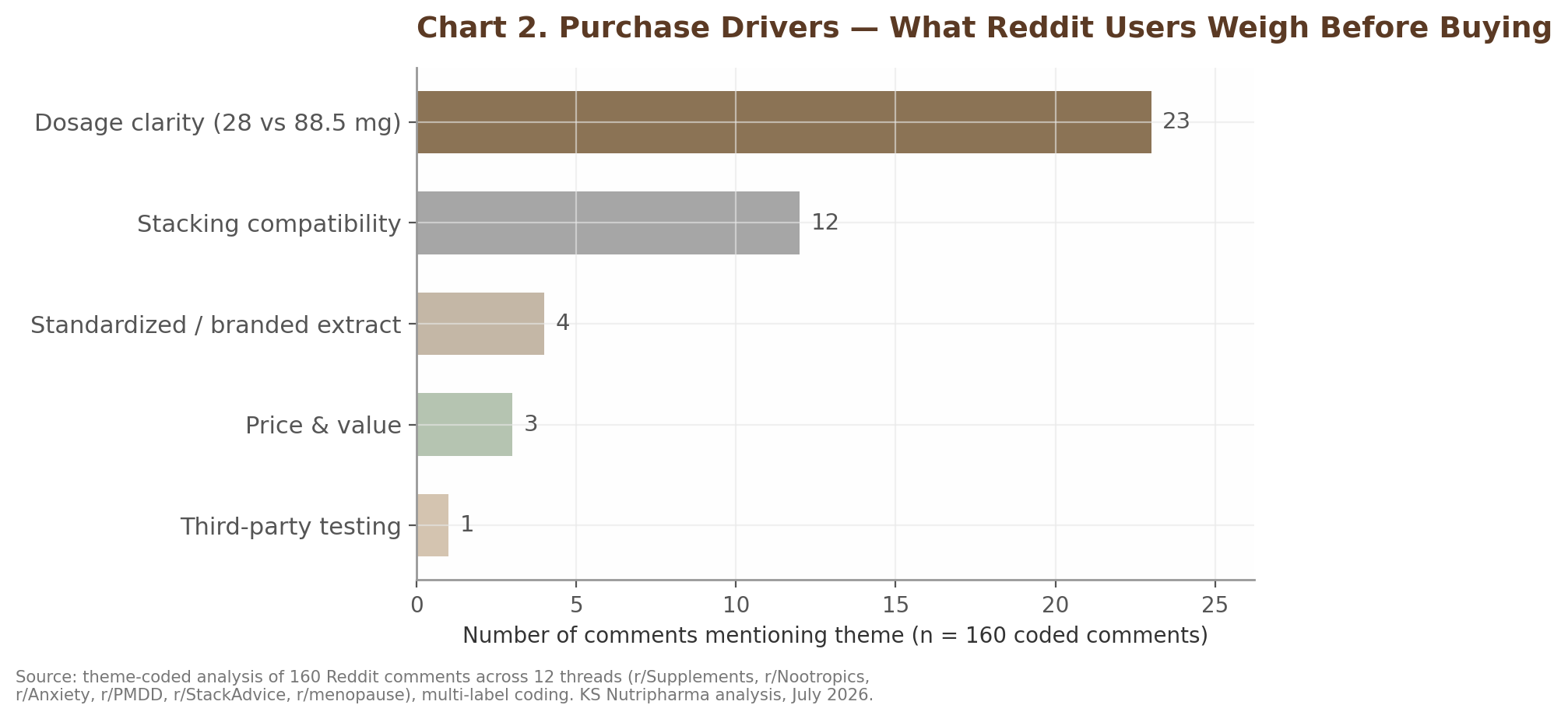
Chart 2. Purchase Drivers — What Reddit Users Weigh Before Buying
Figure 2. Purchase-stage themes across 160 coded Reddit comments (multi-label coding).
Standardized Extracts
Look for a stated standardization, not generic “saffron powder.” The two clinically studied benchmarks are affron® (≥3.5% Lepticrosalides by HPLC, 28 mg/day) and Satiereal® (0.3% safranal, 176.5 mg/day). Generic extracts should declare crocin or safranal percentages. Because these markers differ, comparing products milligram-for-milligram is meaningless — a point our crocin vs. safranal standardization guide explains in detail.
Third-Party Testing
Credible brands provide a certificate of analysis (COA) with HPLC verification of active markers, plus heavy metals, microbiology, and pesticide screening. Independent testing matters: ConsumerLab’s review found actives varying over 50-fold across products.
Clinical Dosages
The 28 mg versus 88.5 mg question has a straightforward answer: highly standardized extracts (~2% safranals or 3.5% lepticrosalides) deliver studied actives at 28 mg/day, while Satiereal-style extracts (0.3–0.4% safranals) require 88.5 mg — ConsumerLab confirms both can be valid. Standardization, not milligrams, determines potency.
Country of Origin
Iran produces roughly 90% of the world’s saffron (Frontiers in Pharmacology, 2024), followed by smaller volumes from India, Afghanistan, Greece, and Spain. Spanish and Greek origins carry premium positioning and protected-designation relevance, while Afghanistan is an emerging high-quality source. Origin alone, however, does not guarantee extract quality — standardization does.
ISO 3632 Grades
ISO 3632 grades saffron by spectrophotometric measurement of crocin (coloring strength), picrocrocin (bitterness), safranal (aroma), and moisture. Thresholds used in certificates of analysis and the scientific literature (MDPI Plants, 2025; Kentucky State University extension):
| Parameter (E1% 1cm, dry basis) | Category I | Category II | Category III |
| Crocin — colouring strength (~440 nm) | ≥200 | ≥170 | ≥120 |
| Picrocrocin — bitterness (~257 nm) | ≥70 | ≥55 | ≥40 |
| Safranal — aroma (~330 nm) | 20–50 | 20–50 | 20–50 |
Two clarifications matter. First, the current specification is ISO 3632-1:2025; the 2011 edition is withdrawn, and the 2025 edition adds an “Extra Class” whose thresholds we do not quote here. Test methods remain in ISO 3632-2:2010. Second, ISO 3632 grades the raw spice — filaments and powder — not supplement extracts; branded extracts rely on their own HPLC standardization instead, as ISO’s own explainer makes clear.
Why Saffron Adulteration Matters
Adulteration is the category’s defining consumer-protection issue. The U.S. Congressional Research Service, citing the USP Food Fraud Database, reports saffron accounts for roughly 5% of scholarly food-fraud records — among the most-faked ingredients in commerce. Documented frauds include turmeric-dyed fibers passed off as stigmas, corn silk and safflower petals sold as saffron, synthetic dyes such as tartrazine, and re-extracted spent saffron residues. Recent analytical work confirms the problem is current: Moras et al. (2022) detected adulteration in commercial saffron samples using chemical and DNA-based authentication methods.
For supplement buyers the stakes are practical: adulterated or diluted raw material means fewer active compounds per capsule, which feeds the “no effect” complaint pattern documented above. This context explains why the quality signals above exist. ISO 3632 provides the benchmark for authentic spice; HPLC standardization and third-party COAs extend that protection to supplements. Brands that make verification visible convert rational consumer skepticism into trust — and into repeat purchases.
Which Supplement Format Do Consumers Prefer?
Format preference follows use case. Capsules dominate because clinical dosing is easiest to communicate; gummies attract lifestyle buyers; powders and drink mixes serve stacking and evening-routine niches.
| Format | Key Advantages | Typical Users |
| Capsules | Precise clinical dosing, clean labels | Most users; research-literate buyers |
| Gummies | Compliance and taste | Younger users; lifestyle buyers |
| Powders | Custom stacks and flexible dosing | Nootropics users |
| Drink Mixes | Evening wind-down routines | Stress-sleep and women’s products |
For brands, the implication is direct: each format maps to one of the six usage occasions above — capsules for clinically dosed mood products, gummies for mainstream stress lines, drink mixes for stress-sleep and women’s evening products — so format choice should follow positioning, not convenience.
Amazon Review Analysis
As of July 2026, the top five organic listings on the Amazon “saffron supplements” results page total 7,183 customer ratings: Pure Micronutrients 88.5 mg (4.5 stars, 2,992 ratings, “Overall Pick”), NUTRAHARMONY 88.5 mg (4.5 stars, 1,808, “Amazon’s Choice”), Nutricost 88.5 mg (4.6 stars, 1,764, “6,000+ bought in past month”), NutriRise 88.5 mg (4.7 stars, 480), and Sports Research affron® 30 mg (4.5 stars, 139). Three themes stand out: 88.5 mg products dominate volume while the branded affron® entry anchors the premium tier; mood and sleep benefits lead positive review language; and price sensitivity surfaces repeatedly, with value-sized bottles outselling premium extracts.
Most mentioned benefits: ✓ Mood ✓ Stress relief ✓ Better sleep
Reddit Consumer Analysis
Reddit reveals the texture star ratings miss. Across 160 coded comments from 12 threads, benefit themes were mood (26 mentions), women’s health (13), sleep (5), stress and anxiety (4), focus (2), and appetite (1). Negative themes ran higher: side effects (30 mentions, including GI discomfort, insomnia, and vivid dreams at higher intakes), no perceived effect (14), effects too subtle or gradual (14), and quality or brand confusion (13). On the purchase side, dosage questions (23 mentions) and stacking (12) dominated.
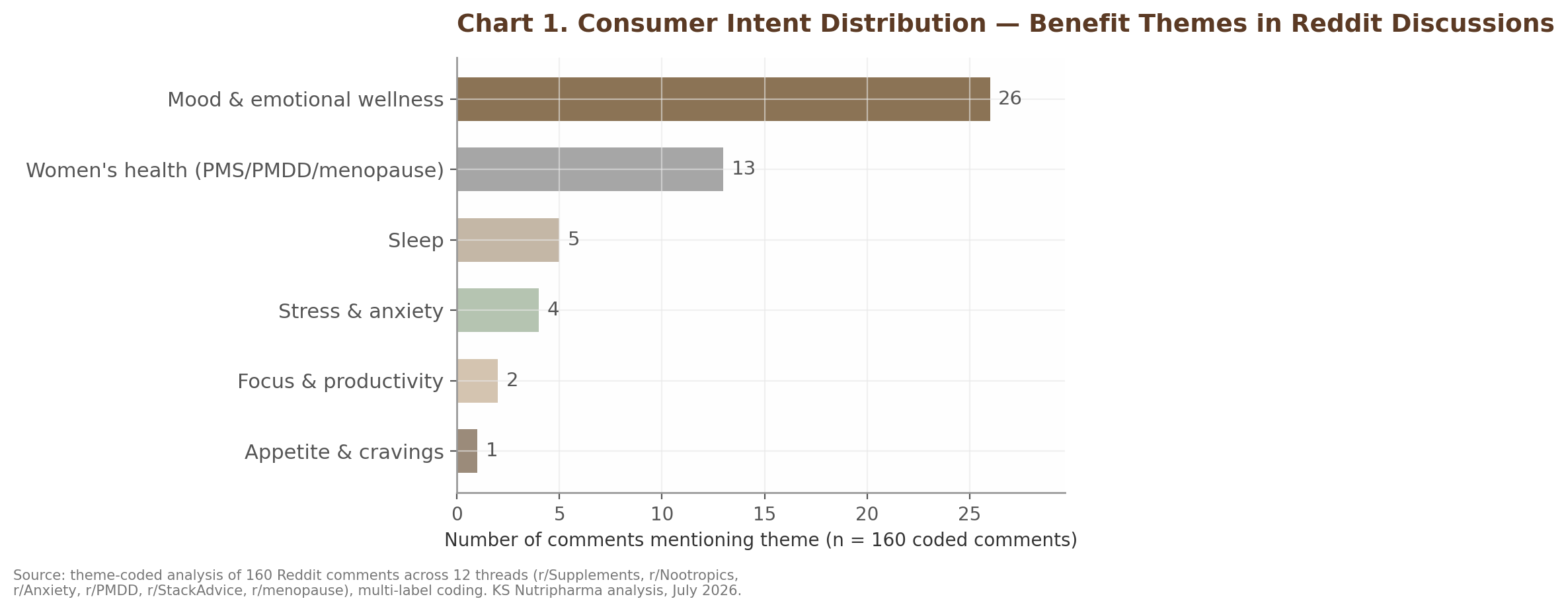
Chart 1. Consumer Intent Distribution — Benefit Themes in Reddit Discussions
Figure 1. Benefit themes across 160 coded Reddit comments (multi-label coding).
The complaint-heavy skew is real but interpretable: Reddit is where users troubleshoot, which makes it a map of post-purchase support needs brands can answer with dosing guidance, realistic timelines, and extract transparency. Representative threads: r/Nootropics experiences, r/Supplements brand comparison, 60 mg split-dosing, withdrawal and tapering, and r/PMDD saffron experiences.
iHerb Consumer Analysis
As of July 2026, the top five listings in the iHerb saffron category total 7,232 customer reviews: Life Extension Optimized Saffron with Satiereal (4.6 stars, 2,036 reviews), California Gold Nutrition affron® 28 mg (4.6 stars, 1,885), Nutricost 88.5 mg (4.7 stars, 1,510), NOW 50 mg (4.6 stars, 1,008), and Swanson 15 mg (4.7 stars, 793). The key insight: the two branded-extract products — Satiereal and affron® — lead review volume on a platform where buyers actively compare standardization. Recurring review themes include gradual onset over several weeks and explicit repeat-purchase intent, the strongest loyalty signal in the dataset.
Repeat-purchase signals: ✓ Branded extracts ✓ Clinical dosing ✓ Gradual, sustained effects
Consumer Trends and OEM Opportunities
Each consumer trend above converts into a concrete formulation brief. Four stand out for 2026–2027 product planning.
(a) Consumer trend: Stress plus sleep. Users already stack saffron with calming minerals at night. Formula opportunity: saffron 28 mg + magnesium glycinate + L-theanine. OEM solution: a melatonin-free evening capsule positioned on stress and sleep quality — the combination reviewers describe building themselves.
(b) Consumer trend: Emotional eating and cravings. Evening snacking and sugar cravings dominate this thread. Formula opportunity: saffron + chromium + a fiber blend. OEM solution: a craving-control product framed around satiety behavior — structure/function language only, never weight-loss promises.
(c) Consumer trend: Women’s wellness. PMS, PMDD, and perimenopause discussions generate loyal, premium-tolerant demand. Formula opportunity: affron® 28 mg standalone, or a saffron core in a PMS or menopause-positioned formula. OEM solution: a clinically dosed women’s wellness SKU backed by the 12-week perimenopause trial design.
(d) Consumer trend: Focus and productivity. Nootropics users trial saffron for calm focus — an emerging, not yet proven, use case. Formula opportunity: saffron + citicoline + lion’s mane. OEM solution: an early-mover mental performance capsule with hedged, compliant positioning.
Ready to translate these insights into a market-ready product? KS Nutripharma provides end-to-end saffron supplement contract manufacturing — from standardized extract sourcing and clinical dose translation to finished gummies and mood support supplements. Contact our team to scope your saffron launch.
Future Product Opportunities
Beyond the four trends above, five concepts show longer-horizon potential. Each builds on a documented consumer behavior in this dataset rather than speculative demand:
- Mood Gummies.A clinically dosed affron®-style gummy (28 mg/day) would merge the strongest use case with the fastest-growing delivery format.
- Menopause Support.A 28 mg/day saffron core with botanicals targeting perimenopause comfort addresses an underserved, research-literate audience.
- Stress Drink Mixes.Powder stick formats position saffron inside the evening wind-down ritual alongside magnesium and L-theanine.
- GLP-1 Support Products.Craving-control and appetite-behavior formulas positioned alongside GLP-1 lifestyle programs — strictly structure/function positioning, with no drug claims.
- Beauty From Within.A hedged, antioxidant-led angle built on crocin content can extend saffron into skin-from-within blends for existing customers.
Key Takeaways
Saffron’s consumer story is consistent across Amazon, Reddit, and iHerb: a gentle, cumulative botanical whose reputation is built on mood and stress support, and whose commercial ceiling is set by quality transparency. Three checklists capture the essentials.
Consumers usually buy saffron supplements for:
✓ Mood support ✓ Stress resilience ✓ Better sleep ✓ Craving control ✓ Women’s wellness
Consumers value:
✓ Standardized extracts ✓ Clinical dosages ✓ Transparent labeling ✓ Third-party testing
Brands entering the saffron category should focus on:
✓ Mood gummies ✓ Stress + sleep formulas ✓ Women’s wellness ✓ Metabolic wellness products
Frequently Asked Questions
Does saffron really work?
For clinical research context: a 2019 meta-analysis by Marx et al. found saffron (~30 mg/day) significantly reduced depressive and anxiety symptoms across randomized trials — symptom effects studied in trial settings, not disease treatments. Individual responses vary.
How long does saffron take to work?
Most trials run four to eight weeks. Kell et al. (2017) measured mood improvements at four weeks; Lopresti et al. (2020) saw sleep benefits by day 28. Consumers typically notice effects within two to four weeks.
What dosage do consumers prefer?
Most-reviewed products use either 28–30 mg of a highly standardized extract or 88.5 mg of Satiereal-style extract; ConsumerLab notes both can deliver comparable actives. Standardization matters more than milligrams on the label.
Which saffron products receive the best reviews?
As of July 2026, California Gold Nutrition affron® 28 mg holds 4.6 stars from 1,885 iHerb reviews, and Nutricost 88.5 mg shows 4.6 stars from 1,764 Amazon ratings. Reviewers cite gradual mood and sleep improvements.
Is saffron better than ashwagandha?
They serve overlapping but distinct roles: saffron for gentle mood support, ashwagandha for stress-hormone modulation. Reddit users frequently stack rather than choose between them, and no head-to-head evidence declares a winner.
Why do some people not notice benefits?
Common reasons include under-dosed or low-quality extracts — ConsumerLab found active-compound levels varying over 50-fold between products — plus expectations of instant effects. Benefits are subtle and cumulative over several weeks of daily use.
What should consumers look for when buying saffron supplements?
Prioritize a standardized extract with declared active content, a clinically studied dose (around 28 mg/day for high-standardization extracts), third-party testing, and a transparent label. Trademarked extracts like affron® are useful quality anchors.
Can saffron cause vivid dreams?
Vivid dreams appear anecdotally in Reddit threads discussing higher intakes (around 60 mg/day), alongside occasional insomnia. They are not commonly reported in clinical trials at 28–30 mg/day. If they occur, discuss dose timing or reduction with a healthcare professional.
Can saffron be taken with antidepressants?
Only under medical supervision. One randomized trial studied affron® as an add-on to antidepressants under clinical oversight (Lopresti et al., 2019), but that does not make self-directed combination safe. Never combine them without your prescriber’s guidance.
Is saffron safe during menopause?
A randomized trial in perimenopausal women found affron® 28 mg/day for 12 weeks improved mood symptoms and was well tolerated (Lopresti and Smith, 2021). Individual health factors vary, so consult your healthcare provider first.
Why is saffron so expensive?
Saffron is the world’s most expensive spice because production is extraordinarily labor-intensive: each flower yields only three hand-picked stigmas, and roughly 150,000 flowers — estimates range to 250,000 — make one kilogram (Britannica; ISO).
Can saffron be combined with magnesium?
Yes — it is one of the most popular consumer stacks, pairing saffron’s mood support with magnesium’s relaxation role in evening routines. No interactions were reported in the sources reviewed. As with any combination, confirm suitability with a healthcare professional.
What is the difference between affron® and Satiereal®?
Both are clinically studied branded extracts with different markers and doses: affron® is standardized to ≥3.5% Lepticrosalides at 28 mg/day; Satiereal® to 0.3% safranal at 176.5 mg/day. Our crocin vs. safranal guide compares the two approaches.
References:
Scientific Sources
- Noorbala AA, Akhondzadeh S, et al. Hydro-alcoholic extract of Crocus sativus L. versus fluoxetine in mild to moderate depression: a double-blind, randomized pilot trial. J Ethnopharmacol. 2005. PMID 15707766
- Akhondzadeh S, Fallah-Pour H, et al. Comparison of Crocus sativus L. and imipramine in mild to moderate depression: a pilot double-blind randomized trial. BMC Complement Altern Med. 2004. PMID 15341662
- Kell G, Rao A, et al. affron®, a novel saffron extract, improves mood in healthy adults over 4 weeks: a double-blind, randomized, placebo-controlled trial. Complement Ther Med. 2017. PMID 28735826
- Lopresti AL, Smith SJ, Hood SD, Drummond PD. Efficacy of a standardised saffron extract (affron®) as an add-on to antidepressant medication: a randomised, double-blind, placebo-controlled study. J Psychopharmacol. 2019. PMID 31475623
- Jackson PA, Forster J, et al. Effects of saffron extract supplementation on mood, well-being, and response to a psychosocial stressor in healthy adults. Front Nutr. 2021. PMID 33598475
- Lopresti AL, Smith SJ, Metse AP, Drummond PD. Effects of saffron on sleep quality in healthy adults with self-reported poor sleep: a randomized, double-blind, placebo-controlled trial. J Clin Sleep Med. 2020. PMID 32056539
- Gout B, Bourges C, Paineau-Dubreuil S. Satiereal, a Crocus sativus L extract, reduces snacking and increases satiety in mildly overweight, healthy women. Nutr Res. 2010. PMID 20579522
- Agha-Hosseini M, Kashani L, et al. Crocus sativus L. (saffron) in the treatment of premenstrual syndrome: a double-blind, randomised, placebo-controlled trial. BJOG. 2008. PMID 18271889
- Baziar S, Aqamolaei A, et al. Crocus sativus L. versus methylphenidate in treatment of children with ADHD: a randomized, double-blind pilot study. J Child Adolesc Psychopharmacol. 2019. PMID 30741567
- Lopresti AL, Smith SJ. Effects of a saffron extract (affron®) on menopausal symptoms in perimenopausal women: a randomised, double-blind, placebo-controlled study. J Menopausal Med. 2021. PMID 34463070
- Marx W, Lane M, et al. Effect of saffron supplementation on symptoms of depression and anxiety: a systematic review and meta-analysis. Nutr Rev. 2019. PMID 31135916
- Moras B, et al. Saffron adulteration and authentication study. 2022. HAL preprint
Standards & Ingredient Sources
- ISO 3632-1:2025 (current specification; 2011 edition withdrawn): org/standard/86798.html
- ISO 3632-2:2010 (test methods): org/standard/44526.html
- ISO: Saffron — the golden standard (ISO 3632 explainer)
- MDPI Plants (2025): Saffron quality and ISO 3632 category thresholds. PMC12986869
- Kentucky State University Extension: Saffron types and quality grades
- Pharmactive Biotech: affron® official ingredient page
- INOREAL / Natac Group: Satiereal® official site
- Life Extension: Optimized Saffron with Satiereal (label standardization)
- Encyclopaedia Britannica: Saffron
- Saffron production and chemistry review: PMC7779773
- Frontiers in Pharmacology (2024): Global saffron production by country
- FAO-ministry country production shares (2017, via Dutch agricultural portal): National Strategy Medicinal Herbs
- ConsumerLab: Saffron Supplements Review
- S. Congressional Research Service: R43358 — Food Fraud and Economically Motivated Adulteration
- BetterByDesign Nutrition Ltd.: Use of Saffron in Improving Mood, Focus, Sleep and Food Cravings
Consumer & Market Sources
- Reddit r/Nootropics: What’s your experiences with saffron been like?
- Reddit r/Supplements: Saffron for depression, which is best?
- Reddit r/Nootropics: Is it safe to take 60mg of saffron daily?
- Reddit r/Supplements: Saffron withdrawal/tapering discussion
- Reddit r/PMDD: Saffron supplements have been helping me a lot
- Reddit r/Anxiety: Saffron is great
- Reddit r/StackAdvice: Is this a safe stack?
- Reddit r/menopause: Anyone try saffron for better mood?
- Reddit r/Nootropics: Saffron felt amazing for a while
- Reddit r/Nootropics: Saffron extract withdrawal
- Reddit r/PMDD: Saffron for anxiety/low mood
- Reddit r/Supplements: Saffron — anxiety instead of joy
- iHerb: Saffron supplements category; California Gold Nutrition, Saffron Extract with affron®, 28 mg
- Amazon: Saffron supplements search results; Pure Micronutrients Saffron 88.5 mg; NUTRAHARMONY Saffron 88.5 mg; Nutricost Saffron Extract 88.5 mg; NutriRise Saffron 88.5 mg; Sports Research Saffron with affron® 30 mg
- Grand View Research: Global saffron market press release
- Mordor Intelligence: North America saffron supplements market
Recommended Internal Links
- Saffron Supplement Contract Manufacturing
- Clinical Evidence Behind Saffron Supplements
- Saffron Supplement Formulation Guide
- Mood Supplement Manufacturing
- Women’s Wellness Supplement Manufacturing
- Ashwagandha Supplement Manufacturing
- Crocin vs. Safranal in Saffron Extract — OEM Buying & Standardization Guide
- Saffron Supplement Manufacturer — Private Label Capsules & Gummies
- Clinical Evidence Behind Saffron Supplements
- Mood Support Supplements Manufacturer
- Women’s Wellness Supplements Contract Manufacturer
- Ashwagandha Supplement Manufacturer
- Gummy Supplement Manufacturer
- Cognitive & Mental Health Supplements Manufacturer
- Standard Extracts Manufacturer
- Botanical Extraction Technologies Guide
- Standardized vs. Non-Standardized Saffron
- Best Ingredients to Combine With Saffron