Phosphatidylserine Supplement Contract Manufacturer
From raw material selection to commercial production, we help supplement brands launch differentiated phosphatidylserine products with clinically aligned formulations, premium raw materials, and scalable manufacturing.
Why Choose KS Nutripharma for PS Manufacturing
- Soy & Sunflower PS Sourcing — Non-GMO, allergen-free options with full traceability
- 20%/50%/70% Purity Grades — Flexible specifications to match your positioning and cost targets
- Capsules/Gummies/Softgels/Powder/Tablets — Full-format manufacturing under one roof
- MOQ from 25 kg (bulk powder) to 100,000+ units (finished goods)
- FDA-Registered Facility/GMP/ISO 22000/ HACCP Certified
- Global Regulatory Support — FDA, EFSA, TGA, NHP, Halal, Kosher
- In-House HPLC Laboratory — Batch-specific CoA with every shipment
Mature Formulations-NOOTROPIC & COGNITIVE ENHANCEMENT
Mechanism: PS restores membrane fluidity while ALCAR shuttles fatty acids into mitochondria for ATP production and upregulates acetylcholine synthesis via choline acetyltransferase.
Formula:
- PS (sunflower, Sharp-PS® GREEN): 100 mg
- Acetyl-L-Carnitine HCl: 500 mg
- Alpha Lipoic Acid: 150 mg (recycles antioxidants, supports mitochondrial biogenesis)
- CoQ10 (ubiquinol): 100 mg
Format: Capsule or softgel (fat-soluble matrix)
Clinical Anchor: ALCAR 1500 mg + ALA 600 mg showed cognitive improvement in mild cognitive impairment (Montgomery et al.). PS at 100-300 mg demonstrated membrane restoration. Combined mitochondrial + membrane support targets the “energy deficit” model of cognitive aging.
Positioning: “Cellular Energy for Your Brain” — dual mitochondrial phospholipid support for age-related mental slowdown.
Mechanism: PS modulates cholinergic receptor density and membrane fluidity; Huperzine A inhibits acetylcholinesterase, prolonging acetylcholine signaling. Synergistic amplification of the cholinergic pathway without excessive choline precursor loading.
Formula:
- PS (soy or sunflower): 100 mg
- Huperzine A (1% extract): 200 mcg
- Choline bitartrate: 300 mg (modest choline support without GI distress)
- Vitamin B5 (pantothenic acid): 50 mg (acetyl-CoA precursor for ACh synthesis)
Format: Fast-dissolve tablet or sublingual lozenge
Clinical Anchor: Huperzine A 200 mcg demonstrated cognitive enhancement in adolescent students (Sun et al., 1999). PS 100 mg supports receptor membrane environment. Together they optimize both production (choline → ACh) and degradation inhibition of acetylcholine.
Positioning: “Precision Choline Tuning” — not just more choline, but smarter choline utilization.
Mechanism: Commercial PS is produced from PC-rich lecithin via phospholipase D. Retaining both PS and PC in the formula provides the full neuronal membrane phospholipid spectrum — PC for choline donor function and membrane structure, PS for receptor signaling and HPA modulation.
Formula:
- PS (70% purity): 100 mg
- Phosphatidylcholine (from sunflower lecithin, 40% PC): 400 mg
- Phosphatidylethanolamine: 100 mg
- Phosphatidylinositol: 50 mg
Format: Liquid emulsion or softgel for enhanced phospholipid bioavailability
Clinical Anchor: Lecithin phospholipid complexes have been used in European clinical settings for membrane restoration. The “Full Spectrum” approach mirrors the natural neuronal membrane composition (PS:PC:PE:PI ≈ 1:4:2:1 in synaptic membranes).
Positioning: “Complete Membrane Nutrition” — delivering the full phospholipid spectrum your brain membranes are made of.
Mechanism: PS activates SIRT1-PGC-1α pathway; PQQ stimulates mitochondrial biogenesis via PGC-1α independently. Combined, they create a powerful mitochondrial renewal signal. PQQ also provides antioxidant protection and nerve growth factor (NGF) support.
Formula:
- PS (Sharp-PS®): 100 mg
- PQQ (as BioPQQ®): 20 mg
- Magnesium L-Threonate: 144 mg (elemental Mg 18 mg — crosses blood-brain barrier)
- NAD+ precursor (Nicotinamide Riboside): 150 mg
Format: Capsule
Clinical Anchor: PQQ 20 mg improved cognitive function in elderly subjects (Koikeda et al., 2011). PS SIRT1-PGC-1α activation documented in 2025 preclinical research. NR supports NAD+ pools for sirtuin activity. This is the “mitochondrial triad” of brain aging.
Positioning: “Mitochondrial Renewal for Cognitive Longevity” — targeting the root energetic cause of brain aging.
Mechanism: C8 caprylic acid crosses the blood-brain barrier and converts to ketones within 30 minutes, providing an alternative fuel source. Coffee fruit extract (whole coffee cherry, not bean) increases BDNF by 143% acutely. PS provides sustained membrane support to prevent the “crash” associated with stimulant-based nootropics.
Formula:
- PS (sunflower): 100 mg
- C8 MCT Oil: 2,000 mg
- NeuroFactor® Coffee Fruit Extract: 100 mg
- L-Tyrosine: 500 mg (dopamine precursor for motivation and executive function)
Format: Liquid shot or powder sachet mixed into morning beverage
Clinical Anchor: NeuroFactor® 100 mg increased serum BDNF 143% within 60 minutes (Reyes-Izquierdo et al., 2013). C8 MCT produces measurable ketone elevation in 30 minutes. PS 100 mg provides the sustained structural support missing from pure “energy” nootropics.
Positioning: “Morning Brain Fuel” — ketones + BDNF + membrane support for sustained morning clarity without caffeine.
Mature Formulations-STRESS, MOOD & ADAPTOGENIC
Mechanism: Holy Basil (Ocimum sanctum) is an adaptogen with documented cortisol-lowering, anxiolytic, and anti-inflammatory properties via COX-2 inhibition and modulation of the HPA axis. Combined with PS’s adrenal cortex cortisol attenuation, this creates a dual-HPA approach. Holy Basil also supports blood sugar balance, which indirectly stabilizes mood.
Formula:
- PS (sunflower): 200 mg
- Holy Basil extract (2.5% ursolic acid): 400 mg
- Lemon Balm extract (5% rosmarinic acid): 300 mg (GABA transaminase inhibition — calm without sedation)
- Chromium picolinate: 200 mcg (blood sugar stability)
Format: Capsule or calming tea powder sachet
Clinical Anchor: Holy Basil 500 mg reduced stress scores by 39% in a 6-week RCT (Saxena et al., 2012). PS 200 mg attenuates cortisol spikes. Lemon Balm has documented anxiolytic effects via GABAergic modulation. Together: cortisol management + GABA support + glucose stability = comprehensive stress-cognition formula.
Positioning: “Calm Clarity” — Ayurvedic wisdom meets modern phospholipid science for stressed minds.
Mechanism: 5-HTP is the direct precursor to serotonin (5-HT); B6 is the cofactor for aromatic L-amino acid decarboxylase, the enzyme that converts 5-HTP to serotonin. PS supports the serotonergic receptor membrane environment and provides cortisol modulation that prevents stress-induced serotonin depletion. The “serotonin-cognition bridge” addresses the well-documented link between low mood and cognitive impairment.
Formula:
- PS (soy-free sunflower): 100 mg
- 5-HTP (from Griffonia simplicifolia): 100 mg
- Vitamin B6 (P-5-P form): 25 mg
- Folate (L-5-MTHF): 400 mcg (methylation support for neurotransmitter synthesis)
- Vitamin B12 (methylcobalamin): 500 mcg
Format: Enteric-coated capsule (protects 5-HTP from gastric degradation)
Clinical Anchor: 5-HTP 100-300 mg demonstrated antidepressant effects comparable to SSRIs in some head-to-head trials (Jangid et al., 2013). PS supports membrane environment for 5-HT receptors. This combination addresses both the neurochemical (5-HTP) and structural (PS) aspects of mood-cognition.
Positioning: “Mood-Cognition Bridge” — because you can’t think clearly when your mood is off.
Mechanism: Myo-inositol is a second messenger in insulin and FSH signaling, with documented benefits for PCOS, mood stability, and panic disorder. PS provides cortisol modulation that reduces stress-induced hormonal disruption. Together they address the insulin-cortisol-mood triangle that affects many women.
Formula:
- PS (sunflower, soy-free): 100 mg
- Myo-Inositol: 2,000 mg
- D-Chiro-Inositol (40:1 ratio): 50 mg
- Chromium picolinate: 200 mcg
Format: Powder sachet (inositol requires gram-level dosing)
Clinical Anchor: Myo-inositol 2-4 g demonstrated significant improvement in PCOS parameters (Nestler et al., 1999) and panic disorder (Palatnik et al., 2001). PS 100 mg addresses the cortisol component. The 40:1 myo:d-chiro ratio mirrors physiological ovarian concentrations.
Positioning: “Hormonal Clarity” — addressing the insulin-cortisol-mood connection in women’s health.
Mechanism: Gotu Kola has been used in Ayurvedic and Traditional Chinese Medicine for cognitive enhancement and anxiety reduction. It improves cerebral blood flow, supports GABAergic neurotransmission, and promotes dendritic arborization. PS enhances the membrane environment for these signaling pathways. Together they create “calm alertness” — the mental state described in advanced meditation practitioners.
Formula:
- PS (sunflower): 100 mg
- Gotu Kola extract (40% asiaticosides): 300 mg
- Passionflower extract (3.5% flavonoids): 200 mg
- Peppermint essential oil (encapsulated): 50 mg (acute alertness boost)
Format: Capsule or botanical tincture
Clinical Anchor: Gotu Kola 300-600 mg improved cognitive function and mood in elderly populations (Wattanathorn et al., 2008). PS 100 mg provides membrane substrate. Passionflower adds GABAergic modulation. Peppermint provides acute olfactory-cognitive stimulation.
Positioning: “Calm Alertness” — the mental state of a focused mind at rest.
Mature Formulations-SLEEP & CIRCADIAN
Mechanism: Glycine is an inhibitory neurotransmitter and collagen precursor that lowers core body temperature — a key signal for sleep onset. At 3 g, glycine significantly improves sleep quality and reduces next-day fatigue. PS 100-200 mg attenuates evening cortisol spikes that prevent sleep initiation. Together they address both the temperature and hormonal barriers to sleep.
Formula:
- PS (sunflower): 200 mg
- Glycine: 3,000 mg
- Magnesium Bisglycinate: 200 mg (elemental Mg 28 mg)
- L-Tryptophan: 500 mg (serotonin → melatonin precursor)
Format: Sleep shot or bedtime powder drink
Clinical Anchor: Glycine 3 g improved sleep quality and reduced core body temperature in a crossover RCT (Bannai et al., 2012). PS evening dosing reduces cortisol. L-Tryptophan provides melatonin synthesis substrate. This is a non-melatonin sleep formula that works through different mechanisms.
Positioning: “Deep Sleep Restoration” — lower your cortisol, drop your temperature, drift into deep sleep.
Mechanism: Microdose melatonin (0.3-0.5 mg) mimics physiological nocturnal melatonin secretion and resets the suprachiasmatic nucleus without causing morning grogginess. GABA provides direct inhibitory signaling. PS attenuates the cortisol that opposes melatonin’s sleep-promoting effects — creating a “cortisol-melatonin seesaw” balance.
Formula:
- PS (sunflower): 100 mg
- Melatonin: 0.3 mg (microdose — physiological, not pharmacological)
- GABA (pharma-grade): 100 mg
- Zinc (bisglycinate): 15 mg (melatonin synthesis cofactor)
Format: Sublingual tablet or fast-dissolve melt
Clinical Anchor: Microdose melatonin 0.3 mg is as effective as higher doses for circadian entrainment (Lewy et al., 2005) with fewer side effects. PS 100 mg addresses cortisol opposition. GBA 100 mg provides direct inhibitory support. This is the “precision sleep” formula — not knockout, but entrainment.
Positioning: “Circadian Reset” — microdose precision for natural sleep-wake synchronization.
Mature Formulations-SPORTS PERFORMANCE & RECOVERY
Mechanism: Taurine is a conditionally essential amino acid that modulates calcium handling in muscle and brain, supports GABAergic inhibition (calm under pressure), and reduces exercise-induced oxidative stress. Creatine magnesium chelate provides both creatine (ATP-PCr system) and magnesium (muscle relaxation, NMDA receptor modulation). PS 400-600 mg blunts cortisol, preventing the catabolic state that degrades both muscle and cognition during prolonged exertion.
Formula:
- PS (soy): 400 mg
- Taurine: 1,000 mg
- Creatine Magnesium Chelate (providing 1,500 mg creatine + 200 mg Mg): 2,500 mg
- Sodium bicarbonate: 500 mg (buffers lactic acid)
Format: Pre-workout powder
Clinical Anchor: Taurine 1-2 g improved time-to-exhaustion in cyclists (Balshaw et al., 2013). Creatine is the most studied ergogenic aid. PS 400-600 mg blunted cortisol by 39% (Starks et al.). This formula uniquely combines mental (PS), muscular (creatine), and anti-fatigue (taurine, bicarbonate) support.
Positioning: “Mind-Muscle Endurance” — when the mind quits before the body does.
Mechanism: HMB is the metabolite of leucine that prevents muscle protein breakdown and stimulates muscle protein synthesis via mTOR. During calorie restriction and intense training, cortisol rises and threatens both muscle mass and cognitive function (brain is 2% body weight but consumes 20% energy). PS blunts cortisol; HMB prevents catabolism. Together they protect the “muscle-brain axis” during metabolic stress.
Formula:
- PS (soy): 300 mg
- HMB (calcium salt): 1,000 mg
- Vitamin D3: 2,000 IU (supports both muscle and cognitive function)
- Omega-3 (EPA/DHA): 500 mg (anti-inflammatory, membrane support)
Format: Capsule
Clinical Anchor: HMB 3 g (or 1 g for maintenance) is the standard anti-catabolic dose (Nissen & Sharp, 2003). PS 300 mg cortisol attenuation prevents HPA-axis-driven muscle breakdown. Vitamin D deficiency correlates with both muscle weakness and cognitive decline. EPA/DHA provides anti-inflammatory support for recovery.
Positioning: “Protect Your Gains — Brain and Body” — anti-catabolic defense for the whole muscle-brain axis.
Mechanism: Dietary nitrates from beetroot convert to nitric oxide (NO), dilating blood vessels and increasing cerebral blood flow by up to 25%. Citrulline is a more bioavailable arginine precursor that further supports NO synthesis. PS provides the membrane substrate for enhanced neural signaling in the context of increased perfusion. The “perfusion + membrane” combination optimizes the brain’s oxygen and nutrient delivery.
Formula:
- PS (sunflower): 200 mg
- Beetroot extract (6.5% nitrates): 500 mg
- L-Citrulline: 3,000 mg
- Pomegranate extract (40% ellagic acid): 200 mg (additional NO support via PDE5 inhibition)
Format: Pre-workout powder
Clinical Anchor: Beetroot nitrate 400-500 mg increased cerebral blood flow velocity by 10-25% (Wightman et al., 2015). Citrulline 3-6 g is standard pre-workout dosing. PS 200 mg ensures the increased blood flow delivers to optimally functioning neuronal membranes. Pomegranate adds polyphenol-mediated vascular support.
Positioning: “Cerebral Pump” — blood flow to the brain for peak mental-physical performance.
Mature Formulations-ANTI-INFLAMMATORY & NEUROPROTECTION
Mechanism: Standard curcumin has poor bioavailability and minimal BBB penetration. Longvida® uses Solid Lipid Curcumin Particle (SLCP™) technology to achieve 65x free curcumin in plasma and documented BBB crossing. Once in the brain, curcumin reduces neuroinflammation via NF-κB inhibition, clears amyloid aggregates, and upregulates BDNF. PS provides the phospholipid membrane substrate that curcumin helps protect from inflammatory damage.
Formula:
- PS (sunflower): 100 mg
- Longvida® Optimized Curcumin: 400 mg
- Quercetin (phytosome): 250 mg (senolytic and anti-inflammatory flavonoid)
- Piperine (BioPerine®): 10 mg (enhances absorption of co-ingredients)
Format: Capsule
Clinical Anchor: Longvida® 400 mg improved working memory and reduced amyloid plaque burden in a 30-day trial (Cox et al., 2015). PS 100 mg provides membrane repair. Quercetin phytosome achieves 20x higher bioavailability than standard quercetin and has documented senolytic properties. This is the “neuroinflammation defense” stack.
Positioning: “Neuroinflammation Defense” — because inflamed brains don’t think clearly.
Mechanism: Sulforaphane is the most potent natural activator of the NRF2 pathway, which upregulates over 200 cytoprotective genes including antioxidant enzymes (SOD, catalase, glutathione peroxidase) and phase II detoxification enzymes. PS provides the membrane phospholipids that sulforaphane protects from oxidative damage. Together they create a “defense + repair” paradigm for neuronal protection.
Formula:
- PS (sunflower): 100 mg
- TrueBroc® / SGS® (glucoraphanin from broccoli seed extract): 30 mg (provides ~10 mg sulforaphane when converted by myrosinase)
- N-Acetyl Cysteine (NAC): 600 mg (glutathione precursor)
- Selenium (L-selenomethionine): 100 mcg (cofactor for glutathione peroxidase)
Format: Capsule
Clinical Anchor: Sulforaphane 10-30 mg activated NRF2 and reduced neuroinflammation in multiple preclinical models (Koo et al., 2023). NAC 600 mg is the standard glutathione support dose. Selenium is required for glutathione peroxidase activity. PS 100 mg provides the membrane substrate that this antioxidant system protects.
Positioning: “Cellular Defense for the Brain” — NRF2 activation + membrane support + glutathione synthesis.
Mechanism: Astaxanthin is a carotenoid with unique structural properties that allow it to span the lipid bilayer membrane — providing antioxidant protection to both the inner and outer membrane surfaces. It crosses the blood-brain barrier and has 6,000x the antioxidant power of vitamin C. PS provides the phospholipid membrane that astaxanthin embeds into and protects.
Formula:
- PS (sunflower): 100 mg
- Astaxanthin (Haematococcus pluvialis, 10%): 12 mg
- Vitamin E (mixed tocopherols + tocotrienols): 30 IU
- Zeaxanthin: 4 mg (complementary carotenoid for neural tissue)
Format: Softgel (both PS and astaxanthin are lipid-soluble)
Clinical Anchor: Astaxanthin 12 mg improved cognitive function and reduced oxidative stress markers in middle-aged and elderly subjects (Katagiri et al., 2012). PS 100 mg provides the membrane integration site. Vitamin E and zeaxanthin complete the lipid-phase antioxidant network. This is the “membrane antioxidant shield” formula.
Positioning: “Membrane Shield” — the antioxidant that embeds in your brain cell membranes.
Mechanism: Fisetin is a flavonoid with potent senolytic activity — it selectively clears senescent (zombie) cells that accumulate with age and secrete inflammatory cytokines (SASP). PS provides fresh membrane phospholipids to replace the membranes of cleared senescent neurons and support new cellular health. This is the “remove and replace” paradigm of brain longevity.
Formula:
- PS (sunflower): 100 mg
- Fisetin (from Cotinus coggygria or Smoketree): 100 mg
- Quercetin (phytosome): 250 mg (synergistic senolytic)
- Trans-Resveratrol (from Japanese knotweed): 250 mg (SIRT1 activation)
Format: Capsule
Clinical Anchor: Fisetin demonstrated senolytic activity in mouse models, extending lifespan by ~10% and improving tissue function (Yousefzadeh et al., 2018). Human trials at 100-200 mg/day are ongoing. PS 100 mg provides the “replacement” membrane substrate after senescent cell clearance. Resveratrol activates SIRT1 for cellular repair.
Positioning: “Cellular Brain Cleanse” — clear senescent cells, rebuild fresh membranes.
Mechanism: Spermidine is a polyamine that induces autophagy — the cellular recycling process that clears damaged proteins and organelles. PS provides the phospholipid building blocks for new membrane formation after autophagic clearance. Together they support the “clear and rebuild” cycle essential for neuronal maintenance.
Formula:
- PS (sunflower): 100 mg
- Spermidine (from wheat germ extract, 1%): 10 mg (provides 1 mg spermidine)
- NAD+ Precursor (NMN): 250 mg (supports sirtuin-mediated autophagy)
- TMG (Trimethylglycine/Betaine): 500 mg (methylation support for polyamine metabolism)
Format: Capsule
Clinical Anchor: Spermidine-rich diets correlated with reduced cognitive decline and mortality in the Bruneck Study (Kiechl et al., 2018). Wheat germ spermidine 1 mg/day is the standard supplemental dose. NMN supports NAD+ for sirtuin activity. TMG provides methyl groups for polyamine interconversion. PS 100 mg supplies fresh membrane phospholipids.
Positioning: “Neuronal Autophagy Activation” — cellular recycling for a renewed mind.
Mature Formulations-GUT-BRAIN AXIS & MICROBIOME
Mechanism: Specific probiotic strains — dubbed “psychobiotics” — modulate the gut-brain axis via the vagus nerve, short-chain fatty acid production, and neurotransmitter synthesis (GABA, serotonin) in the gut. L. rhamnosus JB-1 reduced corticosterone and anxiety-like behavior in preclinical models. B. longum 1714 (“Zenflore” strain) improved stress coping and cognitive function in humans. PS provides the neuronal membrane support that complements microbiome-mediated neurochemical modulation.
Formula:
- PS (sunflower): 100 mg
- Lactobacillus rhamnosus JB-1: 1 billion CFU
- Bifidobacterium longum 1714: 1 billion CFU
- Sunfiber® (partially hydrolyzed guar gum): 3,000 mg (prebiotic fiber to feed psychobiotics)
Format: Capsule-in-capsule ( protects probiotics from gastric acid, outer capsule contains PS) or powder sachet
Clinical Anchor: B. longum 1714 1 billion CFU reduced cortisol and improved cognitive function in stressed adults (Allen et al., 2016). L. rhamnosus JB-1 demonstrated vagal-dependent anxiolytic effects in mice (Bravo et al., 2011). PS 100 mg addresses the neuronal membrane side of the gut-brain axis. Prebiotic fiber ensures probiotic colonization.
Positioning: “Gut-Brain Intelligence” — because your second brain talks to your first brain.
Mechanism: Tributyrin is a prodrug of butyrate — the primary fuel for colonocytes and a key signaling molecule for intestinal barrier integrity. Butyrate also crosses the BBB and provides histone deacetylase (HDAC) inhibition that supports memory formation (BDNF upregulation). Colostrum provides lactoferrin and growth factors that support both gut barrier and blood-brain barrier integrity. PS completes the formula with neuronal membrane support.
Formula:
- PS (sunflower): 100 mg
- Tributyrin (as CoreBiome®): 300 mg
- Bovine Colostrum (30% immunoglobulins): 500 mg
- Zinc L-Carnosine: 75 mg (gastric and intestinal mucosal healing)
Format: Enteric-coated capsule
Clinical Anchor: Tributyrin 300 mg achieved measurable plasma butyrate levels (unlike sodium butyrate which degrades in stomach). Colostrum lactoferrin supports iron homeostasis and antimicrobial defense. Zinc carnosine (Polaprezinc) is a validated gastric mucosal protectant. PS 100 mg addresses the neuronal side of the gut-brain-barrier axis.
Positioning: “Barrier to Barrier” — intestinal barrier integrity for blood-brain barrier protection.
Mature Formulations-IMMUNE-NEURO & SPECIALIZED
Mechanism: Thyroid hormones (T3/T4) are essential for neuronal metabolism, myelination, and neurotransmitter synthesis. Subclinical hypothyroidism — often undiagnosed — is a major cause of “brain fog.” Iodine and zinc are critical cofactors for thyroid hormone synthesis and conversion (T4→T3 requires zinc-dependent deiodinase). PS provides the membrane phospholipids that thyroid hormones act upon to maintain neuronal metabolic rate.
Formula:
- PS (sunflower): 100 mg
- Zinc (bisglycinate): 15 mg
- Iodine (from kelp): 150 mcg (RDA level — not excessive)
- Selenium (L-selenomethionine): 100 mcg (cofactor for deiodinase enzymes)
- L-Tyrosine: 500 mg (precursor for both thyroid hormones and catecholamines)
Format: Capsule
Clinical Anchor: Subclinical hypothyroidism (TSH 4-10 mIU/L) affects 4-10% of adults and correlates with cognitive impairment. Zinc deficiency impairs T4→T3 conversion. Selenium is required for deiodinase. PS 100 mg provides the membrane substrate for thyroid hormone action. L-tyrosine is the shared precursor for T4, dopamine, and norepinephrine.
Positioning: “Thyroid-Brain Optimization” — when your brain fog is hormonal, not nutritional.
Mechanism: Lactoferrin is an iron-binding glycoprotein with broad antimicrobial, antiviral, and immunomodulatory properties. It crosses the BBB and provides neuroprotection via anti-inflammatory and iron-chelating mechanisms. Colostrum provides immunoglobulins (IgG, IgA) and growth factors. PS supports the neuronal membranes that benefit from reduced neuroinflammation. This addresses the “sick brain” phenomenon where immune activation causes cognitive fog.
Formula:
- PS (sunflower): 100 mg
- Lactoferrin (apolactoferrin, 95% purity): 250 mg
- Bovine Colostrum (25% IgG): 500 mg
- Vitamin C (liposomal): 500 mg (supports immune function and reduces cortisol)
Format: Capsule
Clinical Anchor: Lactoferrin 200-500 mg demonstrated antiviral activity against respiratory pathogens and immunomodulatory effects in multiple RCTs. Colostrum IgG provides passive immune support. Vitamin C 500 mg reduces cortisol and supports adrenal function. PS 100 mg addresses the cognitive side of immune activation.
Positioning: “Immune-Sharp Mind” — protect against the brain fog of immune challenge.
Mechanism: Cordyceps militaris increases VO2 max and ATP production via enhanced mitochondrial efficiency and oxygen utilization. The active compound cordycepin (3′-deoxyadenosine) supports cellular energy metabolism. PS provides the membrane substrate for the enhanced neural signaling that comes with improved energy status. Together they optimize both the fuel (cordyceps) and the membrane (PS) of neuronal energy metabolism.
Formula:
- PS (sunflower): 100 mg
- Cordyceps militaris extract (30% polysaccharides, 0.3% cordycepin): 500 mg
- Iron (bisglycinate): 18 mg (oxygen-carrying capacity)
- Copper (bisglycinate): 1 mg (iron metabolism cofactor)
Format: Capsule
Clinical Anchor: Cordyceps militaris 3 g improved VO2 max by 10.7% in elderly subjects (Chen et al., 2010). PS 100 mg supports membrane function. Iron and copper are essential for hemoglobin and cytochrome c oxidase — the terminal enzyme of the electron transport chain. This formula addresses oxygen delivery and utilization at every level.
Positioning: “Cellular Oxygen Intelligence” — when your brain needs more than just stimulants.
Mature Formulations-EMERGING & NICHE TRENDS
Mechanism: Cereboost® is a patented American ginseng (Panax quinquefolius) extract standardized to 10% ginsenosides, clinically shown to improve working memory reaction time within 1 hour. Unlike Asian ginseng, American ginseng is not heating/stimulating — it provides calm cognitive acceleration. PS 100 mg supports the membrane environment for enhanced cholinergic signaling that underlies working memory.
Formula:
- PS (sunflower): 100 mg
- Cereboost® American Ginseng (10% ginsenosides): 200 mg
- Phosphatidylcholine: 200 mg (additional choline for acetylcholine synthesis)
- Black pepper extract (BioPerine®): 10 mg
Format: Fast-acting capsule or chewable
Clinical Anchor: Cereboost® 200 mg improved working memory performance within 1 hour in a double-blind RCT (Scholey et al., 2010). PS 100 mg provides membrane support for cholinergic working memory circuits. PC 200 mg provides choline substrate. This is the “rapid onset nootropic” formula without caffeine.
Positioning: “Working Memory in One Hour” — for when you need to be mentally sharpest, fastest.
Mechanism: This formula combines three validated cognitive mechanisms: (1) BDNF stimulation via NeuroFactor® coffee fruit extract, (2) direct choline donation via Alpha GPC, and (3) membrane support via PS. Microdose caffeine (50 mg — half a cup of coffee) provides gentle alertness without jitters. The synergy: BDNF promotes neuroplasticity, Alpha GPC fuels acetylcholine synthesis, PS maintains receptor membrane integrity.
Formula:
- PS (sunflower): 100 mg
- Alpha GPC (50%): 600 mg (provides 300 mg Alpha GPC)
- NeuroFactor® Coffee Fruit Extract: 100 mg
- Natural caffeine (from green tea): 50 mg (microdose)
- L-Theanine: 100 mg (smooths caffeine, promotes alpha waves)
Format: Morning capsule or powder for coffee blending
Clinical Anchor: NeuroFactor® increased BDNF 143% (Reyes-Izquierdo et al.). Alpha GPC 300-600 mg improved cognitive function in dementia trials (De Jesus Moreno Moreno, 2003). Caffeine 50 mg + L-theanine 100 mg is the optimized ratio from cognitive performance research. PS 100 mg provides the sustained foundation.
Positioning: “Upgrade Your Morning Brain” — the science-backed coffee upgrade.
Mechanism: Sabroxy® is a patented extract of Oroxylum indicum bark standardized to Oroxylin A — a flavone that acts as a selective acetylcholinesterase inhibitor (like a natural, milder donepezil). It improves focus and attention without the side effects of pharmaceutical cholinesterase inhibitors. PS 100 mg provides the membrane environment that supports enhanced cholinergic signaling.
Formula:
- PS (sunflower): 100 mg
- Sabroxy® (Oroxylum indicum, 10% Oroxylin A): 300 mg
- Citicoline: 250 mg (supports phospholipid membrane synthesis)
- Maritime Pine Bark extract (Enzogenol®): 100 mg (antioxidant, cerebral blood flow)
Format: Capsule
Clinical Anchor: Sabroxy® demonstrated acetylcholinesterase inhibition and cognitive enhancement in preclinical models. Oroxylin A crosses the BBB and has anti-inflammatory properties. Citicoline provides the uridine and choline building blocks for membrane repair. PS 100 mg ensures the membranes are ready for enhanced signaling.
Positioning: “Deep Focus Formula” — extended concentration without the stimulant rollercoaster.
Phosphatidylserine (PS) is a naturally occurring phospholipid and critical structural component of cell membranes, with particularly high concentrations in neuronal tissue. In the human brain, PS accounts for approximately 7-10% of total phospholipids and is essential for maintaining membrane fluidity, receptor function, and signal transduction.
What Makes PS Commercially Attractive
- FDA Qualified Health Claim: The FDA has authorized a qualified health claim stating that consumption of phosphatidylserine may reduce the risk of cognitive dysfunction in the elderly — a rare regulatory distinction among nootropic ingredients.
- Dual-Mechanism Positioning: Unlike single-pathway nootropics, PS supports both cognitive function (cholinergic receptor modulation) and stress response (HPA axis cortisol attenuation) — enabling two distinct product lines from one ingredient.
- Clinically Validated Dosages: Human trials at 100-600 mg/day provide substantiation for structure/function claims that withstand regulatory scrutiny.
- Growing Market Demand: Global PS market expanding at 6.5-8.0% CAGR, with sunflower-derived PS growing 35% annually in premium segments.
Key Benefits Summary
| Benefit Category | Clinical Evidence | Target Demographic |
| Memory Support | 300 mg/day improves verbal recall in mild cognitive impairment | Adults 50+ |
| Focus & Attention | 200 mg/day improves ADHD symptom scores in children | Students, professionals |
| Cortisol Modulation | 600 mg/day reduces exercise-induced cortisol by 39% | Athletes, stressed professionals |
| Healthy Aging | SIRT1-PGC-1alpha pathway activation supports mitochondrial function | Longevity-focused consumers 40+ |
| Sleep Support | 100-200 mg evening dose attenuates stress-related sleep disruption | Insomnia-stressed adults |
Raw material selection is one of the most consequential decisions in PS product development. The source of lecithin determines allergen profile, GMO status, cost structure, supply chain stability, and front-of-pack positioning. We offer all three tiers: soy-derived, sunflower-derived, and branded ingredient options.
Soy-Derived Phosphatidylserine
- Supply Chain: Highly stable with large-scale production in the U.S., Brazil, and Argentina; suitable for mass-market and high-volume contracts.
- Specifications: 20%, 50%, 70% PS purity; off-white fine powder (60 mesh); moisture <= 2.0%.
- Certifications: Non-GMO soy options; ISO 22000, HACCP, Kosher, Halal.
- Cost Position: Lowest raw material cost per kg; ideal for entry-level and mid-market products.
- Considerations: Contains soy allergens; may not suit thyroid-conscious consumers due to phytoestrogen concerns.
Sunflower-Derived Phosphatidylserine
- Supply Chain: Primarily Eastern Europe; slightly less stable than soy but adequate for contract manufacturing volumes.
- Specifications: Equivalent purity tiers (20%, 50%, 70%); comparable HPLC assay to soy.
- Certifications: Non-GMO by default; vegan, vegetarian, clean-label.
- Cost Position: 15-25% premium over soy; justified by allergen-free and clean-label advantages.
- Considerations: Preferred for children’s products, senior formulas, and soy-allergic populations.
Branded Ingredient Options
| Criteria | Sharp-PS (Soy) | Sharp-PS GREEN (Sunflower) | SerinAid | Generic |
| Source | Soy | Sunflower | Soy | Variable |
| Clinical Validation | Extensive | Growing | Moderate | Limited |
| Supply Chain | Full traceability | Full traceability | Full traceability | Variable |
| Regulatory Support | FDA QHC dossier, GRAS | Novel Food consultation | GRAS status | Supplier-dependent |
| Marketing Support | Trademark licensing | Non-GMO positioning | Clinical summaries | None |
| Cost Premium | 30-40% above generic | 40-50% above generic | 25-35% above generic | Baseline |
| Best For | Premium clinical brands | Clean-label premium | Sports & practitioner | Budget/entry-level |
Our manufacturing capabilities support the full clinically validated dosage range, with in-house stability testing to confirm potency throughout the stated shelf life.
| Dosage | Clinical Application | Best Format | Target Consumer |
| 100 mg | Standard unit dose; 3x daily = 300 mg protocol for memory trials | Capsules, gummies, multi-ingredient stacks | Entry-level cognitive support, seniors |
| 200 mg | ADHD pediatric studies; single-capsule adult maintenance | Capsules, chewables, gummies | Children’s focus, single-capsule daily products |
| 300 mg | Clinical strength; total daily dose from major cognitive trials | Capsules (size 00/000), softgels | Premium nootropics, practitioner channel |
| 400-600 mg | Cortisol blunting (600 mg showed 39% reduction); sports recovery | Powder, capsules, softgels | Athletes, high-stress professionals |
Dosage Formulation Guidance
- PS is fat-soluble — encapsulate in softgels with MCT oil or sunflower oil for enhanced bioavailability.
- Include PS in powder blends with lipophilic carriers (lecithin granules) for beverage applications.
- Co-formulate with omega-3 fatty acids (DHA/EPA) to leverage documented synergistic membrane effects.
Our phosphatidylserine manufacturing platform is purpose-built for phospholipid handling — addressing the specific physicochemical challenges that generic contract manufacturers often fail to manage.
Purpose-Built PS Manufacturing Infrastructure
| Capability | Description | Quality Outcome |
| Moisture-Controlled Powder Processing | Dehumidified production environment (<45% RH) with real-time humidity monitoring | Prevents hygroscopic caking and potency degradation |
| Nitrogen Protection Filling | N2 flushing of bulk powder storage and finished product packaging | Eliminates oxidative degradation; extends shelf life to 24+ months |
| Lipid Oxidation Control | Antioxidant stabilization systems (mixed tocopherols, rosemary extract, ascorbyl palmitate) | Prevents rancidity, off-odors, and consumer returns |
| High Uniformity Blending | V-blender and tumble mixer validation with stratified sampling; in-line NIR spectroscopy | Content uniformity RSD <6.0% per USP <905> |
| Particle Size Engineering | Micronization and custom particle sizing (60-100 mesh standard) | Consistent flow properties and capsule fill weights |
| Low Water Activity Manufacturing | Controlled water activity (aw <0.30) throughout production | Microbial stability without excessive heat treatment |
| Cold-Chain Bulk Storage | Raw material warehousing at 15-20 degrees C with humidity control | Preserves PS potency prior to production |
| In-House HPLC Laboratory | Quantitative PS assay using USP-grade reference standards | Batch-specific CoA with every shipment; label claim accuracy +/-5% |
Quality Systems & Certifications
- FDA Facility Registration & cGMP Compliance — Regular third-party audits
- ISO 22000:2018 Food Safety Management System
- HACCP Certification — Critical control points for phospholipid manufacturing
- Halal & Kosher Certification — Available for all PS grades and dosage forms
- Non-GMO Project Verification — For sunflower-derived and certified non-GMO soy PS
- Third-Party Lab Testing — Heavy metals (ICP-MS), microbiology (USP <2021>/<2022>), residual solvents (USP <467>)
Capsules (Hard Shell & Softgel)
Hard-shell vegetarian capsules (HPMC or pullulan) for clean-label positioning; softgels for oil-based co-delivery (PS + DHA + vitamin E). Sizes 4 through 000 with banding, enteric coating, and delayed-release options.
- MOQ: 100,000 capsules per SKU | Lead Time: 4-6 weeks
Tablets
Coated tablets, chewables, and effervescent tablets. PS tablets require careful compression parameter optimization due to hygroscopic properties. Our R&D team has validated tablet formulations up to 300 mg per tablet.
- MOQ: 100,000 tablets per SKU | Lead Time: 4-6 weeks
Gummies
Fastest-growing segment in cognitive health. Pectin-based vegan matrices with natural flavor masking and antioxidant stabilization. Typical potency: 100 mg per piece.
- MOQ: 50,000 gummies per SKU | Lead Time: 6-8 weeks
Liquid & Suspensions
Micro-emulsification and liposomal delivery technologies for enhanced dispersion and stability in aqueous systems. Liposomal PS supports premium positioning with bioavailability claims.
- MOQ: 5,000 units | Lead Time: 4-6 weeks
Bulk Powder
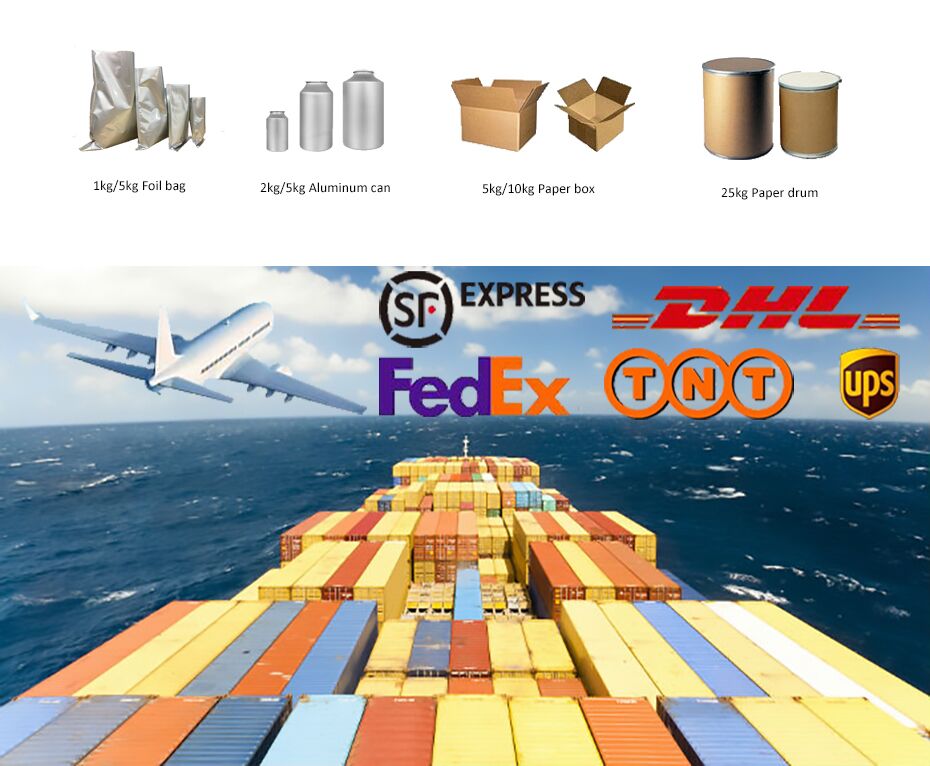
25 kg cartons with double-layer food-grade liners, full CoA, MSDS, and allergen statements. Custom particle sizing available.
- MOQ: 25 kg | Lead Time: 2-3 weeks
The following matrix summarizes the compatibility of phosphatidylserine with common co-ingredients in cognitive health and stress-management formulations. Use this as a starting point for your product development discussions.
| Co-Ingredients | Compatibility | Synergy Mechanism | Recommended Ratio (PS:Co) |
| DHA / Omega-3 | Excellent | Membrane structural synergy; PS enhances DHA incorporation into neuronal membranes | 1:2 to 1:5 |
| Citicoline (CDP-Choline) | Excellent | Dual phospholipid pathway — PS for membrane integrity, citicoline for phosphatidylcholine synthesis | 1:2.5 |
| Alpha GPC | Excellent | Cholinergic support — PS modulates receptors, Alpha GPC provides choline precursor | 1:3 |
| Bacopa Monnieri | Excellent | Memory consolidation (Bacopa) + membrane support (PS); complementary timeframes | 1:3 |
| Ginkgo Biloba | Excellent | Cerebral circulation (Ginkgo) + membrane fluidity (PS) | 1:1.2 |
| Lion’s Mane | Good | NGF stimulation (Lion’s Mane) + membrane substrate (PS) | 1:5 |
| L-Theanine | Excellent | Calm focus (L-Theanine) + cortisol modulation (PS); complementary stress mechanisms | 1:1 to 1:2 |
| Ashwagandha (KSM-66) | Excellent | Dual cortisol pathway — PS blunts acute cortisol spike, Ashwagandha lowers chronic cortisol | 1:1.5 |
| Rhodiola Rosea | Good | Fatigue resistance (Rhodiola) + HPA axis support (PS) | 1:1 |
| Magnesium (Glycinate) | Good | GABA modulation (Mg) + membrane support (PS); both support sleep quality | 1:2 |
| CoQ10 (Ubiquinol) | Good | Mitochondrial support (CoQ10) + membrane phospholipid (PS) | 1:1 |
| Uridine Monophosphate | Good | Synaptic plasticity (Uridine) + membrane substrate (PS); ‘Mr. Happy Stack’ variant | 1:1.5 |
| Resveratrol | Good | SIRT1 activation (Resveratrol) + SIRT1-PGC-1alpha pathway modulation (PS) | 1:1 |
| Vitamin E (Tocopherols) | Excellent | Lipid peroxidation defense; essential antioxidant for phospholipid stability | 1:0.3 |
Formulation Notes
- PS + DHA combinations should use antioxidant-stabilized softgels to prevent phospholipid oxidation.
- Ashwagandha-PS stacks at 2:1 weight ratio have shown synergistic cortisol modulation in preclinical models.
- All combination products require ICH Q1A accelerated stability testing (40 degrees C / 75% RH, 6 months) to confirm shelf-life potency.
- PS is fat-soluble — formulate with dietary fat, MCT oil, or emulsified delivery systems for optimal bioavailability.
Every phosphatidylserine production lot is tested against the following Critical Quality Attributes. These specifications ensure batch-to-batch consistency, regulatory compliance, and finished product stability.
| Quality Attribute | Specification (20% PS) | Specification (50% PS) | Specification (70% PS) | Test Method |
| PS Assay (HPLC) | >=20.0% | >=50.0% | >=70.0% | HPLC vs USP Reference |
| Moisture / Loss on Drying | <=2.0% | <=2.0% | <=2.0% | USP <731> |
| Peroxide Value | <=5.0 meq O2/kg | <=5.0 meq O2/kg | <=5.0 meq O2/kg | AOCS Cd 8b-90 |
| Heavy Metals (Pb) | <=1.0 ppm | <=1.0 ppm | <=1.0 ppm | ICP-MS |
| Heavy Metals (As) | <=1.0 ppm | <=1.0 ppm | <=1.0 ppm | ICP-MS |
| Heavy Metals (Cd) | <=0.5 ppm | <=0.5 ppm | <=0.5 ppm | ICP-MS |
| Heavy Metals (Hg) | <=0.1 ppm | <=0.1 ppm | <=0.1 ppm | ICP-MS |
| Total Plate Count | <=10,000 CFU/g | <=10,000 CFU/g | <=10,000 CFU/g | USP <2021> |
| Yeast & Mould | <=1,000 CFU/g | <=1,000 CFU/g | <=1,000 CFU/g | USP <2021> |
| E. coli | Absent in 10g | Absent in 10g | Absent in 10g | USP <2022> |
| Salmonella | Absent in 10g | Absent in 10g | Absent in 10g | USP <2022> |
| Residual Solvents | <=50 ppm (hexane, acetone) | <=50 ppm | <=50 ppm | USP <467> / GC-MS |
| Flowability | Free-flowing powder | Free-flowing powder | Free-flowing powder | Visual / Angle of Repose |
| Bulk Density | 0.3-0.6 g/mL | 0.3-0.6 g/mL | 0.3-0.6 g/mL | USP <616> |
| Particle Size (D90) | <=250 microns | <=250 microns | <=250 microns | Laser Diffraction |
Note: Custom specifications available upon request. All CoA documentation includes actual test results, reference standards, and analyst signatures.
Phosphatidylserine is not a trivial ingredient to formulate. Its physicochemical properties create specific manufacturing challenges that directly impact product quality, shelf life, and consumer satisfaction. B2B buyers should evaluate manufacturing partners based on demonstrated ability to solve these challenges.
Challenge 1: Hygroscopicity & Moisture Absorption
PS powder readily absorbs moisture from ambient air, leading to clumping, caking, and potency degradation. Traditional PS powders become unworkable in humid environments (>60% RH).
Our Solution: Non-hygroscopic PS grades + dehumidified production (<45% RH) + nitrogen flushing + desiccant integration in every bottle.
Challenge 2: Phospholipid Oxidation & Rancidity
Polyunsaturated fatty acid chains in PS are susceptible to lipid peroxidation, producing off-odors, rancid flavors, and harmful oxidation products. Consumer reviews consistently cite ‘fishy smell’ and ‘softgel leakage’ as reasons for returns.
Our Solution: Antioxidant stabilization (mixed tocopherols, rosemary extract, ascorbyl palmitate) + oxygen-barrier packaging (amber glass, nitrogen-flushed pouches) + cold-chain bulk storage at 15-20 degrees C.
Challenge 3: Tablet Compression & Flow Properties
PS powder has poor flow characteristics, low bulk density, and adhesive properties that make direct compression challenging. Wet granulation is generally avoided due to PS sensitivity to heat and moisture.
Our Solution: Dry granulation (roller compaction) + optimized excipient blends (SMCC, colloidal SiO2) + validated direct compression protocols with in-process weight, hardness, and friability monitoring.
Challenge 4: Content Uniformity & Potency Variability
PS powders exhibit particle size variability and electrostatic charging, leading to content uniformity issues. ConsumerLab’s 2024 testing found one PS product at only 10% of label claim — a catastrophic quality failure.
Our Solution: Micronization + particle size standardization (60-100 mesh) + V-blender validation with stratified sampling + in-line NIR spectroscopy + batch-specific HPLC assay against USP reference standards.
Challenge 5: Oil Extraction & Softgel Integrity
Temperature fluctuations during storage cause phase separation, oil leakage, or capsule deformation in PS softgels — a leading cause of retail returns.
Our Solution: Emulsifier stabilization (lecithin, polysorbate 80) + optimized gelatin bloom strength + ICH Q1A accelerated stability testing (40 degrees C / 75% RH, 6 months) + optional band-sealing for premium products.
Challenge 6: Gummy Manufacturing
PS has a characteristic phospholipid odor and bitter aftertaste. Heat during gummy production (80-100 degrees C) can degrade PS if not controlled.
Our Solution: Natural citrus/berry flavor masking with bitterness blockers + low-temperature pectin processing (<60 degrees C) + microencapsulated PS in modified starch + antioxidant coating on finished gummies.
Accelerated Stability Data — PS 50% Powder
The following data represents typical accelerated stability results for our phosphatidylserine 50% powder under ICH Q1A conditions. Actual CoA provided with every batch.
| Parameter | Initial (T0) | 3 Months (40C/75%RH) | 6 Months (40C/75%RH) | Specification |
| PS Assay (HPLC) | 51.2% | 50.8% | 50.1% | >=50.0% |
| Moisture | 1.4% | 1.5% | 1.6% | <=2.0% |
| Peroxide Value | 2.1 meq/kg | 2.8 meq/kg | 3.4 meq/kg | <=5.0 meq/kg |
| Total Plate Count | <100 CFU/g | <100 CFU/g | <100 CFU/g | <=10,000 CFU/g |
| Appearance | Off-white powder | Off-white powder | Slightly cream powder | Off-white to cream |
Case Study: US Nootropic Brand — PS Stress-Recovery Formula
The following case study illustrates a typical OEM project from formulation to commercial production.
Goal: Launch a premium PS-based cortisol-management supplement for the sports nutrition and executive wellness market within 4 months.
Challenge
- Required soy-free positioning (target demographic: health-conscious millennials and Gen Z)
- Needed stability data to support 24-month shelf life claim
- Gummy format requested for differentiation in saturated capsule market
- Required Informed Sport certification for athlete market credibility
Solution
- Selected Sharp-PS GREEN (sunflower-derived, non-GMO, soy-free) at 200 mg per serving
- Developed pectin-based vegan gummy with natural citrus flavor masking and vitamin E antioxidant stabilization
- Completed ICH Q1A accelerated stability (6 months) and real-time stability (12 months) with passing results
- Third-party Informed Sport certification with banned substance testing
- Low-temperature production process (<60 degrees C) to preserve PS potency through gummy manufacturing
Outcome
- Product launched on-time within 4-month timeline
- 24-month shelf life substantiated with full stability report
- Informed Sport certification enabled marketing to collegiate and professional athletes
- Product achieved 4.6/5 star rating on Amazon within first 6 months; <2% return rate
- Brand re-ordered 3x volume for second production run and expanded to 2 additional SKUs
The global phosphatidylserine market is valued at approximately USD 130-178 million in 2026, projected to reach USD 260-272 million by 2033-2035 (CAGR 6.5-8.0%). North America holds ~40% share, Europe ~30%, with Asia Pacific as the fastest-growing region.
Key Growth Drivers
- Aging demographics — 80% of world’s population over 60 will live in low/middle-income countries by 2050
- Post-pandemic cognitive health awareness (‘brain fog’ mainstreaming)
- Biohacking and executive wellness culture driving premium nootropic demand
- Women’s menopause cognition market — under-served with strong willingness to pay
- Sports recovery mainstreaming — cortisol management expanding beyond elite athletes
OEM Implications
- Dietary Supplements: 50% of market — dominant channel for capsules, tablets, softgels, powders
- Functional Foods: 25-40% — fastest-emerging segment (fortified beverages, nutrition bars)
- Powder dominates with 66-73% market share due to manufacturing flexibility; gummies show fastest growth among finished formats
- Sunflower-derived PS growing 35% annually in premium segments — clean-label, allergen-free driver
What Consumers Love
- ‘Improved mental clarity and reduced brain fog’ — most commonly cited benefit, 2-4 week onset
- ‘Better sleep quality and lower anxiety levels’ — prominent at 100-200 mg doses
- ‘Noticeable memory improvement after 8+ weeks’ — delayed gratification; satisfied users emphasize consistency
- ‘No jitters or crash’ — major differentiator vs. caffeine-based nootropics
- Sunflower-derived PS receives disproportionately positive sentiment for allergen-free positioning
Key Pain Points (OEM Opportunities)
| Consumer Pain Point | Manufacturing Solution | Competitive Advantage |
| Soy allergy concerns | Use sunflower-derived PS | Clean-label, allergen-free positioning |
| Softgel leakage / rancid odor | Nitrogen flushing + antioxidant stabilization + barrier packaging | Extended shelf life, premium quality |
| GI discomfort at high doses | Enteric coating or microencapsulation with MCT oil | Improved tolerability, higher compliance |
| Multi-capsule daily dosing | Develop 200-300 mg single-capsule formulations | Reduced pill burden, higher retention |
| No immediate effect / poor value | Bundle with fast-acting ingredients (L-theanine) + education insert | Dual-action perception, reduced churn |
| Oxidation / potency concerns | Third-party HPLC + QR-linked CoA on every bottle | Transparency, trust, premium pricing |
The following decision framework maps the typical procurement journey from concept to commercial production. Use this as a checklist when briefing your OEM manufacturing partner.
Step 1: Choose Raw Material
- Soy PS — lowest cost, mature supply chain, suitable for mass market
- Sunflower PS — 15-25% premium, allergen-free, clean-label premium positioning
- Branded (Sharp-PS / SerinAid) — highest clinical credibility, marketing support, premium pricing
Step 2: Choose Purity Grade
- 20% PS — functional foods, beverages, bulk powder blends; lowest cost per kg but highest inclusion rate
- 50% PS — optimal balance for capsules and tablets; ‘sweet spot’ for most applications
- 70% PS — premium single-capsule products, practitioner channel, maximum potency per unit
Step 3: Choose Dosage
- 100 mg — entry-level, multi-ingredient stacks, gummies
- 200 mg — single-capsule daily, children’s formulas
- 300 mg — clinical strength, practitioner channel
- 400-600 mg — sports recovery, cortisol modulation
Step 4: Choose Delivery Form
- Hard-shell capsules — highest consumer trust; easiest swallowing; standard for 100-300 mg
- Softgels — oil-based co-delivery (PS + DHA); enhanced bioavailability
- Tablets — cost advantage; requires compression expertise for PS
- Gummies — highest compliance among younger demographics; fastest-growing segment
- Liquid/Suspension — flexible dosing; liposomal delivery for premium positioning
- Bulk Powder — lowest cost per serving; for functional food or in-house encapsulation
Step 5: Packaging Configuration
- Primary: HDPE bottles (white/amber), glass bottles, blister cards, stick packs, sachets
- Secondary: Retail cartons, display boxes, shelf-ready packaging
- Label Compliance: Supplement Facts panels, allergen statements, structure/function claims, QR code integration
- Child-Resistant Closures (CRC): Available for higher-safety-profile products
Step 6: Regulatory Positioning
- United States: FDA qualified health claim (with disclaimer) + structure/function claims with 30-day notification
- European Union: EFSA general food law compliance; Novel Food consultation for new sources/formats
- Canada: NPN licensing through Health Canada’s NHPD
- Australia/NZ: TGA listing (AUST L) for low-risk claims
- ASEAN/China: Country-specific registration; China requires ‘Blue Hat’ for functional claims
Step 7: Pilot Batch & Scale-Up
- Prototype Development: 2-4 week turnaround for sample batches
- Stability Testing: ICH Q1A accelerated (40 degrees C / 75% RH, 6 months) + real-time (25 degrees C / 60% RH, 24-36 months)
- Scale-Up: From 25 kg bulk to 10 million+ unit annual contracts
| Product Format | MOQ | Lead Time | Stability Data Available |
| Bulk Powder (20%/50%/70%) | 25 kg | 2-3 weeks | Yes — 24-month real-time |
| Hard-Shell Capsules | 100,000 units | 4-6 weeks | Yes — ICH Q1A + real-time |
| Softgel Capsules | 100,000 units | 5-7 weeks | Yes — ICH Q1A + real-time |
| Tablets | 100,000 units | 4-6 weeks | Yes — ICH Q1A + real-time |
| Gummies | 50,000 units | 6-8 weeks | Yes — ICH Q1A + real-time |
| Liquid / Suspension | 5,000 units | 4-6 weeks | Yes — ICH Q1A + real-time |
| Custom Formulation (R&D) | 1 prototype batch | 2-4 weeks | Upon request |
Ready to Launch Your Phosphatidylserine Product?
From market intelligence and formulation development to commercial production and global fulfillment, KS Nutripharma provides the manufacturing expertise, quality systems, and regulatory support that B2B buyers require — and that YMYL consumers deserve.
Next Steps
- Request a sample of our PS raw materials (soy, sunflower, or branded options)
- Download full specification sheets with CQA tables and stability data summaries
- Book a technical consultation with our R&D team to discuss your formulation requirements
- Schedule a virtual factory tour to review our manufacturing platform and quality systems
Our MOQ for hard-shell capsules and softgels is 100,000 units per SKU. For gummies, 50,000 units. Bulk powder starts at 25 kg. Custom formulation prototype batches are available with no minimum for qualified buyers.
Bulk powder: 2-3 weeks. Capsules and tablets: 4-6 weeks. Softgels: 5-7 weeks. Gummies: 6-8 weeks. Custom formulations: 2-4 weeks for prototypes. Lead times assume raw material in stock; branded ingredients (Sharp-PS, SerinAid) may require additional 2-3 weeks for sourcing.
Yes. We offer sunflower-derived PS that is inherently soy-free and non-GMO. We also offer Sharp-PS GREEN, the leading branded sunflower PS with full clinical validation and trademark licensing.
Yes. Every production batch is accompanied by a batch-specific CoA including: PS assay by HPLC, moisture, peroxide value, heavy metals (Pb, As, Cd, Hg by ICP-MS), microbiology (total plate count, yeast/mould, E. coli, Salmonella), and residual solvents. CoAs include analyst signatures and reference standards.
Third-party testing includes: identity confirmation (HPLC, FTIR, NMR), potency verification (+/-5% tolerance), heavy metals screening (ICP-MS), microbiological testing (USP <2021>/<2022>), residual solvents (USP <467>), and allergen testing (ELISA) where applicable.
Yes. We support the full clinically validated range: 100 mg, 200 mg, 300 mg, and premium strengths of 400-600 mg per serving. Custom dosages outside this range can be developed upon request with appropriate stability validation.
Yes. PS gummy manufacturing is one of our specialties. We use pectin-based vegan matrices, low-temperature processing (<60 degrees C), natural flavor masking with bitterness blockers, and microencapsulated PS to protect potency and mask phospholipid odor. Typical potency: 100 mg per gummy.
Yes. We provide EU-compliant documentation including: Novel Food status consultation (where applicable), EFSA claim compliance review, CE marking for packaging, and full regulatory dossier preparation. Our sunflower-derived PS is particularly well-suited for EU market entry.
Pricing depends on: raw material tier (generic soy / generic sunflower / branded), purity grade (20% / 50% / 70%), dosage form, packaging complexity, and order volume. We offer transparent pricing with no hidden fees and volume-based tier discounts. Contact us for a detailed quotation tailored to your specifications.