



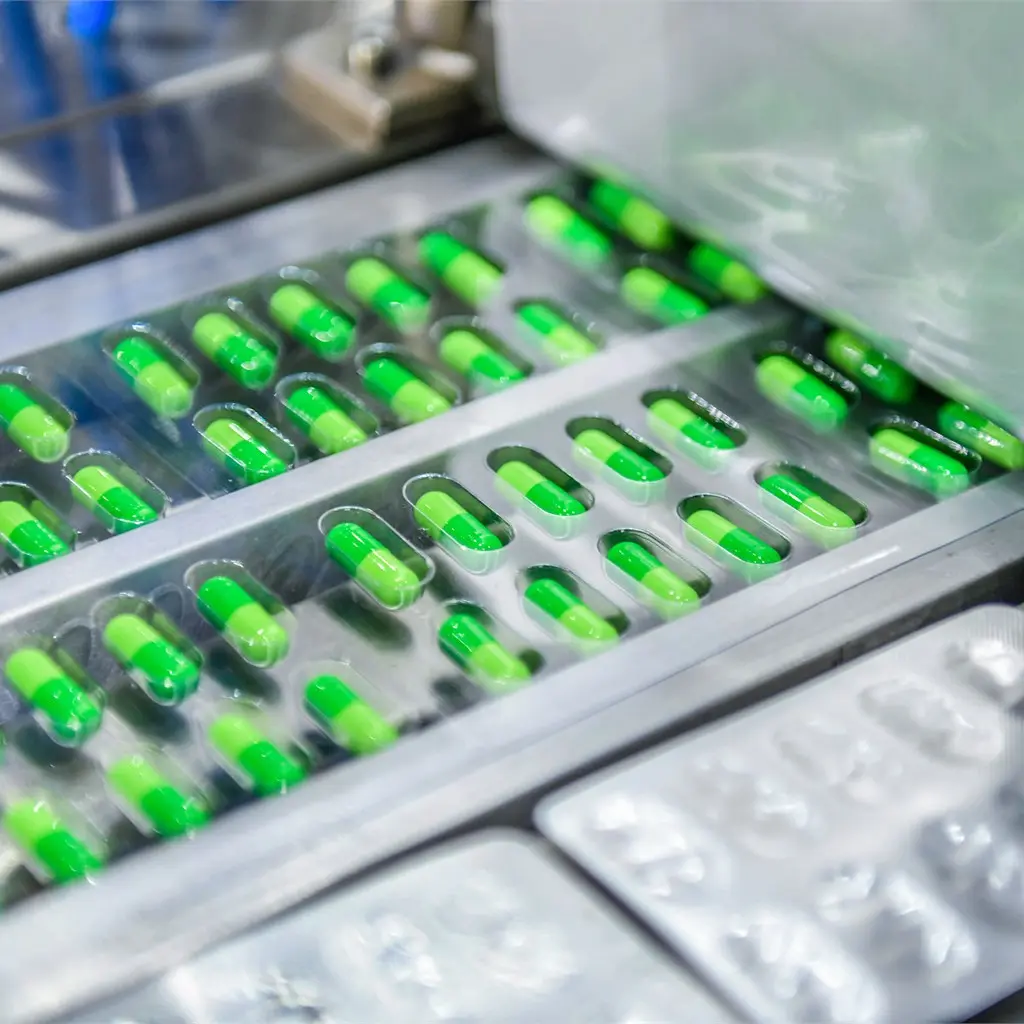
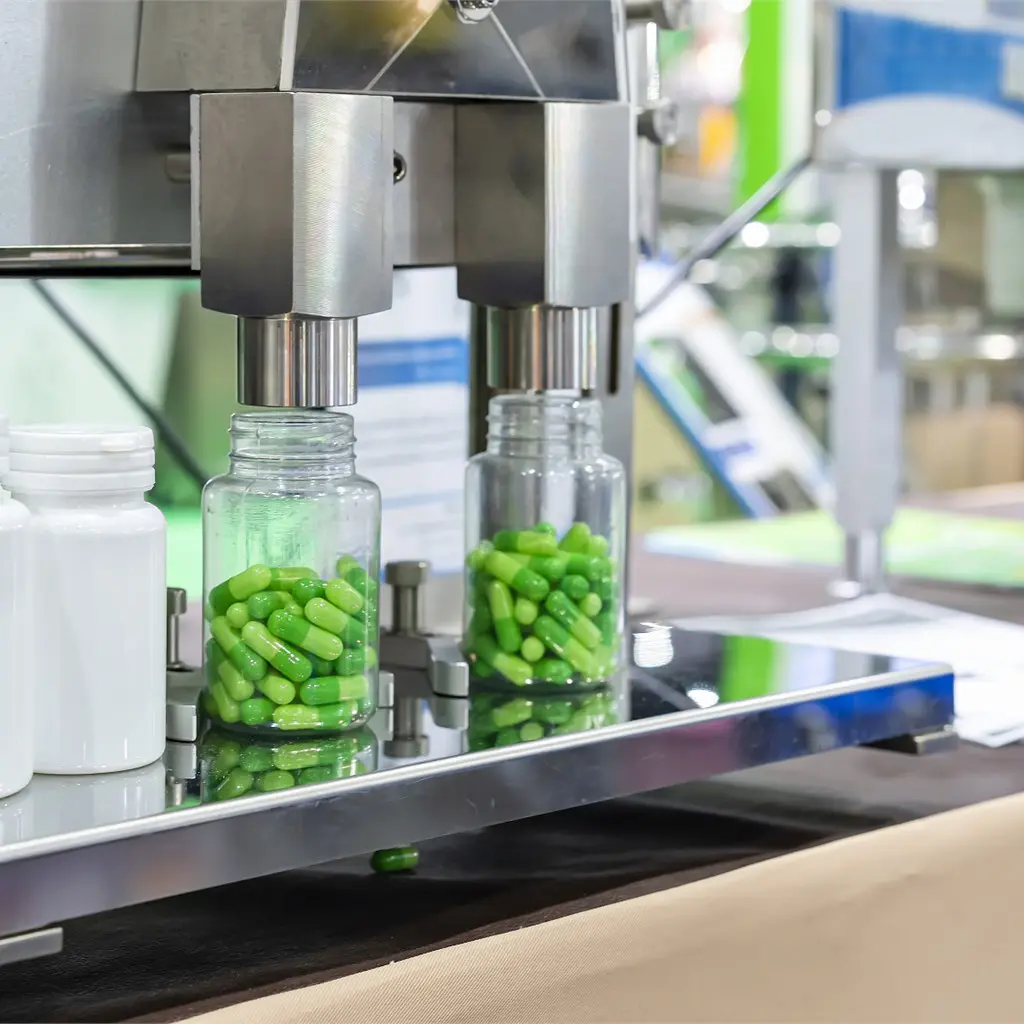
Bacopa Monnieri Supplement OEM, ODM & Private Label Service
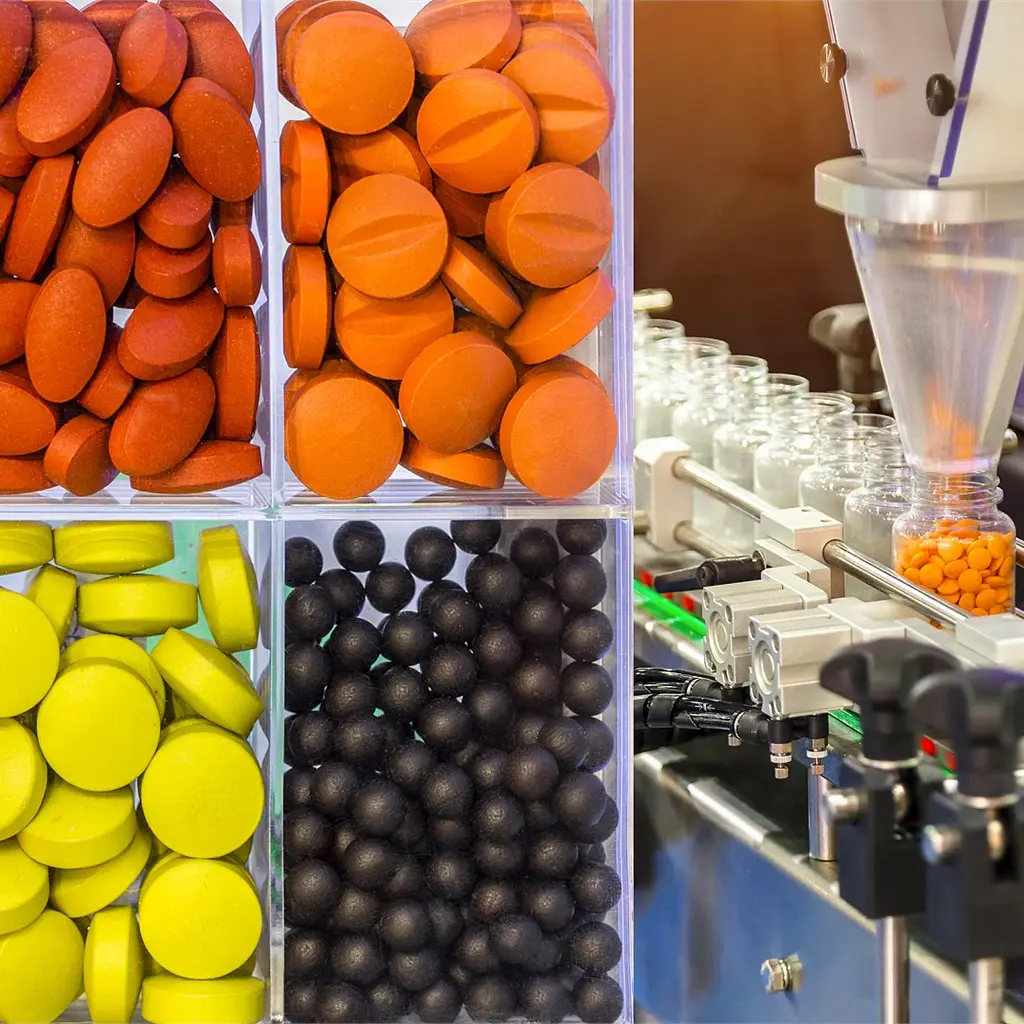
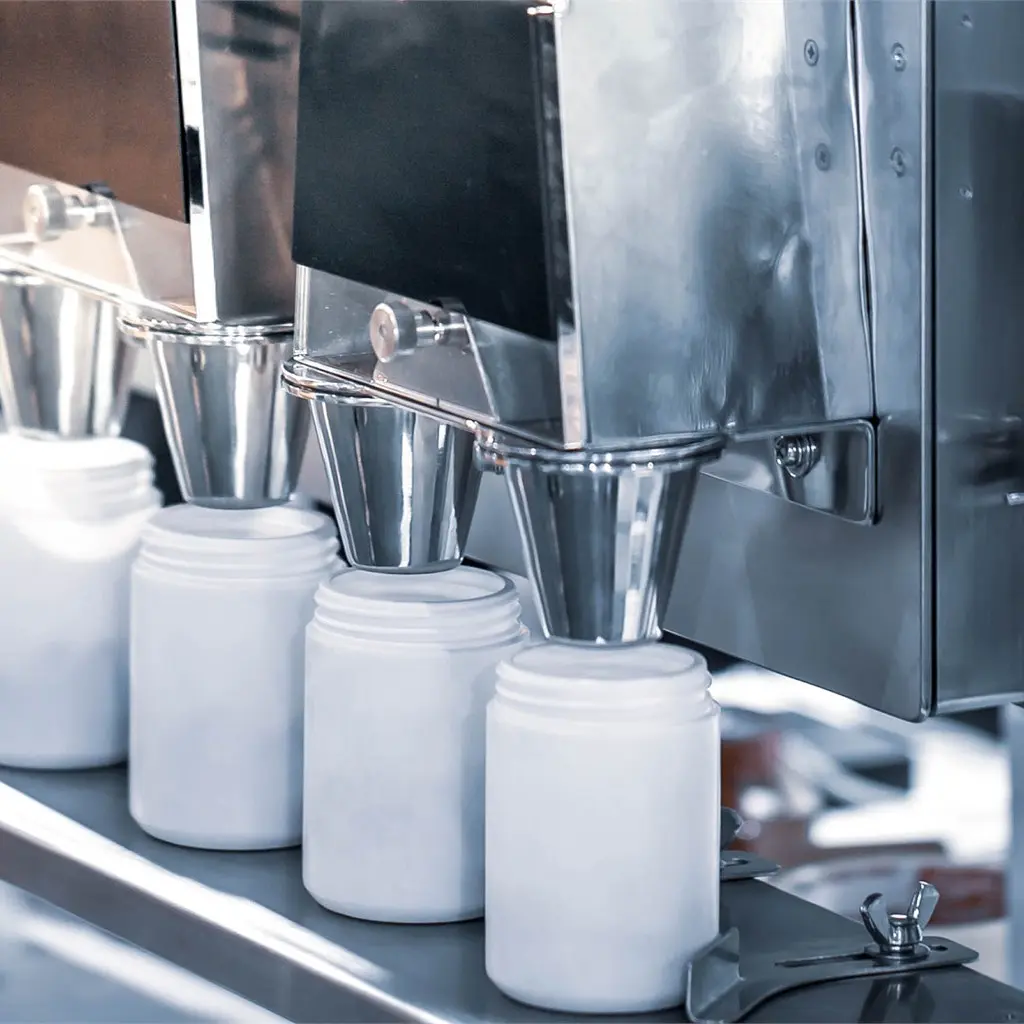
KS Nutripharma is a bacopa monnieri extract supplement manufacturer for OEM, ODM, and private-label programs. We develop bacopa supplements—extract specification, formula architecture, dosage form, and commercial manufacturing—for memory assortments.
Whether you have a finished formula or only a Bacopa product concept, KS can help define the extract specification, active architecture, dosage form, manufacturing route and commercial starting point before the final quote.
Bacopa formulas are usually positioned on a botanical timeline rather than as stimulant-style same-day products; claim language belongs on the label file, not in the milligram field.
Start a Bacopa Formula Review · Review an Existing Bacopa SKU · Evaluate a Bacopa Second Source
Complete briefs typically receive a first response within one business day, with a project manager assigned for follow-up. An NDA can be arranged before detailed formula exchange.
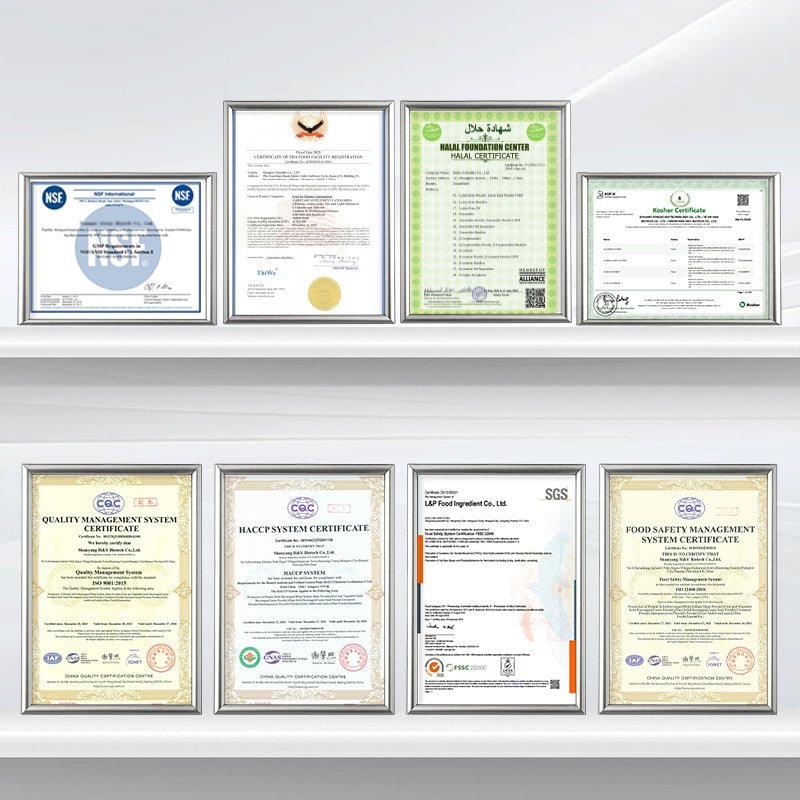
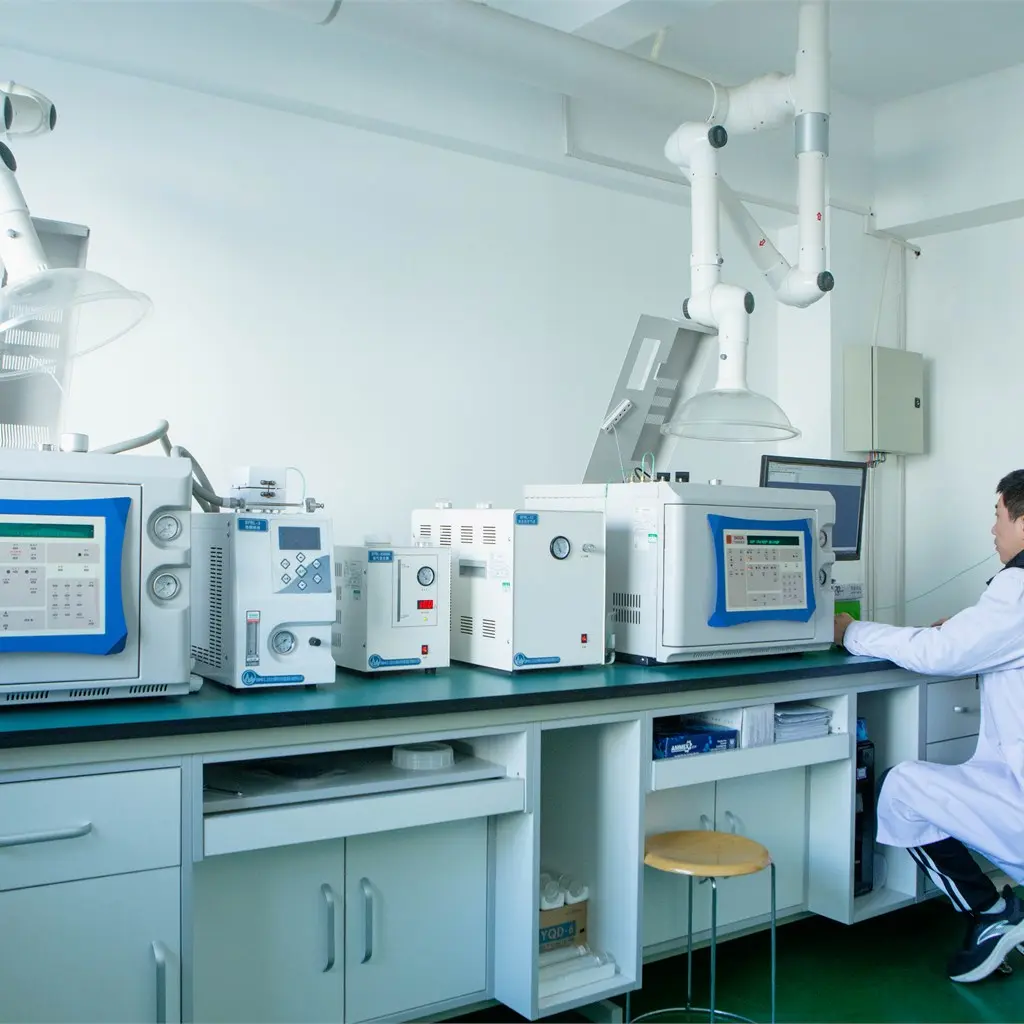
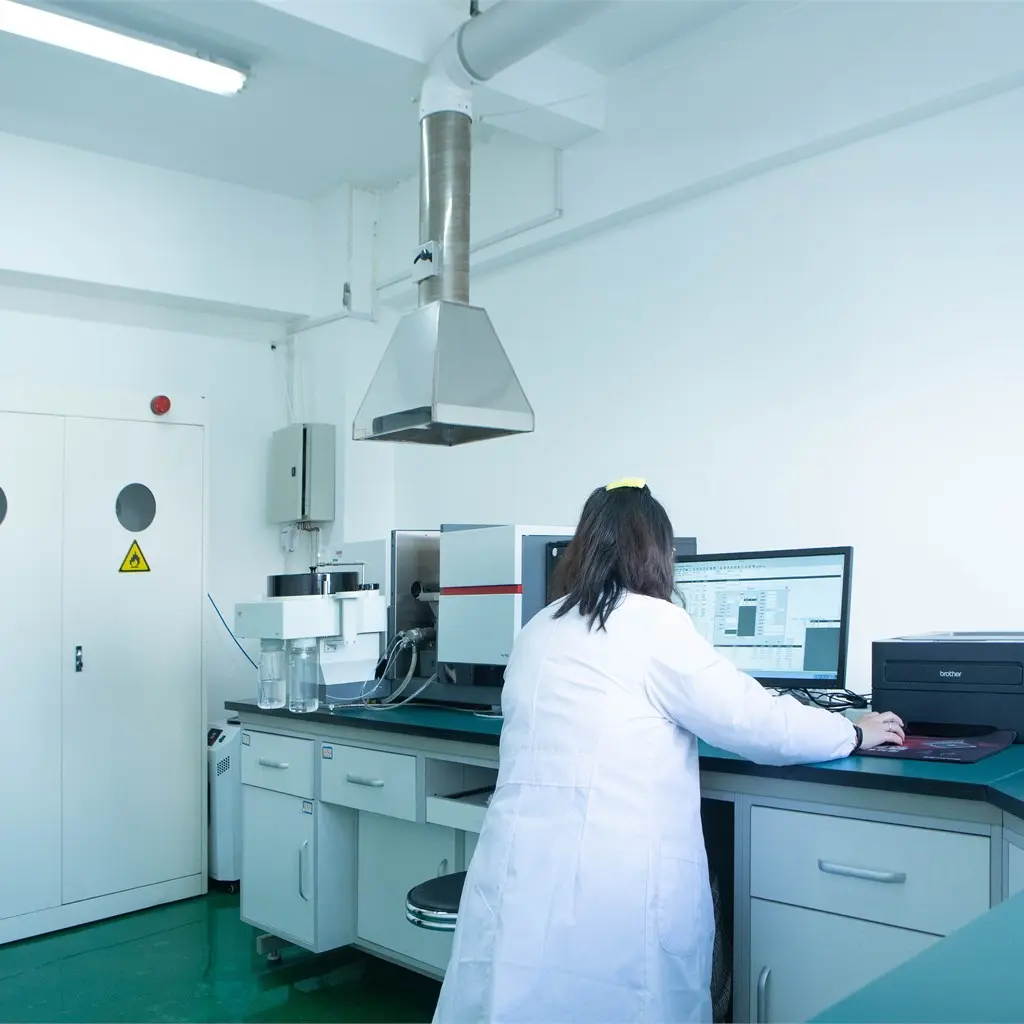
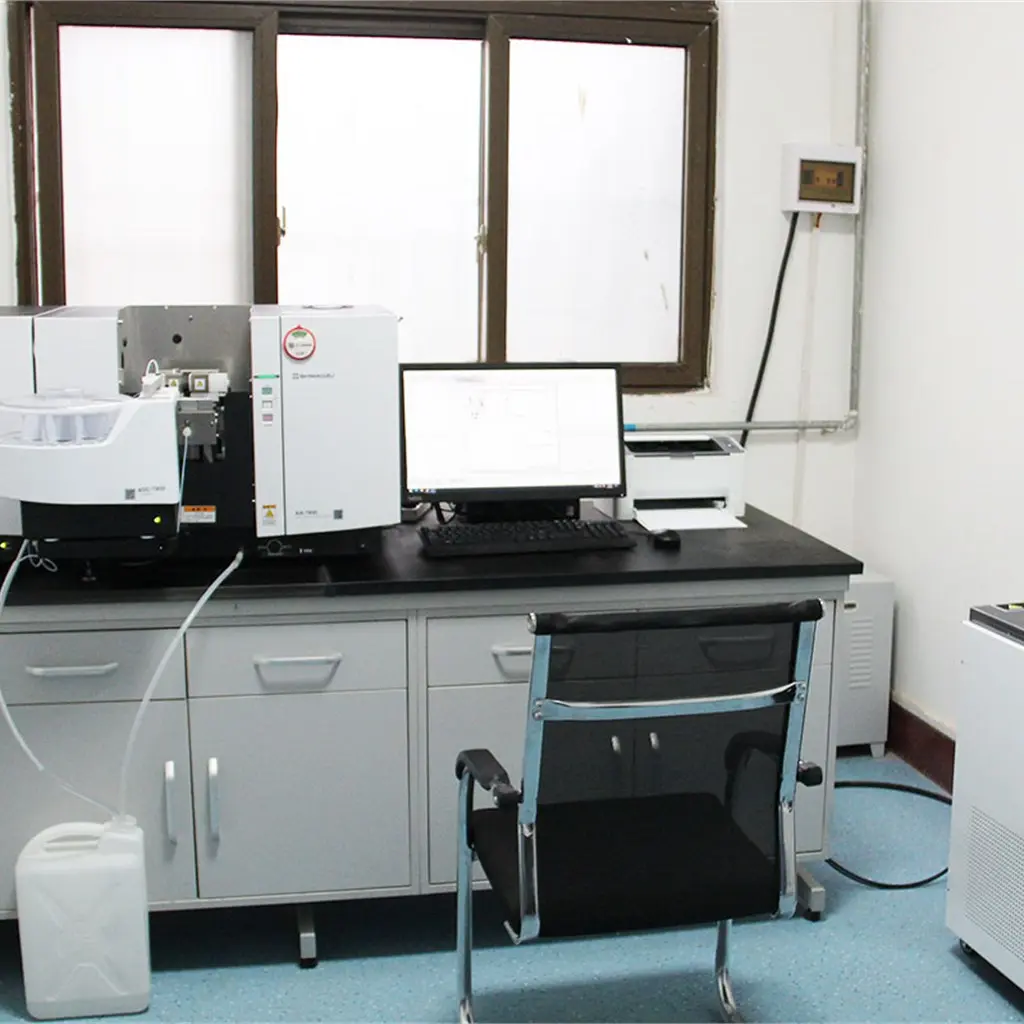
cGMP · ISO 9001 · ISO 22000 · HACCP · FSSC 22000 · Halal · Kosher · in-house lab + SGS/Eurofins pathways · batch COA
What We Can Build Around Bacopa
The work is to turn a Bacopa brief into a SKU that can be specified, manufactured, tested, and produced at a workable cost. KS manufactures finished Bacopa units from three raw-material routes. All three are available; they are not substitutes for one another.
| Starting point | Typical window KS can quote | What travels with the quote |
|---|---|---|
| Botanical | Bacopa monnieri | Brahmi alone is not a sufficient PO name |
| Herb powder | Aerial parts or whole herb, as powder | Identity, named plant part, and fill density when fill is calculated |
| Named DER | A defined extract ratio, commonly 10:1; other named ratios on the brief | The ratio as its own line — not a bacoside percentage |
| Marker-standardized extract | 20%, 40%, or 50% bacosides | The percentage plus bacoside definition, UV or HPLC method, and as-is or dried basis |
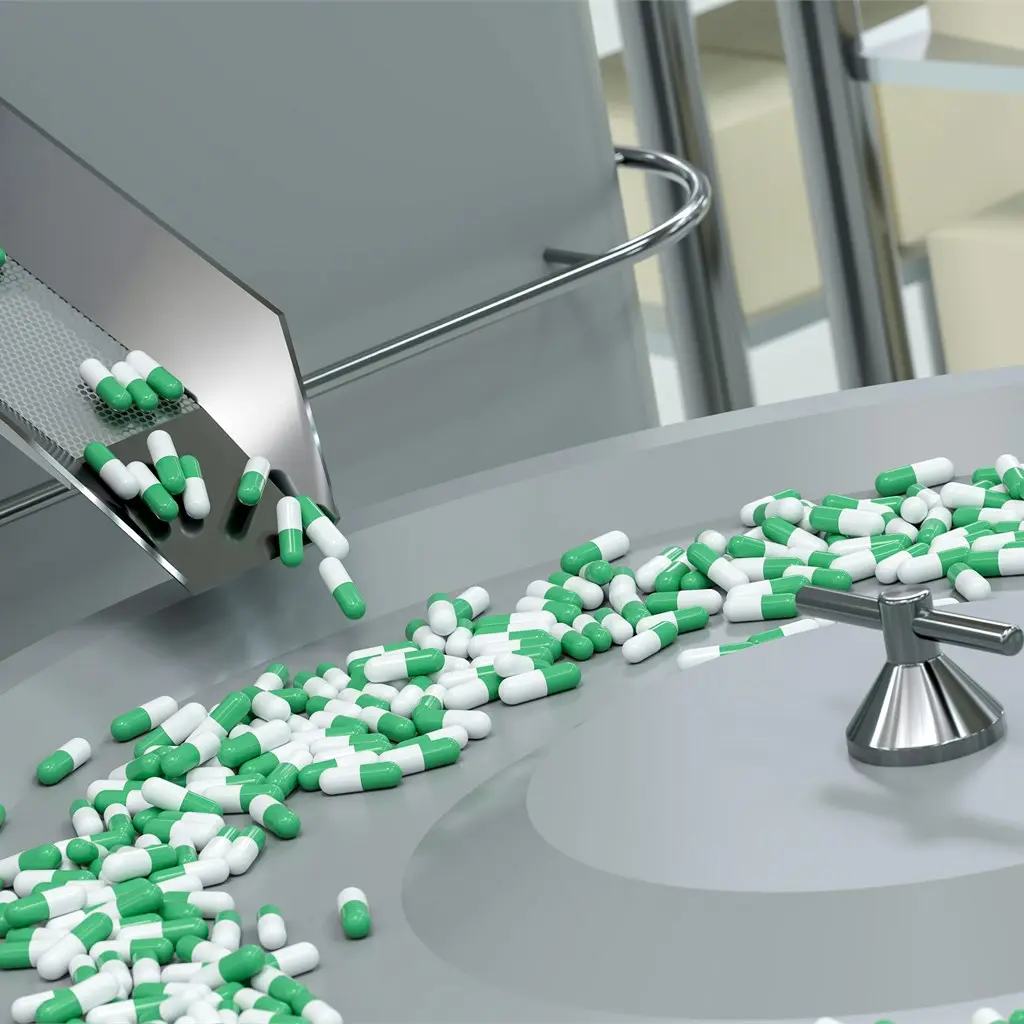
| Default format | Hard capsule | Saponin bitterness usually belongs in the shell |
| Planning MOQ | Capsules often about 3,000–5,000 finished units/SKU | Finished-SKU MOQ; bulk extract is a separate RFQ |
Those 20% / 40% / 50% figures are commercial inquiry windows, not a three-SKU catalog and not an industry-wide grade ladder.
Raw Material Route
Bacopa powder, a defined DER, or a marker-standardized extract, with plant part, assay definition, method, and reporting basis set before sourcing.
Formula Architecture
Single-active Bacopa, or combinations with L-theanine, ginkgo, phosphatidylserine, lion’s mane, citicoline, and other compatible actives—each remaining its own identity and milligram line.
Dosage-Form Feasibility
Capsule first where the Bacopa load is high or bitterness matters. Tablets, powders, gummies, and liquids are assessed against load, process, sensory, and assay constraints.
Cost & Specification Trade-offs
Marker level, extract type, active combination, capsule size, serving count, and packaging can change finished-SKU cost more than a headline milligram.
Commercial Manufacturing
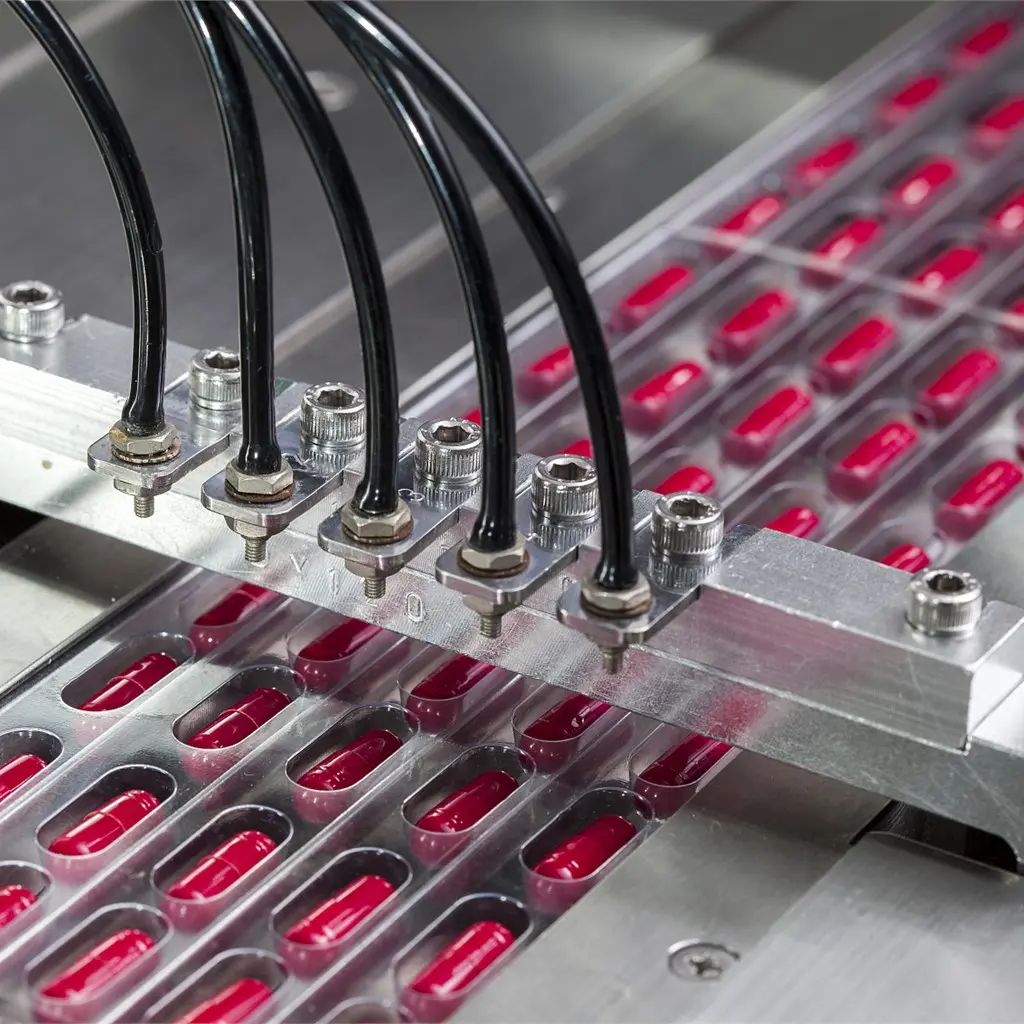
Pilot → specification lock → packaging → commercial batch → finished-product testing → batch documentation.
Bacopa Manufacturing Routes
A product concept exists, but the formula is not frozen. KS scope: formula architecture → raw-material route → dosage form → feasibility → quote.
A BOM, COA set, or current label is already in hand. KS scope: specification review → manufacturing feasibility → pilot → commercial production.
A mature SKU needs another manufacturer. KS scope: specification equivalency → raw-material qualification → pilot → commercial approval.
Bacopa Formula Architectures We Manufacture
These are product routes the R&D Center can design around Bacopa—not a frozen catalog. Every printed active keeps its own identity, milligram basis, and assay. That rule is the same across the routes below; the differences are positioning, fill, and how many specifications the serving has to carry. Development milligrams are RFQ planning figures.
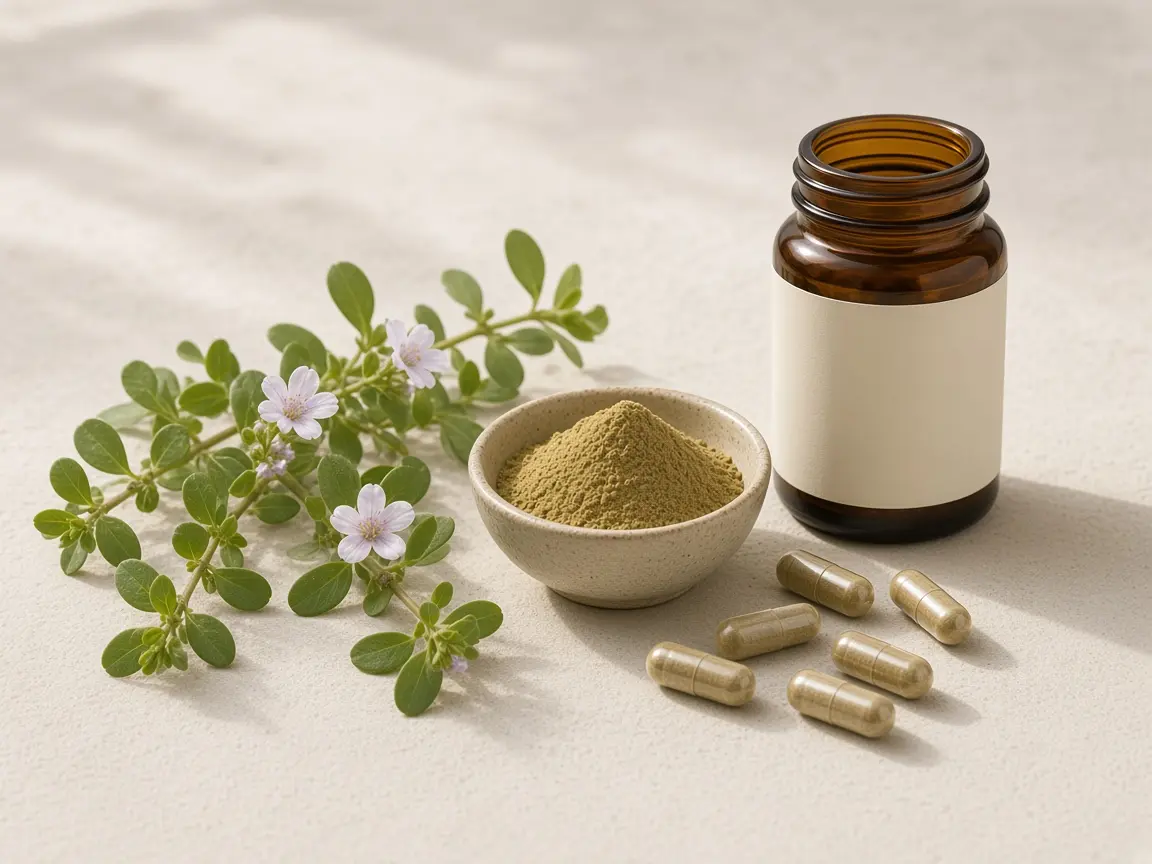
Architecture: Standardized Bacopa extract as the primary labeled botanical.
Development consideration: Marker definition and extract load decide capsule size and cost. Herb powder is a different purchasing route, not a cheaper version of the same extract SKU.
Typical format: Hard capsule.
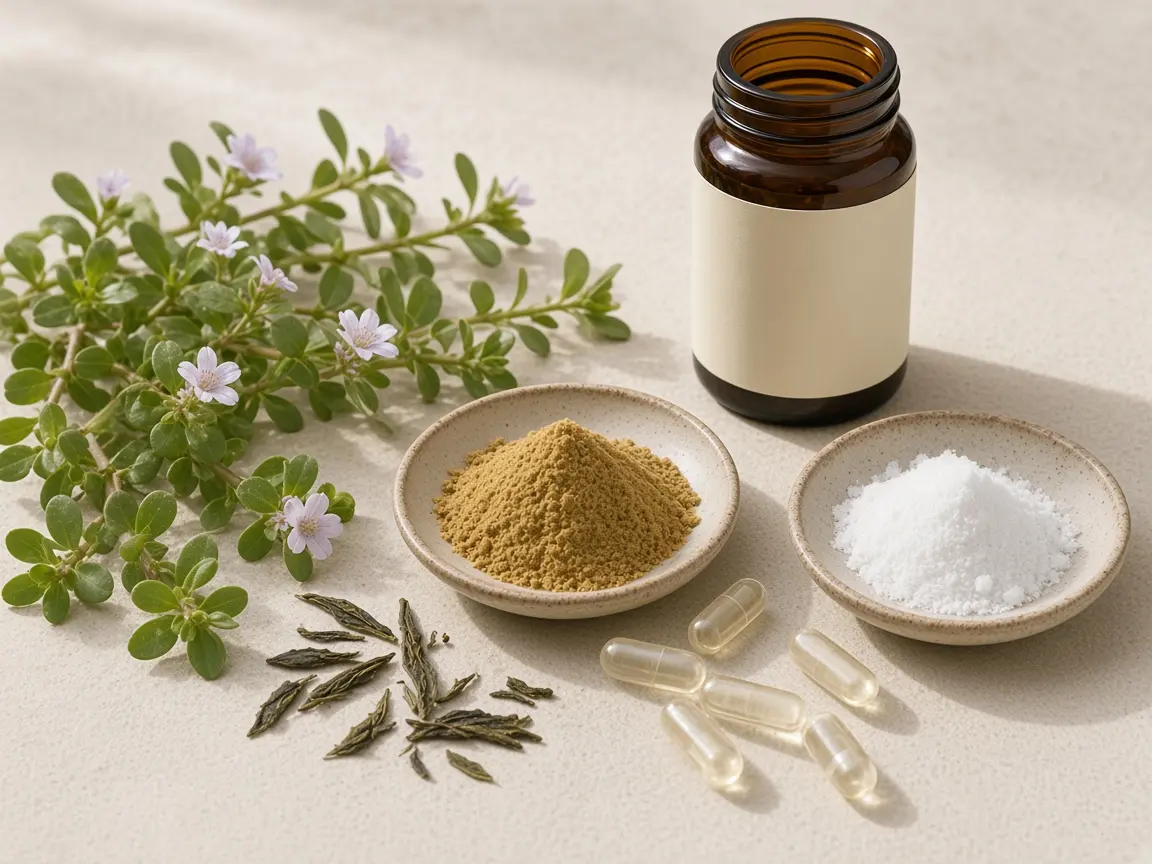
Architecture: Bacopa with L-theanine.
Development consideration: Two actives share one serving. Theanine is a same-day calm line; Bacopa remains a botanical specification—claim timing stays on the label file. Stimulant-led focus formulas belong on focus supplements.
Typical format: Hard capsule.
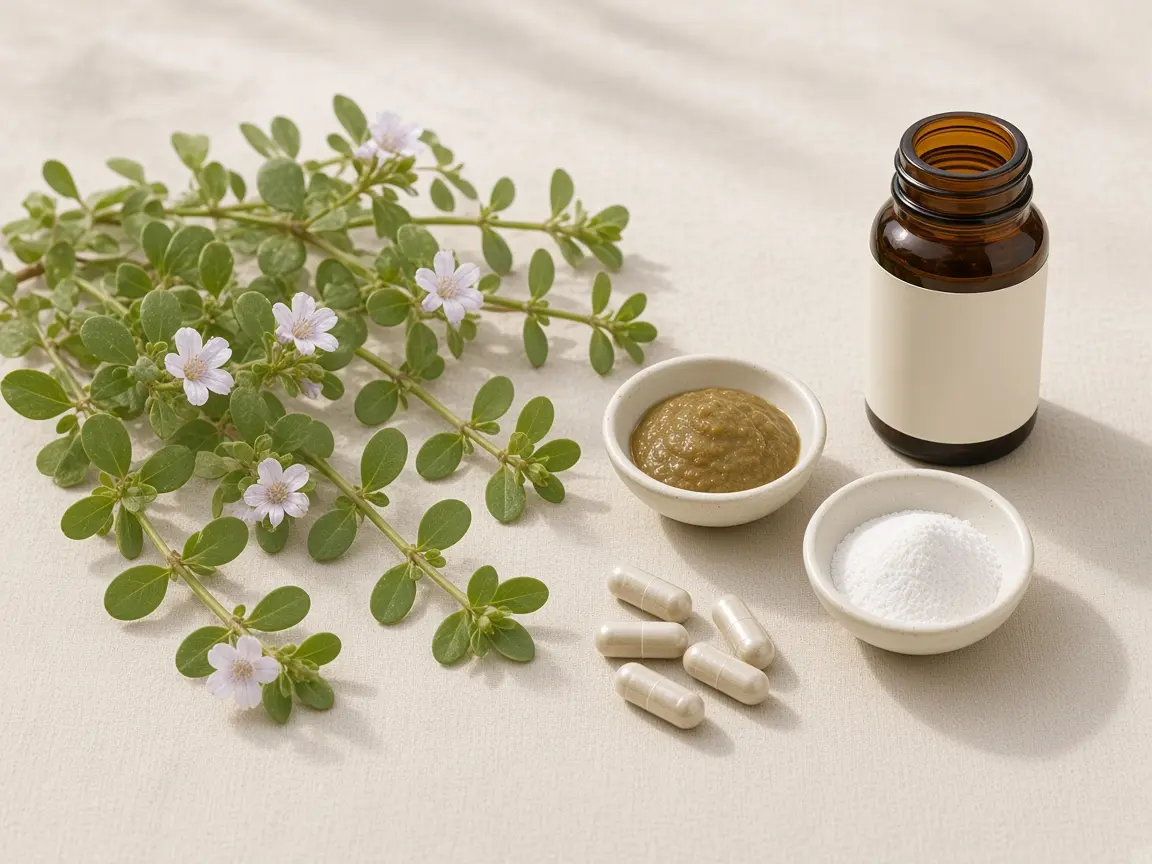
Architecture: Bacopa with citicoline (CDP-choline).
Development consideration: Combined active load and serving count decide whether one capsule is realistic. Citicoline milligrams are specified as citicoline, not as Alpha-GPC. Huperzine A is destination- and brief-specific at microgram level.
Typical format: Hard capsule.
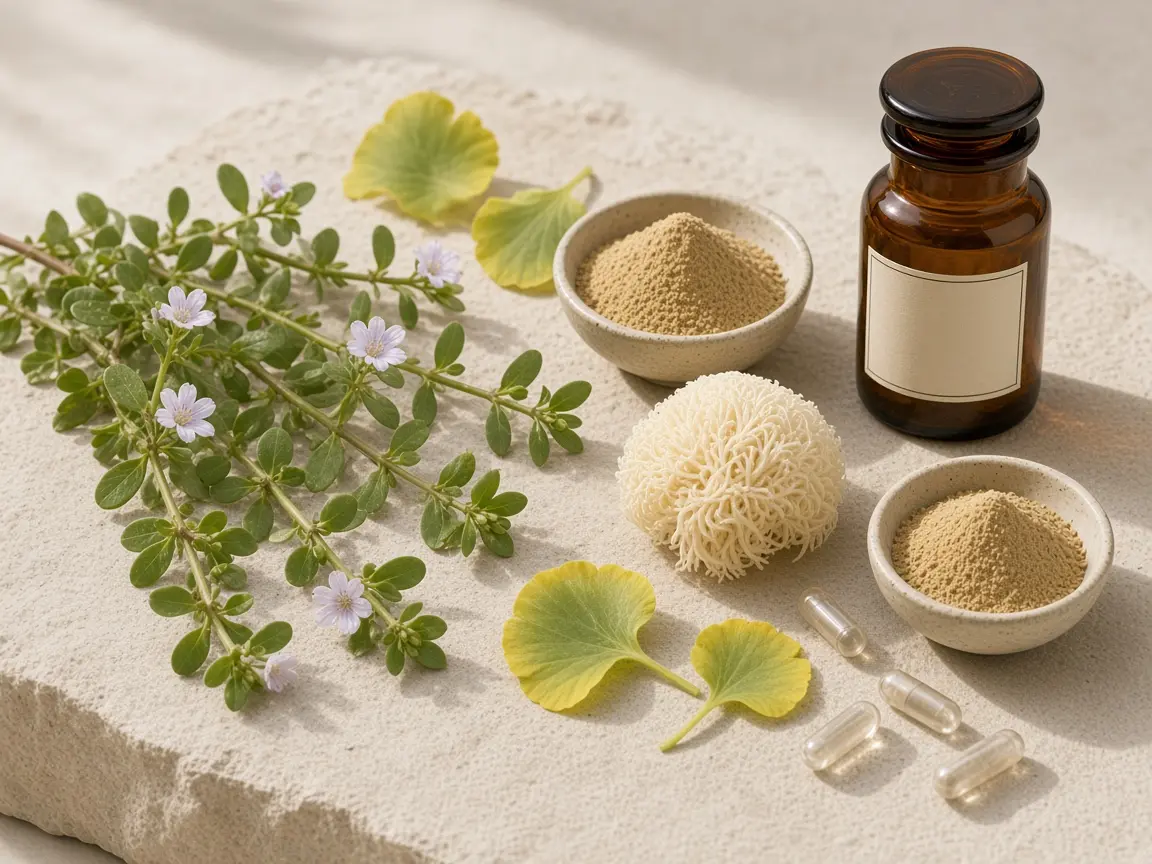
Architecture: Bacopa with ginkgo and/or lion’s mane.
Development consideration: Two botanicals need separate identity and assay controls—not one combined milligram. Ginkgo is leaf on a 24/6 HPLC basis, with a ginkgolic-acid limit when the destination requires it. Lion’s mane is Hericium erinaceus; fruiting body, mycelium-on-grain, or another named biomass, plus extract path; beta-glucan only with a named method. Dual bitterness is a format constraint, not a flavor afterthought.
Typical format: Hard capsule.
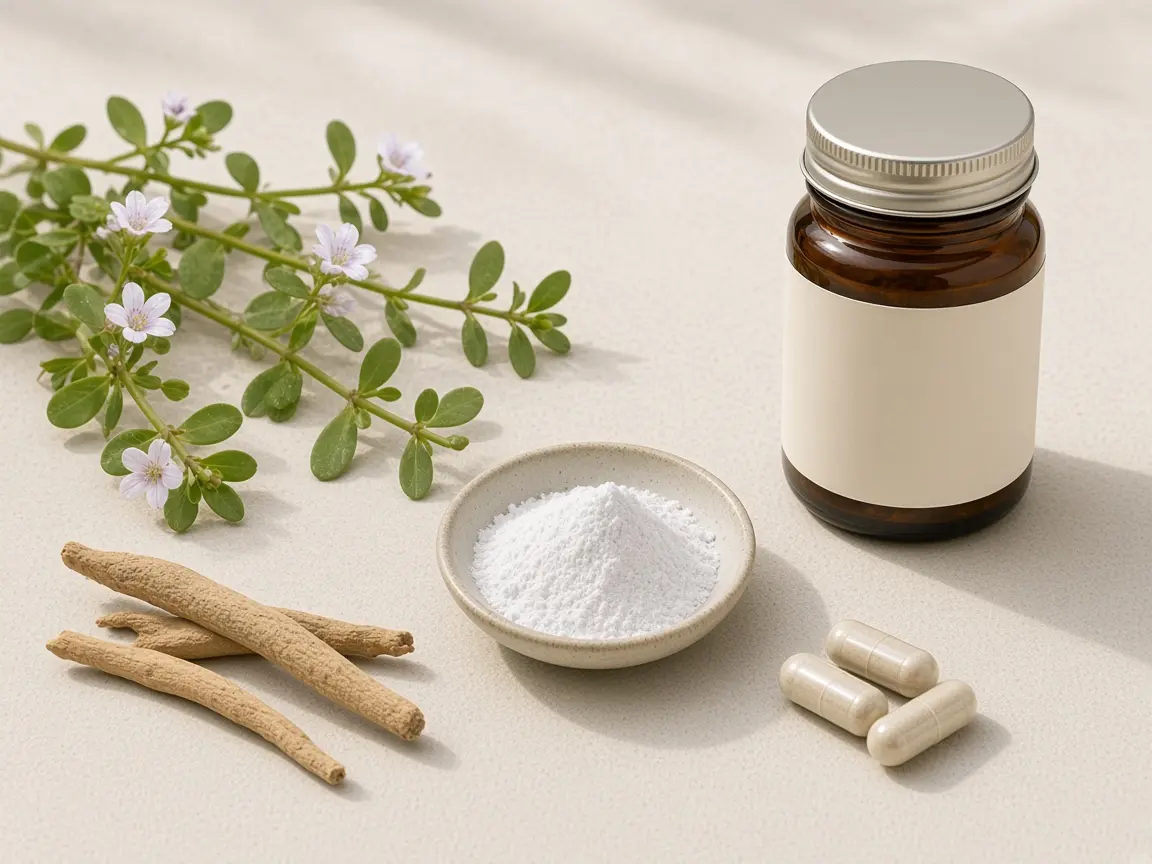
Architecture: Bacopa with supporting actives such as phosphatidylserine, magnesium and L-theanine, or ashwagandha.
Development consideration: Capsule capacity and cost usually move before the Bacopa milligram does. Phosphatidylserine needs its own incoming file (soy versus sunflower; an oil-phase DHA companion may be a separate SKU). Magnesium is salt plus elemental milligrams. Ashwagandha is withanolides plus method; a split SKU is often cleaner than one evening unit that tries to carry both stories.
Typical format: Hard capsule or split serving.
For broader memory-SKU programs, see Memory Supplements.
Choose the Bacopa Format: Capsules, Tablets or Powder
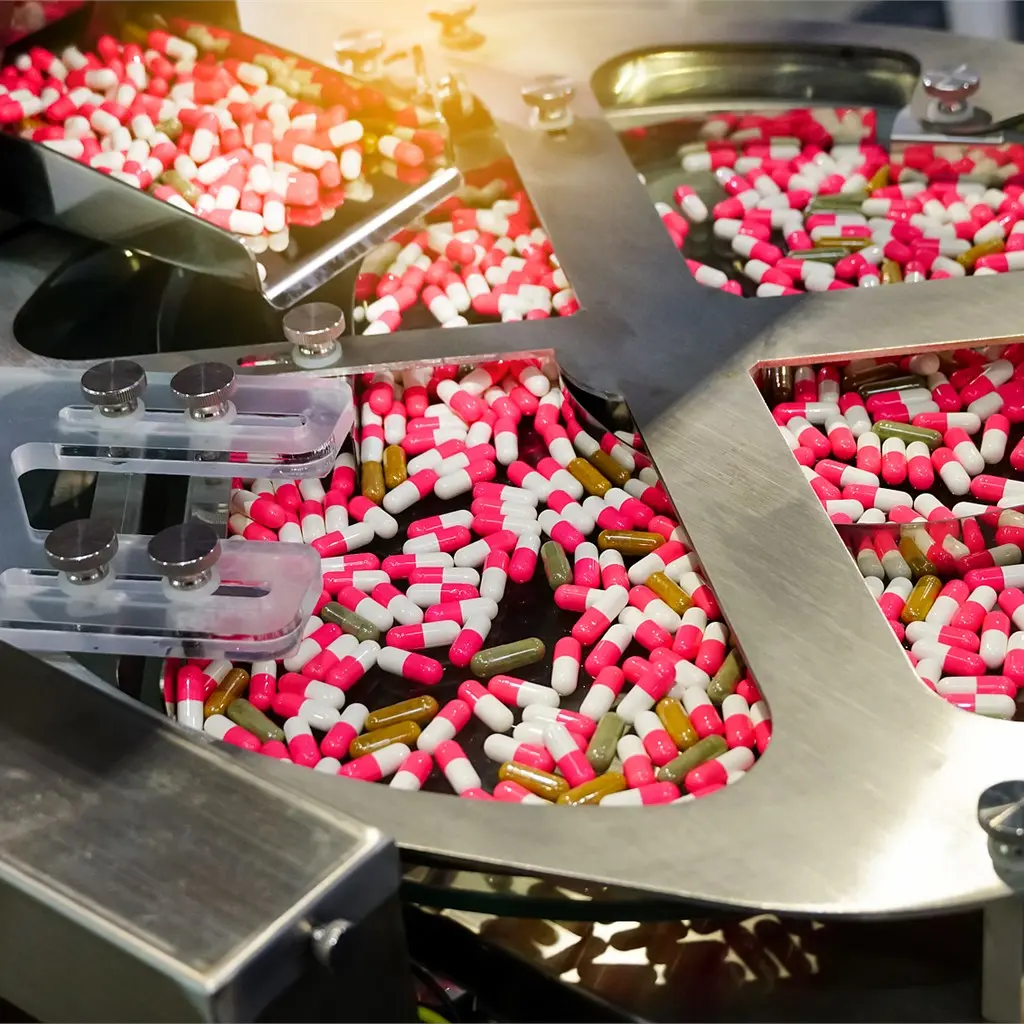
Saponins are bitter. That bitterness, more than a lifestyle request, decides whether a load belongs in a hard capsule, a coated tablet, a flavored stick, or a gummy after cook-and-assay. Dry Bacopa extract is not an oil-phase active, so softgels are used only when a named oil companion shares the brief.
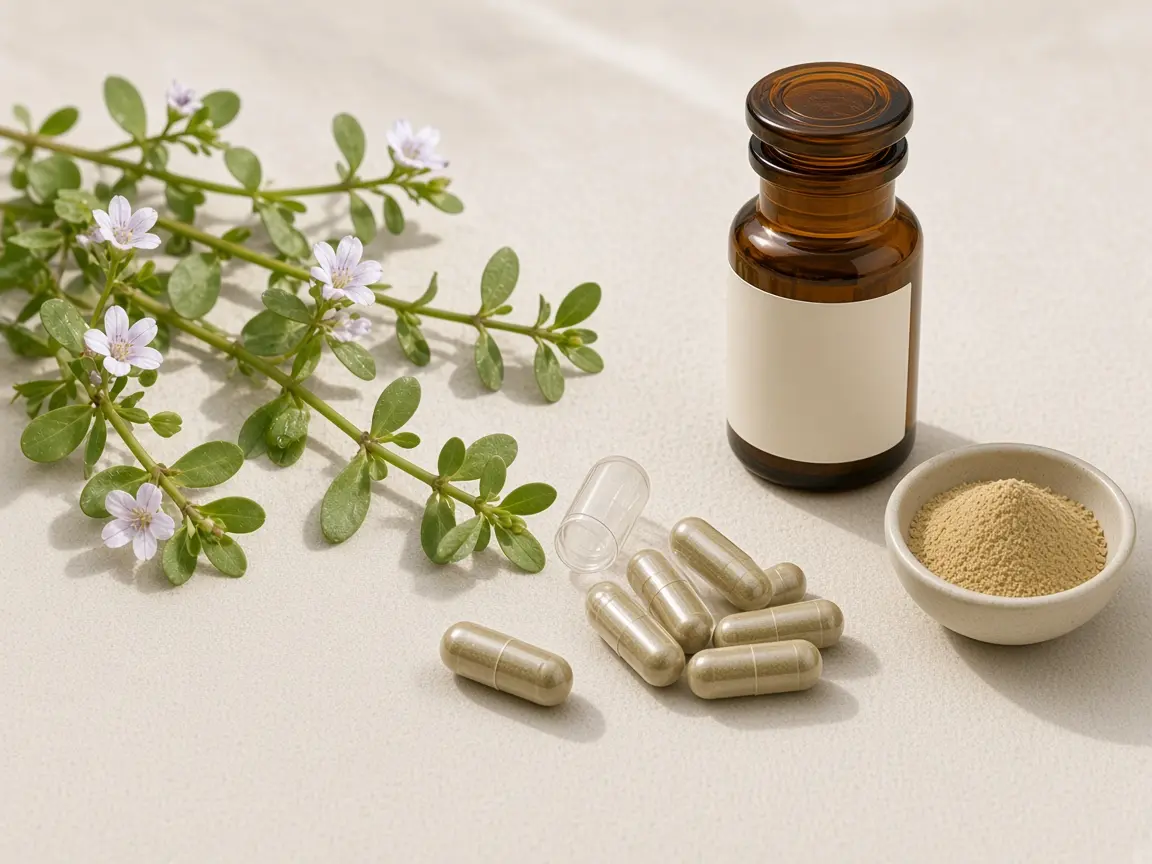
Best for: Standardized extract and the dry pairs above.
Why: Bitterness stays in the shell. Typical fill weight sits in the low-hundreds of milligrams, subject to bulk density and capsule size.
Feasibility: Unit count versus serving; gelatin versus HPMC. Dry extract is not a default softgel. Vegan means an HPMC hard capsule, not an HPMC softgel.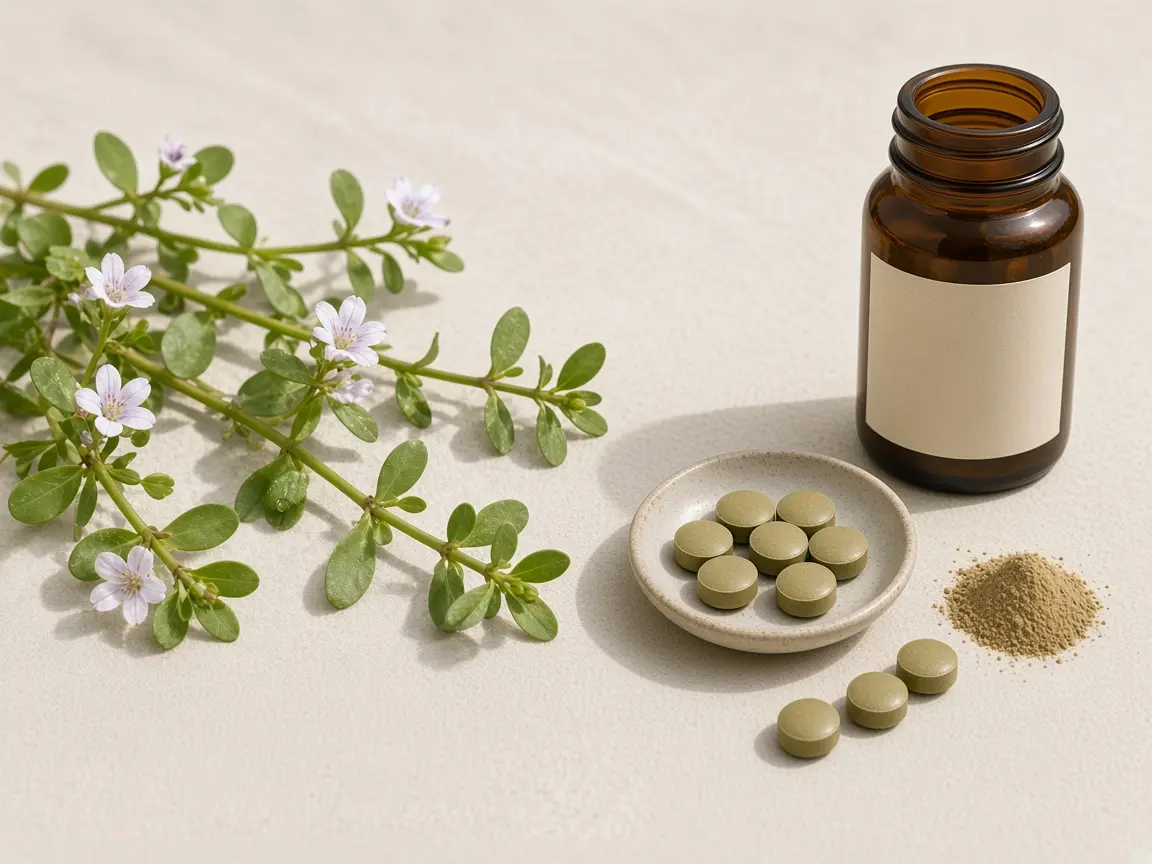
Best for: A compact Bacopa count or a high-solids botanical panel.
Why: Line speed; a coat when odor or color transfer is a risk.
Feasibility: Compression, hardness, friability, and weight variation. If the target load will not compress, the practical next step is a capsule format or a lower tablet load—not more press force alone. A capsule BOM is re-validated before a press run.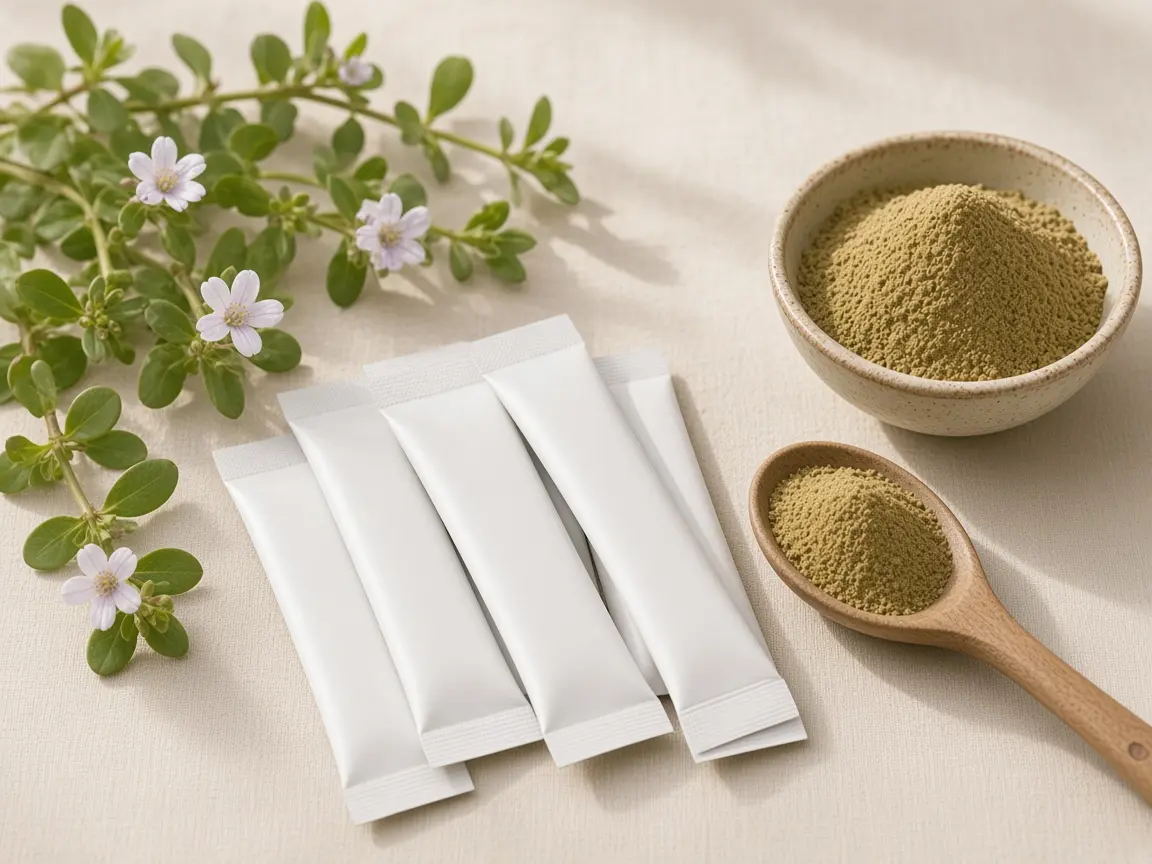
Best for: Herb powder or extract servings that will not fit a practical capsule count.
Why: Serving can exceed one unit.
Feasibility: Bitterness, aftertaste, flavor masking, dispersibility, caking, and dose uniformity. The name should distinguish herb powder from extract powder. Powder sticks need their own sensory and process development rather than a direct transfer of a capsule formula.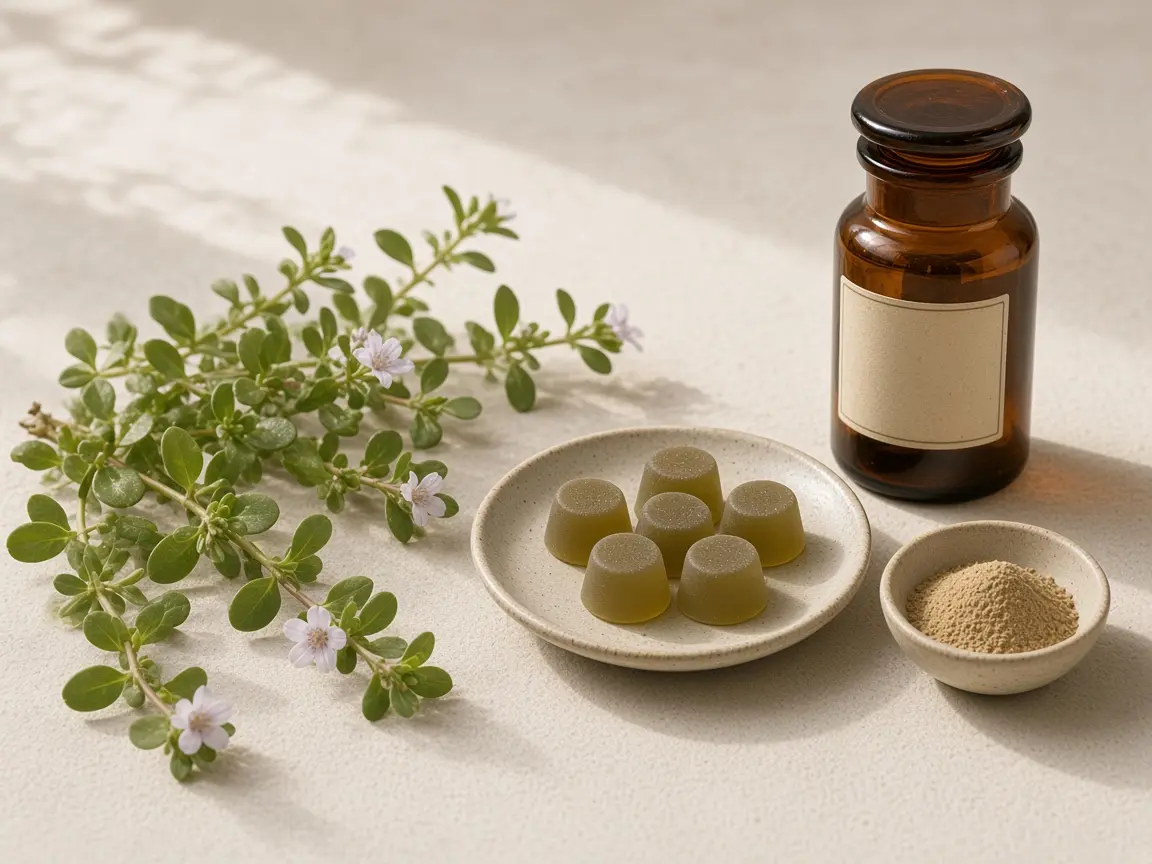
Best for: Lifestyle retail when the required Bacopa load fits the gummy formula after a cook-and-assay pilot. Capsule format is generally the first feasibility route for higher-marker extracts.
Why: Heat, water activity, processing loss, and bitterness cap the practical load. Drum percentage is not piece potency.
Feasibility: For gummies, the cook-and-assay pilot establishes whether the target Bacopa load can be carried through the process before commercial quoting.
Best for: A named drop or a documented liquid brief.
Why: Dose per mL can be flexible when the assay is measurable.
Feasibility: Solubility versus suspension; foam from saponins; per-mL assay; alcohol versus glycerin; flavor and light barrier. Liquid is quoted when the channel already requires it.
Two files that both print “300 mg” or “20% bacosides” match only when identity, plant part, material type, marker definition, method, and milligram basis match.
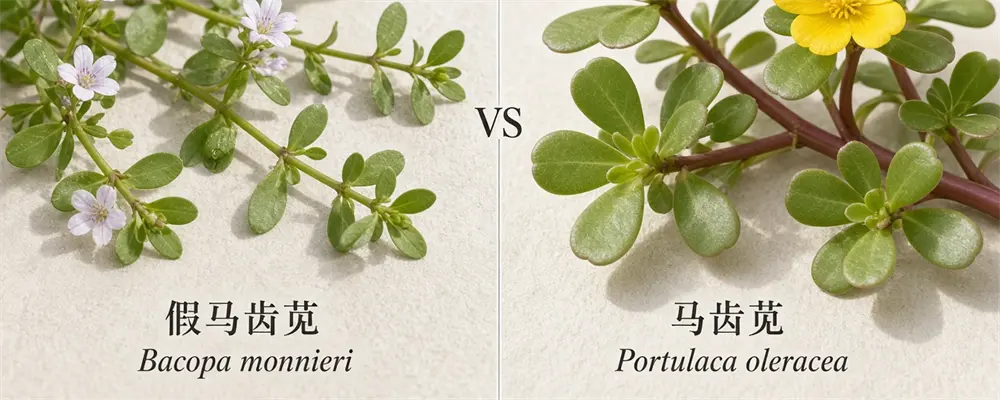
“Brahmi” alone is not a sufficient botanical specification. The PO should identify the accepted botanical name, plant part, and required assay definition. In some markets Brahmi means Bacopa monnieri; in others it means Centella asiatica (gotu kola). They are different botanicals.
Name the plant part on the PO: aerial parts, whole herb, or another defined part.
Three material routes
These are three distinct purchase orders.
Route | What the milligram means | What it does not mean |
|---|---|---|
| Herb powder | Weight of the powdered plant | A bacoside percentage or standardized extract |
| Named DER, e.g. 10:1 | A stated extract ratio | A bacoside percentage |
| Marker-standardized extract | Extract weight plus a defined bacoside specification | Herb-powder milligrams or DER as a substitute for the marker |
A 10:1 extract ratio is not a bacoside percentage. On a marker-standardized extract, the marker, method, and reporting basis travel with the percentage. See standard extracts.
“Bacosides” is not a complete assay definition
The requirement should state whether it is total bacosides by UV, a defined HPLC glycoside panel, bacoside A-related peaks, or another named marker system—plus method and basis (as-is or dried). Supplier quotations often show 20%, 40%, or 50% “bacosides”; those figures are inquiry windows, not interchangeable specifications or an industry-wide standard.
The reported percentage can change substantially when the same material is evaluated by a narrower HPLC-defined marker panel rather than a broader UV assay. UV and HPLC results are not automatically interchangeable. Pharmacopoeial specifications may use different marker definitions and acceptance criteria depending on the monograph and material form.
Extract weight, marker declaration, and serving size are separate fields. For a marker-standardized extract, declared bacosides are calculated from the extract weight and the specified bacoside percentage, provided the method and reporting basis match. 300 mg of a 50% extract and 300 mg of a 20% extract are the same extract weight and different marker loads. A DER such as 10:1 should not be substituted for a marker percentage. On a pair panel, each printed active keeps its own milligram line. Overage follows stability and process data for that matrix; gummies and liquids usually need different development work from capsules.
Branded grades are separate projects
Branded Bacopa ingredients are separate sourcing and compliance projects. A branded grade may have its own marker definition, analytical method, specifications, and licensing requirements. A licensed name prints only when authorization is on the project file.
What a comparable Bacopa file names
- Botanical name Bacopa monnieri
- Plant part
- Powder, named DER, or marker-standardized extract
- Marker definition
- Assay method
- Assay basis (as-is or dried)
- Milligrams as extract or as herb
- Whether the assay constrains incoming material, the finished unit, or both
- Licensed grade name and authorization, if artwork prints it
- Label lines that the specification and finished-product testing can support
Specification → BOM → finished-product testing → label. The finished label claim should be supported by the approved specification and applicable finished-product testing. Any study-based claim should be tied to the specific extract and evidence cited in the product file.
A workable Bacopa formula is not only a question of ingredient dose. The commercial route has to connect extract specification, serving size, dosage form, raw-material cost, finished-product testing, and packaging.
KS evaluates these variables together rather than quoting an isolated Bacopa milligram. A higher-marker extract may reduce the amount of extract required but increase raw-material cost; a multi-active formula may improve product positioning but require a larger capsule count or split serving; a gummy may broaden the retail format but introduce cook, assay, and sensory constraints.
The objective is a specification that can be manufactured repeatedly, tested against the label, packaged for the target market, and produced at a commercially workable cost.
Formula feasibility review
Before commercial quoting, KS reviews whether:
- the target dose will fit one capsule
- a multi-active formula needs two or three capsules per serving
- the Bacopa marker level suits the target serving
- a gummy can carry the target load through cook-and-assay
- a tablet will compress at the intended weight
- a powder needs flavor masking
- finished-product assay can verify the label
- the target cost matches the formula structure
What changes the cost of a Bacopa SKU
Extract specification. Marker requirements can materially change raw-material cost, independently of the printed extract milligrams.
Extract type. Herb powder, defined DER, and marker-standardized extract are different purchasing routes.
Serving size. A 300 mg extract serving and a 600 mg serving create different raw-material and dosage-form requirements.
Formula complexity. Each additional active adds raw-material, testing, formulation, and production considerations.
Dosage form. Capsules, tablets, gummies, powders, and liquids have different development and manufacturing requirements.
Packaging. Bottle count, barrier requirements, desiccant, sachet film, and pack configuration affect the finished SKU.
A lower-cost Bacopa SKU is not created by reducing the quoted milligram alone. It is usually created by choosing the right extract specification, serving architecture, and dosage form before production.
KS is not quoting a Bacopa drum in isolation. The manufacturing file has to carry the same identity from incoming material through formulation and production to the finished unit.
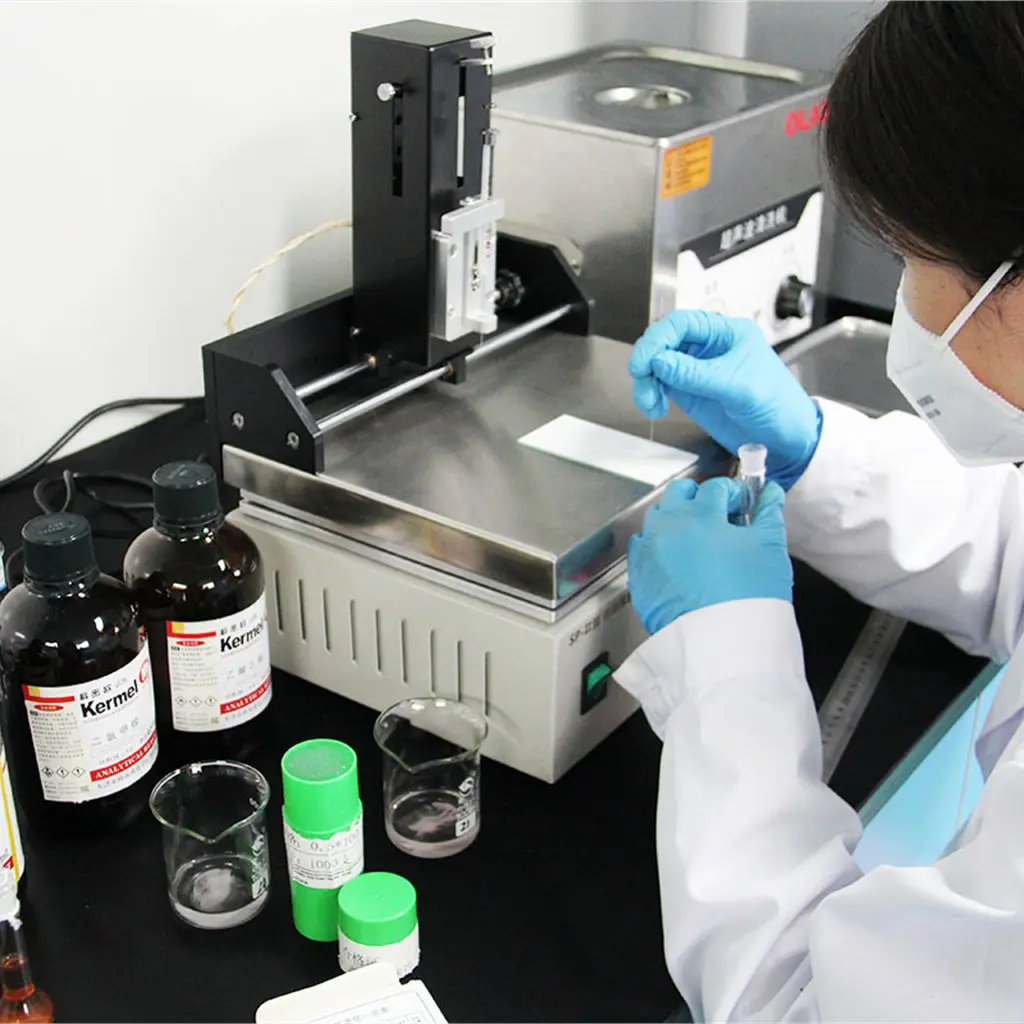
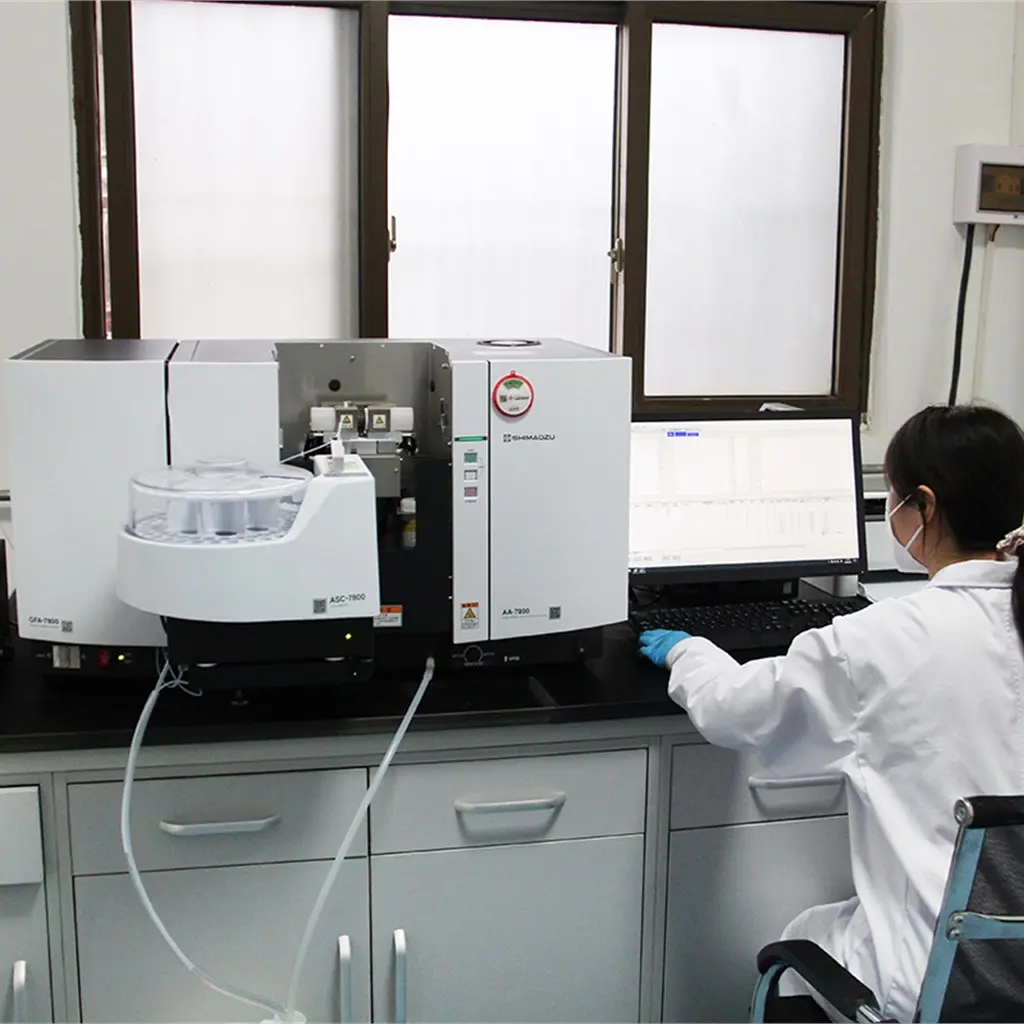
Incoming COA does not replace finished-product verification. Incoming qualification covers species, plant part, powder versus DER versus standardized extract, approved assay specification, microbiology, heavy metals, residual solvents as scoped, and pesticides. Because agricultural conditions can affect pesticide and elemental-contaminant risk, the incoming specification defines the applicable pesticide and heavy-metal testing.
In-process. Blend uniformity. Tablet weight, gummy cook, or liquid dispersion where that process applies.
Finished unit. Identity as scoped; assay against the approved specification supporting the declared active; microbiology; physical specifications. For gummies, finished-product assay is assessed after processing. Named laboratory or SGS/Eurofins panels are added when the quality agreement names them.
See Quality Control.
Once the core product route is defined, the quotation can be built around the agreed botanical, extract specification, dosage form, and finished-product requirements. Label review can include with-food language and gastrointestinal comfort where the destination file requires it.
For an existing SKU, KS can work from the approved product file and qualify the manufacturing route against the current specification. The objective is specification-controlled equivalency rather than unnecessary reformulation.
Second-source qualification is specification equivalency, not simply finding another supplier with the same Bacopa percentage.
- same botanical and material identity
- same assay definition, method, and reporting basis
- same finished-product specification
Customer-supplied extract follows the same path: receive, qualify against the agreed specification, then use in finished-product manufacturing. Material that fails the agreed specification is held from filling.
A Bacopa program moves from concept to a repeatable commercial batch. Indicative MOQ and timelines sit at the end of that path; they are not a separate set of factory rules.
01 — Concept. Bacopa positioning, target market, and dosage-form direction.
02 — Formula. Active architecture, extract specification, and serving.
03 — Feasibility. Dose load, capsule/tablet/gummy practicality, and cost structure.
04 — Pilot. Sample or pilot batch with sensory, assay, and process review.
05 — Commercial lock. BOM, artwork, packaging, and specification.
06 — Production. Commercial batch, finished-product QC, and batch documentation.
Destination-market requirements are incorporated before formula and artwork lock because ingredient status, labeling, and warning requirements can vary by market. Manufacturing support is separate from market-specific regulatory review.
Indicative MOQ and timelines
Finished-SKU MOQ is quoted after formula, dosage form, serving size, and packaging are set. Pilot quantities, when required, are quoted separately. Finished-SKU MOQ is separate from bulk extract RFQ.
Scope | Indicative MOQ | Typical timeline |
|---|---|---|
| Capsules | About 3,000–5,000 units/SKU | Sample 7–15 days after spec lock; mass production 30–45 days after formula, artwork, pack, and schedule |
| Tablets | About 5,000–10,000 units | Similar timeline once press parameters are locked |
| Powder / stick | Often from about 10,000 units | Mesh, flavor, and film locked first |
| Gummies / liquids | Quoted after feasibility | Cook or per-mL pilot first |
HPMC capsules may have different MOQ and fill constraints from standard gelatin capsules.
Packaging should address odor, moisture, and light as specified. Barrier pack and desiccant are added when required by the product specification. Label fields must match the specification lock and finished-product testing. Dating is assigned from the approved stability program.
What is the difference between Bacopa powder and standardized Bacopa extract?
Herb powder is plant weight. A standardized extract is extract weight plus a defined bacoside specification, method, and reporting basis. A named DER such as 10:1 is a third purchasing route and is not a bacoside percentage.
Why are Bacopa quotes with the same 300 mg not necessarily comparable?
Because extract weight and marker specification are separate fields; the assay definition and reporting basis must also match.
Which dosage form is usually practical for a higher-load Bacopa formula?
A hard capsule is usually the first practical route: bitterness stays in the shell, and fill can be checked against capsule capacity. Gummies, flavored powders, and liquids are assessed after load, sensory, and assay constraints are known.
Can KS develop a Bacopa combination formula?
Yes. L-theanine, ginkgo, phosphatidylserine, lion’s mane, citicoline, magnesium, and ashwagandha are typical companion routes. Each active keeps its own identity and milligram line; combined load decides unit count.
Can KS qualify an existing Bacopa extract or second source?
Yes. Qualification is specification equivalency—identity, assay definition, and finished-product specification—then pilot and commercial approval against that file.
Request a Bacopa Formula Review
You do not need a finalized formula to start. Send whatever is already available—a product concept, existing formula, Bacopa COA, target dosage, bottle specification, or current label. KS can use the available information to identify the extract route, dosage form, feasibility constraints, and commercial development path.
For a more precise quotation, the final specification can include the botanical and plant part; material type (herb powder, named DER, or standardized extract); bacoside definition, method, and basis; dosage form and serving size; other actives; pack; intended label lines; destination market; and target quantity. A licensed grade prints when authorization is on the same file.
Start a Bacopa Formula Review · Review an Existing Bacopa SKU · Evaluate a Bacopa Second Source
Related Bacopa and Cognitive Pages
- Cognitive and Mental Health Supplements
- Ginkgo Biloba Supplement Manufacturer
- Phosphatidylserine Supplements
- Lion’s Mane Mushroom Supplements
- Citicoline (CDP-Choline)
- How to Read a COA
Disclaimer: Wholesale / brand manufacturing and product-development reference only. Not intended to diagnose, treat, cure, or prevent any disease. Dietary supplements are not drugs. Bacopa monnieri and Centella asiatica (Gotu kola; called Brahmi in some markets) are different botanicals. UV and HPLC results are not automatically interchangeable. Licensed grades (including Synapsa®, KeenMind®, CDRI 08, and Bacognize®) are supplied only when named on the brief with authorization in file. Finished-label claims must be supported by the agreed specification and finished-product testing. Structure/function language varies by country. ADHD, Alzheimer’s, dementia, and cognitive-decline treatment pathways are out of scope. Brand owners remain responsible for finished-label compliance with local counsel. KS Nutripharma provides manufacturing feasibility and documentation support — not legal approval. Milligram and percentage figures are development examples. Pregnancy, pediatric use, gastrointestinal tolerance, and concurrent-medication considerations require appropriate product and regulatory review.