




Brain Health Supplement OEM, ODM & Private Label Service
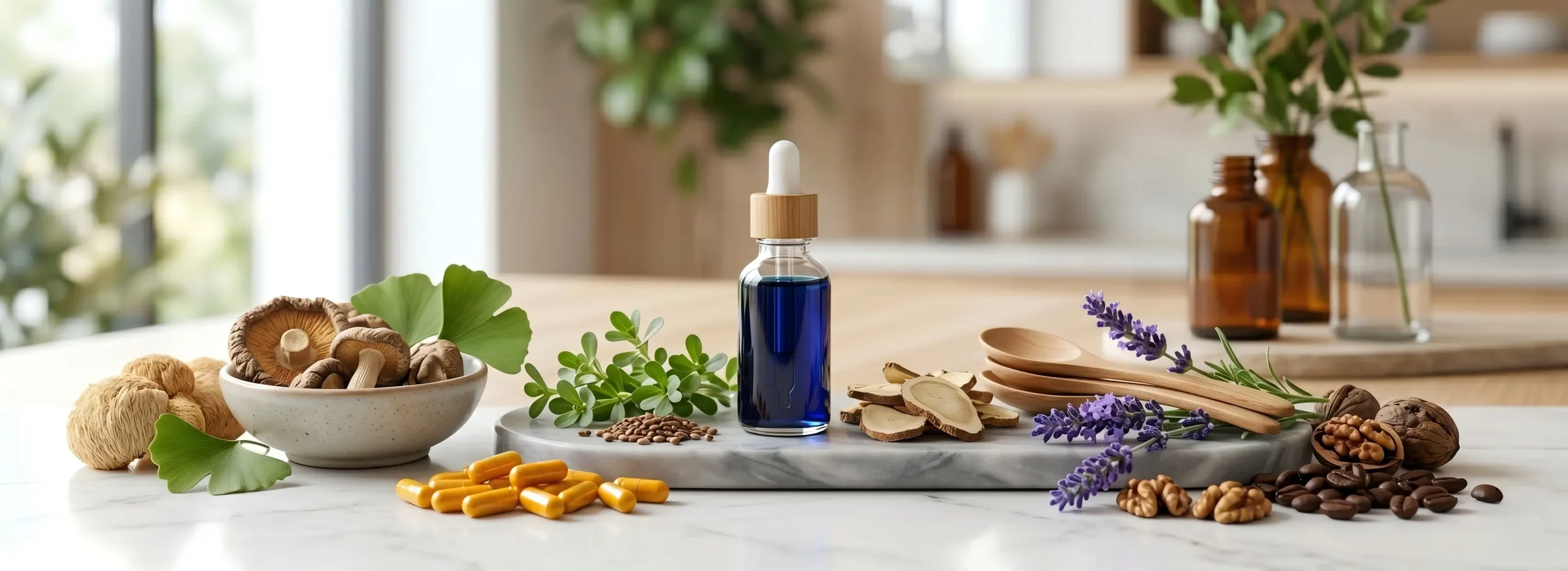
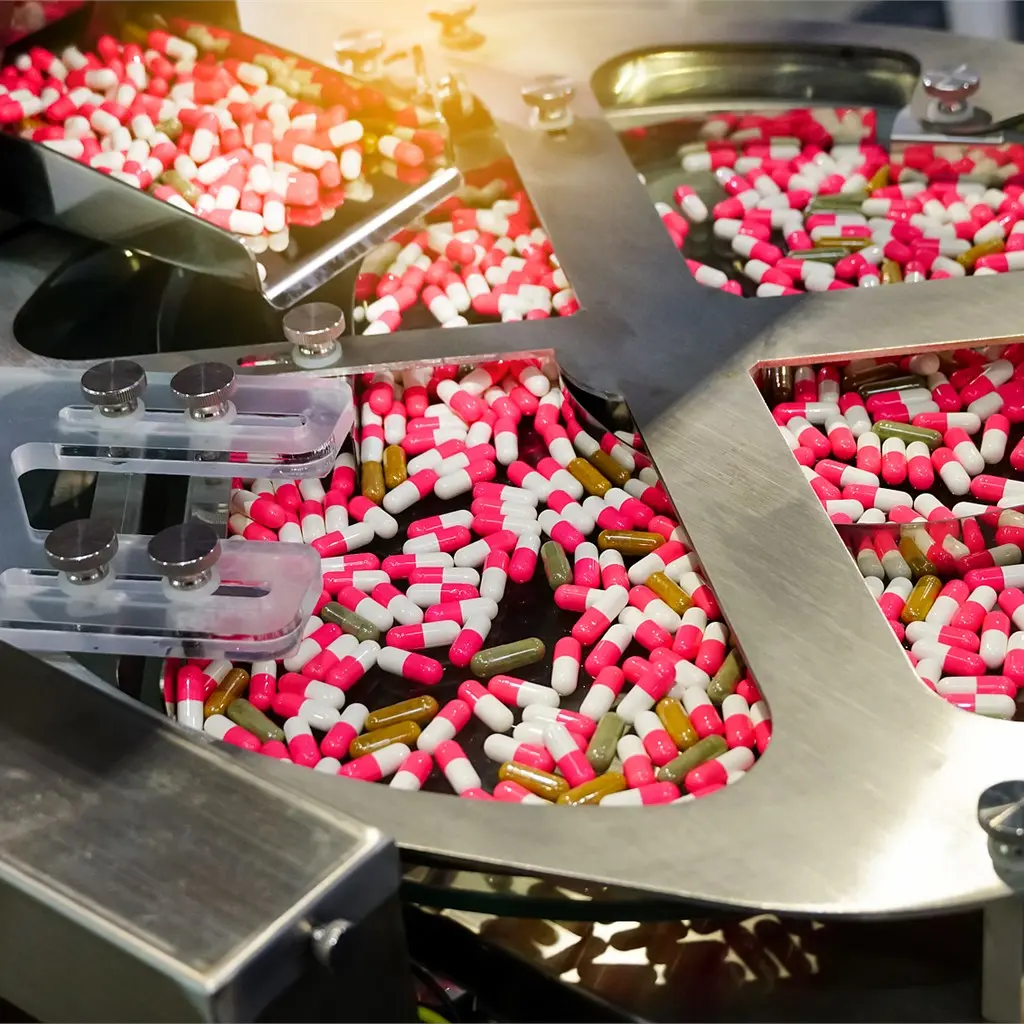
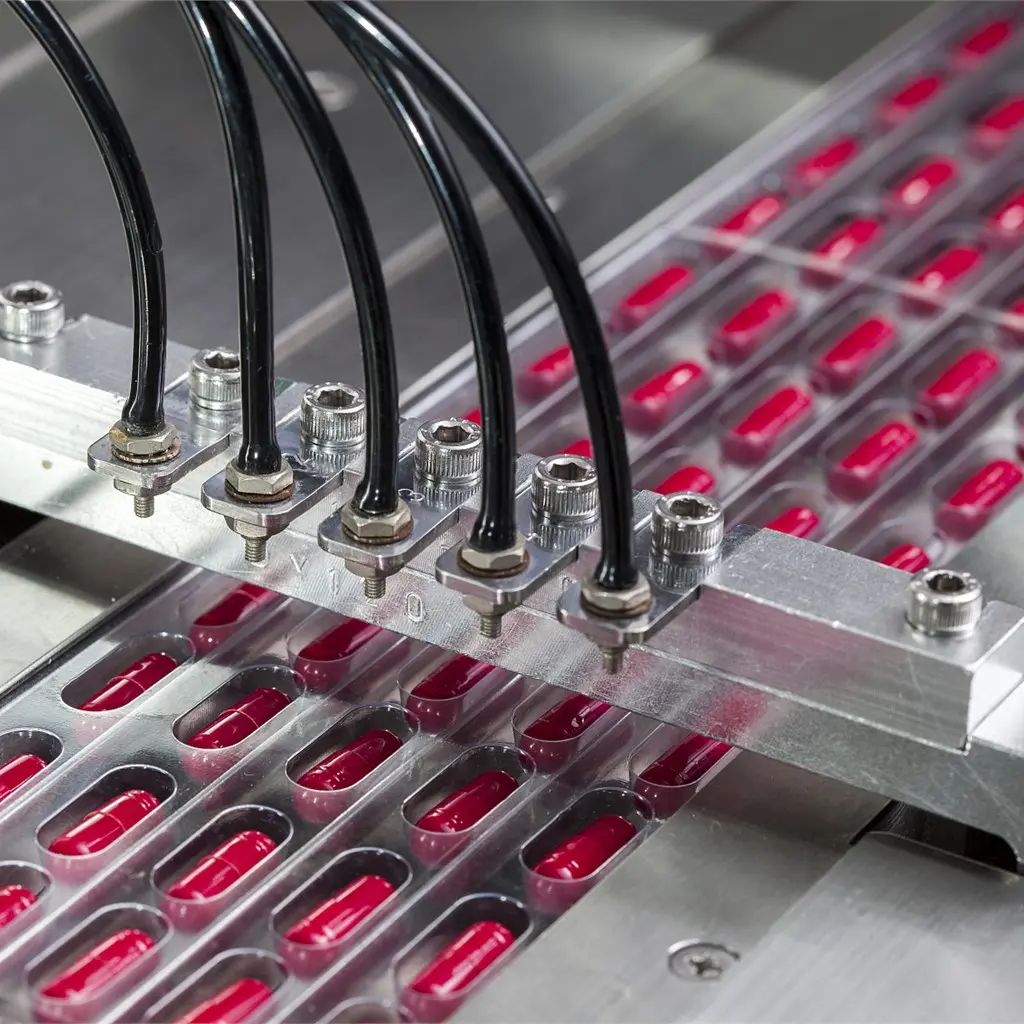
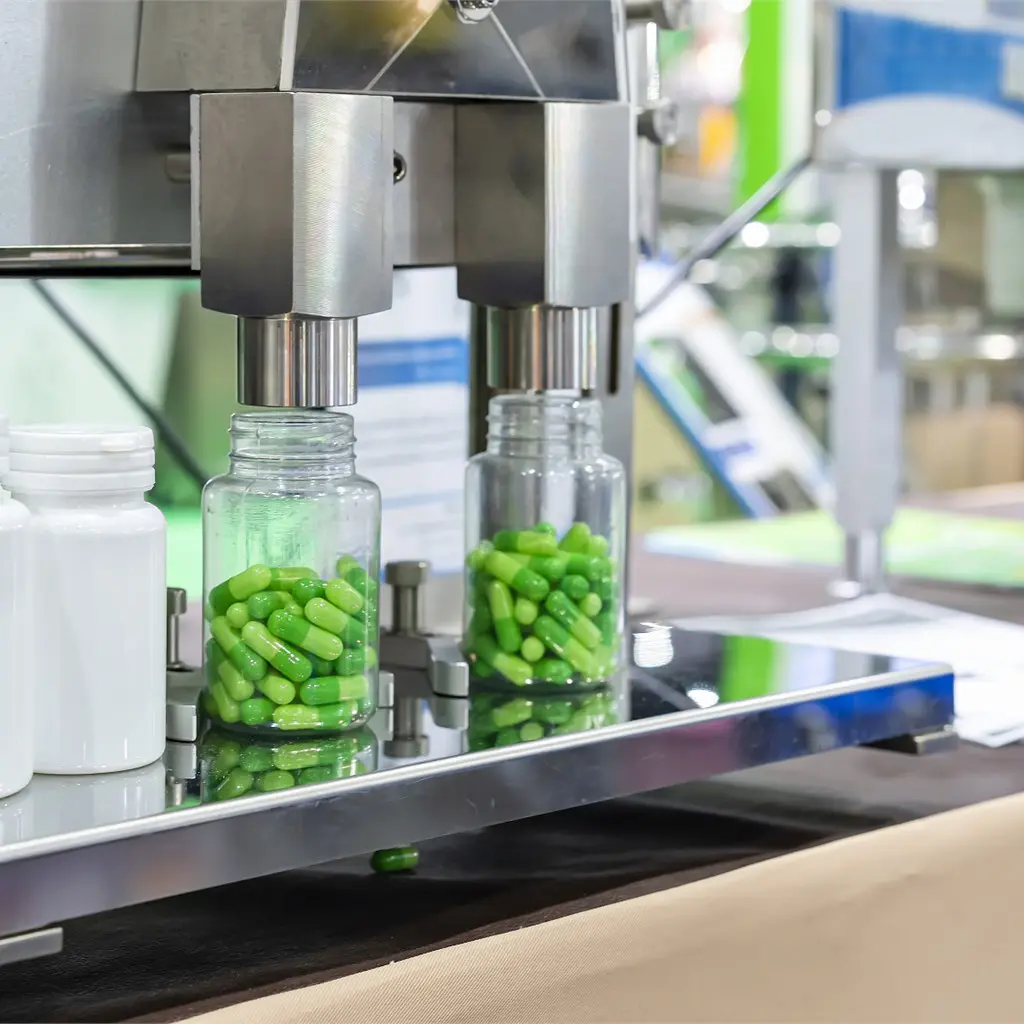
PS capsules, DHA softgels and ginkgo 24/6 as a finished brain-health SKU lineup
KS Nutripharma is a brain health supplements manufacturer for OEM, ODM, private-label, and second-source programs. We manufacture phosphatidylserine (PS) capsules, DHA oil-phase softgels, standardized ginkgo 24/6 products, and selected multi-active formulas as finished dietary supplements for brain health.
Private label / custom formula — destination, active, milligram band, and format. Request Formula Feasibility
Existing formula — BOM, COA, label, pack, volume. Send Your BOM
Second source — approved specification and current quality file. Request a Second-Source Review
Every active is quoted against its own identity, assay, milligram, and test method. This line focuses on non-stimulant brain-health architectures; stimulant SKUs are quoted on the Focus category.
Typical first reply is within one business day on a complete brief. Do not have a complete specification? Send the product label, destination, and the supplier file you have — missing fields are identified before quotation. Project manager assigned. NDA available before detailed formula exchange.
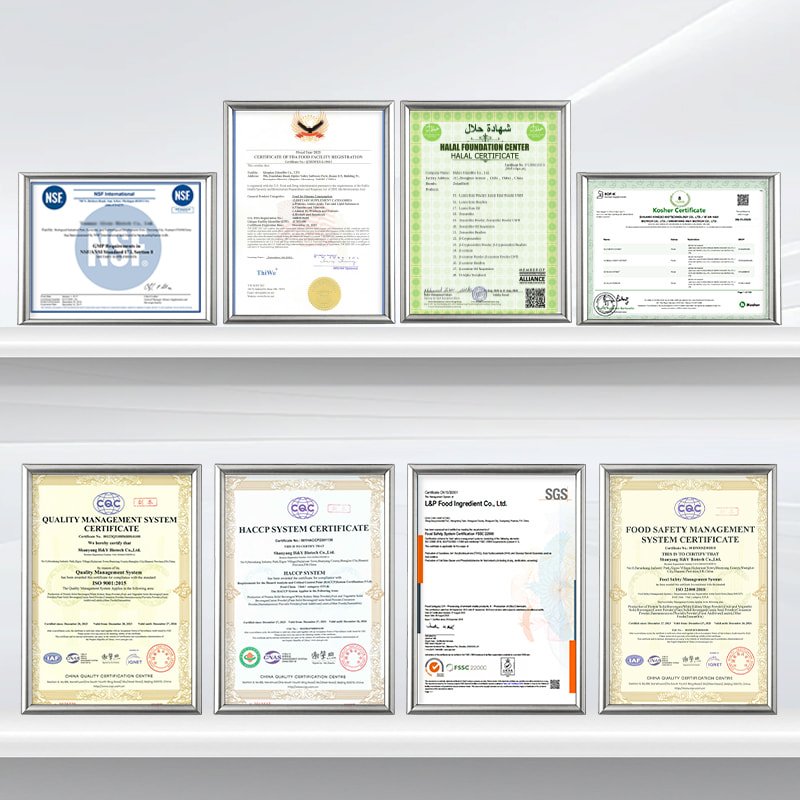
cGMP · ISO 9001 · ISO 22000 · HACCP · FSSC 22000 · Halal · Kosher · in-house lab + SGS/Eurofins pathways · batch COA
Brain Health Supplement Manufacturing at a Glance
| Capability | What We Support |
|---|---|
| Business model | OEM, ODM, private label; bulk kg quoted separately |
| What we manufacture | Finished brain-health units — PS, DHA, ginkgo 24/6, named pairs and named companions |
| Buyer scan first | PS mg + soy vs sunflower · DHA algal vs fish + triglyceride (TG) vs ethyl ester (EE) + PV / p-anisidine (p-AV) / TOTOX · ginkgo 24/6 + ginkgolic-acid limit + HPLC |
| Standard formats | Capsules for dry PS / ginkgo; oil-phase softgels for DHA / named astaxanthin |
| Quoted after a format file | Tablets, gummies, liquids, oil-powder sticks, delayed-release shells, dry-plus-oil in one swallow |
| MOQ / lead time | Capsules often about 3,000–5,000 finished units/SKU; tablets about 5,000–10,000; softgels after fill, shell, tooling, oil and pack are defined |
| Documents | Specification, finished-product COA, allergen statement; SGS/Eurofins when the quality agreement names them |
| Dual-source | Supplier qualification → specification match → sample → pilot → frozen file for repeat production |
Named companion ingredients are quoted only when they sit on the customer brief.
Brain Health Finished Products KS Nutripharma Manufactures
These are the finished SKUs on this line. Open the matching quote card for the specification file.
Buyer Brief | Where it is quoted |
|---|---|
| Structural phospholipid, oil-phase DHA, or ginkgo 24/6 | This manufacturer page |
| Bacopa, citicoline, Alpha-GPC, or lion’s mane | Memory supplements |
| Caffeine, theanine, or daytime choline | Focus supplements |
| Multi-SKU cognition assortment | Cognitive and mental health supplements |
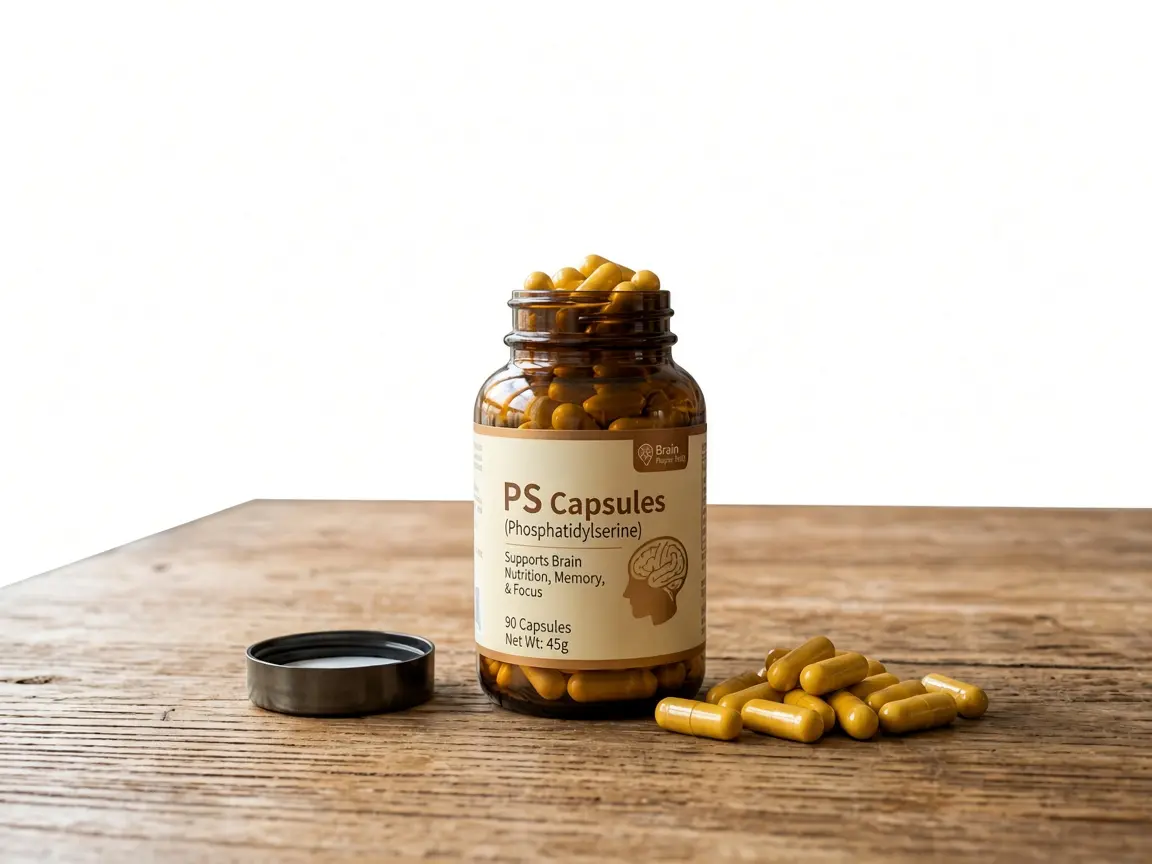
Use when: Phosphatidylserine is the primary labeled active.
Specify: HPLC assay; soy vs sunflower; grade (20% / 50% / 70%); allergen when soy; mg per serving. Example: 100 mg finished-product PS at 50% assay needs about 200 mg concentrate before process allowance; at 20% the same 100 mg claim needs about 500 mg concentrate — fill and capsule count follow the concentrate. Serving conversations often start at 100 / 200 / 300 mg PS.
Trade-off: Not a DHA softgel and not a ginkgo single. PC may sit as a companion row; it does not replace the PS assay.
Default format: Capsule.
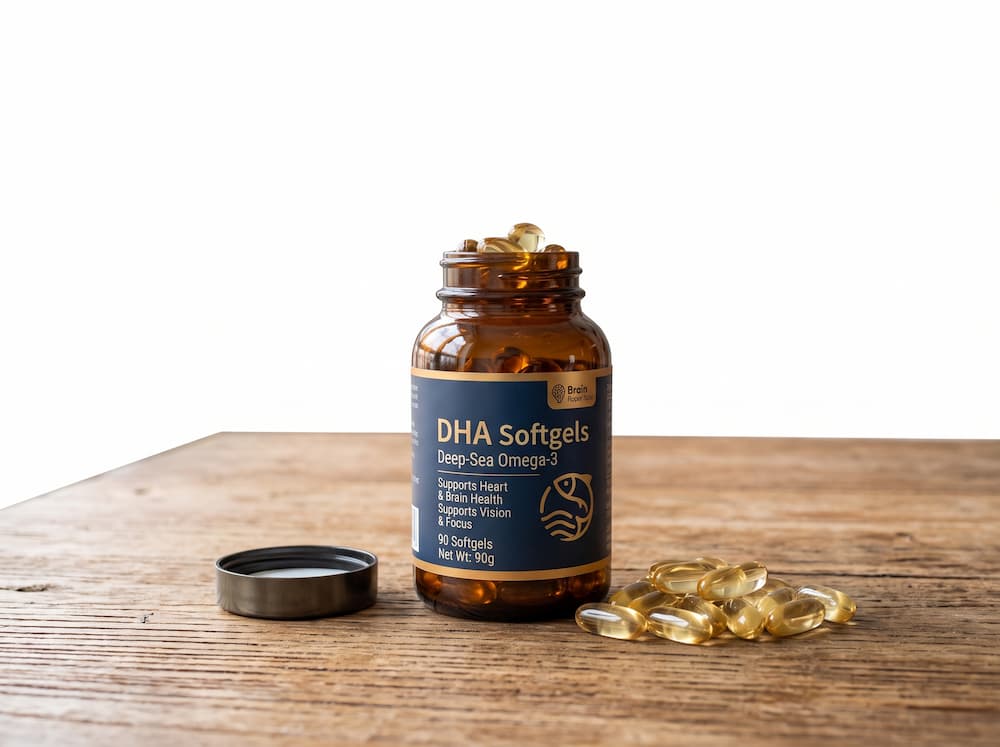
Use when: DHA is the primary labeled active as an oil.
Specify: Algal vs fish; triglyceride (TG) vs ethyl ester (EE); DHA mg; peroxide value (PV), p-anisidine value (p-AV), and TOTOX (commonly 2 × PV + p-AV) with method and units. PV is primary oxidation; p-AV is secondary; TOTOX is the combined indicator. Gelatin vs Halal gelatin vs vegetarian shell. IFOS or equivalent travels with the oil supplier when the customer requires that incoming certificate. A coarse 18/12 fish oil is not the same SKU as a high-DHA concentrate.
Trade-off: Dry PS requires a separate format file. A plant ALA unit that is not DHA is quoted as perilla seed oil.
Default format: Softgel.
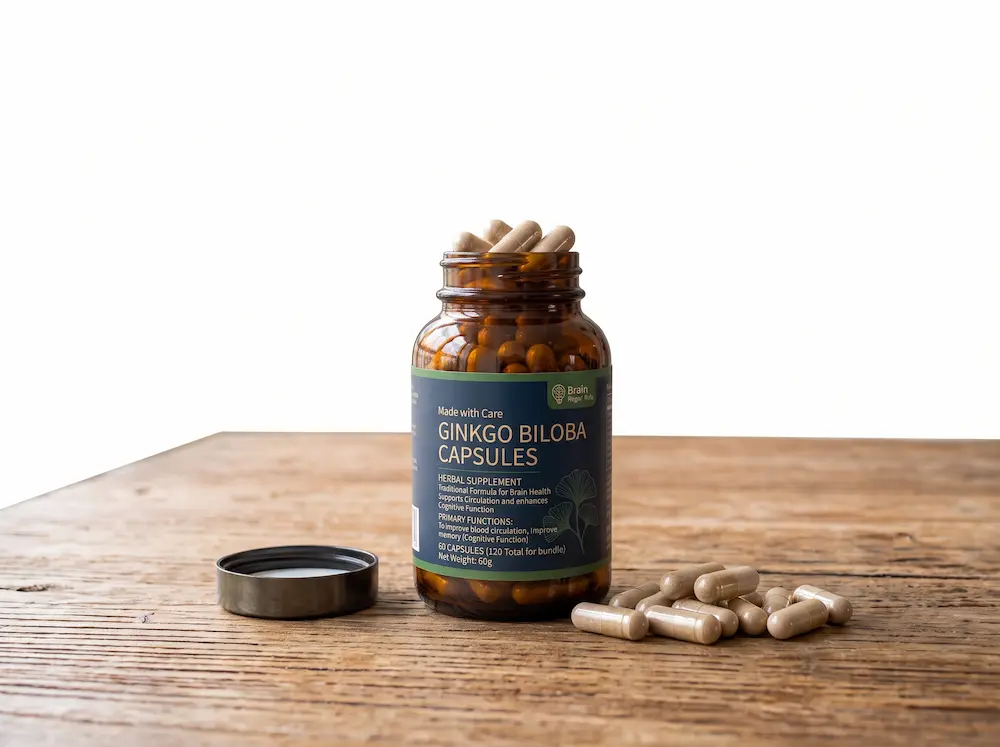
Use when: The SKU is standardized ginkgo leaf on a brain-health assortment.
Specify: Ginkgo biloba leaf; 24/6; HPLC. 24/6 is a standardized target of about 24% flavone glycosides and 6% terpene lactones — lock the exact percentages and HPLC method on the raw-material file. Ginkgolic-acid limit + method when required. Extract milligrams (often 60 / 120 / 240 mg) are not interchangeable with 24/6 milligrams. Whole-leaf powder and a ratio extract are different POs. Destination review covers botanical status and label language.
Trade-off: This is the botanical SKU, not the PS structural capsule and not a DHA oil unit.
Default format: Capsule.
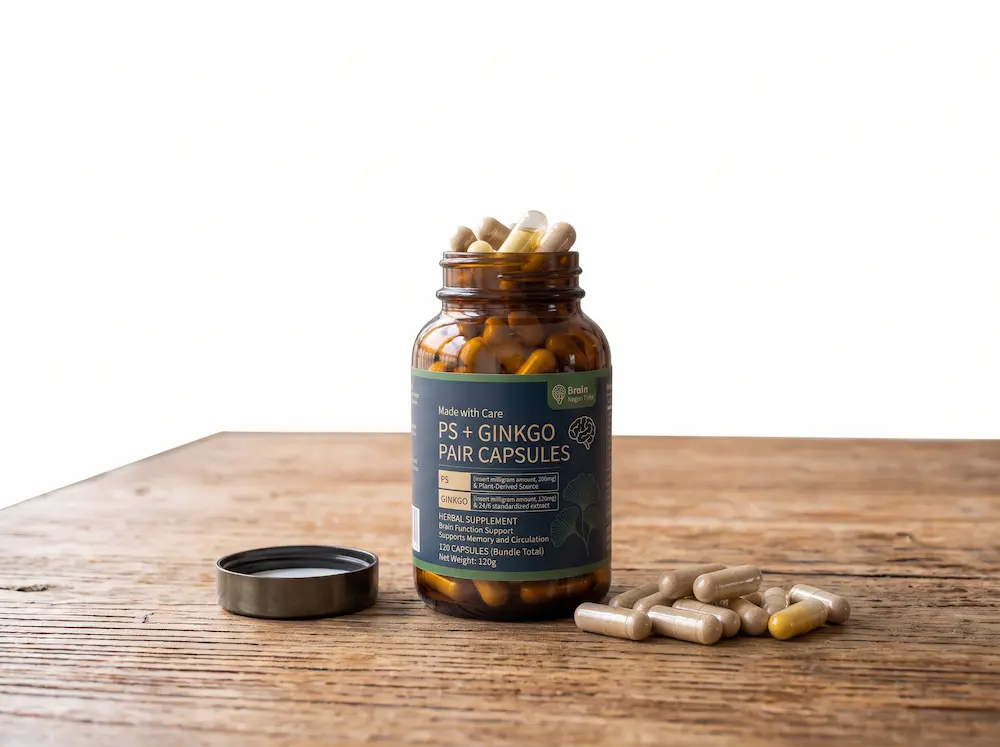
Use when: Both dry actives print on one capsule panel.
Specify: Two specification rows, two incoming COAs, two finished-product assays when both print. Fill is PS concentrate weight plus ginkgo extract weight.
Trade-off: Not the PS single. Adding oil DHA splits the line: dry pair in a capsule, oil in a softgel.
Default format: Capsule.
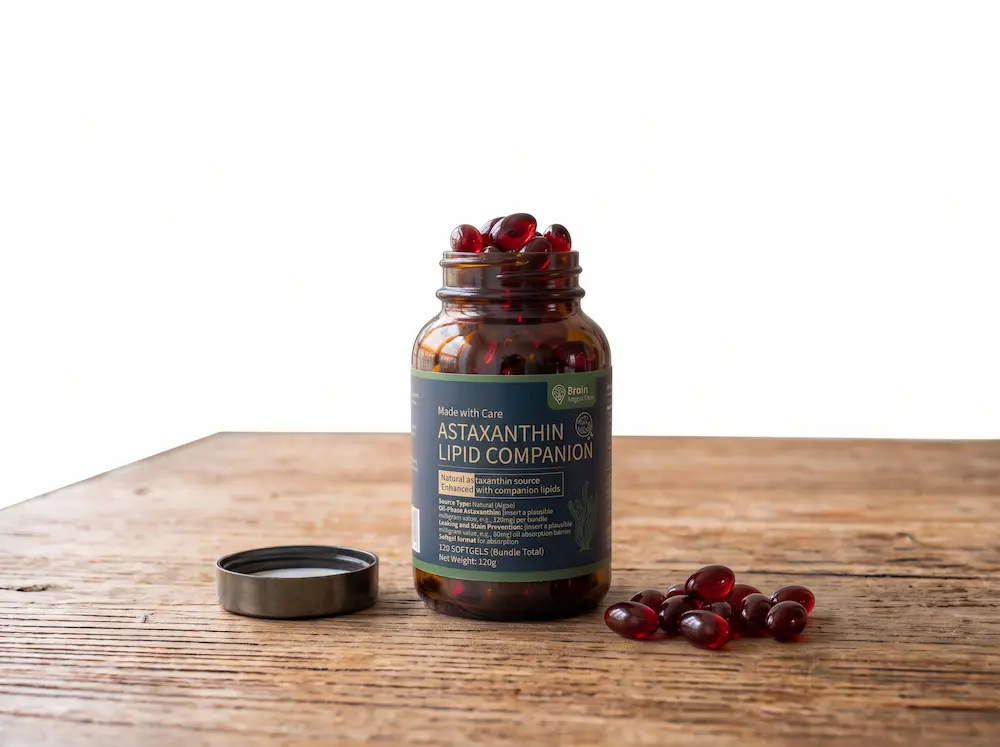
Use when: Astaxanthin is named on the brief as an oil-phase companion.
Specify: Natural vs synthetic; oil-phase assay; oil carrier; leak, stain, light barrier. Shared DHA fill after a compatibility review, or a twin SKU. Destination-specific.
Trade-off: Quoted when named on the brief; not a default stack next to PS, DHA, or ginkgo.
Default format: Softgel.
Companion Ingredients Quoted on a Brain Health Brief
These rows are quoted when they sit on the brief. They are not the finished PS, DHA, or ginkgo SKU.
Specify: PC % from lecithin; not interchangeable with PS milligrams.
Format: Capsule or softgel.
RFQ lock: Own row when printed. Destination-specific.
Quoted when PC prints as a companion row.
Specify: Mixed tocopherols / tocotrienols.
Format: Softgel (with oil).
RFQ lock: Process aid vs labeled active. Destination-specific.
Quoted with the oil-phase file.
Specify: Perilla frutescens seed oil; ALA by GC.
Format: Softgel.
RFQ lock: ALA % + basis; oxidation file — not a DHA milligram substitute. Destination-specific.
Can KS Support Your Existing Brain Health SKU?
| Your Situation | KS Route |
|---|---|
| Existing PS capsule | Specification matching — assay, soy vs sunflower, grade, fill |
| Existing DHA softgel | Oil file + PV / p-AV / TOTOX on the finished product |
| Existing ginkgo 24/6 | Leaf identity, 24/6 pair, HPLC, ginkgolic-acid limit |
| Existing PS + DHA | Split SKU or dual-chamber feasibility |
| Existing branded extract | Authorization check before quote |
| Existing packaging | Pack compatibility against oxidation, moisture, and leak |
| Existing supplier COA | Incoming verification + equivalency review |
| Second-source requirement | Supplier qualification + sample + pilot |
| Repeat production | Frozen master specification unless change control is opened |
The job is to match the approved file — not to recreate a similar formula. Supplier qualification is a separate step from product sampling.
1. Supplier qualification. Questionnaires, quality agreements, and site-audit requirements can be incorporated before commercial approval.
2. Specification review. Current specification, BOM, label, finished-product COA, incoming COAs, pack drawing, test list, and target volume.
3. Equivalency. Identity, assay, source, method, format, pack, excipient, capsule shell, and carrier oil. Fields that must stay equivalent are named; fields that need re-validation are named before sampling.
4. Sample. Prototype against the reviewed specification.
5. Customer approval.
6. Pilot. Line and pack freeze.
7. Commercial approval. Master specification locked.
8. Repeat production. Same approved master specification, qualified raw-material sources, and release test plan unless a documented change-control review is opened.
Changing soy PS to sunflower, or fish oil to algal oil, is a new specification — not a silent substitution. Differences are identified before a batch is manufactured.
Choose the Brain Health Format: Capsules, Softgels, Tablets or Powder
Standard routes: PS, ginkgo 24/6, and the dry pair in capsules; DHA and named astaxanthin in oil-phase softgels.
Quoted after a format file: tablets; gummies after cook-and-assay; liquids; oil-powder sticks; delayed-release shells; dry-plus-oil in one swallow.
A dry phospholipid and liquid DHA do not automatically become a manufacturable two-piece hard capsule by combining them on the formula sheet.
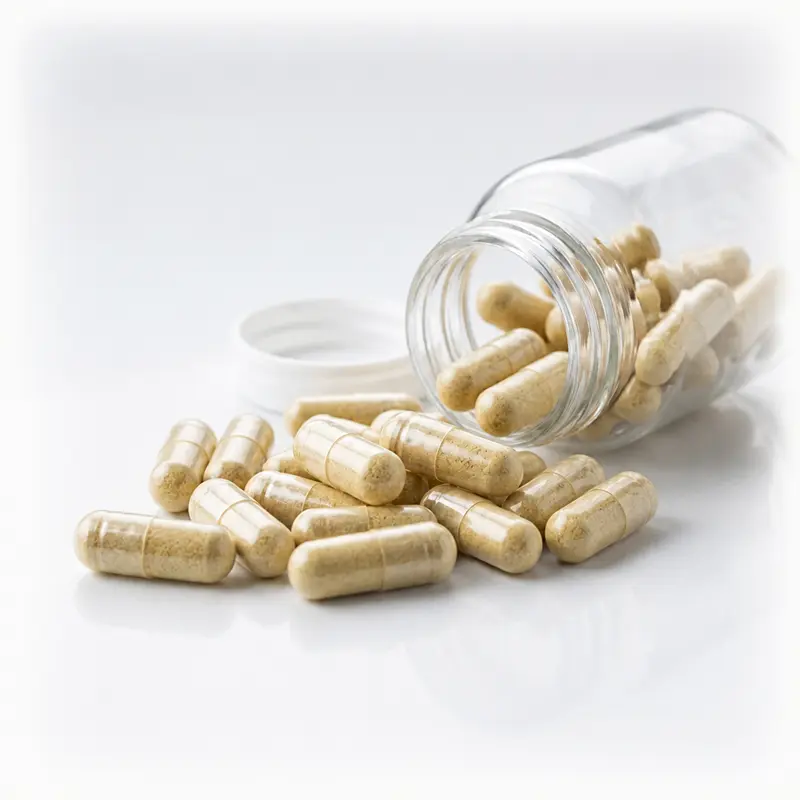
Best for: PS, ginkgo 24/6, PS + ginkgo dry pair.
Why: Size 0 typically holds about 350–450 mg; size 00 about 500–650 mg, confirmed against tap density. Lower-assay PS occupies more fill at the same printed milligram.
Typical formulas: PS structural; ginkgo 24/6; dry pair.
What to lock: HPMC vs gelatin; soy vs sunflower if labeled; extract vs powder; unit count vs serving.
Manufacturing note: Bulk oil DHA does not belong in a two-piece hard capsule unless it is a flowable oil powder with its own file. Site-wide daily capacity 5+ million capsules, as published on the capacity page.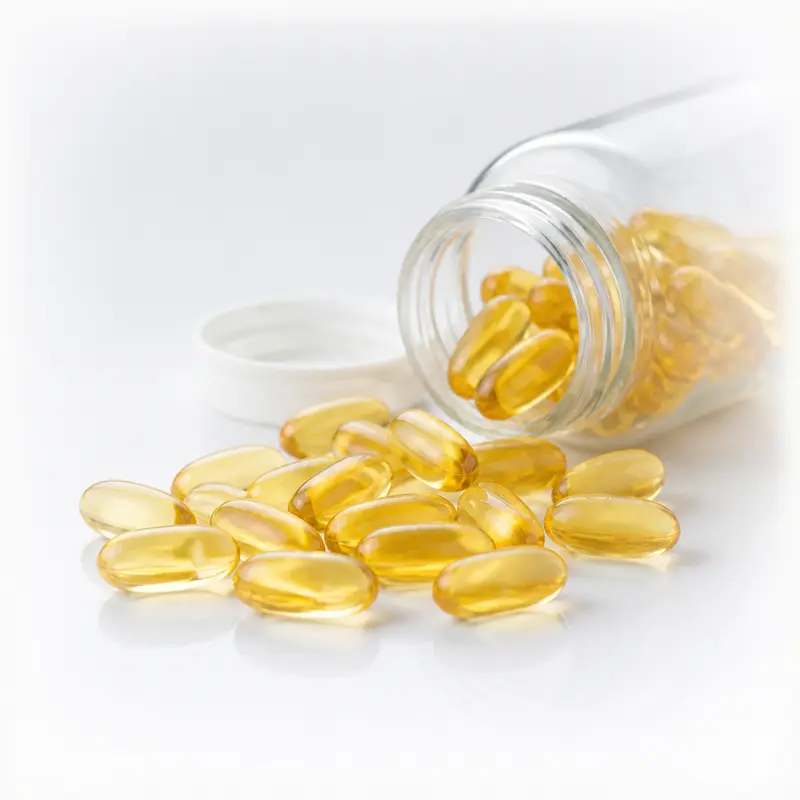
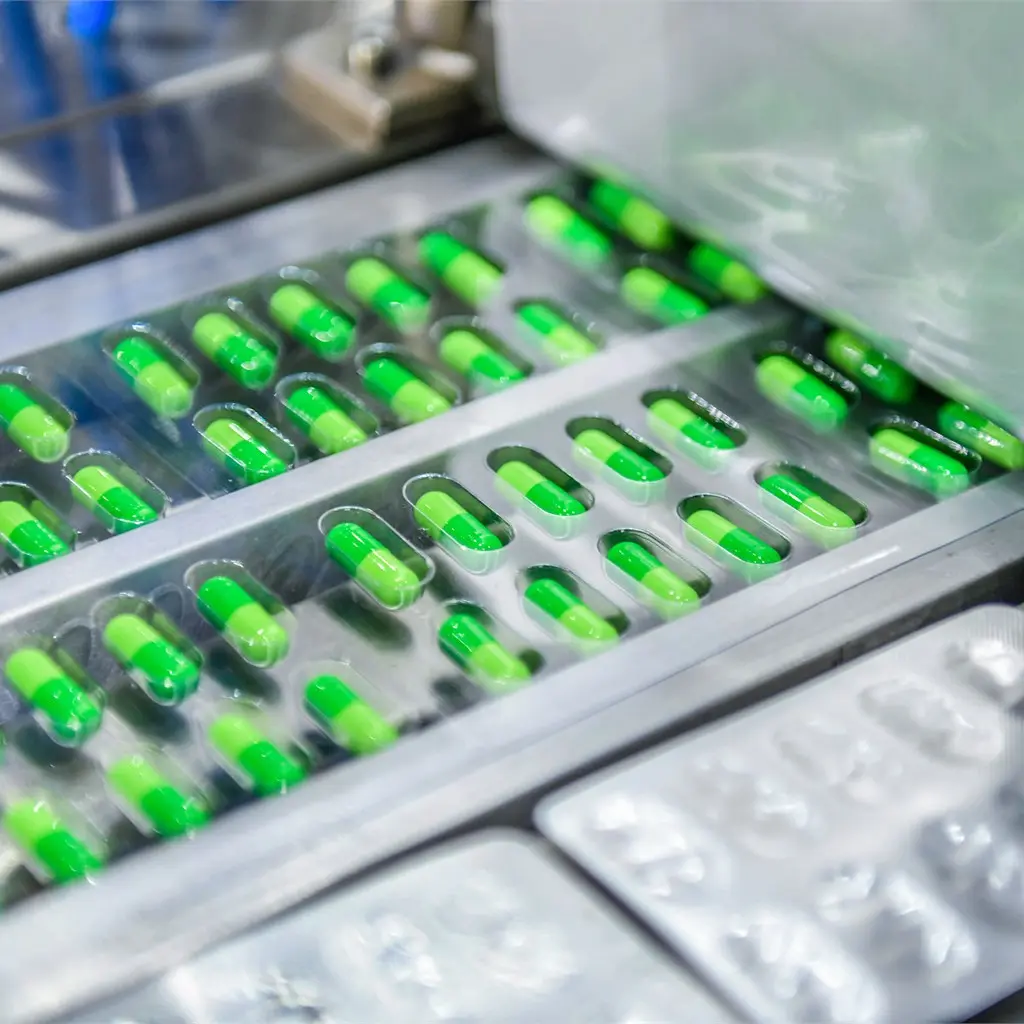
Best for: DHA, astaxanthin, perilla seed oil.
Why: A sealed oil unit carries the fatty acid and the oxidation file together.
Typical formulas: DHA; named astaxanthin; DHA + astaxanthin after compatibility review.
What to lock: Fill weight; algal vs fish; TG vs EE; PV / p-AV / TOTOX; gelatin vs vegetarian shell (Halal gelatin is not vegan); seam and leak; delayed-release route when named — ribbon, coat, or both, with an opening test. “Enteric” is not a method.
Manufacturing note: Dry PS + oil DHA requires a separate feasibility review, or a dual-chamber softgel path. Nitrogen handling and light-barrier pack sit on the same file. Fill flavor does not replace TOTOX.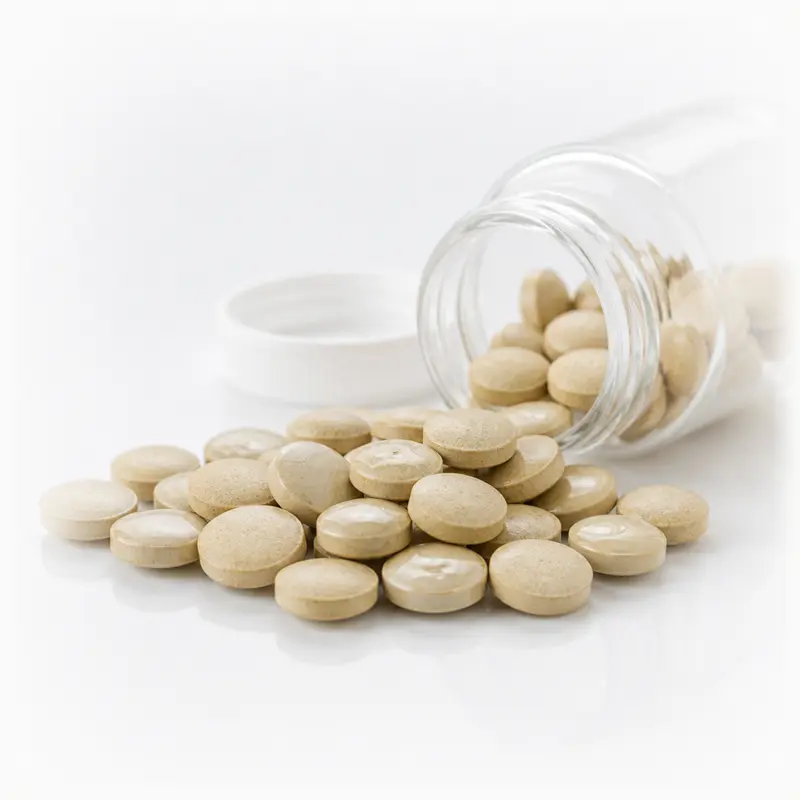
Best for: High-solids ginkgo or a compact PS count.
Why: A press carries more solids than one capsule.
Typical formulas: Ginkgo 24/6; high-solids PS.
What to lock: Punch tooling, tablet weight, hardness, coat if odor or color needs it.
Manufacturing note: A capsule BOM is re-validated before a press run. Oil DHA stays off the press.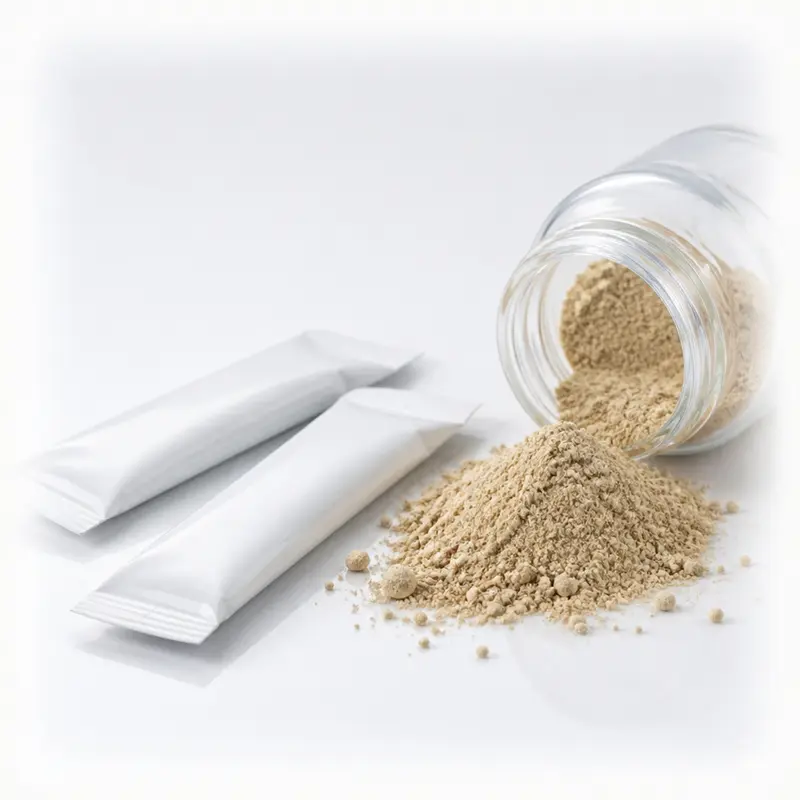
Best for: Microencapsulated DHA powder or a gram-level drink mix.
Why: The serving no longer fits a practical capsule count.
Typical formulas: Oil-powder overflow of the DHA architecture.
What to lock: Oil load %, free surface oil, water activity, DHA assay as filled, barrier film.
Manufacturing note: Free surface oil accelerates oxidation.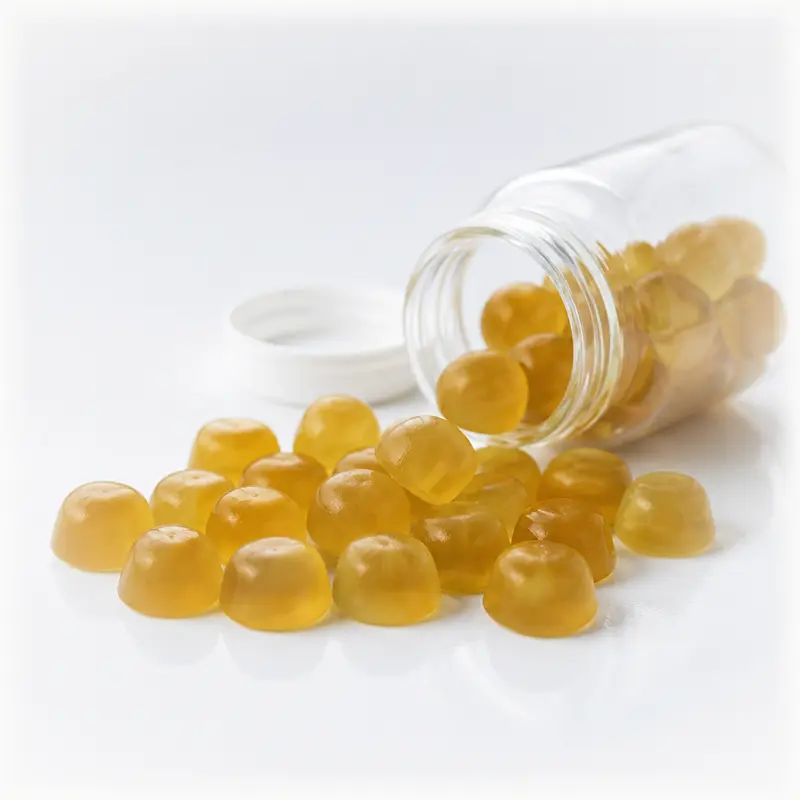
Best for: Lifestyle retail at a low load after a cook-and-assay pilot.
Why: Heat, water activity, and active load set the assay ceiling.
Typical formulas: Low-load ginkgo or light PS after bitterness and odor are proven.
What to lock: Finished-piece assay; pectin vs gelatin; flavor; sugar or sugar-free.
Manufacturing note: Drum % is not finished-piece potency.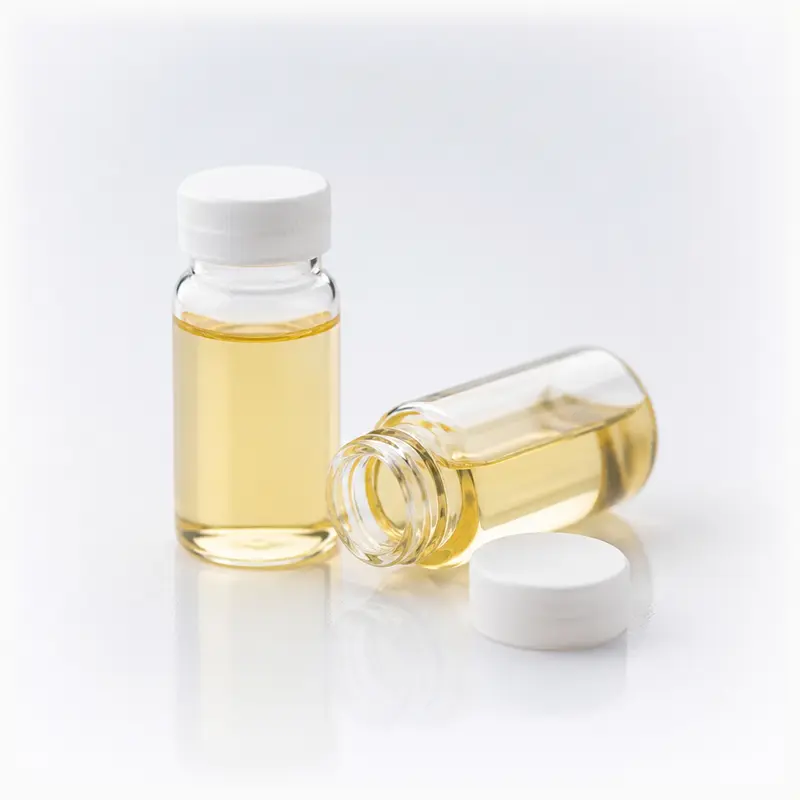
Best for: A named oil drop or a documented liposomal brief.
Why: Assay per mL must be measurable.
Typical formulas: Oil drops; liposomal only with phospholipid and encapsulation data.
What to lock: Assay per mL; light barrier; headspace; product class before artwork.
Manufacturing note: Quote when the channel already requires liquid.
Two quotes are the same SKU only when these fields match. An unnamed “brain complex” weight is not a quote.
Product goal | Specification to send |
|---|---|
| PS capsule | PS mg; soy vs sunflower; 20% / 50% / 70%; HPLC; allergen |
| DHA softgel | Algal vs fish; TG vs EE; DHA mg; PV / p-AV / TOTOX; shell |
| Ginkgo 24/6 | Extract mg; flavone / terpene + HPLC; ginkgolic-acid limit if required |
| PS + ginkgo | Two rows |
| Named astaxanthin | Natural vs synthetic; mg; shared DHA fill or twin SKU |
| Perilla (not DHA) | ALA % + GC; oxidation file |
| Licensed branded grade | Customer authorization on the same brief |
| NSF / USP / named lab | Named on the RFQ — not a house certificate |
| Oil-supplier IFOS | Incoming drum certificate; finished-product TOTOX stays on our release |
Also name format, serving architecture, pack, destination, and the finished-unit tests wanted on release. PS + DHA or ginkgo + DHA usually split dry capsule and oil softgel.
If the formula is not locked yet. Destination, architecture, active, milligram band, and format.— Request Formula Feasibility.
If a BOM already exists. Actives, milligram or marker band, format, pack, and destination.— Send Your BOM.
If the job is a finished SKU match. Current specification, BOM, COA set, pack drawing, and quality questionnaire. — Request a Second-Source Review.
After the file arrives, missing or conflicting fields are named, format and fill are checked, then the sample plan, MOQ, and quotation. A complete brief is not required to start — send the label, destination, and the supplier file on hand.
Testing is included when specified in the approved product specification or quality agreement. Finished-product release is tested against that file.
Incoming. Identity, assay / marker with the method on the same line, microbiology, heavy metals. PS: HPLC plus soy allergen when the lecithin is soy. Ginkgo: flavone / terpene pair and ginkgolic acids when specified. DHA: fatty-acid profile plus PV / p-AV / TOTOX; fish allergen when the oil is marine. Supplier COA is checked against the approved specification. Customer-supplied drums follow the same incoming checks.
In-process. Blend uniformity, fill or tablet weight variation, moisture on dry fills; oxygen and temperature control on oil fills.
Finished product. Printed assay for each labeled row; PV / p-AV / TOTOX on oil SKUs; micro; metals; pack integrity. After a gummy cook, assay is done on the piece. Delayed-release softgels carry the named opening test when that route is on the file.
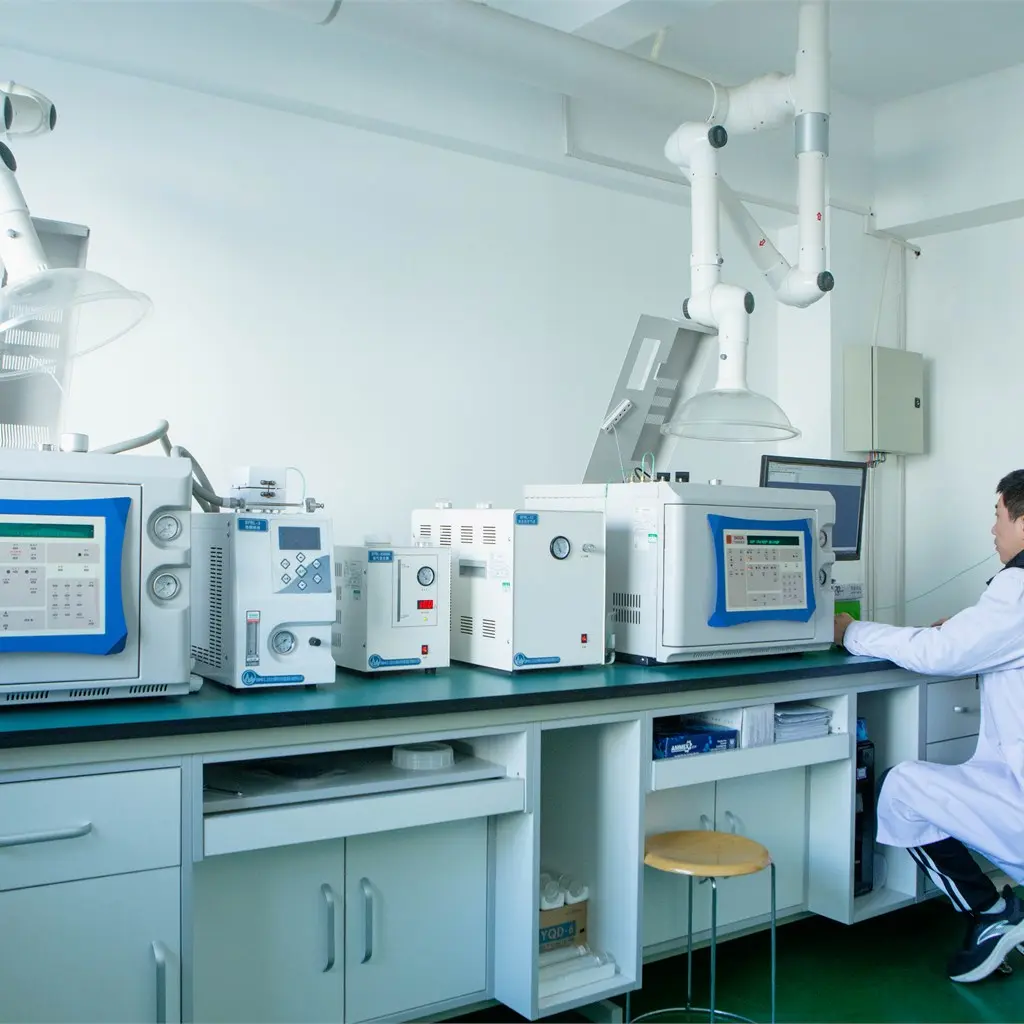
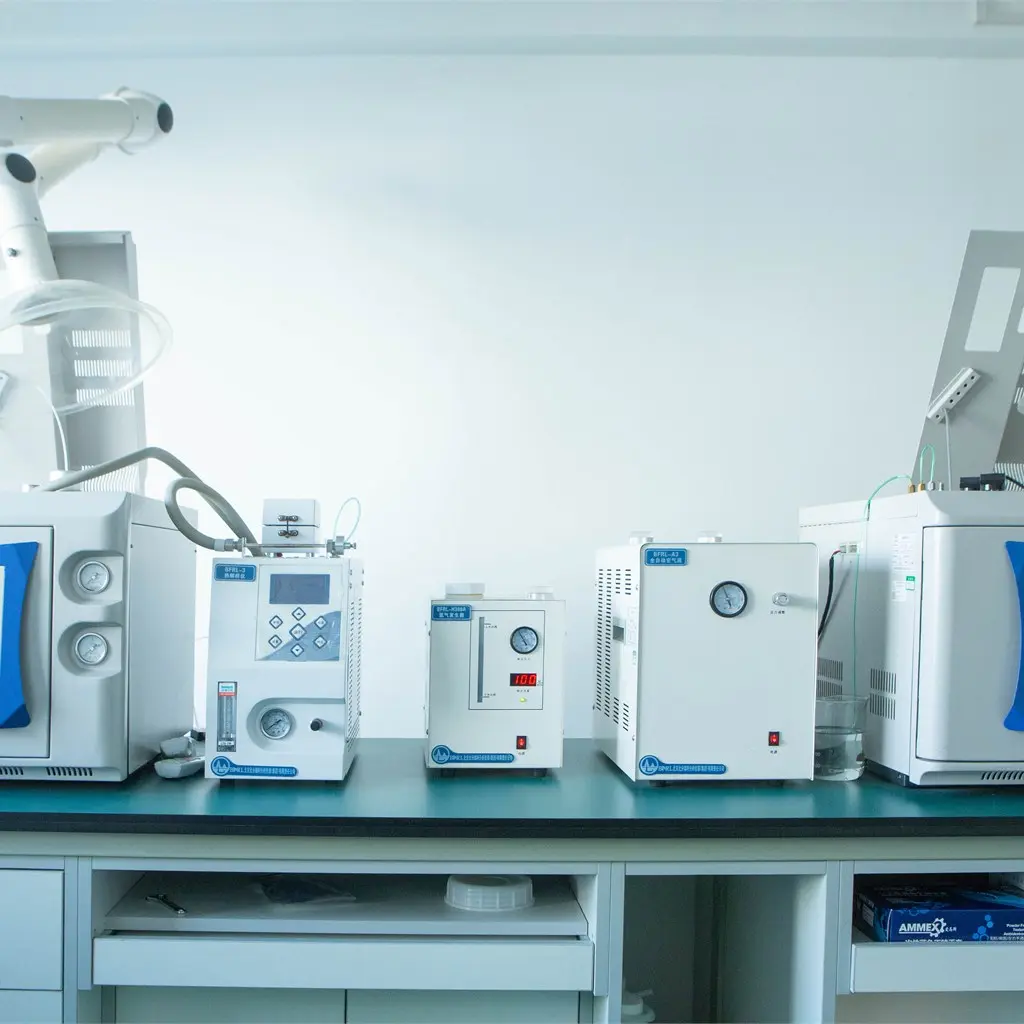
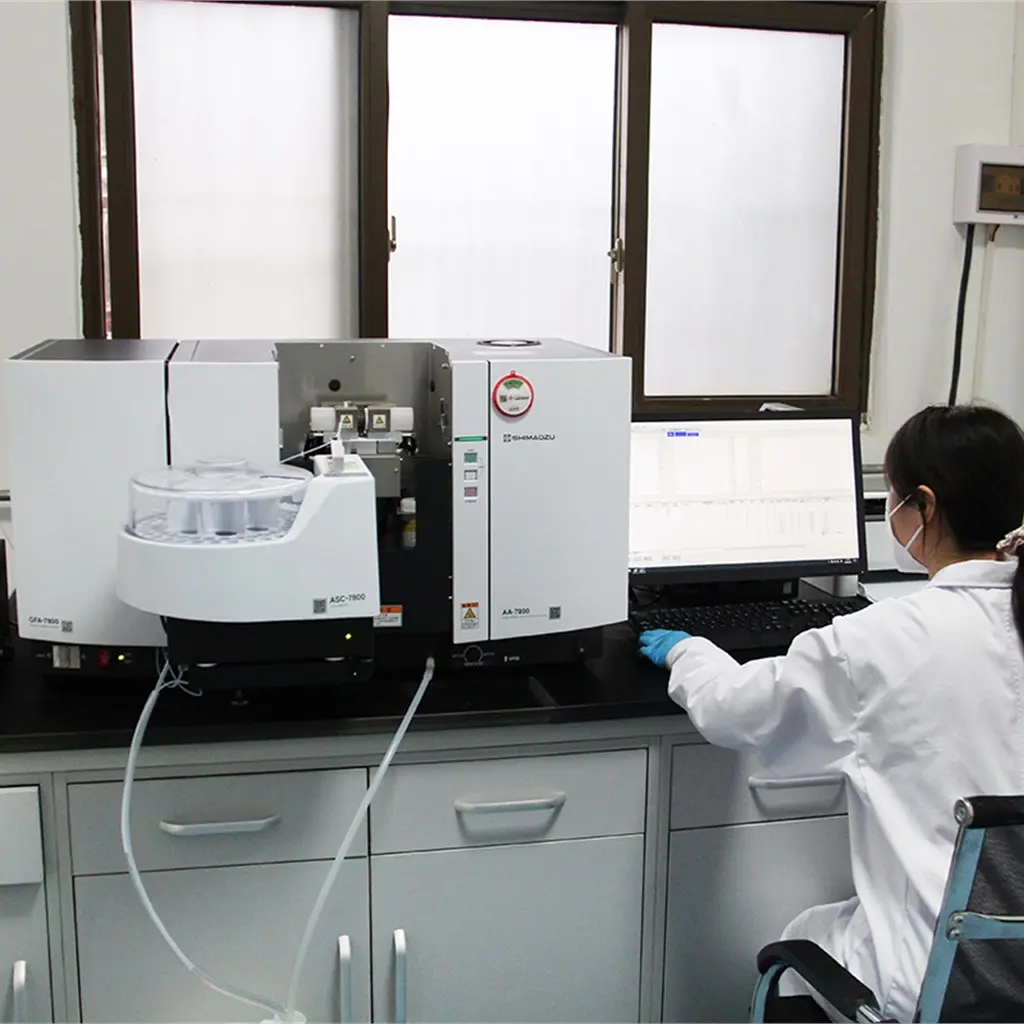
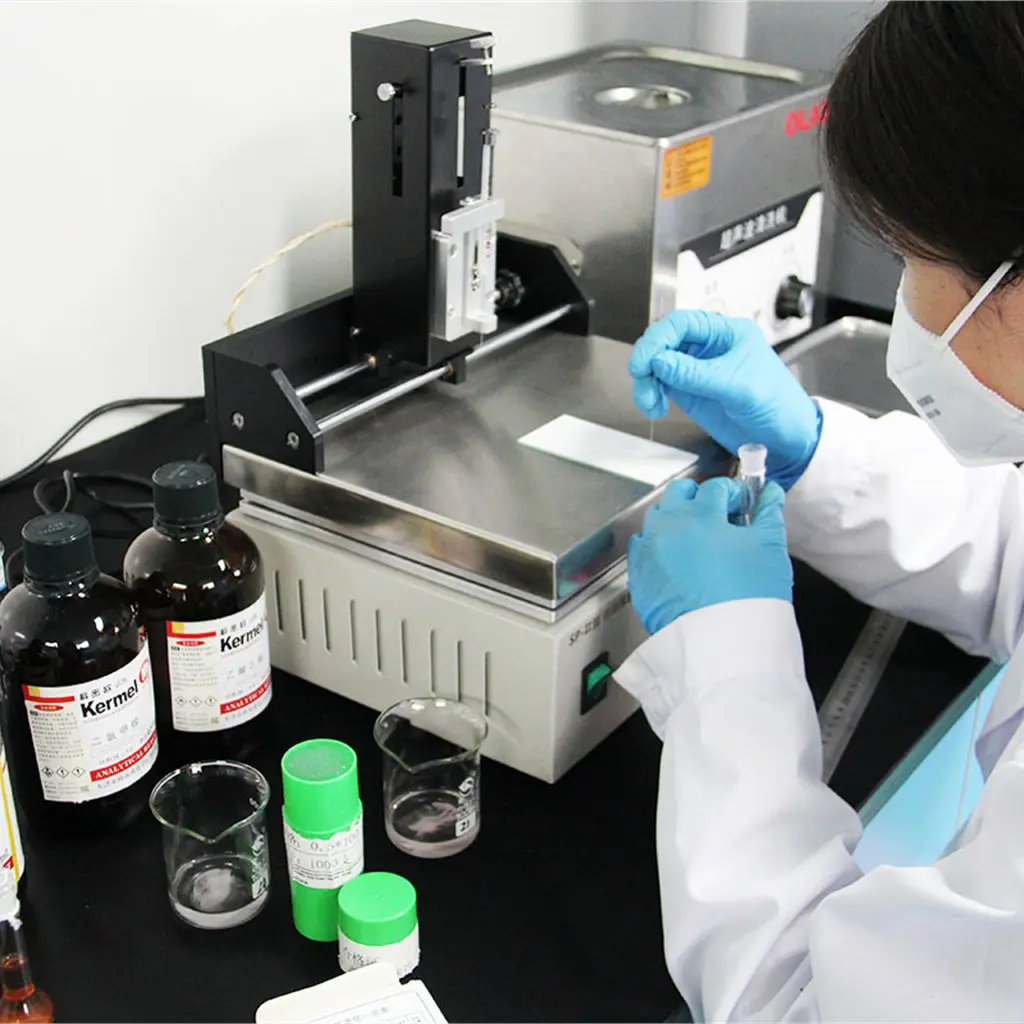
File. Specification, finished-product COA, test records, batch genealogy, allergen statement, stability documentation when specified. In-house HPLC / GC plus SGS or Eurofins when the quality agreement names them. See Quality Control and How to Read a COA.
Change control. A qualified alternate raw material is not an automatic swap. Where a change can move assay, allergen, oxidation profile, marker profile, or a label declaration, it is reviewed against the approved specification before use.
Supply continuity. Production is planned against qualified sources and the approved specification. An alternate source is used only after qualification and change-control review. Unapproved raw-material substitution is not a dual-source method.
Repeatability. Repeat production follows the approved master specification, qualified raw-material sources, and release test plan unless a documented change-control review is opened.
Nonconformance. Results outside the approved specification go on hold for investigation. The batch is released only after the deviation is closed under a documented QA procedure, with corrective and preventive action when required. Batch genealogy supports complaint investigation.
Confidentiality and IP. NDA can be put in place before detailed formula exchange. Customer-specific specifications, artwork, and project documents are handled according to the agreed commercial and confidentiality terms.
Audit readiness. Supplier questionnaires, quality agreements, and site-audit requirements can be incorporated into qualification before commercial approval.
(1) Oil oxidation on DHA fills
Challenge
PV and p-AV can move between the incoming drum and the released softgel. Two quotes that both say “DHA 200 mg” are not the same SKU if source and TOTOX differ.
Our manufacturing approach
Lock algal vs fish, TG vs EE, and the oxidation panel before sampling. Nitrogen handling, antioxidant strategy, and light-and-oxygen barrier pack sit on that file. Finished-product TOTOX is a release field, not only an incoming drum number.
(2) Dry phospholipid plus oil DHA in one unit
Challenge
A powder PS grade and a liquid DHA fill do not share one two-piece capsule without a dedicated oil-powder or dual-chamber file. Forcing both into one softgel without an oil-compatible PS system fails on fill, leak, or assay.
Our manufacturing approach
Default is a split SKU: PS or ginkgo in a capsule, DHA in a softgel. Dry PS + oil DHA requires a separate feasibility review before the line is booked.
(3) PS concentrate loading
Challenge
Headline PS milligrams hide fill weight. A 20% grade and a 50% or 70% grade at the same printed milligram are different capsule counts. Soy vs sunflower changes allergen labeling.
Our manufacturing approach
Fill, unit count, and pack follow the concentrate. Assay, source, and grade sit on one RFQ line.
(4) Ginkgo 24/6 vs powder vs ratio extract
Challenge
“Ginkgo 120 mg” can be leaf powder, a ratio extract, or a 24/6 standardized extract.
Our manufacturing approach
Leaf identity, flavone / terpene pair, HPLC, and the ginkgolic-acid limit (if required) are locked before quotation. A tighter customer cap is written on the specification; it is not assumed to be a statutory limit.
Packaging is selected against oxidation, light, moisture, and leak — not only the shelf photo.
DHA / astaxanthin / perilla oil. Opaque or amber pack, induction seal, oxygen absorber or nitrogen when specified.
PS powder. HDPE / PET plus desiccant; alu-alu or blister for humid lanes.
Ginkgo extract. Bottle plus desiccant; blister when the lane is humid.
Powder / stick. Barrier film is part of the oil-powder specification.
Shelf-life is assigned from the approved stability program and packaging configuration; it is not inferred from the raw-material shelf life.
Finished-SKU MOQ is quoted after formula, dosage form, serving size, and packaging are confirmed.
Pilot MOQ covers the line and pack freeze before the commercial batch.
Bulk-ingredient MOQ is a separate kilogram RFQ.
Format | Typical finished-SKU planning MOQ | Typical clock |
|---|---|---|
| Capsules | 3,000–5,000 units/SKU | Sample 7–15 days after spec lock; mass production 30–45 days after formula, artwork, pack, and schedule |
| Tablets | 5,000–10,000 units | Same clock after press parameters are locked |
| Softgels | Quoted after fill, shell, tooling, oil source, and pack are defined — those variables move practical start more than a two-piece capsule run | Oxidation panel and seam check before commercial scale |
| Gummies / powder / liquid | Quoted after the format file is locked | Cook, film, or per-mL pilot first |
Vegetarian shells and delayed-release routes usually raise the practical start versus a standard gelatin oil. Softgel, gummy, powder, and liquid timing is confirmed after the format and pilot requirements are locked.
Once specification, packaging, and process parameters are approved, repeat production uses the same master specification and release test plan. Capacity and scheduling are confirmed against the SKU, order volume, and required testing window.
What determines the quote. Active assay and concentration; source and any licensed grade; milligrams per serving; dosage form; capsule or shell specification; packaging; testing panel; order volume; destination-specific documentation. The same printed milligram does not necessarily mean the same manufacturing cost.
Development work sits with the R&D Center.
Destination review. We review the brief against destination ingredient restrictions and issue specification and batch files. U.S. dietary-supplement, Canadian NHP, EU food-supplement / member-state, and Australian therapeutic-goods pathways can differ on botanicals, phospholipid source claims, and fish vs algal oil labeling. Name the destination before milligrams and artwork freeze. Some concentrated ingredients, extraction processes, or specific forms may require a Novel Food assessment in the EU — the exact ingredient, source, process, and intended use should be checked before launch. A U.S. 24/6 capsule is not an EU-wide traditional-herbal file. Halal-facing briefs lock shell and oil on the same line: Halal gelatin is not vegetarian, and algal DHA is a different source file from fish oil.
Label and claims. Brand-owner counsel owns the finished label, including ginkgo anticoagulant / pre-surgery language where the market requires it. Print structure/function language after destination counsel signs off. This is manufacturing and specification support, not a legal opinion or product registration.
Named specifications. Cognizin®, Sharp-PS® and similar licensed grades require customer authorization. NSF, USP, and oil-supplier IFOS certificates are arranged when the RFQ names them — they are not KS factory marks. Organic programs, apoaequorin SKUs, and coffee-fruit / coffee-cherry extracts are outside this line.
For brain health supplement projects, supplier selection depends on more than dosage-form capability. KS supports specification matching, raw-material control, testing, change control, documentation, and repeat production — for private-label, custom, existing-file, and transfer briefs.
| What Your Concerns | How KS Supports It |
|---|---|
| Specification lock | New brief: destination, active, milligram, format. Existing file: specification + BOM + COA. Both before sampling |
| Raw-material control | Qualified sources + incoming verification |
| Change control | Alternate raw-material sources reviewed before use; no unapproved substitution |
| Repeat production | Approved master specification + release test plan |
| Audit readiness | Supplier questionnaire + quality agreement + site-audit support |
| Batch documentation | Finished-product COA + batch records; redacted sample COA available on request |
| Confidentiality | NDA before detailed formula exchange |
| Third-party testing | SGS / Eurofins when specified in the approved quality file |
| Production scale | Volume, format, and testing window reviewed against available capacity |
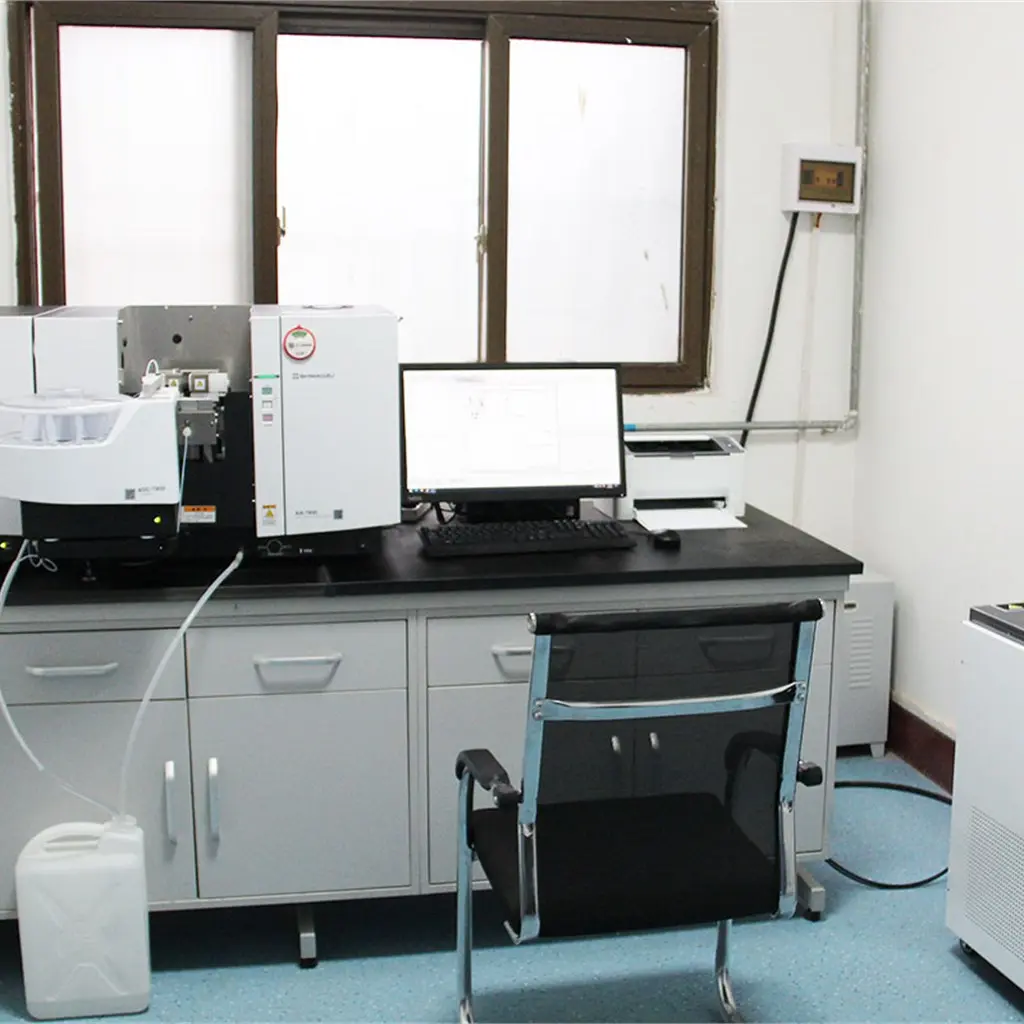
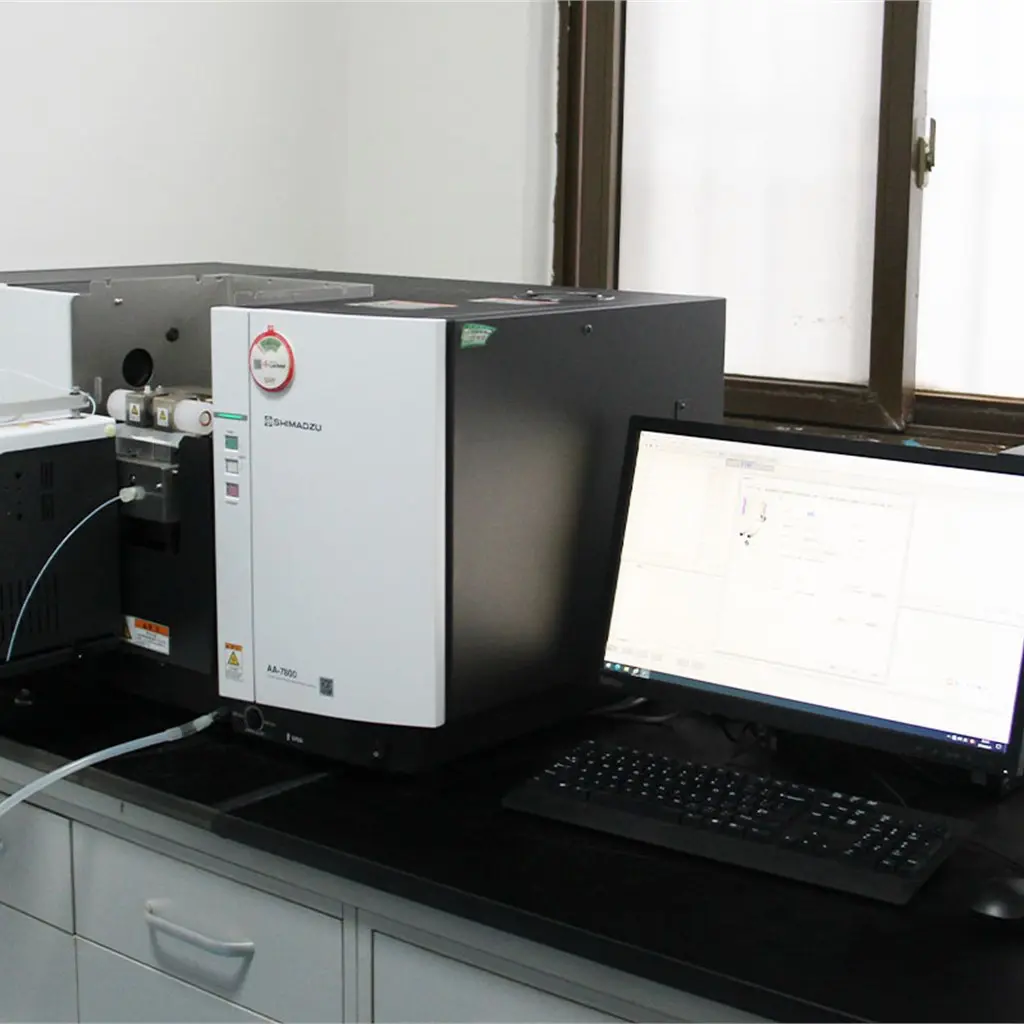
| Facility qualification | Certifications, Quality Control documentation, and company information available for review |
The question is not whether a formula can be made once. It is whether the specification, testing, packaging controls, change-control terms, and repeat-production plan can be documented and maintained.
Certifications · Quality Control · Manufacturing Capacity · About Us
Can you manufacture our existing SKU as a second source?
Yes as OEM against the approved specification, after supplier qualification. Send the current specification, BOM, label, finished-product COA, incoming COAs, pack drawing, test list, and quality questionnaire. The review names which fields must stay equivalent and which need re-validation. Sample, customer approval, and pilot sit before the master specification is frozen. Silent substitution of sunflower for soy, or algal oil for fish oil, is a new file.
What information do you need for a second-source review?
The approved specification, BOM, current COA set, pack drawing, finished-product test list, quality questionnaire, and target volume. If the file is incomplete, send the label, destination, and whatever supplier documents you have — missing fields are listed before quotation. NDA available before detailed formula exchange.
Can PS and DHA be combined in one product?
As a split SKU by default: dry PS or ginkgo in a capsule, DHA in a softgel. A two-piece hard capsule does not hold a bulk oil fill without an oil-powder file. One-unit combinations are a dual-chamber or oil-dispersible review, not a blend-weight rename.
What documents can we receive with the finished product?
Release includes the finished-product COA against the approved specification. Incoming supplier COA is checked at qualification; it is not the only finished-product document. Oil SKUs carry PV, p-AV, and TOTOX when that panel is on the file. Microbiology, heavy metals, allergen statement, pack integrity, batch records, and — when specified — SGS or Eurofins reports and stability documentation.
What is the MOQ and lead time?
Finished-SKU MOQ is quoted after formula, dosage form, serving size, and packaging are confirmed. Planning bands: capsules about 3,000–5,000 units/SKU; tablets about 5,000–10,000 units. Softgel MOQ depends on fill, shell, tooling, oil source, and pack. Gummies, powders, and liquids follow the format file. Capsule sample often 7–15 days after spec lock; mass production often 30–45 days after formula, artwork, pack, and schedule. Softgel, gummy, powder, and liquid timing is confirmed after the format and pilot requirements are locked.
Start Your Brain Health Manufacturing Project
Private label / custom formula — destination, active, dose, format. Request Formula Feasibility
Existing formula — BOM, COA, label, pack. Send Your BOM
Second source — current specification, BOM, COA, quality questionnaire. Request a Second-Source Review
Related Brain Health Supplement Manufacturer Pages
- Perilla Supplement Manufacturer
- Astaxanthin Supplements
- Lion’s Mane Mushroom Supplements
- Citicoline (CDP-Choline)
- Alpha-GPC
- How to Read a COA
Disclaimer: Wholesale / brand manufacturing and product-development reference only. Not intended to diagnose, treat, cure, or prevent any disease. Dietary supplements are not drugs. This page is not an Alzheimer’s, dementia-treatment, cognitive-decline-drug, or stimulant brain-boost offer. KS Nutripharma manufactures oral dietary supplements. Structure/function language, ingredient status, and product classification vary by country. Brand owners remain responsible for finished-label compliance with local counsel. KS Nutripharma provides manufacturing feasibility and documentation support — not legal approval. Milligram figures, grade percentages, fill windows, and formula examples are development references, not recommended intakes or catalog guarantees. Branded ingredient names appear only as customer-licensed options, not as default house grades.