
Milk Thistle Supplement OEM, ODM & Private Label Service
KS Nutripharma is a milk thistle supplement manufacturer for OEM, ODM, and private-label programs. We develop and manufacture finished Silybum marianum products — standardized silymarin capsules, tablets, and oil-compatible softgel formats — for liver health product lines.
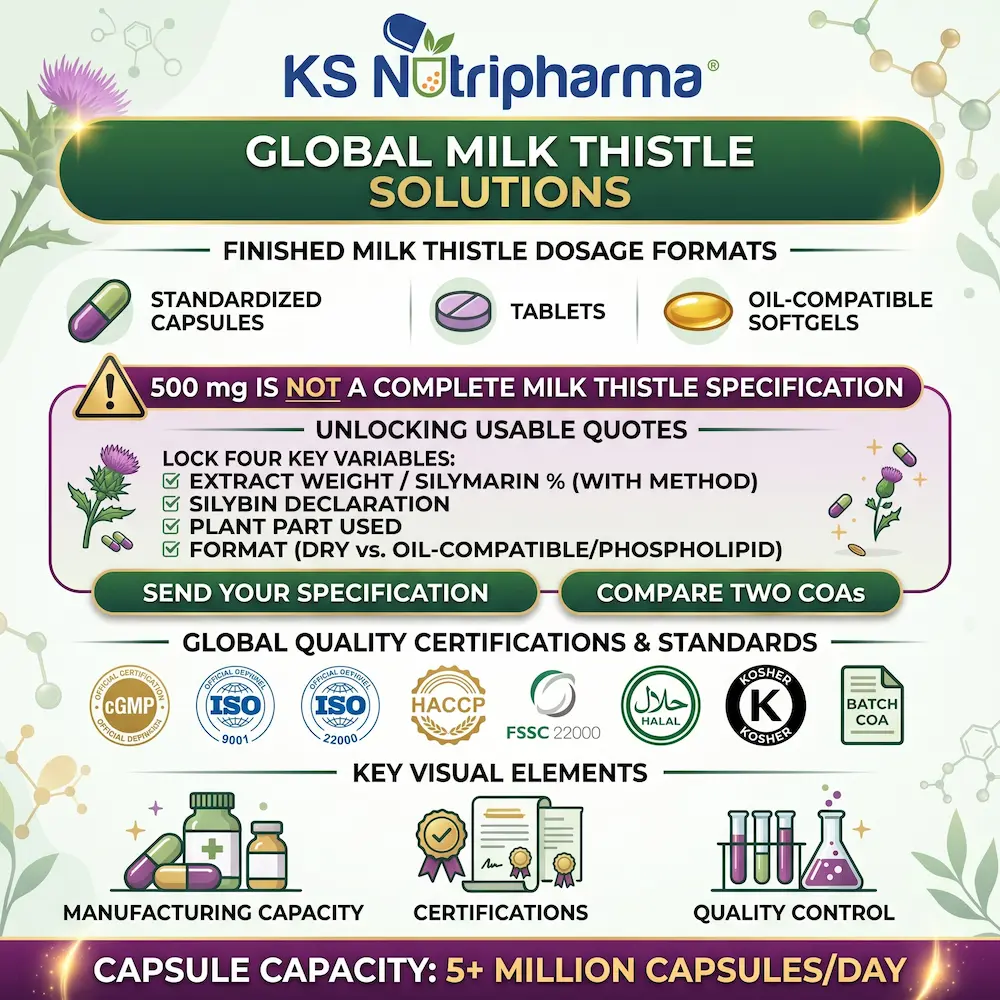
500 mg is not a complete milk thistle specification. A usable quote locks four variables: extract weight or silymarin % with its assay method, whether silybin is separately declared, the plant part, and dry extract versus an oil-compatible/phospholipid format.
Send Your Milk Thistle Specification · Compare Two COAs
cGMP · ISO 9001 · ISO 22000 · HACCP · FSSC 22000 · Halal · Kosher · batch COA
Manufacturing Capacity · Certifications · Quality Control
Capsule capacity: 5+ million capsules/day
Milk Thistle Manufacturing at a Glance
| Item | Typical information |
|---|---|
| Business model | OEM, ODM, private label — finished units |
| Program type | Bulk milk thistle extract (kg) or finished supplement manufacturing — quoted separately |
| Hero active | Silybum marianum seed/fruit extract; extract-weight or standardized-silymarin based |
| Confirm first | Extract mg or silymarin % + method · silybin declaration · plant part · dry vs oil-compatible format |
| Companions | NAC, artichoke, dandelion, curcumin when specified |
| Formats | Capsule first; tablet; softgel when the fill is oil-compatible; powder, gummy, liquid after feasibility |
| Scope | Human oral dietary supplements; no organic-certified program |
Procurement checklist — fields for the brief
Plant part · Extract weight or silymarin % · Assay method · Silybin declaration, if printed · Extract ratio, if used · Dry / phospholipid / oil-compatible · Dosage form · Serving size · Other actives · Destination market · Existing COA / BOM
Milk Thistle Formula Options for OEM and Private Label
R&D reviews fill weight before artwork. Typical commercial loads are development ranges, not recommended intakes.
Silymarin with B-complex, vitamin E, or berberine follows regional shelf formulas we quote from a BOM — send yours rather than working from a default formula.
Use when: The label declares milk thistle extract or standardized milk thistle extract / silymarin and nothing else.
Specify: Extract mg or silymarin % + assay method.
Typical development range: Development loads vary with the extract specification, density, serving size, and unit count; confirm the fill before locking artwork.
Trade-off: A higher silymarin or separately declared silybin claim requires a separate specification. A three-botanical formula is quoted as three ingredients, not as this single-active specification.
Default format: Capsule.
Use when: The artwork prints a higher silymarin claim or a separate silybin declaration.
Specify: Silymarin assay + silybin declaration + method.
Trade-off: A different COA and release panel — not automatically a stronger product story.
Default format: Capsule.
Use when: The brief requires a phospholipid-complex or oil-phase format.
Specify: Phospholipid-complex identity, active declaration, carrier/oil phase where applicable, and fill target.
Trade-off: A dry standardized extract remains a capsule or tablet specification.
Default format: Softgel — only when the fill is oil-compatible.
Use when: Milk thistle is the hero and NAC rides beside it. See liposomal NAC for the NAC specification.
Specify: NAC amount, capsule count, and the required odor-control approach.
Trade-off: Two assay fields and odor-control / packaging requirements; this is not a glutathione finished product.
Default format: Capsule, often multi-count.
Use when: A two-botanical liver SKU keeps milk thistle as the hero. Artichoke must be specified separately.
Specify: Artichoke leaf + cynarin or total CQAs — this page covers the milk thistle specification only.
Trade-off: If artichoke is the primary ingredient, its dose, plant part, and marker specification must be quoted separately.
Default format: Capsule.
Use when: A three-botanical retail formula includes milk thistle as the hero ingredient.
Specify: Dandelion root powder vs root extract — named per botanical, never one blend weight.
Trade-off: A “liver blend, 900 mg” declaration cannot be quoted; each botanical carries its own identity and milligrams.
Default format: Capsule.
Use when: An antioxidant crossover SKU pairs the two extracts. See liposomal curcumin.
Specify: Curcuminoids % + carrier.
Trade-off: Oil-phase curcumin usually means a second SKU or a softgel — it does not share one capsule with dry milk thistle by default.
Default format: Capsule.
Choose the Milk Thistle Format: Capsules, Tablets, Softgels, Powder, Gummies or Liquid
Dosage form selection comes after active-load calculation, not before it. A 250 mg extract serving and a 1,000 mg serving of the same grade can land in different formats once density and unit count are on the table.
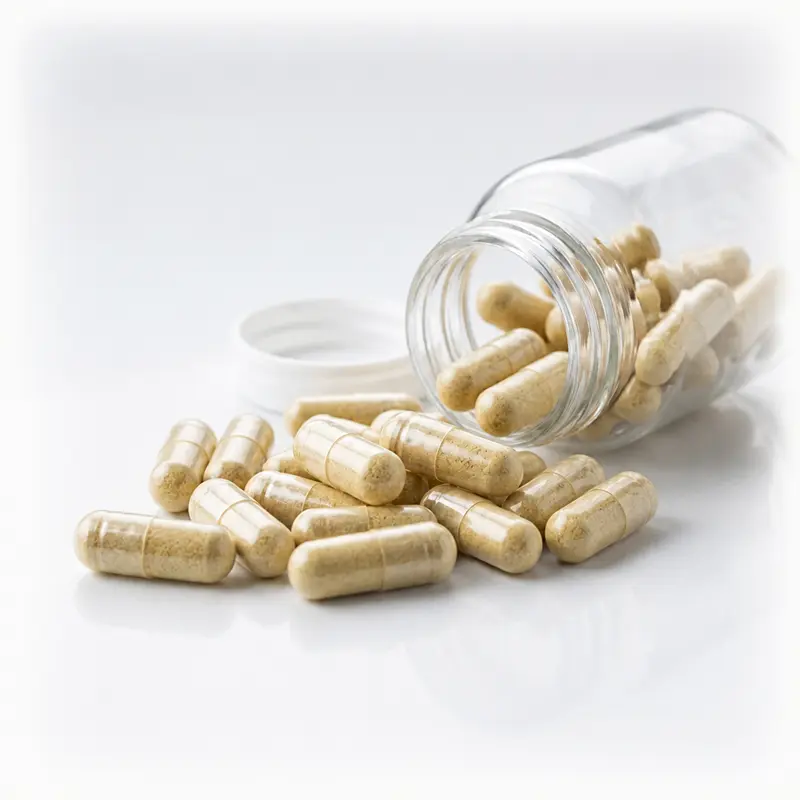
Best for: First-line milk thistle OEM.
Specify: Capsule size, fill weight, units per serving, HPMC vs gelatin.
Feasibility: Whether one capsule holds the declared serving depends on bulk density, the extract specification, the standardization level, the excipient system, and any companion actives. Multi-count servings are normal at higher extract loads.
→ Hard capsules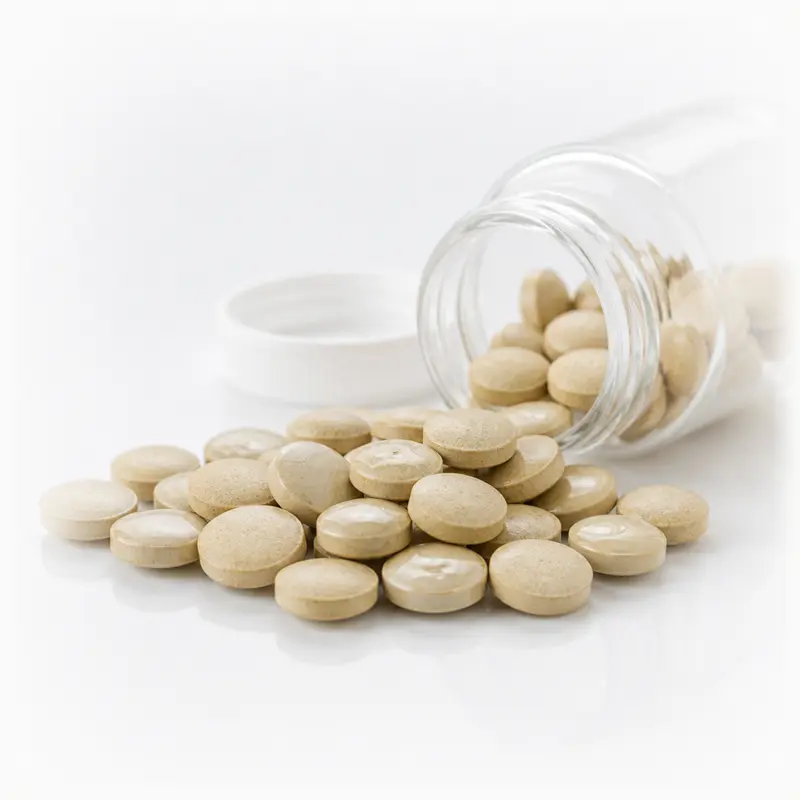
Best for: Cost and high-load dry extract.
Specify: Tablet weight, hardness, disintegration, film coat.
Feasibility: Compression follows extract ratio and the excipient system; a film coat manages dust and the bitter note after hardness is in range.
→ Tablets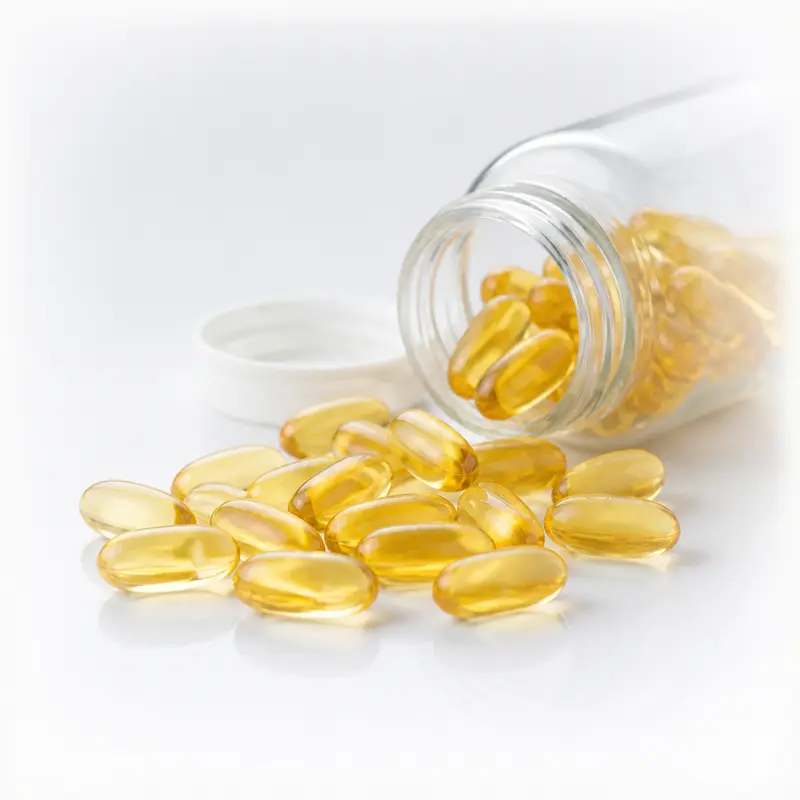
Best for: Phospholipid or oil-phase fills.
Specify: Phospholipid or oil-phase identity, carrier, fill volume.
Feasibility: Dry extract and oil-compatible formats are different procurement specifications. A dry standardized extract does not become oil-compatible because the shell changed.
→ Softgels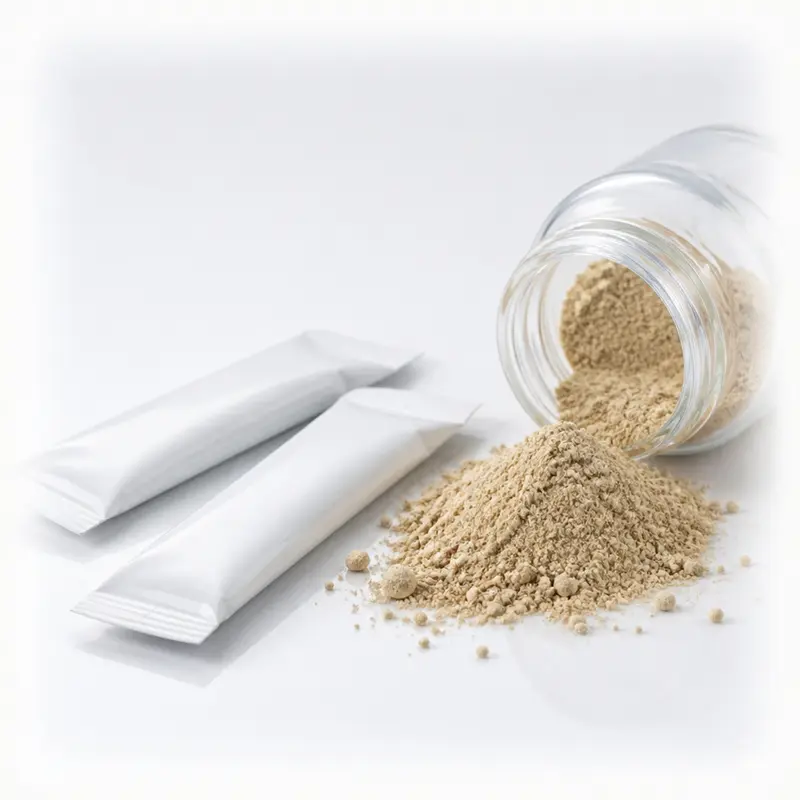
Best for: Open-format programs after identity is split.
Specify: Seed powder vs extract; serving basis; flavor and flow if opened.
Feasibility: Powdered seed or dried herb is a different product identity from a standardized extract.
→ Powders and granules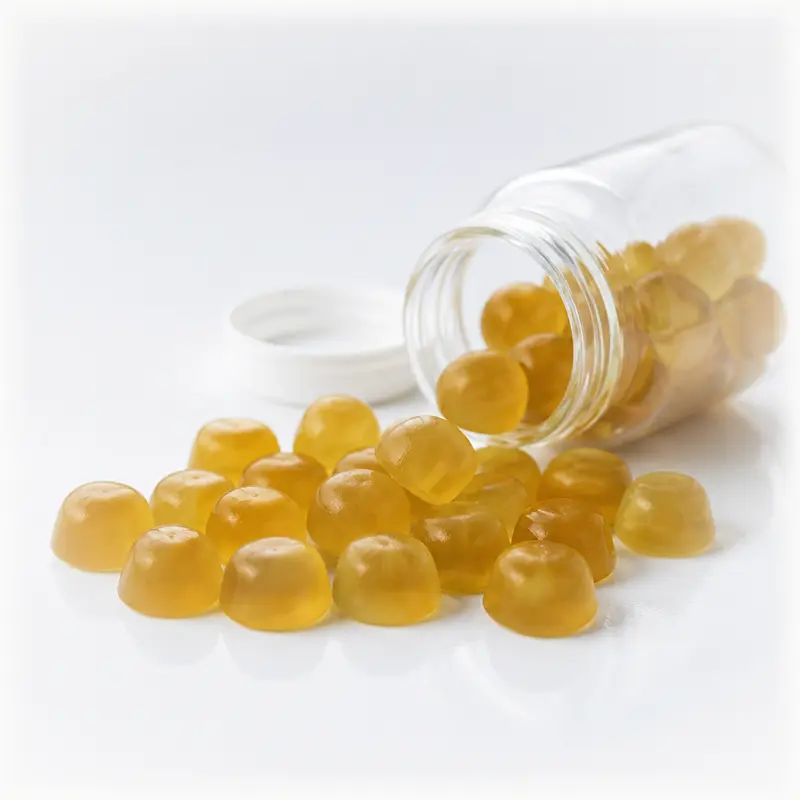 Gummies and chews — conditional
Best for: Lower extract loads after cook feasibility.
Specify: Piece weight + pieces per serving + finished-piece assay.
Feasibility: Bitterness and declared milligrams both survive or fail in the kettle.
→ Gummies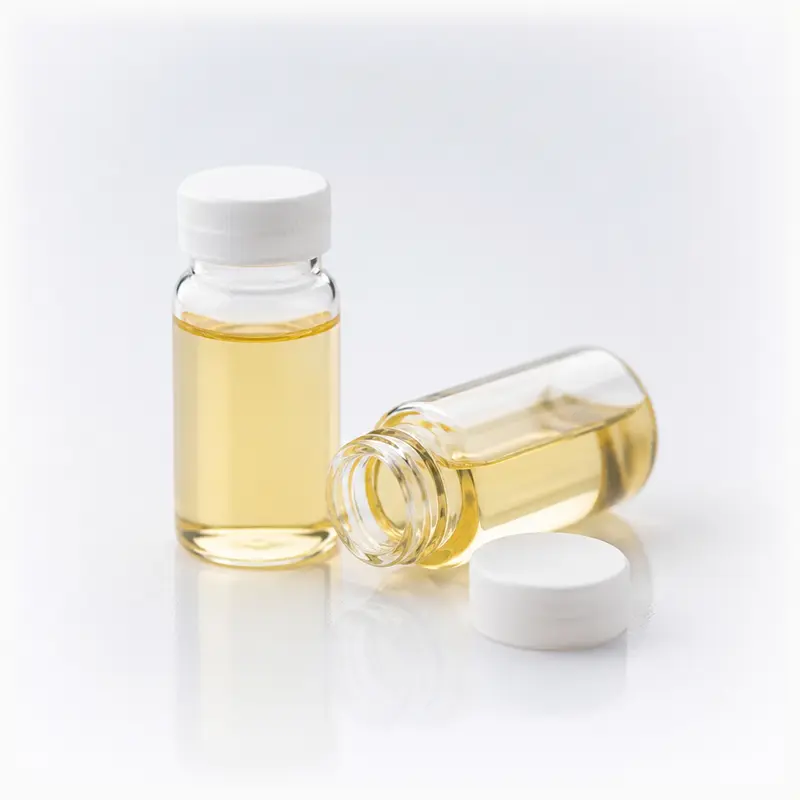 Liquid
Best for: Briefs that lock mg/mL and serving volume.
Specify: mg/mL, serving volume, preservative system, finished method.
Feasibility: A herbal tincture is a different identity from a finished oral liquid.
→ Liquids
A usable quote requires traceability from the label claim to the raw-material specification. These are the eight fields that make the trace.
1. Plant identity and part
Silybum marianum seed/fruit is the default raw material. Leaf or aerial-part material is a different purchase order.
2. Extract ratio is not standardization
A 10:1 or 20:1 figure describes how much raw plant went into the extract. An 80% silymarin milk thistle extract figure describes a measured marker level. In simple terms: 10:1 tells you about extraction yield; 80% silymarin tells you about the measured marker level. The two columns do not convert into each other.
3. Extract milligrams vs silymarin percent
500 mg of milk thistle extract is not 500 mg of extract standardized to 80% silymarin. The same front-label number can describe very different active content depending on which basis the specification uses.
4. The assay method belongs on the same specification
Two suppliers can both print 80% and still not match on method (HPLC or UV on milk thistle COAs — neither is automatically “right”), assay basis, or commercial availability of that assay against current documentation. A stated silymarin percentage is a specification to verify, not a catalog guarantee or a pharmacopeial excerpt.
Two 80% figures become comparable only after method and basis are aligned.
5. Silybin declaration
Silybin (silibinin) becomes a separate grade decision only when the label prints it. A separately declared silybin field adds its own assay and release test.
6. Phospholipid / oil-compatible identity
A phospholipid complex is its own raw-material identity with its own oil-phase documentation. A dry extract cannot be treated as an oil-compatible raw material simply because the finished product is a softgel.
7. Label declaration → raw-material specification → finished-product verification
The label declaration determines which raw-material specification and finished-product assay must be controlled. Four declarations common on shelf — examples, not catalog guarantees:
| Label declaration | What it commits you to |
|---|---|
| Milk Thistle Extract — 500 mg | Extract weight basis; identity + weight verified |
| Milk Thistle Extract standardized to 80% silymarin | Marker basis; % + method on the specification |
| Silymarin — 400 mg | Marker milligrams; assay to the declared amount |
| Silybin (silibinin) — X mg | Component declaration; its own assay and release test |
Raw-material and finished-product specifications must be aligned to the label declaration. A 500 mg extract claim does not automatically mean the finished-product assay should report 500 mg extract; extract weight, raw-material silymarin %, and finished-unit assay are separate specification fields.
8. Contaminant specification
Milk thistle pricing carries its contaminant panel: pesticides, mycotoxins, heavy metals, microbiology. The contaminant panel often moves price before the marker figure does.
Liver programs without a milk thistle hero — choline, glutathione, or multi-ingredient briefs — are specified on the liver health supplements manufacturing page.
Have two 80% COAs? Send both. We compare the assay basis, method, and specification fields before you compare price.
A higher silymarin claim changes the unit before it changes the artwork.
- Dry extract. A concentrated, bitter extract moves tablet weight or capsule count first.
- Phospholipid / oil-compatible format. Fill volume, not powder density, sets the limit.
- With NAC in the formula. Unit count is resolved before the front label is redrawn: two capsules that together declare the serving are not two capsules that each carry it.
- Overage. Set from stability and process data for the approved grade — a project decision.
Comparing prices before matching specifications
Challenge
Two offers arrive as “80% milk thistle extract.” Price is compared first.
Approach
Price differences often come from the specification fields surrounding the 80% figure. Match those fields on the purchase order first — until they match, the cheaper lot is a different purchase.
Quoting a dry extract as a softgel — or three botanicals as one blend weight
Challenge
A dry standardized extract is specified into a softgel shell, or a milk thistle–dandelion–artichoke formula is quoted as a single milligram figure.
Approach
Confirm the raw-material format first. Dry standardized extract is quoted for capsules or tablets; phospholipid or oil-compatible material requires a separate specification. Multi-botanical formulas are quoted per botanical: identity, milligrams, and marker for each ingredient.
The QC flow covers three stages: incoming material, finished-unit release, and batch documentation.
Incoming. Identity and plant part; silymarin with method; silybin when declared; pesticide, mycotoxin, heavy-metal, and microbiological panels. Customer-supplied material follows the approved incoming specification and applicable checks.
Finished unit. Release testing follows the assay basis the label and approved product specification actually declare.
Documentation. Specification, batch COA, applicable panels. See How to Read a COA.
MOQ and production timing
Format | Typical starting quantity |
|---|---|
| Capsules | About 3,000–5,000 finished units/SKU |
| Tablets | About 5,000–10,000 finished units/SKU |
| Softgels / gummies | Quoted after format feasibility |
Typical starting quantities; final MOQ depends on formula, packaging, testing plan, and SKU configuration. A kilogram drum quote is a raw-material quote — finished-unit MOQ is separate. Samples follow specification lock; production scheduling follows formula, artwork, and testing-plan approval.
Can you quote milk thistle extract by the kilogram, or only finished supplements?
Both — as separate RFQs. A kilogram drum is a raw-material quote; capsules, tablets, and oil-compatible softgels are finished-unit programs with their own MOQ. We can also fill an approved customer-supplied extract into finished units; incoming qualification and finished-unit assay still apply. The two prices are not interchangeable.
Is extract ratio the same as silymarin standardization?
No. Extract ratio describes the extraction relationship; silymarin standardization states the measured marker level. If the label declares silymarin, the purchase specification should state the standardized silymarin level and assay method.
Is silymarin the same as milk thistle extract?
They are different layers of one specification:
- Silybum marianum — the plant
- Milk thistle extract — the raw material, declared by weight or by standardization
- Silymarin — the marker complex that standardization measures
- Silybin — one component within silymarin
Whichever layer the label prints commits the specification and the finished-product assay to that field.
What to Send for a Milk Thistle Quote
A complete brief lets us quote against a defined specification rather than a generic price range.
Quote review follows the same sequence: raw-material identity → active/marker specification → dosage form → finished-unit target → testing plan → commercial quote.
Use the procurement checklist above, answered for your SKU. Add extract ratio if the supplier uses one, other actives, dosage form and serving size, destination market, and whether the RFQ is a kilogram drum or a finished-unit program.
Already have a COA or BOM? Send the file instead of rebuilding the specification from scratch. Customer-supplied extract is quoted against the approved incoming specification; finished-unit release still applies.
Typical first reply is within one business day on a complete brief. NDA is available for custom formulas and customer-specific specifications. See Confidentiality & IP Protection.
Related Supplement Manufacturing Solutions
Artichoke, dandelion, and choline finished-product pages are in preparation; those briefs are quoted today through the formula options above.
- Glutathione Supplement Manufacturer
- Schisandra Supplement Manufacturer
- Liposomal Curcumin Supplement Manufacturer
- Antioxidant Supplement Manufacturer
Disclaimer: Wholesale / brand manufacturing and product-development reference only. Dietary supplements are not intended to diagnose, treat, cure, or prevent any disease. This page is not a hepatitis, cirrhosis, or fatty-liver treatment offer; detox and hangover claims are outside its scope.
- Extract weight, silymarin %, and silybin are separate specification fields and must be matched to the approved product specification.
- Extract ratios are process descriptions, not marker specifications.
- Licensed branded phospholipid grades appear only when named on the brief with authorization. Dry extracts require an oil-compatible formulation before any softgel format.
- Milligram figures are development examples, not recommended intakes.
Structure/function language and ingredient classification vary by country; brand owners remain responsible for finished-label compliance with local counsel. KS Nutripharma provides manufacturing feasibility and documentation support — not legal approval.
Written by KS Nutripharma Formulation Team | Reviewed by KS Nutripharma Director of R&D (PhD, Food Science | 19+ years nutraceutical development) | Technical review scope: Silybum marianum plant-part identity, extract-weight vs standardized-silymarin declaration, extract ratio vs standardization, HPLC vs UV assay basis, silybin declaration, phospholipid/oil-compatible formulation, incoming vs finished-unit specification, contaminant panels, and QC release | Updated September 2026