Table of Contents
- Executive Summary
- What Does “Standardized” Mean in Dietary Supplements?
- What Are Non-Standardized Ingredients?
- Standardized vs Non-Standardized: Key Differences
- Why Standardization Matters for Private Label Brands
- When Should Brands Choose Standardized Ingredients?
- When Are Non-Standardized Ingredients a Better Choice?
- Can Brands Combine Both Approaches?
- Cost Comparison and ROI Analysis
- How Standardization Impacts Supply Chain Stability
- Regulatory and Compliance Considerations
- International Regulatory Considerations
- Supplier Qualification Checklist
- How to Read a COA
- Questions to Ask Your OEM Manufacturer
- Case Study: Premium Amazon Brand vs Mass Market Brand
- Emerging Market Trends
- Decision Matrix
- How KS Nutripharma Supports Standardized Ingredient Development
- Frequently Asked Questions
- Conclusion
- Recommended Internal Links
- References and Sources
- Author Section and Disclaimer
—————————————————————————————————————
Executive Summary
For private-label supplement brands, the choice between standardized and non-standardized ingredients is not a matter of “better” or “worse” — it is a strategic decision that depends on brand positioning, target market, regulatory requirements, and supply chain constraints. This guide provides a comprehensive framework for making evidence-based ingredient decisions, with specific attention to OEM procurement realities.
Key takeaways for brand owners and procurement managers:
- Standardized ingredients may be advantageous for products requiring clinical positioning, batch repeatability, and regulatory documentation — but they come with higher costs, longer lead times, and greater supply chain risk.
- Non-standardized ingredients may be strategically appropriate for cost-sensitive mass-market products, organic lines, and functional food formats — depending on target price point, dosage form, and brand positioning.
- Hybrid formulations increasingly provide the optimal balance between scientific credibility, marketing differentiation, and manufacturing economics.
- Amazon’s 2026 supplement compliance expansion now requires third-party TIC verification for ALL dietary supplements, making standardized ingredient documentation more critical than ever for marketplace access.
- International regulatory frameworks (EU EFSA, Health Canada NPN, TGA ARTG) increasingly favor well-characterized, standardized ingredients with documented active compound specifications.
What Does “Standardized” Mean in Dietary Supplements?
Definition of Standardized Ingredients
Standardization, in the context of dietary supplements and botanical extracts, refers to the process of establishing and verifying specific levels of active compounds — known as “marker compounds” or “chemical markers” — within a given batch of raw material. According to the United States Pharmacopeia (USP), standardized botanical preparations must contain defined acceptance limits for bioactive or characteristic marker constituents, verified through validated analytical methods.
Key characteristics of standardized ingredients include:
- Establishing specific active compound levels: Each batch is tested to confirm it meets the declared percentage of the target compound.
- Batch-to-batch consistency: The chemical composition remains stable regardless of harvest season, geographic origin, or supplier.
- Examples of commonly standardized ingredients:
- Curcumin 95% — Turmeric extract standardized to contain a minimum of 95% curcuminoids (curcumin, demethoxycurcumin, and bisdemethoxycurcumin), the bioactive compounds that have been widely studied for their role in supporting healthy inflammatory responses.
- Sulforaphane glucosinolate 10% — Broccoli sprout extract standardized for glucoraphanin content, the precursor to sulforaphane, one of the most extensively studied dietary activators of the Nrf2 pathway and has been investigated for its potential role in cellular defense and healthy aging.
- Elderberry anthocyanins 15% — Elderberry extract standardized to 15% anthocyanins, the flavonoid pigments that have been investigated for their potential role in immune support.
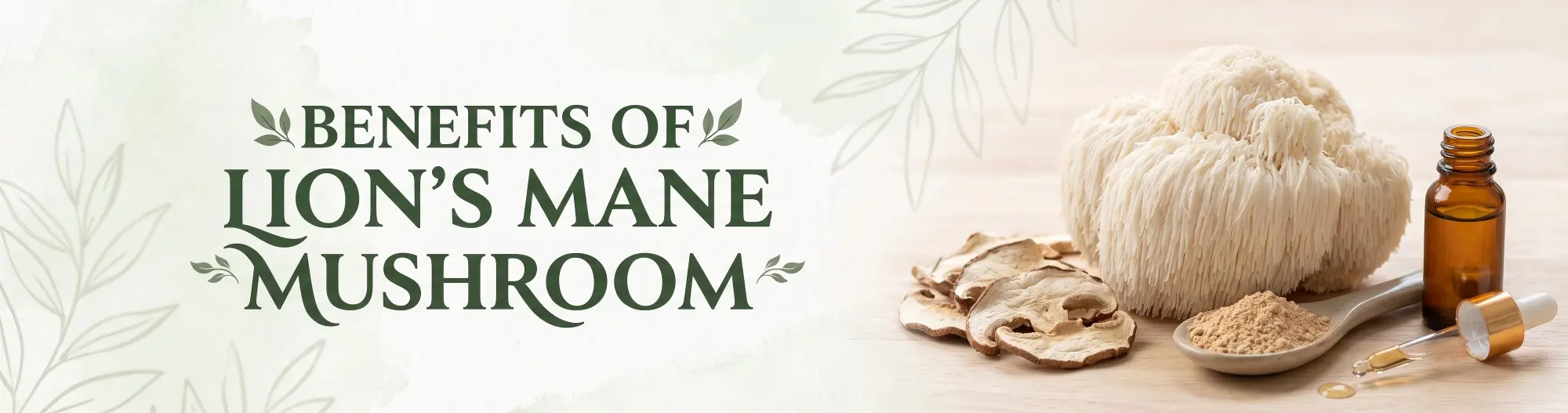
- Lion’s Mane β-glucans 30% — Mushroom extract standardized to 30% beta-glucans, the polysaccharides that have been investigated for their potential role in supporting nerve growth factor (NGF) expression in preclinical studies.
How Standardization Is Achieved
Raw Material Selection
Standardization begins at the source. Botanical identity must be rigorously confirmed through macroscopic and microscopic characterization, botanical authentication, and ethnobotanical identification. The USP General Chapter <563> (Identification of Articles of Botanical Origin) and General Chapter <561> (Articles of Botanical Origin) provide the foundational framework for these verification procedures.
Extraction Process Control
The extraction method — whether solvent-based (ethanol, water, supercritical CO2) or mechanical — must be fully validated and standardized. Process parameters including temperature, pressure, solvent-to-material ratio, and extraction time are tightly controlled to maximize active constituent recovery while minimizing co-extraction of undesirable compounds.
Analytical Testing Methods
Modern standardized extract production relies on sophisticated analytical techniques to quantify marker compounds and ensure quality:
- HPLC (High-Performance Liquid Chromatography): The gold standard for quantifying bioactive compounds in herbal extracts. HPLC fingerprinting has emerged as a cornerstone technique for meeting stringent quality guidelines set by USP, EMA, and WHO. A validated HPLC method can simultaneously detect and quantify multiple bioactive components with high precision and sensitivity.
- UV Spectrophotometry: Used for rapid screening of total polyphenol or flavonoid content, often as a preliminary quality check.
- GC-MS (Gas Chromatography-Mass Spectrometry): Essential for identifying volatile compounds, residual solvents, and essential oil profiles.
- ICP-MS (Inductively Coupled Plasma Mass Spectrometry): The preferred method for heavy metal screening (arsenic, cadmium, lead, mercury) with detection limits in the parts-per-billion range. USP <232> establishes specific elemental impurity limits: arsenic NMT 0.2 μg/g, cadmium NMT 0.3 μg/g, lead NMT 0.5 μg/g, and mercury NMT 0.1 μg/g.
- HPTLC (High-Performance Thin Layer Chromatography): Used for botanical identity verification and fingerprinting, particularly for complex herbal matrices where multiple compounds must be resolved simultaneously.
Quality Specifications and Release Criteria
Under FDA cGMP regulations (21 CFR Part 111), manufacturers must establish specifications for identity, purity, strength, and composition, which must be verified via laboratory testing before release. A Certificate of Analysis (COA) must document:
- Identity test results confirming the botanical source
- Potency test results showing the active compound percentage meets specification
- Microbial safety results (total aerobic count, yeast/mold, coliforms, Salmonella, E. coli)
- Heavy metals results within USP/FDA limits
- Pass/Fail determination signed by authorized quality personnel
What Are Non-Standardized Ingredients?
Definition
Non-standardized ingredients are botanical or whole-food materials that are not quantified for specific active compound levels. Instead, they are characterized by extraction ratio (e.g., 10:1) or simply by their whole-food composition. While extraction ratios suggest concentration, they do not guarantee the presence or quantity of bioactive compounds.
Examples of non-standardized ingredients include:
- Broccoli powder — Whole dried broccoli florets, ground into powder; no quantified sulforaphane or glucoraphanin content.
- Beet root powder — Whole beet root dried and powdered; no standardized nitrate or betalain content.
- Whole mushroom powder — Dried and powdered fruiting body; no quantified beta-glucan, hericenone, or erinacine levels.
- Fruit powders (e.g., blueberry, acai, pomegranate) — Dried fruit material; no standardized anthocyanin or polyphenol content.
- 10:1 herbal extracts without marker testing — Concentrated by weight ratio but not analytically verified for active compounds.
Why Non-Standardized Ingredients Are Popular
- Lower manufacturing costs: Without the need for advanced analytical testing, active compound quantification, and specialized extraction, non-standardized ingredients typically cost 30–60% less than their standardized counterparts.
- Whole-food marketing appeal: The “whole food” and “minimally processed” narrative resonates strongly with consumers seeking natural products.
- Suitable for natural and organic positioning: Non-standardized ingredients align well with USDA Organic and clean-label positioning strategies.
- Easier flavor integration: Whole-food powders often provide better taste, color, and texture in functional foods and gummies.
Standardized vs. Non-Standardized Ingredients: Key Differences
Comparison Table
| Attribute | Standardized Ingredients | Non-Standardized Ingredients |
| Active compound level | Controlled and verified | Variable; not quantified |
| Clinical substantiation | Strong; directly linked to clinical trial dosages | Limited; difficult to correlate with study data |
| Batch consistency | High; analytical testing ensures uniformity | Moderate to Low; dependent on raw material harvest conditions |
| Cost | Higher; reflects analytical testing and extraction optimization | Lower; minimal testing and simpler processing |
| Label claims | Easier to substantiate with COA and third-party data | More difficult; claims rely on general botanical knowledge |
| Regulatory documentation | Stronger; full COA, spec sheets, stability data | Weaker; often limited to identity and microbial testing |
| Shelf-life predictability | Better; active compound degradation can be monitored | Variable; no baseline potency to measure against |
| Premium positioning | Excellent; supports clinical and science-backed branding | Moderate; appeals to natural/whole-food segments |
Why Standardization Matters for Private Label Brands
Consumer Expectations Are Changing
According to the 2024 CRN Consumer Survey conducted by Ipsos, three-quarters of Americans continue to use dietary supplements, with 91% of users affirming that supplements are essential to maintaining their health. The survey also revealed that consumers are increasingly exploring specialty products and personalized health solutions. Consumers increasingly expect:
- Transparent labeling: Clear disclosure of active compound percentages, not just botanical names.
- Clinically supported ingredients: Reference to peer-reviewed studies and clinical trial dosages.
- Precise dosages: Quantified amounts of bioactive compounds, not just “extract” or “powder.”
- Evidence-based formulations: Formulas designed around published research rather than marketing trends.
Retailers and Amazon Demand Greater Transparency
As of January 2026, Amazon requires ALL sellers of dietary supplements to demonstrate compliance with federal FDCA standards for food labeling (21 CFR 101) and current good manufacturing practices (21 CFR 111 or 117) through accredited third-party audits. Amazon has expanded its third-party testing requirements from high-risk categories (bodybuilding, joint health, sexual enhancement, sports nutrition, weight management) to ALL dietary supplement categories. Sellers must work with an approved TIC (Testing, Inspection, and Certification) service provider — including NSF, Eurofins, UL, Mérieux NutriSciences, SGS, and Certified Laboratories — to either test products or validate existing testing documents. TIC providers submit documentation directly to Amazon on the seller’s behalf.
Amazon’s approved Compliance Fast-Track partners include:
- NSF/ANSI 173 and NSF 229 certifications
- USP Dietary Supplement Verification Program
- BSCG Certified Drug Free
- Informed-Choice / Informed-Sport
- Clean Label Project and GRMA
Products already certified through these programs may qualify for automatic validation, significantly reducing compliance timelines. Non-compliant listings face immediate suspension, account-level penalties, or permanent removal.
Standardization Reduces Product Risk
- Lower risk of inconsistent efficacy: When every batch contains the same active compound percentage, consumers receive predictable results.
- Reduced customer complaints: Inconsistent potency is a leading cause of negative reviews and refund requests.
- Better repeat purchase rates: Consumers who experience consistent results are significantly more likely to repurchase and recommend.
- Easier international regulatory compliance: Standardized ingredients with full documentation facilitate export to EU (EFSA), Canada (Health Canada), Australia (TGA), and other regulated markets.
When Should Brands Choose Standardized Ingredients?
Cognitive Health Supplements
Cognitive health formulations demand precise, evidence-based dosing because consumers and practitioners expect measurable outcomes. Clinical trials in this category use quantified active compounds, making standardization essential for claim substantiation.
- Citicoline (CDP-Choline): Standardized to 98%+ purity; clinical studies typically use 250–500 mg/day for cognitive support.
- Phosphatidylserine: Standardized to 20% or 50% from soy or sunflower lecithin; studies use 100–300 mg/day.
- Lion’s Mane extract: Standardized to 30% beta-glucans and/or quantified hericenones/erinacines; a 2009 Japanese double-blind trial (Mori et al., Phytotherapy Research) used 1,000 mg of standardized Lion’s Mane powder three times daily for 16 weeks in adults with mild cognitive impairment, showing significant improvement in cognitive function scores versus placebo. Scores regressed after discontinuation, underscoring the importance of consistent active compound delivery.
Healthy Aging Formulas
Anti-aging and longevity supplements rely on compounds with well-documented mechanisms of action. Standardization ensures consumers receive the dosages shown effective in clinical research.
- Astaxanthin: Standardized to 2–10% from Haematococcus pluvialis microalgae; potent antioxidant with documented skin and eye health benefits.
- Sulforaphane: Standardized glucoraphanin extracts (10–13%) with or without added myrosinase enzyme; clinical studies have used 25–800 μmol glucoraphanin per day (median ~190 μmol or ~83 mg). A randomized study in older adults examined 30 mg glucoraphanin per day for 12 weeks, showing modest improvements in working memory and processing speed. A 90-subject clinical trial (NCT04252261) is currently assessing sulforaphane efficacy for improving cognitive function in patients with frontal brain damage.
- Resveratrol: Standardized to 98% trans-resveratrol from Japanese knotweed; clinical trials typically use 150–500 mg/day.
Eye Health Supplements
The landmark Age-Related Eye Disease Study 2 (AREDS2), published in JAMA and conducted by the National Eye Institute (NIH), provides the strongest clinical evidence for standardized eye health ingredients.
- Lutein: Standardized to 5–20% from marigold flower extract; AREDS2 used 10 mg/day, demonstrating a hazard ratio of 0.90 (95% CI: 0.82–0.99; p=0.04) for progression to late age-related macular degeneration (AMD) versus no lutein/zeaxanthin. For participants in the lowest dietary intake quintile, the hazard ratio was 0.74 (95% CI: 0.59–0.94; p=0.01).
- Zeaxanthin: Standardized to 5–10%; AREDS2 used 2 mg/day in combination with lutein.
- Beta-carotene: While AREDS originally included beta-carotene, AREDS2 eliminated it due to lung cancer risk in smokers, replacing it with lutein/zeaxanthin — a critical formulation insight for modern eye health products.
Clinical or Practitioner Brands
Brands targeting healthcare professionals, pharmacies, and premium DTC channels must meet the highest evidence standards. Standardized ingredients are non-negotiable for:
- Physician channels: Doctors require documented potency and clinical references.
- Pharmacy brands: Pharmacists demand COAs, stability data, and batch records.
- Premium DTC brands: Discerning consumers paying premium prices expect transparency and scientific backing.
When Are Non-Standardized Ingredients a Better Choice?
Gummies and Functional Foods
Whole-food ingredients often provide superior sensory properties and consumer perception in food-format supplements:
- Better flavor: Whole fruit powders deliver natural sweetness and flavor complexity.
- Better color: Beet powder provides vibrant red/purple coloration without artificial dyes.
- Better consumer perception: “Contains real beet root” resonates more strongly than “contains beet extract standardized to 2% betalains.”
Examples: Beet powder for nitrate support, blueberry powder for antioxidant claims, elderberry powder for immune positioning.
Organic Product Lines
USDA Organic certification often aligns with minimally processed ingredients. While organic standardized extracts exist, the organic supply chain for whole-food powders is more robust and cost-effective. Non-standardized organic ingredients support clean-label positioning and appeal to the natural/organic consumer segment.
Cost-Sensitive Mass Market Products
Non-standardized ingredients are strategically appropriate for:
- Entry-level supplements: Price-competitive SKUs targeting first-time supplement users.
- High-volume SKUs: Products where cost-per-serving must remain under $0.50.
- Functional beverage products: Drinks and shots where ingredient cost must be balanced with volume and flavor.
Can Brands Combine Both Approaches?
Hybrid Formulations Are a Major Trend
The most innovative supplement brands are increasingly adopting hybrid formulations that combine the marketing appeal of whole-food ingredients with the clinical credibility of standardized extracts. This approach delivers the best of both worlds:
Brain Formula Example:
- Lion’s Mane Powder (whole fruiting body) — Provides whole-food storytelling and visual appeal.
- Lion’s Mane Extract standardized to 30% beta-glucans — Ensures measurable, clinically relevant beta-glucan dosage.
Sulforaphane Formula Example:
- Broccoli Sprout Powder — Whole-food ingredient for natural positioning.
- Standardized glucoraphanin extract (10–13%) — Guarantees sulforaphane precursor content.
- Myrosinase enzyme — Added to ensure efficient conversion of glucoraphanin to sulforaphane in the body, addressing the variable conversion rates (10–20%) seen with glucoraphanin alone.
Eye Health Formula Example:
- Whole carrot powder — Natural, whole-food ingredient with beta-carotene.
- Standardized lutein (5–20%) and zeaxanthin (5–10%) — Clinically validated AREDS2 dosages.
Benefits of Hybrid Formulas
- Whole-food storytelling: Appeals to consumers seeking natural, minimally processed products.
- Better efficacy: Standardized extracts ensure consumers receive clinically relevant dosages.
- Improved marketing differentiation: “Whole food + clinically dosed actives” is a powerful positioning message.
- Lower cost than fully standardized formulas: Whole-food powders reduce the total standardized extract requirement.
Cost Comparison: Is Standardization Worth the Investment?
Manufacturing Cost Considerations
Factors that increase the cost of standardized ingredients include:
- Extraction yield: Lower yields require more raw material per unit of active compound.
- Analytical testing: HPLC, HPTLC, and ICP-MS testing adds $200–$500 per batch.
- Raw material sourcing: Premium botanicals with verified active compound content command higher prices.
- Stability studies: ICH-compliant stability testing (accelerated and real-time) is required for shelf-life claims.
- Regulatory documentation: Full COAs, specification sheets, and third-party verification reports.
Total Brand Economics
Higher ingredient costs are often offset by superior brand economics:
- Premium pricing: Standardized formulations may command 25–50% higher retail prices.
- Better reviews: Consistent efficacy translates to higher star ratings and positive testimonials.
- Reduced returns: Fewer complaints about product ineffectiveness.
- Higher customer lifetime value: Satisfied customers repurchase and subscribe at higher rates.
ROI Analysis Table:
| Factor | Standardized | Non-Standardized |
| Ingredient Cost per Unit | High | Low |
| Retail Price Positioning | Higher (premium) | Lower (mass market) |
| Repeat Purchase Rate | Higher (consistent efficacy) | Variable |
| Amazon Conversion Rate | Higher (certification trust) | Lower (documentation gaps) |
| Practitioner Acceptance | High | Low |
| International Export Feasibility | High | Low |
How Standardization Impacts Supply Chain Stability
Raw Material Availability
Standardized extracts require specific botanical varieties with verified active compound content. Not all harvests meet specification, creating supply constraints. For example, turmeric rhizomes must contain sufficient curcuminoid levels to justify extraction — substandard harvests are rejected, reducing available supply.
Seasonal and Geographic Variability
Botanical active compound levels vary significantly with climate, soil conditions, and harvest timing. Standardized extract manufacturers must source from multiple geographic regions and maintain buffer inventory to ensure consistent supply. Non-standardized ingredients face less stringent sourcing requirements.
Lead Time Implications
Standardized extracts typically require longer lead times due to:
- Extended raw material qualification and testing
- Multi-step extraction and purification processes
- Batch release testing before shipment
- Typical lead times: 8–16 weeks for standardized extracts vs. 4–8 weeks for non-standardized powders
Cost Volatility
Standardized ingredient prices are more sensitive to raw material quality fluctuations. A poor harvest season can increase prices by 20–40% for specific botanicals. Non-standardized ingredients exhibit more stable pricing because quality requirements are less stringent.
MOQ Considerations
Higher-standardized extracts often require:
- Larger purchasing quantities: Minimum order quantities of 100–500 kg are common for custom standardized extracts.
- Dedicated production batches: Custom extraction runs may require full-batch commitments.
- Higher testing costs: Each batch requires full analytical testing, adding fixed costs per run.
- Inventory carrying costs: Longer lead times require larger safety stock positions.
Supply Chain Risk Assessment Table:
| Ingredients | Standardized Supply Risk | Non-Standardized Supply Risk |
| Sulforaphane (glucoraphanin) | High (limited broccoli sprout suppliers) | Low (broccoli powder widely available) |
| Lion’s Mane (beta-glucans) | Medium (mushroom cultivation specialization) | Low (whole mushroom powder common) |
| Curcumin 95% | Stable (mature turmeric supply chain) | Stable (turmeric powder abundant) |
| Elderberry (anthocyanins) | Medium (seasonal harvest dependency) | Low (dried elderberry widely available) |
Regulatory and Compliance Considerations
Standardized Ingredients Support Better Documentation
The following documents are essential for regulatory compliance and retailer approval:
- Certificate of Analysis (COA): Third-party verified, including identity, potency, microbial, and heavy metal results.
- Specification Sheet: Detailed ingredient specifications including active compound range, physical properties, and shelf-life.
- Stability Data: ICH Q1A(R2) compliant accelerated and long-term stability studies.
- Heavy Metal Reports: ICP-MS results within USP <232> limits.
- Third-Party Testing Reports: Independent verification from ISO/IEC 17025 accredited laboratories.
Labeling Considerations
FDA labeling requirements (21 CFR 101.36) and Amazon compliance policies favor clear, quantified ingredient declarations:
Preferred Labeling Format:
Lion’s Mane Extract (30% beta-glucans) — 500 mg
This format clearly communicates both the ingredient source and the active compound concentration, enabling consumers to compare products and verify clinical relevance.
Avoid This Format:
Lion’s Mane Extract 10:1 — 500 mg
Extraction ratios (e.g., 10:1) do not indicate active compound content and are not recognized by FDA or USP as valid potency descriptors. This format makes it impossible for consumers or regulators to assess clinical relevance.
International Regulatory Considerations
United States (FDA / DSHEA)
Under DSHEA (1994), dietary supplements are regulated as a subcategory of foods. No pre-market approval is required, but all products must follow 21 CFR 111 Good Manufacturing Practice (GMP), ensuring ingredient quality, batch traceability, and documented manufacturing SOPs. Facility registration with the FDA is mandatory for all manufacturers, including overseas brands exporting to the US market. Amazon’s 2026 expansion of TIC requirements to ALL supplement categories means standardized ingredient documentation is now essential for marketplace access.
European Union (EFSA / Novel Food)
EFSA reopened its botanicals dossier in June 2026, strengthening characterization requirements — including identity (taxonomy and chemotype), plant part, manufacturing process, composition and markers, contaminants, specifications, and batch variability. The revised guidance proposes a tiered assessment strategy and a list of “substances of no concern.” Novel Food authorization is required for new ingredients, and extracts must be standardized to declared alkaloid or active compound content. Standardized ingredients with full documentation significantly streamline EU market entry.
Canada (Health Canada / NPN)
Health Canada’s Natural Health Products Regulations require every product to have a Natural Product Number (NPN) before it can be sold. NPN applications often require active constituent specifications, and standardized ingredients are explicitly referenced in approved monographs. For example, Health Canada has approved bilberry extract monographs and prebiotic monographs (April 2026) with standardized ingredient definitions. Products with standardized ingredients and full COAs typically receive faster NPN approval than those with non-standardized materials.
Australia (TGA / ARTG)
The Therapeutic Goods Administration (TGA) regulates health supplements under the Therapeutic Goods Act 1989. Most supplements must be included in the Australian Register of Therapeutic Goods (ARTG) prior to sale. The TGA’s Permissible Ingredients Determination specifies which substances can be used, and some botanical extracts require specific extract ratio or standardization specifications. Standardized products with documented active compound content face fewer approval hurdles than non-standardized preparations, which may require additional scrutiny.
International Regulatory Preference Matrix:
| Market | Standardized Preference Level | Key Requirement |
| USA (FDA) | Medium | cGMP + Amazon TIC verification; standardized ingredients facilitate compliance |
| EU (EFSA) | High | Novel Food authorization; standardized characterization required for dossiers |
| Canada (NPN) | High | Active constituent specifications in NPN applications; standardized monographs preferred |
| Australia (TGA) | High | Permissible Ingredients Determination; standardized extracts streamline ARTG inclusion |
| Middle East | Medium | Varying requirements; standardized documentation supports import clearance |
Supplier Qualification Checklist
Before committing to a standardized ingredient supplier, ask the following questions:
- HPLC chromatogram available for the specific batch?
- COA for three consecutive lots showing consistent active compound levels?
- Stability data (accelerated and real-time) supporting the claimed shelf-life?
- Heavy metal reports (ICP-MS) within USP <232> limits?
- Third-party testing from an ISO/IEC 17025 accredited laboratory?
- Botanical authentication (macroscopic, microscopic, or DNA barcoding)?
- Marker compound specification range clearly defined?
- Reference standards used for analytical method validation?
- GMP certificate from an accredited third-party body (NSF, UL, Eurofins, SGS)?
- Traceability documentation from farm to finished extract?
- Allergen and GMO statements available?
- Organic certification (if applicable) from a USDA/EU-recognized body?
How to Read a Certificate of Analysis (COA)
A valid COA for a standardized ingredient should contain the following sections:
- Product Identification: Botanical name, plant part, extract ratio, and batch number.
- Active Compound Analysis: HPLC or HPTLC results showing the marker compound percentage and whether it meets specification.
- Identity Verification: Botanical authentication method and result (e.g., macroscopic, microscopic, HPTLC fingerprinting).
- Microbial Safety: Total aerobic count, yeast and mold, coliforms, E. coli, Salmonella — all within USP <61>/<62> limits.
- Heavy Metals: Arsenic, cadmium, lead, mercury results with ICP-MS method and limits per USP <232>/<233>.
- Residual Solvents: GC-MS results for ethanol, methanol, acetone, hexane (if solvent extraction used).
- Pesticide Screen: GC-MS/MS or LC-MS/MS results for organophosphates, organochlorines, and pyrethroids.
- Mycotoxins: Aflatoxin B1, B2, G1, G2, and ochratoxin A (if applicable).
- Physical Properties: Appearance, color, odor, moisture content, particle size distribution.
- Signature and Date: Authorized quality personnel signature, date of analysis, and laboratory accreditation number.
Red flags to watch for:
- COA without a batch number or with a generic template
- Missing active compound quantification
- Heavy metal results without method specification (ICP-MS vs. colorimetric)
- No third-party laboratory accreditation number
- Expired or outdated test results
Questions to Ask Your OEM Manufacturer
- What is your minimum order quantity (MOQ) for standardized vs. non-standardized ingredients?
- Do you have in-house HPLC, HPTLC, and ICP-MS testing capabilities?
- Can you provide batch-specific COAs for every production run?
- What is your typical lead time for standardized extract procurement vs. whole-food powders?
- Do you have experience with Amazon TIC compliance and documentation submission?
- Can you support Health Canada NPN, EU Novel Food, or TGA ARTG application documentation?
- What is your policy on ingredient substitution if a standardized extract becomes unavailable?
- Do you offer small-batch pilot manufacturing for formulation validation?
- What certifications does your facility hold (NSF/ANSI 455-2, UL GMP, USP GMP, ISO 22000)?
- Can you provide references from brands in my target market segment?
Case Study: Premium Amazon Brand vs Mass Market Brand
Scenario A: Premium Amazon Brand (Standardized Strategy)
- Product: Lion’s Mane Cognitive Support Capsule
- Ingredient: Lion’s Mane Extract standardized to 30% beta-glucans (500 mg) + whole fruiting body powder (200 mg)
- Retail Price: $34.99 / 60 capsules ($0.58/serving)
- Certifications: NSF/ANSI 173, Amazon TIC verified, third-party COA published on product page
- Results: 4.7-star average, 2% return rate, 35% repeat purchase rate within 90 days
- Regulatory: Ready for EU, Canada, and Australia export with existing documentation
Scenario B: Mass Market Brand (Non-Standardized Strategy)
- Product: Lion’s Mane Whole Mushroom Powder
- Ingredient: Whole Lion’s Mane fruiting body powder (1,000 mg) — no beta-glucan quantification
- Retail Price: $14.99 / 120 capsules ($0.12/serving)
- Certifications: Basic GMP, identity and microbial testing only
- Results: 3.9-star average, 8% return rate (primarily “did not feel effects”), 12% repeat purchase rate
- Regulatory: Limited to US domestic market; export documentation insufficient for regulated markets
Analysis: The premium brand invests 3x more in ingredient costs but achieves 3x higher repeat purchase rates, lower returns, and international market readiness. The mass-market brand captures price-sensitive consumers but faces higher complaint rates and limited growth potential. The optimal strategy depends on the brand’s target demographic, margin structure, and long-term positioning goals.
Emerging Market Trends
Standardized Ingredients Are Becoming the Premium Segment
The global dietary supplements market was valued at approximately USD 209.5 billion in 2025 and is projected to grow from USD 228.2 billion in 2026 to USD 431.7 billion by 2033, at a CAGR of 9.5% (Grand View Research, 2026). The personalized nutrition and supplements market is estimated at USD 18.37 billion in 2026 and projected to reach USD 74.3 billion by 2036, at a CAGR of 15% (Fact.MR, 2026). This growth is driven by:
- Personalized nutrition: DNA testing, biomarker analysis, and AI-driven recommendations are creating demand for precisely dosed, standardized ingredients that can be tailored to individual needs.
- Clinical evidence demand: Consumers and practitioners increasingly require peer-reviewed study references for every ingredient claim.
- Healthy aging market: The geriatric segment is expected to grow strongly, driven by preventive healthcare awareness and higher disposable incomes among aging populations.
- Practitioner brands: Healthcare providers are prescribing evidence-based supplements as adjuncts to conventional care.
- Cognitive wellness supplements: The global cognitive supplement market was valued at USD 5.8 billion in 2025 and is projected to grow from USD 6.3 billion in 2026 to USD 10.1 billion by 2034, at a CAGR of 6.7% (Intel Market Research, 2026).
Consumers Increasingly Ask
- How much active ingredient is included? — Not just “extract,” but the specific compound percentage.
- Is the extract clinically studied? — Reference to peer-reviewed trials with matching dosages.
- Is the dosage standardized? — Assurance that every batch delivers the same potency.
How to Choose the Right Ingredient Strategy for Your Private Label Brand
Decision Matrix
| Brand Positioning | Recommended Strategy |
| Amazon Premium Brand | Standardized |
| Practitioner Brand | Standardized |
| Clinical Formulas | Standardized |
| Organic Products | Hybrid |
| Gummies | Hybrid |
| Functional Foods | Non-standardized / Hybrid |
| Entry-Level Products | Non-standardized |
How KS Nutripharma Supports Standardized Ingredient Development
Services
- Ingredient sourcing: Global network of verified suppliers with full traceability documentation.
- Active compound testing: In-house HPLC, HPTLC, and ICP-MS capabilities for batch verification.
- Formula design: Evidence-based formulation development aligned with clinical trial dosages.
- Stability evaluation: ICH-compliant accelerated and real-term stability studies.
- Regulatory documentation support: COA generation, specification sheets, and third-party testing coordination.
- Small-batch pilot manufacturing: Low MOQ pilot runs for market testing and formulation validation.
Frequently Asked Questions
Are standardized ingredients always better?
Not necessarily. Standardized ingredients may be superior for clinical, practitioner, and premium brands where consistency and evidence matter most. However, non-standardized ingredients are strategically appropriate for cost-sensitive mass-market products, organic lines, and functional food formats where whole-food appeal outweighs clinical precision. The optimal strategy depends on brand positioning, target consumer, and regulatory requirements.
Are extraction ratios the same as standardization?
No. An extraction ratio (e.g., 10:1) indicates that 10 kg of raw material were used to produce 1 kg of extract, but it does not quantify the active compound content. Standardization requires analytical verification of specific marker compounds using validated methods such as HPLC or HPTLC. Extraction ratios alone are insufficient for clinical claim substantiation or regulatory compliance.
Can standardized ingredients be organic?
Yes. Organic certification applies to the agricultural production and processing methods, while standardization applies to the analytical quantification of active compounds. USDA Organic standardized extracts are available for many botanicals, though they typically command a 15–30% premium over conventional standardized extracts due to limited supply and higher production costs.
Why are standardized extracts more expensive?
Standardized extracts incur higher costs due to: (1) premium raw material selection with verified active compound content; (2) sophisticated extraction and purification processes; (3) extensive analytical testing (HPLC, HPTLC, ICP-MS) for every batch; (4) stability studies and regulatory documentation; and (5) lower extraction yields per unit of active compound. These costs are offset by premium pricing, reduced returns, and higher customer lifetime value.
Which ingredients should always be standardized?
Ingredients with well-documented clinical trial data and narrow therapeutic windows should always be standardized. These include: curcumin (95% curcuminoids), sulforaphane/glucoraphanin, lutein/zeaxanthin, citicoline, phosphatidylserine, astaxanthin, resveratrol, and beta-glucans from medicinal mushrooms. For these ingredients, standardization is the only way to ensure consumers receive the dosages shown effective in peer-reviewed research.
Conclusion
The Best Ingredient Strategy Depends on Your Brand Positioning
Standardized ingredients may deliver consistency, efficacy, and premium positioning — essential for clinical, practitioner, and science-backed brands. Non-standardized ingredients offer natural appeal and cost advantages — ideal for mass-market, organic, and functional food applications. Hybrid formulations increasingly provide the optimal balance between scientific credibility, marketing differentiation, and manufacturing economics.
The supplement industry is at an inflection point. Consumers are more educated, retailers are more demanding, and regulators are more vigilant. Amazon’s 2026 TIC expansion, EFSA’s strengthened botanical characterization requirements, and Health Canada’s evolving monograph standards all point in the same direction: transparency, documentation, and standardization. Brands that invest in standardized ingredient strategies today will build the trust, compliance, and competitive positioning needed to thrive in the premium supplement market of tomorrow.
Recommended Internal Links
- Standardized Herbal Extract Manufacturer
- Sulforaphane Supplement Manufacturer
- Lion’s Mane Supplement OEM
- Lutein and Zeaxanthin Formulation Guide
- Saffron Supplement Contract Manufacturing
- Beta-Carotene Supplement Manufacturer
References and Sources
- FDA. Current Good Manufacturing Practice in Manufacturing, Packaging, Labeling, and Holding Operations for Dietary Supplements. 21 CFR Part 111. Available at: https://www.ecfr.gov/current/title-21/chapter-I/subchapter-B/part-111
- FDA. Food Labeling; General Provisions; Nutritional Labeling; Label Format; Exemptions. 21 CFR Part 101.36. Available at: https://www.ecfr.gov/current/title-21/chapter-I/subchapter-B/part-101
- United States Pharmacopeia (USP). General Chapter <232> Elemental Impurities—Limits. USP-NF. Available at: https://www.uspnf.com/
- United States Pharmacopeia (USP). General Chapter <561> Articles of Botanical Origin. USP-NF. Available at: https://www.uspnf.com/
- United States Pharmacopeia (USP). General Chapter <563> Identification of Articles of Botanical Origin. USP-NF. Available at: https://www.uspnf.com/
- Amazon. Dietary Supplement Policy and Compliance Requirements (TIC Program). Available at: https://sellercentral.amazon.com/
- Supply Side SJ. Amazon requires testing for all supplements (January 2026). Available at: https://www.supplysidesj.com/business-resources/amazon-supplement-testing-rules
- Certified Laboratories. Amazon Dietary Supplement Requirements for Laboratory Testing [2025]. Available at: https://certified-laboratories.com/blog/amazon-dietary-supplement-requirements-for-laboratory-testing/
- EcomBrainly. How to Sell Supplements on Amazon in 2026. Available at: https://ecombrainly.com/how-to-sell-supplements-on-amazon/
- Food Label Maker. Amazon’s Supplement Update 2026. Available at: https://foodlabelmaker.com/gb/regulatory-hub/fda/dietary-supplements/amazon-supplement-update-2026/
- CRN (Council for Responsible Nutrition). 2024 CRN Consumer Survey on Dietary Supplements. Available at: https://www.crnusa.org/resources/type/consumer-data
- Nutritional Outlook. Council for Responsible Nutrition discloses 2024 Consumer Survey results. Available at: https://www.nutritionaloutlook.com/view/council-for-responsible-nutrition-discloses-2024-consumer-survey-results-showcasing-increasing-of-specialty-product-usage
- Grand View Research. Dietary Supplements Market (2026-2033). Available at: https://www.grandviewresearch.com/industry-analysis/dietary-supplements-market-report
- The Business Research Company. Nutritional Supplements Global Market Report 2026. Available at: https://www.thebusinessresearchcompany.com/report/nutritional-supplements-global-market-report
- Fact.MR. Personalized Nutrition and Supplements Market Report 2026-2036. Available at: https://www.factmr.com/report/personalized-nutrition-and-supplements-market
- Fact.MR. Dietary Supplement Market Report 2026-2036. Available at: https://www.factmr.com/report/dietary-supplements-market
- Intel Market Research. Cognitive Supplement Market 2026-2034. Available at: https://www.intelmarketresearch.com/cognitive-supplement-market-38316
- Mori K, et al. Improving effects of the mushroom Yamabushitake (Hericium erinaceus) on mild cognitive impairment: a double-blind placebo-controlled clinical trial. Phytother Res. 2009;23(3):367-372. doi:10.1002/ptr.2634. Available at: https://pubmed.ncbi.nlm.nih.gov/18844328/
- Age-Related Eye Disease Study 2 (AREDS2) Research Group. Lutein + zeaxanthin and omega-3 fatty acids for age-related macular degeneration: the Age-Related Eye Disease Study 2 randomized clinical trial. JAMA. 2013;309(19):2005-2015. doi:10.1001/jama.2013.4997. Available at: https://pubmed.ncbi.nlm.nih.gov/23644932/
- AREDS2 Research Group. Secondary Analyses of the Effects of Lutein/Zeaxanthin on Age-Related Macular Degeneration Progression: AREDS2 Report No. 3. JAMA Ophthalmol. 2014. Available at: https://pmc.ncbi.nlm.nih.gov/articles/PMC4636082/
- Fahey JW, et al. Broccoli or Sulforaphane: Is It the Source or Dose That Matters? PMC. 2019. Available at: https://pmc.ncbi.nlm.nih.gov/articles/PMC6804255/
- PMC. Sulforaphane and Brain Health: From Pathways of Action to Effects on Specific Disorders. Available at: https://pmc.ncbi.nlm.nih.gov/articles/PMC12030691/
- Darwin Nutrition. Sulforaphane: Benefits, Dosage, Contraindications. November 2025. Available at: https://www.darwin-nutrition.fr/en/active/sulforaphane/
- NSF International. NSF/ANSI 173-2025 Dietary Supplements Standard. Available at: https://store.accuristech.com/standards/nsf-ansi-173-2025
- NSF International. Product and Ingredient Certification. Available at: https://www.nsf.org/nutrition-wellness/product-and-ingredient-certification
- EFSA. Reopens the botanicals dossier (June 2026). Available at: https://www.foodtimes.eu/consumers-and-health/efsa-botanicals-safety-guidance-revision-consultation/
- Health Canada. Natural Health Products Regulations. Available at: https://www.canada.ca/en/health-canada/services/drugs-health-products/natural-non-prescription.html
- TGA. Australian Regulatory Guidelines for Complementary Medicines (ARGCM). Available at: https://www.tga.gov.au/sites/default/files/australian-regulatory-guidelines-complementary-medicines-argcm.pdf
- TGA. Ingredient Basics for Therapeutic Goods. Available at: https://www.tga.gov.au/products/regulations-all-products/ingredients-and-scheduling-medicines-and-chemicals/ingredients-therapeutic-goods/ingredient-basics
- Hewlings SJ, Kalman DS. Curcumin: A Review of Its’ Effects on Human Health. Foods. 2017;6(10):92. Available at: https://pmc.ncbi.nlm.nih.gov/articles/PMC5664031/
- NIH Office of Dietary Supplements. Dietary Supplement Fact Sheets. Available at: https://ods.od.nih.gov/
Author Section and Disclaimer
Reviewed by:
KS Nutripharma Formulation Team
19+ years in botanical extract sourcing and dietary supplement manufacturing.
Experience in:
- USA dietary supplements (FDA cGMP, DSHEA compliance)
- EU nutraceutical regulations (EFSA, Novel Food)
- Canada Natural Health Products (NPN applications)
- Amazon supplement compliance (TIC verification, NSF/ANSI 173)
- Australia TGA complementary medicines (ARTG inclusion)
Disclaimer:
This article is intended for educational and product-development purposes only and should not be considered medical advice. All health claims discussed are for structure/function positioning only and do not constitute disease treatment claims. Brand owners should consult with qualified regulatory professionals before making specific product claims. Ingredient standardization requirements may vary by jurisdiction and product category.