
Table of Contents
- Introduction
- Emerging Trends in Lion’s Mane Product Development
- Why Formulation Matters for Lion’s Mane Supplements
- Principles of Designing Effective Lion’s Mane Formulations
- Best Lion’s Mane Formulations for Different Health Goals
- Formula 1: Lion’s Mane + Citicoline (CDP-Choline)
- Formula 2: Lion’s Mane + Phosphatidylserine
- Formula 3: Lion’s Mane + Ashwagandha
- Formula 4: Lion’s Mane + Bacopa Monnieri
- Formula 5: Lion’s Mane + Magnesium L-Threonate
- Formula 6: Lion’s Mane + L-Theanine
- Formula 7: Lion’s Mane + Rhodiola Rosea
- Formula 8: Lion’s Mane + Creatine Monohydrate
- Formula 9: Lion’s Mane + Saffron Extract
- Formula 10: Lion’s Mane + Functional Mushroom Blend
- Most Popular Lion’s Mane Dosage Formats
- Formulation Considerations for Supplement Brands
- Choosing the Right Lion’s Mane Ingredient Specifications
- OEM & Private Label Development Considerations
- Sample OEM Lion’s Mane Formulations
- How to Choose the Best Lion’s Mane Formulation
- FAQ
- References & Data Sources
1. Introduction
The global nootropics market is projected to grow from USD 7.55 billion in 2025 to USD 16.58 billion by 2031, at a CAGR of 14.01%. Natural segments—led by mushroom-based cognitive supplements—are expanding fastest, with mushroom supplements marketed for cognitive health increasing by 114.5% in mainstream U.S. retail channels in 2024 alone. Lion’s Mane supplements have emerged as the dominant subcategory within this space, driven by consumer demand for natural NGF support. The global medicinal mushroom market is valued at USD 84.36 billion in 2026 and is projected to reach USD 227.26 billion by 2035, at a CAGR of 11.64%. Over 60% of U.S. consumers now recognize medicinal mushrooms as dietary supplements, with approximately 35 million adults consuming mushroom-based products in 2024.
This surge reflects a fundamental shift in consumer demand: buyers no longer want generic “brain boosters.” They want targeted, evidence-based Lion’s Mane supplements and formulations that address specific cognitive goals—memory, focus, stress resilience, sleep quality, and healthy aging.
For supplement brands and OEM manufacturers, this creates both an opportunity and a challenge. Standalone Lion’s Mane (Hericium erinaceus) extracts are no longer sufficient to differentiate Lion’s Mane supplements in a crowded marketplace. The brands winning market share are those offering synergistic, goal-specific formulations that combine Lion’s Mane with complementary nootropics and adaptogens backed by clinical literature.
This guide is designed for supplement brand owners, product developers, and OEM partners who need actionable, science-backed formulation guidance for developing premium Lion’s Mane supplements. Every ingredient combination presented below is supported by peer-reviewed research from authoritative sources, including the National Institutes of Health (NIH), PubMed Central (PMC), and the European Food Safety Authority (EFSA). Regulatory considerations for the U.S. FDA and EU markets are also included to support compliant product development from day one.
2. Emerging Trends in Lion’s Mane Product Development
Understanding where the market is heading is as critical as understanding the science. The following trends are shaping OEM demand and consumer purchasing behavior in 2026:
Gummies: The Fastest-Growing Format
Gummies have become the dominant growth driver in the mushroom supplement category, particularly among millennials and Gen Z consumers. However, formulating Lion’s Mane into gummies presents unique technical challenges: the earthy, slightly bitter taste profile requires advanced flavor-masking systems, and water activity (aw) must be tightly controlled (typically <0.65) to prevent microbial growth and maintain stability. The global gummy supplement market is expanding at double-digit rates, and mushroom gummies are one of the top-performing subcategories.
Mushroom Coffee & Functional Beverages
The mushroom coffee market is projected to reach USD 5.56 billion by 2035, expanding at roughly 7% annually. Over 200 new functional beverage products featuring medicinal mushrooms were launched globally in 2024. Consumers are increasingly seeking beverages that enhance focus and reduce stress without the jitters of traditional energy drinks. Lion’s Mane is the primary cognitive ingredient in this space, often paired with L-theanine, cordyceps, or adaptogenic herbs.
Longevity & Healthy Aging Formulas
The longevity supplement market is one of the fastest-growing segments in nutraceuticals. Consumers 50+ are actively seeking multi-ingredient neuroprotection stacks that go beyond single-mushroom products. Formulations combining Lion’s Mane with phosphatidylserine, PQQ, CoQ10, and astaxanthin are gaining significant traction in premium positioning channels.
Women’s Cognitive Health
There is rising demand for cognitive supplements targeting women’s health, particularly around perimenopause and menopause, where brain fog and memory complaints are common. Saffron extract has emerged as a particularly promising ingredient in this segment due to its dual action on mood and cognitive function, with clinical evidence supporting efficacy in depression and mild cognitive impairment.
ADHD & Focus Formulas
The adult ADHD diagnosis rate has increased significantly, driving demand for non-stimulant focus support. Lion’s Mane + Citicoline + L-Theanine stacks are increasingly positioned as “calm focus” alternatives to prescription stimulants, particularly in the gaming and professional performance segments.
GLP-1 Companion Formulas
With over 30 million Americans projected to be on GLP-1 weight-loss medications by 2030, a parallel market for companion supplements has emerged. The global GLP-1 companion products market was valued at approximately USD 4.7 billion in 2025 and is projected to reach USD 14.4 billion by 2036. Lion’s Mane is being incorporated into GLP-1 companion formulas to address the cognitive side effects of rapid caloric restriction and nutrient deficiency, including brain fog and mental fatigue.
3. Why Formulation Matters for Lion’s Mane Supplements
Lion’s Mane is valued primarily for its ability to stimulate nerve growth factor (NGF) and brain-derived neurotrophic factor (BDNF), proteins essential for neuronal survival, synaptic plasticity, and neurogenesis. Research published in PMC confirms that erinacines and hericenones derived from the fruiting body of Hericium erinaceus promote NGF synthesis in vitro and support neurite outgrowth.
However, NGF stimulation alone does not address the full spectrum of cognitive demands consumers face today. A well-constructed formulation must target multiple neurological pathways simultaneously:
| Consumer Goal | Primary Mechanism | Recommended Combination |
|---|---|---|
| Memory | Neuronal membrane support + NGF | Lion’s Mane + Phosphatidylserine |
| Focus | Neurotransmitter synthesis + NGF | Lion’s Mane + Citicoline |
| Stress | HPA axis modulation + NGF | Lion’s Mane + Ashwagandha |
| Sleep | GABA/glutamate regulation + recovery | Lion’s Mane + Magnesium L-Threonate |
| Calm Focus | Alpha wave promotion + NGF | Lion’s Mane + L-Theanine |
| Mental Energy | ATP regeneration + NGF | Lion’s Mane + Creatine |
| Mood & Women’s Health | Serotonin/AChE modulation + NGF | Lion’s Mane + Saffron |
| Healthy Aging | Neuroprotection + anti-inflammatory | Lion’s Mane + DHA/Omega-3 |
| Daily Wellness | Immune modulation + cognitive support | Lion’s Mane + Reishi/Cordyceps/Chaga |
4. Principles of Designing Effective Lion’s Mane Formulations
Effective formulation is not about randomly combining trending ingredients. It requires understanding the distinct neurological pathways each ingredient modulates and how those pathways interact. The following framework underpins every formula presented in this guide.
1) Neurogenesis Pathway
Lion’s Mane → NGF/BDNF → Neuronal Growth & Repair
This is the foundational mechanism of Lion’s Mane. Hericenones and erinacines cross the blood-brain barrier and stimulate NGF synthesis in the hippocampus and cortex. NGF promotes the survival, differentiation, and growth of cholinergic neurons. Without this pathway, a formulation lacks the structural substrate for long-term cognitive enhancement.
Clinical Dosing Range: 500–3,000 mg/day of fruiting body extract, standardized to ≥30% beta-glucans.
2) Neurotransmitter Pathway
Citicoline / PS / Bacopa → Acetylcholine → Attention, Memory, Executive Function
Acetylcholine is the primary neurotransmitter of the cholinergic system, critical for learning, memory, and focused attention. Citicoline provides the choline precursor for ACh synthesis. Phosphatidylserine maintains the membrane integrity of cholinergic neurons. Bacopa monnieri inhibits acetylcholinesterase (AChE), the enzyme that breaks down ACh, thereby prolonging synaptic signaling.
Clinical Dosing Ranges:
- Citicoline: 250–500 mg/day
- Phosphatidylserine: 100–300 mg/day
- Bacopa monnieri (standardized to 50% bacosides): 300–600 mg/day
3) Stress Regulation Pathway
Ashwagandha / L-Theanine / Rhodiola → HPA Axis / GABA / Cortisol → Stress Resilience
Chronic stress elevates cortisol, which impairs neurogenesis and synaptic plasticity—directly counteracting NGF benefits. Ashwagandha modulates the hypothalamic-pituitary-adrenal (HPA) axis and reduces serum cortisol. L-Theanine increases GABA and alpha brain wave activity, promoting relaxation without sedation. Rhodiola rosea reduces perceived mental fatigue and modulates monoamine neurotransmitters under stress.
Clinical Dosing Ranges:
- Ashwagandha (≥5% withanolides): 300–600 mg/day
- L-Theanine: 100–200 mg/day
- Rhodiola (≥3% rosavins, ≥1% salidroside): 200–400 mg/day
4) Brain Energy Pathway
Creatine / Cordyceps / CoQ10 / PQQ → ATP / Mitochondrial Biogenesis → Mental Stamina
The brain consumes approximately 20% of the body’s resting energy despite being only 2% of body mass. Creatine replenishes ATP via the phosphocreatine system. PQQ stimulates mitochondrial biogenesis (the creation of new mitochondria). CoQ10 supports electron transport chain efficiency. Cordyceps enhances oxygen utilization and ATP production.
Clinical Dosing Ranges:
- Creatine monohydrate: 3–5 g/day
- PQQ: 10–20 mg/day
- CoQ10 (ubiquinol): 100–200 mg/day
- Cordyceps (standardized extract): 400–1,000 mg/day
5) Neuroprotection Pathway
Omega-3 DHA / Astaxanthin / Antioxidants → Anti-inflammatory / Anti-apoptotic → Long-term Brain Health
Neuroinflammation and oxidative stress are primary drivers of age-related cognitive decline. DHA maintains neuronal membrane fluidity and resolves inflammation via specialized pro-resolving mediators (SPMs). Astaxanthin crosses the blood-brain barrier and upregulates endogenous antioxidant enzymes (SOD, catalase, glutathione).
Clinical Dosing Ranges:
- DHA: 250–1,000 mg/day
- Astaxanthin: 6–12 mg/day
5. Best Lion’s Mane Formulations for Different Health Goals
Formula 1: Lion’s Mane + Citicoline (CDP-Choline)
Best For: Focus, Productivity, Brain Fog
Why It Works:
Lion’s Mane promotes neurogenesis via NGF stimulation. Citicoline (cytidine diphosphate choline) provides the choline precursor required for acetylcholine synthesis, the neurotransmitter most directly associated with attention, learning, and executive function. Together, they create a dual-action mechanism: structural neuronal support plus immediate neurotransmitter availability.
Clinical Evidence:
A randomized, double-blind, placebo-controlled trial published in PMC investigated citicoline (Cognizin®) at 500 mg/day over 12 weeks in 100 healthy older adults with age-associated memory impairment. The citicoline group showed significantly greater improvements in episodic memory (P = 0.0025) and composite memory scores (P = 0.0052) compared to placebo. No serious adverse events were reported.
Suggested Formula:
- Lion’s Mane Extract (fruiting body, standardized to ≥30% beta-glucans): 500 mg
- Citicoline (CDP-Choline): 250 mg
Clinical Rationale:
- Lion’s Mane: 500–1,000 mg/day is the most common efficacious range in human trials for NGF-related benefits.
- Citicoline: 250 mg/day is the minimum effective dose shown in memory trials; 500 mg/day is the standard clinical dose.
Target Market: Professionals, students, gamers, knowledge workers seeking sustained mental clarity without stimulants.
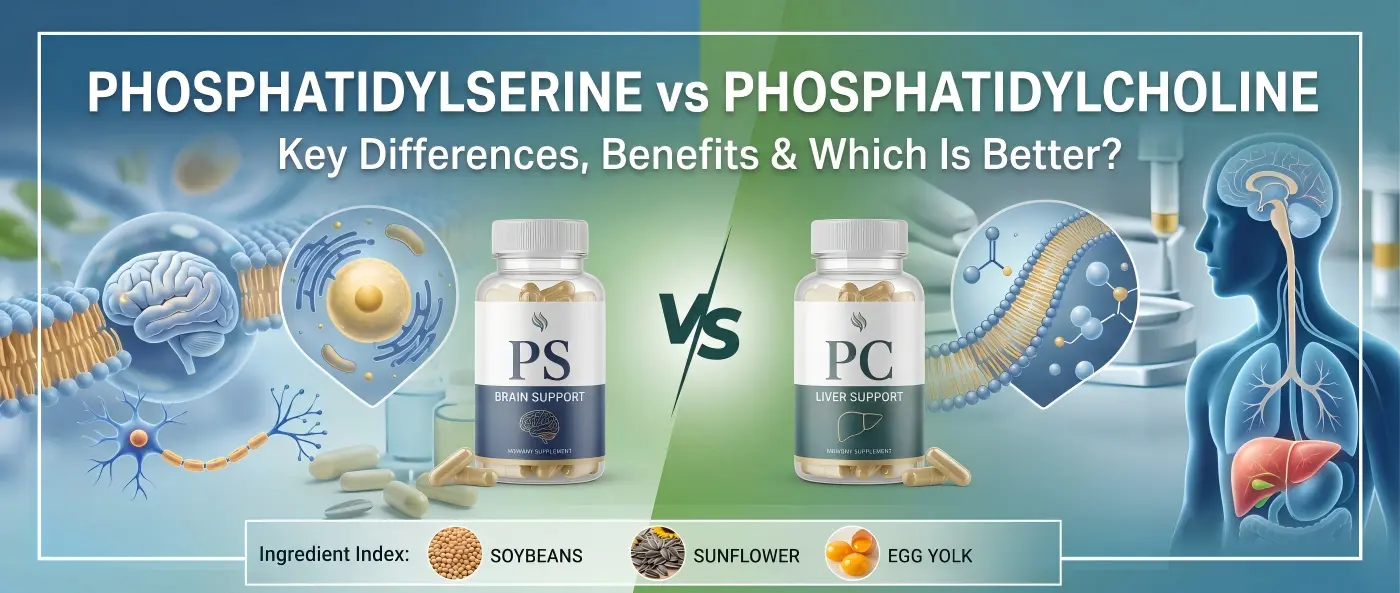
Formula 2: Lion’s Mane + Phosphatidylserine
Best For: Memory, Cognitive Aging, Students
Why It Works:
Phosphatidylserine (PS) is a phospholipid critical for maintaining neuronal membrane fluidity and receptor function. It also supports cortisol regulation, which indirectly protects hippocampal neurons from stress-induced damage. When combined with Lion’s Mane’s NGF-stimulating properties, PS provides both the “hardware” (membrane integrity) and “software” (neuronal growth signals) for memory consolidation.
Clinical Evidence:
Multiple clinical trials have demonstrated PS efficacy. A study published in PMC evaluated soybean-derived phosphatidylserine in elderly Japanese subjects with memory complaints and found significant improvements in memory function. Earlier multicenter studies on brain-derived PS in elderly patients with intellectual deterioration also showed measurable cognitive benefits.
The combination of Lion’s Mane + PS is currently one of the most requested stacks in the brain health category.
The combination of Lion’s Mane + PS is currently one of the most requested stacks in the brain health category.
Suggested Formula:
- Lion’s Mane Extract (fruiting body, standardized to ≥30% beta-glucans): 500 mg
- Phosphatidylserine (soy-free, sunflower-derived): 100 mg
Clinical Rationale:
- Lion’s Mane: 500 mg/day provides consistent NGF stimulation in clinical literature.
- Phosphatidylserine: 100 mg/day is the standard dose used in memory trials; 300 mg/day was used in early clinical studies with brain-derived PS.
Target Market: Adults 50+, students preparing for examinations, professionals in cognitively demanding roles.
Formula 3: Lion’s Mane + Ashwagandha
Best For: Stress, Burnout, Mood Support
Why It Works:
Chronic stress elevates cortisol, which impairs neurogenesis and synaptic plasticity—directly counteracting the benefits of NGF stimulation. Ashwagandha (Withania somnifera) is an adaptogen with robust clinical evidence for cortisol reduction and anxiolytic effects. According to the NIH Office of Dietary Supplements, a 2021 systematic review of seven clinical trials (491 adults) found that ashwagandha significantly reduced stress and anxiety levels, reduced sleeplessness and fatigue, and lowered serum cortisol compared to placebo. Doses of 500–600 mg/day appeared more effective than lower doses.
By pairing ashwagandha’s HPA-axis modulation with Lion’s Mane’s neurogenic support, this formula addresses both the cause (stress) and the structural consequence (neuronal atrophy) of chronic cognitive load.
Suggested Formula:
- Lion’s Mane Extract (fruiting body, standardized to ≥30% beta-glucans): 500 mg
- Ashwagandha Root Extract (standardized to ≥5% withanolides, e.g., KSM-66® or Sensoril®): 300 mg
Clinical Rationale:
- Lion’s Mane: 500 mg/day is the standard efficacious dose for cognitive outcomes.
- Ashwagandha: 300 mg/day of a standardized extract (equivalent to 600 mg of root powder) is within the effective range demonstrated in clinical trials.
Target Market: Working professionals, caregivers, individuals experiencing burnout or high-stress life transitions.
Formula 4: Lion’s Mane + Bacopa Monnieri
Best For: Memory Retention, Learning Performance
Why It Works:
Bacopa monnieri has been used in Ayurvedic medicine for centuries as a nerve tonic. Modern research demonstrates that bacosides—the active compounds in Bacopa—exhibit antioxidant, anti-inflammatory, and anti-apoptotic effects that benefit synaptic function and neuronal repair. A randomized, double-blind, placebo-controlled study published in PMC evaluated 300–600 mg of standardized Bacopa extract in 60 healthy elderly subjects over 12 weeks. The Bacopa-treated group showed improved working memory, decreased N100 and P300 latencies (indicating faster cognitive processing), and suppression of plasma acetylcholinesterase (AChE) activity.
The combination with Lion’s Mane is particularly potent for learning applications because Lion’s Mane supports the growth of new neurons while Bacopa optimizes the signaling efficiency of existing neural networks.
Suggested Formula:
- Lion’s Mane Extract (fruiting body, standardized to ≥30% beta-glucans): 500 mg
- Bacopa Monnieri Extract (standardized to ≥50% bacosides): 300 mg
Clinical Rationale:
- Lion’s Mane: 500 mg/day is the standard dose for neurogenic support.
- Bacopa monnieri: 300 mg/day of a 50% bacoside extract is within the effective range (300–600 mg/day) demonstrated in clinical trials.
Target Market: University students, language learners, professionals undergoing certification or skills training.
Formula 5: Lion’s Mane + Magnesium L-Threonate
Best For: Sleep, Brain Recovery, Healthy Aging
Why It Works:
Magnesium L-threonate (MgT) is a novel magnesium salt with documented ability to cross the blood-brain barrier and increase intraneuronal magnesium levels. A randomized, double-blind, placebo-controlled trial published in PMC evaluated 1 g/day of MgT in 80 adults with self-reported sleep problems over 21 days. Objective Oura ring measurements showed that MgT significantly improved deep sleep score (P < 0.001), REM sleep score (P = 0.020), and readiness score (P = 0.010) compared to placebo. Subjective measures also showed significant improvements in energy, daytime productivity, mood, and mental alertness.
Poor sleep is one of the most significant modifiable risk factors for cognitive decline. This formula leverages Lion’s Mane’s neurogenic potential during the brain’s primary recovery window—deep sleep—while MgT directly enhances sleep architecture and synaptic plasticity.
Suggested Formula:
- Lion’s Mane Extract (fruiting body, standardized to ≥30% beta-glucans): 500 mg
- Magnesium L-Threonate (providing ~75 mg elemental magnesium): 1,000 mg
Clinical Rationale:
- Lion’s Mane: 500 mg/day supports neurogenesis during sleep.
- Magnesium L-Threonate: 1,000–2,000 mg/day (providing 75–150 mg elemental Mg) is the dose range shown to improve sleep quality and cognitive function in clinical trials.
Target Market: Adults with sleep disturbances, shift workers, biohackers focused on longevity, aging populations concerned with neurodegeneration.
Formula 6: Lion’s Mane + L-Theanine
Best For: Calm Focus, Anxiety, Gaming Performance
Why It Works:
L-Theanine is a unique non-protein amino acid found abundantly in tea leaves that crosses the blood-brain barrier and increases alpha brain wave activity—a state associated with relaxed alertness and selective attention. A 28-day randomized trial published in PMC (AlphaWave® L-Theanine) found that 200 mg/day significantly decreased perceived stress and improved cognitive attention compared to baseline. EEG studies consistently show increased alpha power at doses of 100–200 mg.
When combined with Lion’s Mane, L-Theanine provides the “calm” component while Lion’s Mane provides the “growth” component. This is one of the most popular stacks in the gaming and esports community, where sustained focus without jitteriness is paramount.
Suggested Formula:
- Lion’s Mane Extract (fruiting body, standardized to ≥30% beta-glucans): 500 mg
- L-Theanine: 200 mg
Clinical Rationale:
- Lion’s Mane: 500 mg/day provides structural neuronal support.
- L-Theanine: 200 mg/day is the standard clinical dose shown to increase alpha waves and improve attention in human trials.
Target Market: Gamers, esports athletes, professionals seeking calm productivity, individuals with anxiety-related focus issues.
Formula 7: Lion’s Mane + Rhodiola Rosea
Best For: Mental Fatigue, Burnout, Cognitive Endurance
Why It Works:
Rhodiola rosea is an adaptogen with a well-documented ability to reduce mental fatigue and improve cognitive performance under stress. A landmark double-blind, randomized, placebo-controlled trial published in Phytomedicine (2009) enrolled 60 patients with stress-related fatigue and gave them SHR-5 extract (576 mg/day) or placebo for 28 days. The rhodiola group showed significant improvements on the Pines’ Burnout Scale, attention and cognitive function, and the cortisol awakening response. Salivary cortisol levels normalized significantly in the treated group by day 28.
Rhodiola does not act as a stimulant; rather, it reduces the psychological noise—stress-signal interference—that degrades cognitive performance under load. When combined with Lion’s Mane, this formula supports both the energetic capacity to perform and the structural capacity to recover.
Suggested Formula:
- Lion’s Mane Extract (fruiting body, standardized to ≥30% beta-glucans): 500 mg
- Rhodiola Rosea Extract (standardized to ≥3% rosavins, ≥1% salidroside): 200 mg
Clinical Rationale:
- Lion’s Mane: 500 mg/day supports neurogenesis and neuronal repair.
- Rhodiola: 200 mg/day of a standardized extract is within the effective range (200–400 mg/day) demonstrated in clinical trials for fatigue and stress.
Target Market: Professionals under sustained cognitive pressure, students during exam periods, individuals experiencing mental burnout.
Formula 8: Lion’s Mane + Creatine Monohydrate
Best For: Mental Energy, Brain ATP, Cognitive Stamina
Why It Works:
Creatine monohydrate is widely recognized for its role in sports nutrition, but emerging research reveals a compelling secondary benefit: cognitive enhancement. The mechanism centers on brain energy metabolism. The brain depends on ATP for nearly every neural function: neurotransmitter synthesis, ion pump maintenance, synaptic plasticity, and memory consolidation. Creatine serves as a temporal and spatial buffer for ATP and ADP in brain cells. Magnetic resonance spectroscopy (MRS) studies confirm that oral creatine supplementation directly increases brain creatine concentration by 3–10%.
Research suggests that creatine may improve short-term memory and reasoning, particularly in individuals under metabolic stress (sleep deprivation, mental fatigue, aging). Vegetarians and vegans, who have lower baseline creatine levels, often show the most pronounced cognitive improvements.
Suggested Formula:
- Lion’s Mane Extract (fruiting body, standardized to ≥30% beta-glucans): 500 mg
- Creatine Monohydrate: 3,000 mg
Clinical Rationale:
- Lion’s Mane: 500 mg/day provides neurogenic support.
- Creatine monohydrate: 3–5 g/day is the standard dose shown to increase brain creatine stores and support cognitive function under stress.
Target Market: Athletes, students, professionals in high-demand cognitive roles, vegetarians/vegans.
Formula 9: Lion’s Mane + Saffron Extract
Best For: Mood, Women’s Cognitive Health, Perimenopause Support
Why It Works:
Saffron (Crocus sativus L.) has emerged as a promising candidate for mood and cognitive disorders due to its multimodal neuroprotective properties. A comprehensive review published in PMC evaluated multiple double-blind RCTs and meta-analyses. In depression, RCTs using 30 mg/day of saffron for six weeks showed comparable improvements in Hamilton Depression Rating Scale (HAM-D) scores to fluoxetine (20 mg/day), with no difference in adverse events. In cognitive disorders, saffron (30 mg/day) showed non-inferiority to donepezil (10 mg/day) and memantine (20 mg/day) in patients with mild-to-moderate Alzheimer’s disease.
Saffron’s active compounds—crocin, crocetin, and safranal—modulate serotonin, dopamine, and norepinephrine; inhibit acetylcholinesterase (AChE); and exert antioxidant and anti-inflammatory effects. This makes saffron particularly valuable for women’s cognitive health, where mood and memory concerns often co-occur.
Suggested Formula:
- Lion’s Mane Extract (fruiting body, standardized to ≥30% beta-glucans): 500 mg
- Saffron Extract (standardized to ≥2% safranal): 30 mg
Clinical Rationale:
- Lion’s Mane: 500 mg/day supports neurogenesis.
- Saffron: 30 mg/day is the consistent dose used across depression and cognitive trials, showing efficacy and safety.
Target Market: Women experiencing perimenopause/menopause-related brain fog, individuals with mood-related cognitive complaints, adults seeking natural antidepressant alternatives.
Formula 10: Lion’s Mane + Functional Mushroom Blend
Best For: Daily Wellness, Immune-Cognitive Integration
Why It Works:
This formula positions Lion’s Mane within a broader adaptogenic and immunomodulatory context. Reishi (Ganoderma lucidum) provides triterpenes with calming and immune-regulating properties. Cordyceps (Cordyceps militaris or CS-4) supports cellular energy (ATP) production and oxygen utilization. Chaga (Inonotus obliquus) offers one of the highest antioxidant capacities of any natural substance. Together, these mushrooms create a comprehensive daily wellness stack that supports cognitive function as part of total-system health.
Suggested Formula:
- Lion’s Mane Extract (fruiting body, standardized to ≥30% beta-glucans): 400 mg
- Reishi Extract (standardized to ≥20% beta-glucans): 200 mg
- Cordyceps Extract (standardized to ≥20% beta-glucans, or CS-4 mycelium): 200 mg
- Chaga Extract (standardized to ≥20% beta-glucans): 100 mg
Clinical Rationale:
- Lion’s Mane: 400 mg/day is sufficient for daily wellness when combined with other adaptogens.
- Reishi, Cordyceps, Chaga: 200 mg/day each is a standard adaptogenic dose in functional mushroom blends.
Target Market: Health-conscious general consumers, wellness enthusiasts, athletes seeking recovery support.
6. Most Popular Lion’s Mane Dosage Formats
For OEM and private-label clients, delivery format selection is as critical as ingredient selection. Current market data indicates the following trajectory:
| Format | Market Position | Growth Outlook | Development Difficulty |
|---|---|---|---|
| Capsules | Mature, highest volume | Stable | Low |
| Gummies | Fastest-growing segment | Very High | High |
| Powder Sachets | Strong in functional coffee/mushroom blends | High | Medium |
| Functional Beverages | Emerging, premium positioning | Very High | Very High |
| Softgels | Niche, premium brain health | Moderate | Medium |
Capsules remain the default for clinical-positioned products due to dosing precision and stability. They require minimal flavor masking and have the longest shelf life (typically 24–36 months).
Gummies are driving the highest consumer acquisition rates among millennials and Gen Z. However, they present significant formulation challenges: water activity must be controlled below 0.65 to prevent microbial growth; pH stability of phosphatidylserine and citicoline must be verified; and flavor masking of mushroom extracts requires advanced systems (maltol, monk fruit, citrus extracts, cocoa, berry). Shelf life is typically 12–18 months.
Powder sachets dominate the mushroom coffee and functional beverage space. Solubility is the primary technical concern—hot-water extracts are generally more soluble than dual (water + alcohol) extracts. The global mushroom coffee market is projected to reach USD 5.56 billion by 2035.
Functional beverages represent the highest-growth, highest-risk category. Stability of active compounds in liquid matrices, pasteurization effects on beta-glucans, and flavor masking at scale are significant technical hurdles. However, the functional beverage market in India alone is growing at 15–25% CAGR, and the global nootropic beverage segment is exploding.
Softgels are preferred for oil-soluble co-ingredients such as DHA, phosphatidylserine, CoQ10, and astaxanthin. They offer excellent oxidative protection but have higher per-unit manufacturing costs.
7. Formulation Considerations for Supplement Brands
Extract Ratio & Standardization
Extract ratios (e.g., 8:1, 10:1, 20:1) indicate the concentration of raw material to finished extract by weight. However, ratio alone does not guarantee potency. What matters is the quantified content of bioactive compounds—specifically beta-(1→3)-D-glucans, hericenones, and erinacines. Reputable manufacturers specify beta-glucan content measured via AOAC-approved enzymatic methods (e.g., Megazyme assay). Industry analysis shows that high-quality fruiting body extracts typically deliver 27–47% beta-glucans, while products diluted with mycelium-on-grain may test below 10%.
Fruiting Body vs. Mycelium
This distinction is non-negotiable for label transparency. Fruiting body extracts contain the highest concentrations of hericenones and erinacines—the compounds most directly linked to NGF stimulation. Mycelium-grown-on-grain products may contain significant starch residues (60–80% in some tested samples) and lower bioactive content. For EU markets, note that mycelium-derived forms of certain mushrooms may require novel food authorization under Regulation (EU) 2015/2283, whereas fruiting body extracts with pre-1997 consumption history may not.
Beta-Glucan Standardization
Beta-glucans are the most studied immunomodulatory compounds in medicinal mushrooms. For Lion’s Mane specifically, beta-glucan standardization ensures batch-to-batch consistency. Brands should require suppliers to provide third-party Certificates of Analysis (COA) quantifying beta-glucans via validated enzymatic assays, plus heavy metal testing (Pb, Cd, As, Hg) and microbial screening.
Solubility & Flavor Masking
Lion’s Mane extracts have an earthy, slightly bitter taste profile. In gummy and beverage applications, this requires advanced flavor-masking systems—often combining natural masking agents (maltol, monk fruit, citrus extracts) with flavor forward-systems (cocoa, vanilla, berry). Solubility varies by extraction method; hot-water extracts are generally more soluble than dual (water + alcohol) extracts, though the latter may capture a broader spectrum of triterpenes.
Stability Testing
Accelerated stability testing (ICH Q1A guidelines) is essential for multi-ingredient formulations. Key compatibility checks include:
- Hygroscopicity of citicoline or magnesium salts in capsule blends
- pH stability of phosphatidylserine in gummy matrices
- Oxidative stability of DHA when co-formulated with mushroom powders
- Water activity control in gummies (<0.65)
- Microbial stability in beverage formats
Regulatory Compliance
United States (FDA):
- All dietary supplements must comply with 21 CFR Part 111 (cGMPs for dietary supplements).
- Labeling must follow 21 CFR 101.36 (Supplement Facts panel).
- Structure/function claims are permitted under DSHEA but must be substantiated and accompanied by the FDA disclaimer: “These statements have not been evaluated by the Food and Drug Administration. This product is not intended to diagnose, treat, cure, or prevent any disease.”
- Health claims require FDA authorization or qualified health claim petitions.
European Union (EFSA):
- Mushroom extracts used in food supplements must comply with Regulation (EU) 2015/2283 on novel foods if no significant consumption history in the EU before 15 May 1997 is demonstrated.
- The EU Novel Food Catalog and Union List of authorized novel foods should be consulted for each ingredient and form (fruiting body vs. mycelium).
- Health claims on labels must be authorized under the EU Register of nutrition and health claims (Regulation EC 1924/2006).
8. Choosing the Right Lion’s Mane Ingredient Specifications
For OEM clients, raw material specification is where product quality is determined. The following parameters should be specified in every purchase order:
| Specifications | Typical Range | Why It Matters |
|---|---|---|
| Extract Ratio | 8:1, 10:1, 20:1 | Indicates concentration; not a potency guarantee |
| Beta-Glucan Content | 30–50% | Primary immunomodulatory and quality marker |
| Erinacines | Quantified (mg/g) | Key NGF-stimulating compounds |
| Hericenones | Quantified (mg/g) | Key NGF-stimulating compounds |
| Particle Size | 80–100 mesh | Affects solubility and bioavailability |
| Solubility | >80% in water | Critical for beverage and gummy applications |
| Organic Certification | USDA Organic / EU Organic | Required for clean-label positioning |
| Non-Irradiation | Certified | Preserves bioactive compound integrity |
| Heavy Metal Limits | Pb <2 ppm, Cd <1 ppm, As <2 ppm, Hg <0.5 ppm | Safety and regulatory compliance |
| Microbial Screening | TAMC <10^3 CFU/g, TYMC <10^2 CFU/g | cGMP compliance |
Pro Tip: Always request a third-party Certificate of Analysis (COA) from an ISO 17025-accredited laboratory. Do not accept supplier-generated COAs as the sole quality verification.
9. OEM & Private Label Development Considerations
This module is designed for supplement brand founders and product managers evaluating OEM partnerships. The following factors directly impact time-to-market, compliance, and profitability.
Minimum Order Quantity (MOQ)
- Capsules: 100,000–300,000 units typical MOQ
- Gummies: 50,000–150,000 units typical MOQ
- Powders: 500 kg–1,000 kg typical MOQ
- Softgels: 100,000–300,000 units typical MOQ
Packaging Options
- Bottles: HDPE or PET, with desiccant inserts for moisture-sensitive ingredients
- Blister packs: Premium positioning, travel-friendly
- Pouch/sachet: Powder formats, single-serve convenience
- Stick packs: Fast-growing format for functional beverages
Lead Time
- Stock formulas: 4–8 weeks
- Custom formulations: 12–20 weeks (includes stability testing)
- Regulatory review: Add 2–4 weeks for FDA or EU label compliance
Stability Testing
- Accelerated stability: 3 months at 40°C / 75% RH (ICH Q1A)
- Real-time stability: 12–24 months at 25°C / 60% RH
- Key endpoints: Assay, degradation products, microbial limits, physical appearance
Regulatory Support
- U.S.: FDA cGMP compliance, structure/function claim review, DSHEA disclaimer
- EU: Novel food consultation, EFSA health claim register verification, label translation
- Canada: NHPD registration, NPN application
- Australia: TGA listing, ARTG inclusion
Custom Formulation Services
A qualified OEM partner should offer:
- Ingredient sourcing from audited suppliers
- Formulation development with clinical dosage verification
- In-house or third-party analytical testing (HPLC, GC-MS, ICP-MS)
- Pilot batch production (1–5 kg) before full-scale manufacturing
- Packaging design and label compliance review
Clinical Dosage Verification
Every formula in this guide includes clinical dosage ranges. Your OEM partner should verify that the finished product delivers the claimed dose per serving and that the dose aligns with published human trials. This is critical for both efficacy and regulatory defensibility.
COA Documentation
- Raw material COA: Potency, identity, purity, heavy metals, microbial
- Finished product COA: Assay, uniformity, dissolution, stability
- Third-party testing: Independent verification by ISO 17025-accredited lab
10. Sample OEM Lion’s Mane Formulations
The following ready-to-manufacture formulas are designed for immediate private-label deployment. All dosages are based on published clinical evidence and are positioned within safe, efficacious ranges for healthy adults.
Brain Focus Formula
| Ingredients | Dosage per Serving | Rationale |
|---|---|---|
| Lion’s Mane Extract (≥30% beta-glucans) | 500 mg | NGF stimulation, neurogenesis |
| Citicoline (Cognizin®) | 250 mg | Acetylcholine synthesis, focus |
| Phosphatidylserine | 100 mg | Membrane fluidity, memory support |
| Vitamin B12 (methylcobalamin) | 500 mcg | Methylation, neuroprotection |
Recommended Format: Capsule or softgel Positioning: Professional-grade nootropic for focus and cognitive stamina Target Consumer: Professionals, students, gamers
Stress & Mood Formula
| Ingredients | Dosage per Serving | Rationale |
|---|---|---|
| Lion’s Mane Extract (≥30% beta-glucans) | 500 mg | NGF stimulation, neuroprotection |
| Ashwagandha Root Extract (≥5% withanolides) | 300 mg | Cortisol modulation, stress resilience |
| L-Theanine | 200 mg | Alpha brain wave promotion, calm focus |
Recommended Format: Capsule or gummy Positioning: Adaptogenic stress support for high-pressure professionals Target Consumer: Working professionals, caregivers, burnout recovery
Healthy Aging & Longevity Formula
| Ingredients | Dosage per Serving | Rationale |
|---|---|---|
| Lion’s Mane Extract (≥30% beta-glucans) | 500 mg | Neurogenesis, neuronal maintenance |
| Phosphatidylserine | 100 mg | Membrane integrity, cognitive aging |
| DHA (algal or fish oil) | 250 mg | Neuroprotection, anti-inflammatory |
| PQQ (pyrroloquinoline quinone) | 10 mg | Mitochondrial biogenesis |
| CoQ10 (ubiquinol) | 100 mg | Mitochondrial energy production |
| Astaxanthin | 6 mg | Antioxidant, neuroprotection |
Recommended Format: Softgel Positioning: Comprehensive neuroprotection and longevity support for adults 50+ Target Consumer: Aging populations, biohackers, longevity enthusiasts
Women’s Cognitive Health Formula
| Ingredients | Dosage per Serving | Rationale |
|---|---|---|
| Lion’s Mane Extract (≥30% beta-glucans) | 500 mg | NGF stimulation, neuroprotection |
| Saffron Extract (≥2% safranal) | 30 mg | Mood support, AChE inhibition |
| Phosphatidylserine | 100 mg | Memory, membrane fluidity |
| Vitamin D3 | 25 mcg (1,000 IU) | Neuroprotection, mood regulation |
Recommended Format: Capsule Positioning: Hormonal transition support for perimenopause and menopause Target Consumer: Women 45+ experiencing brain fog, mood shifts, memory concerns
11. How to Choose the Best Lion’s Mane Formulation
Selecting the optimal formulation requires alignment across five dimensions:
- Target Consumers: Students need focus and memory support; aging populations need neuroprotection and sleep; professionals need stress resilience; women need mood-cognitive integration. Match the stack to the demographic.
- Delivery Format: Gummies win on taste and compliance but require more complex manufacturing. Capsules offer precision and stability. Powders enable beverage integration but demand solubility expertise. Softgels are ideal for oil-soluble ingredients.
- Label Positioning: Structure/function claims must be defensible. Avoid disease claims. Use specific, evidence-based language (e.g., “supports memory function” rather than “prevents dementia”). Ensure DSHEA disclaimer inclusion for U.S. markets.
- Ingredient Synergy: Verify that co-ingredients have complementary mechanisms and no known negative interactions. The combinations in this guide are selected for mechanistic compatibility across the five neurological pathways.
- Cost Considerations: Citicoline, phosphatidylserine, magnesium L-threonate, PQQ, and CoQ10 are premium ingredients. Balance efficacy with target price point and margin requirements. A “value” brand may prioritize Lion’s Mane + Bacopa; a “premium” brand may include Lion’s Mane + PQQ + CoQ10 + Astaxanthin.
12. FAQ
What ingredients work best with Lion’s Mane?
The most evidence-based pairings are citicoline (for focus), phosphatidylserine (for memory), ashwagandha (for stress), bacopa monnieri (for learning), L-theanine (for calm focus), rhodiola (for fatigue), creatine (for mental energy), and saffron (for mood). Each combination targets a distinct neurological pathway complementary to Lion’s Mane’s NGF-stimulating effects.
Is Lion’s Mane better with Citicoline or Phosphatidylserine?
It depends on the target outcome. Citicoline is superior for focus and executive function because it directly supports acetylcholine synthesis. Phosphatidylserine is superior for memory consolidation and cognitive aging because it maintains neuronal membrane integrity. For comprehensive brain support, all three can be combined safely.
What is the best dosage of Lion’s Mane extract?
Clinical studies on cognitive outcomes typically use 500–3,000 mg of fruiting body extract daily, standardized to 30–50% beta-glucans. For NGF-related benefits, 500–1,000 mg per day is the most common efficacious range in human trials. Exact dosing should align with the extract’s beta-glucan and hericenone content.
Can Lion’s Mane be combined with Ashwagandha?
Yes. There are no known negative interactions between Lion’s Mane and ashwagandha. Their mechanisms are complementary: Lion’s Mane promotes neurogenesis, while ashwagandha reduces cortisol-mediated neurotoxicity and supports GABAergic tone. This is one of the fastest-growing combinations in the adaptogenic nootropics category.
What is the best Lion’s Mane formulation for memory?
Lion’s Mane + Phosphatidylserine + Bacopa Monnieri represents the most evidence-backed stack for memory retention. PS supports membrane fluidity, Bacopa enhances synaptic signaling and suppresses AChE, and Lion’s Mane provides the structural substrate for new neuronal connections.
Which dosage forms are most popular for Lion’s Mane supplements?
Capsules remain the volume leader, but gummies are the fastest-growing format. Functional beverages and mushroom coffee powders are gaining significant traction among wellness-focused consumers. Softgels are preferred for formulations containing oil-soluble ingredients like DHA, phosphatidylserine, or CoQ10.
Fruiting Body or Mycelium: Which Is Better?
Fruiting body extracts contain the highest concentrations of hericenones and erinacines—the compounds most directly linked to NGF stimulation. Mycelium-grown-on-grain products may contain significant starch residues (60–80% in some tested samples) and lower bioactive content. For EU markets, mycelium-derived forms may require novel food authorization under Regulation (EU) 2015/2283.
How Much Beta-Glucan Should a Lion’s Mane Supplement Contain?
High-quality fruiting body extracts typically deliver 30–50% beta-glucans. Products testing below 20% should be scrutinized for dilution with mycelium or grain. Beta-glucan content should be measured via AOAC-approved enzymatic methods (e.g., Megazyme assay) and verified by third-party COA.
Can Lion’s Mane Be Combined with Coffee?
Yes. Lion’s Mane is a primary ingredient in the mushroom coffee category, which is projected to reach USD 5.56 billion by 2035. The combination of Lion’s Mane with coffee provides both cognitive stimulation (caffeine) and neurogenic support (Lion’s Mane). L-Theanine is often added to smooth the jittery effects of caffeine.
Are Lion’s Mane Gummies Effective?
Gummies can deliver effective doses of Lion’s Mane if formulated correctly. Key considerations include: (1) the extract must be standardized and dosed at clinically relevant levels (≥500 mg per serving); (2) water activity must be controlled below 0.65 to prevent degradation; and (3) shelf life is typically shorter than capsules (12–18 months vs. 24–36 months).
What Is the Difference Between 8:1 and 10:1 Extract?
Extract ratio indicates the weight of raw material used to produce one unit of extract. An 8:1 extract uses 8 kg of raw mushroom to produce 1 kg of extract. A 10:1 extract uses 10 kg. However, ratio alone does not guarantee potency. What matters is the quantified content of bioactive compounds (beta-glucans, hericenones, erinacines). A 10:1 extract with low bioactive content is inferior to an 8:1 extract with high bioactive content.
What Ingredients Should Not Be Combined with Lion’s Mane?
There are no well-documented negative interactions between Lion’s Mane and common nootropic or adaptogenic ingredients. However, caution should be exercised when combining Lion’s Mane with blood-thinning medications or supplements (e.g., warfarin, high-dose fish oil) due to theoretical anticoagulant effects. As with any supplement, individuals with medical conditions or those taking medications should consult a healthcare professional.
13. References & Data Sources
Clinical Studies
- PMC / NIH — Lion’s Mane (Hericium erinaceus) Systematic Review https://pmc.ncbi.nlm.nih.gov/articles/PMC12434001/
- PMC / NIH — Citicoline and Memory Function in Healthy Older Adults (Randomized Controlled Trial) https://pmc.ncbi.nlm.nih.gov/articles/PMC8349115/
- PMC / NIH — Soybean-Derived Phosphatidylserine Improves Memory Function in Elderly Japanese Subjects https://pmc.ncbi.nlm.nih.gov/articles/PMC2966935/
- PMC / NIH — Phosphatidylserine and Cognitive Performance in Elderly with Subjective Memory Complaints https://pmc.ncbi.nlm.nih.gov/articles/PMC3665496/
- NIH Office of Dietary Supplements — Ashwagandha: Is it helpful for stress, anxiety, or sleep? https://ods.od.nih.gov/factsheets/Ashwagandha-HealthProfessional/
- PMC / NIH — Effects of 12-Week Bacopa monnieri Consumption on Attention, Cognitive Processing, and Working Memory https://pmc.ncbi.nlm.nih.gov/articles/PMC3537209/
- Nature Portfolio — Bacopa Monnieri and Cognitive Function (Research Summary) https://www.nature.com/research-intelligence/nri-topic-summaries-v9/bacopa-monnieri-and-cognitive-function
- PMC / NIH — Magnesium-L-threonate Improves Sleep Quality and Daytime Functioning (Randomized Controlled Trial) https://pmc.ncbi.nlm.nih.gov/articles/PMC11381753/
- PMC / NIH — Safety and Efficacy of AlphaWave® L-Theanine on Stress and Cognitive Attention (Randomized Controlled Trial) https://pmc.ncbi.nlm.nih.gov/articles/PMC11263523/
- PMC / NIH — Effects of L-Theanine Administration on Stress-Related Symptoms and Cognitive Functions in Healthy Adults https://pmc.ncbi.nlm.nih.gov/articles/PMC6836118/
- PMC / NIH — L-Theanine: From Tea Leaf to Trending Supplement (Review) https://pmc.ncbi.nlm.nih.gov/articles/PMC12892352/
- PMC / NIH — From Mood to Memory: Unlocking Saffron’s Potential in Brain Health (Review) https://pmc.ncbi.nlm.nih.gov/articles/PMC12103703/
- PMC / NIH — The Effects of Crocus sativus (Saffron) and Its Constituents on Nervous System (Review) https://pmc.ncbi.nlm.nih.gov/articles/PMC4599112/
- PMC / NIH — Saffron and Its Active Ingredients Against Human Disorders (Review) https://pmc.ncbi.nlm.nih.gov/articles/PMC9464341/
- PMC / NIH — Neuroprotective Mechanisms of Astaxanthin: A Potential Therapeutic Agent (Review) https://pmc.ncbi.nlm.nih.gov/articles/PMC5352583/
- PMC / NIH — Astaxanthin as a Neuroprotective Modulator of Synaptic Plasticity (Review) https://pmc.ncbi.nlm.nih.gov/articles/PMC12929448/
- PMC / NIH — Omega-3 Fatty Acids and Cognitive Function (NIH Review) https://pmc.ncbi.nlm.nih.gov/articles/PMC11878108/
- PMC / NIH — The Relationship of Omega-3 Fatty Acids with Dementia and Cognitive Decline (Meta-Analysis) https://pmc.ncbi.nlm.nih.gov/articles/PMC10447496/
- PMC / NIH — Effects of Omega-3 Polyunsaturated Fatty Acids on Brain Functions (Systematic Review) https://pmc.ncbi.nlm.nih.gov/articles/PMC9641984/
- PMC / NIH — PQQ Stimulates Brain Nerve Growth Factor (Review) https://ubiehealth.com/doctors-note/pqq-stimulates-brain-nerve-growth-factor-57-perdoc51q4
- IntechOpen — The Role of Pyrroloquinoline Quinone in Mental Health (Peer-Reviewed Chapter) https://www.intechopen.com/chapters/1223414
Regulatory References
- European Commission — Union List of Novel Foods https://food.ec.europa.eu/food-safety/novel-food/authorisations/union-list-novel-foods_en
- Widener University Delaware Law — FDA Dietary Supplement cGMP and Labeling Requirements (21 CFR 111 & 101) https://delawarelaw.widener.edu/files/resources/allmattersfdacoursematerials040418.pdf
- Functional Mushrooms EU — EU Regulations: Novel Food and Functional Mushrooms Compliance Guide https://functionalmushrooms.eu/novel-food-and-functional-mushrooms/
Market Reports
- TechSci Research — Global Nootropics Market Size and Outlook 2031 https://www.techsciresearch.com/report/nootropics-market/7749.html
- WorldMetrics — Health Wellness Industry Statistics (Nootropics Market Data) https://worldmetrics.org/health-wellness-industry-statistics/
- Business Research Insights — Medicinal Mushroom Market Size, Share, Growth 2035 https://www.businessresearchinsights.com/market-reports/medicinal-mushroom-market-113833
- DataM Intelligence — Mushroom Extracts Market Growth Rate 2026–2033 https://www.datamintelligence.com/research-report/mushroom-extracts-market
- Fact.MR — GLP-1 Companion Products Market 2026–2036 https://www.factmr.com/report/glp-1-companion-products-market
- Straits Research — GLP-1 Supplement Market Size, Share, Growth 2034 https://straitsresearch.com/report/glp-1-supplement-market
- Alibaba / Wellness — Oriveda Mushroom Extracts Guide: Beta-Glucan Testing and Quality Standards https://wellness.alibaba.com/nutrition/oriveda-mushroom-extracts-a-practical-buyer%E2%80%99s-guide
- Select Ingredients — Fruiting Body or Mycelium: Navigating the Mushroom Extract Debate https://selectingredients.com/blog/fruiting-body-or-mycelium
Disclaimer: This content is provided for informational and educational purposes only and does not constitute medical, regulatory, or legal advice. Supplement brands should consult qualified regulatory affairs professionals and legal counsel before making label claims or launching products in any jurisdiction. All health claims must comply with local regulations, including FDA (U.S.) and EFSA (EU) requirements.