Lion’s Mane Supplement OEM, ODM & Private Label Service
KS Nutripharma is a lion’s mane supplement manufacturer for OEM, ODM, and private-label programs. We manufacture finished capsules, tablets, powders, and gummies for memory assortments against a declared Hericium erinaceus biomass (fruiting body, mycelium-on-grain, or liquid-fermented mycelium), a named extract path, and a batch COA.
Fruiting-body powder, mycelium-on-grain, liquid-fermented mycelium, water extract, and dual extract are different raw-material specifications. Name the species, biomass, extraction path, assay plus method, and milligrams (or grams) per serving before comparing quotes.
Have an incumbent COA? Compare My Lion’s Mane COAs
Specification already set? Request a Manufacturing Quote
Lion’s Mane Supplement Manufacturing at a Glance
Field | Typical project answer |
|---|---|
| Identity | Authenticated Hericium erinaceus on the PO. “Lion’s mane” / 猴头菇 is not enough |
| What we manufacture | Finished units: capsules, tablets, powders, gummies. Development architectures F01–F08 |
| What we control | Biomass disclosure · powder vs water extract vs dual extract · beta-glucan + method · hericenones / erinacines only if the method is named · finished-unit assay when the panel prints a marker |
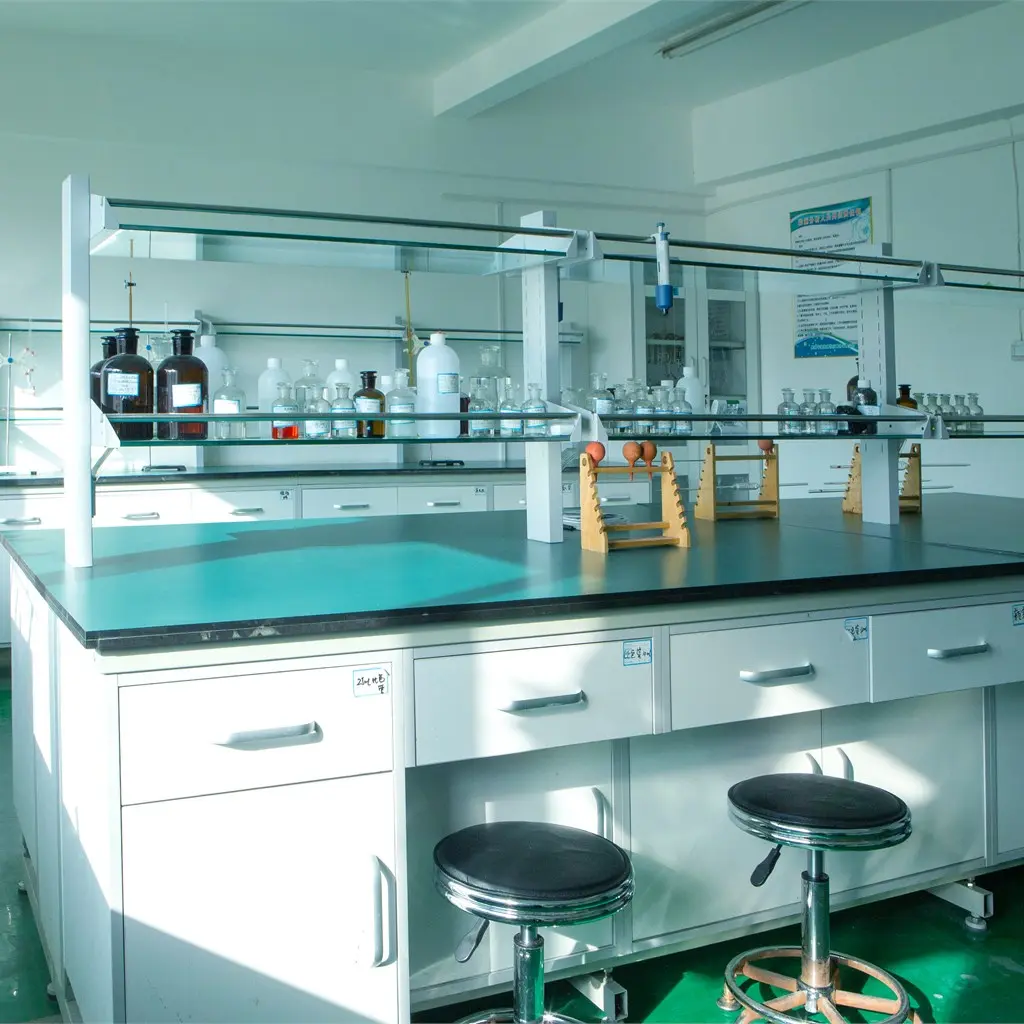
| Quality / pack | In-house QC · batch COA · HDPE + induction seal + desiccant as default pack |
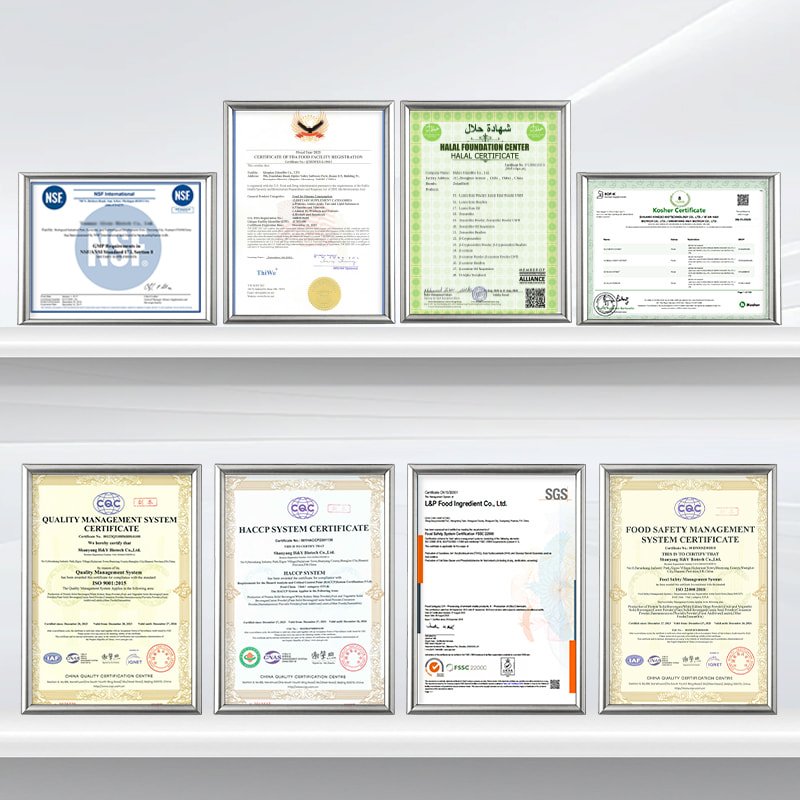
Facility certifications currently held: cGMP · ISO 9001 · ISO 22000 · HACCP · FSSC 22000 · Halal · Kosher. These are company documents, confirmed per project and destination — not a default certificate set for a lion’s mane SKU.
Certifications
Lock These Four Lines Before You Compare Lion’s Mane Quotes
Two “lion’s mane 500 mg” quotes are not the same SKU until these four lines match. Lock them, then pick F01–F08.
Your Brief | Starting Purchase Order |
|---|---|
| Simple mushroom powder / scoop | Fruiting-body powder |
| Capsule with printed beta-glucan | Water extract + named glucan method |
| Label will print hericenones or erinacines | Declared biomass + extract path + named method for that analyte |
| Cost-led “lion’s mane 500 mg” with no biomass | Return the brief; lock biomass first |
Fruiting body is the mushroom tissue the label usually means when it prints fruiting body. Mycelium-on-grain is fungus plus a named cereal; grain starch can lift a polysaccharide number and suppress a beta-glucan result. Liquid-fermented mycelium has no grain carrier, but it is still not a fruiting-body file. Undisclosed “full spectrum,” “whole mushroom,” “myceliated rice,” or “biomass” cannot be quoted as fruiting body. The longer biomass comparison sits on lion’s mane fruiting body vs mycelium.
Milled fruiting-body powder, a hot-water extract, and a water-plus-alcohol dual extract are three purchase orders. A 10:1 or 20:1 ratio is yield, not potency. If hericenones or erinacines will be printed, lock source material, extraction path, and analytical method together — the drum must support the print.
Total polysaccharide or total-carbohydrate results may measure a broader fraction than beta-glucan, depending on the analytical method and sample matrix. In grain-based biomass, cereal-derived material can also affect the reported result. A high polysaccharide % is not a beta-glucan result. If beta-glucan will be printed, state the analyte definition and the analytical method on the specification. Results are method-dependent; two procedures can disagree — do not average them.
Marker extracts usually start in a two-piece hard capsule. Unextracted fruiting-body powder at gram level belongs in a jar or stick. Gummies are a taste, cook, and piece-assay file — not the default high-load format.
Lion’s Mane Supplement Formula Architectures
Development examples, not recommended intakes. Each card is a different PO. Pick the closest architecture or send a BOM.
Use when: One mushroom on the panel, fruiting-body path.
Specify: Powder vs water extract vs dual extract; beta-glucan % plus method; mesh and moisture when fill needs them.
Trade-off: Fastest sample when one fungus and one biomass are on the panel. A printed hericenone line, a choline companion, or an undisclosed grain biomass each changes the PO.
Default format: Capsule. Gram-level powder moves to a jar or stick.
Use when: The panel will print hericenones, or the brief already names dual extract.
Specify: Solvent system; beta-glucan method and, if printed, hericenone method; residual-solvent limits; bitterness acceptance.
Trade-off: An alcohol fraction adds residual-solvent control and a more bitter fill. It is worth the file when hericenones are printed and the method is named.
Default format: Capsule; coated tablet when bitterness needs a coat.
Use when: The BOM pairs the mushroom with a same-day choline donor.
Specify: Lion’s mane biomass and method; citicoline milligrams as citicoline — not as an Alpha-GPC substitute on the same line.
Trade-off: One capsule, two assays. Citicoline milligrams do not replace the mushroom file.
Default format: Capsule.
Use when: The BOM pairs the mushroom with a membrane phospholipid.
Specify: Lion’s mane file; phosphatidylserine milligrams; soy versus sunflower. An oil-phase PS grade may need a second SKU.
Trade-off: Phospholipid milligrams and mushroom milligrams are separate lines. Soy versus sunflower still has to be declared.
Default format: Capsule.
Use when: The BOM wants a mushroom row plus a consolidation botanical.
Specify: Lion’s mane biomass and method; Bacopa monnieri bacosides with a definition and method — a DER is not a bacoside percentage.
Trade-off: Two bitter fills and two identity files. Bacoside % without a definition is not a quote.
Default format: Capsule.
Use when: The BOM names a second fungus.
Specify: Each species, biomass, marker, and method. Typical companions: reishi, cordyceps, turkey tail, or chaga when named.
Trade-off: Combined fill weight. Each fungus keeps its own biomass and marker. A single “mushroom 500 mg” line cannot release the blend.
Default format: Capsule; powder after taste review.
Use when: The serving is grams, a stick pack, or a named mushroom-coffee blend (lion’s mane plus coffee solids, with cordyceps only if the BOM lists it).
Specify: Fruiting-body powder versus extract powder in the product name; mesh; dispersibility; finished-blend assay if a marker is printed; caffeine source if coffee is present.
Trade-off: Gram serving and a beverage-adjacent pack, against bitterness, moisture, and a harder marker assay in coffee. Ready-to-drink cans stay outside default OEM.
Default format: Powder / stick.
Use when: The BOM pairs lion’s mane with L-theanine for a non-melatonin formula.
Specify: Lion’s mane file; L-theanine assay.
Trade-off: Adds a second active and assay without introducing a stimulant. Evening ashwagandha is a different file.
Default format: Capsule.
Choose the Lion’s Mane Format: Capsules, Tablets, Powder or Gummies
Lock format after the architecture. Marker extracts in F01–F06 usually sample first as capsules. Coffee and stick briefs stay on the powder card.
Project-scoped: softgels only with an oil phase; tinctures and oral liquids; ready-to-drink; tea. Those paths are quoted only when the brief already requires them.
- Lion’s Mane Capsules
Best for: F01–F06 marker extracts and two-active fills that fit a two-piece shell.
Why: Size 0 typically holds about 350–450 mg; Size 00 about 500–650 mg — confirm against tap density. HPMC covers a vegetarian hard-shell brief.
Key formulation risk: Hygroscopic extracts need humidity control at fill. Low-density fruiting-body powder may need densifying or a split serving.
What to lock: Gelatin or HPMC; extract milligrams; beta-glucan method.
Manufacturing note: Dry extract does not default into a softgel.
→ Hard capsules - Lion’s Mane Tablets
Best for: Pharmacy-compact servings; coated dual extract when bitterness is the issue; combinations that exceed one shell.
Why: Unextracted fruiting-body fiber is elastic on the press. A film coat is a bitterness and moisture tool, not delayed-release unless the specification says so.
Key formulation risk: Hardness, friability, and weight variation. If the press fails, the file returns to a capsule or a lower load.
What to lock: Tablet weight; piece assay when a marker is printed.
Manufacturing note: Re-validate a capsule BOM before a tablet run.
→ Tablets - Lion’s Mane Powder
Best for: Gram-level fruiting-body powder, sticks, and F07 coffee blends. Milled powder and extract powder are different names.
Why: A scoop can carry a serving a capsule cannot. Dual-extract powder is bitter in an open pack.
Key formulation risk: Moisture, segregation in sticks, and marker assay after a coffee blend.
What to lock: Mesh; fruiting body versus mycelium; jar versus stick; powder versus extract powder written into the product name.
Manufacturing note: Barrier film and desiccant are part of the quote.
→ Powders and granules - Lion’s Mane Gummies
Best for: A lower extract load after a flavor review. Not the first SKU for a high-marker dual extract.
Why: Earthy and bitter notes need masking. Heat, water activity, and piece stability cap how much extract one gummy can hold.
Key formulation risk: Assay after cook; piece milligrams versus the printed claim; water activity.
What to lock: Milligrams of extract per piece; finished-piece assay if beta-glucan is printed.
Manufacturing note: Run a sensory pilot before locking count and flavor.
→ Gummies
A biomass change after sampling is a new raw-material specification and usually a new sample. We do not drop mycelium into a fruiting-body SKU to hit a later cost target.
| Material | Must appear on the quote | Cannot stand in for |
|---|---|---|
| Fruiting-body powder / extract | Fruiting body | A mycelium Supplement Facts line |
| Mycelium-on-grain | Mycelium + grain name | Fruiting-body Supplement Facts |
| Liquid-fermented mycelium | Liquid fermentation; named erinacine method if that analyte is printed | An undeclared grain biomass |
The process on the drum must match the raw-material specification and the assay used at release.
| Grade / path | Quote specification |
|---|---|
| Fruiting-body powder | Mesh, moisture, density as required; native beta-glucan follows the COA |
| Ratio extract | DER + solvent; DER is yield, not potency |
| Beta-glucan extract | Target beta-glucan + named analytical method |
| Dual extract or liquid-fermented path | Source material + extraction or fermentation path + named marker method |
Mesh, moisture (often NMT about 5–7% on spray-dried extract), and tapped density are matched to the filler in feasibility. Spray-dry carriers must be declared. Incoming extract % is not finished-unit milligrams.
If hericenones or erinacines are part of the finished specification, source material, extraction path, and analytical method must be defined together. Neither analyte appears just because a polysaccharide number is high. Compound detail sits on hericenones vs erinacines.
How to Compare Two Lion’s Mane COAs
Do not compare the percentage alone. Compare the complete specification. Illustrative only:
| Specification | Supplier A | Supplier B | What it means |
|---|---|---|---|
| Species | H. erinaceus, method stated | Hericium sp. | Different species specification |
| Biomass | Fruiting body | Mycelium + rice | Different raw material |
| Extraction | Water | Water + ethanol | Different marker profile |
| Polysaccharides | 30% UV | 40% UV | Not directly comparable |
| Beta-glucan | 25%, named method | Not reported | Different analyte |
| Hericenones | Not reported | Named method | Different release target — not reported is not the same as assayed absent |
| Finished assay | Available if printed | Not stated | Different release control |
Before approving a drum: identity · biomass · grain if mycelium · solvent · DER if claimed · beta-glucan method if printed · hericenone or erinacine method if printed · metals and micro as numbers · finished-unit assay if the panel prints a marker.
Serving size is quoted against the finished formula, not copied from an ingredient catalog. Extract load, companion actives, capsule size, density, and dosage form determine the final unit count.
Extract mg × named beta-glucan % equals labeled marker mg only when the finished unit uses the same method. Fruiting-body powder is commonly quoted in grams; that serving is not interchangeable with a milligram extract fill. When a companion shares the shell, lion’s mane milligrams fall. Gummy pieces usually carry less extract than a capsule. Sticks and coffee blends are quoted on finished mass.
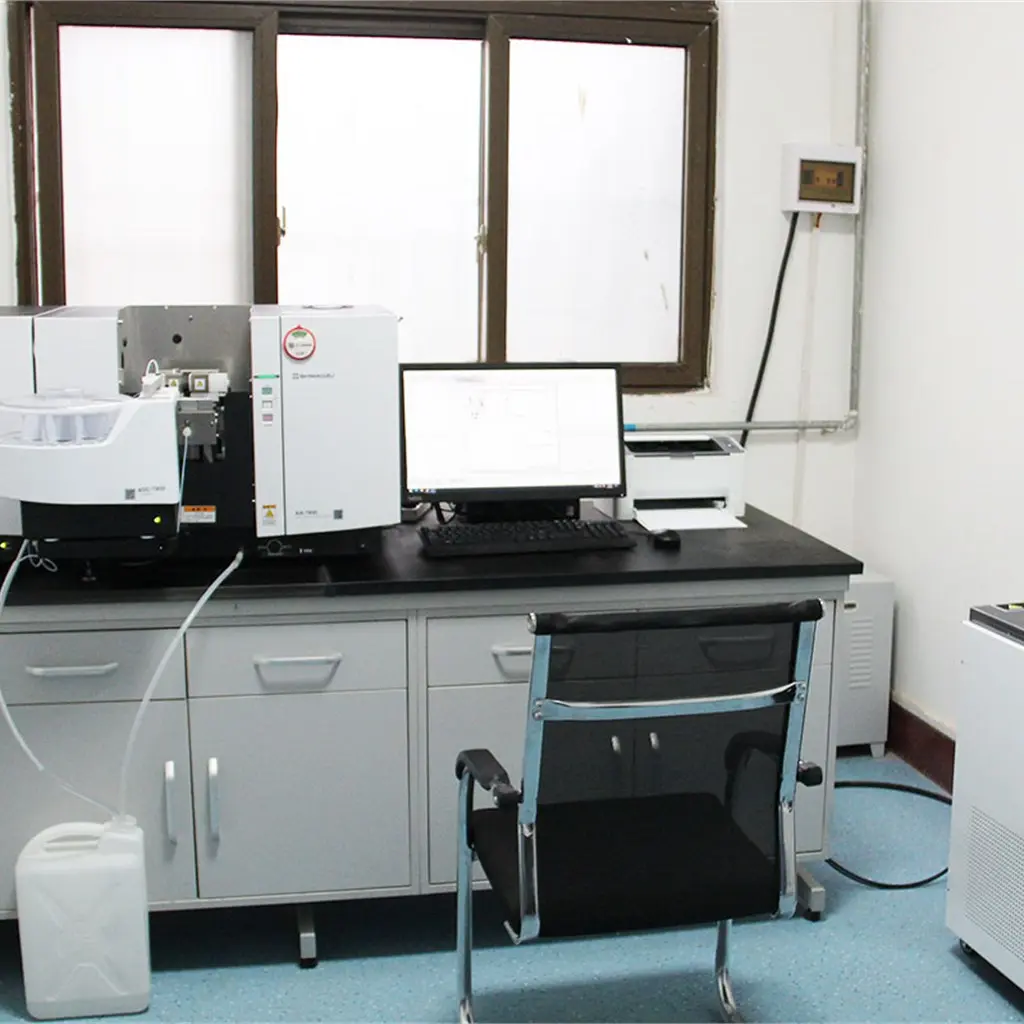
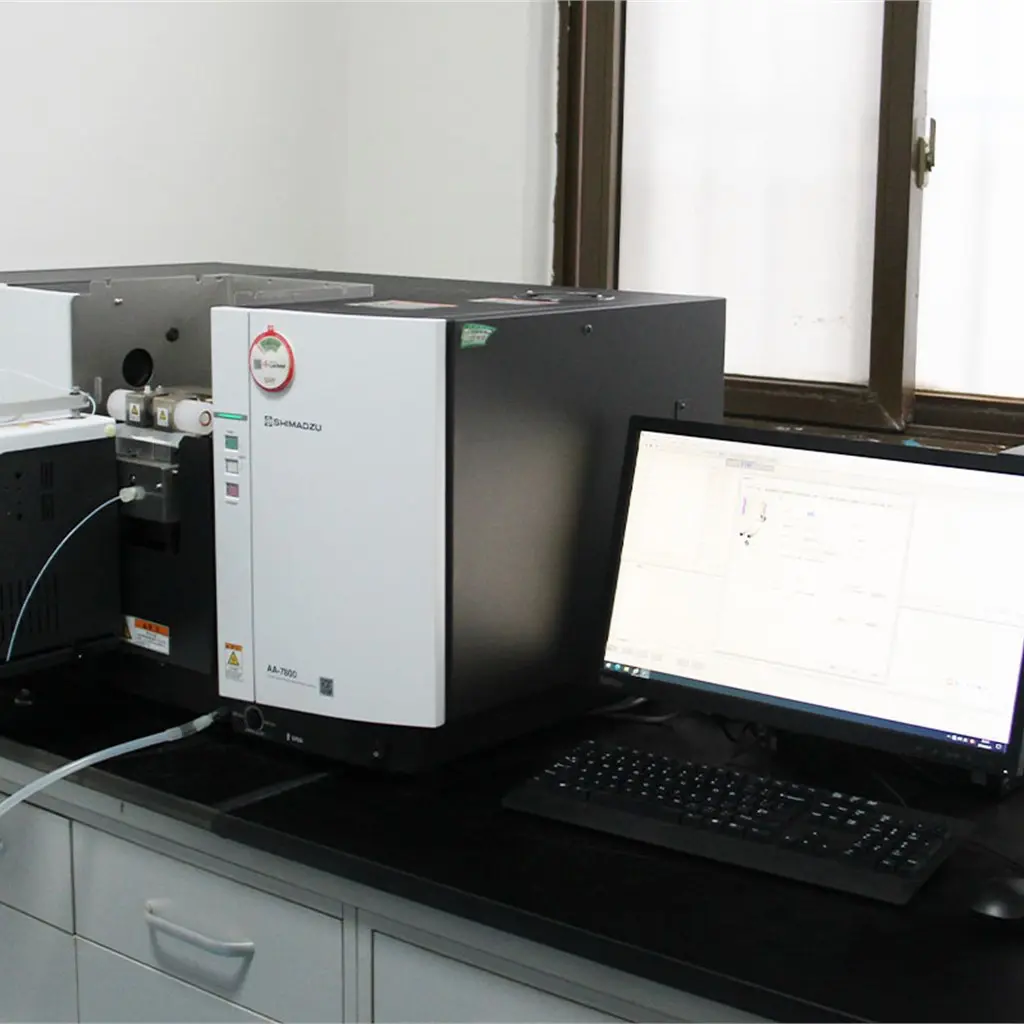
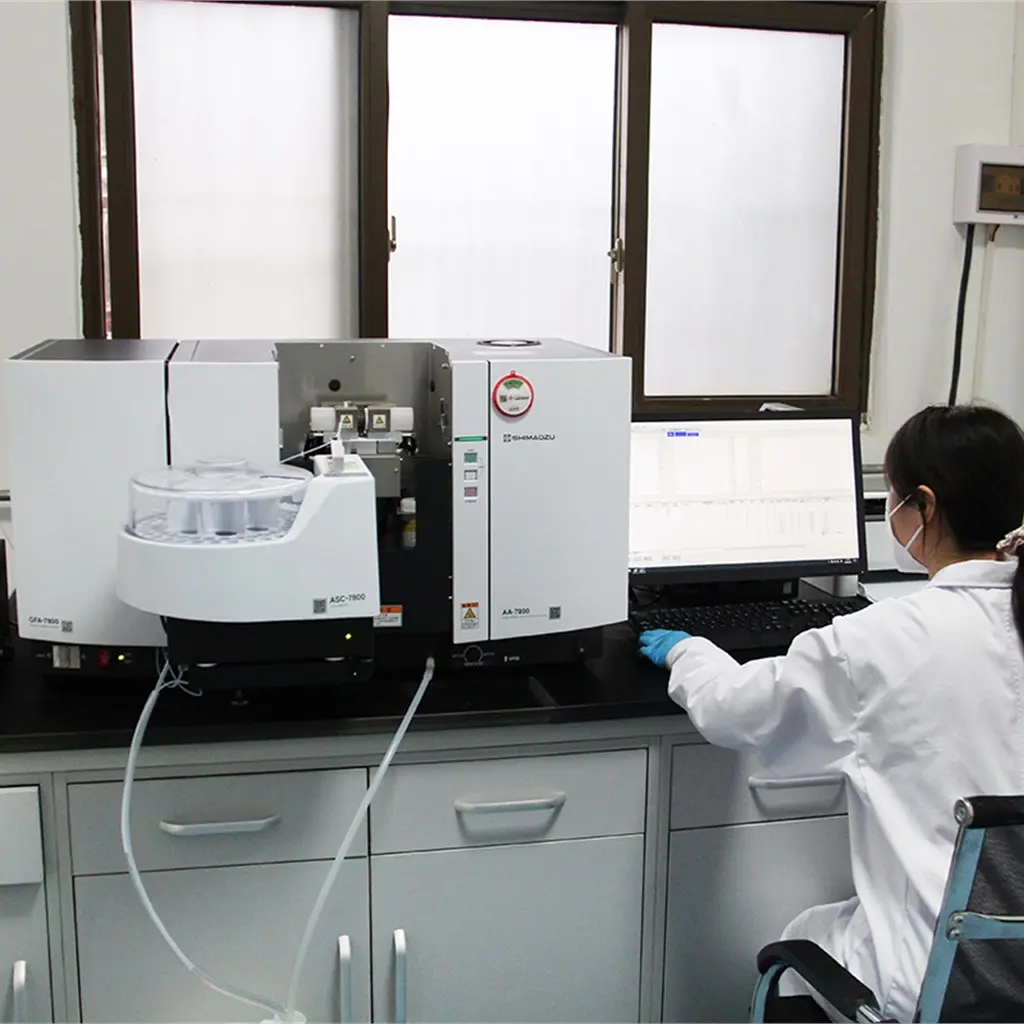
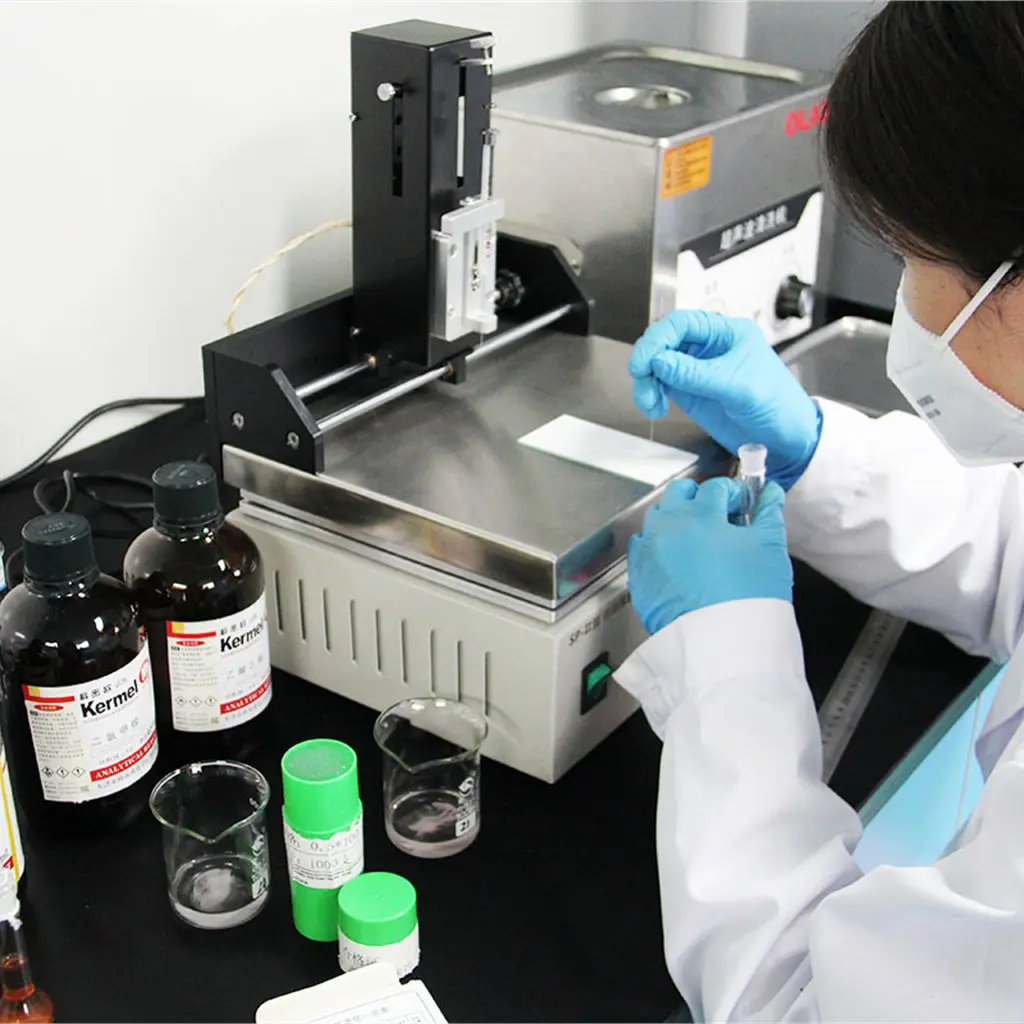
Quality control: incoming identity → named marker assay → blend → fill → pack → finished tests as scoped → batch release.
Incoming identity is verified by HPTLC or a stated equivalent. Residual-solvent testing applies where the extraction specification requires it. Third-party testing, including SGS or Eurofins, can be added when the project asks.
Pack: HDPE + induction seal + desiccant as default; amber glass or high-barrier sticks as specified. Shelf life on artwork is supported by stability data on this formula and pack.
OEM: confirm BOM and spec → feasibility → sample → production.
ODM: F01–F08 or custom → sample → verification → production.
| Stage | Typical |
|---|---|
| First technical reply | About one business day on a complete brief |
| Sample | 7–15 days after specification lock |
| Mass production | 30–45 days after formula, artwork, pack, and schedule |
| Capsules | About 3,000–5,000 units |
| Tablets | About 5,000–10,000 units |
| Powder / stick | Quoted by batch mass |
| Gummies | After feasibility and a sensory pilot |
Actual MOQ and lead time depend on formula, pack, testing, and quantity. An NDA is available. A project manager is assigned when the specification is in review.
Minimum RFQ. Architecture, F01–F08 or custom · identity · biomass · powder / water / dual extract · DER if claimed · beta-glucan x% by named method if printed · hericenones or erinacines by named method if printed · companions · serving · format · count · destination · quantity.
Compare My Lion’s Mane COAs · Send Your BOM · Request a Manufacturing Quote
Can you match an incumbent lion’s mane COA?
Send the incumbent COA and the target Supplement Facts panel. We compare species, biomass, extraction path, marker definitions, analytical methods, and finished-unit requirements before sampling. If the original biomass or method cannot be matched, the difference is identified before quotation.
Can you switch from fruiting body to mycelium-on-grain after sampling?
A biomass change is a new raw-material specification. It needs buyer approval, a revised identity and biomass line, grain disclosure when mycelium-on-grain is used, and usually a new sample. We do not substitute mycelium into a fruiting-body SKU to meet a later cost target. Liquid-fermented mycelium is a third identity, not a variant of mycelium-on-grain.
Is 30% polysaccharides the same SKU as 30% beta-glucan?
No. Total polysaccharide or total-carbohydrate results may measure a broader fraction than beta-glucan, depending on method and matrix. Beta-glucan is a different analyte and needs a named method. Two drums at “30%” are not interchangeable when one number is UV polysaccharide and the other is a glucan procedure.
If the panel will print hericenones or erinacines, what has to be on the PO?
Source material, extraction path, and analytical method for that analyte, together. If the source material, process, or validated analytical method does not support the specified analyte, it is a different raw-material and release specification.
Do you assay the finished capsule, or only the incoming extract?
When the panel prints a marker, finished-unit assay belongs in release. Incoming extract percentage is not finished-unit milligrams. The method on the finished unit should match the method used to specify the extract. If the panel does not print a marker, finished-unit marker assay is optional and quoted separately.
Can you make a high-load dual-extract gummy?
Feasibility depends on extract potency, taste, cook conditions, water activity, and piece size. Dual-extract lots are often too bitter for a high milligram claim in one gummy. If the brief needs a high marker serving, keep that serving in a capsule or tablet and treat the gummy as a lower-load companion SKU after a sensory pilot.
Can you supply organic lion’s mane?
Organic certification is not a default grade on this program. If an organic claim is required, name the destination scheme on the RFQ so sourcing can be reviewed as a separate pathway. We will not print an organic claim on a conventional lot.
Ready to Manufacture Your Lion’s Mane Supplement?
Send two COAs, a BOM, or the target Supplement Facts panel. A finished formula is not required to start. Typical first reply is one business day on a complete brief. An NDA is available.
Have an incumbent COA? Compare My Lion’s Mane COAs
Have a BOM? Send Your BOM
Specification already set? Request a Manufacturing Quote
Related Product Pages
- Cognitive & Mental Health Supplements
- Mushroom Immune Supplements
- Citicoline (CDP-Choline) Supplements
- How to Read a COA
Disclaimer: Wholesale / brand manufacturing and product-development reference only. Not intended to diagnose, treat, cure, or prevent any disease. Dietary supplements are not drugs. Coverage is contract manufacturing of oral Hericium erinaceus (lion’s mane) dietary supplements for humans. Fruiting-body material is not interchangeable with undisclosed mycelium-on-grain. Total polysaccharide percentage is not a substitute for a stated beta-glucan method. Hericenones and erinacines are different specification lines and require named methods when printed. Structure/function language varies by country. Alzheimer’s, MCI, ADHD, depression-disorder, and sleep-drug pathways are out of scope. Brand owners remain responsible for finished-label compliance with local counsel. KS Nutripharma provides manufacturing feasibility and documentation support — not legal approval. Milligram and assay figures are development examples, not recommended intakes and not catalog guarantees.
Written by KS Nutripharma Formulation Team | Reviewed by KS Nutripharma Director of R&D (PhD, Food Science | 19+ years nutraceutical development) | Technical review scope: H. erinaceus identity, fruiting-body vs mycelium disclosure, powder vs water vs dual extract, beta-glucan / hericenone / erinacine specification, dosage-form feasibility, and QC release | Updated September 2026
For OEM and private label projects, we typically provide a comprehensive documentation package to support product development, regulatory review, import clearance, and commercial launch.
Standard Documentation Package
Raw Material Documents
Certificate of Analysis (COA)
Specification Sheet
Ingredient Origin Statement
Allergen Statement
Non-GMO Statement (if applicable)
Halal / Kosher Certificates (if requested)
Quality & Safety Documents
Heavy Metal Test Report
Microbiological Test Report
Residual Solvent Report (if applicable)
Third-Party Laboratory Reports (upon request)
Batch Traceability Records
Finished Product Documents
Finished Product COA
Master Formula Sheet
Nutrition Facts / Supplement Facts Draft
Label Compliance Review
Shelf-Life & Stability Summary
Packaging Specification
Regulatory & Export Documents
FDA Registration Information
cGMP Compliance Statement
ISO 22000 / HACCP Certificates
Free Sale Certificate (if available)
Certificate of Origin
Commercial Invoice & Packing List

The following authoritative sources were consulted in the preparation of this content. These references represent peer-reviewed scientific literature, industry market research, regulatory documentation, and quality standard frameworks.
Peer-Reviewed Scientific Literature
- Mori K, Inatomi S, Ouchi K, Azumi Y, Tuchida T. Improving effects of the mushroom Yamabushitake (Hericium erinaceus) on mild cognitive impairment: a double-blind placebo-controlled clinical trial. Phytotherapy Research. 2009;23(3):367-372. PMID: 18844328. https://pubmed.ncbi.nlm.nih.gov/18844328/
- Saitsu Y, Nishide A, Kogawa T, et al. Novel compound of an erinacine and its use. Randomized controlled trial examining cognitive function in healthy adults. Biomedical Research. 2019;40(4):125-131. (Clinical trial data referenced via Alzheimer’s Drug Discovery Foundation cognitive vitality summary.)
- Friedman M. Chemistry, Nutrition, and Health-Promoting Properties of Hericium erinaceus (Lion’s Mane) Mushroom Fruiting Bodies and Mycelia and Their Bioactive Compounds. Journal of Agricultural and Food Chemistry. 2015;63(32):7108-7123. PMID: 26244378. https://pubs.acs.org/doi/10.1021/acs.jafc.5b02914
- Lai PL, Naidu M, Sabaratnam V, et al. Neurotrophic properties of the Lion’s mane medicinal mushroom, Hericium erinaceus (Higher Basidiomycetes) from Malaysia. International Journal of Medicinal Mushrooms. 2013;15(6):539-554. PMID: 23735479.
- Mori K, Obara Y, Moriya T, Inatomi S, Nakahata N. Effects of Hericium erinaceus on amyloid β(25-35) peptide-induced learning and memory deficits in mice. Biomedical Research. 2011;32(1):67-72. PMID: 21383512.
- Nagano M, Shimizu K, Kondo R, et al. Reduction of depression and anxiety by 4 weeks of Hericium erinaceus intake. Biomedical Research. 2010;31(4):231-237.
- Alzheimer’s Drug Discovery Foundation. Lion’s Mane Mushroom: Cognitive Vitality Summary for Researchers. Updated July 14, 2025. https://www.alzdiscovery.org/cognitive-vitality/ratings/lions-mane-mushroom
Market Research & Industry Reports
- Business Research Insights. Medicinal Mushroom Market Size, Share, Growth, Trends and Industry Analysis 2035. June 2026. https://www.businessresearchinsights.com/market-reports/medicinal-mushroom-market-113833
- Future Market Insights. Mushroom Supplement Market: Global Industry Analysis and Opportunity Assessment, 2036. June 2026. https://www.futuremarketinsights.com/reports/mushroom-supplement-market
- Innoherb. Lion’s Mane Market Size 2025–2026: Global Growth and European Trends. February 2026. https://innovaherb.com/en/lions-mane-market-size/
- Precedence Research. Mushroom Coffee Market Size to Hit USD 5.56 Billion by 2035. January 2026. https://www.precedenceresearch.com/mushroom-coffee-market
- Fact.MR. Mushroom Coffee Market | Global Market Analysis Report. November 2025. https://www.factmr.com/report/5173/mushroom-coffee-market
- Tastewise. Mushroom Coffee Trend in 2026. December 2025. https://tastewise.io/blog/mushroom-coffee-trend
- Reports and Markets. Global Lion’s S Mane Mushroom Supplements Market Report. February 2026. https://www.reportsandmarkets.com/reports/global-lion-s-mane-mushroom-supplements-market-4679705
Quality Standards & Regulatory Frameworks
- European Commission. Commission Regulation (EC) No 1881/2006 setting maximum levels for certain contaminants in foodstuffs. Official Journal of the European Union. 2006. https://eur-lex.europa.eu/legal-content/EN/TXT/?uri=CELEX:32006R1881
- European Commission. Regulation (EC) No 834/2007 on organic production and labelling of organic products. Official Journal of the European Union. 2007. https://eur-lex.europa.eu/legal-content/EN/TXT/?uri=CELEX:32007R0834
- European Commission. Regulation (EC) No 1924/2006 on nutrition and health claims made on foods. Official Journal of the European Union. 2006. https://eur-lex.europa.eu/legal-content/EN/TXT/?uri=CELEX:32006R1924
- U.S. Food and Drug Administration. 21 CFR Part 111 – Current Good Manufacturing Practice in Manufacturing, Packaging, Labeling, and Holding Operations for Dietary Supplements. https://www.ecfr.gov/current/title-21/part-111
- European Pharmacopoeia 11.0. General Chapter 5.1.4 – Microbiological Quality of Non-Sterile Pharmaceutical Preparations and Substances for Pharmaceutical Use. Council of Europe, 2023.
- EFSA Panel on Dietetic Products, Nutrition and Allergies. Scientific Opinion on the substantiation of health claims related to beta-glucans from oats and barley. EFSA Journal. 2011;9(6):2207. https://efsa.onlinelibrary.wiley.com/doi/10.2903/j.efsa.2011.2207
- ICH Q1A(R2) – Stability Testing of New Drug Substances and Products. International Council for Harmonisation of Technical Requirements for Pharmaceuticals for Human Use. 2003.
- ICH Q3C(R8) – Guideline for Residual Solvents. International Council for Harmonisation of Technical Requirements for Pharmaceuticals for Human Use. 2021.
- ISO/IEC 17025:2017 – General requirements for the competence of testing and calibration laboratories. International Organization for Standardization.
Industry Analysis & Supplement Quality Guides
- New Earth Health. Best Lion’s Mane Supplement in 2026: Extraction Methods, Beta-Glucan Purity and What Actually Works. May 2026. https://newearth.health/en/blogs/science/lions-mane-supplement-guide
- Mycogenius. Hericenones and Erinacines Explained: Understanding MOG and Quality Evaluation. March 2026. https://mycogenius.com/blogs/articles/hericenones-and-erinacines
- Functional Mushrooms EU. Bulk Lion’s Mane Extract Europe – Wholesale Hericium erinaceus. June 2026. https://functionalmushrooms.eu/our-products/lions-mane/
- Mushroom Identifiers. Hericium erinaceus (Lion’s Mane Mushroom) Identification Guide and Bioactive Compounds. April 2026. https://mushroomidentifiers.com/hericium-erinaceus-lions-mane-mushroom