





Zinc Supplements OEM, ODM & Private Label Service
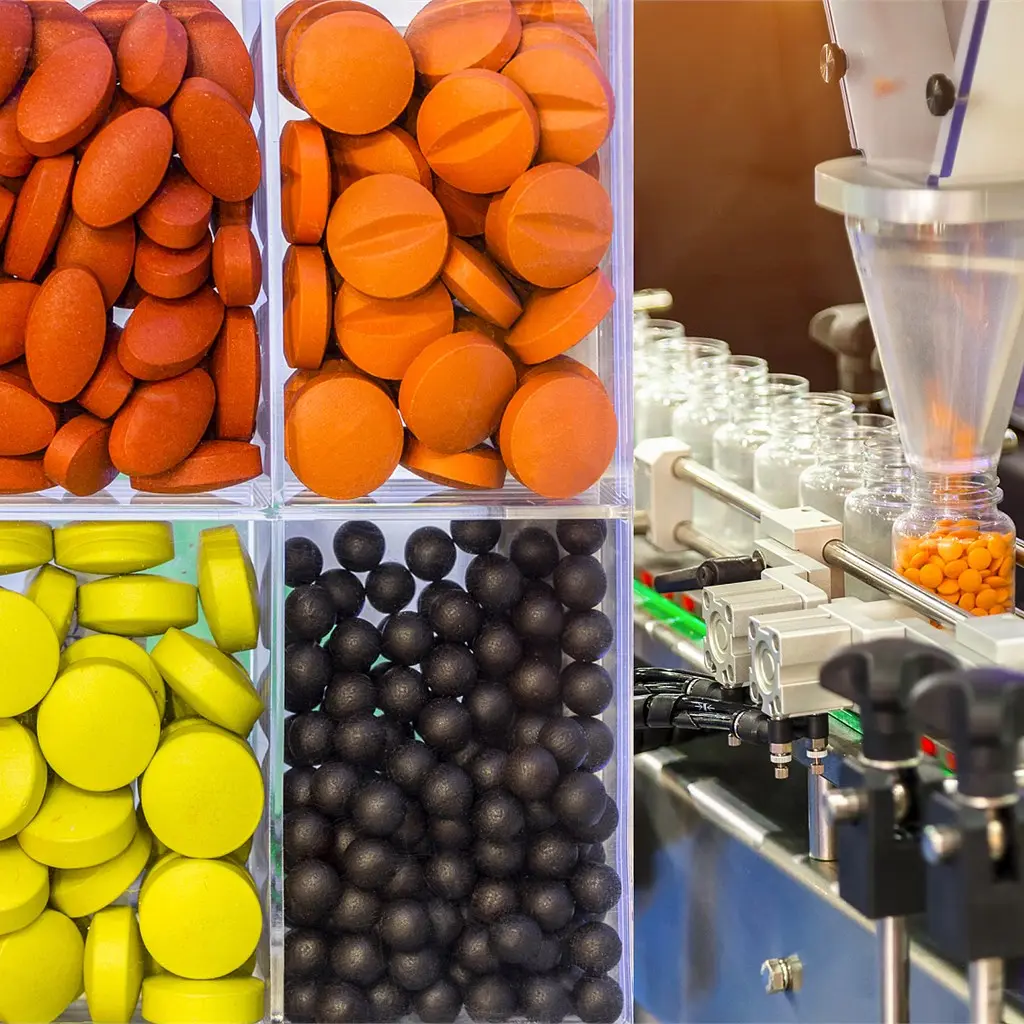
KS Nutripharma is a Chinese manufacturer of finished zinc supplements, supplied as OEM, ODM, and private-label oral products in capsules, tablets, lozenges, gummies, liquids, and powders. Injections, topical zinc oxide, and intranasal zinc are not manufactured. Have two zinc labels or supplier quotes? Send them for a specification comparison.
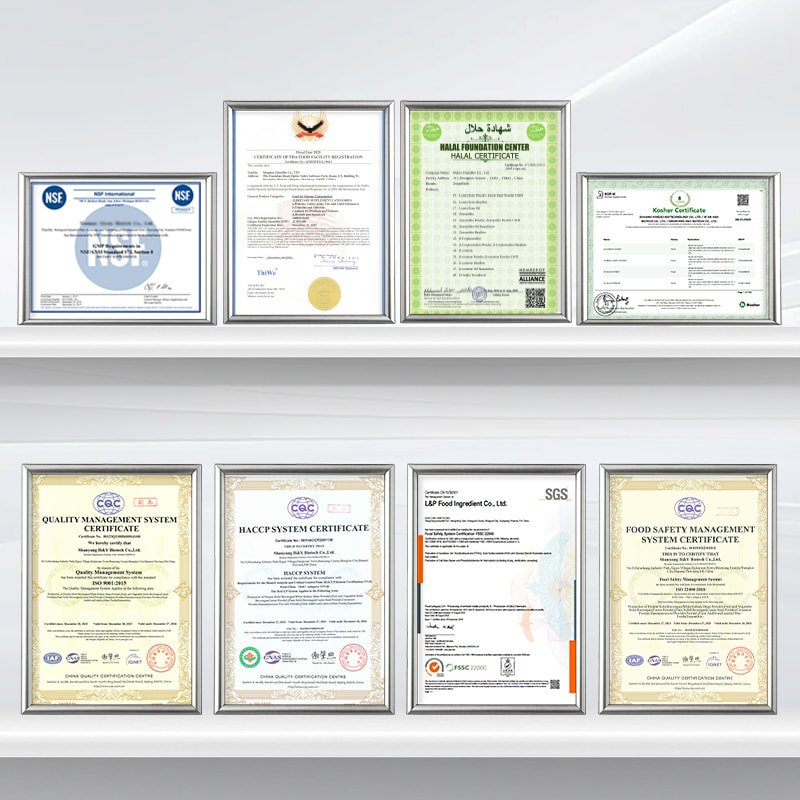
Product specifications, batch records, and Halal certificates are available on the certifications and compliance page. These documents support supplier qualification. Finished-label claims are reviewed separately against the rules of the destination market.
Zinc Supplements Manufacturing at a Glance
Field | Detail |
|---|---|
| Decision | Zinc source × elemental zinc per serving × dosage form × destination market |
| Milligram line | U.S. Supplement Facts declares elemental zinc per serving. A purchasing specification may list compound weight separately |
| Salts named on briefs | Picolinate, gluconate, glycinate, citrate. Oxide is a cost comparison. Acetate is a lozenge option |
| Formats that need their own specification | Capsule, tablet, dietary lozenge, gummy, liquid |
| Before two “50 mg” quotes are compared | Same source, same elemental basis, same format, same serving directions |
Zinc Supplement Types We Manufacture
KS Nutripharma manufactures the oral zinc supplement types below for OEM, ODM, and private-label briefs. Each card is the specification to lock for that type. Where a milligram range appears, it is an observed retail-label range, not a recommended intake.
Some daily-mineral labels use hair, nail, or skin wording. In the European Union, authorised claims on the maintenance of normal hair, nails, and skin under Regulation (EU) No 432/2012 may be used only when the conditions of use are met and the destination label is checked [2]. Meeting a zinc milligram target does not by itself authorise acne or hair-growth wording. The zinc row still names the source and the elemental milligrams.
A calcium–magnesium–zinc tablet and a selenium-plus-zinc unit keep their own specifications. An overnight mineral formula is specified on sleep support supplements; any zinc row on that brief still names the source and the elemental milligrams. Weight-loss, diabetes, and wound-healing claims are outside oral zinc supplement manufacturing.

Use when: The brief is one zinc source in a swallowed capsule. Retail labels reviewed for product development include a 25–30 mg elemental range on this position.
Specify: The named source — picolinate, or glycinate / bisglycinate when the customer names that salt — plus elemental zinc per serving and capsule count. Glycinate is a different material from picolinate. Any statement about gastrointestinal tolerance needs its own support. The salt name does not supply that support.
Trade-off: At the same elemental target, a change of salt changes fill weight.
Default format: Capsules.

Use when: The brief names zinc gluconate or zinc citrate for a unit that is swallowed.
Specify: The salt, compound weight and elemental zinc on separate lines, and tablet weight. Citrate is quoted when the brief names citrate.
Trade-off: Capsules are feasible when the brief asks for a capsule instead of a tablet.
Default format: Tablets.

Use when: Zinc is one mineral row beside vitamin C, a berry, or vitamin D.
Specify: Zinc source and elemental zinc on the zinc row. Each companion stays on its own row, with its own form and milligrams.
Trade-off: A gummy version needs its own check for taste, texture, and serving size.
Default format: Capsules, unless the brief asks for a gummy assessment. Formula architecture: immune support supplements.

Use when: The unit is meant to be held in the mouth, on a dietary-supplement path.
Specify: Zinc acetate or zinc gluconate, piece weight, elemental zinc per piece, and the number of pieces in the directions for use.
Trade-off: A homeopathic 2X lozenge is a different regulatory path and is not manufactured here.
Default format: Lozenges.
Use when: The brief names 50 mg elemental zinc per serving. Retail labels reviewed for product development include this band on U.S. mass-retail units.
Specify: Elemental zinc per serving, how many units the directions allow per day, and the destination-market review.
Trade-off: A 25–30 mg daily capsule is a different specification.
Default format: Tablets or capsules, after fill is checked for the named salt.

Use when: Zinc is one mineral row in a men’s combination.
Specify: Zinc source and elemental zinc. Saw palmetto and every other named ingredient stay on their own rows.
Trade-off: The men’s formula owns the companion list.
Default format: Capsules. Formula architecture: men’s health supplements.
Choosing the Right Zinc Dosage Form
A change of format is a new feasibility check at the same source and the same elemental target. The check covers fill, dissolution or in-mouth use, taste, and the finished-unit tests named for that format.

Best for: A dietary lozenge held in the mouth.
What to lock: Dissolution, taste, excipient compatibility, and finished-unit stability for that base. Acidity and sweeteners are assessed in that formula. They are not treated as one binding rule for every zinc ion.
Manufacturing note: Elemental zinc per piece and the number of pieces in the directions sit on the lozenge specification.

Best for: A single-mineral daily unit, or a zinc row inside a men’s formula.
What to lock: Named source, elemental zinc per serving, capsule count, and HPMC or gelatin. Moving a tablet formula into capsules means rebuilding the count around fill weight.

Best for: A formula in which zinc is one row, after a feasibility check.
What to lock: Taste, texture, serving size, and the finished-unit specification, including elemental zinc per serving. A 30 mg elemental target is a separate feasibility assessment. Combination gummies reviewed for product development include labels at about 7.5–11 mg elemental zinc per serving. That range is an observed label range, not a recommended intake.

Swallowed gluconate or citrate units, and a 50 mg elemental target, are tablet briefs when tablet weight is feasible. If the design is meant to be split, split suitability is part of that product’s specification.

An adult gluconate liquid states milligrams per millilitre as both the zinc source and elemental zinc. An ionic liquid, a liposomal liquid, and a gluconate syrup are three specifications. For a liposomal liquid, the specification names the zinc source, how the structure and the payload are defined, the method used to measure them, and elemental zinc per serving.
Pediatric drops are assessed when the brief states age band, unit dose, dropper, and the destination’s pediatric rules. KS Nutripharma does not set pediatric doses.

Metallic taste makes zinc an uncommon lead for a stick. Inside a blend, the row still names the source and the elemental contribution. A softgel is quoted after the fill system, shell compatibility, and manufacturing feasibility are confirmed.
Zinc Salts and Elemental Zinc Specifications
Name the zinc source, the milligram basis, and the format before two quotes are compared.
 Zinc picolinate
Specify: Ligand identity, and whether the milligrams are elemental zinc.
Brief: Single-mineral capsules, when the customer names picolinate.
Format: Capsule.
 Zinc gluconate
Specify: Compound weight and elemental zinc on separate lines.
Brief: Swallowed tablets and dietary lozenges.
Format: Tablet or lozenge.
 Zinc glycinate / bisglycinate
Specify: The ligand actually supplied. Any tolerance language is supported apart from the salt name.
Brief: Capsules, when the customer names this salt.
Format: Capsule.
 Zinc citrate
Specify: Compound weight, elemental zinc, and taste in the chosen format.
Brief: Swallowed capsules or tablets. Gummies only after a feasibility check.
Format: Capsule or tablet.
 Zinc acetate
Specify: Salt identity, elemental zinc per piece, and dissolution.
Brief: Dietary lozenges, beside gluconate when both are in play.
Format: Lozenge.
 Zinc oxide
Specify: Elemental fraction of the grade supplied, kept separate from any absorption comparison.
Brief: Cost tablets and a row inside a multi-mineral.
Format: Tablet.
 Chelated zinc
Specify: The ligand: picolinate, glycinate, or another named chelate.
Brief: Usable once the ligand is written. The word “chelated” alone is not a source.
Format: The format of the named ligand.
 Orotate, monomethionine, zinc-carnosine
Specify: The material the brief actually requires.
Brief: An inquiry row. A branded chelate is quoted only when the brand owner holds that license.
Format: Confirmed with the material.
On U.S. Supplement Facts panels, zinc is declared as elemental zinc per serving, not as the total weight of the zinc compound [1]. A purchasing specification may state compound weight and assay separately. Those values are reconciled against the supplied material and the finished-product specification before a quote or a label is finalized. A theoretical elemental fraction does not set the finished declaration. A raw-material certificate that meets its own specification does not, by itself, verify finished strength, uniformity, or the rest of the release plan.
On an anhydrous zinc gluconate basis, the theoretical elemental fraction is about 14 percent, so 50 mg of compound is on the order of 7 mg elemental zinc. The figure explains that label basis for that chemical form. Hydration, the lot assay, and a finished-unit zinc test replace it. A panel that reads “Zinc 50 mg (as zinc picolinate)” is declaring 50 mg elemental zinc per serving.
Oxide has a high elemental fraction as a compound. That chemical fact does not rank absorption, and it does not make oxide the default single-mineral brief. NIH ODS reports that, in one study of young adults, absorption from zinc citrate and zinc gluconate supplements was similar, at approximately 61 percent, and absorption from zinc oxide supplements was approximately 50 percent [1]. The comparison covers those three sources in that study population. It does not rank picolinate, glycinate, or any other salt, and it is not a finished-unit acceptance limit.
“Chelated zinc” names a ligand family. Two chelated quotes match when the ligand and the elemental zinc line are both written. Older marketing studies that single out picolinate are not a specification. Zinc sulfate and other sources outside the default list can be quoted when the brief names them. Vegan suitability depends on the capsule shell and the other excipients, not on the zinc source alone.
Keep three quantities separate.
- Elemental zinc per serving is the mineral declared for one serving.
- Directions for use state how many units make a serving and how many servings are directed in a day.
- Total daily zinc intake adds food and supplements. It is wider than the number printed on one panel.
Retail labels reviewed for product development include a 25–30 mg elemental range on daily capsules and pharmacy tablets, and a 50 mg elemental range on mass-retail units. Both are observed label ranges, not recommended intakes.
NIH ODS sets a Tolerable Upper Intake Level of 40 mg/day for adults 19 and older. The figure covers zinc from food and supplements together. It was set on the effect of excess zinc on copper status [1]. It is a U.S. protective reference, not a prescribed dose and not a worldwide ceiling. A 50 mg elemental serving already sits above 40 mg before food is counted, so the destination-market label review comes before the quote is treated as a daily product.
If a multivitamin already declares a zinc row, a separate zinc unit adds to supplemental zinc for the day. Compare the combined elemental zinc and the directions for use.
For a high-elemental project, review total daily zinc exposure, the intended duration on the label, the target population, and the destination’s labeling rules. Copper, if it is included, is assessed across the full formula. It is not added automatically because the zinc serving is high. NIH ODS notes that doses of 50 mg of zinc or more, continued over a period of weeks, can inhibit copper absorption [1]. High-dose zinc plus copper on an eye-disease protocol is outside oral zinc supplement manufacturing.
Tolerance can vary with the serving, with food, and with the person. Calcium or iron in the same serving, and separation from certain antibiotics, are warning statements for the brand to review against the destination label. NIH ODS notes that taking 25 mg or more of elemental iron at the same time as a zinc supplement can reduce zinc absorption [1]. Pregnancy and lactation labeling follows the destination file. European Union and member-state ceilings follow that file as well. A U.S. 50 mg unit is not the default European quote.
A raw-material COA documents the tested attributes of the supplied lot. Finished-product release follows the product specification and the verification plan for that product, which may include identity, strength, composition, uniformity, and contaminant controls as appropriate. The incoming assay alone does not establish that the finished unit meets its label claim. For a U.S. destination, 21 CFR Part 111 calls for a finished dietary-supplement specification and for verification that the finished batch meets it [3].
| Check | What the specification defines |
|---|---|
| Raw-material identity and assay | Zinc source, chemical form, hydration where it applies, and the assay basis on the lot certificate |
| Finished strength | Elemental zinc in the finished unit, by the method named for that product |
| Dosage-unit uniformity | Any uniformity requirement that applies to the dosage unit. If a scored tablet is intended to be split for dosing, the review covers split suitability and the consistency of the resulting portions against that product’s specification |
| Microbiology, contaminants, and stability | The items required by the format, the risk review, and the destination. The same panel is not copied onto every zinc product |
How those lines sit on a certificate is covered in How to Read a COA.
The project review covers five confirmations before a quotation is finalized.
- Material. Zinc source, chemical form, raw-material specification, and assay basis, and whether the quote is written in elemental zinc or in compound weight.
- Formulation target. Elemental zinc per serving, the assay of the supplied material, and the dosage form set the theoretical input. Process loss and uniformity needs are assessed on the project.
- Dosage-form feasibility. Capsule fill, tablet weight, lozenge dissolution and taste, gummy compatibility, and, for a liquid, stability plus the method that will measure zinc.
- Release specification. Finished strength, any applicable dosage-unit uniformity, contaminant controls, and stability, together with the verification plan for that product.
- Quote scope. After the specification, pack, quantity, destination market, and label requirements are written, minimum order, sample timing, and batch lead time are quoted. A capsule project and a gummy project are quoted separately. Those numbers are not printed here.
A complete brief is typically answered within one business day. An NDA is available for a custom formula.
Developing a new zinc product? Send the target market, zinc source, elemental zinc per serving, dosage form, directions for use, pack, and target order quantity. Send the brief for a manufacturing review.
Does zinc gluconate 50 mg mean 50 mg of elemental zinc?
Only when that line is elemental zinc per serving. Read as compound weight, anhydrous zinc gluconate at 50 mg is on the order of 7 mg elemental zinc. That figure explains the label basis. Hydration, the lot assay, and a finished-unit test replace it.
What is the difference between zinc picolinate, gluconate, glycinate, and citrate?
They are different zinc sources. Picolinate and glycinate are different ligands. Gluconate and citrate need compound weight and elemental zinc on separate lines. The absorption figures cover citrate, gluconate, and oxide in one young-adult study. They do not rank picolinate or glycinate.
Can a zinc lozenge use the same formulation as a zinc capsule?
A lozenge needs elemental zinc per piece, dissolution, and in-mouth directions. A swallowed capsule specification does not transfer onto that base.
What should buyers compare when requesting a zinc supplement manufacturing quote?
Compare zinc source, whether each milligram line is compound weight or elemental zinc, dosage form, elemental zinc per serving, directions for use, and destination market.
What is the difference between a raw-material COA and finished-product testing?
The COA documents the raw-material lot. Finished-product release follows that product’s specification and verification plan. An incoming assay does not establish the label claim.
Related
References
- NIH Office of Dietary Supplements. Zinc — Health Professional Fact Sheet. https://ods.od.nih.gov/factsheets/Zinc-HealthProfessional/
- Commission Regulation (EU) No 432/2012 of 16 May 2012 establishing a list of permitted health claims made on foods. https://eur-lex.europa.eu/legal-content/EN/TXT/?uri=CELEX:32012R0432
- U.S. Code of Federal Regulations, Title 21, Part 111. Current Good Manufacturing Practice in Manufacturing, Packaging, Labeling, or Holding Operations for Dietary Supplements. https://www.ecfr.gov/current/title-21/chapter-I/subchapter-B/part-111
Disclaimer: Wholesale and product-development reference only. Dietary supplements are not intended to diagnose, treat, cure, or prevent any disease. KS Nutripharma manufactures oral zinc dietary supplements. Injections, topical zinc oxide, intranasal zinc, and disease-treatment offers are not manufactured. Milligram ranges are observed retail-label ranges from product-development review. The gluconate illustration is a theoretical estimate for anhydrous zinc gluconate, not a lot assay and not a recommended intake. The NIH ODS Tolerable Upper Intake Level of 40 mg/day for adults covers zinc from food and supplements together. It is a U.S. protective reference, not a worldwide ceiling and not a prescribed dose. Brand owners remain responsible for finished-label compliance in the destination market. Branded chelates are customer-licensed grades, not default materials, and retail bottles are not licensed for copying.
Written by KS Nutripharma Formulation Team | Technical review by KS Nutripharma Director of R&D, PhD in Food Science, with 19+ years of nutraceutical development experience | Updated October 2026