



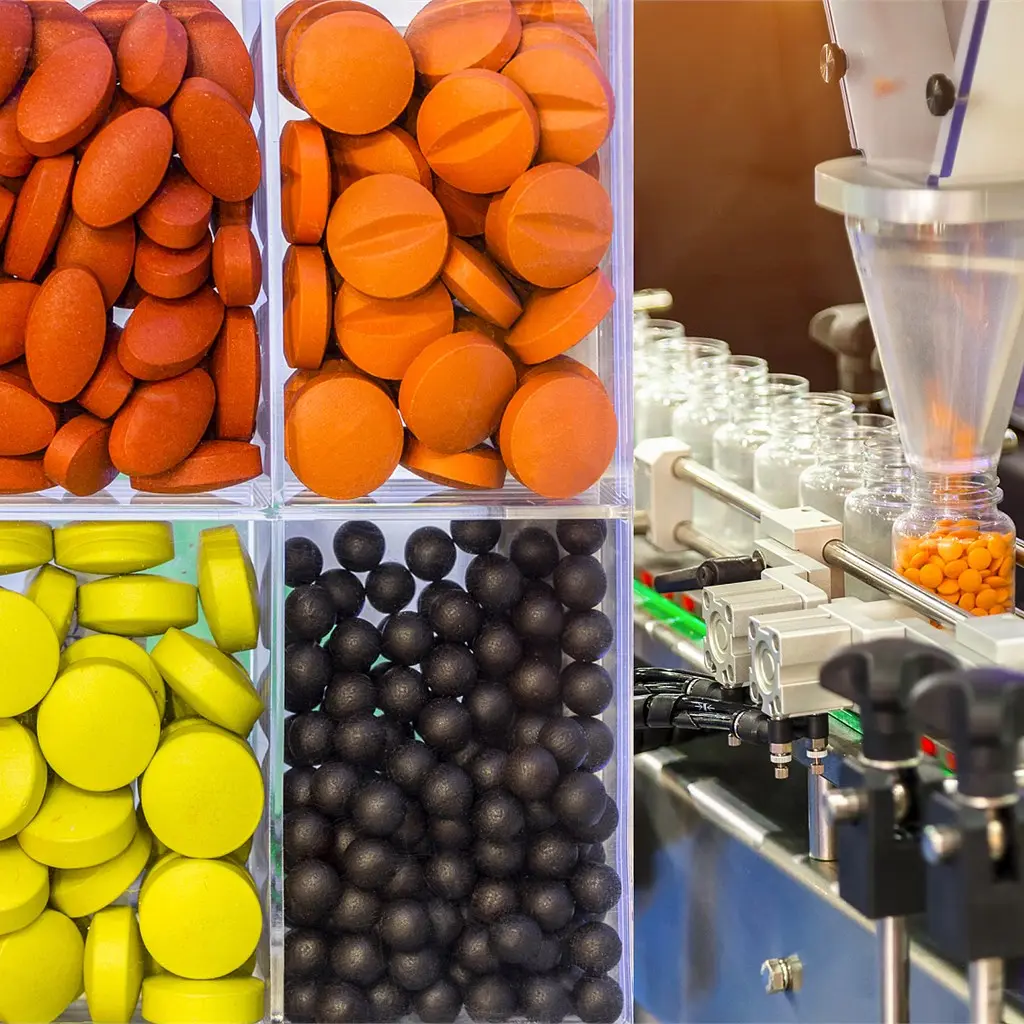

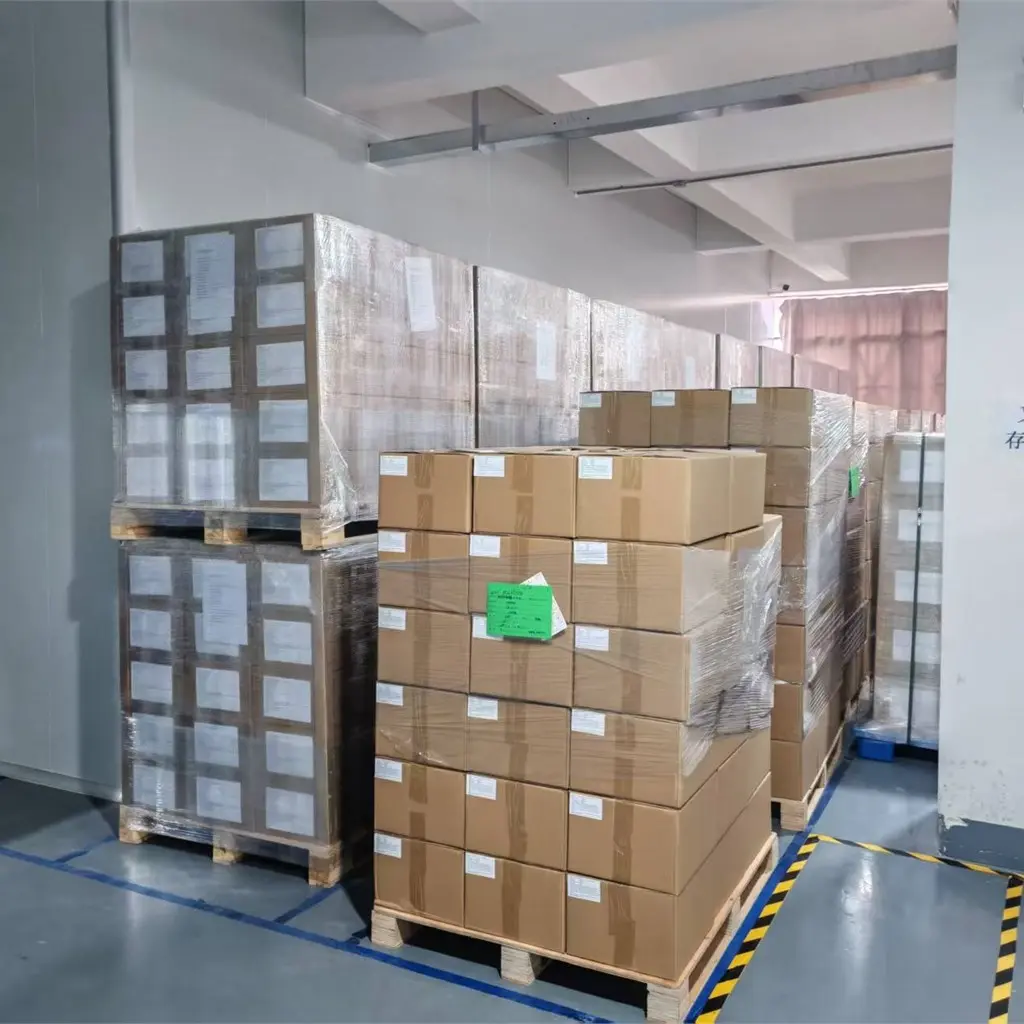
Synbiotic Supplements OEM/ODM Manufacturing Solutions
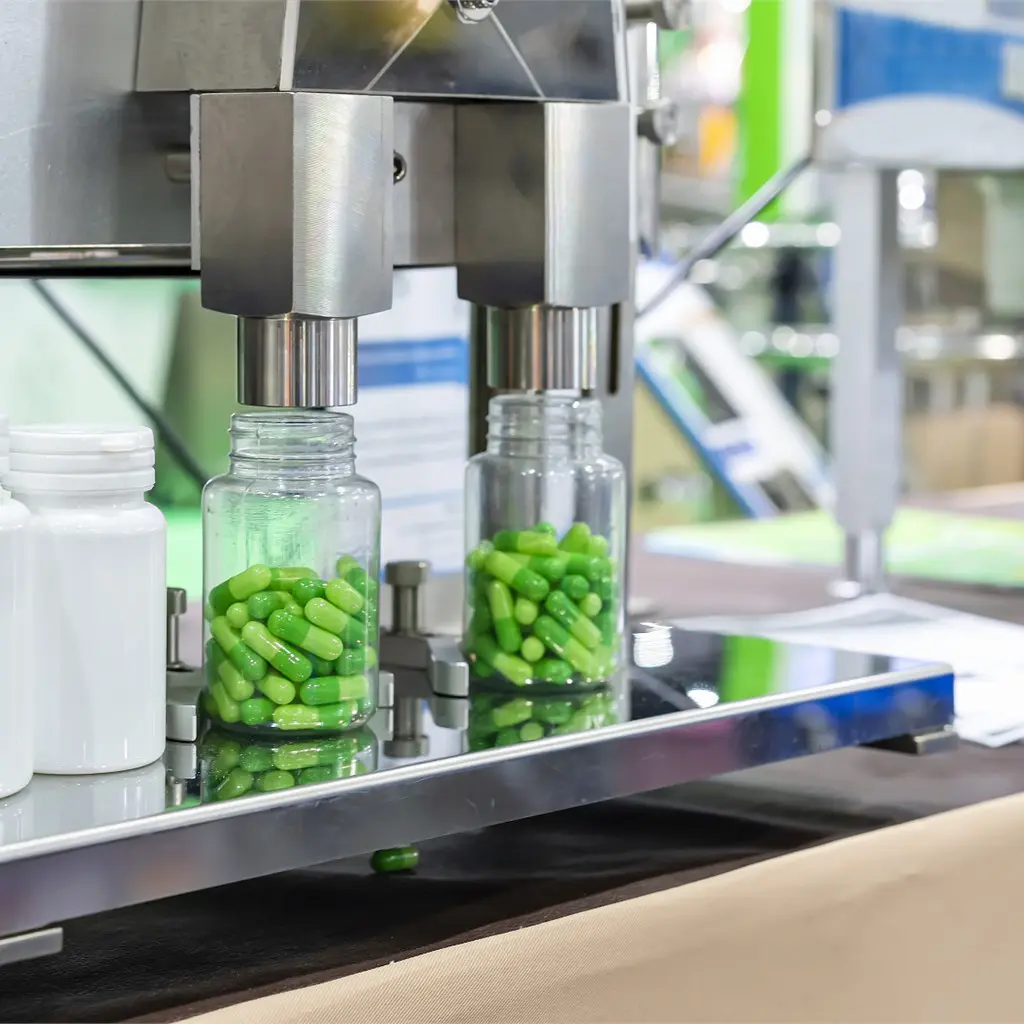
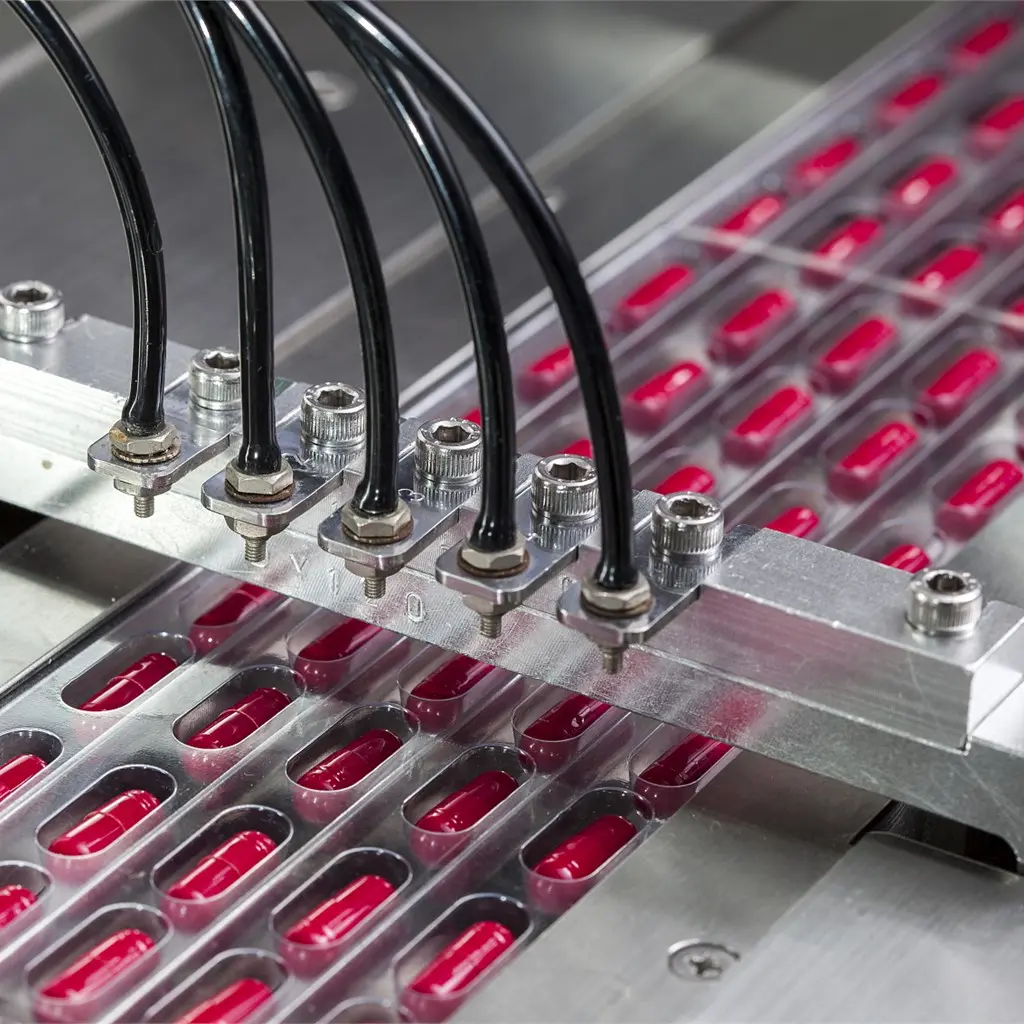
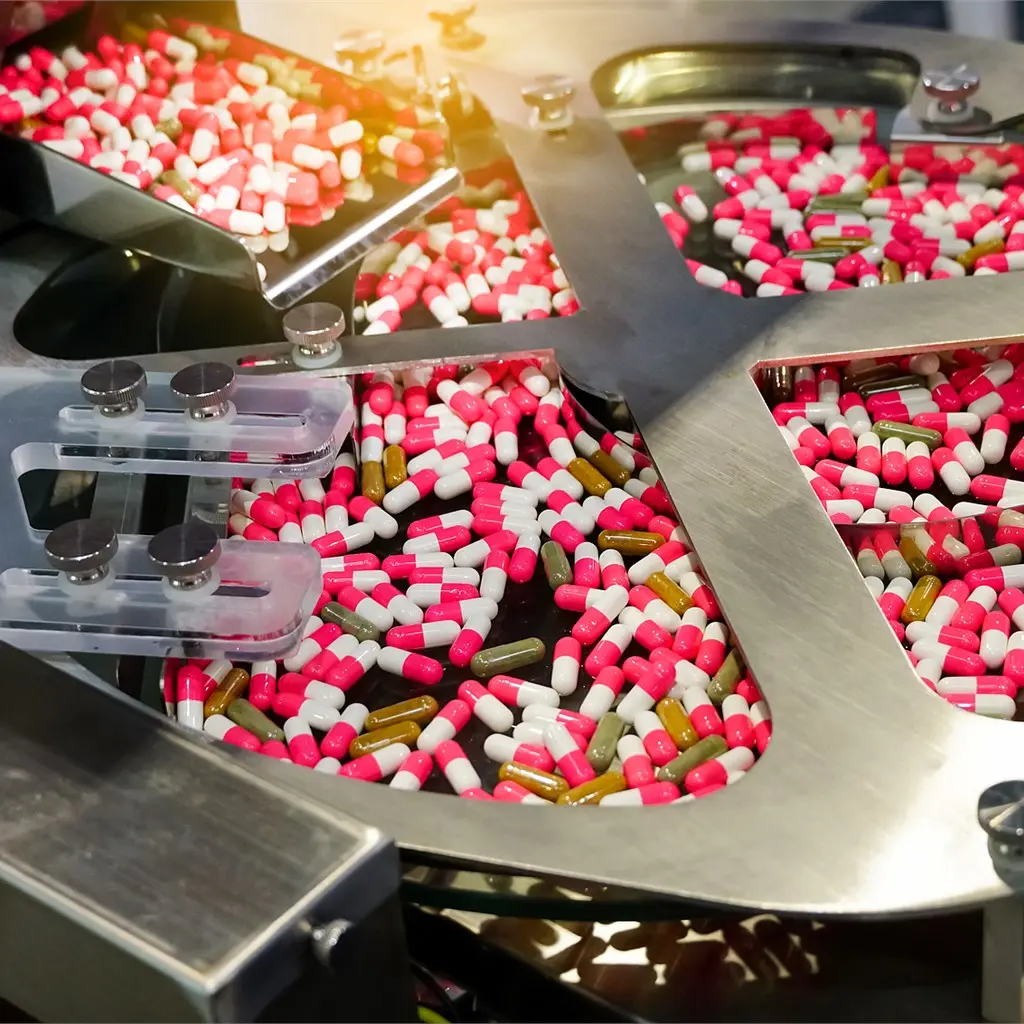
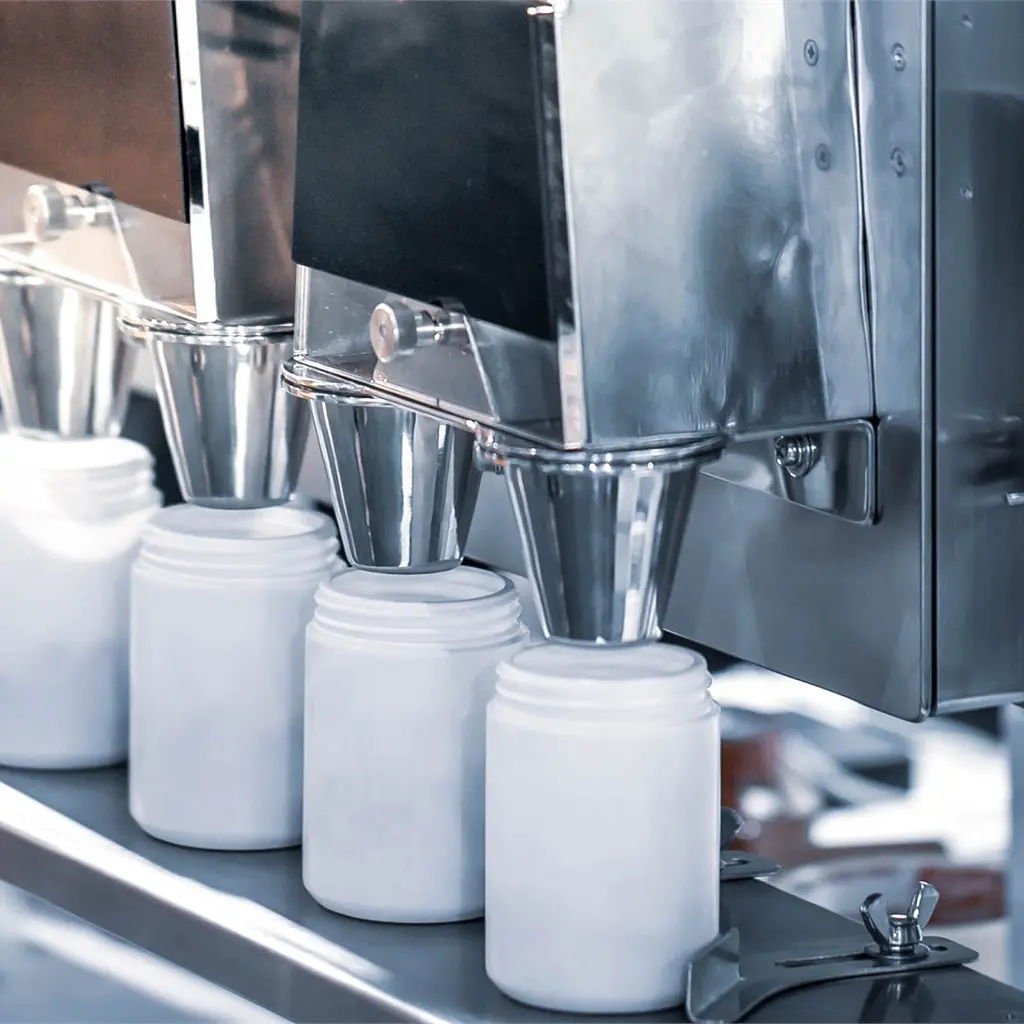
KS Nutripharma manufactures synbiotic supplements for OEM, ODM, and private-label projects. Probiotic strain requirements, prebiotic dosage, viable-count targets, dosage-form feasibility, and packaging are assessed before quotation. Request a feasibility review.
Send a product concept, a reference label, or an existing specification. When you have them, include the target strains, prebiotic ingredients and amounts, serving size, preferred format, and count requirements. Labeling, documentation, and export requirements are reviewed for the destination market.
Synbiotic Formula References
The five cards below use one record each from the NIH Dietary Supplement Label Database. Figures were checked against that record on 2026-10-21. They are selected label lines, not a complete Supplement Facts panel, and not a KS Nutripharma stock formula. Published label data is a reference. It is not a confirmed manufacturing specification.
The count term is copied from the record. A line that says CFU stays CFU. A line that says live cells stays live cells. The measurement point for a KS project is defined once, in the specification section.
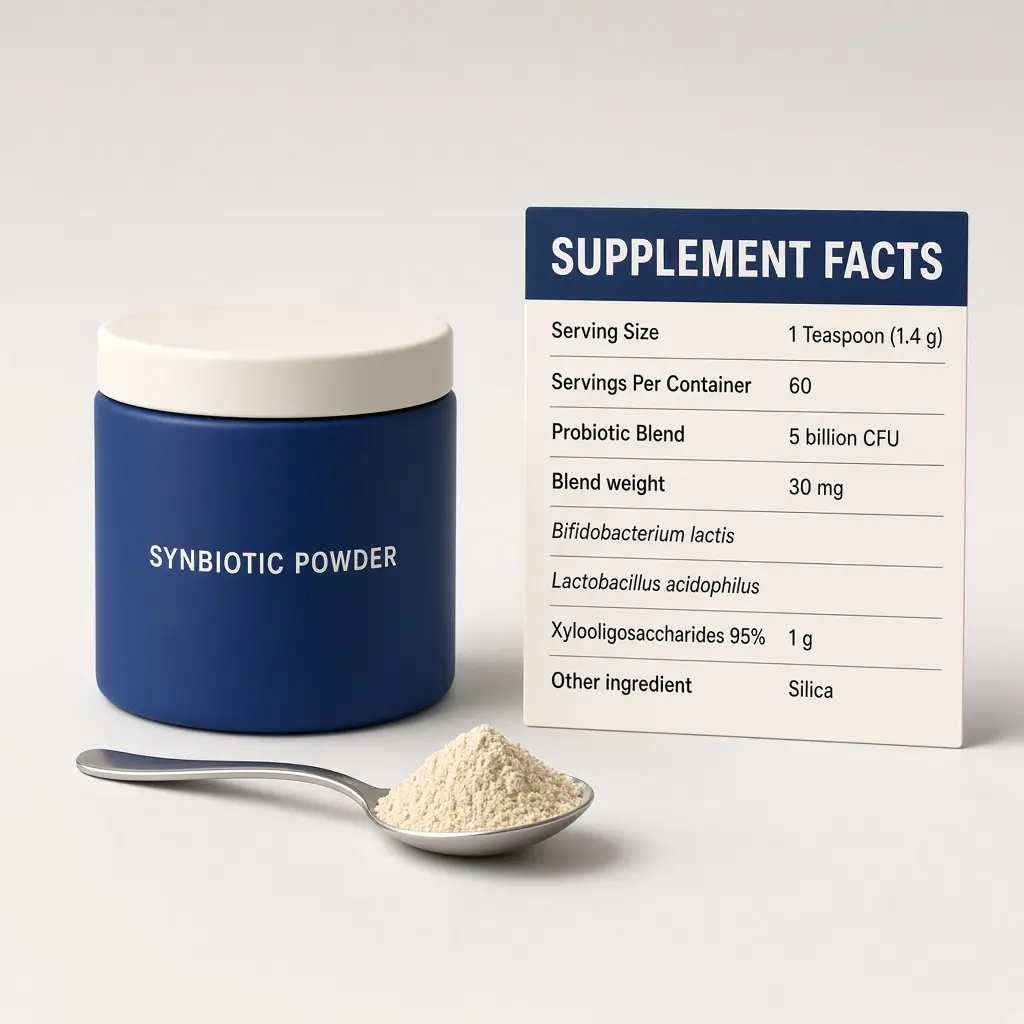
Use when: The reference is a multi-serve powder, and most of the spoon weight is the prebiotic ingredient.
Specify: Serving size 1 teaspoon (1.4 g). 60 servings. Proprietary blend 5 billion CFU in 30 mg: Bifidobacterium lactis and Lactobacillus acidophilus. Xylooligosaccharides 95%, 1 g. That 1 g is the declared amount of the named ingredient, not a separate assay of pure xylooligosaccharide. Other ingredient: silica. This record does not state whether the 5 billion CFU applies at manufacture or at the end of shelf life.
Trade-off: Pricing follows the culture specification, the 1 g prebiotic load, blend uniformity, net content, moisture control, and the pack. Spoon weight is only one of those inputs.
Default format: Multi-serve powder in a jar or tub.

Use when: The reference is a two-capsule serving built on a spore blend plus citrus polyphenols, at a low culture weight.
Specify: Serving size 2 capsules. 30 servings. 60 vegetarian capsules. Spore blend 3.5 billion CFU in 80 mg: Bacillus subtilis, Bacillus coagulans, and Bacillus clausii. Citrus polyphenols 250 mg. Other ingredients: cellulose and a vegetable capsule. This record does not state the measurement point for the 3.5 billion CFU.
Trade-off: Citrus polyphenols are not inulin, FOS, or GOS. The label is assessed as a spore-blend capsule with a polyphenol ingredient. It is quoted as a fiber synbiotic only after a prebiotic is named and the grams per serving are set.
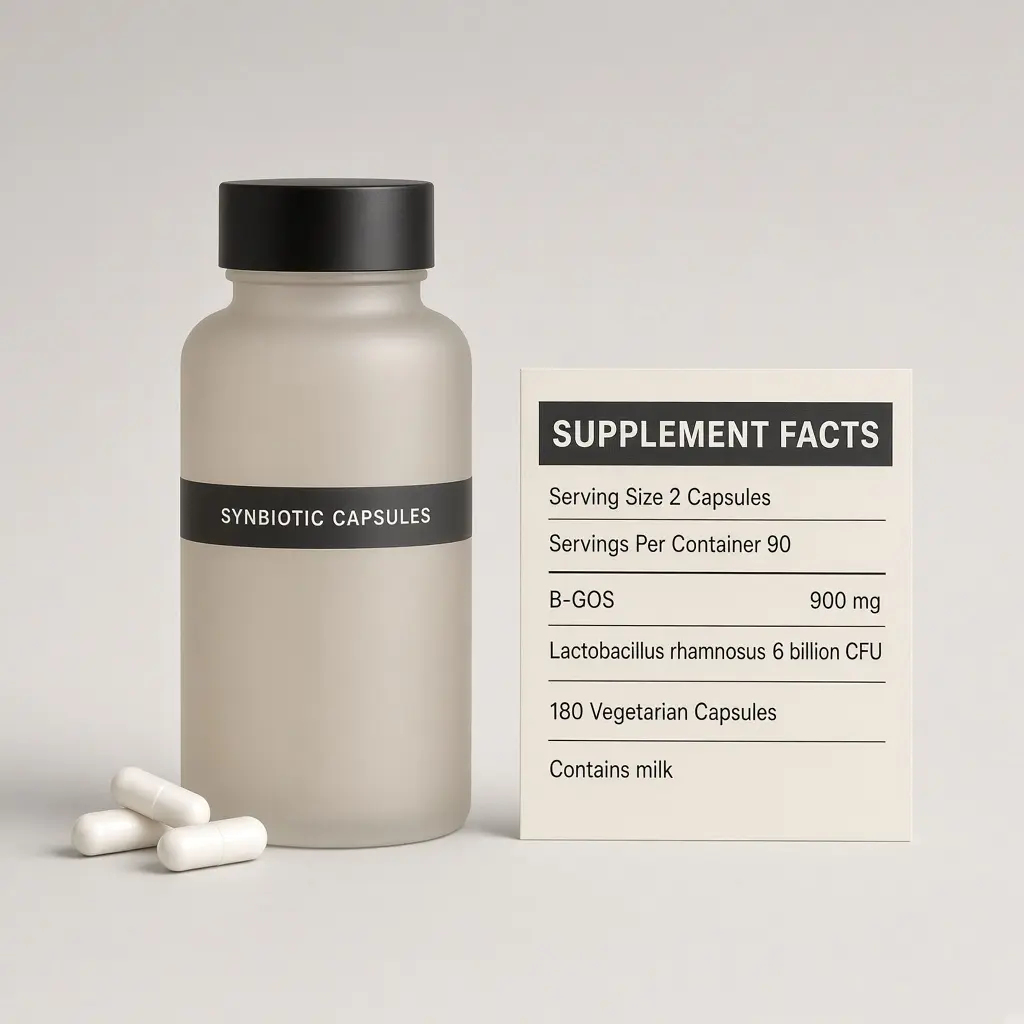
Use when: The reference is a two-capsule serving with a high galactooligosaccharide dose and one named Lactobacillus count.
Specify: Serving size 2 capsules. 90 servings. 180 capsules. Galactooligosaccharides 900 mg. Lactobacillus rhamnosus 6 billion CFU. Other ingredients include a vegetarian capsule and plant fiber (cellulose). The product label states that it contains milk. This record does not state the measurement point for the 6 billion CFU.
Trade-off: Fill weight comes from the GOS dose, the culture material, the capsule size, and the other ingredients together. When that load does not fit the proposed capsule, the review looks at another capsule size, another capsule count, or a powder. Any milk-allergen line is confirmed from the ingredients used and from the destination-market label requirements.

Use when: The reference is one 20 g sachet per serving, and fructooligosaccharide is a large share of that powder.
Specify: Serving size 1 sachet (20 g). Servings per container 7, one sachet each. Probiotic blend 150 billion CFU: Lactobacillus acidophilus (two strains), Lactobacillus salivarius, Bifidobacterium animalis subsp. lactis, and Bifidobacterium bifidum. Fructooligosaccharides 10 g. Per serving: 50 calories, 18 g total carbohydrate, 12 g dietary fiber, 2 g total sugars, including less than 1 g added sugars. Other ingredients: apricot fruit powder and maltodextrin. This record does not state the measurement point for the 150 billion CFU.
Trade-off: The 150 billion CFU figure is the declaration on DSLD 288303. The target count and the measurement point for a KS project are set on the specification. A 10 g FOS load is assessed as a sachet or another powder pack.

Use when: The reference is a daily packet of two chewable tablets, and the record places the live-cell count before the expiration date.
Specify: Serving size 1 packet (2 chewable tablets). 25 servings. Alpha-glucan oligosaccharide 2 g. A 9-strain blend at 20 billion live cells, prior to the expiration date: Lactobacillus gasseri (two strains), Bifidobacterium bifidum, Bifidobacterium longum (two strains), Bifidobacterium animalis subsp. lactis, Bifidobacterium breve, Bifidobacterium infantis, and Lactobacillus rhamnosus. Per serving: 10 calories, 3 g total carbohydrate, 0 g total sugars, and calcium 300 mg.
Trade-off: A reference label does not set the count target or the shelf-life performance of a new formula. Because this record already places the count before the expiration date, shelf-life evidence is part of the quotation. Two grams of alpha-glucan oligosaccharide across two chewable tablets is assessed as a tablet.
Synbiotic Dosage Forms and Manufacturing Considerations
Count term, target, and measurement point are defined in the specification section. These cards cover fill, process, pack, and the quantity basis.
 Capsules
Use when: The SKU is a daily digestive product with both a probiotic and a defined prebiotic, or the brief needs more than one named strain, a spore-forming strain, or a delayed-release capsule.
Specify: Fill weight, shell material, and capsules per serving. A delayed-release shell is specified on its own, separately from the viable-count target. Spore-forming strains, including suitable Bacillus strains, are considered when their identity, intended use, and stability requirements fit the project.
Trade-off: Products without a defined prebiotic ingredient and dose are specified on probiotic supplements.
Format considerations: Hard capsules are a starting option. Detail sits on hard capsules.
 Powders, Sachets and Stick Packs
Use when: The product is a drink mix, a bulk powder, or a single-dose powder, particularly when the target prebiotic load is impractical for the proposed capsule size and capsule count.
Specify: Serving weight, carrier, flow, dose uniformity, moisture, and the pack barrier. A higher prebiotic load raises the moisture-management requirement.
Trade-off: A fiber product with no live culture is specified on fiber supplements. Stick-pack lead time depends on the serving weight, film specification, filling process, and production schedule.
Format considerations: MOQ is stated separately for finished powder packs, sachets, and individual stick packs. Detail sits on powders and granules.
 Gummies
Use when: The brand requires a gummy, and the strain, the process, the prebiotic in the matrix, the pack, and the shelf-life requirement can be reviewed before the formula is locked. A children’s or family label is included only when the strain and the matrix can support it.
Specify: Processing temperature, pH, water activity, the gummy matrix, and the pack are assessed against the target count and the shelf-life requirement. Pectin, gelatin, sugar-free, and vegan bases are reviewed only when they are compatible with that strain and that process. A count taken after processing does not establish the count at the end of shelf life.
Trade-off: When the target count cannot be supported in the proposed gummy matrix, a capsule or a powder is the more direct route. Gummy quantity and lead time are set after that process review.
Format considerations: Detail sits on gummies.
 Other Formats on Feasibility Review
Use when: The brief calls for a tablet, including a chewable tablet, an effervescent tablet, or a liquid, and the formula and process can be reviewed before the format is locked.
Specify: The strain, the prebiotic dose, and the count target used for a capsule or powder brief. Feasibility covers the process, the pack, and the shelf-life evidence plan.
Trade-off: These formats are not the default route for a live-culture synbiotic. Quantity and lead time are set after the formula and the process are reviewed.
Format considerations: Chewable tablets follow the tablet review. They are not quoted as gummies.
Candidate strains include Lactobacillus acidophilus, L. rhamnosus, L. plantarum, L. casei, Bifidobacterium lactis, B. longum, Bacillus coagulans, and Saccharomyces boulardii. Supplier availability, strain-level documentation, intended use, and the destination market are confirmed during feasibility review. A listed name is not a promise that the strain is in stock, and it is not a validated finished formula. A strain deposit number is included where it is available and cleared for disclosure.
Prebiotic candidates include inulin, FOS, GOS, resistant dextrin, acacia fiber, soluble corn fiber, chicory root fiber, and polydextrose. Selection depends on the ingredient specification, the intended dose, and compatibility with the strain and the format. Listing an ingredient does not mean it suits every strain or every dosage form. Where a supplier uses chicory root fiber and inulin for the same material, the specification follows that supplier’s identity and the grams per serving.
The approved specification defines the count term, the target, the test method, and the measurement point, including whether the target applies at manufacture or at the end of shelf life. A shelf-life claim needs evidence for that formula, that packaging, and the stated storage conditions. Study design and test points are agreed on the project.
Specification | What is defined |
|---|---|
| Strain identity | Approved strain name and the supplier identifier that applies |
| Prebiotic | Ingredient identity and the target amount per serving |
| Viable-count target | CFU, or the count term written in the specification, and the measurement point |
| Test method | Enumeration method and the acceptance criteria that apply |
| Stability | Storage conditions, test intervals, and the evidence for that formula and pack |
| Packaging | Pack configuration and the moisture and oxygen barrier for that formula |
Finished-product release uses the tests, methods, and acceptance criteria in that product’s specification. Third-party laboratory testing is included when the quotation names it. Non-GMO documentation is supplied where it applies and the supplier can provide it. Export papers follow the destination market and the shipment.
| Record | What it supports |
|---|---|
| Finished-product COA | Results for the released batch under the approved specification, including the count at the named measurement point |
| Raw-material documentation | Supplier identity, the supplier’s count, and the allergen or contaminant statements for that lot |
| Formulation targets | Any planned CFU overage, recorded separately from target fill weight and prebiotic amount. An overage calculation does not replace the finished-batch count or the stability evidence |
| Stability report | Findings for the tested formula, packaging, storage conditions, and time points |
| Site certificates | The site, activities, and scope named on each certificate. A certificate is not product approval |
| External laboratory reports | Only the tests named in the agreed project scope |
Label review can check whether the count line and the prebiotic line match the agreed specification. The brand owner clears the finished label for each destination market.
Quotation input | Why it matters |
|---|---|
| Strains and supplier specifications | Material availability, sourcing cost, and documentation |
| Prebiotic and serving amount | Formula load, fill weight, and moisture management |
| Viable-count target and measurement point | Potency requirements and whether shelf-life evidence is in scope |
| Dosage form and serving size | Production route and quantity basis |
| Packaging configuration | Material cost and barrier requirements |
| Testing scope | Methods, acceptance criteria, and external laboratory cost |
| Order quantity | State finished capsules, finished powder packs, sachets, or individual sticks |
| Destination market | Label and export requirements |
Strain sourcing, external count testing, stability work, and a gummy process review are included only when the quotation names them.
These are indicative planning quantities for this live-culture category. The quotation names the exact basis. A count of finished capsules and a count of bottles are different orders. A sachet and a stick pack are different packs.
The times below are indicative production lead times. They start after the formula, artwork, packaging specifications, testing scope, and production schedule are confirmed. They are not counted from the first inquiry, and they are not delivery dates. Strain purchasing, external testing, stability work, and transit sit outside that window unless the quotation includes them. A separate 500–1,000-unit commercial pilot is not offered.
A higher prebiotic load, a tighter moisture limit, a different net weight, or a gummy process can move the quantity and the window. That change is written on the quotation. The indicative starting quantity for powder products is 3,000 finished packs, subject to net content, packaging, and formulation.
Format | Indicative starting quantity | Count basis | Indicative production lead time |
|---|---|---|---|
| Capsules | 3,000–5,000 | Finished capsules | 30–45 calendar days |
| Powders in tubs, pouches, or jars | 3,000 | Finished packs | 25–30 calendar days |
| Sachets | 5,000 | Sachets | 30–45 calendar days |
| Stick packs | 30,000 | Individual sticks | 15–30 calendar days when the film, the fill, and the schedule fit the stick line |
Gummy, tablet, effervescent, and liquid quantities and lead times are set after the formula and the process are reviewed.
Stage | Timing | What you receive |
|---|---|---|
| Initial review | Within one business day of receiving the brief | Project type, missing information, and the next step. This is not a quotation. |
| Feasibility and quotation | 3–5 calendar days after the information required for that assessment has been received | The route, the quantity band, and the production window. This is not the time required to finish stability work. |
| NDA, if needed | 1–3 business days, before the sample specification is locked | Confidentiality for a proprietary formula. |
| Sample development | 7–15 calendar days after the specification for that sample is locked | A sample for evaluation. Not for sale, and not a process-validation batch. |
| Stability screening, when a shelf-life count is required | Set on the project, after the sample is in hand | An initial check of formula and pack. It does not establish the full claimed shelf life unless the stability program supports it. |
| Manufacturing and release | The production lead time for that format | Production after the formula, the pack, the test scope, and the process are locked. Release reports the result at the sampling point, by the method and acceptance criteria in the approved specification. |
The figures below are site-wide manufacturing resources. Synbiotic feasibility depends on the strains, the formula, the process, the pack, and the stability evidence. General facility capacity does not by itself establish suitability for a specific live-culture formula.
Resource | Figure |
|---|---|
| Integrated facility | 81,000㎡, 5 manufacturing bases, 260+ staff |
| Production lines | 12 lines covering capsules, softgels, tablets, and gummies |
| Daily output | 5,000,000+ capsules; 2,000,000+ softgels; 12,000,000+ tablets; 2,000,000+ gummies |
| Powder-ingredient capacity | 5,000+ tons a year. This is ingredient tonnage, not finished synbiotic powder output |
| Certifications | cGMP/GMP, ISO 9001, ISO 22000, HACCP, FSSC 22000, Halal, Kosher. Each certificate applies to the site, activities, or scope stated on it |
| How these figures apply | A listed line count does not establish a validated live-culture gummy process. GAP cultivation bases on the company record are for botanical ingredients |
What belongs on a synbiotic specification?
The prebiotic is named, and the amount per serving is stated, on the same specification as the strain and the count. A probiotic without a defined prebiotic dose, or a fiber product with no live culture, follows the matching product route.
Can the label claim a count at the end of shelf life?
Only when the specification names that measurement point and the project includes evidence for that formula, that pack, and those storage conditions. The finished-batch result reports the count for that batch. Supplier documents and the stability report remain separate records.
What affects the MOQ for a synbiotic supplement?
The format, the count basis, the pack, the strain supply, and the prebiotic load. Finished capsules, finished powder packs, sachets, and individual sticks are different orders. Gummy, tablet, and liquid quantities are set after process review.
Can a reference formula be assessed before the final specification is confirmed?
An initial review can start from a product concept or a reference label. The quotation uses the strain, count, prebiotic dose, format, pack, test scope, and quantity once those items are available.
Discuss Your Synbiotic Supplement Project
Send the target market, preferred dosage form, estimated order quantity, strains and count requirements, prebiotic ingredients and serving amount, packaging, and the testing scope you need. Open items are identified in the initial review. An NDA is available before a sample specification is locked.
Related
Disclaimer
Wholesale and brand-manufacturing reference only. Not intended to diagnose, treat, cure, or prevent any disease. Dietary supplements are not drugs. Label examples are commercial references, not recommended intakes. Brand owners remain responsible for claim substantiation and finished-label compliance in each destination market. Count, prebiotic amount, and shelf life follow the finished formula, the measurement point in the specification, and the pack.
Written by KS Nutripharma Formulation Team | Reviewed by KS Nutripharma Director of R&D (PhD, Food Science | 19+ years nutraceutical development) | Technical review scope: probiotic and prebiotic identity on one specification, count at manufacture versus count at the end of shelf life, prebiotic moisture load, pack barrier, and format feasibility for capsules, powders, sachets, stick packs, and gummies | Updated October 2026 | R&D Center