



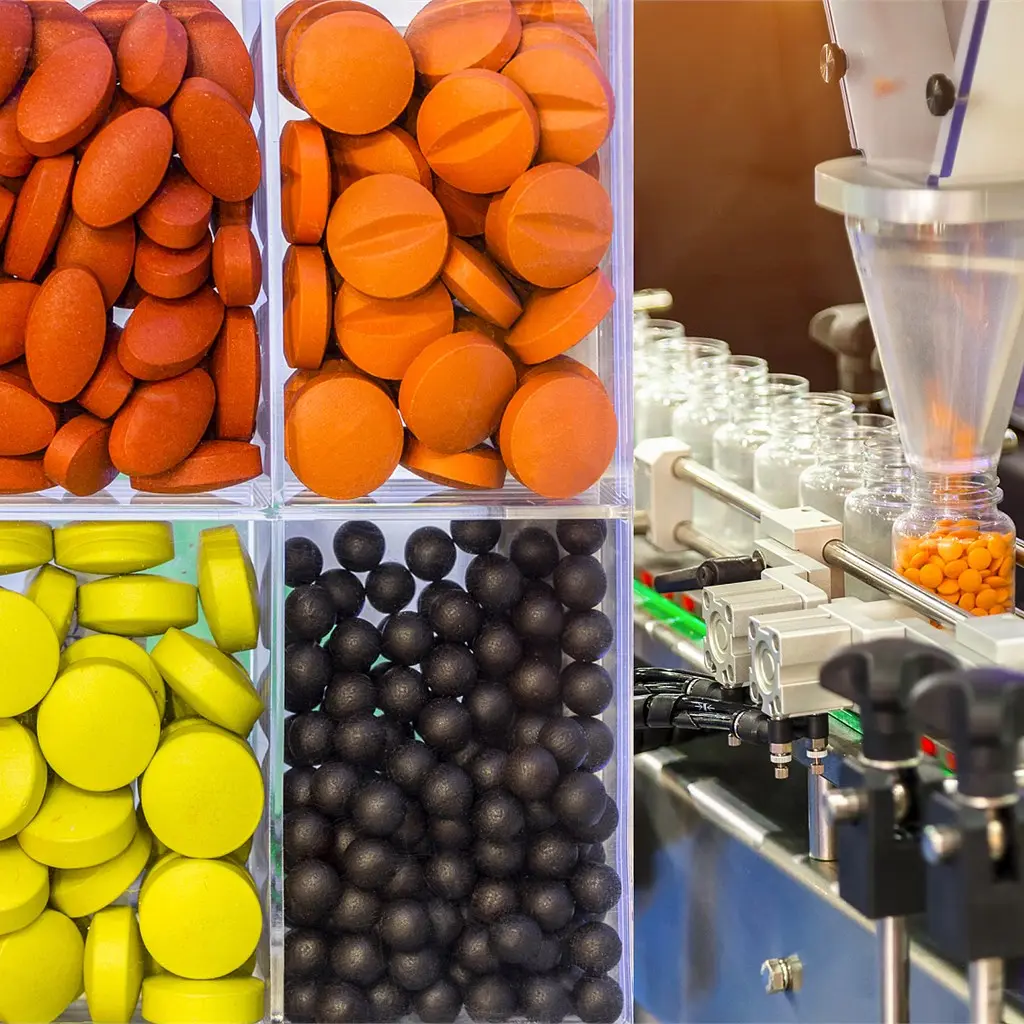
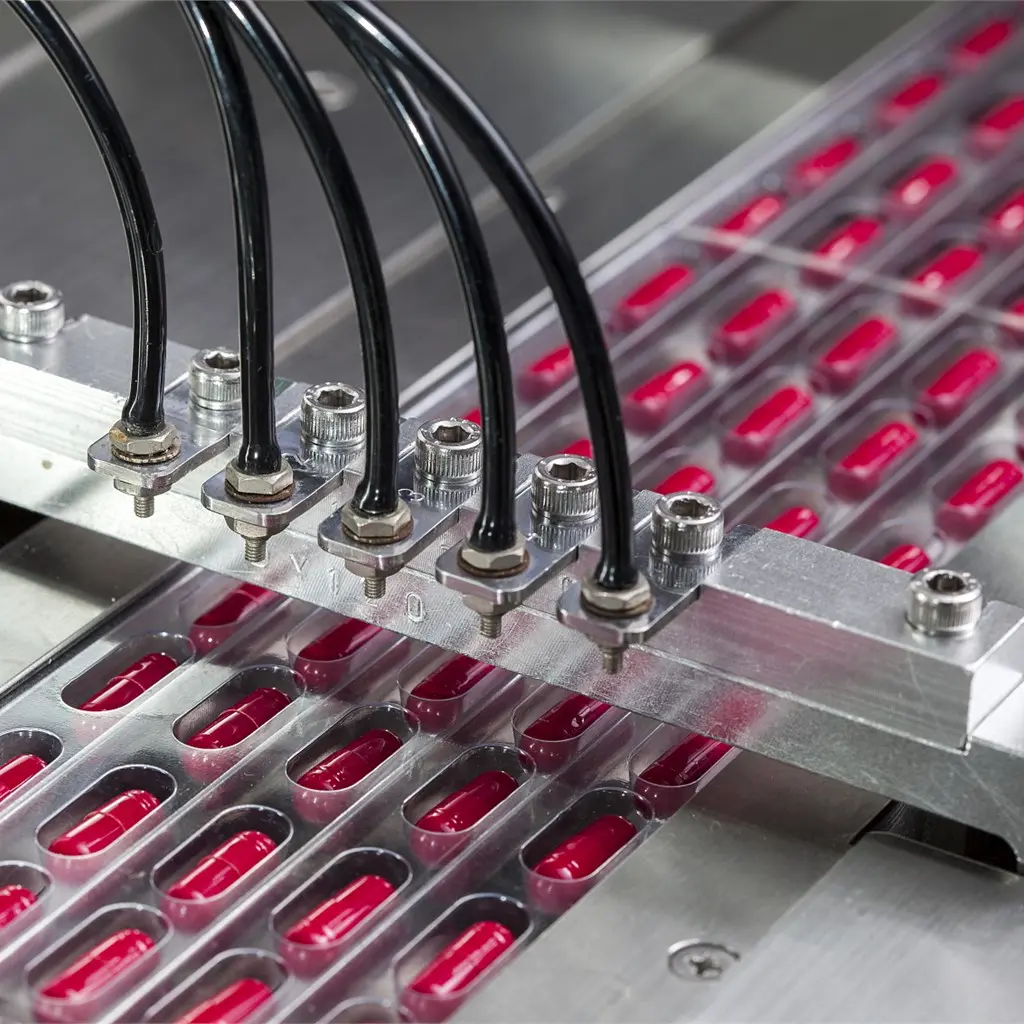

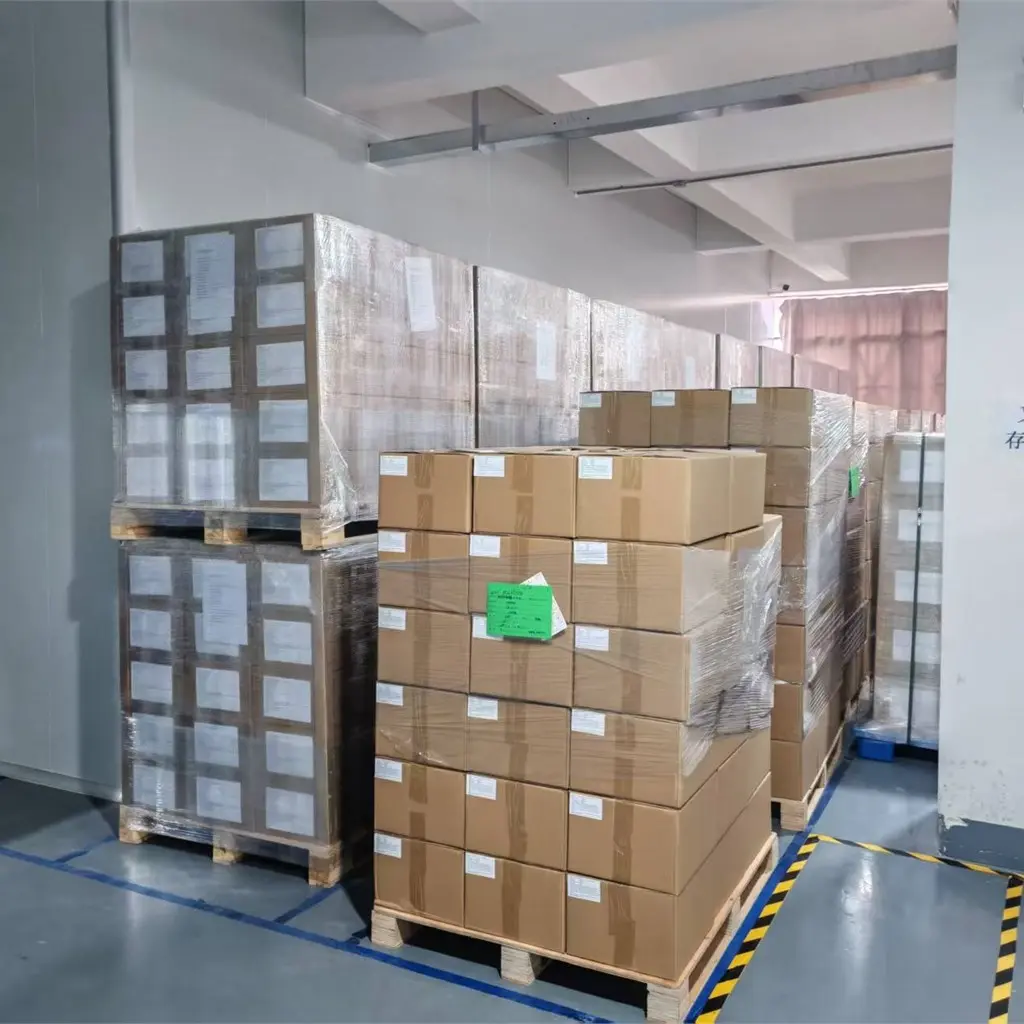
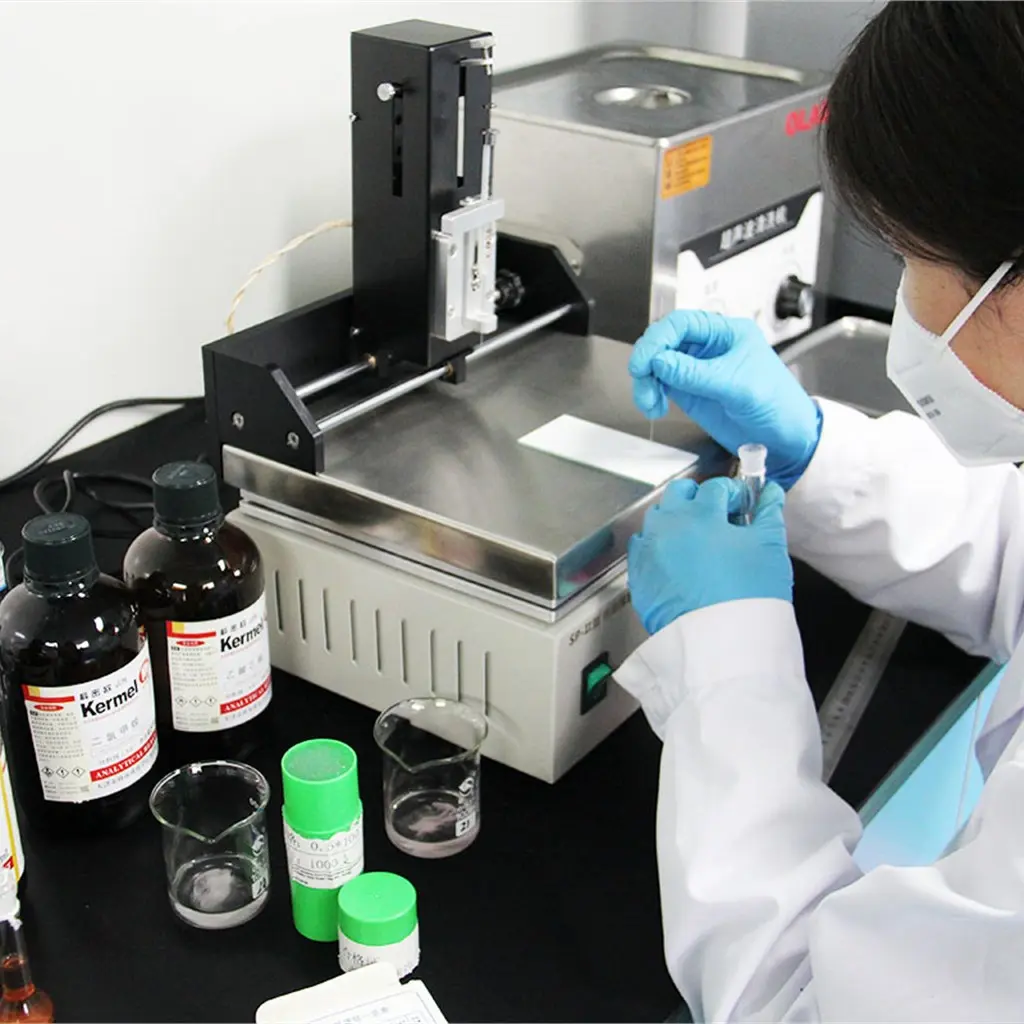




Daily Multivitamin OEM/ODM Service for Modern Wellness Brands
KS Nutripharma is a daily multivitamin manufacturer for OEM, ODM, and private-label brands. A quote starts from a vitamin list, the minerals included or left out, the amount per serving, the units per day, the pack count, and the finished-product tests. There is no single standard formula in this category, as noted in the NIH ODS multivitamin overview.
A quote can start from a vitamin-led daily formula, a vitamin-and-mineral formula, or a two-tablet serving when one tablet cannot hold the panel. A children’s brief names the age band and format. Women’s iron and folate, prenatal, beauty, and eye-health nutrients are specified separately. Immune-support products are specified with immune support supplements. High-potency, powder, and 50+ platforms are specified with the multivitamin supplement manufacturer.
Request a daily multivitamin quote with the target market, a Supplement Facts panel or formula concept, dosage form, units per serving, bottle count, and expected order quantity.
Certification systems available by project: cGMP | ISO 22000 | HACCP | FSSC 22000 | Halal | Kosher
Project documents such as batch COA, specification, allergen statement, and market files are confirmed before production.
Daily Multivitamin Formula Templates
Label amounts, ingredient forms, and pack count come from the buyer’s brief.
A children’s daily vitamin names the age band, a lower amount per serving, and a gummy or chewable, plus flavor, texture, and child-resistant packaging.
Use when: The brand wants a regular daily vitamin SKU. Vitamins are the core. Minerals are left out, or limited to named trace lines that do not set the tablet size.
Nutrient groups: Vitamins A, D, and E, with vitamin K as a yes-or-no option. B1, B2, B3, B5, B6, biotin, folate, and B12. Vitamin C.
Starting spec: Film-coated tablet. One tablet per serving is the first check. Pack quotes can use 30, 60, or 90 servings as pricing scenarios.
Specify: Label amount and ingredient form for each vitamin, vitamin K in or out, target tablet weight and size, and bottle count.
Trade-off: This route carries a lower ingredient load than a formula with substantial mineral content. Tablet size and cost still depend on the formula. One tablet per day is the target under test. If the finished size is not acceptable, the serving moves to the two-tablet template or a hard-capsule count.
Default format: Film-coated tablet.
Use when: Vitamins and selected minerals are one SKU.
Nutrient groups: Vitamins A, C, D, E, and K when the label requires K, plus B1, B2, B3, B5, B6, biotin, folate, and B12. Trace minerals drawn from zinc, selenium, iodine, copper, manganese, chromium, and molybdenum. Iron as its own in-or-out decision. Calcium and magnesium at the elemental amounts the tablet can carry.
Starting spec: Film-coated tablet. One tablet per serving is assessed first. Two tablets are the next serving when the compound weight is too high. Each mineral line lists the compound, the compound weight, and the elemental label amount.
Specify: Minerals that must be in, minerals that must stay out, elemental targets, iron in or out, and tablets per serving.
Trade-off: A mineral name on the label is not a meaningful dose. Calcium and magnesium at label-relevant amounts change tablet weight. Iron is a separate population and label decision, including for women’s and children’s briefs.
Default format: Film-coated tablet, one or more per day after the load check.
Use when: The nutrient list is accepted, and one acceptable tablet cannot hold the compound weight.
Nutrient groups: The vitamin set, the mineral set, or both. Iron, calcium, and magnesium stay explicit. Ingredient weight, process, and stability set which nutrients sit in each tablet.
Starting spec: Two film-coated tablets per serving. The label states amount per serving and tablets per serving separately. Pack quotes state servings per container and total tablets per bottle. 30 or 60 servings are pricing scenarios.
Specify: Amount per tablet, amount per serving, servings per container, target tablet size, and which nutrients sit in which tablet.
Trade-off: Two tablets per serving keep each tablet within an acceptable size. Bottle count, days of use, and unit cost change versus the one-tablet vitamin-led template.
Default format: Two film-coated tablets. Hard capsules are the alternative when the brief avoids compression.
Choose the Daily Multivitamin Format: Tablets, Hard Capsules or Gummies
Best for: The vitamin-led template, the vitamin-and-mineral template, and the two-tablet serving.
Why: A tablet holds a mixed vitamin and mineral powder. Film coating may be used for appearance, swallowability, taste or odor masking, and protection, depending on the formula.
Typical formula cards: Essential Daily Multivitamin; Daily Multivitamin and Multimineral; Two-Tablet Daily Serving.
What to lock: Uncoated or film-coated, target size, tablets per serving, hardness, disintegration, desiccant, and bottle count.
Manufacturing note: Tablets are the usual press path. Compression is confirmed on the formula being quoted.
Best for: A vitamin-led or moderate mineral formula that should avoid compression, or a brief that specifies gelatin or HPMC.
Why: Capsules skip the tablet press. Fill volume, bulk density, and mineral weight still decide how many capsules make the serving.
Typical formula cards: Essential Daily Multivitamin when the fill fits; Two-Tablet Daily Serving when the count moves from tablets to capsules.
What to lock: HPMC or gelatin, capsule size, capsules per day, fill weight, and moisture protection.
Best for: A shorter daily vitamin panel where taste and a chew format are part of the brief, including some children’s briefs.
Why: Piece weight, taste, and texture limit how much mineral a gummy serving can carry. Heat, moisture, acidity, and mineral taste decide which nutrient lines remain. Feasibility is assessed on the formula, the piece count, and the sweetener system.
Typical formula cards: Essential Daily Multivitamin after nutrients are removed. A children’s gummy when the age band and lower serving are specified.
What to lock: Nutrients kept, nutrients removed, pieces per day, flavor, sweetener system, water activity target, and bottle or pouch.
Manufacturing note: Gummies are quoted as their own formula. They do not use the tablet pilot quantity.
Each vitamin line states the form, the target label amount, the unit, and whether that line is on the finished-product specification. Preformed vitamin A and beta-carotene, folic acid and methylfolate, and cyanocobalamin and methylcobalamin are different materials and different costs. Ingredient form and label amount follow the target market’s rules, the formula specification, the ingredient identity, and label review. Iron, preformed vitamin A, vitamin D, and vitamin B6 amounts are reviewed for the population named on the label.
Raw-material potency, input weight, and label claim are separate fields. Input weight is calculated from the ingredient assay and the agreed label target. Overage for each nutrient follows that nutrient’s stability, the process, and the data available for the formula.
Each mineral line states the compound, the compound weight in the dosage form, and the elemental amount on the label. Elemental amount is what Supplement Facts prints. Compound weight is what the tablet, capsule, or gummy has to hold. For a US label, a calcium claim from calcium carbonate is the calcium amount, not the weight of the carbonate, as described in the FDA labeling guide.
A two-tablet serving prints the amount in two tablets. The compound weight is still calculated for each tablet. A one-tablet formula can list a small elemental calcium amount. That printed amount is the label target. The carbonate weight is the load in the tablet.
Trace minerals and some vitamins sit far below the bulk of the batch. The specification names which lines are premixed, which are added directly, and which finished-product tests cover them. Incoming premix identity and the finished-unit result are separate records.
The finished-product specification sets the assays, microbiological criteria, contaminant limits, release documents, and test frequency for that project, from the risk assessment, applicable requirements, and the quality plan agreed for the order. A raw-material COA covers the incoming lot. Finished-bottle release uses the batch-release file. A development sample is a formulation check. Reading supplier fields is covered in how to read a COA.
Bottle count, seal, desiccant, blister, and gummy bottle or pouch follow the formula, process exposure, barrier, intended shelf life, and available stability data. Markets outside the United States use their own label rules.
| Field | What to Confirm |
|---|---|
| Units per serving | Tablets, capsules, or gummy pieces in one daily serving |
| Amount per serving | Target label amount for each nutrient |
| Amount per unit | Compound weight each tablet, capsule, or gummy piece must carry |
| Servings per container | Daily servings in the bottle |
| Bottle count | Finished bottles in the order |
| Pack configuration | Bottle, seal, desiccant, blister, or gummy pouch |
| Use period | Days of use the bottle is meant to cover |
- Nutrient form
- Compound weight behind each elemental target
- Units per day
- Dosage form and any coating
- Finished-product test scope
- Pack
- Order quantity
- Raw-material price, as one line in that total
| Quote Field | Confirm |
|---|---|
| Route | Vitamin-led, vitamin-and-mineral, two-tablet, or a named children’s brief |
| Formula | Label amount, ingredient form, potency basis, and any nutrient-specific overage |
| Minerals | Compound, compound weight, elemental amount, and iron in or out |
| Serving | Units per day, amount per unit, and amount per serving |
| Dosage Form | Uncoated tablet, film-coated tablet, hard capsule, or gummy, including size, fill, or pieces per day |
| Packaging | Bottle or pouch, count, seal, desiccant, or blister |
| Testing | Assays, microbiology, contaminant limits, and release documents for this project |
| Commercial Terms | MOQ, sample scope, quantity break, and what event starts the lead-time clock |
Quantities are finished units of the agreed pack. The bands apply after formula approval, materials, packaging, testing, and scheduling are confirmed.
Category | Planning Band and Boundary |
|---|---|
| Pilot MOQ | Selected tablet or hard-capsule pilots may start from 500-1,000 finished units when an existing formula and standard packaging are used. Confirmed project by project |
| First Commercial Order | Commonly planned around 5,000-10,000 units for tablets or hard capsules after specification and pack approval |
| Scale Order | 100,000+ units is a scale-planning reference when formula, pack, materials, and tests are approved |
| Repeat Order | Shorter scheduling applies when the approved materials, packaging, and test scope are unchanged |
A daily multivitamin gummy is commonly planned around 5,000-10,000 finished units. The final quantity is confirmed from the shortened panel, pieces per serving, mold, and pack. This band sits above the 500-1,000 tablet or hard-capsule pilot.
A 6-10 week production band may apply after formula approval, material and packaging availability, test scope, artwork, and production scheduling are confirmed. First formula design, repeated sample revisions, stability studies, special packaging delays, regulatory review, delayed raw materials, and delayed artwork approval are scheduled separately.
What Is the Difference Between a Daily Multivitamin and a Multivitamin and Multimineral?
A vitamin-led template can leave minerals out or keep them to a short list. A vitamin-and-mineral template names each mineral compound and its elemental amount. The two are the same tablet only after that mineral weight is calculated.
Can Vitamin and Mineral Amounts Be Changed?
Yes. Send the target label amount and the ingredient form for each line to change. Adding minerals, raising calcium or magnesium, or changing folate or vitamin B12 form can change unit size, unit count, cost, and the tests on the specification. A concept without amounts can be reviewed. It cannot be priced as a finished unit.
Can You Manufacture One-a-Day and Two-Tablet Formulas?
Both are in scope for tablets. One tablet per serving is the first check. If the compound weight does not fit an acceptable tablet, the serving becomes two tablets, or a hard-capsule count after fill volume is calculated. A gummy uses its own piece count and a shortened panel.
What Do You Need for an OEM Quote?
Send a Supplement Facts panel or current formula, the target market, the dosage form, units per serving, bottle count, and the first order quantity. A new brand can send the template and the nutrients that must stay. For a children’s product, add the age band. A full bill of materials is not required to open the quote.
What MOQ and Lead Time Should We Plan?
The tablet and hard-capsule pilot applies when an existing formula and standard pack are already available, and it is confirmed per project. The first commercial quantity is a separate figure. The production clock starts when the formula, materials, packaging, test scope, artwork, and schedule are confirmed. Design, sample revisions, stability work, and delayed materials sit outside that clock. Gummy quantity is quoted with the gummy panel.
Can You Provide a Finished-Product COA?
The project file can include incoming raw-material COAs and a finished-product COA for the tests named on the specification. The specification decides which results are reported on the batch.
Related Pages
Multivitamin Supplement Manufacturer
Use for: High-potency panels, complete mineral loads, iron-free and 50+ variants, and powders.
Women’s Multivitamin Supplements
Use for: Iron, iron-free, folate form, and women’s age-group specifications.
Final Project Brief
Send the items you already have:
- Formula template: vitamin-led, vitamin-and-mineral, or two-tablet
- Target market
- Dosage form: tablet, hard capsule, or gummy
- Units per serving and bottle count
- Expected first order and project stage
- Supplement Facts, a reference label, a current supplier quote, or a packaging target
- Nutrients that must stay, and minerals that must stay out
- Age band, when the product is for children
Request a Daily Multivitamin Quote
Disclaimer: Wholesale and brand-manufacturing reference only. Not intended to diagnose, treat, cure, or prevent any disease. Dietary supplements are not drugs. Template nutrient groups are costing examples, not recommended intakes. Destination-market rules and local counsel decide what can be printed. Brand owners remain responsible for finished-label compliance.