Direct answer:
- Beta-carotene is generally safe for most healthy nonsmokers at typical supplemental doses of about 1–15 mg/day.
- High-dose supplements (20–30 mg/day) increased lung cancer risk in current smokers, some former smokers, and asbestos-exposed adults in major trials.
- Food sources have not shown that risk.
- Current and former smokers needing eye support should prefer AREDS2 (lutein + zeaxanthin), not the original AREDS with beta carotene.
Beta carotene is widely used in multivitamins, beauty formulas, and eye-health blends. Search intent is practical: Is it safe? Can it cause cancer? How much is too much? Should I stop my multivitamin? Is AREDS safe for smokers? This guide answers those questions first, then expands with clinical, regulatory, and formulation details. Ingredients and delivery options such as KS Nutripharma beta carotene are referenced where source form affects labeling and OEM design.
TL;DR: Is Beta Carotene Safe?
- Healthy nonsmokers: Low-to-moderate supplemental doses are generally acceptable.
- Current smokers: Avoid high-dose beta carotene supplements; EFSA (2024) advises smokers to avoid beta carotene–containing food supplements.
- Heavy former smokers/asbestos exposure: Use caution; discuss high-dose products with a clinician.
- Food beta carotene: Not shown to reproduce the ATBC/CARET harm signal.
- Eye vitamins: Prefer AREDS2 (lutein 10 mg + zeaxanthin 2 mg) over original AREDS (15 mg beta carotene) if you smoke or formerly smoked (NEI AREDS/AREDS2).
- No IOM UL for beta carotene; caution is driven mainly by smoker-trial evidence around ≥20 mg/day.
Quick Safety Checker
Questions | Practical Answers |
|---|---|
| Current smoker? | Avoid high-dose beta carotene supplements |
| Former heavy smoker? | Discuss with a clinician before high-dose use |
| Taking original AREDS / PreserVision-style formula with beta carotene? | Prefer AREDS2 if you smoke or formerly smoked |
| Pregnant and needing vitamin A support? | Beta-carotene is usually preferred over high-preformed retinol |
| Taking isotretinoin or other retinoids? | Ask a physician before adding carotenoid or vitamin A products |
| Healthy nonsmoker on a low-dose multi? | Generally acceptable if total dose stays modest |
| Stacking softgels + multi + eye vitamins? | Recalculate total daily beta carotene before continuing |
Should You Stop Taking Beta Carotene Supplements?
Short answer: Not automatically. Stop or switch if you are a current smoker on high-dose products, a high-risk former smoker without medical advice, or stacking multiple formulas above about 15–20 mg/day. Continue low-dose use is often reasonable for healthy nonsmokers who need vitamin A support.
Continue if:
- You are a nonsmoker
- Your total supplemental intake is low (often about 1–6 mg/day from a multi or beauty formula)
- The purpose is vitamin A contribution, not megadose antioxidant therapy
- You are not stacking several carotenoid products without checking labels
Reconsider if:
- You currently smoke
- You take multiple products that each list beta carotene
- Your total dose approaches or exceeds about 15–20 mg/day
- You use original AREDS (15 mg beta carotene) and have a smoking history
Stop and seek medical advice if:
- You have a history of lung disease, COPD, or lung cancer
- You have occupational asbestos exposure
- You take prescription retinoids (for example, isotretinoin)
- You have chronic liver disease
- A clinician has already advised against high-dose carotenoids
This is educational information, not personalized medical care.
Absolute Risk vs. Relative Risk: What Does an 18% Increase Mean?
Short answer: In ATBC, beta carotene raised lung cancer incidence by about 18% relatively. In absolute terms, that was roughly 8–10 extra cases per 10,000 person-years in a high-risk male smoking cohort—not an 18-in-100 chance for every user.
In the ATBC trial, incidence rates per 10,000 person-years included:
- Placebo: 47.7
- Beta carotene alone: 57.2
- Alpha-tocopherol + beta carotene: 55.3
- Alpha-tocopherol alone: 47.3
That pattern produced the widely cited 18% relative increase among men who received beta carotene versus those who did not.
How to read this
- Relative risk answers: How much higher was the rate compared with the comparison group?
- Absolute risk answers: How many extra cases occurred in real numbers?
- A difference of about 9–10 cases per 10,000 person-years is roughly about 5–6 additional cases per 1,000 men over about six years in that specific high-risk smoking population.
- These numbers do not transfer directly to healthy never-smokers taking low-dose multivitamins.
Population risk snapshot
Population | Supplemental beta carotene cancer signal |
|---|---|
| Never smokers | No clear evidence of increased lung cancer from dietary or typical low supplemental intake |
| Current smokers | Increased lung cancer risk at high supplemental doses (ATBC/CARET) |
| Heavy former smokers | Possible increased risk, especially at high doses / older AREDS-style formulas |
| Asbestos-exposed adults | Increased risk in CARET (beta carotene + retinol) |
Seek Medical Advice Before Taking Beta Carotene If You:
- Currently smoke
- Quit smoking within recent years, especially after heavy use (no validated “safe washout” interval is established)
- Have COPD or other chronic lung disease
- Have a history of lung cancer
- Have occupational asbestos exposure
- Take retinoid medications (including isotretinoin)
- Have chronic liver disease
- Are stacking high-dose vitamin A / carotenoid products
What Is Beta Carotene and Why Is Safety Controversial?
Beta Carotene as a Provitamin A Carotenoid
Beta carotene is a fat-soluble carotenoid in carrots, sweet potatoes, pumpkin, leafy greens, and many orange/green plants. The body can convert it to retinal and then retinol (vitamin A).
According to NIH ODS:
- Supplemental beta carotene: 2 mcg = 1 mcg RAE
- Dietary beta carotene: 12 mcg = 1 mcg RAE
Humans cannot synthesize beta carotene and must obtain it from food or supplements.
Why Did Beta Carotene Become Controversial?
The controversy came from high-dose supplemental trials, not from carrots:
- ATBC — 20 mg/day beta carotene in male smokers (NEJM 1994)
- CARET — 30 mg/day beta carotene + 25,000 IU retinyl palmitate in smokers and asbestos-exposed workers (NEJM 1996)
Both reported higher lung cancer incidence in active-treatment arms.
How Much Beta Carotene Is Safe?
Short answer: For healthy nonsmokers, about 1–15 mg/day is the commonly discussed practical range. Treat ≥20 mg/day as a major caution threshold for smokers and other high-risk groups. There is still no formal IOM UL.
Beta Carotene Dosage Safety Ladder
Approximate vitamin A equivalents use NIH supplemental conversion (2 mcg beta carotene = 1 mcg RAE).
| Daily Dose | Approx. Vitamin A Equivalent | Typical Product Type | Safety Considerations |
|---|---|---|---|
| 1–3 mg | 500–1,500 mcg RAE | Multivitamins | Very low concern for healthy adults |
| 3–6 mg | 1,500–3,000 mcg RAE | Beauty/antioxidant formulas | Generally well tolerated |
| 6–15 mg | 3,000–7,500 mcg RAE | Eye-health and higher-potency formulas | Usually acceptable in nonsmokers; check stacking |
| ≥20 mg | ≥10,000 mcg RAE | High-dose / trial-style doses | Avoid in current smokers, heavy former smokers, asbestos-exposed individuals |
Is There an Official Upper Intake Level?
- IOM did not set a UL for beta carotene.
- IOM advised against routine supplementation for the general population except to prevent vitamin A deficiency.
- UK EVM (2003) proposed a safe upper level of 7 mg/day supplemental beta carotene for nonsmokers.
- Norway’s VKM suggested a more cautious tentative upper level of 4 mg/day and discouraged smoker use.
- EFSA 2024: no UL established; smokers should avoid beta-carotene food supplements; general-population supplemental use should be limited to meeting vitamin A needs.
What Does 15 mg Actually Mean?
Using USDA / ODS food-composition style values:
Food | Approximate Beta Carotene |
|---|---|
| Raw carrot, per 100 g | About 8.3 mg (8,285 mcg) |
| 1 medium raw carrot (~61 g) | About 5 mg |
| Sweet potato, cooked, per 100 g | About 8.5–9.5 mg |
| Pumpkin, canned, per 100 g | About 6.9 mg |
| Pumpkin, cooked boiled, per 100 g | About 2.1–3.1 mg |
A 15 mg softgel is a concentrated supplemental dose, not one carrot. Oil-based absorption is usually higher than from whole foods.
Is Beta Carotene in Eye Supplements (AREDS) Safe?
Short answer: Original AREDS contained 15 mg beta carotene and is not preferred for current or former smokers. AREDS2 removed beta carotene and replaced it with lutein 10 mg + zeaxanthin 2 mg. NEI advises current and former smokers to take AREDS2 and avoid the beta carotene AREDS formula.
AREDS1 vs. AREDS2 at a glance
Nutrient | AREDS formula | AREDS2 formula |
|---|---|---|
| Vitamin C | 500 mg | 500 mg |
| Vitamin E | 400 IU | 400 IU |
| Beta-carotene | 15 mg | Removed |
| Lutein | — | 10 mg |
| Zeaxanthin | — | 2 mg |
| Zinc | 80 mg | 80 mg |
| Copper | 2 mg | 2 mg |
Why was beta carotene removed?
- High-dose beta carotene had already shown lung cancer risk in smokers in ATBC/CARET.
- AREDS2 tested elimination of beta carotene and addition of lutein/zeaxanthin.
- Former smokers assigned beta carotene had higher lung cancer incidence in AREDS2 analyses.
- Long-term follow-up reported an odds ratio of about 1.82 for lung cancer among those randomized to beta carotene, versus no statistically significant increase for lutein/zeaxanthin (AREDS2 Report 28; NIH summary).
Practical takeaway for consumers and brands
- Search terms like “PreserVision smoker warning,” “AREDS beta carotene risk,” and “eye vitamins for smokers” map to this decision.
- For smoker-sensitive markets, build eye formulas around lutein and marigold lutein/zeaxanthin systems, not high beta carotene.
How Long Does the Smoker Risk Persist After Quitting?
Short answer: No clinical evidence currently defines a validated safe washout period after smoking cessation for high-dose beta carotene use.
What is known:
- CARET enrolled former smokers as well as current smokers and asbestos-exposed workers.
- After CARET stopped the intervention, excess lung cancer and mortality risks declined but did not immediately disappear in all subgroups during follow-up (Goodman et al., JNCI follow-up).
- AREDS2 also observed higher lung cancer incidence among former smokers assigned beta carotene.
- Because a precise “safe years since quitting” threshold has not been established, caution remains appropriate for recent or heavy former smokers, especially at high supplemental doses.
NOTICE: No evidence currently defines a safe washout period after smoking cessation.
Why Carrots Do Not Increase Lung Cancer Risk
Short answer: Food beta carotene differs from high-dose supplements in dose, absorption, food matrix, and co-nutrients. The ATBC/CARET harm signal is tied to pharmacologic supplemental doses in high-risk adults, not vegetable intake.
1. Food matrix effect
Whole foods deliver beta carotene inside plant cell walls and mixed lipids/fibers. Net absorption is usually lower and slower than from oil softgels.
2. Lower effective doses
One medium carrot provides roughly 5 mg of beta carotene. Trial softgels delivered 20–30 mg/day as isolated supplemental doses for years.
3. Co-ingested protective compounds
Fruits and vegetables also provide vitamin C, polyphenols, fiber, and other carotenoids. That dietary pattern is not equivalent to a single isolated carotenoid megadose.
4. Different oxidation environment
High supplemental tissue exposure under cigarette-smoke oxidative stress is the setting linked to pro-oxidant and apocarotenoid concerns. Ordinary dietary intake does not recreate that exposure profile.
Estimated exposure contrast
Source | Approximate exposure pattern |
|---|---|
| 1 medium carrot | About 5 mg in a food matrix; lower net absorption |
| Mixed vegetable diet | Distributed intake with co-nutrients |
| 20 mg softgel | Concentrated supplemental dose; higher bioavailability potential |
| 30 mg softgel + 25,000 IU retinol (CARET style) | High dual retinoid/carotenoid pharmacologic exposure |
Common Side Effects of Beta Carotene Supplements
1. Carotenodermia
Yellow-orange skin tint, often on palms and soles. Discussed by the Linus Pauling Institute at high intakes. Cosmetic and reversible.
2. Gastrointestinal Symptoms
Loose stools or mild digestive discomfort can occur at higher doses and usually resolve after dose reduction.
3. Can Beta Carotene Cause Vitamin A Toxicity?
Generally no. Conversion is feedback-regulated. IOM’s UL for vitamin A applies to preformed vitamin A, not beta carotene as such (NIH ODS).
Why Are Smokers Advised to Avoid High-Dose Beta Carotene?
The ATBC Study
ATBC enrolled 29,133 male smokers in Finland (20 mg/day beta carotene; median 6.1 years).
- Lung cancer incidence about 18% higher with beta carotene
- Total mortality about 8% higher
- No lung cancer benefit from alpha-tocopherol
Background: ATBC Study overview.
The CARET Trial
CARET enrolled 18,314 high-risk adults on 30 mg/day beta carotene + 25,000 IU retinyl palmitate.
- Lung cancer RR 1.28
- All-cause mortality RR 1.17
- Lung cancer death RR 1.46
- Stopped 21 months early
Understanding the Mechanism
- Cigarette smoke creates extreme oxidative stress (ROS, nitric oxide–related radicals, peroxides).
- High-dose beta carotene may behave more pro-oxidatively in that setting (Palozza review).
- Oxidative cleavage can generate apocarotenoids that modulate retinoid signaling (Eroglu & Harrison; Harrison & Quadro, 2022).
- Mechanistic models remain hypotheses; they help explain trial findings but are not a complete clinical proof chain.
Does This Mean Beta Carotene Causes Cancer?
No as a blanket statement. Risk appears concentrated in:
- Current smokers on high supplemental doses
- Heavy former smokers in high-risk settings
- Asbestos-exposed workers (CARET regimen)
- Pharmacologic doses around 20–30 mg/day
The Physicians’ Health Study (50 mg every other day; mostly nonsmokers) found neither benefit nor harm over about 12 years.
Natural vs. Synthetic Beta Carotene: Are They Equally Safe?
Short answer: They are not chemically identical. Natural sources often provide mixed isomers; major smoker trials used high-dose synthetic-style all-trans regimens. Direct proof that “natural is safer for smokers” remains limited.
Features | Natural (e.g., Dunaliella salina / plant-derived) | Synthetic (typically all-trans) |
|---|---|---|
| Isomer profile | cis + trans mixture | Often >95% all-trans |
| Carotenoid matrix | Often includes related carotenoids | Isolated beta carotene |
| Clinical smoker-safety proof | Limited direct comparative RCTs | High-dose forms used in ATBC/CARET-era interventions |
| Clean-label appeal | High | Lower |
| Cost | Higher | Lower |
Compliance note: Natural mixed carotenoids may behave differently, but labeling should not claim automatic smoker safety.
KS Nutripharma supplies beta carotene and microencapsulated carotenoid systems when stability and dispersibility matter.
Who Should Use Beta Carotene Supplements With Caution?
- Current smokers — highest-priority caution; EFSA advises avoidance of beta carotene food supplements.
- Former heavy smokers — residual caution; no validated washout interval.
- Asbestos-exposed workers — CARET signal.
- People with fat malabsorption — unpredictable absorption.
- Liver disease patients — seek clinical advice.
- People on high-dose retinoids — avoid unsupervised stacking.
BCMO1 Genetics: Why Do Some People Respond Differently?
Short answer: Common BCMO1 variants can reduce conversion efficiency by roughly 32–69%, and low-responder phenotypes appear in about 40–45% of studied adults.
- BCMO1 cleaves beta carotene to retinal.
- Leung et al. identified common SNPs R267S and A379V with reduced conversion (FASEB J. 2009).
- Poor converters may show higher circulating beta carotene, more carotenodermia tendency, and less vitamin A yield from plant sources.
This supports personalized and mixed-carotenoid formulation strategies rather than one high beta carotene dose for every consumer.
Pregnancy, Breastfeeding, and Children
Short answer: As a vitamin A source, beta carotene is generally preferred over high-dose preformed retinol in pregnancy because conversion is regulated. It is not a license for unrestricted megadoses.
- Adult UL for preformed vitamin A: 3,000 mcg RAE/day (NIH ODS).
- Pediatric products need age-appropriate RAE targets and should avoid adult high-potency SKUs.
- Food-first remains the default unless deficiency risk is identified clinically.
Drug and Nutrient Interactions
- Orlistat — lowers absorption of fat-soluble nutrients.
- Cholestyramine/bile-acid binders — can reduce carotenoid uptake.
- Mineral oil — may impair fat-soluble nutrient absorption.
- Other carotenoids — high lutein, lycopene, and beta carotene doses may compete.
- Isotretinoin/prescription retinoids — ask a physician before combining.
Formulation Strategies to Reduce Safety Concerns
For brands and OEM partners, safety is a design choice, not only a label warning.
Option 1: Low-dose beta carotene (1–3 mg)
Useful when the goal is modest vitamin A RAE contribution inside a multivitamin or beauty formula.
Option 2: Mixed carotenoid complex
Distribute functional roles across beta carotene, lutein, zeaxanthin, lycopene, and related carotenoids instead of one megadose.
Option 3: Smoker-friendly formulas
Build eye and antioxidant SKUs around:
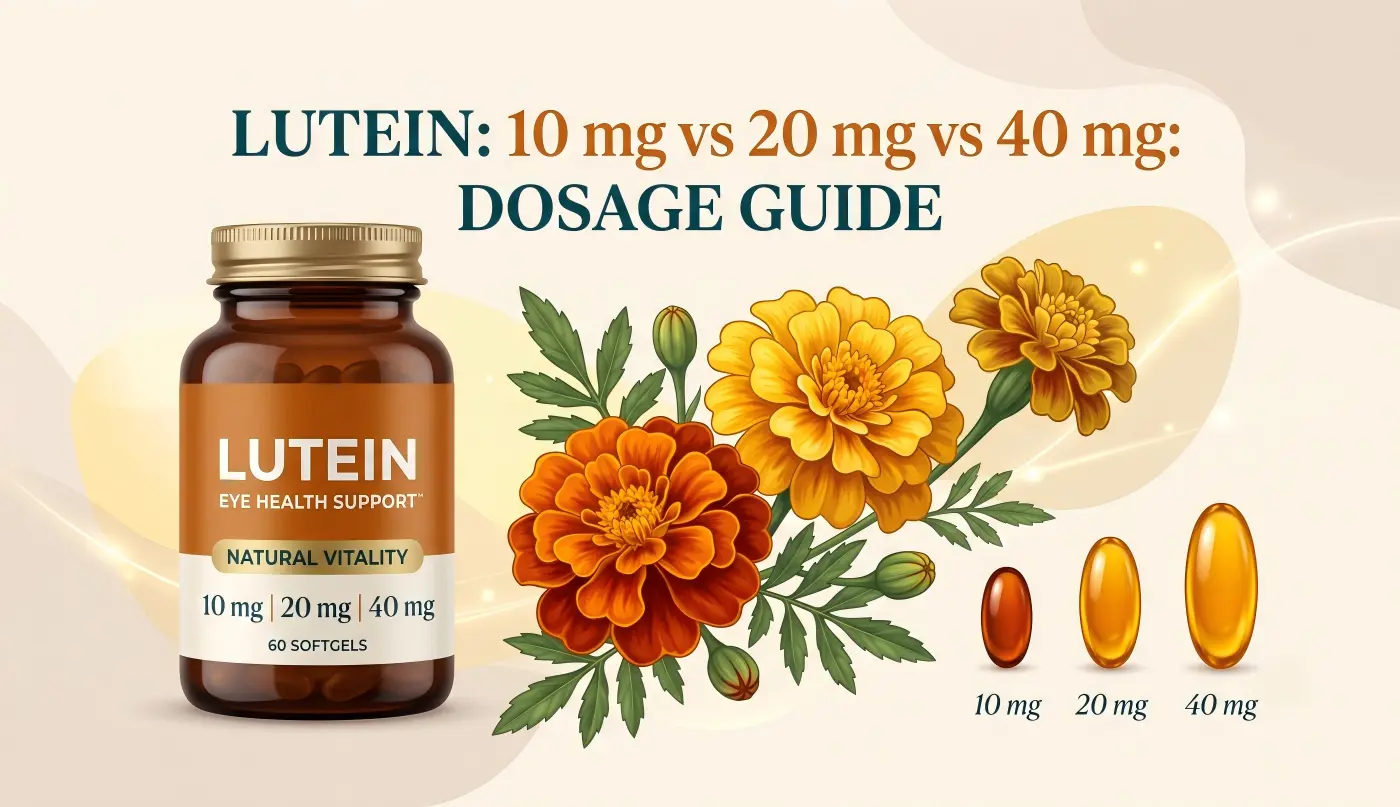
- Lutein
- Zeaxanthin
- Astaxanthin
- Vitamin C/E as needed
See lutein and astaxanthin.
Option 4: Natural-source positioning
Natural or algae-derived systems can support clean-label stories. Keep claims conservative where smoker-safety comparative data are limited.
Option 5: Avoid stacking beta carotene with high-dose retinyl palmitate
CARET used 30 mg beta carotene + 25,000 IU retinyl palmitate. That dual high-dose design is a core formulation lesson: do not recreate trial-style stacked retinoid exposure in consumer SKUs for high-risk markets.
These approaches fit OEM/ODM manufacturing capacity across softgels, capsules, tablets, gummies, and microencapsulated powders.
Formulation Synergy and Antagonism for OEM Development
Ingredients | Potential formulation role |
|---|---|
| Vitamin C | Antioxidant Network Support |
| Vitamin E | Lipid-phase protection |
| Zinc | Common in eye-health complexes |
| Lutein | Macular support without smoker-sensitive high beta carotene |
| Astaxanthin | Antioxidant / beauty and blue-light companion positioning |
Absorption enhancement
- Oil-based softgels
- Microencapsulation (CWS / CWD / beadlets)
- Emulsified systems
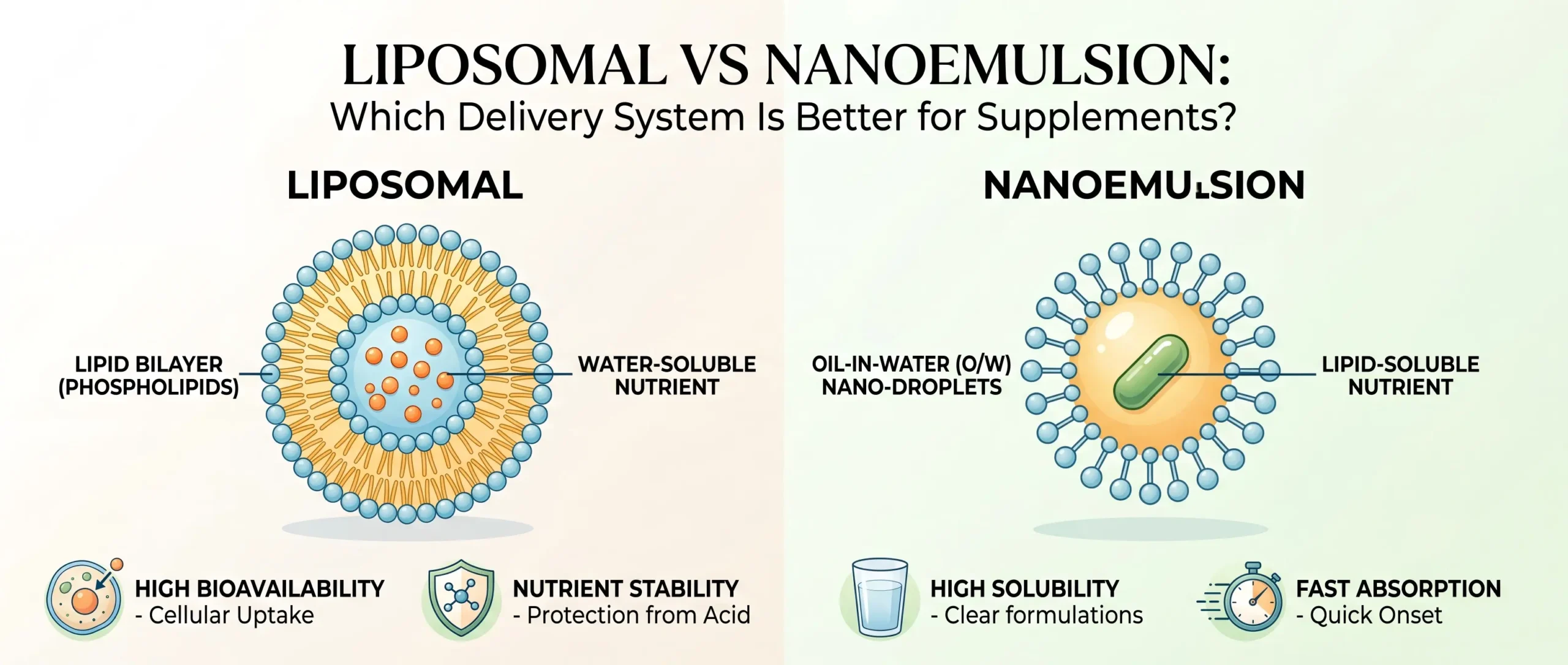
- Advanced lipid / liposomal formats where technically justified
Competitive absorption
High simultaneous doses of lutein, lycopene, and beta carotene may compete. Set one primary claim hierarchy before stacking milligrams.
Beauty and structural wellness launches can also draw on hair, skin, and nails OEM platforms.
Safer Alternatives for High-Risk Populations
Goal | Better-fit option |
|---|---|
| Eye health / macular support | Lutein + zeaxanthin (AREDS2 logic) |
| Antioxidant support | Astaxanthin with vitamin C/E as needed |
| Healthy-aging / mixed carotenoid story | Lower-dose mixed carotenoids without smoker-sensitive high beta carotene |
Future Directions in Personalized Carotenoid Supplementation
- BCMO1 genotype-informed formulation — adjust provitamin A expectations for poor converters.
- Data-assisted personalized nutrition — match dose and carotenoid mix to smoking status, diet pattern, and claim goal.
- Low-dose precision formulas — prioritize the lowest effective RAE or functional dose.
- Shift from megadose provitamin A to functional carotenoids — lutein, zeaxanthin, and astaxanthin for eye/skin positioning where vitamin A repletion is not the main need.
These directions are already influencing premium OEM briefs and private-label differentiation.
Regulatory and Labeling Considerations
FDA/U.S. Context
Beta-carotene is widely used in foods and supplements. NIH ODS notes no IOM UL and advises against routine general-population supplementation except to prevent deficiency. Smoker cautions rest on ATBC/CARET/AREDS2 evidence.
EFSA perspective
EFSA 2024: no UL; diet appears safe; smokers should avoid beta carotene food supplements; limit general supplemental use to vitamin A needs.
Australia / New Zealand context
FSANZ materials note no UL for beta carotene based on vitamin A toxicity, while summarizing ATBC smoker findings (supporting document).
Suggested warning templates
USA-oriented
Warning: Heavy smokers should consult a healthcare professional before using this product.
EU-oriented
Not recommended for current smokers or individuals with significant asbestos exposure.
Conservative B2B template
This product is not intended to diagnose, treat, cure, or prevent any disease. Individuals with a history of heavy smoking should seek medical advice before use.
FAQ
Is beta carotene safe for smokers?
No for high-dose supplements. EFSA advises smokers to avoid beta carotene–containing food supplements. Food sources are not the same signal.
Can beta carotene cause lung cancer?
Not as a general claim for everyone. High supplemental doses raised lung cancer incidence in smokers and asbestos-exposed adults in ATBC and CARET.
Is beta carotene in Centrum or similar multivitamins safe?
Many mainstream multivitamins use much lower beta carotene amounts than the 20–30 mg trial doses. Healthy nonsmokers usually have low concern at multi-level doses. Current smokers should still read labels, avoid high-dose add-ons, and ask a clinician if uncertain. Dose and smoking status matter more than brand name alone.
Should I stop taking my multivitamin because it contains beta carotene?
Not automatically. Check the milligram amount, your smoking status, and whether you take other carotenoid products. Low-dose multi use in nonsmokers is usually different from high-dose standalone softgels.
Why did AREDS2 remove beta carotene?
Because of lung cancer concerns in smokers and former smokers. It was replaced with lutein 10 mg and zeaxanthin 2 mg (NEI).
Is beta carotene in AREDS safe for smokers?
Original AREDS with 15 mg beta carotene is not preferred for current or former smokers. Use AREDS2 instead.
Is beta carotene banned in Europe?
No. It remains used in foods and supplements, but EFSA advises that smokers should avoid beta carotene food supplements and that general supplemental use should be limited to meeting vitamin A requirements.
Is 25,000 IU vitamin A plus beta carotene dangerous?
That combination reflects the CARET regimen (30 mg beta carotene + 25,000 IU retinyl palmitate) linked to higher lung cancer and mortality risk in high-risk adults. Consumer formulas should not casually recreate that stack.
Is beta carotene safe after quitting smoking?
Caution remains. No validated washout period defines when high-dose supplemental use becomes clearly safe.
Can beta carotene interact with isotretinoin?
Possibly relevant through overlapping retinoid exposure concerns. Ask a physician before combining.
Does beta carotene increase skin cancer risk?
The primary adverse signal from ATBC/CARET was lung cancer (and related mortality) in high-risk groups, not a demonstrated general skin cancer increase equivalent to that lung finding. Do not extrapolate beyond the evidence.
Should former smokers avoid multivitamins containing beta carotene?
Not necessarily all multis. Prefer low doses, avoid stacking, and choose AREDS2-style eye products without beta carotene. Discuss higher-dose products with a clinician.
Is natural beta carotene safer?
Possibly different biologically; not proven automatically safer for smokers.
Why does beta carotene turn skin orange?
Carotenodermia from tissue deposition. Reversible after lowering intake.
Can I take beta carotene every day?
Yes for many healthy nonsmokers at low-to-moderate doses. Daily high-dose use is a different risk discussion.
Is 15 mg of beta carotene too much?
Substantial, and unnecessary for many users. Often discussed as below the classic 20–30 mg trial caution zone for nonsmokers, but smokers should avoid this class unless medically directed.
What should smokers take instead of beta carotene?
Lutein and zeaxanthin for eye health; astaxanthin and vitamin C are common companions depending on formula goal. Smoking cessation remains the highest-value risk reduction step.
Key Takeaways
- Healthy nonsmokers: about 1–15 mg/day is the usual practical discussion range.
- High-risk caution zone: about ≥20 mg/day, especially with long-term use.
- Avoid high-dose supplements if: current smoker, heavy former smoker, or asbestos-exposed.
- AREDS decision: choose AREDS2 over beta carotene AREDS if you smoke or formerly smoked.
- Food remains different: carrots and vegetables have not shown the supplement trial harm signal.
- Absolute risk matters: ATBC’s 18% relative increase equaled roughly 8–10 extra cases per 10,000 person-years in that smoking cohort.
- OEM design can reduce concern: low dose, mixed carotenoids, smoker-friendly stacks, and no CARET-style retinyl palmitate stacking.
Evidence Hierarchy Snapshot
Topic | Evidence strength |
|---|---|
| Carotenodermia | Strong |
| Safety in healthy nonsmokers at typical doses | Strong |
| High-dose risk in smokers / asbestos-exposed groups | Strong |
| AREDS2 preference for smokers / former smokers | Strong |
| BCMO1 response variability | Moderate |
| Exact post-quit washout interval | Insufficient / undefined |
| Natural vs synthetic clinical safety difference | Emerging / limited direct RCTs |
Editorial Process
This article follows publicly available guidance and evidence from:
- NIH Office of Dietary Supplements and National Eye Institute
- EFSA scientific opinions
- NCI / ATBC study materials
- Peer-reviewed human clinical trials (ATBC, CARET, Physicians’ Health Study, AREDS/AREDS2)
- Cochrane evidence on antioxidant supplements and mortality
Content is reviewed by the KS Nutripharma R&D Team, with research collaboration context involving Northwest University. It is educational and does not replace clinical care.
References
- NIH Office of Dietary Supplements. Vitamin A and Carotenoids — Health Professional Fact Sheet. https://ods.od.nih.gov/factsheets/VitaminA-HealthProfessional/
- The Alpha-Tocopherol, Beta Carotene Cancer Prevention Study Group. The effect of vitamin E and beta carotene on the incidence of lung cancer and other cancers in male smokers. N Engl J Med. 1994;330:1029-1035. https://www.nejm.org/doi/full/10.1056/NEJM199404143301501
- ATBC Study. National Cancer Institute. https://atbcstudy.cancer.gov/
- Omenn GS, et al. Effects of a combination of beta carotene and vitamin A on lung cancer and cardiovascular disease. N Engl J Med. 1996;334:1150-1155. https://www.nejm.org/doi/full/10.1056/NEJM199605023341802
- Hennekens CH, et al. Lack of effect of long-term supplementation with beta carotene on the incidence of malignant neoplasms and cardiovascular disease. N Engl J Med. 1996;334:1145-1149. https://www.nejm.org/doi/full/10.1056/NEJM199605023341801
- National Eye Institute. AREDS/AREDS2 Clinical Trials. https://www.nei.nih.gov/eye-health-information/clinical-trials/age-related-eye-disease-studies-aredsareds2/about-areds-and-areds2
- Chew EY, et al.; AREDS2 Research Group. Long-term outcomes of adding lutein/zeaxanthin and ω-3 fatty acids to the AREDS supplements on age-related macular degeneration progression: AREDS2 Report 28. JAMA Ophthalmol. 2022. https://pubmed.ncbi.nlm.nih.gov/35653117/
- NIH Research Matters. Improved dietary supplement for age-related macular degeneration. https://www.nih.gov/news-events/nih-research-matters/improved-dietary-supplement-age-related-macular-degeneration
- Goodman GE, et al. The Beta-Carotene and Retinol Efficacy Trial: incidence of lung cancer and cardiovascular disease mortality during 6-year follow-up after stopping β-carotene and retinol supplements. J Natl Cancer Inst. 2004. https://escholarship.org/uc/item/7x37f15w
- Institute of Medicine. β-Carotene and Other Carotenoids. In: Dietary Reference Intakes for Vitamin C, Vitamin E, Selenium, and Carotenoids. https://www.ncbi.nlm.nih.gov/books/NBK225469/
- EFSA NDA Panel. Scientific opinion on the tolerable upper intake level for preformed vitamin A and β-carotene. EFSA Journal. 2024;22(5):8814. https://doi.org/10.2903/j.efsa.2024.8814
- Bjelakovic G, et al. Antioxidant supplements for prevention of mortality in healthy participants and patients with various diseases. Cochrane Database Syst Rev. https://www.cochrane.org/evidence/CD007176_antioxidant-supplements-prevention-mortality-healthy-participants-and-patients-various-diseases
- Linus Pauling Institute, Oregon State University. Carotenoids. https://lpi.oregonstate.edu/mic/dietary-factors/phytochemicals/carotenoids
- Leung WC, et al. Two common single nucleotide polymorphisms in the gene encoding β-carotene 15,15′-monoxygenase alter β-carotene metabolism in female volunteers. FASEB J. 2009;23:1041-1053. https://doi.org/10.1096/fj.08-121962
- Eroglu A, Harrison EH. The formation, occurrence, and function of β-apocarotenoids. Am J Clin Nutr. 2013. https://pmc.ncbi.nlm.nih.gov/articles/PMC3471202/
- Harrison EH, Quadro L. Carotenoids, β-apocarotenoids, and retinoids. Nutrients. 2022;14(7):1411. https://doi.org/10.3390/nu14071411
- USDA / ODS compilation. Vitamin A (beta-carotene) content data. https://ods.od.nih.gov/pubs/usdandb/VitA-betaCarotene-Content.pdf
- Food Standards Australia New Zealand supporting documentation discussing β-carotene UL context and ATBC findings. https://www.foodstandards.gov.au/sites/default/files/food-standards-code/applications/Documents/A1138%20SD2.pdf
- U.S. Departments of Agriculture and Health and Human Services. Dietary Guidelines for Americans. https://www.dietaryguidelines.gov/
About the Author
KS Nutripharma R&D Team
Collaborating institution: Northwest University
This article was prepared for educational and B2B formulation reference use. It prioritizes human clinical trials, regulatory opinions, and nutrient-database sources. No individual clinician identity is invented for authorship. For ingredient specifications and finished-supplement manufacturing support, see beta carotene and manufacturing capacity.