


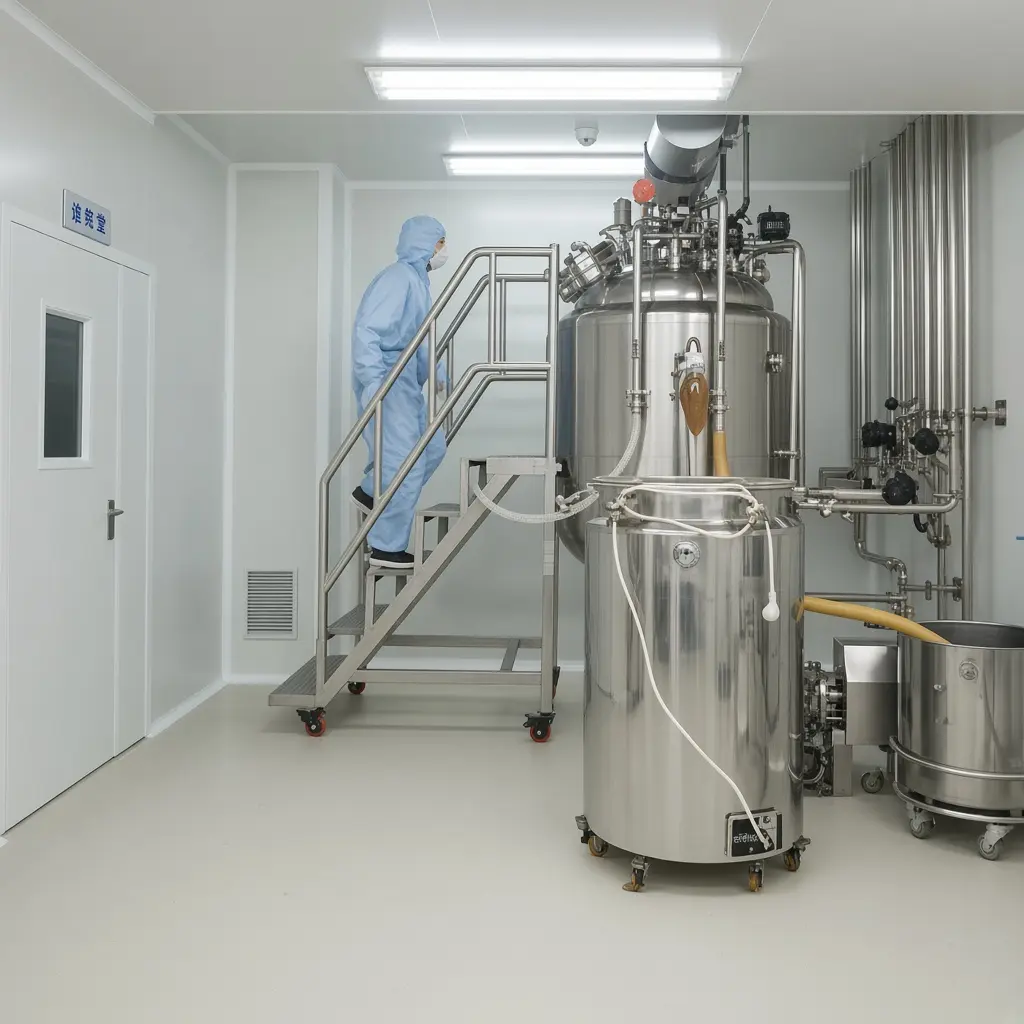

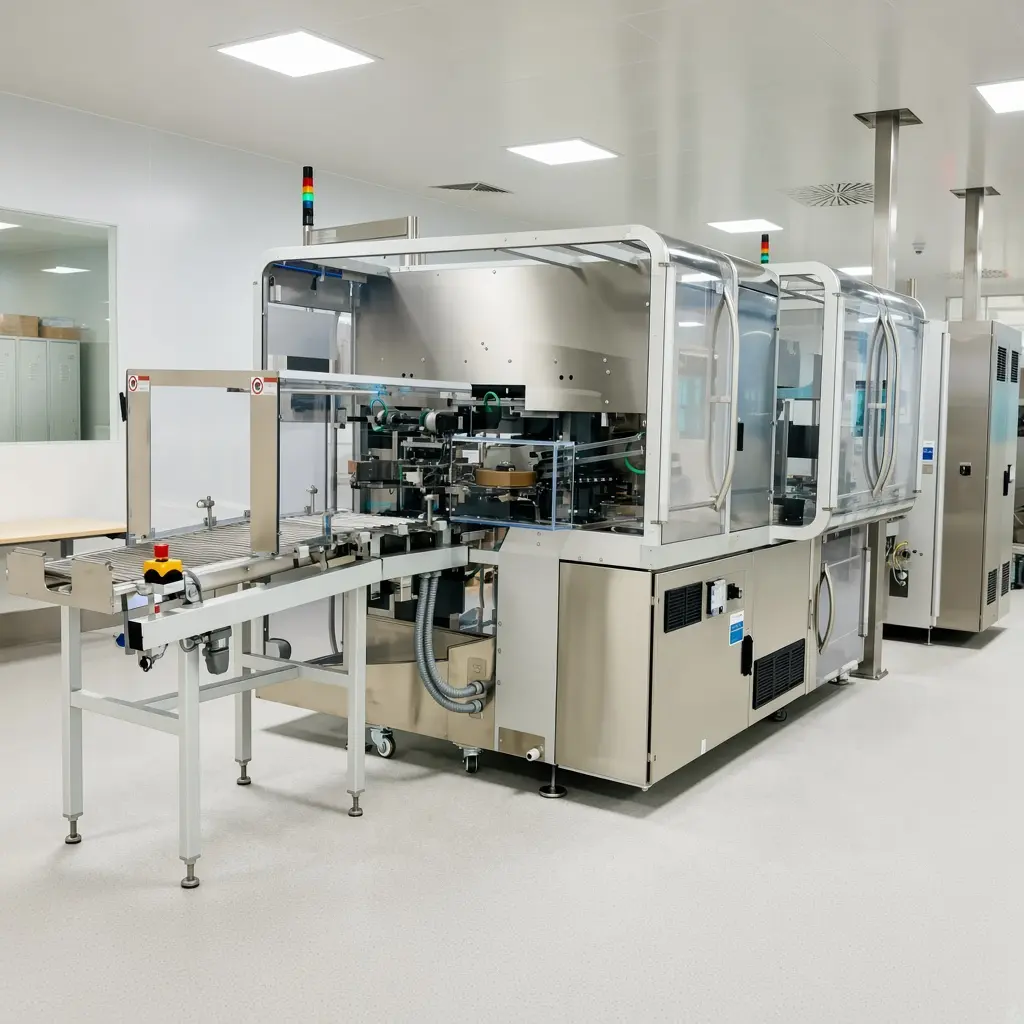


CoQ10 Softgel Manufacturing for Brand Owners
KS Nutripharma manufactures CoQ10 softgels (ubiquinone or ubiquinol) for OEM and private-label brands. We assess each project on CoQ10 form, active content per softgel, carrier oil, fill weight, shell and packaging.
- Low MOQ: Start from 5,000 softgels on applicable projects.
- Fast Response: Initial reply within 24 hours; feasibility review and quotation in 3–7 business days.
- Differentiated Designs: Capsule-in-capsule, two-color softgels, multiple shapes and sizes, and an extensive tooling library.
- R&D Support: Two R&D centers for formulation, compatibility and production feasibility.
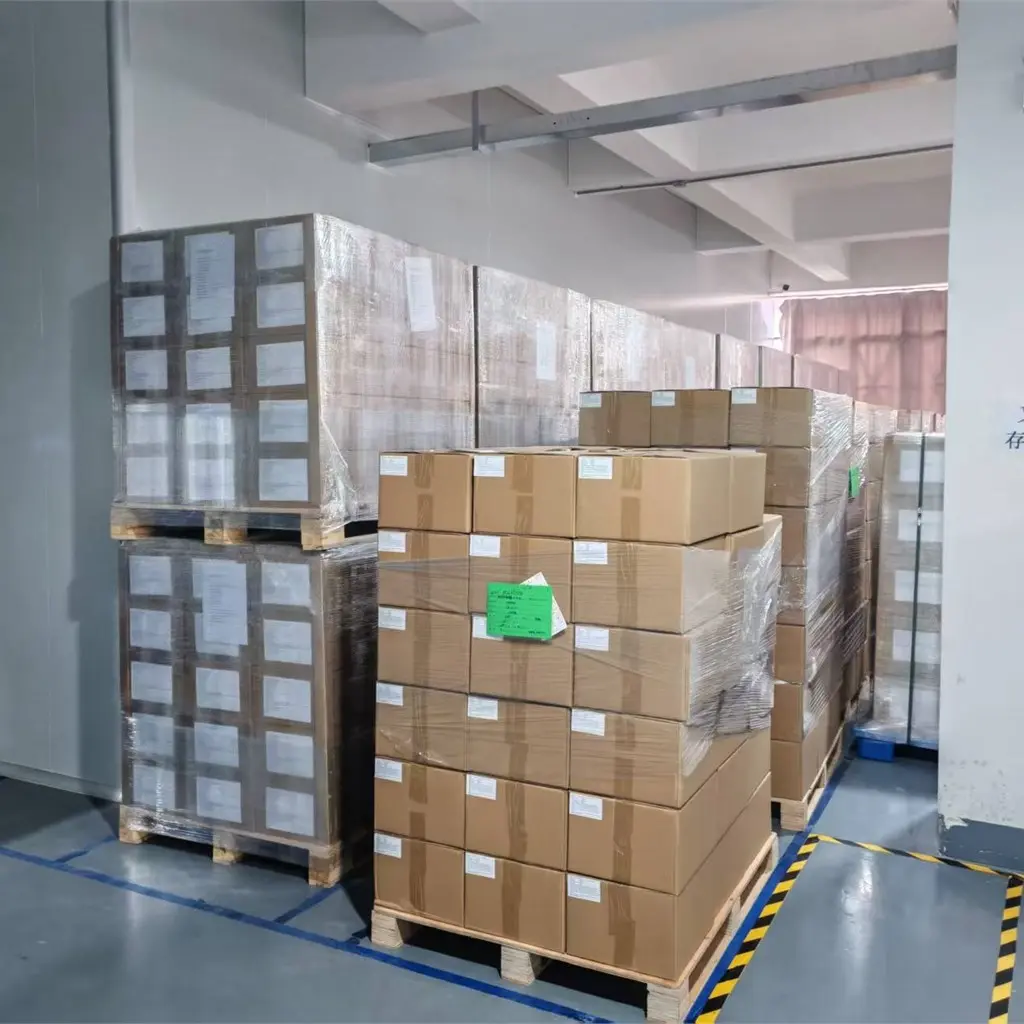
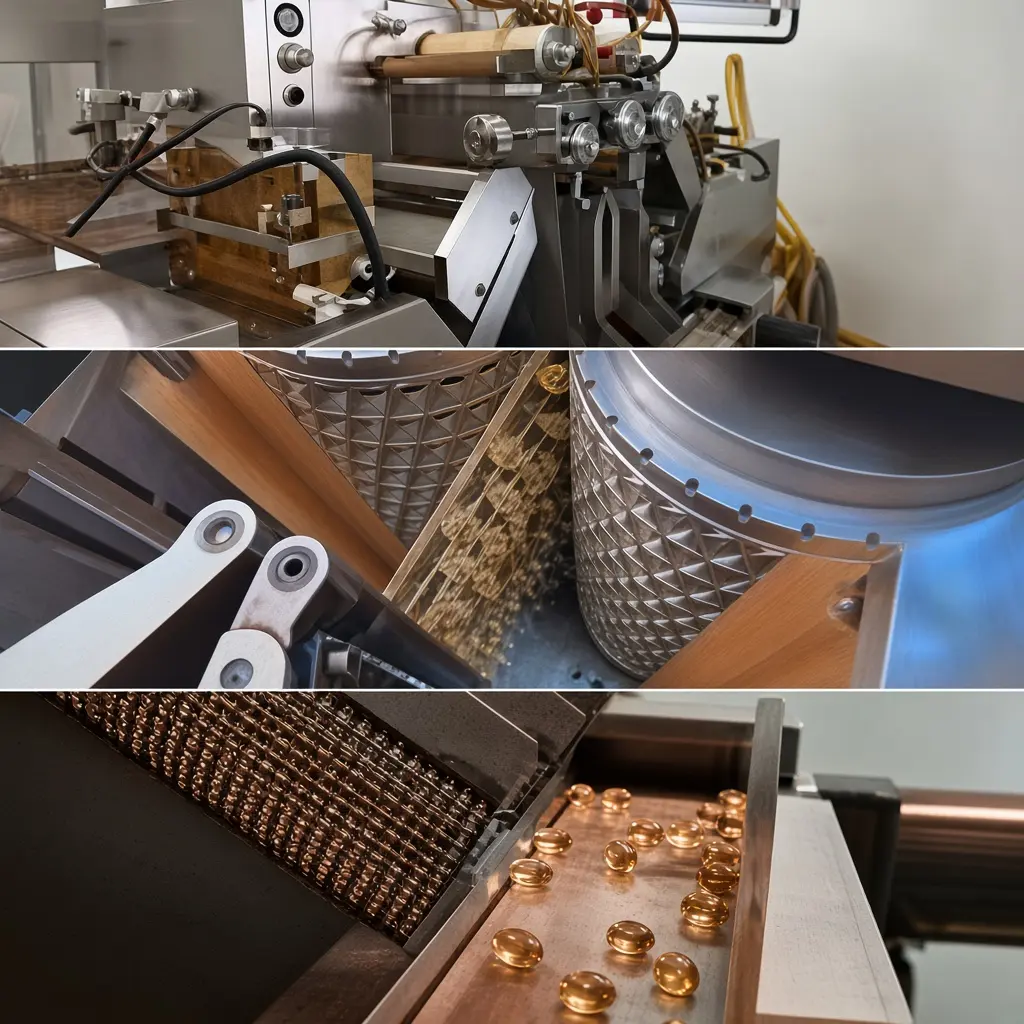
- Scalable Capacity: 2M+ softgels per day to support launch and repeat orders.
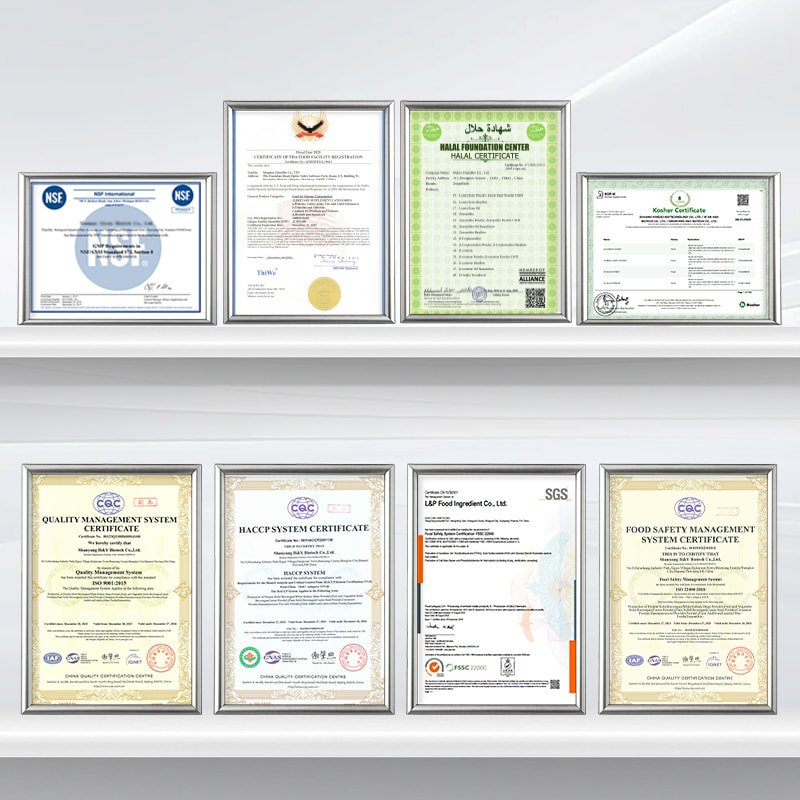
- Quality and Documentation: Quality-system and export-document support based on valid site certificates.
- Global Experience: 5,000+ formulations, 500+ brands and 60+ countries and regions.
Choose Your CoQ10 Softgel Project Type
| Project type | Key decision | What to send |
|---|---|---|
| Standard ubiquinone | Carrier oil, target fill, piece size | Raw-material spec, mg per softgel |
| Ubiquinol | Oxidation control, analytical method, protective pack | Supplier spec, ubiquinol identity method |
| Combination | Second labeled active and its separate release test | Exact label declaration for each active |
| High-load (200 mg+) | Total fill, swallow size, one piece vs. two | Target mg, maximum piece size |
| Specialty (beadlet, phospholipid) | Ingredient structure and oil compatibility | Supplier spec, beadlet count or mass |
Water-dispersible powders, aqueous liposomes and beadlets are different ingredient systems from crystalline oil-fill CoQ10 and are not interchangeable with it.
Ubiquinone or Ubiquinol?
Ubiquinone | Ubiquinol | |
|---|---|---|
| Form | Oxidized CoQ10 | Reduced CoQ10 |
| Default route | Oil suspension in a conventional gelatin softgel | Oil fill, depending on the named ingredient and its physical form |
| Main formulation concern | Uniform dispersion, fill weight, piece size | Oxidation during processing, packaging and storage |
| Analytical method | Ubiquinone assay | Method that reports ubiquinol separately from ubiquinone |
| Cost and supply | Generally the simpler, lower-cost starting point | Higher ingredient cost; branded grades may require supplier authorization |
Our recommendation: start with ubiquinone unless the brand specifically wants a ubiquinol label declaration. If the label says ubiquinol, the incoming material and the finished softgel must both be tested as ubiquinol. A generic “CoQ10 98%” specification does not establish that.
Branded ubiquinol ingredients are quoted only where the supplier license and supply arrangement are in place.
CoQ10 Softgel Formula Notes
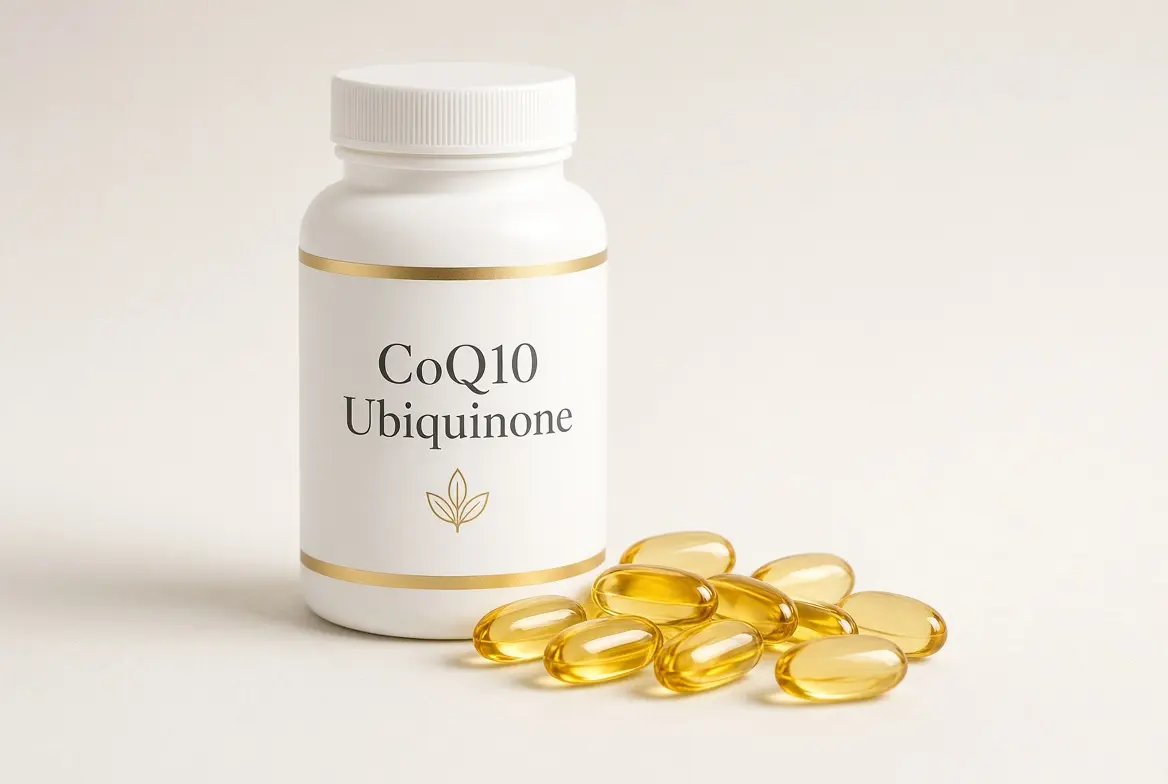
Define the CoQ10 assay and basis, carrier oil (rice bran, MCT, sunflower or another named oil), mg per softgel, total fill and piece size. Crystalline CoQ10 has limited solubility in typical carrier oils at commercial loads, so most oil-fill formulas are suspensions. A solution is specified only when the grade, carrier, concentration and process demonstrate it.
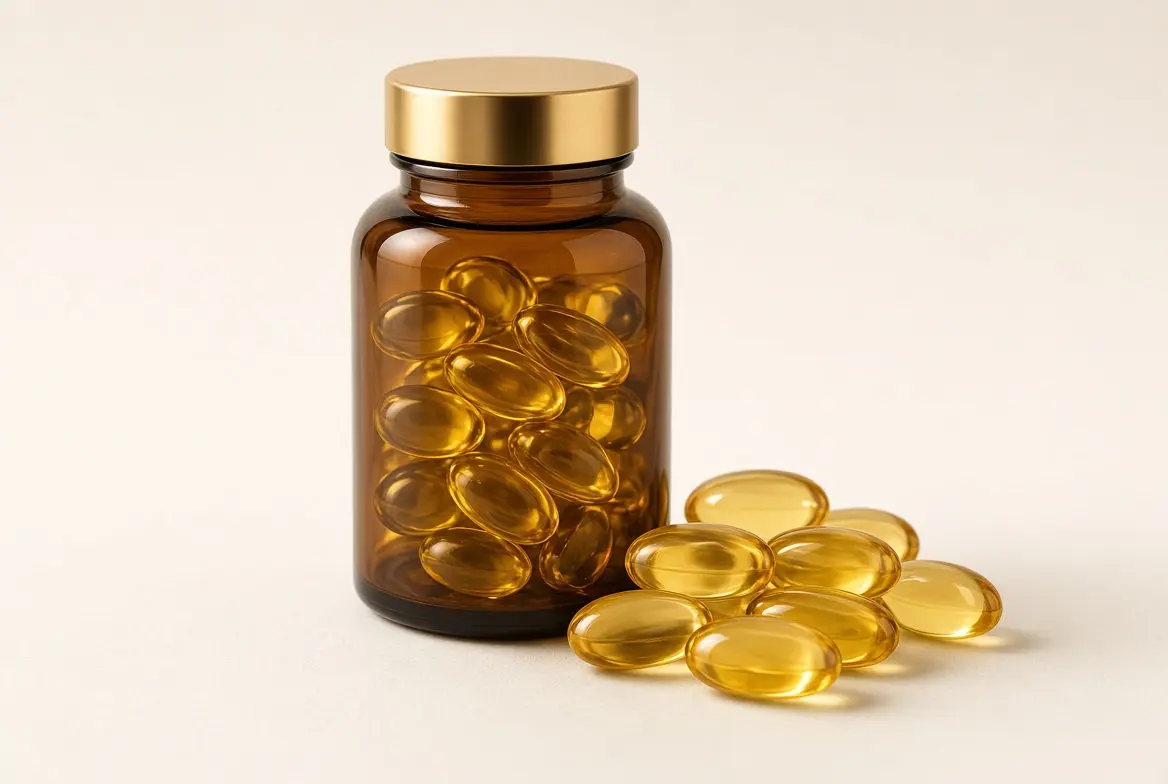
Around 200 mg per softgel needs a separate fill and cavity review from 50 or 100 mg. A 300–400 mg target usually means a larger piece or a two-softgel serving. If the crystalline load cannot stay uniformly suspended in the chosen carrier, a beadlet or other system can be reviewed, with a production trial.
Each labeled active needs its own identity, declared amount and finished-product test.
- Vitamin E. Specify the form that appears on the Supplement Facts panel (d-alpha, dl-alpha, mixed tocopherols or tocotrienols) and its unit (mg or IU). Mixed tocopherols used only as an oil antioxidant are not a labeled vitamin E active. If vitamin E is the main active, see Vitamin E Supplement Manufacturing (oil-fill softgel routes).
- Omega-3. Declare CoQ10, EPA and DHA separately. Name the oil source and type (fish-body TG, rTG or EE, or algal) and identify krill phospholipids separately. Oxidation markers and allergen documents are defined per project. See DHA Supplements (marine or algal oil softgel fills).
- Vitamin D3. Specify the source (lanolin or lichen), IU and mcg. D3 is a microgram-level addition, so uniformity in the fill is the main development question. D3 + K2 is a separate formula.
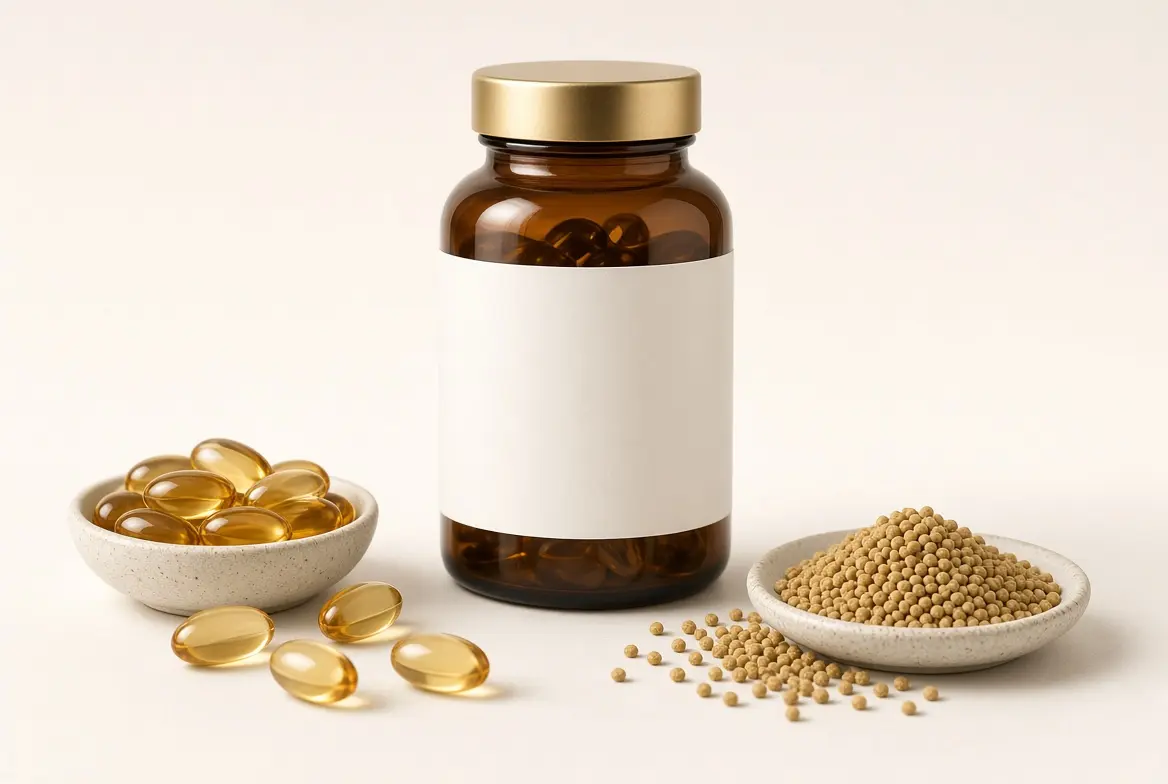
State CoQ10 percentage per beadlet, beadlet mass or count per softgel, and integrity requirements. For phospholipid inputs, provide composition, physical form, moisture and supplier process guidance. Dry or water-dispersible phospholipids are not assumed suitable for oil-based softgels. Liquid or sachet formats are covered under Liposomal CoQ10 Supplements.
CoQ10 Softgel Formula Examples
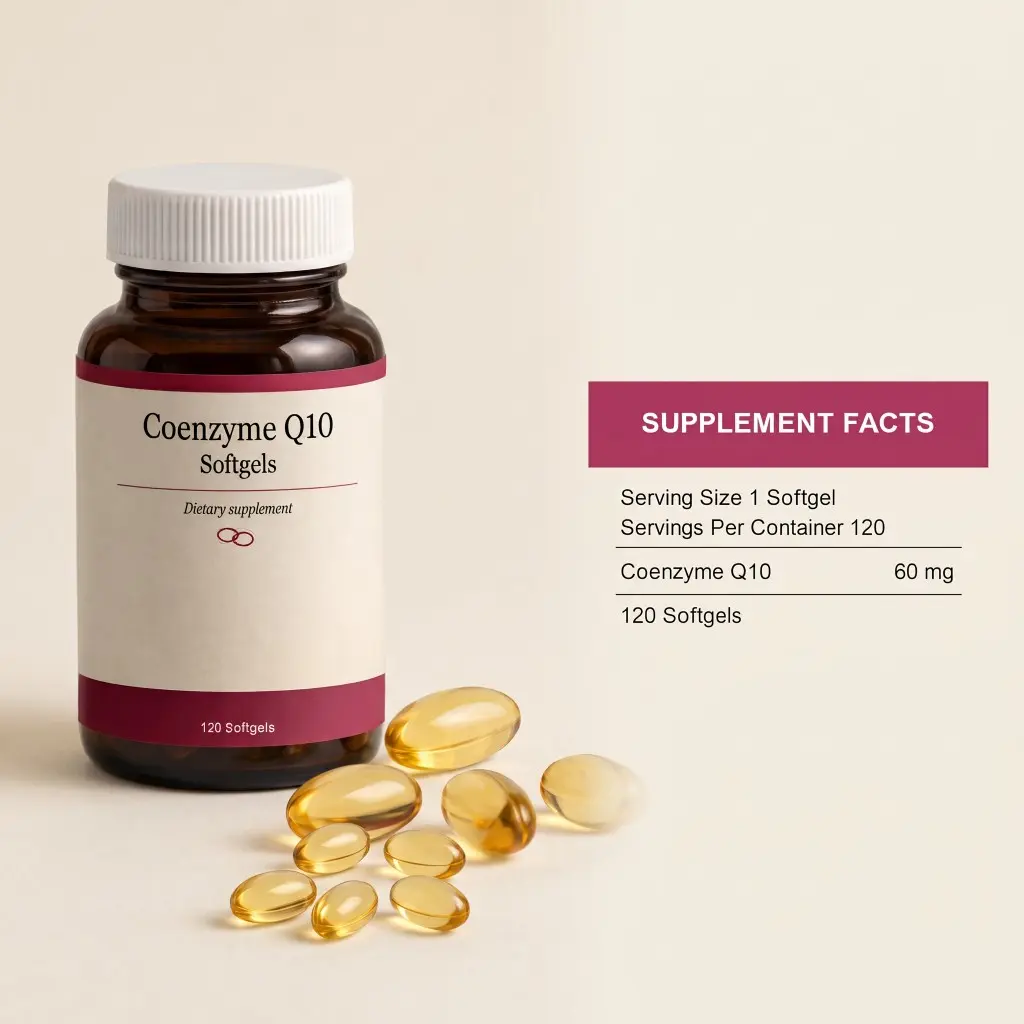
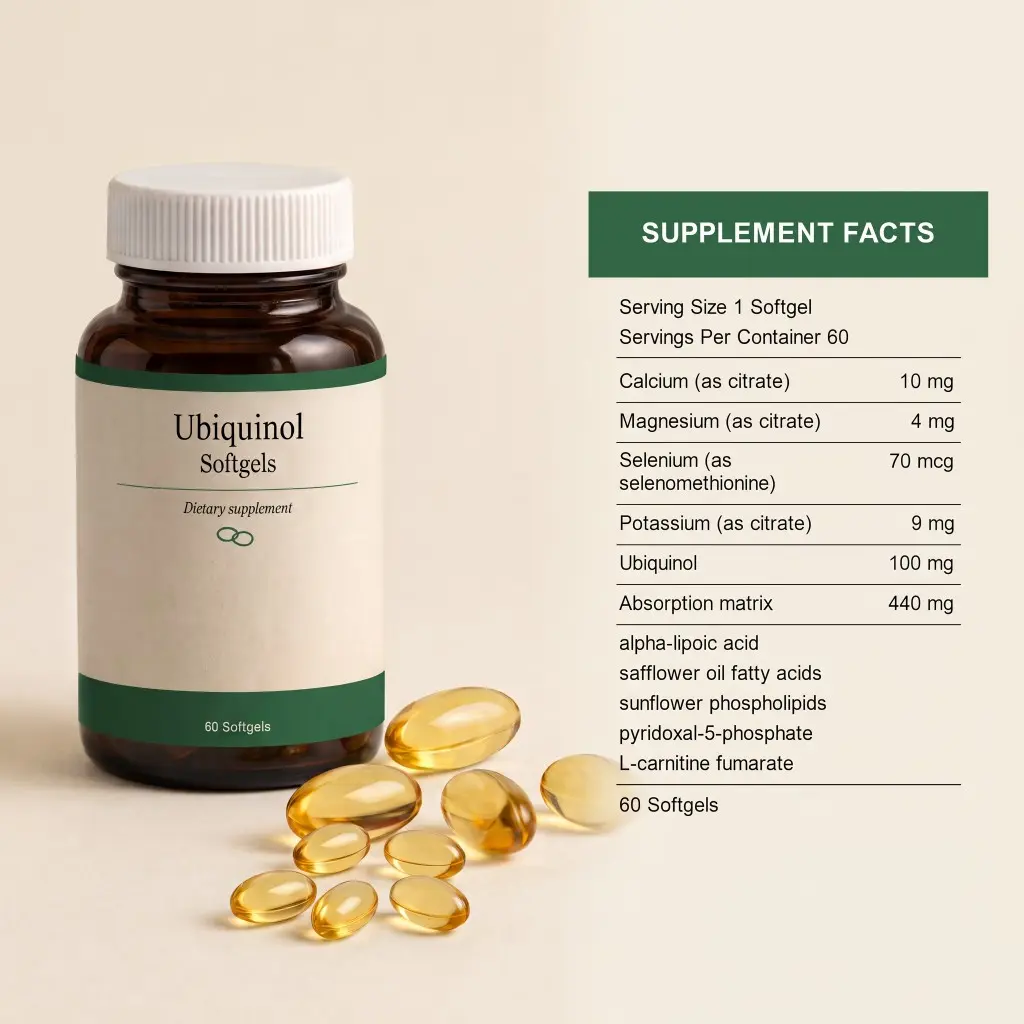
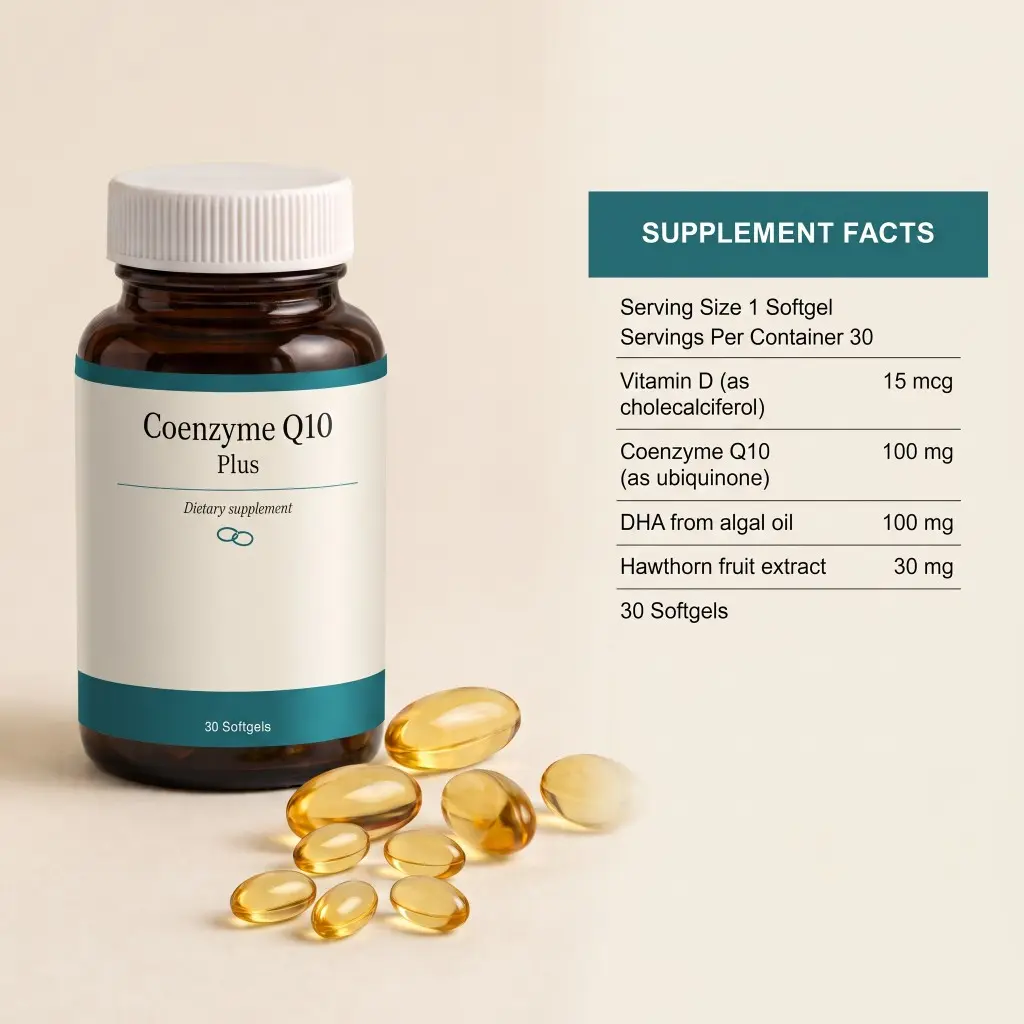
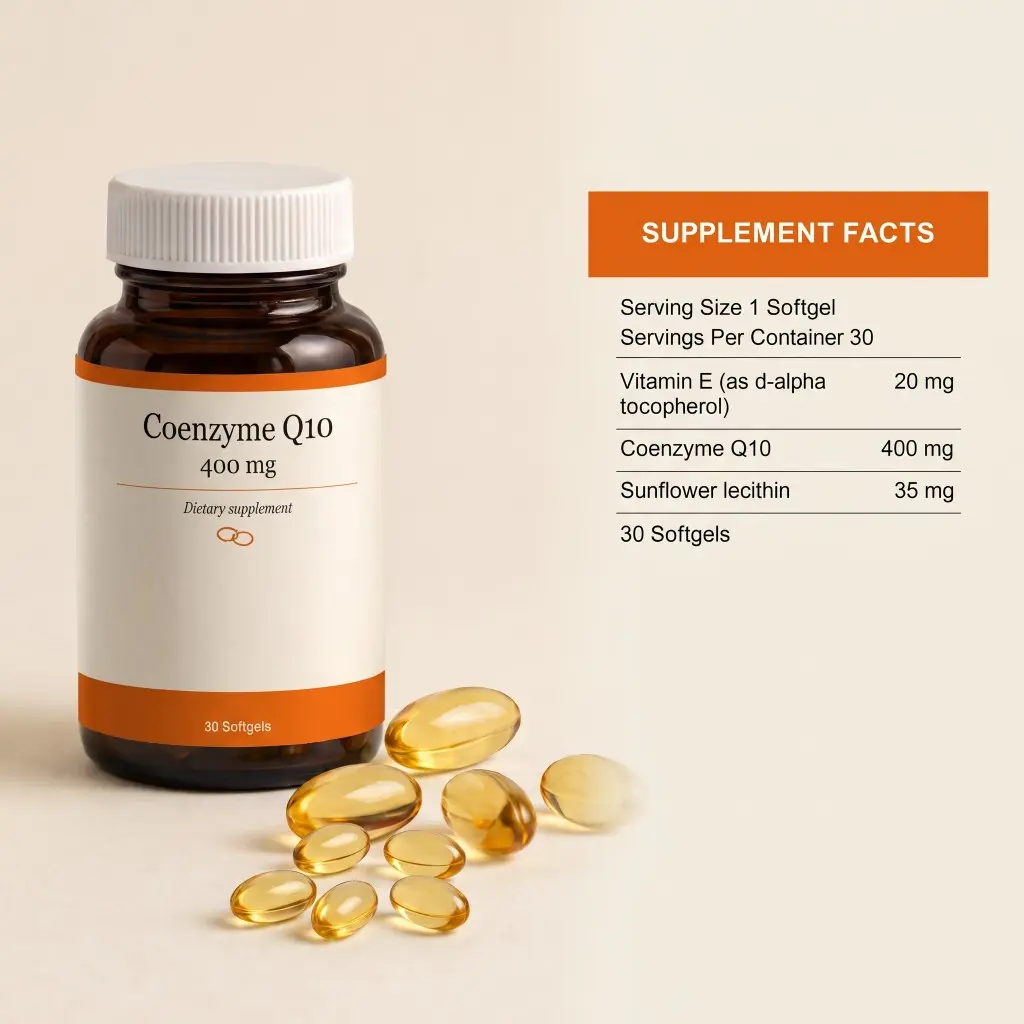
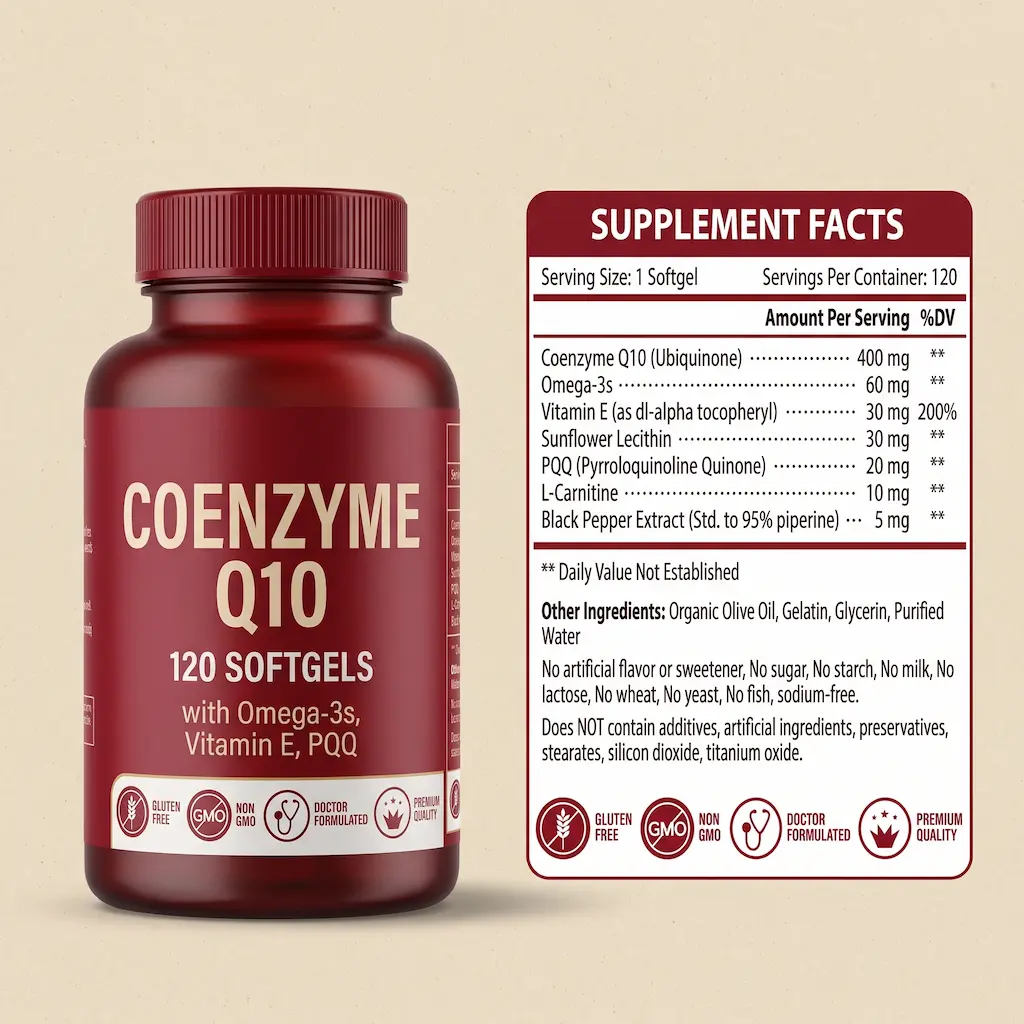

Quote against a named supplier specification and a defined assay basis (as-is, dried or anhydrous). The assay percentage describes the ingredient as supplied, not the finished fill. Example: 500 mg of a 20% CoQ10 powder contains 100 mg CoQ10.
| Physical type | What the percentage means | Softgel note |
|---|---|---|
| High-assay crystalline powder | CoQ10 content of the crystals | Usual oil-suspension starting material |
| Micronized crystalline powder | Assay of a high-assay crystal grade | Particle-size claims need a named method |
| Oil dispersion | CoQ10 concentration in the oil | Confirm carrier, viscosity, settling |
| Water-dispersible or microencapsulated powder | CoQ10 plus carrier or coating | Built for aqueous or dry use; oil-fill compatibility must be demonstrated |
| Beadlets | CoQ10 per beadlet | Check integrity and oil compatibility |
Incoming specification should define: identity (ubiquinone or ubiquinol) · HPLC assay, range and basis · related substances and isomer control · moisture or LOD · elemental and microbial limits · residual solvents matching the production route (fermentation or synthesis) · storage, retest or expiry period · manufacturer, route and lot traceability.
Limits come from the supplier specification and the destination market, not from the assay percentage.
Active mg, fill weight and cavity volume are three different numbers. A 100 mg CoQ10 label means 100 mg of CoQ10; the total fill also includes carrier oil and other components. Cavity volume converts to weight only when fill density is known.
| CoQ10 per softgel | Review focus |
|---|---|
| 50 mg | Piece size and total fill |
| 100 mg | CoQ10 form, carrier, total fill |
| 200 mg | Solids loading, dispersion, swallow size |
| 300–400 mg | Larger die or two-piece serving |
| Above 400 mg | Individual formula, fill and tooling review |
Die selection depends on fill weight, density, shell and the tooling installed at the production site. Public tooling charts are for screening only. Send a reference sample or target dimensions if the piece must match an existing product. See How to Choose Softgel Size.
Shell. Gelatin is the standard for oil-fill CoQ10. A plant-based ribbon is a separate development route requiring compatibility and process review. HPMC is a hard-capsule material, not a standard softgel ribbon. Enteric and chewable softgels are assessed once the base fill is defined. See Gelatin vs. Vegetarian Softgels.
Packaging. Bottle or blister, count, light and oxygen barrier, and any desiccant are chosen together with the formula and stability plan. Fill color is typically yellow to orange; clear, translucent or opaque shells are selected with the pack.
| Stage | Document or test |
|---|---|
| Incoming | Supplier specification, TDS, lot COA |
| Development | Formulation and fill-trial records |
| Release | CoQ10 assay, plus assays for any other labeled active |
| Release or stability | Oxidation, uniformity or other agreed tests (ubiquinol needs a method that separates it from ubiquinone) |
| Shelf life | Stability protocol and study data |
| Site | Current site certificates and scope |
A raw-material COA does not replace finished-product testing. Methods, acceptance criteria and sampling plans are agreed per project.
Standard shelf life is 24 months. Stability studies are offered when the product specification or destination market requires them.
Stage | Timing | Starts when |
|---|---|---|
| Pilot / alignment sample | 7–15 days | Fill, shell and die confirmed |
| First commercial lot | 5–7 weeks | Formula and artwork approved |
| Stability study | Per protocol | Protocol agreed |
| Specialty or high-load | Quoted after review | Feasibility scope set |
The 3,000-softgel MOQ applies to the standard route. Ubiquinol, combination, high-load, beadlet, phospholipid, plant-based-shell and custom-color projects are confirmed individually. MOQ is counted in finished softgels: 5,000 bottles × 60 count = 300,000 softgels.
Pilot sample quantity is scoped to the trial and can sit below the commercial MOQ. Vegetarian ribbon, dual-chamber, custom dies, custom colors and high-load suspensions are quoted per project and usually carry a higher MOQ.
Sample scope and charges vary by project. Please discuss them with your KS project manager.
- Established 2007; 19+ years of industry experience (About KS Nutripharma)
- 81,000+ m² across five manufacturing bases
- 12 production lines, two R&D centers, 260+ team members
- Softgel capacity of 2+ million softgels per day (actual output depends on formula, die and line allocation) — see Manufacturing Capacity
- Supporting 500+ brands in 60+ countries and regions
- Certifications and compliance: cGMP, ISO 9001, ISO 22000, HACCP, FSSC 22000, Halal and Kosher, applicable to the production line and SKU. FDA-registered facility, with practices aligned to 21 CFR Part 111. Facility registration is not FDA approval of any product. Certificate copies are available from your KS project contact on request.
Services: formulation development and feasibility review, ingredient sourcing, softgel encapsulation (gelatin or vegetarian ribbon, oil or suspension fill), COA, specifications, batch records and traceability, bottle, blister or bulk packaging, labeling coordination, third-party testing where required, stability studies where required, export documentation and shipment (including U.S. warehouse support for North American distribution). Documentation support covers the U.S., EU, Australia (TGA), Canada (NPN) and other markets. Final label compliance rests with the brand owner.
Should I choose ubiquinone or ubiquinol?
Start with ubiquinone unless your label specifically declares ubiquinol. Ubiquinone is the simpler, lower-cost route. Ubiquinol needs its own identity specification, oxidation controls and a finished-unit assay reported as ubiquinol. See the comparison table above.
Can CoQ10 be fully dissolved in softgel oil?
Usually not. Crystalline CoQ10 has limited solubility in typical carrier oils at commercial loads, so most oil-fill formulas are suspensions.
Can you make vegan CoQ10 softgels?
Yes, as a separate development route with a plant-based shell, subject to compatibility review. A vegan-source CoQ10 in a gelatin shell is not a vegan product. See Gelatin vs. Vegetarian Softgels.
What CoQ10 strengths can be made?
50 mg and 100 mg are common reference points. 200 mg and 300–400 mg need a fill and die review. See the load table above.
Can CoQ10 be combined with vitamin E, omega-3 or vitamin D3?
Yes. Each labeled active needs a defined identity, amount and finished-product test. See Combinations above.
What are the MOQ and lead time?
From 3,000 finished softgels on the standard route, with pilot samples in 7–15 days and the first commercial lot in 5–7 weeks. Other routes are quoted individually.
How to Request a Quote
Send a current label, raw-material specification, COA or brief. For a second-source project, include the current specification and anything that must stay unchanged.
- Project type: ubiquinone, ubiquinol, combination, high-load or specialty
- CoQ10 mg per softgel and per serving, and CoQ10 form
- Raw material: supplier or brand, physical type, assay and basis
- Other labeled actives: form and amount
- Carrier oil and target fill, if known
- Shell (gelatin or plant-based), color, shape or size target
- Pack: bottle or blister, count, barrier needs
- Destination market and required documents
- Finished-product assay, release limits, stability needs
- Quantity in finished softgels
Helpful files: Supplement Facts panel, ingredient specification, lot COA, reference sample, packaging brief.
Disclaimer
For wholesale and brand-manufacturing reference only. Dietary supplements are not intended to diagnose, treat, cure or prevent any disease. Strengths and raw-material examples are formulation reference points, not guaranteed standard sizes or consumer intake recommendations. Certifications are company-level and their scope and validity must be checked against the named production site and project; they do not constitute product approval. Services and terms are set in the project quotation. The brand owner is responsible for final claims, labeling and market compliance.
Written by KS Nutripharma Formulation Team | Reviewed by KS Nutripharma Director of R&D (PhD, Food Science, 19+ years nutraceutical development) | Updated October 2026