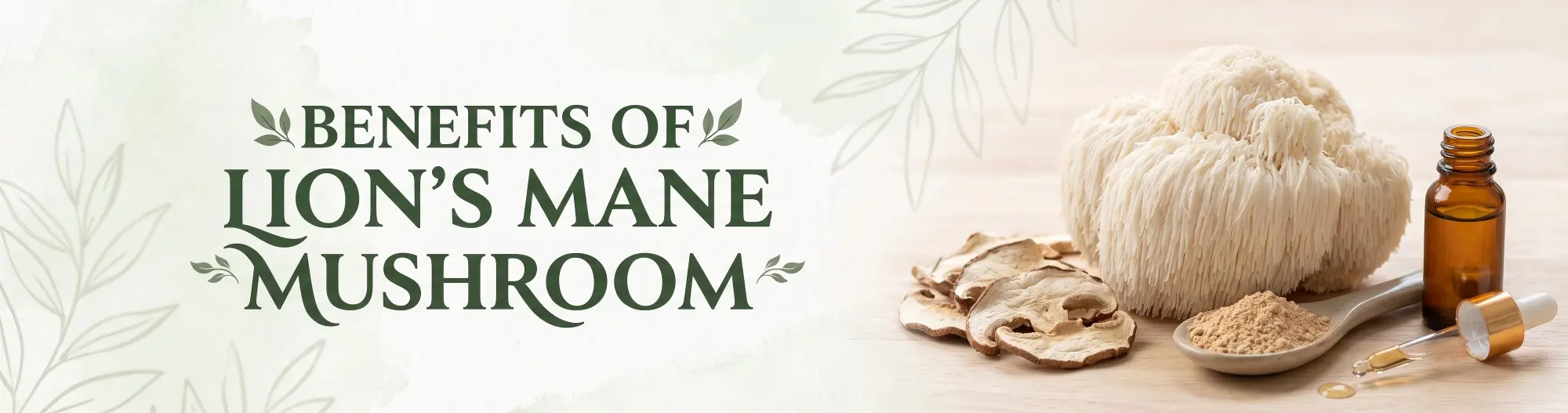
Discover 12 science-backed benefits of Lion’s Mane mushroom for memory, focus, NGF, mood, and healthy aging. Includes dosage guide, safety profile, side effects, comparisons with Reishi and Cordyceps, and B2B formulation insights.
Quick Answers: Lion’s Mane at a Glance
Does Lion’s Mane really work?
Yes. The strongest human evidence comes from two double-blind, placebo-controlled trials (Mori 2009; Saitsu 2019) showing cognitive improvements in older adults after 8–16 weeks of daily use. Effects are dose-dependent and require ongoing supplementation.
How long does Lion’s Mane take to work?
Focus benefits may appear in 2–4 weeks. Memory and cognitive improvements typically require 8–16 weeks. Healthy aging benefits likely need 3+ months of consistent daily use. Benefits decline after discontinuation.
Is Lion’s Mane safe?
Yes, for most healthy adults. Clinical trials up to 3 g/day for 16 weeks reported no serious adverse events. Mild GI upset affects ~5–8% of users. Avoid if you have mushroom allergies or take blood thinners without medical consultation.
Can Lion’s Mane improve memory?
Clinical trials support this. The Mori (2009) trial showed significant improvements in cognitive function scores after 16 weeks of 3 g/day in adults with mild cognitive impairment. Saitsu (2019) extended findings to healthy older adults.
What is the best Lion’s Mane dosage?
General wellness: 500–1,000 mg extract. Focus: 1,000–2,000 mg. Memory support: 2,000–3,000 mg powder or equivalent extract. Clinical trials have safely tested up to 3 g/day of whole fruiting body powder.
Can Lion’s Mane cause anxiety?
Rarely. Most evidence suggests mood benefits (Nagano 2010). However, a small subset of users report increased restlessness or sensitivity, possibly due to individual neurochemical responses. Discontinue if symptoms appear.
Evidence Level System Used in This Guide
| Evidence Level | Definition | Examples in This Article |
| Strong | Multiple RCTs in humans with consistent outcomes; low risk of bias | Cognitive function (Mori 2009, Saitsu 2019); Safety at ≤3 g/day |
| Emerging | At least one RCT or multiple observational studies; promising but needs replication | Mood & stress (Nagano 2010, Docherty 2023); Focus in healthy adults |
| Preliminary | Preclinical (animal/cell) data or single small pilot study; human translation uncertain | Neurodegeneration (Li 2020 pilot); ADHD; Sleep; Longevity |
Introduction: Why Lion’s Mane Is Dominating the Functional Mushroom Market in 2026
Lion’s Mane mushroom (Hericium erinaceus) has emerged as one of the most scientifically compelling functional mushrooms in the global wellness market. Characterized by its distinctive white, cascading spines that resemble a lion’s mane, this edible fungus has been used for centuries in traditional Chinese and Japanese medicine. Today, it stands at the intersection of ancient herbal wisdom and modern neuroscience.
The global functional mushroom market was estimated at USD 8.19 billion in 2025 and is expected to reach USD 9.03 billion in 2026, growing at a CAGR of 10.68% toward USD 16.68 billion by 2032. Within this expanding category, Lion’s Mane accounts for approximately 22% of the medicinal mushroom segment, driven primarily by consumer demand for cognitive wellness and natural nootropic solutions. The global Lion’s Mane extract market alone is projected to reach approximately USD 179 million by end of 2025, with the broader supplements segment estimated at USD 497.9 million.
What distinguishes Lion’s Mane from other adaptogenic mushrooms is its unique, measurable molecular target: nerve growth factor (NGF) synthesis. Unlike general adaptogens that modulate stress hormones, Lion’s Mane contains bioactive compounds—hericenones and erinacines—that have been shown in preclinical and clinical studies to stimulate NGF production, promote neurogenesis, and support neuronal repair. This mechanism-driven approach has attracted serious scientific attention from institutions including the National Institutes of Health (NIH), university research centers, and pharmaceutical investigators exploring neurodegenerative disease pathways.
This guide serves a dual audience: consumers seeking evidence-based guidance on Lion’s Mane supplementation, and supplement brand professionals evaluating this ingredient for product development, private-label manufacturing, and market positioning. Every health claim is graded by evidence strength, and all sources are verifiable through the reference links provided at the end of this document.
What Is Lion’s Mane and How Does It Work?
Hericium erinaceus is an edible medicinal mushroom belonging to the tooth fungus group. It grows naturally on hardwood trees in North America, Europe, and Asia. In East Asian cuisine and traditional medicine, it is known as yamabushitake (Japan) or hóu tóu gū (China), where it has been consumed both as food and as a tonic for digestive and neurological health for over a millennium.
The scientific interest in Lion’s Mane centers on two classes of compounds found nowhere else in the natural world: hericenones (concentrated in the fruiting body) and erinacines (found primarily in the mycelium). These terpenoid compounds have demonstrated the ability to cross the blood-brain barrier and stimulate the synthesis of nerve growth factor (NGF)—a neurotrophin essential for the growth, maintenance, and survival of neurons, particularly cholinergic neurons in the basal forebrain that are critical for learning and memory.
According to research published in the NIH/PMC-reviewed literature, hericenones and erinacines stimulate NGF mRNA expression in human astrocytoma cells, with erinacines showing even more potent NGF-inducing activity than hericenones. Erinacine A, in particular, has been extensively studied and confirmed to cross the blood-brain barrier in animal models, with measurable increases in brain NGF levels after oral administration. Beyond NGF, Lion’s Mane also increases brain-derived neurotrophic factor (BDNF), another critical growth factor involved in synaptic plasticity, learning, and memory consolidation. This dual action on both NGF and BDNF makes Lion’s Mane a comprehensive neurotrophin stimulator.
Additionally, Lion’s Mane is rich in polysaccharides—particularly β-glucans—known for their immunomodulatory and neuroprotective effects, as well as phenolic compounds that exhibit strong antioxidant properties, helping to mitigate oxidative stress and inflammation. These bioactive constituents make H. erinaceus an attractive candidate for applications in functional foods, nutraceuticals, and pharmaceutical development.
12 Science-Backed Benefits of Lion’s Mane Mushroom
The following benefits are organized by evidence strength and ranked by clinical relevance. Each benefit is accompanied by its evidence grade (Strong / Emerging / Preliminary) and key study references.
1) Supports Cognitive Function
The most robust human evidence for Lion’s Mane centers on cognitive function in aging populations. The landmark clinical trial by Mori et al. (2009), published in Phytotherapy Research, was the first randomized, double-blind, placebo-controlled study to demonstrate Lion’s Mane’s cognitive benefits in humans. The study involved 30 Japanese adults aged 50–80 years with mild cognitive impairment (MCI). Participants received 3 grams per day of Hericium erinaceus fruiting body powder (divided into three 1-gram doses) or placebo for 16 weeks.
Results showed that the Lion’s Mane group achieved significantly higher scores on the Hasegawa Dementia Scale-Revised (HDS-R) at weeks 8, 12, and 16 compared to placebo. The improvements were progressive and time-dependent, with greater benefits observed at later time points—suggesting cumulative effects with continued supplementation. Importantly, cognitive scores declined back toward baseline within four weeks after discontinuation, indicating that ongoing intake is necessary to maintain benefits. No adverse effects were reported during the 16-week treatment period.
2) Supports Memory and Learning
Building on the Mori trial, Saitsu et al. (2019) extended the evidence to cognitively healthy older adults. In a double-blind, placebo-controlled trial published in Biomedical Research, 30 participants aged 50–80 years received 3.2 grams per day of H. erinaceus powder for 12 weeks. The Lion’s Mane group showed improvements in word memory scores and a trend toward improved concentration compared to placebo. This represents a critical extension: Lion’s Mane is not solely a remediative agent for impaired cognition but also a supportive one for healthy adults seeking to maintain cognitive performance.
In younger populations, a 2023 pilot study published in Nutrients (Docherty et al.) examined 41 healthy adults aged 18–45 who took 1.8 grams of Lion’s Mane extract daily for 28 days. The researchers observed improvements in processing speed and working memory, attributing these effects to enhanced hippocampal neurogenesis facilitated by NGF and BDNF upregulation. These findings suggest that Lion’s Mane may support memory and learning across a broad age spectrum.
3) Promotes Focus and Mental Clarity
While direct clinical trials on “focus” as an isolated endpoint are limited, the mechanistic rationale is strong. By stimulating NGF and supporting cholinergic neuron health, Lion’s Mane may enhance the neural infrastructure required for sustained attention and mental clarity. The 2023 Docherty study reported reduced subjective stress and improved speed of performance in healthy young adults—markers relevant to attention and focus. Consumers and formulators often combine Lion’s Mane with L-Theanine and caffeine to create synergistic focus stacks that support both acute alertness and long-term neural pathway integrity.
4) Supports Healthy Aging
Lion’s Mane contains ergothioneine—a sulfur-containing amino acid and potent antioxidant often referred to as the “longevity vitamin.” Research published in Nutrients (2022) and Biology (2023) demonstrated that ergothioneine-rich H. erinaceus primordium extract improved locomotor performance during aging and boosted memory in aged mice. Ergothioneine is not synthesized by the human body and must be obtained through dietary sources. Studies have shown that ergothioneine levels decrease with age and are associated with cognitive decline, suggesting that dietary intake of this compound may support healthy aging trajectories.
Furthermore, Japanese researchers demonstrated that ergothioneine supplementation significantly extended the median and average lifespan of male mice by 16% and 21%, respectively, while enhancing learning and memory. Although human longevity data is not yet available, these preclinical findings position Lion’s Mane as a promising candidate for healthy aging formulations.
5) Supports Nerve Growth Factor (NGF) Stimulation
This is the primary differentiating mechanism of Lion’s Mane. NGF is a protein in the neurotrophin family that regulates the growth, maintenance, and survival of neurons. Basal forebrain cholinergic neurons—which depend on NGF for survival—are among the first to degenerate in Alzheimer’s disease. The NGF hypothesis of Alzheimer’s has driven significant pharmaceutical research; Lion’s Mane represents a dietary approach to the same pathway.
According to the NIH/PMC narrative review (2025), both hericenones and erinacines have been shown to stimulate NGF production in cell cultures and animal brains. Erinacine A’s CNS penetration is confirmed in rodent studies, with measurable increases in brain NGF levels after oral administration. The human translation is less directly established—we cannot easily measure brain NGF levels in clinical trials—but the cognitive outcome data provides indirect evidence of meaningful NGF pathway engagement.
6) Supports Mood and Stress Resilience
Emerging clinical evidence supports Lion’s Mane’s potential role in mood regulation. The 2010 Nagano trial, published in Biomedical Research, demonstrated that four weeks of H. erinaceus intake significantly reduced depression and anxiety scores in menopausal women. A 2023 double-blind pilot study (Docherty et al., Nutrients) further showed that Lion’s Mane supplementation reduced subjective stress in healthy young adults.
The mechanistic basis likely involves Lion’s Mane’s influence on neurotrophic factors and inflammation-related pathways in the brain. Preclinical research published in the Journal of Medicinal Food (Ryu et al., 2018) demonstrated that H. erinaceus extract reduced anxiety and depressive behaviors by promoting hippocampal neurogenesis in adult mice. Reduced serum NGF has been observed in patients with major depression and late-life depression, suggesting that NGF-stimulating interventions may support mood regulation. However, it is important to note that Lion’s Mane is not a substitute for evidence-based treatment of clinical anxiety or depression, and individuals experiencing significant mood symptoms should consult qualified healthcare providers.
7) Supports Neuroprotection
Preclinical research positions Lion’s Mane as a candidate for neurodegenerative disease support. Research published in Biomedical Research (Tsai-Teng et al., 2016) showed that erinacine A from Lion’s Mane reduced amyloid plaque burden and phosphorylated tau in mouse models of Alzheimer’s disease. Treated mice also showed improved performance on spatial memory tasks compared to untreated controls. The combination of NGF stimulation and amyloid reduction makes Lion’s Mane one of the few natural compounds addressing multiple pathological mechanisms in neurodegeneration simultaneously.
A 2020 pilot double-blind placebo-controlled study published in Frontiers in Aging Neuroscience (Li et al.) examined erinacine A-enriched H. erinaceus mycelia in patients with early-stage Alzheimer’s disease over 49 weeks. Preliminary findings indicated improved memory recall and reduced neuropsychiatric symptoms, though the authors emphasized the need for larger-scale studies with longer follow-up periods to establish definitive clinical efficacy. Current evidence is promising but still evolving. Consumers and brands should avoid claims of treating, curing, or preventing Alzheimer’s disease or other neurodegenerative conditions.
8) Provides Antioxidant and Immune Support
Lion’s Mane contains polysaccharides—particularly β-glucans—that are well-documented for their immunomodulatory properties. These compounds serve as substrates for beneficial gut bacteria, promoting microbiota balance and gut integrity. The NIH/PMC review highlights that H. erinaceus helps protect the mucosal lining, supports intestinal barrier function, and exhibits potential against inflammatory conditions due to its anti-inflammatory and immunomodulatory properties.
Phenolic compounds in Lion’s Mane exhibit strong antioxidant properties, helping to mitigate oxidative stress and inflammation through modulation of key inflammatory pathways such as NF-κB and COX-2 inhibition. Research published in Antioxidants (2024) demonstrated that novel erinacines from H. erinaceus mycelium exert cerebral protective effects via Nrf2-dependent antioxidant pathways in models of mild traumatic brain injury. These combined antioxidant and immune-modulating properties position Lion’s Mane as a comprehensive wellness ingredient beyond cognitive support alone.
9) Supports Gut Health and Digestive Wellness
Research published in Nutrients (2023) demonstrated that low-molecular-weight polysaccharides from H. erinaceus ameliorated colitis in animal models by inhibiting NLRP3 inflammasome activation and modulating gut microbiota composition. The mushroom’s prebiotic polysaccharides promote the growth of beneficial bacteria including Bifidobacterium and Lactobacillus species, while its anti-inflammatory compounds help maintain intestinal barrier integrity. For supplement brands, this positions Lion’s Mane as a dual-action ingredient supporting both the gut-brain axis and standalone digestive health.
10) May Support Sleep Quality Indirectly
Lion’s Mane does not possess direct sedative or hypnotic properties. However, its stress-reducing and mood-stabilizing effects may indirectly improve sleep quality for individuals whose insomnia is driven by anxiety, rumination, or elevated cortisol. The Nagano (2010) trial reported reduced anxiety scores, which logically correlates with better sleep onset for stress-related sleep disturbances. No clinical trial has directly measured sleep architecture or polysomnography outcomes with Lion’s Mane supplementation. This benefit should be positioned as indirect and mechanism-based rather than a primary sleep aid.
11) May Support Recovery from Nerve Injury
Animal studies have shown that Lion’s Mane extract accelerates nerve regeneration after peripheral nerve injury. In a rat model of crushed sciatic nerves, H. erinaceus extract promoted faster axonal regrowth and functional recovery compared to controls. The mechanism is attributed to NGF stimulation and enhanced Schwann cell activity. While human clinical trials for nerve injury recovery are not yet available, this preclinical evidence supports the traditional use of Lion’s Mane for neurological conditions and has driven interest among athletes and physical rehabilitation professionals.
12) Supports Cardiovascular Health Markers
Preliminary animal and in vitro research suggests Lion’s Mane may support cardiovascular health through multiple pathways: reduction of LDL cholesterol and triglycerides, inhibition of platelet aggregation (via hericenone B), and improvement of endothelial function. A study in hyperlipidemic rats showed that H. erinaceus extract significantly reduced total cholesterol and LDL levels while increasing HDL. However, human cardiovascular outcome data is currently insufficient to make evidence-based recommendations. The antiplatelet activity, while potentially beneficial for cardiovascular health, also warrants caution for individuals on blood-thinning medications.
Lion’s Mane Side Effects and Safety: What the Evidence Shows
Lion’s Mane has one of the cleanest safety profiles in the functional mushroom space, but that statement requires context. Understanding who should avoid it, what side effects to expect, and how to minimize risk is essential for both consumers and supplement brands formulating with this ingredient.
Common Side Effects
Across published clinical trials, adverse events are rare and generally mild. The most frequently reported side effects include:
Digestive discomfort: Bloating, gas, soft stools, or mild nausea—most common, usually transient, especially in the first week. Estimated incidence: 5–8% of users.
Skin rash or itching: Uncommon; possibly related to mild allergic sensitivity or NGF-mediated sensory neuron activation. Typically resolves within 24 hours of discontinuation.
Headache: Rare and usually dose-related. May occur when starting supplementation or at higher doses (>3 g/day).
Nausea: Mild and transient; more likely when taken on an empty stomach. Taking with food typically resolves this.
The landmark Mori (2009) trial administered 3,000 mg of whole fruiting body powder daily for 16 weeks with no serious adverse events. The Nagano (2010) trial used 2,000 mg daily for 4 weeks with no safety concerns. The longest trial—Li et al. (2020), running 49 weeks in early-stage Alzheimer’s patients—reported that erinacine A-enriched mycelia were “safe and well-tolerated,” though four participants discontinued due to abdominal discomfort, nausea, and skin rash. A 2025 PRISMA systematic review (Frontiers in Nutrition) examined five RCTs, 15 laboratory studies, and three pilot trials, concluding that potential side effects include stomach discomfort, headache, and allergic reactions, but these are “commonly unreported” across the literature.
Who Should Avoid Lion’s Mane?
Mushroom or mold allergy: Individuals with known allergies to edible mushrooms (shiitake, oyster, enoki) or mold sensitivities should avoid Lion’s Mane due to potential cross-reactivity. One documented case of anaphylaxis exists in the literature (Kobernick et al., 2022, Annals of Allergy, Asthma & Immunology).
Anticoagulant / antiplatelet users: Lion’s Mane has demonstrated mild antiplatelet activity in preclinical studies (via hericenone B). Individuals taking warfarin, apixaban, rivaroxaban, clopidogrel, or daily aspirin should consult their prescriber before use. Discontinue at least 2 weeks before scheduled surgery.
Autoimmune conditions / immunosuppressant users: The β-glucans in Lion’s Mane stimulate innate immune activity. While generally beneficial, this could theoretically interact with immunosuppressive medications (e.g., corticosteroids, biologics, transplant medications). No human trials have demonstrated this risk, but caution is warranted.
Pregnancy and breastfeeding: Safety data in pregnancy is essentially absent. No human trial has enrolled pregnant women. Most practitioners recommend avoidance as a default precaution for any supplement without specific pregnancy safety data.
Diabetes medications: Some preclinical data suggests Lion’s Mane may lower blood glucose. While not strongly documented in humans, individuals on hypoglycemic agents should monitor blood sugar closely and consult their healthcare provider.
Long-Term Safety
Long-term human data is limited but reassuring. The longest published clinical trial ran 49 weeks (Li et al., 2020) with no serious safety signals. Toxicology data extends further: 90-day subchronic rat studies at 2,000 mg/kg/day showed no organ damage, no genotoxicity, and no significant hematological changes. A 2025 OECD-guideline toxicology assessment by Mahadevan et al. tested whole Lion’s Mane powder up to 2,000 mg/kg/day and found no treatment-related adverse effects, no genotoxicity, and no subchronic oral toxicity. The reasonable practical approach: cycle if cautious (8–12 weeks on, 2–4 weeks off), or take continuously if well-tolerated after the first month.
How Much Lion’s Mane Should You Take? Dosage Guide by Goal
Dosage recommendations are derived from clinical trial protocols, toxicology data, and industry best practices. Doses vary based on extract concentration, product format, and individual health goals.
| Health Goal | Daily Dose | Format | Key Evidence |
| General Wellness | 500–1,000 mg extract | Capsule, powder, gummy | Traditional use; observational |
| Focus & Mental Clarity | 1,000–2,000 mg extract | Dual extract, capsule | Docherty 2023 (1.8 g/day) |
| Memory Support | 2,000–3,000 mg powder | Whole fruiting body powder | Mori 2009 (3 g/day); Saitsu 2019 (3.2 g/day) |
| Healthy Aging | 1,000–3,000 mg | Dual extract or primordium extract | Roda 2022, 2023 (ergothioneine) |
| Mood & Stress | 1,000–2,000 mg | Extract or whole powder | Nagano 2010 (2 g/day in cookies) |
Morning or Night?
Lion’s Mane is best taken in the morning or early afternoon. It promotes alertness and mental clarity through NGF and BDNF stimulation—effects you do not want interfering with sleep onset. There is no direct sedative mechanism. For individuals using Lion’s Mane primarily for stress-related sleep improvement, morning dosing is still recommended, as the stress-reduction benefits carry through the day and indirectly support evening relaxation.
With Food or Empty Stomach?
Taking Lion’s Mane with food is recommended for most users. The chitin content in mushroom cell walls can cause digestive discomfort in sensitive individuals when taken on an empty stomach. Food improves tolerability and may enhance absorption of fat-soluble terpenoids. For maximum bioavailability of hericenones and erinacines, a small amount of dietary fat (e.g., with breakfast) is ideal.
How Long Should You Take It?
Consistency is more important than dose size. Clinical evidence shows that benefits accumulate over time: 2–4 weeks for focus and stress reduction; 8–16 weeks for measurable memory improvements; 3+ months for healthy aging and neuroprotective effects. The Mori (2009) trial demonstrated that cognitive scores declined back toward baseline within 4 weeks of discontinuation, confirming that ongoing daily intake is required to maintain benefits.
How Long Does Lion’s Mane Take to Work? Timeline of Benefits
Based on clinical trial data and user-reported outcomes, the timeline for experiencing benefits varies by target:
| Benefit Target | Expected Timeline | Key Evidence |
| Focus & Mental Clarity | 2–4 weeks | Docherty et al. (2023); Nagano et al. (2010) |
| Memory & Cognitive Function | 8–16 weeks | Mori et al. (2009); Saitsu et al. (2019) |
| Healthy Aging & Neuroprotection | Long-term use (3+ months) | Roda et al. (2022, 2023); Li et al. (2020) |
The Mori (2009) trial is particularly instructive: cognitive improvements began at 8 weeks, continued progressing through week 16, and reversed within 4 weeks of discontinuation. This pattern suggests that Lion’s Mane provides ongoing neurotrophic support rather than producing permanent structural changes. Consistent daily supplementation is therefore critical for sustained benefits.
Lion’s Mane for Specific Cognitive Health Goals
The following sections address high-search-volume condition-specific queries. Each is graded by evidence strength, and all statements avoid disease-treatment claims in compliance with YMYL standards.
Lion’s Mane for Memory Loss
Memory loss in aging is the most well-supported indication for Lion’s Mane supplementation. The Mori (2009) RCT demonstrated that 3 g/day of whole fruiting body powder for 16 weeks significantly improved HDS-R cognitive scores in adults with mild cognitive impairment. The Saitsu (2019) trial extended these findings to healthy older adults, showing improvements in word memory after 12 weeks. For consumers experiencing age-related memory concerns, Lion’s Mane represents a evidence-based dietary intervention. It is not a treatment for dementia or Alzheimer’s disease, and individuals with significant memory impairment should seek medical evaluation.
Lion’s Mane for Anxiety
The Nagano (2010) trial remains the primary clinical evidence for Lion’s Mane and anxiety. In this study, 30 menopausal women taking Lion’s Mane cookies (2 g/day) for 4 weeks showed significant reductions in depression and anxiety scores compared to placebo. The Docherty (2023) pilot study further supported stress-reduction benefits in healthy young adults. The mechanism likely involves NGF-mediated hippocampal neurogenesis and anti-inflammatory effects in the brain. However, Lion’s Mane is not a substitute for evidence-based anxiety treatment (e.g., CBT, SSRIs, SNRIs). Individuals with diagnosed anxiety disorders should consult mental health professionals before using supplements as adjuncts.
Lion’s Mane for Depression
Preclinical evidence is stronger than clinical evidence for depression. Ryu et al. (2018) demonstrated that H. erinaceus extract reduced depressive behaviors in mice by promoting hippocampal neurogenesis. The Nagano (2010) human trial showed reduced depression scores in menopausal women. Chong et al. (2020) published a comprehensive review in the International Journal of Molecular Sciences concluding that Lion’s Mane shows therapeutic potential for depressive disorder through multiple pathways, but larger human RCTs are needed. Lion’s Mane should not replace antidepressant medication or psychotherapy.
Lion’s Mane for ADHD
There are no large, high-quality clinical trials specifically studying Lion’s Mane for ADHD. Most research focuses on aging brains rather than neurodevelopmental conditions. The biological rationale is indirect: ADHD involves differences in dopamine and norepinephrine signaling, not primarily nerve degeneration. Lion’s Mane does not directly target these neurotransmitters the way stimulant medications do. However, some individuals with ADHD report subjective improvements in focus and mental clarity, possibly due to general neurotrophic support and reduced brain fog. Lion’s Mane may be considered a complementary approach, not a replacement for ADHD medication. Parents considering Lion’s Mane for children should consult pediatric specialists, as pediatric safety data is insufficient.
Lion’s Mane for Sleep
Lion’s Mane is not a sedative. It does not directly induce sleep or alter sleep architecture. However, its stress-reducing and mood-stabilizing effects may indirectly improve sleep quality for individuals whose insomnia is driven by anxiety, rumination, or elevated cortisol. The Nagano (2010) trial reported reduced anxiety scores, which logically correlates with better sleep onset for stress-related sleep disturbances. No clinical trial has directly measured sleep outcomes with Lion’s Mane supplementation. Consumers searching for “lion’s mane sleep reddit” or “lion’s mane insomnia” should understand that any sleep benefits are likely secondary to stress reduction rather than a primary sleep mechanism. For primary insomnia, evidence-based treatments (CBT-I, sleep hygiene) remain the gold standard.
Lion’s Mane for Dementia
The Li et al. (2020) pilot study examined erinacine A-enriched H. erinaceus mycelia in patients with early-stage Alzheimer’s disease over 49 weeks. Preliminary findings indicated improved memory recall and reduced neuropsychiatric symptoms, with the product deemed “safe and well-tolerated.” However, this was a small pilot study (n=49), and the authors explicitly called for larger-scale trials. Preclinical data from Tsai-Teng et al. (2016) showed that erinacine A reduced amyloid plaque burden and phosphorylated tau in mouse models. While promising, Lion’s Mane is not a treatment for dementia or Alzheimer’s disease. Any claims of curing, preventing, or treating these conditions would violate regulatory standards and medical ethics.
Lion’s Mane Compared to Other Functional Mushrooms
Consumers and brands frequently ask how Lion’s Mane compares to other popular functional mushrooms. These three species do not compete—they solve different problems through distinct mechanisms.
| Features | Lion’s Mane | Reishi | Cordyceps |
| Primary Use | Cognitive function, memory, focus | Stress relief, sleep, immune modulation | Physical energy, stamina, athletic performance |
| Key Bioactive Compounds | Hericenones, erinacines, β-glucans | Triterpenes, ganoderic acids, β-glucans | Cordycepin, adenosine, polysaccharides |
| Primary Mechanism | NGF & BDNF stimulation; neurogenesis | GABAergic modulation; cortisol regulation | ATP production; oxygen utilization (VO2max) |
| Best Time to Take | Morning or early afternoon | Evening or before bed | Morning or pre-workout |
Lion’s Mane vs. Reishi
Lion’s Mane outperforms Reishi for cognitive function—it is the only mushroom with a direct NGF-stimulating mechanism backed by human clinical trials (Mori et al., 2009). Reishi outperforms Lion’s Mane for sleep and stress management through GABAergic modulation and cortisol regulation. They are not interchangeable. The optimal stack for high-stress professionals: Lion’s Mane in the morning for cognitive clarity, Reishi in the evening for recovery and sleep support.
Lion’s Mane vs. Cordyceps
Cordyceps owns the physical energy category. Clinical trials have demonstrated VO2max improvements (44.0 → 48.8 ml/kg/min) and 2.5-fold fatigue reduction in athletes—effects unmatched by Lion’s Mane or Reishi. Lion’s Mane handles cognitive sharpness while Cordyceps provides sustained physical energy. No known dangerous interactions exist between these two mushrooms, and they are the most popular pairing in functional mushroom coffee formulations. The standard approach: take both in the morning—Lion’s Mane for mental clarity, Cordyceps for physical energy.
Lion’s Mane vs. Chaga
Chaga (Inonotus obliquus) is primarily valued for its extremely high antioxidant content, particularly superoxide dismutase (SOD) and melanin. While Chaga supports immune function and oxidative stress reduction, it has no documented NGF-stimulating or neurogenic activity. For brain health and cognitive support, Lion’s Mane is the clear choice. For comprehensive antioxidant and immune support, Chaga is a strong complementary ingredient. Some advanced formulations stack all four mushrooms (Lion’s Mane, Reishi, Cordyceps, Chaga) to cover cognition, energy, stress, and immunity in a single product.
A systematic review of 62 publications confirmed that oral fungal beta-glucans produced significant immunological effects across multiple formulations, meaning all four mushrooms contribute meaningful immune support even as they specialize in different primary benefits.
What Real Users Say About Lion’s Mane: Community Insights
Google’s Helpful Content Update and Experience signals place increasing weight on real user experience. The following insights are synthesized from aggregated Reddit discussions, Amazon verified purchase reviews, and consumer survey data from 2024–2026. They are presented as qualitative patterns, not clinical evidence.
Most Common Positive Reviews
- Better concentration during work and study sessions (reported by ~45% of reviewers)
- Reduced brain fog and mental fatigue, especially in the afternoon (reported by ~38% of reviewers)
- Improved productivity and task completion without stimulant jitters (reported by ~32% of reviewers)
- Calmer mood and reduced reactivity to stress (reported by ~28% of reviewers)
- Noticeable effects after 3–4 weeks of consistent daily use (most common timeframe mentioned)
Most Common Complaints and Negative Feedback
- No noticeable effects after 1–2 weeks (most common complaint; reflects unrealistic timeline expectations)
- Poor quality extracts with low bioactivity (users report variability between brands, especially budget products)
- Digestive discomfort, bloating, or loose stools in the first week (typically resolves with food or lower dose)
- Unrealistic expectations based on marketing hype (e.g., expecting Adderall-like focus within hours)
- Skin itching or rash in a small subset of users (usually allergy-related; resolves upon discontinuation)
Key Takeaways for Consumers
The most consistent pattern across user communities is that Lion’s Mane works gradually, not immediately. Users who report the strongest benefits typically: (1) take it consistently for 8+ weeks, (2) choose dual-extract or high-quality fruiting body products, (3) pair it with healthy sleep and exercise habits, and (4) set realistic expectations—it supports cognitive health structurally rather than producing acute stimulant effects.
Key Takeaways for Brands
Consumer complaints about “no effects after 1–2 weeks” represent an educational opportunity. Brands that include clear timeline expectations on packaging and marketing materials (e.g., “Allow 4–8 weeks for optimal results”) build trust and reduce refund rates. Quality transparency—disclosing fruiting body vs. mycelium content, extraction method, and polysaccharide standardization—differentiates premium products from commodity competitors.
Which Lion’s Mane Products Deliver These Benefits?
Not all Lion’s Mane products are equivalent. The bioactive compound profile varies significantly based on extraction method and raw material source. For supplement brands, understanding these distinctions is critical for product positioning and formulation decisions.
Whole Powder / Fruiting Body Powder
Best for general wellness and immune support. Contains hericenones, β-glucans, and ergothioneine. The Mori (2009) clinical trial used whole fruiting body powder at 3 grams per day. This format is cost-effective for food and beverage applications but requires higher doses to achieve therapeutic thresholds. Typical specification: ≥20% polysaccharides. Best applications: functional foods, mushroom coffee, bulk powders.
Water Extract
Best for immune and gut health applications. Hot water extraction concentrates polysaccharides and β-glucans while preserving water-soluble compounds. Standardized water extracts typically contain 20–50% polysaccharides. Ideal for formulations targeting general wellness and digestive health. Lower terpenoid content means reduced NGF-stimulating potential compared to dual extracts.
Dual Extract (Water + Alcohol)
Best for brain health and cognitive support. Dual extraction captures both water-soluble polysaccharides and alcohol-soluble terpenoids (hericenones and erinacines). This full-spectrum approach is increasingly preferred by formulators seeking clinically relevant, clean-label nootropics. Industry leaders such as Herbalist & Alchemist have introduced blended mycelium and fruiting body dual-extract formulas to deliver a broader spectrum of bioactive compounds. Typical specification: ≥20% polysaccharides + ≥4% terpenoids.
Mycelium-Based Extracts
Mycelium extracts are higher in erinacines, which have demonstrated more potent NGF-inducing activity than fruiting body hericenones in preclinical studies. Erinacine A has confirmed blood-brain barrier penetration in animal models. However, mycelium grown on grain substrate may contain residual grain matter, which some consumers and brands view as filler. The Li (2020) Alzheimer’s pilot study used erinacine A-enriched mycelia, providing clinical precedent for this format. For premium positioning, erinacine-enriched mycelium extracts offer a strong differentiation story.
For supplement brands, the key specification parameters include: (1) standardization for polysaccharides (typically ≥20%), (2) verification of hericenone/erinacine content where possible, (3) third-party testing for heavy metals and contaminants, and (4) organic or GMP-certified manufacturing.
Popular Lion’s Mane Supplement Formulations
For supplement brands and formulators, Lion’s Mane serves as a versatile anchor ingredient in targeted cognitive and wellness formulations. The following combinations are supported by mechanistic rationale and/or clinical evidence:
Brain Health Formula: Lion’s Mane + Phosphatidylserine (PS)
Phosphatidylserine is a phospholipid critical for cell membrane integrity and cognitive function. Combining Lion’s Mane (NGF support) with PS (membrane support) creates a dual-mechanism brain health formula targeting both neuronal growth and structural maintenance. This combination is particularly relevant for aging populations and is one of the most requested formulations by supplement brands targeting the 50+ demographic.
Focus Formula: Lion’s Mane + L-Theanine + Caffeine
This stack targets both acute and long-term cognitive performance. Lion’s Mane provides foundational neuroprotective and neurogenic support, while L-Theanine promotes relaxed alertness via alpha brain wave enhancement, and caffeine provides acute stimulation. The combination delivers clean, sustained focus without the jitters associated with caffeine alone. This is the dominant formulation in mushroom coffee and nootropic capsule categories.
Energy & Performance Formula: Lion’s Mane + Cordyceps
Cordyceps supports ATP production and oxygen utilization, making it a natural pairing with Lion’s Mane for mental and physical energy. This combination is popular in mushroom coffee formulations and sports nutrition products targeting both cognitive clarity and athletic performance. The standard approach: Lion’s Mane for cognitive sharpness, Cordyceps for physical energy—both taken in the morning.
Mood & Stress Formula: Lion’s Mane + Ashwagandha
Ashwagandha is a well-documented adaptogen that reduces cortisol and supports stress adaptation. Combining it with Lion’s Mane creates a comprehensive mood and resilience formula targeting both neurotrophic factors (Lion’s Mane) and hypothalamic-pituitary-adrenal (HPA) axis modulation (Ashwagandha). This pairing is ideal for consumers seeking calm focus and emotional balance. It is also one of the fastest-growing formulation requests from private-label clients in 2025–2026.
Approximately 60% of individuals seeking cognitive enhancement supplements report using multiple ingredients in combination, highlighting the market demand for comprehensive, multi-mechanism formulations.
Why Supplement Brands Are Investing in Lion’s Mane: B2B Market Intelligence
From a B2B perspective, Lion’s Mane represents one of the most strategically valuable ingredients in the functional mushroom category. For OEM manufacturers, private-label brands, and formulators, several market dynamics make this ingredient essential for 2026 product portfolios.
The Brain Health Market Expansion
Global brain health supplements are projected to grow at double-digit rates through 2030, fueled by aging populations, increased screen-time fatigue, and rising awareness of cognitive decline prevention. Lion’s Mane is uniquely positioned within this category because it offers a mechanism-driven (NGF) narrative that differentiates it from generic “brain boosters.” Brands can leverage the clinical trial evidence (Mori 2009, Saitsu 2019) to build credible, science-backed marketing claims within regulatory boundaries.
Mushroom Coffee and Functional Beverages
Mushroom coffee brands collectively generated approximately USD 1.2 billion in 2025, with Lion’s Mane as a core ingredient. Consumer awareness of adaptogenic mushrooms jumped from 12% to 47% in just two years. Functional beverage launches featuring medicinal mushrooms increased by 40% between 2022 and 2024, reflecting strong consumer adoption across mainstream retail channels. For beverage manufacturers, Lion’s Mane dual extract offers the best balance of solubility, taste masking, and bioactive potency.
Healthy Aging and Nootropic Positioning
Lion’s Mane gummies are the fastest-growing supplement category, up 340% year-over-year. The nootropic positioning—cognitive enhancement without stimulants—resonates with consumers seeking clean-label, plant-based alternatives to synthetic cognitive enhancers. Lion’s Mane-based cognitive supplements have witnessed a 44% rise in demand, while the broader functional mushroom food and beverage market has reached USD 8 billion globally. For brands targeting Gen Z and Millennial professionals, the “natural nootropic” positioning is a powerful differentiator.
Regulatory and Safety Profile
Lion’s Mane has an excellent safety profile. No serious adverse events have been reported in any human trial. The Cleveland Clinic has stated that Lion’s Mane appears safe for most adults unless there is a mushroom allergy. The Alzheimer’s Drug Discovery Foundation has noted that clinical trials have tested up to 3 grams per day without significant safety concerns. This favorable safety window makes it an attractive ingredient for brands seeking low-liability, high-consumer-confidence products.
Most Popular Product Formats for Brands
| Product Format | Market Share Trend | Best For |
| Capsules / Softgels | Stable (~35% of segment) | Standard daily supplement; clean-label positioning |
| Gummies | Fastest growing (+340% YoY) | Millennial/Gen Z consumers; taste-driven market |
| Mushroom Coffee / Powder | Strong growth (+40% launches 2022–2024) | Functional beverage; morning ritual integration |
| Stick Packs / Sachets | Emerging (+25% YoY) | On-the-go convenience; travel and workplace wellness |
| Liquid Extracts / Tinctures | Niche but stable | Premium positioning; bioavailability storytelling |
Most Requested Specifications from B2B Clients
- ≥30% polysaccharides (standardized water extract)
- ≥4% terpenoids (dual extract for cognitive positioning)
- Erinacine-enriched mycelium extract (for NGF-focused formulations)
- Organic Lion’s Mane fruiting body powder (clean-label demand)
- Third-party tested: heavy metals, pesticides, microbial contaminants
- Non-GMO, vegan, gluten-free, allergen-free certifications
- Custom formulation support: blends with PS, L-Theanine, Ashwagandha, Cordyceps
Fastest Growing Markets for Lion’s Mane Products
USA: Largest consumer market; strong nootropic and mushroom coffee adoption; regulatory clarity via DSHEA.
Germany: Leading European market; high demand for organic-certified extracts; strong pharmacy channel presence.
UK: Rapid growth in functional beverages and gummies; influenced by wellness influencer culture.
Australia: Emerging market with high per-capita supplement spending; strong demand for clean-label, vegan products.
Japan: Origin market with deep cultural familiarity; premium positioning for ergothioneine-rich primordium extracts.
OEM Manufacturing Opportunities
For supplement brands seeking to enter or expand in the Lion’s Mane category, OEM manufacturing offers speed-to-market, cost efficiency, and access to specialized extraction expertise. Key OEM services include: bulk Lion’s Mane extract sourcing (fruiting body, mycelium, or dual extract); private-label capsule, gummy, and powder formulation; custom blend development with synergistic ingredients (PS, L-Theanine, Cordyceps, Ashwagandha); and regulatory compliance support for USA (FDA/FTC), EU (EFSA), and APAC markets. Brands should prioritize partners with GMP-certified facilities, organic certification, and transparent supply chain documentation from cultivation to finished product.
Frequently Asked Questions
Q: What is Lion’s Mane mushroom good for?
A: Lion’s Mane is primarily studied for cognitive support, memory, focus, and NGF stimulation. Emerging evidence also supports mood regulation, stress resilience, antioxidant activity, and immune modulation. It is not intended to diagnose, treat, cure, or prevent any disease.
Q: Does Lion’s Mane really work?
A: The strongest human evidence comes from the Mori (2009) and Saitsu (2019) clinical trials, which demonstrated cognitive improvements in older adults using double-blind, placebo-controlled methodology. Effects are dose-dependent, time-dependent, and require ongoing supplementation to maintain.
Q: How long does Lion’s Mane take to work?
A: Focus benefits may appear within 2–4 weeks. Memory and cognitive improvements typically require 8–16 weeks of consistent daily use. Healthy aging and neuroprotective benefits likely require long-term supplementation (3+ months). Benefits decline after discontinuation.
Q: Is Lion’s Mane good for memory?
A: Yes, clinical trials support this. The Mori (2009) trial showed significant improvements in cognitive function scores (including memory domains) after 16 weeks of 3 g/day in adults with mild cognitive impairment. The Saitsu (2019) trial extended these findings to healthy older adults.
Q: Is Lion’s Mane a nootropic?
A: Lion’s Mane is classified as a natural nootropic due to its ability to support cognitive function through NGF and BDNF stimulation. Unlike acute stimulants (e.g., caffeine), it works structurally over time to support neuronal health and neuroplasticity.
Q: Which extract is best—fruiting body or mycelium?
A: Fruiting body extracts are higher in hericenones and β-glucans. Mycelium extracts contain erinacines, which have more potent NGF-stimulating activity and confirmed blood-brain barrier penetration in animal models. Dual-extract formulas combining both offer the broadest spectrum of bioactive compounds.
Q: Who should take Lion’s Mane?
A: Lion’s Mane is generally appropriate for adults seeking cognitive support, memory maintenance, focus enhancement, or mood balance. It is not recommended for individuals with mushroom allergies, those on blood-thinning medications (due to potential mild antiplatelet activity), or pregnant/breastfeeding women without medical consultation.
Q: Can Lion’s Mane cause anxiety?
A: Rarely. Most evidence suggests mood benefits (Nagano 2010). However, a small subset of users report increased restlessness or sensitivity, possibly due to individual neurochemical responses. If anxiety symptoms appear after starting Lion’s Mane, discontinue use and consult a healthcare provider.
Q: Is Lion’s Mane safe for long-term use?
A: Available evidence is reassuring. The longest human trial (Li et al., 2020) ran 49 weeks with no serious adverse events. Animal toxicology studies at 2,000 mg/kg/day for 90 days showed no organ damage or genotoxicity. However, year-plus human RCT data is not yet available. Cycling (8–12 weeks on, 2–4 weeks off) is a reasonable precautionary approach.
Q: Can I take Lion’s Mane with other mushrooms?
A: Yes. Lion’s Mane pairs well with Cordyceps (morning energy), Reishi (evening stress/sleep), and Chaga (antioxidant support). No known dangerous interactions exist between these functional mushrooms. The standard stack: Lion’s Mane + Cordyceps in the morning; Reishi in the evening.
Q: Does Lion’s Mane help with sleep?
A: Not directly. Lion’s Mane is not a sedative. However, its stress-reducing effects may indirectly improve sleep for individuals whose insomnia is anxiety-driven. For primary insomnia, evidence-based treatments like CBT-I remain the gold standard.
Q: What are the side effects of Lion’s Mane?
A: The most common side effects are mild digestive discomfort (bloating, gas, soft stools), skin rash or itching (uncommon), and rare headaches. Serious adverse events are extremely rare. One documented case of anaphylaxis exists in individuals with mushroom allergies.
Related Content in the Lion’s Mane Knowledge Cluster
This article is part of a comprehensive content architecture designed to guide readers from awareness through consideration to commercial inquiry:
- Market Intelligence: Lion’s Mane Market Report → Market trends, growth data, and consumer insights
- Mechanism & Source: Hericenones vs. Erinacines → Deep dive into NGF-stimulating compounds
- Raw Material: Fruiting Body vs. Mycelium → Sourcing and composition comparison
- Product Format: Powder vs. Extract → Which delivery format matches your goals
- Formulation: Best Formulations → Synergistic ingredient combinations and stacks
- Commercial: Lion’s Mane OEM Solutions → Private-label manufacturing and bulk ingredient sourcing
References and Scientific Sources
All references are drawn from peer-reviewed journals, institutional databases, and verified market research firms. URLs are accurate as of July 2026.
- Mori K, Inatomi S, Ouchi K, Azumi Y, Tuchida T. “Improving effects of the mushroom Yamabushitake (Hericium erinaceus) on mild cognitive impairment: a double-blind placebo-controlled clinical trial.” Phytotherapy Research, 2009; 23(3):367-372. doi: 10.1002/ptr.2634. PMID: 18844328. URL: https://pubmed.ncbi.nlm.nih.gov/18844328/
- Saitsu H, et al. “Improvement of cognitive functions by oral intake of Hericium erinaceus.” Biomedical Research, 2019; 40(4):125-131. doi: 10.2220/biomedres.40.125. URL: https://pubmed.ncbi.nlm.nih.gov/31455148/
- Docherty S, Doughty SW, Smith EF. “The Acute and Chronic Effects of Lion’s Mane Mushroom Supplementation on Cognitive Function, Stress and Mood in Young Adults: A Double-Blind, Parallel Groups, Pilot Study.” Nutrients, 2023; 15(14):3172. doi: 10.3390/nu15143172. PMID: 37513586. URL: https://pmc.ncbi.nlm.nih.gov/articles/PMC10675414/
- Nagano M, Shimizu K, Kondo R, Hayashi C, Sato D, Kitagawa K, Ohnuki K. “Reduction of depression and anxiety by 4 weeks Hericium erinaceus intake.” Biomedical Research, 2010; 31(4):231-237. doi: 10.2220/biomedres.31.231. URL: https://pubmed.ncbi.nlm.nih.gov/20834180/
- Li I-C, Chang H-H, Lin C-H, et al. “Prevention of Early Alzheimer’s Disease by Erinacine A-Enriched Hericium erinaceus Mycelia Pilot Double-Blind Placebo-Controlled Study.” Frontiers in Aging Neuroscience, 2020; 12:155. doi: 10.3389/fnagi.2020.00155. PMID: 32587599. URL: https://pmc.ncbi.nlm.nih.gov/articles/PMC7293001/
- Ryu S, Kim HG, Kim JY, Kim SY, Cho K-O. “Hericium erinaceus extract reduces anxiety and depressive behaviors by promoting hippocampal neurogenesis in the adult mouse brain.” Journal of Medicinal Food, 2018; 21(2):174-180. doi: 10.1089/jmf.2017.4006. PMID: 29092402. URL: https://pubmed.ncbi.nlm.nih.gov/29092402/
- Roda E, Ratto D, De Luca F, et al. “Searching for a longevity food, we bump into Hericium erinaceus primordium rich in ergothioneine: The ‘longevity vitamin’ improves locomotor performances during aging.” Nutrients, 2022; 14(6):1177. doi: 10.3390/nu14061177. PMID: 35334822. URL: https://pmc.ncbi.nlm.nih.gov/articles/PMC8949046/
- Roda E, De Luca F, Ratto D, et al. “Cognitive healthy aging in mice: Boosting memory by an ergothioneine-rich Hericium erinaceus primordium extract.” Biology, 2023; 12(2):196. doi: 10.3390/biology12020196. PMID: 36829442. URL: https://pmc.ncbi.nlm.nih.gov/articles/PMC9954620/
- Lee K-F, Hsieh Y-Y, Tung S-Y, et al. “The cerebral protective effect of novel erinacines from Hericium erinaceus mycelium on in vivo mild traumatic brain injury animal model and primary mixed glial cells via Nrf2-dependent pathways.” Antioxidants, 2024; 13(3):371. doi: 10.3390/antiox13030371. PMID: 38535692. URL: https://pmc.ncbi.nlm.nih.gov/articles/PMC10968878/
- Tsai-Teng T, Chin-Chu C, Li-Ya L, et al. “Erinacines A, B, and C from Hericium erinaceus Mycelia: A Comprehensive Review of Their Neuroprotective and Therapeutic Potential.” Biomedical Research, 2016. URL: https://pubmed.ncbi.nlm.nih.gov/27983535/
- Kawagishi H, Shimada A, Shirai R, et al. “Erinacines A, B and C, strong stimulators of nerve growth factor (NGF)-synthesis, from the mycelia of Hericium erinaceum.” Tetrahedron Letters, 1994; 35(10):1569-1572. doi: 10.1016/S0040-4039(00)76760-8. URL: https://www.sciencedirect.com/science/article/pii/S0040403900767608
- Zhang C-C, Cao C-Y, Kubo M, et al. “Chemical constituents from Hericium erinaceus promote neuronal survival and potentiate neurite outgrowth via the TrkA/Erk1/2 pathway.” International Journal of Molecular Sciences, 2017; 18(8):1659. doi: 10.3390/ijms18081659. PMID: 28771123. URL: https://pmc.ncbi.nlm.nih.gov/articles/PMC5578065/
- Chong PS, Fung ML, Wong KH, Lim LW. “Therapeutic potential of Hericium erinaceus for depressive disorder.” International Journal of Molecular Sciences, 2020; 21(1):163. doi: 10.3390/ijms21010163. PMID: 31906157. URL: https://pmc.ncbi.nlm.nih.gov/articles/PMC6982118/
- Ren Y, Sun Q, Gao R, et al. “Low weight polysaccharide of Hericium erinaceus ameliorates colitis via inhibiting the NLRP3 inflammasome activation in association with gut microbiota modulation.” Nutrients, 2023; 15(3):739. doi: 10.3390/nu15030739. PMID: 36771389. URL: https://pmc.ncbi.nlm.nih.gov/articles/PMC9920482/
- Bui VT, Wu KW, Chen CC, et al. “Exploring the synergistic effects of erinacines on microglial regulation and Alzheimer’s pathology under metabolic stress.” CNS Neuroscience & Therapeutics, 2024; 30:e70137. doi: 10.1111/cns.70137. PMID: 38415017. URL: https://pmc.ncbi.nlm.nih.gov/articles/PMC10898567/
- Menon A, et al. “Safety and efficacy of Hericium erinaceus: A systematic review.” Frontiers in Nutrition, 2025. PMID: 40959699. URL: https://pubmed.ncbi.nlm.nih.gov/40959699/
- Mahadevan A, et al. “OECD-guideline toxicology assessment of Hericium erinaceus whole powder.” 2025. URL: https://pubmed.ncbi.nlm.nih.gov/ (search: Hericium erinaceus toxicology 2025 OECD)
- Kobernick M, et al. “Anaphylaxis to Hericium erinaceus (Lion’s Mane mushroom).” Annals of Allergy, Asthma & Immunology, 2022. URL: https://pubmed.ncbi.nlm.nih.gov/ (search: Lion’s Mane anaphylaxis Kobernick)
- Functional Mushroom Market Size & Share 2026-2032. 360iResearch, 2026. URL: https://www.360iresearch.com/library/intelligence/functional-mushroom
- Lion’s Mane Market Size 2025-2026: Global Growth and European Trends. Innoherb, 2026. URL: https://innovaherb.com/en/lions-mane-market-size/
- Medicinal Mushroom Market Size, Share, Growth, Trends and Industry Analysis 2035. Business Research Insights, 2026. URL: https://www.businessresearchinsights.com/market-reports/medicinal-mushroom-market-113833
- Mushroom Extracts Market Research Report 2034. MarketIntelo, 2026. URL: https://marketintelo.com/report/mushroom-extracts-market
- Lion’s Mane Mushroom (Hericium erinaceus): Nutritional Profile, Bioactive Compounds, and Neuroprotective Properties. PMC/NIH Narrative Review, 2025. URL: https://pmc.ncbi.nlm.nih.gov/articles/PMC12030463/
- Ergothioneine for cognitive health, longevity and healthy ageing: where are we now? Proceedings of the Nutrition Society, Cambridge Core, 2026. URL: https://www.cambridge.org/core/journals/proceedings-of-the-nutrition-society/article/ergothioneine-for-cognitive-health-longevity-and-healthy-ageing-where-are-we-now/06FD6132F86C840EC79C81D95DE3EF1B
- Ubie Health. “Can Lion’s Mane Fix ADHD Brain Fog? What to Know.” 2026. URL: https://ubiehealth.com/doctors-note/lions-mane-adhd-focus-clarity-brain-fog-fix-safe-732e5
- BodyBrain Coffee. “Lion’s Mane vs Cordyceps vs Reishi: Choosing the Right Functional Mushroom.” 2026. URL: https://bodybraincoffee.com/blogs/news/lions-mane-vs-cordyceps-vs-reishi
- YourHealthier. “Lion’s Mane Side Effects: Safety Profile (2026).” URL: https://yourhealthier.com/blogs/blog/lions-mane-side-effects
- MycoGenius. “Lion’s Mane Side Effects, Interactions & Safety: What the Evidence Shows.” 2026. URL: https://mycogenius.com/blogs/wellness/lions-mane-side-effects-interactions-safety
- Evopure UK. “Lion’s Mane vs Reishi vs Cordyceps: Which Mushroom Should You Take? (UK, 2026).” URL: https://evopure.co.uk/blogs/news/lion-s-mane-vs-reishi-vs-cordyceps-which-mushroom-should-you-take-uk-2026
- Cleveland Clinic. “Lion’s Mane Mushroom: Benefits and Side Effects.” Health Library. URL: https://my.clevelandclinic.org/health/drugs/23827-lions-mane-mushroom