


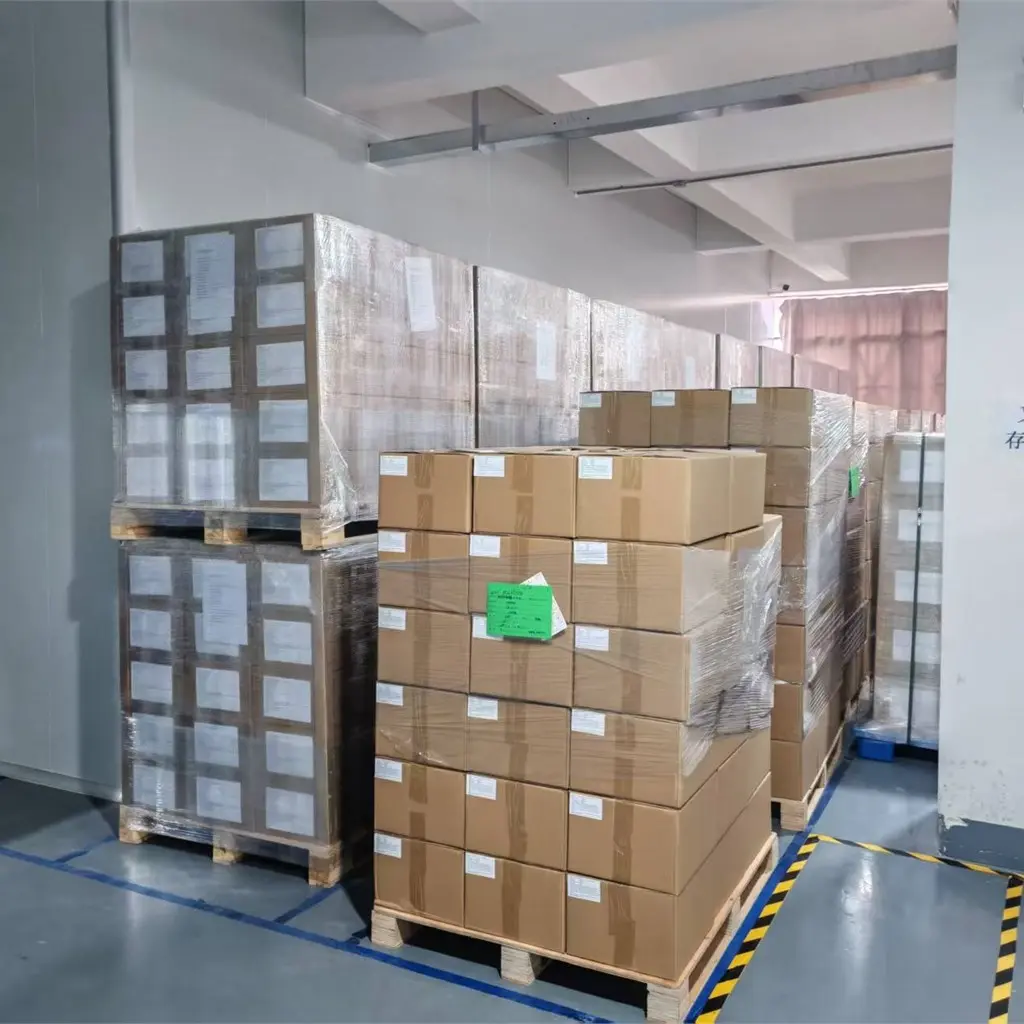


Lycopene Supplement OEM, ODM, and Private-label Service
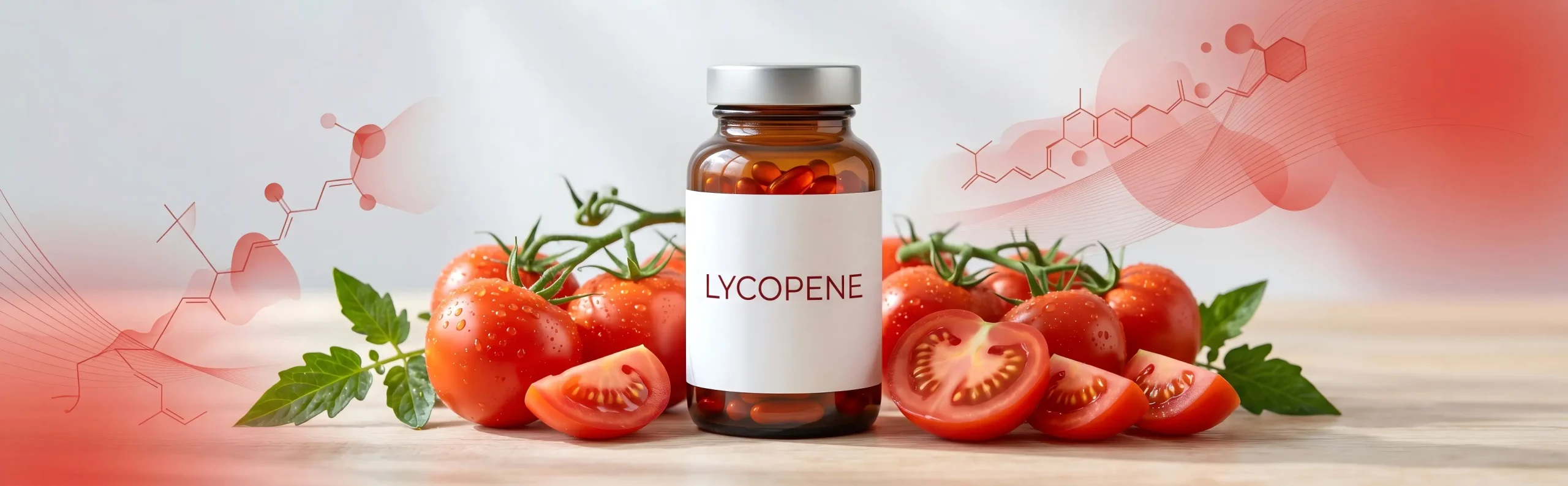
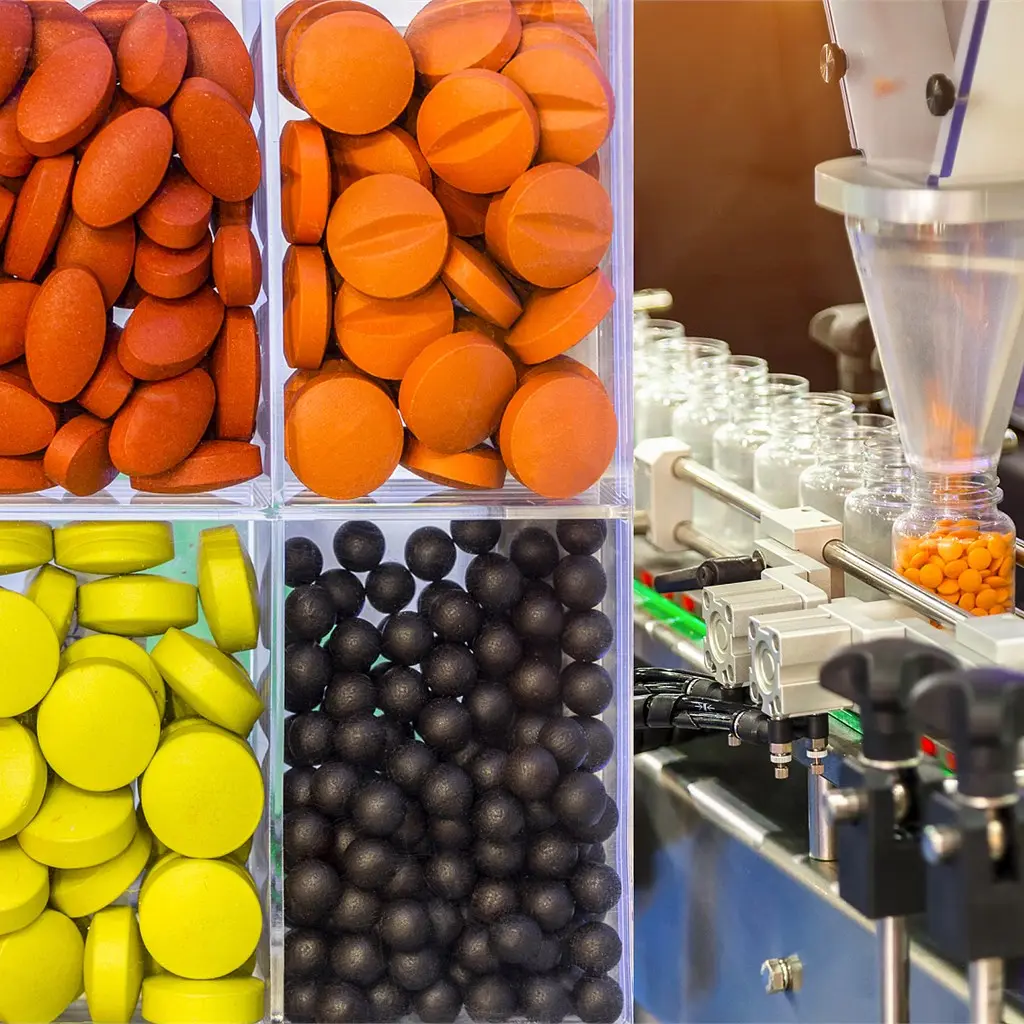
KS Nutripharma® helps brands turn lycopene supplement concepts into manufacturing-ready products. As a China-based OEM, ODM, and private-label manufacturer, we work across ingredient specifications, dosage-form selection, and finished-product requirements to build a practical route from label claim to production.
A number on the label is only the starting point. To deliver 10 mg of lycopene from a 6% ingredient, for example, the formula needs approximately 167 mg of that ingredient, assuming a matching weight basis. The source, carrier, supporting actives, dosage form, and target market then determine how the formula is built and quoted.
Whether you are developing a standalone lycopene product or incorporating lycopene into a broader supplement formula, start with your target strength, preferred format, and intended market. We will use those inputs to assess the manufacturing route and identify the specifications that need to be confirmed before quotation.
Manufacturing At A Glance
| Items | Starting point |
|---|---|
| Available formats | Softgels, capsules, tablets, and powder. Gummies after a feasibility trial |
| Material | Tomato extract, fermentation, or synthetic. The grade follows the confirmed specification, including a fixed supplier’s grade |
| MOQ | 3,000–5,000 finished units is a project reference. The count for an order is confirmed with the format and the pack |
| Lead time | Sample evaluation 7–15 days after a qualified project is accepted. Production 30–45 days after the formula and packaging are confirmed |
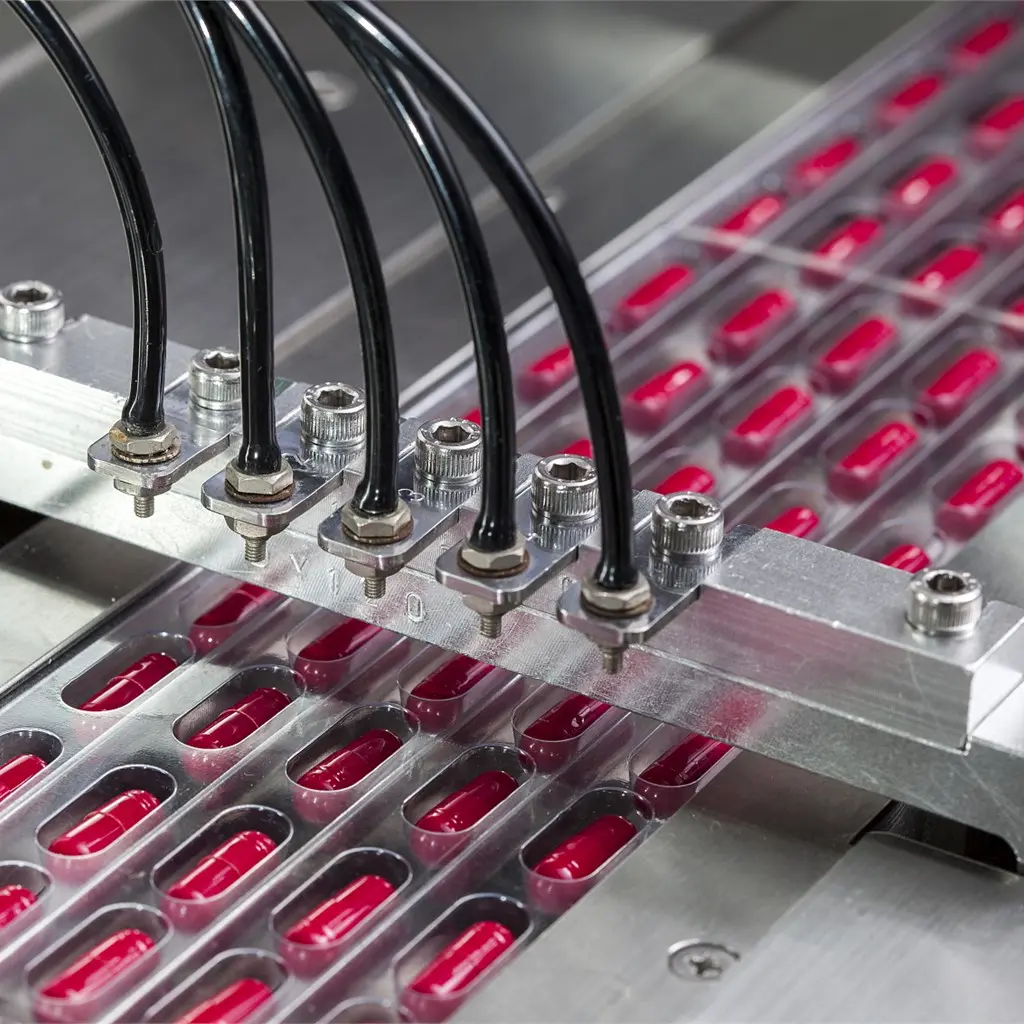
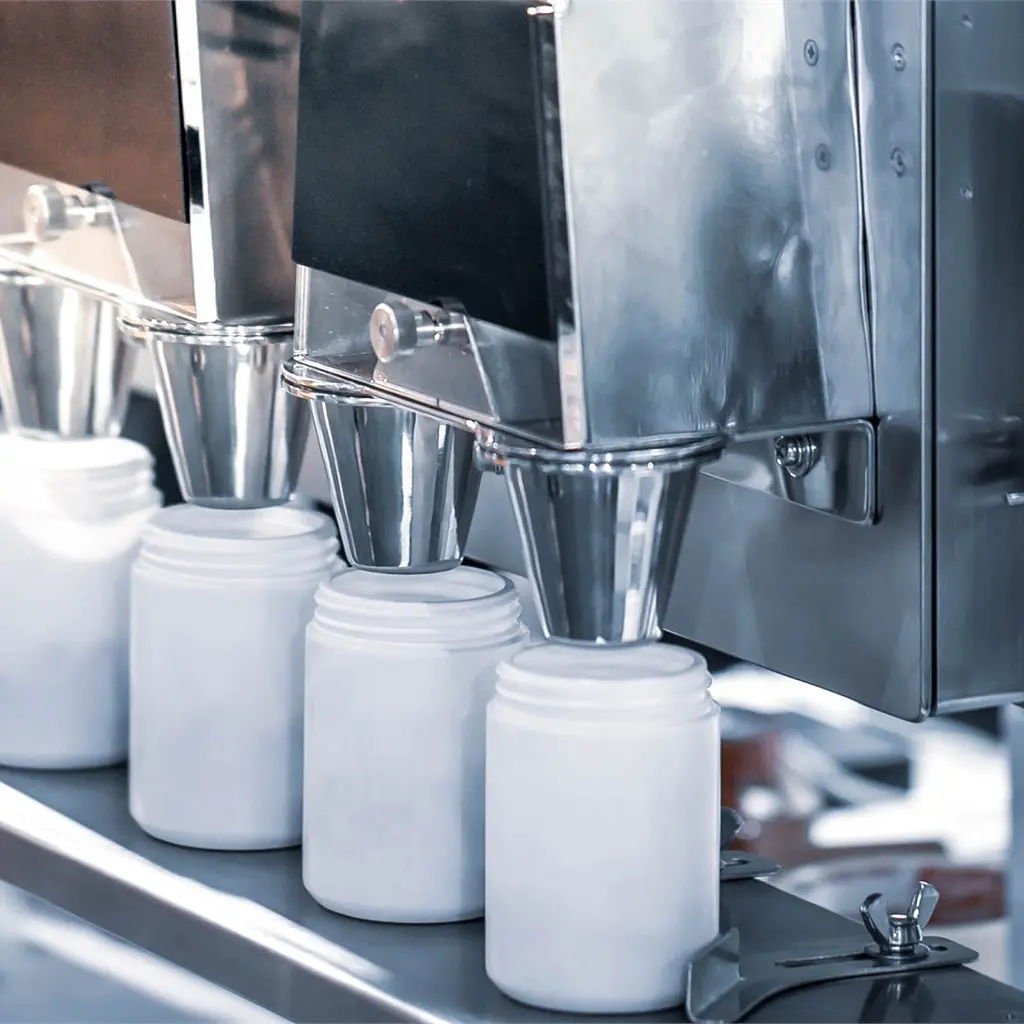
| Capacity | Indicative facility capacity above 5 million capsules, 2 million softgels, 12 million tablets, or 2 million gummies a day. The slot for an order depends on the formula, the line, and the schedule |
| Sample | Samples for a qualified project |
| Target market | Confirmed with the ingredient identity before the specification is finalized |
How a Lycopene Specification Becomes a Finished Unit
The quotation compares like with like. Three checks come before the price.
Ingredient identity. Tomato-derived, fermentation-derived, or synthetic. The assay basis, the method, and the carrier are read from the supplier document for that grade.
Form and format. An oil suspension is assessed for a softgel fill. A beadlet is assessed for a capsule or a tablet. A water-dispersible grade is assessed for a drink or a gummy only after a trial. Cold-water-soluble and cold-water-dispersible describe how the grade behaves in water. They do not mean the lycopene molecule is dissolved.
Specification to lock. Lycopene per unit, ingredient input weight, the other actives, the pack, the tests named for release, and the destination market are aligned before the price is issued.
Commercial Label Examples and Manufacturing Routes
The amounts below were transcribed from commercial product labels reviewed on 12 October 2026. They are market specifications for a manufacturing file. A branded tomato extract is used when the brand holds the authorization for that material.
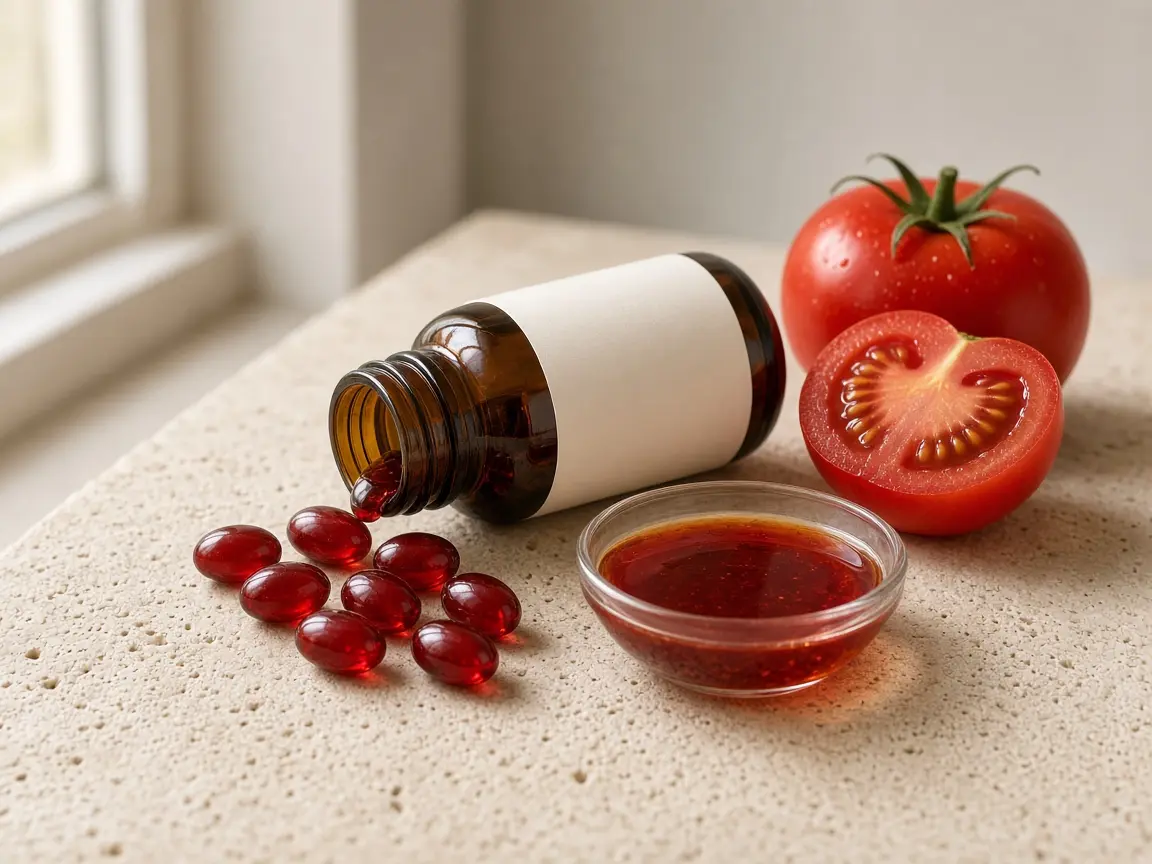
Use when: The unit is a tomato-extract softgel at 10 mg or at 15 mg of lycopene.
Specify: Lycopene per softgel, the tomato-ingredient weight, and the carrier oil. Natural Factors Lycopene 10 mg declares 10 mg from 167 mg of 6% tomato fruit extract (Lycopersicon esculentum), one softgel one to three times daily with food. Life Extension Mega Lycopene declares 15 mg from natural tomato extract (fruit), one softgel daily with food. Confirm any antioxidant that is added as its own line. If the product is positioned on a wider tomato carotenoid profile, confirm which compounds are already in the ingredient and which are added separately.
Trade-off: Directions of one to three softgels change the bottle count. The 15 mg once-daily unit is a separate bill of materials.
Default format: Softgel.

Use when: Lycopene sits inside a men’s formula at 8 mg from a beadlet, or at 10 mg in an oil fill.
Specify: Fairvital Prosta Complex provides 8 mg of lycopene per capsule from a 10% tomato beadlet, one capsule daily. At a 10% assay, 8 mg of lycopene is about 80 mg of beadlet before the rest of the blend. Confirm the beadlet assay, the fill-weight allowance, and compatibility with the remaining formula. A 10 mg oil line is specified per serving, with the carrier oil. Saw palmetto extract weight and fatty-acid percentage stay on that specification. The complete men’s blend is quoted as a prostate health supplement.
Trade-off: The beadlet is filled as a hard capsule. The oil line is filled as a softgel.
Default format: Hard capsule for the beadlet. Softgel when lycopene and saw palmetto are both oils.

Use when: The label is a lycopene tablet at 25 mg or at 50 mg.
Specify: Pureclinica’s reviewed tablet declares 50 mg of lycopene from 500 mg of tomato extract standardized to 10%, with vitamin E 20 mg. 21st Century’s reviewed tablet declares 25 mg of lycopene per tablet and does not state an extract percentage. That input weight is taken from the proposed raw-material specification. A beadlet or protected powder may be evaluated for compression, subject to the material specification and the trial.
Trade-off: Input weight and press load differ between 25 mg and 50 mg. For an EU food supplement, the strength is checked against the authorisation entry for that ingredient identity.
Default format: Tablet.

Use when: Lycopene is a low inclusion in a vitamin-and-mineral tablet.
Specify: Lycopene 600 mcg per tablet. Centrum Silver Men 50+, reviewed for this page, also lists lutein 300 mcg on the same tablet. With a 10% beadlet, 600 mcg of lycopene is about 6 mg of beadlet in a mineral-heavy blend. Blend uniformity, segregation, and finished-tablet appearance are assessed in development. A coating system is selected when the product specification requires it and the trial supports it.
Trade-off: Tablet weight is set by the minerals. The manufacturing check is uniformity of a small lycopene addition in that blend.
Default format: Tablet.
Beta-carotene and lycopene in one unit, including the ratio and the choice of oil or beadlet, are specified on the beta carotene and lycopene supplement page.
Choose the Lycopene Format: Softgels, Capsules, Tablets, Powder or Gummies
Ingredient form | First check | Left to the trial |
|---|---|---|
| Crystal | Identity and assay | Which finished format can carry it |
| Oil suspension | Assay, carrier oil, and sedimentation | Fill weight and shell |
| Beadlet | Assay, and particle size, bulk density, and encapsulation efficiency when that specification includes them | Capsule fill or tablet compression |
| Microencapsulated powder | Assay, wall system, and behaviour in the target matrix | Blend uniformity, or the assay after a cook |
| Cold-water-dispersible grade | Dispersion in the stated medium | Whether a drink or a gummy holds the assay after processing |

Best for: An oil suspension, including an oil-phase men’s formula.
Why: Lycopene and the carrier oil share one fill.
Typical formula: The tomato softgel examples above.
What to confirm: Assay in the suspension, carrier oil, antioxidant system, and fill weight. The shell is gelatin or a selected vegetarian shell.
Manufacturing note: Viscosity and sedimentation are checked before the fill size is confirmed. Packaging is selected for light and oxygen protection. Softgel manufacturing covers shell and fill options.

Best for: A dry blend built on a beadlet.
Why: Fill volume is calculated from assay and bulk density.
Typical formula: The beadlet line in the men’s formula above.
What to confirm: Beadlet assay, particle size against the capsule, shell size, and gelatin or HPMC.
Manufacturing note: Hard capsules covers shell and fill weight.

Best for: A beadlet or protected powder in a lycopene tablet or a multivitamin, after a compression trial.
Why: Particle size, flow, and press behaviour are checked against that grade.
Typical formula: The lycopene tablet examples above, including the low-inclusion multivitamin.
What to confirm: Assay, the compression trial, content uniformity, and a coat when the specification requires one.
Manufacturing note: Tablets covers coating and compression.

Best for: Premixes, sachets, and stick packs that use a cold-water-dispersible powder or a microencapsulated powder.
Why: The grade has to disperse in the drink or the blend.
Typical formula: The assay and the milligrams in the brief.
What to confirm: Assay, particle size, carrier, and barrier film.
Manufacturing note: Blend uniformity is checked when lycopene is a small share of a large mix. Powders and granules covers sachet and stick packing.

Best for: A development project with a cold-water-dispersible grade or a microencapsulated powder.
Why: The cook is hot and the matrix is water-based.
Typical formula: Lycopene per piece measured after the cook, with an overage from that pilot.
What to confirm: Grade, post-process assay, and the gelling system.
Manufacturing note: Gummies covers deposit and cure.
KS manufactures the finished supplement. The ingredient grade follows the confirmed specification. A 6% tomato oil suspension and a 6% fermentation oil suspension are quoted as different materials. A 96% fermentation crystal is identified as fermentation. Pricing follows the confirmed assay.
Path | Grades quoted | Named on the order |
|---|---|---|
| Tomato extract | The tomato table | Fruit, HPLC or UV, carrier oil, antioxidant |
| Fermentation | The fermentation table | Organism when the COA names one, assay method, carrier, all-trans share |
| Synthetic | Quoted when the COA identifies the material as synthetic, including a crystal at or above 96% in a matrix or an oily dispersion | Assay basis, antioxidant protection |
Tomato grades
Form | Lycopene | Finished use |
|---|---|---|
| Crystal | Above 90% | Dilution into an oil, or the starting crystal for a beadlet or a water-dispersible grade |
| Powder | 5%, 6%, 10%, 20% | Dry blends, capsules, and tablets |
| Oil suspension | 5%, 6%, 10%, 20% | Softgels. The carrier oil is the one named on the COA |
| Cold-water-soluble powder | 5%, 10% | Solid drinks, liquid drinks, and dairy-style powders |
| Beadlet | 5%, 10% | Tablets and capsules, after the fill or compression trial |
| Cold-water-dispersible liquid | The assay stated on the COA | Liquid drinks and other water-based foods, after a dispersion trial |
Fermentation grades
Form | Lycopene | Finished use |
|---|---|---|
| Crystal | 96% | Dilution into an oil; supplements, food, and beverages |
| Oil suspension | 5%, 6%, 10% | Softgels and other oil fills |
| Cold-water-soluble beadlet | 1%, 5% | Solid drinks, tablets, and hard capsules |
| Beadlet | 10%, 20% | Hard capsules and tablets, after the fill or compression trial |
| Microencapsulated powder | 5%, 10%, 20% | Solid drinks, liquid drinks, and gummies |
A 5% cold-water-soluble beadlet and a 5% microencapsulated powder are different forms. The COA names which one is being quoted.
10% beadlet specification
These limits belong to the 10% beadlet grade that publishes them. A 5% beadlet or a 20% beadlet is quoted on its own assay and COA. A reported result is the result for that lot.
Item | Specification |
|---|---|
| Lycopene | ≥10.0%, HPLC |
| Appearance | Dark red beadlets |
| Beadlet size | 1–2 mm |
| Encapsulation efficiency | ≥95% |
| Bulk density | 0.45–0.55 g/cm³ |
| Acidity (as oleic acid) | ≤1.0% on this grade |
| Moisture | ≤5.0% |
| Lead | ≤2 ppm |
| Arsenic | ≤1 ppm |
| Cadmium | ≤1 ppm |
| Mercury | ≤0.1 ppm |
| Solvent residue | ≤0.05% |
| Total plate count | ≤1,000 cfu/g |
| Yeast and mold | ≤100 cfu/g |
| E. coli, Salmonella, Staphylococcus aureus | Negative |
White tomato extract is quoted when the panel names phytoene and phytofluene. On those COAs the lycopene assay is typically a trace, so a lycopene percentage is filled from a lycopene grade. Colour E160d is a concentrated tomato colour and stays on a colour specification.
For an EU food supplement, the ingredient identity is matched to the applicable novel-food entry before the strength is fixed. In the consolidated text of Commission Implementing Regulation (EU) 2017/2470 as of 25 September 2024, food supplements are listed at 15 mg of lycopene per day for synthetic lycopene, lycopene from Blakeslea trispora, and lycopene from tomatoes. Those figures are use conditions for those entries. They are not a recommended intake. The entry in force is confirmed for the shipment date.
The same text specifies lycopene oleoresin from tomatoes at 5–15% total lycopene, of which 90–95% is trans-lycopene. Commission Decision 2006/721/EC was repealed.
Incoming materials are evaluated against the approved raw-material specification. The lot COA carries the source, plant part or organism, lycopene assay and method, carrier, antioxidant, residual solvent, heavy metals, and microbiology. For the 10% beadlet it also carries particle size, bulk density, encapsulation efficiency, and moisture. How to read a COA is the general layout.
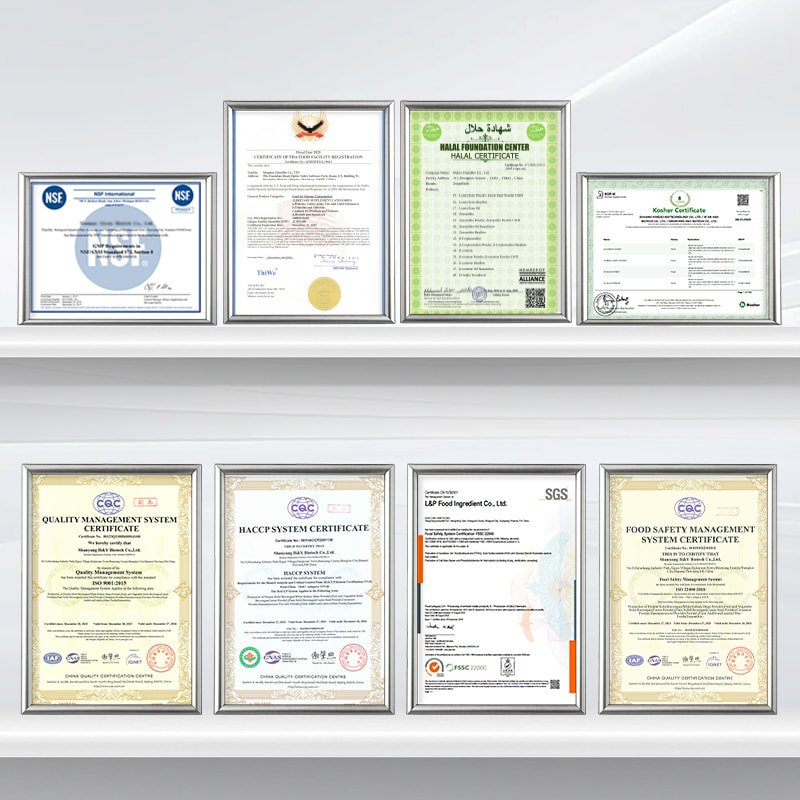
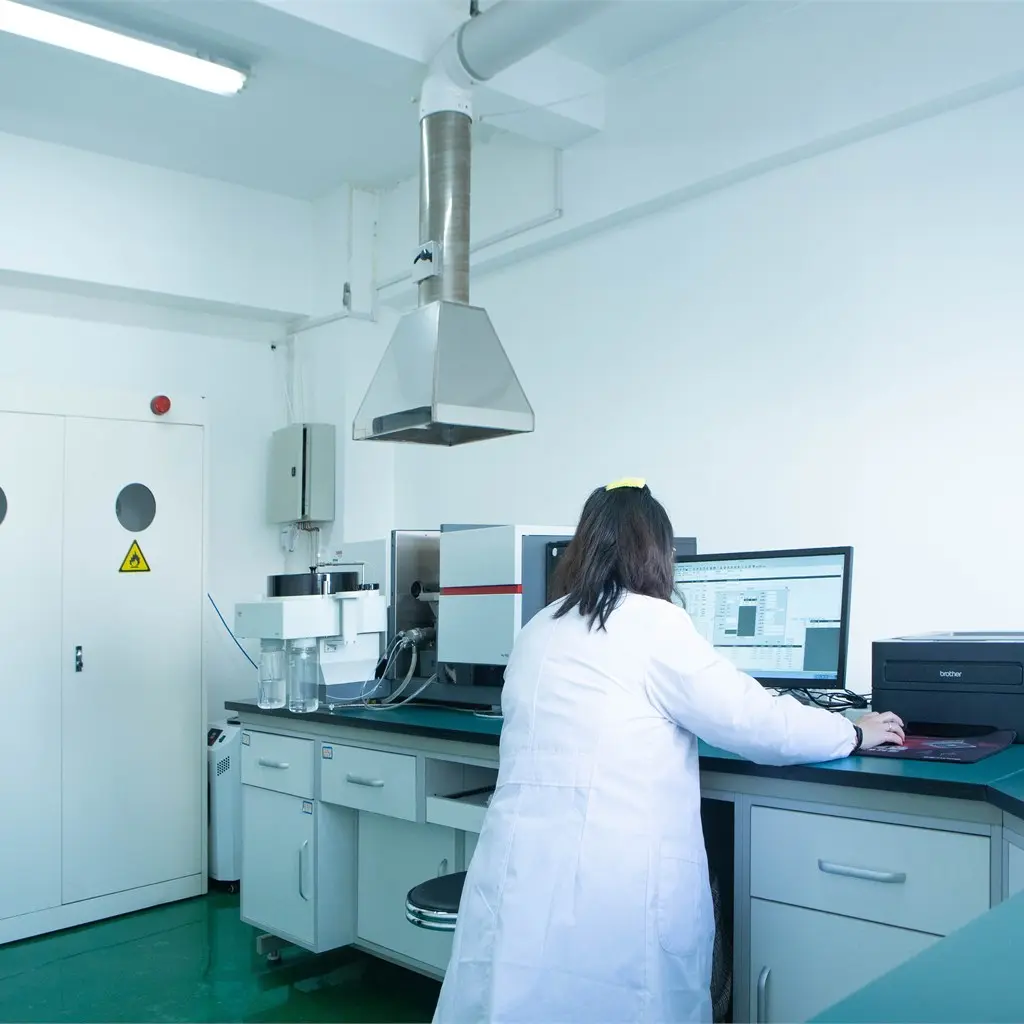
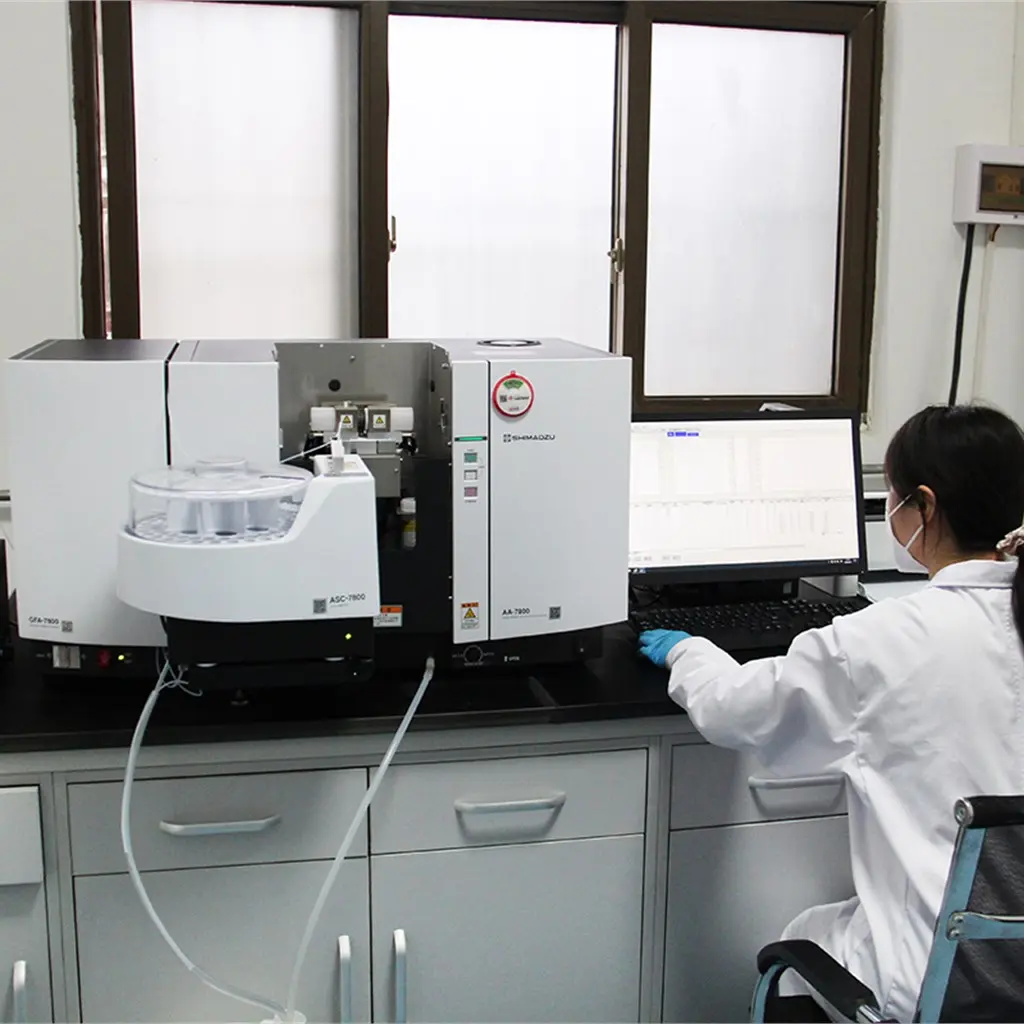
Finished-product release follows the agreed product specification. The tests named there are chosen from appearance, weight variation, content uniformity, lycopene assay, microbiology, and heavy metals. A result from a contract laboratory is identified on the report. The brand receives the agreed specification, the raw-material lot COA, and the finished-product release COA. A stability report is included when the agreement names the time points and the tests. Production runs in cGMP workshops. An NDA is available before the formula is exchanged. R&D covers development. Quality control covers the facility system.
Why Supplement Brands Partner with KS Nutripharma
- Comprehensive OEM & ODM manufacturing solutions
- Multiple dosage form capabilities
- Advanced delivery technology platforms
- International quality and compliance systems
- Flexible production scaling
- Global ingredient sourcing network
- Dedicated technical and after-sales support
From formulation development and ingredient sourcing to manufacturing and commercial production, KS Nutripharma supports brands throughout the entire product development lifecycle.
What to Send
Send the source (tomato extract, fermentation, or synthetic), the assay and the method if you have them, the lycopene content per unit, the extract weight if that will also be printed, the format, the count per pack, the destination market, and the quantity. A product concept can open the file. A current label, a bill of materials, or two COAs can open a comparison. A project manager replies within one business day.
Request a Lycopene Manufacturing Quote
Related
- Saw Palmetto Supplement Manufacturer
- Pumpkin Seed Extract
- Beta Carotene and Lycopene Supplement
- Beta Carotene Supplement Manufacturer
- Lutein Supplements
Disclaimer
KS Nutripharma manufactures dietary supplements for brand owners. Amounts on this page are commercial label readings for a quotation, not recommended intakes. The 15 mg figures in the Union list are use conditions for the named entries. These formulas are not positioned to diagnose, treat, cure, or prevent prostate disease or any other disease. KS confirms the specification it manufactures and the tests named in the quality agreement. The brand owner confirms the finished label and the novel-food entry in force for the destination market.
Written by KS Nutripharma Formulation Team | Reviewed by KS Nutripharma Director of R&D (PhD, Food Science | 19+ years nutraceutical development) | Technical review scope: tomato extract, fermentation, and synthetic lycopene identity; lycopene percentage versus extract weight; 10% beadlet specification and fill feasibility | Updated October 2026
Team background: KS Nutripharma