
Hovenia Dulcis Supplement OEM, ODM & Private Label Service
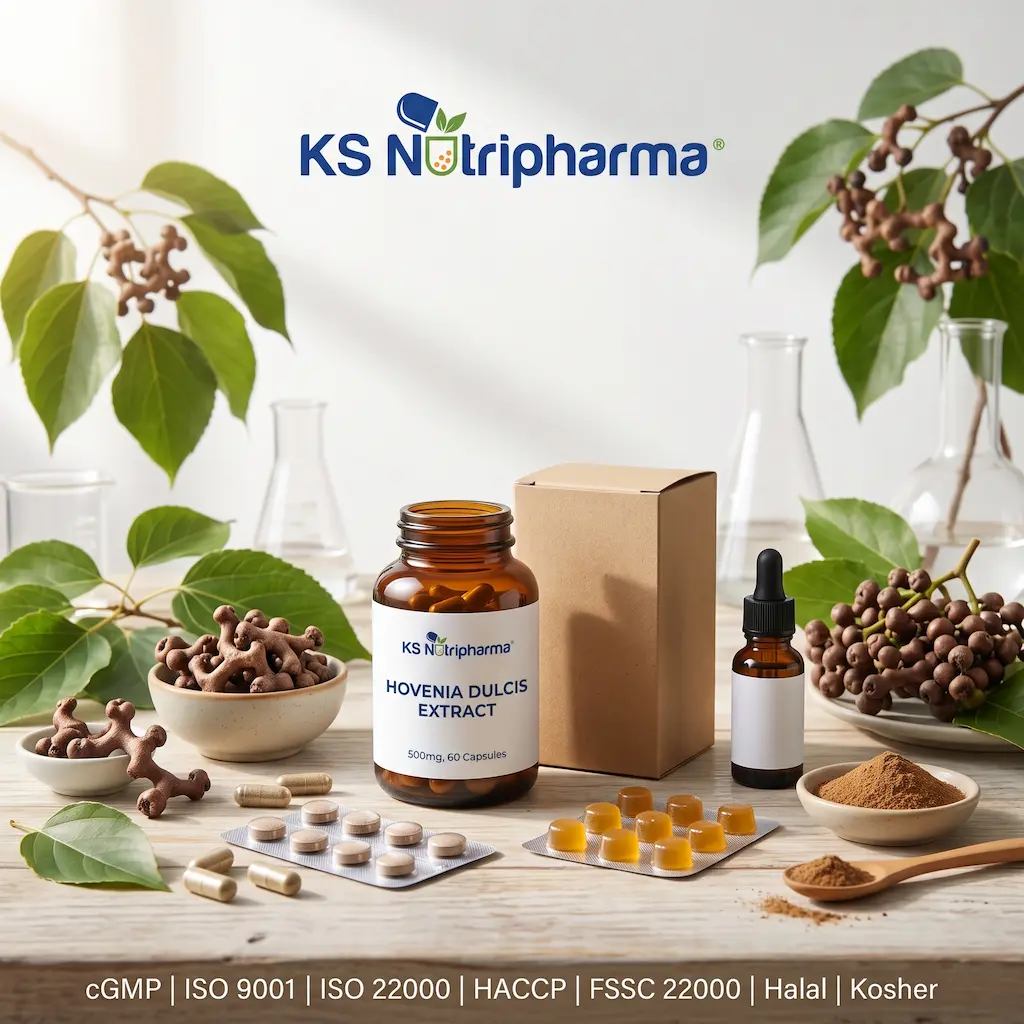
KS Nutripharma is a hovenia dulcis supplement manufacturer and hovenia dulcis extract manufacturer for OEM, ODM, and private-label programs. We manufacture finished hovenia dulcis supplements from specified Hovenia dulcis raw materials as capsules, tablets, powder, gummies, and liquids for liver health assortments and East-Asian wellness lines.
Japanese raisin tree extract is Hovenia dulcis. It is commercially specified as hovenia dulcis extract or raisin tree extract, not as dihydromyricetin isolate or vine tea. “Hovenia 500 mg” is not a specification on its own.
Send Your Hovenia Specification · Compare Two COAs
cGMP · ISO 9001 · ISO 22000 · HACCP · FSSC 22000 · Halal · Kosher · batch COA
Manufacturing Capacity · Certifications · Quality Control
Line capacity (published): 5+ million capsules/day · 12+ million tablets/day · 2+ million gummies/day; powders about 5,000 tons/year; liquids about 3,000 tons/year. Oil-phase softgel output sits on the same capacity file; dry hovenia fruit extract and seed are not that path.
Hovenia Manufacturing at a Glance
Item | Typical information |
|---|---|
| Business model | OEM, ODM, private label — finished units |
| Program type | Bulk hovenia material (kg) or finished supplement manufacturing — quoted separately |
| Primary raw material | Hovenia dulcis fruit extract |
| Confirm before quoting | Plant part · extract weight · dosage form · DHM declaration/source if applicable |
| Formats | Capsule first-line; tablet, powder, gummy, liquid after feasibility |
| Scope | Human oral dietary supplements |
Hovenia Formula Options for OEM and Private Label
R&D reviews fill weight before artwork. Typical commercial loads are development ranges, not recommended intakes.
Milk thistle or other botanicals named on a BOM are quoted as additional rows.
Use when: The label hero is hovenia / Japanese raisin tree fruit.
Specify: Hovenia dulcis fruit + extract milligrams.
Trade-off: Not seed. Not an added DHM source.
Default format: Capsule.
Use when: The written brief specifies seed rather than fruit.
Specify: Hovenia dulcis seed + extract weight.
Trade-off: Not a fruit-extract SKU.
Default format: Capsule.
Use when: An East-Asian pair names hovenia and kudzu as two plants on one BOM.
Specify: Two botanical identities and two raw-material rows; add each marker only if declared on the label.
Trade-off: Not a single-row blend weight, and not an added-DHM architecture.
Default format: Capsule.
Use when: The BOM adds dihydromyricetin isolate or vine tea leaf extract beside the hovenia fruit row.
Specify: Two raw-material rows: hovenia fruit extract + the specified DHM source.
Trade-off: Do not merge the rows into one DHM weight.
Default format: Capsule.
Choose the Hovenia Format: Capsules, Tablets, Powder, Gummies or Liquid
Dosage form selection comes after active-load calculation, not before it. Fruit extract can be evaluated for capsules, tablets, powders, gummies, or liquids. There is no default oil-phase softgel for this dry botanical.
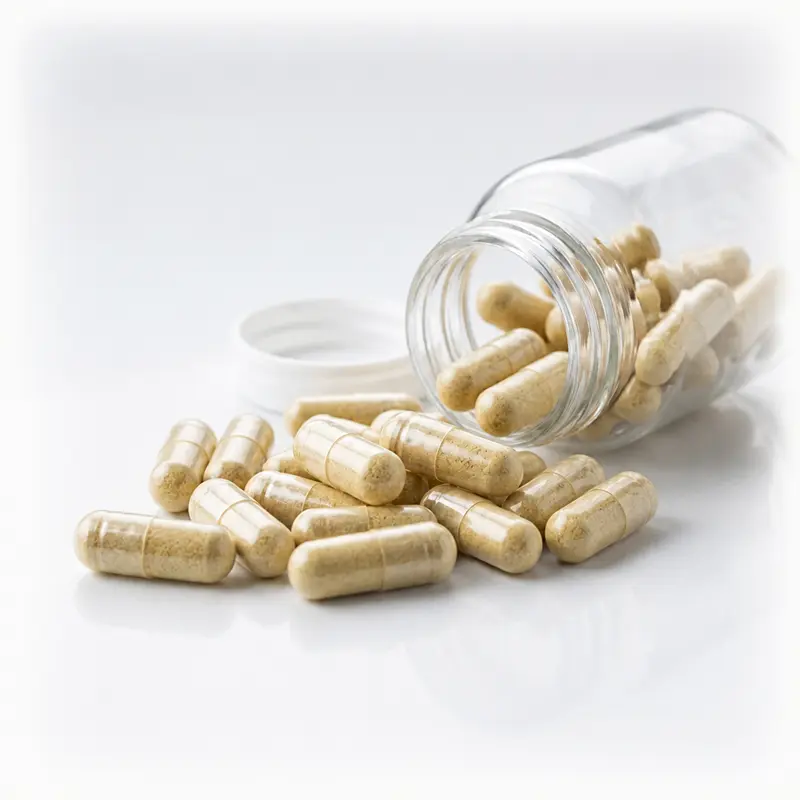
Best for: Hovenia fruit or seed extract programs where capsule fill is feasible.
Specify: Capsule size, fill weight, units per serving, HPMC or gelatin.
Feasibility: Serving count depends on extract density, target load, and capsule fill capacity.
→ Hard capsules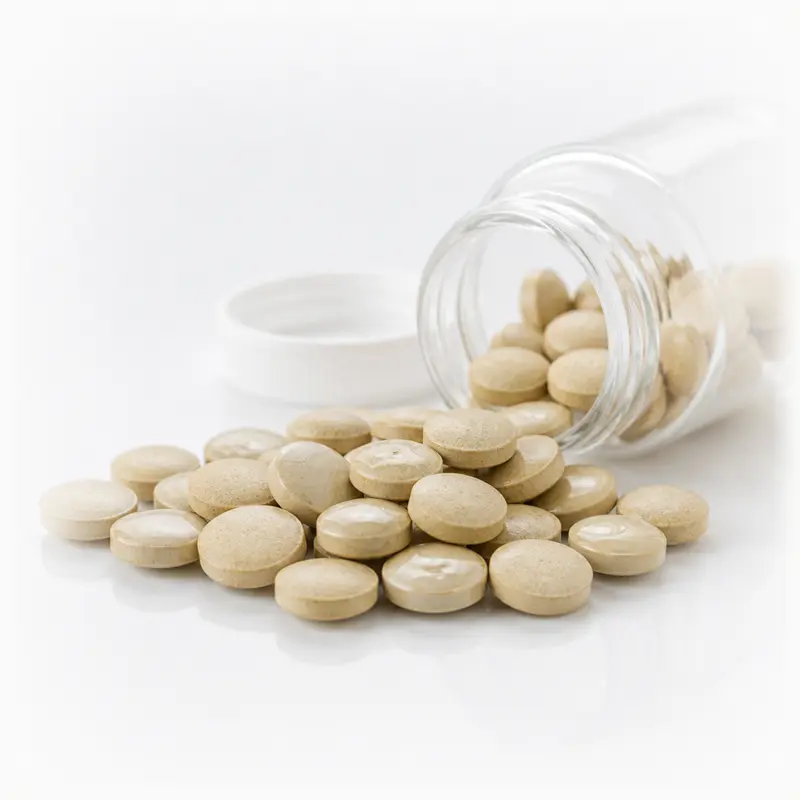
Best for: Compact count after compression feasibility.
Specify: Tablet weight, tablets per serving, hardness, disintegration, uncoated vs film coat.
Feasibility: Film coating is specified after tablet weight, hardness, friability, and disintegration are within range.
→ Tablets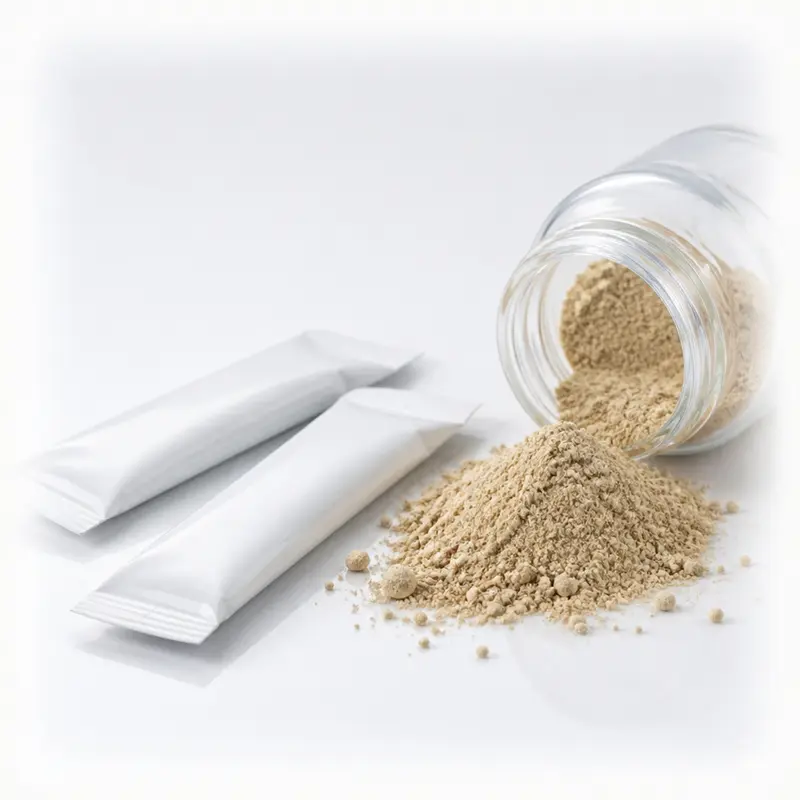
Best for: Open-format programs when the brief names extract powder.
Specify: Fruit-extract powder identity; serving basis; flavor and flow if opened.
Feasibility: Confirm extract density, serving weight, flavor, and flow before selecting an open powder format. A kilogram drum is a raw-material RFQ, not finished-unit MOQ.
→ Powders and granules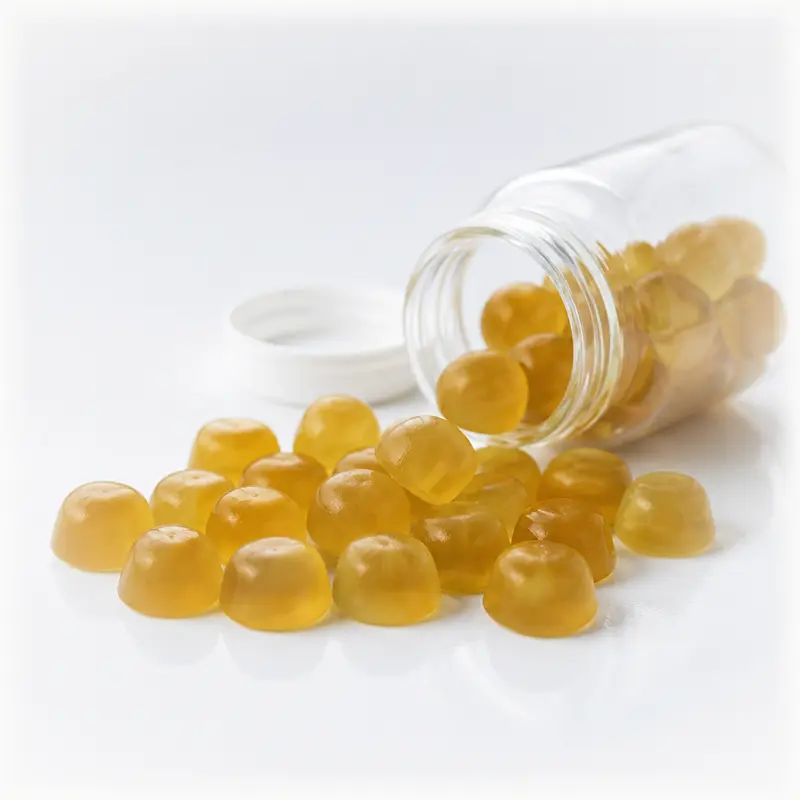
Best for: Lower extract loads after cook feasibility.
Specify: Piece weight + pieces per serving + finished-piece assay if DHM is claimed.
Feasibility: Bitterness, extract load, cook conditions, and finished-piece assay should be checked during pilot development.
→ Gummies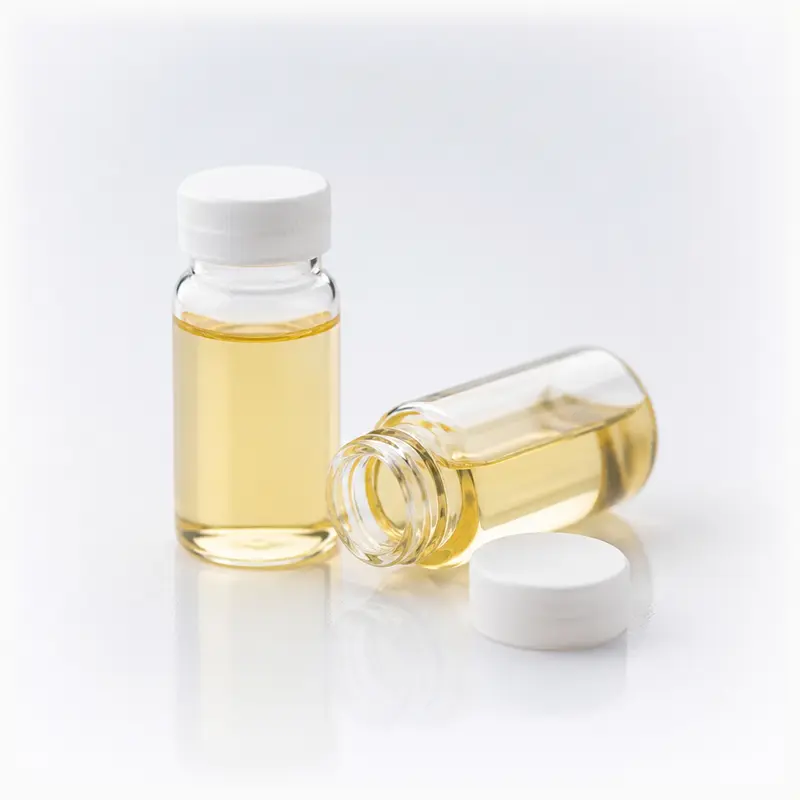
Specify: mg/mL, serving volume, preservative system, and finished-product test method.
Feasibility: Quoted after serving volume and preservative system are locked.
→ Liquids
Hovenia fruit extract is specified as its own BOM row in liver health formulas.
1. Plant identity and vernacular names
Use Hovenia dulcis on the specification. Japanese raisin tree and raisin tree are common names for the same botanical.
2. Fruit is the default plant part
Fruit is the default commercial specification. Seed is a separate specification. Fruit extract and seed are not interchangeable quotes at the same milligram weight.
3. DHM only if printed — and the source must be named
If DHM is part of the label claim, specify its source and assay basis. DHM may be declared as part of the hovenia extract specification or supplied as a separate raw-material row. These are different BOM specifications and should not be priced as the same material.
4. Keep Hovenia, DHM and Vine Tea as Separate Specifications
Hovenia dulcis and Ampelopsis grossedentata (vine tea) are different botanicals. DHM is a compound, not the botanical identity of hovenia.
5. Extract ratio is not a DHM percentage
Extract ratio and assay are separate fields. A 10:1 ratio describes the declared extract ratio; it does not establish a DHM percentage or potency.
6. What “hovenia 500 mg” means
Examples, not catalog SKUs:
Label declaration | What procurement needs |
|---|---|
| Hovenia dulcis Fruit Extract — 500 mg | Botanical identity + fruit + extract weight |
| Hovenia Fruit Extract — 500 mg, DHM declared | Above + DHM source + assay basis |
| Hovenia Fruit Extract + DHM isolate | Two raw-material rows + separate specifications |
| DHM 500 mg from raisin tree | Source + botanical identity + assay basis required |
High extract load → check fill weight → determine capsule count / tablet weight → fix serving configuration.
If the target load exceeds practical capsule capacity, the project may require multiple capsules, a larger capsule, or a different dosage form. Capsule count and tablet weight are determined from extract load, bulk density, excipients, and target serving configuration — not from the ingredient name alone. Overage is a project decision from stability and process data.
Treating different DHM sources as interchangeable
Challenge
Two quotes both show “DHM.”
Approach
Two quotes showing “DHM” are not comparable until source and assay basis are aligned.
Using extract ratio as if it were an assay
Challenge
One quote lists 10:1 while another lists a marker percentage; the numbers describe different specification fields.
Approach
Compare extract ratio, marker/assay, plant part, and assay method separately.
Label claim → approved specification → verification. Incoming COA verifies the approved raw-material specification. Finished-product release follows the finished-product specification.
Incoming. Botanical identity, plant part, extract specification, and assay/marker where applicable, plus microbiology, heavy metals, pesticides, and residual solvents where applicable. Customer-supplied material follows the same incoming checks.
Finished unit. Dosage-unit verification against the finished specification, including any declared active or marker, plus microbiological and other release parameters on that file.
Documentation. Specification, batch COA, and applicable methods. See How to Read a COA.
An incoming Hovenia COA verifies the raw material; it does not automatically serve as a finished-product release result. A fruit-extract milligram declaration does not automatically become a finished-unit DHM assay.
Have two hovenia COAs? Send both. We compare identity, plant part, extract milligrams, any DHM declaration, and contaminant fields before you compare price.
MOQ and production timing
A kilogram drum quote is a raw-material quote — finished-unit MOQ is separate.
| Format | Typical starting quantity |
|---|---|
| Capsules | About 3,000–5,000 finished units/SKU |
| Tablets | About 5,000–10,000 finished units/SKU |
| Powder | Depends on serving weight, pack, and bulk-vs-finished-unit scope |
| Gummies | Depends on piece weight, extract load, cook feasibility, and assay plan |
Final MOQ depends on formula, dosage form, packaging configuration, testing plan, and SKU requirements. Production scheduling follows formula, artwork, and testing-plan approval.
Can two 500 mg hovenia extract quotes be compared directly?
Yes, once botanical identity, plant part, extract basis, and any marker/assay requirements are aligned.
Can the same hovenia formula be quoted in capsules and gummies?
Yes. They are separate dosage-form feasibility and quotation paths.
Can KS review an existing hovenia COA or BOM?
Yes. Send the current COA/BOM with the target dosage form and market; review can precede sampling where appropriate.
What to Send for a Hovenia Quote
Send: binomial · plant part · extract weight · extract ratio, if used · DHM declaration + source + assay method, if printed · dosage form · serving size · destination market · existing COA / BOM.
Review: identity → raw-material specification → dosage-form feasibility → testing plan → quotation.
Existing COA/BOM can be reviewed before formulation sampling. Where DHM is declared or the extract load is high, pilot work may be required to confirm the finished-product specification and dosage-form feasibility.
Typical first reply is within one business day on a complete brief. NDA is available for custom formulas and customer-specific specifications. See Confidentiality & IP Protection.
Related Supplement Manufacturing Solutions
Dihydromyricetin, kudzu, and bayberry finished-product pages are in preparation; those briefs are quoted today from the BOM.
Disclaimer: This page is for wholesale, brand manufacturing, and product-development reference only. Dietary supplements are not intended to diagnose, treat, cure, or prevent disease. Milligram figures are development examples, not recommended intakes. Structure/function language and ingredient classification vary by market; brand owners remain responsible for finished-label compliance. KS Nutripharma provides manufacturing feasibility and documentation support, not legal approval.
Written by KS Nutripharma Formulation Team | Reviewed by KS Nutripharma Director of R&D (PhD, Food Science | 19+ years nutraceutical development) | Technical review scope: Hovenia dulcis identity, fruit vs seed, extract specification, DHM source when declared, incoming vs finished-product verification, dosage-form feasibility, contaminant panels, and QC release | Updated September 2026