




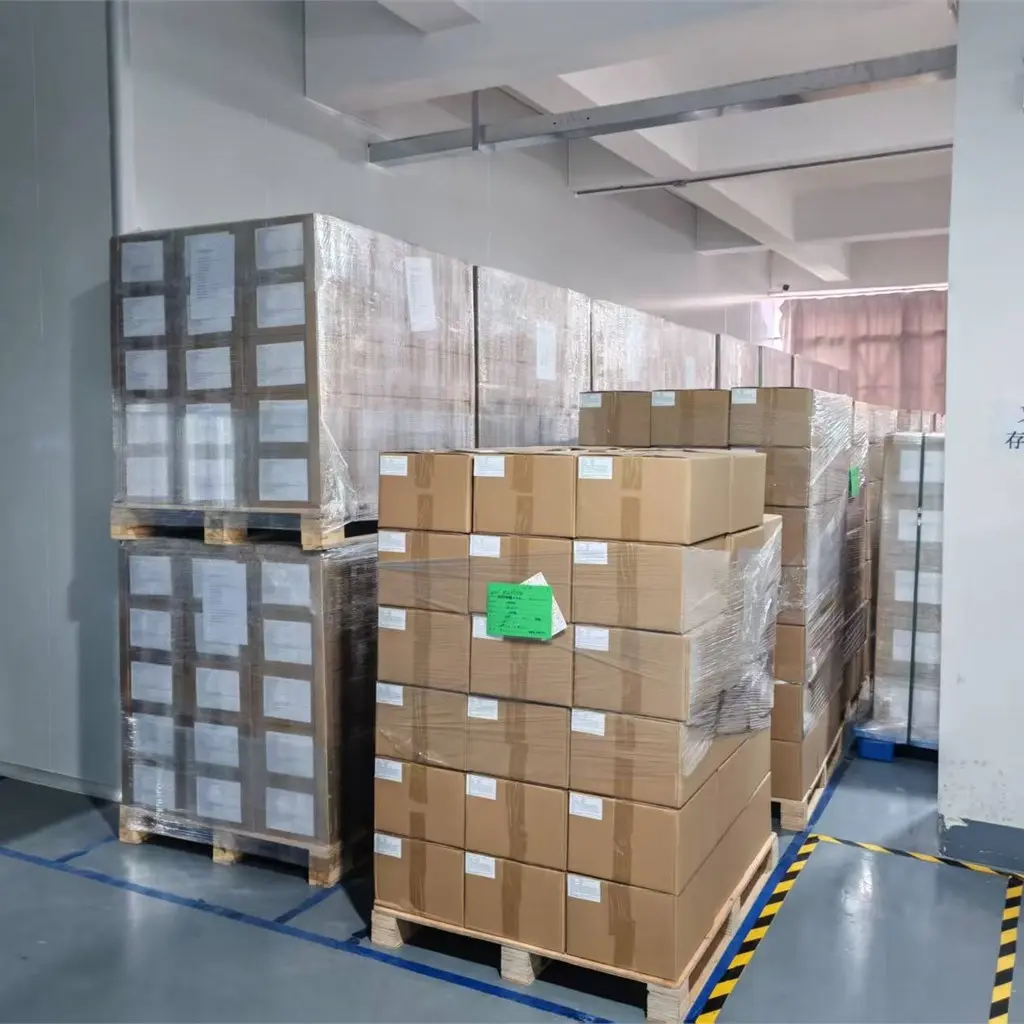
MSM Supplement OEM, ODM & Private Label Service
KS Nutripharma is an MSM supplement manufacturer. We make OEM, ODM, and private-label MSM supplements — capsules, tablets, and gram-level powders — for joint health lines.
A milligram figure only becomes a manufacturing specification when its serving basis, grade, format, and unit count are defined.
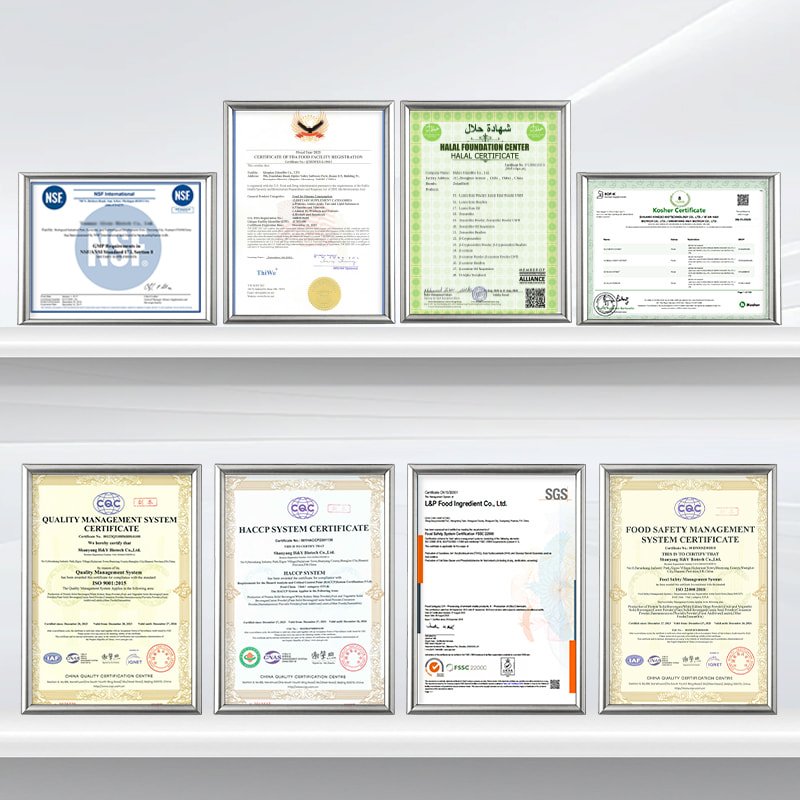
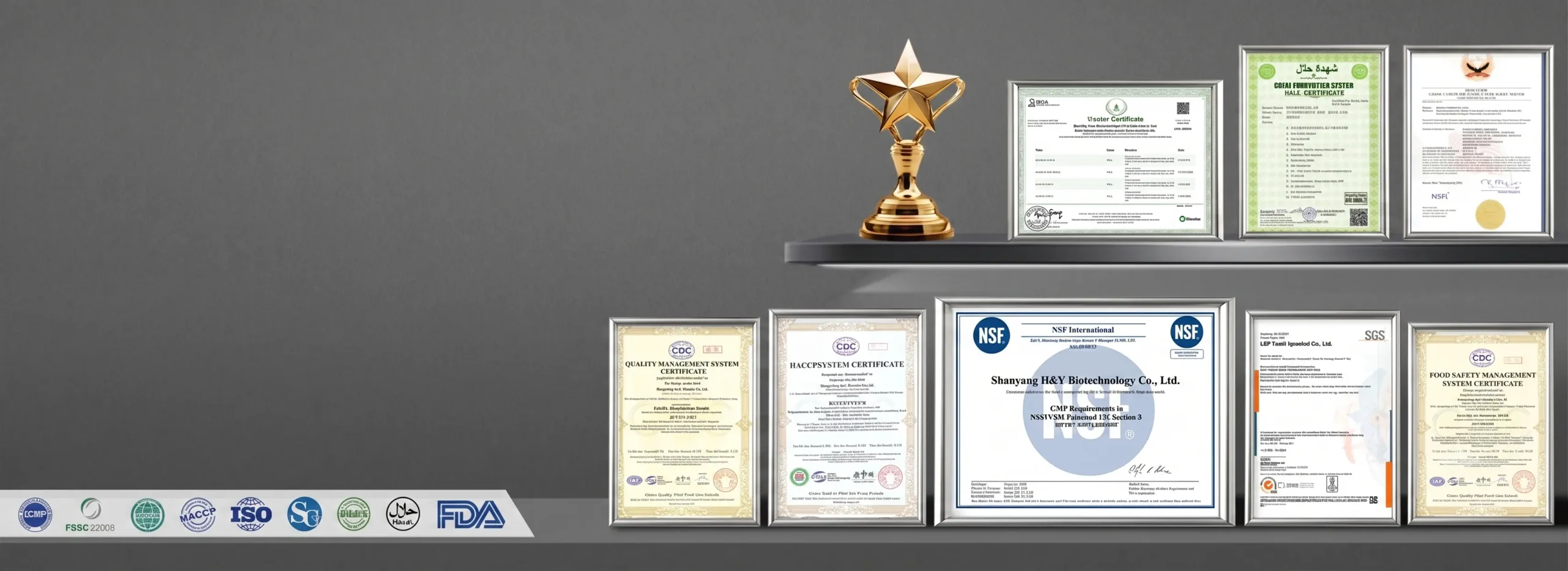
cGMP · ISO 9001 · ISO 22000 · HACCP · FSSC 22000 · Halal · Kosher · batch COA
About Us · Manufacturing Capacity · Certifications · Quality Control
MSM Supplement Manufacturing at a Glance
Item | What KS Nutripharma provides |
|---|---|
| Business model | OEM, ODM, private label, second-source — finished units |
| Product routes | MSM-first · powder / stick · glucosamine + MSM · G+C+MSM |
| Material grades | Documented standard MSM · licensed branded MSM when authorized |
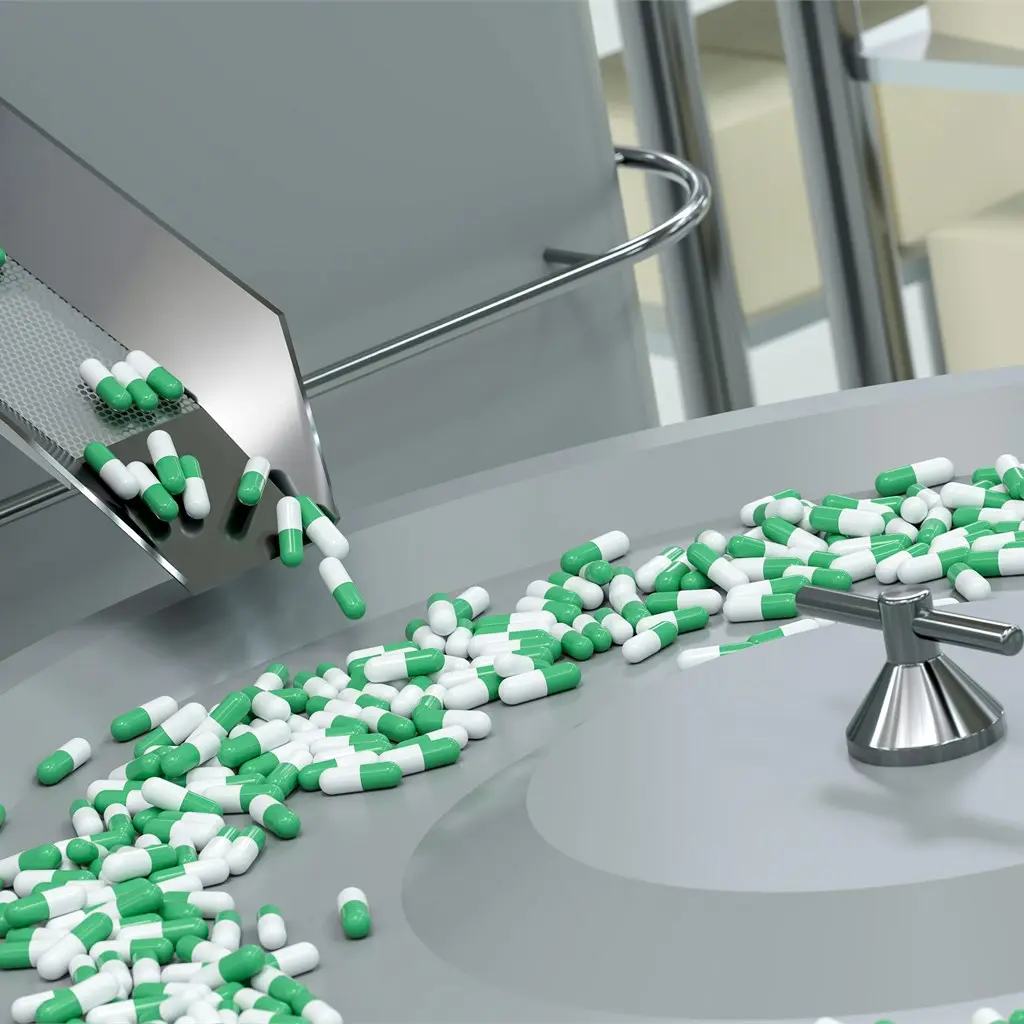
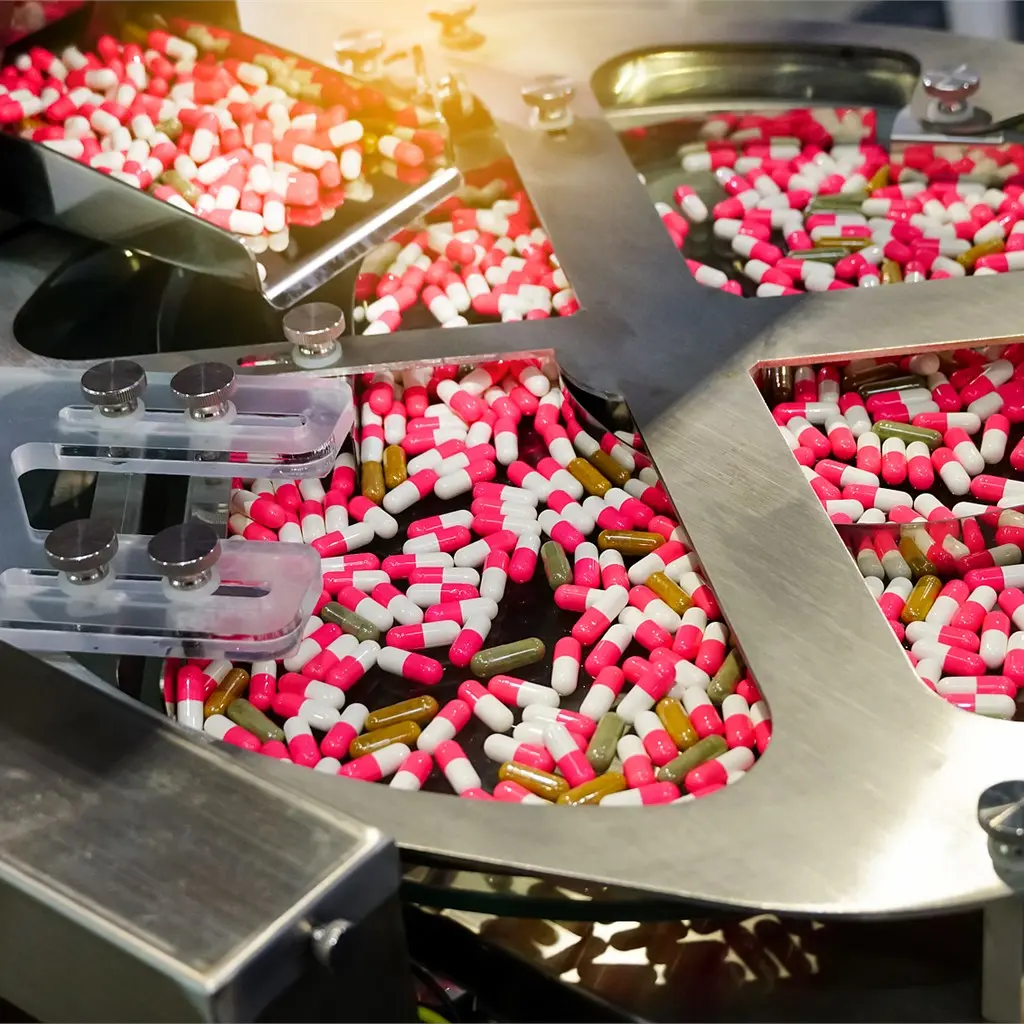
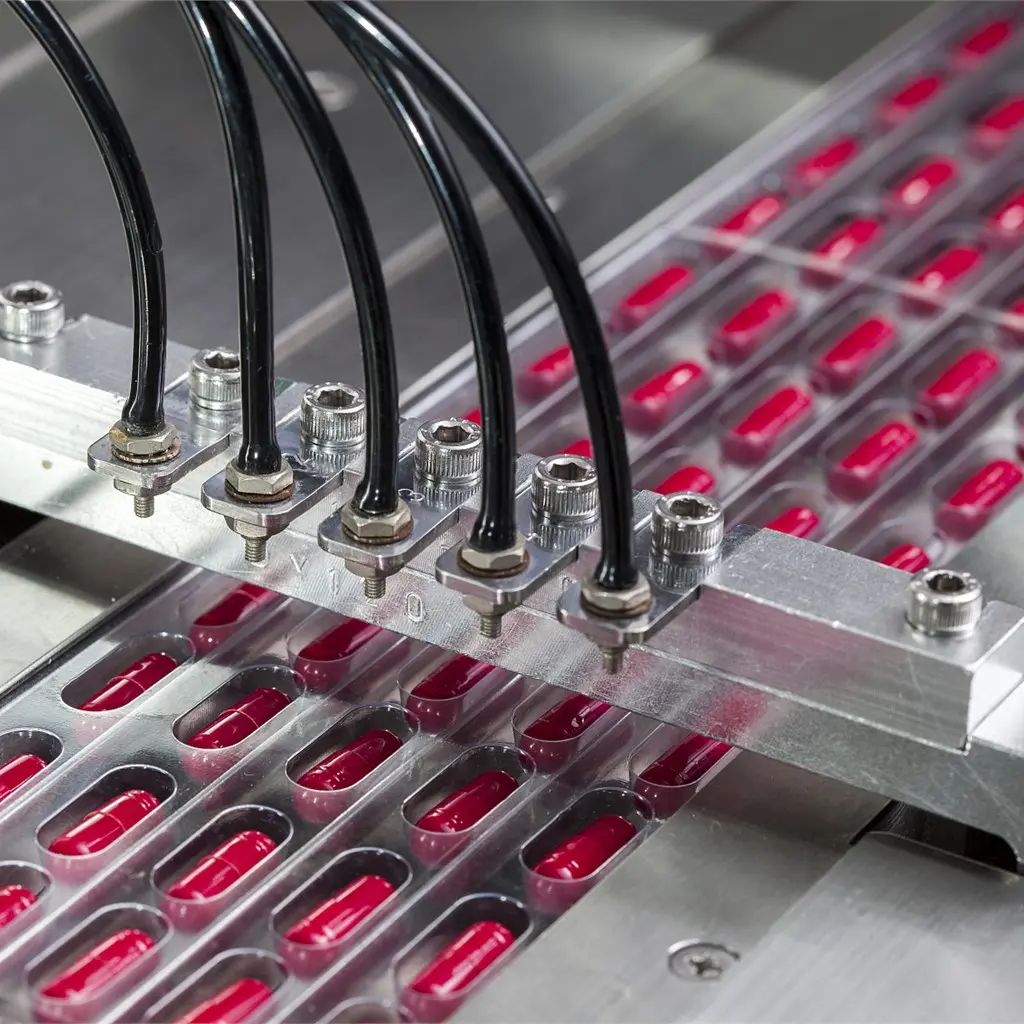
| Hard capsules | 5+ million capsules/day |
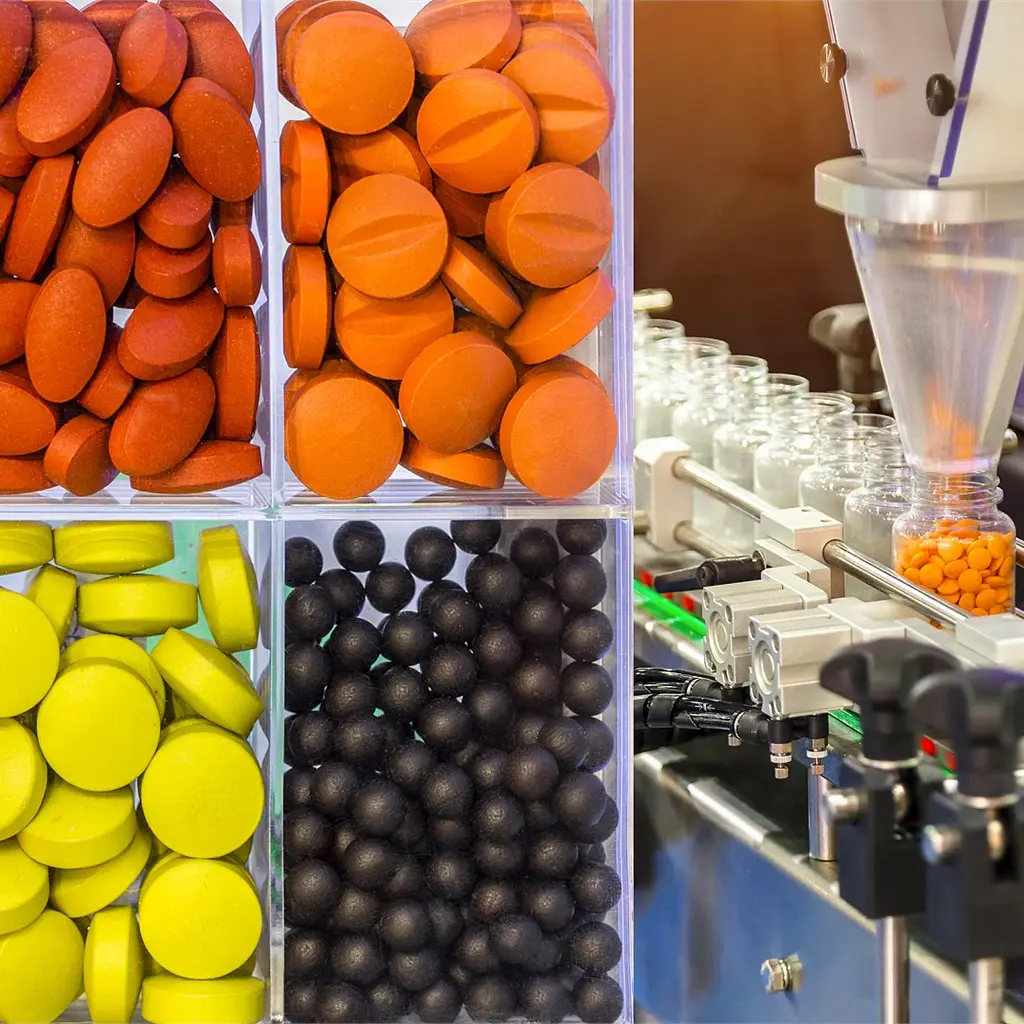
| Tablets | 12+ million tablets/day |
| Powder / sachet / stick | 5,000 tons/year |
| Softgels | 2+ million softgels/day — oil-phase joint complexes only; not an MSM-led default |
| Gummies | 2+ million gummies/day |
| Liquids | 3,000 tons/year |
| Incoming lot file | Supplier specification · lot COA · identity · named purity method · mesh · moisture · residual DMSO when required · SDS |
| Finished-unit file | Finished-product specification · batch COA for each declared active · in-process and release records · pack / batch records · allergen or vegan statements when the rest of the BOM requires them · Halal / Kosher when needed · stability when required |
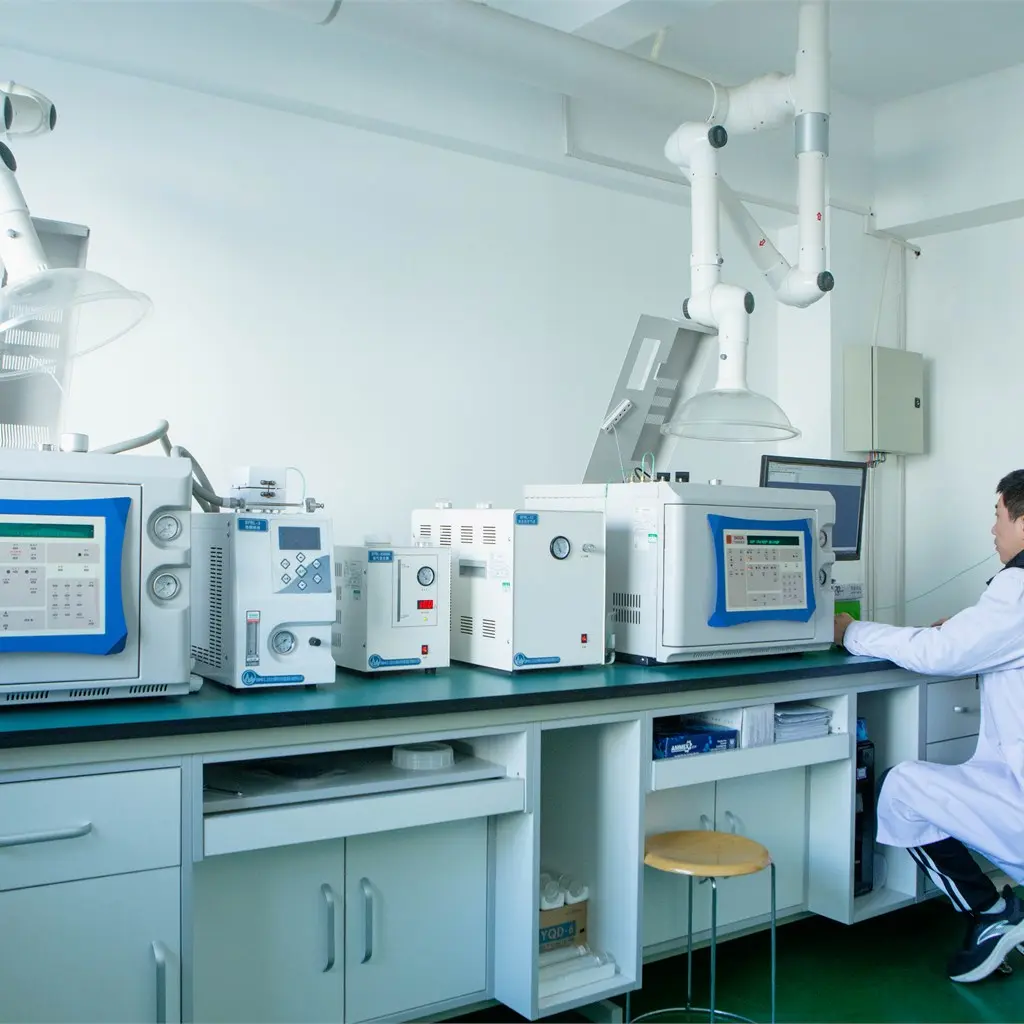
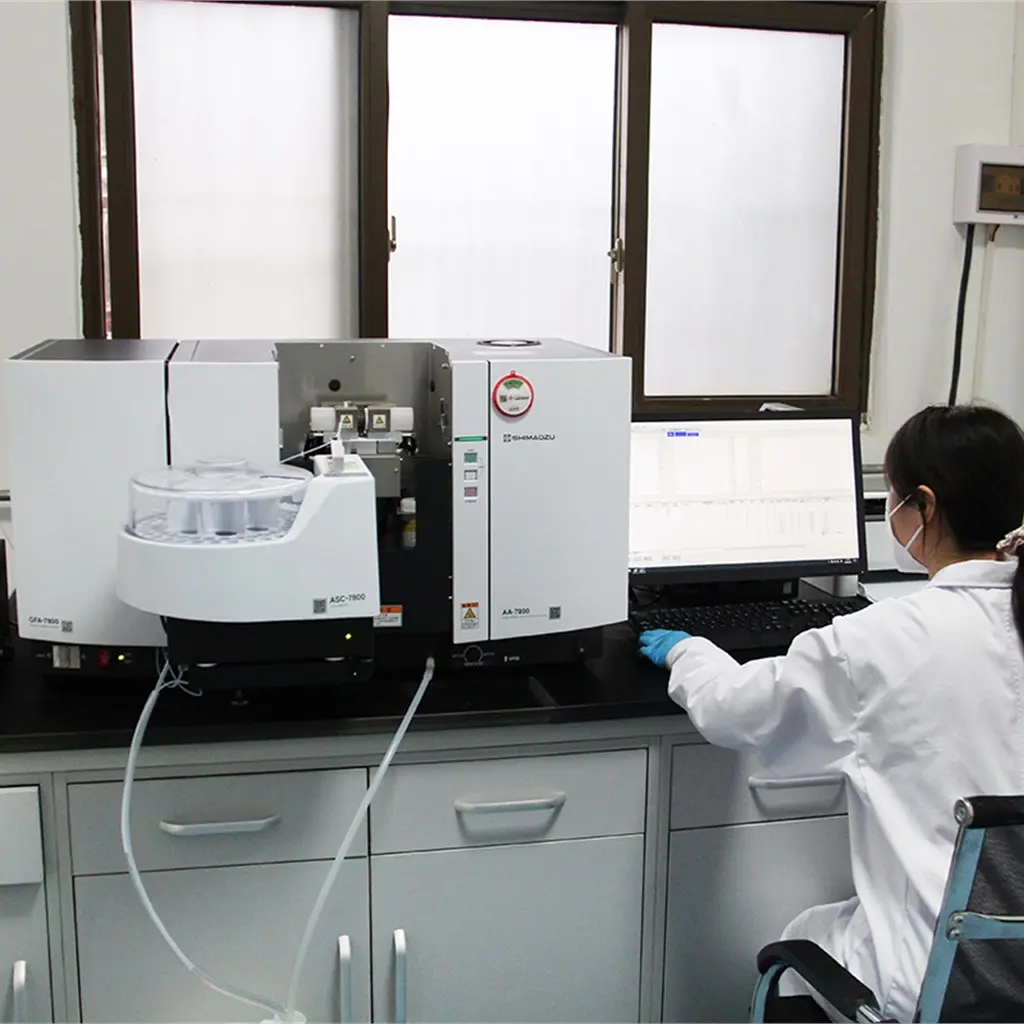
| Third-party testing | In-house lab is the default release path. SGS or Eurofins reports are arranged when the RFQ names a third-party lab |
Build the MSM Product Around the Right Manufacturing Route
R&D reviews fill weight before artwork. Typical commercial loads are development windows, not recommended intakes.
Typical projects on these routes: a new MSM SKU, a powder or stick launch, a G+C+MSM benchmark, an existing-formula transfer, a second-source, or a specification rebuild.
Related formulation options. Hair / skin / nails formulas using MSM alongside biotin or collagen are a secondary route rather than this page’s hero. Boswellia, curcuminoids, hyaluronic acid, and collagen can be reviewed as companion or split-unit options. See liposomal curcumin and collagen supplements.
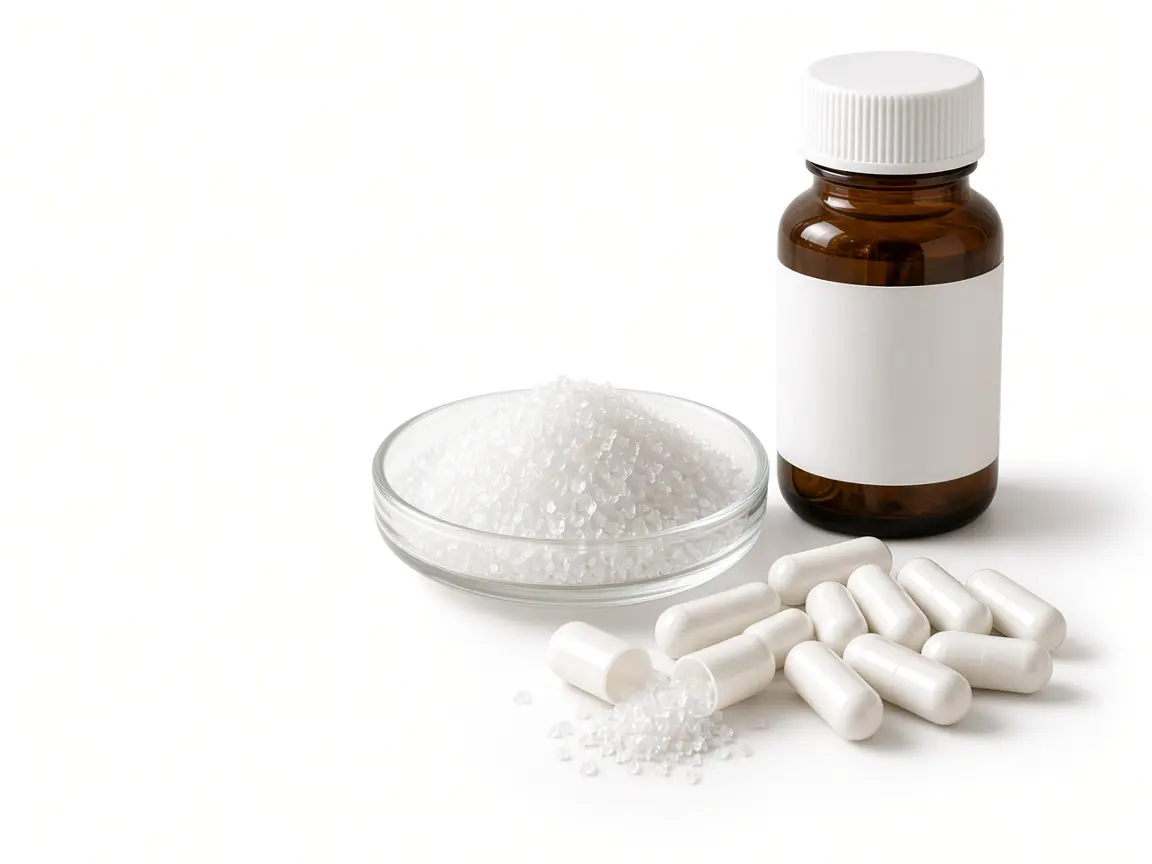
Use when: MSM is the only declared active.
Specify: Identity and target serving load.
Typical commercial load: Around 1,000 mg per serving; confirm against unit count and format.
Trade-off: Simpler assay count; a high-end load still needs tablet-weight or an open-format review.
Default format: Tablet; powder/stick when the brief wants an open serving.
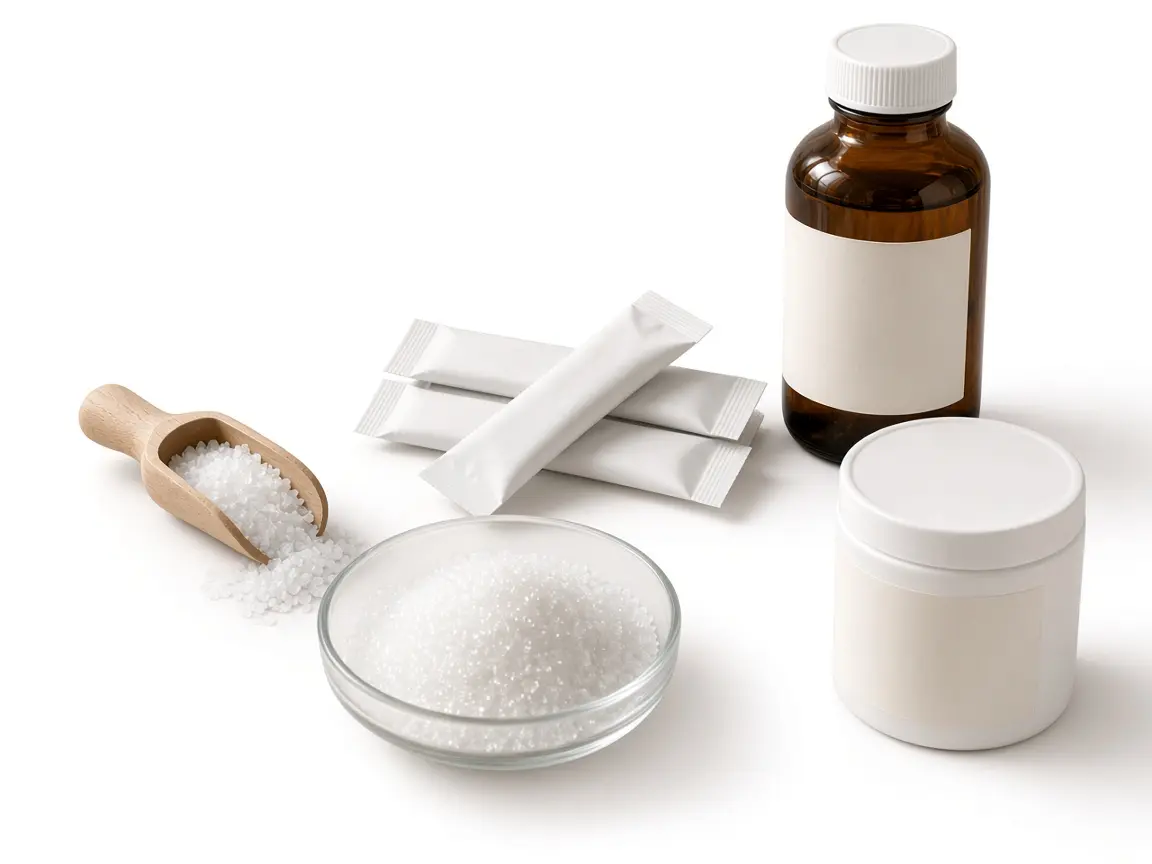
Use when: The serving is measured in grams, the brief wants a drink or tub, or a high tablet count is unacceptable. Sports and mobility powders use the same route.
We manufacture: Powder, sachet, or stick units released per stick, per scoop, or per serving. A common development band is about 2–3 g MSM in the open serve.
Trade-off: Room for a gram-level serve without a high swallow count. Taste, odor, dispersibility, and barrier film become part of the commercial file.
Default format: Powder / stick.
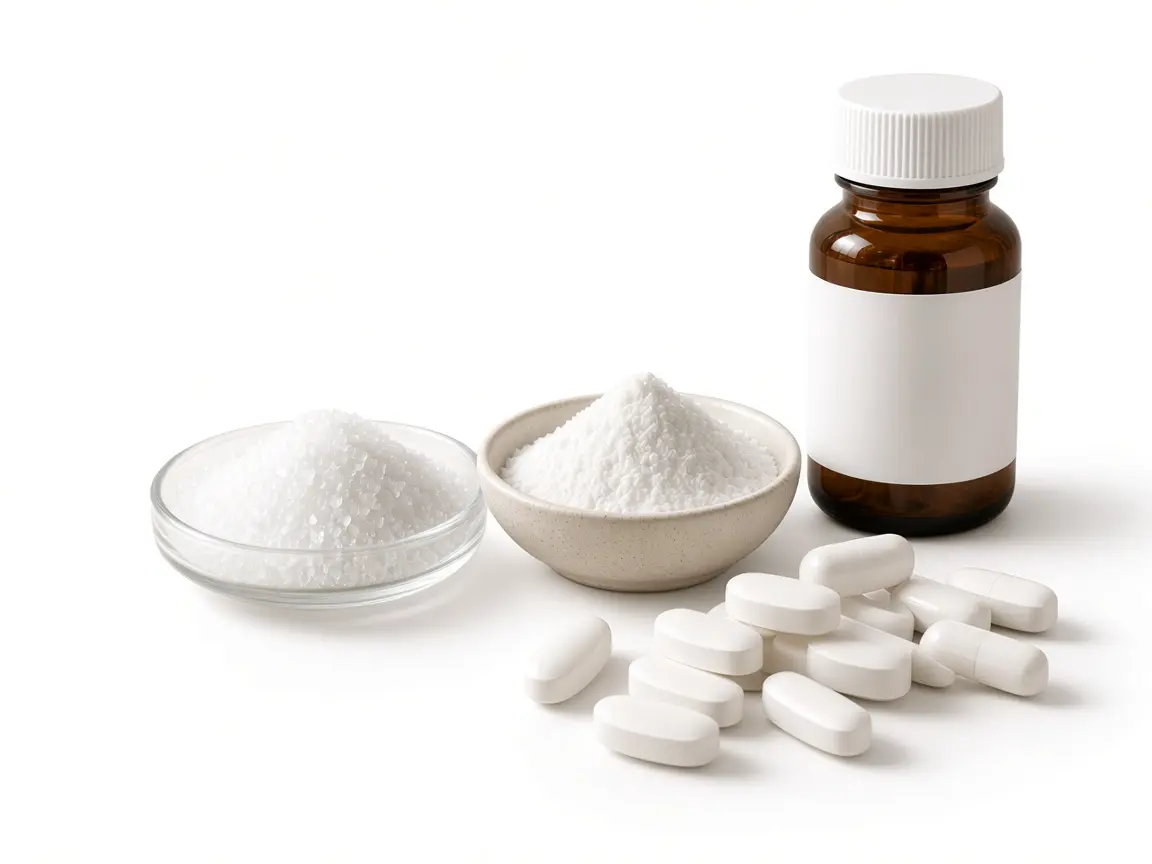
Use when: The formula is MSM plus a named glucosamine salt, with chondroitin off the BOM. See glucosamine supplement manufacturer for salt identity.
We manufacture: Named glucosamine beside an MSM serving; unit count set against total fill.
Trade-off: A two-active joint SKU without chondroitin fill. A second identity and a second finished test versus MSM-first.
Default format: Tablet or planned multi-count.
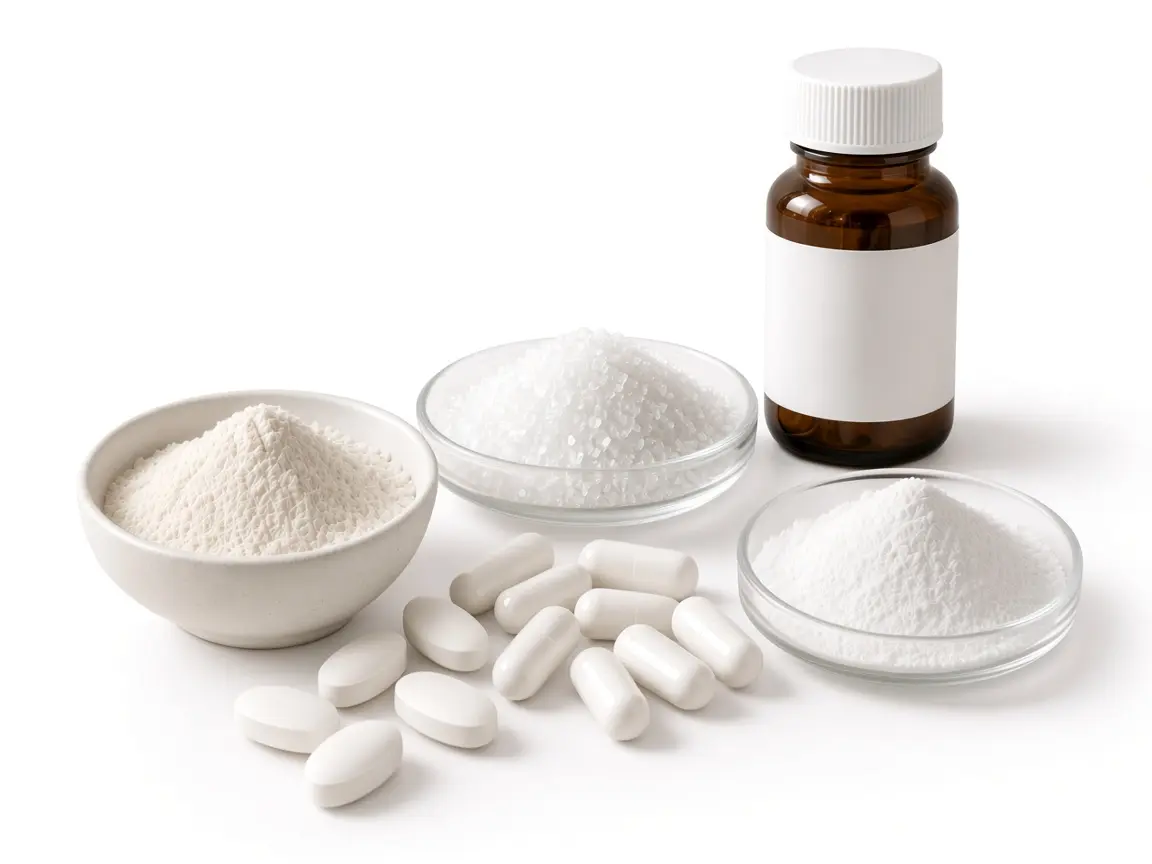
Use when: The SKU is a three-active joint formula. See chondroitin sulfate supplement manufacturer for the chondroitin row.
We manufacture: We commonly review two commercial load patterns on this route. High-MSM / compact-chondroitin: MSM around 1,500 mg beside chondroitin around ~200 mg. Classic: MSM 750–1,000 mg beside chondroitin around 800 mg. Named glucosamine sits on both.
Trade-off: One tablet stack for the three-name panel. Fill and compression decide the format — the two patterns are different formulas, not one quote.
Default format: Tablet.
Choose the MSM Format: Capsules, Tablets or Powder
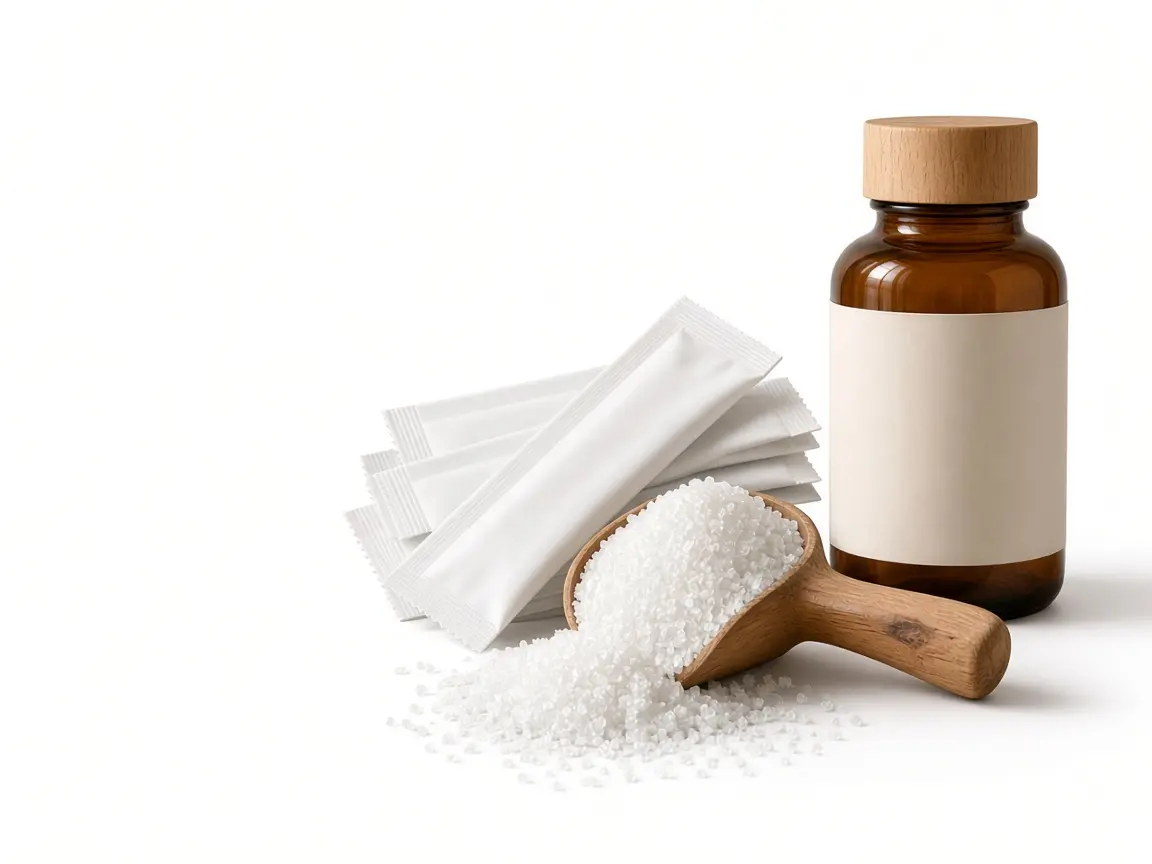
Best for: The gram-level / drink / stick route.
We check: Load versus scoop or stick weight, dispersibility, taste, odor, moisture, and barrier film.
Commercial implication: Serving size can move without adding swallows. Flavor and film cost replace capsule-shell cost.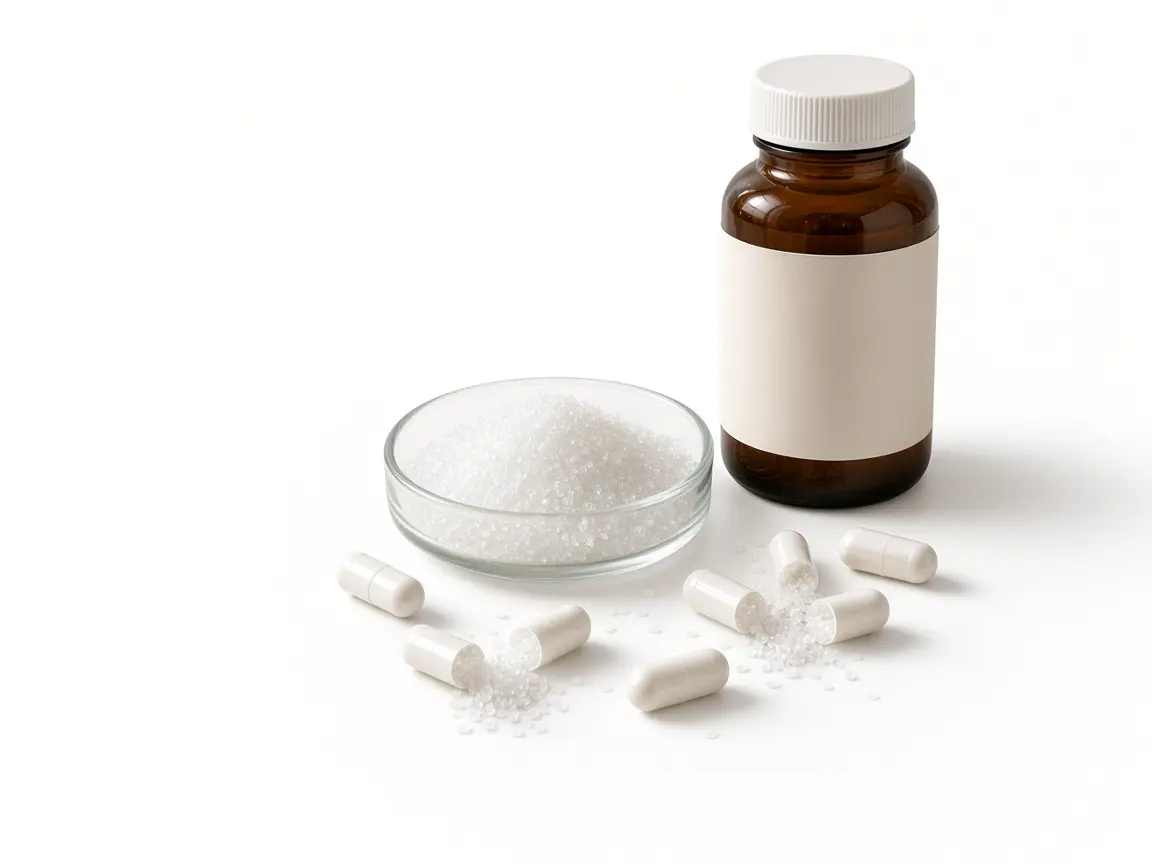
Best for: MSM-first and moderate stacks that still want a shell.
We check: Capsule size against tap density, fill weight, daily count, and blend uniformity. Size 0 typically holds about 350–450 mg; size 00 about 500–650 mg. HPMC or gelatin is matched to the finished claim.
Commercial implication: Daily count follows tap density, not a pre-chosen shell.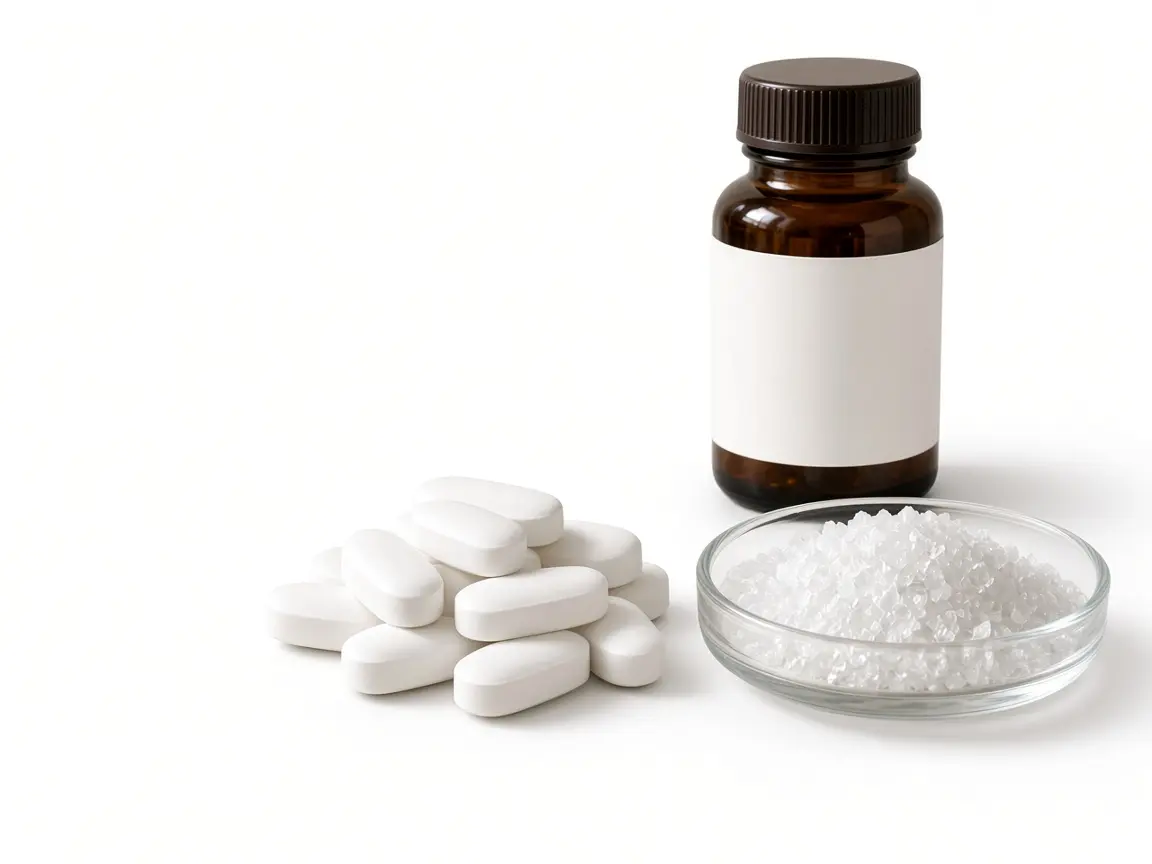
Best for: G+C+MSM and other high-load stacks where fewer units per bottle matter.
We check: Tablet weight, compression path, hardness, friability, disintegration, coating, and punch size. At roughly 1.8–2.0 g tablet weight and above, a two-tablet serving may become more practical than forcing the full load into one tablet, depending on tooling and process feasibility.
Commercial implication: Usually the first format we review for a three-active joint tablet.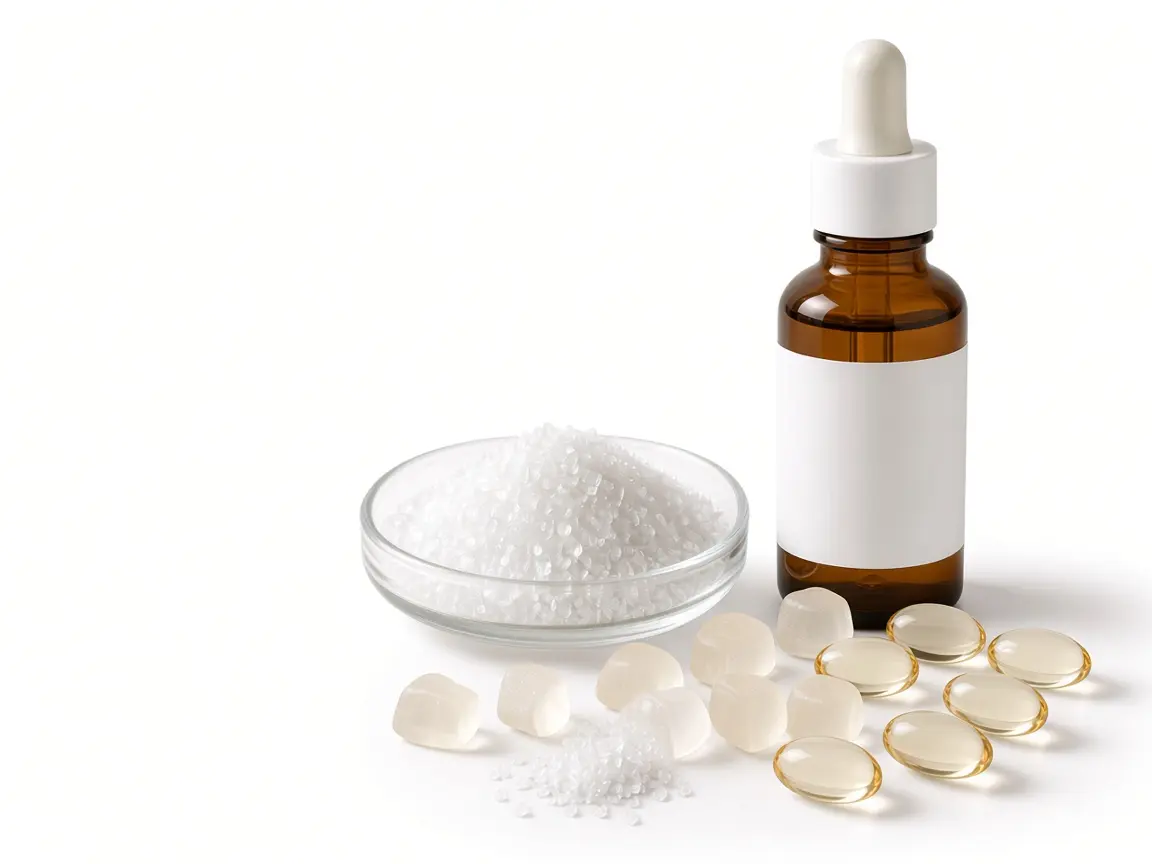 Other Formats
Gummies, liquids, and MSM-led softgels are project-specific routes. High MSM load, sulfur odor, dispersion, and oil-phase requirements make them less straightforward than tablets or powders. Dry MSM is not an oil-phase active, so MSM-led softgels are not a default route. It may be included only when the overall fill is already designed as a lipid system.
→ Gummies · Liquids
Available grades for finished-unit OEM:
Grade we quote | What the grade is for | Usual first format |
|---|---|---|
| Standard documented MSM | Named methylsulfonylmethane — not a generic “sulfur” or “organic sulfur” blend | Capsule, tablet, or powder |
| Compression / flake-type material | Intended use: press or hopper fill | Tablet or capsule |
| Drink-mix / finer cut | Dispersion in an open serve | Powder / stick |
| Licensed branded MSM | Named grade only, with authorization on the brief | After the license file is on hand |
MSM itself is typically not animal-derived. It does not make a formula vegan if an animal chondroitin or gelatin sits on the same BOM.
Plant-led, biotin-led hair / skin / nails, or bone-plus-joint programs without an MSM hero are manufactured on the joint health supplements path.
Two drums can both print “99.9% MSM” and still be different materials.
Headline percentage is not enough. Method, calculation basis, moisture, residual DMSO, and mesh have to sit on the same line before two lots are comparable. Some branded COAs split a chromatographic or volatile-purity number from a finished-content result — a buyer who matches “99.9%” to the wrong row will not get an equivalent material. That split is a documented example, not a rule that every MSM lot uses two purity lines.
We qualify the incoming material against its approved raw-material specification, then release the finished unit against the approved finished-product specification and test method. A drum percentage is not used to release a different finished definition.
Formula feasibility. R&D reviews active load, companion density, powder flow, capsule fill, tablet compression, and powder or sachet behavior.
Dosage-form feasibility. Capsule size, tablet size, serving count, and powder serving weight.
Manufacturing feasibility. Mixing, filling, compression, coating, flavor, packaging, and stability where required.
A worked load: 800 mg chondroitin + 1,500 mg glucosamine HCl + 750–1,000 mg MSM = 3,050–3,300 mg actives before excipients. That load is more suited to a tablet stack or planned multi-count than a single compact unit. The high-MSM / compact-chondroitin pattern is a different fill file. Overage follows stability and process data for that grade — not a fixed percentage.
A formula can press and still miss the price the buyer needs. Finished-unit cost is grade × daily serving × format × unit count × volume — not a purity number or a kilogram drum quote.
Raw material. Standard documented MSM versus a licensed branded grade, and material MOQ, move the kilogram cost.
Serving size. Daily grams change the raw-material take of the same SKU.
Dosage form. Capsules add shell and filling costs; tablets add compression, tooling, coating, and unit-count considerations; powders shift more cost into flavor, film, scoop, tub, or sachet packaging.
Unit count and tablet weight. More swallows change bottle size and line time.
Production quantity. Planning MOQ and annual volume change the unit cost of the same formula. A kilogram drum quote is a raw-material quote; finished-unit MOQ is separate.
If the target cost is outside the first quote, we can compare grade, format, serving size, or unit count before changing the product brief. Licensed branded grades appear only when named on the brief with authorization.
The goal is not to recreate the product by label alone. It is to preserve the commercial specification while re-qualifying the material and process at the new site.
Existing product, second manufacturer
We review the current formula, raw-material requirements, dosage form, process, and finished-product requirements, then map what can transfer and what has to be re-qualified.
Existing MSM material, new manufacturing site
Customer-supplied drums follow the same incoming checks as KS-sourced lots.
Failed first formula or specification rebuild
We start from the live label and the production complaint — dusting, caking, odor, tablet weight, a missed assay line, or cost — and rematch material, dose, process, or format. That is not a from-scratch “develop MSM” brief.
Brief → source / formula review → sample → specification lock → commercial production → QC release. Line figures sit on the manufacturing capacity page.
Format | Typical planning MOQ | Typical timing |
|---|---|---|
| Tablets | Typically 5,000–10,000 finished units/SKU | Sample 7–15 days after specification lock; mass production often 4–6 weeks after lock |
| Capsules | Typically 3,000–5,000 units | After specification lock |
| Powder / sachet | Typically 1,000–3,000 units | After specification lock |
| Stick | Typically around 10,000 units | After specification lock |
| Gummies and liquids | After cook or dispersion pilot | After the approved format pilot |
Final timing follows specification lock, packaging, testing plan, and production scheduling. High-MSM tablets often use an odor-management coating or induction seal where applicable. Powder and stick SKUs need barrier film.
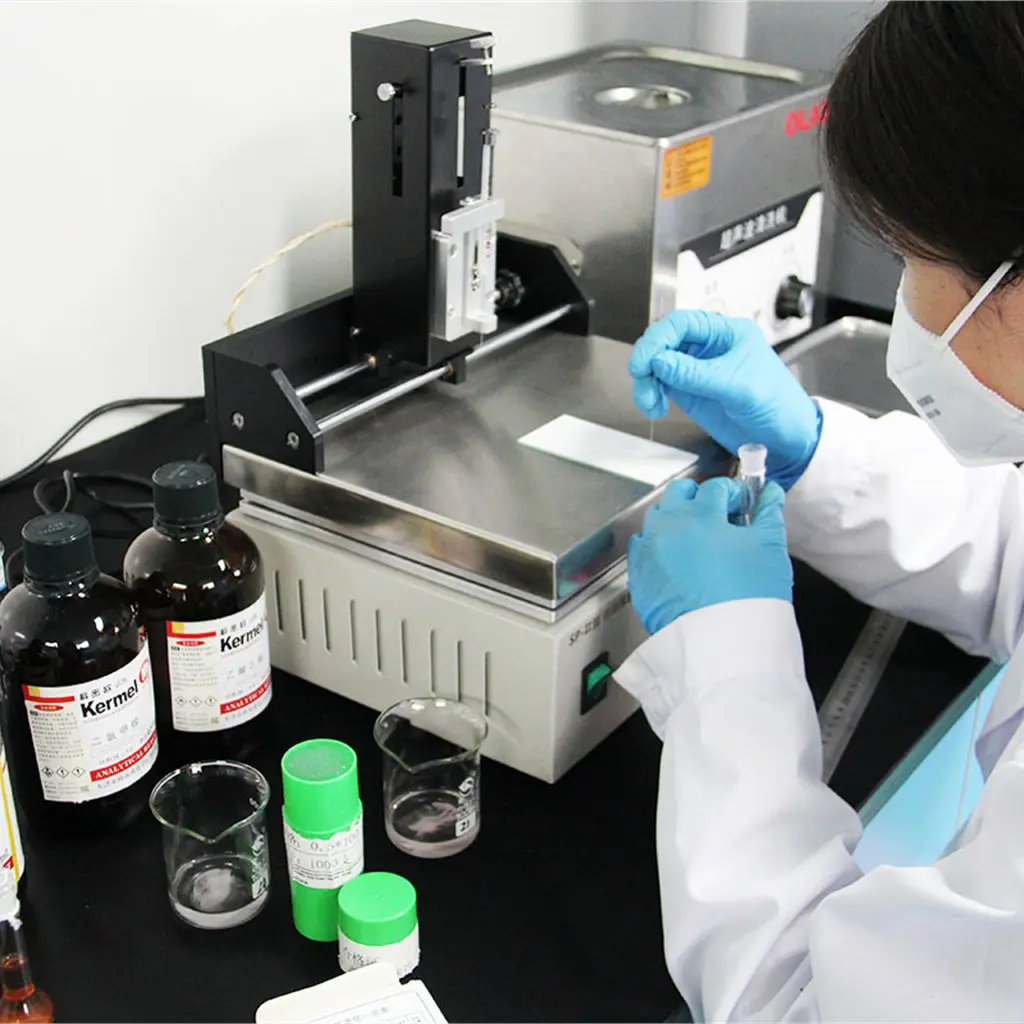
Incoming. Identity; purity with method; mesh or particle size as specified; moisture; heavy metals; microbiology; residual DMSO when required. Customer-supplied material follows the same incoming checks.
In-process. Humidity; tablet or fill weight; hardness; odor-management coating where applicable; blend uniformity on multi-ingredient formulas.
Finished unit. Each declared active against the approved finished-product requirements; uniformity; microbiology; physical checks; packaging integrity; stability documentation when required.
Third-party. In-house release is the default. A named SGS or Eurofins report is added when the RFQ requires it.
See How to Read a COA.
The chemical identity of MSM does not change by country. The file does. Destination items are added to the finished-unit file, not copied onto the drum COA.
United States. Typical delivery is a finished dietary-supplement specification, batch COA, and cGMP production records for that SKU.
EU / UK. Destination-specific label, claim, certification, and supporting-document requirements are reviewed against the finished SKU and market.
Middle East and some Asian channels. Halal statements travel with the lot. MSM itself is typically not animal-derived; the rest of the BOM still has to match the claim.
Canada, Australia, retailer panels, extra import certificates, or a named country’s full document list are reviewed against the specific brief. If a required file is not locked here, the assigned project manager will confirm what can be issued for that market.
Q: Can you manufacture MSM-only supplements?
A: Yes. Single-active capsules and tablets are a standard route. Confirm serving basis when the brief uses a milligram figure.
Q: Can you work from an existing formula or competitor sample?
A: Yes. We review the live formula or reference product and quote on what can be transferred or rematched.
Q: Can you use customer-specified or branded MSM?
A: Yes. Customer-supplied drums follow the same incoming checks as KS-sourced lots. A licensed branded grade is quoted only when named on the brief with authorization.
Q: Can you develop a glucosamine + chondroitin + MSM formula?
A: Yes. High-MSM / compact-chondroitin and classic mid-MSM / high-chondroitin are different fill files. Format follows fill — typically a tablet or a planned multi-count.
Q: What documents do you deliver for the raw material versus the finished unit?
A: Incoming lots and finished units do not share one folder. The incoming file covers supplier specification, lot COA, SDS, and the identity / method / mesh fields. The finished-unit file covers the finished specification, batch COA, and release records. A third-party report is added when the RFQ names SGS or Eurofins. Destination items are confirmed by the project manager against the target market.
Send Us Your Product Brief for a Feasibility-Based Quote
Send the brief you have — a serving target, a reference bottle, a COA, or even just the intended format. Missing fields do not block a first feasibility review.
Useful when available: formula or reference product, serving target and basis, preferred MSM grade, format, target market, packaging, expected volume, and any COA, artwork, sample, or benchmark you already have.
Not all fields are mandatory. A note such as “we want an MSM powder stick for the US market” or “G+C+MSM tablet, second source” is enough to open a review.
Request an MSM Manufacturing Feasibility Review
We typically reply within one business day. A complete technical file is not required to start. A project manager is assigned. NDA is available for custom formulas. See Confidentiality & IP Protection.
Related Supplement Solutions
- Glucosamine Supplement Manufacturer
- Chondroitin Sulfate Supplement Manufacturer
- Boswellia Serrata Supplement Manufacturer
- Anti-Inflammatory Supplement Manufacturer
- Collagen Supplement Manufacturer
- Liposomal Curcumin Supplement Manufacturer
Disclaimer: Wholesale / brand manufacturing and product-development reference only. Dietary supplements are not intended to diagnose, treat, cure, or prevent any disease. This page is not an arthritis-treatment or cartilage-repair offer. Methylsulfonylmethane (MSM) is a distinct identity from a generic “sulfur” blend weight. Purity percentages are not comparable without the method and the mesh or particle-size specification. Milligram lines are not comparable without serving basis. Licensed branded MSM grades appear only when named on the brief with authorization. Residual DMSO is a specification field when required, not a therapy claim. Structure/function language and ingredient classification vary by country. Brand owners remain responsible for finished-label compliance with local counsel. KS Nutripharma provides manufacturing support — not legal approval. Milligram figures are development examples, not recommended intakes and not catalog guarantees.