
Glucosamine Supplement Manufacturing at a Glance
KS Nutripharma is a glucosamine supplement manufacturer for OEM, ODM, and private-label programs. We develop and manufacture finished glucosamine supplements for joint health assortments—tablets, multi-count capsules, and scoped powder or liquid units—once salt, active basis, and dosage form are confirmed.
Discuss Your Glucosamine SKU · Send Your Formula Brief · Compare Two COAs
cGMP · ISO 9001 · ISO 22000 · HACCP · FSSC 22000 · Halal · Kosher · in-house lab + SGS/Eurofins pathways · batch COA
About Us · Manufacturing Capacity · Certifications · Quality Control
Tablet capacity: 12+ million tablets/day
Manufacturing at a Glance
| Item | Typical information |
|---|---|
| Business model | OEM, ODM, private label — finished units |
| Hero active | Named glucosamine salt |
| Confirm first | Salt · assay basis · format · serving count |
| Companions | Chondroitin and MSM when specified |
| Formats | Tablet, multi-count capsule, powder, gummy, or liquid after feasibility |
| Documents | Specification, COA, allergen/source documentation |
| MOQ / lead time | Tablets often about 5,000–10,000 finished units/SKU; capsules about 3,000–5,000; sample 7–15 days after specification lock; mass production often 4–6 weeks after formula, artwork, testing plan, and schedule |
Glucosamine Supplement Formula Options
R&D reviews fill weight before artwork.
Related formulation options. Curcuminoids, collagen, and other joint-health actives can be developed as companion or separate SKUs. See liposomal curcumin and collagen supplements.
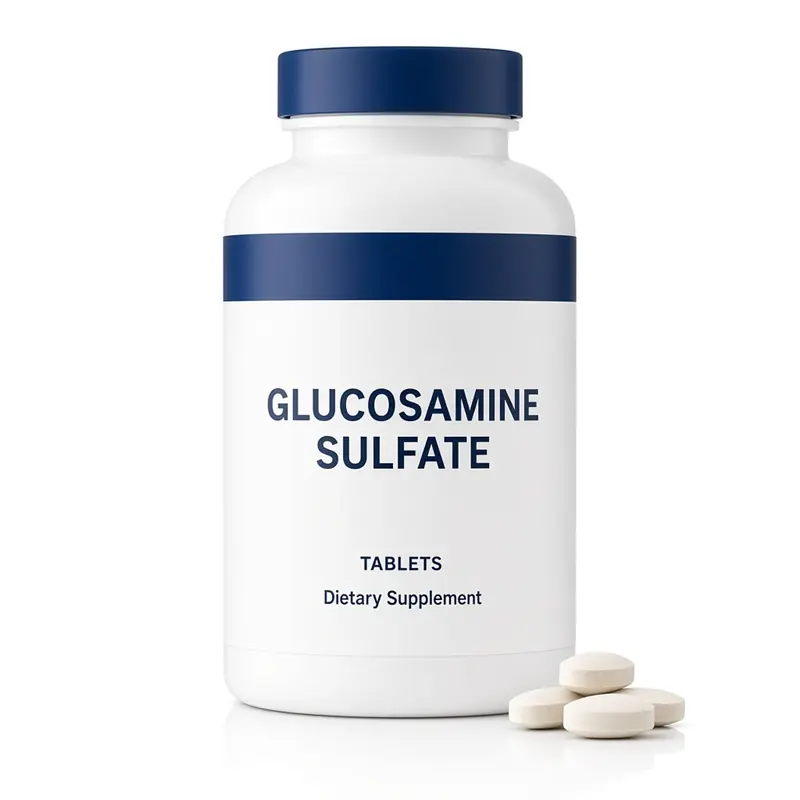
Use when: The finished label will declare glucosamine sulfate (or sulphate).
Specify: Sulfate salt and target serving load.
Trade-off: The same labeled milligram does not mean the same raw-material specification or cost.
Default format: Tablet.
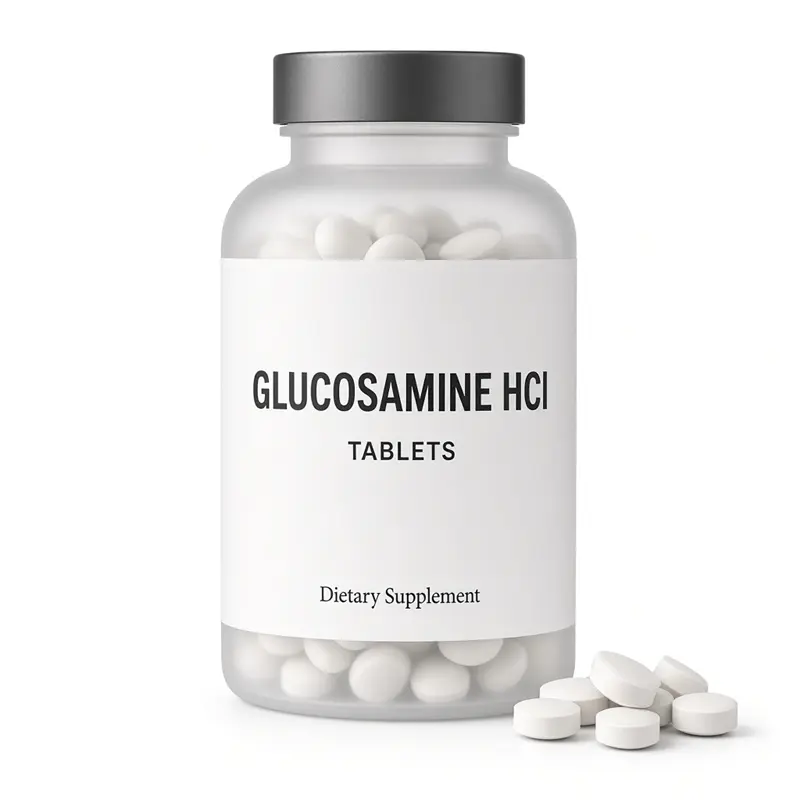
Use when: The brief specifies glucosamine HCl or avoids potassium/sodium from a sulfate complex.
Specify: HCl grade and target serving load.
Trade-off: HCl requires tighter moisture control during compression.
Default format: Tablet; split capsule count when fill allows.
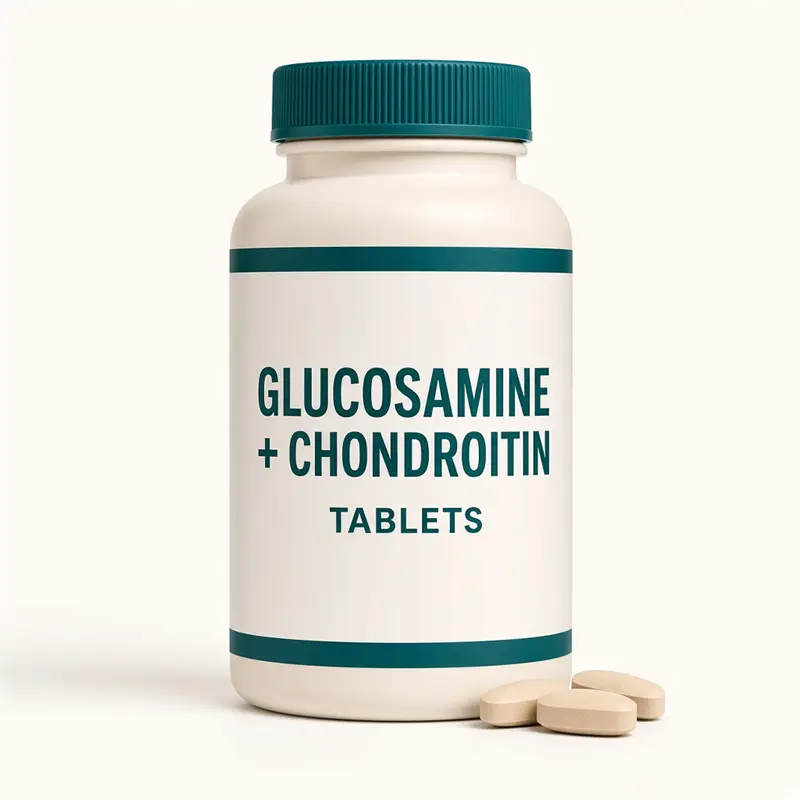
Use when: The commercial SKU includes both glucosamine and chondroitin.
Specify: Chondroitin source, assay and method.
Trade-off: Species and method on chondroitin are extra variables a glucosamine-only SKU does not carry.
Default format: Tablet or planned multi-count.
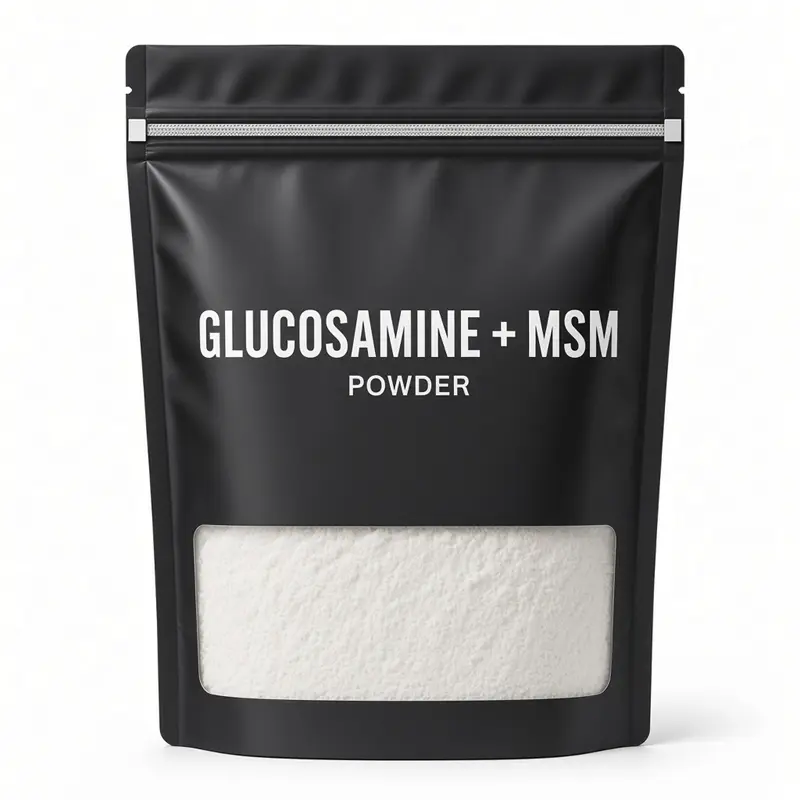
Use when: MSM is declared and chondroitin is off the formula.
Specify: MSM milligrams; format against odor and fill.
Trade-off: MSM adds odor and fill-load considerations.
Default format: Tablet or capsule by fill; powder when MSM load and odor require an open format.
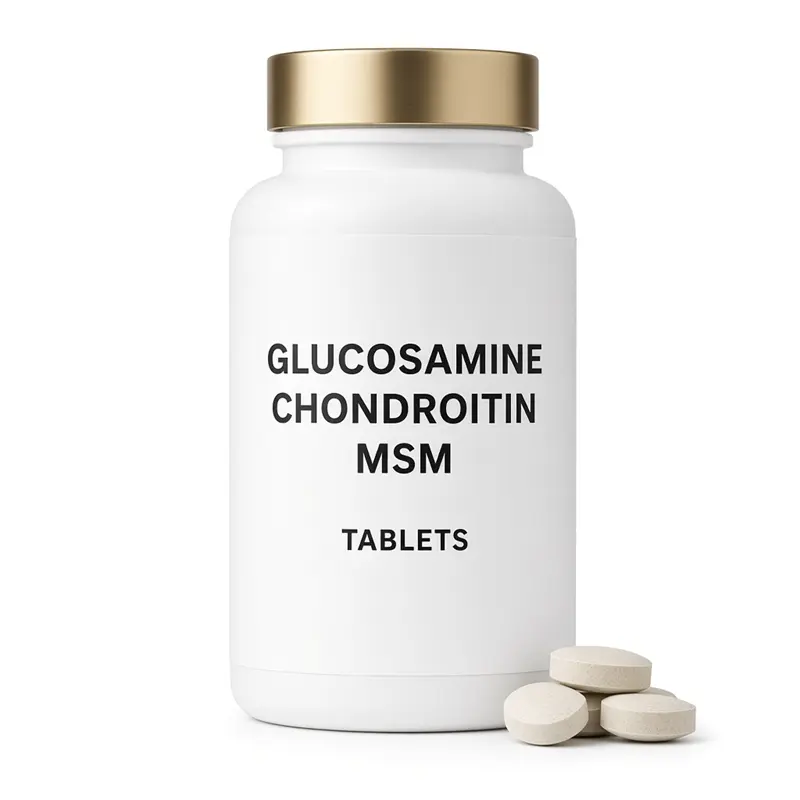
Use when: The assortment needs the three-ingredient joint matrix.
Specify: Identity, target load, and method for all three actives.
Trade-off: Fill, odor, and three assays versus the two-ingredient SKU.
Default format: Tablet.
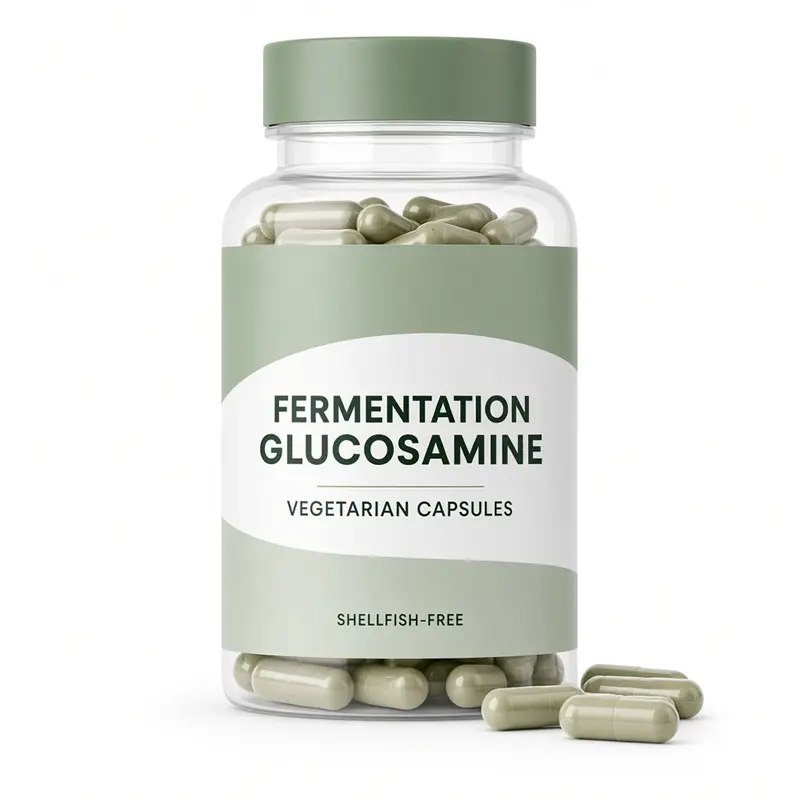
Use when: The brief requires fermentation-derived, non-shellfish glucosamine or a vegetarian/vegan dosage form.
Specify: Fermentation-derived salt and, where applicable, capsule-shell material.
Trade-off: A gelatin capsule still blocks a vegan claim.
Default format: Capsule or tablet after the fill check.
Choose the Glucosamine Format: Tablets, Capsules, Powder, Gummies or Liquid
Tablet for high load. Capsule when the serving is planned as multiple units. Powder when sensory or an open format is required. Gummy for lower-load formulas after cook feasibility. Liquid only after aqueous feasibility.
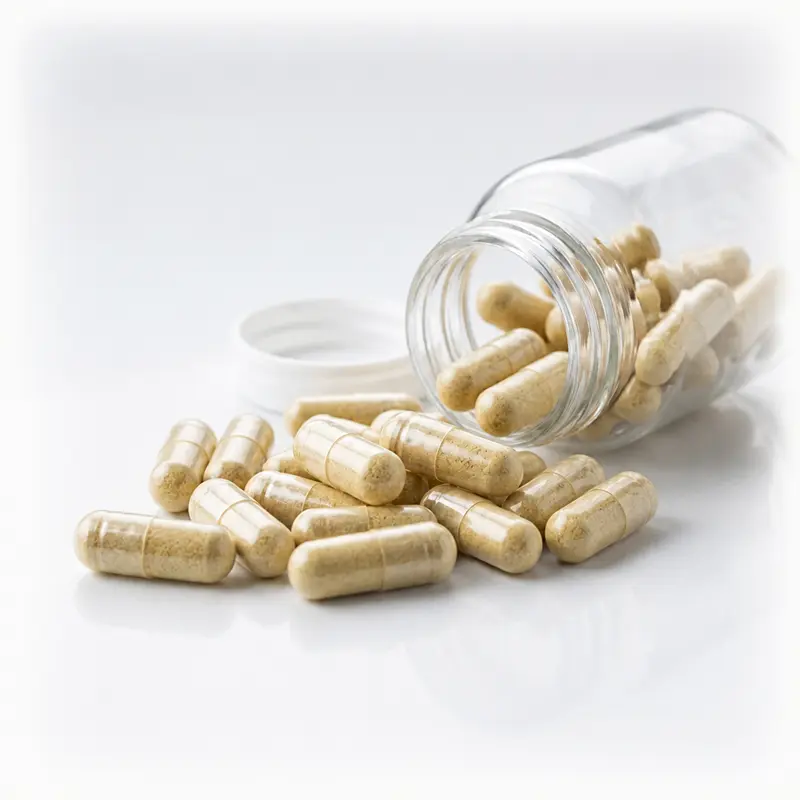
Best for: Mid-load fermentation salts; buyers who prefer capsules over a large tablet.
Why: Size 0 typically holds about 350–450 mg; size 00 about 500–650 mg, confirmed against tap density.
Typical formulas: Shellfish-free path; HCl split across two or three capsules.
What to lock: HPMC vs gelatin; unit count; lubricant and segregation (dense glucosamine salts vs light MSM).
Manufacturing note: Hopper segregation can fail one declared assay while total fill looks correct.
→ Hard capsules
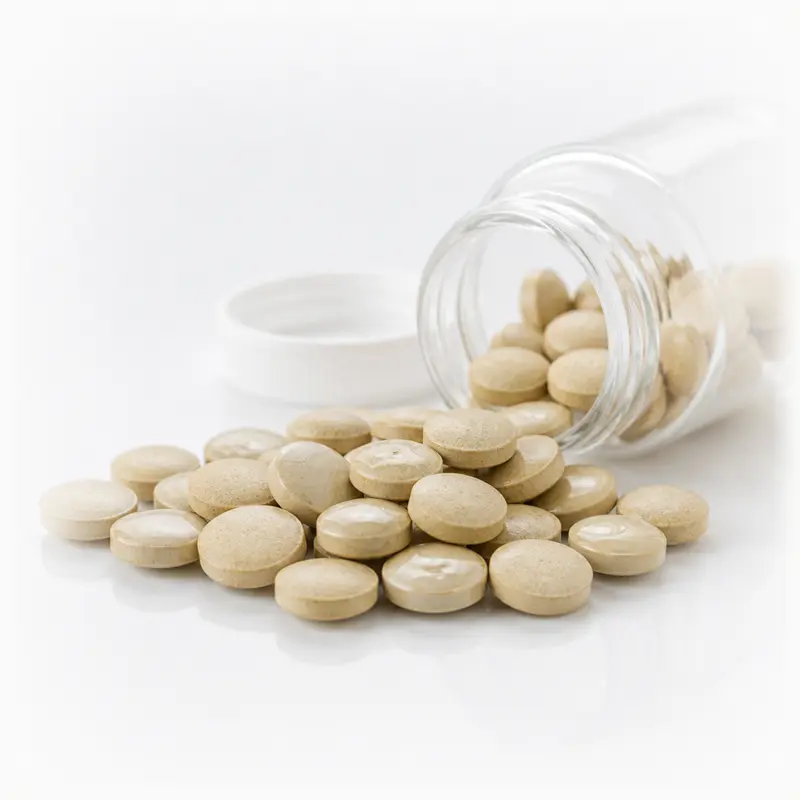
Best for: Sulfate- or HCl-led high load; glucosamine + chondroitin; the three-ingredient matrix.
Why: A press carries more solids than one size 00 capsule.
Typical formulas: Sulfate tablet; HCl tablet; glucosamine + chondroitin; glucosamine + chondroitin + MSM.
What to lock: Punch, tablet weight and thickness, hardness, friability, disintegration, film coat (moisture and MSM odor). Wet granulation, dry granulation, or direct compression follows flow and moisture of that salt. High-load glucosamine + chondroitin may require a densified intermediate; free-flowing HCl grades still need humidity control.
Manufacturing note: Tablet weight above about 1.8–2.0 g often means two swallows. High MSM: hardness and odor together.
→ Tablets
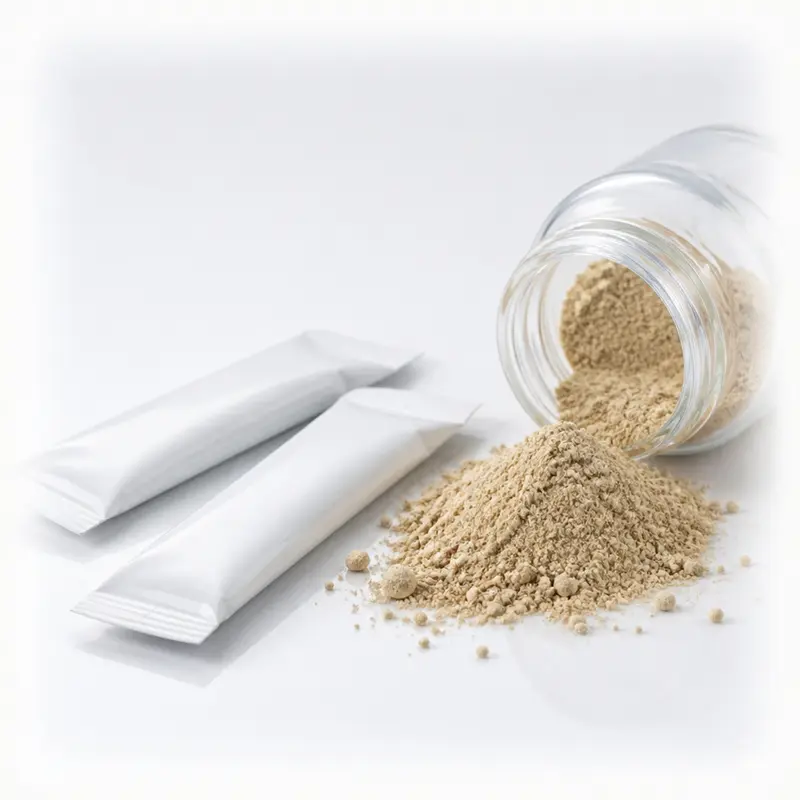
Best for: High-MSM drink formats.
Why: Salt and sulfur notes are a sensory specification; sticks are released per stick.
Typical formulas: Glucosamine + MSM drink mixes where sensory acceptance is established.
What to lock: Flavor, caking, barrier film, assay per stick.
Manufacturing note: Drum assay is confirmed again on the finished stick.
→ Powders and granules
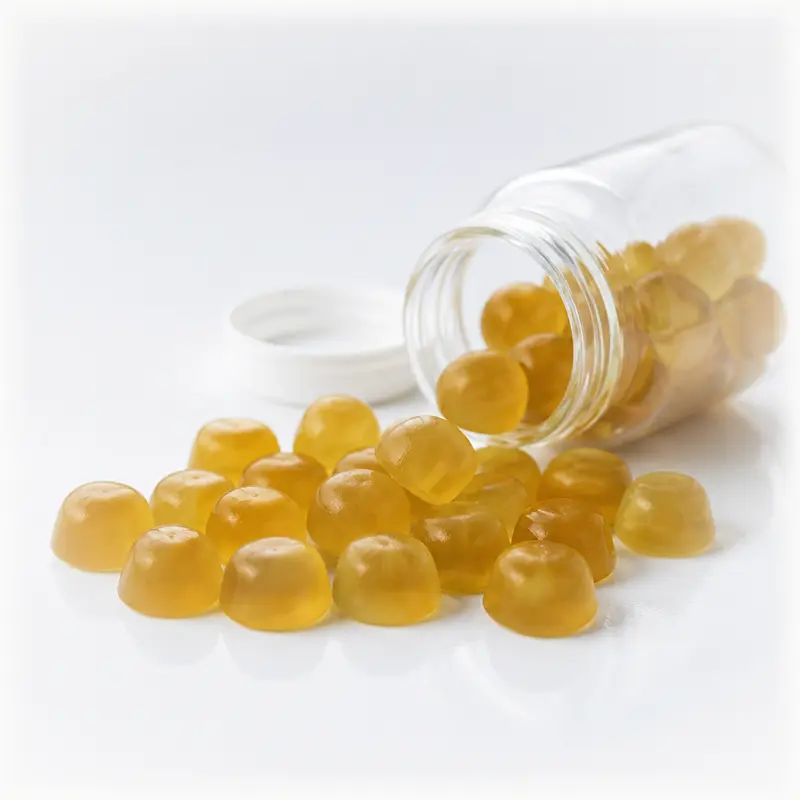
Best for: Low-load companions after a cook-and-assay pilot.
Why: Cook, residence time, and water activity cap the milligrams that can be declared; 1,500 mg glucosamine can create a significant piece-count and sensory burden during cooking.
Typical formulas: Keep the classic high-load matrix on a tablet.
What to lock: Pectin vs gelatin; sugar or sugar-free; piece weight; finished-piece assay.
→ Gummies
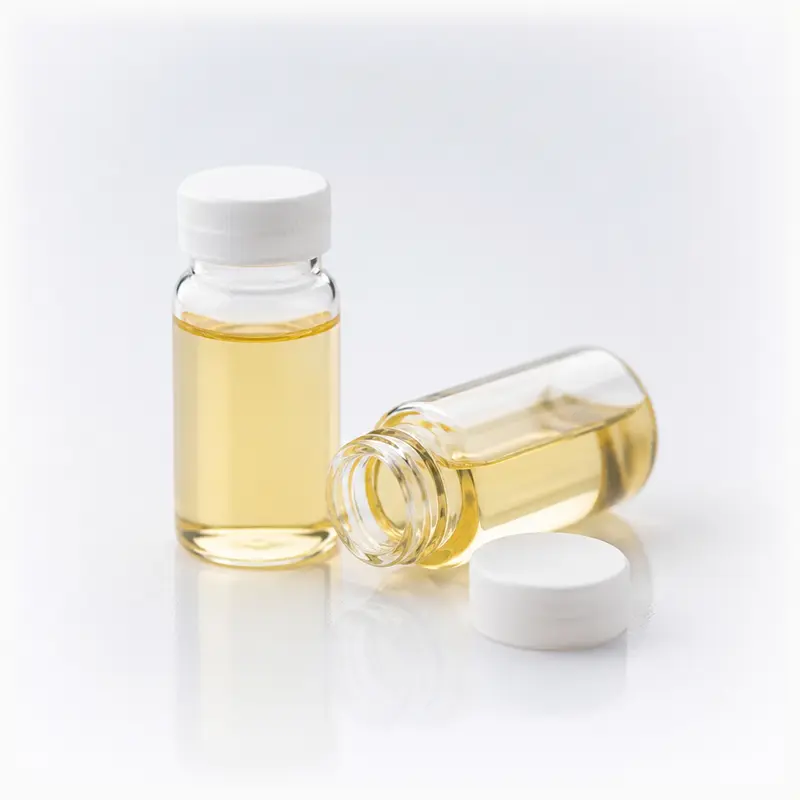
Best for: Projects that can establish mg/mL, taste, preservation, stability, and finished-product testing.
Why: Water solubility alone does not make a glucosamine formula suitable for a liquid SKU.
Typical formulas: Low-concentration single-salt projects after that pilot.
What to lock: mg/mL; preservative system; viscosity; finished method.
→ Liquids
The RFQ must name the exact glucosamine salt and assay basis.
Sulfate vs HCl
Destination artwork, potassium or sodium requirements, and compression behavior can change the raw-material specification and quote. Glucosamine sulfate potassium chloride complex is a distinct raw-material specification from glucosamine HCl. Potassium or sodium contribution should follow the named salt specification and finished-label basis.
RFQ field | Glucosamine sulfate complex | Glucosamine HCl |
|---|---|---|
| What to name | Sulfate plus counter-ion (commonly potassium chloride; sodium chloride if named) | Hydrochloride |
| Assay basis | As the crystalline complex, as sulfate, or as glucosamine — the declared basis must remain consistent | As HCl or as glucosamine — the declared basis must remain consistent |
| Label mineral line | Potassium or sodium can appear from the salt | The glucosamine salt does not add that K/Na line |
| Process | Compression or granulation path still required | Hygroscopic; humidity, sticking, moisture-aware coat |
| When it fits | Finished label will declare sulfate / sulphate | Low-potassium brief or an HCl-named Supplement Facts panel |
| When it fails | Low-potassium brief with no K policy | Artwork already fixed to a sulfate name |
What “glucosamine 1,500 mg” actually means
Form → assay → raw-material weight → active declaration → serving size and unit count.
1,500 mg of a glucosamine sulfate compound is not automatically 1,500 mg free glucosamine. Until the assay basis is named, two COAs are not directly comparable for pricing. Any conversion should be tied to the approved specification and lot-specific assay.
Fermentation, shellfish, and NAG
Shellfish-derived lots need an allergen statement. Fermentation-derived glucosamine is a non-shellfish source and still a named salt. It does not make animal-derived chondroitin, undenatured type II collagen, eggshell membrane, or mussel ingredients vegan.
N-acetyl-D-glucosamine (NAG) is a separate ingredient identity and analytical specification; it should not be quoted or assayed as a glucosamine sulfate/HCl equivalent.
Plant-led, collagen, or bone-plus-joint programs without a glucosamine hero are specified on the joint health supplements manufacturing path.
These are commercial fill windows, not recommended intakes or clinical doses.
Example: Glucosamine HCl 1,500 mg with chondroitin 800 mg and MSM 750 mg can exceed 3 g of actives before excipients, making the SKU a tablet or two-to-three-capsule format. Split servings change the per-unit assay target: two tablets that together declare 1,500 mg are not two tablets of 1,500 mg each.
Overage follows stability and process data for that salt.
Quote issued before the salt is named
Challenge
A price issued on an unnamed milligram moves tablet mass, potassium or sodium, and cost when the salt is confirmed later.
Approach
Confirm salt and assay basis before punch selection.
Unit count after artwork
Challenge
Classic multi-ingredient actives overrun one swallow. Artwork fixed to one capsule then fails on the press.
Approach
Set daily tablets or capsules against tap density at feasibility. Change unit count before changing the headline milligram.
Moisture and sticking on the press
Challenge
HCl picks up water, sticks, and can drift hardness or disintegration after hold. Sulfate complexes still need lubricant and a granulation or direct-compression path.
Approach
Controlled humidity, a flow-matched process, and film coat as part of the moisture specification.
One blend, several declared assays
Challenge
Glucosamine salts, chondroitin, and MSM differ in density. Total weight can pass while one ingredient fails. Chondroitin numbers also move with the method name.
Approach
Particle-size pairing, in-process uniformity, and release by declared ingredient—not by blend weight. Method and % stay on the chondroitin line.
Incoming. Salt identity; assay with basis and method; moisture; heavy metals; microbiology; shellfish statement or fermentation-source documentation; potassium or sodium strategy for sulfate complexes. Customer-supplied material follows the same checks. Chondroitin, when declared: source/species + assay method.
In-process. Humidity; tablet or fill weight; hardness and disintegration on high-load tablets; blend uniformity on multi-ingredient formulas.
Finished unit. Each declared active; weight variation; disintegration as specified; microbiology.
Packaging. Seal integrity and pack configuration as specified.
Batch documentation. Specification, batch COA, test records, genealogy, and stability when the brief asks. Shelf-life months follow that SKU’s stability program.
See How to Read a COA.
- Specification — form, basis, declared ingredients
- Formula review — active load, dosage form, units per serving
- Sample / prototype
- Testing — incoming alignment and finished assay as scoped
- Production
- Packaging and QC release
NDA available for custom formulations and customer-specific specifications. See Confidentiality & IP Protection.
Format | Typical planning MOQ | Typical lead time |
|---|---|---|
| Tablets | About 5,000–10,000 finished units/SKU | Sample 7–15 days after specification lock (salt COA + basis); mass production often 4–6 weeks after formula, artwork, testing plan, and schedule |
| Capsules | About 3,000–5,000 units | Same timeline after fill and count are confirmed |
| Powder / stick | Often from about 10,000 | Flavor and moisture pilot first |
| Gummies, liquids, oil-phase softgels | Quoted after cook, dispersion, or oil pilot | Quoted after the format pilot |
A kilogram drum quote is a raw-material quote. Finished-unit MOQ is separate.
Packaging is selected against product sensitivity, dosage form, barrier requirements, and destination-market specifications. High-load tablets and moisture-sensitive formulas may require desiccant or higher-barrier packaging.
- Named salt — milligrams with an assay basis
- Shellfish vs fermentation matches the finished label
- Sulfate: counter-ion and potassium/sodium policy
- Chondroitin, if declared: species + method on the same line
- MSM, if declared: odor accepted; MSM specified and tested separately
- A practical unit count per serving
- Incoming and finished assay for every declared active
- Format matches active load — tablet or multi-count where fill requires it
- COA methods match the specification used to quote
Can glucosamine HCl and sulfate be quoted at the same labeled dose?
They can show the same milligram and still be different quotes. Match salt, basis, and potassium or sodium before comparing price.
Can glucosamine, chondroitin, and MSM fit in one capsule?
Typical commercial loads need a tablet or two-to-three capsules, confirmed at feasibility.
Can one formula ship unchanged to the US, EU, UK, and Canada?
Specification and batch documents can ship. Supplement Facts, claim lists, and NHP pathways differ by destination. Brand-owner counsel owns finished-label registration.
Send a Glucosamine Brief, a BOM or Two COAs
Send your formula, BOM, or two COAs. We’ll confirm salt, assay basis, dosage form, and unit count before quoting.
New product. Discuss Your Glucosamine SKU
Existing formula or BOM. Send Your Formula Brief
Existing supplier COAs. Compare Two COAs
Typical first reply is within one business day on a complete brief. NDA available.
Related Supplement Manufacturing Solutions
- Collagen Supplement Manufacturer
- Boswellia Serrata Supplement Manufacturer
- Anti-Inflammatory Supplement Manufacturer
- Liposomal Curcumin Supplement Manufacturer
Disclaimer: Wholesale / brand manufacturing and product-development reference only. Dietary supplements are not intended to diagnose, treat, cure, or prevent any disease. This page is not an arthritis-treatment, cartilage-repair, or veterinary offer. Glucosamine hydrochloride, glucosamine sulfate salts (including potassium chloride or sodium chloride complexes), fermentation-derived glucosamine, and N-acetyl-D-glucosamine are different specifications. Milligram lines are not comparable without the salt and the assay basis (as glucosamine, as sulfate, as HCl, or as the named crystalline complex). Structure/function language, allergen labeling, and ingredient classification vary by country. Brand owners remain responsible for finished-label compliance with local counsel. KS Nutripharma provides manufacturing feasibility and documentation support — not legal approval. Milligram figures are development examples, not recommended intakes and not catalog guarantees. Licensed branded grades appear only when named on the brief with authorization.