

Olive Leaf Extract Supplement OEM, ODM & Private Label Service
KS Nutripharma is an olive leaf extract supplement manufacturer for private-label and OEM programs. The ingredient is Olea europaea leaf, supplied as a whole-leaf capsule or as a standardized extract with a defined oleuropein specification. The approved specification determines finished-product testing and the batch COA.
Already selling an olive leaf SKU? Send the label and COA for a second-source quote.
Already have the extract? Send the supplier COA and we build the finished-product specification around it.
Starting from a concept? Send the destination market and the product route — whole leaf, or a standardized extract — and we develop the specification, format, and cost.
Olive Leaf Extract Specifications
“Olive leaf extract” is a product name. The specification is the botanical identity, the plant part, the extract type, the marker, the assay method, the basis, and the finished-product requirement.
Oleuropein percent and total-polyphenol percent are separate COA lines. Grades below are HPLC oleuropein illustrations, per capsule, before overage and process loss. They are not a recommended intake. An isolate around 98% oleuropein is a different material. Other percentages are quoted when the source lot and the project specification name them. See Standard Extracts.
Extract per capsule | Oleuropein specification | Oleuropein on that line |
|---|---|---|
| 250 mg | 12% | 30 mg |
| 250 mg | 20% | 50 mg |
| 500 mg | 20% | 100 mg |
| 500 mg | 40% | 200 mg |
| 750 mg | 20% | 150 mg |
Two capsules a day doubles the daily amount. It does not change the milligrams in each capsule. If one capsule carries both an extract line and a milled-leaf line, each line keeps its own milligrams, and oleuropein sits on the extract line.
Material | What you are buying |
|---|---|
| Whole leaf / powder | Milled leaf, with no declared oleuropein milligrams |
| Ratio extract | A concentration factor such as 10:1, read beside the marker, not in place of it |
| Standardized extract | An HPLC oleuropein minimum |
Moving from 20% to 40% can reduce the extract fill needed for the same oleuropein target. Raw-material cost, bulk density, sensory profile, and stability are still checked on the actual extract.
Olive Leaf Extract Supplement Formulation
Olive leaf powder and standardized olive leaf extract are quoted differently. A 10:1 ratio is a concentration factor, not an oleuropein percent. Results from a named preparation do not define every commercial olive leaf extract.
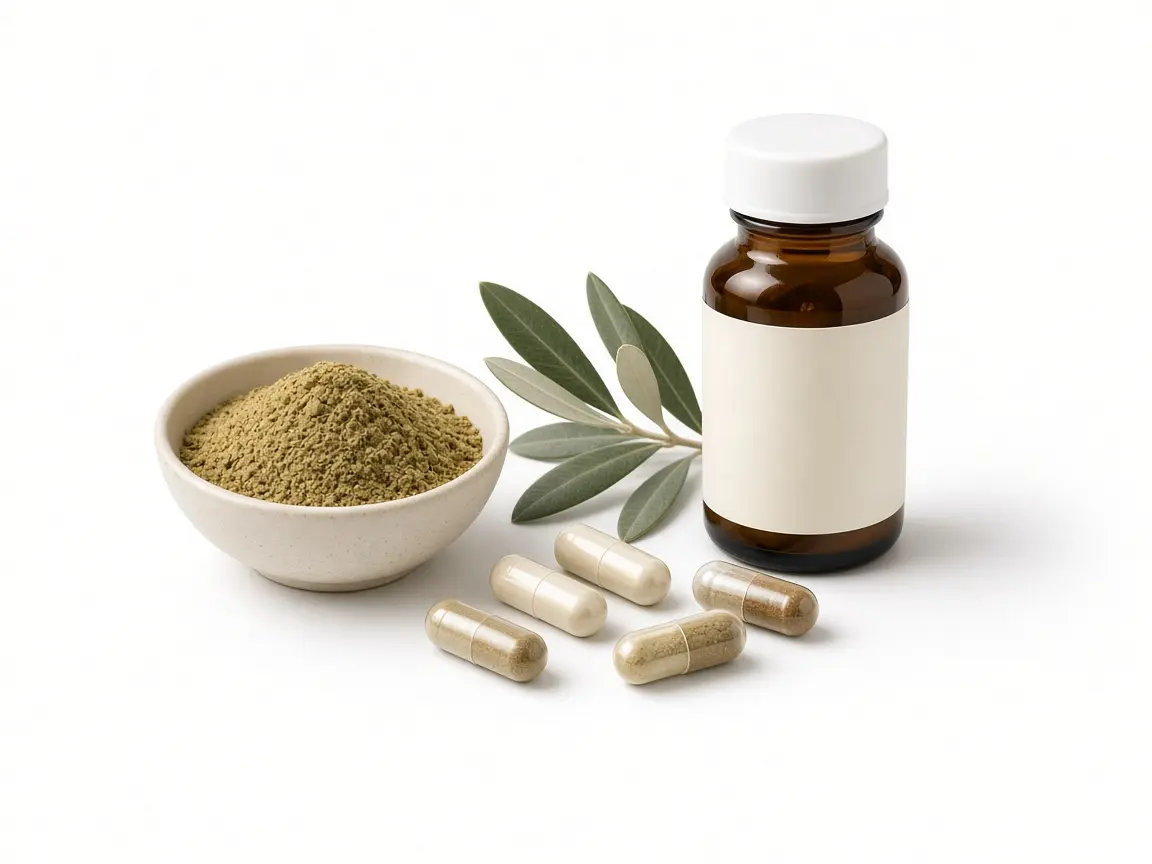
Use when: The label will state oleuropein milligrams. This is the default private-label capsule.
Specify: Olea europaea leaf extract; HPLC oleuropein at 12%, 20%, or 40% when that is the brief; reference standard; as-is or dry basis; per-capsule extract milligrams and oleuropein milligrams.
Trade-off: You can compare suppliers on marker milligrams. A percent with no method is not a quotation. Moving from 20% to 40% changes fill weight, bitterness, moisture sensitivity, and cost for a higher oleuropein milligram in less powder.
Default format: Hard capsule, HPMC or gelatin.
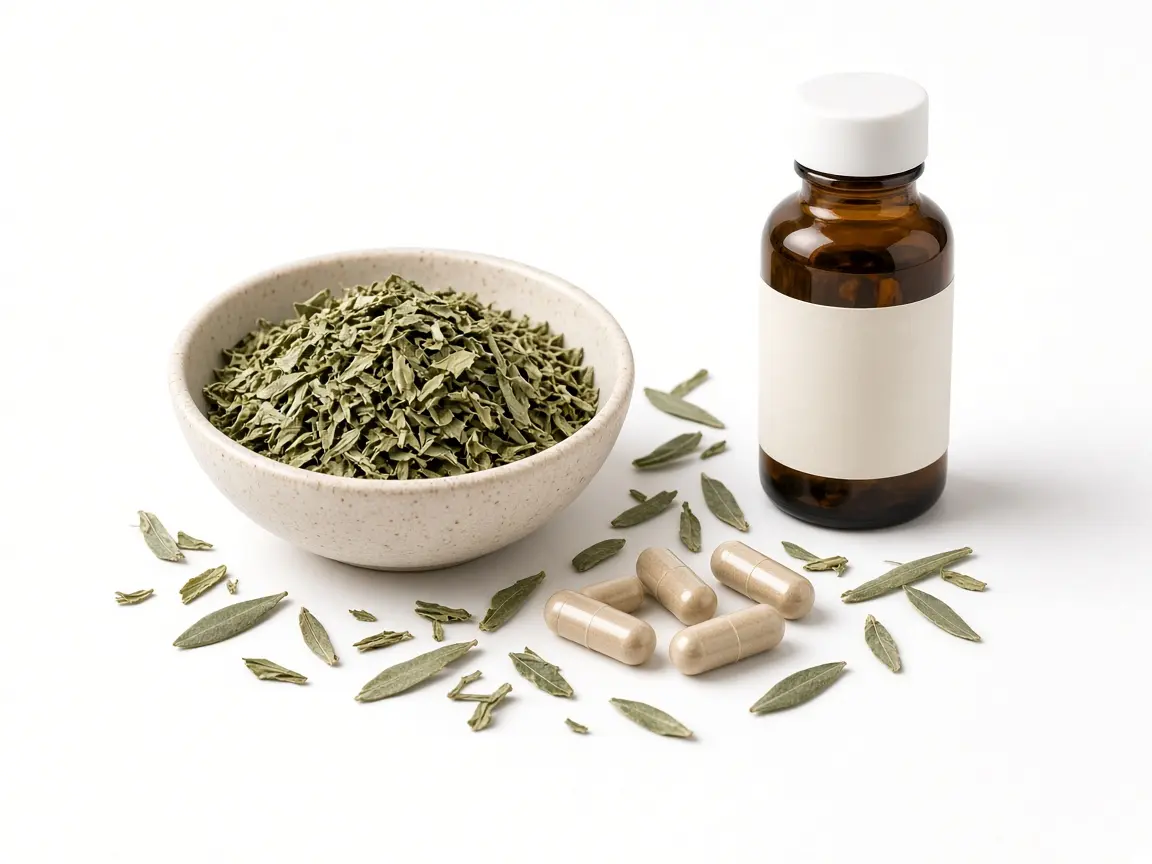
Use when: The panel says olive leaf or full spectrum and will not claim an oleuropein milligram.
Specify: Leaf identity, milligrams per capsule, particle size or ratio. Botanical powder handling applies when the SKU is the milled leaf.
Trade-off: The label stays simple. Two whole-leaf lots are not compared by a potency number, so this brief does not substitute for a 20% extract quote.
Default format: Hard capsule. A larger capsule or two capsules when bulk density requires it. Powder or stick only after a bitterness review.
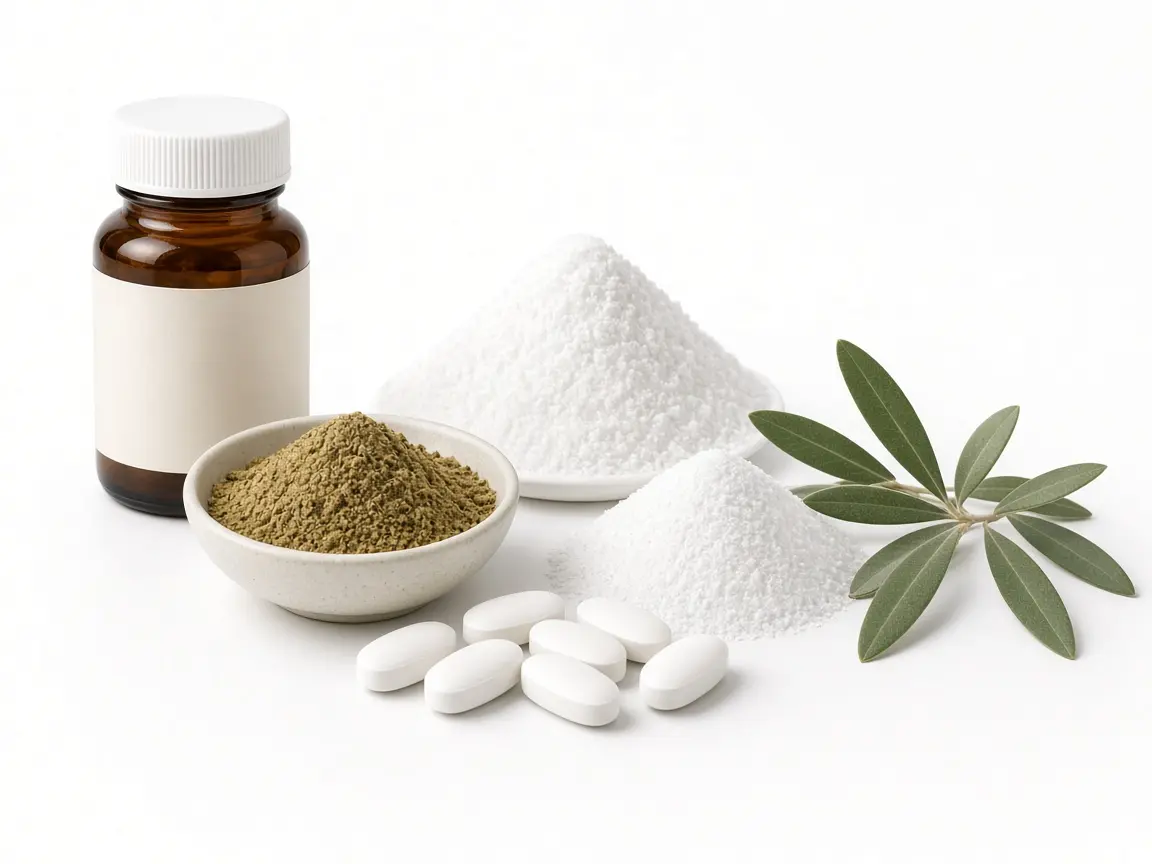
Use when: The assortment already sells a botanical immune SKU and olive leaf is the differentiating line.
Specify: Leaf grade on its own line; vitamin C form and milligrams; zinc salt and elemental zinc.
Trade-off: Vitamin C and zinc bring their own assays and bulk. Olive leaf does not make this a single-ingredient oleuropein SKU. When the fill will not fit one capsule, the tablet is a separate validation.
Default format: Capsule, or tablet when the mineral stack sets the volume. Fits an immune support range only as this combination, not as the default leaf capsule.
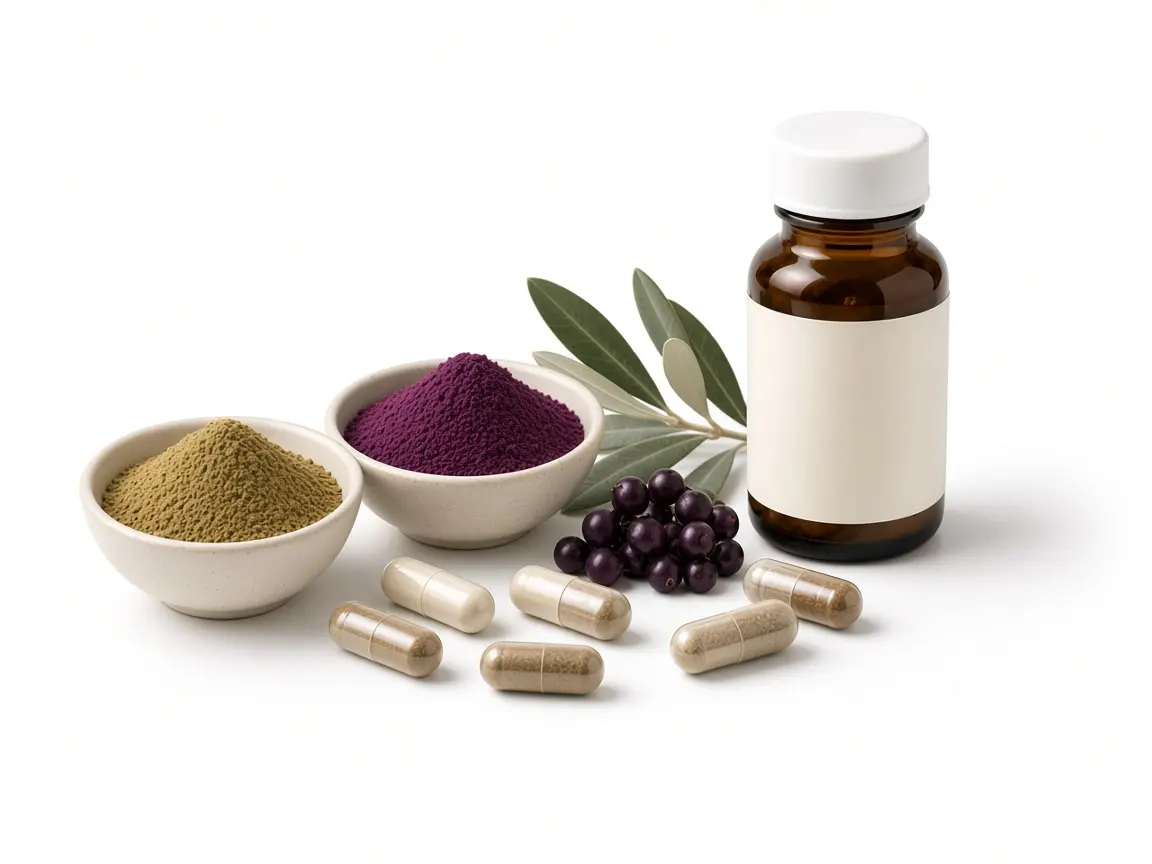
Use when: Elderberry is already the consumer-facing ingredient and olive leaf is the second botanical.
Specify: Leaf grade; Sambucus identity and plant part; anthocyanin method if elderberry is quantified.
Trade-off: Elderberry is its own specification and its own cost. This pair stays a capsule. Elderberry gummies are a separate format file when the brief is a gummy. A syrup or liquid version is a separate sensory and preservation project.
Default format: Capsule.
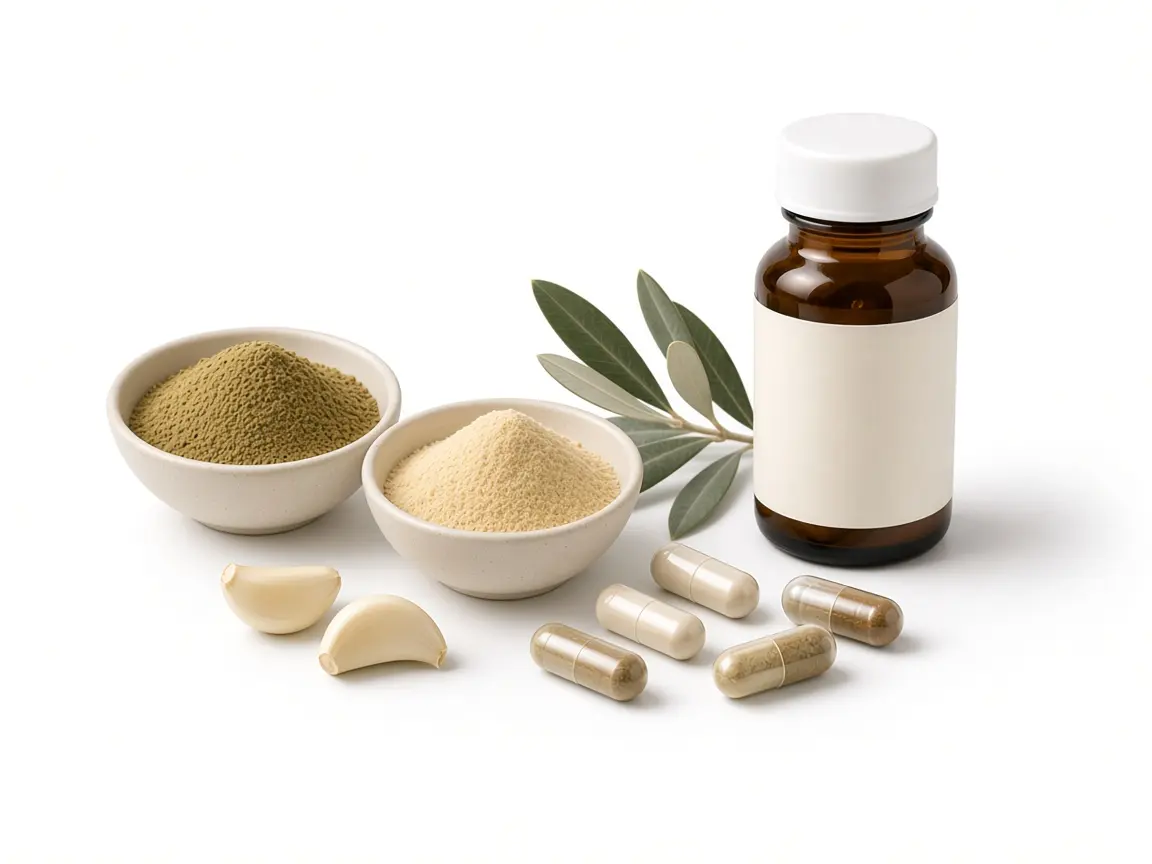
Use when: The brief names garlic as a second ingredient, not as a flavor note.
Specify: Leaf grade; garlic as powder, oil, or an allicin-related specification, each with its own method.
Trade-off: Garlic odor and the garlic assay change the project. Garlic oil is a second SKU or a softgel companion. It is not milled into the leaf capsule by default.
Default format: Capsule for dry garlic. Softgel only when the fill is oil.
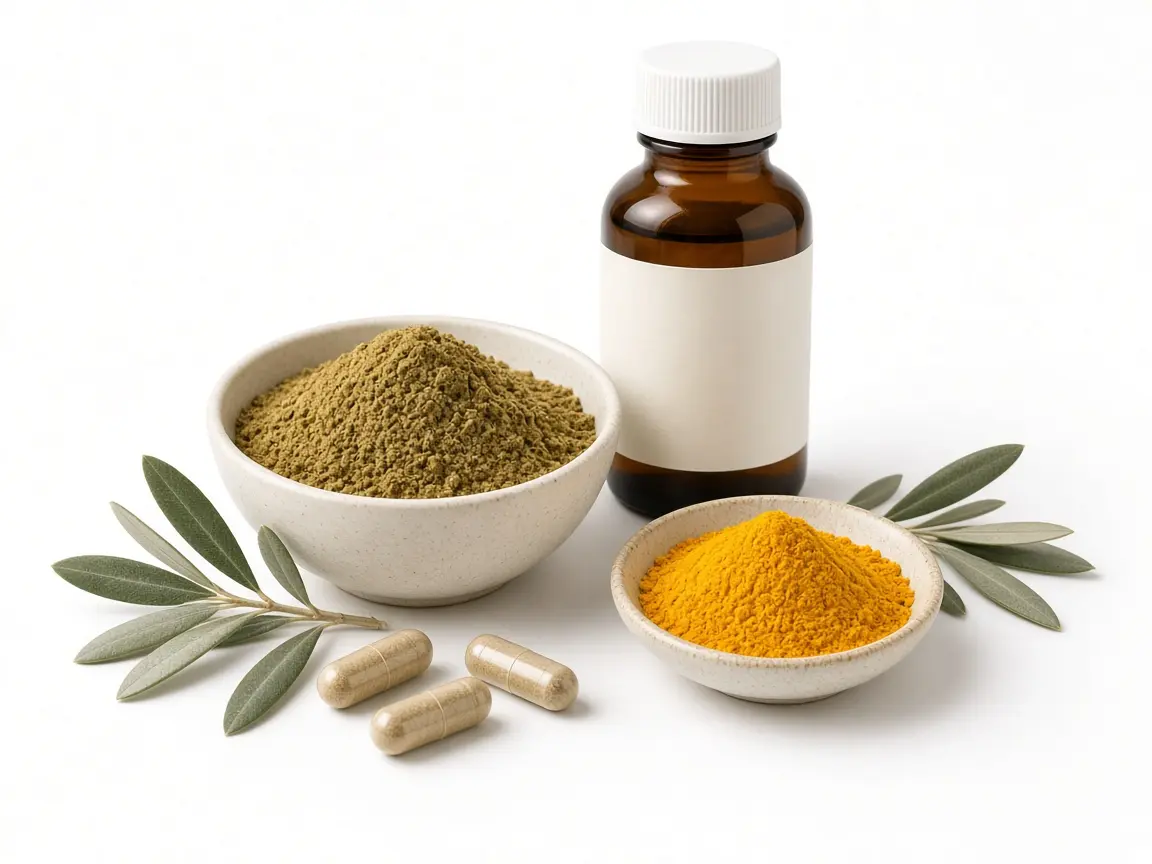
Use when: The panel needs a dry leaf extract and a CoQ10 line (ubiquinone or ubiquinol).
Specify: Leaf grade and oleuropein milligrams if claimed; CoQ10 form, milligrams, and whether the CoQ10 is dry or oil.
Trade-off: Dry leaf extract and an oil-based CoQ10 delivery are two manufacturing files. One hard capsule can hold a dry pair. An oil fill is a softgel and is quoted separately. A liposomal CoQ10 brief is its own delivery system.
Default format: Hard capsule for dry CoQ10. Softgel only for an oil fill.
Choose the Olive Leaf Extract Format: Capsules, Tablets, Powder or Liquid
The format follows the leaf specification. A format change is quoted again. Gummies go through a dedicated pilot because of bitterness, color, heat, water activity, and marker retention. An oil fill uses a softgel.
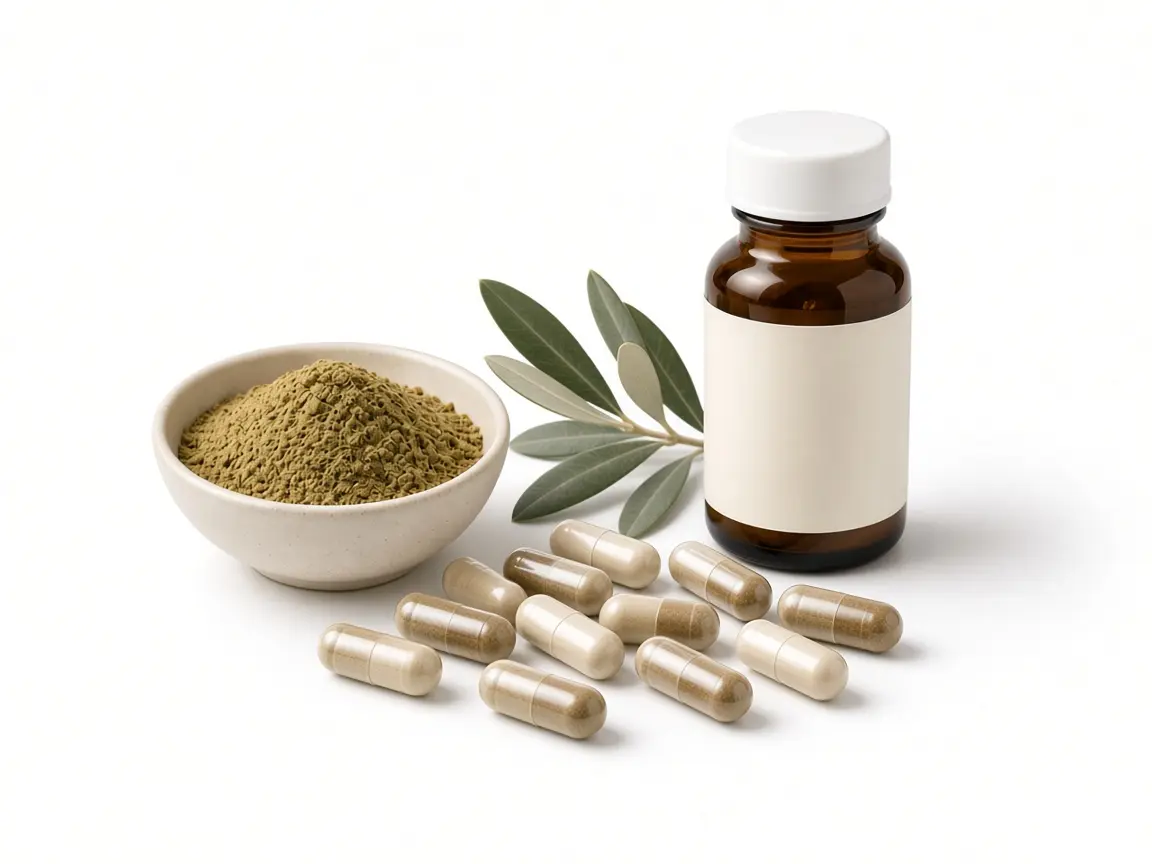
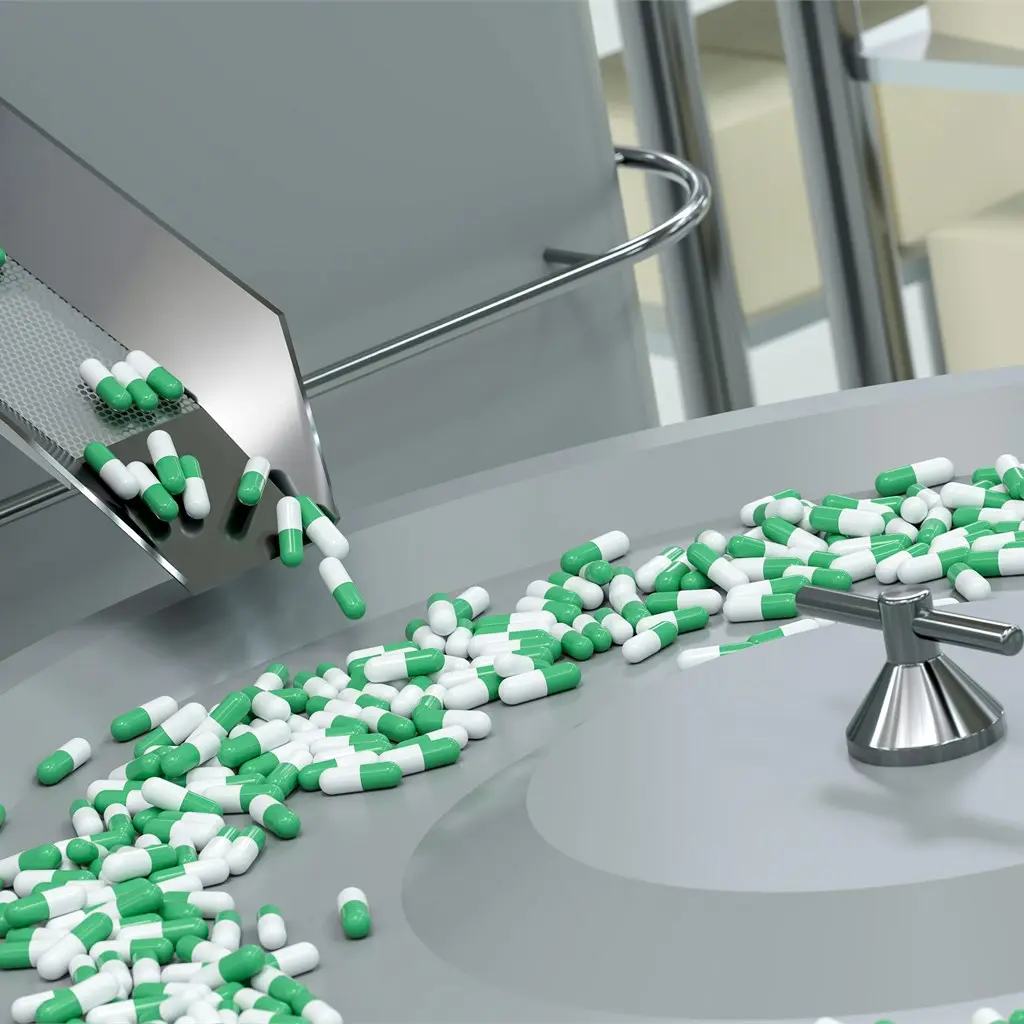
Best for: Standardized extract and whole leaf. Capsules avoid most direct taste exposure and are the simplest format for a bitter olive leaf extract.
Why: Capsule size is set after the extract’s bulk density and the target fill are checked.
Typical formulas: Standardized extract; whole leaf; dry two-ingredient formulas that fit the shell.
What to lock: HPMC or gelatin, fill weight, per-capsule oleuropein milligrams if the label states them, bottle count.
Manufacturing note: A higher oleuropein percent can reduce the extract fill for the same marker target.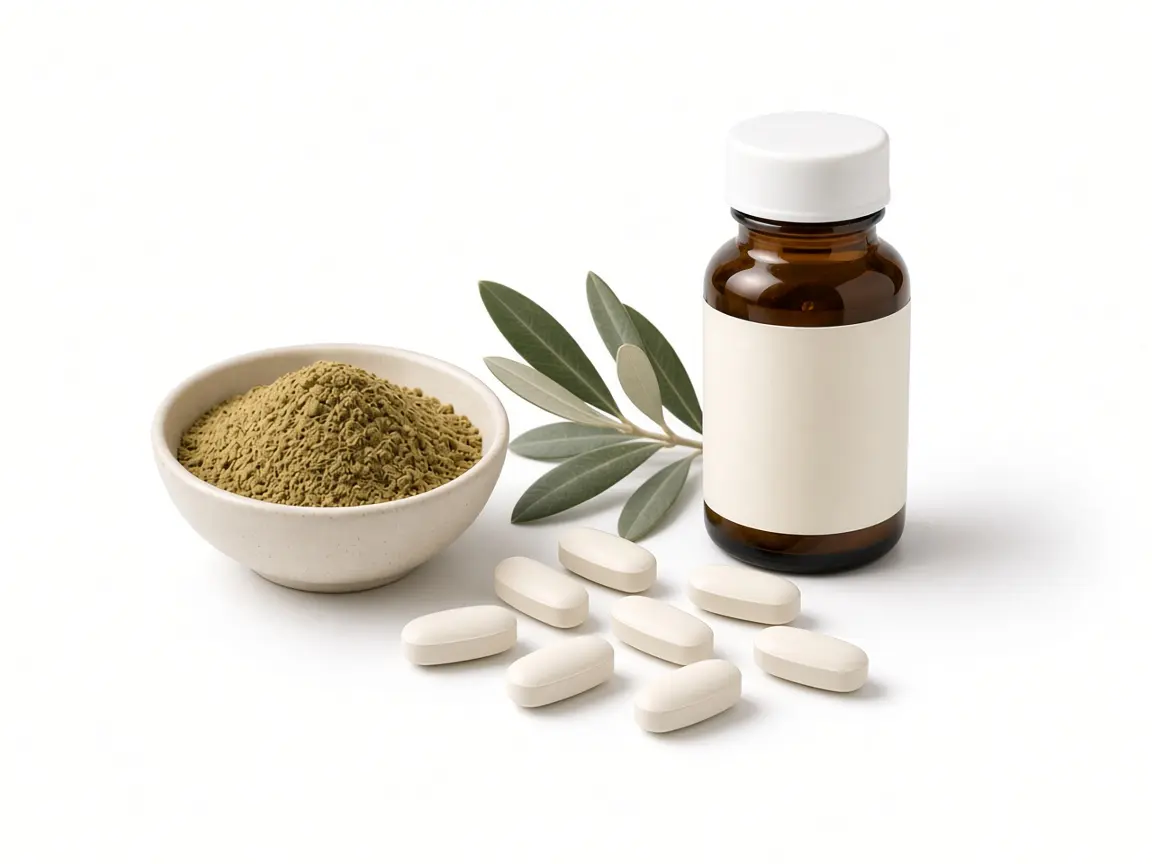
Best for: Vitamin and mineral stacks that no longer fit a comfortable capsule, and formulas already planned as tablets.
Why: Tablets become practical when vitamin and mineral loads push the formula past one capsule.
Typical formulas: Olive leaf with vitamin C and zinc.
What to lock: Compression, granulation, coating, and finished-product assay.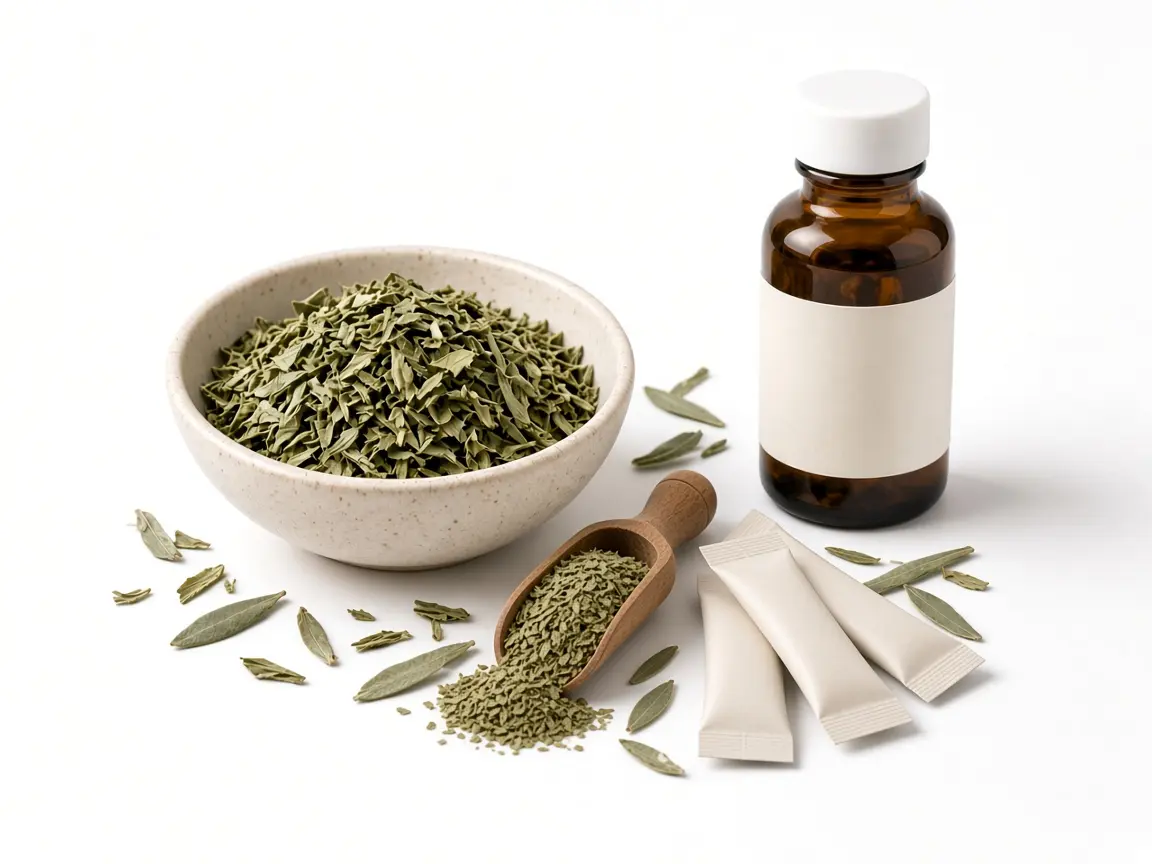
Best for: Brands that want a drink mix or powder and are prepared to address olive leaf’s natural bitterness.
Why: Serving weight is flexible. Taste has to be managed in the open format.
Typical formulas: Whole leaf. A standardized extract in an open powder needs its own masking and stability plan.
What to lock: Bitterness masking, color, particle size, moisture-barrier film.
Manufacturing note: The finished stick is assayed against the approved specification, including oleuropein when that marker is specified. Humidity exposure is part of that stability plan.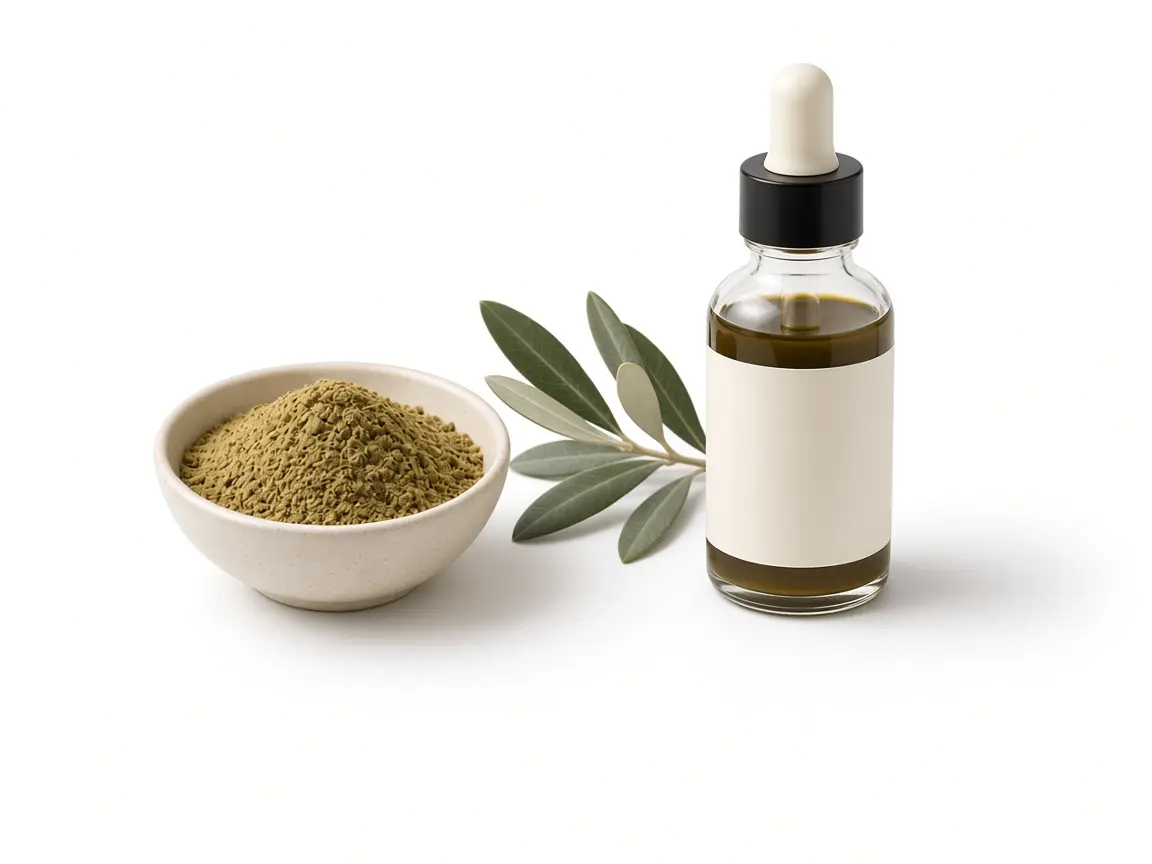
Best for: A dropper or a liquid-filled capsule developed as a liquid.
Why: The buyer is specifying a solvent system and either oleuropein per milliliter or an extract ratio.
Typical formulas: Named liquid formulas.
What to lock: Dropper versus liquid-filled capsule; ethanol/water or glycerin/water; oleuropein per mL or the stated ratio; preservative; color; light barrier.
Manufacturing note: A liquid extract is not simply a dry extract dispersed in water.
Line the two offers up on the same fields. The example below compares two standardized extracts that can deliver the same calculated oleuropein amount per capsule. Both lines use the same basis.
Compare | Quote A | Quote B |
|---|---|---|
| Botanical | O. europaea leaf | O. europaea leaf |
| Extract type | Standardized | Standardized |
| Oleuropein | 20% | 40% |
| Assay | HPLC | HPLC |
| Basis | As-is | As-is |
| Extract per capsule | 500 mg | 250 mg |
| Oleuropein per capsule | 100 mg | 100 mg |
| Carrier and bulk density | From that COA | From that COA |
| Finished assay | Approved finished-product specification | Approved finished-product specification |
| Price basis | Per kg of extract, then per finished capsule | Per kg of extract, then per finished capsule |
A lower price per kilogram does not by itself produce a lower finished-capsule cost. Compare the marker amount per capsule, the fill weight, and the finished-product specification on the same basis. A 20% result reported as-is is not comparable with 20% on a dry basis, and an HPLC result still needs the same reference standard.
Olive leaf here is specified as oleuropein.
Hydroxytyrosol from fruit or a processing stream is a separate material, including when a leaf COA reports a hydroxytyrosol result.
Olive oil is a separate oil ingredient.
Send the current label and COA. These fields show whether the new sample is a specification match. Packaging can follow once the formula is agreed.
Match this | What we compare |
|---|---|
| Botanical and plant part | Olea europaea leaf |
| Per-capsule weight | 250 mg, 500 mg, or 750 mg, as printed |
| Oleuropein | Percent and milligrams, or a clear statement that the panel does not state them |
| Method and basis | HPLC oleuropein, reference standard, as-is or dry basis |
| Any second line | Milled leaf, vitamin, mineral, or another botanical, with its own milligrams |
| Shell | HPMC or gelatin, plus carriers that affect fill and assay basis |
| Directions | One capsule or two capsules a day |
Branded extracts require the applicable brand-use authorization. Otherwise the specification is written by botanical identity, marker, method, and basis.
Artwork follows the agreed ingredient specification and the destination market. KS supports formulation feasibility and documentation review. The brand owner remains responsible for final claims, classification, and label compliance. Disease-treatment claims are not part of the manufacturing specification.
In the United States the finished product is a dietary supplement and is not FDA-approved. The EU, the UK, Australia, and Canada each classify the product under their own supplement or herbal rules.
The approved sample is the manufacturing reference for the commercial batch. Raw-material potency does not by itself verify the amount declared on the finished unit. The finished specification and assay are defined separately. In a water-based liquid, oleuropein stability is part of that liquid formulation.
| Stage | What is checked |
|---|---|
| Incoming | O. europaea leaf, unless another plant part is named; appearance; HPLC oleuropein when it is a specified marker; micro, metals, pesticides, and residual solvents as defined for the project |
| In-process | Blend uniformity, capsule fill or tablet weight, hardness and friability where they apply, process moisture |
| Finished | The agreed specification, including oleuropein on the finished unit when that marker is specified; micro; pack inspection; batch COA |
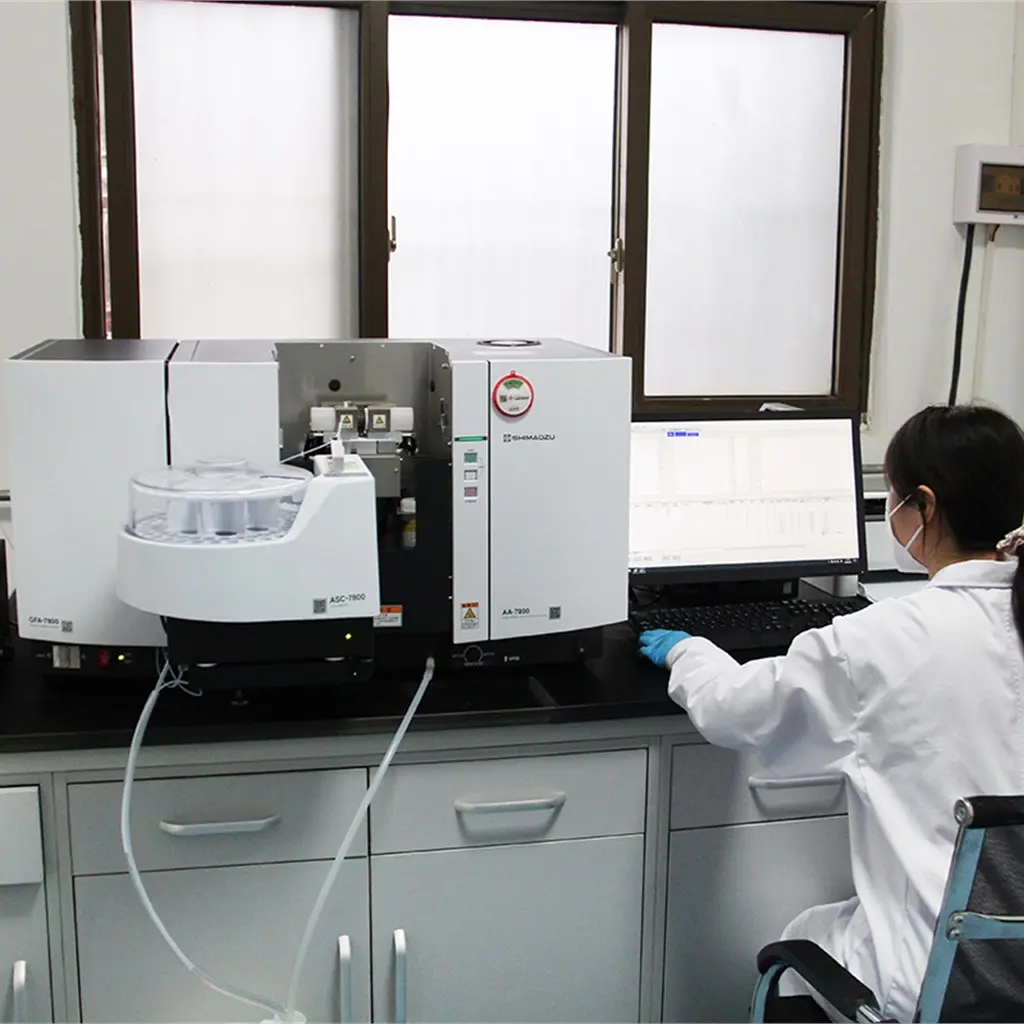
For quotation, the COA should identify the material, the analyte, the assay method, the potency, the safety parameters, and the relevant physical properties.
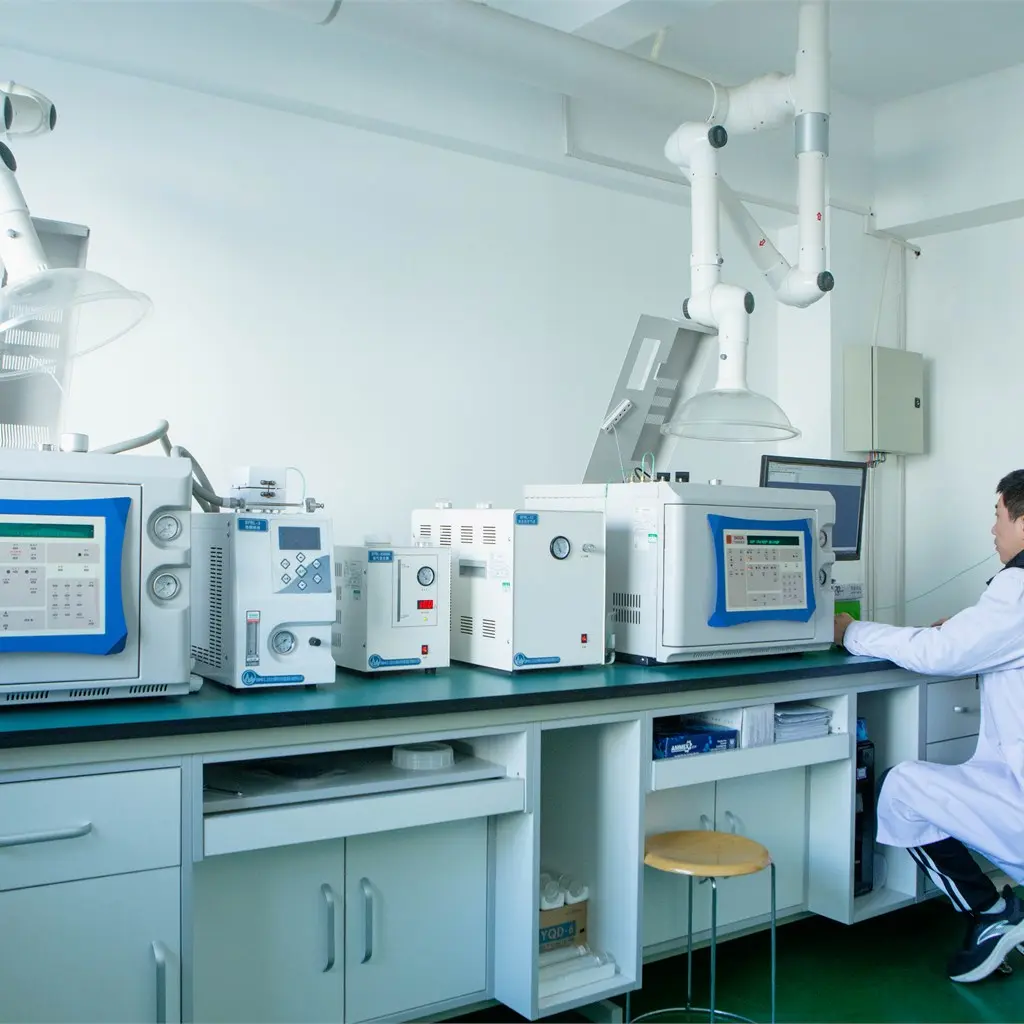
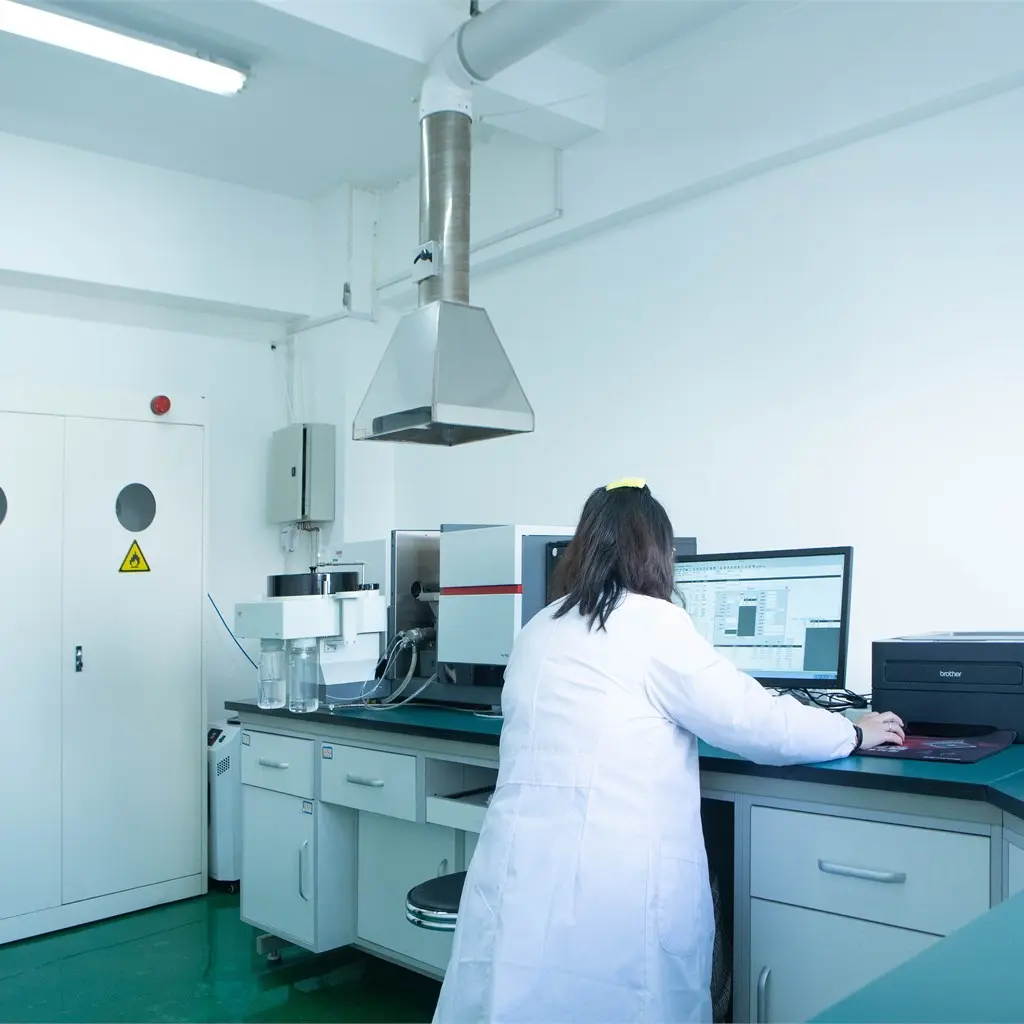
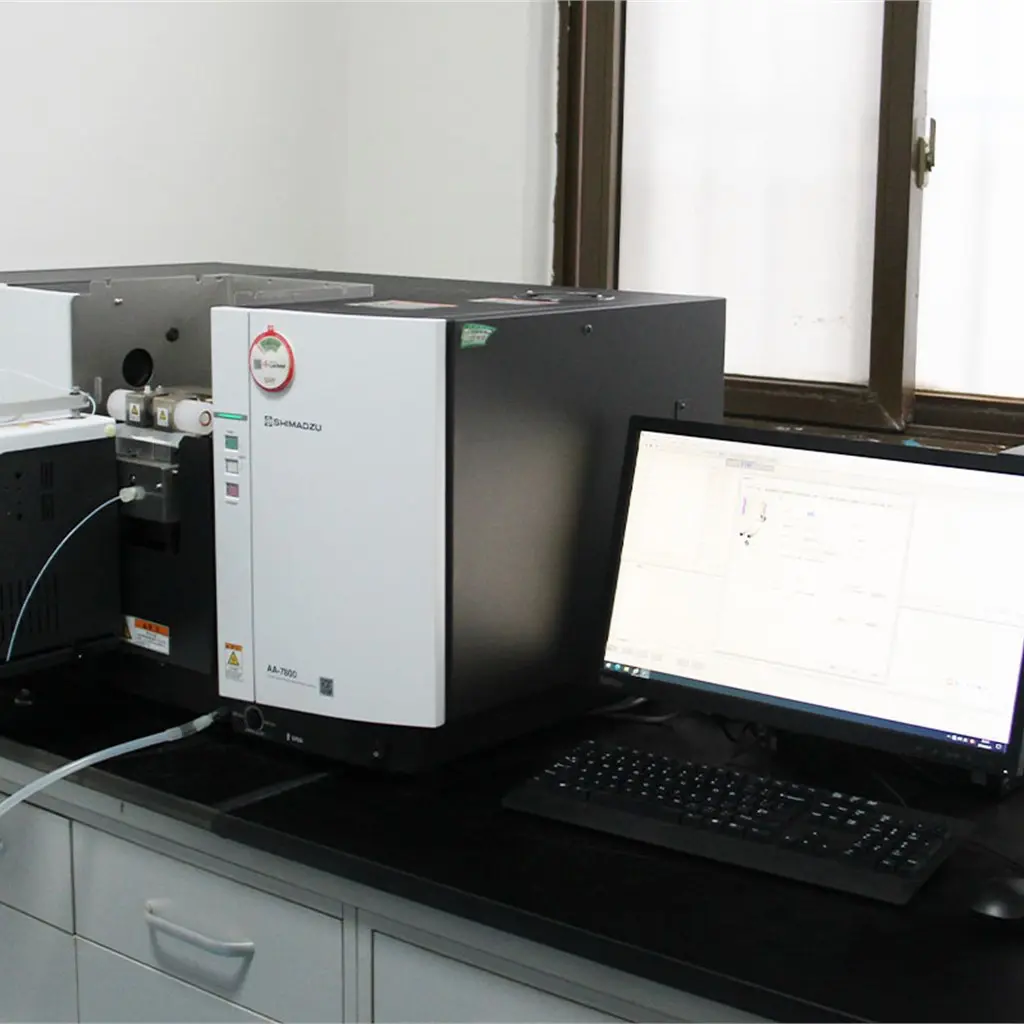
Field-by-field reading: How to Read a COA. Methods: Quality Control. Shelf life for a labeled marker is set from the formula, the pack, and the stability data: Moisture Control & Stability Engineering. In-house testing is the default. SGS or Eurofins is scheduled when the RFQ names the test, the sample, and the lab.
Specification → Sample → Approval → Production → Batch release. The commercial batch follows the approved formula, packaging specification, and release requirements.
| Send with the brief | Typical input |
|---|---|
| Destination market | Country and product classification |
| Product route | Whole leaf, or standardized oleuropein |
| Per capsule | Extract or leaf milligrams, and oleuropein milligrams if the label will state them |
| Daily count | Capsules per day on the draft panel |
| Shell | HPMC or gelatin |
| Typical starting MOQ | Capsules ~3,000–5,000 units · Tablets ~5,000–10,000 units · Powder / stick quoted from serving size and pack · Liquid quoted after the solvent system is named |
| Lead time | Sample 7–15 days after the specification is agreed · pilot 15–25 days · mass production typically 30–45 days after final approval and scheduling |
| Packaging | Bottle, blister, pouch, sachet, carton |
Final MOQ and lead time depend on formula complexity, packaging, testing, and scheduling. A bulk-kilogram quote is not a finished-unit MOQ.
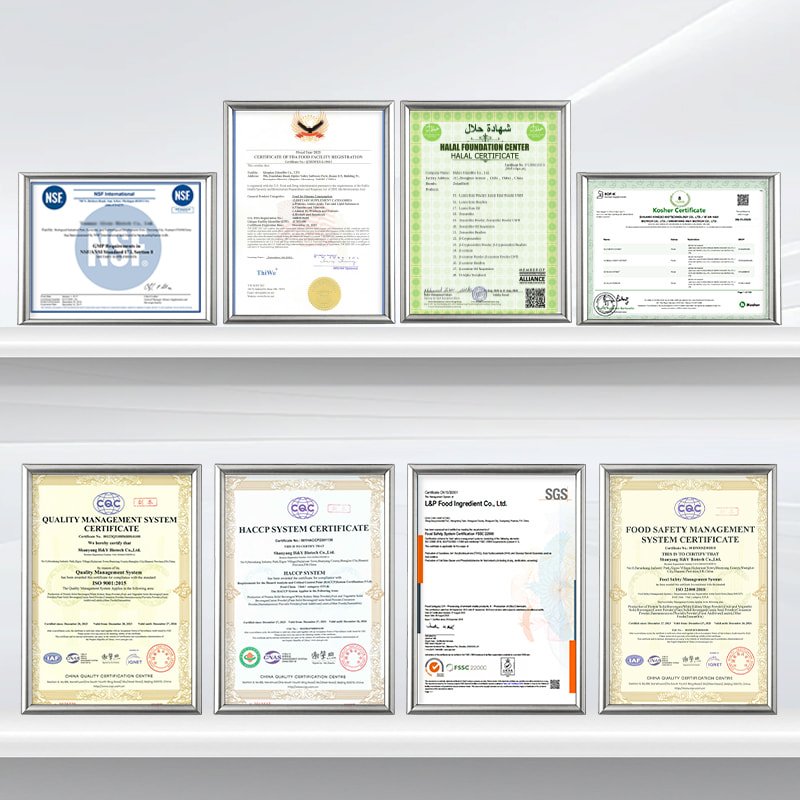
cGMP | ISO 9001 | ISO 22000 | HACCP | FSSC 22000 | Halal | Kosher | In-house lab + SGS/Eurofins pathways | Batch COA
Q: Can you match a 20% oleuropein extract from another supplier?
A: Yes, when the HPLC method, reference standard, and as-is or dry basis are the same kind of number. Send that COA with the label. The product name alone is not the specification.
Q: Can you manufacture olive leaf without a declared oleuropein percentage?
A: Yes. That is the whole-leaf route: leaf identity, milligrams per capsule, and particle size or ratio, with no oleuropein milligram on the panel.
Q: Can 250 mg at 40% replace 500 mg at 20%?
A: On the same basis, both calculate to about 100 mg oleuropein per capsule. They are not the same finished capsule until fill weight, bulk density, cost, and the finished-product specification are checked on the actual extracts.
Q: Can olive leaf extract go into gummies or liquids?
A: Gummies are a pilot. A liquid is developed as a liquid extract, with its solvent system and stability, not by stirring dry extract into water. Send the format with the specification.
Q: Can you work with extract we already bought?
A: Yes. Send the supplier COA. We set the finished-product specification, the capsule or other format, and the release assay from that material.
Request Your Olive Leaf Extract Supplement Quote
Send the destination market, the current label or the product route, and the format. Include the COA when you have one.
Request an Olive Leaf Extract Supplement Quote — Send Your Brief
Related Resources
Disclaimer: Wholesale / brand manufacturing and product-development reference only. Not intended to diagnose, treat, cure, or prevent any disease. Structure/function language and classification rules for Olea europaea leaf products vary by country. Brand owners remain responsible for finished-label compliance with local counsel. KS Nutripharma provides manufacturing feasibility and documentation support — not legal approval. Serving math on this page is illustration only, not a recommended daily dose.