
Sulforaphane Supplements Contract Manufacturer | OEM & Private Label Solutions
Sulforaphane is one of the most scientifically validated bioactive compounds in the nutraceutical industry today. Derived from broccoli and broccoli sprout extract, this potent isothiocyanate has captured the attention of researchers, formulators, and health-conscious consumers worldwide. As a leading sulforaphane supplement manufacturer, KSNutripharma® provides end-to-end OEM and private label solutions for brands looking to capitalize on this rapidly expanding market.
The journey from raw broccoli extract to a finished sulforaphane supplement involves complex biochemistry: glucoraphanin, the stable precursor found in broccoli and broccoli sprout extract, is converted by the enzyme myrosinase into active sulforaphane — the compound responsible for the vast majority of health benefits associated with cruciferous vegetables. Understanding this conversion pathway is critical for any brand developing a premium broccoli extract supplement.
Why Brands Choose Us:
| 19+ Years Nutraceutical Manufacturing | 81,000 m² GMP-Compliant Facility | 12 Production Lines |
| 500+ Brands Served Globally | 60+ Export Markets | 2 Dedicated R&D Centers |
| 5 M Capsules / Day | 2M Softgels / Day | 12M Tablets / Day |
| 2 M Gummies / Day | 7 International Certifications | 100% Batch Traceability |
- Stable Glucoraphanin Supply: Long-term contracts with certified broccoli sprout extract suppliers ensuring consistent 10-30% glucoraphanin standardization, full traceability, and Certificate of Analysis (COA) for every batch.
- Multiple Sulforaphane Delivery Technologies: Capsules, tablets, powders, stick packs, and softgels — each engineered with stability-specific protocols for moisture, heat, and oxygen protection.
- Myrosinase Compatibility Validation: In-house enzyme activity assays to confirm myrosinase potency and conversion efficiency in co-formulated products.
- Customized NRF2 Formulation Development: PhD-level scientists design synergistic stacks targeting cellular health, longevity, and detoxification markets.
- cGMP & ISO-Certified Manufacturing: FDA-registered facility with humidity-controlled production suites, nitrogen-flushed packaging lines, and ERP-integrated batch traceability.
- Global Regulatory Support: Compliance expertise for US (FDA/FTC), EU (EFSA), UK (MHRA), Australia (TGA), Canada (NHP), and Asian markets.
- Shelf-Life Validation: Real-time and accelerated stability studies (ICH Q1A) supporting 24- 36-month shelf-life claims with full documentation packages.
- Commercial-Scale Production: Annual capacity of 500 million capsules and 200 metric tons of powder with flexible MOQ starting at 50,000 units for private label.
Mature Formulations
These broccoli extract supplement formulations are designed for brands targeting immune health, healthy aging, detoxification, and cellular wellness. If you don’t know how to choose a market position, you can shift to our sulforaphane health benefits page.
Emerging Formulation Trends
Trending Concepts for Premium Supplement Brands
Compatible Ingredients by Function
The following ingredients have been validated by our formulation science team as compatible with sulforaphane and broccoli extract in multi-ingredient supplements. This list is based on stability compatibility testing, known pharmacokinetic interactions, and demonstrated mechanistic synergy.
Our formulation team evaluates ingredient compatibility, stability, dosage balance, and manufacturing feasibility before moving into pilot production to ensure consistent product performance.
Available Dosage Forms
KSNutripharma offers flexible manufacturing solutions for sulforaphane supplements across multiple dosage forms. Our formulation team evaluates ingredient characteristics, stability requirements, and target positioning to recommend the most suitable delivery system for your product.
Broccoli Seed Extract vs. Broccoli Sprout Extract vs. Mature Broccoli Extract
| Source | Typical Glucoraphanin Level | Key Characteristics | Best Applications |
|---|---|---|---|
| Mature Broccoli Extract | Typically below 0.5% | Rich in naturally occurring vitamins, minerals, dietary fiber, flavonoids, and phytonutrients, but contains only trace levels of glucoraphanin. Suitable for general vegetable nutrition rather than high-potency sulforaphane formulations. | Daily wellness supplements, green food blends, multinutrient botanical formulas |
| Broccoli Seed Extract | 10–20% standardized glucoraphanin | Highest concentration of glucoraphanin with excellent batch consistency. Widely used as the primary raw material for premium standardized sulforaphane supplements. | Premium retail, practitioner-grade, and clinically positioned products |
| Broccoli Sprout Extract | 10–30% standardized glucoraphanin | Produced from 3–5 day broccoli sprouts. Naturally rich in glucoraphanin and may retain endogenous myrosinase depending on processing technology. Increasingly favored for premium and science-backed formulations. | Healthy aging, NRF2 activation, cellular health, and high-potency formulations |
KSNutripharma Recommendation
For most commercial sulforaphane supplements, we recommend standardized broccoli seed extract or broccoli sprout extract containing 10–13% glucoraphanin, as these materials provide the best balance of active compound concentration, batch consistency, manufacturing stability, and commercial scalability.
Mature broccoli extract remains a valuable botanical ingredient for whole-food nutrition products, but it is generally not the preferred source for high-potency sulforaphane supplements due to its naturally low glucoraphanin content.
Standardized Glucoraphanin
Glucoraphanin is the most widely used specification for commercial sulforaphane supplements because of its superior stability and manufacturing practicality.
Typical commercial specifications include:
- <0.5% – Mature broccoli extract, primarily used for whole-food nutritional products
- 5% – Entry-level standardized formulations
- 10% – Mainstream commercial specification for broccoli seed or sprout extract
- 13% – Premium industry benchmark widely adopted by science-backed brands
- 20% – Practitioner-grade formulations
- 30%+ – Customized high-potency ingredients
Most commercial OEM projects utilize 10–13% standardized glucoraphanin, offering the best balance between efficacy, stability, and production cost.
Standardized Sulforaphane
Although active sulforaphane can be supplied as a standardized ingredient, it is inherently unstable and significantly more difficult to manufacture than glucoraphanin.
Typical commercial specifications include:
- 0.1–0.5% – Naturally generated sulforaphane
- 1% – Standard activated ingredient
- 2%+ – Specialty material requiring advanced stabilization technologies
For this reason, most commercial supplements are formulated with standardized glucoraphanin together with myrosinase rather than pre-activated sulforaphane, providing better shelf stability while allowing sulforaphane to be generated after consumption.
Myrosinase Activity
Myrosinase is the enzyme responsible for converting glucoraphanin into biologically active sulforaphane. Without sufficient enzyme activity, the conversion efficiency may be significantly reduced.
Typical commercial activity levels include:
- 1,000–5,000 U/g – Entry-level synergistic formulations
- 10,000–30,000 U/g – Mainstream commercial formulations
- 50,000+ U/g – High-activity premium formulations requiring specialized stabilization
Depending on formulation strategy, myrosinase may be supplied as a purified enzyme or naturally retained through carefully processed broccoli sprout powder.
Recommended Specifications by Product Positioning
| Product Positioning | Recommended Specification | Typical Daily Dose | Typical Applications |
| Value | 5–10% | 10–15 mg | Daily wellness |
| Mainstream | 10–13% | 15–30 mg | Retail brands |
| Premium | 13–20% | 30–50 mg | Practitioner |
| Clinical | 20%+ | 50–100 mg | Clinical nutrition |
KSNutripharma Selection Principles
When developing commercial sulforaphane supplements, we recommend evaluating raw materials based on total formulation performance rather than specification alone.
✔ Select standardized glucoraphanin instead of relying solely on extract ratios.
✔ Evaluate the effective glucoraphanin delivered per serving, not just the percentage specification.
✔ Choose the appropriate raw material source (seed, sprout, or mature broccoli) according to your product positioning.
✔ Consider myrosinase activity, stability, and manufacturing feasibility together when selecting formulation strategies.
✔ Request HPLC-verified specifications, stability data, and complete batch traceability before commercialization.
Specification Does Not Equal Daily Intake
A higher specification does not automatically result in a more effective product. The actual amount of glucoraphanin delivered per serving is often more important than the percentage listed in the raw material specifications.
For most commercial formulations, a daily intake of 15–30 mg of standardized glucoraphanin provides a practical balance between efficacy, formulation flexibility, and production cost.
Many sulforaphane supplements lose potency before reaching consumers — and the manufacturer is often the last to know. At KSNutripharma, we have seen brands recall batches, rewrite labels, and lose retail placements because these technical risks were not addressed at the formulation stage. Here are the most common failure points:
| Failure Mode | Root Cause | KSNutripharma Solution |
| Sulforaphane Degradation | Exposure to moisture and heat during processing | Dehumidified production suites (< 30% RH); ambient-temperature processing (< 35 degrees C) |
| Inactive Myrosinase | Heat denaturation or incompatible excipients | Enzyme activity validated at intake; temperature-controlled blending protocols |
| Low Glucoraphanin Standardization | Inconsistent raw material quality | HPLC-verified incoming QC; approved supplier program with seed-to-extract traceability |
| Moisture Exposure | Inadequate packaging barrier or desiccant failure | Triple-barrier HDPE bottles + welded desiccant canisters; nitrogen-flushed stick packs |
| Poor Oxygen Control | Headspace oxygen causing oxidation of sulfur moiety | Nitrogen flushing during encapsulation and packaging; oxygen-barrier film laminates |
| Unvalidated Conversion Efficiency | Glucoraphanin not converting to sulforaphane in vivo | Myrosinase co-formulation with standardized activity; conversion efficiency testing |
Our formulation platform is designed specifically to address these technical risks before they become commercial liabilities. Every project begins with a technical risk assessment, and every batch ships with documented proof that these risks have been controlled.
Understanding this pathway is not optional — it determines every technical decision in your product, from raw material selection to packaging. Here is the complete chain, and where KSNutripharma adds value at each step:
| Stage | What Happens | Manufacturing Consideration | Our Capability |
| Broccoli Sprouts | Highest glucoraphanin concentration in plant kingdom (20-100x mature broccoli) | Source cultivar, harvest timing, extraction method | Approved supplier program with standardized extracts |
| Glucoraphanin | Stable glucosinolate precursor; HPLC-quantifiable; shelf-stable | Standardization level (10%, 20%, 30%); batch consistency | HPLC potency verification; < 2% RSD batch-to-batch |
| Myrosinase | Enzyme catalyzes glucoraphanin hydrolysis; heat-sensitive | Endogenous vs added; activity units; compatibility | Activity assay validation; temperature-controlled processing |
| Sulforaphane | Bioactive isothiocyanate; NRF2 activator; volatile and reactive | Stability engineering; moisture, heat, oxygen protection | Nitrogen flushing; dehumidified suites; barrier packaging |
| NRF2 Activation | Master regulator of 200+ cellular defense genes | Bioavailability; dose-response; clinical relevance | Formulation optimization for conversion efficiency |
| Cellular Defense | Endogenous antioxidant and detoxification enzyme upregulation | Consumer-perceived efficacy; repeat purchase rate | Stable products that deliver label claims at month 36 |
Key procurement insight: Most successful sulforaphane supplements on the market are built on glucoraphanin + myrosinase co-delivery, not pre-activated sulforaphane. The stability advantages of this approach are overwhelming — which is why KSNutripharma recommends it as the default platform for all new projects.
KSNutripharma operates a dedicated sulforaphane production platform — not a general-purpose line adapted for the ingredient. Every step below is optimized specifically for the stability requirements of glucoraphanin, myrosinase, and sulforaphane:
End-to-End Process Flow
| Process Step | Control Parameter | Equipment / Method |
| 1. Raw Material Qualification | Glucoraphanin assay, myrosinase activity, heavy metals, microbial | HPLC-UV, spectrophotometric assay, ICP-MS, USP <61>/<62> |
| 2. Extract Standardization | Potency confirmation; particle size distribution | HPLC verification; laser diffraction analysis |
| 3. Particle Engineering | Surface area control; blend uniformity optimization | Micronization (if required); blend homogeneity testing |
| 4. Humidity-Controlled Blending | RH < 30%; temperature < 35 degrees C | Dehumidified suite; jacketed blender with temperature monitoring |
| 5. Myrosinase Protection | Enzyme activity preservation; excipient compatibility | Low-shear blending; validated enzyme stabilizers |
| 6. Encapsulation / Tableting | Compression force; fill weight uniformity; seal integrity | Automated encapsulation; in-process weight checks |
| 7. Nitrogen Packaging | Residual oxygen < 3%; desiccant integration | Nitrogen flushing line; oxygen headspace analyzer |
| 8. Stability Validation | Accelerated (40 degrees C / 75% RH) and real-time (25 degrees C / 60% RH) | ICH Q1A stability chambers; HPLC potency tracking |
| 9. Commercial Production | Batch records; ERP traceability; QA release | cGMP batch documentation; Certificate of Analysis |
Each process step includes defined Critical Process Parameters (CPPs) and in-process control points. Full process validation documentation is available for regulatory submissions and third-party audits.
Manufacturing Capability
Procurement decisions require hard numbers. Here is exactly what KSNutripharma can deliver for your sulforaphane product line:
| Capability | Specifications | Notes |
| Annual Capsule Capacity | 500 million capsules | Multiple encapsulation lines; flexible scheduling |
| Annual Powder Capacity | 200 metric tons | Dedicated blending suites for heat-sensitive actives |
| Humidity-Controlled Workshop | RH maintained at < 30% | Dedicated sulforaphane production suite |
| Nitrogen Packaging Line | Residual O2 < 3% | Automated flushing with inline oxygen monitoring |
| HPLC Laboratory | Shimadzu / Agilent systems | In-house glucoraphanin and sulforaphane quantification |
| LC-MS/MS Laboratory | Triple-quadrupole MS | Definitive sulforaphane identification and quantification |
| Particle Size Analysis | Laser diffraction (0.1-2000 um) | Blend uniformity and dissolution optimization |
| Accelerated Stability Chambers | ICH Q1A compliant | 40 degrees C / 75% RH and 25 degrees C / 60% RH conditions |
| Batch Traceability | ERP-integrated (SAP) | Full chain: raw material to finished goods to customer |
| Quality Control Laboratory | In-house; 24-hour turnaround | Every batch tested before release |
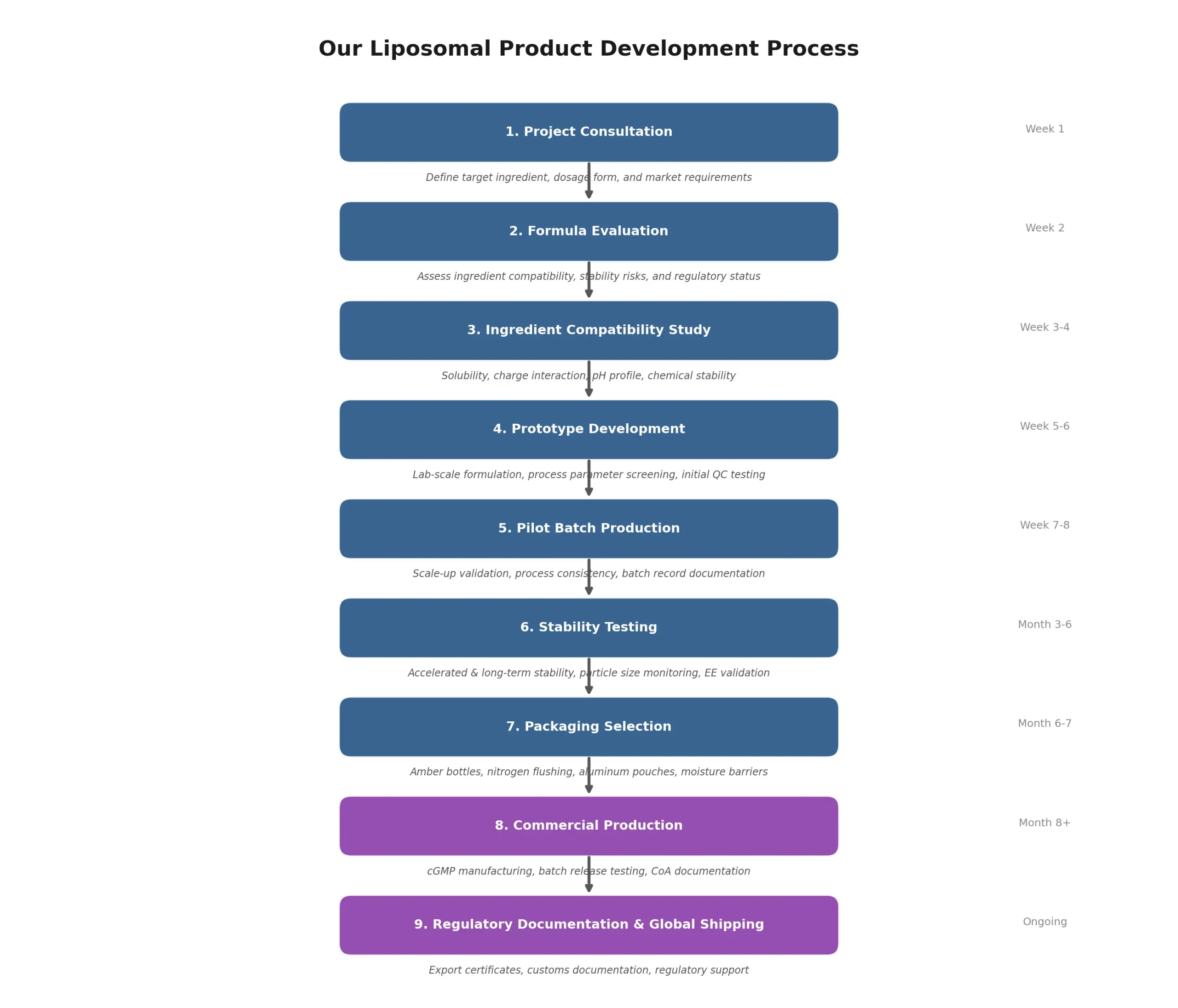
| Stage | Timeline | Key Deliverables |
| 1. Inquiry | 1–3 days | Requirements document; initial feasibility assessment |
| 2. Formula & Quotation | 3–7 days | Custom formula proposal; pricing; regulatory pathway review |
| 3. Sample | 1–2 weeks | Physical sample with COA; organoleptic evaluation |
| 4. Pilot Batch | 2–3 weeks | 1–10 kg powder or 5,000–50,000 units; stability samples retained |
| 5. Scale-Up | 3–4 weeks | Process parameter lock; equivalence data; batch record validation |
| 6. Commercial Production | Per schedule | Full-scale manufacturing; in-process controls; finished product testing |
| 7. QC Release & Delivery | 1–2 weeks | Final COA; regulatory documentation; export logistics |
KSNutripharma applies Quality by Design principles to every sulforaphane project. We define Critical Quality Attributes (CQAs) and Critical Process Parameters (CPPs) at project initiation, ensuring quality is engineered into the product — not tested in at the end.
Critical Quality Attributes (CQAs)
| CQA | Target | Test Method | Frequency |
| Glucoraphanin Assay | ≥ 95% of label claim | HPLC-UV | Every batch |
| Myrosinase Activity | ≥ 90% | Spectrophotometric assay | Every batch (if included) |
| Sulforaphane Equivalent | ≥ 90% of the label claim | LC-MS/MS | Every batch (pre-activated) |
| Moisture Content | < 5.0% | Karl Fischer titration | Every batch |
| Water Activity (aw) | < 0.60 | Water activity meter | Every batch |
| Oxygen Headspace | < 3.0% | Headspace gas analyzer | Every batch (nitrogen-flushed) |
| Capsule Fill Uniformity | RSD < 6.0% | Gravimetric (n=20) | Every batch |
| Dissolution | ≥ 80% in 30 minutes | USP <711> | Stability batches |
Critical Process Parameters (CPPs)
| CPP | Control Range | Monitoring Method |
| Blending Time | 15-30 minutes (formulation-specific) | Automated timer; batch record |
| Relative Humidity | < 30% RH during all operations | Continuous RH sensor; alarm system |
| Processing Temperature | < 35 degrees C for all operations | Infrared thermometer; data logger |
| Nitrogen Purity | ≥ 99.9% N2 | Inline oxygen analyzer |
| Packaging Integrity | No leaks; seal strength validated | Vacuum leak test; seal strength tester |
| Blender Shear Rate | Low-shear protocol for enzyme products | Speed setting; validated protocol |
Risk Assessment & Risk Control
Every sulforaphane manufacturing project at KSNutripharma begins with a formal risk assessment. We identify potential failure modes, evaluate their impact on product quality and patient safety, and implement controls before manufacturing begins.
| Potential Risk | Impact | Mitigation Strategy | Verification |
| Raw Material Variation | Inconsistent glucoraphanin potency; batch failures | Approved supplier program; incoming HPLC QC; multi-batch qualification | COA review; retention sampling |
| Humidity During Processing | Sulforaphane degradation; potency loss | Dedicated dehumidified suite; continuous RH monitoring; alarm system | Environmental monitoring logs |
| Oxidation During Packaging | Sulfur moiety oxidation; off-odors; potency loss | Nitrogen flushing (< 3% residual O2); oxygen-barrier packaging | Headspace O2 analysis every batch |
| Myrosinase Inactivation | Reduced conversion efficiency; efficacy loss | Temperature-controlled processing (< 35 degrees C); validated blending protocol | Enzyme activity assay at release |
| Cross-Contamination | Allergen or residue carryover | Dedicated equipment and suite; validated cleaning protocols; swab testing | Cleaning validation; TOC swab results |
| Shelf-Life Drift | Label claim failure before expiry | Accelerated + real-time stability (ICH Q1A); trend analysis | Stability data review; shelf-life extrapolation |
| Packaging Integrity Failure | Moisture ingress; product degradation | Triple-barrier HDPE; welded desiccant; seal validation | Leak test; seal strength; visual inspection |
This risk-based approach is not a one-time exercise. Risk assessments are reviewed and updated at every product revision, complaint investigation, and annual product quality review (APQR).
Standard Batch Documentation
- Certificate of Analysis (COA)— Batch-specific test results for all specification parameters
- Product Specification— Complete quality specification with test methods and acceptance criteria
- Technical Data Sheet (TDS)— Product description, composition, physicochemical properties, handling guidelines
- Material Safety Data Sheet (MSDS)— Safety information, hazard classification, handling precautions, first aid
- Residual Solvent Report— GC-MS analysis confirming compliance with ICH Q3C limits
- Heavy Metal Report— ICP-MS data for Pb, Cd, As, Hg
- Microbiology Report— TAMC, TYMC, specified organism testing per USP <61>, <62>
- Stability Summary— Available stability data with storage conditions and retest period
Regulatory & Compliance Statements
- Allergen Statement— Free from major allergens; customizable per market requirements
- Non-GMO Statement— Available for non-GMO formulations
- BSE/TSE Statement— Free from bovine spongiform encephalopathy / transmissible spongiform encephalopathy risk materials
- Halal Certificate— Available upon request
- Kosher Certificate— Available upon request
- ISO 22000— Certified
- FSSC 22000— Certified
- cGMP Compliance— Per 21 CFR Part 111 (US) and applicable EU regulations
We provide end-to-end packaging services from primary container selection through finished goods kitting and shipment to your designated warehouse or 3PL.
Primary Packaging
- Amber glass bottles (30cc-240cc) with child-resistant caps — ideal for liquid and softgel products
- PET/HDPE bottles with induction seals — cost-effective for capsules and tablets
- Blister packs (PVC/PVDC, aluminum-aluminum) — retail and travel-friendly formats
- Stand-up pouches and single-serve sachets — powder and stick pack products
- Glass dropper bottles (30mL-120mL) — liquid formulations and functional shots
Label & Design Services
- In-house design team with supplement industry expertise
- Regulatory-compliant label review for structure/function claims
- Multi-language label capabilities (English, Spanish, French, German)
- Amazon FBA-compliant labeling and bundling
Secondary Packaging
- Retail cartons with UPC barcodes
- Display-ready case packaging
- Subscription box format optimization
We structure minimum order quantities to support brands at every stage of growth, from market testing to national retail distribution.
| Brand Stage | MOQ | Lead Time | Best For |
| Startup | 500-1,000 units | 6-8 weeks | Market testing, soft launch |
| Growing | 2,500-5,000 units | 5-7 weeks | Channel expansion |
| Established | 10,000+ units | 4-6 weeks | Scale production, retail |
Samples & Prototyping
- Pre-formulated samples: Free (shipping cost applies); 5-7 business days
- Custom formula prototype: $500-2,000; 2-3 weeks
- Pilot batch (minimum 100 units): Available for validation testing
Pricing Structure
Unit pricing is determined by order volume, dosage form complexity, and formula customization level. Pre-formulated products offer the most competitive pricing. Custom formulations include a one-time development fee of $500-2,000 depending on complexity and number of prototype iterations required.
Scaling Notes
Lead times assume formula finalization and packaging artwork approval. First-time custom formulations add 2-4 weeks for development and stability screening. Rush production may be available for established formulas — contact your project manager for scheduling.
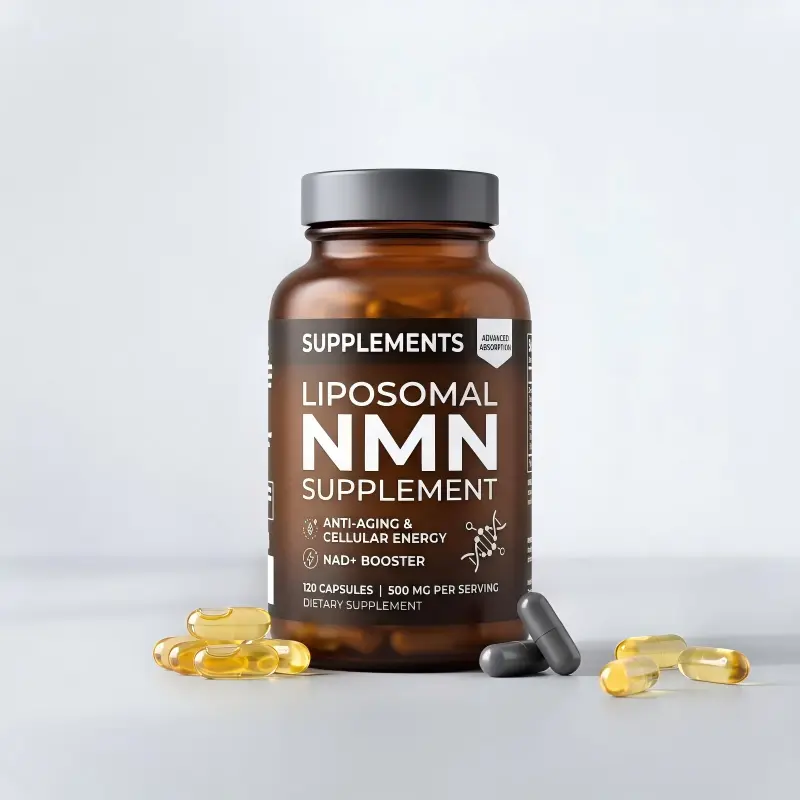
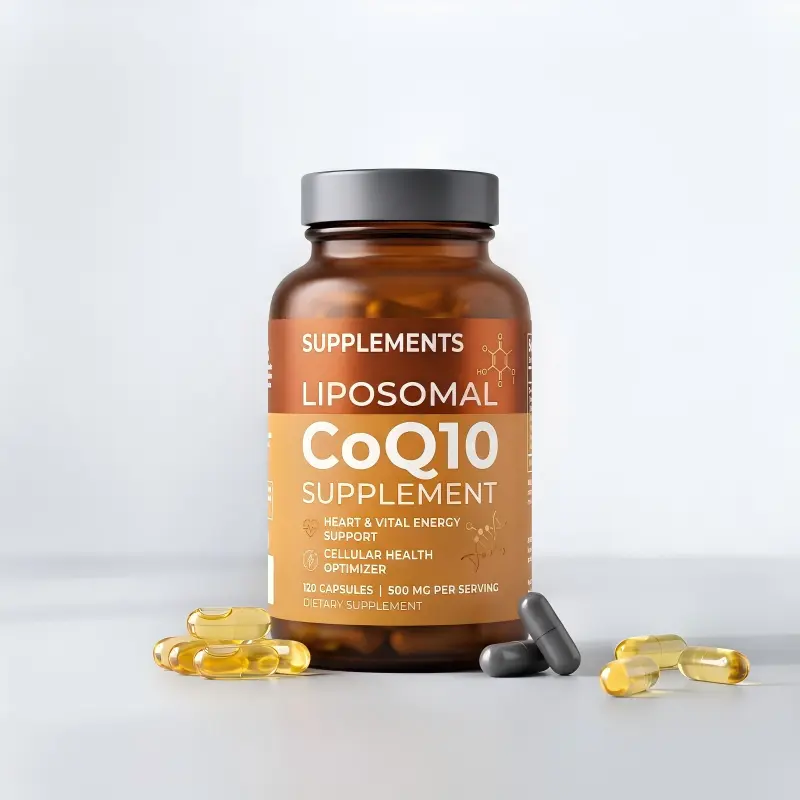
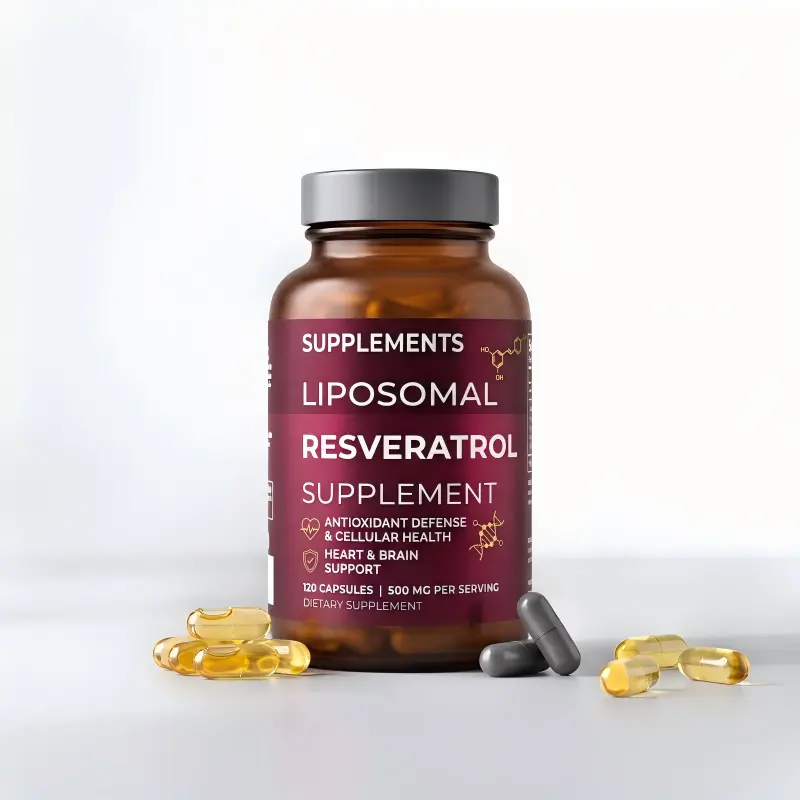
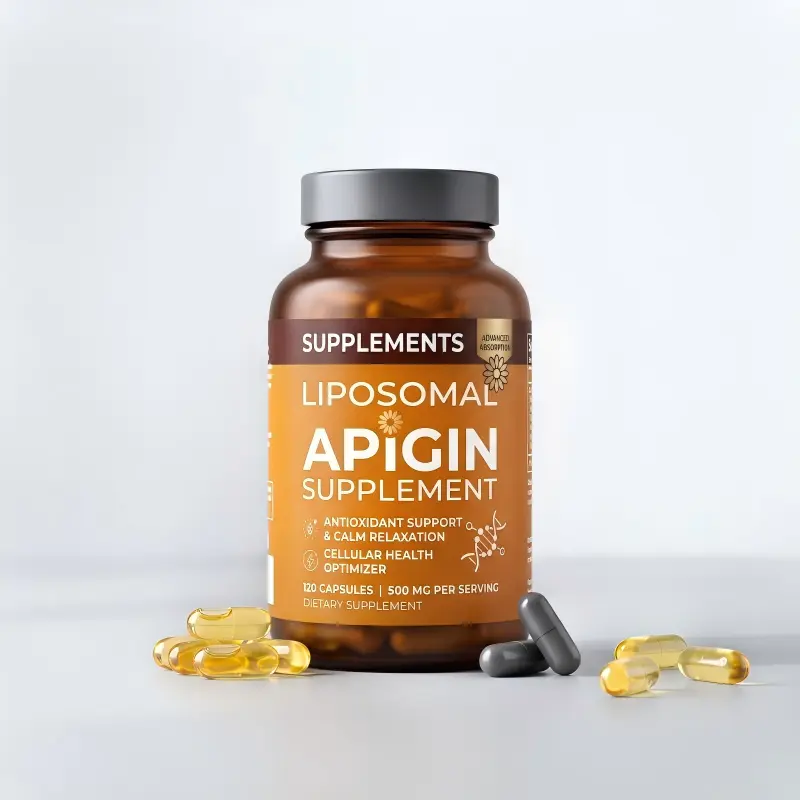
Related Liposomal Products
Ready to Launch Your Sulforaphane Supplement?
Whether you are developing a practitioner-grade NRF2 formula, a premium longevity supplement, or a broccoli sprout extract product for mass retail, KSNutripharma’s formulation scientists and regulatory team can guide you from concept to commercial launch.
What You Can Request
- Formula Recommendation: Tell us your target market, positioning, and budget. We will recommend the optimal raw material, dosage form, and formulation approach.
- Sample Evaluation: Evaluate our glucoraphanin raw materials, prototype capsules, or finished product samples before committing to full production.
- Manufacturing Quotation: Receive a detailed quote including raw materials, manufacturing, testing, packaging, and logistics — with no hidden fees.
- Stability Assessment: For custom formulations, we provide a preliminary stability risk assessment based on your ingredient list and target shelf life.
- Packaging Proposal: Get recommendations on bottle, cap, desiccant, and label specifications optimized for sulforaphane stability and shelf impact.
- Regulatory Consultation: Understand the compliance requirements for your target markets before you invest in formulation or label design.