
Focus Supplements Contract Manufacturing Solutions
Calm attention, acute focus, or mental performance under load as finished SKUs
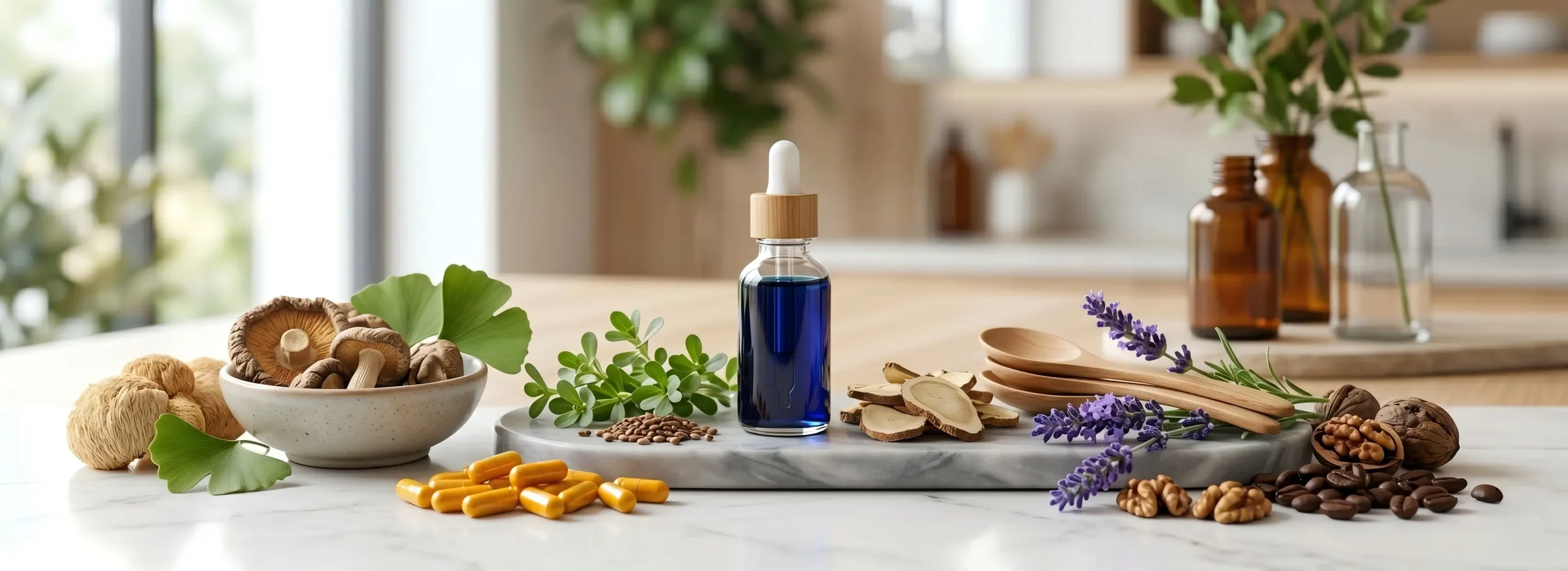
KS Nutripharma is a focus supplements manufacturer for OEM, ODM, private-label, and second-source programs.
New SKU — destination, job, lead active, format. Request Formula Feasibility
Existing formula — BOM, COA, label, pack. Send Your BOM
Second source — current specification, BOM, COA. Request a Second-Source Review
Typical first reply is within one business day on a complete brief. NDA available before detailed formula exchange.
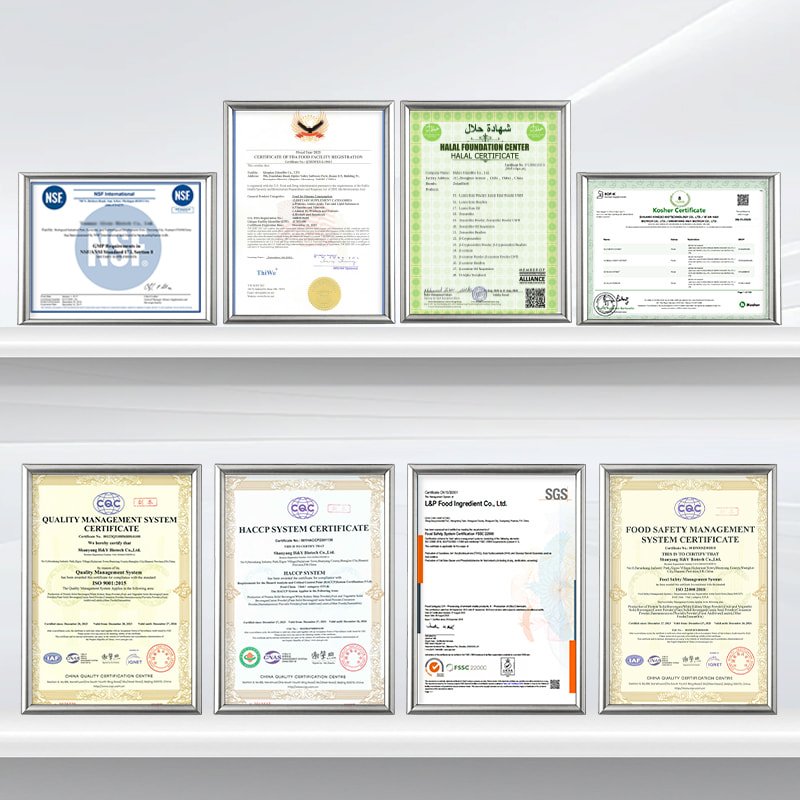
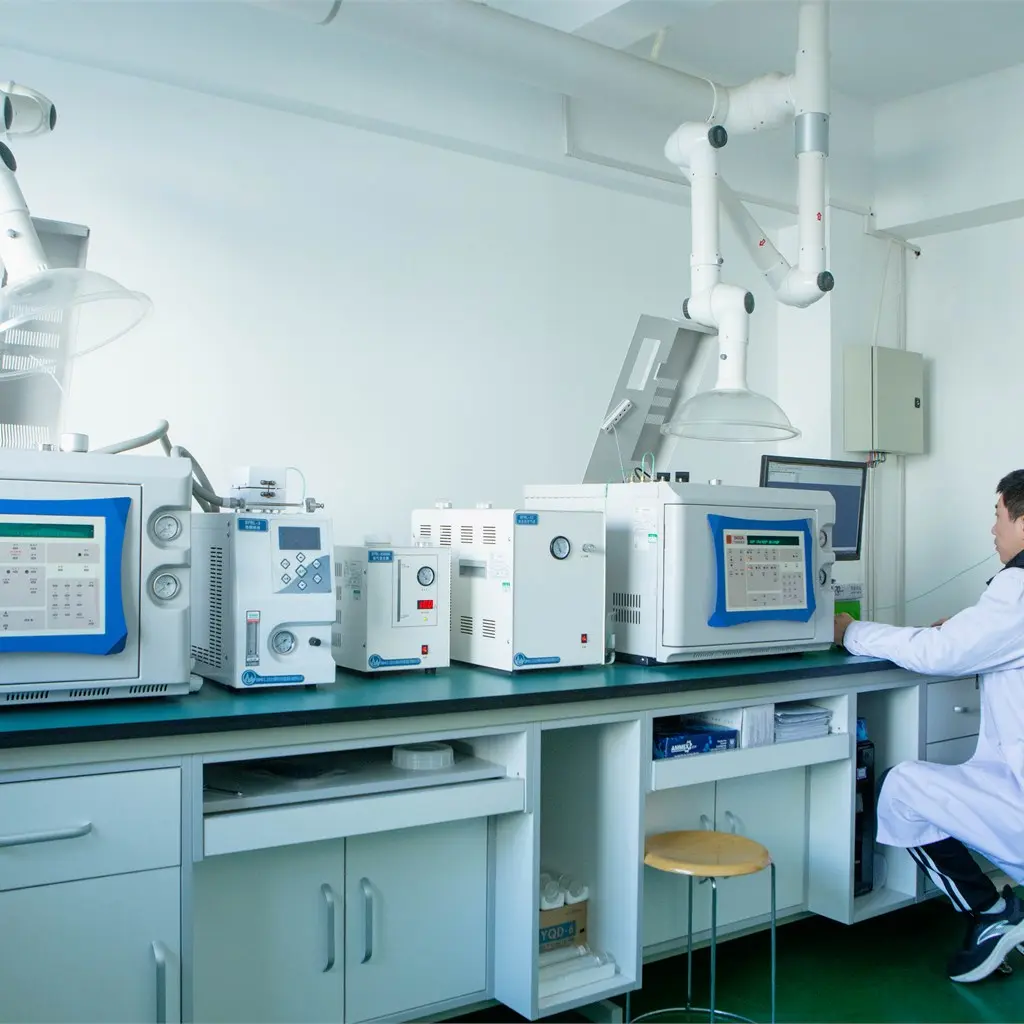
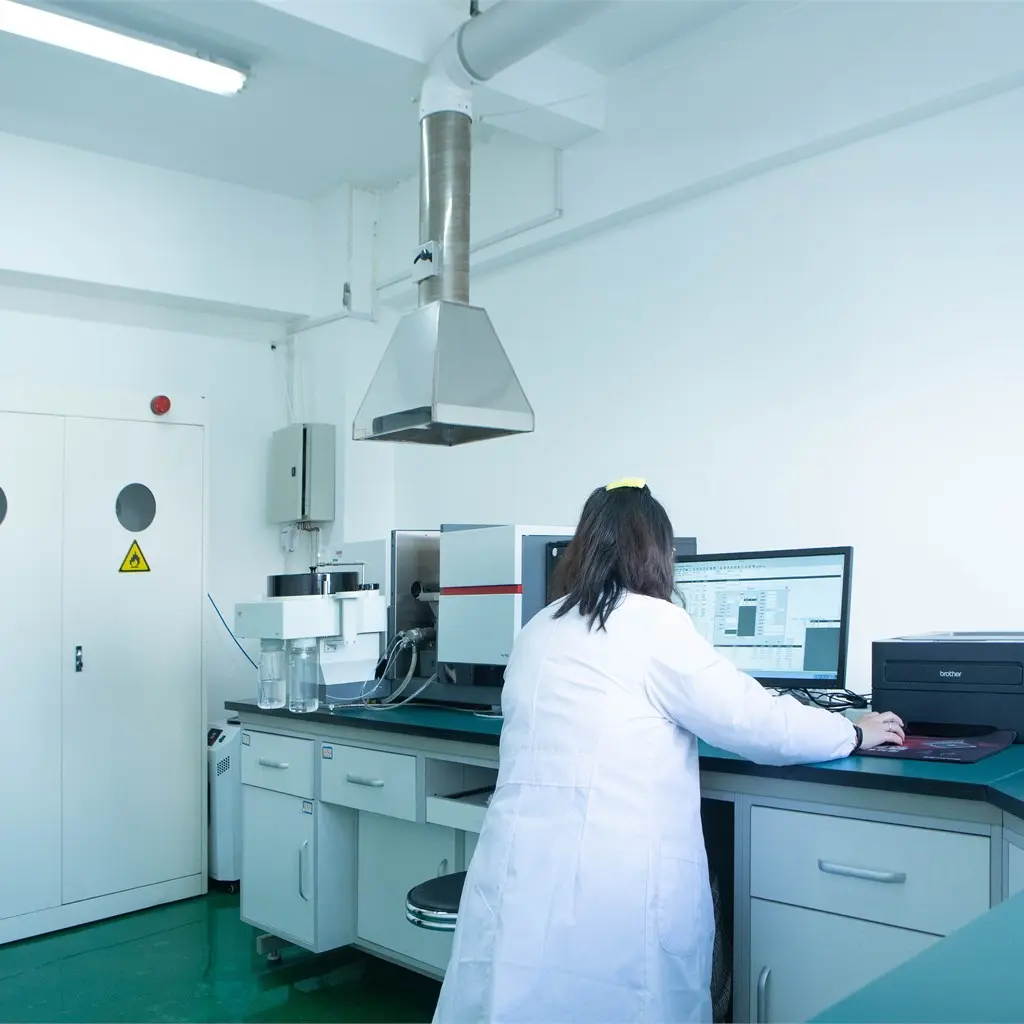
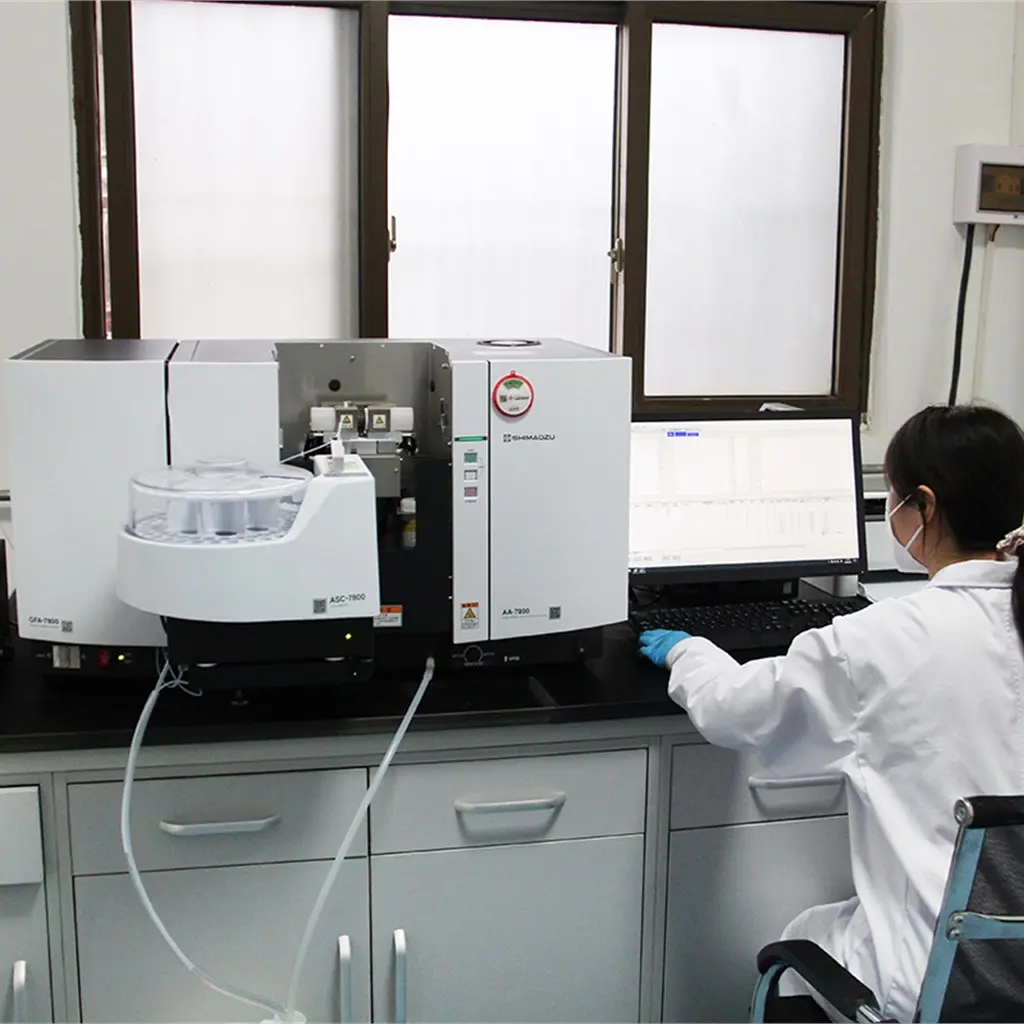
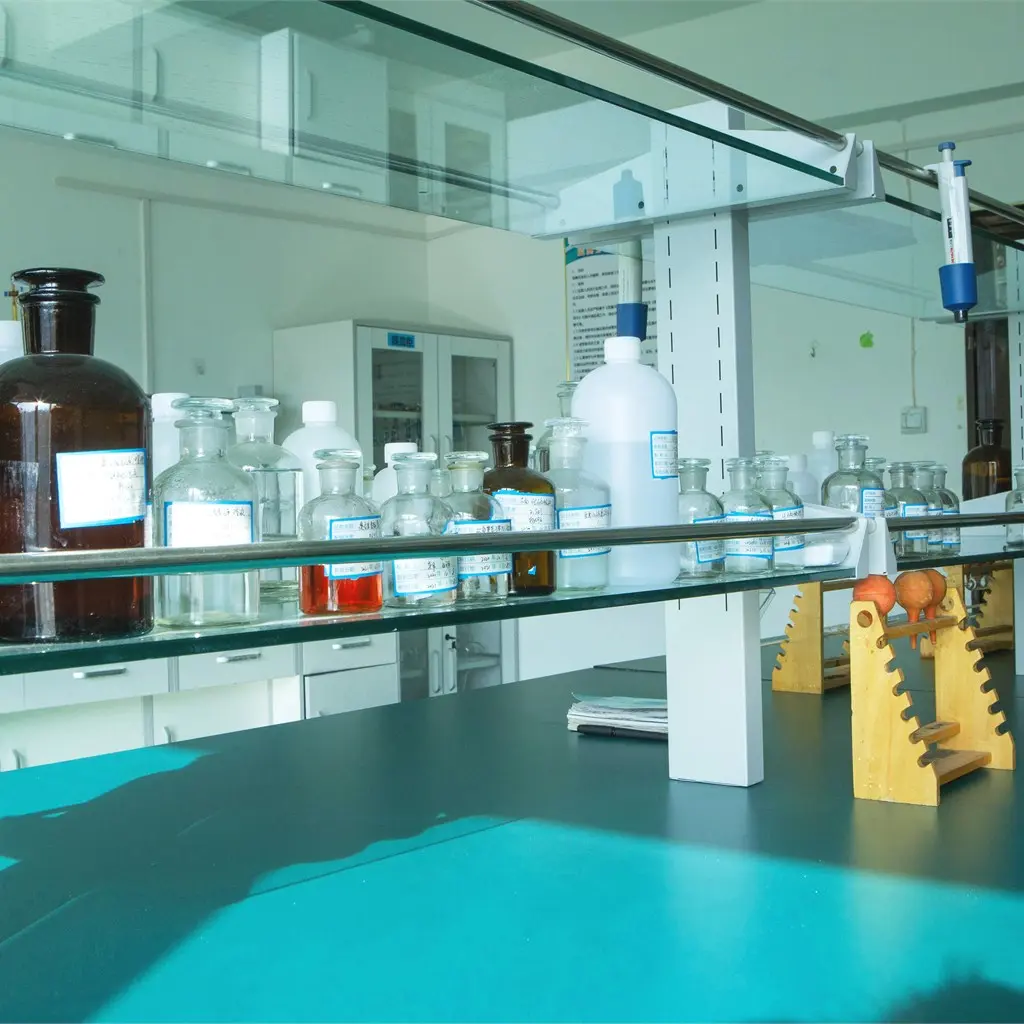
cGMP · ISO 9001 · ISO 22000 · HACCP · FSSC 22000 · Halal · Kosher · in-house lab + SGS/Eurofins pathways · batch COA
Focus Supplement Manufacturing at a Glance
| Capability | What We Support |
|---|---|
| OEM routes | New SKU, existing formula, second-source against an approved specification |
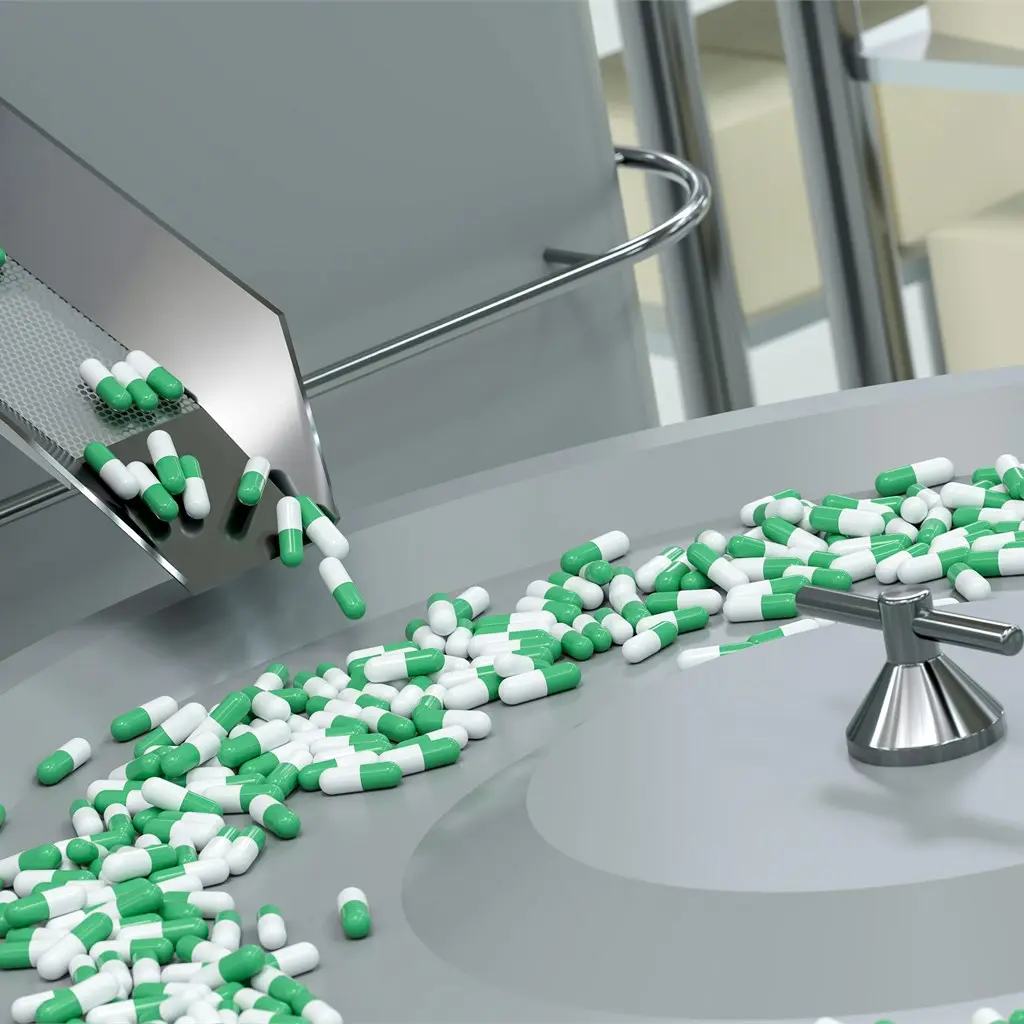
| Core formats | Capsules, tablets, powders/sticks, and project-specific gummies |
| Lead identities | L-theanine, citicoline, Alpha-GPC, L-tyrosine and Rhodiola rosea |
| Quality | Incoming identity and finished-product verification against the approved specification |
| Commercial | MOQ quoted after formula, format and pack lock |
| Caffeine boundary | Anhydrous caffeine and caffeine salts are outside this manufacturing line. Named botanical caffeine extracts may be reviewed when the source, caffeine assay and destination are specified |
Choose the Focus Job: Calm Attention, Acute Focus or Mental Performance Under Load
An unnamed “focus complex” weight is not a quote.
Calm Attention
Quote when: daytime attention without a stimulant story.
Lead: L-theanine, or theanine + citicoline as two printed rows.
Acute Focus
Quote when: same-day work or study attention.
Lead: citicoline or Alpha-GPC or L-tyrosine — one identity, not three milligrams stacked as one line.
Mental Performance Under Load
Quote when: Rhodiola rosea carries mental performance under load.
Lead: species, plant part and marker method on the same line.
Focus Ingredient Matrix
Pick identity, form, assay window and method before comparing quotes. Percentages below are commercial windows on the grade — development references, not intakes.
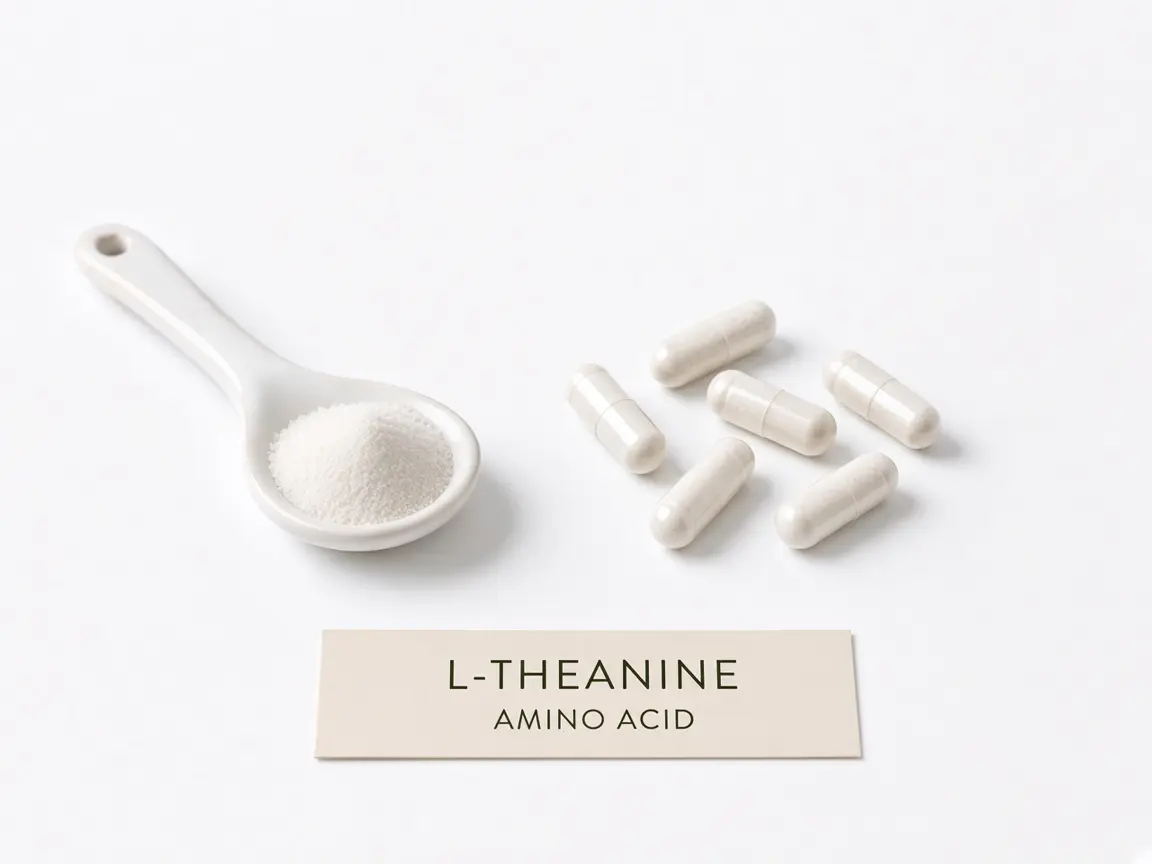
L-theanine amino-acid specification for a calm-focus SKU
Common brief: Calm-attention SKU
Identity: L-theanine. Green-tea extract DER is a different identity.
Form: Amino-acid powder. Source and manufacturing process sit on the same file.
Spec window: Common commercial specifications are often stated at ≥98% L-theanine, subject to the approved supplier specification. Licensed names print only with authorization.
Method: HPLC (or the named method on the spec).
Format: Capsule
Quote split: Amino-acid milligrams vs a green-tea DER (catechins / residual caffeine) are separate materials.
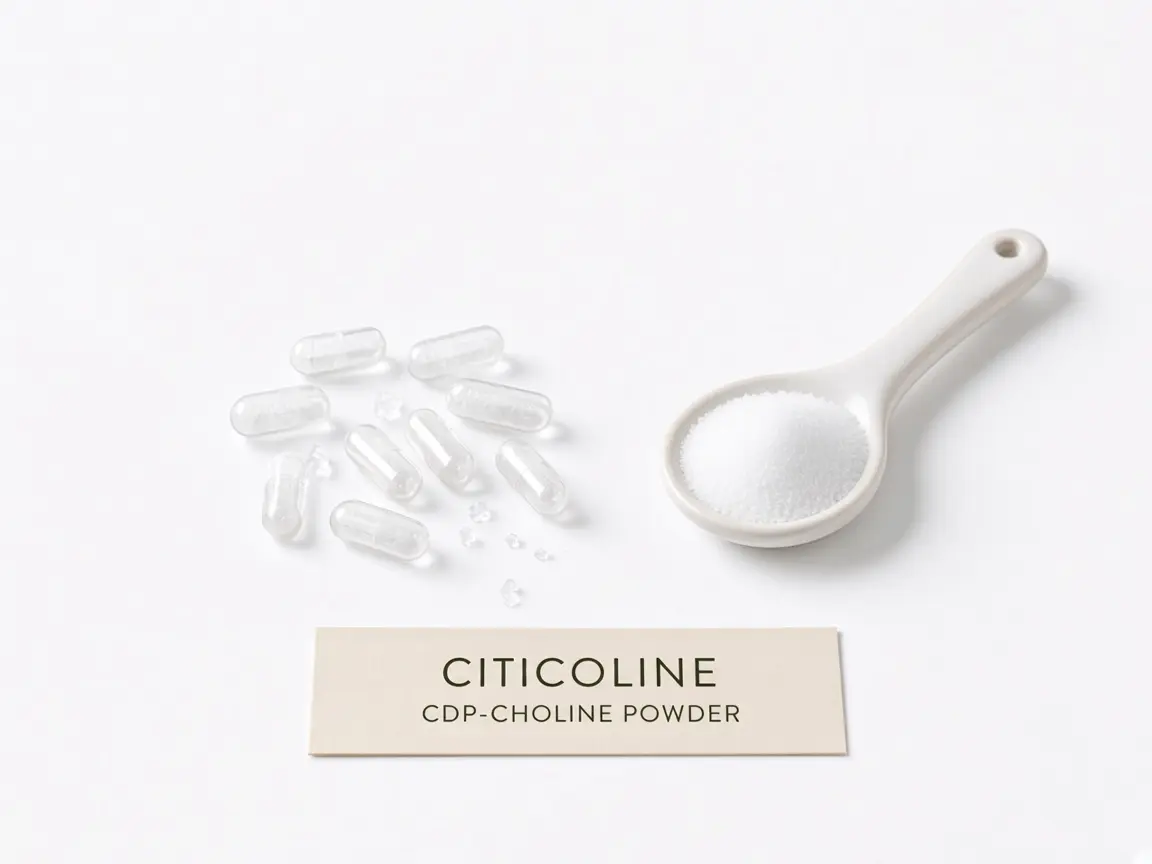
Citicoline capsule specification for an acute-attention SKU
Common brief: Acute-attention choline
Identity: Citicoline (CDP-choline), declared as citicoline
Form: Dry powder for capsule fill; gummy after cook-and-assay on the piece
Spec window: Milligrams as citicoline. Alpha-GPC and choline bitartrate are different POs.
Method: HPLC (or the named method on the spec).
Format: Capsule
Quote split: Citicoline milligrams do not fill as Alpha-GPC. Licensed grades print only with authorization.
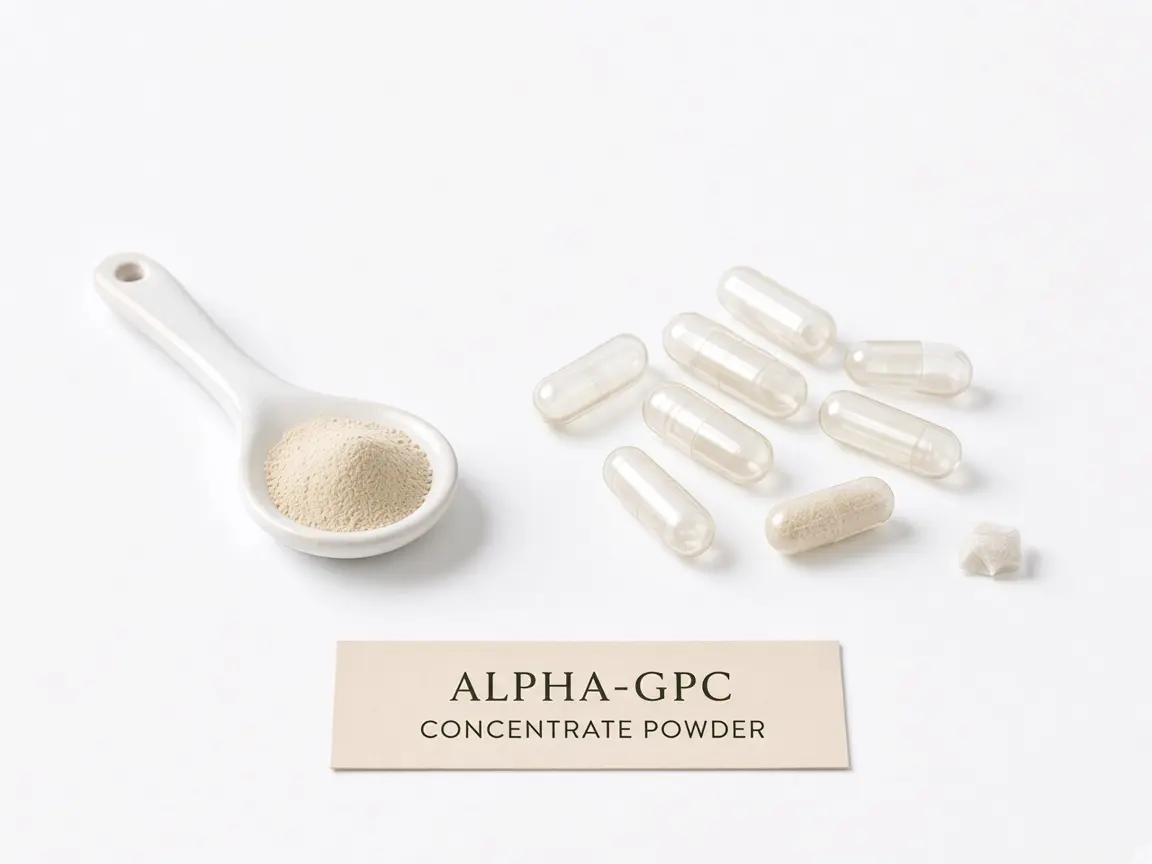
Alpha-GPC concentrate on a moisture-controlled focus fill file
Common brief: Acute-attention choline (second PO)
Identity: L-alpha-glycerylphosphorylcholine
Salt / grade: 50% concentrate (carrier named) · 99% concentrate
Form: Hygroscopic powder; capsule or powder with a moisture / Aw file
Spec window: Declare milligrams as Alpha-GPC, not as concentrate weight. 50% and 99% are different fills at the same printed milligram.
Method: HPLC (or the named method) + moisture on the same file.
Format: Capsule; powder with a moisture file
Quote split: 50% vs 99%, and Alpha-GPC vs citicoline, are separate materials.
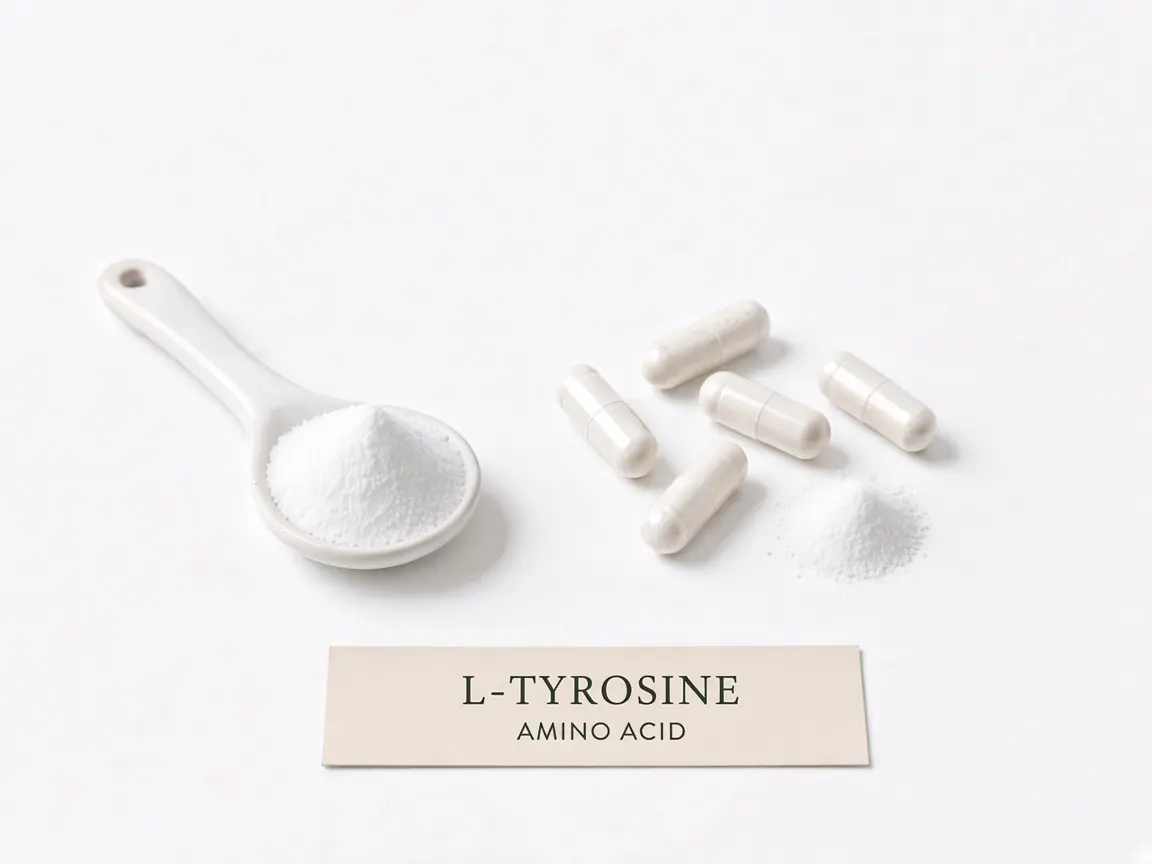
L-tyrosine fill file for an acute-focus capsule or powder
Common brief: Acute-attention amino acid when the serving is tyrosine
Identity: L-tyrosine. N-acetyl-L-tyrosine is a separate identity.
Form: Amino-acid powder for capsule fill; powder / stick when unit count is impractical
Spec window: Serving weight vs practical capsule count. Ready-to-drink tyrosine is a separate solubility file.
Method: HPLC (or the named method on the spec).
Format: Capsule; powder when unit count is impractical
Quote split: L-tyrosine and NALT are separate materials. Mucuna / L-DOPA stays off this line.
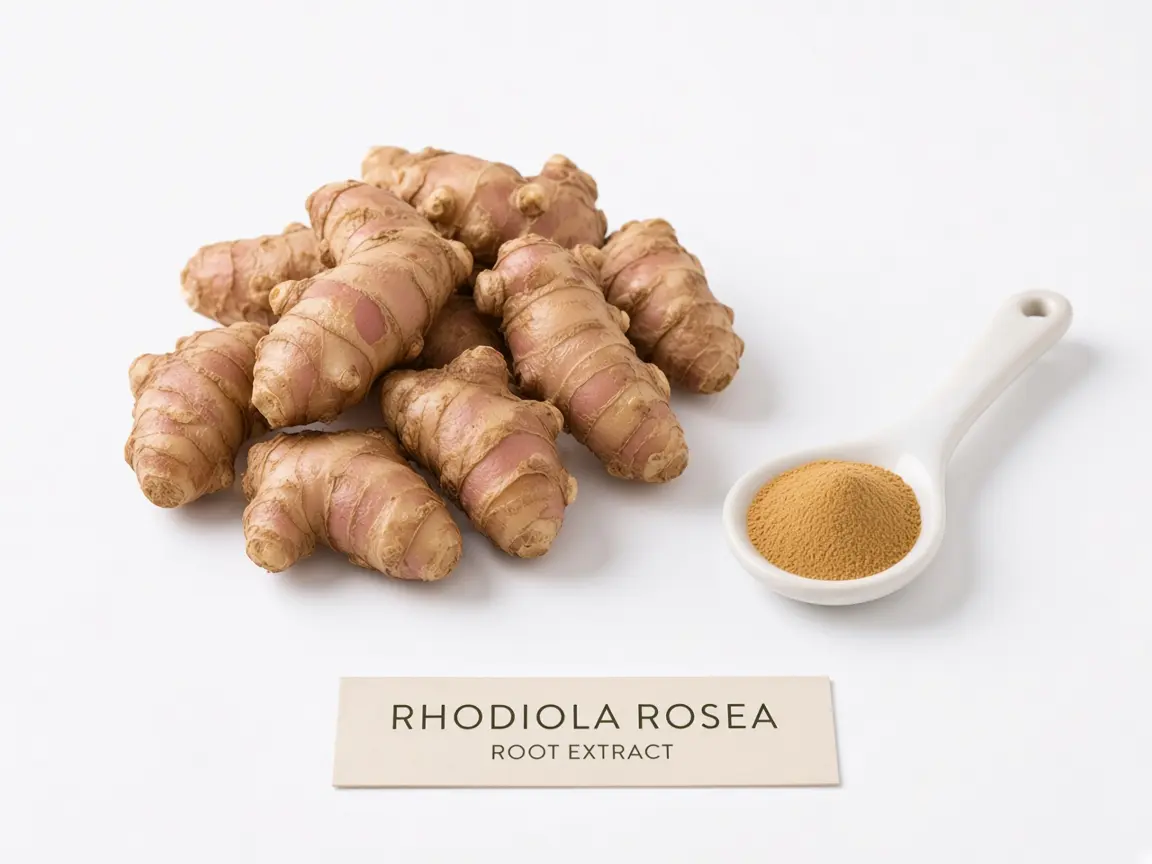
Rhodiola extract for fatigue-resistance focus
Common brief: Mental performance under load
Identity: Rhodiola rosea (R. crenulata is a different species file)
Plant part: Root / rhizome (default). Aerial or unnamed herb is a different PO.
Form: Root powder · named-ratio extract · dual-marker extract
Spec window: Common commercial specifications include 3% total rosavins / 1% salidroside, with other specified ratios such as 3%/2%, 5%/1% and 5%/2% quoted separately.
Method: HPLC for total rosavins and salidroside. Rosavin (single peak) is not total rosavins. Powder lots lock identity (HPTLC or the named method).
Format: Capsule
Quote split: A “3% standardized” line without both analytes is not a grade.
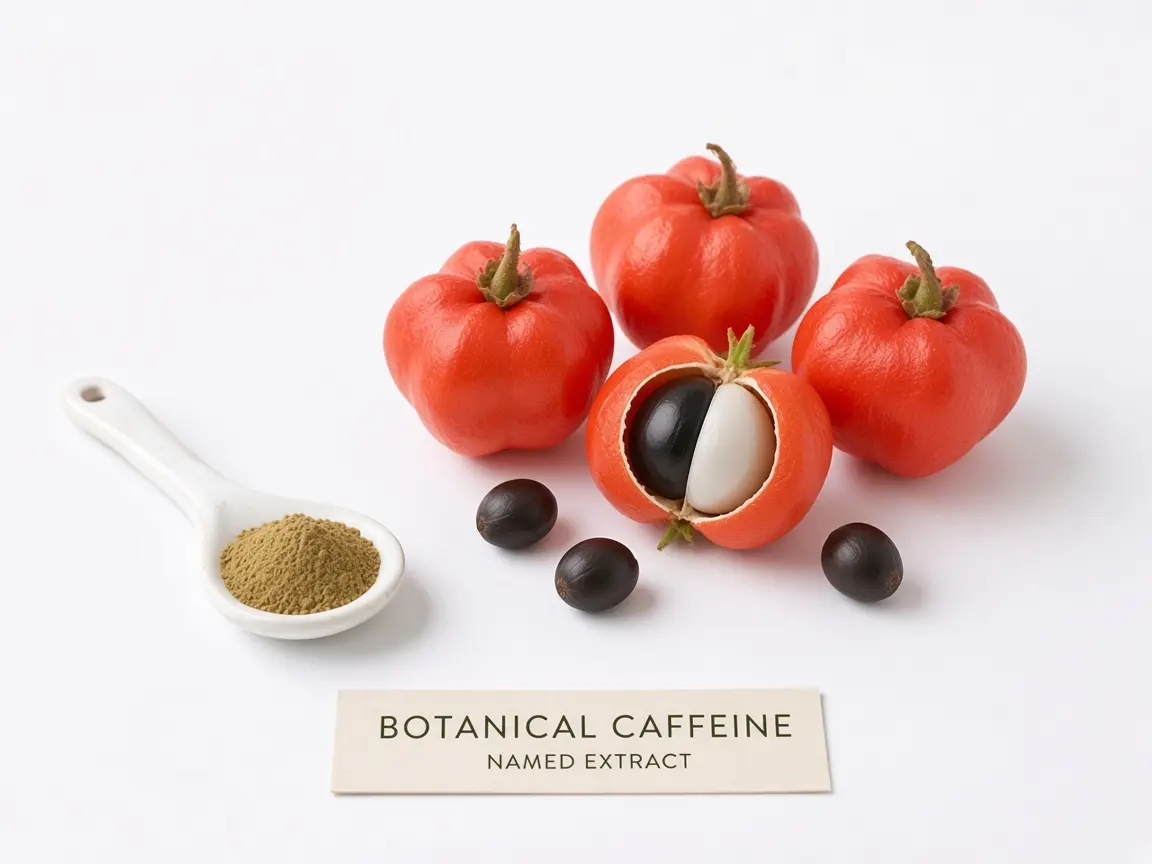
Named botanical caffeine extract with caffeine percent and milligrams per serving
Common brief: Customer-named botanical caffeine row
Identity: Botanical species + plant part + caffeine assay
Form: Named extract. Green-tea EGCG is a separate row.
Spec window: Caffeine % on the extract and milligrams of caffeine per serving.
Method: Named caffeine assay.
Format: Capsule
Quote split: Extract caffeine % without milligrams per serving is not a quote. Licensed names print only with authorization.
Formula Architecture: What Changes the BOM
Each printed row keeps its own identity, weight and assay basis. Development milligram bands are RFQ figures, not intakes.
Citicoline acute-focus SKU
Use when: One labeled active carries the finished unit.
Specify: One identity and one assay basis — theanine, citicoline, Alpha-GPC, tyrosine, or rhodiola as locked on the matrix.
Trade-off: A second printed assay becomes the pair or a multi-active file.
Theanine and citicoline dual-assay focus SKU
Use when: Both identities print on one panel.
Specify: Two rows, two assays.
Trade-off: One blend weight cannot carry two assays.
Use when: Additional identities print besides a single lead or the theanine + citicoline pair.
Specify: Each botanical or nutrient row stays separately specified.
Trade-off: Fill, pack and destination review scale with every extra printed assay.
Focus SKU vs Memory, Brain Health or Cognition Assortment
Customer brief | Route |
|---|---|
| Daytime attention | This manufacturing file |
| Memory recall or encoding | Memory supplements |
| Broad brain-health positioning | Brain health supplements |
| Multi-SKU cognition portfolio | Cognitive and mental health supplements |
Choose the Focus Format: Capsules, Tablets, Powder or Gummies
Capsules are the standard route. Tablets, powders/sticks and gummies are quoted after press, fill or cook parameters are locked. Liquid projects are reviewed separately after product-class and assay-per-mL feasibility.
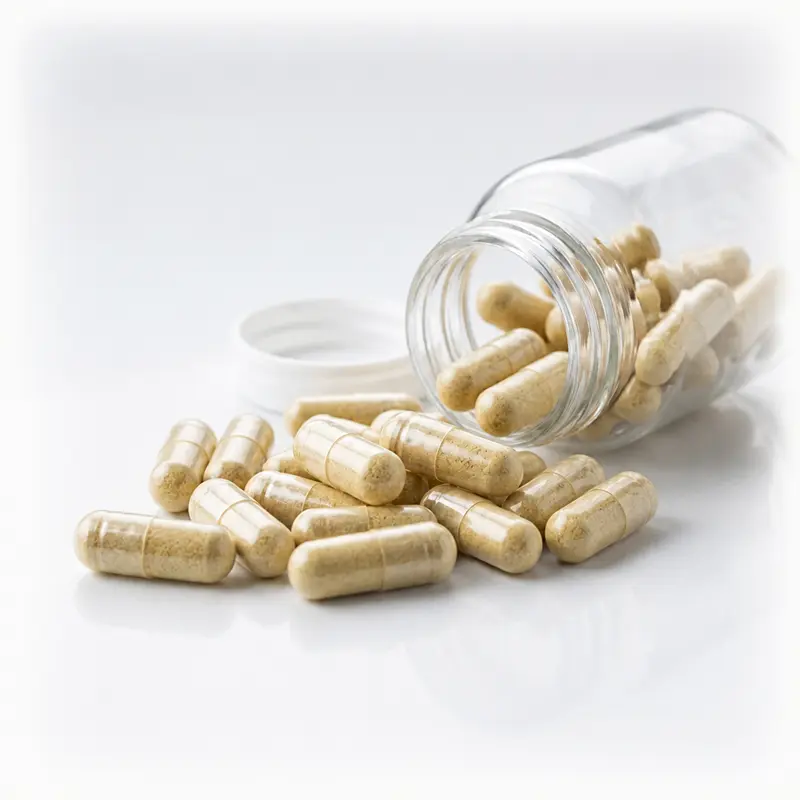
Best for: Theanine, citicoline, Alpha-GPC, tyrosine, rhodiola and dry multi-active fills.
Key constraint: Size 0 typically holds about 350–450 mg; size 00 about 500–650 mg, confirmed against tap density.
What to lock: HPMC vs gelatin; unit count versus serving; moisture file when Alpha-GPC is the fill.
Manufacturing note: Fill weight follows tap density of the approved grade.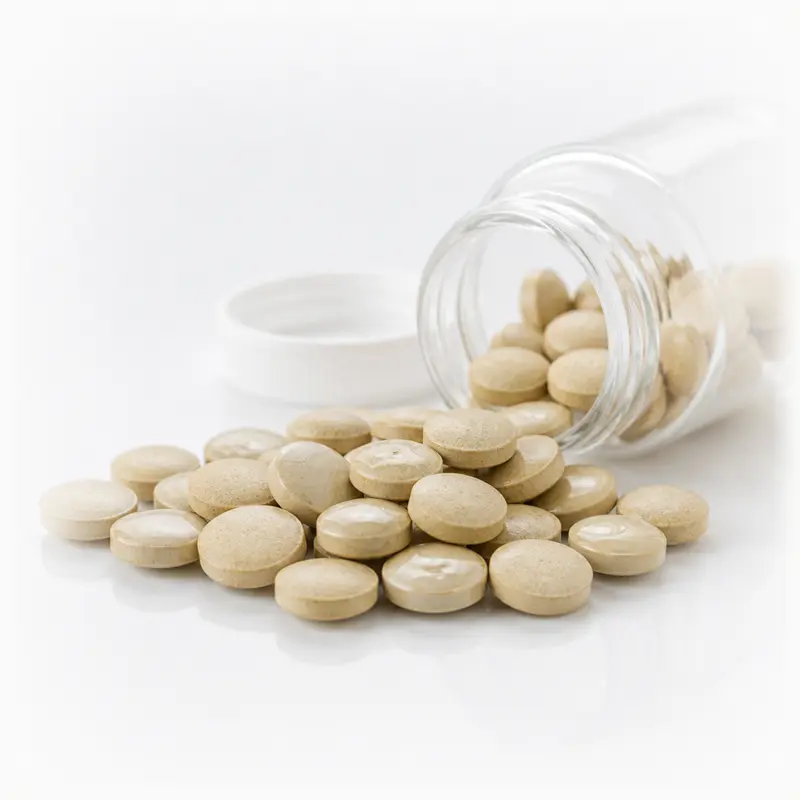
Best for: A compact theanine or rhodiola count, or a tyrosine load that compresses.
Key constraint: Compression load, odor/color control.
What to lock: Tooling, tablet weight, hardness, coat if specified.
Manufacturing note: Capsule-to-tablet conversion is re-validated before a press run.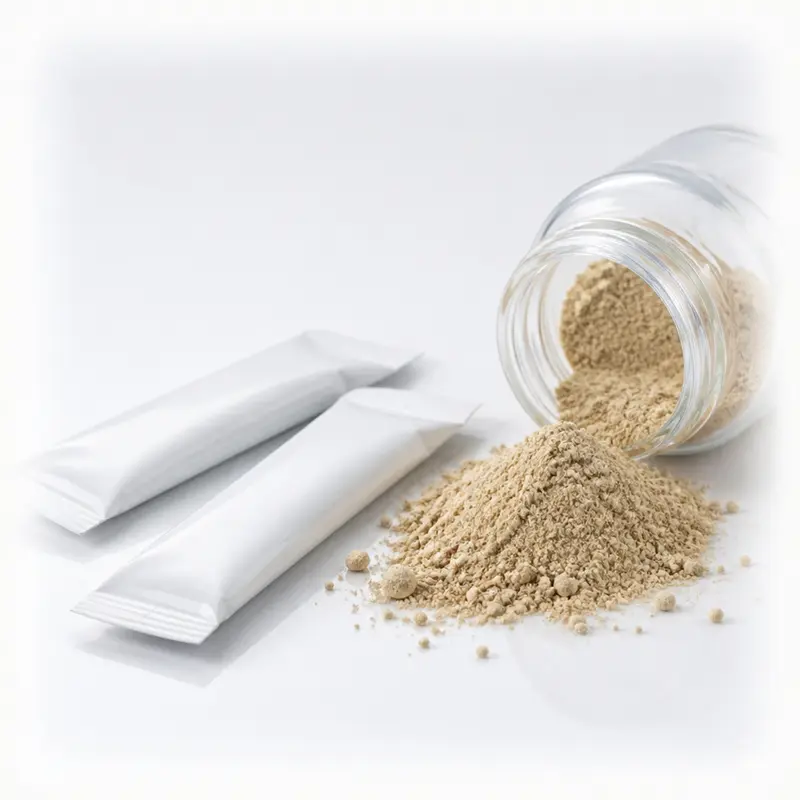
Best for: A tyrosine or Alpha-GPC serving that will not fit a practical capsule count.
Key constraint: Mesh, tap density, water activity, solubility and sensory if the serving is drunk.
What to lock: Mesh, water activity, flavor if drunk, barrier film.
Manufacturing note: Ready-to-drink tyrosine is a separate solubility brief.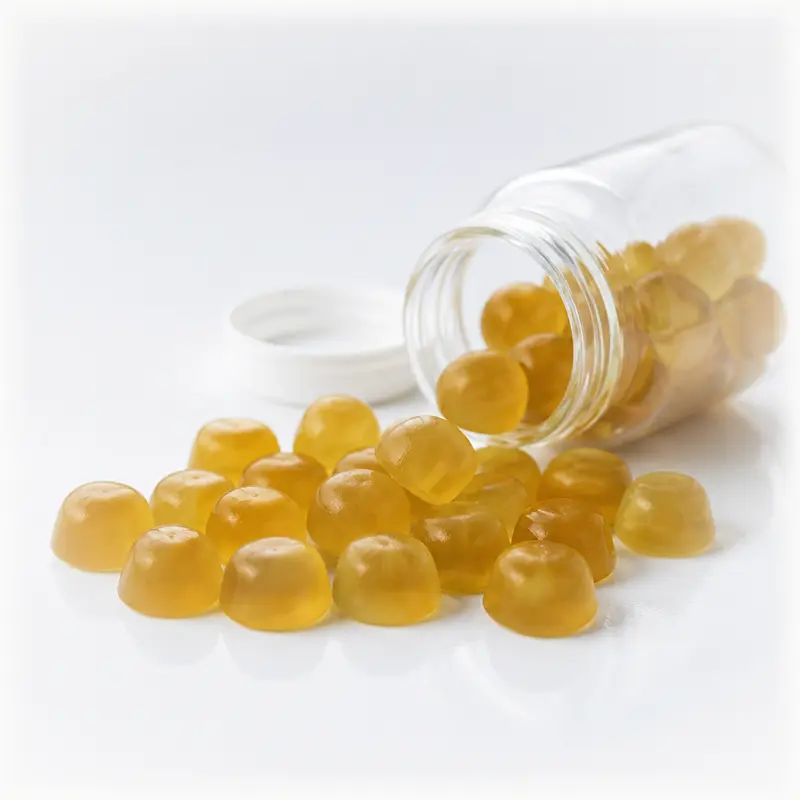
Best for: A citicoline hero row after cook-and-assay on the piece.
Key constraint: Heat exposure, cook yield, piece weight and water activity can affect finished-piece potency.
What to lock: Finished-piece assay; pectin vs gelatin; flavor; sugar or sugar-free.
Manufacturing note: Finished-piece assay determines the final declared potency; drum % is not finished-piece potency. Alpha-GPC gummies stay a hygroscopic project.
Brief problem | What it does to the quote | What to send |
|---|---|---|
| Green-tea extract written as theanine | Catechins, residual caffeine and theanine milligrams can be three rows | Amino-acid identity, or DER + caffeine % if tea extract is intended |
| “Choline 300 mg” | Citicoline, Alpha-GPC and an elemental salt are different POs | One chemical identity and active basis per line |
| Alpha-GPC 50% vs 99% without a moisture file | Capsule count and pack change | Concentrate grade, carrier, water activity |
| NALT treated as upgraded tyrosine | Different assay and label row | Name L-tyrosine or NALT |
| Rhodiola as a percentage only | Species, part, DER and method each reopen the PO | Full botanical line |
| Gummy drum % as the label | Cook moves what the piece can declare | Finished-piece assay after the cook |
Second-source objective: preserve the approved finished-SKU specification while qualifying an alternate manufacturing route.
Same ingredient name is not equivalency.
| Your situation | KS route |
|---|---|
| Existing theanine, citicoline, Alpha-GPC, tyrosine or rhodiola unit | Match the approved identity, method and format |
| Existing theanine + citicoline | Two rows stay two rows |
| Existing licensed branded grade | Authorization on the same brief |
| Existing ashwagandha, Bacopa or DHA “focus” story | Route to the file that owns that job |
Second-source process (existing SKU only): qualification → specification review → equivalency sample → pilot approval → frozen master specification.
Second-source qualification is not complete when the sample looks the same.
Not substituted without review: L-theanine ↔ green-tea extract · citicoline ↔ Alpha-GPC · Alpha-GPC 50% ↔ 99% · L-tyrosine ↔ NALT · rhodiola species or marker method · licensed grade name ↔ house extract.
Incoming COA qualifies the raw material. Finished-product testing verifies the manufactured SKU against its approved specification.
Incoming identity → in-process controls as specified → finished-product verification → release → documented change control before any material, supplier or process substitution.
See Quality Control. After a gummy cook, assay is done on the piece. A qualified alternate raw material is not an automatic swap. Results outside specification go on hold. NDA before detailed formula exchange.
Packaging inputs are part of the manufacturing specification when moisture, odor, light or water activity affects product stability.
Product risk | Packaging decision |
|---|---|
| Hygroscopic ingredients such as Alpha-GPC | Moisture barrier + desiccant; higher-barrier blister when the pack/stability file requires it |
| Odor or color transfer | Bottle plus desiccant; coat or blister when transfer is a risk |
| Light-sensitive formula | Light-barrier pack on the artwork file |
| Gummy water activity | Film and piece-integrity review after the cook |
A barrier pack reduces a named risk; it does not by itself establish shelf life.
Finished-SKU MOQ is quoted after formula, format, serving and pack lock. Target order quantity / annual volume belongs on the same brief. Pilot and bulk-ingredient kilograms are separate RFQs.
Figures below are an indicative planning range after specification and pack lock, not a service-level commitment.
Typical planning clock: sample development 7–15 days; commercial production commonly 30–45 days after specification, artwork, packaging and production schedule are locked.
| Format | Indicative planning range after specification and pack lock |
|---|---|
| Capsules | 3,000–5,000 units/SKU |
| Tablets | 5,000–10,000 units/SKU |
| Gummies / powder | Quoted after the format file is locked |
Development work sits with the R&D Center.
Two quotes are comparable only when identity, method, milligram basis, format, serving and destination match.
New SKU
Send: destination · job · lead active · target milligrams · format · pack · quantity.
Existing formula
Send: BOM · COA · label · pack · test panel · current volume.
Second source
Send: specification · BOM · COA · label · pack · QA questionnaire · volume.
Request a Second-Source Review
KS reviews: identity → assay basis → format → destination → quotation inputs.
You receive: specification gaps, manufacturing route, quotation basis and the next sampling step.
This sequence applies to every brief. Existing-SKU equivalency follows the second-source process above.
1. RFQ review — brief, destination, formula, format and target quantity.
2. Specification check — identity, assay basis, method, serving and pack.
3. Feasibility and quotation — confirm the manufacturing route, specification gaps, testing and quotation basis before sampling where applicable.
4. Sample against the reviewed specification.
5. Pilot and production — freeze the master specification, then schedule commercial production.
Incomplete briefs are still usable — KS names the missing fields first.
“Focus” is a commercial positioning term, not a regulatory ingredient category.
EU and UK projects lock these fields on the same brief:
- Citicoline — EU projects are checked against the applicable EU novel-food status, authorization conditions and labelling requirements for the specified ingredient.
- L-theanine — source and manufacturing process are locked for the EU file. Novel-food status is reviewed against the specific ingredient and process.
- Alpha-GPC — EU projects require a novel-food status check for the specific ingredient, source, composition and intended use before quotation. US projects can enter formulation feasibility on the same identity.
- Rhodiola — where applicable, CITES Appendix II requirements are checked against species, material form and shipment configuration.
Manufacturing support is not legal approval. Brand-owner counsel owns the finished label. Cognizin®, Suntheanine®, Zynamite® and similar licensed grades require customer authorization. NSF / USP requirements are handled only when specified in the RFQ and supported by the applicable documentation. Organic programs, ADHD positioning and prescription-stimulant pathways are outside this line.
Can you manufacture a focus supplement without caffeine?
Yes. Theanine, citicoline, Alpha-GPC, tyrosine and rhodiola briefs are quoted without a caffeine row.
How do you compare Alpha-GPC and citicoline specifications in an RFQ?
First lock the chemical identity and declared-active basis. For Alpha-GPC, also lock concentrate grade and carrier; for citicoline, quote the declared milligrams as citicoline.
What happens when a focus formula does not fit one capsule?
Size 0 and 00 fill is confirmed against tap density. A serving that will not fit a practical count is reviewed as a tablet or powder/stick — tyrosine load and Alpha-GPC concentrate grade are the usual triggers.
Can you qualify KS as a second-source manufacturer for an existing focus SKU?
Yes. The job is to preserve the approved finished-SKU specification while qualifying KS as an alternate manufacturing route. Qualification is not complete when the sample looks the same.
Can gummies carry a declared citicoline dose after cooking?
After cook-and-assay on the piece. Drum % is not finished-piece potency. Alpha-GPC gummies stay a hygroscopic project.
Who Uses This Manufacturing Route
New brands, product managers, formulators, procurement, QA / RA and importers use this file for finished focus SKUs — new development, an existing formula, or a second source.
Certifications · Manufacturing Capacity · About Us
Start Your Focus Manufacturing Project
New SKU — Request Formula Feasibility
Existing formula — Send Your BOM
Second source — Request a Second-Source Review
Related Focus Supplement Pages
Disclaimer: Wholesale / brand manufacturing and product-development reference only. Not intended to diagnose, treat, cure, or prevent any disease. Dietary supplements are not drugs. Structure/function language, ingredient status, and product classification vary by country. Brand owners remain responsible for finished-label compliance with local counsel. KS Nutripharma provides manufacturing feasibility and documentation support — not legal approval. Milligram figures, grade percentages, fill windows, and formula examples are development references, not recommended intakes or catalog guarantees. Branded ingredient names appear only as customer-licensed options, not as default house grades.